
Research article · 2022 · Full text
International Journal of Agriculture and NutritionThe significance of disadvantaged crop species to improve food systems and security in the changing climate: Learning from Motheo District, South Africa
Volume 4(1) · Pages 44–52 · DOI: 10.33545/26646064.2022.v4.i1a.53 ↗
Research areasSeed and Plant BiochemistryAgricultural Innovations and Practices
Abstract
Author-writtenEmerging evidence indorse shifts in food production, reduction in yield due to climate variability and change. An increase in food production is a requirement to respond to the demands of the growing population worldwide. As many studies focus on underutilised and/or neglected crops. The questions are, underutilised by who? Or neglected by who? These are the indigenous ancient crop species utilised from generations to generations, which are used by most in rural areas mostly across all African countries. These crop species are utilised for consumption and medicinal purposes within localities, needs to be acknowledged, supported and not grouped as food for the “poor” or “weeds”. Besides, its promotion as a food of choice is the best climate change adaptation strategy. A huge variety of crops avails rather than relying on few crop species. Utilisation of selected few crops leaves the abundance of genetic resources for food security and nutrition. Focusing on the promotion of disadvantaged crops would provide a diversified agricultural system and food resources. Such crop species play an integral role for income generation and nutritional balance. The crop species have a great prospective to enhance crop diversity, food variety and nutrition. Field management systems plays a significant role on when to introduce weeding control mechanisms, when to harvest and which types of these crops to expect per season. With the use of transdisciplinary research approach, we provide a list of disadvantaged crop species and evidence to improve food and nutrition security, increase agricultural diversification, minimise environmental and its physiological response show resilience in the changing climate.
Summary
Source-checkedPlain-language reading of the full paper, prepared with AI and checked against the text. Each point links to the authors' own words.
Why it matters
- Extreme weather events, including droughts and floods, have negatively impacted socio-economic development in South Africa. View evidence ↗
- South Africa is projected to face a water deficit of approximately 17% by 2030, a situation worsened by climate change. View evidence ↗
- The replacement of native crops with intensive monocultures has led to biodiversity loss, simplified diets, and increased malnutrition. View evidence ↗
The question
- The study aimed to recognize the value of knowledge exchange between local indigenous people and the scientific community regarding disadvantaged crops. View evidence ↗
What they did
- The research was carried out in the Motheo district of the Free State province in South Africa. View evidence ↗
- Data was collected from 25 active crop-producing farms. View evidence ↗
- The study used a transdisciplinary and participatory approach, engaging farmers, agriculturalists, and weed specialists to identify crops and their uses. View evidence ↗
What they found
- The identified species consisted of ten leafy vegetables, one berry species, one succulent plant, and nutsedge. View evidence ↗
- Among the 12 species, Amaranth was the most preferred (100%), while wild gooseberry leaves were the least preferred due to bitterness. View evidence ↗
- During the 2015 drought, participants reported surviving primarily on indigenous crops because conventional vegetables failed during the dry spell. View evidence ↗
- In the Motheo district, 80% of the 25 surveyed homesteads rely primarily on food they produce themselves. View evidence ↗
- Indigenous crop species are rich in protein, fiber, and various vitamins and minerals, including calcium and iron, and possess antioxidant properties. View evidence ↗
- Approximately 7% of interviewed households preserve crop seeds to pass them down through generations. View evidence ↗
What it means
- The authors conclude that large-scale production of indigenous crops should be a continental African strategy to improve food security and reduce import dependence. View evidence ↗
- The authors suggest expanding the study to the entire province to better document crop species for statistical analysis. View evidence ↗
Visual summary
1 visualsIllustrations explain the paper; they do not show study data.
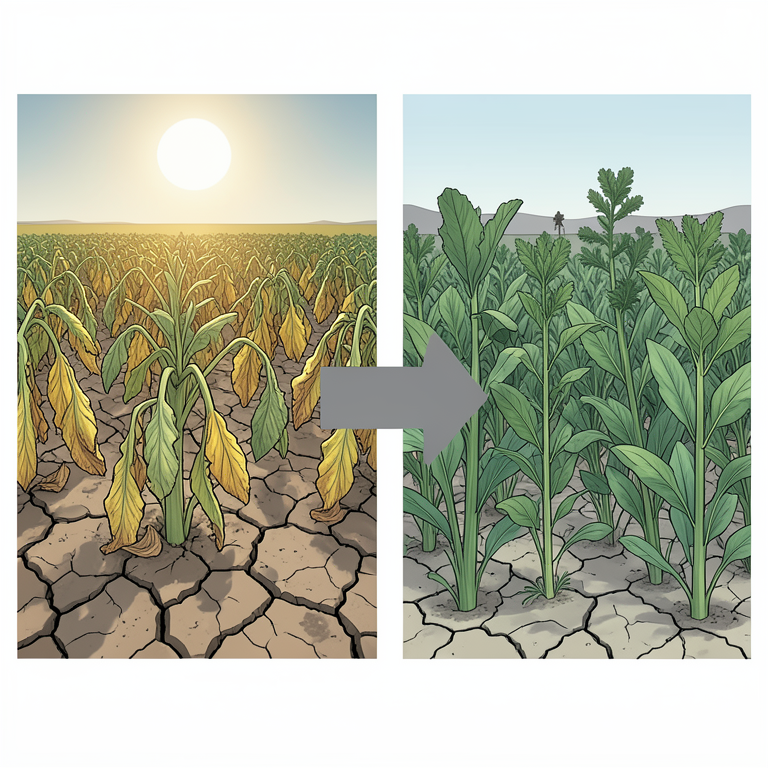
Climate Resilience Comparison
AI-generated conceptual illustration (Indigenous African crops and conventional vegetables in a drought-stricken field). It explains the idea and does not show study data.
View source evidence ↗Figures & tables
From the original paper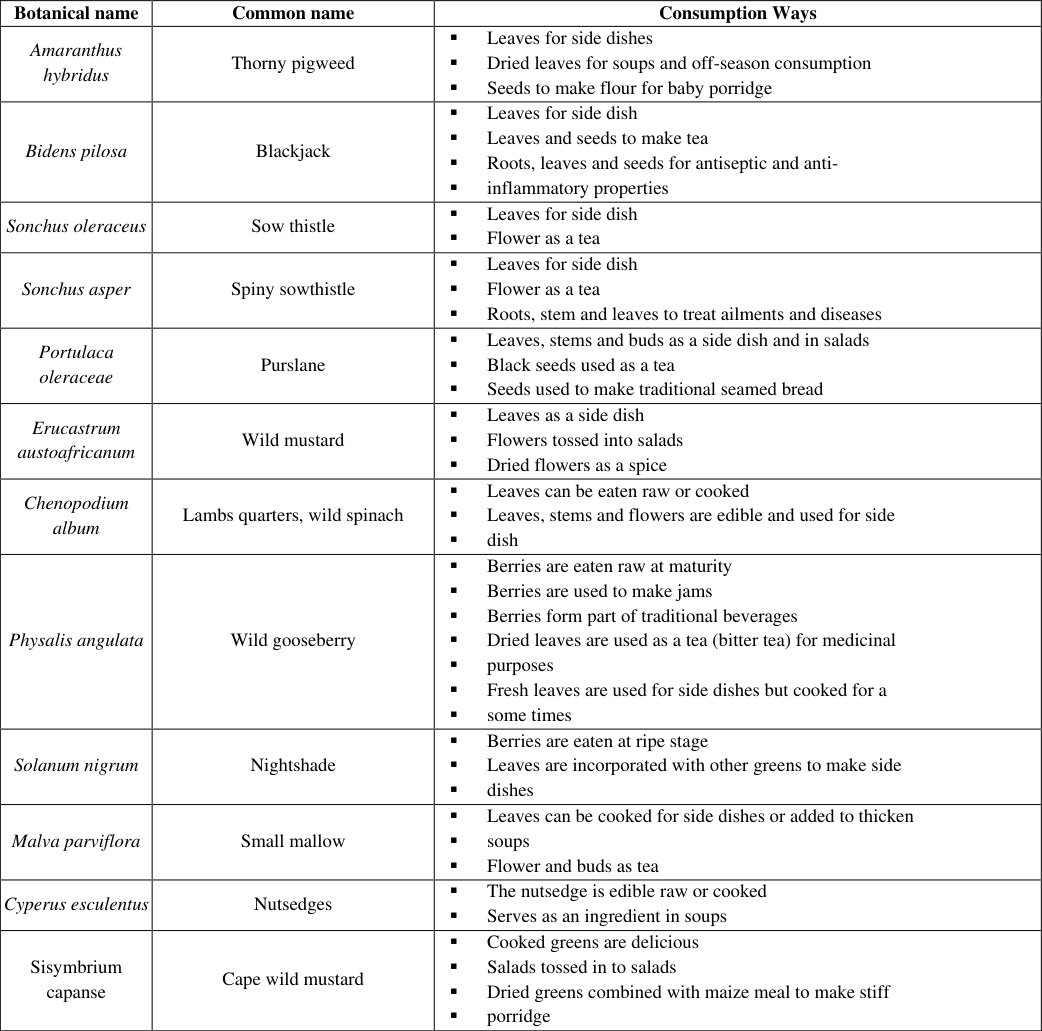 Table 1
Introduction
The South Africa's socio-economic development has been directly hampered by the recent extreme weather conditions, such as droughts, heat waves, floods, windstorms and the occurrence of pandemics. It is envisaged that by 2025 South Africa will reach physical water scarcity [1,2] . Based on the current water usage trends and the increase water demand, mostly by the agricultural and other sectors, the country is expected to approach a water deficit of about 17% by the year 2030 and this shortage will be exacerbated by climate variability and climate change. According to, The [3] , the country is listed as the 30th driest in the world, with the annual average of about 500 mm. [4] , recognized that South Africa is a water-scarce country with above 80% classified as hyper-arid and semi-arid. Weather forecasting and climate predictions have indicated an increased frequency and intensity in the occurrence of extreme weather conditions, such as droughts and floods [5] . This occurrence of these extremes pose a great threat on agriculture, which may have severe impact on the vulnerable rural households regarding food availability, security and nutrition, since crop failure and livestock condition will likely proliferate [6,7] . The impact intensifies and translates from climate to the environment, to agricultural productive domain, to economic and social dimensions, conveying a range of additional risks on food accessibility and utilization for consumers [8] . South Africa is a habitation of a variety of plant biodiversity, and the Free State being one of the main maize producing province. More so, the Free State is dominated by a number of agricultural enterprises, but, ironically, the province's agriculture and security is mostly dependent on introduced crop species. These exotic crop species have overtaken and become dominant in the formal and informal fresh markets.
Native crop species are being neglected, disadvantaged and being substituted by intensive monocultures of commodity crops, communal land for livestock, resulting to biodiversity loss [9] . Thus, exacerbate high carbohydrate consumption, dietary simplification and high levels of malnutrition. It has been proven by many studies and experiences that indigenous crop species are highly nutritious and its nutritional value super exceed introduced vegetables. Learning these food sources could help provide sustainable solutions to crop diversification, expanding food variety, undertaking malnutrition problems, and promoting rural agricultural development through local food procurement [1012] . Moreover, improving cropping systems, promoting biodiversity conservation and climate change adaptation strategies and resilience. Disadvantaged crop species have been proven to obtain high nutritional value to introduced crop species. A small number of crop species, such as wheat, rice and maize dominate as food across the world, leaving an abundance of genetic resources abandoned. The global population depends on carbohydrates, fats and proteins on a very limited crop species. The main used grains as carbohydrates for human consumption across the world are, wheat, rice and maize [13,14] . A focus merely on the productivity of recent major crops, often selected and developed under high intensive agriculture, has no capabilities to meet the challenge of food insecurity and potentially makes agriculture even more vulnerable to future biotic and abiotic stresses. These disadvantaged crops are considered as the major biotic constraints to rice, wheat, maize and many other crops produced under intensive agricultural production worldwide [15] . A large pool of disadvantaged plants offers a more diversified agricultural system and food sources essential to address the issues of food security and nutrition in the changing climate [16] . The literature prefer to address these crops as underutilised and/or neglected, but the question is, underutilised by who? And/or neglected by who? The answer could be, by migrants from rural to urban areas and well-favoured by elderly rather than younger generation. This paper prefers to use the term, disadvantaged crops, since this crops were abandoned to promote few selected crops. Many of these crops disadvantaged crop species have been identified as food for the "poor" or "weeds". What are weeds? It is referred to as a plant considered undesirable in a particular situation [17] . Based on the given definition, indigenous crops are not weeds. Weed has no botanical significance, since a plant is a weed in one context and not when growing in the field or a particular location where it is required. When one crop specie of a plant is a valuable crop plant in the field, the other species might be a serious weed [9] . Thus, volunteer plants cannot be recognized as weed but rather as beneficial crops with its consumption value and nutritional benefits. According to [18] , the native crops which is referred to as weeds is critical to remove as they are crop competitors for nutrients, water, radiation and space, for uncompromised yield quality and quantity. The indigenous crop species have the ability to quickly adapt to any environment, reproduce rapidly, disperse widely, survive in a variety of habitats, succeed in disturbed ecosystems and succeed in disturbed ecosystems. These species contribute to the improvement of the livelihoods of the local people [19] . And more over these indigenous species resist eradication once established, thus means, once planted during conducive agrometeorological conditions, emergency without re-introduce seeds occurs and upon none disturbance the plants reaches it maturity. For example, in maize cultivated fields a variety of indigenous crops grows without being planted. Other studies argues that crop production systems in Africa witnessed that disadvantaged crops have been predictably estimated to cause the United States approximately $1.4 billion [20,21] . Paradoxically, the estimated loss was resulted by nutritious crop species, which are utilised for consumption in the African context. Disadvantaged crop diversity plays an essential role in supporting agroecosystems. Moreover, in agroecosystems these crop species provide food, shelter, oviposition and mating locations [22] . Furthermore, indigenous crop species are part of the locals' livelihoods, and could be classifies as leafy vegetable, root vegetables, berries, fruits, herbs, sedges. Food security is when a community has consistent availability, accessibility to affordable and nutritious food. Elevation of these crop species as food for choice could address undernourishment challenges and to lessening of chronic dietary related diseases. Improvement of agroecosystems has a strong relationship between the soil, environment, food security and a healthy community. Research studies have been conducted in South Africa, toward promoting and supporting the anciently utilised indigenous crops. In the past decade, the Water Research Commission and the University of Kwa-Zulu Natal has made significant research on the disadvantaged crop species on its nutritional value, water use efficiency and drought tolerant traits [23] . It is evident that South Africans are vulnerable to household food insecurity and malnutrition [24] , and the awkwardness that major cultivated crops are mostly drought intolerant [25] . The importance of indigenous crop species should not be ignored, since most of these crops have withstood the harshest climatic condition, thrived under the most fertile and poorest soils. Most households in rural areas across South Africa have continually consumed seasonal indigenous leafy vegetables. The science community has woken up, to acknowledge indigenous food producing systems and enhance research knowledge and to promote such food species toward reaching the sustainable development goals. The purpose of this study was to acknowledge the existence of different knowledge domain and the importance of knowledge exchange and sharing by indigenous or local people and the science community. Interesting findings were developed while identifying weeds and developing an integrated weed management system for different research trials the in semi-arid Free State province. About twelve disadvantaged crop species as identified, listed as the most preferred food by most farmers.
Materials and Methods
Materials and Methods
Description of the area
The study was conducted in Motheo district, which is located in Free State province, South Africa. The province is located between the latitudes 26.6•S and 30.7•S of the equator and the distances 24.3•E and 29.8•E of the Greenwich meridian with low altitudes of 1.800 m. The study area experience. According to the long-term climatic data, indicate that, the area has monthly mean sunshine hours of about 319.5, 296.5 and 296.3 in November, December and January, respectively, the annual sunshine hours and annual average rainfall of about 3312.3 and 559 mm, where the long rainy season is from November to March. The region gets the lowest July rainfall and the highest January rainfall with the coldest months being June and July. The common soil types of the study areas are Bonheim, Swartland, Hutton, Glenrosa and Valsrivier form [26][27][28] . These soils vary from well-drained soils, high clay content, great water storage capacity, shallow and deep rooting depth and even combined structure. The farming systems within this district depend on subsistence, mixed farming systems and agroforestry comprised of crop production, animal husbandry and orchards. Accordingly, the major crop produced in this area are maize, sorghum, potatoes, wheat, sunflower, legumes, vegetable and fruits.
Data collection
Data on indigenous crop species collected from twenty-five farms (N=25) where crop production was actively implemented. These farms consisted of participants, which ranged from 4 to 12 members dwelling in the farm premises. This study focused on the collected indigenous crops species on these farms in the Motheo district. These collected crop species were identified within the planted fields for grains, vegetable and orchards. Moreover, other crop species were identified from uncultivated soils. Firstly, the information was obtained from environment; investigations around the farms on transect walks, on the extent crop diversity and organisational complexity of the land. Secondly, the key informants who were locals were identified to assist identify and share lifetime experiences on the consumption and other uses of indigenous crops. A number of underutilised crop species were identified under agroforest systems. Participatory research methodologies and trans disciplinary approach were utilised to engage with the farmers, weed specialist, agriculturalist, and extension intermediaries to identify indigenous crop species and their uses. The reconnaissance survey was made in this district and the households who had established a home garden of a hectare, cultivated field of grains or vegetables, farm of above a hectare, grazing land and orchards were identified and households were consistently engaged to identify indigenous crop species utilised in this district. The indigenous crop species identified and collected were (i) the number of species, (ii) seed systems, (iii) food systems, (iv) harvest methods and (v) nutritional benefits. Food composition data on micronutrients, vitamins and mineral was obtained from previous studies. Food composition data was gathered by doing a literature review, using compilation methods developed by the Food and Agriculture Organization of the United Nations and the International Network for Food Data Systems [29,30] .
Findings Identified indigenous crop species
Our results combined data from identified indigenous crop species, seed systems, food systems, consumption ways and nutritional benefits. The data collected from 2019/20, 2020/21 summer and winter planting season from 25 different farms, we identified twelve indigenous crop species, which are part of the livelihoods of the inhabitants of these farms. The study identified ten leafy vegetable species, one berry specie, one succulent plant and nutsedge. The Physalis angulate which commonly known as wild goose berries, ripe berries and cooked leaves are edible and used as food by natives. Portulaca oleraceae or simple purslane, known by its succulent leaves and stems and all its parts are edible. The identified crop species voluntarily grow under cultivated cropland, undisturbed fields, roadsides and grazing lands. Twelve indigenous crop species identified, namely, Amaranthus hybridus, Bidens pilosa, Sonchus oleraceus, Sonchus asper, Erucastrum austoafricanum, Chenopodium album, Physalis angulate, Solanum nigrum, Portulaca oleracea, Malva parviflora, Cyperus esculentus and Sisymbrium capanse (Table 1). The common names of these species as indicated in Table 1 below. These indigenous crop species was mainly, identified in crop production field where they were observed to have germinated rapidly. Therefore, because of these species propensity to voluntarily emerge in cultivated fields, are referred to as weeds. As much as classified as weeds, these forgotten food crop species are part of the farmer's livelihoods. Inappropriate weed management and crop choices reduce indigenous crop species densities. Accordingly, during crop identification phase, we observed as confirmed by [31] that weed species populations were altered and affected by the crop diversification established. This study put emphasise on the regional indigenous crop diversity and the importance of regional crop adaptation strategies and weed management. These crop species are classified as one of the constraints on crop productivity under organic crop production, reason being in such cropping systems weed communities are more diverse comparing to conventional agriculture. The presence of diverse vegetation increases the agroecosystem and total extermination of voluntary vegetation within crop fields cannot be possible in all cultivation systems. In these farms recommendation were made for farmers to adopt a systematic short-term weed management to reduce weed density on the planted crops, by intensifying the frequency of picking indigenous crop which are edible, while uprooting none-edible species. Under cropping practices such as, seedbed preparation and application of mulches, we observed that indigenous crop species emergence and weed completion could be reduced. Identified indigenous crop species are not just weeds but most favoured as the food of choice and as a product to generate income. These indigenous crop species integrated into food systems in different ways, for example, as a side dish, dried leaves for consumption out of season, dried leaves as tea for medicinal purpose but most favoured for consumption in its fresh but cooked as a side dish. Noticeable, these crop species contribute to sustainable agricultural systems [12] , add to crop diversity, improved agroecosystems [10] , and provide diverse dietary options. These indigenous species create form part of sustainable development in agriculture, strengthen food security, and create a balance between environmental and socio-economic objectives. Participants indicated that leafy greens was harvested for household consumption and as a commodity to generate income and is sold in informal markets. These leafy greens are packaged in 2 kg plastic bags and the demand for these crops species increase on daily basis. However, the main concern is the harvesting manner, which is labour intensive as the greens are handpicked. Participants who are determined to balance the environmental conditions and socio-economic benefit from being farmers and tap into the entrepreneurial aspect of agriculture to maximise economic returned by investing time for harvesting indigenous crop species.
Seed systems
It is without any doubt, indigenous vegetables play an integral role in most South African rural food security and as the agricultural enterprise to generate income. However, production of indigenous species is restricted by lack of seeds availability and at times poor seed quality. By tradition, indigenous crop seeds in this region are merchandised through informal systems, for example, from farmer to farmer, farmer to seed producers, farmer to researchers. About 7% of the interviewed households affirm the preservation of some crop seeds, which are passed down from generation to generation. Furthermore, one the croplands are cultivate indigenous leafy green vegetables voluntarily grow rapidly which lessons the burden of seed purchase to the farmers. The application of organic animal manure was perceived to be the carrier of a variety of leafy vegetables and other weeds. Worldwide, the sources of indigenous crop seeds are local farmer systems [32,33] .
In consultation with the research institutions, we discovered that some indigenous crop seeds are controlled and stored for research purposes to evaluate the physiological and phenological properties of these indigenous crops. The reason being indigenous leafy vegetables form a diverse set of species, which differ from region to region and are the pillar of traditional cuisines not only in the study area but also across South Africa and Africa at large. There is a growing demand for fresh indigenous leafy vegetable and high quality seed in the market. There is also a great potential to formalise seed systems to strengthen highquality indigenous vegetable seeds and high-yielding seed varieties has the great potential to close the existing gap.
Harvest methods
Indigenous vegetables are have an unlimited prospective in advancing livelihood, contributing sustainable food security and addressing malnutrition crisis in the African communities [34] . Our reflection indicated that, the elderly group comparing to the youth, regardless of gender, mostly appreciates these indigenous crop species. There is a propensity amongst the households, that indigenous leafy vegetables are harvest by females by custom. Participants indicated that harvesting took place at different phenological growth stages. For example, [23,35] , indicate that Amaranth harvesting starts at about three weeks, when the plant has about 5-6 leaves and seeds harvesting at senescence as most of other indigenous leafy vegetable. Harvesting was based on the principle of selective picking, as participants emphasized on the importance of picking bigger leaves to smaller ones to support sequential harvesting. The indigenous leafy vegetables harvesting is by uprooting, cutting and picking single leaves which is a continuous method. These methods were classified as labour intensive and time consuming, no efficient harvesting method known yet, as mentioned by [36] , confirms as discovered in this study, that mechanical harvesting is available for processing crops but nearly all other crops are hand harvested including indigenous crops. The harvesting frequency occurred 3 to 5 times a week, but berries from nightshade and gooseberries plants harvesting occurred at maturity [35,37,38] . The leafy vegetables produces are packaged in 2 kg plastic bags for selling. The leafy vegetables are harvested separately per crop or mixed based on the preferences of the clients. Bitter tasting leafy greens such as nightshade, sow thistle, spiny sowthistle and gooseberry leaves and normally mixed with other leafy vegetables such as amaranth or black jack or Swiss chard or other species [37,38] . These harvesting methods are practised on different cropping systems, but usually mono-cropping systems [31] whereby, a particular crop is under intensive production and any other crops are considered weeds. Indigenous plants listed in Table 1, are indeterminate growth [39] , when once harvested the plants is not terminated the stem continues to elongate indefinitely without being constrained, sequential flowering from buds continues throughout the crop lifespan. Harvesting methods as mentioned by participants in this study proves to be similar to other studies conducted in other African countries [35] .
Food systems
Indigenous food systems are key to the food security of the selected study participants. A variety of interrelated socioeconomic and ecological factors have been recognized as contributing to the decrease of traditional food consumption, especially amongst the younger generation in all 25 homestead that were interviewed, and in many other places as indicated by [40] . Food security may be associated with large-scale agricultural production; however, based on this study, indigenous crop species contribute greatly to daily dietary and health on many people residing in secluded areas. In the 12 identified indigenous crop species, a level of preference was tested and we determine that Amaranth was the most preferred at 100%and the other species at a range of 80-90% and the least preferred was the wild goose berry leaves due to its severe bitterness. Participants indicated the requirement to mix wild goose berry leaves with other leafy vegetable, which are indigenous or conventional. When navigating the literature, there is a significant concern on food security, the crucial expression of food system vulnerability (for example, [41][42][43][44] . Food security is guided by stability of food availability, accessibility and utilisation. The inclusion of indigenous crop species is a clear indication, that those who survive on them do not forget these foods. These indigenous food species are discriminated because, there has never received thorough research, has not obtained the global interest, and less focus of value chains. The crop species have shown resilient to thrive under very challenging environmental conditions. Participants shared their observations on the drought conditions that occurred in year 2015, they survive mostly on indigenous crop species, as conventional vegetables could not withstand prolonged dry spell. Large-scale production of indigenous foods should be part of African continentally strategies to reduce dependence on food importations and advance food and nutrition security and social standards.
Participants indicated the concern on the significant changes on local food systems within the district. The large communities within the district largely depend on store purchased foods, highly processed foods, less nutritive foods and less extent to indigenous collected foods and local produce. The observed change in local food systems has increased food insecurity that lead to healthy issues such as overweight, and many other ailments.
The elderly participants indicated that, in their upbringing child obesity was none-existent and these days it is rife, and it is all because of less nutritious foods consumed by the youth nowadays.
Nutritional and Health benefits
Irrespective of the abundance of edible plant, food resources in the Sub-Saharan region, the literature indicate about 23% of the total population is malnutritioned of uncertainties in food accessibilities [45] . Participants in this study alluded on the indigenous crop species being the main ingredients in their daily diets and to its adaptability on local environments. One elderly man made a statement, "These edible plants were inherently passed down to us by our ancestors and I am still living strong without any ailment, Im not like some of my children who eat just anything and are full of weird ailments". Another elder added, "Our children should change their attitude toward food, food comes from the garden not from shops". [23] , studies were conducted to evaluate the water use efficiency and drought tolerance of a variety of traditional crop and confirms the local adaptability at local areas.
Based on the data collected from 25 homestead in Motheo district, 80% of them depend mainly on self-produced foods. Exploitation of the potential local agroecosystems and biodiversity on vegetables is the key to addressing the issue of malnutrition, poor diets in such communities. Indigenous crops contribute to a diversified diet, high nutrient benefits, and its richness in vitamins and minerals [46][47][48] . These indigenous crop species possess anti-oxidative properties, are high in nutritional value, contain significant levels of calcium, iron, and vitamin A, C, D, E, K, thiamine, niacin, riboflavin, folate, pantothetic acid, pyridoxine and cyanocobalamin, and are rich in protein and fibre [48,49] . Exclusion of indigenous vegetable have led to poor diets, nutritional deficiencies and increased diseases across the South African country. Indigenous vegetables voluntarily grow wild and are available in the veld and fields as formal cultivation is not required, however, there is a great demand for intensive production of indigenous vegetables for household consumption and for market supply for locals to strengthen supply toward income generation.
Recommendations and Conclusions:
Repositioning of indigenous foods in to the mainstream food value chain compliments and contribute to food and nutrition security.
South Africa occupies about 2% of the world's land surface area and about 10% of the world's plant species [50] . The crop species used as food consumption are the product of long-term natural evolution, crop selection by farmers and plant breeding. Crop diversity is subject to serious threats prompted by pollution, resource degradation, ecosystems disturbances and resource degradation to mention a few. Approximately about 120 crop species are cultivated for human consumption and only nine supply 80% of world's plant derived energy intake [45,51,52] . The unexploited wealth of domesticated plants in its resilient to climate change and nutritional values deprive the communities and the world of food and dietary diversity. Indigenous crop planting and management is a natural resource management technology, which contribute to crop diversity. Moreover, management and inclusion of voluntary growing indigenous crop species in the rural areas of South Africa has a long history in the country. It is an ancient practice as a form of traditional food diversity. Mostly the rural communities and farm dwellers in the country cultivate indigenous crops for provisions as a source of food, and products to generate money. These products are in the form of fresh leafy green, dried leafy greens and berries. Planting indigenous crop species may assist to reverse the accelerated loss of agroecosystems that are exacerbated by mono-cropping planting system and the intensive use of pesticides. These species are adapted to the environment and grown or voluntarily grow on seasonal basis, as there are indigenous species prevalent in summer and others in winter sowing season and are integral part of agroecosystem. These indigenous crop species are not susceptible to serious damages from diseases and pests and they are natural more valuable and are economical sustainable. These crop species have shown a propensity to proliferate uncontrollable under cultivated planting fields or at any disturbed soil surfaces. Additionally, through observations these crop species most favoured cultivated field where organic manure was administered.
Notwithstanding such significance of the indigenous crop species, most farmers are still planting selected few crops and using production systems that lead to natural resources degradation, without considering their environmental implications, fortunately there seems to be growing interest within the agricultural research space to conduct scientific research on these crop species and to be mainstreamed to the value chain actors. Therefore, large-scale production of indigenous crop species should be part of African continentally strategies to reduce dependence on food importations and advance food and nutrition security and social standards. This could be achieved if there is a concerted policy push from all African governments and regional organisations. Policies are required to spare the supply side as well as the demand side. The value chains for disadvantaged foods should be strengthened, since the African continent is busting in agricultural productivity. Niño and La Niña Identification of seasonal indigenous crop species and its nutritional values Implementation of the developed framework to guide the collection and analysis of empirical data within a remote Indigenous food system. Expansion of this study to the whole province on the identification and documentation of crop species for provincial statistical analysis and further research. Policy makers across South Africa and Africa at large should ensure national and continental research agenda requirements are to channel more funding, invest time and effort in understanding indigenous crop species and food systems. Furthermore, there is also a critical need to shift perceptions of indigenous crop species as weeds, food for the poor and from all negative associations towards an acceptance of agro-diversity and domain knowledge pools.
Acknowledgement
AcknowledgementsNational Research Fund and Agricultural Research Council for the for research support. Institutional Review Board Statement Not Applicable
References
38 in the original paper- Makalane H. South Africa approaching physical water scarcity by 2025, ESI Africa; c2019.
- Mekonnen MJM, Hoekstra AY. Four billion facing water scarcity. Sci. Adv. 2016:2(2):1500323.
- Hassan R. Climate Change and African Agriculture Policy No28 Based on Durand 'Assessing the impact of climate change on crop water use in South Africa', 2006, CEEPA Discussion Paper No28, CEEPA Pretoria; c2006.
- Uleberg E, Hanssen-Bauer I, van Oort B, Dalmannsdottir S. Impact of climate change on agriculture in Northern Norway and potential strategies for adaptation. Cli. Cha. 2014:122:27-39.
- Thornton P, Ericksen PJ, Herrero M, Challinor AJ. Climate variability and vulnerability to climate change: A review. Glo. Cha. Bio.,1934:20(11):3313-3328.
- Graziani F, Pannaci E, Covarelli G. Weed population dynamics in maize crop characterized by high and low weed density, Ital. J. of Agro. 2008;8(8):375-376.
- Petty J. Agricultural sustainability: concepts, principles and evidence, Philosophical Transactions of the Royal Society B,2008:363:447-465.
- Friedrich N, Heyder M, Theuvsen L. Sustainability management in agribusiness: challenges, concepts, responsibilities and performance, Int. J of F. Sys. Dyna. 2021:3(2):123-135.
- Otter V, Beer L. Alley cropping systems as Ecological Focus Area: A PLS-analysis of German farmers' acceptance behaviour, J of Cle. Prod. 2021:280(2):123702.
- Ibironke OA, Israel OO, Adeyemi AA, Olumuyiwa S. Vegetable polyphenols inhibit starch digestibility and phenolic availability from composite carbohydrate foods in-vitro. J of Agric and F. Res. 2021:3:100-116.
- Irakiza R, Makokha DW, Malombe I, Le Bourgeois T, Chitiki AK, Rodenburg JJ, et al. Composition of weed communities in seasonally flooded rice environments in East Africa is determined by altitude. S. Afr. J of Bot. 2021:73:163-175.
- Massawe FJ, Mayes S, Chenga A, Chaia HH, Cleasbya P, Symondsa PR, et al. The Potential for Underutilised International Journal of Agriculture and Nutrition https://www.agriculturejournal.net Crops to Improve Food Security in the Face of Climate Change. Proc. Environ. Sci. 2015;29:140-141.
- Pannaci E, Lattanzi B, Francesco F. Non-chemical weed management strategies in minor crops: A review. Crop Prot,2017:96:44-58.
- Chandel NS, Chandel AK, Roul AK, Solanka KR, Mehta CR. An integrated inter-and intra-row weeding system for row crops. Crop. Prot. 2021:145:105642.
- Leakey RRB. Underutilised Species as the Backbone of Multifunctional Agriculture-The Next Wave of Crop Domestication, Acta Hort. 2017:979:293-310.
- Rodenburg J, Meinke H, Johnson DE. Challenges for weed management in African rice systems in a changing climate. J Agri. Sci. 2011:149:427-435.
- de Klerk M, et al. Food security in South Africa: key policy issues for the medium term Human Sciences Research Council, Pol. Pub; 2004. p. 22.
- Baye T, Kebede H, Belete K. Agronomic evaluation of Vernonia galamensis germplasm collected from Eastern Ethiopia. Indus. Cro. and Prod. 2001;14:179-190.
- Sahu KC, Dr. Satapathy MK. Rooftop garden an organic farming to grow uncontaminated vegetable improved food quality and food security in Bhubaneswar City, India. Int. J Agric. Extension Social Dev. 2021;4(2):110-116. DOI: 10.33545/26180723.2021.v4.i2b.110
- Hensley M, Le Roux P, Du Preez C, Van Huyssteen C, Kotze E, Van Rensburg L. Soils: The Free State's agricultural base. S. Afr. Geo. J. 2012:88(1):11-21.
- Betrame DMO, Oliviera CNS, Borelli T. Brazilian underutilised species to promote dietary diversity, local 31. food procurement, and biodiversity conservation a food composition gap analysis. The Lanc. Plan. Hea. 2022:145(2):22.
- Hofmeijer MAJ, Melander B, Salonen J, Lundkvist A, Zarina L, Gerowitt B. Crop diversifigation affects weed communities and densities in organic spring cereal fields in northern Europe. Agric. Eco. and Enviro. 2000:308:107251.
- Munyi P, De Jonge B. Seed systems support in Kenya: Consideration for an integrated seed system development approach. J. of Sust. Dev. 2009:8(2):161173.
- Croft MM, Marshall MI, Odendo M, Ndinya C, Ondego NN, Obura P. Formal and Informal Seed Systems in Kenya: Supporting Indigenous Vegetable Seed Quality. The J. of Dev. Stu. 2017:54(4):754-775.
- Modi AT. Growth temperature and plant age influence on nutritional quality of Amaranthus leaves and seed germination capacity, Afr. J. 2007:33:369-376.
- Kirigiam D, Winkelmann T, Kasili R, Mibus H. Nutritional composition in African nightshade (Solanum acabrum) influenced by harvesting methods, age and storage conditions. Post. Bio. and Tech. 2019:979:142-310.
- Park MH. "Sucrose delays senescence and preserves functional compounds in Asparagus officinalis L. Biochem. Biophys. Res. Commun. 2016:480:241-247.
- Pandey R, Singh R. Genetic improvement of grain amaranths: A review. Cur. Adv. in Agric. Sci. 2009:1:61-64.
- Parlee B, Ahkimnachie K, Cunningham H, Jordan M, Goddard E. 'It's important to know about this'-risk communication and the impacts of chronic wasting disease on indigenous food systems in Western Canada. Env. Sc. and Pol. 2021:123:190-201.
- Akinola R, Pereira LM, Mabhaudhi T, de Bruin F. Review of Indigenous Food Crops in Africa and the Implications for more Sustainable and Healthy Food Systems. Sustainability, MPDI, 2020.
- Jackson G, McNamara KE, Witt B. System of hunger': Understanding casual disaster vulnerability of indigenous food systems. J of Rur. Stu. 2020:73:163175.
- Jacobi J, Mukhovi S, Llanque A, Augstburger H, Käser F, Pozo C, et al. Operationalizing food system resilience: An indicator-based assessment in agroindustrial, smallholder farming, and agroecological contexts in Bolivia and Kenya. Lan. Use Pol. 2018:79:433-446.
- Zavaleta C, Berrang-Ford L, Ford J, Llanos-Cuentas A, Cárcamo C, Ross NA, et al. Multiple non-climatic drivers of food insecurity reinforce climate change maladaptation trajectories among Peruvian Indigenous Shawi in the Amazon. Adapt. to Cli. Cha. Resundefined. 2014:13(10):205714.
- Neugart S, Baldermann S, Ngwene B, Wesonga J, Schreiner M. Indigenous leafy vegetables of Eastern Africa: A source of extraordinary secondary plant metabolites. F. Res. Int. 2017:100(3):411-422.
- Odhav O, Beekrum S, Akula U, Baijnath H. Preliminary assessment of nutritional value of traditional leafy vegetables in KwaZulu-Natal, South Africa, J of F. Comp. and Anal. 2007:5:430-435.
- Njume C, Goduka NI, George G. Indigenous leafy vegetables (Imifino, morogo, muhuro) in South Africa: A rich and unexplored source of nutrient and antioxidants. Afr. J. of Bio. 2014:19:1933-1942.
- IDRC. Facts on Food and Biodiversity. https://www.idrc.ca/en/research-in-action/facts-figuresfood-and-biodiversity https://www.idrc.ca/en/researchin-action/facts-figures-food-and-biodiversity, 2010.
- Malan PW, Venter HJT, du Preez PJ. Plant communities of the western part of the Bloemfontein district: the Ca land type. S. Afr. Ttdskr. Plantk, 2015:61(6):306-311.
Cited by 8
From OpenAlex, OpenCitations and reference lists read by Scinovex
- Nutritional strategies for amelioration of heat stress in dairy cows: A Review
Prasad Reddy, P Manoj Kumar Goud, Divya Katam, Ratna Supriya, Mani Kumar, Vemula Sravathi · International Journal of Veterinary Sciences and Animal Husbandry · 2023
The livestock sector provides a consistent income to the farmer and acts as a backbone of the national economy along with agriculture and in the near future, this sector will become the major source to provide nutritional security (meat and milk) for the growing population. But the changing climate scenario and global warming are increasing the effect of Heat stress (HS) on animals and it becomes a severe threat to sustainable livestock production. HS compromises the growth, production, and reproduction efficiency of dairy cattle and will cause severe economic losses to the dairy farmer. The a
- Prospective of agriculture biotechnology to minimize hunger and malnutrition
Yogendra Singh · International Journal of Advanced Biochemistry Research · 2024
Over active nature of human being is affecting the environment of earth in adverse manner. This is leading a threat to global sustainable agriculture development and ultimately food security. The Food and Agriculture Organization of the United Nations (FAO) defines
- Export performance and direction of trade of organic products from India
S. Kowsalya, A. Rohini · International Journal of Agriculture Extension and Social Development · 2024
Organic products are produced using an ecologically and socially conscious agricultural system that does not utilise chemical pesticides or fertilisers. India produced around 2.9 million metric tonnes (MT) of certified organic products between 2022 and 2023. The volume produced included various types of food items, such as tea, coffee, oil seeds, fibre, sugar cane, cereals and millets, cotton, pulses, aromatic and medicinal plants, dry fruits, vegetables, processed meals, and so on. The goal of the current study was to determine the patterns of organic product export and trade direction in Ind
- Leveraging Disadvantaged Crop Species for Enhanced Food Systems Resilience ↗
Alessia Romano, Marco Bianchi, Giulia Conti · International Journal of Research in Management · 2024
The global food system faces increasing pressures from climate change, population growth, and the degradation of agricultural biodiversity, making it highly vulnerable to food security risks. This study explores the potential of leveraging disadvantaged crop species—underutilized, indigenous, or traditional crops—as a strategy to enhance food systems resilience. Through a series of field trials and socio-economic assessments, this research evaluates the
- Varietal preference and efficacy of various chemicals against red pumpkin beetle (Aulacophora foveicollis L.) (Coleoptera: chrysomelidae) in different cucumber (Cucumis sativus) cultivars ↗
Mehran Ullah, Inzimam-ul-Haq, Shah Alam Khan · International Journal of Molecular Biology and Biochemistry · 2023
Experiments were conducted to determine the resistance level of different cultivars and study the efficacy of various synthetic insecticides against red pumpkin beetle (Aulocohphora foveicollis) at the New Developmental Malakandir Farm, the University of Agriculture Peshawar, during 2018. In the first experimental trial, data were collected on the mean population density of red pumpkin beetle on three cultivars (Desi, Super
- Multidimensional poverty and commercialization level of sweet potato farmers in Kwara and Osun states
Isaac Tunde Oyebamiji, J. O. Oladeebo, Mufutau Oyedapo Raufu, A. A. Adepoju, Muibat Omolara Ganiyu, Gbenga Agbana · International Journal of Agriculture and Food Science · 2023
Smallholder farming remains the livelihood of rural farmers who constitute majority of poverty ridden population in the rural area. Commercialization of smallholder farms has the potential to enhance food security, nutrition, incomes and welfare outcomes and takes smallholder farmers out of poverty. This study examined the Multidimensional Poverty and Commercialization level of Sweet Potato Farmers in Kwara and Osun States Multistage sampling technique was used to select 485 sweet potato farmers. An interview guide was used through structured questionnaire to obtain primary data which were ana
- The impact of bioenergy crops on land use and food security
Julia Fischer · International Journal of Geography Geology and Environment · 2023
The increasing demand for renewable energy sources has driven the expansion of bioenergy crops. While bioenergy offers a sustainable alternative to fossil fuels, its cultivation has significant implications for land use and food security. This review paper examines the current state of knowledge on the impact of bioenergy crops on land use and food security, drawing from a comprehensive analysis of previous studies. It highlights the trade-offs between bioenergy production and food production, explores the environmental consequences of land-use changes, and discusses policy frameworks aimed at
- Effect of climate change on yield of different varieties of wheat (Triticum aestivum L.) in Upper and Trans Indo-Gangetic Plains
Likeshwar Sahu, HV Puranik, Md. Shamim, Abhishek Painkra, Chandan Chauhan · International Journal of Advanced Chemistry Research · 2022
Wheat being a temperature sensitive crop, its development and productivity respond significantly to dates of sowing. Result revealed that maximum & minimum temperature and solar radiation will be increased in rabi crop growing season in 2030-31, 2050-51 and 2070-71 while rainfall will be decrease during wheat growing season at both Upper and Trans Gangetic plain. Second date of sowing (15 Nov) showed maximum growing yield of HD 3086 at Upper Gangetic plains while first date of sowing showed maximum grain yield of PBW 343 at Trans Gangetic plain region. Based on sensitivity analysis it was obse