
Research article · 2022 · Full text
International Journal of Agriculture and Food ScienceSorghum yield response to climate and other input factors in Ethiopia
Volume 4(2) · Pages 88–100 · DOI: 10.33545/2664844x.2022.v4.i2b.100 ↗
Research areasClimate change impacts on agricultureRice Cultivation and Yield Improvement
Abstract
Author-writtenThe objective of the study was to examine the trend and variability of climatic and yield parameters and determine impacts of weather factors influencing sorghum yield in Ethiopia. Cobb-Douglas production model, linear trend, and standardized anomalies were employed as analytical tools. Long-season rainfall demonstrated an increasing trend with magnitude of 1.19 mm/year, while short-season rainfall exhibited a decreasing trend with a magnitude of (-0.798 mm/year). Equally, maximum and minimum temperatures depicted significantly increasing trends with magnitude of 0.012 mm/year and 0.035mm/year, respectively. The increase in temperature variables supports the evidence of rising temperature recorded in many parts of the world. The study exemplified presence of moderate inter-seasonal rainfall variability, which encompasses the highest negative anomaly of 1997-98 occurred due to El Nino. The study further exemplified presence of minimal to moderate variability of maximum and minimum temperatures. The anomalies of sorghum yield exhibited variation with a magnitude ranging from +2.36 to -1.76. The high variability of sorghum yield emanates from variations experienced in climatic parameters. The results further revealed that the elasticity of short-season rainfall had positive and significant relationship with sorghum yield. The positive elasticity implies that short-season rainfall well aligns with the critical water requirement of sorghum for sowing seeds. As sorghum is long-cycle crop, short-season rainfall is critically important for seed-bed preparation for the crop under study. Conversely, long-season rainfall showed negative impact on sorghum yield; the negative impact registered occurred due to scarcity of rainfall during critical crop growth periods which leads to wilting of leaves and stalks; inhibit proper vegetative growth; and shrinks grain filling. This infers that cultivation of sorghum in greatly depends on rainfall. Conversely, the elasticity coefficients of maximum temperature had negative and significant impact on sorghum yield. It can be judged that maximum temperature and long-season rainfall correlates in exerting harsh effect on sorghum yield. Significant increase in maximum temperature correlates with reduction in amount of main-season rainfall, leading to drought and reduction of yield. Contrastingly, crop growing period minimum temperature had positive impact on sorghum yield.
Summary
Source-checkedPlain-language reading of the full paper, prepared with AI and checked against the text. Each point links to the authors' own words.
Why it matters
- Sorghum is globally recognized as the fourth most significant tropical cereal crop, following wheat, rice, and maize. View evidence ↗
- In Ethiopia, drought resulting from climate change is a primary limiting factor for sorghum production, particularly in drought-prone lowland regions. View evidence ↗
- There is a lack of comprehensive research assessing sorghum production systems and constraints across the various growing belts of Ethiopia. View evidence ↗
The question
- The study aimed to analyze the trends and variability of climatic and yield parameters and determine how weather factors impact sorghum yield in Ethiopia. View evidence ↗
What they did
- The researcher used 40 years of weather data (1981–2020) from the National Meteorological Agency of Ethiopia. View evidence ↗
- Weather data were collected from 12 representative stations located in the major sorghum-growing regions of Amhara and Oromia. View evidence ↗
- A Cobb-Douglas production function model was used to measure the impact of both climatic and non-climatic variables on sorghum yield. View evidence ↗
What they found
- From 1981 to 2020, long-season rainfall showed a statistically insignificant increasing trend of 1.19 mm/year. View evidence ↗
- Short-season rainfall exhibited a non-significant decreasing trend of -0.798 mm/year over the study period. View evidence ↗
- Sorghum yield anomalies across the growing areas ranged from -1.76 to +2.36. View evidence ↗
- Short-season (belg) rainfall had a positive and significant impact, where a 1% increase in rainfall increased sorghum yield by 0.53%. View evidence ↗
- Maximum temperature had a highly significant negative impact, with a 1% increase in temperature leading to a 2.4% decrease in sorghum yield. View evidence ↗
- Fertilizer use had a positive and significant effect, where a 1% increase in fertilizer quantity increased sorghum yield by 0.1%. View evidence ↗
What it means
- The authors conclude that sorghum cultivation in Ethiopia is heavily dependent on the presence and distribution of rainfall. View evidence ↗
- The study concludes that sorghum yields are highly responsive to the application of fertilizer. View evidence ↗
Visual summary
2 visualsIllustrations explain the paper; charts are replotted from the paper's own table values.
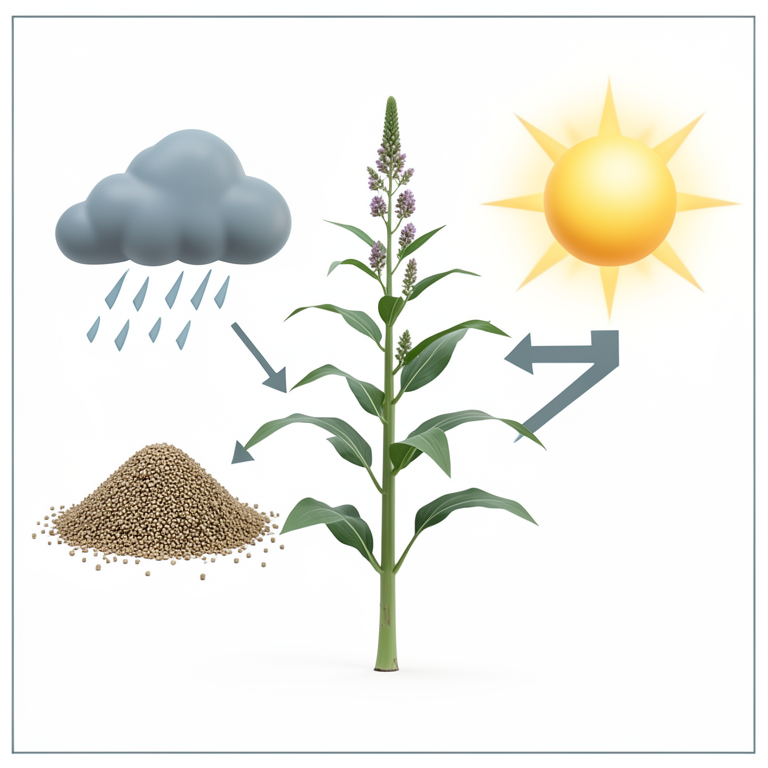
Factors Influencing Sorghum Yield
AI-generated conceptual illustration (Sorghum plants in an Ethiopian field). It explains the idea and does not show study data.
View source evidence ↗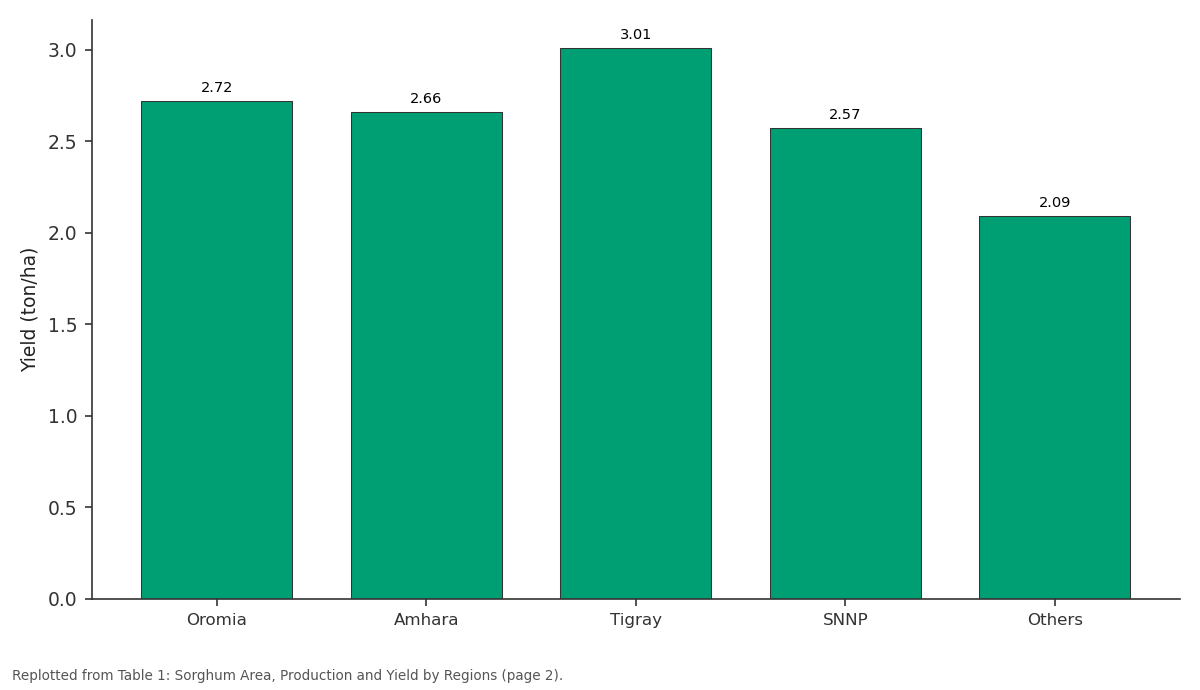
Yield (ton/ha): Oromia vs Amhara vs Tigray vs SNNP vs Others
Replotted from Table 1 (page 2) of the original paper. Every bar is the paper's own table value.
View source evidence ↗Figures & tables
From the original paper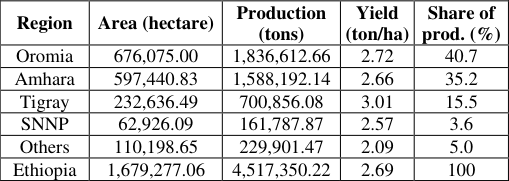 Table 1
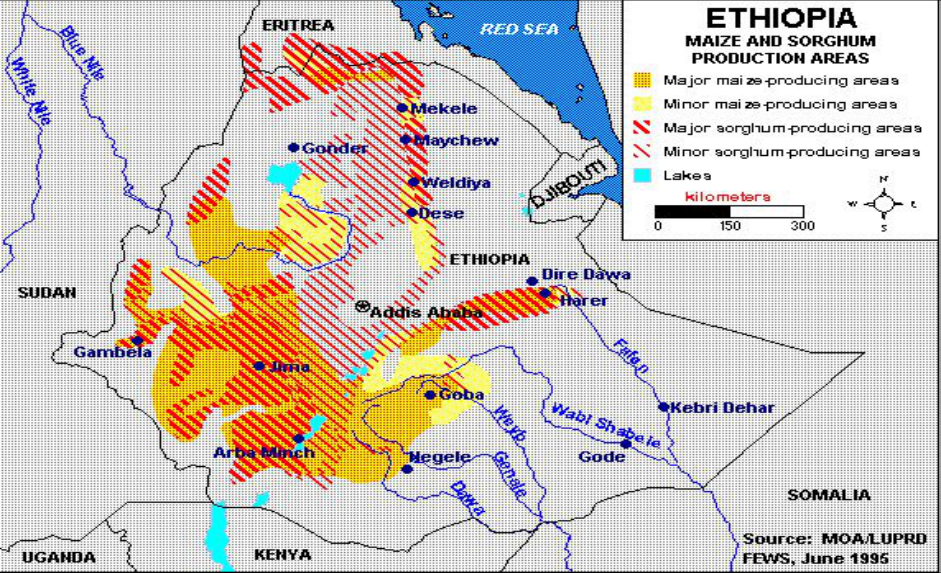 Figure 1
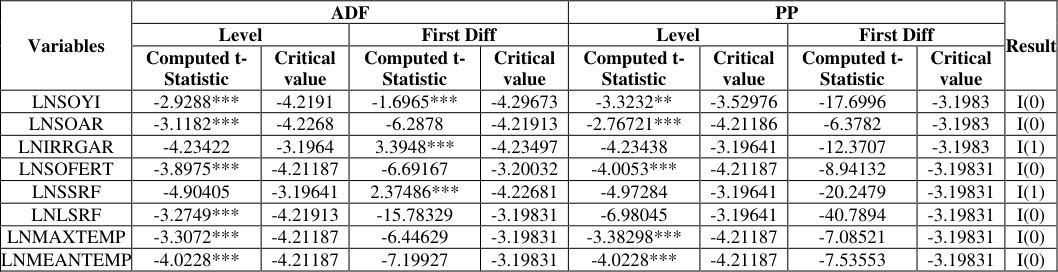 Table 2
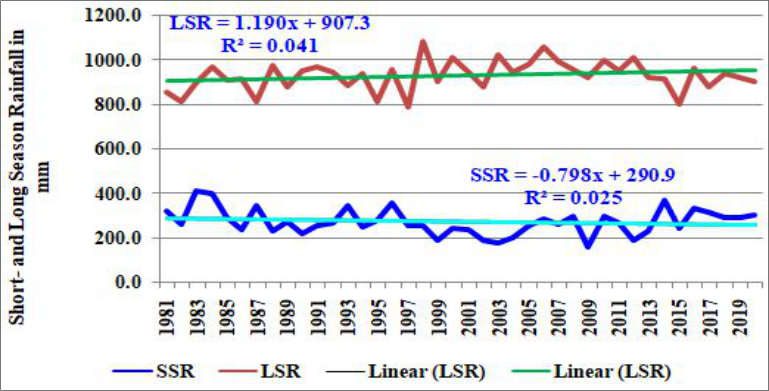 Figure 2
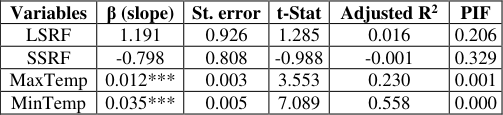 Table 3
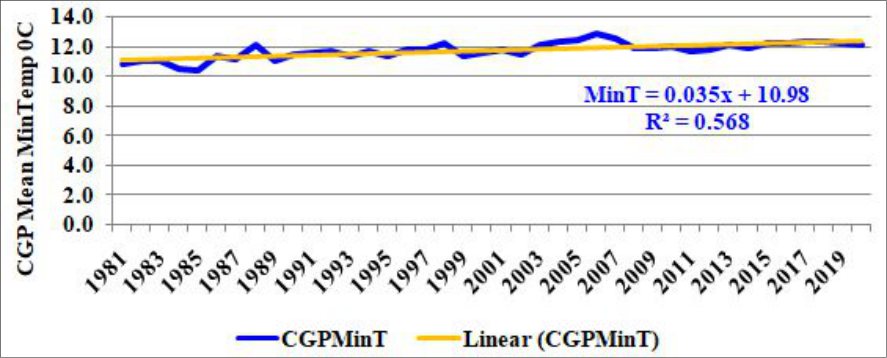 Figure 3
 Table 4
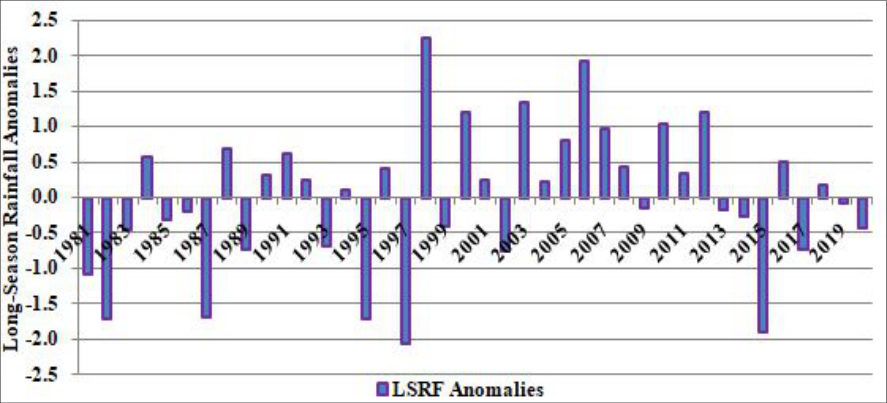 Figure 4
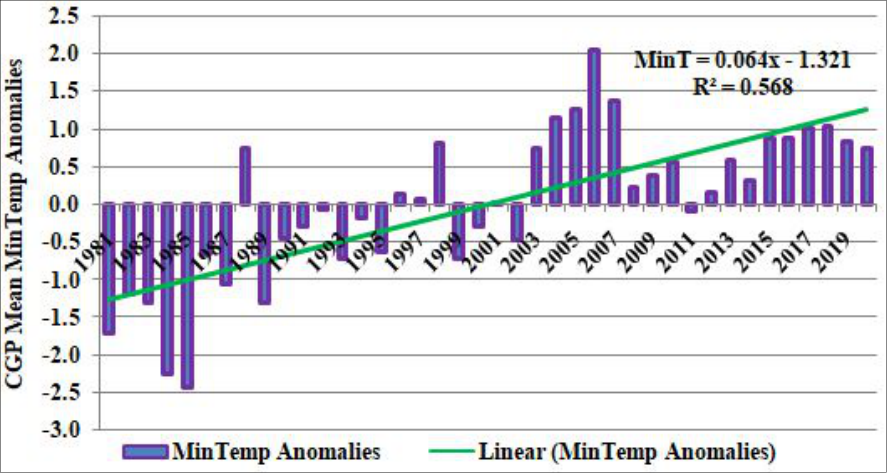 Figure 5
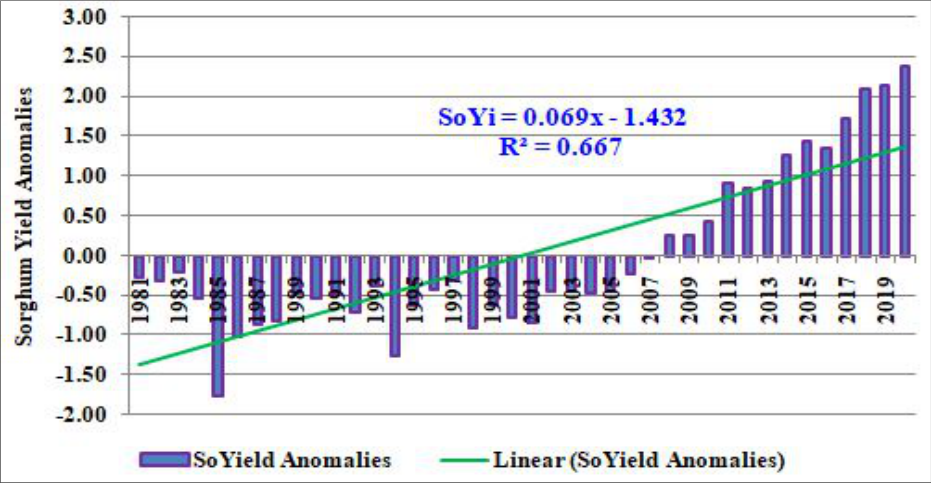 Figure 6
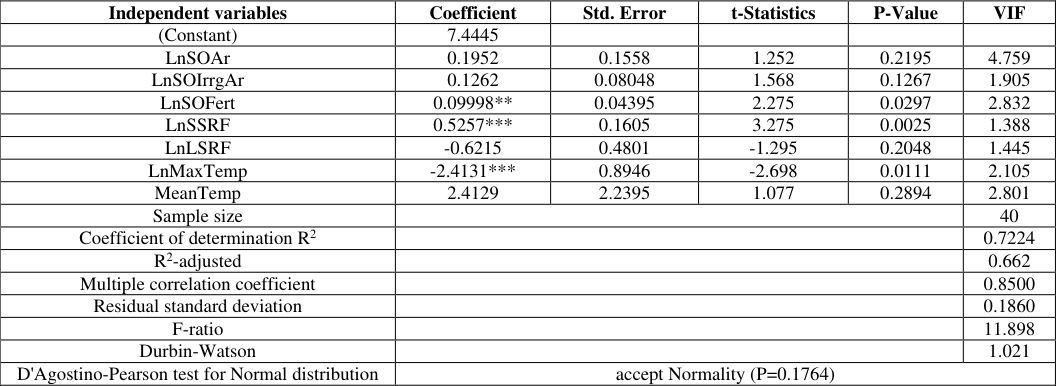 Table 5
Introduction
Globally, sorghum (Sorghum bicolor (L.) Moench) is the fourth most important tropical cereal crop next to wheat, rice and maize [1] . Globally, the five to sorghum producing countries 2020/21 include USA (9.47 million tons), Nigeria (6.59 million tons), Ethiopia (5.06 million tons), Sudan (5.15 million tons), and India (4.81 million tons) [2] . Sorghum supplies approximately 70 million tons of grains from 50 million hectares of land in the world [3] . It is a major food crop among 500 million people who lives in the semi-arid tropics of Africa and Asia, where nearly 80% of the world's area under sorghum is confined.
Surprisingly, studies indicate that more than 100 million people in Africa use sorghum as main staple food in the world [4] . Principally, the crop is produced and used by resource-poor small-scale producers who predominantly grow the crop under low-rainfall, arid to semi-arid environments as the crop has excellent tolerance to drought, high temperature stresses and low soil fertility. In Ethiopia, sorghum is primarily grown as major food crop and ranks the third in area coverage next to teff and maize. Ethiopian is considered as the centre of domestication of sorghum because of the greatest genetic diversity in the country for both cultivated and wild forms [5] . It is grown on 1.83 million hectares (14.2%) with a total production of 5.265 million tons comprising (About 15.7% of the total production next to maize, teff and wheat).
The grain of sorghum is consumed as human food, whereas the residue part is utilized as livestock feed. It supplies staple food to about 25.2 million family members per annum [6] . In terms of altitude, sorghum is extensively grown in the tropics with an elevation ranging from 1400 to 2100 meters above sea level (M.A.S.L). It has high adaptive capacity to adverse environmental conditions which made it a popular crop worldwide. However, the production of sorghum crop in Ethiopia is adversely affected by climate and non-climate variables. Studies indicate that increasing temperature (warming), drought, low soil fertility, insect pests, Striga and weeds were recognized as the major factors affecting sorghum production in eastern Africa [7] . In Ethiopia, drought and Striga weed were identified as major important constraint hampering the yield and production of sorghum in the northern and north-eastern parts of the country [8] . Other research has cited moisture stress during grain filling as critical constraint in Ethiopia [9] . Among the various restricting factors, climate change is nowadays becoming a global and regional concern that seriously influence sorghum yield and production in developing and least developed countries which predominantly depend on rain-fed agricultural production [10] . The adverse impacts of climate change and variability, in developing and least developed countries like Ethiopia, is recently growing over time and exerts pressure on agricultural production systems which changes the balance among key determinants of sorghum production and yield enhancement. According to the Ethiopian Ministry of Agriculture [11] , agriculture is highly vulnerable to climatic extremes and variability, primarily caused by its high dependence on rain-fed systems. Many researchers have explored that climate change initiated disparities had contributed to the occurrence of frequent droughts, flooding and mounting mean atmospheric temperatures which in return critically affected production of crops over huge areas of the country [12] . In Ethiopia, climate change derived drought is the major factor limiting the yield and production of sorghum in drought-prone low land areas of the country. In the lowlands, the traditional farming practice lies on rainfed crop production system, which is characterized by poor crop production and low yields. The most important factor influencing the productivity of sorghum in the region is the erratic rainfall patterns [13] . However, few studies have been conducted on assessing the sorghum production system and identifying production constraints in the sorghum growing belts of the country. Wortmann, et al. [14] identified the major production constraints in major sorghum-growing regions of Ethiopian as high inconsistency of climatic parameters, i.e. irregular rainfall and increasing temperature. Zewdu, et al. [15] discovered that temperature and precipitation had negatively affected sorghum production and yield in the north eastern parts of Ethiopia. However, it is evident that these studies were focused on the north eastern parts of the country and neglected other parts of sorghum growing belts of the country. Therefore, it becomes extremely important to examine climate and nonclimatic parameters hampering sorghum yield and production covering the whole sorghum growing belts using nationally pooled data. The main objective of the study was to examine the trend and variability of climatic and yield parameters and determine the impacts of weather (Precipitation and temperature) and non-weather factors influencing sorghum yield in Ethiopia.
Materials and Methods
Materials and Methods
Description of Study Area
The study has been conducted in sorghum growing belts of Ethiopia at aggregated national level. Ethiopia is located in East African region within 3 0 and 15 0 N latitude and 33 0 and 48 0 E longitude [16] Assefa, et al., 2020]. The country is bordered with Somalia to the east, Djibouti to the northeast, Kenya to the south, Eritrea to the north, and South Sudan and Sudan to the west. It has a wide range of altitudinal variations with the highest peak at Ras Dejen (4620 m.a.s.l) and the minimum 126 meters below seas level in the Afar depression [17; 18] . The topography of the country is highly diverse; more than 45% being dominated by high plateau with a chain of mountain ranges that are divided by the East African Rift Valley [19] . The country is both mountainous and highland (with elevation greater than 1500 m) and lowland (with elevation less than 1500 m). The topography composes some nine major river basins, the drainage systems of which originate from the centrally situated highlands and make their way down to the peripheral or outlying lowlands. Climatically, the country enjoys varied climate conditions depending on elevation that ranges from hot and arid climates in the lowlands to cool climates in the highlands. The country has three seasons; the bega season from October to January, the short/belg rainy season from February to May, and the long /kiremt) rainy season from June to September [20] . The possession of such a wide elevation gradient and rainfall seasons allows the country suitable for growing different types of crops [18] . Sorghum crop is among the crops grown under varied climatic and topographic as well as under adverse conditions such as low input use and marginal lands. According to Demeke, et al. [21] , sorghum is well adapted to a wide range of precipitation and temperature levels and is produced from sea level to above 2000 M.A.S.L. Its drought tolerance and adaptation attributes have made the crop the favorite crop in drier and marginal areas. The main sorghum producing regions in Ethiopia are Oromia and Amhara, which account for nearly 76 percent of the total production. The leading sorghum producing zones are East and West Hararge in Oromiya and North Gondar, North Shew and North Wolli in Amhara. Two regions, SNNPR and Tigray, are relatively less important, contributing 15.5 and 3.6 percent of the national production, respectively [22] . See Table 1 and Figure 1 for details. In Africa, Ethiopia is the second largest producer of sorghum, next to Sudan.
| Region | Area (hectare) | Production (tons) | Yield (ton/ha) | Share of prod. (%) |
|---|---|---|---|---|
| Oromia | 676,075.00 | 1,836,612.66 | 2.72 | 40.7 |
| Amhara | 597,440.83 | 1,588,192.14 | 2.66 | 35.2 |
| Tigray | 232,636.49 | 700,856.08 | 3.01 | 15.5 |
| SNNP | 62,926.09 | 161,787.87 | 2.57 | 3.6 |
| Others | 110,198.65 | 229,901.47 | 2.09 | 5.0 |
| Ethiopia | 1,679,277.06 | 4,517,350.22 | 2.69 | 100 |
Table text extracted from the original PDF; superscript letters are shown inline. The original table image is below.
View original table image
Data Type and Source
In this study, the researcher used time series secondary data of all the variables studied. The type of data considered in this study included: climate variables, aggregate yield and cropped area under sorghum, fertilizer used in sorghum crop production. Data on weather conditions (temperature and precipitation) for the period covering 1981 to 2020 (40 years) were purchased and taken from the National Meteorological Agency (NMA) of Ethiopia. Data for 12 representative weather stations based in major sorghum growing belts were selected from Oromia and Amhara Regional States, as the two regions accounted for (14.2%) the total cultivated area and 15.7% of total production of sorghum during 2019/20 production year [6] . For precipitation, average monthly data for Short/belg-Season (F-M) and Long/Meher-Season/main crop season, (J-S) were taken as recorded in NMA database. For temperature, crop growing season (February -September) mean minimum and maximum temperatures were taken as recorded in NMA database. For sorghum crop data, nationally aggregated data on yield per hectare, area cultivated, area irrigated under sorghum, and fertilizer applied were compiled from CSA subsequent publications or website covering the period from 1981 to 2020. Any gap in these variables was complemented from Food and Agriculture Organization (FAOSTAT) database.
Empirical Model Specification
In this study, Cobb-Douglas production function model was employed to measure the impact of climate and non-climate variables influencing the yield of sorghum. Many researchers used the production function approach since the model allows measure the impact of climatic variables on the productivity of cereal crops by considering the interaction effect [23] . Most researchers have established that the production function model is more representative and adaptable to research questions related impact of climatic parameters on crop yields. They reported that production function approach attempts to explain the variation in crop yields employing the variation in climatic variables. The functional form of Cobb-Douglas Production model for estimating climate and non-climate variables influencing sorghum yield can be specified as follows:
Where, SoYi represents sorghum yield at time t, RF represents crop growing period rainfall at time t, Temp is mean temperature over crop growing period, SoAr represents area cultivated under sorghum at time t, IrrgAr represents irrigated area under sorghum at time t, and SoFert is fertilizer quantity applied on sorghum production. In Ethiopia, the rainy season is divided into two; viz. short/ belg-season and long/ main-season rainfalls. Short/ belgseason rain covers the period from February to May (F-M), during which sorghum seed is sown, and long/ main-season rain is from June to September (J-S) the period when crop vegetative growth, grain filling and maturity takes place. For this study, rainfalls of both short-and long-seasons were selected and included in the model. Equally, crop growing period mean temperature (minimum and maximum) and average maximum temperature covering the period from February to September (F-S) were selected for the analysis.
Then, the functional model was rewritten as:
Where, SoYi represents sorghum yield at time t, SoAr represents area harvested under sorghum, SoFert presents fertilizer applied, SSRF shows short-season rainfall, LSRF represents long-season rainfall, MaxTemp is maximum temperature during crop growing period, and MeanTemp is crop growing period mean temperature. The Cobb-Douglas production function, in its stochastic form [24] , can be specified as:
Where, SoYi is sorghum yield, X s ' are independent explanatory variables included in the model, β s' are parameters to be estimated, A is constant term, e is base of natural logarithm and ɛ is the error term with zero mean and constant variance. This non-linear form of Cobb Douglas production function can be estimated through ordinary least squares (OLS) by taking natural log on both sides of equation ( 3), which becomes log-linear form. Estimates of this form of production function give direct elasticities of variables and can be expressed as:
Where lnSoY t shows sorghum yield (quintal per hectare) at time t, X i is farm inputs variables including cropped land area, irrigated area, fertilizer, etc. Based on previous crop yield response studies in Africa and other continents, the Cobb-Douglas functional model assumes the following form:
Where: lnSoYi t is the natural log of yield of sorghum (quintal per hectare), lnSoAr t is natural log of cropped land area under sorghum, SoFertt is fertilizer applied, lnSSRF t is natural log of short/Belg-season rainfall, lnLSRF t is natural log of long/Meher-season rainfall, lnMaxTemp t is natural log of crop growing period maximum temperature, and lnMeanTemp t is natural log of crop growing period mean temperature, t = time period from 1981 -2020, α 0 , β 1 , β 2 , β 3 , β 4 , β 5, β 6 , and β 7 are unknown parameters to be estimated, and ε t is the error term.
To estimate the Cobb-Douglas production model specified by equation 5, MedCal-Version 19.1 software and SPSS 24 Statistical packages were used.
In order to examine the trend and variability of selected climatic and sorghum yield parameters, linear trend line and standardized year to year anomalies of the variables were employed. To investigate the trends prevailed in rainfall (long-season rainfall) and temperature (maximum), the following linear trend lines have been fitted for crop growing seasonal scenarios:-
MaxT t = α + bT t for Maximum temperature (7) Where, LSR t presents long-season rainfall at time t, MaxT t presents maximum temperature at time t, R t is long/mainseason rainfall of a particular year t, T t is crop growing period mean maximum temperature at year t, and α & b are parameters to be estimated. Subsequently, the long term standardized anomaly of longseason rainfall (ΔR t ) for a pool of locations over a period t is given by:-
Where, ΔR t is standardized long-season rainfall anomaly, R t is long/main-season rainfall of a particular year t, Ṝ t is the long-term mean over a period of observation, and σ is the standard deviation of long-season rainfall over the period of observation. Similarly, the long-term standardized anomaly of temperature (ΔT t ) for a given pool of locations over a period t is given by:
Where, ΔT t is standardized maximum temperature anomaly for period t, T t is crop growing period maximum temperature of a particular year t, ₸ t is crop growing period maximum temperature over a period of observation, and σ is the standard deviation of crop growing period mean temperature over a period of observation. Subsequently, the inter-seasonal variability of national level aggregated long-season rainfall and crop growing period maximum temperature variables were assessed using coefficient of variation (CV), which can be expressed as:
Where, CV R,T represents the CV of long-season rainfall/CGP maximum temperature variables, σ is the standard deviation of long-season rainfall or CGP maximum Temperature data series, and Ṝ,₸ are mean of long-term rainfall and maximum temperature variables, respectively.
Method of Estimation
In order to analyze the yield response of crops, several approaches have so far been documented in literature, including simple Ordinary Least Squares (OLS) estimation of multiple regression, Nerlovian adjustment cum adaptive expectation model, and cointegration analysis [41] . In this study, ordinary least squares method (OLS) has been used to estimate sorghum yield response to explanatory variables. The models have been estimated consistently by Ordinary Least Squares if the error term (ε j ) is a white noise process or more generally, if the error term has a zero mean, constant variance and uncorrelated with the explanatory variables and its previous realizations. Since the study uses time series data for the period between 1981 and 2020, the data series will be subjected to various tests to confirm various properties required for OLS to give results that are efficient and consistent. In this regard, the series must be tested for satationarity/ unit root and related tests using appropriate methods and tools. In this study, two widely used methods were chosen: Augmented Dickey-Fuller (ADF) test [26] and Phillips-Perron (PP) test [27] to check the presence of unit roots in the data series. The ADF test for stationarity in a series y involved estimating the equation:
Where μ is the drift (intercept), t is the trend, i is equal the number of lags in Δy t-i , p is the maximum number of lags determined using Akaike Information Criterion (AIC) and Schwartz Criterion (SC) and ε t is the random error term. The null hypothesis 𝐻𝑂: γ = 0 (unit root) was tested against the alternative hypothesis 𝐻𝐴: γ < 0 (no unit root). If the computed test statistic was found greater than the critical value then the null hypothesis was not rejected. If 𝐻𝑂 could not be rejected, then the time series variable contained a unit root and hence non stationary, otherwise it was stationary. If its first difference is then tested and found stationary, the series was concluded to be an I(1) [24; 15] . Time series were also subjected to a Phillips-Perron (PP) test which has a higher power. The PP test took the form:
Where ∆Y t was the first difference of the dependent variable; i is the number of truncation lags, where i=1, 2,…, m; 𝜃 and 𝛿 are coefficients and ɛ t is the error term. The null hypothesis of, 𝐻 0 : 𝛿𝑖 = 0 (unit root) was tested against the alternative, 𝐻𝐴: 𝛿𝑖< 0 (no unit root). If the computed test statistic was found greater than the critical value at 5% level of significance then the null hypothesis could not be rejected. If 𝐻𝑂 could not be rejected, then the time series variable contained a unit root and hence non stationary, otherwise it was stationary. Results
Unit Root Test
The time series data used in this study was subjected to various tests including unit root tests and multicollinearity tests. Augmented Dickey Fuller (ADF) and Phillips Perron (PP) tests were used to test the presence of unit root in the data series. In the ADF and PP tests for presence of unit root in time series, the null hypothesis for unit root is rejected when the test statistic is greater than the critical value at desired level of significance otherwise the null hypothesis is not rejected.
The ADF and PP unit root test results are presented in Table 2. The estimated outcome of both ADF and PP tests reflected that the following variables are stationary at level or order I(0): LnSOYi, LnSOAr, LnSOFert, LnLSRF, LnMaxTemp, and LnMeanTemp. Conversely, the following variables were found to be integrated of order I(1): LnIrrgAr and LnSSRF. Thus, the variables used in the study are a mixture of I(0) and I(1). In case time series data exhibit a mixture of I(0) and I(1) researchers and econometricians recommend Cobb-Douglas or ARDL modeling as best approach [28,29] .
| Variables | ADF | — | — | — | PP | — | — | — | Result |
|---|---|---|---|---|---|---|---|---|---|
| Level | First Diff | Level | First Diff | ||||||
| Computed t- Statistic | Critical value | Computed t- Statistic | Critical value | Computed t- Statistic | Critical value | Computed t- Statistic | Critical value | ||
| LNSOYI | -2.9288*** | -4.2191 | -1.6965*** | -4.29673 | -3.3232** | -3.52976 | -17.6996 | -3.1983 | I(0) |
| LNSOAR | -3.1182*** | -4.2268 | -6.2878 | -4.21913 | -2.76721*** | -4.21186 | -6.3782 | -3.1983 | I(0) |
| LNIRRGAR | -4.23422 | -3.1964 | 3.3948*** | -4.23497 | -4.23438 | -3.19641 | -12.3707 | -3.1983 | I(1) |
| LNSOFERT | -3.8975*** | -4.21187 | -6.69167 | -3.20032 | -4.0053*** | -4.21187 | -8.94132 | -3.19831 | I(0) |
| LNSSRF | -4.90405 | -3.19641 | 2.37486*** | -4.22681 | -4.97284 | -3.19641 | -20.2479 | -3.19831 | I(1) |
| LNLSRF | -3.2749*** | -4.21913 | -15.78329 | -3.19831 | -6.98045 | -3.19641 | -40.7894 | -3.19831 | I(0) |
| LNMAXTEMP | -3.3072*** | -4.21187 | -6.44629 | -3.19831 | -3.38298*** | -4.21187 | -7.08521 | -3.19831 | I(0) |
| LNMEANTEMP | -4.0228*** | -4.21187 | -7.19927 | -3.19831 | -4.0228*** | -4.21187 | -7.53553 | -3.19831 | I(0) |
Table text extracted from the original PDF; superscript letters are shown inline. The original table image is below.
View original table image
Trend of Climatic Parameters in Sorghum Growing Areas
In this study, a linear trend line has been fitted to long/mainseasons' rainfall and crop growing period mean maximum temperature data series to identify the extent and direction of changes in both variables in sorghum growing areas. Figure 2 presents the trend of long-season rainfall (LSR) and crop growing period mean maximum temperature (CGPMaxT) in sorghum growing areas. As can be seen from the figure, long/main-season rainfall demonstrated an increasing trend over the observation period of 1981 to 2020. The rate of increase was 1.19mm/year, although statistically insignificant. Conversely, the short-season rainfall exhibited a decreasing trend over the observation period with a magnitude of (-0.798mm/year), though found non-significant (see table 2).
Source: Author's Construction using raw data from NMA. Subsequently, the linear trend line fitted to crop growing period temperature variables exhibited an increasing trend over the observation period in sorghum growing areas (see Figure 3 below). Accordingly, crop growing period maximum and minimum temperatures showed an increasing trend with a magnitude of 0.012 mm/year and 0.035mm/year, respectively. The rates of increases for both maximum and minimum temperatures were significant at 1% levels (see Table 3 above). This increase in the temperature variables can be interpreted as evidence of a rising temperature being experienced in many parts of the world.
| Variables | ꞵ (slope) | St. error | t-Stat | Adjusted R2 | PIF |
|---|---|---|---|---|---|
| LSRF | 1.191 | 0.926 | 1.285 | 0.016 | 0.206 |
| SSRF | -0.798 | 0.808 | -0.988 | -0.001 | 0.329 |
| MaxTemp | 0.012*** | 0.003 | 3.553 | 0.230 | 0.001 |
| MinTemp | 0.035*** | 0.005 | 7.089 | 0.558 | 0.000 |
Table text extracted from the original PDF; superscript letters are shown inline. The original table image is below.
View original table image
Source: Author's Construction using raw data from NMA
Variability of Climatic Parameters in Sorghum Growing Areas
The variability of climatic parameters in sorghum growing areas has been assessed using year to year standardized anomalies and coefficient of variations (CV). Figure 4 presents the year to year anomalies of short-season rainfall (SSRF) and long-season rainfall (LSRF) variables in sorghum growing areas. The standardized anomalies for short-season rainfall revealed both positive (45%) and negative (55%) values over the observation period, exemplifying the presence of high inter-annual SSRF variability across the observed time series. The highest positive anomaly (+2.4) was observed in the year 1983 and the highest negative anomaly (-1.9) was observed in the year 2009. Equally, the standardized anomalies for long-season rainfall exhibited positive (55%) and negative (45%) values over the observation period from 1981 to 2020. The highest positive value (2.2) was observed in 1998 and the highest negative value (-2.1) in the year 1997. It has been observed that the variation in short-season rainfall is more pronounced than that of long-season rainfall. In similar manner, the variability in temperature variable in sorghum growing areas has been evaluated using year to year standardized anomalies and coefficient of variation (CV). Figure 5 presents the year to year standardized anomalies for mean maximum and minimum temperature variables. The result demonstrated positive (55%) and negative (45%) anomalies for CGP mean maximum temperature over the observation period. Equally, the result revealed both positive (52.5%) and negative (47.5%) anomalies for mean minimum temperature. A positive anomaly indicates that the observed temperature was warmer than the reference value, while a negative anomaly indicates that the observed temperature was cooler than the reference value.
Variability of Sorghum Yield
In order to measure the degree of variability in sorghum yield, the study used crop yield anomalies as analytical tool. The parameters of the sorghum yield model were estimated using ordinary least square method. The estimated coefficients of the Cobb-Douglas functional model was significant as the F-value (11.898) indicated that the overall regression model was fitted good and followed normal distribution for the present data series. The D'Agostino-Pearson test for normal distribution proposed to accept normality at (P=0.1764). Furthermore, the adjusted R 2 was 0.662 indicating that 66.2% of the variation in the model has been explained by the variables included in the model, which implies good fitness of the estimated model. The explanatory variables included in the model were in their logarithmic form in order to provide convenient economic interpretations (elasticities) and to reduce heterogeneity of the variance. In the estimation of Cobb-Douglas production function, short/belg-season rainfall, long/main-season rainfall, crop growing period mean maximum temperature (Feb-Sept) were included. Equally, the non-climatic variables such as land area harvested and irrigated area under sorghum cropping system, and quantity of fertilizer used for sorghum production were incorporated in the yield model. The elasticity estimates of variables included in the model adopted for sorghum yield analysis are presented in Table 5. The estimated elasticity coefficients for sorghum yield model exhibited that climatic variables included in the model had mixed relationship with sorghum yield. The short/belg-season rainfall showed positive and significant relationship with sorghum yield. The result implies that a 1% increase in short/ belg-season rainfall mounts sorghum yield by 0.53%. The positive elasticity of short-season/ belg rainfall well aligns with the critical water requirement of sorghum crop for sowing seeds. As long-cycle crop, short/belg-season rainfall is also crucially important for seed-bed preparation for the sorghum crop. Conversely, long/main-season rainfall showed negative impact on yield of sorghum, although the result is statistically non-significant. The negative impact registered on yield of sorghum during main/meher-season can be due to scarcity of rainfall during critical crop growth periods which leads to wilting of the leaves and stalk of the crop; inhibit proper vegetative growth of the crop; and shrinks grain filling. This infers that cultivation of sorghum in Ethiopia greatly depends on rainfall. Equally, the estimated elasticity coefficients demonstrated that crop growing period mean maximum temperature had negative and highly significant impact on sorghum yield. The result indicated that a 1% increase in maximum temperature would decrease sorghum yield by 2.4%. From the result, it can be judged that maximum temperature and long/main-season rainfall correlates in exerting harsh effect on yield of sorghum. Significant increase in maximum temperature correlates with reduction in amount of main-season rainfall which probably leads to drought and reduction of sorghum yield. On the contrary, the study exhibited that crop growing period mean temperature (average of minimum and maximum) had positive impact on the yield of sorghum crop. The result indicates that a 1% increase in mean temperature over crop growing period mounts sorghum yield by 2.4%. Similarly, elasticity coefficients were estimated for non-climatic variables included in the sorghum crop model. Accordingly, area cultivated under sorghum, irrigated area under sorghum cultivation, and fertilizer quantity used over the observation period showed positive impact on sorghum yield. Fertilizer quantity used on sorghum production had positive and significant impact on sorghum yield. The result indicates that a 1% increase quantity of fertilizer used will lead to an increase of sorghum yield by 0.1%. The result implies that sorghum yield is highly responsive to use of fertilizers.
| Independent variables | Coefficient | Std. Error | t-Statistics | P-Value | VIF |
|---|---|---|---|---|---|
| (Constant) | 7.4445 | ||||
| LnSOAr | 0.1952 | 0.1558 | 1.252 | 0.2195 | 4.759 |
| LnSOIrrgAr | 0.1262 | 0.08048 | 1.568 | 0.1267 | 1.905 |
| LnSOFert | 0.09998** | 0.04395 | 2.275 | 0.0297 | 2.832 |
| LnSSRF | 0.5257*** | 0.1605 | 3.275 | 0.0025 | 1.388 |
| LnLSRF | -0.6215 | 0.4801 | -1.295 | 0.2048 | 1.445 |
| LnMaxTemp | -2.4131*** | 0.8946 | -2.698 | 0.0111 | 2.105 |
| MeanTemp | 2.4129 | 2.2395 | 1.077 | 0.2894 | 2.801 |
| Sample size | 40 | ||||
| Coefficient of determination R2 | 0.7224 | ||||
| R2-adjusted | 0.662 | ||||
| Multiple correlation coefficient | 0.8500 | ||||
| Residual standard deviation | 0.1860 | ||||
| F-ratio | 11.898 | ||||
| Durbin-Watson | 1.021 | ||||
| D'Agostino-Pearson test for Normal distribution | accept Normality (P=0.1764) |
Table text extracted from the original PDF; superscript letters are shown inline. The original table image is below.
View original table image
Discussion and comparison with other study results
The study presents the analysis of the variability and trends of seasonal and crop growing period climatic and nonclimatic factors in sorghum growing areas of Ethiopia. The findings have broad implications for socioeconomic development and the environment, such as substantial impacts on agricultural production and food security. The analyses of trends and variability in climatic and sorghum yield parameters as well as their impacts on yield of sorghum have been briefly discussed in the following subsections.
Trend of Climatic Variables
In this study, long/main-season rainfall demonstrated an increasing trend over the observation period from 1981 to 2020, with magnitude of 1.19mm/year, while the short-season rainfall exhibited a decreasing trend with a magnitude of (-0.798mm/year), though both are nonsignificant (see table 2). The study result corroborate with the findings of Omoyo [30] who in his study in Kenya explored positive long-rain season (M -J) and annual rainfalls in most of the weather stations analyzed, although statistically non-significant. He also reported negative and declining short-rain season rainfall (O -J) in Mutomo and Mwingi stations. Equally, Panda and Sahu [31] conducted trend analysis of seasonal rainfall in India and reported an increasing trend of seasonal rainfall in the studied region, where the linear regression equation possessed positive slope value (a = 4.104). Subsequently, crop growing period maximum and minimum temperatures showed a a significant increasing trend with a magnitude of 0.012 mm/year and 0.035mm/year, respectively. The increase in temperature variables can be interpreted as evidence of rising temperature currently being recorded in many parts of the world. The study results on trend of temperature are similar to other researchers such as Hudo [32] , who in his study in Sudan has found a positive and significant increasing trend for maximum and minimum temperatures.
Variability of Climatic Variables
The standardized anomalies for short-season and longseason rainfalls revealed both positive and negative values over the observation period, exemplifying the presence of moderate inter-seasonal rainfall variability across the observed time series. The study result coincides with the highest negative anomaly of 1997-98, which was experienced due to the occurrence of the El Niño that affected the main livelihood of the rural people in different parts of Ethiopia [33] . Subsequently, the CV (21.5%) confirms moderate variability in the short-season rainfall. According to literature, CV is used to classify the degree of variability as less (CV < 20%), moderate (20 < CV < 30%), high (CV > 30%), very high (CV > 40%) and CV > 70% indicate extremely high inter-annual variability of rainfall. The study results corroborate with the findings of other researcher like Panda and Sahu [31] who in their study in India found that the amount of rainfall in the study region is extremely variable. Furthermore, the variability in CGP mean maximum and minimum temperature variables in sorghum growing areas demonstrated positive and negative anomalies over the observation period. The result exemplifies minimal to moderate variability of the CGP maximum and minimum temperatures in sorghum growing areas, although the CV showed minimal variation.
Variability in Yield of Sorghum Crop
The study revealed high yield variability in sorghum growing areas with negative yield anomalies over the period from 1981 to 2007 and positive and increasing yield anomalies over the period from 2008 to 2020. In general, the anomalies of sorghum yield in the study area varied with a magnitude ranging from +2.36 to -1.76. The results of this study corroborate with the findings of Omoyo et al. [34] and Panda and Sahu [31] . Omoyo et al. [34] examined some selected climate variables and maize yield variability in eastern Kenya and reported that the distribution of the entire crop yield data set was varying with magnitude from +3 to -3. Thus, the higher the values of maize yield anomaly, the higher the impact of the climate. Panda and Sahu [31] in their study on climate and crop yield variability in three districts of Odisha, India observed negative crop yields in maize and rice due to rainfall deficits.
Impact of Climatic and Non-Climatic Parameters of Yield of Sorghum
The study results on climatic variables demonstrated mixed relationship with the yield of sorghum crop. Accordingly, short/belg-season rainfall showed positive and significant relationship with sorghum yield while long/kiremt season rainfall revealed negative impact on yield of sorghum crop although non-significant. The positive elasticity of shortseason/ belg rainfall well aligns with the critical water requirement of sorghum crop for sowing seeds. As longcycle crop, short/belg-season rainfall is also crucially important for seed-bed preparation for the sorghum crop. This finding is analogous with that of Kouyate [35] , who in his study on effects of climate change on sorghum yield in Mali reported that the coefficient for mean precipitation variable for the beginning cropping season is positive and statistically significant at the 5% level. This implies that the increase in precipitation during the beginning of cropping season (June and July) impacts yield of sorghum positively. The negative impact registered on yield of sorghum during main/meher-season can be due to scarcity of rainfall during critical crop growth periods which leads to wilting of the leaves and stalk of the crop; inhibit proper vegetative growth of the crop; and shrinks grain filling. This infers that cultivation of sorghum in Ethiopia greatly depends on presence and adequate distribution of rainfall. The study by Singh and Sharma [36] supports the current study, who in their study of measuring the productivity of food-grain crops in different climate change scenarios in India found that actual rainfall in Rabi season has negatively associated with yield of barley crop. Equally, crop growing period mean maximum temperature revealed negative and highly significant impact on the yield of sorghum crop. The result implies that maximum temperature and long/main-season rainfall correlates in exerting harsh effect on yield of sorghum. This means that significant increase in maximum temperature correlates with reduction in amount of mainseason rainfall which probably leads to drought and reduction of sorghum crop yield. This finding corroborates with Eggen, et al. [37] who in their study on sorghum crop sensitiveness to extreme, sub-seasonal weather condition in the Blue Nile Highlands of Ethiopia highlighted that extremes of low main-season rainfall induced by warmer temperature can diverge significantly from sorghum's response to seasonal drought. They further reported that more rainfall is associated with cooler surface temperature and vice versa. On the contrary, the study exhibited that crop growing period mean temperature (average of minimum and maximum) had positive impact on the yield of sorghum crop,although non-significant. The study findings in this context are similar to that of Kouyate [35] , who studied effect of climate variability and climate change on sorghum yield in Mali explored that main-season average temperature had negative and significant (-5.7525**) impact on sorghum yield. The study by Kumar and Sharma [38] revealed that average minimum and maximum temperatures had positive impact on barley yield (related cereal crop), which implies that average minimum and maximum temperatures are beneficial for yield of barley during Rabi season. Contrastingly, Nasrullah, et al. [39] studied the impact of climate change on rice yield (related crop) in Korea and reported that temperature is positively related to average rice yield. The elasticity for temperature is calculated as 0.82-0.89; thus a 1% rise in temperature increases the average rice yield by 0.8 -0.9%.
Non-Climatic Inputs
The elasticity coefficients estimated for non-climatic inputs demonstrated positive relationship with the yield of sorghum crop. However, only fertilizer quantity used on sorghum production had positive and significant impact on sorghum yield. The result implies that sorghum yield is highly responsive to the use of fertilizer inputs. These findings are similar to the study findings of other researchers. Haile, et al. [40] , in their study of technical efficiency in sorghum production in Southern Ethiopia discovered that chemical fertilizers used in sorghum crop production had positive and significant impact on sorghum production. The result indicates that a 1% increase in land area and fertilizer quantity used would increase sorghum production by 0.19% and 0.075% respectively. Further, Singh and Sharma [36] in their study on the impact of climate change and variation on agricultural productivity in India reported that irrigated area and total fertilizer consumption positively affected barley yield, fertilizer consumed being significant at 1% level. The result indicates that a 1% increase in fertilizer use increases barley yield by 0.12%. Equally, the findings of Kumar and Sharma [38] corroborates with this study findings; who in their study on productivity of food grain in India during Rabi season reported that cropped area and irrigated area under barley crop (related crop) had positive impact on barley yield, the elasticity coefficients being 0.7356 and 0.0569. These coefficients, however, are statistically non-significant.
Conclusions
The main objective of the study was to examine the trend and variability of climatic and yield parameters and determine the impacts of weather and non-weather factors influencing sorghum yield in Ethiopia. Cobb-Douglas production function model, linear trend, and standardized anomalies of variables were employed as tools. The study demonstrated that long/main-season rainfall demonstrated an increasing trend with magnitude of 1.19mm/year, while the short-season rainfall exhibited a decreasing trend with a magnitude of (-0.798mm/year). Subsequently, crop growing period maximum and minimum temperatures depicted a significant increasing trend with a magnitude of 0.012 mm/year and 0.035mm/year, respectively. The increase in temperature variables can be interpreted as evidence of rising temperature currently being recorded in many parts of the world. The study explored that the anomalies for short-season and long-season rainfalls revealed both positive and negative values, exemplifying the presence of moderate interseasonal rainfall variability across the sorghum growing area. The study result coincides with the highest negative anomaly of 1997-98, which was experienced due to the occurrence of the El Niño that affected the main livelihood of the rural people in different parts of Ethiopia. The result also exemplified minimal to moderate variability of the CGP maximum and minimum temperatures in sorghum growing areas. The study revealed high yield variability in sorghum growing areas with negative yield anomalies over the period from 1981 to 2007 and positive and increasing yield anomalies over the period from 2008 to 2020. In general, the anomalies of sorghum yield in the study area varied with a magnitude ranging from +2.36 to -1.76. The high variability in yield of sorghum crop emanates from the variations experienced in climatic parameters. The study results of the estimated elasticity coefficients exhibited that climatic variables included in the model had mixed relationship with sorghum yield. Accordingly, short/belg-season rainfall showed positive and significant relationship with sorghum yield. The result implies that a 1% increase in short/belg-season rainfall mounts sorghum yield by 0.53%. The positive elasticity of short/belg -season rainfall well aligns with the critical water requirement of sorghum crop for sowing seeds. As sorghum is long-cycle crop, short/belg-season rainfall is also crucially important for seed-bed preparation for the crop. Conversely, long/main-season rainfall showed negative impact on yield of sorghum, although statistically insignificant. The negative impact registered on yield of sorghum during main/meherseason can be due to scarcity of rainfall during critical crop growth periods which leads to wilting of the leaves and stalk of the crop; inhibit proper vegetative growth of the crop; and shrinks grain filling. This infers that cultivation of sorghum in Ethiopia greatly depends on rainfall. Conversely, the elasticity coefficients estimated for sorghum yield model demonstrated that crop growing period mean maximum temperature had negative and highly significant impact on sorghum yield. The result indicates that a 1% increase in mean maximum temperature would decrease sorghum yield by 2.4%. From the result, it can be judged that maximum temperature and long/main-season rainfall correlates in exerting harsh effect on sorghum yield. Significant increase in maximum temperature correlates with reduction in amount of main-season rainfall which probably leads to drought and reduction of sorghum yield. On the contrary, crop growing period mean temperature (average of minimum and maximum) had positive impact on sorghum yield, although statistically insignificant. The result indicates that a 1% increase in mean temperature over crop growing period mounts sorghum yield by 2.4%. Similarly, elasticity coefficients estimated for non-climatic variables indicate that area allocated under sorghum, irrigated area under sorghum cultivation, and fertilizer quantity used over the observation period had positive impact on sorghum yield. Fertilizer quantity used on sorghum production had positive and significant impact on sorghum yield. The result indicates that a 1% increase quantity of fertilizer used will lead to an increase of sorghum yield by 0.1%. The result implies that sorghum yield is highly responsive to use of fertilizers.
Acknowledgement
AcknowledgementThe author is grateful to the different Institutions that provided the various dataset used in this study.
Figures and tables from the paper
| Climatic Parameter | Mean | St. Deviation | CV (%) |
|---|---|---|---|
| Short-season Rainfall | 274.6 | 58.9 | 21.5 |
| Long-season Rainfall | 931.7 | 68.2 | 7.3 |
| CGP Minimum Temperature | 11.7 | 0.54 | 4.6 |
| CGP Maximum Temperature | 24.5 | 0.28 | 1.1 |
Table text extracted from the original PDF; superscript letters are shown inline. The original table image is below.
View original table image
References
27 in the original paper- USDA (United States Department of Agriculture), World Agricultural Production, Circular Series WAP, 2022, 11-22. https://apps.fas.usda.gov/psdonline/circulars/production .pdf
- Mojapelo MC, et al. Estimation of sorghum supply elasticity in South Africa; Journal of Agribusiness and Rural Development. 2019;2(52):131-138.
- Alemu G, Haji J. Economic Efficiency of Sorghum Production for Smallholder Farmers in Eastern Ethiopia: The Case of Habro District; Journal of Economics and Sustainable Development. 2016;7(15):44-51.
- Amelework BA, Shimelis HA, Tongoona P, Mengistu F, Laing MD, Ayele DG. Sorghum production systems and constraints, and coping strategies under drought prone-agro-ecologies of Ethiopia, South African Journal of Plant and Soil. 2016;33(3):207-217.
- Gebretsadik R, et al. A diagnostic appraisal of the sorghum farming system and breeding priorities in Striga infested agro-ecologies of Ethiopia. Agricultural Systems. 2014;123:54-61.
- Simane B, Wortmann CWS, Hoogenboom G. Haricot bean agro-ecology in Ethiopia: definition using agroclimatic and crop growth simulation models. African Crop Science Journal. 1998;6:9-18.
- Zewdu E, Hadgu G, Nigatu L. Impacts of climate change on sorghum production in North Eastern Ethiopia, African Journal of Environmental Science and Technology. 2020;14(2):49-63.
- Assefa M, Cao M, He Y, Mekonnen E, Song X, Yang J. Ethiopian vegetation types, climate and topography; Plant Diversity. 2020;42(4):302-311.
- Tesfahunegny W. A catalogue for endemic birds of Ethiopia: Journal of Zool. Studies. 2016;3(4):109-133.
- Banda LB, Tassie N. Modeling the distribution of fourbird species under climate change in Ethiopia; Ethiopian Journal of Biological Sciences. 2018;17(1):117. https://www.britannica.com.
- Enyew BD, Steeneveld GJ. Analysing the Impact of Topography on Precipitation and Flooding on the Ethiopian Highlands; Journal of Geology & Geosciences. 2014;3(2):17. Doi:10.4172/23296755.1000173.
- CSA. Report on area and production of major crops; Agricultural Sample Survey 2020/21, Vol. I, Addis Ababa; c2021.
- Kouyate D. Effects of Climate Variability and Climate Change on Sorghum Productivity in the Cercle of Koutiala in Mali, Asian Journal of Agricultural Extension, Economics & Sociology. 2020;38(12):6879.
- Adeyemi B Busayo, Fasakin I James. Rainfall variability and rice production in Nigeria: A cointegration model approach. Int. J Agric. Extension Social Dev. 2021;4(1):10-17.
- Dickey DA, Fuller WA. Distributions of the estimators for autoregressive time series with a unit root, Journal of American Statistical Association. 1979;74(366a):427-431.
- Phillips PCB, Perron P. Testing for a unit root in a time series regression. Biometrika. 1988;75(2):335-346.
- Omoyo NN. Effect of climate on sorghum yield in the Semi Arid counties of lower eastern Kenya; Journal of Advances in Agriculture. 2020;11:122-137. https://rajpub.com/index.php/jaa.
- Panda A, Sahu N. Trend analysis of seasonal rainfall and temperature pattern in Kalahandi, Bolangir and Koraput districts of Odisha, India; Atmospheric Science Letters. 2019;20(e932):1-10.
- Wolde-Georgis T, Aweke D, Hagos Y. Ethiopia: Reducing the impact of environmental emergencies International Journal of Agriculture and Food Science https://www.agriculturaljournals.com through Early Warning and Preparedness: The case of the 1997-98 El Nino, Research Report, c2000.
- Omoyo NN, Wakhungu J, Oteng S. Effects of climate variability on maize yield in the arid and semi arid lands of lower eastern Kenya. Agric Food Security. 2015;4(8):1-13.
- Kouyate D. Effects of Climate Variability and Climate Change on Sorghum Productivity in the Circle of Koutiala in Mali, Asian Journal of Agricultural Extension, Economics & Sociology. 2020;38(12):6879.
- Singh AK, Sharma P. Measuring the productivity of food-grain crops in different climate change scenarios in India: An evidence from time series investigation; Research. 2018;4(16):661-673.
- Eggen M, Ozdogan M, Zaitchik B, Ademe D, Foltz J, Simane B. Vulnerability of sorghum production to extreme, sub-seasonal weather under climate change, Environmental Research Letters. 2019;14(4):045005. available at: http://doi.org/10.1088/1748-9326/aafe19.
- Kumar A, Sharma P. Impact of Climate Variation on Agricultural Productivity and Food Security in Rural India; Economics Discussion Papers, Kiel Institute for the World Economy; c2013. http://www.economicsejournal.org/economics/discussionpapers/2013-43.
- Nasrullah M, Rizwanullah M, Yu X, Jo H, Sohail MT, Liang L. Autoregressive distributed lag (ARDL) approach to study the impact of climate change and other factors on rice production in South Korea; Journal of Water and Climate Change. 2021;12(6):2256-2270.
- Haile K, Haji J, Tegegne B. Technical efficiency of sorghum production: The case of smallholder farmers in Konso District, Sothern Ethiopia; Journal of Agriculture and Crops. 2018;4(5):50-62.
- Boansi D. Effect of Climatic and Non-Climatic Factors on Cassava Yields in Togo: Agricultural Policy Implications; MDPI Climate Journal. 2017;5(28):1-21.
Cited by 14
From OpenAlex, OpenCitations and reference lists read by Scinovex
- Spatiotemporal variability and trends in rainfall and temperature and their implications for rain-fed crop production in Wollo and the Oromia Special Zone, Northeastern Ethiopian Highlands ↗
Tizazu Mulugeta, Getachew Alemayehu Damot, Dereje Ademe, Adem Mohamed, Abebaw Tadele, Tarik Kassaye · Theoretical and Applied Climatology · 2026
❝ 3PDF - Enhancing climate resilience in Sorghum production
Carl C Kirton · International Journal of Agriculture and Nutrition · 2024
Climate change poses significant challenges to global agriculture, impacting crop yields, water availability, and food security. Sorghum, a staple crop for millions in semi-arid regions, is highly valued for its resilience to drought and heat. However, escalating climate variability necessitates enhanced strategies to fortify its resilience further. This review paper aims to explore and synthesize current strategies and innovations in enhancing climate resilience in sorghum production. We examine genetic improvement, agronomic practices, and technological interventions designed to improve sorg
- Effect of phosphogypsum application rates and methods on the performance of sorghum ( Sorghum L.) and selected chemical properties of saline–sodic soil ↗
Hagerenesh Sankura Sankura Shaga, Sheleme Beyene, Kibebew Kibret · Environmental Research Communications · 2026
Abstract Phosphogypsum (PG) can recoup saline–sodic soil problems, however, its effectiveness in the central rift valley (CRV) of Ethiopia remains understudied. A two-season field experiment was conducted in Metehara to evaluate PG rates and methods of application on the performance of sorghum on saline–sodic soil in CRV. A split plot design with four replications was employed. Two application methods (band…
❝ 1PDF - Morphological and molecular characterization of Meloidogyne species (Root Knot Nematodes) Associated with the Sorghum bicolor crop ↗
Boda Vijayalaxmi, V. Vanita Das, Raju Padiya, Venkanna Bhanothu · Acta Entomology and Zoology · 2024
Background: Though nematode damage to Sorghum bicolor crops in Telangana has occasionally been collected and suspected, no research on the morphology and molecular characterization of Meloidogyne species (root-knot nematodes) has yet been published. The aim of the research was to describe the phenotypic and genetic characteristics of Meloidogyne species related to the Sorghum bicolor crop in Telangana, India. Results: From…
❝ 1PDF - Awareness and consumption of millets among women
Mohini Gupta, Neha Qumar, Noor Fatima, Madhuri · International Journal of Horticulture and Food Science · 2023
Millets are amazing in their nutrition content. The millet is highly nutritious and contains important amino acids and also has several health benefits such as anti-diabetic, antitumerogenic, atherosclero-genic effects, and antioxidant. In this article we analyzed the awareness and consumption of millets by respondents. The present study was done on different millets which are rich source of macro and micronutrients whose consumption is very less in general population due to lack of awareness or ignorance. Therefore, the effort was made to develop products. Two commonly consumed products namel
- The role of environmental factors in sorghum yield variability ↗
Vincent Ogunlela · Journal of Phytopharmacology and Phytomedicine · 2025
Sorghum (Sorghum bicolor) is a key cereal crop with significant importance in both food and biofuel production. However, its yield variability is influenced by several environmental factors, making it a subject of intense research. This paper aims to explore the role of environmental factors such as temperature, precipitation, soil type, and photoperiod in sorghum yield variability. By reviewing and synthesizing
- Role of essential oils in pest control and their impact on sorghum yield and quality
Erik Johansson, Anna Lindström, Lars Nilsson · International Journal of Advanced Chemistry Research · 2025
This study investigates the efficacy of essential oils (EOs) as an alternative pest management strategy for sorghum crops, focusing on three key pests: aphids, stem borers, and shoot flies. Given the widespread concerns associated with chemical pesticides, the research aims to evaluate the pest control potential of EOs while also assessing their impact on sorghum yield and quality. Essential oils from Mentha piperita (peppermint), Cymbopogon citratus (lemongrass), and Lavandula angustifolia (lavender) were selected due to their known insecticidal and repellent properties (Benelli et al., 2012)
- Antioxidant activity and inhibition of elastase and tyrosinase of peptide extracts obtained from Timbe seed albumin
Parola-Contreras Ixchel, Tovar-Pérez Erik G, Guevara-González Ramón G, Feregrino-Pérez Ana Angélica · International Journal of Biology Sciences · 2024
Acaciella angustissima (Timbe) is primarily used as firewood, as fodder (for goats and sheep), as a natural fuel, and as a natural tanner. Recent studies have focused on obtaining bioactive compounds, mainly phenolics, from bark and pods with potential antioxidant, antimicrobial, and antimutagenic activities. However, there have been no studies on obtaining peptides from the seeds of these species. Therefore, the objective of this work was to obtain peptide extracts with antioxidant and elastase- and tyrosinase-inhibitory properties from Timbe seeds. Albumin extracted from Timbe seeds was hydr
- Evaluating the impact of climate change and agronomic inputs on sorghum yield a case study from Ethiopia ↗
Sisay Belete · International Journal of Pharmacognosy and Life Science · 2024
This study evaluates the dual impacts of climate change and agronomic inputs on sorghum yield in Ethiopia, a country where agriculture forms the backbone of the economy, particularly for rural populations. Sorghum (Sorghum bicolor), a drought-tolerant cereal, is widely cultivated in Ethiopia, offering crucial food security in arid and semi-arid regions. However, climate change poses a severe threat to its
- Pre-extension demonstration of sorghum thresher in Diga and Guto Gidda Woreda, western Oromia
Aliyi Abdulah, Abdurahman Sultan · International Journal of Agriculture Extension and Social Development · 2023
The pre-extension demonstration of engine driven sorghum thresher was conducted in 2021 with the objectives of demonstrating and evaluating, creating awareness through giving training and enhance stakeholder’s participation. A total of 30 farmers were selected from two potential sorghum growing kebeles of the two districts; Lalisa Dimtu kebele of Digga and Meti kebele of Guto Gidda woredas of East Wollega zone. Two FRGs having 30 farmers (24 male and 6 female) were established. Theoretical and practical training on advantage, usage and handling of an engine operated sorghum thresher was given
- Isolation and characterization of Azotobacter sp. for plant growth promotion and abiotic stress tolerance in Telangana's agro-climatic regions: Towards sustainable development ↗
Koppula Prawan, Biman Kiran Kumar · South Asian Journal of Agricultural Sciences · 2023
Current study was done to understand and improve plant survival and growth under biotic and abiotic stress tolerance was considered. The primary goal of this work was to isolate azotobacterial species from indigenous places where the agriculture community has been practicing traditional methods along with regular places, also examined the areas of stressed agriculture areas which are seasonally cultivated and
❝ 0Found by Scinovex - Studies on economics of weaned Osmanabadi kids fed with different combination of leguminous foliage
Shaikh FG, Londhe GK, Andhare BC, Patil RA, Narwade SG · International Journal of Veterinary Sciences and Animal Husbandry · 2023
Twenty four Osmanabadi weaned kids of same age and uniform confirmation was selected for experimental trails. The kids were grouped under same weight and average age in four treatment group with six kids (3male 3female) in each group. The control (T0) included 80% DCP through concentrate mixture + 20% DCP through green Sorghum + sorghum Kadbi should be given in ad-lib; T1 included 20% DCP through concentrate mixture +20% DCP through green sorghum fodder+ 30% DCP from Sesbania grandiflora (Hadaga) foliage + 20% DCP from Leucaena leucocephala (Subabul) foliage + 10% DCP from Desmanthus virgatus
- Influence of solid and liquid organic manures on growth, yield and economics of parching sorghum (Sorghum bicolor)
Jyoti Potadar, M. B. Patil, S. S. Nooli · International Journal of Advanced Biochemistry Research · 2023
Crop production is influenced by the fertility of soil has significant impact on physiological and biochemical processes in favour of higher crop production. So, addition of organic manures to soil in optimum and proper proportion is necessary for sustainable production. A field experiment was conducted to study the influence of solid and liquid organic manures on parching sorghum during Rabi, 2020 at Instructional farm, College of Agriculture, Vijayapur. The experiment was laid out under randomized complete block design with 9 treatments replicated thrice. Application of ghanajeevamrutha base
- Varietal evaluation of sorghum cultivars against lepidopteran insect pests of sorghum
RM Poul, NE Jayewar, BB Gaikwad · International Journal of Statistics and Applied Mathematics · 2023
Studies were carried out on to study the performance of promising lines against the lepidopteran insect pests of sorghum at Sorghum Research Station, VNMKV, Parbhani during Kharif 2019-2020. Experiment was laid out in unprotected condition with two rows of 4m length with 45 x 15 cm spacing in to evaluate around 24 (Kharif B and R lines). Different lines of sorghum were sown in randomized block design, all these entries screened against lepidopteran insects pests of sorghum. The observations on damaged plants and number of larvae were recorded from each plot at weekly interval. The dead hearts