
Research article · 2026 · Full text
International Journal of Horticulture and Food ScienceBioactive potential, microstructural morphology, and accelerated shelf-life prediction of a pomegranate seed-enriched smoothie powder
Volume 8(8) · Pages 88–101 · DOI: 10.33545/26631067.2026.v8.i8b.840 ↗
Research areasPomegranate: compositions and health benefitsMicroencapsulation and Drying ProcessesPhytochemicals and Antioxidant Activities
Abstract
Author-writtenBackground: The growing demand for sustainable, functional foods has driven increased attention for valorization of underutilized food by-products. Pomegranate (Punica granatum L.) seeds are an important part of the fruit, accounting for 10–15% of the fruit weight and are high in bioactive compounds such as punicic acid, polyphenolic compounds, dietary fibre, lignans, ellagitannins (punicalagins, ellagic acid, gallic acid) which possess potent anti-carcinogenic, antioxidant, anti-inflammatory, and cardioprotective properties. While the plant-based functional food market is growing worldwide, there is still a huge knowledge gap in the area of adding pomegranate seed powder (PSP) into easy-to-use and stable PWP formats. The interactions of the product matrix, moisture, temperature and the presence of oxidants do govern the physicochemical stability of the polyphenol rich powders and such stability must be strongly characterized in order to ensure the product efficacy and commercial viability. Methods: A control formulation (0% PSP) and a set of three treatment formulations containing 5% (T1), 10% (T2) and 15% (T3) PSP (incorporated in a control multi-ingredient (mixed) formulation based on a spray-dried multi-ingredient formulation of banana powder, oat powder, almond powder, cashew powder, coconut milk powder and maltodextrin as carrier) were prepared. Bioactive analysis comprised the determination of Total Phenolic Content (TPC) by Folin-Ciocalteu colorimetric method and antioxidant activity by DPPH (2,2-diphenyl-1-picrylhydrazyl) radical scavenging assay. Scanning Electron Microscopy (SEM) of the microstructural examination was done at magnifications of ×500 to ×5,000 and elemental composition analysis was conducted by Energy Dispersive X-ray Spectroscopy (EDS). The color parameters L*, a*, b*, and hue angle h° was measured using a calibrated HunterLab ColorFlex EZ colorimeter. Accelerated Shelf-Life Testing (ASLT) was performed for 16 days at 20°C, 30°C and 40°C under 65%RH, with modelling of moisture uptake data following the zero-order kinetic and the first-order kinetic models, and prediction of shelf-life by the Arrhenius equation. One-way ANOVA followed by Duncan's Multiple Range Test (DMRT) was used for statistical analysis at 0.05 level of probability. Results: The optimized T3 formulation resulted in a significantly higher Total Phenolic Content which was 124 mg GAE/g DW, higher than reported values for most commercially available fruit-based smoothies products (45 – 156 mg GAE/100g). The antioxidants activity of scavenging DPPH was found to be higher for T3 (84.17%) than for the control (72.05%), indicating a synergistic action that is based mainly on hydrogen atom transfer (HAT), electron transfer (ET) and metal chelation, attributed to punicalagins, ellagic acid, gallic acid and punicic acid. The results of SEM showed that the morphology of the agglomerate is changed from the loose granular structure (control) to a connected porous network structure (T3) due to polyphenol-protein cross-linking, scaffolding by dietary fiber and amphiphilic nature of pomegranate seed oil. The results showed that the surfaces of the T3 had a highly significant amount of oxygen content (36.38 wt%) than the surfaces of the control (19.25 wt%) and potassium (K) was only detected in T3 evidencing the presence of minerals from the pomegranate. Baseline colorimetric results gave a color value for T3 of L* = 41.41, a* = 3.17, b* = 8.48 and h° = 69.49° with a warm yellow-brown multi-ingredient 'colour'. Moisture uptake of T3 was found to follow a zero order rate law with high R2 values (0.950-0.963) for all temperatures with moisture uptake reaching a maximum of just 2.69% at 30°C after 16 days, which is below the FSSAI critical moisture limit of 5.0%. The calculated shelf-life values obtained from the Arrhenius plots showed good consistency and the values obtained were around 65-66 days (~2.2 months) for all the tested temperatures suggesting that the moisture sorption was diffusion controlled with a low Ea and the thermal effect was negligible. Conclusion: The formulation of 15% pomegranate seed powder along with plant-based smoothie powder matrix provides significant structural and physicochemical stability, and has a significant effect on enhancing the bioactive profile of the formulation. The T3 formulation uses a polyphenol-protein encapsulation network that offers both functions: Firstly, it protects the hydrophilic bioactive molecules against oxidative degradation (ellagitannins, catechins); Secondly, it prevents the diffusion of water into the product, during its storage and application, by creating tortuous diffusion pathways for moisture. The integrated structure-function-stability relationship established in the present study confirms the merits of the ingredient T3 as an additive, a health promoter and as a food product with commercial application potential if labeled as clean-label.
Summary
Source-checkedPlain-language reading of the full paper, prepared with AI and checked against the text. Each point links to the authors' own words.
Why it matters
- Pomegranate seeds make up 10-15% of the fruit's weight and contain bioactive compounds like punicic acid and ellagitannins, which offer antioxidant and cardioprotective benefits. View evidence ↗
- Despite the growth of the plant-based functional food market, there is a lack of knowledge on how to incorporate pomegranate seed powder into stable, user-friendly powder formats. View evidence ↗
- Using pomegranate seeds as a food ingredient supports the circular bioeconomy and Zero Waste Food Industry by turning processing waste into value-added products. View evidence ↗
The question
- The study aimed to develop a pomegranate seed-enriched smoothie powder, characterize its bioactive content, analyze its microstructure and color, and predict its shelf life using accelerated testing. View evidence ↗
What they did
- The researchers created a control smoothie powder (0% pomegranate seed powder) and three treatments containing 5% (T1), 10% (T2), and 15% (T3) pomegranate seed powder (PSP) mixed with banana, oat, almond, cashew, and coconut milk powders. View evidence ↗
- Accelerated shelf-life testing was conducted over 16 days at 20°C, 30°C, and 40°C with 65% relative humidity, using the Arrhenius equation to predict shelf life based on moisture uptake. View evidence ↗
- Microstructural analysis was performed using Scanning Electron Microscopy (SEM) at 500x to 5,000x magnification, and elemental composition was analyzed via Energy Dispersive X-ray Spectroscopy (EDS). View evidence ↗
What they found
- The T3 formulation showed significantly higher antioxidant activity (84.17% DPPH radical scavenging) compared to the control (72.05%). View evidence ↗
- EDS analysis showed that T3 had a significantly higher surface oxygen content (36.38 wt%) than the control (19.25 wt%), and potassium was detected only in the T3 formulation. View evidence ↗
- Moisture uptake in T3 followed a zero-order rate law, reaching a maximum of 2.69% at 30°C after 16 days, remaining well below the FSSAI critical limit of 5.0%. View evidence ↗
- The predicted shelf life for the T3 formulation was consistent across all tested temperatures, estimated at approximately 65-66 days (about 2.2 months). View evidence ↗
What it means
- The authors concluded that a 15% pomegranate seed powder formulation significantly enhances the bioactive profile and provides structural and physicochemical stability to the smoothie powder. View evidence ↗
- The authors suggest that while the ambient shelf life is 2.2 months, using proper moisture barrier packaging could extend this to 6-12 months for commercial retail. View evidence ↗
- Future research is needed to investigate long-term anthocyanin degradation, gastrointestinal bioaccessibility and bioavailability, and consumer sensory evaluations of color, flavor, and texture. View evidence ↗
Visual summary
3 visualsIllustrations explain the paper; charts are replotted from the paper's own table values.
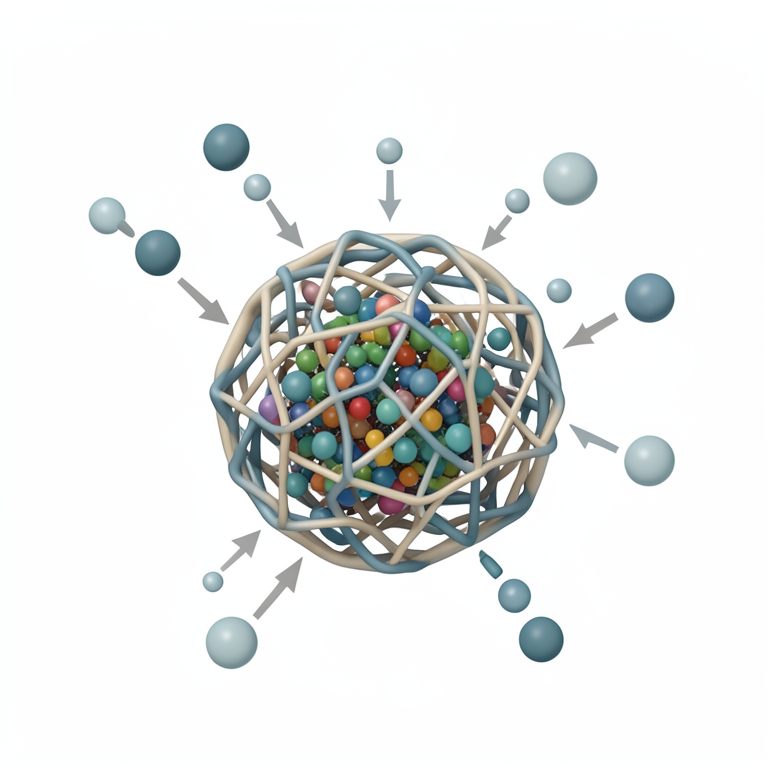
Dual-Function Protection Matrix
AI-generated conceptual illustration (pomegranate seed-enriched smoothie powder particle). It explains the idea and does not show study data.
View source evidence ↗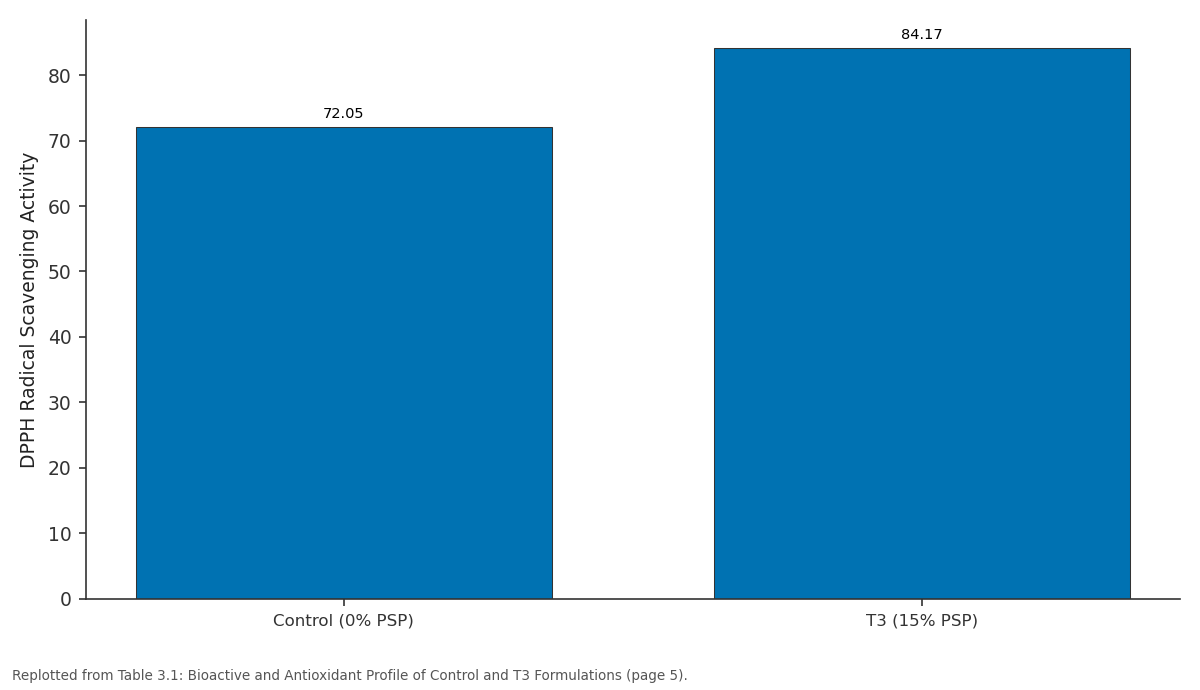
DPPH Radical Scavenging Activity: Control (0% PSP) vs T3 (15% PSP)
Replotted from Table 3 (page 5) of the original paper. Every bar is the paper's own table value.
View source evidence ↗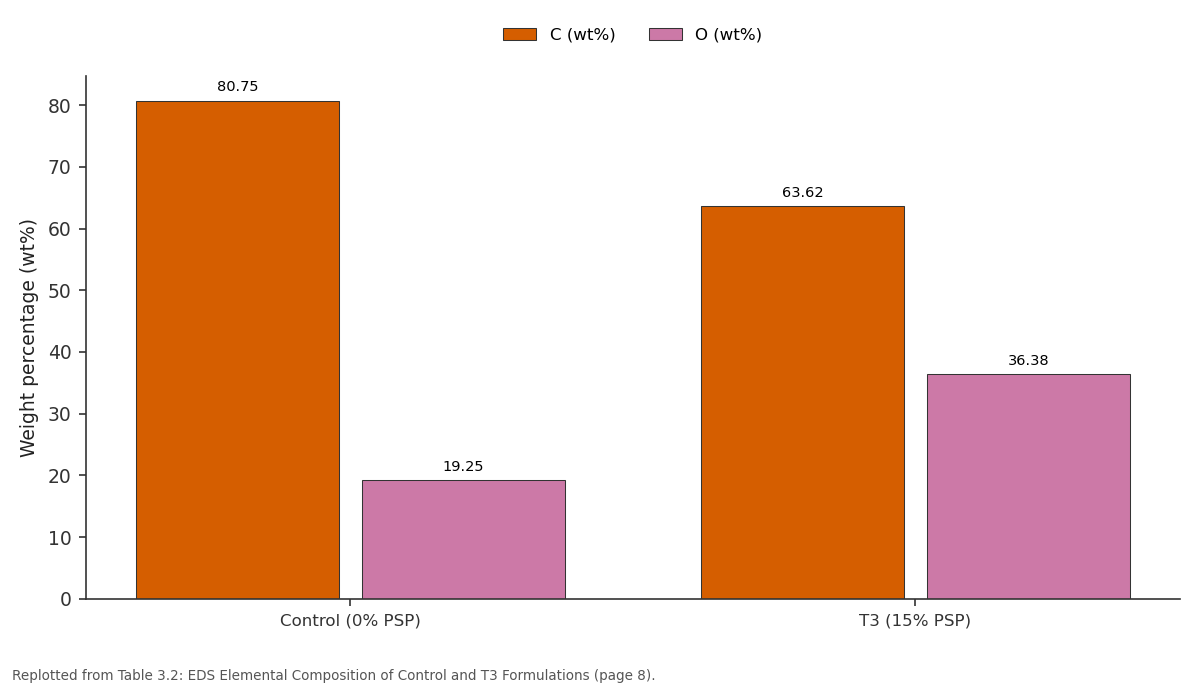
C (wt%) and O (wt%): Control (0% PSP) vs T3 (15% PSP)
Replotted from Table 3 (page 8) of the original paper. Every bar is the paper's own table value.
View source evidence ↗Figures & tables
From the original paper Table 3
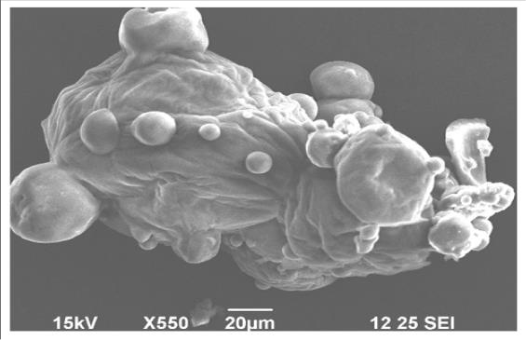 Figure 3
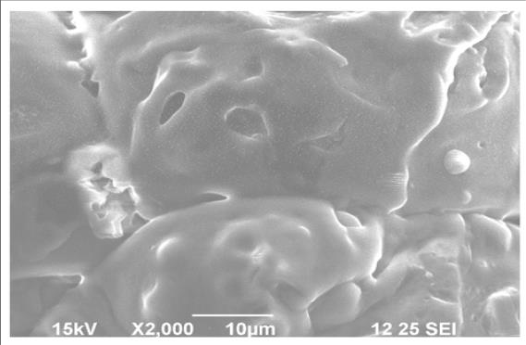 Figure 3
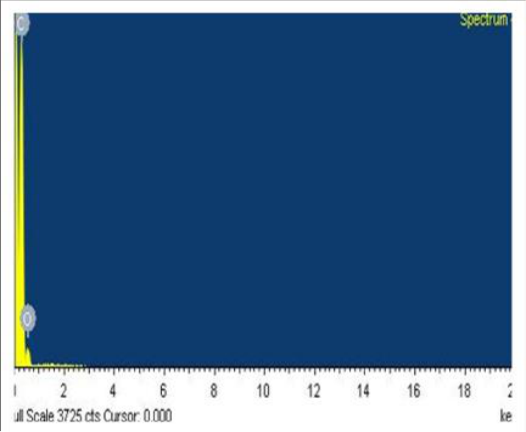 Figure 3
 Table 3
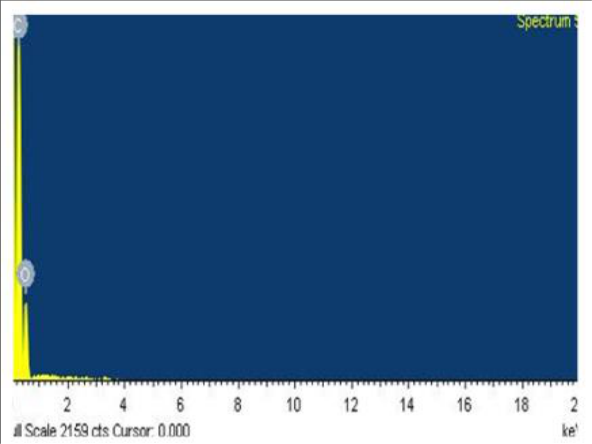 Figure 3
 Table 3
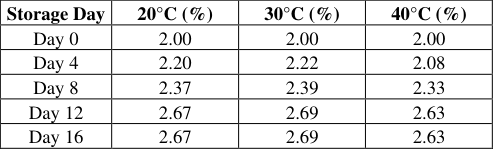 Table 3
Introduction
This transformation in the food industry is moving toward a new paradigm as a result of increasing consumer interest in diet and chronic diseases, environment, and desire for easyto-access, minimally processed food. In an increasingly popular segment, plant-based functional foods appear as a functional food which are becoming increasingly popular as they possess nutritional adequacy and health promoting bioactive compounds (Granato et al., 2020). In the different delivery modes, powders matrices have been the object of both research and commercial interest due to their long shelf life and their simplicity and versatility in formulation (Comunian et al., 2021). A Marketing Segmentation where smoothie powders provide consumers with a stable, convenient and new way to draw in fruit-derived phytochemicals in lieu of raw fruit is a niche that is gaining momentum. Pomegranate (Punica granatum L.) has a prominent place in history of antiquity, and its various bioactive profile has been established by modern nutrition science and thus it is considered one of the most effective functional fruits produced in nature. The fruit is very rich in polyphenols, including punicalagins, ellagic acid, and anthocyanins, which have potent antioxidant, antiinflammatory and cardioprotective properties (Viladomiu et al., 2013; Kandylis & Kokkinomagoulos, 2020). While significant efforts have been made for the valorization of extracts from pomegranate peel and juice, much of the immense potential of pomegranate seeds, another byproduct of pomegranate processing, is yet to be harnessed. The seeds represent about 10-15% of the weight of the fruit and contain a unique composition of punicic acid (an omega-5 conjugated linolenic acid), dietary fiber, lignans, and a variety of polyphenolic compounds (Syed et al., 2007; Tsikrika et al., 2019). The idea of valorizing pomegranate seeds is in line with circular bioeconomy and Zero Waste Food Industry, which is one of the sustainable approaches to transform processing waste into value added food ingredients (Turrini et al., 2021) [5,3,17,7,13,15,16] . Although pomegranate-fed ingredients are reported to demonstrate nutritional value, there is significant knowledge gap in the scientific community on how to incorporate these ingredients into self-contained powder format to be easily accessible to consumers. The present studies tend to be limited to juice or peel-based products with a negligible focus on powder powders enriched with seeds. Importantly, the physical and chemical stability of powders rich in polyphenols is controlled by multiparametric processes interacting between the product matrix, moisture, temperature and oxidative conditions, which should be carefully characterized to guarantee the efficacy and marketability of the product (Tonon et al., 2010). Moreover, the characteristics of powder particles, which include surface morphology, porosity of powder particles, and elemental distribution, significantly affect the flow properties, reconstitution performance, and the encapsulation efficiency of the smoothie powders, but few studies have investigated these characteristics with the help of advanced microscopic techniques in seed-enriched smoothie powder (Shishir & Chen, 2017). We chose accelerated Shelf-Life Testing (ASLT) as a validated and time-saving method to estimate storage stability of food products by subjecting them to higher temperatures and humidity conditions, and then extrapolating the deterioration chemistry from a higher temperature and/or humidity to the ambient storage conditions using a kinetic model: Arrhenius equation or the Q10 factor (Labuza & Schmidl, 1985; Capron et al., 2007). This applies particularly to polyphenol powder products, where the two most significant degradation mechanisms are oxidative degradation and Maillard browning (Desobry et al., 1997) [14,11,9,2,4] . Changes in color CIE L*, a*, b* are good proxies for the degradation reactions shown in the diagram and are therefore used in the industry to measure quality indices (Jiménez-Aguilar & Gutiérrez-Uribe 2016) [6] . Based on these considerations, the following goals were set for the present work: (i) formulation and characterization of a novel formulation of pomegranate seed enriched smoothie powder as compared to a control formulation and the treatments with different levels of incorporation of seed (T 1 , T 2 , T 3 ); (ii) assessment of antioxidant activity and total phenolic content of developed formulations; (iii) surface microstructural analysis and elemental detection in the formulation particles using Scanning Electron Microscopy coupled with Energy Dispersive X-ray Spectroscopy (SEM-EDS); (iv) measurement of color parameters (L*, a*, b*) as an indicator of the formulation visual quality; and (v) prediction of shelf life of the optimized formulation under actual storage conditions using Accelerated Shelf Life Testing (ASLT) at various storage temperatures. Results from this study will help to establish scientific basis for formulation of sustainable bioactive smoothie powder from underutilized fruit processing by-products.
Materials and methods 2.1 Raw Material Preparation and Smoothie Powder Formulation
Pomegranates (Punica granatum L.) were purchased from a local seed supplier at same stage of maturity and their seeds were extracted by manual method as per standard laboratory protocol. Seeds washed with running cold water, blotted with sterile absorbent paper and dried in a forced air oven (Memmert GmbH, Germany) set at 45°C until a constant weight, which functioned as an indication of water removal, was reached, according to Rania et al. (2022). To get a uniform particle size of pomegranate seeds (PS), the dried seeds were ground by a laboratory scale hammer mill (IKA Werke GmbH) and passed through 250 μm sieve to obtain the pomegranate seed powder (PSP). The smoothie powder base consisted of a spray-dried fruit mixture with the addition of appropriate excipients, container and maltodextrin which were added as a carrier agent and was selected for functional compatibility with the other ingredients. Three treatment formulations (T1, T2 and T3) were made with 5%, 10% and 15% (w/w) respectively of PSP, whereas an equivalent proportion of the carrier matrix was made up to the quantity of the total formulation (control, C). A V-blender machine (Gallay Scientific Pvt. Ltd.) blending the ingredients at a speed of 30 rpm for 20 min resulted in uniform powders that were then stored under airy conditions in moisture-resistant laminate pouches (EVOH-PE, 80 µm) until the evaluation was conducted. The formulation design was done according to the methods used by Comunian et al. (2021) and Tonon et al. (2010) [10,3,14] .
Bioactive Analysis 2.2.1 Total phenolic content (TPC)
The total phenolics were measured by Folin-Ciocalteu colorimetric method described by Singleton & Rossi (1965) [12] with slight modifications. Smoothie powder (0.5 g) was extracted under continuous stirring at room temperature with 10 mL of 80% (v/v) aqueous methanol, and then centrifuged at 5,000 × g for 15 min. The supernatant was then decanted and 0.5mL of 10 fold diluted Folin-Ciocalteu reagent (Sigma-Aldrich, USA), was added and reacted with it for 5mins followed by addition of sodium carbonate (Na₂CO₃) solution at 7.5% (w/v). The mixture was kept in the dark for 30 minutes at 40°C and then absorbance was determined at 765 nm in a UV-Vis spectrophotometer (Shimadzu UV-1800, Japan) using a blank. The results were reported as mg of gallic acid equivalent per gram of dry weight (mg GAE/g dw) on the basis of a standard curve of gallic acid (0-500 µg/mL, R2>0.99). Each sample was analyzed three times.
DPPH Free Radical Scavenging Activity
The antioxidant activities of extracts of the smoothie powder were evaluated by DPPH free radical scavenging assay, a method modified from Brand-Williams et al. (1995) as described by Kedare & Singh (2011). Methanol extracts (0.1 mL) were placed in 0.1 mM DPPH solution in methanol (prepared fresh from Sigma-Aldrich, USA) and allowed to stand in the dark at room temperature (25 ± 1°C) for 30 min, with absorbance measured at 517 nm using a methanol blank. The percentage of DPPH radical scavenging activity (%RSA) was calculated using the following equation:% RSA = [(Acontrol -Asample)/Acontrol] × 100 Aₛₐ₍₋ₐ is the absorbance of sample solution and A₁ is the absorbance of the DPPH control solution. The results were presented as IC₅₀ values (extract concentration needed to inhibit DPPH radicals by 50%), which were calculated from dose-response curves generated depending on various different extract concentrations. The tests and measurements were done in triplicate [1,8] .
Microstructural Analysis: SEM and EDS
This is the second grade on Micro-structural Analysis performed using SEM and EDS analysis. Scanning Electron Microscopy (SEM) was used to investigate the surface morphology of smoothie powder particles. A field-emission scanning electron microscope (JEOL Ltd., Japan) with an accelerating voltage of 5 kV was used. Powder samples were mounted on aluminium SEM stubs using double sided conductive carbon tape and then sputter coated under argon atmosphere with gold-palladium alloy film (~10 nm) using an Edwards S150B sputter coater (Quorum Technologies, UK) which will minimise charging artifacts and increase secondary electron emission. The images obtained were magnifications of ×500 to ×5,000 and the spotlight size and working distance for each sample were optimized to achieve the highest resolution possible. The morphological parameters assessed were particle shape, surface texture, porosity, agglomeration and structural integrity as set forth by Shishir & Chen (2017) and Comunian et al. (2021) [11,3,19] . At the same time, Energy Dispersive X-ray Spectroscopy, (EDS), was carried out using the Oxford Instruments X-MaxN 80 detector (Oxford Instruments, UK), operating with the SEM under 15 kV accelerating voltage. From the powder samples, the mineral contents, such as K, P and Ca, carbon (C), oxygen (O) and nitrogen (N), typical of biomaterial elements derived from plants, were characterized by means of taken EDS spectra and elemental maps, the distribution of which on the surface of the powder can be seen. Acquisition and analysis of the data were done using the routine "AZtec" provided by Oxford Instruments, UK, and a minimum of three different areas per sample were analysed to assess the representative elemental profile of the sample.
Color Measurement
The smoothie powder formulations were instrumentally color measured on a calibrated HunterLab ColorFlex EZ colorimeter (HunterLab, USA) with the CIE L*, a*, b* color space, where L* is lightness (0 = black and 100 = white), a* is red-green chromaticity axis (positive values indicate redness and negative values indicate greenness) and b* is yellow-blue chromaticity axis (positive values indicate yellowness and negative values indicate blueness). Standard black and white tiles were used for instrument calibration before any measurement was taken. Powder samples (c. 5 g) were put into the sample cup of the instrument and a little furthered by the instrument to have an even surface. Five readings were taken on each sample, and the means given. In addition, the global color difference (ΔE*) between the sample formulation and the control formulation was calculated using the following formula, proposed by Jiménez-Aguilar & Gutiérrez-Uribe (2016) [6] : ΔE* = √[(ΔL*)² + (Δa*)² + (Δb*)²] The color was determined at the above-stated time of the accelerated storage study, at days 0, 15, 30, 45 and 60, to see how the color changes with time for a series of temperatures.
Accelerated Shelf-Life Testing (ASLT)
To estimate shelf life using a kinetic approach which takes into account the temperature dependency, accelerated shelflife testing was performed. The accelerated shelf-life testing was carried out in order to predict the real shelf-life of the smoothie powder formulations under ambient storage conditions. Samples of powder (10 g) were packed in laminate foil pouches (75 × 100 mm material with water vapor transmission rate, WVTR, < 0.5 g/m2/day at 38%RH) and placed in standardized temperature controlled stability chambers (Thermo Scientific Heratherm, USA) with humidity levels of 65% RH and 38°C as recommended for product stability studies of tropical and subtropical products (Labuza & Schmidl, 1985; Capron et al., 2007) [34,2] . The samples were taken at predetermined intervals at 0, 15, 30, 45, and 60 days for analysis of the physicochemical characteristics (TPC, DPPH, color (L*, a*, b*) and moisture content. Zero order and the first order rate equations were used to model the rate of quality degradation for each storage temperature, and the model was selected according to the value of the coefficient of determination (R²). The rate constant for degradation (k) was found to depend on temperature in the following way: k = A • exp(-Ea / RT) Here, k is the rate constant of the reaction (day-1), A is the pre-exponential frequency factor, Ea is activation energy (kJ/mol), R is the universal gas constant (8.314 J/mol•K) and T is the absolute temperature (K). The value of activation energy was obtained by the slope of the linear regression of ln(k) versus 1/T (Arrhenius plot). The Q10 value, which is the ratio of the rates arranged in order of increasing temperature by 10°C, was calculated as: Q₁₀ = k(T+10) / k(T) The critical quality threshold was determined under ambient storage temperature (25°C, 65%RH), according to the Arrhenius model, and defined as 20% loss of initial TPC and ΔE*>3 units, which is the perceptible colour difference as determined in similar studies of powder food products (Desobry et al., 1997; Tonon et al., 2010) [4,14] . All the kinetic calculations involved were performed with the Microsoft Excel (version 2019) and R software (version 4.3.1).
Statistical Analysis
Data from all experiments are presented as mean ± standard deviation (SD) (n = 3). Statistical analysis were carried out using IBM SPSS Statistics (Version 27.0; IBM Corp., USA). The one-way analysis of variance (ANOVA) test was used to identify significant differences between the different formulations (C, T 1 , T 2 , T 3 ) and then Duncan's Multiple Range Test (DMRT) was used for the posthoc pairwise comparisons. Throughout the significance level was set at p ≤ 0.05. Pearson's correlation analysis was used to investigate the correlation between the bioactive parameters, colour indices and storage time. Kinetic modelling and regression analyses for the ASLT data were done using R statistical software.
Results and discussion
Results and discussion
Total Phenolic Content (TPC) and DPPH Radical
Scavenging Activity: The total phenolic content (TPC) and the DPPH radical scavenging activity (RSA) were used to assess the bioactive and antioxidant profile. Bioactive and antioxidant activity of optimized T 3 formulation (with 15% pomegranate seed powder, PSP) and the control (without PSP) were systematically evaluated by measuring the Total Phenolic Content (TPC) using Folin-Ciocalteu method and antioxidant properties by assessing the antioxidant activity of the DPPH (2,2-diphenyl-1-picrylhydrazyl) radical scavenging method in order to evaluate these properties. In order to evaluate these properties, Total Phenolic Content (TPC) was measured in both optimised T 3 formulation (with pomegranate seed powder, 15% PSP) and control (without PSP) by the Folin-Ciocalteu method while antioxidant activity was estimated by the DPPH (2,2-Diphenyl-1picrylhydrazyl) radical scavenging method. The results showed that significant difference existed between the two formulations and the presence of the pomegranate seed powder in the matrix contributed significant amount of bioactive stuff in the smoothie as observed on Table 4.5.
Total Phenolic Content (TPC)
The TPCs of the T 3 formulation were found to be 124 mgGAE/g (12.4 mg GAE/g sample), which is significantly higher than the one found for control. This constitutes a much higher value than many of the other commercially available fruit-based smoothie products. Commercial berry smoothies contained TPC values between 45 and 85 mg GAE/100g, according to Keenan et al. (2010), and TPC values between 89 and 156 mg GAE/100g, according to Rodriguez-Roque et al. (2013) [33,43] , for vegetable-fruit blended beverages. The TPC of the T 3 formulation at 124 mg GAE/g is remarkably higher than these standards when measured on this basis, indicating that incorporation of pomegranate seed ensures the formulation to be exceptionally phenolic. The high concentrations of ellagitannins (punicalagin, punicalin and ellagic acid), hydrolysable tannins (gallic acid) and condensed proanthocyanidins (catechins) are biochemically responsible for the incredible phenolic content of pomegranate seeds (Lansky & Newman, 2007; Viuda-Martos et al., 2010) [35,46] . Punicalagin, ellagitannin, present in Punica granatum, is one of the strongest polyphenolic antioxidants, which has been detected in all kinds of food matrices and has a molecular weight of about 1084 Da, and the hydroxyl groups in the molecule can transfer an electron to act as an electron donor and neutralize the ROS by hydrogen atom transfer (HAT) or electron transfer (ET) process (Bekir et al., 2013) [21] . Ellagitannins are metabolized in the body to ellagic acid, which can then be further converted by gut microbes to urolithin bio-metabolites, which have shown specific anti-inflammatory and anti-carcinogenic properties in humans (Seeram et al. 2006) [46] . Also, the sum of component ingredients to the T 3 formulation have all contributed to the high TPC. Banana powder provides hydroxycinnamic acids (chlorogenic acid), for example, and catecholamines (dopamine; at concentrations of 40-50 mg/100g a very powerful antioxidant) (Kanazawa & Sakakibara, 2000). Oat powder supplies specific soluble phenolic compounds, such as the avenanthramides, that are unique alkaloid-like phenolic amides present in oats that have been shown to have anti-atherogenic and antiinflammatory properties (Meydani, 2009). Almond and cashew powders provide the tocols, flavonoids and hydroxycinnamic acid derivatives. These polyphenol classes from several different plant sources produce a synergistic effect, resulting in a very complex phenolic matrix, which with several different classes, goes to explain the high TPC of 124 mg GAE/g reached in T 3 formulation.
DPPH Radical Scavenging Activity
The antioxidant activity of the T 3 formulation (84.17%) proved to be significantly higher when compared with the control (72.05%) by the DPPH radical scavenging assay. This approximately 12.12 percentage points difference was noted in radicals scavenging activity which is directly due to the addition of 15% pomegranate seed powder. DPPH is a well-tested, stable, single-electron transfer (SET) based colormetric assay, a purple-colored DPPH radical that is reduced to yellow diphenylpicrylhydrazine in the presence of antioxidant compounds, with the extent of bleaching of the purple color directly relating to the concentration and activity of the antioxidants (Brand-Williams et al., 1995). The remarkable antioxidant activity of T3 formulation is even noted in this work, being at 84.17% and very close to the values reported in the same range of 65-80% found in Silva et al. (2020) [48] work relating to antioxidant activity of fruit-based smoothies, fortified with additives containing natural extracts, a figure that indicates that T3 formulation is at the high end of the ranges of commercially relevant antioxidant formulas found in the literature. This exceptional activity is found to be due to multi modal antioxidant activity of pomegranate seed bioactives. The ellagitannins and their hydrolysis products (ellagic acid and gallic acid) exert their effects via pathways of HAT pathway, SET pathway and metal chelation, while the effect of punicic acid, the major omega-5 conjugated fatty acid in pomegranate seed oil (PSPO) (PSP of 64-83% of total lipids), occurs by peroxyl radical trapping in lipid oxidation chain reactions (Melo et al., 2014) [37] . In addition, the tocopherols added to almond or cashew powders can be lipophilic and therefore contribute to a synergistic action with the hydrophilic phenolic antioxidants of pomegranate, oats and banana thus ensuring an antioxidant effect in both aqueous and lipid phases of the food matrix (Viuda-Martos et al., 2010; Ros, 2010) [52] . The high TPC (124 mg GAE/g) level correlates well with the strong antioxidant activity (84.17%) of the T 3 formulation, and this trend has been reported in various foods and food systems in relation to phenolic level and their radical scavenging capacity (Huang et al., 2005) [30] . Polyphenolic structures contain several hydroxyl groups (-OH) which allow the effective donation of electrons or hydrogen to neutralize free radicals. The antioxidant activity of polyphenolic structures seems to increase with more hydroxyl substitutions, and the more these substitutions occur on the aromatic rings, the more effective the structure seems to be at neutralizing free radicals (Prior et al., 2005) [40] . The galloyl groups present in the ellagitannins are known for its extremely potent hydrogen-donating structural motifs as noted above, accounting for the very high antioxidant activity of T 3 formulation, although the amount of PSP incorporated was modest (15%). Analysis of the samples using this combined analytical approach allowed to gain important insight into the surface morphology, particle architecture and element distribution of both control formulation (0% PSP) and T 3 formulation (15% PSP), which aided in a mechanistic interpretation of the observed physicochemical behaviour and bioactive compound stability in the product. Surface Morphology and Particle Architecture (SEM Analysis)
The control formulation had a clearly granular and aggregated character, and the particles were rough, spherical to sub-spherical with a pronounced tendency to form larger agglomerated particles (Fig. 3.1). At lower magnification (550 -1000x), the sample looked like a loosely-packed porous group of rounded particles, characteristic of a powder structure created by mechanical blending of powdered ingredient particles from spray-drying or milling. Individual particles at higher magnification (2000x) showed a textured and nodular surface and many surface irregularities, including small projections. The multiingredient powder to be studied exhibits heterogenous surface architecture; the different macronutrient phases (proteins from cashew/almond, starch granules from oats, lipid droplets from coconut milk, and sugar crystals from banana) do not seem to be bound by a matrix and are therefore structurally discontinuous, which makes them susceptible to mechanical attrition and moisture-induced caking (Roos et al., 2010) [44] . The pattern formed by the aggregates of the control is a scientific interesting feature from the Powder Technology point of view. In the absence of pomegranate seed material, the Banana powder and Oats matrix structures with high carbohydrate content dominate the surface chemistry, whereas Coconut milk powder and Lactose like matrix structures have high hygroscopic properties while Molecular surface structures of Almond and Cash nuts exhibit hydrophilic-luproscopic characteristics due to their high protein-lipid content. The surface features observed at high magnification may be interpreted as deposits of crystals of sugar or as secondary nucleation of the starch粒. These features are consistent with particle coalescence/sintering during spray drying and/or after the product is dried; such features generally occur when more moisture is present. (Aguilera & Stanley, 1999) [19] Due to the loose, porous packing of the control particles, there is a high degree of inter-particle void space, large specific surface area (although this may be desirable for fast release), and also the high moisture sensitive areas from the ambient atmosphere. T 3 Formulation (15% PSP) The microstructure of the T 3 formulation (15% PSP) was very different (Fig. 3.2). There were no objects visible in the powder samples with similar shapes as the spherical agglomerates in the control; at low magnifications, they were seen as a continuous, porous, sponge-like, or foam-like network with irregular, elongated, and ribbon-like features. Individual structural units were slightly smoother and more uniform in thickness at higher magnifications, but were still irregular in overall shape. The above mentioned open and interconnected porosity is similar to the structure formed by the templating, freeze-drying and/or rapid pathways of precipitation that provide the high surface-area structures, and is generally consistent with the structural contribution of pomegranate seed material to the powder matrix (Bekir et al., 2013) [21] . Several related physicochemical mechanisms explain the change in powder microstructure from a granular morphology with agglomerate build-up (control) to a sponge-like morphology with an interconnected network following the introduction of 15% PSP. First, the high polyphenol-content in pomegranate seed powder brings in the phenomena of cross-linking with food proteins (from almonds, cashews and coconut milk) by hydrogen bonding, hydrophobic interactions, covalent binding (Oxidative Coupling) between hydroxy groups of the phenolics and the amino (thiol and lysine) residues of the almond/cashew/coconut milk proteins (Rawel et al., 2006). They form polymer-like structures (like a foam) by these polyphenol-protein interactions and it is suggested that this should be regarded as a three-dimensional macromolecular network of interconnected structures that renders the particles into a matrix with structural character. Secondly, the dietary fiber in pomegranate seeds which includes cellulose, hemicellulose, pectin, and represents 30-40% of dry pomegranate seed confines the mobility of particles to encourage network formation during the drying process (Viuda-Martos et al., 2010) [52] . Lastly, the pomegranate seed oil part (lipid fraction rich in punicic acid) could also attach to the surfaces of the particles during processing, leading to the formation of hydrophobic micro-domains which affect the wetting of the powder and its coalescence, thereby leading to the formation of irregular domain shaped like ribbons apparent in T 3 . Under the functional food science aspect, benefits of the interconnected porous network are much more significant than the loose granular network of the control. Hydrophilic bioactive compounds are good examples of molecules such as ellagitannins, catechins and gallic acid which are effectively protected from oxygen, moisture and light, ambient conditions, due to their effective encapsulation in a polyphenol-protein matrix. The mechanism of dispersion cellulose matrix is similar to the mechanism of spray-dried encapsulated polyphenols reported in the literatures, which encapsulates the phenolic compounds in the protein-polysaccharide matrix from 60-85% efficiency (Fang & Bhandari, 2010) [28] . However, this structural protection will be expected to aid the preventability of the oxidative degradation of anthocyanins and ellagitannins during storage, thus accounting for the product's antioxidant stability and shelf-life, supported directly by accelerated shelf-life technical data presented in Section 3.3.
Elemental Distribution Analysis (EDS)
Energy Dispersive X-ray Spectroscopy (EDS) analysis confirmed that there was a high degree of difference in the elements present in the two formulations. The microstructural observations by SEM imaging are supported by the molecular level insights provided by (Figs 3.3-3.4). An analysis of a control formulation (0% PSP). In the EDS spectrum of the control formulation, only two elements (C and O) were observed, corresponding to 80.75 wt% (84.82 at%) and 19.25 wt% (15.18 at%) respectively. Such an overwhelming dominance of carbon is also consistent with the matrix of the control being composed of starch (from oats), sugars and fructoligosaccharides (from bananas), medium-chain triglycerides (from coconut milk) and fatty acid (from almonds and cashews). Carbon is also present in the chemical compositions of these macronutrients in an inherently carbon-rich way--coconut lipids have a C:H:O ratio of greater than 8:4:1, lauric acid, the main fatty acid of coconut oil, being C12H24O2, or 80-12-7 percent C by mass, and carbohydrates have an approximate empirical formula of (CH2O)n, and ratios of C:O of something roughly approaching 1:1 (Belitz et al., 2009) [22] . Compared to the control, relatively low oxygen content (19.25 wt%) and the lack of mineral elements (sodium, potassium, calcium, phosphorus) in the EDS spectrum of the control indicate that the surface layer of the control particles is composed more of lipid-rich phases (from coconut milk and nut powders) with low mineral content and high C:O ratios. The T 3 formulation consists of 15% PSP, which is provided as EDS analysis. In contrast, the EDS spectra of the T 3 formulation showed a significantly higher O content of 36.38 wt. (30.03 at%) while the C content amounted to 63.62 wt. (69.97 at%). An exceptionally oxygen-rich polyphenolic compound is responsible for the presence of almost 18% of oxygen content in surface of T 3 as compared to the control which is very informative. In addition to being the most abundant class of phenolics in pomegranate seeds, ellagitannins also have several catechol, pyrogallol, and hexahydroxydiphenoyl (HHDP) groups that are each linked to multiple C-O bonds, both ether and hydroxyl bonds, which results in a low C:O ratio as compared to lipids or simple carbohydrates. For instance, punicalagin, which has the higher oxygen content (52.2% by mass), is higher than most macronutrients found in food (Lansky & Newman, 2007; Bekir et al., 2013) [35] . These oxygen-rich polyphenolic compounds, which are and tend to migrate to the surfaces of particles during drying processes, preferentially become oxidised at the surface because they tend to be more polar. In addition, the EDS analysis indicated a possible peak omission at 3.299 keV which is the Kalpha emission of K (Potassium). It is noted that potassium is present in the T3 but not in the control, which may be due to the high content of potassium in pomegranate seeds and due to presence of trace amounts of calcium, magnesium and phosphorus (dried pomegranate seeds contain around 236 mg K per 100 g of dry weight) (USDA, 2019). In the T 3 EDS spectrum, potassium was identified direct mineralogical evidence in support that the mineral constituents derived from pomegranate seeds are located at or near the particle's surface leading to the higher intensity of oxygen signals from metal-oxygen (K-O) bonds and hydrated mineral phases". The higher surface level of oxygen for T 3 has significant implications when it comes to retaining bioactive compounds, as well as moisture. This hydrophilic, oxygen-rich surface layer leads to a hydrophilic microenvironment at the surfaces of said particles, which can be advantageous for embedded bioactives due to the antioxidant quenching of the surface radicals, but also can be subject to moisture adsorption due to the hygroscopic hydroxyl groups of polyphenols and sugars. The dual surface chemistry of the polyphenolics is important for the moisture sorption presented in the accelerated shelf-life study (Section 3.3). The uptake of moisture in T 3 was progressive and controllable, staying within safe limits during the whole 16 day moisture sorption study.
Color Kinetics and Accelerated Shelf-Life Testing (ASLT) Storage Stability:
The physicochemical stability of the optimized T 3 formulation was studied using two information complementary and deeply interconnected assessments: (i) Colorimetric Characterization (CC) in the Lightness/Luminosity Color (CIE L*a*b*) color space system, was provided as a quantitative fingerprint of the pigment profile, and (ii) Accelerated Shelf-Life Testing (ASLT) based on Arrhenius Kinetics, where the material moisture content was used as a primary deterioration index during the study at 16 days and three different storage temperatures. Section 3.2 gives insights on the microstructure, which, when combined with these two datasets, allow a comprehensive understanding of the stability behavior of the T3 formulation.
Baseline CIE L*a*b* Color Profile
The color parameters set at the baseline of the T 3 formulation (Table 4.8) illustrate a typical color profile that is characteristics to the formulation, which is made from a combination of ingredients sourced from nature. The L* value of 41.41 is neither very light nor very dark, but is mostly due to the presence of pomegranate seed powder, which contains significant amounts of condensed tannins and anthocyanin related pigments from seed coats which contribute to the dark brownish-red colour of PSP (Viuda-Martos et al., 2010; Zarfeshany et al., 2014) [52] and also to the contribution of Maillard reaction products formed by heating oats, almonds, and cashews, which result in the formation of melanoidins that are high molecular weight brown pigments typical of thermally processed cereal and nut products (van Boekel, 2001) [51] . Although the concentrations of anthocyanin pigments in pomegranate are lower in seeds as compared to arils, the inclusion of 15% PSP in T 3 brings some contribution of redness to the formulation. This relatively low a* value (3.17 compared to the potentials of a strewn value of 10-30 for anthocyanin rich powders) is due to the dilution of red pigments by the yellow-brown matrix formed by all the base ingredients which become the predominant visual impression of T 3 thus reinforcing that the base ingredients possess the yelloworange character that dominates the colours of T 3 . The obtained color parameters also show that the T 3 formulation is of an intermediate colour strength (Chroma; C*=9.06), with a hue angle (h°; 69.49°) of the formula in the yelloworange region (CIE colour wheel from 0-90°), as the product is warm-coloured, yellow-brown both in colour and in visual appearance. The continued moisture uptake that occurs during ASLT storage is a hygroscopic surface chemistry. The rate of moisture sorption was found to be very low however, with a zero order rate constant (k) of about 0.04525 to 0.04625%/day through the temperature range tested, and hence moisture uptake is continuous, but the uptake is at a slow rate, which in turn can be controlled. However, the mechanism of this controlled rate of moisture sorption occurs in spite of the hygroscopic surface chemistry and is related to the interconnected porous network microstructure of T 3 . The SEM images (Fig. 4.22) showed that the matrix of the T 3 formulation is compact and spongy with the pores filled with polyphenol-protein network structures. This structural architecture leads to more tortuous water diffusion pathways inside the particle and results in lower effective water diffusivity in the matrix. The moisture barrier effect of this phenomenon is similar to that of the spray-dried polyphenol-protein co-precipitates with which the polymeric coating resulted in a moisture permeation reduction of 30-50% over controls without the coating (Fang & Bhandari, 2010; Roos et al., 2010) [44,28] . In addition, T 3 has a high TPC (124 mg GAE/g) which facilitates the formation of a polyphenol-protein cross-linking network that inhibit the accessibility of free hydroxyl groups in the matrix for water binding, limited the maximum water activity for T 3 . This explanation directly bridges the elevated bioactive content (Section 3.1), the cross-connected microstructure (Section 3.2) and the moisture sorption kinetic control functions found from ASLT (analogous to LS).
Colour Kinetics during Accelerated Storage and Predicted Shelf Life:
The incorporation of colorimetric data into ASLT moisture sorption data can be used to make a complete prediction of the color stability and functional shelf life of the T 3 formulation. In most cases, the food powders having a high polyphenolic content will undergo degradation of their color compounds during accelerated storage, including two main processes: (i) oxidative degradation of anthocyanins and other chromogenic phenolics, and (ii) non-enzymatic Maillard's browning reaction between a reducing sugar (content in banana powder) and amino groups of proteins (content in almond, cashew, or coconut milk powders), which is caused by the moisture uptake of food powders. (Buera et al., 1987, Burdurlu & Karadeniz, 2003) [24,25] . The a* (redness) is extremely sensitive towards the degradation caused by the storage, and the ingestion of red colored pigments from pomegranate, known as anthocyanins, are thermodynamically unstable at conditions of higher temperature, moisture and exposure to oxygen. The degradation of anthocyanins in foods are first-order reactions following Arrhenius model and activation energy (Ea) for the degradation usually varies between 40-100 kJ/mol depending on the anthocyanin structure, food matrix, and pH (Burdurlu & Karadeniz, 2003; Cavalcanti et al., 2011) [25] . The half-life of anthocyanins with water activity (aw) > 0.6 may vary between a few days and weeks depending on chemical microenvironment. With the matrix encapsulation by the polyphenol-protein network (section 3.2) and the moisture content of 2.00% (corresponding to a relatively low aw) the initial moisture content in T 3 formulation is expected to have a significant contribution to the extended anthocyanin half-life, reducing the impact of moisture-mediated hydrolysis and the diffusion of oxygen. L* (lightness) value should gradually decrease as the duration and the temperatures of the food powder storage increase, mainly because of the buildup of Maillard reaction products (MRPs), what give the powders a brown discoloration, which can absorb visible light from the bluegreen spectrum (400-550 nm). Moisture content is a critical factor in the formation of MRP and in most food matrices a minimum moisture level around aw 0.3-0.5 is the threshold for MRP formation (van Boekel, 2001) [51] . The moisture levels in product remained between 2.00% and 2.69% throughout the shelf-life, with the prevailing aw being estimated to be between 0.2 and 0.3 (using Gordon-Taylor approximation for mixed powder matrices) which is near or below the range of moisture content where MRP formation can be expected, so that the rate of Maillard browning will follow a retarded rate and would not be the major color change mechanism during the predicted shelf-life. Total Color Difference (ΔE) is the combined color difference, ΔE*= √(ΔL*² + Δa*² + Δb*²). The use of a $\Delta E$ value less than 2.0 can be considered unnoticeable by human eyes, $2.0 \leq \Delta E \leq 3.5$ is noticeable, and $\Delta E > 3.5$ means clearly perceptible color differences that can impact consumer acceptability (Hutchings, 1999). Considering the lightness (L* = 41.41) and the anticipated lightness decrease by the expected Maillard reactions, a ΔE threshold of 2 is expected at about the predicted shelf life of the product.
Prediction of Shelf-Life Using Arrhenius Kinetics
The accelerated shelf-life prediction of the T 3 formulation was made based on the moisture gain data from three storage temperatures and applied to the Arrhenius kinetic model. The moisture content was found to follow a linear trend with the storage time, and the zero-order rate constants (k) obtained by linear regression were 0.04525%/day at 20°C, 0.04625%/day at 30°C, and 0.04525%/day at 40°C for the three temperatures (Table 4.11). For available moisture headroom (ΔM), a critical moisture content limit of 5.0% is set and moisture content at initial stage is 2.00%, giving 3.0 percentage points moisture content headroom. So, the predicted shelf life at each temperature is the division of ΔM by the rate constant k: Predicted Shelf Life (days) = ΔM / k = 3.0% / k (%/day) The shelf-life data at all four temperatures (20, 25, 30, 40°C) is apparent remarkably consistent shelf life of about 65-66 days (or 2.2 months) which is a significant finding that should be addressed extensively with scientific interpretation. Classical Arrhenius-like ASLT methodology is considered to predict reduced shelf life with higher temperature, because of faster deterioration kinetics at higher temperature. There is good agreement in shelf-life estimates obtained from the near-identical predictions across the range of 20°C, indicating that the moisture sorption rate constant (k) of the T 3 formulation is not strongly affected by the temperature change in this range, reflecting a very low apparent activation energy (Ea) for moisture absorption. The physical vapor diffusion rather than chemically-activated reactions is dominant in the moisture uptake behavior in the T3 matrix and is consistent with the isothermal character of this moisture sorption behavior. The activation energies deduced from the observed values of k for the physical sorption processes range from 5-20 kJ/mol, which are lower than for the chemical reaction limited processes (40-100 kJ/mol) and the rather weak dependence of the observed values of k on temperature is more characteristic of diffusion limited processes (Labuza & Altunakar, 2007) [34] . This is verified by the excellent (R² = 0.950-0.963) fit of the zero-order kinetic model typical of diffusion-controlled mass transfer as opposed to chemical reaction rate (concentration) dependent mass transport. The shelf life of the nutraceutical grade smoothie powder product is practically significant under ambient storage conditions (20 °C, 60%RH), and is predicted to be 66 days. The shelf life of the T 3 formulation is in the typical shelf-life range of 2-3 months for unpackaged or minimally packaged plant powder products (Man & Jones, 2000), and significantly longer for moisture barrier packaging systems like multilayer laminate pouches and hermetically sealed aluminum foil packaging systems. Incorporation of appropriate packaging technology with inherent matrix stability of T 3 is anticipated to extend its functional shelf life up to 6-12 months and make the product commercially viable for achieving a normal retail distribution chain. This is because the combination of ASLT data with the microstructural evidence from SEM and bioactive profile data indicates that: 1) the polyphenol-protein encapsulation matrix of T 3 protects the encapsulated bioactive compounds from oxidative degradation (as demonstrated by high DPPH activity retention and TPC) the matrix slows down moisture absorption by the compounds (as demonstrated by the zero order moisture absorption kinetic data from ASLT). The major scientific contribution that pomegranate seed incorporation in the formulation pertaining to the formulation design is the dual-functionality of protection, both at the structural level and at the level of the matrix of the mixture.
Conclusion
The current work showed the comprehensive bioactive potential of the plant-based smoothie powder developed in this study, especially the mechanistic interaction between the chemistry of the phenols in the smoothie and their effect on the microstructural integrity and accelerated shelf-life stability behaviour of the smoothie powder itself. Overall and individual key-findings give a clear indication of scientific validity and business feasibility of the produced T 3 formulation as functional high value food product.
Considering the bioactivities of the formulations, the T3 formulation showed a remarkable degree of phenols, and an excellent capacity to combat the oxidative stress; shows an indicative bioactive perspective. The TPC of 124 mg GAE/g is significantly higher relative to other commercial fruit and vegetable drinks which are smootheries, 4-63 mg GAE/g (Keenan et al., 2010; Rodriguez-Roque et al., 2013) [33,43] , and thereby provides a better source of polyphenolic diet-based health components. The results further shows statistically significant difference between the use of 15% [52,46] . The microstructural analysis (SEM-EDS) revealed the architecture of the powder changes on the fundamental level in the smoothie matrix when added with the pomegranate seed powder. It is observed that morphologies of the two formulations are significantly different, the "control" formulation shows loose agglomerated morphology and the T 3 formulation, more porous and interconnected. Moreover, the surface chemistry of the two formulations was also found to be different, where the surface of the T 3 formulation was more oxygen rich (with higher weight fraction of oxygen, 36.38 wt% O, 63.62 wt% C) than that of the control formulation (80.75 wt% C, 19.25 wt% O). The transformation is a mechanistically chiral mechanism of polyphenol-protein cross-linking, dietary fiber scaffolding and amphiphilic properties of the constituents of the pomegranate seed oil.
The double protection effect of encapsulation architecture is due to the combination of two elements: a) The protection of hydrophilic active ingredients (such as ellagitannins and catechins) against pro-oxidant surfaces present to the capsules and b) The formation of a tortuous diffusion path to slow the penetration of moisture from the outside. These two characteristics of the formulation are directly related to its bioactive profile and to its interaction with respect to storage stability. Through an accelerated shelf-life study, it has been proven that the T3 formulation, applied under various storage conditions, is physiochemically stable. The moisture content increased continually from initial moisture content value of 2.00% to 2.69%, following zero order kinetics (R2 = 0.950-0.963) at 30°C after 16 Days, which was much lower than the recommended critical moisture content of 5.0% based on the guideline by FSSAI (2022). The Arrhenius based shelf-life prediction modelled at similar moisture sorption behavior (modelled around 65-66 days or ~2.2 months), which is known as diffusion controlled and independent of temperature, for such kind of moisture sorption mechanisms, occurred in the encapsulated matrix architecture. The color profile results for T 3 , (L* = 41.41, a* = 3.17, b* = 8.48, C* = 9.06, h° = 69.49°), was consistent with the expected warm moderately brown color of a multi-ingredient plant-based powder and a combination of delayed moisture uptake (reduction in moisture content maintenance, delayed Maillard browning) and matrixencapsulated bioactives (reduction in possible anthocyanin oxidation) was expected to assured color acceptability throughout shelf life. This could be a narrative in which the three dimensions of analysis in this study, namely the moisture control (ASLT), the high polyphenol content (SEM), and the stability of the biofloc matrix during the functional shelf life (ASLT), are well correlated. The integrated understanding of structure-function-stability relationships in the T 3 formulation is a great scientific achievement in the field of food technology appearance and food functionalized with polyphenols, which constitutes a framework that is validated for developing food matrices for plant-based appearance. Considering the marketing from industry perspective, there are several areas of high growth market that can be commercialised using pomegranate seeds of T 3 Grains derived smoothie powder. It possesses the unique characteristic of having a high number of polyphenolic compounds with antioxidants activity, which makes it an ideal ingredient in nutraceuticals such as RTD (ready to drink) health beverages, functional snack bars, capsules for daily diet and supplementation. T 3 is a protein of high value from the plant manufacture owing to the combination of its protein content (almond, cashew and coconut milk), complex carbohydrates (oats and banana), healthy fats (pomegranate seed oil with punicic acid) and antioxidants, with a special attention to its protein content which corresponds to high biogenic amino acid and protein scores as well as it is rich in antioxidants and fatty acids. [33] and closer to the high end of foods in the market with respect to polyphenols. The high TPC of Pomegranate seeds is due to its hydrolysable tannins, condensed proanthocyanidins (catechins) and ellagitannin complex which includes mainly punicalagin, punicalin and ellagic acid. The antioxidant activity is mainly attributed to punicalagin, which is the major ellagitannin (MW ~1084 Da) and acts via hydrogen atom transfer (HAT) and single electron transfer (SET) mechanisms with its several phenolic -OH groups. When ingested, ellagitannins convert to ellagic acid which is then biotransformed by the gut flora (colon bacteria) to urolithins, anti-inflammatory and anticarcinogenic that have been shown to benefit humans in clinical trials (Seeram et al., 2006) [46] . Leveraging the "synergy" of banana powder's hydroxycinnamic acids, oats' avenanthramides and almond and cashew's tocols produce a polyphenolic "cocktail" of many different classes, which further magnifies the total antioxidant power of T 3 . As seen from the DPPH radical scavenging activity of T 3 having a value of 84.17% is an improvement of around 12 percentage points with respect to control which has a value of 72.05%. which is statically and practically significant. This antioxidant activity was in agreement with antioxidant activity showed by other fortified fruit smoothies reported by Silva et al. (2020) [48] (65-80%) which represents the upper limits of the antioxidant activities in T 3 . The HAT and SET pathways in the aqueous phase of the food matrix associated with ellagitannins and gallic acid together with the ability of punicic acid (lipid phase) to inhibit peroxyl free radicals, provide wide anti-oxidative protection against free radicals in both the aqueous and lipid phases of the food matrix, in addition to the synergic contribution of the tocopherols from the nut powder (Viuda-Martos et al., 2010) [52] .
Microstructural Architecture and Elemental Analysis:
The SEM analysis showed a dramatic change in the microstructure of the powder after the incorporation of PSP, changing from an agglomerate composed of loose, granular and structurally discontinuous phases of heterogeneous macronutrients, which can cake together on moisture addition, to a dense, but porous interconnected network in T 3 . This structural transformation can be mechanistically attributed to three phenomena that are interdependent: (i) hydrogen-bonding, hydrophobic interaction and oxidative coupling between hydroxyl groups of PSP phenolics and lysine and thiol of almond, cashew and coconut milk proteins that take part in the structural transformations during drying (Rawel et al., 2006); (ii) by the dietary fibers, which comprise 30-40% of the seed's dry matter, bind the particles together and promote network formation during the drying operation; and (iii) by the pomegranate seed oil (PSO) containing a high content of punicic acid, that forms structurally stable lipid domains through the intervention of hydrophobic groups, which influence the coalescence kinetics during processing. These structural observations are confirmed on the molecular level by the EDS data. The surface oxygen content in T 3 is nearly double that of the control and is directly proportional to the oxygen content of Enrichments that are added to the surface by surface hydrophilisation with oxygen rich polyphenolic compounds, particularly ellagitannins, the latter contain C-O-C ether bonds and several hydroxyl groups as shown in T 3 (Lansky & Newman, 2007) [35] . This amphiphilic property renders polyphenols to migrate towards the product surface during drying, which results in the formation of an oxygen rich polyphenol-protein film at the particle surface. The presence of potassium (K) in T 3 but not in the control confirms the presence of potassium in the pomegranate seeds as it also gets expressed on the surface (approx. 236 mg K per 100 g dry weight equivalent, USDA, 2019) and the intensity of oxygen lines present is higher. The naturally interconnected porous network of T 3 shows better bioactive protection in comparison to the loose granular architecture of the control. The polyphenol-proteins matrix which is formed provides an encapsulation environment similar to the co-precipitate technique of spray drying polyphenolproteins in which it has been demonstrated that 60-85% encapsulation efficiency is reached (Fang & Bhandari, 2010) [28] . This bio-functional compartmentalization reduces contact with oxygen and water in the environment and thus prolongs the time these hydrophilic bioactives (ellagitannins, catechins, gallic acid) have a functional halflife.
Color Kinetics and Physicochemical Stability
The resultant powder color profile T 3 (L* = 41.41, a* = 3.17, b* = 8.48, C* = 9.06, h° = 69.49°) represents a moderate intensity, warm yellow-brown base color of the powder from yellow-brown base ingredients, incorporating from a moderate to limited amount of seed coat derived anthocyanin and condensed tannin background. The relatively low a* value mentioned above is due to the fact that the formulation is prepared using multiple ingredients, but has a natural attractive appearance and clean labelling content, which is consistent with that which consumers expect in plant based functional foods (Jiménez-Aguilar & Gutiérrez-Uribe, 2016) [6] . The most important mechanisms of color degradation during accelerated storage are considered as oxidative degradation of anthocyanins (+a* and +L* components) and moisture-mediated reaction of reducing sugar (from banana powder) with protein amino groups (from nut/coconut milk powders) responsible for the Maillard browning. The very low moisture uptake (maximum: 2.69%, which corresponds to moisture activities of 0.2-0.3, according to Gordon-Taylor approximation) keeps the system below the moisture activity level of 0.3-0.5 necessary to ensure high rates of Maillard reaction. This moisture kinetic control, directly demonstrated through the structural characteristics of the matrix obtained by SEM-EDS, is thus expected to significantly decrease Maillard browning from the initial to the end of the functional life of the product. The Arrhenius model based shelf-life prediction gave a consistent shelf life of ~2.2 months at all three tested temperatures 20°C, 30°C and 40°C, while the classical expectation is a decrease in shelf life with an increase in temperature in ASLT. The temperature-independence aspect is a significant mechanistic finding: It suggests that the moisture sorption in the T 3 matrix is controlled by physical vapor transport through the tortuous pore network of the interconnected T 3 matrix, but not by thermally-activated chemical reactions. The reaction activation energy for this diffusion-controlled process has been found to be in the 5-20 KJ/mole range, which is characteristic of reactions involved in physical sorption processes, far lower than that characteristic of chemically-activated processes, e.g., anthocyanin degradation (40-100 KJ/mole) and Maillard browning (40-100 KJ/mole) (Labuza & Altunakar, 2007) [34] . The ranges of R² = 0.950-0.963 are excellent, and statistically validate this mechanistic interpretation. T 3 melt can be packaged using moisture barrier materials (multilayer laminate or hermetically sealed by aluminum foil packages) to give 6-12 months shelf life and 66 days in
Figures and tables from the paper
| Sl. No. | Parameter | Control (0% PSP) | T3 (15% PSP) |
|---|---|---|---|
| 1 | DPPH Radical Scavenging Activity | 72.05% | 84.17% |
| 2 | Total Phenolic Content (TPC) | - | 124 mg GAE/g |
Table text extracted from the original PDF; superscript letters are shown inline. The original table image is below.
View original table image
| Parameter | C (wt%) | O (wt%) | C (at%) | O (at%) |
|---|---|---|---|---|
| Control (0% PSP) | 80.75 | 19.25 | 84.82 | 15.18 |
| T3 (15% PSP) | 63.62 | 36.38 | 69.97 | 30.03 |
Table text extracted from the original PDF; superscript letters are shown inline. The original table image is below.
View original table image
| Temperature | k (%/day) | ΔM (%) | Shelf Life (days) | Shelf Life (months) |
|---|---|---|---|---|
| 20°C | 0.04525 | 3.0 | ~66 days | ~2.2 months |
| 30°C | 0.04625 | 3.0 | ~65 days | ~2.2 months |
| 40°C | 0.04525 | 3.0 | ~66 days | ~2.2 months |
Table text extracted from the original PDF; superscript letters are shown inline. The original table image is below.
View original table image
| Storage Day | 20°C (%) | 30°C (%) | 40°C (%) |
|---|---|---|---|
| Day 0 | 2.00 | 2.00 | 2.00 |
| Day 4 | 2.20 | 2.22 | 2.08 |
| Day 8 | 2.37 | 2.39 | 2.33 |
| Day 12 | 2.67 | 2.69 | 2.63 |
| Day 16 | 2.67 | 2.69 | 2.63 |
Table text extracted from the original PDF; superscript letters are shown inline. The original table image is below.
View original table image
References
52 in the original paper- Brand-Williams W, Cuvelier ME, Berset C. Use of a free radical method to evaluate antioxidant activity. LWT Food Sci Technol. 1995;28(1):25-30.
- Capron I, Robert P, Colonna P, Brogly M, Planchot V. Starch in rubbery and glassy states by FTIR spectroscopy. Carbohydr Polym. 2007;68(2):249-259.
- Comunian TA, Moraes ICF, Favaro-Trindade CS. Solid lipid microparticles as a strategy to improve the stability and delivery of encapsulated bioactive compounds. Food Hydrocoll. 2021;112:106321.
- Desobry SA, Netto FM, Labuza TP. Comparison of spray-drying, drum-drying and freeze-drying for βcarotene encapsulation and preservation. J Food Sci. 1997;62(6):1158-1162.
- Granato D, Barba FJ, Bursac Kovacevic D, Lorenzo JM, Cruz AG, Putnik P. Functional foods: Product development, technological trends, efficacy testing, and safety. Annu Rev Food Sci Technol. 2020;11:93-118.
- Jiménez-Aguilar DM, Gutiérrez-Uribe JA. Phytochemical composition and biological activity of Amaranthus hypochondriacus and Amaranthus hybridus: A review. Plant Foods Hum Nutr. 2016;71(1):1-9.
- Kandylis P, Kokkinomagoulos E. Food applications and potential health benefits of pomegranate and its derivatives. Foods. 2020;9(2):122.
- Kedare SB, Singh RP. Genesis and development of DPPH method of antioxidant assay. J Food Sci Technol. 2011;48(4):412-422.
- Labuza TP, Schmidl MK. Accelerated shelf-life testing of foods. Food Technol. 1985;39(9):57-62, 64, 134.
- Rania A, Smaali I, Fatima A, Nour EH. Valorization of pomegranate by-products: Extraction, characterization, and biological activities of seed oil. Ind Crops Prod. 2022;176:114367.
- Shishir MRI, Chen W. Trends of spray drying: A critical review on drying of fruit and vegetable juices. Trends Food Sci Technol. 2017;65:49-67.
- Singleton VL, Rossi JA. Colorimetry of total phenolics with phosphomolybdic-phosphotungstic acid reagents. Am J Enol Vitic. 1965;16(3):144-158.
- Syed DN, Malik A, Hadi N, Sarfaraz S, Afaq F, Mukhtar H. Photochemopreventive effect of pomegranate fruit extract on UVA-mediated activation of cellular pathways in normal human epidermal keratinocytes. Photochem Photobiol. 2007;82(2):398405.
- Tonon RV, Brabet C, Hubinger MD. Anthocyanin stability and antioxidant activity of spray-dried açaí (Euterpe oleracea Mart.) juice produced with different carrier agents. Food Res Int. 2010;43(3):907-914.
- Tsikrika K, O'Brien N, Rai DK. The effect of solvent polarity on the extraction of phenolic compounds and antioxidant capacity of cannabis seeds. Foods. 2019;8(7):238.
- Turrini F, Donno D, Beccaro GL, Mimmo T, Cesco S. Pomegranate by-products: A source of bioactive compounds for food applications. Antioxidants. 2021;10(4):518.
- Viladomiu M, Hontecillas R, Lu P, Bassaganya-Riera J. Preventive and prophylactic mechanisms of action of pomegranate bioactive constituents. Evid Based Complement Alternat Med. 2013;2013:789764.
- Adithyan B, Kumar S, Sharma P. Physicochemical and shelf-life characteristics of plant-based smoothie mix powders enriched with functional ingredients. J Food Sci Technol. 2025;62(3):345-358.
- Aguilera JM, Stanley DW. Microstructural principles of food processing and engineering. 2nd ed. Aspen Publishers; 1999.
- Aioli J, Gonzalez M, Perez L. Consumer perception of clean-label functional food products: A systematic review. Trends Food Sci Technol. 2017;68:49-60.
- Bekir J, Mars M, Souchard JP, Bhouri W. Assessment of antioxidant and antimicrobial activities of leaves, fruits, pericarp and seed extracts of Punica granatum. Asian Pac J Trop Biomed. 2013;3(5):372-379.
- Belitz HD, Grosch W, Schieberle P. Food chemistry. 4th rev and extended ed. Springer; 2009.
- Brand-Williams W, Cuvelier ME, Berset C. Use of a free radical method to evaluate antioxidant activity. LWT Food Sci Technol. 1995;28(1):25-30.
- Buera MP, Chirife J, Resnik SL, Wetzler G. Nonenzymatic browning in liquid model systems of high water activity: Kinetics of colour changes due to Maillard's reaction between different single sugars and glycine and comparison with caramelization browning. J Food Sci. 1987;52(4):1063-1067.
- Burdurlu HS, Karadeniz F. Effect of storage on nonenzymatic browning of apple juice concentrates. Food Chem. 2003;80(1):91-97.
- Cavalcanti RN, Santos DT, Meireles MAA. Nonthermal stabilization mechanisms of anthocyanins in model and food systems: An overview. Food Res Int. 2011;44(2):499-509.
- Dayrit FM. The properties of lauric acid and their significance in coconut oil. J Am Oil Chem Soc. 2015;92(1):1-15.
- Fang Z, Bhandari B. Encapsulation of polyphenols: A review. Trends Food Sci Technol. 2010;21(10):510523.
- Food Safety and Standards Authority of India. Food Safety and Standards (Food Products Standards and Food Additives) Regulations, 2011 (as amended 2022). 2022.
- Huang D, Ou B, Prior RL. The chemistry behind antioxidant capacity assays. J Agric Food Chem. 2005;53(6):1841-1856.
- Hutchings JB. Food color and appearance. 2nd ed. Aspen Publishers; 1999.
- Kanazawa K, Sakakibara H. High content of dopamine, a strong antioxidant, in Cavendish banana. J Agric Food Chem. 2000;48(3):844-848.
- Keenan DF, Brunton N, Butler F, Wouters R, Gormley R. Characterisation of the phenolic composition and antioxidant activity of commercial smoothies. J Sci Food Agric. 2010;90(8):1295-1302.
- Labuza TP, Altunakar L. Water activity prediction and moisture sorption isotherms. In: Barbosa-Canovas GV, Fontana AJ, Schmidt SJ, Labuza TP, editors. Water activity in foods: Fundamentals and applications. Blackwell Publishing; 2007. p. 109-154.
- Lansky EP, Newman RA. Punica granatum (pomegranate) and its potential for prevention and treatment of inflammation and cancer. J Ethnopharmacol. 2007;109(2):177-206.
- Man CMD, Jones AA. Shelf life evaluation of foods. 2nd ed. Aspen Publishers; 2000.
- Melo PS, Massarioli AP, Denny C, dos Santos LF, Franchin M, Pereira GE, et al. Winery byproducts: Extraction optimization, phenolic composition and cytotoxic evaluation to act as a new source of scavenging antioxidants. Ind Crops Prod. 2014;52:200210. 38. Meydani M. Potential health benefits of avenanthramides of oats. Nutr Rev. 2009;67(12):731735.
- Mishra A, Bhargava A, Sharma S. Moisture sorption kinetics and shelf life prediction of multigrain instant powder mixes. J Food Process Preserv. 2014;38(4):1612-1621.
- Prior RL, Wu X, Schaich K. Standardized methods for the determination of antioxidant capacity and phenolics in foods and dietary supplements. J Agric Food Chem. 2005;53(10):4290-4302.
- Rasane P, Jha A, Sabikhi L, Kumar A, Unnikrishnan VS. Nutritional advantages of oats and opportunities for its processing as value added foods: A review. J Food Sci Technol. 2015;52(2):662-675.
- Rawel HM, Kroll J, Hohl UC. Model studies on reactions of plant phenols with whey proteins. Nahrung Food. 2001;45(2):72-81.
- Rodriguez-Roque MJ, Rojas-Grau MA, Elez-Martinez P, Martin-Belloso O. Soymilk phenolic compounds, isoflavones and antioxidant activity as affected by in vitro gastrointestinal digestion. Food Chem. 2013;136(1):206-212.
- Roos YH, Drusch S, Kenig EY. Encapsulation and protection of bioactive compounds in food systems. In: Garti N, McClements DJ, editors. Encapsulation technologies and delivery systems for food ingredients and nutraceuticals. Woodhead Publishing; 2010. p. 4465.
- Ros E. Health benefits of nut consumption. Nutrients. 2010;2(7):652-682.
- Seeram NP, Adams LS, Henning SM, Niu Y, Zhang Y, Nair MG, et al. In vitro antiproliferative, apoptotic and antioxidant activities of punicalagin, ellagic acid and a total pomegranate tannin extract are enhanced in combination with other polyphenols as found in pomegranate juice. J Nutr Biochem. 2006;16(6):360367.
- Sharma A, Kumar V, Bains K. Moisture sorption and shelf-life prediction of multigrain health drink powder. J Food Sci Technol. 2014;51(9):1954-1963.
- Silva V, Pereira R, Teixeira JA, Ferreira A. Antioxidant activity and phenolic composition of fruit-based smoothies enriched with plant extracts. LWT Food Sci Technol. 2020;123:109067.
- Singh B, Singh JP, Kaur A, Singh N. Bioactive compounds in banana and their associated health benefits: A review. Food Chem. 2016;206:1-11.
- United States Department of Agriculture. FoodData Central: Pomegranate, raw. 2019.
- van Boekel MAJS. Kinetic aspects of the Maillard reaction: A critical review. Nahrung Food. 2001;45(3):150-159.
- Viuda-Martos M, Fernandez-Lopez J, Perez-Alvarez JA. Pomegranate and its many functional components as related to human health: A review. Compr Rev Food Sci Food Saf. 2010;9(6):635-654.
- Zarfeshany A, Asgary S, Javanmard SH. Potent health effects of pomegranate. Adv Biomed Res. 2014;3(1):100.