
Research article · 2020 · Full text
International Journal of Biology SciencesSanitary quality of food ingredients displayed for sale in the local markets in rivers state, Nigeria
Volume 2(2) · Pages 62–67 · DOI: 10.33545/26649926.2020.v2.i2a.66 ↗
Research areasFood Safety and HygieneProbiotics and Fermented Foods
Abstract
Author-writtenFood ingredient made from various plant are very important for every average Nigerian home. The study investigated the sanitary quality of Egusi, Achi, Offor, Cameroon pepper and red pepper sold in markets. The analysis was done using standard microbiological methods for microbial isolation and characterization. The total heterotrophic bacteria bacterial count done on samples studied revealed counts ranging from 4.1x10⁵ to 6.4x10⁶, 1.03x10⁵ to 1.02x10⁷, 5.4x10⁵ to 7.2x10⁶, 3.2x10⁴ to6.4x106, and 4.3x10⁴ to 5.0x10⁶ cfu/g for Achi, Egusi, Offor, grinded pepper and Cameroon pepper respectively. Total coliform count ranging from 1.0x14x103 to 8.2x10⁴ in all the samples studied, Total Staphylococcus count ranged from 3.35x10³ to 6.4x10⁵ cfu/g. Fungal counts ranged from 3.6x10³ to 6.8x10⁴ cfu/g. Six bacterial genera were isolated in this study including Bacillus sp. (25.5%), Micrococcus sp. (23.5%), Staphylococcus sp. (23.5%), Proteus sp. (13.8%), Enterobacter sp. (11.8%) and Enterococcus sp. (1.9%) while the fungal species isolated includes Saccharomyces sp., Aspergillus niger, Candida sp., Penicillium sp and Rhizopus sp. Antimicrobial susceptibility testing showed that all Gram Positive Isolates (Bacillus, Staphylococcus and Micrococcus sp were resistant to Ceftazidime, Erythromycin, Augmentin and Cloxacillin while the Grams negative (Proteus, Enterococcus and Enterobacter) showed resistance against Cefixime and cefuroxime. Proper handling and storage of food ingredient is recommended.
Summary
Source-checkedPlain-language reading of the full paper, prepared with AI and checked against the text. Each point links to the authors' own words.
Why it matters
- Plant-based food ingredients are essential components of the typical Nigerian household diet. View evidence ↗
- Common food ingredients like Egusi, Achi, Offor, and pepper are highly perishable and should be used shortly after processing. View evidence ↗
- In local markets, these ingredients are often ground and stored for days, increasing the risk of microbial contamination and proliferation. View evidence ↗
The question
- The study aimed to determine the levels of microbial contamination in ground Egusi, red pepper, Achi, Offor, and Cameroon pepper sold in markets. View evidence ↗
What they did
- Analysis involved adding 25g of each sample to 225 mL of peptone water, shaking for 3 hours, and performing serial dilutions up to 10-4. View evidence ↗
- Bacteria and fungi were isolated using Plate count agar, MacConkey agar, Mannitol salt agar, and potato dextrose agar. View evidence ↗
- The antimicrobial susceptibility of the isolates was tested using the Kirby-Bauer disk diffusion method on Mueller-Hinton agar. View evidence ↗
What they found
- Total heterotrophic bacterial counts varied by ingredient, with Egusi showing the highest upper range (1.02x10⁷ cfu/g) and ground pepper the lowest lower range (3.2x10⁴ cfu/g). View evidence ↗
- Across all samples, total coliform counts ranged from 1.0x14x103 to 8.2x10⁴ cfu/g, Staphylococcus counts from 3.35x10³ to 6.4x10⁵ cfu/g, and fungal counts from 3.6x10³ to 6.8x10⁴ cfu/g. View evidence ↗
- Isolated fungal species included Penicillium sp. (32.5%), Saccharomyces sp. (24.5%), Aspergillus niger (19%), Rhizopus sp. (16.5%), and Candida sp. (7.5%). View evidence ↗
- Gram-positive isolates (Bacillus, Staphylococcus, and Micrococcus spp.) were resistant to Augmentin, Erythromycin, Cloxacillin, and Ceftazidime. View evidence ↗
- Gram-negative isolates (Proteus, Enterococcus, and Enterobacter) exhibited resistance to cefuroxime and cefixime. View evidence ↗
What it means
- The authors conclude that these food ingredients can act as vectors for opportunistic pathogens, posing a public health risk if not properly processed before eating. View evidence ↗
- The authors recommend hygienic storage, preventing buyers from touching products before purchase, and grinding only small amounts to avoid long-term storage. View evidence ↗
Visual summary
1 visualsIllustrations explain the paper; they do not show study data.
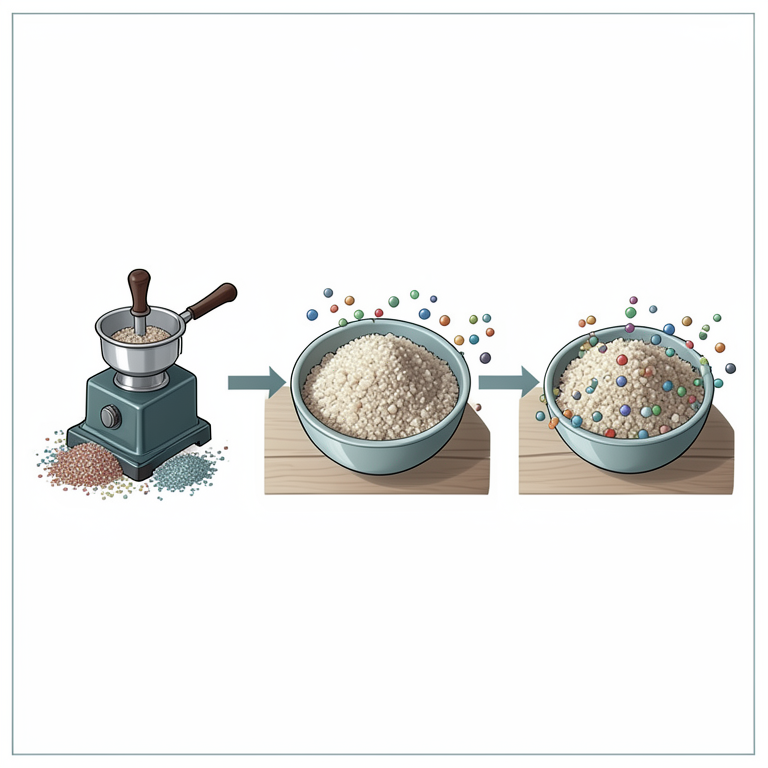
Contamination Pathway
AI-generated conceptual illustration (ground food ingredients in a Nigerian local market). It explains the idea and does not show study data.
View source evidence ↗Figures & tables
From the original paper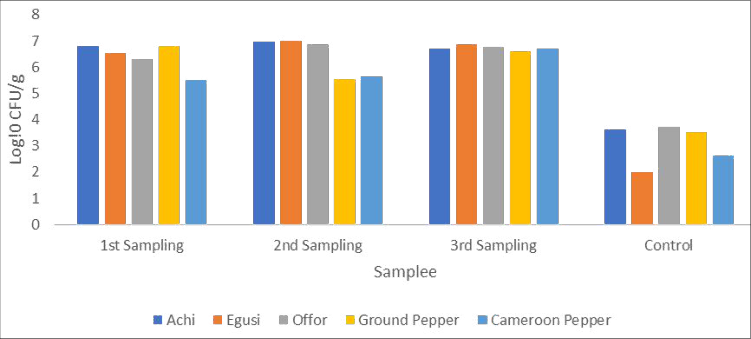 Figure 1
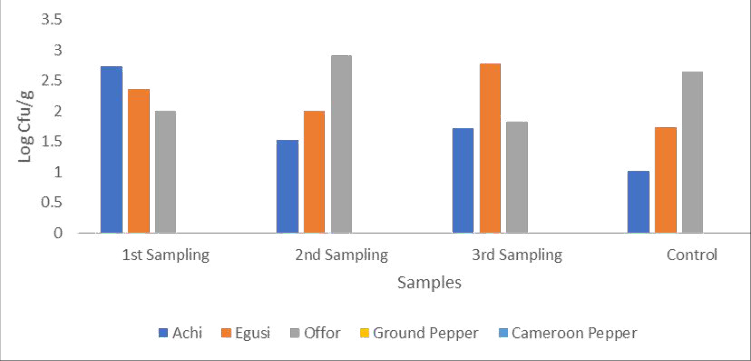 Figure 2
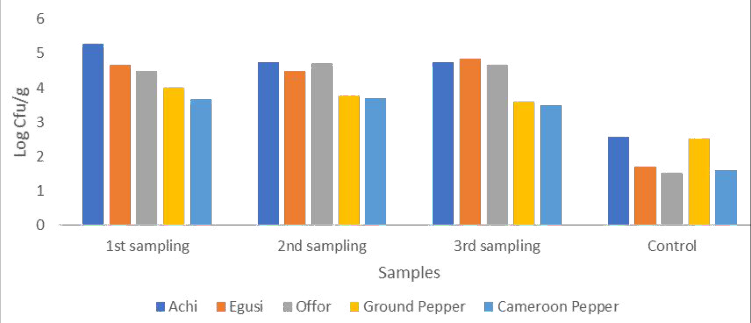 Figure 3
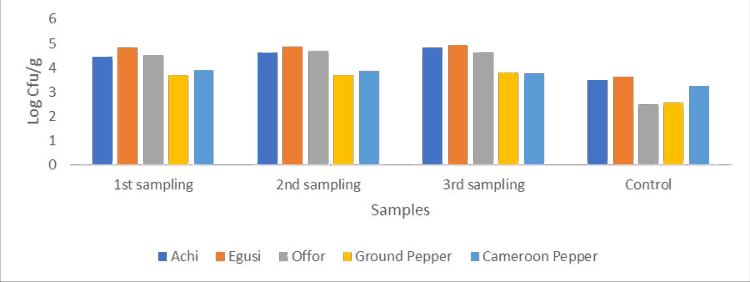 Figure 4
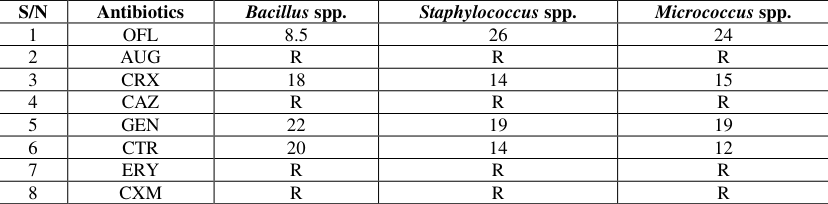 Table 1
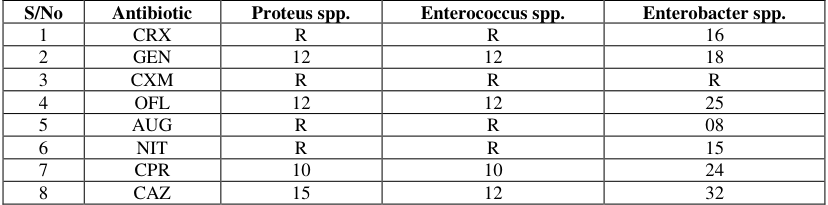 Table 2
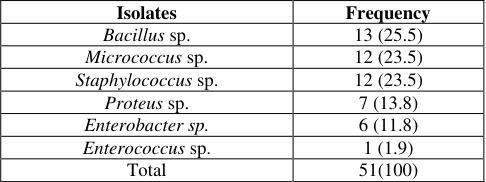 Table 3
Introduction
Plants are a cheap and reliable source of food. Certain nutrients like proteins and vitamins, which are important to make a balanced meal or diet, are cheaper to get from plants than from animals [1,2] . Owing to the heritage of Africa and the fact that resources are very scarce in developing countries, cheaper options of meal and are often preferred by a majority of the population in these countries. Wild legumes are among the plants which have been commonly used in the developing world as a cheap and reliable source of nutrition. Notable among these nutritious plants are egusi (Colocynthis citrillus L) Achi (Brachystogia euryc oma), Offor, (Diaterium microcarpum) and pepper (Capsinum annum). From the earliest times, man has derived food, shelter, medicine and decoration from plants. In most of the ancient civilization, one can find some references to plants [3] . In Nigeria, dietary pattern varies and is influenced by the vegetation belt. For example, in the northern parts of Nigeria, cereals dominate, while in the south, legumes, nuts, seeds and starchy roots or tubers are the main food components [4] . Among the legumes used in soups (mainly for emulsification and stabilization of soups) are Brachystegia eurycoma (achi), Detarium microcapum (ofor). Each of the soup thickeners differ in species from the others and so have their individual characteristic flavours, which they impart to soups. Often, choice depends on individuals, but Brachystegia eurycoma and Detarium microcarpum are favorite soup thickeners in South Eastern Nigeria [4] . Soups made from Egusi on the other hand are among the most popular delicacies in Nigeria. Melon seeds contain a fairly high amount of unsaturated fatty acid, linoleic acid (suggesting a possible hypocholesteronic effect [2] . Thickening, usually improves the taste, but most important is the nutritional value of foods. In fact, every time the soup is thickened, its nutritive value is determined by the ingredients added to it [3] . Thickening agents are often used as food additives and in cosmetics and personal hygiene products.
Egusi melon is mainly a type of watermelon which many botanists think is not easily distinguishable, especially in appearance. In west Africa, where egusi melon is popular, its seed kernels are common components of daily meals and a major soup ingredient [5,6] . Egusi melon seed kernels have been reported to be a rich source of protein, essential nutrients, and oil [7] . The oil is edible and potentially useful for producing biofuel for automobiles the propagation of all varieties of melon, including egusi melon, is carried out using the seeds. (Brachystogia. Eurycoma) Achi is an economic tree that belongs to the family Caesalpiniaceae. It is a dicotyledonous legume that grows in the swaps or rain forests and well drained soil of South-Eastern Nigeria and Western Cameroun. It is a huge tree which has twisted and spreading branches with a bark that often exudes a buttery gum [8] . B. eurycoma is called Achi in Igbo, Ekalado or Eku in Yoruba, Okweri in Edo, Akpakpa or Taura in Hausa, Apaupan in Ijaw, and Odukpa in Ibibio [9] . The seed flour, which is a good source of carbohydrate and fiber, is used as flavoring and thickening agents for soups in Eastern Nigeria [2,10] . The seeds are used in folkloric medicine to maintain body temperature, soften stool, and protect against colon and rectal cancer [2] . A range of proximate, phytochemical, and pharmacological screening has been carried out in different parts of the plant following anecdotal account of its nutritious and medicinal value by local residents and traditional medical practitioners, respectively, in the localities where the plant predominately grows. Phytochemical screening has shown that B. eurycoma contains diverse bioactive compounds including flavonoids, phenolic compounds, alkaloids, saponins, and tannins. Nutritious compounds present in the plant include carbohydrate, proteins, lipids, and minerals [2] . Chilli pepper, a fruit and a spice, is used in small quantities to add flavour and taste to food. Commonly, chilli is dried and ground to use as a spice but is also used fresh in salads and curries. Chilli is thought to increase energy expenditure, so that over a long period of time (combined with less energy intake than energy expenditure) it may reduce body weight and obesity, Chilli is one of the richest sources of antioxidant vitamin C. The active ingredient of chilli, capsaicin, is also a potent antioxidant. The most important concerns are those ascribed to physiological harm and contamination with spoilage microorganisms [12] . Food ingredients such as Egusi, Achi, Offor and Pepper are easily perishable and requires to be used almost immediately after processing. However, in markets, these food condiments are grinded and kept in the markets sometimes for days without being sold out. Their constant exposure may encourage microorganisms to drop on them and proliferate. Traders with the mind of not running at loss still sell them after grinding for days to weeks. These may lead to potential public health risk. This study is aimed at determining the levels of contamination of grinded Egusi, Red Pepper, Achi, Offor and Cameroon pepper.
Materials and methods
A total of 45 samples grinded and exposed in the market (Egusi, Offor, Achi, red pepper and cameroon pepper). Samples were sourced from three markets within Obio-Akpor Local Government Area, of Rivers State. Each representative samples were grinded hygienically with a clean blender and properly packaged to avoid exposure and this was used as control and taken to the Microbiology laboratory for analysis in sterilized bags.
Isolation of Microorganisms
Twenty five grams (25g) of each sample (Egusi, offor, achi, red pepper and Cameroon pepper) were added into 225 mL of peptone water, swirled and allowed to stay for about 3hours on a laboratory shaker, serial dilution was 10 -4 . 0.1 ml of each last two prepared dilutions were transferred into sterile petri plates containing solid Plate count agar, MacConkey agar and Mannitol salt agar for bacteria and potato dextrose agar for fungi. The plates were incubated at 37 o C for 24 hours and 28 o C for 72hours for bacteria and fungi respectively. The number of colonies obtained was counted and multiply by inverse of the dilution factor to obtained the number of colony forming unit per milliliter (CFU/g) of the sample [25] . Discrete colonies on the different media were randomly selected based on their morphology and were sub cultured and incubated at 37 o C for 24 hours (h) to obtain pure colonies. Isolates were identified based on their morphological and cultural characteristics on growth media. Identification materials, reagents and protocols according to [22] were used to identify discrete colonies from the media of sub-cultured isolates. The identities of the isolates were confirmed using biochemical tests [22] . The cultural characteristics of each fungi isolates were identified according to their colour, shape and the cell morphology was done based on mycelia, hyphae, septate, spore formation using lactophenol blue. A piece of the mycelium from the Petri plates was mounted on a clean grease free slide using a sterile wire loop and covered with a cover slip, after which a drop of lactophenol cotton blue was added and examined with the microscope [22] .
Antimicrobial Sensitivity Testing
Sensitivity Testing: Antibiotic sensitivity patterns of all the confirmed isolates were performed by standard disk diffusion method according to Kirby-Bauer on Mueller-Hinton agar (Titan, Biotech Ltd, Indian) following the procedures recommended by CLSI (2012). Eight commonly used antibiotics (µg/disc) viz. amoxicillin-clavulanate or Augmentin (AUG), gentamycin (GEN), nitrofurantoin (NIT), cefuroxime (CRX), ofloxacin (OFL), cefixime (CXM), ciprofloxacin (CPR), ceftazidime (CAZ), Abtek, (UK) for Grams negative and Gram's positive bacteria were tested. From an overnight culture of all isolates, 0.5 MacFarland turbidity standards bacterial culture was prepared in sterile saline, from which 0.1mL was inoculated onto Mueller Hinton agar, after which antibiotic discs were carefully and aseptically placed on the surface of the agar. The plates were incubated at 37 o C for 24h. Zone of inhibition was measured in millimeter a ruler.
Results
Results
Discussion
Discussion
Microbial quality of Food ingredients displayed for sales
Food safety is a primary concern for everyone, especially in our country Nigeria where it forms part of the government 7-point agenda (3). Biochemical changes in foods when perceived undesirable are mediated by microorganisms that degrade them leading to their spoilage. Because food especially those of plant origin are excellent sources of nutrient, microorganisms find them favorable for their proliferation. The microbial population of food is an important indicator of food safety and quality. High microbial count in food poses a danger to the health of consumers, and their presence may also contribute to decomposition and depletion of nutrients. This study investigated the sanitary quality of some Food ingredients which includes Egusi, Achi, Offor, grinded pepper, and Cameroon Pepper sold in market places around Port Harcourt. Figure 1 presents the total heterotrophic bacterial count done on all the Food ingredients samples ranged from 4.3x10⁴ to .2x106 cfu/g. The THBC for all control samples were lower indicating that exposure in market places increases the contamination levels of samples studied. The THBC counts observed in this study is however higher than the counts of 2.0x10⁴ to 7.0x10⁴ cfu/g reported by Tsado et al., [12] in Minna, Niger State. Our study is however in concomitance with the range published by Salari et al., [13] reported THBC of various food ingredients studied to be 1.0x10² to 4.0x10⁶ cfu/g, This is comparable to the report of Salari [13] reported THBC of various samples studied to be 1.0x10² to 4.0x10⁶ cfu/g from melon seeds. Filiz [14] . reported total heterotrophic bacteria the average numbers of 8.1 × 10⁶ cfu/g in powdered red pepper. Elmali et al. [15] examined 15 powdered red peppers and found counts of 2.7 × 10⁶ cfu/g. A study conducted by Winfred et al., [16] on Egusi powder sold in different markets had Total bacteria count ranged from Log 10 3.2 -4.4 cfu/g for the different markets in Ghana.
Figure 2 shows high levels of coliform contamination ranging from 1.4x10³ to 8.2x10⁴ cfu/g for all the samples. This is comparable to the report of Salari et al., [13] who reported higher counts of 1.9x10² to 3.25x10⁶ cfu/g. Elmali et al. [15] found the average number of 1.3 × 10⁴ cfu/g of coliform in powdered red pepper. Filiz [14] reported the average number of 1.7 × 10² cfu/g of Coliforms in powdered red pepper. Schwab et al. [17] found very low level of Coliforms and E. coli (3-19 cfu/g) in powdered red pepper samples. Staphylococcus count was higher ranging from 3.35x10³ to 6.4x10⁵ cfu/g for all samples studied as shown in Figure 3.
The high Staphylococcus count could be as result of frequent contacts of food stuffs with the skin during storage and restorage after sales daily.
Staphylococcus is considered the third most important cause of disease in the world amongst the reported food-borne illness [19,20] . Staphylococcal food poisoning is a persistent cause of gastroenteritis worldwide, especially in developed countries [21] . All the control samples had lower counts compared to the grinded samples sourced from the markets for all microbial parameters analyzed. This could be attributed to the fact that they have not been exposed and also not stored over time. Sanitary measures were taken during the grinding of the control samples. Our counts recorded for both samples sourced from the market and the controls are however high when compared to microbiological standards and acceptable range for food stuffs which is (1.0x10²Cfu/g). The implication is that the samples are not fit for consumption as they harbor microorganisms above required standards. Consequently, these samples are not eaten raw and there are all chances that the pathogens will be denatured or killed during cooking or pasteurization. Fungal counts ranged from 3.6x10³ to 6.8x10⁴ cfu/g for all the samples as shown in Figure 4. This implies that most of the samples supported the proliferation of fungal species. Six bacterial genera were isolated in this study as shown in Evidently the vendors store the powders in flexible pouches, wooden or plastic boxes, and plastic bowls/buckets. This practice may easily expose the food product to microbial contamination and adversely compromise its safety. Most of the sellers indicated that a batch of these grinded food ingredient lasts a maximum of a week or even more, but this heavily depends on patronage. The ingredients, according to the women, is usually kept in HDPE bowls/buckets from which measured portions are scooped and sold to consumers. The powder is sold in unbranded, clear, and flexible polyethylene or polypropylene bags and secured with a knot. This practice is likely to increase the risk of rancidity occurring in the powder whiles in storage since it is often exposed to air and moisture. The result of the antibiogram conducted on the Gram-Positive Isolates (Bacillus, Staphylococcus and Micrococcus spp.) revealed resistance to Ceftazidime, Erythromycin, Augmentin and Cloxacillin This agrees with other findings. [22, 23] . The Gram-negative isolates (Proteus, Enterococcus and Enterobacter) showed resistance against Cefiixidime and cefuroxime. The antimicrobial susceptibility pattern observed for Enterococcus sp agrees with Shareef and Shara [24] who reported similar patterns from clinical samples. The resistance to the antibiotics tested may be attributed to the production of beta-lactamase, an enzyme that inactivates βlactam rings in β-lactam antibiotics and closely related antibiotics. Resistance in antibiotic pose risk as their ineffectiveness can result in mortality.
Conclusion
These Food ingredients were found to be potential vectors in the transmission of opportunistic pathogenic microorganisms. This study confirms the occurrence of different pathogens in samples of food ingredients and concludes that these pose potential public health risk if not adequately processed before consumption. If these food ingredients are processed and handled carefully it would minimize the possibility of contamination and ensure that the product is of good quality and is safe for consumption. Recommendations 1. Proper and hygienic storage food condiments in market places 2. Buyers should not be allowed to touch food stiffs before buying 3. Traders should blend amount of product they can sell off within the shortest time to avoid over storage.
Figures and tables from the paper
| S/N | Antibiotics | Bacillus spp. | Staphylococcus spp. | Micrococcus spp. |
|---|---|---|---|---|
| 1 | OFL | 8.5 | 26 | 24 |
| 2 | AUG | R | R | R |
| 3 | CRX | 18 | 14 | 15 |
| 4 | CAZ | R | R | R |
| 5 | GEN | 22 | 19 | 19 |
| 6 | CTR | 20 | 14 | 12 |
| 7 | ERY | R | R | R |
| 8 | CXM | R | R | R |
Table text extracted from the original PDF; superscript letters are shown inline. The original table image is below.
View original table image
| S/No | Antibiotic | Proteus spp. | Enterococcus spp. | Enterobacter spp. |
|---|---|---|---|---|
| 1 | CRX | R | R | 16 |
| 2 | GEN | 12 | 12 | 18 |
| 3 | CXM | R | R | R |
| 4 | OFL | 12 | 12 | 25 |
| 5 | AUG | R | R | 08 |
| 6 | NIT | R | R | 15 |
| 7 | CPR | 10 | 10 | 24 |
| 8 | CAZ | 15 | 12 | 32 |
Table text extracted from the original PDF; superscript letters are shown inline. The original table image is below.
View original table image
| Isolates | Frequency |
|---|---|
| Bacillus sp. | 13 (25.5) |
| Micrococcus sp. | 12 (23.5) |
| Staphylococcus sp. | 12 (23.5) |
| Proteus sp. | 7 (13.8) |
| Enterobacter sp. | 6 (11.8) |
| Enterococcus sp. | 1 (1.9) |
| Total | 51(100) |
Table text extracted from the original PDF; superscript letters are shown inline. The original table image is below.
View original table image
References
24 in the original paper- Bhat R, Karim AA. Exploring the nutritional potential of wild and underutilized legumes. Comprehensive reviews in food Science and food safety. Compr Rev Food Sci F. 2009;8(4):305-31.
- Ighodaro I, Agbonlahor O. Expanding the insights into the usefulness of Brachystegia eurycoma Harms: A review of its nutritional and medicinal values. Journal of Intercultural Ethnopharmacology. 2018;7(1):1-13.
- Ikechukwu OI, Emmanuel IA. Analysis of four seeds used as soup thickeners in the south eastern part of Nigeria. International Conference on Chemistry and Chemical Engineering, 2010, 426-430.
- Friday OU, Chioma CO, Emeka EJI, Ijeoma K. Effect of Processing Methods on Nutritive and Antinutritive Properties of Seeds of Branchiostegal eurycoma and Detarium microcarpum from Nigeria. Pakistan Journal of Nutrition. 2009;8(4):316-320.
- Ann PI, Moses O, Kabuo NO, et al Comparative evaluation of proximate compositions, functional and physicochemical properties of raw melon seeds of five members of cucurbitaceae family. Am J Food Sci Nutr. 2016;3(1):8-17.
- Solomon OG, Taiwo OA. A Review on Food Uses and the Prospect of Egusi Melon for Biodiesel Production. BioEnergy Research. 2020. https://doi.org/10.1007/s12155-020-10145-4
- Olubi O, Felix-Minnaar JV, Jideani VA. Physicochemical and fatty acid profile of egusi oil from supercritical carbon dioxide extraction. Heliyon. 2019;5(1):e01083.
- Olajide O, Udo ES, Out DO. Diversity and population of timber tree species producing valuable non-timber products in two tropical rainforests in Cross River State, 0Nigeria. J Agric Soc Sci. 2008, Pak, 4:65-8.
- Bafor EE, Chiekwe O, Ofeimun J, Amaechina F, Ayinde B. Brachystegia eurycoma harms (Fabaceae) stem bark extract modulates gastrointestinal motility in animal models. Afr J Biomed Res. 2017;20(3):309-16.
- Uhuegbu FO, Onwuchekwa CC, Iweala EE, Kanu I. Effect of processing methods on nutritive and antinutritive properties of seeds of Brachystegia eurycoma and detarium microcarpum from Nigeria. Pak J Nutr. 2009;8(4):316-20.
- Okoli RI, Turay AA, Mensah JK. The phytochemical analysis and antibacterial effects of stem bark extracts of Brachystegia eurycoma harms. Int J Herb Pharmacol Res, 2015;4(2):10-6.
- Tsado EK, Ekpa D, Salaudeen MT, Adesina OA, Yusuf ST, Izuegbu LN. Microbial status of dried pepper (capsicum spp.), tomato (Lycopersicum esculentus), and roselle (Hibiscus sabdariffa) marketed in Minna, Niger State, Nigeria. Direct Res. J Agric. Food Sci. 2017;6(1):13-18.
- Salari R, HabibiNajafi MB, Boroushaki MT, Mortazavi SA, Fathi NM. Assessment of the Microbiological Quality and Mycotoxin Contamination of Iranian Red Pepper Spice. J Agr. Sci. Tech. 2012;14:1511-1521.
- Filiz N. Microbial flora of some ground spices consumed in Bursa. Journal of the Faculty of Veterinary Medicine of Uludag University. 2001;20:103-107.
- Elmali M, Yaman H. Microbiological quality of some spices sold in the markets of Bitlis district. Journal of Faculty of Veterinary Medicine, University of Erciyes. 2005;2(1):9-14.
- Winifred Arthur, Jemima Ofori, Peter Addo, Nelson Amey, Nii Korley Kortei, Paa Toah Akonor. Chemical, Microbial Quality, and Risk Assessment due to Toxic Metal Contamination of Egusi (Citrullus colocynthis L.) Powder Sold in Selected Ghanaian Markets. International Journal of Food Science, 2020, 8.
- Schwab AH, Harpested SA, Lanier JM, Wentz B, Duran AP, Barnard RJ, et al. Microbiological quality of some spices and herbs in retail markets. Applied and Environmental Microbiology. 1982;44(3):627-630.
- Ananou S, Maqueda M, Martinez-Bueno M, Galvez A, Valdivia E. Bactericidal synergism through enterocin AS-48 and chemical preservatives against Staphylocoocus aureus. Letters in Applied Microbiology. 2007;45(1):19-23.
- Zhang S, Iandolo JJ, Stewart GC. The enterotoxin D plasmid of Staphylococcus aureus encodes a second enterotoxin determinant (sej). FEMS Microbiology letters. 1998;168(2):227-233.
- Vora P, Senecal A, Schaffner DW. Survival of Staphylococcus aureus ATCC 13565 in intermediate moisture foods is highly variable. Risk Analysis. 2003;23(1):229-236.
- Adesoji AT, Onuh JP, Bagu J, Itohan SA. Prevalence and antibiogram study of Staphylococcus aureus isolated from clinical and selected drinking water of Dutsin-Ma, Katsina state, Nigeria. Afr Health Sci. 2019;19(1):1385-1392. doi:10.4314/ahs.v19i1.11
- Taddesse Z, Tiruneh M, Gizachew MS. aureus and it's Antimicrobial Susceptibility Pattern in Patients, Nasal carage of Health Personnel, and objects at Dessie referral hospital, Northern Ethiopia. Global Journal of Medical research: Microbiology and Pathology. 2014;14(2):29-35.
- Shareef HA, Shara NA. Antimicrobial susceptibility of enterococcus isolated from clinical sources in Kirkuk Provency. Haitham Journal for pure and applied Science. 2018;2:125-132.
- Cheesbrough M. District laboratory \practice in tropical countries, E. C.B.S 2nd ed. Cambridge University Press. 2002, p. 256-267.
Cited by 4
From OpenAlex, OpenCitations and reference lists read by Scinovex
- Nutritional values and pharmacological importance of date fruit (Phoenix dactylifera Linn): A review ↗
Md. Shahab Uddin, ZN Nuri · Journal of Current Research in Food Science · 2021
Review is an important in cherishing knowledge and exerting intelligent efforts in the rational practices in natural medicine. Date is delicious fruit enjoyed by all since antiquity. It is valuable food and medicine stated by systems of medicine like Ayurveda, Siddha, Unani medicines and secured valuable status in many formulations. In Ayurved, it is presented that date should be consumed
❝ 5Found by Scinovex - Chemical characteristics, physical and functional properties of some β-bonded polysaccharides: A review ↗
Nur ’Ain Najwa Mohd Nor, Nazrim Marikkar, Yanty Noorzianna Abdul Manaf, Shuhaimi Mustafa · International Journal of Chemical Studies · 2021
β-bonded polysaccharides are biopolymer substances used as functional ingredients that provide nutritional benefits and health implications. They are extracted from several sources which include higher plants, yeasts, fungi, etc. Applications of β-bonded polysaccharides cover a wide range of benefits, which include new sensorial properties, texture, less use of fat, and improvement to gut health. Incorporation of β-bonded polysaccharides in food
- Assessing urban dwellers' knowledge of terrace gardening in Telangana state
G Charan Tej, P. Lakshmi, B. Savitha, A. Meena · International Journal of Agriculture Extension and Social Development · 2023
India's projected population of 2.0 billion by 2050 poses challenges to food and energy resources, exacerbated by rapid urbanization and farmland conversion. Controlling population growth is gradual, making addressing immediate food needs crucial. Urban agriculture, particularly terrace gardening, emerges as a positive solution on unused urban spaces. This health-conscious practice helps meet urban food demand, eases pressure on traditional agriculture, and promotes environmental benefits and biodiversity preservation.The study, utilizing an ex-post facto design, focused on Telangana, specific
- Instant of tinutuan (Manado porridge) for pregnant women in north sulawesi and gorontalo province
Grace KL Langi, Phembriah S Kereh, Indra Domili · International Journal of Agriculture and Nutrition · 2021
Previous research, researchers have examined the guideline formulation for pregnant women in areas prone to the Lokon and Soputan volcanoes, however, the procurement of foodstuffs has experienced difficulties even though it is minimally used. Therefore, the researchers felt it was necessary to conduct instant reports on pregnant women from local ingredients using food technology. The research objective was to determine instant tinutuan as a local food to overcome nutritional problems in pregnant women. This type of research is experimental with a one shot case study design. The results and out