
Research article · 2023 · Full text
International Journal of Biology SciencesIsolation and antimicrobial sensitivity test of Salmonella isolates from selected intensive dairy farms in Bishoftu town, Central Ethiopia
Volume 5(1) · Pages 109–113 · DOI: 10.33545/26649926.2023.v5.i1b.155 ↗
Research areasSalmonella and Campylobacter epidemiologyFood Safety and HygieneIdentification and Quantification in Food
Abstract
Author-writtenSalmonella is one of persisting foodborne pathogenic infection particularly food of animal origin including dairy cattle products. Accoringly a cross-sectional study was conducted from July to September 2021 to determine the prevalence and antibiotics resistant of Salmonella in Bishoftu town. To conduct the study 61 samples were collected randomly from the individual lactating cows. The Salmonella was recovered from the samples; conventional culture characterization of Salmonella was conducted by pre-enrichment on the buffered peptone water broth and enrichment in Rappaport- Vassiliadis (RV) broth, subsequently isolation was done on selective XLD and biochemical confirmation of Salmonella isolates. Finally, antibiotic sensitivity tests against the identified isolate were done by using eight drugs. Salmonella was isolated from 13/61 (21.3%, 95% CI: 11.3-31.3) of the total samples. Out of the 13 Salmonella isolates, 11/49 (22.4% 95% CI: 11.4-33.4) and 2/121 (16.7% 95% CI: 4.77-38.17) were isolated from milk cows and milk container respectively with no significance (P-value = 0.362). The isolates were susceptible to Ciprofloxacin, Penicillin and Vancomycin) were susceptible to the isolates, while, Streptomycin, Ampicillin, Tetracycline Rifampicillin and Cloxacillin) were resistant to the isolates. The effectiveness of such drugs like ciprofloxacin may be because they are not widely used in countries like Ethiopia and other African countries for animal’s treatment. 100% rate of resistant was recorded to Ampicillin, Chloramphenicol, Cloxacillin, Streptomycin and Amoxicillin. The study indicated the prevalence of Salmonella with high proportion of multiple antimicrobial resistance to the commercial used in the study area. Therefore, the government, farmers and other stakeholders should give concern for dairy farm hygiene and antibiotics uses in dairy farms.
Summary
Source-checkedPlain-language reading of the full paper, prepared with AI and checked against the text. Each point links to the authors' own words.
Why it matters
- Salmonellosis is a significant zoonotic bacterial disease that causes substantial economic losses by increasing mortality and reducing the production of meat, eggs, and milk. View evidence ↗
- In environments with poor hygiene, Salmonella infections are frequently found in the milk of dairy cows. View evidence ↗
- Pathogenic and multi-drug resistant Salmonella, which pose a public health risk, are widely distributed in raw milk within Ethiopia. View evidence ↗
The question
- The study aimed to determine the prevalence and antibiotic resistance of Salmonella in Bishoftu town between July and September 2021. View evidence ↗
What they did
- The researchers randomly collected 61 samples from lactating cows, consisting of milk in 50 ml falcon tubes and container swabs in 10 ml test tubes with buffered peptone water. View evidence ↗
- Salmonella was identified using a process of pre-enrichment in buffered peptone water, enrichment in Rappaport-Vassiliadis (RV) broth, isolation on XLD agar, and biochemical confirmation. View evidence ↗
- Antibiotic resistance was tested against eight drugs: ampicillin, streptomycin, ciprofloxacin, vancomycin, tetracycline, penicillin, cloxacillin, and pivampicillin. View evidence ↗
- Chi-square analysis was performed using R Studio to determine if the difference in Salmonella prevalence between milk and containers was statistically significant, with a threshold of P < 0.05. View evidence ↗
What they found
- Salmonella was detected in 21.3% (13 out of 61) of the total samples collected. View evidence ↗
- The prevalence was 22.4% in milk cows and 16.7% in milk containers, a difference that was not statistically significant (P = 0.362). View evidence ↗
- Salmonella prevalence varied by farm, with 27.3% at the College of Veterinary Medicine and Agriculture (CVMA) and 17.9% at the Ethiopian Meat and Dairy Industry Development Institute (EMDIDI). View evidence ↗
- The Salmonella isolates were susceptible to ciprofloxacin, penicillin, and vancomycin, but resistant to streptomycin, ampicillin, tetracycline, rifampicillin, and cloxacillin. View evidence ↗
- A 100% resistance rate was observed for ampicillin, chloramphenicol, cloxacillin, streptomycin, and amoxicillin. View evidence ↗
What it means
- The authors recommend improving dairy farm hygiene to reduce the cross-contamination of Salmonella from the environment and milking containers. View evidence ↗
- The authors state that further research is needed to identify specific contamination sources, risk factors, and to perform molecular characterization of the Salmonella isolates. View evidence ↗
Visual summary
1 visualsIllustrations explain the paper; they do not show study data.
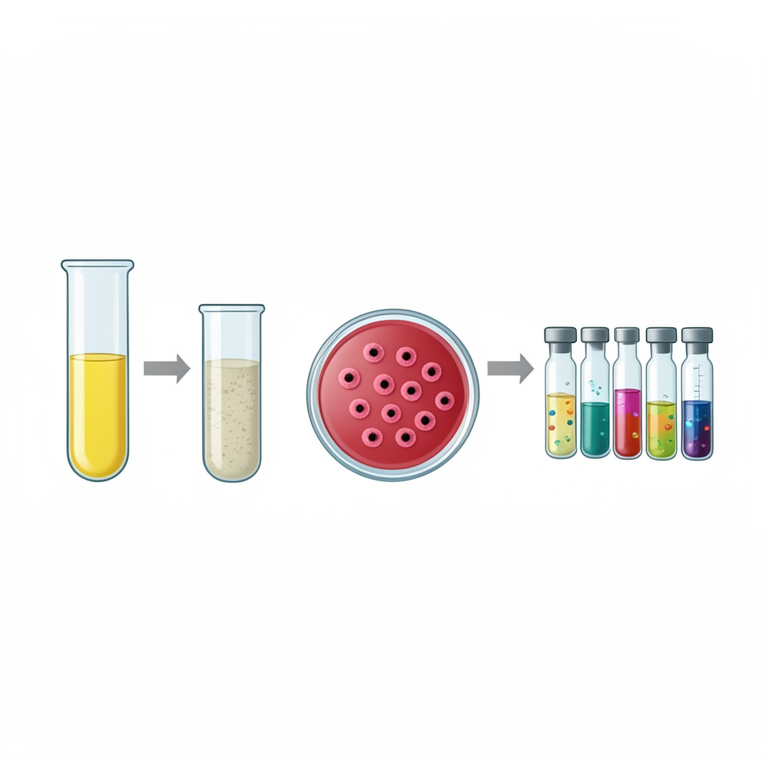
Salmonella Isolation Workflow
AI-generated conceptual illustration (Salmonella bacteria and laboratory culture media). It explains the idea and does not show study data.
View source evidence ↗Figures & tables
From the original paper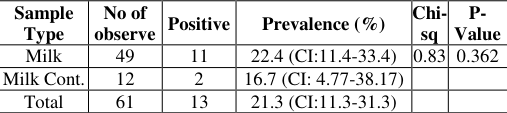 Table 1
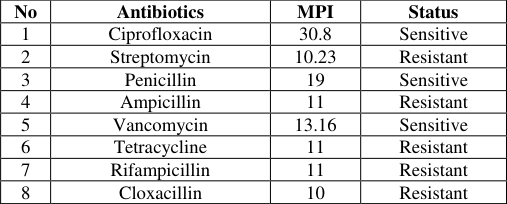 Table 3
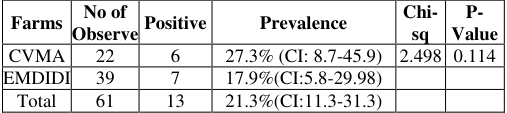 Table 2
Introduction
Food of animal origin including milk, egg and meat are considered as the main channels of zoonotic disease transmission between the Human and Animals [11] . Salmonellosis is one of the most common foodborne bacterial diseases in the world [10,14] . Salmonellosis is an infectious disease caused by pathogenic species of Salmonella which commonly isolated from food of animal origin [15] . Especially Salmonella enteritidis and Salmonella typhimurium are frequently claimed as main foodborne species of Salmonella species in many countries [4] . Salmonellosis is one of the most zoonotic important bacterial diseases with wit heavy economic losses through mortality and reduced milk, meat and egg production [16] . Annual estimates of 22 million cases and 200,000 deaths due to typhoid fever and 93.8 million cases of gastroenteritis and 155 000 deaths was reported due to non-typhoid Salmonellae [22] . The infection is most commonly reported in countries with poor standards of hygiene in food preparation and handling and where sanitary disposal of sewage is lacking [26] . Salmonella infections are most frequently isolated from dairy cow milk in case of poor hygiene [5] . Salmonella is zoonotic bacteria belongs under family of Enterobacteriaceae characterized as is a gram negative, flagellated, facultative anaerobic, rod shaped and flagellated bacterium [19,26] . Salmonella is susceptibility to pH and growth temperatures (Keerthirathne et al., 2016). Salmonella enterica serovar Dublin (S. Dublin) is multidrug resistant pathogen isolated from cattle and cattle products [9] . Antibiotics, which commonly used to treat and control salmonellosis in food animal can causes an implicated source of human infection treatment with antimicrobial resistant as human may acquire pathogenic multi-drug resistant Salmonella through direct contact with livestock and livestock product such as: raw milk, cheddar cheese, and hamburger meat traced to dairy farms [20] . The public health important pathogenic and multi-drug resistant Salmonella is widely distributed in the raw milk in Ethiopia [14] . This bacterium is responsible for the occurrence of infectious disease called Salmonellosis due to poor food handling and sanitation practices, inadequate food safety laws, weak regulatory systems, lack of financial resources to invest in safer equipment, and lack of public awareness toward the prevention and control of salmonellosis in developing country including Ethiopia [23] . This zoonotic bacterial disease is the major health problem of humans and animals in Ethiopia. Dairy cows and their environment harbor pathogens that pose a potential human health hazard. In Ethiopia, however, only a few studies were conducted on the risk factors for Salmonella contamination of cow milk and cottage cheese in Ethiopia [7,14] . To recommend the community is risk area we have to ensure the presence and determine the prevalence and resistance status to the commonly used veterinary antibiotics against the Salmonella is a key strategy to aware the community to control and prevent the salmonellosis in area of veterinary and human medicine. Therefore, the current study was to determine the prevalence and antibiotics resistant of Salmonella in Bishoftu town. The information generated through such study have great role to control and prevent zoonotic disease as it alerts the livestock policy makers who works with community with low information about the zoonotic bacterial infection including non-typhoidal Salmonella and their developments antimicrobial resistant to antibiotics commonly used in areas of Veterinary medicine and human medicines.
Materials and Methods
Materials and Methods
Study design
A cross-sectional study on the Prevalence and antimicrobial resistant was conducted from April to September 2021 on lactating dairy cows in two selected farms of CVMA, AAU farms and Ethiopian Meat and dairy industry development institute (ENIDI) in Bishoftu town. Accordingly, 61 samples were collected randomly from the individual lactating cows. Milks were collected with 50 ml falcon tube, while swab sample of containers were collected in 10 ml test tube filled with transport media (buffered peptone water). Then all samples were handled and transported to AAU, CVMA, department of MIVP with Ice box. The Salmonella was recovered with First the pre-enrichment buffered peptone water broth, followed by enrichment in selective broth, of Rappaport-Vassiliadis (RV) broth and the subsequent isolation is done on selective XLD and biochemical confirmation of Salmonella isolates by using different biochemical tests that included TSI agar, Simmon's citrate agar, Indole and MR-VP tests. Finally, antibiotic sensitivity tests against the identified isolate were done by using eight drugs.
Laboratory procedure
Each milk samples collected from the study areas were preenriched in buffered peptone water (1:9 ml) ratio while milk containers were as it collected in 9 ml of buffered peptone water and incubated at 37 °C for 24 hrs. At the second day, after 24 hrs. Incubation, 0.1 ml of the pre-enriched sample was transferred into a tube containing 10 ml of Rappaport-Vassiliadis medium (RV broth) and incubated at 41.5 °C for 24 hours. Then, a loop full of inoculums from RV were cultured on the Xylose lysine deoxycholate (XLD) agar and incubate at 37 °C for 24 for Salmonella identification by characterizing of a black center and a lightly transparent zone of reddish color. Then, according to the standard (WHO, 2010), biochemical test including: triple sugar iron (OXOID CM0277, England) agar, Simmon's citrate agar (HIMEDIA M099, India), (HIMEDIA M111A, India), Methyl red, -Voges-Proskauer (HIMEDIA M070, India) broth and indole test were done on colony picked from nutrient agar after transferring of all suspected Salmonella colonies onto nutrient agar and incubated for 24 to 48 hrs.' at 37 °C. the sample were interpreted as Salmonella if it was Methyl red positive, indole negative, citrate negative, Hydrogen sulfide positive, no change on alkaline butt, change on acid butt (H2S), VP positive and indole negative. Finally, according to the National Committee for Clinical Laboratory Standards (NCCLS, 2012). The resistant of the isolates were tested with their respective concentration (ampicillin, streptomycin, ciprofloxacin, Vancomycin, tetracycline, penicillin, Cloxacillin, and Pivampicillin. Biochemically confirmed well-isolated colonies were grown on nutrient agar and transferred into tubes containing 5 ml of Tryptone soya broth (Oxoid, England) and incubated at 37 ºC for 24 hrs. Until it achieved the 0.5 McFarland turbidity standards. Then the broth culture was spread on muller Hinton agar with cotton swab, then the discs of the selected antibiotics were putted on the put on the plate and incubated at 37 ºC for 24 hr. Finally, the disc diameter was measured with ruler and mid-point were determined.
Data analysis
The raw data of each sample were arranged, organized, coded and entered to Microsoft office excel 2016. Then the prevalence of the data was analyzed through descriptive analysis with percentage. The results of analyses were mostly described in proportion. Proportional was estimated as the numbers of samples detected positive to Salmonella from the total sample tested as well as the numbers of antimicrobial resistant isolate to the detected positive isolate. The statistical significance of the prevalence of Salmonella between the milk sample and milk containers was determined on R Studio by using chi-square analysis in which comparation with P-Value less five (P-Value < 0.05) was decided as statistically significant. The resistant of the isolates to selected antibiotics was determined by mid-point of each isolate against all selected antibiotics discs inhibition on the 2016 excel.
Results and Discussion
Enteric pathogens such as Salmonella Enterica cause morbidity and mortality have diverse group of pathogens that have evolved to survive in a wide range environment and across multiple hosts [12] . Consequently, economic losses may be resulted from mortality and poor growth of infected animals as well as the risk of transmission to humans either through food chain or direct animal contact. Hence, detection is essential to control Salmonella on farm and its spread to the public [1] . Salmonella species are easily transmitted to human through poor hygiene of food of animal origin either at farm or processing plants [2] . The raw milk quality can easily depreciates more frequently in the developing countries including Ethiopia due to technical and economic conditions being unfavorable than developed countries [11] . The temperature of the water used in dairy farm for cleaning of cow's udder, combining of milk of different cows, milk containers, refrigerator and milk filtration were identified as risk factor for the prevalence of Salmonella inidairy cow milk [7] . The current cross-sectional study was designed to isolate, identify and to determine the antimicrobial susceptibility of Salmonella among lactating dairy cows in two selected farms of CVMA, AAU farms and Ethiopian Meat and dairy industry development institute in Bishoftu town. Salmonella was isolated from 13/61 (21.3%, 95% CI: 11.3-31.3) of the total samples. Out of the 13 Salmonella isolates, 11/49 (22.4% 95% CI: 11.4-33.4) and 2/121 (16.7% 95% CI: 4.77-38.17) were isolated from milk cows and milk container respectively with no significance (P-value = 0.362) difference between sample sources (Table 1). The result obtained from the milk was in agreement with that of the 20% reported by Tadesse and Dabassa (2012) in Ethiopia, but it was lower when comparing the 29.4% prevalence of Salmonella in milk reported by Cao et al., [9] in his study on the Prevalence of Salmonella and Antimicrobial Resistance in Isolates from Food Animals. The result of milk container was higher than that 10% (1/10) of Salmonella isolates from bulk tank milk (Abrar et al., 2020). But it was lower than the report of 19% (4/21) [3] in milk samples contaminated with Salmonella spp. Milk containers can contaminated from milking environmental sites and animal sites [21] . Also the current prevalence of Salmonella was great difference with that of Azooz et al., [6] who reported the overall prevalence of 13.3% Typhimurium from dairy herd. The current study was relatively close to the prevalence of Salmonella reported by [7] 19.7% at the production and 21.3% at milk collection centers. The prevalence of Salmonella isolated from raw milk and milk containers swab were 22.4% and 15.3% respectively. The overall prevalence of raw milk Salmonella in current study was greater than the report of Asefa et al., [5] that shown the prevalence of 9.3% (14/151) [25] .
| Sample Type | No of observe | Positive | Prevalence (%) | Chi- sq | P- Value |
|---|---|---|---|---|---|
| Milk | 49 | 11 | 22.4 (CI:11.4-33.4) | 0.83 | 0.362 |
| Milk Cont. | 12 | 2 | 16.7 (CI: 4.77-38.17) | ||
| Total | 61 | 13 | 21.3 (CI:11.3-31.3) |
Table text extracted from the original PDF; superscript letters are shown inline. The original table image is below.
View original table image
The results obtained in the study indicated that there was high prevalence of Salmonella in the farm of Addis Ababa University, College of Veterinary Medicine and Agriculture (20%) when it was compared with that of Ethiopian meat and dairy industry institute (Table 2). The results obtained in the study indicated that there was high prevalence of the salmonellosis in the farm of Addis Ababa university, college of veterinary medicine and agriculture when it was compared with that of Ethiopian meat and dairy industry institute (4/20), (20%) and 5/35 (14.2%), respectively). Hygienic and management practice, stocking density, type and amounts of feed, accessible water supplies, usage of contaminated utensils, housing type, ventilation, and movement of animals, calving environment, and production facilities are the main environmental risk factors of Salmonella in dairy farms [17] . These variations may be explained by the differences in location, hygienic practices and the availability of potable water. The quality of agricultural practices observed on the farms may also cause variations in levels of contamination with Antimicrobial resistant Salmonella were increasing due to the use of antimicrobial agents in food animals at the subtherapeutic level or prophylactic doses, which might promote on-farm selection of antimicrobial-resistant strains and markedly increase the human health risks associated with consumption of contaminated meat products [25] . The pathogen can be shed in feces, milk, and colostrum and persist in asymptomatic cattle, leading to spread and outbreaks in herds [13] . In this study, the isolates were susceptible to Ciprofloxacin, Penicillin and Vancomycin) were susceptible to the isolates, while, Streptomycin, Ampicillin, Tetracycline Rifampicillin and Cloxacillin) were resistant to the isolates. The effectiveness of such drugs like ciprofloxacin may be because they are not widely used in countries like Ethiopia and other African countries for animal's treatment [3] . Ampicillin, Chloramphenicol, Cloxacillin were resistance in the rate of (100%) to Streptomycin and Amoxicillin [24] . Fecal contamination and cross contamination from container and milk handler hand in case of poor milking hygiene is a key risk factor for Salmonella to contaminating bulk cow milk in dairy farms [6] . The possible for horizontal transmission of resistance characters and other virulence factors or plasmids from Salmonella to other microbes, including within the human gut, may exist. Resistance traits in Salmonella can be genetically developed and transferred to another Enterobacteriaceae. The degree of all these is not known in the dominant conditions in Ethiopia since undiagnostic and under diagnosis can be communal and prescriptions are virtually empirical. Large-scale intensive farming combined with use of antibiotics (which is empirical in most developing countries) in animals is likely to increase in the coming decades, thereby endorsing onfarm selection of antibiotic-resistant strains and markedly increasing the human health risks [26] .
| Farms | No of Observe | Positive | Prevalence | Chi- sq | P- Value |
|---|---|---|---|---|---|
| CVMA | 22 | 6 | 27.3% (CI: 8.7-45.9) | 2.498 | 0.114 |
| EMDIDI | 39 | 7 | 17.9%(CI:5.8-29.98) | ||
| Total | 61 | 13 | 21.3%(CI:11.3-31.3) |
Table text extracted from the original PDF; superscript letters are shown inline. The original table image is below.
View original table image
Conclusion and Recommendations
The isolation of 21.3% Salmonella at dairy farms level showed that dairy cattle and their environment are important sources of milk contamination. Detection of high proportion of multiple antimicrobial resistant isolates in the dairy farms' alerts concern for animal and public health as these drugs are used widely for treatment and prophylaxis of various bacterial infections in animals and humans. The prevalence of Salmonella in our study area indicated that there was high prevalence of Salmonella in the study area when comparing with the previous study conducted in Ethiopia.
Therefore, based on the above conclusion, the following recommendations were forwarded Develop good hygiene status of the dairy farms in order decrease cross contamination of Salmonella from milking containers and cattle's environment. Attention should be given in selection and dose of antimicrobials used in animals and human treatments. Training should be given for both farmers and Milk consumer on the Prevalence, risk factor and antibiotics uses. Further study to identify the source of contamination, risk factor and molecular characterization of Salmonella and antibiotic resistance test should be done.
Figures and tables from the paper
| No | Antibiotics | MPI | Status |
|---|---|---|---|
| 1 | Ciprofloxacin | 30.8 | Sensitive |
| 2 | Streptomycin | 10.23 | Resistant |
| 3 | Penicillin | 19 | Sensitive |
| 4 | Ampicillin | 11 | Resistant |
| 5 | Vancomycin | 13.16 | Sensitive |
| 6 | Tetracycline | 11 | Resistant |
| 7 | Rifampicillin | 11 | Resistant |
| 8 | Cloxacillin | 10 | Resistant |
Table text extracted from the original PDF; superscript letters are shown inline. The original table image is below.
View original table image
References
14 in the original paper- Abrar A, Beyene T, Furgasa W. Isolation, Identification and Antimicrobial Resistance Profiles of Salmonella from Dairy Farms in Adama and Modjo Towns, Central Ethiopia. European Journal of Medical and Health Sciences. 2020;2(1):1-11. https://doi.org/10.34104/ejmhs.02001011
- Abunna F. Occurence and Antimicrobial Susceptibility Profile of Salmonella from Dairy Farms in and Around Meki Town, Oromia, Ethiopia. Biomedical Journal of Scientific & Technical Research. 2018;6(4):4-11. https://doi.org/10.26717/bjstr.2018.06.001380
- Abunna F, Beyene T, Ayana D, Feyisa A, Duguma R. Isolation, Identification and Antimicrobial Susceptibility Profile of Salmonella Isolates from Abattoir and Dairy Farms in and Around Holeta Town. 2017;4(10):1-6.
- Azooz MF, El-wakeel SA, Yousef HM. Risk Factor Analysis of Salmonella Typhimurium, Staphylococcus aureus, Standard Plate Count and Somatic Cell Count in Bulk Tank Milk in Cattle Dairies. 2020;10(3):338361.
- Foley SL, Johnson TJ, Ricke SC, Nayak R, Danzeisen J. Salmonella Pathogenicity and Host Adaptation in Chicken-Associated Serovars. Microbiology and Molecular Biology Reviews. 2013;77(4):582-607. https://doi.org/10.1128/mmbr.00015-13
- Fritz HM, Pereira RV, Toohey-kurth K, Marshall E, Tucker J, Clothier KA. Salmonella enterica Serovar Dublin from Cattle in California from 1993-2019: Antimicrobial Resistance Trends of Clinical Relevance; c2022.
- Hasan AR, Ali M, Siddique M, Rahman M, Islam M. Clinical and Laboratory Diagnoses of Common Bacterial Diseases of Broiler and Layer Chickens. Bangladesh Journal of Veterinary Medicine. 2012;8(2):107-115. https://doi.org/10.3329/bjvm.v8i2.11188
- Karin H, Andrea I, Martin W. Animal contact as a source of human nontyphoidal Salmonellosis. The Journal of Veterinary Research. 2011;42:1-28.
- Sankaran V. Water, sanitation, hygiene and Swachh Bharat: An anthropological analysis. International Journal of Advanced Chemistry Research. 2020;2(1):13-16. DOI: 10.33545/26646781.2020.v2.i1a.17
- Mossie T, Tadesse G, Dires A. Prevalence of Antimicrobial Resistant Salmonellae Isolated From Bulk Milk of Dairy Cows in and Around Debre Zeit, Ethiopia. 2016;6(3):110-116.
- Oladipo IC, Tona GO, Akinlabi EE, Bosede OE. Bacteriological quality of raw cow's milk from different dairy farms in Ogbomoso, Nigeria. International Journal of Advanced Research in Biological Sciences. 2016;3(8):1-6.
- Tadesse G. Prevalence of human Salmonellosis in Ethiopia: A systematic review and meta-analysis. BMC Infectious Diseases. 2014;14(1):1-10. https://doi.org/10.1186/1471-2334-14-88
- Wabeto W, Abraham Y, Anjulo AA. Detection and identification of antimicrobial-resistant Salmonella in raw beef at Wolaita Sodo municipal abattoir, Southern Ethiopia. Journal of Health, Population and Nutrition. 2017;36(1):1-7. https://doi.org/10.1186/s41043-017-0131-z
- Yalew ST. Salmonella and Its Status in Ethiopia. A JV A. 2020;7(1):2472-3371.
Cited by 9
From OpenAlex, OpenCitations and reference lists read by Scinovex
- Occurrence, Risk Factors, and Antibiotic Resistance Patterns of Salmonella Isolates Obtained From Dairy Farms in Gondar Town, Northwest Ethiopia ↗
Tsedalu Yirsa, Alene Tigistu · BioMed Research International · 2025
Background: Salmonellosis is a foodborne diarrheal disease with significant public health and economic implications for humans and animals. Nevertheless, its epidemiological effects and multidrug resistance remain poorly studied in the study area. Methods: A cross‐sectional study was conducted from March to August 2022 to determine the occurrence, risk factors, and antibiotic susceptibility patterns of Salmonella isolates in the study dairy…
❝ 6PDF - Review on the status of dairy production and processing in Ethiopia ↗
Demelash Kefale Tenaw, Tsegaye Metiku, Maradona Birhanu, Li Ruilan · Acta Entomology and Zoology · 2024
The livestock production subsector makes a substantial economic contribution to the country by providing a means of livelihood for farmers, creating employment opportunities, ensuring food security, providing services, maintaining social, cultural, and environmental values, and supplying money. High temperatures, frequent plant associations, limited forage production, little rainfall, high prevalence of serious illnesses and parasites, livestock and human carrying capacity, and
- Bacteriological Evaluation of Sanitary Quality of Milk And Milk Products Sold in Dutse Metropolis ↗
Muhammad N. S., Mienda B. S., Dhakar R. · African Journal of Biology and Medical Research · 2026
Milk is a rich source of protein and other nutrients in diet, but its perishability and high nutritional value makes it an ideal medium for the development of various microorganisms provided the condition is favourable. This characteristic makes it harbor pathogens of epidemiological importance. It has been previously established that milk and milk products harbor bacteria, predominantly Escherichia coli, Staphylococcus…
❝ 0PDF - Global prevalence and antimicrobial resistance profiles of Salmonella species in milk and dairy products: a 25-year systematic review and meta-analysis ↗
Jane S. Nkhebenyane, Tshegofatso Motlhaoloa, Kgaugelo Edward Lekota, Oriel M.M. Thekisoe, Ntelekwane George Khasapane, Tsepo A. Ramatla · Frontiers in Animal Science · 2026
Infections caused by Salmonella spp. pose a significant public health challenge, as they are among the most reported foodborne illnesses. This study investigated the global prevalence of antibiotic-resistant Salmonella spp. in milk and dairy products based on available published data covering the period 2000–2025. Following the criteria of the Preferred Reporting Items for Systematic Reviews and Meta-Analyses (PRISMA), this study…
❝ 0PDF - The significance of laboratory diagnostics in animal health in Ethiopia: A review of current practices
Abrham Belay · International Journal of Veterinary Sciences and Animal Husbandry · 2025
Animal health is crucial for Ethiopia's economy and food security, yet it faces disease challenges. Effective control relies on timely laboratory diagnostics. This review examines the role of diagnostics in Ethiopia's animal health, assessing current practices, challenges, and innovative technologies. It evaluates diagnostic infrastructure, human resources, and veterinary lab tests. While traditional methods remain important, there is a shift towards advanced molecular, serological, and point-of-care diagnostics, supported by international partnerships and the One Health approach. The review h
- Biochemical characterization and antibiotic sensitivity patterns of salmonella species isolated from dairy farm environments in Bishoftu town, Ethiopia ↗
Almaz Girma Bekele, Sisay Worku Negash, Dawit Hailu Tesfaye · International Journal of Chemical and Biological Sciences · 2025
Salmonella species colonising dairy farm environments represent a persistent source of contamination for both animal products and farm workers, yet detailed biochemical characterisation and antibiotic sensitivity data from intensive farming systems in Ethiopia are sparse. This study isolated, biochemically characterised, and determined the antibiotic sensitivity patterns of Salmonella species from the dairy farm environment in Bishoftu town, Central Ethiopia. A
- Molecular typing and antimicrobial resistance gene profiling of salmonella isolates from intensive dairy farms in central Ethiopia ↗
Isaac Mugisha Ochieng, Zawadi Baraka Mwamba · International Journal of Molecular Biology and Biochemistry · 2025
Antimicrobial-resistant Salmonella in intensive dairy farm environments poses escalating risks to veterinary and public health, yet molecular epidemiological data from East African dairy systems remain scarce. This study characterised Salmonella isolates from 60 intensive dairy farms in Central Ethiopia using Pulsed-Field Gel Electrophoresis (PFGE), Multi-Locus Sequence Typing (MLST), and Whole-Genome Sequencing (WGS)-informed Antimicrobial Resistance (AMR) gene profiling. A total of
- Preliminary major health problems and associated risk factors of calves’ mortality in selected districts of Ilubabor and Jimma Zones, Ethiopia
Moti Wakgari Amenta · International Journal of Agriculture and Food Science · 2024
Introduction: Even though good beginnings of initiatives on calves to improve blood level of local breeds in Ethiopia through artificial insemination, health problems and calf mortality are becoming a bottle neck on livestock production and livelihood of poor farmers. The aim of the study was to know preliminary major health problems and associated risk factors of calves’ mortality. Cross-sectional study was conducted on calves from February to June 2023. Binary outcome Logistic Regression data analysis was used to summarize using Stata software version 13. Cluster random sampling technique wa
- Economic impact of salmonella contamination in dairy supply chains: A management perspective from intensive farming systems in Ethiopia ↗
Getachew Tadesse Alemu, Workneh Seyoum Desta, Tsedey Mengistu Hailu · Asian Journal of Management and Commerce · 2024
❝ 0Found by Scinovex