
Research article · 2022 · Full text
International Journal of Advanced Biochemistry ResearchPhytochemical analysis, proximate composition and mineral profile of cleome rutidosperma found in Ado-Ekiti, Nigeria
Volume 6(2) · Pages 94–100 · DOI: 10.33545/26174693.2022.v6.i2b.141 ↗
Research areasPhytochemistry and Biological ActivitiesEthnobotanical and Medicinal Plants StudiesNatural Antidiabetic Agents Studies
Abstract
Author-writtenThis study was carried out to determine the mineral profile, proximate composition, and qualitative and quantitative phytochemical constituents of Cleome rutidosperma found in Ado-Ekiti Nigeria, using different standard chemical analytical methods. Results of the proximate analysis showed that Cleome rutidosperma comprises 11.8±0.1% moisture, 10.4±0.0% ash, 22.8±0.1% crude protein, 5.10±0.0% fiber, 4.42±0.08% crude fat and 45.5±0.0% carbohydrate. The mineral with the highest concentration was calcium (787±1 mg/100g), followed by potassium (545±6 mg/100g) and phosphorus (289±0 mg/100g). Copper had the least concentration (8.17±8.17 mg/100g) among the mineral elements analyzed, however, lead was not detected. Qualitative phytochemical screening showed that alkaloids, tannins, flavonoids, phenols, saponins and terpenoids were present in the methanol extract of C. rutidosperma. Quantitative determination of the phytochemicals revealed 0.158± 0.008 mg/g; 6.25±0.01 mgTAE/g; 8.22± 0.03 mgQE/g; 0.082± 0.002 mg/g and 16.6 ± 0.3 mgTAE/g for alkaloids, total tannins, flavonoids, saponins and total phenolic content respectively. The findings of this investigation revealed that the powdered plant of Cleome rutidosperma was rich in macro minerals and phytochemicals. The plant also contained an appreciable amount of protein and carbohydrate. Therefore the plant might be a good food supplement and may be considered for production of drug
Summary
Source-checkedPlain-language reading of the full paper, prepared with AI and checked against the text. Each point links to the authors' own words.
Why it matters
- Cleome rutidosperma is a flowering plant from the Cleomaceae family that is used as a cooked vegetable or potherb in West Africa. View evidence ↗
- The plant has traditional medicinal uses across India, DR Congo, Ghana, Gabon, and Nigeria for treating conditions such as convulsions, epilepsy, and skin diseases. View evidence ↗
- While some compounds in the plant have been identified, there is insufficient information regarding its overall nutritional composition. View evidence ↗
The question
- The study aimed to determine the mineral profile, proximate composition, and both qualitative and quantitative phytochemical constituents of C. rutidosperma from Ado-Ekiti, Nigeria. View evidence ↗
What they did
- The researchers collected fresh plants from Ado Ekiti, Nigeria, using the leaves and tender stems, which were washed, air-dried, and ground into powder. View evidence ↗
- Proximate analysis for ash, moisture, fat, protein, and crude fiber was conducted following AOAC standard methods. View evidence ↗
- Mineral concentrations were measured using an atomic absorption spectrophotometer, a flame photometer, and the vanadomolybdate technique. View evidence ↗
- Qualitative phytochemical screening was performed on a methanol extract obtained via a 72-hour Soxhlet extraction. View evidence ↗
What they found
- Proximate analysis revealed the plant contains 22.8 ±0.1% crude protein, 45.5±0.0% carbohydrate, and has a calorific value of 309 kcal/100g. View evidence ↗
- Qualitative screening confirmed the presence of alkaloids, tannins, flavonoids, phenols, saponins, and terpenoids, but the absence of cardiac glycosides, steroids, anthraquinones, and reducing sugars. View evidence ↗
- Quantitative analysis showed total phenolic content was 16.6±0.3 mgTAE/g, followed by flavonoids at 8.22±0.03 mgQE/g and tannins at 6.25±0.01 mgTAE/g. View evidence ↗
What it means
- The authors conclude that because the plant is rich in phytochemicals, it has potential for therapeutic action and could be a source of medicines. View evidence ↗
- The authors suggest the plant could help meet human nutritional needs and combat malnutrition due to its high protein and carbohydrate content. View evidence ↗
Visual summary
2 visualsIllustrations explain the paper; charts are replotted from the paper's own table values.
Study Workflow
AI-generated conceptual illustration (Cleome rutidosperma plants). It explains the idea and does not show study data.
View source evidence ↗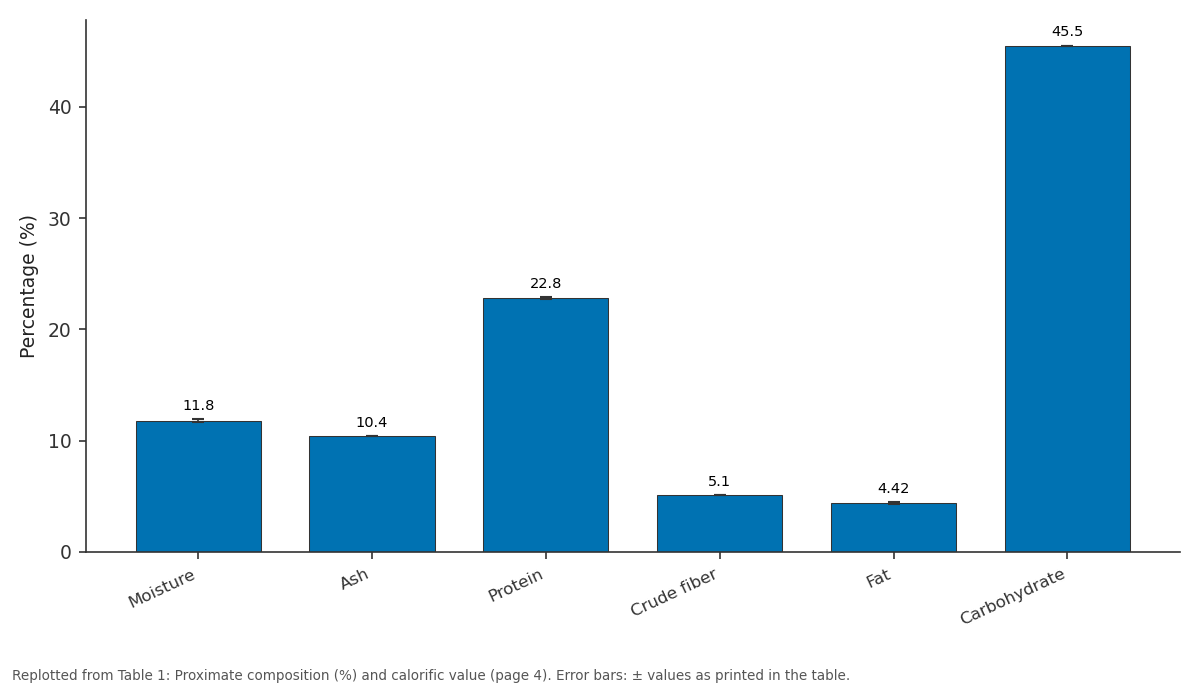
Results: Moisture vs Ash vs Protein vs Crude fiber vs Fat
Replotted from Table 1 (page 4) of the original paper. Every bar is the paper's own table value.
View source evidence ↗Figures & tables
From the original paper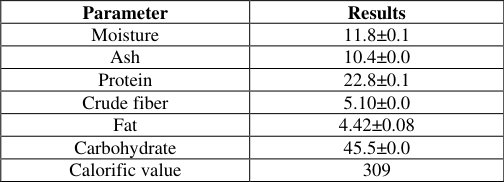 Table 1
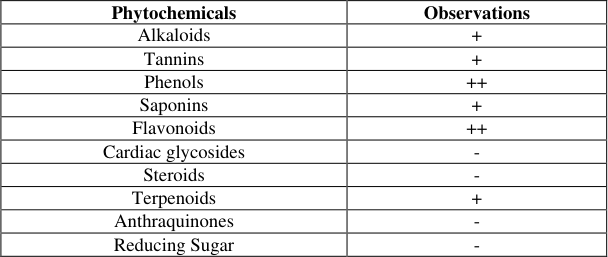 Table 2
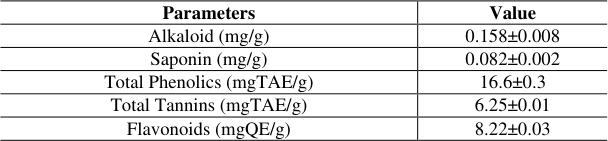 Table 3
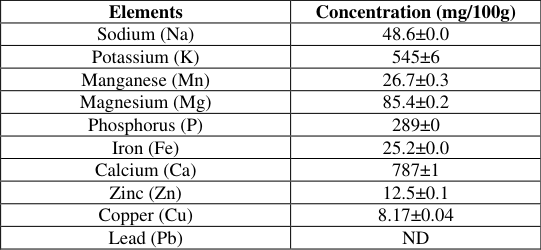 Table 4
Introduction
Cleome rutidosperma DC (C. rutidosperma) usually referred to as fringed spider flower, is a flowering plant that is a member of the family of Cleomaceae [1,2] . C. rutidosperma is an erect herb with a sparsely branched stem that can grow to a height of 50-100 cm. It was reported to originate from West Africa. In addition to Southeast Asia, it is also found in several tropical regions of America [3] . Although the plant generally grows as a weed, it is occasionally cultivated as a potherb in West Africa [4] . The leaves of C. rutidosperma are used in soups or consumed as a cooked vegetable [5,6] . Traditionally, in Indian medicine, C. rutidosperma is used to treat paralysis, convulsions, epilepsy, pain, spasm and skin disease [7] . In DR Congo, Ghana and Gabon leaf sap of C. rutidosperma is used to treat deafness and earaches, while in Nigeria, the extract of the leaf is applied in the treatment of convulsion [4] . Some research studies have been able to isolate and identify some compounds in this plant but the information on the nutritional composition is still very insufficient. Therefore, this study found it essential to get more information on the nutritional composition by determining the phytochemical, mineral and proximate compositions of C. rutidosperma. This could be very helpful in discovering its medicinal value and edibility as well.
Collection and preparation of sample
Fresh C. rutidosperma plants were collected from Ado Ekiti, Ekiti State Nigeria. The sample was identified by Mr. Felix Omotayo, the curator at the Herbarium of the Department of Plant Science, Ekiti State University, Ado-Ekiti. Edible portion of the plant comprising the leaves and tender stems were removed from the whole plant, washed thoroughly with distilled water and air dried. The dried sample was ground into powder and stored in airtight container prior to subsequent examination.
Methods
Methods
Proximate analysis
The ash, moisture, fat, protein and crude fibre contents were determined using the methods of AOAC [8] . A dry, clean crucible was weighed for the purpose of determining the moisture content, and the weight was noted (W1). The sample was weighed at 3 g and added to the crucible (W2). The sample-containing crucible was oven dried for three hours at 105 o C. The weight was recorded after the crucible was moved to the desiccator to cool. The procedure was repeated until the attainment of a constant weight (W3). The moisture content percentage was computed as the percentage loss in weight during drying (Equation 1).
A clean, dried, and previously weighed crucible with a lid was used to weigh 1 g of the sample in order to measure its ash content (W1). Following removal of the lid, the sample was lit on fire to char the organic material. The crucible was thereafter heated to a temperature of 550 o C in a muffle furnace (lid removed). The ashing process was repeated until the ash was light grey or white. Crucible was then immediately placed into a desiccator, cooled, and weighed (W2). Equation 2was used to determine the ash content percentage.
Soxhlet extraction technique was used to estimate the crude fat content. A filter paper was filled with a sample weighing two grams (2 g). The filter paper containing the sample was neatly folded, and the sample was then put inside a dried-up thimble. The Soxhlet flask was filled with a thimble containing the sample. Diethyl ether was added to a boiling flask after it had been weighed (W1) and dried thoroughly. Diethyl ether boiling flask, Soxhlet flask with sample, and condenser were assembled. Six hours of reflux-induced extraction were carried out. The thimble was extracted, taken out of the extraction barrel, and dried. The solvent was removed by distillation, and then the boiling flask of fat was dried at a low temperature in the oven. The flask's weight plus the oil was measured and recorded (W2). The percentage fat content was then determined using fat extracted from a specified quantity of sample (Equation 3).
The method of micro Kjeldahl was used to calculate the sample's total nitrogen content. 20 ml of concentrated H 2 SO 4 and a Kjeldahl digestion tablet were boiled with the sample (2 g) until a clear mixture was obtained in a Kjeldahl flask. The digest was filtered into a 250 ml volumetric flask, which was then ready for distillation by being properly topped off with distilled water. The digest, to which 50 ml of a 45 percent NaOH solution had been added, was steamdistilled to extract the ammonia. Methyl orange was utilized as an indicator, and 150 ml of the distillate were collected into a conical flask with 100 ml of 0.1 N HCl. Back titration against 2 M NaOH was used to quantify the percentage nitrogen (N) after the reaction between the ammonia and acid in the receiving flask. Equation 4 was used to determine the amount of nitrogen.
Nitrogen =
(𝐴-𝐵)𝑋 1.4007 𝑊𝑒𝑖𝑔ℎ𝑡 𝑜𝑓 𝑠𝑎𝑚𝑝𝑙𝑒 × 100
Where: A = volume (ml) of standard HCl x normality of standard HCl B = volume (ml) of standard NaOH x normality of standard NaOH
The nitrogen value was multiplied by a factor of 6.25% to get the percentage of crude protein.
A Soxhlet apparatus was used to extract 2.5 g of the sample with diethyl ether to quantify the amount of crude fiber. The sample extracted was air dried, transferred to a dry, 1.25% sulphuric acid-filled 1 L conical flask, coupled to a watercooled reflux condenser, and heated for exactly 30 minutes.
The mixture was allowed to cool and then filtered through a clean white linen. It was thereafter washed with boiling water until the mixture were no longer acid to litmus. The residue was further boiled with 1.25% NaOH solution. The flask was immediately connected with the reflux condenser, and boiled for precisely 30 minutes. The filtering cloth was used to filter the flask's mixture through. The residue was then transferred to a Gooch crucible that had been preheated with a thin, compact layer of ignited asbestos after being thoroughly cleaned with boiling water. The residue was carefully cleaned with hot water before being treated with approximately 15 ml of ethyl alcohol. To attain consistent weight, the Gooch crucible and its contents were air oven dried at 105±2 °C. The dried crucible was cooled, then its contents were weighed. The Gooch crucible's contents were incinerated completely until only carbonaceous material remained in a muffle furnace. The resulting ash was dried in a desiccator, chilled, and weighed.
The crude fibre was estimated as:
Where, W 1 = Gooch crucible and its contents weight (grams) before ashing W 2 = weight in grams of an asbestos-and ash-filled Gooch crucible W = weight in grams of the dried test sample Carbohydrate was determined by difference: {100 -(ash + moisture + crude protein + crude fibre + crude fat contents)}. Calorific value (kcal/100g) of the sample was obtained by multiplying crude protein content by 4, carbohydrate content by 4 and crude fat value by 9.
Mineral content determination
Mineral constituents of C rutidosperma was determined by using the procedure of Oshodi [9] as reported by Omotoso and Adedire [10] . C. rutidosperma plant was ashed in a muffle furnace at 550 °C for sevral hours. To make up to 100 ml in a standard flask, distilled water was added after the sample ash had been dissolved in 10 percent HCl. Using an atomic absorption spectrophotometer, the sample's concentrations of iron, magnesium, calcium, manganese, copper, zinc, and lead were determined (Bulk Scientific East Norwalk, CT, USA). Potassium and sodium concentrations were estimated with the use of a Corning, UK Model 405 flame photometer, while phosphorus concentrations were estimated using the vanadomolybdate technique.
Phytochemical analysis Qualitative Phytochemical analysis
The powdered material was placed into a Soxhlet apparatus and extracted for 72 hours using methanol for the qualitative phytochemical screening analysis. The extract was dried out by concentration and the residue obtained was stored and later used for phytochemical screening. Phytochemical screening for alkaloids, phenols, saponins, flavonoids, and reducing sugar was conducted by the procedure reported by Tiwari et al. [11] , tannins, terpenoids and steroids was by Edeoga et al. [12] . Cardiac glycosides and anthraquinones were determined by using the procedure reported by Aiyelaagbe and Osamudiamen [13] .
Test for saponins A 0.5 g extract and 2 milliliter of water were shaken. The presence of saponins was indicated by the persistence of foam produced for ten minutes.
Test for phenols (Ferric chloride test)
Three to four drops of a ferric chloride solution were added to the extract. Formation of bluish-black colour precipitate shows the presence of phenols in the extract.
Test for flavonoids (Lead acetate test)
Few drops of lead acetate solution were added to the extract for treatment. Formation of yellow colour precipitate shows the presence of flavonoids.
Test for alkaloids
The sample extract was filtered after it was dissolved in diluted hydrochloric acid. Wagner's reagent was applied to the filtrate (iodine in potassium iodide). Formation of brown/reddish precipitate shows the presence as alkaloids.
Test for reducing sugars
The extract was filtered after it was dissolved in 5 millilitre of distilled water. Filtrate was heated with Fehling's A & B solutions, neutralized with alkali, then hydrolysed with dilute HCl to undertake Fehling's test. The formation of a red precipitate shows the presence of reducing sugar.
Test for tannins
A test tube containing 0.5 g of dried powder was boiled with 20 ml of water and thereafter filtered. A few drops of 0.1 percent ferric chloride were added, and the coloration was checked for brownish green or a blue-black colour.
Test for terpenoids (Salkowski test)
Concentrated H 2 SO 4 (3 ml) was added cautiously to yield a layer after 5 ml of the extract was softly mixed with 2 ml of chloroform. The formation of a reddish-brown coloration shows the presence of terpenoids.
Test for steroids
After mixing 0.5 g of the sample's ethanolic extract with 2 ml of H 2 SO 4 , 2 ml of acetic anhydride was added to the mixture. In some samples, the colour transitioned from violet to blue or green, signify the presence of steroids.
Test for cardiac glycosides (Keller-Killani's test) One milliliter of glacial acetic acid with one drop of ferric chloride solution was used to dissolve about 100 mg of the extract. As an underlay, 1 cc of concentrated sulfuric acid was utilized. The existence of de-oxy sugar, a cardenolide characteristic, is shown by a brown ring at the interface.
Test for anthraquinone (Borntrager's test)
A dry test tube containing about 0.5g of the extract was filled with 5 ml of chloroform, which was then stirred vigorously for 5 minutes. The extract was filtered, and the filtrate was mixed with an equivalent volume of a solution containing 10% ammonia. The presence of anthraquinone is indicated by a violet, pink, or red colour in the ammoniacal layer.
Quantitative Phytochemical analysis Determination of alkaloid
The Harborne method [14] was used to determine the alkaloid content. 200 ml of 10% acetic acid in ethanol and 5.0 g of the sample were put to a 250 ml beaker, capped, and left for 4 hours. The extract was filtered, then concentrated on a water bath to a quarter of its initial volume. Until the precipitation was completed, concentrated ammonium hydroxide was dropwisely added to the extract. The precipitate was collected, cleaned with weak ammonium hydroxide, and finally filtered. The residual was made up of dried and weighed Alkaloid.
Determination of saponin
To determine saponin, Obadoni and Ochuko's approach [15] . was applied. 100 cm 3 of 20 percent aqueous ethanol was added to the 20 g of ground-up sample in a conical flask. The sample was boiled at roughly 55 o C over a hot water bath for 4 hours while being continuously stirred. Filtering the mixture allowed the residue to be extracted again using 200 ml of 20 percent ethanol. Over a water bath heated to roughly 90 o C, the mixed extracts were reduced to 40 ml.
The concentration was transferred into a 250 ml separatory funnel and 20 ml of diethyl ether was added. The mixture was thereafter rigorously shaken. While the ether layer was discarded, the aqueous layer was recovered. The purification procedure was repeated and N-butanol 60 ml was thereafter added. The mixed n-butanol extract was washed twice with 10 ml of 5% aqueous NaCl. The leftover solution was boiled in a water bath. After evaporation, the sample was dried to a fixed weight in an oven, and the amount of saponin was estimated.
Determination of Flavonoid
Flavonoid was identified according to Chandra et al. method [16] . The aluminium chloride colorimetric method was used to obtain the sample's total flavonoid content. Standard calibration curve for the research was created through Quercetin. In order to create the stock quercetin solution, 5.0 milligrams of quercetin were dissolved in 1.0 ml of methanol. The standard quercetin solutions were then created by serially adding methanol (5-200 g/ml) to the stock solution. Separately, 0.6 ml of diluted standard quercetin solutions or extracts were combined with 0.6 ml of aluminum chloride that was 2 percent. The mixture was then left to sit at room temperature for 60 minutes. Using a UV-Vis spectrophotometer, the reaction mixtures' absorbance was estimated against a blank at 420 nm (Model 6306, Jenway, UK). The calibration plot y = 0.0284x + 0.0051 (R 2 = 0.9973) was employed to estimate the concentration of total flavonoid content in the test samples, which was then indicated as mg quercetin equivalent (QE)/g of dried plant material. All the determinations were carried out in triplicate.
Determination of total phenolics and total tannin content
The Folin-Ciocalteu procedure, which was described by Silva et al. in 2011 was employed to estimate the total phenolic and total tanmin contents [17] . Folin-Ciocalteu aqueous solution (5 ml, 10 percent, v/v), Na 2 CO 3 (10 ml, 75 mg/l), and distilled water was combined with a diluted extract in methanol (2 ml, 0.5 mg/ml) to obtain the total phenolic content (84 ml). The mixture was left for 30 minutes in the dark. To calibrate the apparatus, distilled water was used to measure the absorbance at 760 nm. The extract (15 ml) was stirred for 3 hours with casein (1 g) and thereafter filtered and diluted with distilled water to 25 ml to estimate the residual phenolic content. The residual phenolic content was estimated from 5 ml of the filtrate with the use of the Folin-Ciocalteu technique. Duplicate runs of every process were made. The obtained total tannin content was the difference between the total and residual phenolic content. Tannic acid (0.1 to 6 g/mL) was used to create the correlation equation, which was y = 0.0152x + 0.0163 (R 2 = 0.9986). Milligrams of tannic acid equivalents (mg TAE/g) were used to indicte the total phenolic content and the total tannin content.
Results and Discussion
Results and Discussion
Quantitative phytochemical composition of C. rutidosperma
Quantitative phytochemical composition of C. rutidosperma
Discussion
The result in Table 1 showed 11.8% moisture present in airdried C. rutidosperma, a value comparable to the moisture level in Hibiscus cannabinus leaves (11.82%) [18] . Onimawo et al., [19] reported that plants with a moisture content higher than 15% is subjected to deterioration from mold growth, heat, insects' destruction and sprouting. Therefore, it can be speculated that C. rutidosperma could be kept for a long time in storage, because of its low moisture content. The ash content of C. rutidosperma (10.4%) was lesser than the value reported for the leaves of A. viridus (22.84%) [20] but greater than the values for O. gratissimum (5.11), M. scandens (7.73) and L. guineensis leaves (7.43) [21] . The ash content serve as an index of inorganic minerals present in the plant [22] . The crude protein content of C. rutidosperma (22.8%) was comparable to 21.95% recorded for the leaf of T. occidentalis [23] but comparatively higher than the range of values (14.67-21.28%) obtained by Nkamifaya et al., [24] for the leaves of 14 non-conventional leafy vegetables. C. rutidosperma could be regarded as a quality protein source because it can give more than 12% of calorific value from protein [25] . Based on the result obtained in this study, the crude fibre present in C. rutidosperma was 5.1%. Consuming fiber has been linked to a reduced risk of diverticulosis, heart disease, and some forms of cancer [26] . The crude fat value of C. rutidosperma was 4.42% which is moderately similar to the level found in Amaranthus hybridus (4.80%) [27] . Dietary fat enhances the flavor of food by absorbing and holding onto the flavor. Humans are considered to require a diet with 1.20% of their calories coming from fat, however excess fat has been linked to a number of cardiovascular problems [28] . C. rutidosperma contained higher percentage of carbohydrate (45.5%) when compared with the range of 7.50-30.55% reported by Mohammed and Mann [23] for the leaves of selected vegetables in Bida Nigeria. Moreover, the value obtained in the present study was within the range of carbohydrate contents of four lesser-known green leafy vegetables (43.78-47.23) [29] . A significant amount of carbohydrates could be obtained from C. rutidosperma and this can contribute to the energy needs of the body. Carbohydrates are a significant class of naturally occurring organic substances that support and sustain life in both plants and animals as well as serving as a source of raw materials for numerous industries [30] . The calorific value of C. rutidosperma was 309 kcal/100g, a value higher than 299.98 and 294.91 kcal/100g reported for C. esculenta and I. batatas [29] . The more calories a food has, the more energy it can provide for the body. Table 2 and3 show the results of qualitative and quantitative phytochemical analysis of C. rutidosperma. Alkaloids, phenols, tannins, flavonoids, terpenoids and saponins were present while cardiac glycosides, steroids, anthraquinone and reducing sugars were absent. A low level of alkaloid was found in C. rutidosperma (0.158±0.008 mg/g) in comparison with 27.36 mg/g and 13.9 mg/g alkaloid contents of Cassia podocarpa leaf and flower [31] . Alkaloids have strong anti-microbial properties because they impair the cytoplasm membrane's ability to function, which allows certain helpful metabolites to leak out and renders the bacterial enzymatic system inactive [32] . The tannin content of C. rutidosperma was found to be 6.25±0.01 mg TAE/g. According to reports, tannins increase the ability to absorb glucose and decrease adipogenesis, making them possible therapeutic agents for the management of noninsulin-dependent diabetic mellitus [33] . The plant sample in the present study had a higher total phenolic content (16.6±0.3 mgTAE/g) when compared with 10.13 and 9.13 mg/g w/v dry weight reported by Debnath et al. [34] for Luffa actangula and Momordica Charantia leaves respectively. The general effectiveness of plant phenolics as antioxidants and free radical scavengers is well recognized. Saponin which is slightly present in C. rutidosperma possesses some anti-inflammatory and anti-microbial activities as described in the literature [35]. It can also precipitate and coagulate red blood cells and thus it can serve as a haemolytic agent [36]. The flavonoid content of C. rutidosperma (8.22±0.03 mgQE/g) was within the range of 6.5 -14.35 mgQE/g dry weight of aeroponically and conventionally grown leafy vegetables [37] . Strong anticancer action, tumor growth inhibition, and prevention of oxidative cell damage are all characteristics of flavonoids, which are powerful watersoluble super antioxidants [38] . The presence of these bioactive compounds in C. rutidosperma is thus a significant finding of the present study, and it could be medicinal and useful for the development of therapeutic drugs. Table 4 presents the results of the mineral composition of C. rutidosperma. The concentrations of the macronutrients investigated in the present study were 787, 545, 289, 85.4 and 48.6 (mg/100 g) for calcium, potassium, phosphorus, magnesium and sodium respectively. The major mineral found in bone is calcium, which also aids in controlling the contraction of the skeletal and cardiac muscles [39] . In addition, calcium is involved in a number of processes, including exocytosis, the release of neurotransmitters, and smooth muscle contraction. In maintaining cellular equilibrium, potassium and salt are critical nutrients [40] . The phosphorus found in the sample is a vital mineral for life; it aids in the development of bones and teeth; it functions as an enzyme cofactor; and it is a component of DNA, ATP, RNA and cell membrane [41] . Magnesium is essential for the replication, stability, and metabolic functions of lipid membranes [42] . All metabolic activities, including as glycolysis, the synthesis of cyclic AMP, energy-dependent membrane transport, and the transmission of the genetic code, depend on it as well [43] . Among the micronutrients, manganese had the highest value (26.7 mg/100g) followed by iron (25.2 mg/100g), zinc (12.5 mg/100g) and copper (8.17 mg/100g). Manganese which is present in C. rutidosperma is an essential human micronutrient which support brain function and reproduction and is also required for blood sugar regulation [44] . Humans can use iron for a range of vital processes, including the production of hemoglobin, growth, and sexual maturation [41] . The most significant mineral, zinc, is required for both enzyme catalysis and protein building [45] .
| Elements | Concentration (mg/100g) |
|---|---|
| Sodium (Na) | 48.6±0.0 |
| Potassium (K) | 545±6 |
| Manganese (Mn) | 26.7±0.3 |
| Magnesium (Mg) | 85.4±0.2 |
| Phosphorus (P) | 289±0 |
| Iron (Fe) | 25.2±0.0 |
| Calcium (Ca) | 787±1 |
| Zinc (Zn) | 12.5±0.1 |
| Copper (Cu) | 8.17±0.04 |
| Lead (Pb) | ND |
Table text extracted from the original PDF; superscript letters are shown inline. The original table image is below.
View original table image
| Phytochemicals | Observations |
|---|---|
| Alkaloids | + |
| Tannins | + |
| Phenols | ++ |
| Saponins | + |
| Flavonoids | ++ |
| Cardiac glycosides | - |
| Steroids | - |
| Terpenoids | + |
| Anthraquinones | - |
| Reducing Sugar | - |
Table text extracted from the original PDF; superscript letters are shown inline. The original table image is below.
View original table image
| Parameter | Results |
|---|---|
| Moisture | 11.8±0.1 |
| Ash | 10.4±0.0 |
| Protein | 22.8±0.1 |
| Crude fiber | 5.10±0.0 |
| Fat | 4.42±0.08 |
| Carbohydrate | 45.5±0.0 |
| Calorific value | 309 |
Table text extracted from the original PDF; superscript letters are shown inline. The original table image is below.
View original table image
Copper which is present in C. rutidosperma plant is an essential trace element (i.e. macro-nutrient) that is required for plants, animals and human health. It is also important as a cofactor for brain cells [46] . Minerals found in plants may have a significant impact on the control of numerous critical physiological processes in the bodies of animals that consume them, including the regulation of enzyme activity, skeletal development, neuromuscular irritability, and blood coagulation [47] . Chronic metabolic disorders can result from a lack of any one of the important minerals, which can also harm the health of the organism that is poor in them. Therefore, the presence of all these minerals in C. rutidosperma is an indication that it might be useful in treating some metabolic disorders and in maintaining good health.
Conclusion
Since C. rutidosperma is very rich in some phytochemicals, it shows its therapeutic physiological action potential on the human system, therefore, it could be a potential source of vital medicines. In addition, C. rutidosperma could contribute to meeting human nutritional needs and helps to fight diseases associated with malnutrition since it is very rich in protein, carbohydrate and other nutritional components.
Figures and tables from the paper
| Parameters | Value |
|---|---|
| Alkaloid (mg/g) | 0.158±0.008 |
| Saponin (mg/g) | 0.082±0.002 |
| Total Phenolics (mgTAE/g) | 16.6±0.3 |
| Total Tannins (mgTAE/g) | 6.25±0.01 |
| Flavonoids (mgQE/g) | 8.22±0.03 |
Table text extracted from the original PDF; superscript letters are shown inline. The original table image is below.
View original table image
References
24 in the original paper- Archi F, Islam S, Babu Md, Ullah A, Azam S, Chowdhury A, et al. Potential evaluation of central nervous system anti-depressant activity of Cleome rutidosperma in mice. Biomedical Research and Therapy. 2016;3(10):889-901
- Okoro I, Umar I, Atawodi SE, Anigo K. Antidiabetic effect of Cleome rutidosperma DC and Senecio biafrae (Oliv. & Hiern) extracts in streptozotocin-induced diabetic rats. International Journal of Pharmaceutical Sciences and Research. 2014;6:2480.
- Jansen PCM. Cleome rutidosperma DC. [Internet] Record from PROTA4U. Grubben, G.J.H. & Denton, O.A. (Editors). PROTA (Plant Resources of Tropical Africa / Ressources végétales de l'Afrique tropicale), Wageningen, Netherlands; c2004. <http://www.prota4u.org/search.asp>. Accessed 18 July 2022.
- Khuntia A, Mohanty SK, Bose A: Pharmacognostical and preliminary phytochemical investigation of Cleome rutidosperma aerial parts. International Journal of Research in Pharmacy and Science. 2013;3(3):67-77.
- Chakraborty AK, Roy HK. Evaluation of anti-arthritic activity of ethanolic extract of Cleome rutidosperma. Journal of Pharmaceutical Science and Technology. 2010;2(10):330-332.
- Oshodi AA. Proximate composition, nutritionally valuable minerals and functional properties of Adenopus breviflorus benth seed flour and protein concentrate. Food Chemistry. 1992;45(2):79-83.
- Omotoso OT, Adedire CO. Nutrient composition, mineral content and the solubility of the proteins of palm weevil, Rhynchophorus phoenicis f. (Coleoptera: Curculionidae). Journal of Zhejiang University Science. 2007;B8:318-322.
- Tiwari P, Kumar B, Kaur M, Kaur G, Kaur H. Phytochemical screening and extraction: A review. International Pharmaceutical Science. 2011;1:98-106.
- Edeoga HO, Okwu DE, Mbaebie BO: Phytochemical constituents of some Nigerian medicinal plants. African Journal of Biotechnology. 2005;4(7):685-688
- Aiyelaagbe OO, Osamudiamen PM. Phytochemical screening for active compounds in Magnifera indica leaves from Ibadan, Oyo State. Plant Sciences Research. 2009;2(1):1-13.
- Obadoni BO, Ochuko PO. Phytochemical studies and comparative efficacy of the crude extracts of some homostate plants in Edo and Delta States of Nigeria. Global Journal of Pure and Applied Sciences. 2001;8:203-208.
- Da Silva Raupp D, Rodrigues E, Rockenbach II, Carbonar A, de Campos PF, et al. Effect of processing on antioxidant potential and total phenolics content in beet (Beta vulgaris L.). Ciencia y tecnología de alimentos. 2011;31(3):688-93.
- Kubmarawa D, Andenyang IFH, Magomya AM. Proximate composition and amino acid profile of two non-conventional leafy vegetables (Hibiscus uptake and inhibit adipogenesis in 3T3-L1 adipocytes through PTP1B inhibition. Chemico-Biological Interactions. 2008;17:69-78.
- Debnath B, Patari P, Das M, Maiti D, Manna K. Estimation of alkaloids and phenolics of five edible cucurbitaceous plants and their antibacterial activity Original Article. International Journal of Pharmacy and Pharmaceutical Sciences. 2015;7:223-227.
- Okwu DE. Phytochemicals and vitamin content of indigenous species of south eastern Nigeria. Journal of Sustainable Agricultural Environment. 2004;6(1):30-37.
- Chandra S, Khan S, Avula B, Lata H, Yang M, Elsohly M, et al. Assessment of total phenolic and flavonoid content, antioxidant properties, and yield of aeroponically and conventionally grown leafy vegetables and fruit crops: A comparative study. Evidence-Based Complementary and Alternative Medicine: eCAM. 2014. 253875.
- Okoli BJ, Okere OS. Antimicrobial activity of the phytochemical constituents of Chrysophyllum albidum G. Don_Holl. (African star apple) plant. Journal of Research of the National Institute of Standards and Technology. 2010;8:1-7.
- Toyoshima C, Nakasako M, Nomura H, Ogawa H. Crystal structure of the calcium pump of sarcoplasmic reticulum at 2.6 A resolution. Nature. 2000;405:647655.
- Pohl H, Wheeler J, Murray H. Sodium and potassium in health and disease. Metal Ions in Life Sciences. 2013;13:29-47.
- Uzoekwe NM, Mohammed JJ. Phytochemical, proximate and mineral contents of leaves and bark of Ficus capensis. Journal of Applied Sciences and Environmental Management. 2015;19(4):633-637.
- Payandeh J, Pfoh R, Pai EF. The structure and regulation of magnesium selective ion channels. Biochimica et Biophysica Acta. 2013;1828(11):2778-9.
- Auld DS. Zinc coordination sphere in biochemical zinc sites. BioMetals. 2001;14(3-4):271-313.
- Scheiber IF, Dringen R. Astrocyte functions in the copper homeostasis of the brain. Neurochemistry International. 2013;62(5):556-565.
- Kalita P, Mukhopadhyay PK, Mukherjee AK. Evaluation of the nutritional quality of four unexplored aquatic weeds from northeast India for the formulation of cost effective fish feeds. Food Chemistry. 2007;103:204-209.
Cited by 9
From OpenAlex, OpenCitations and reference lists read by Scinovex
- Mineral composition and edibility assessment of Cleome rutidosperma growing in urban environments
Ji-Hoon Park · International Journal of Horticulture and Food Science · 2026
What role does the wild herb Cleome rutidosperma play as a potential food resource in metropolitan settings? This research examined the mineral composition and edibility of C. rutidosperma specimens harvested from five distinct urban locations across the Seoul metropolitan area between March and October 2023. Plant samples, including leaves, stems, and roots, were collected monthly and subjected to proximate analysis following AOAC standard protocols. Mineral content was determined using atomic absorption spectrophotometry and inductively coupled plasma optical emission spectrometry. The leave
- Sustainable weed management approaches for cultivation of upland rice under Tripura condition
Mandira Chakraborti, B. Duary · International Journal of Research in Agronomy · 2025
A field experiment was carried out during the kharif seasons of 2013 and 2014 to develop sustainable weed management practices for upland rice in Tripura. The study included twelve treatments arranged in a randomized complete block design with three replications. The predominant weed species identified in the experimental area included Amaranthus viridis, Hedyotis corymbosa, Spilanthes acmella, Ludwigia parviflora, Cleome rutidosperma, and Malvaestrum coromandalinum among broadleaf weeds, as well as Digitaria sanguinalis among grasses and Cyperus iria among sedges. Among the various treatments
- ANTHER DEVELOPMENT ANATOMY OF Cleome rutidosperma DC. (CLEOMACEAE) IN LOMBOK ↗
Chandra Puspita Dewi, Alfiya Lita Amelia, Baiq Indra Sari Putri, Dea Sinta Sapitri, Indri Wahyuzeni, Kurnia Julianti et al. · BIOMA Jurnal Ilmiah Biologi · 2025
Cleome rutidosperma DC is a plant native to tropical Africa, India and Indochina, and it has become an invasive weed plant introduced to Indonesia, especially on the islands of Sumatra, Kalimantan, Java and the Lesser Sunda Islands, including Lombok, to the Australian continent. C. rutidosperma belongs to the Brassicaceae order which has cleistogamy flowers. The aim of this research is…
❝ 0PDF - Nutrient and mineral evaluation of Cleome rutidosperma for household food and traditional use ↗
Koffi L Adjovi, Aminata S Hounkpatin · International Journal of Home Science · 2025
Cleome rutidosperma is a widely distributed herbaceous plant commonly found in tropical regions, where it is traditionally consumed as a leafy vegetable and used in indigenous healthcare practices. Despite its frequent availability in household environments, comprehensive nutritional evaluations supporting its food and traditional applications remain limited. This research presents a detailed assessment of the nutrient and mineral composition of Cleome
- Influence of local environmental conditions on the mineral profile of Cleome rutidosperma in Ado-Ekiti
Olawale Adediran, Funmilayo A Ogunleye, Sadiq Lawal, Aisha R Bello · International Journal of Geography Geology and Environment · 2025
Cleome rutidosperma is an underutilized leafy plant widely distributed in southwestern Nigeria, where it grows spontaneously across diverse microenvironments. The mineral composition of edible plants is strongly influenced by environmental conditions such as soil type, pH, moisture availability, and anthropogenic activities, yet limited data exist on how localized environmental variations affect the mineral profile of C. rutidosperma in Ado-Ekiti. This research examines the influence of local environmental conditions on the mineral composition of C. rutidosperma leaves collected from different
- Biochemical profiling of phytoconstituents in Cleome rutidosperma leaves ↗
Michael R Whitman, Emily J Carter · International Journal of Bioscience and Biochemistry · 2025
Cleome rutidosperma is an underutilized leafy plant widely distributed in tropical agroecosystems and traditionally consumed or applied in folk medicine for nutritional and therapeutic purposes. Despite its ethnobotanical relevance, comprehensive biochemical profiling of its leaf phytoconstituents remains limited, particularly with respect to compounds influencing antioxidant and metabolic functions. The present research aimed to characterize the biochemical composition of Cleome rutidosperma
- Pharmacognostic significance of phytochemicals identified in Cleome rutidosperma from southwestern Nigeria ↗
Michael R Hensley, Laura J Whitman, Daniel P Crawford · International Journal of Pharmacognosy and Life Science · 2024
Cleome rutidosperma is an underutilized medicinal herb widely distributed across tropical Africa and traditionally employed for the management of inflammatory conditions, gastrointestinal disturbances, and minor infections. Despite its frequent ethnomedicinal use in southwestern Nigeria, systematic pharmacognostic interpretation of its phytochemical constituents remains limited. The present research highlights the pharmacognostic significance of phytochemicals identified in Cleome rutidosperma leaves with emphasis on
- Nutritional evaluation of Cleome rutidosperma growing in farmland margins of Ado-Ekiti, Nigeria
Samuel O Adekunle, Funmilayo T Ogunsiwaju, Ibrahim K Lawal, Hadiza M Sadiq · International Journal of Agriculture and Nutrition · 2024
Cleome rutidosperma is a wild leafy vegetable commonly found along farmland margins in many parts of sub-Saharan Africa, where it is often underutilized despite its traditional consumption. The present research evaluates the nutritional composition of Cleome rutidosperma growing naturally in farmland margins of Ado-Ekiti, Nigeria, with the aim of providing evidence-based data to support its dietary relevance. Fresh leaf samples were collected during the cropping season, authenticated botanically, and analyzed using standard proximate and mineral assessment methods. Proximate parameters includi
- Comprehensive evaluation of phytochemical, proximate, and mineral composition of Cleome rutidosperma ↗
Samuel O Adebayo, Ifunanya Okeke · International Journal of Multidisciplinary Trends · 2023
Cleome rutidosperma is an underutilized leafy plant widely distributed in tropical regions and traditionally consumed or used in folk medicine. Despite its availability, systematic information on its phytochemical, proximate, and mineral composition remains fragmented. This research presents a comprehensive evaluation of the phytochemical profile, proximate constituents, and mineral composition of Cleome rutidosperma with the aim of assessing its nutritional relevance