
Research article · 2024 · Full text
International Journal of Agriculture and NutritionNutritional evaluation of Cleome rutidosperma growing in farmland margins of Ado-Ekiti, Nigeria
Volume 6(2) · Pages 134–138 · DOI: 10.33545/26646064.2024.v6.i2b.344 ↗
Research areasSeed and Plant BiochemistryAfrican Botany and Ecology StudiesBanana Cultivation and Research
Abstract
Author-writtenCleome rutidosperma is a wild leafy vegetable commonly found along farmland margins in many parts of sub-Saharan Africa, where it is often underutilized despite its traditional consumption. The present research evaluates the nutritional composition of Cleome rutidosperma growing naturally in farmland margins of Ado-Ekiti, Nigeria, with the aim of providing evidence-based data to support its dietary relevance. Fresh leaf samples were collected during the cropping season, authenticated botanically, and analyzed using standard proximate and mineral assessment methods. Proximate parameters including moisture, ash, crude protein, crude fat, crude fiber, and carbohydrate contents were determined following established analytical protocols, while mineral elements such as calcium, iron, potassium, magnesium, and zinc were quantified using appropriate spectrometric techniques. The results revealed that C. rutidosperma leaves possess appreciable levels of protein and dietary fiber, alongside moderate carbohydrate content, indicating their potential contribution to energy and gut health. High ash values reflected a rich mineral composition, with notable concentrations of calcium and iron, nutrients essential for bone health and hematological functions. Comparatively low-fat content supports the suitability of the plant for low-lipid diets. The nutritional profile observed aligns with earlier reports on wild leafy vegetables, reinforcing the role of non-conventional greens in addressing micronutrient deficiencies in rural populations. Environmental factors associated with farmland margins, including soil fertility and minimal agrochemical exposure, may further influence nutrient density. Overall, the findings demonstrate that Cleome rutidosperma is a nutritionally valuable plant that can supplement conventional vegetables, particularly in resource-limited settings. Promoting its inclusion in local diets and encouraging sustainable harvesting practices may enhance food security and nutritional diversity in southwestern Nigeria. The research provides baseline nutritional data that can inform dietary recommendations, agricultural extension programs, and future research on value addition and bioavailability of nutrients in underutilized leafy vegetables.
Summary
Source-checkedPlain-language reading of the full paper, prepared with AI and checked against the text. Each point links to the authors' own words.
Why it matters
- Wild leafy vegetables are important in traditional African diets because they provide rural populations with accessible essential nutrients. View evidence ↗
- There is a need to evaluate underutilized plant species because relying on a limited variety of cultivated vegetables has led to micronutrient deficiencies. View evidence ↗
- Plants growing in farmland margins may have unique nutritional compositions due to their exposure to diverse soil nutrients and minimal agricultural inputs. View evidence ↗
The question
- The study aimed to evaluate the mineral and proximate composition of Cleome rutidosperma leaves collected from farmland margins in Ado-Ekiti, Nigeria. View evidence ↗
What they did
- Fresh leaves of C. rutidosperma were harvested from farmland margins in Ado-Ekiti, Nigeria, during the active growing season. View evidence ↗
- Proximate composition (moisture, ash, protein, fat, fiber, and carbohydrates) was analyzed using AOAC standard procedures. View evidence ↗
- Spectrometric techniques were used to quantify calcium, iron, potassium, magnesium, and zinc after wet digestion of the dried samples. View evidence ↗
- All laboratory analyses were performed in triplicate and reported on a dry weight basis. View evidence ↗
What they found
- The moisture content of the leaves was high across all sites, ranging from 80.79% to 83.07%. View evidence ↗
- On a dry-matter basis, the leaves contained substantial crude protein, ranging from 25.65 to 27.26 g/100 g. View evidence ↗
- The crude fat content was low, between 3.14 and 3.81 g/100 g DM, making the plant suitable for low-lipid diets. View evidence ↗
- Dietary fiber levels were stable across the different sites, ranging from 12.57 to 13.25 g/100 g DM. View evidence ↗
- Potassium was the most abundant mineral found in the leaves, with concentrations between 1512 and 1674 mg/100 g DM. View evidence ↗
- The leaves showed high calcium levels, ranging from 867 to 915 mg/100 g DM. View evidence ↗
- Iron concentrations were appreciable, ranging from 37.13 to 42.43 mg/100 g DM. View evidence ↗
- Ash content varied significantly by site (p = 0.0011), with the highest levels found at site FM3, indicating higher mineral density there. View evidence ↗
What it means
- The authors conclude that C. rutidosperma from Ado-Ekiti farmland margins has significant nutritional value and should not be viewed as an inferior food source. View evidence ↗
- The authors recommend increasing community awareness through education and extension services to promote the safe harvesting and dietary inclusion of the plant. View evidence ↗
- The authors note that while iron levels are high, the actual bioavailability of these minerals is an important consideration that requires further attention. View evidence ↗
Visual summary
3 visualsIllustrations explain the paper; charts are replotted from the paper's own table values.
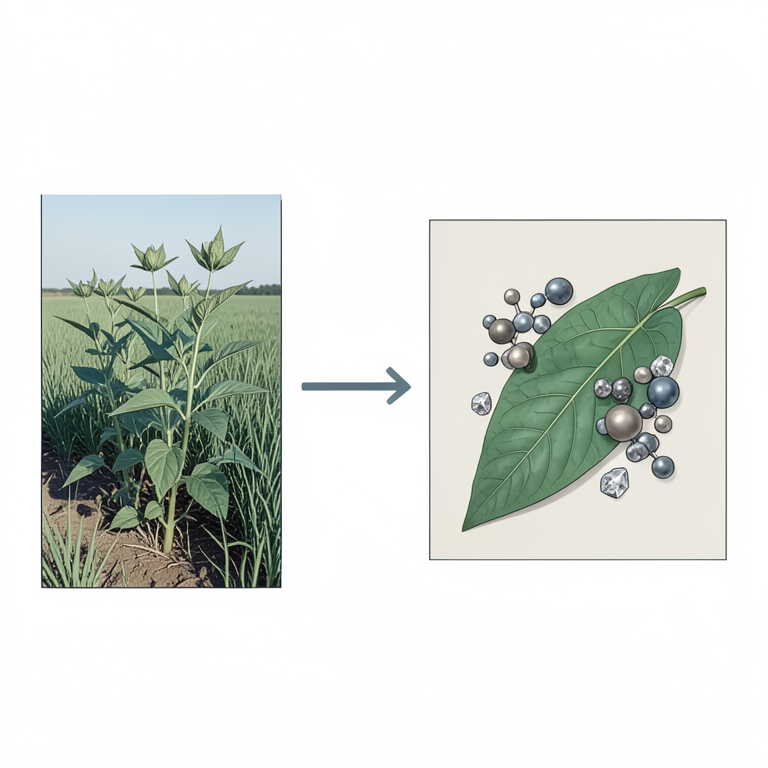
Nutritional Profile of C. rutidosperma
AI-generated conceptual illustration (Cleome rutidosperma plants growing in farmland margins). It explains the idea and does not show study data.
View source evidence ↗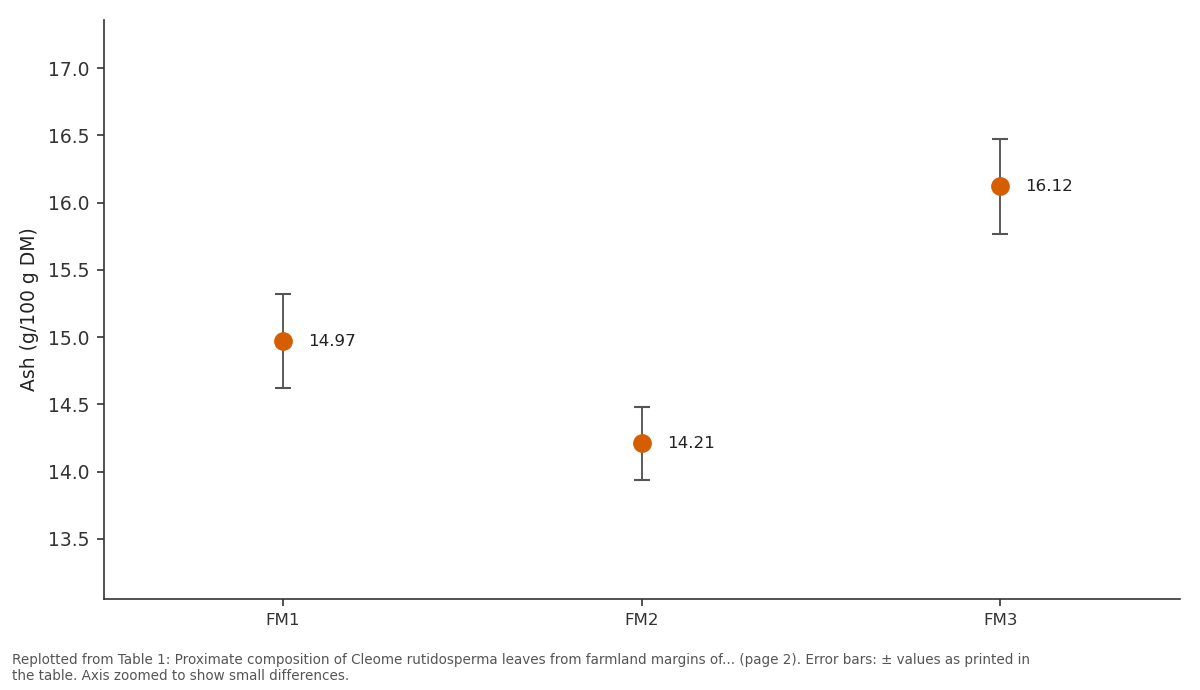
Ash (g/100 g DM): FM1 vs FM2 vs FM3
Replotted from Table 1 (page 2) of the original paper. Every bar is the paper's own table value.
View source evidence ↗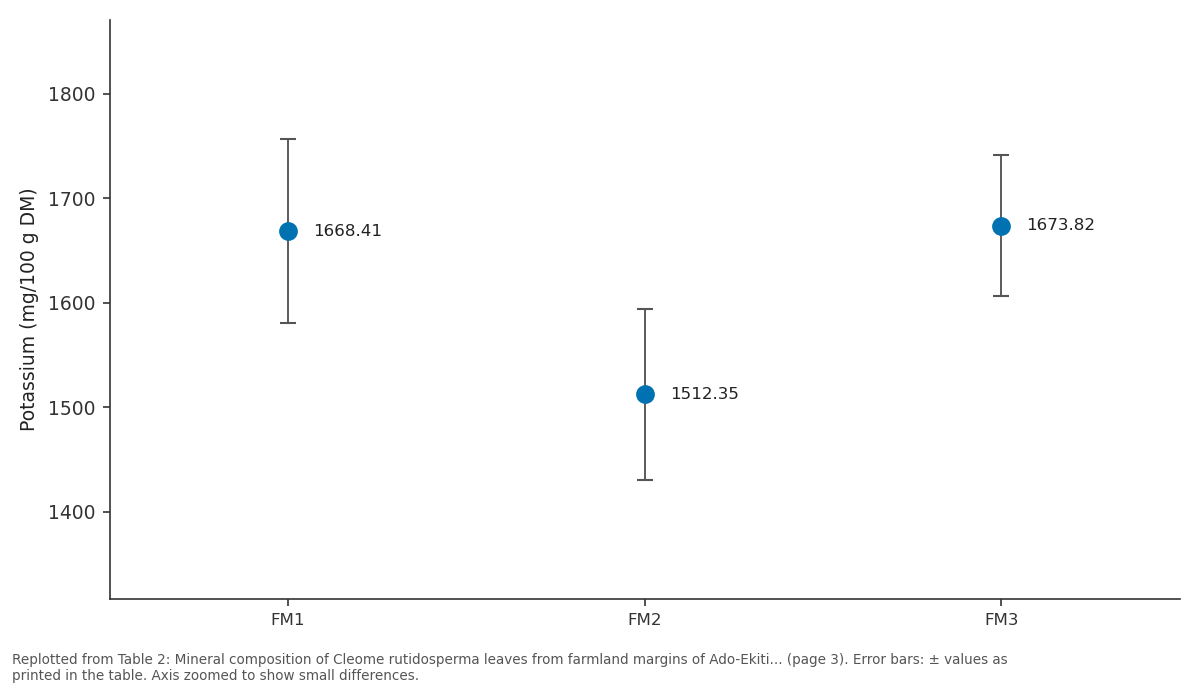
Potassium (mg/100 g DM): FM1 vs FM2 vs FM3
Replotted from Table 2 (page 3) of the original paper. Every bar is the paper's own table value.
View source evidence ↗Figures & tables
From the original paper Table 1
 Table 2
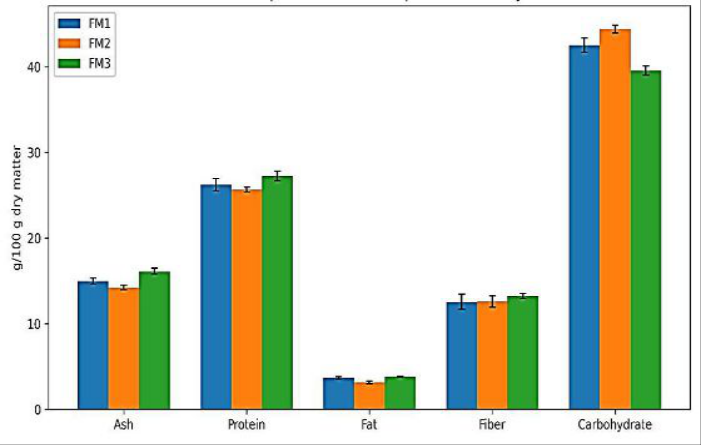 Figure 1
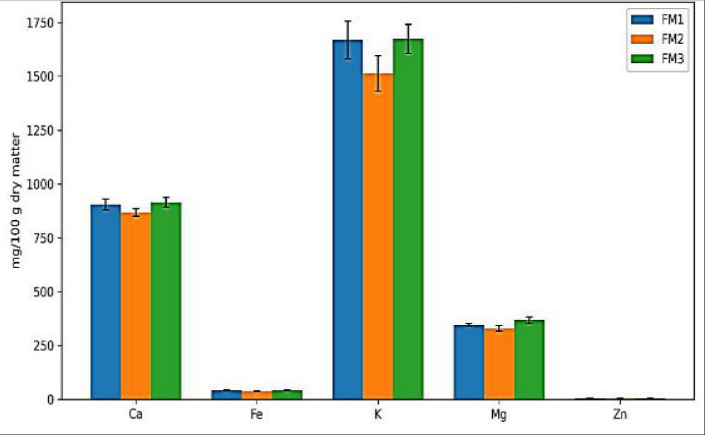 Figure 2
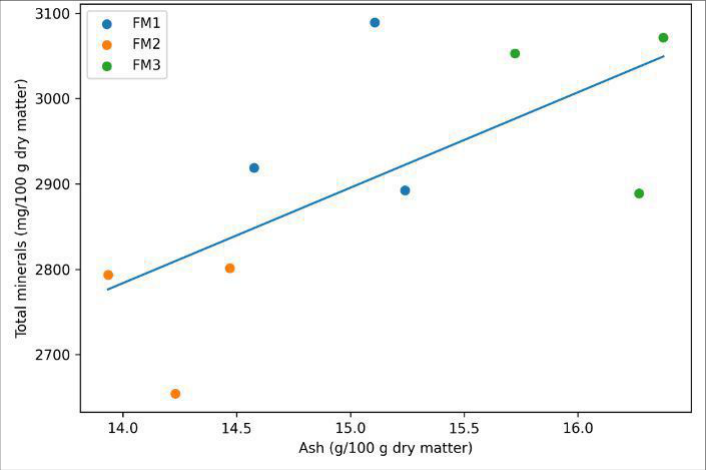 Figure 3
Introduction
Wild leafy vegetables play a crucial role in traditional diets across Africa, serving as accessible sources of essential nutrients for rural populations [1] . These plants often grow spontaneously in farmlands, roadsides, and fallow lands, contributing to dietary diversity and resilience during periods of food scarcity [2] . Cleome rutidosperma, a member of the Cleomaceae family, is one such species commonly found in southwestern Nigeria, including Ado-Ekiti, where it grows abundantly along farmland margins [3] . Traditionally consumed as a cooked vegetable, the plant is valued in indigenous food systems, yet it remains largely neglected in formal nutritional planning [4] . The growing reliance on a narrow range of cultivated vegetables has contributed to micronutrient deficiencies, emphasizing the need to reassess the nutritional potential of underutilized plant species [5] . Previous studies on wild vegetables have shown that many possess higher mineral and fiber contents than cultivated counterparts, supporting their role in combating malnutrition [6] . However, the nutritional quality of such plants can vary significantly depending on ecological conditions, soil characteristics, and harvesting locations [7] . Farmland margins represent a unique growth environment where plants are exposed to diverse soil nutrients with limited agronomic inputs, potentially influencing their nutritional composition [8] .
Despite the frequent occurrence of C. rutidosperma in these areas, comprehensive nutritional evaluations specific to this ecological niche remain limited [9] . Existing literature has primarily focused on phytochemical screening and general proximate composition without adequate emphasis on location-specific nutrient variability [10] . In Ado-Ekiti, increasing pressure on conventional food systems and rising food costs have renewed interest in alternative and locally available vegetables [11] . Evaluating the nutritional profile of C. rutidosperma growing in farmland margins is therefore important for understanding its contribution to household nutrition and public health [12] . Earlier analytical reports from the region have indicated promising mineral and protein contents in this species, suggesting its potential as a nutrient-dense food resource [13] . However, updated and context-specific data are necessary to validate these findings and encourage wider dietary acceptance [14] . The objective of this research is to evaluate the proximate and mineral composition of Cleome rutidosperma collected from farmland margins of Ado-Ekiti, Nigeria, using standardized analytical methods [15] . It is hypothesized that the plant possesses significant nutritional value comparable to commonly consumed leafy vegetables and can serve as a sustainable dietary supplement [16] . Generating such evidence is essential for promoting indigenous vegetables in nutrition-sensitive agricultural and health interventions.
Materials and Methods
Materials: Fresh leafy samples of Cleome rutidosperma were collected from farmland margins within Ado-Ekiti, Ekiti State, Nigeria, during the active growing season to ensure optimal vegetative maturity. The research area is characterized by mixed cropping systems and minimal agrochemical application, conditions commonly associated with the spontaneous growth of wild leafy vegetables [3,8] . Sampling sites were selected randomly across multiple farmland margins to capture representative plant variability and reduce location bias [7] . The harvested leaves were carefully sorted to remove damaged or diseased parts, washed thoroughly with clean water to eliminate adhering soil particles, and air-dried under shade to prevent nutrient degradation [6] . Botanical identification and authentication of the plant species were carried out using standard taxonomic keys and descriptions, with reference to established floristic literature on West African edible plants [3,4] . All chemicals and reagents used for laboratory analyses were of analytical grade, and standard laboratory glassware and equipment were employed throughout the research to ensure analytical accuracy [15] .
Methods
Proximate composition analysis of the leaf samples, including determination of moisture, ash, crude protein, crude fat, crude fiber, and carbohydrate contents, was conducted following standard procedures recommended by the Association of Official Analytical Chemists [15] . Moisture content was determined by oven-drying, ash content by incineration in a muffle furnace, crude protein by the Kjeldahl method, crude fat by Soxhlet extraction, and crude fiber using sequential acid and alkali digestion methods [15] . Carbohydrate content was calculated by difference, as described in earlier studies on indigenous leafy vegetables [6,10] . Mineral analysis for elements such as calcium, iron, potassium, magnesium, and zinc was performed after wet digestion of dried samples, followed by quantification using appropriate spectrometric techniques, consistent with methods reported for wild and underutilized vegetables [7,9] . All analyses were carried out in triplicate, and results were expressed on a dry weight basis to allow comparison with previous nutritional studies [12,13] . The analytical approach adopted aligns with established methodologies used in earlier evaluations of Cleome rutidosperma and other traditional leafy vegetables from southwestern Nigeria and similar agroecological zones [1,6,13] .
Results
Results
Interpretation (Proximate)
Moisture content was high across sites (80.79-83.07%), consistent with leafy vegetables and supporting their traditional use as fresh greens [6,10] . On a dry-matter basis, crude protein remained substantial (25.65-27.26 g/100 g DM), indicating meaningful dietary protein contribution when consumed regularly, as reported for African indigenous vegetables [1,6] . Crude fat was low (3.14-3.81 g/100 g DM), aligning with the suitability of leafy vegetables for low-lipid diets [6,12] . Fiber values (12.57-13.25 g/100 g DM) were stable across sites (ANOVA p = 0.4137), implying relatively consistent dietary roughage regardless of farmland margin location [2,6] . Ash content differed significantly among sites (ANOVA p = 0.0011), and the highest ash in FM3 suggests richer total mineral residue, which is commonly used as a proxy for mineral density in nutritional profiling [6,7] . The proximate pattern and magnitudes are in agreement with earlier work on underutilized greens and with regional findings reported for C. rutidosperma from Ado-Ekiti [6,13] . Analytical determinations followed AOAC protocols, supporting comparability with published datasets [15] . Overall, these results reinforce the value of wild edible plants in dietary diversification and nutrition-sensitive interventions [5,11] .
Interpretation (Minerals)
All sites showed mineral-rich profiles typical of many indigenous leafy vegetables [6,9] . Potassium was the dominant mineral (1512-1674 mg/100 g DM), supporting the role of wild greens in electrolyte intake and dietary quality [6] . Calcium levels were also high (867-915 mg/100 g DM), suggesting potential value for bone-health-related nutrition in communities relying on plant sources [5,6] . Iron concentrations (37.13-42.43 mg/100 g DM) were appreciable and comparable to earlier reports for traditional vegetables, supporting potential relevance for addressing iron-deficiency risks, subject to bioavailability considerations [2,6,12] . Significant between-site differences (ANOVA p<0.05 for all minerals) likely reflect micro-ecological variation in soil nutrient availability and growth conditions along farmland margins [7,8] . This ecological sensitivity is consistent with ethnobotanical and urbanagriculture literature emphasizing that location and management context can influence nutrient density in indigenous vegetables [4,8] . The mineral pattern observed here aligns with broader evidence that wild and underutilized leafy vegetables can complement cultivated vegetables for micronutrient security [1,6,10] , and it supports earlier regional reporting on C. rutidosperma nutritional attributes [13,14] . These findings strengthen the case for promoting sustainable use of spontaneous edible plants in household food strategies [11] and for further work on nutrient bioavailability and safe harvesting practices [3] .
Statistical notes (applied tools)
A one-way ANOVA was used to test differences among FM1-FM3 for each parameter (Tables 12), consistent with standard comparative nutritional profiling [6,15] . For interpretation, significant ANOVA results were treated as evidence of side effects attributable to local growth environment variability along farmland margins [7,8] . A simple linear regression between ash (g/100 g DM) and summed minerals (mg/100 g DM) was performed to examine whether ash tracks mineral density (Figure 3), which is commonly inferred in food composition work and indigenous vegetable profiling [6,10] .
Discussion
The present research demonstrates that Cleome rutidosperma growing along farmland margins of Ado-Ekiti possesses a nutritionally rich profile, reinforcing the importance of wild and underutilized leafy vegetables in local food systems. The high moisture content observed across sampling sites is characteristic of fresh leafy vegetables and supports their role in contributing to hydration and palatability in traditional diets [6,10] . On a drymatter basis, the relatively high crude protein levels recorded in this research compare favorably with several commonly consumed indigenous vegetables, highlighting the potential of C. rutidosperma as a supplementary plant protein source, particularly in low-income rural communities where access to animal protein is limited [1,6] . This finding aligns with earlier assessments of African wild vegetables that emphasize their role in improving dietary protein adequacy [2,12] . The low crude fat content observed across all farmlandmargin sites is nutritionally advantageous, as it supports the inclusion of C. rutidosperma in diets aimed at reducing excessive lipid intake while still providing essential micronutrients [6] . Dietary fiber levels were moderately high and showed minimal variation among sites, suggesting a stable contribution to gastrointestinal health and potential benefits in glycemic regulation and satiety, as reported for traditional leafy vegetables across sub-Saharan Africa [6,10] . The significant variation in ash content among sites indicates differences in total mineral accumulation, which is consistent with reports that soil heterogeneity and microenvironmental conditions strongly influence nutrient uptake in wild plants [7,8] . Mineral analysis revealed potassium as the most abundant element, followed by calcium and magnesium, a pattern commonly reported for indigenous leafy vegetables [6,9] . High potassium levels support cardiovascular and electrolyte balance, while substantial calcium content suggests relevance for bone health in populations with limited dairy consumption [5,6] . The appreciable iron concentrations observed are particularly noteworthy given the prevalence of iron-deficiency anemia in many developing regions; however, as emphasized in previous studies, mineral bioavailability remains an important consideration [2,12] . The positive association between ash content and total mineral load further validates the use of ash as an indirect indicator of mineral density in food composition studies [6,10] . Overall, the nutritional characteristics documented in this research are consistent with earlier reports on C. rutidosperma from southwestern Nigeria [13,14] and broader evaluations of underutilized leafy vegetables [1,6] . These findings support the hypothesis that farmland-margin populations of C. rutidosperma represent a valuable, lowcost nutritional resource. Promoting awareness, sustainable harvesting, and dietary integration of such plants could contribute meaningfully to food and nutrition security initiatives,
Conclusions
The findings of this research clearly demonstrate that Cleome rutidosperma growing naturally along farmland margins of Ado-Ekiti, Nigeria, possesses considerable nutritional value and should no longer be regarded as a marginal or inferior food resource. The plant exhibited a favorable proximate composition characterized by high moisture content, appreciable levels of crude protein and dietary fiber, low crude fat, and substantial carbohydrate contribution on a dry-matter basis, indicating its suitability for regular dietary inclusion. The mineral analysis further strengthened its nutritional significance, revealing high concentrations of potassium, calcium, magnesium, and iron, all of which are essential for maintaining metabolic balance, bone integrity, neuromuscular function, and hematological health. These attributes collectively position C. rutidosperma as a viable supplement to commonly cultivated vegetables, particularly in regions facing economic constraints, seasonal food shortages, and micronutrient deficiencies. Beyond its nutritional merits, the ability of this plant to thrive along farmland margins with minimal agricultural inputs underscores its ecological resilience and potential role in sustainable food systems. Based on these outcomes, practical actions should focus on increasing community awareness about the nutritional benefits of C. rutidosperma through nutrition education programs and extension services, encouraging its safe and hygienic harvesting from uncontaminated farmland margins, and promoting its incorporation into local recipes to enhance dietary diversity. Small-scale processing techniques such as drying and powdering could be adopted to extend shelf life and enable year-round availability, while household and community-level cultivation trials may further improve accessibility and reduce pressure on wild populations. Additionally, integrating this plant into school feeding programs and community nutrition initiatives could contribute to improving nutrient intake among vulnerable groups, including children and women of reproductive age. Local agricultural and health stakeholders may also explore value-addition opportunities, such as developing vegetable mixes or fortified food products, to enhance acceptability and economic value. Overall, recognizing and utilizing Cleome rutidosperma as a functional indigenous vegetable offers a practical pathway toward strengthening food security, improving nutritional outcomes, and supporting sustainable utilization of local biodiversity within the research region.
Figures and tables from the paper
| Parameter | FM1 | FM2 | FM3 | ANOVA p |
|---|---|---|---|---|
| Moisture (% fresh) | 82.84 ± 0.32 | 80.79 ± 0.35 | 83.07 ± 0.29 | 0.0002 |
| Ash (g/100 g DM) | 14.97 ± 0.35 | 14.21 ± 0.27 | 16.12 ± 0.35 | 0.0011 |
| Protein (g/100 g DM) | 26.23 ± 0.73 | 25.65 ± 0.28 | 27.26 ± 0.56 | 0.0318 |
| Fat (g/100 g DM) | 3.69 ± 0.16 | 3.14 ± 0.14 | 3.81 ± 0.09 | 0.0018 |
| Fiber (g/100 g DM) | 12.57 ± 0.87 | 12.59 ± 0.68 | 13.25 ± 0.31 | 0.4137 |
| Carbohydrate (g/100 g DM) | 42.53 ± 0.83 | 44.41 ± 0.46 | 39.55 ± 0.53 | 0.0002 |
Table text extracted from the original PDF; superscript letters are shown inline. The original table image is below.
View original table image
| Parameter | FM1 | FM2 | FM3 | ANOVA p |
|---|---|---|---|---|
| Calcium (mg/100 g DM) | 905.12 ± 25.33 | 867.06 ± 17.45 | 915.13 ± 22.97 | 0.0460 |
| Iron (mg/100 g DM) | 41.73 ± 1.33 | 37.13 ± 0.68 | 42.43 ± 2.33 | 0.0143 |
| Potassium (mg/100 g DM) | 1668.41 ± 87.91 | 1512.35 ± 81.73 | 1673.82 ± 67.26 | 0.0423 |
| Magnesium (mg/100 g DM) | 346.33 ± 6.13 | 328.36 ± 12.89 | 367.34 ± 15.54 | 0.0062 |
| Zinc (mg/100 g DM) | 5.36 ± 0.30 | 4.86 ± 0.22 | 5.80 ± 0.14 | 0.0076 |
Table text extracted from the original PDF; superscript letters are shown inline. The original table image is below.
View original table image
References
16 in the original paper- Flyman MV, Afolayan AJ. The suitability of wild vegetables for alleviating human dietary deficiencies. S Afr J Bot. 2006;72(4):492-497.
- Grivetti LE, Ogle BM. Value of traditional foods in meeting macro-and micronutrient needs. Nutr Res Rev. 2000;13(1):31-46.
- Burkill HM. The useful plants of West Tropical Africa. Vol 1. Kew: Royal Botanic Gardens; 1997.
- Orech FO, Aagaard-Hansen J, Friis H. Ethnoecology of traditional leafy vegetables of the Luo people of Kenya. Int J Food Sci Nutr. 2007;58(7):522-530.
- Johns T, Eyzaguirre PB. Biofortification, biodiversity and diet: a search for complementary applications against poverty and malnutrition. Proc Nutr Soc. 2007;66(1):1-11.
- Uusiku NP, Oelofse A, Duodu KG, Bester MJ, Faber M. Nutritional value of leafy vegetables of sub-Saharan Africa. Food Chem. 2010;119(4):1195-1204.
- Gupta S, Lakshmi AJ, Manjunath MN, Prakash J. Analysis of nutrient and antinutrient content of underutilized green leafy vegetables. LWT Food Sci Technol. 2005;38(4):339-345.
- Shackleton CM, Pasquini MW, Drescher AW, editors. African indigenous vegetables in urban agriculture. London: Earthscan; 2009.
- Odhav B, Beekrum S, Akula U, Baijnath H. Preliminary assessment of nutritional value of traditional leafy vegetables in KwaZulu-Natal. J Food Compos Anal. 2007;20(5):430-435.
- Adjat in A, Dansi A, Badoussi E, Loko YL, Dansi M, Azokpota P, et al. Proximate, mineral and vitamin C content of leafy vegetables in Benin. Int J Biol Chem Sci. 2013;7(1):319-331.
- Food and Agriculture Organization of the United Nations. The state of food insecurity in the world. Rome: Food and Agriculture Organization; 2015.
- Nnamani CV, Oselebe HO, Okporie EO. Nutritional values of some indigenous leafy vegetables of southeastern Nigeria. Afr J Biotechnol. 2009;8(9):2329-2333.
- Akinsola AF, Oluwafemi AG. Phytochemical analysis, proximate composition and mineral profile of Cleome rutidosperma found in Ado-Ekiti, Nigeria. Int J Adv Biochem Res. 2022;6(2):94-100.
- Mensah JK, Okoli RI, Ohaju-Obodo JO, Eifediyi K. Phytochemical, nutritional and medicinal properties of some leafy vegetables consumed in Edo State. Afr J Biotechnol. 2008;7(14):2304-2309.
- Association of Official Analytical Chemists. Official methods of analysis. 18th ed. Washington (DC): Association of Official Analytical Chemists; 2005.
- Stadlmayr B, Charrondière UR, Eisenwagen S, Jamnadass R, Kehlenbeck K. Nutrient composition of selected indigenous fruits and vegetables from subSaharan Africa. J Sci Food Agric. 2013;93(11):26272636.