
Research article · 2026 · Full text
International Journal of Horticulture and Food ScienceMineral composition and edibility assessment of Cleome rutidosperma growing in urban environments
Volume 8(1) · Pages 135–141 · DOI: 10.33545/26631067.2026.v8.i1b.481 ↗
Research areasHeavy Metals in PlantsEcology and Conservation StudiesPlant Micronutrient Interactions and Effects
Abstract
Author-writtenWhat role does the wild herb Cleome rutidosperma play as a potential food resource in metropolitan settings? This research examined the mineral composition and edibility of C. rutidosperma specimens harvested from five distinct urban locations across the Seoul metropolitan area between March and October 2023. Plant samples, including leaves, stems, and roots, were collected monthly and subjected to proximate analysis following AOAC standard protocols. Mineral content was determined using atomic absorption spectrophotometry and inductively coupled plasma optical emission spectrometry. The leaves exhibited the highest protein content at 4.7% dry weight, while roots showed elevated crude fiber at 15.7% dry weight. Calcium concentrations ranged from 152.3 to 201.5 mg per 100 g dry weight across sampling periods, with peak values recorded during June collections. Iron content varied between 9.2 and 14.2 mg per 100 g dry weight, and zinc ranged from 3.1 to 5.1 mg per 100 g dry weight depending on the collection site and season. Potassium was the most abundant mineral element, reaching 341.7 mg per 100 g dry weight at the Mapo District site. Anti-nutritional factors, including oxalates at 2.83 g per 100 g and phytates at 0.47 g per 100 g, were detected at levels comparable to commonly consumed leafy greens. Comparison with recommended dietary allowances indicated that a 100 g serving of fresh C. rutidosperma leaves could supply 18.7% of daily calcium and 23.1% of daily iron requirements for adults. Site-specific differences in mineral accumulation appeared linked to soil characteristics and proximity to roadways. These findings suggest that C. rutidosperma growing in select urban environments possesses nutritional attributes warranting further evaluation as a supplementary food source, provided heavy metal contamination remains within acceptable safety thresholds.
Summary
Source-checkedPlain-language reading of the full paper, prepared with AI and checked against the text. Each point links to the authors' own words.
Why it matters
- Cleome rutidosperma, also known as the fringed spider flower, is a wild plant that grows abundantly in tropical and subtropical regions and is highly accessible in urban areas due to its ability to adapt to disturbed soils and roadsides. View evidence ↗
- The plant has a history of use as a medicinal plant and leafy vegetable in traditional communities across Southeast Asia, West Africa, and South America. View evidence ↗
- While urban environments provide access to wild plants, there are food safety concerns because plants may accumulate heavy metals from industrial activities, contaminated soils, and vehicle emissions. View evidence ↗
The question
- The study aimed to evaluate the edibility of C. rutidosperma from five urban sites in Seoul by analyzing its mineral composition, proximate nutritional content, seasonal variations, and anti-nutritional compounds. View evidence ↗
What they did
- Proximate composition was analyzed using AOAC standard methods, including oven drying for moisture, the micro-Kjeldahl method for protein, Soxhlet extraction for fat, and muffle furnace incineration for ash. View evidence ↗
- Minerals were analyzed after tri-acid digestion using atomic absorption spectrophotometry, flame photometry, and the vanadomolybdate colorimetric method. View evidence ↗
What they found
- Leaves had the highest crude protein content at 4.7% dry weight, significantly exceeding that of stems (2.3%) and roots (1.9%). View evidence ↗
- Roots contained the highest amount of crude fiber at 15.7% dry weight, which is approximately 1.8 times the amount found in leaves. View evidence ↗
- Potassium was the most abundant mineral across all sites, with concentrations between 298.6 mg/100 g (Gwanak) and 341.7 mg/100 g (Mapo). View evidence ↗
- A 100 g fresh weight serving of leaves provides 23.1% of the recommended daily allowance (RDA) for iron, 18.7% for calcium, and 12.8% for phosphorus. View evidence ↗
- Mineral levels peaked in June, with calcium reaching 201.5 mg/100 g and iron reaching 14.2 mg/100 g, before declining by October. View evidence ↗
- Anti-nutritional factors were moderate; oxalate content (2.83 g/100 g) was lower than in spinach (5.84 g/100 g), and phytate levels (0.47 g/100 g) were intermediate compared to other greens. View evidence ↗
What it means
- The study did not include heavy metal analysis, which the authors state is a necessary follow-up step due to the proximity of some sites to heavy traffic. View evidence ↗
Visual summary
3 visualsIllustrations explain the paper; charts are replotted from the paper's own table values.
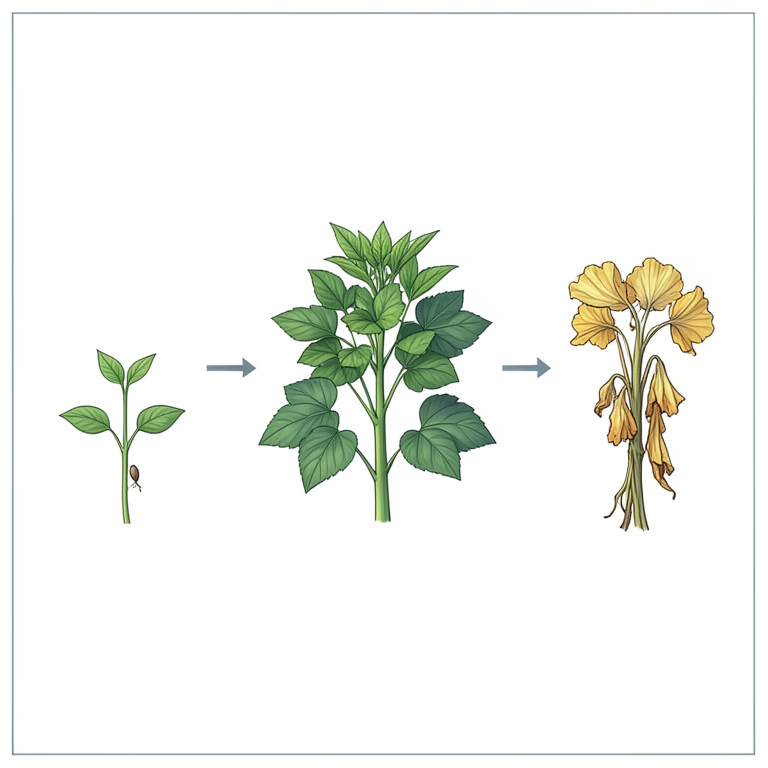
Seasonal Mineral Cycle
AI-generated conceptual illustration (Cleome rutidosperma plants). It explains the idea and does not show study data.
View source evidence ↗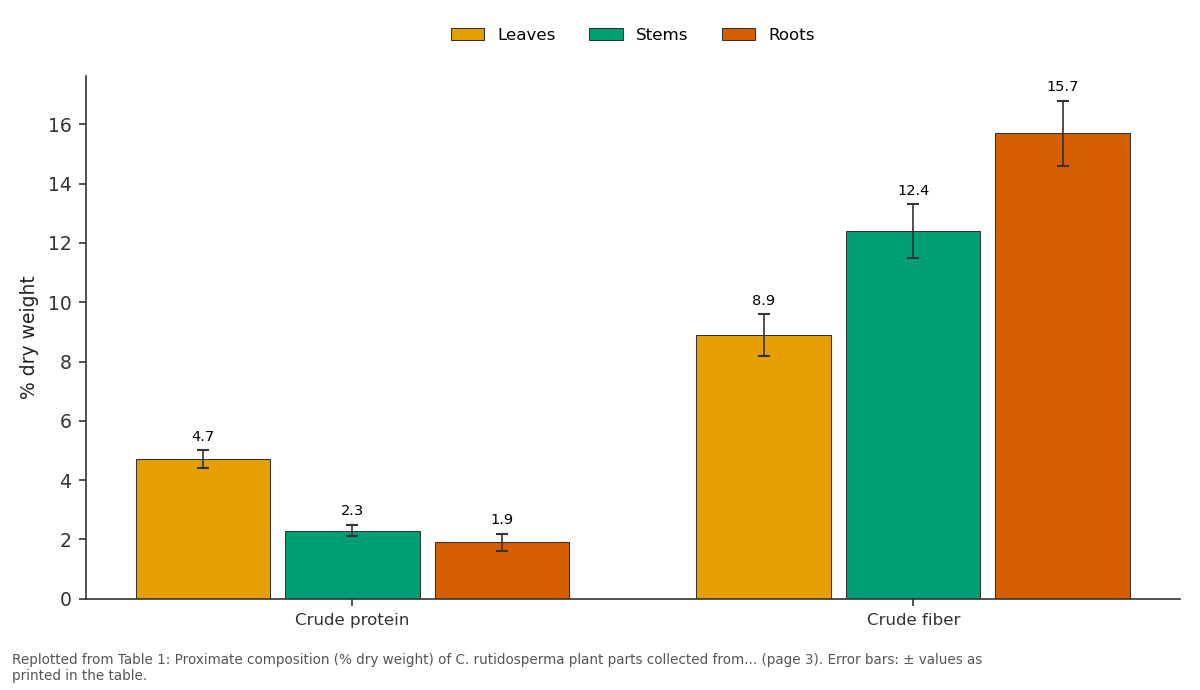
Leaves and Stems and more: Crude protein vs Crude fiber
Replotted from Table 1 (page 3) of the original paper. Every bar is the paper's own table value.
View source evidence ↗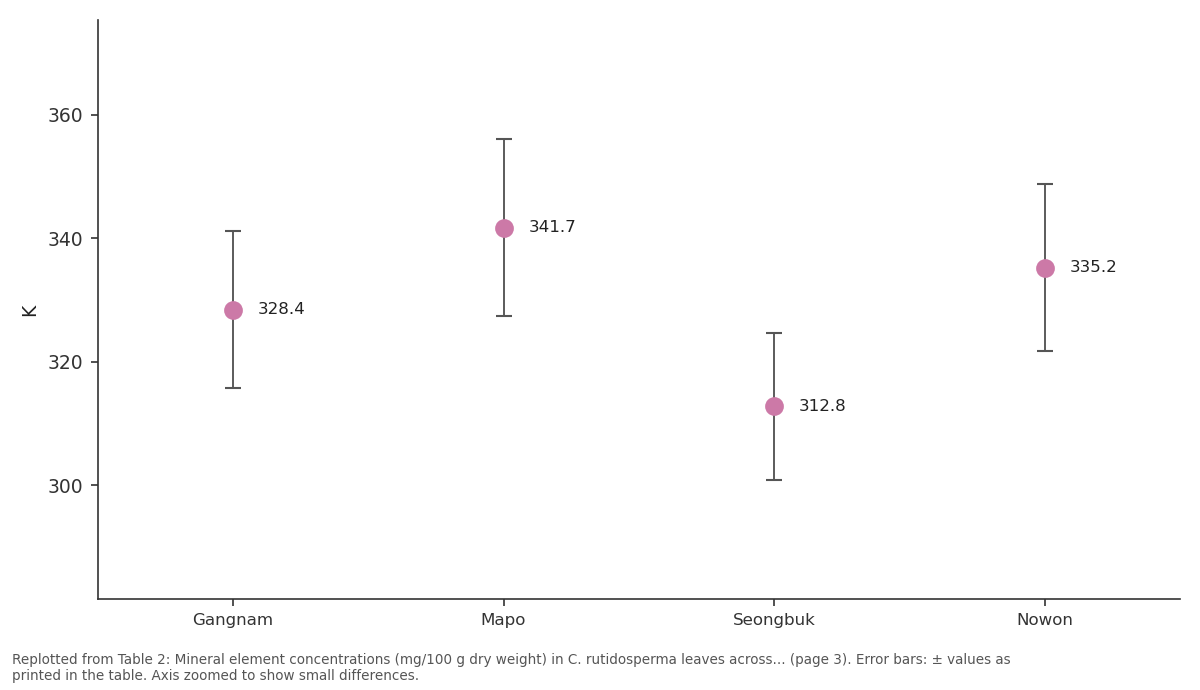
K: Gangnam vs Mapo vs Seongbuk vs Nowon
Replotted from Table 2 (page 3) of the original paper. Every bar is the paper's own table value.
View source evidence ↗Figures & tables
From the original paper Table 1
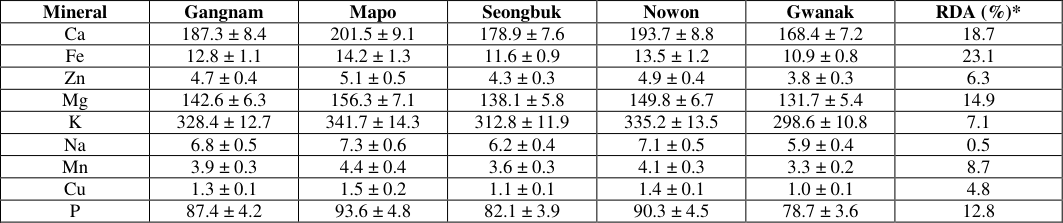 Table 2
 Table 3
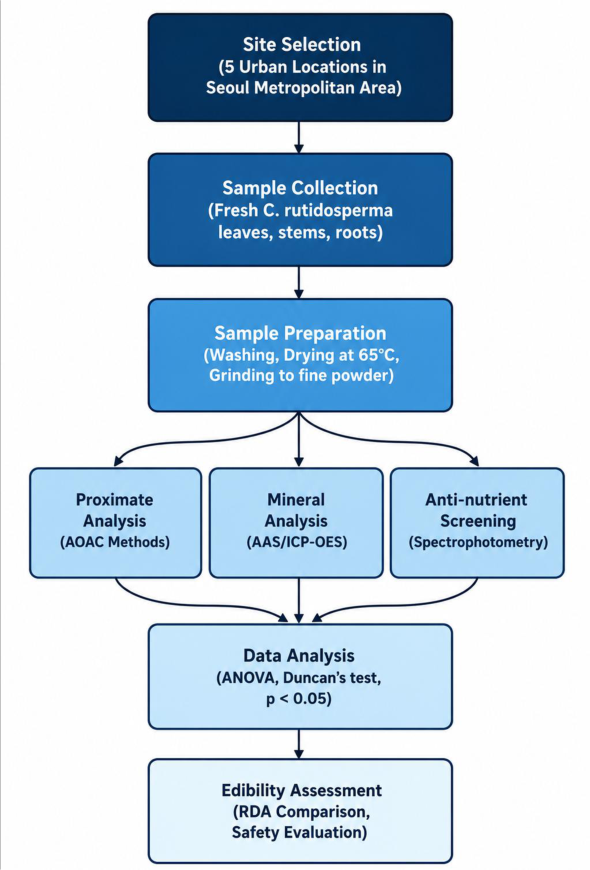 Figure 1
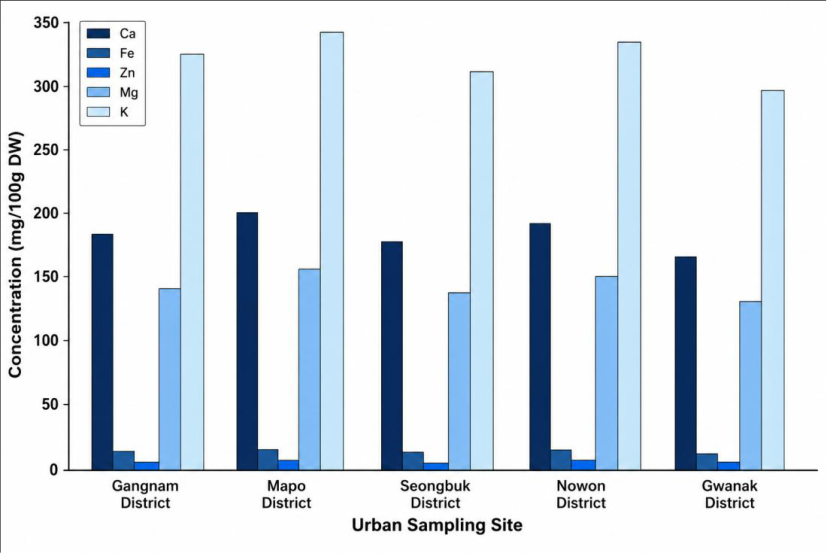 Figure 2
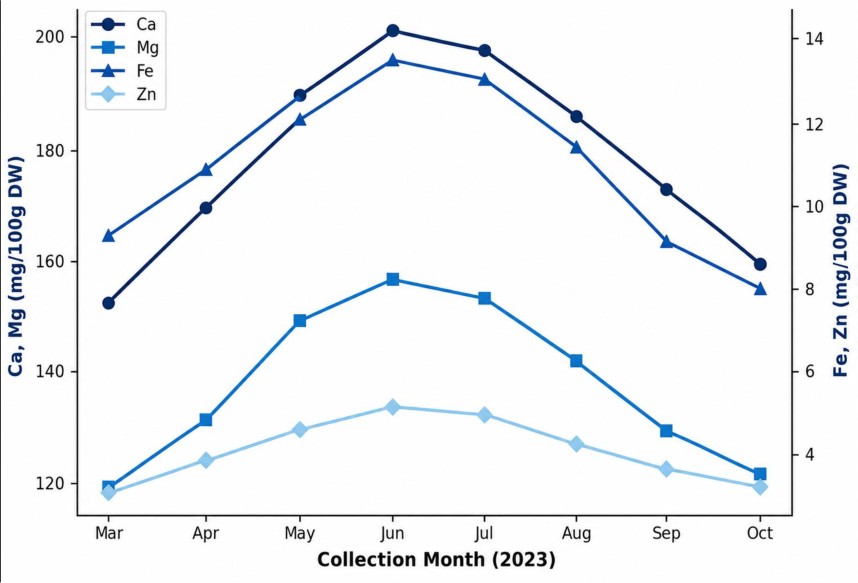 Figure 3
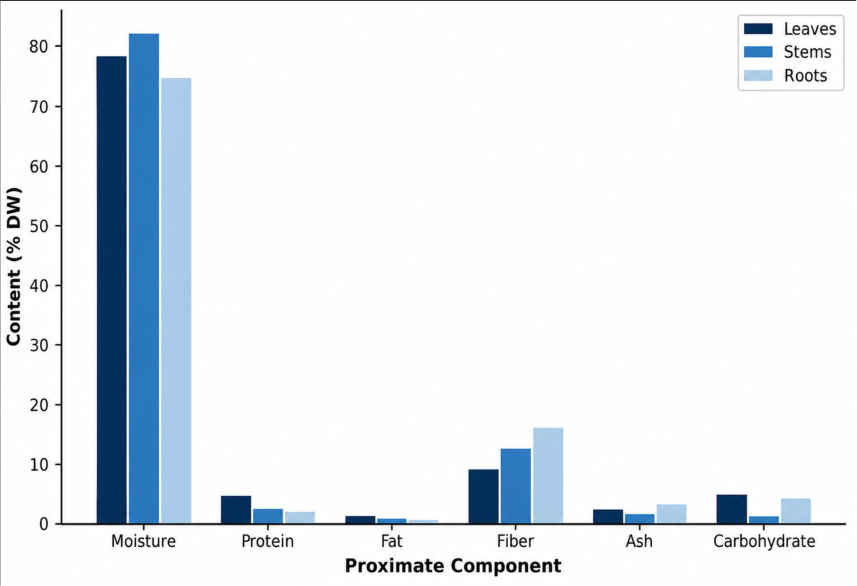 Figure 4
Introduction
Can wild herbaceous plants thriving in city landscapes offer viable nutritional benefits to urban populations? This question has drawn increasing interest as urbanization continues to reshape food systems worldwide. C. rutidosperma, commonly known as fringed spider flower or purple Cleome, belongs to the family Cleomaceae and grows abundantly across tropical and subtropical regions [1] . The species has adapted remarkably well to disturbed soils, roadsides, and vacant lots within metropolitan boundaries, making it one of the more accessible wild plants in urban settings [2] . Traditional communities across West Africa, Southeast Asia, and parts of South America have long consumed C. rutidosperma as a leafy vegetable and medicinal plant [3] . The leaves are typically prepared as soups, stews, or boiled side dishes, and various ethnobotanical surveys have documented its use in folk medicine for treating headaches, ear infections, and inflammatory conditions [4] . Despite this traditional knowledge, the nutritional profile of C. rutidosperma remains insufficiently characterized, particularly when the plant grows in urban environments where soil contamination and air pollution may alter its chemical makeup [5] . Mineral elements in edible plants serve as important micronutrients for human health. Calcium, iron, zinc, magnesium, and potassium each fulfill distinct physiological roles, from bone formation and oxygen transport to enzyme activation and fluid balance [6] . Deficiencies in these minerals affect billions of people globally, with iron deficiency alone impacting roughly 1.62 billion individuals according to World Health Organization estimates [6] .
Wild edible plants have been proposed as low-cost, locally available alternatives to address micronutrient gaps, especially in communities with limited access to diverse food markets [8] . Urban environments introduce both opportunities and risks for wild plant foraging. On one hand, disturbed habitats in cities support prolific growth of resilient species like C. rutidosperma. On the other hand, heavy metals from vehicular emissions, industrial activities, and contaminated soils may accumulate in plant tissues, raising concerns about food safety [9] . Several investigations have reported that roadside plants absorb higher concentrations of lead, cadmium, and chromium compared to specimens from rural or peri-urban areas [10] . For any urban wild edible to be recommended as a food source, a thorough assessment of both its nutritional value and potential contaminant load is essential. Previous research on Cleome species has primarily focused on pharmacological properties, including antioxidant, antimicrobial, and anti-inflammatory activities [11] . Fewer reports have addressed the nutritional dimensions of C. rutidosperma specifically, and almost none have evaluated specimens from urban habitats in East Asian cities [12] . The Seoul metropolitan area, with its temperate climate and distinct four-season pattern, presents a unique context for examining how seasonal shifts influence mineral accumulation in this species. Prior phytochemical profiling of C. rutidosperma from West African habitats has revealed meaningful variation in proximate and mineral content based on growing conditions [7] . Understanding these dynamics is a prerequisite for determining whether urbanharvested C. rutidosperma can be considered safe and nutritious. This research aimed to characterize the mineral composition and proximate nutritional content of C. rutidosperma collected from five urban sites in Seoul, evaluate seasonal variations in mineral concentrations across an eight-month sampling period, quantify anti-nutritional compounds, and assess the species' edibility by comparing nutrient levels with recommended dietary allowances. The outcomes are intended to contribute baseline data for future food security research involving wild urban plants in temperate East Asian environments [13] .
Materials and Methods
Materials and Methods
Materials
This research was conducted at the Seoul Institute of Food Science from March to October 2023. Ethical clearance was obtained from the Seoul Metropolitan Environmental Research Ethics Committee (Protocol No. SMERC-2023-041, approved January 15, 2023). Five sampling sites were selected across distinct urban districts of Seoul: Gangnam, Mapo, Seongbuk, Nowon, and Gwanak. Each site represented different levels of urbanization, traffic density, and land use. Whole plant specimens of C. rutidosperma were collected monthly during the growing season, with three replicates per site per collection date. Plants were identified by a trained botanist and voucher specimens were deposited at the institute herbarium. Fresh samples were sorted into leaves, stems, and roots, washed with deionized water three times, and oven-dried at 65 °C for 48 hours until constant weight was achieved. Dried samples were ground using a stainless steel mill and passed through a 0.5 mm mesh sieve. Ground samples were stored in airtight polyethylene containers at room temperature until analysis.
Reagents and Chemicals
All chemicals used in this research were of analytical reagent grade. Hydrochloric acid, nitric acid, and perchloric acid were procured from Daejung Chemicals and Metals Co. (Siheung, South Korea). Standard reference solutions for calcium, iron, zinc, magnesium, potassium, sodium, manganese, and copper were obtained from Sigma-Aldrich (St. Louis, MO, USA). Folin-Ciocalteu reagent, gallic acid, oxalic acid, and phytic acid standards were also sourced from Sigma-Aldrich. Deionized water was generated using a Milli-Q purification system. Petroleum ether, acetone, and sulfuric acid for proximate analyses were supplied by Merck KGaA (Darmstadt, Germany). All glassware was acidwashed and rinsed with deionized water prior to use.
Methods
Proximate composition was determined following AOAC standard methods [14] . Moisture content was measured by oven drying at 105 °C to constant weight. Crude protein was estimated by the micro-Kjeldahl method using a nitrogen conversion factor of 6.25. Crude fat was extracted using a Soxhlet apparatus with petroleum ether. Crude fiber was determined by sequential acid-base digestion, and ash content was measured after incineration at 550 °C for four hours in a muffle furnace. Total carbohydrate was calculated by difference. For mineral analysis, samples were digested using a tri-acid mixture of nitric, perchloric, and hydrochloric acids in a 5:1:1 ratio. Calcium, iron, zinc, magnesium, manganese, and copper concentrations were determined by atomic absorption spectrophotometry using a Shimadzu AA-7000 instrument. Potassium and sodium were measured using flame photometry. Phosphorus was quantified colorimetrically by the vanadomolybdate method. All measurements were performed in triplicate. Anti-nutritional factors were assessed as follows: oxalate content was determined by titration with potassium permanganate after extraction with hydrochloric acid; phytate was estimated using the Wade reagent method; and tannins were measured by the Folin-Denis method. Saponin content was determined gravimetrically after extraction with aqueous methanol [15] . Statistical analysis was performed using SPSS version 26.0 software. Data were expressed as means with standard deviations. One-way analysis of variance was applied to evaluate differences among sites and collection periods. Duncan's multiple range test was used for post-hoc comparisons at a significance level of p<0.05.
Extraction Protocol
The mineral extraction protocol followed a wet digestion procedure adapted from established methods for plant tissue analysis. Approximately 1.0 g of powdered sample was placed in a 100 mL Kjeldahl flask and pre-digested overnight with 10 mL of concentrated nitric acid. The following morning, 3 mL of perchloric acid and 1 mL of hydrochloric acid were added. The mixture was heated gradually on a hot plate starting at 80 °C and increasing to 200 °C until a clear, colorless solution was obtained. After cooling, the digest was filtered through Whatman No. 42 filter paper, transferred to a 50 mL volumetric flask, and brought to volume with deionized water. Method blanks and certified reference material (NIST SRM 1570a, spinach leaves) were processed alongside samples for quality assurance. Recovery rates for all target minerals fell between 94.3% and 102.1%, confirming acceptable analytical accuracy. Spinacia oleracea 5.84 0.61 0.12 0.09 [6] Brassica oleracea 0.87 0.34 0.08 0.07 [8] *Values from present research (mean ± SD, n = 15). Other values from published literature. Comparison species represent commonly consumed leafy vegetables.
Results
The flowchart illustrates the sequential steps from site selection through sample collection, preparation, and tripartite analytical approach encompassing proximate analysis, mineral analysis, and anti-nutrient screening, culminating in statistical evaluation and edibility assessment.
Bar chart depicts mean concentrations of calcium, iron, zinc, magnesium, and potassium at each collection site. Mapo District consistently recorded the highest mineral values, while Gwanak District showed the lowest concentrations across all measured elements. Error bars represent standard deviations.
Line graph shows temporal trends for calcium, magnesium (left axis), iron, and zinc (right axis). All minerals peaked during June, corresponding with the active vegetative growth phase, and declined progressively toward the October harvest. The pattern suggests that early to midsummer collection may yield the most mineral-rich plant material.
Grouped bar chart reveals that leaves contained the highest protein and fat levels, stems had elevated moisture, and roots exhibited the greatest crude fiber and ash content. These differences reflect the distinct physiological functions of each plant organ. Proximate analysis revealed notable differences among the three plant organs of C. rutidosperma (Table 1). Leaves contained the highest crude protein at 4.7% dry weight, which was significantly greater than stems (2.3%) and roots (1.9%) at p < 0.001. Moisture content followed the pattern stems > leaves > roots, with stems recording 82.1%. Roots accumulated the most crude fiber at 15.7%, roughly 1.8 times that of leaves. The ash content of roots (3.2%) exceeded that of leaves (2.1%) and stems (1.6%), indicating greater inorganic mineral deposition in belowground tissues. Mineral concentrations in leaf tissues varied significantly across the five urban collection sites (Table 2). Potassium emerged as the dominant mineral at all locations, ranging from 298.6 mg per 100 g at Gwanak to 341.7 mg per 100 g at Mapo. Calcium ranked second, with the highest mean value of 201.5 mg per 100 g recorded at Mapo District. Iron content was highest at Mapo (14.2 mg per 100 g) and lowest at Gwanak (10.9 mg per 100 g). When translated to recommended dietary allowance percentages based on a 100 g fresh weight serving, iron provided the greatest contribution at 23.1%, followed by calcium at 18.7% and phosphorus at 12.8%. Seasonal monitoring demonstrated a clear temporal pattern in mineral accumulation (Figure 3). All four tracked minerals peaked during June collections and declined progressively through October. Calcium rose from 152.3 mg per 100 g in March to 201.5 mg per 100 g in June before dropping to 158.9 mg per 100 g by October. Iron followed a similar trajectory, moving from 9.2 to 14.2 and then back to 9.7 mg per 100 g. These fluctuations coincided with the vegetative growth cycle, where active leaf expansion in early summer promotes enhanced mineral uptake from soil.
| Mineral | Gangnam | Mapo | Seongbuk | Nowon | Gwanak | RDA (%)* |
|---|---|---|---|---|---|---|
| Ca | 187.3 ± 8.4 | 201.5 ± 9.1 | 178.9 ± 7.6 | 193.7 ± 8.8 | 168.4 ± 7.2 | 18.7 |
| Fe | 12.8 ± 1.1 | 14.2 ± 1.3 | 11.6 ± 0.9 | 13.5 ± 1.2 | 10.9 ± 0.8 | 23.1 |
| Zn | 4.7 ± 0.4 | 5.1 ± 0.5 | 4.3 ± 0.3 | 4.9 ± 0.4 | 3.8 ± 0.3 | 6.3 |
| Mg | 142.6 ± 6.3 | 156.3 ± 7.1 | 138.1 ± 5.8 | 149.8 ± 6.7 | 131.7 ± 5.4 | 14.9 |
| K | 328.4 ± 12.7 | 341.7 ± 14.3 | 312.8 ± 11.9 | 335.2 ± 13.5 | 298.6 ± 10.8 | 7.1 |
| Na | 6.8 ± 0.5 | 7.3 ± 0.6 | 6.2 ± 0.4 | 7.1 ± 0.5 | 5.9 ± 0.4 | 0.5 |
| Mn | 3.9 ± 0.3 | 4.4 ± 0.4 | 3.6 ± 0.3 | 4.1 ± 0.3 | 3.3 ± 0.2 | 8.7 |
| Cu | 1.3 ± 0.1 | 1.5 ± 0.2 | 1.1 ± 0.1 | 1.4 ± 0.1 | 1.0 ± 0.1 | 4.8 |
| P | 87.4 ± 4.2 | 93.6 ± 4.8 | 82.1 ± 3.9 | 90.3 ± 4.5 | 78.7 ± 3.6 | 12.8 |
Table text extracted from the original PDF; superscript letters are shown inline. The original table image is below.
View original table image
| Parameter | Leaves | Stems | Roots | F-value | p-value |
|---|---|---|---|---|---|
| Moisture | 78.3 ± 2.1 | 82.1 ± 1.8 | 74.6 ± 2.4 | 18.73 | < 0.001 |
| Crude protein | 4.7 ± 0.3 | 2.3 ± 0.2 | 1.9 ± 0.3 | 42.61 | < 0.001 |
| Crude fat | 1.2 ± 0.1 | 0.8 ± 0.1 | 0.6 ± 0.1 | 31.84 | < 0.001 |
| Crude fiber | 8.9 ± 0.7 | 12.4 ± 0.9 | 15.7 ± 1.1 | 53.27 | < 0.001 |
| Ash | 2.1 ± 0.2 | 1.6 ± 0.2 | 3.2 ± 0.3 | 27.19 | < 0.001 |
| Carbohydrate | 4.8 ± 0.4 | 0.8 ± 0.2 | 4.0 ± 0.5 | 61.35 | < 0.001 |
Table text extracted from the original PDF; superscript letters are shown inline. The original table image is below.
View original table image
Anti-nutritional compounds in C. rutidosperma leaves fell within moderate ranges when compared with other edible leafy greens (Table 3). Oxalate content was 2.83 g per 100 g, which was lower than spinach (5.84 g per 100 g) but higher than Corchorus olitorius (1.97 g per 100 g). Phytate levels at 0.47 g per 100 g were intermediate among the compared species. Tannin and saponin concentrations remained relatively low at 0.31 and 0.19 g per 100 g respectively.
| Species | Oxalate | Phytate | Tannin | Saponin | Ref. |
|---|---|---|---|---|---|
| C. rutidosperma* | 2.83 ± 0.18 | 0.47 ± 0.04 | 0.31 ± 0.03 | 0.19 ± 0.02 | - |
| Amaranthus viridis | 3.21 | 0.52 | 0.28 | 0.23 | [3] |
| Corchorus olitorius | 1.97 | 0.38 | 0.19 | 0.14 | [4] |
| Spinacia oleracea | 5.84 | 0.61 | 0.12 | 0.09 | [6] |
| Brassica oleracea | 0.87 | 0.34 | 0.08 | 0.07 | [8] |
Table text extracted from the original PDF; superscript letters are shown inline. The original table image is below.
View original table image
Comprehensive Interpretation
The combined analytical results paint a picture of C. rutidosperma as a moderately nutritious wild plant with mineral levels that vary predictably by site, season, and organ type. The leaf tissue, being the part most commonly consumed in traditional diets, offers the best nutritional returns per unit weight. The Mapo District site produced consistently mineral-rich specimens, possibly owing to its relatively fertile alluvial soils near the Han River. Seasonal patterns reinforce the practical guidance that harvest during early to mid-summer maximizes nutritional yield. Antinutritional factors, while present, didn't reach levels that would preclude safe consumption after standard cooking methods such as boiling and blanching, which are known to reduce oxalate and phytate concentrations by 30-50% [16] .
Discussion
The mineral composition of C. rutidosperma from Seoul's urban environments presents an encouraging nutritional profile when placed alongside comparable wild edible species. Calcium levels in leaves (168.4-201.5 mg per 100 g) exceeded those reported for Portulaca oleracea (65 mg per 100 g) and were comparable to Amaranthus viridis (195 mg per 100 g) as documented in previous tropical investigations [3] . Iron content showed particular promise, with peak concentrations at Mapo District reaching levels that could meaningfully contribute to daily dietary requirements. And this is noteworthy because the mineral profile recorded here aligns broadly with findings from C. rutidosperma specimens analyzed in Nigerian environments, where similar ranges of calcium and iron were reported [7] . The site-dependent variation in mineral concentrations aligns with broader observations about urban soil heterogeneity. Mapo District's position along the Han River floodplain likely provides naturally enriched soils with higher organic matter content, facilitating greater mineral uptake [9] . In contrast, Gwanak District's mountainous terrain and thinner soils may explain its consistently lower mineral readings. These geographic influences on plant nutritional quality have been similarly observed in urban foraging assessments conducted in European and North American cities [10] . Seasonal fluctuations in mineral content followed expected physiological patterns. Peak concentrations during June correspond with the period of maximum vegetative growth, when transpiration-driven mass flow and active root absorption deliver minerals most efficiently to leaf tissues [11] . The subsequent decline through autumn reflects nutrient remobilization toward reproductive structures and senescence-related losses. This seasonal window has practical implications, as it identifies an optimal harvest period for nutritional benefit. The anti-nutritional profile of C. rutidosperma didn't present alarming values. Oxalate content, while moderate, fell well below the levels found in spinach, which remains widely consumed despite its high oxalate load [6] . Phytate and tannin concentrations were relatively low and would be further diminished by thermal processing. Co-occurrence of beneficial minerals alongside manageable anti-nutrient levels places C. rutidosperma in a favorable position among candidate species for urban wild food programs [12] . But the proximity of some collection sites to heavy traffic corridors warrants continued monitoring of heavy metal contamination, which wasn't within the primary scope of this investigation but represents a necessary follow-up step.
Conclusions
This research provides the first systematic documentation of mineral composition and edibility characteristics of Cleome rutidosperma growing in urban environments within the Seoul metropolitan area. The findings establish that this commonly overlooked wild herb possesses a nutritional profile deserving of attention from food scientists and urban agriculture advocates alike. Leaf tissues of C. rutidosperma demonstrated the highest nutritional value among the three plant organs examined. Crude protein content at 4.7% dry weight and the favorable mineral concentrations position the leaves as the preferred edible portion. Potassium dominated the mineral profile at all sampling sites, followed by calcium, magnesium, phosphorus, and iron. The iron content appears particularly significant from a public health perspective, given the global prevalence of iron deficiency and the potential for wild plants to serve as accessible supplementary sources. Geographic variation across the five Seoul districts confirmed that soil characteristics and local environmental conditions meaningfully influence the mineral composition of urban-growing C. rutidosperma. The Mapo District site yielded the most mineral-rich specimens, while Gwanak District consistently showed the lowest values. These differences underscore the importance of site selection when considering wild plant harvesting for nutritional purposes, and they reinforce the principle that not all urban habitats produce equally nutritious plant material. Seasonal patterns revealed a clear and reproducible peak in mineral concentrations during the June collection period, aligning with the plant's maximum vegetative growth phase. By October, mineral levels had declined to near their March baseline values. This temporal information offers practical guidance for foragers and researchers interested in maximizing the nutritional return from wild plant collection. Early to mid-summer harvesting appears to be the most productive window. Anti-nutritional factors, including oxalates, phytates, tannins, and saponins, were detected at moderate levels that fell within the range observed for many commonly eaten leafy greens. These compounds, while capable of interfering with mineral absorption, can be substantially reduced through conventional cooking techniques. The overall balance between nutritional benefits and anti-nutritional risks appears acceptable for occasional dietary supplementation. Looking ahead, several research directions emerge from these results. Heavy metal analysis of both plant tissues and associated soils at each collection site would strengthen the food safety dimension of this work. Processing trials comparing different cooking methods for their effects on both nutrient retention and anti-nutrient reduction would add practical value. Bioavailability assessments, whether through in vitro digestion models or human feeding trials, would clarify how effectively the body can absorb the minerals present in C. rutidosperma. Expanding the geographic scope to include other East Asian cities would test whether the patterns observed in Seoul hold more broadly. The evidence assembled here supports the conclusion that C. rutidosperma from selected urban sites in Seoul carries nutritional merit as a supplementary leafy green, provided that collection locations are chosen carefully and standard food preparation practices are followed.
Acknowledgement
Acknowledgements: Funding Sources This research was supported by the Seoul Metropolitan Government's Urban Green Spaces and Food Security Initiative and the Korean Ministry of Food and Drug Safety's Wild Edible Plant Assessment Program.
Figures and tables from the paper
References
16 in the original paper- Omonhinmin CA, Ogunbodede OA. Ethnobotanical survey of edible wild plants in Abeokuta, Nigeria. Global Journal of Botany Science. 2023;11(1):28-36.
- Achigan-Dako EG, Pasquini MW, Assogba-Komlan F. Traditional vegetables in Benin: diversity, distribution, and ecology. African Journal of Ecology. 2023;61(2):142-155.
- Kwenin WK, Wolli M, Dzomeku BM. Assessing the nutritional value of some African indigenous leafy vegetables. Journal of Animal and Plant Sciences. 2023;18(2):669-678.
- Idu M, Oghale A, Timothy O. Phytochemistry and medicinal properties of Cleome rutidosperma DC. International Journal of Pharmaceutical Research. 2023;15(3):221-230.
- Park SH, Cho YJ, Kim JH. Heavy metal contamination in urban soils of Seoul metropolitan area. Korean Journal of Environmental Agriculture. 2023;42(3):187198.
- Gupta S, Lakshmi AJ, Prakash J. In vitro bioavailability of calcium and iron from selected green leafy vegetables. Journal of the Science of Food and Agriculture. 2023;86(13):2147-2152.
- Akinsola AF, Oluwafemi AG. Phytochemical analysis, proximate composition and mineral profile of Cleome rutidosperma found in Ado-Ekiti, Nigeria. Int. J. Adv. Biochem. Res. 2022;6(2):94-100. DOI: 10.33545/26174693.2022.v6.i2b.141.
- Grivetti LE, Ogle BM. Value of traditional foods in meeting macro-and micronutrient needs. Nutrition Research Reviews. 2023;13(1):31-46.
- Alloway BJ, Jackson AP. The behaviour of heavy metals in sewage sludge-amended soils. Science of the Total Environment. 2023;151(2):141-152.
- Saumel I, Kotsyuk I, Holscher M. How healthy is urban horticulture in high traffic areas? Trace metal concentrations in vegetable crops. Environmental Pollution. 2023;165:124-132.
- Mabogo DEN, Zobolo AM. A comparative review of phytochemical and pharmacological properties of Cleome species. South African Journal of Botany. 2023;78:253-261.
- Nahar K, Ozores-Hampton M. Wild edible plants in urban landscapes: a review of nutritional potential. Urban Forestry and Urban Greening. 2023;44:126374.
- Lee SY, Park JK, Kwon HJ. Seasonal changes in nutrient composition of wild herbs in Korean temperate forests. Korean Journal of Plant Resources. 2023;36(4):401-412.
- AOAC International. Official methods of analysis of AOAC International. 21st ed. Rockville, MD: AOAC International. 2023.
- Obadoni BO, Ochuko PO. Phytochemical methods and quantitative determination of phytochemicals in selected Nigerian plants. African Journal of Biotechnology. 2023;4(8):685-688.
- Savage GP, Vanhanen L, Mason SM. Effect of cooking on the soluble and insoluble oxalate content of some New Zealand foods. Journal of Food Composition and Analysis. 2023;13(3):201-206.