
Research article · 2021 · Full text
International Journal of Agriculture Extension and Social DevelopmentChallenges facing extension agents in Iraq
Volume 4(1) · Pages 58–65 · DOI: 10.33545/26180723.2021.v4.i1a.71 ↗
Research areasAgricultural Economics and PracticesAgricultural risk and resilienceLivestock Management and Performance Improvement
Abstract
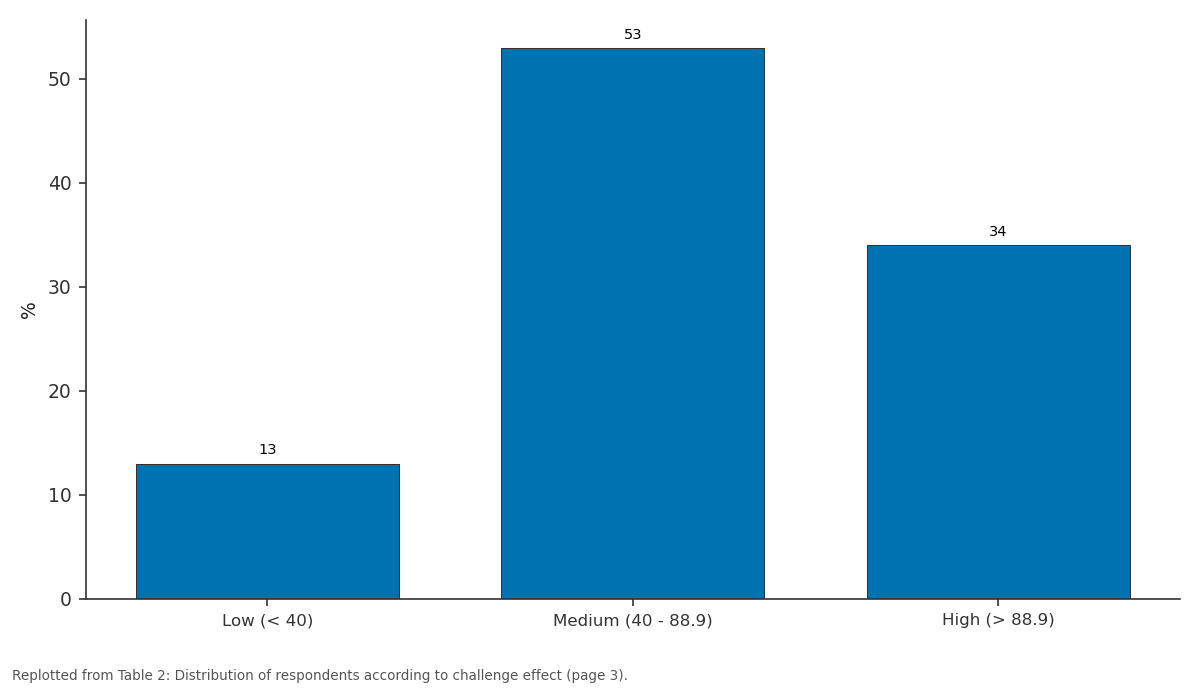
Author-writtenDetermination of the challenges extension agents are facing leads to increased efficiency and effectiveness of extension services. This study assessed the challenges extension agents in Iraq are facing. 100 extension agents were selecting, face-to-faces an interview with a pre-tested structured questionnaire was used to collect data. The study revealed that fifty-three of respondents faced medium challenges. The most important challenges were; low extension agents to farmer ratio, lack of farmer participation, dispersion among the farmers, weak research-extension- farmer linkage, lack of funding, farmers are mostly small scale producers, extension agents are overloaded, and highly centralized in agricultural extension work.A significant and negative correlation was found between the challenges mentioned and the educational qualification, number of trainings attended by extension agent. Challenges can be addressed through staffing more extension agents, increase farmer participation, strength linkage of research-extension- farmers, and provide adequate fund.
Summary
Source-checkedPlain-language reading of the full paper, prepared with AI and checked against the text. Each point links to the authors' own words.
Why it matters
- Agricultural extension is a critical tool for introducing new knowledge to rural areas to improve farm efficiency, production, and the overall standard of living for farm families. View evidence ↗
- Ineffective and inefficient agricultural extension services have been identified in several studies as a primary cause for the decline in agricultural productivity and production. View evidence ↗
- In Iraq, agricultural productivity remains low despite research and extension efforts, which is attributed to weaknesses in the extension services. View evidence ↗
The question
- The primary objective of this study was to identify the specific challenges faced by agricultural extension agents in Iraq. View evidence ↗
What they did
- The research was conducted in Iraq's Babylon province, where 100 extension agents were randomly selected from a total population of 140. View evidence ↗
- Data was collected using a two-part structured questionnaire that employed a five-point rating scale to measure the challenges faced by the agents. View evidence ↗
- The analysis utilized percentages, mean, standard deviation, weighted arithmetic mean, and Pearson correlation coefficients. View evidence ↗
What they found
- The majority of extension agents (87%) faced medium to high levels of challenges, with 53% reporting medium and 34% reporting high challenges. View evidence ↗
- Following the agent-to-farmer ratio, the next highest-ranked challenges were the lack of farmer participation (WM 3.8) and the dispersion of farmers (WM 3.7). View evidence ↗
- Other high-level challenges included weak linkages between research, extension, and farmers (WM 3.6) and a lack of funding (WM 3.5). View evidence ↗
- There was a significant negative correlation between the challenges faced and both the educational qualifications and the number of trainings attended by the agents. View evidence ↗
- The specific tasks assigned to extension agents showed a significant positive correlation with the challenges they faced. View evidence ↗
What it means
- The authors conclude that these challenges can be mitigated by hiring more staff, increasing farmer participation, strengthening research-extension-farmer linkages, and providing adequate funding. View evidence ↗
Visual summary
2 visualsIllustrations explain the paper; charts are replotted from the paper's own table values.
%: Low (< 40) vs Medium (40 - 88.9) vs High (> 88.9)
Replotted from Table 2 (page 3) of the original paper. Every bar is the paper's own table value.
View source evidence ↗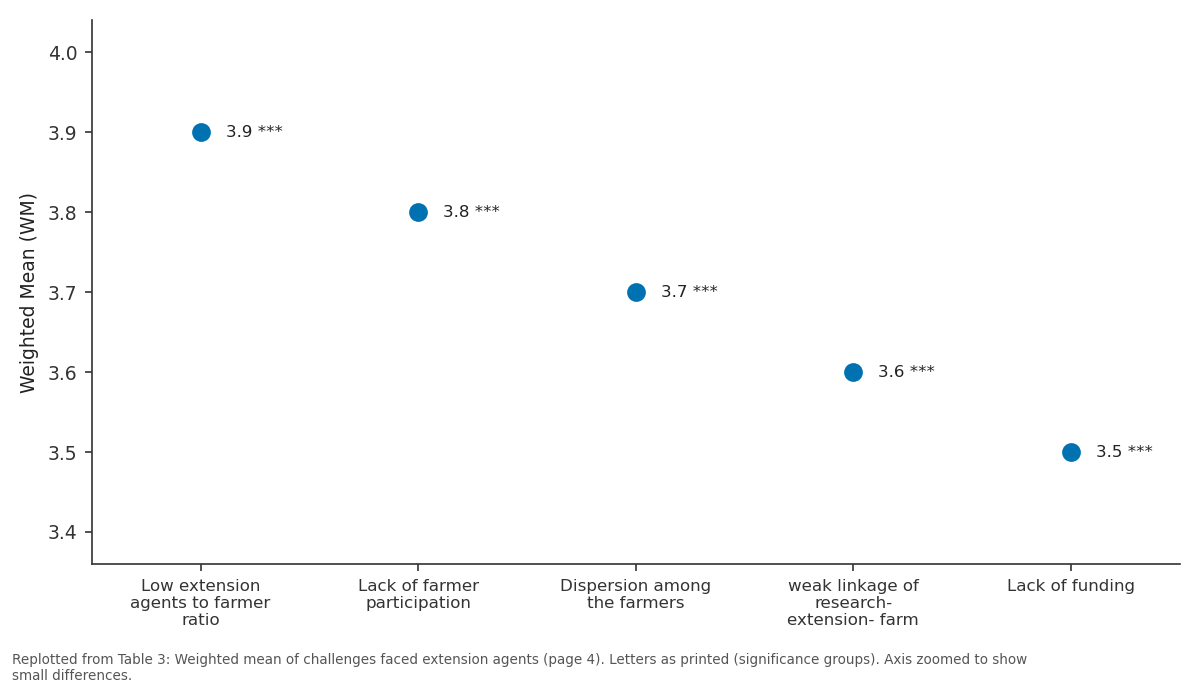
WM: Low extension agents to... vs Lack of farmer... vs Dispersion among the... vs weak linkage of... vs Lack of funding
Replotted from Table 3 (page 4) of the original paper. Every bar is the paper's own table value.
View source evidence ↗Figures & tables
From the original paper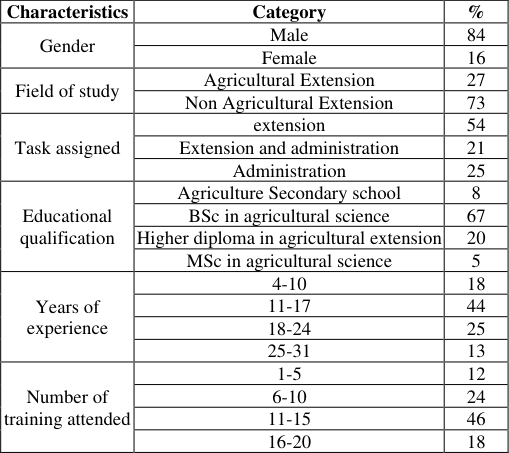 Table 1
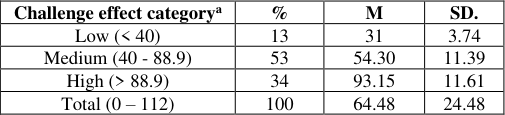 Table 2
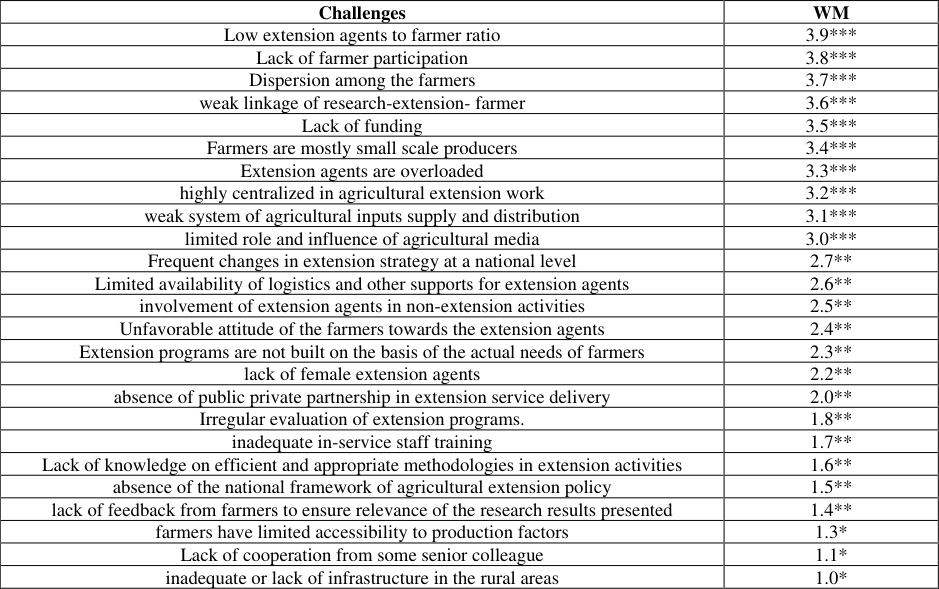 Table 3
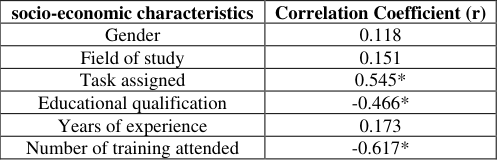 Table 4
Introduction
There is no doubt that all achieved increases in agricultural production and productivity are due to the efforts in agricultural research and extension (Danso et al., 2018; Anang et al., 2020; Fuglie et al., 2020; Sebaggala and Matovu, 2020) [16,8,27,56] . Extension is essentially the means by which new knowledge and ideas are introduced into rural areas in order to bring about change and improve the lives of farmers and their families, increase the efficiency of the family farm, increase production and generally increase the standard of living of the farm family. Without agricultural extension, farmers would lack access to the support and services required to improve their agriculture and other productive activities (FAO, 2019) [24] . Agricultural extension has multiple goals, including transferring knowledge from global, national, and local researchers to farmers, helping them clarify their own goals and assessing their opportunities, educating them about decision-making processes, and promoting desirable agricultural development (Msuya et al., 2017). Furthermore, extension services can and should play an important role in increasing access to knowledge, credit, inputs and markets for farmers and entrepreneurs (Mossie and Belete, 2015) [42] . To provide all these services and to solve the problems of rural people in the most consistent way, there is a need for experts who work together with them, provide a two-way connection between research institutions and rural people, and cooperate with rural development organizations. These duties and responsibilities are carried out by extension agents (Kaynakcı and Ismet, 2019) [30] . Despite the high cost of financing research and extension, agricultural production in some countries did not achieve any increase but tended to decline. Several studies have indicated that the main reason for the decline in agricultural production and productivity can be blamed on ineffective and inefficient agricultural extension services, ( [11,7,10,43,45,9,37,56] . The effectiveness and efficiency of agricultural extension services largely depends on the ability of extension agents to successful perform the duties entrusted to them, this requires to be aware of the challenges they face. Some recent studies, (Marco and Zhou, 2012 [6] ; Belay and Alemu, 2017; Das and Borua, 2017) [36,53,28,47,49,44,3,15,5,13,18,25,52,1,12,17] , have been conducted to identify the challenges faced by extension agents in different regions of the world, the challenges extension agents are facing are extensive, such as; insufficient number of extension workers, inadequate funding, dispersion among the farmers, lack of female extension agents, highly centralized in agricultural extension work, weak linkage of research-extension farmer, low motivation of the extension agents, low level of education of the farmers, insufficient knowledge and skills among farmers, poor logistics support, lack of regular promotion of staff and non-payment of allowances to field staff, inadequate market for disposing farm produce, poor coordination of activities of farmers, www.extensionjournal.com inadequate training of extension staff. Agricultural extension services were established in 1917 in Iraq, today these services cover all Iraqi regions, and they implement many different extension activities supervised and funded by the Ministry of Agriculture in the central government. Despite efforts in agricultural research and extension, some recent studies pointed out that agricultural productivity in Iraq remains low (Reza and Kadhim, 2015; Kashash, 2016; Kshash, 2017; Kshash, 2018) [55,32,33] , due to the weakness of agricultural extension service. This calls to study the challenges facing agricultural extension services, and especially their extension agents. Hence, we need to determine challenges facing extension agents in Iraq in order to Increases efficiency and effectiveness of extension services, which leads to enhancing agricultural productivity, especially when we know the lack of such studies in this topic. Therefore, this study aims to answer the following questions: what are the challenges facing extension agents in Iraq. The study was undertaken to determine challenges faced by extension agents and determine the relationship between challenges and some characteristics of extension agents. Findings of this study can be useful for responsible extension organizations in Iraq to adjust suitable policies or solutions for overcoming these challenges, so as, to provide the appropriate conditions for extension agents to perform their work in the pest manner.
Materials and Methods
The study was carried out in Babylon province, in the center-south of Iraq, between 32° to 33.25° North latitude and 44°to 45° East longitude. The population for this study consisted of 140 extension agents working in this province, 10 were chosen for testing the questionnaire reliability. From the 130 remaining, 100 were selected at random to provide data. The instrument used in the study was a well-structured questionnaire, consists of two parts. The first part included some extension agents characteristics: gender, field of study, task assigned, educational qualification, years of experience in extension services, and number of training attended. The second part listed 28 challenges facing agricultural extension services delivery, that have been obtained from discussion with extension agents, scientific books, Previous studies and research have dealt with the challenges facing agricultural extension workers in different regions of the world. A five point rating scale was used to measure challenges facing extension agents. The scale was coded; very highly challenge (VHC) (4), highly challenge (HC) (3), moderately challenge (MC) (2) slightly challenge (SC) (1) and no effect (NE) (0). After that the questionnaire has been offered to the specialists agriculture extension for authenticity and validity to achieve study objectives, the observations made by has been taken. To ascertain the reliability of the questionnaire, a pilot test was administered to 10 extension agents not targeted in the study. Reliability as a measure of internal consistency was established using Cronbach's alpha. Reliability values were 0.94. The results indicated an instrument with a high degree of internal consistency. Face to face interview schedule was used and data collected personally by the researchers' visits to extension agents in their office during 15 -25 September 2020. In relation to their level of vulnerability, in all-over challenges, each respondent was given scores ranging from (0 to112). Based on mean (M) ± standard deviation (SD), respondents were assigned to categories as follows: low effect (below M ̶ SD), medium effect (M±SD), and high effect (above M+SD). Each challenge was given a score ranging from (0 to 4), challenges were categorized regarding on weighted arithmetic mean (WM) of their effect into: low challenge (0-1.3), medium challenge (1.4-2.7), and high challenge (2.8-4). The data collected for this study was analyzed using percentage, mean (M), standard deviation (SD), weighted arithmetic mean (WM), and person correlation coefficient. Challenges facing extension agents were analyzed separately, weighted mean score calculated, the relative importance ranked in descending order.
Results and Discussion
Results and Discussion
Characteristics of extension agents
Table 1 shows that male consist high proportion (84%) of extension agents in Babylon province, which is in line with the findings of Olatunje et al., (2015) [51] . While in traditional societies like Iraqi rural, where women constitute the majority of the agricultural labor force, there is a need to increase female as extension agents. 73% of respondents not specialist in agriculture extension because their study fields was not in agriculture extension.46% of extension agents was part-time work as agricultural extension because the assignment of additional non-extension duties. Educational qualification of (66.7%) of extension agents were Bachelor's degree in agricultural science (BSc). More than half (54%) of extension agents are fully dedicated to the extension activities. The experience of respondents as extension agents ranged from 4 to 31 years with the mean of 14.8 years, 75% had more than 10 years' experience. All extension agents survived in the study have attend between 1 to 20 in service training with the mean of 11.8, majority (65%) of respondents had attend more than 10 in-service trainings. With respect to challenges facing extension agents, the data were presented in Table 3 with their rank order, these challenges divers from their effect levels on respondents, there is 6(21.4%) with low effect, 12 (42.9%) with medium and 10(35.7%) with high effect on extension agents. The important challenges on which they faced most essentially (high level) were; Low extension agents to farmer ratio, lack of farmer participation, dispersion among the farmers, weak linkage of research-extension farmer, lack of funding, farmers are mostly small scale producers, extension agents are overloaded, highly centralized in agricultural extension work, weak system of agricultural inputs supply and distribution, and limited role and influence of agricultural media. The whole extension process is dependent upon the extension agent, who is the critical element in all extension activities (Shah et al., 2013) [57] . The availability of sufficient number from extension agents to work with farmers is essential for the success and continuity of the extension organizations in performing their tasks and achieving their goals. The sufficient number differ from area to another, Haruna and Abdullahi, 2013 [28] pointed out that FAO recommends a one extension agent should serve a maximum of one thousand (1000) farm families in developing countries. A 'good quality' extension service described as one with a high number of extensions agents per farmer or a high number of visits or contacts between farmer and agent (Ragasa et al., 2013) [54] . In Iraq, there is a significant shortfall in extension agents' number. There are 140 extension agents in Babylon province in exchange for above 1150000 people lives in rural areas, which means that extension agent: farmer's ratio is 1:8214.The extension agents in the province considered low extension agents to farmer ratio as the most important challenge and put it in first rank. This is in line with the findings of Peter, 2012 [53] ; El Bilali et al., 2013 [21] ; Haruna and Abdullahi, 2013 [28] ; Obiora, 2013 [49] ; Muntaka and Latif, 2014 [44] ; Zerihum, 2014 [62] ; Adisa, 2015 [3] ; Akinnagbe et al., 2017 [6] .
| Challenges | WM |
|---|---|
| Low extension agents to farmer ratio | 3.9*** |
| Lack of farmer participation | 3.8*** |
| Dispersion among the farmers | 3.7*** |
| weak linkage of research-extension- farmer | 3.6*** |
| Lack of funding | 3.5*** |
| Farmers are mostly small scale producers | 3.4*** |
| Extension agents are overloaded | 3.3*** |
| highly centralized in agricultural extension work | 3.2*** |
| weak system of agricultural inputs supply and distribution | 3.1*** |
| limited role and influence of agricultural media | 3.0*** |
| Frequent changes in extension strategy at a national level | 2.7** |
| Limited availability of logistics and other supports for extension agents | 2.6** |
| involvement of extension agents in non-extension activities | 2.5** |
| Unfavorable attitude of the farmers towards the extension agents | 2.4** |
| Extension programs are not built on the basis of the actual needs of farmers | 2.3** |
| lack of female extension agents | 2.2** |
| absence of public private partnership in extension service delivery | 2.0** |
| Irregular evaluation of extension programs. | 1.8** |
| inadequate in-service staff training | 1.7** |
| Lack of knowledge on efficient and appropriate methodologies in extension activities | 1.6** |
| absence of the national framework of agricultural extension policy | 1.5** |
| lack of feedback from farmers to ensure relevance of the research results presented | 1.4** |
| farmers have limited accessibility to production factors | 1.3* |
| Lack of cooperation from some senior colleague | 1.1* |
| inadequate or lack of infrastructure in the rural areas | 1.0* |
Table text extracted from the original PDF; superscript letters are shown inline. The original table image is below.
View original table image
| Characteristics | Category | % |
|---|---|---|
| Gender | Male | 84 |
| Female | 16 | |
| Field of study | Agricultural Extension | 27 |
| Non Agricultural Extension | 73 | |
| Task assigned | extension | 54 |
| Extension and administration | 21 | |
| Administration | 25 | |
| Educational qualification | Agriculture Secondary school | 8 |
| BSc in agricultural science | 67 | |
| Higher diploma in agricultural extension | 20 | |
| MSc in agricultural science | 5 | |
| Years of experience | 4-10 | 18 |
| 11-17 | 44 | |
| 18-24 | 25 | |
| 25-31 | 13 | |
| Number of training attended | 1-5 | 12 |
| 6-10 | 24 | |
| 11-15 | 46 | |
| 16-20 | 18 |
Table text extracted from the original PDF; superscript letters are shown inline. The original table image is below.
View original table image
Farmer's participation is a very important factor for improvement of efficiency and effectiveness of extension activities at the grassroots level and it can contribute to sustaining the change brought about by extension activities for a long period of time (Wasihun et al., 2014) [60] . Farmers need to participate in the planning, implementation and evaluation process of extension activities. Kofi et al. (2015) [34] pointed out that farmer participation enhances efficiency and effectiveness of the planned changes and brings about long lasting and sustainable change both on the farm and in farmers behavior. Owing to this effect, the success of an extension program largely depends on the roles played by farmers in the program. In this context, extension agents see that lack of farmers' participation is a major challenge facing them in their work, which ranked second. Nxumalo and Oladele, 2013 [47] ; Emmanuel, 2013 [22] ; Daniel et al., 2015 [15] ; Ajadi et al., 2016 [5] ; Felistas and Ifeanyieze, 2016 [25] ; Aderinto et al., 2017 [1] ; Akinnagbe et al., 2017 [6] , have also referred to lack of farmers' participation. One of the most striking features of the Iraqi countryside is the dispersion of villages, their small size and spread of scattered housing pattern. Widely dispersed farmers can negatively affects the possibility of farmers' participation in extension activities and the possibility of agricultural extension in reaching beneficiaries. Extension agents in Babylon province found that dispersion among farmers is the third major challenge facing their job, the same result reached by Ferroni and Zhou, 2012 [26] . Agricultural extension works as a two-way link between agricultural research centers and farmers, the first way represented in the transfer, simplification and application of agricultural scientific recommendations, while the second is providing feedback to researchers about the innovations that been developed, and transfer farmer's problems In order to find solutionsto. If the linkages among the agricultural knowledge system actors are weak, the flow of information is hampered either from research to extension or from extension to farmers thereby agricultural production and productivity will be adversely affected (Adesoji and Tunde, 2012) [2] . This link in Iraq seems a weak, the Respondents ranked weak linkage of research-extension farmer at fourth. This is in line with the findings of Obiora, 2013 [49] ; Teshome et al., 2015; Nyamupangedengu and Terblanché, 2016 [18] ; Yenesew et al., 2016 [61] ; Belay and Alemu, 2017 [12] . In most developing countries, such as Iraq, agricultural extension depends on governmental fund. However, this funding is often insufficient to implement multiple extension activities. The respondents pointed to lack of funding as the fifth challenge facing them. Emmanuel, 2013 [22] ; Haruna and Abdullahi, 2013 [28] ; Obiora, 2013 [49] ; Edi, 2014 Muntaka and Latif, 2014 [44] ; Okwuokenye and Okoedo, 2014 [50] ; Zerihum, 2014 [62] ; Adisa, 2015 [3] ; Izuogu and Chikerenma, 2015 [29] ; Oruonye and Ahmed, 2016 [52] ; Felistas and Ifeanyieze, 2016 [25] ; Akinnagbe et al., 2017 [6] ; Das and Borua, 2017 [17] , pointed to lack of funding as a challenge facing agricultural extension services. A high proportion of farmers in developing countries, included Iraq, are small-scale producers (Clara et al. 2017) [14] . As a result of some negative traits among small-scale producers, such as lack of access to extension services, low www.extensionjournal.com application of modern technologies, limited market information, and insufficient access to production resources (Afful and Lategan, 2014 [4] ; Annie et al., 2016 [9] ; Ezra et al., 2016 [23] ; Mbuyazwe and Worth, 2016 [38] ; Voraphaan and Savetpanuvong, 2017 [59] ), they representing a problem for agricultural extension. This challenge ranked sixth. Because of the low number of extension agents in the province and the assignment of additional non-extension duties, they often have overloaded. The heavy burdens and tasks of extension agents pose a challenge that negatively affects the implementation of programs and extension activities, and ranked seventh among the challenges facing extension agents in the province., This is in line with the findings of Felistas and Ifeanyieze, 2016 [25] ; Akinnagbe et al., 2017 [6] . Agricultural extension works with a large group of farmers living in different natural, economic and social environments, they differs in their knowledge, skills, and patterns of agricultural production they follow, therefore, circumstances and characteristics of each region should be considered at planning of programs and extension activities. This means a shift towards decentralization policy that based upon the observed local agro-ecological and socioeconomic conditions of specific areas, and seeks to increase farmers' participation in extension programs and make programs more accountable to users. Undoubtedly, that does not eliminate centralization, field extension advisory services are well suited to decentralized approaches, but a comprehensive extension system requires a range of extension support services and programs, some of which (strategy formulation, training, monitoring and evaluation, specialized technical support) are often best carried out at the central level. (Nazarpoor, 2015) [46] . Extension agents in Babylon province put highly centralized in agricultural extension work at eighth rank among challenges faced them. Other studies (El Bilali et al., 2013 [21] ; Okwuokenye and Okoedo, 2014 [50] ; Felistas and Ifeanyieze, 2016 [25] ; Das and Borua, 2017 [17] ; Komba et al., 2018) [35] also pointed to centralization as one of challenges facing agricultural extension. The dissemination of agricultural technologies consists of three integrated components: research, extension and supply-distribution. The input supply and distribution system is responsible for providing and improving modern technologies to farmers. The provision, supply and distribution of modern agricultural technologies in the appropriately quantity, quality, timing, and supply sustainability, are one of the most important characteristics of successful extension activity. Extension agents in the province fell there is a weakness in agricultural inputs supply and distribution system, and ranked ninth among the challenges. This is in line with the findings of Okwuokenye and Okoedo, 2014 [50] ; Zerihum, 2014 [62] ; Devcota et al., 2016; Felistas and Ifeanyieze, 2016 [25] ; Das P. and Borua S., 2017 [17] . One of the main tasks of agricultural extension is to dissemination of modern agricultural technologies and relevant information among farmers, therefor, effective communication is the prime requirement in extension work. Mass media constitute the main responsible and efficient vehicle for wide and rapid disseminating information required for mobilizing farmers to participate actively in agricultural extension services (Miriam et al., 2013) [40] , The success of agricultural extension programs could be hastened with the effective use of mass media. Study results (Table 3) showed that respondents believe that one constraints of agricultural extension in the province is limited role and influence of agricultural media, and put it at tenth rank.
Relationship of extension agents characteristics and challenges
Coefficient of correlation computed in order to explore the relationships between overall challenges score of each of the respondents and selected characteristics of extension agents (Table 4). It observed that gender, field of study and years of experience not significantly related to challenges facing extension agents. While a significant and negative correlation between challenges and educational qualification, number of training attended. Task assigned have significant and positive correlation with challenges. Results indicates that with increase in education qualification, and number of training attended, the challenges facing extension agents will decrease and viceversa. It is thus clear those extension agents who have more education qualification, and number of training attended, faced few and low challenges.
| socio-economic characteristics | Correlation Coefficient (r) |
|---|---|
| Gender | 0.118 |
| Field of study | 0.151 |
| Task assigned | 0.545* |
| Educational qualification | -0.466* |
| Years of experience | 0.173 |
| Number of training attended | -0.617* |
Table text extracted from the original PDF; superscript letters are shown inline. The original table image is below.
View original table image
Conclusion and Recommendation
High percentage (84%) of extension agents were male, 73% was non-agriculture extension regard field of study. The important challenges faced by extension agents were; Low extension agents to farmer ratio, lack of farmer participation, dispersion among the farmers. The variables educational qualification, number of training attended showed significant and negative correlation with challenges. Challenges can be addressed through staffing more extension agents, increase farmer participation, strength linkage of research-extension-farmers, and provide adequate fund.
Figures and tables from the paper
| Challenge effect categorya | % | M | SD. |
|---|---|---|---|
| Low (< 40) | 13 | 31 | 3.74 |
| Medium (40 - 88.9) | 53 | 54.30 | 11.39 |
| High (> 88.9) | 34 | 93.15 | 11.61 |
| Total (0 – 112) | 100 | 64.48 | 24.48 |
Table text extracted from the original PDF; superscript letters are shown inline. The original table image is below.
View original table image
References
62 in the original paper- Aderinto A, Agbelemoge A, Dada O. Effectiveness of extension service delivery and productivity of cassava farmers in Southwestern Nigeria. The Journal of Agricultural Sciences 2017;12(1):14-23. http://dx.doi.org/10.4038/jas.v12i1.8202
- Adesoji S, Tunde A. Evaluation of the linkage system of Research-Extension-Farmers in Oyo State, Nigeria: Lesson for Agricultural Extension Administrators. Journal of Agricultural Extension and Rural Development 2012;4(20):561-568. DOI: 10.5897/JAERD12.043
- Adisa R. Livestock extension practice and competency among agricultural extension agents in North-Central Nigeria. South African Journal of Agricultural Extension 2015;43(1):12-21. http://www.scielo.org.za/pdf/sajae/v43n1/02.pdf
- Afful D, Lategan F. Small and medium-scale producers use and credibility of information sources: implications for public extension's financial sustainability. South African Journal of Agricultural Extension 2014;42(1):27-38. http://www.scielo.org.za/pdf/sajae/v42n1/03.pdf
- Ajadi A, Oladele O, Ikegami K, Tsuruta T. Farmers Awareness, Participation and Sources of Information on Extension Activities in Rural Nigeria: A Case of Patigi Local Government Area of Kwara State. Journal of Rural Problems 2016;52(4):253-258. Doi: https://doi.org/10.7310/arfe.52.253
- Akinnagbe O, Ezeuzo P, Onwubuya A. Challenges of Extension Workers in Reaching Rural Women Farmers in Enugu State Nigeria. Journal of Agricultural Extension 2017;21(3):22-36. https://dx.doi.org/10.4314/jae.v21i3.3.
- Alunas M. Assessment of the factors impacting agricultural extension training programs in Tanzania: A descriptive study. MSC. Graduate faculty, Iowa State University, Ames, Iowa 2014. http://lib.dr.iastate.edu/etd/14227.
- Anang B, Stefan B, Timo S. Adoption and income effects of agricultural extension in northern Ghana. Scientific African 2020;7:e00219. https://doi.org/10.1016/j.sciaf.2019.e00219
- Annie H, Onyango C, Ochola W. Small-scale farmers perceptions towards demand driven system of agricultural extension service delivery. Case study of Siaya and Kilifi counties in Kenya. International Journal of Agricultural Extension 2016;4(1):1-9. http://escijournals.net/index.php/IJAE/article/view/1283 /651
- Baloch M, Gopal T. Agricultural extension in Balochistan Pakistan: date palm farmers access and satisfaction. Journal of Mountain Science 2014;11(4):1035-1048. http://dx.doi.org/10.1007/s11629-013-2837-8.
- Bategeka L, Kiiza J, Kasirye I. Institutional Constraints to Agriculture Development in Uganda. Economic Policy Research Centre. Kampala, Uganda 2013. https://www.eprc.or.ug/
- Belay K, Alemu D. Agricultural research and extension linkages: challenges and intervention options. Ethiopian Journal of Agricultural Sciences 2016;27(1):55-76. https://www.ajol.info/index.php/ejas/article/view/15034 6/139922
- Bezu D, Okoyo E, Hassen J. Factors influencing work motivation of development agents: The case of Agarfa and Sinana Districts, Bale Zone, Oromia Regional State, Ethiopia. International Journal of Agricultural Science Research 2016;5(1):1-18. http://academeresearchjournals.org/journal/ijasr/archive /february-2016-vol.-5(1)
- Clara A, Conforti P, Ergin I, Gennari P. Defining smallwww.extensionjournal.com scale food producers to monitor target 2.3 of the 2030 agenda for sustainable development. Food and Agriculture Organization of the United Nations, Rome 2017.
- Daniel T, Hinde U, Yusuf J. Determinants of farm women participation in agricultural extension training programs: A case from selected district of Oromia Region of Ethiopia. International Journal of Agricultural Science Research 2015;4(4):67-77. http://academeresearchjournals.org/journal/ijasr/archive /April-
- Danso -Abbeam G, Dennis S, Robert A. Agricultural extension and its effects on farm productivity and income: insight from Northern Ghana. Agriculture and Food Security 2018;7:74. https://doi.org/10.1186/s40066-018-0225-x
- Das P, Borua S. Constraints faced by agricultural technology management agency extension functionaries of Assam, India and their suggestions to overcome them. Asian Journal of Agricultural Extension, Economics & Sociology 2017;17(1):1-7. DOI: 10.9734/AJAEES/2017/32995
- Davis K, Terblanché S. Challenges facing the agricultural extension landscape in South Africa, Quo Vadis. South African Journal of Agricultural Extension 2016;44(2):231-247. DOI: http://dx.doi.org/10.17159/24133221/2016/v44n2a428.
- Devkota K, Thapa D, Dhungana H. Weak institutional interaction: Reason for poor agricultural extension services delivery in Nepal. Nepal Journal of Social Science and Public Policy 2016;4(1):88-103. http://www.nepalpolicynet.com/new/wpcontent/uploads/ 2015/ 02/Kamal-Devkota-2.pdf
- Edi D. Challenges Facing Extension Agents in Implementing the Participatory Extension Approach in Indonesia: A Case Study of Malang Regency in the East Java Region. PhD thesis, Graduate School of The Ohio State University 2014.
- El Bilali H, Driouech N, Berjan S, Capone R, Abouabdillah A, Ahouate L et al. Agricultural extension system in Morocco: problems, resources, governance and reform. Conference: 21st European Seminar on Extension Education 2013, 301-306. Antalya, Turkey.
- Emmanuel A. Agricultural extension delivery in Ghana: A case study of factors affecting it in Ashanti, Eastern and Northern regions of Journal of Agricultural Extension and Rural Development 2013;5(2):37-41. DOI: 10.5897/JAERD12.121
- Ezra M, Apiola M, Gaiani S. Technology for small scale farmers in Tanzania: A design science research approach. The Electronic Journal of Information Systems in Developing Countries 2016;74(1):1-15. https://doi.org/10.1002/j.1681-4835.2016.tb00538.x
- FAO (Food and Agriculture Organization of the United Nations). Agricultural extension manual for extension workers 2019. http://www.fao.org/3/ca5007en/ca5007en.pdf
- Felistas E, Ifeanyieze F. Challenges associated with the implementation of unified agricultural extension services (UAES) program in Imo State, Nigeria. Journal of Agriculture and Veterinary Science 2016;9(9):82-88. DOI: 10.9790/2380-0909028288
- Ferroni M, Zhou Y. Achievements and Challenges in Agricultural Extension in India. Global Journal of Emerging Market Economies 2012;4(3):319-346. DOI: 10.1177/0974910112460435
- Fuglie K, Madhur G, Aparajita G, William F. Harvesting Prosperity technology and Productivity Growth in Agriculture. World Bank Group 2020. https://openknowledge.worldbank.org/bitstream/handle/ 10986/32350/9781464813931.pdf
- Haruna S, Abdullahi Y. Training of public extension agents in Nigeria and the implications for government's agricultural transformation agenda. Journal of Agricultural Extension 2013;17(2):98-104. http://dx.doi.org/10.4314/jae.v17i2.13
- Izuogu C, Chikerenma A. Redefining the Nigerian agricultural extension system for effective agricultural transformation. Developing Country Studies 2015;5(11):11-15. https://iiste.org/Journals/index.php/DCS/article/view/23 087/23606
- Kaynakcı C, Ismet B. Roles, responsibilities and competencies needed by extension agents in extension system. Proceedings: 3rd International Conference on Food and Agricultural Economics 2019. https://ideas.repec.org/p/ags/icfae3/296876.html
- Kshash B. Training needs of rice farmers In Mahanawiyah District, AL-Qadisiya Province, Iraq. Turkish Journal of Agriculture -Food Science and Technology 2016;4(12):1072-1076.
- Kshash B. Okra Grower's Knowledge of Cultivation Practices: A Case Study. International Journal of Vegetable Science 2017;23(2):80-86. https://doi.org/10.1080/19315260.2016.1212132.
- Kshash B. Knowledge level of rice farmers regarding rice cultivation practices in Mahanawiyah district, ALQadisiya Province, Iraq. International Journal of Agricultural Science, Research and Technology in Extension and Education System 2018;8(2):50-55. http://ijasrt.iau-shoushtar.ac.ir/article_539492.html
- Kofi J, Kwesi A, Kote. Attitude of farmers of their level of involvement in Agricultural extension in Ethiopia: Policy implications. International Journal of Agricultural Extension and Rural Developmen 2015;2(6):131-136. http://internationalscholarsjournals.org/journal/ijaerdoa/ articles?index=6
- Komba C, Mlozi M, Mvena Z. Socio-economic factors influencing farmers' perception on effectiveness of decentralized agricultural extension information and services delivery in Arumeru District, Tanzania. International Journal of Agricultural Extension and Rural Development 2018;6(2):594-602. http://internationalscholarsjournals.org/journal/ijaerdoa/ articles?index=2
- Marco F, Zhou Y. Achievements and Challenges in Agricultural Extension in India. Global Journal of Emerging Market Economies 2012;4(3):319-346. DOI: 10.1177/0974910112460435.
- Maoba S. Farmers perception of agricultural extension www.extensionjournal.com service delivery in Germiston region, Gauteng province, South Africa. South African Journal of Agricultural Extension 2016;44(2):167-173. DOI: http://dx.doi.org/10.17159/24133221/2016/v44n2a415
- Mbuyazwe M, Worth S. Agricultural extension in the facilitation of improved sugarcane productivity among small scale growers in Swaziland: A Swot analysis. Asian Journal of Agricultural Extension, Economics & Sociology 2016;12(3):1-13. DOI: 10.9734/AJAEES/2016/27094
- Mesterházy Á, Oláh J, Popp J. Losses in the grain supply chain: causes and solutions. Sustainability 2020;12:2342. doi:10.3390/su12062342
- Miriam M, Iyobor O, Okezie U. Contributions of mass media to the development of agricultural extension in Ika North East L.G.A of Delta State, Nigeria. Academic Journal of Plant Sciences 2013;6(3):127-133. DOI:10.5829/idosi.ajps.2013.6.3.1113.
- Mohsen N, Dorrani K. Study obstacles and problems of agriculture extension training courses from extension workers points of view participating in the extension training courses Dezful city. Procedia -Social and Behavioral Sciences 2012;46:5707-5713. doi: 10.1016/j.sbspro.2012.06.502
- Mossie M, Belete M. A review on the role of extension service for agricultural transformation with particular Emphasis on Ethiopia. Journal of Agricultural Economics, Extension and Rural Development 2015;2(1):224-228. http://springjournals.net/jaeerd/articles?index=6
- Muneer S. Agricultural extension and the continuous progressive farmers bias and laggards blame: the case of date palm producers in Saudi Arabia. International Journal of Agricultural Extension 2014;2(3):177-182. https://esciencepress.net/journals/index.php/IJAE/articl e/view/827/468
- Muntaka M, Latif O. Assessment of attitude to work of agricultural extension agents in Katsina state; Implication for agricultural transformation agenda. Journal of Agriculture and Veterinary Science 2014;7(10):23-27. http://www.iosrjournals.org/iosrjavs/papers/vol7-issue10/Version-2/F071022327.pdf
- Mutimba JK. Reflections on agricultural extension and extension policy in Africa. South African Journal of Agricultural Extension 2014;42(1):15-26. http://www.scielo.org.za/pdf/sajae/v42n1/02.pdf
- Nazarpoor M. Importance of decentralization in agricultural extension. Life Science Journal 2015;12(9):75-79. http://www.lifesciencesite.com/lsj/life120915/009_114 89life120915_75_79.pdf
- Nxumalo K, Oladele O. Factors affecting farmers participation in agricultural programme in Zululand District, Kwazulu Natal Province. Journal of Social Sciences 2013;34(1):83-88. https://doi.org/10.1080/09718923.2013.11893120.
- Nyamupangedengu Z, Terblanché S. Weak and or nonexistent farmer-research-extension linkage structures, A cause for concern: the Nyanga district perspective, Zimbabwe. South African Journal of Agricultural Extension 2016;44(2):110-120. DOI: http://dx.doi.org/10.17159/24133221/2016/v44n2a401
- Obiora C. Challenges facing agricultural extension agents in disseminating climate change innovations to farmers: insight from Anambra State, Nigeria. Greener Journal of Agricultural Sciences 2013;3(10):692-696. http://www.gjournals.org/GJAS/GJAS%20Pdf/2013/Oc tober/071113717%20Obiora.pdf
- Okwuokenye G, Okoedo D. Evaluation of extension agents commitment to the agricultural loans and inputs supply programme on special rice production in Delta State, Nigeria. Journal of Applied Sciences and Environmental Management 2014;18(2):327-335.
- Olatunji S, Onumadu F, Ifeanyi-Obi C. Job performance and job satisfaction of agricultural extension agents in Rivers State Agricultural Development Project (ADP). Journal of Agriculture and Veterinary Science 2015;8(1):50-55. https://pdfs.semanticscholar.org/6393/35ba9961d4cb7b ba80e289c74e771c7caad3.pdf
- Oruonye E, Ahmed Y. An appraisal of the challenges of Taraba state agricultural development programme (TADP) in Nigeria. Agricultural Science Research Journal 2016;6(10):263-268. http://resjournals.com/journals/agricultural-scienceresearchjournal/OCTOBER%202016/Oruonye%20and%20Ahm ed.pdf
- Peter O. Barriers in accessing agricultural information in Tanzania with a gender perspective: the case study of small-scale sugar cane growers in Kilombero district. The Electronic Journal on Information Systems in Developing Countries 2012;51(6):1-19. https://doi.org/10.1002/j.1681-4835.2012.tb00363.x
- Ragasa C, Berhane G, Tadesse F, Taffesse A. Gender differences in access to extension services and agricultural productivity. The Journal of Agricultural Education and Extension 2013;19(5):437-468. https://www.tandfonline.com/doi/pdf/10.1080/1389224 X.2013.817343
- Reza S, Kadhim M. Low productivity of rice (the staple food of the Iraqi family) in Iraq for the period 19502013, causes and treatment. Global Advanced Research Journal of Educational Research and Review 2015;4(10):176-188. http://garj.org/garjerr/11/2015/4/10
- Sebaggala R, Matovu F. Effects of Agricultural Extension Services on Farm Productivity in Uganda. The African Economic Research Consortium, Nairobi, Kenya 2020. https://media.africaportal.org/documents/ResearchPaper-379_i3djdBK.pdf
- Shah J, Asmuni A, Ismail A. Roles of Extension Agents towards Agricultural Practice in Malaysia. International Journal on Advanced Science, Engineering and Information Technology 2013;3(1):59-63. Doi:10.18517/ijaseit.3.1.278
- Teshome Z, Shigute A, Seyoum A. The challenges of development agents in technology dissemination for extension purposes in the Southern region of Ethiopia. Advances in Agriculture and Agricultural Sciences www.extensionjournal.com 2015;1(1):1-9. http://internationalscholarsjournals.org/journal/aaas/arti cles?index=5
- Voraphaan R, Savetpanuvong P. Information orientation of small-scale farmers' community enterprises in Northern Thailand. Kasetsart Journal of Social Sciences 2017;38(3):196-203. https://www.sciencedirect.com/journal/kasetsartjournal-of-social-sciences/vol/38/issue/3.
- Wasihun B, Kwarteng J, Okorley E. Farmers perception of their level of participation in extension in Ethiopia: Policy implications. Journal of Agricultural Extension and Rural Development 2014;6(2):80-86. https://doi.org/10.5897/JAERD2013.0516
- Yenesew S, Elemo E, Derso D. A review of agricultural research, extension and farmers linkage in Ethiopia. Agriculture and Biology Journal of North America 2016;7(3):116-120. doi: 10.5251/abjna.2016.7.3.116.120
- Zerihum N. Constraints faced by development agents in North-Western Ethiopia. Trends in Agricultural Economics 2014;7(1):1-10. http://docsdrive.com/pdfs/ansinet/tae/2014/1-10.pdf
Cited by 10
From OpenAlex, OpenCitations and reference lists read by Scinovex
- A Suggested Model for Organizing the Relationships among Agricultural Extension, Research and Educational Institutions in The Sulaymani Governorate ↗
Tahir M.L. Hasan · Basrah Journal of Agricultural Sciences · 2021
This research aimed at a proposal to regulate the relationships among extension, research and educational agricultural institutions in Sulaymani Governorate, by diagnosing the personal variables of the respondents, and identifying the reality of organizing relationships between these institutions, leading to preparing a proposed model for organizing relations between them. The research population included the agricultural organizations represented by (Agricultural Extension…
❝ 7PDF - Vínculos entre investigación agropecuaria y extensión rural: factores clave y propuestas de abordaje desde una revisión sistemática de literatura ↗
Santiago Conti, Ana Eliza Villalba, Fernando Landini · Revista de Economia e Sociologia Rural · 2023
Resumen La mejora en los procesos de innovación rural requiere optimizar el vínculo entre la investigación agropecuaria y la extensión rural. La mayoría de los autores que han estudiado dicho vínculo se han ocupado de resaltar la necesidad de una integración sinérgica entre ambos componentes. Sin embargo, estos estudios no han explicitado cuáles son los factores claves que facilitan dicha…
❝ 5PDF - The Role of Agricultural Extension to Facing Agricultural Risks in Sulaymani Governorate- Kurdistan Region - Iraq ↗
Dara A. Salih Kalhory, Tahir M. Layeeq, Mohammed Omer Mohammed Sakina · Diyala Agricultural Sciences Journal · 2022
The research aims to the role of agricultural extension in facing agricultural risks by diagnosing the personal and functional variables of the respondents, determining the reality of agricultural risks, and preparing an extension program to confront agricultural threats in the Sulaymani governorate. The research included (agricultural colleges and institutes, agricultural extension centers, and the Directorate of Agriculture). A proportional stratified…
❝ 4PDF - Construction of a typology of research-extension-farmer linkage models ↗
Fernando Landini, Santiago Conti, Ana Eliza Villalba · Rural Society · 2025
Communication and coordinated work among agricultural researchers, extension agents, and farmers is essential to promote innovation. In this article, we develop and present a typology of research-extension-farmers linkage models used by authors in their scholarly production from conducting a comprehensive literature review in English, Portuguese, and Spanish of 136 documents. We identified four linkage models: classical transfer of technology (ToT),…
❝ 3 - Extension's role in improving livestock production: information needs, institutions and opportunities
Samson Olayemi Sennuga, Winifred Ifeoma Lai-Solarin, Wasiu A Adeoye, Funso O Alabuja · International Journal of Agriculture and Nutrition · 2022
This research looked into In Nigeria, livestock production intelligence is often prioritized by centralized extension services. National agricultural extension services are primarily designed to spread knowledge on crop production, whereas livestock institutions and sectors are driven by veterinarians who are concerned about animal health. In many developing nations, however, the possibility of raising livestock production through the supply of knowledge is growing. The context of such growth is described in this paper, as well as some of the differences between livestock extension services an
- Vínculo investigación-extensión y modelos de innovación en el Instituto Nacional de Tecnología Agropecuaria: análisis de documentación institucional ↗
Marcos Roberto Pires Gregolin, Fernando Landini, Santiago Conti · Revista de Economia e Sociologia Rural · 2024
Resumen La investigación agropecuaria y la extensión resultan clave para impulsar procesos de innovación y desarrollo rural. En este artículo nos proponemos analizar las concepciones de investigación, extensión y de su vinculación presentes en diversos documentos institucionales del INTA, principal institución argentina de innovación agropecuaria y desarrollo rural. El análisis muestra que las concepciones de investigación, extensión y del vínculo…
❝ 2PDF - Perceived determinants of maize production output among small-scale maize producers in Anambra State, Nigeria
Ifeanyi Innocent Nwoye, Uzochukwu, Ifeanyi Emmanuel, Offiah, Ebele Obianuju, Osegbue · International Journal of Research in Agronomy · 2022
The study assessed determinants of maize production output among small-scale maize producers in Anambra State, Nigeria. Primary data were collected using a questionnaire, administered to 180 respondents, who were selected using purposive and simple random sampling techniques. Data collected were analyzed using descriptive (frequency counts, percentages, and mean scores) and inferential (gross margin and multiple regression) statistics. The study reveals that the majority (67.2%) of the maize producers were male, with another majority (84.4%) having a household size range of 1 to 5, while 89.5%
- Analysis of determinants and profitability of cassava production in Enugu state, Nigeria
Ume SI, Mbah SO · International Journal of Agriculture and Food Science · 2022
This study assessed the determinant and profitability of cassava production in Enugu State of Nigeria. Multi-stage random sampling technique was used to 120 respondents for the study. A structured questionnaires, was used to collect the primary data. Percentage response and gross margin analysis were used to capture the objectives of the study. Results of Table 1showed that most respondents are aged, well-educated and had poor extension contact. Also, cassava farming is profitable in the study area. The determinants to the profitability of cassava in the study area were household size, extensi
- Constraints faced by soybean growers in employing adaptation measures towards climate change
Pandhiri Kruparani, Dr. Umesh Chinchmalatpure, B Raja MadhuShekar, Divya Parmi, Thurimella Tejasri · International Journal of Agriculture Extension and Social Development · 2026
Climate change represents a significant threat to agriculture, greatly affecting crop yields and the livelihoods of farmers. This research was carried out in the Akola district of Maharashtra to evaluate the challenges encountered by soybean producers in adapting to climate change. A total of 150 participants were chosen through simple random sampling from ten villages. Data were gathered via structured interviews and analysed using percentage analysis. The results indicated that the primary challenges include a lack of precise weather forecast information (82.67%), limited technical knowledge
- Constraints perceived by the field extension functionaries of Dairy Development Department, Kerala ↗
B. Akhila, Subin K. Mohan, R.S. Jiji, Anu George, Arun George · Journal of Veterinary and Animal Sciences · 2023
The study was conducted in Kerala state in 2021–2022, with the objective of identifying the constraints related to effective role performance as perceived by the Field Extension Functionaries (FEFs) of the Dairy Development Department (DDD). Through non-proportionate stratified random sampling, a sample of 120 FEFs was chosen, of whom 60 were Dairy Extension Officers (DEOs) and 60 were Dairy Farm…
❝ 0PDF