
Research article · 2026 · Full text
International Journal of Horticulture and Food ScienceExtraction and comparitive analysis of pectin from Sea Buckthorn (Hippophae Rhamnoides L.) pomace using physical and enzymatic methods
Volume 8(9) · Pages 91–102 · DOI: 10.33545/26631067.2026.v8.i9b.860 ↗
Research areasPolysaccharides Composition and ApplicationsPolysaccharides and Plant Cell WallsFood composition and properties
Abstract
Author-writtenSea buckthorn (Hippophae Rhamnoides L.) pomace is one of the agro-industrial by-products of juice and oil production, which is an underutilised and valuable source of structural polysaccharides, such as pectin. The objective of this study was to extract pectin from sea buckthorn pomace (SBP) using different methods: acid-assisted extraction (AAE) (citric acid at pH 3.0, 80°C, 60 min), and enzyme-assisted extraction (EAE) (cellulase at pH 4.5, 50°C, 60 min); and to comparatively describe the pectin extracted from SBP for physicochemical, structural, and functional properties. A significant difference was observed between EAE and AAE in terms of pectin extraction (10.74% and 6.33%, respectively). The enzyme extracted pectin was found to be the most pure in terms of anhydrouronic acid (AUA) content (79.2% vs. 68.64%), methoxyl content (8.68% vs. 7.44%) and ash content (1.00% vs. 0.00%). Both types of pectins obtained were high methoxyl (HM) pectins with the degree of esterification of 62.22% and 60.86%, respectively, making them appropriate for jam and jelly prodution. Using Scanning electron microscopy (SEM), a smooth and cohesive morphology of enzyme-extracted pectin was observed, in comparison with the corrugated and heterogeneous structure of acid-extracted pectin, and the crystallinity index of enzyme-extracted pectin (approx 12%) was higher than that of acid-extracted pectin (approx 19.4%) as determined by X-ray Diffraction (XRD). Both pectins were highly soluble in hot water (90°C) and in hot alkali solution, indicating their suitability to be used for food use. The results confirmed that sea buckthorn pomace can be a commercial source for food grade HM pectin and suggested that enzymatic extraction is a more efficient and green approach to obtain HM pectin than conventional acid extraction.
Summary
Source-checkedPlain-language reading of the full paper, prepared with AI and checked against the text. Each point links to the authors' own words.
Why it matters
- Sea buckthorn pomace is a valuable but underused byproduct of juice and oil production that contains structural polysaccharides like pectin. View evidence ↗
- Pectin is a widely used hydrocolloid in the food, pharmaceutical, and cosmetic industries, serving as a thickener, stabilizer, emulsifier, and gelling agent. View evidence ↗
The question
- The study aimed to extract pectin from sea buckthorn pomace using acid-assisted (AAE) and enzyme-assisted (EAE) methods and compare their physicochemical, structural, and functional properties. View evidence ↗
What they did
- Acid-assisted extraction (AAE) used 10g of pomace powder in 500 mL of 0.05 M citric acid (pH 3.0) heated at 80°C for 60 minutes. View evidence ↗
- Enzyme-assisted extraction (EAE) involved mixing 7.5g of pomace powder with 112.5 mL of water and 0.75 mL of cellulase, treated at 40°C for one hour. View evidence ↗
- Structural characterization was performed using Scanning Electron Microscopy (SEM) for surface morphology and X-ray Diffraction (XRD) for crystallinity. View evidence ↗
What they found
- Enzymatic extraction resulted in a significantly higher pectin yield (10.74%) compared to acid extraction (6.33%). View evidence ↗
- Pectin extracted via the enzymatic method had a significantly higher anhydrouronic acid (AUA) content (79.20 ± 0.01%) than that from the acid method (70.40 ± 1.76%). View evidence ↗
- The methoxyl content was significantly higher in enzyme-extracted pectin (8.68 ± 0.31%) compared to acid-extracted pectin (7.54 ± 0.18%). View evidence ↗
- Both extraction methods produced high-methoxyl (HM) pectins, with degrees of esterification (DE) of 60.86 ± 2.07% for acid-extracted and 62.22 ± 2.22% for enzyme-extracted pectin. View evidence ↗
- Acid-extracted pectin showed a higher crystallinity index (~19.4%) compared to enzyme-extracted pectin (~12.0%). View evidence ↗
- Both types of pectin were partially soluble in cold water (25°C) and highly soluble in hot water (90°C for 15 minutes). View evidence ↗
What it means
- The authors concluded that enzyme-assisted extraction is superior to acid-assisted extraction across all major quality parameters. View evidence ↗
- Enzymatic extraction is recommended as a more sustainable and environmentally friendly alternative to acid-based pectin extraction. View evidence ↗
- Future research is needed to conduct techno-economic analysis for scaling up EAE, assess the life cycle of production, and fully characterize the pectin's biological activities. View evidence ↗
Visual summary
3 visualsIllustrations explain the paper; charts are replotted from the paper's own table values.
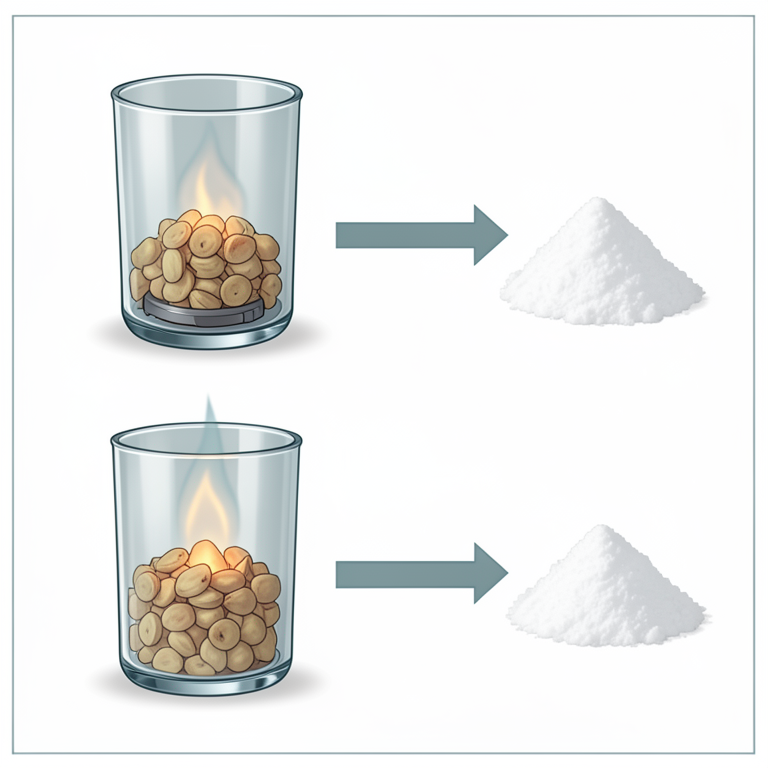
Comparison of Extraction Workflows
AI-generated conceptual illustration (Sea buckthorn pomace and pectin powder). It explains the idea and does not show study data.
View source evidence ↗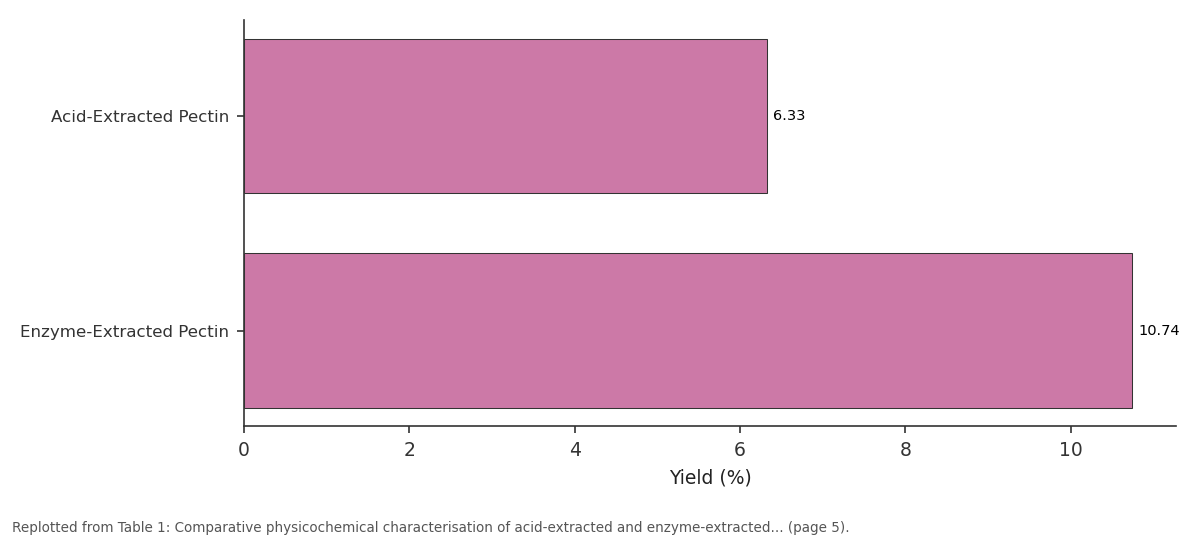
Yield (%): Acid-Extracted Pectin vs Enzyme-Extracted Pectin
Replotted from Table 1 (page 5) of the original paper. Every bar is the paper's own table value.
View source evidence ↗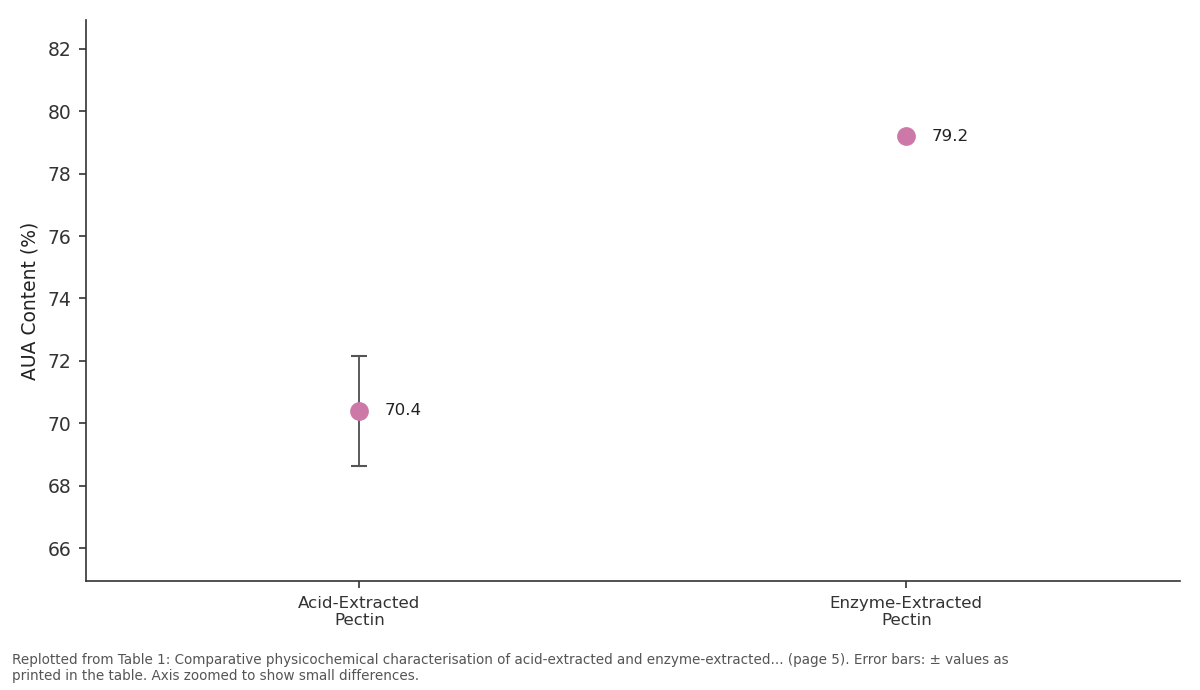
AUA Content (%): Acid-Extracted Pectin vs Enzyme-Extracted Pectin
Replotted from Table 1 (page 5) of the original paper. Every bar is the paper's own table value.
View source evidence ↗Figures & tables
From the original paper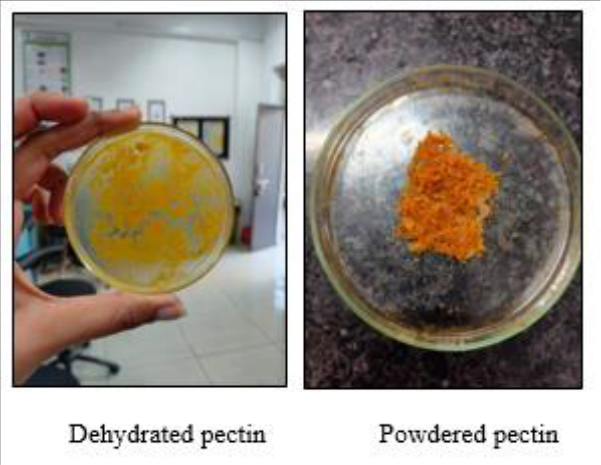 Figure 1
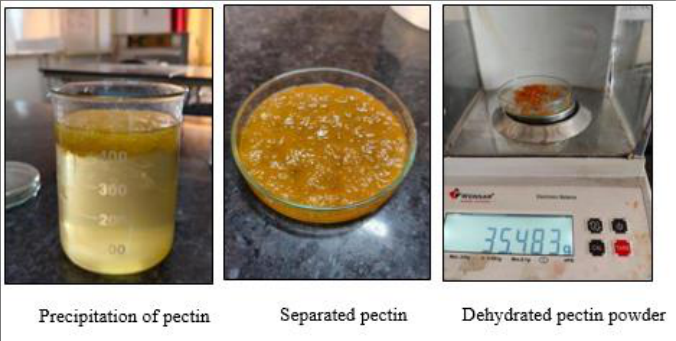 Figure 2
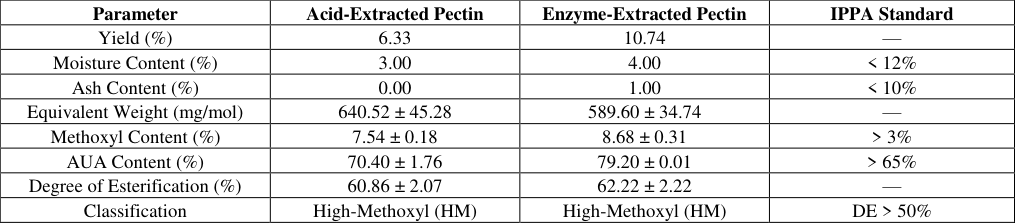 Table 1
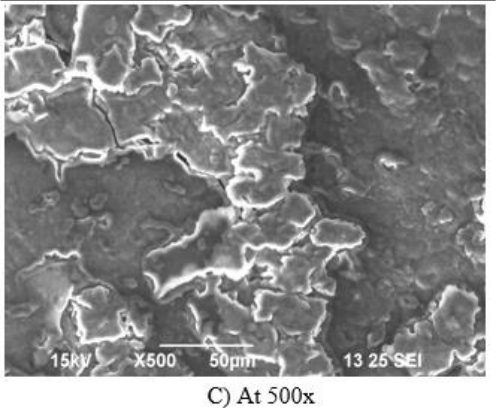 Figure 3
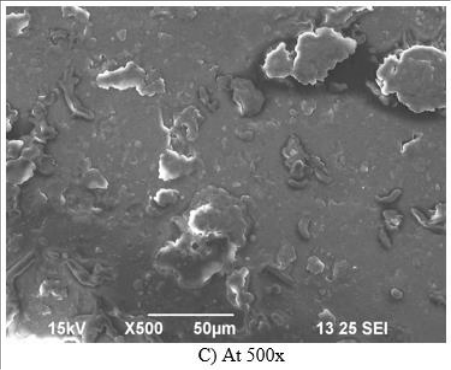 Figure 4
 Table 2
Introduction 1.1 Valorization of Agro-Industrial By-Products
Huge amounts of organic by-products are produced by the global food processing industry every year. The Food and Agricultural Organization (FAO) estimates that, yearly, about onethird of the world's food is lost or wasted, which equals about 1.3 billion tonnes, where fruit and vegetable by-products represent a significant proportion of the waste stream [1] . The production of juices, oils, canned products and dried products creates waste residues (pomace, peel, seeds, pulp) with high concentration of bioactive compounds that are of nutritional and commercial interest that are often discarded or used in low value applications, such as animal feed [2] . Structural polysaccharides, particularly pectin, have a functional and commercial value of particular importance among the valuable compounds retrieved from fruit processing byproducts. Pectin is a complex heteropolysaccharide, which is the main component of the primary cell walls and the middle lamellae of higher plants, and consists mainly of Dgalacturonic acid units in its backbone structure. It is one of the most widely used hydrocolloids in the food, pharmaceutical, cosmetic industries, and it works as a gelling agent, thickener, stabiliser and emulsifier 3 . According to the study by Frosi 4 , the global demand for pectin is expected to reach USD 2.12 billion by 2030, with its current value at USD 1.19 billion in 2021, and its current application as a natural texturising agent in food and bioactive ingredient in food is expected to grow. At present, citrus peel is the major waste used for commercial pectin extraction (about 85.5%), while the apple pomace is the second source (about 14%) and the other sources are negligible [4] . This concentration of supply in few feedstocks makes pectin supply chain vulnerable and has sparked considerable scientific research into the development of alternative, underutilised botanical sources. Particularly, the use of by-products from the production of beverage from berries, such as pomaces, as a sustainable source for pectin production has drawn interest as they are rich in structurally diverse pectic polysaccharides [5] .
Sea Buckthorn and Its Pomace
Sea buckthorn, Hippophae Rhamnoides L., is a deciduous shrub of dioecious species, which is widely distributed in the Eurasian continent from northern Europe to China and India, and is common in Russia, Kazakhstan, Mongolia and more than 20 countries in China. It is said to be one of the most nutritionally and bioactive compound rich fruits of the twenty-first century with almost 200 identified nutrients and bioactive compounds such as Vitamin C (400-2,500 mg/100 gFW), carotenoids (β-carotene, zeaxanthine, lycopene), tocopherols, flavonoids (isorhamnetin, quercetin, kaempferol), phytosterols, polyunsaturated fatty acids (linoleic and linolenic acid), and various polysaccharides [6] . Sea buckthorn pomace (SBP) is a by-product of sea buckthorn juice processing that consists of pressed peel, pulp fibres and the remaining seed material, with approximately 58.7 g/100 g total dietary fibre (TDF), 21.1 g/100 g proteins, and lipids ranging from 1.2-20.8% depending on the extent of seed removal [7] . Sea buckthorn pomace has a specific composition of cell walls, in which the amount of carotenoids is higher, ascorbic acid content is higher, and HG and RG-I polysaccharide domains are present, which may lead to extraction behaviour and pectin properties that are significantly different from those of citrus and apple pectins. Systematic comparative studies specifically targeting pectin extraction from SBP using environmentally friendly methods remain limited in the literature, representing a significant research gap [8] .
Green Methods of Pectin Extraction
The conventional method of pectin recovery is called Acid-Assissted Extraction (AAE) which is based on the extraction of pectin from plant material by treatment with dilute mineral acids (HCl, H2SO4 or HNO3) or organic acids at high temperatures (75-100ºC) and low pH (1.5-3.0) for long periods, followed by precipitation with ethanol. This process is extensively used and scalable, but there are a number of disadvantages, such as: (i) partial depolymerisation of the galacturonic acid backbone under harsh acidic and thermal conditions, which reduces molecular weights and affects functional properties; (ii) destruction of neutral sugar side chains (arabinose and galactose units of the RG-I region), which affects emulsification and prebiotic activity; (iii) production of large volumes of highly acidic effluent which is difficult to treat; (iv) high energy consumption; and (v) precipitation using large amounts of ethanol, which is flammable [9] . The LCA analysis has estimated that the conventional acid based pectin production generates about 9.69 kg CO₂ equivalents of pectin produced per 1 kg of pectin produced [10] .
These restrictions have encouraged alternatives to these processes to become more green, which follow the principles of green chemistry-the design of products and processes with less or no harmful substances or waste products. The physical methods of extraction such as Ultrasound-assisted extraction (UAE), Microwave-assisted extraction (MAE), and Subcritical water extraction (SWE) take advantage of acoustic cavitation, dielectric heating, and modified water properties, respectively, to release pectins with less environmental and structural impact when compared to mineral acid processing [11,31] . Enzyme assisted extraction (EAE) is a more specific biological process that is showing great potential. EAE selectively breaks down the non-pectic components of the cell wall matrix, including cellulases, hemicellulases, xylanases and polygalacturonases, under mild extraction conditions, which are low temperatures between 40 and 50 °C and near-neutral pH (4.0-6.5), thereby releasing pectin. This selectivity maintains the structural integrity of the pectin backbone (neutral sugar side chains and the methylation of pectin) and always results in pectin with higher molecular weight, better-preserved esterification patterns, and enhanced functional properties than conventional AAE [12,13] . Additionally, EAE produces little toxic waste, employs biodegradable reagents and does not produce corrosive mineral acids, resulting in the decreased environmental impact of pectin production. In the present study, the research gap has been addressed by systematically extracting pectin from sea buckthorn pomace by acid-assisted (physical) and enzyme-assisted (cellulase) methods and characterising the pectins extracted from the two methods in a rigorous manner. The characterization includes physicochemical parameters (yield, moisture content, ash content, equivalent weight, methoxyl content, anhydrouronic acid content and degree of esterification), structural analysis (SEM and XRD) and solubility behavior. The aim is to provide evidence-based data to help select sustainable extraction strategies for sea buckthorn pomace valorization, and assess the feasibility of using sea buckthorn pomace pectin for commercial food-grade applications.
Materials and Methods
Materials and Methods
Raw Material and Sample Preparation
Dried sea buckthorn berries (Hippophae Rhamnoides L.) were obtained from Pure Naturesum, (Ladakh, India). 100g of dried berries were rehydrated in 300 mL of lukewarm water for a period of 12 hours and then mashed in a mortar and pestle to squeeze out the juice. The juice was extracted from the pomace fraction by passing through muslin cloth. The pomace was collected and rinsed with hot water (60°C) to eliminate lipids from the pomace which could interfere with the pectin extraction. The washed pomace was dried in a tray dryer at 60°C to constant weight. After mechanical separation of seeds, 25.896 g of dried seed-free pomace was collected and ground to a fine powder with a mechanical grinder. The powder was kept at room temperature in airtight containers until extracted.
Acid-Assisted Extraction of Pectin Chemicals
Sea buckthorn pomace powder; citric acid (food grade); 95% (v/v) ethanol.
Extraction Procedure: Acid-assisted extraction was performed based on the method used by Kamal [15] . with slight modifications. In short, 10g sea buckthorn pomace powder was added into a 1000 mL beaker containing 500 mL of distilled water. The suspension was prepared with a solution of 0.05 M citric acid with pH adjusted to 3.0. The mixture was cooked for 60 minutes in a water bath at 80°C, with constant stirring. The hot extract was filtered through muslin cloth after it cooled down to ambient temperature to remove the insoluble residues. The clear filtrate was passed through a filter and twice the volume of 95% ethanol (2:1 v/v) was added and left to stand for an hour until pectin was precipitated. The precipitated pectin was filtered off through muslin cloth, dried in hot air oven at 50°C to constant weight and ground using a mortar and pestle. Dried acid extracted pectin was kept at room temperature.
Enzyme-Assisted Extraction of Pectin Chemicals and Enzyme
Sea buckthorn pomace powder; cellulase enzyme (Celluclast preparation); 95% (v/v) ethanol; distilled water.
Extraction Procedure
The procedure for enzyme-assisted extraction was adapted from Kegl 13 . 7.5g sea buckthorn pomace powder was mixed with 112.5 mL of distilled water and 0.75 mL of commercial cellulase enzyme preparation and the resulting mixture was prepared as a suspension. For enzymatic hydrolysis the suspension was treated at 40 o c for 1 hour, with shaking at 200 rpm. To stop the enzymatic activity the solution was heated at 90°C for 20 minutes and then cooled to room temperature. This mixture was centrifuged for 20 min at 3310 g at 4°C. The supernatant was poured off and passed through a muslin cloth. The pellet was re-suspended in water at 1:1 (w/v) ratio and stirred for 30 min to recover residual soluble polysaccharides, and was centrifuged again under the same condition. Supernatants were mixed and precipitated with 80% ethanol (2:1 v/v). The mixture was kept for four hours at 4°C for complete precipitation of polysaccharide. The precipitate was filtered using muslin cloth, dried in a hot air oven at 50℃ until constant weight and kept at room temperature.
where the numerator represents the mass of dry pectin recovered after oven drying to constant weight, and the denominator represents the initial mass of the dried SBP powder subjected to extraction.
Chemical Characterization of Pectin
The following parameters were determined for both AAEand EAE-derived SBP pectins, and compared with values obtained for commercial citrus pectin where applicable.
Equivalent Weight:
The titrimetric method of Ranganna, described by Owens 14, was used to determine the equivalent weight (EW), which is an index of the content of free carboxyl group. 1ml of ethanol was used to dissolve 0.1g of pectin powder in a 100ml conical flask. This was followed by the addition of 0.2 g of sodium chloride (NaCl) and 20 mL of distilled water, to suppress ionisation and to make the end-point more visible. Two drops of phenolphthalein indicator solution (1% w/v in ethanol) were added to the mixture and then it was titrated using standardised 0.1 N sodium hydroxide (NaOH) solution until a faint light pink colour was observed. The equivalent weight was calculated according to Equation ( 2):
Methoxyl Content: Methoxyl content (MeO) was determined by saponification of the esterified carboxyl groups and the quantitation of the methanol equivalents was performed by titrimetric method. To the neutralised solution which was retained from equivalent weight calculation, 5 mL of 0.25 N NaOH solution was added, which was then left to stand for 30 minutes at room temperature for saponification. Then 5 mL of 0.25 N hydrochloric acid (HCl) solution was added to neutralize the excess alkali, followed by titration against 0.1 N NaOH till reaching the end point, indicated by change to pink colour. The methoxyl content was determined using Equation (3) [14] .
Anhydrouronic Acid Content
The anhydrouronic acid (AUA) content was calculated as described by Owens 14 to give an indication of the purity and quality of the pectin (FAO requires the content of GalA be greater or equal to 65% on a dry weight basis for commercial pectin).
Where, 176 is the molecular weight of the anhydrogalacturonic acid monomer, and Z is obtained from the combined titrimetric data of equivalent weight and methoxyl content determinations.
Degree of Esterification
The degree of esterification (DE) was calculated from the methoxyl and AUA values according to Equation ( 6) [14] .:
A DE > 50% classifies the pectin as high-methoxyl (HM) and a DE ≤ 50% classifies it as low-methoxyl (LM) [3] .
Solubility in Water and Alkali Solution
The solubility of both extracted pectins was assessed in cold and hot water, and in cold and hot alkali solution 16 . An aliquot of 0.3 g of each pectin was transferred to a conical flask and 50 mL of distilled water and 10 mL of 99% (v/v) ethanol was added. Solubility was measured at room temperature (cold water) and then after heating the mixture for 15 minutes at 90 °C (hot water). To test the alkali solubility, 5 mL of pectin solution was added to 10mL of 0.1 mol L⁻¹ NaOH at room temperature (cold alkali) and after heating at 90 °C for 15 minutes (hot alkali). Qualitative and semi-quantitative evaluation of the solubility was performed.
Structural Characterization Scanning Electron Microscopy (SEM)
In the University Sophisticated Instrumentation Centre of BBAU, the surface morphology of acid extracted and enzyme extracted SBP pectins were studied using the Scanning Electron Microscope, JEOL JSM-6490. The powders of the dried pectin were attached to aluminium stubs, then sputter coated with gold for electrical conductivity and subsequently investigated in the electron beam at magnifications of 500x, 1000x and 2000x. The differences in the extraction protocols were reflected in the surface texture, particle morphology, porosity and structural organisation that were investigated with SEM analysis.
X-Ray Diffraction (XRD) Analysis
The degree of crystallinity and structural order of the extracted pectins was determined by performing X-ray diffraction analysis. The powdered samples of pectin were placed in the standard diffraction sample holders and were analysed with CuKα radiation (λ = 1.5405 Å). The diffractograms were taken in a 2θ range of 5° to 50°. The ratio of the area of the diffraction peaks corresponding to the crystalline phase to the total diffraction area was calculated as the crystallinity index (CrI). The amorphous pectin has a wide diffuse halo in the 2θ range of 10°-25°, whereas the sharp Bragg peaks suggest the presence of short-range molecular ordering or crystalline impurities.
Chemical Attributes of Extracted Pectin
The physicochemical characterization plays a vital role in determining the quality of pectin, its classification and functionality. The parameters studied in this work such as yield of pectin, moisture content, ash content, equivalent weight, methoxyl content, anhydrouronic acid content and degree of esterification, help to characterize the structural identity and technological applicability of the polysaccharides extracted. The chemical parameters of two kinds of sea buckthorn pomace pectin (Acid-pectin and enzyme-pectin) are compared in table 1.
| Parameter | Acid-Extracted Pectin | Enzyme-Extracted Pectin | IPPA Standard |
|---|---|---|---|
| Yield (%) | 6.33 | 10.74 | — |
| Moisture Content (%) | 3.00 | 4.00 | < 12% |
| Ash Content (%) | 0.00 | 1.00 | < 10% |
| Equivalent Weight (mg/mol) | 640.52 ± 45.28 | 589.60 ± 34.74 | — |
| Methoxyl Content (%) | 7.54 ± 0.18 | 8.68 ± 0.31 | > 3% |
| AUA Content (%) | 70.40 ± 1.76 | 79.20 ± 0.01 | > 65% |
| Degree of Esterification (%) | 60.86 ± 2.07 | 62.22 ± 2.22 | — |
| Classification | High-Methoxyl (HM) | High-Methoxyl (HM) | DE > 50% |
Table text extracted from the original PDF; superscript letters are shown inline. The original table image is below.
View original table image
Pectin Yield
The yield of pectin from the sea buckthorn pomace in the enzymatic extraction method was significantly higher, which was 10.74% compared with that of the acid extraction method, which was only 6.33%. The values obtained are comparable with the other researchers using sea buckthorn pomace as a source of pectin, giving a yield of 6-12% for various extraction conditions which gives the reliability of the experimental procedure used. The higher yield of enzyme extracted pectin can be explained by the specific effect that cellulase has on the cellulosic matrix around the pectin containing middle lamellae. It selectively depolymerizes the cellulose and hemicellulose chains, enabling the release of bound pectin from the chains without high temperature depolymerisation and without degradation of the backbone at high temperatures and/or acidic pH [13] . The pectin chains are very unstable under the harsh acid conditions of AAE (pH 3.0, 80°C) causing hydrolysis of the glycosidic bonds and βelimination of the chains occur, which form oligogalacturonide fragments, which are lost during the precipitation and washing steps, leading to a lower recoverable yield [17] .
The results of this study are in agreement with those of the general literature on enzyme assisted pectin recovery. Ultrasound-assisted enzymatic process was always more effective than acid extraction for pectin production from orange peel 18 , while cellulase method was better than conventional acid method for citrus derived pectin [19] . In addition, the high yield of EAE compared with the AAE has economic implications for sea buckthorn pomace valorization: the high yield of pectin per unit of raw material also gives the sea buckthorn to be more economical in terms of pectin production and better efficiency in the process.
Moisture Content
Acid extracted pectin had moisture content of 3.00% which was slightly lower than that of enzyme extracted pectin (4.00%). The results for both are within the internationally accepted range (less than 12%) for commercial food-grade pectin as indicated by the Food Chemicals Codex, 1997. This slightly different moisture content has been attributed to the different structural and chemical environment of both pectins owing to the different extraction processes. During the hydrolysis at pH 3.0, the number of hydrogen bonding sites were reduced due to protonation of the free carboxyl groups (-COO⁻ to -COOH) in the pectin backbone when strong acid was added, which resulted in a decrease of hygroscopicity of the dried product. The acid extracted pectin then results in a lesser amount of residual moisture after drying [20] .
Enzymes leave a higher proportion of the intact pectin structure, such as the natural branching architecture of the rhamnogalacturonan-I (RG-I) regions with their many hydroxyl groups on the side chains of galactose and arabinose. This structural element results in a higher hygroscopicity and moisture content during drying due to hydrogen bonding being more hydrophilic 21 . These lower moisture levels (as seen in both samples) would have a practical benefit, as it would inhibit microbial growth, make the powder easier to handle, and would help to have a longer shelf life under normal storage conditions.
Ash Content:
The ash content of the acid extracted pectin was found to be 0.00% (which is below the detection limit) and on the other hand the ash content of the enzyme extracted pectin was 1.00%. The both values are very low than the internationally recommended value of 10% for food grade pectin, this shows that both extracts are acceptable as pure.
The total absence of the ash in the acid-extracted pectin is due to the strong mineral-solubilizing action of acid hydrolysis. The pH 2.0-3.0 create strong acidic conditions that favour the removal and solubilisation of the naturally bound mineral salts and divalent ions (Ca²⁺, Mg²⁺, K⁺) in the plant cell wall that are bound in calcium pectate linkages. In the case of polygalacturonic acid, protonation of the carboxylate groups (-COO⁻ → -COOH) breaks up these ionic associations, and release mineral ions into the extraction medium. The following ethanol precipitation and washing steps further remove the minerals, resulting in a highly purified mineral-free product [21,22] . Enzyme assisted extraction can not work at such a low pH, because it is not able to mineralise the cellulose. The observed ash content of 1.00% may be due to some divalent cations that do not react with the enzymes used for extraction, but are ionically bound to the pectin matrix. Though there is a difference, the ash content of 1.00% is very low and is functional advantageous since some amount of mineral salts may interfere with the cross-linking between pectin molecules and the formation of the gel network [23] .
Equivalent Weight:
The degree of esterification and galacturonic acid content are inversely proportional to each other, and the equivalent weight (EW) is an indirect measurement of the concentration of free carboxyl groups per unit mass of pectin. The acid-extracted pectin yields an equivalent weight of 640.52 ± 45.28 mg/mol which was higher than the enzyme-extracted pectin 589.60 ± 34.74 mg/mol; however, the difference was not significant as determined by independent t-test (p = 0.197 > 0.05). The higher the EW of the acid-extracted pectin, the lower the density of free carboxyl groups per gram of pectin in the acid-extracted sample. This has been attributed to structure modification of pectic backbone during extended period of exposure to low pH and high temperature. During this exposure, the backbone of the pectin is broken down by acid hydrolysis while some carboxyl groups remain free but are irregularly distributed, therefore not effective 24 . The decrease in EW of enzyme extracted pectin from the increase in free carboxyl groups per mass is consistent with the expected properties of obtaining a more structurally intact and uniform pectin, with the potential to interact more with divalent cations such as calcium, which is crucial for determining the ability to form a gel and ion-binding capacity in food systems [25] .
Methoxyl Content
The gelling mechanism, gelation conditions and the technological applications of the polysaccharide are directly affected by the methoxyl content (MeO) in pectin which represents the percentage of galacturonic acids (GA) in the pectin chain that are esterified with methanol. The methoxyl content of enzyme-extracted pectin was significantly higher than that of acid-extracted pectin (8.68 ± 0.31% vs 7.54 ± 0.18%) and the difference was found to be statistically significant (p = 0.0053, t = -5.50, df = 4). Both values are above the minimum requirement of 3% set by the international food standards, and were in the range of 6-12% found for high methoxyl pectin extracted from fruit pomaces [24] . The acid extraction process is performed at strong acid and high temperature and leads to saponification reactions, thus leading to the lower methoxyl content of the extracted pectin. In the presence of acid, the methoxy groups (COOCH₃) on the backbone of galacturonic acid can be hydrolysed to galacturonic acid and methanol, with the loss of methoxyl groups causing the methoxyl content to be underestimated. This effect is pH and temperature dependent, and fatigue from de-esterification is worse when exposed to acidic hot temperatures for longer periods of time 26 . The more gentle enzymatic conditions (pH 4.5, 50°C) help to preclude hydrolytic removal of methoxyl groups, resulting in a product with higher methoxyl content, and therefore more resistant to hydrolysis. The practical implication of this difference is that, the higher methoxyl content will strengthen the enzyme extracted pectin to be more firmly in the high-methoxyl group thereby suggesting a high gelling property in sugar/acid systems which will lack calcium content, and better emulsification property in forming an interfacial film because of the hydrophobic effect of the methoxyl groups [22] .
Anhydrouronic Acid Content
The most relevant parameter for the purity of pectin is the content of anhydrouronic acid (AUA) in the pectin, which represents the number of galacturonic acid residues in the extracted polymer and thus represents the pectin's structures and functionalities. The enzyme-extracted pectin had a significantly higher AUA content of 79.20 ± 0.01%, compared with the acid-extracted pectin, 70.40 ± 1.76% and this was the most significant difference between the two types of pectin extraction method (p = 0.001; t = -8.66; df = 4). The high enzyme reproducibility and selectivity is highlighted by the perfect replication consistency for AUA with minimal standard deviation in the three replicate experiments. This superior AUA is attributed to the specific effect of cellulase which targets cellulose and hemicellulose, and does not chemically attack the backbone of pectin (galacturonic acid). This selectivity limits co-extraction of contaminating non-pectic polysaccharides, and prevents partial hydrolysis of the GalA backbone resulting in the production of soluble oligogalacturonide fragments that are lost during precipitation and washing under harsh acid conditions 27 . The lower AUA of acid extracted pectin is due to the co-extraction of neutral polysaccharides as well as partial chemical degradation by the acidic conditions and high temperatures of extraction of galacturonic acid chains. Most important, both AUA values were above the minimum of 65% recommended by International Pectin Producers Association for food-grade pectin, which means that pectins prepared by both extraction techniques were within international standards. The pectin extracted by the enzyme however, is more closely similar to the high purity (80-90%) pectins obtained from citrus and apple 17 and would be best suited to more demanding industrial applications where a high galacturonic acid content and consistent functionality is required.
Degree of Esterification and Pectin Classification
The degree of esterification (DE)% is the most significant parameter to influence the classification of pectin, its mechanism of gelation, and application in food technology, which depends on the percentage of carboxyl groups of galacturonic acid that are esterified. Pectins with DE ≥ 50% are described as as high-methoxyl (HM) pectins and they gel at high soluble solids (> 55% w/w sucrose) at low pH (2.5-3.5) by hydrogen bonding and hydrophobic interactions of the methyl ester groups of the pectin molecules. Pectins that have DE < 50% are known as 'Low-Methoxyl' (LM) pectins that gel in the presence of divalent cations like Ca² + in the 'egg-box' mode without depending on the sugar concentration [5,28] . The extracted pectins from sea buckthorn pomace is called as high-methoxyl pectins which are respectively acid extracted pectin (DE = 60.86 ± 2.07%) and enzyme extracted pectin (DE = 62.22 ± 2.22%). There was no significant difference between the two DE values (p = 0.480, t = -0.78, df = 4). DE being the ratio of the MeO/AUA content, the relationship between the two quantities suitably scaled, resulting in this near-identical classification, although there were important differences in methoxyl content and AUA of the two methods; the enzymatic extraction method caused the ratio to remain approximately the same as both quantities increased proportionately.
The HM classification of both sea buckthorn pomace pectins have significant implications to the practice. The most common pectins used in the food industry are HM pectins and are used for making jams, jellies, marmalades and confectionery products as gelling and texturising agents.
The DE values obtained (61-62%) fall within the range reported for slow-set HM pectins (55-65%) that gel at relatively low temperatures and also have a benefit in the industrial scale food production. These values are similar to those of for sea buckthorn pectin and in line with the range of values (55-75%) reported previously for citrus and apple HM pectins [24,25] .
Physical Attributes: Microstructural and Crystalline Characterisation 4.1 Scanning Electron Microscopy (SEM)
The surface morphologies obtained by SEM were different for both the extraction methods. At 2000x magnification, the acid-extracted pectin resulted in a continuous wavy sheet-like architecture with visible rounded ridges, small depressions and complex lamellar folds, which is expected of high surface area amorphous polymer matrix. At ×1,000 magnification two distinct populations of angular fragments were identified, one with a straight edged layered structure and a second with lobular aggregates with a wavy scalloped edge. The population was heterogeneous, since the AUA content (70.40%) and the co-extracted non-pectic material were low. The bulk architecture at ×500 showed dense irregular conglomerates and lobular particles with rough corrugated surfaces and multiple interparticle voids which is typical of the partial depolymerisation or tempering of the polymer matrix under high acid conditions. Small nodular deposits (1-5 µm) on the surface of the particles are probably the result of co-precipitation of mineral and/or protein impurities. The morphology of enzyme extracted pectin was significantly different. At 2000x, the matrix was smooth, featureless, glassy and there were lobular masses protruding from it. The smooth surface morphology is reasonably correlated with the higher molecular weight, longer chain of the polymer and higher structural integrity as expected in the case of enzymatic extraction under mild conditions. While the architecture was open and dispersed, elongated curvilinear fibrillar features (possibly residual cellulose) were present that seemed to have lower bulk density and powder flowability when viewed at ×500 magnification. The smooth matrix background also reflected good film forming ability that is pertinent to the edible coating application.
The acid extracted pectin was investigated by EDS which revealed carbon (59.97 wt%), oxygen (40.03 wt%), with a C:O atomic ratio of about 2.0:1, which are characteristic of a high methoxyl pectin. The absence of the mineral peaks (Ca, Na, K, Si, N) showed an effective purification and the presence of no ionic and proteinaceous contaminant. The results of the EDS analysis of the enzyme extracted pectin showed presence of carbon (73.42 wt%), oxygen (26.32 wt%) and trace calcium (0.26 wt%) with a higher C:O atomic ratio of around 3.6:1. The higher C:O ratio also confirms the higher methoxyl content (8.68%) and DE (62.22%) of the EAE pectin. Each methoxy group (-COOCH3) adds a carbon molecule but does not add an extra oxygen molecule, which leads to a higher C:O ratio in comparison with the pectin in the free carboxylate form. When pectin is subjected to mild enzymatic hydrolysis at pH 4.5, a small amount of cross-links remains which is represented by the residual ionic cross-links (trace calcium signal) in the EAE pectin; this can lead to quicker gel set times when water is added back.
X-Ray Diffraction (XRD) Analysis
The X-ray diffraction results indicated that both pectins had an amorphous form, which is similar to other plant polysaccharides previously reported in the literature 18 . Acidextracted pectin exhibited a general hump at 10-25° (2θ) and a sharp minimum at 2θ ≈ 14.9° (d ≈ 5.95 Å) (not seen in the enzymatic pectin sample) and the main amorphous hump at 2θ ≈ 18.65° (d ≈ 4.75 Å). The low angle feature is believed to be mechanistically related to lateral chain-chain ordering resulting from acid (partial) demethylation, i.e. some of the methyl ester groups may not be removed during precipitation, leaving free carboxylate groups to give rise to short range ordered domains at ~6 Å scale. The crystallinity index (CI) of the acid-extracted pectin (~19.4%) was higher than that of enzyme-extracted pectin (~12.0%), which is in agreement with the higher crystallinity of the acid-extracted pectin as revealed by the inter-chain ordering.
The enzyme extracted pectin exhibited only a broad amorphous peak centered at 2θ value of ~19.3° (d = 4.61 Å), spanning a range of ~13° to 26° 2θ, typical of a nearly completely amorphous biopolymer having a CI of ~12% and a FWHM of ~12.74°. The reduced chain reassociation into ordered domains which occurred in the enzymatic extraction was carried out under milder conditions as described by the lower CI. The EAE pectin is more amorphous than AAE pectin which renders it more water soluble, rapidly hydrated, flexible in molecular chains and gel formation. The high angle region (35-90° 2θ) of both samples was devoid of any recognizable crystalline inorganic material, any residual crystalline cellulose or any residual crystalline sugars. Furthermore, the diffraction intensity of the acid extracted pectin was lower than that of enzyme extracted pectin, indicating lower average chain length and molecular weight of the acid extracted pectin. I is apparent that the lower MW is related to lower intrinsic viscosity and weaker gel networks compared to the higher MW EAE pectin. The intermolecular cohesive forces between the pectin chains that are aggregated in a partially ordered state are of greater magnitude than the kinetic energy that the water molecules possess at ambient temperature (25°C). For highmethoxyl pectin, these interactions are hydrophobic (COOCH₃), hydrogen (-COOH and -OH), and electrostatic (if any) inter-chain associations due to the presence of divalent cations. In colder conditions, the pectin remains partially dissolved in gel form. This behaviour is similar to that of Pomelo and Elephant apple pectin, which was reported that the pectins with higher molecular weight were partly cold water soluble 29 . The thermal energy is greater at 90°C, increasing the mobility of molecules, decreasing the hydrophobic interactions between the methyl ester groups and increasing the attraction of the -OH and -COOH groups for water, thus fully hydrating and solvating the polymer. In addition, the lower viscosity of hot water helps it to penetrate the pectin matrix and promotes dissolution 16 . Technological relevance of the complete solubility of both pectins at 90°C is that it is known that both types can be easily dissolved in hot water systems, which are commonly used in the manufacturing of jams, jellies and marmalades, where the fruit pulp is heated to 85-95°C and then cools down to room temperature to set. Both pectins are processing friendly from a dissolving perspective, as they do not need to be modified to existing thermal processes.
Solubility in Cold and Hot Alkali Solution
The pectins were not soluble in cold alkali (0.1 M NaOH at 25°C) but both were soluble in hot alkali (0.1 M NaOH at 90°C for 15 min.). This pattern is due to the balance of chemical (saponification) and thermal (chain mobility) driving forces for dissolution. The first saponification of methyl ester groups (-COOCH₃ → -COO⁻ + CH₃OH) occurs in cold alkali, making the backbone of the pectin increasingly ionic. In fact, at ambient temperature the available kinetic energy is not enough to completely hydrate and disperse the chains of pectin macromolecules into true solution: the chains are aggregated and swollen, not dissolved, and thus, they are not soluble despite the partial de-esterification. This behavior is consistent with that of pectin from sea buckthorn peel 8 and other fruit peels, in which the alkaline environment is cold, and the chain dissolution does not occur completely. At high temperature in alkaline solution (90°C), two dissolution mechanisms work together in synergy to ensure complete dissolution. One is the high temperature that results in a greatly enhanced chain mobility and the breakdown of hydrogen bonds and hydrophobic associations that hold the chain together at a lower temperature. Second, alkaline pH will cause rapid and large extent of deesterification, resulting in the formation of free carboxylate anions (-COO⁻), which increases the electrostatic inter-chain repulsion and promotes the dispersion of the chain. This gives rise to highly charged hydrophilic pectin chains which are therefore readily soluble. This result can be made use of by using the hot alkali treatment to partially transform HM pectin into LM derivatives with different gelling properties; e.g., the HM pectin from sea buckthorn characterized in this study can be used to produce calcium-responsive LM pectin for reduced-sugar dairy applications. But, extended alkali exposure has been reported to cause βelimination reactions which gradually break down the pectin backbone, leading to a decrease in molecular weight and loss of gel-forming capabilities [28] .
Both the sea buckthorn pomace pectins exhibited solubility properties that are similar to those of commercial citrus and apple high-methoxyl pectins; partial cold-water solubility, high hot-water solubility, insolubility in cold alkali, and solubility in hot alkali. The result of this behavioural equivalence further supports the idea that the sea buckthorn pomace HM pectin is a functional alternative to the commercial pectins and has similar aqueous processing conditions as the commercial pectins, and a wider range of possibilities for alkaline modification.
Conclusion
This study aims at systematically and rigorously characterizing the acid-assisted and enzyme-assisted pectin extracted from SBP, for providing a comprehensive physicochemical, structural and functional characterization of the extracted products that appears in a noticeable gap of the scientific literature devoted to valorization of SBP.
The results clearly indicated that the enzyme-assisted extraction (EAE) with the cellulase enzyme at pH 4.5 and 50°C is better than acid-assisted extraction (AAE) with citric acid at pH 3.0 and 80°C on all major quality parameters. The pectin content recovery by the EAE is higher (10.74%) than other methods (6.33%) and the purity of the pectin obtained (Anhydrouronic acid content 79.20% vs. 70.40%), the methoxyl content (8.68% vs. 7.54%) and the ash content (1.00% vs. 0.00%) are similar. Mechanistically, these differences can be explained in terms of the specificity of cellulase action (which removes cellulose cell wall component without any chemical change in the pectin backbone) as compared to the non-specific acid and thermal hydrolysis of AAE (removing the pectin backbone and chemically degrading it). Both types of pectins were soluble in the same way in both aqueous and alkaline solutions, 50% soluble in cold water and 100% soluble in hot water, and with the same hot alkali solubility as the commercial citrus and apple HM pectins.
The results show that sea buckthorn pomace pectin can be processed in the normal industrial condition without changing the existing food processing methods. Enzyme extraction is a promising environmentally and sustainable alternative to the pectin extraction based on acids. As opposed to EAE, the reaction temperature is decreased (50°C vs 80°C), no concentrated mineral or organic acids are used and less acidic effluent is generated, biodegradable enzyme preparations are used and the pectin produced is more structurally intact and functional. This study provides scientific data that supports the use of sea buckthorn pomace in the context of circular bioeconomy; from a non-used by-product in the processing production to a source of high-quality pectin for food production in an environmentally responsible way. Technoeconomic analysis of EAE scale-up, complete characterization of biological activity (antioxidant, prebiotic and immunomodulatory properties) and life cycle assessment of SBP-based pectin production should be the focus of future research, to ensure the required comprehensive evidence for commercialization.
Acknowledgement
AcknowledgementsThe authors would like to acknowledge the Department of Food and Nutrition, School of Home Science, Babasaheb Bhimrao Ambedkar University (A Central University),
Figures and tables from the paper
| Solubility Medium | Acid-Extracted Pectin | Enzyme-Extracted Pectin | Functional Implication |
|---|---|---|---|
| Cold Water (25°C) | Partially Soluble | Partially Soluble | Suitable for cold-process dispersion with heating |
| Hot Water (90°C, 15 min) | Highly Soluble | Highly Soluble | Suitable for jam, jelly, beverage production |
| Cold Alkali (0.1 M NaOH) | Insoluble | Insoluble | Not suitable for direct cold alkaline processing |
| Hot Alkali (90°C, 15 min) | Soluble | Soluble | Suitable for controlled de-esterification to LM pectin |
Table text extracted from the original PDF; superscript letters are shown inline. The original table image is below.
View original table image
References
31 in the original paper- Food and Agriculture Organization. The state of food and agriculture: Moving forward on food loss and waste reduction. Rome: Food and Agriculture Organization of the United Nations; 2019.
- Mirabella N, Castellani V, Sala S. Current options for the valorization of food manufacturing waste: A review. J Clean Prod. 2014;65:28-41. DOI:10.1016/j.jclepro.2013.10.051.
- Freitas CMP, Coimbra JSR, Souza VGL, Sousa RCS. Structure and applications of pectin in food, biomedical, and pharmaceutical industry: A review. Coatings. 2021;11(8):9-22. DOI:10.3390/coatings11080922.
- Frosi I, Balduzzi A, Moretto G, Colombo R, Papetti A. Towards valorization of food-waste-derived pectin: Recent advances on their characterization and application. Molecules. 2023;28(17):63-90. DOI:10.3390/molecules28176390.
- Belkheiri A, Forouhar A, Ursu AV, Dubessay P, Pierre G, Delattre C, et al. Extraction, characterization, and applications of pectins from plant by-products. Appl Sci. 2021;11(14):6596.
- Stobdan T, Korekar G, Srivastava RB. Nutritional attributes and health application of sea buckthorn (Hippophae rhamnoides L.): A review of the plant and its uses. Curr Nutr Food Sci. 2013;9(2):151-165.
- Kaminskytė G, Jagelavičiūtė J, Bašinskienė L, Čižeikienė D. Effect of modification methods on composition and technological properties of sea buckthorn (Hippophae rhamnoides L.) pomace. Appl Sci. 2025;15:8722.
- Zhu Y, Liu K, Yuen M, Yuen T, Yuen H, Peng Q. Extraction and characterization of a pectin from sea buckthorn peel. Front Nutr. 2022;9:969465. DOI:10.3389/fnut.2022.969465.
- Pattarapisitporn A, Noma S. Alternative solvents for pectin extraction: Effects of extraction agents on pectin structural characteristics and functional properties. Foods. 2025;14(15):26-44. DOI:10.3390/foods14152644.
- Nadar CG, Arora A, Shastri Y. Sustainability challenges and opportunities in pectin extraction from fruit waste. ACS Eng Au. 2022;2(2):61-74. DOI:10.1021/acsengineeringau.1c00025.
- Kumari M, Singh SP, Chauhan AK. Comparative study of pectin extraction from kinnow peel by ultrasoundassisted, microwave-assisted, and conventional acid extraction methods. Food Bioprocess Technol. 2023;16(10):2272-2286. DOI:10.1007/s11947-02303059-4.
- Kegl T, Hlade B, Cucek L. Enzyme-assisted extraction of pectin: A sustainable alternative to conventional techniques. Chem Eng Trans. 2025;120:553-558. DOI:10.3303/CET25120093.
- Wikiera A, Mika M, Starzyńska-Janiszewska A, Stodolak B. Endo-xylanase and endo-cellulase assisted extraction of pectin from apple pomace. Carbohydr Polym. 2016;142:199-205. DOI:10.1016/j.carbpol.2016.01.063.
- Owens HS, et al. Methods used at Western Regional Research Laboratory for extraction and analysis of pectic materials (AIC-340). U.S. Department of Agriculture; 1952.
- Kamal MM, Kumar J, Mamun MAH, Ahmed MNU, Shishir MRI, Mondal SC. Extraction and characterization of pectin from Citrus sinensis peel. J Biosyst Eng. 2021;46:16-25. DOI:10.1007/s42853-02100084-z.
- Fishman ML, Pfeffer PE, Barford RA, Doner LW. Studies of pectin solution properties by highperformance size exclusion chromatography. J Agric Food Chem. 1984;32(2):372-378.
- Yapo BM, Robert C, Etienne I, Wathelet B, Paquot M. Effect of extraction conditions on the yield, purity and surface properties of sugar beet pulp pectin extracts. Food Chem. 2007;100(4):1356-1364.
- Bosch R, Malgas S. Ultrasound-assisted enzymatic extraction of orange peel pectin: Physicochemical characterization and XRD analysis. Int J Food Sci Technol. 2023;58(12):6784-6793.
- Wang W, Ma X, Xu Y, Cao Y, Jiang Z, Ding T, et al. Ultrasound-assisted heating extraction of pectin from grapefruit peel: Optimization and comparison with the conventional method. Food Chem. 2015;178:106-114. DOI:10.1016/j.foodchem.2015.01.080.
- Panchev I, Slavov A, Nikolova K, Kovacheva D. On the water-sorption properties of pectin. Food Hydrocoll. 2010;24(8):763-769.
- Mao G, Wu D, Wei C, Tao W, Ye X, Linhardt RJ, et al. Reconsidering conventional and innovative methods for pectin extraction from fruit and vegetable waste: Targeting rhamnogalacturonan I. Trends Food Sci Technol. 2019;94:65-78.
- Chandel V, Biswas D, Roy S, Vaidya D, Verma A, Gupta A. Current advancements in pectin: Extraction, properties and multifunctional applications. Foods. 2022;11(17):2683. DOI:10.3390/foods11172683.
- Khamsucharit P, Laohaphatanalert K, Gavinlertvatana P, Sriroth K, Sangseethong K. Characterization of pectin extracted from banana peels of different varieties. Food Sci Biotechnol. 2018;27(3):623-629.
- Thakur BR, Singh RK, Handa AK, Rao MA. Chemistry and uses of pectin: A review. Crit Rev Food Sci Nutr. 1997;37(1):47-73. DOI:10.1080/10408399709527767.
- Guo X, Han D, Xi H, Rao L, Liao X, Hu X, et al. Extraction of pectin from navel orange peel assisted by ultra-high pressure, microwave or traditional heating: A comparison. Carbohydr Polym. 2012;88(2):441-448.
- Lopes da Silva J, Rao MA. Pectins: Structure, functionality, and uses. In: Food polysaccharides and their applications. 2006. p. 353-411.
- Koubala BB, Kansci G, Mbome LI, Crépeau MJ, Thibault JF, Ralet MC. Effect of extraction conditions on some physicochemical characteristics of pectins from Améliorée and mango (Mangifera indica) fruit peels. Food Hydrocoll. 2008;22(7):1345-1351.
- Einhorn-Stoll U. Pectin-water interactions in foods: From powder to gel. Food Hydrocoll. 2018;78:109-119. DOI:10.1016/j.foodhyd.2017.05.029.
- Rahman MS, Khan SS, Ahmed MW, Jony ME, Das PC, Uddin MB. Extraction of pectin from elephant apple and pomelo fruit peels. Food Chem Adv. 2024;3:100544.
- Einhorn-Stoll U, Urbisch C, Kroh LW, Drusch S. Thermally induced de-esterification of high-methoxyl pectins in alkaline solutions. Food Hydrocoll. 2019;89:119-128.
- Haque SM, Kabir A, Ratemi E, Elzagheid M, Appu SP, Ghani SS, et al. Greener pectin extraction techniques: Applications and challenges. Separations. 2025;12(3):65.