
Research article · 2026 · Full text
International Journal of Horticulture and Food ScienceDevelopment and optimization of chocolate cake using flours of jackfruit seed, white finger millet and whole wheat through mixture response surface methodology
Volume 8(7) · Pages 120–128 · DOI: 10.33545/26631067.2026.v8.i7b.806 ↗
Research areasFood composition and propertiesSeed and Plant BiochemistryAdvanced Scientific Research Methods
Abstract
Author-writtenThe increasing demand for nutritionally enriched bakery products has encouraged the use of composite flours in traditional formulations. This study aimed to develop and optimize a chocolate cake using jackfruit seed flour, white finger millet flour, and whole wheat flour. The physical and nutritional analysis revealed that jackfruit seed flour had high water and oil absorption capacities and contributed dietary fibre and minerals. White finger millet flour enhanced calcium, iron, and fibre content, while whole wheat flour supported structure through gluten formation. The optimal flour combination (59% white finger millet, 28% jackfruit seed, and 12% whole wheat) was determined using Mixture Response Surface Methodology. The optimized cake showed good overall acceptability, desirable specific volume, moderate hardness, and high springiness. The study demonstrates the potential of composite flours in developing value-added bakery products.
Summary
Source-checkedPlain-language reading of the full paper, prepared with AI and checked against the text. Each point links to the authors' own words.
Why it matters
- Traditional cakes are often high in calories, sugar, and fat but low in fiber, which can contribute to health problems like obesity. View evidence ↗
- Jackfruit seeds are an underutilized resource in India, making up 10-15% of the fruit's weight and providing dietary fiber, starch, and bioactive compounds. View evidence ↗
- Finger millet is a nutrient-dense crop known for high levels of iron, calcium, and dietary fiber, which can help address nutritional gaps. View evidence ↗
The question
- The study aimed to create and optimize a chocolate cake formulation using a composite blend of white finger millet, jackfruit seed, and whole wheat flours. View evidence ↗
What they did
- The researchers used Mixture Response Surface Methodology (RSM) to optimize flour levels, testing white finger millet (40-60%), jackfruit seed (20-40%), and whole wheat (0-40%). View evidence ↗
- The cake's quality was measured based on specific volume, overall sensory acceptability, firmness, and springiness. View evidence ↗
- Sensory evaluation was performed by 10 semi-trained panelists using a 9-point hedonic scale. View evidence ↗
What they found
- Jackfruit seed flour showed the highest water (1.25±0.02 g/g) and oil (1.89±0.04 g/g) absorption capacities compared to white finger millet and whole wheat flours. View evidence ↗
- White finger millet flour had the highest calcium content (258±0.05 mg/100g), while jackfruit seed flour had the highest iron content (12.00±0.05 mg/100g). View evidence ↗
- The specific volume of the cakes ranged from 1.30 to 1.72 cm³/g, with the highest volume achieved using 51% white finger millet, 28% jackfruit seed, and 20% whole wheat flour. View evidence ↗
- Cake firmness varied from 699.02 g to 1804.46 g, with the highest firmness occurring at 37% whole wheat flour and the lowest at 40% jackfruit seed flour. View evidence ↗
- Springiness ranged from 28.64% to 41.94%, with the highest value found in the formulation with 40% jackfruit seed flour. View evidence ↗
- Overall sensory scores ranged from 7.30 to 8.16, with the highest score achieved using 40% white finger millet, 40% jackfruit seed, and 20% whole wheat flour. View evidence ↗
- The optimized flour combination was determined to be 59% white finger millet, 28% jackfruit seed, and 12% whole wheat flour, resulting in a sensory score of 7.85 and springiness of 41.94%. View evidence ↗
What it means
- The authors conclude that using composite flours is an effective way to create value-added bakery products and utilize underused ingredients like jackfruit seed flour. View evidence ↗
- The authors suggest that future research should evaluate the storage stability and nutritional composition of the final product. View evidence ↗
Visual summary
3 visualsIllustrations explain the paper; charts are replotted from the paper's own table values.
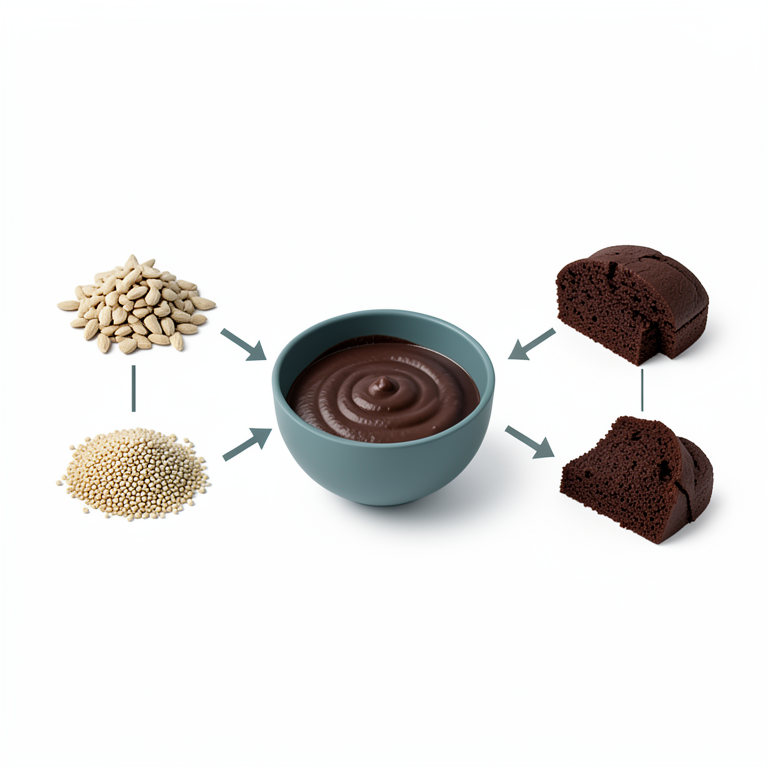
Composite Flour Optimization Concept
AI-generated conceptual illustration (jackfruit seeds, white finger millet grains, whole wheat grains, and a chocolate cake). It explains the idea and does not show study data.
View source evidence ↗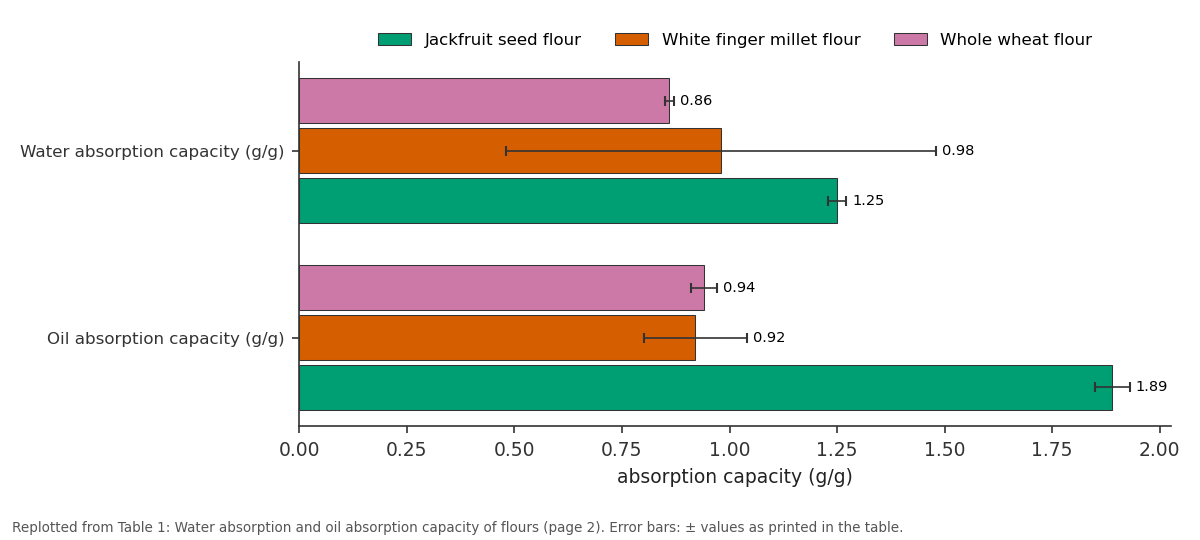
Jackfruit seed flour and White finger millet flour and more: Water absorption... vs Oil absorption capacity...
Replotted from Table 1 (page 2) of the original paper. Every bar is the paper's own table value.
View source evidence ↗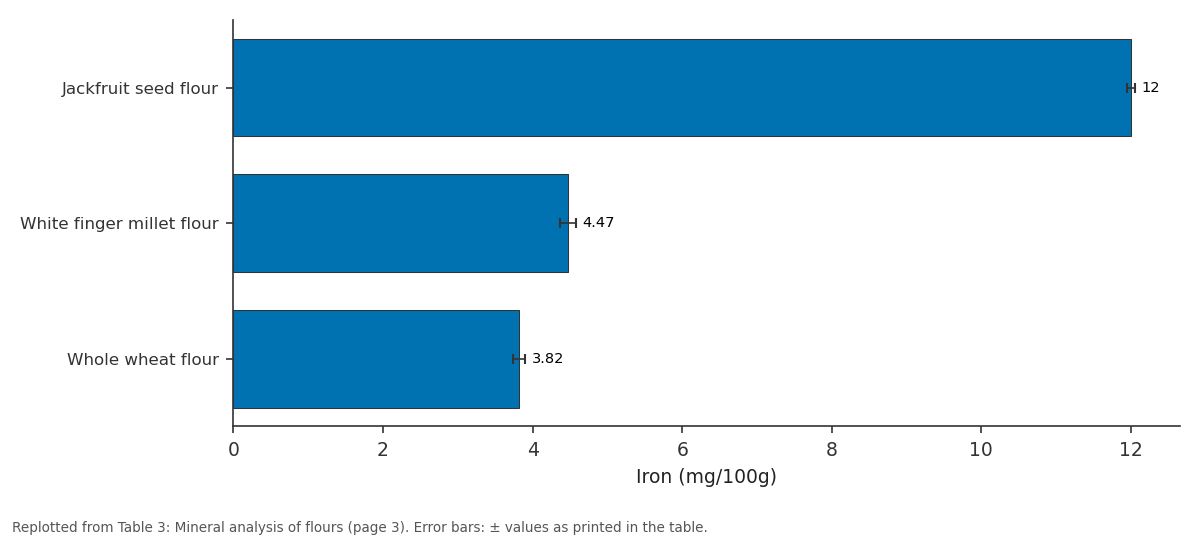
Iron (mg/100g): Jackfruit seed flour vs White finger millet... vs Whole wheat flour
Replotted from Table 3 (page 3) of the original paper. Every bar is the paper's own table value.
View source evidence ↗Figures & tables
From the original paper Table 1
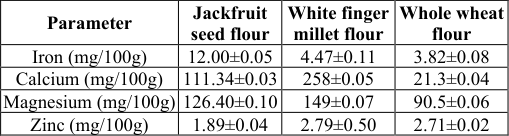 Table 3
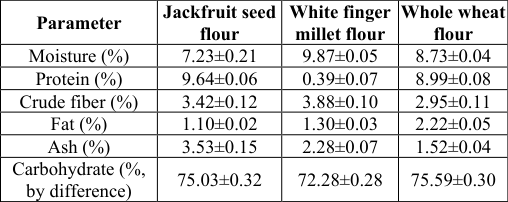 Table 2
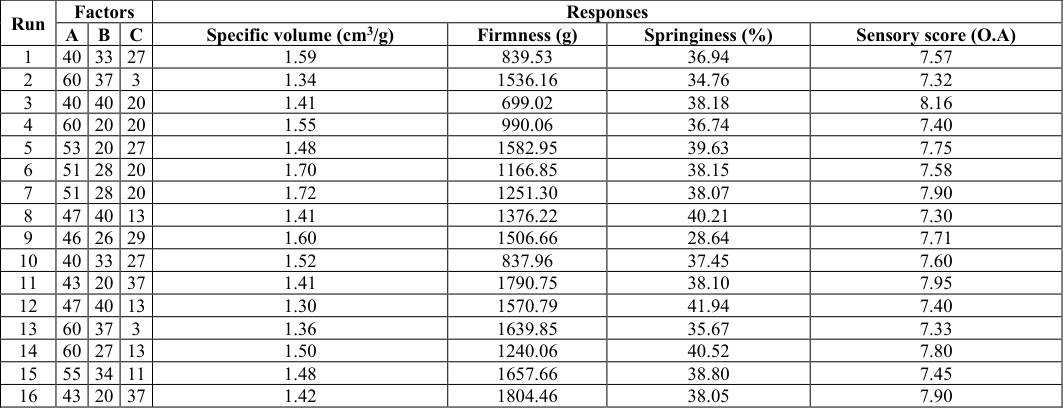 Table 4
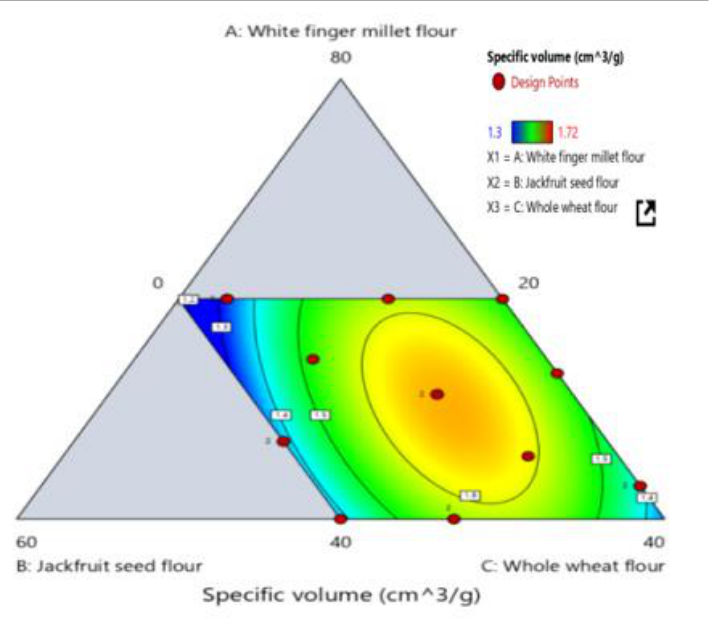 Figure 1
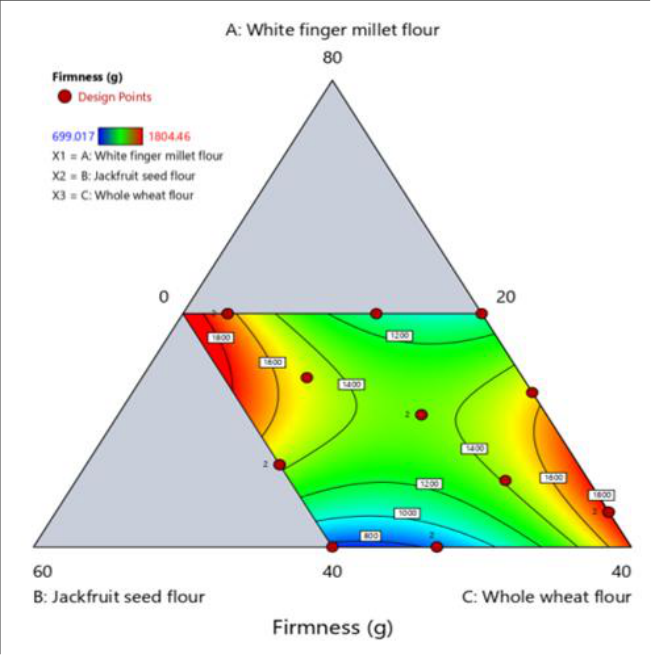 Figure 2
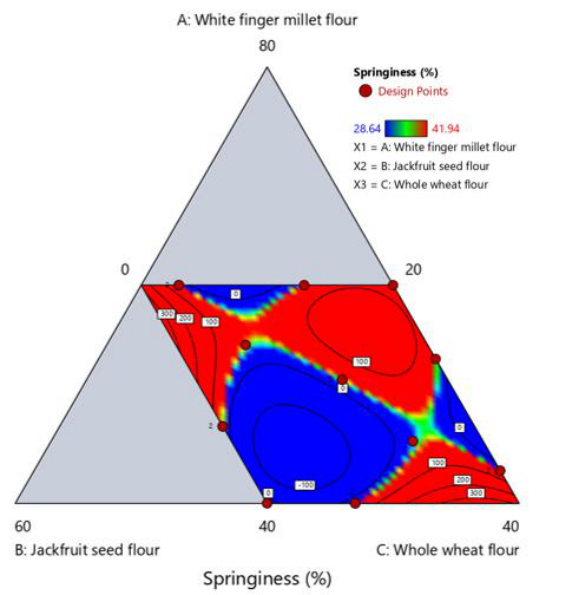 Figure 3
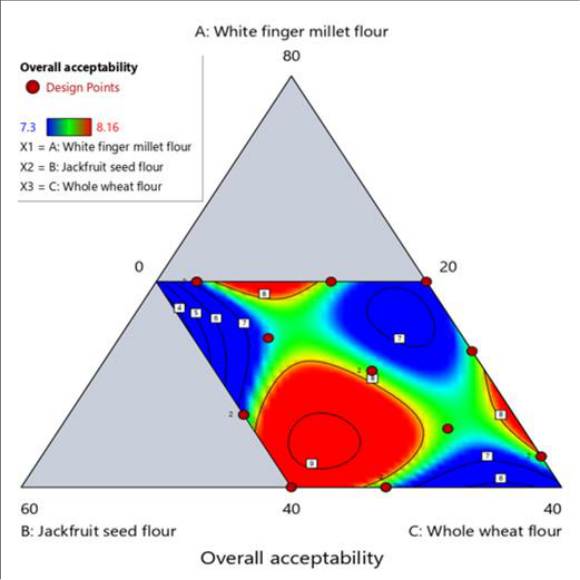 Figure 4
 Table 5
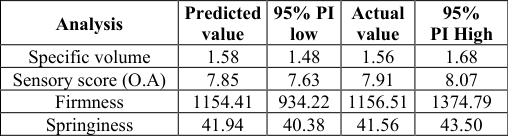 Table 6
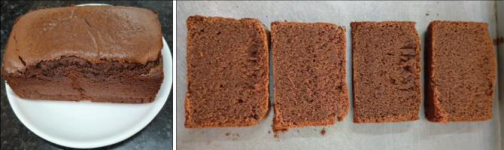 Figure 5
Introduction
The bakery industry represents a significant share of the food industries globally. India ranks as the world's second-largest producer after the United States [24] . In 2024, the Indian bakery industry has reached a value of USD 13.8 billion. This is projected to reach USD 31.5 billion by 2033, with a CAGR of 9.12% [6] . Cakes were once reserved as a luxury item that was meant for special occasions. Now it has become a common household good [43] . Cakes typically contain high levels of sugar, fat and calories while being low in dietary fiber. Consequently, excessive consumption of cakes may result in obesity and various health issues. In recent times, there has been a growing consumer demand for bakery products that offer health benefits alongside appealing sensory qualities. Researchers have shown interest in bakery products due to their potential as functional foods. This interest stems from the possibility of substituting wheat flour with alternative ingredients or utilizing composite flours [23] . Jackfruit (Artocarpus heterophyllus Lam.) is an underutilized fruit crop indigenous to India. The seeds of jackfruit, which constitute 10-15% of the fruit weight, are rich in starch, dietary fiber, and bioactive compounds with potential health benefits [11] . Due to their perishable nature, jackfruit seeds are often discarded; however, they can be processed into flour and utilized in bakery products as a value-added ingredient [16] . Finger millet (Eleusine coracana), a nutrient-dense cereal crop, is recognized for its high calcium, iron, and dietary fiber content and its potential role in addressing nutritional deficiencies [26] . Whole wheat flour (Triticum aestivum L.) is widely used in bakery products and contributes essential nutrients as well as functional properties such as gluten formation, which is important for product structure and texture [29] . The incorporation of these flours in composite formulations offers potential for improving the nutritional profile of bakery products while maintaining desirable quality attributes. Therefore, the present study was undertaken to develop and optimize chocolate cake using jackfruit seed flour, white finger millet flour, and whole wheat flour.
Materials and methods
Materials and methods
Materials
The raw materials used for the production of the chocolate cake and cake rusk were jackfruit seed flour, white finger millet flour, whole wheat flour, fat spread, xanthan gum powder, cocoa powder, curd, cake gel, powdered sugar, skim milk powder, whey protein concentrate, baking powder, baking soda and vinegar. The raw materials required for the study were procured from local markets and online commercial sources. White finger millet variety (GN-5) were procured from Aranya Agriforest Producer Company Limited (AAFPCL), Gandhinagar.
Methods
Methods
Water absorption capacity and Oil absorption capacity of flours
One gram of the sample was weighed and mixed with 10 mL of water/ vegetable oil in a centrifuge tube. The mixture was allowed to stand undisturbed at room temperature for 30 minutes, followed by centrifugation at 2000 rpm for 30 minutes. After decanting the supernatant, the tubes containing the sediment were weighed. Water and oil absorption capacity were calculated based on the increase in sample weight and expressed as grams of water/oil absorbed per gram of dry sample [30] .
Proximate composition of flours
Estimation of the proximate compositions of the flour samples in this study followed the AOAC method [9] . Moisture was determined by weighing loss through moisture evaporation. Proteins were determined using the Kjeldahl method, and fats were estimated using a Soxhlet apparatus. Crude fiber content of the samples was determined using a Fibra-Plus instrument Ash content was estimated by incinerating (in a pre weighed porcelain dish) each sample in a muffle furnace at 550 °C for 4-5 hours. Carbohydrate content was estimated using difference method.
Mineral analysis
The flour samples were subjected to digestion according to the method described by [20] with slight modifications. The resulting digested samples were analyzed for mineral content using the ICP-OES system at the Micronutrient Research Centre, Anand Agricultural University, Anand.
Optimization of flour levels for the production of chocolate cake
The levels of white finger millet flour, jackfruit seed flour and whole wheat flour was optimized for the development of chocolate cake. The optimization was done using Mixture RSM. The independent parameters were • White finger millet flour: 40-60% • Jackfruit seed flour: 20-40%
• Whole wheat flour: 0-40% The dependent parameters were:
• Specific volume (cm 3 /g) • Sensory score (Overall acceptability) • Textural properties -Firmness (g) and Springiness (%)
The optimized chocolate cake was prepared following [25] , with slight modifications to accommodate the optimized flour formulation and ensure proper batter consistency and structural stability. First, the flour base, cocoa powder, baking soda, baking powder, and skim milk powder were mixed together and sieved twice. In another bowl, cake gel, curd, xanthan gum powder, and whey protein concentrate were combined and beaten into a uniform mixture. The sieved dry ingredients were then gradually added to the wet mixture while mixing continuously. Next, fat spread was incorporated and mixed well. Water was added, and the mixture was beaten further. Finally, vinegar was added, the batter was poured into a greased pan, and the pan was baked at 165℃ for 60 minutes.
Specific volume
Specific volume of the cake was determined using the rapeseed displacement method [1] . Specific volume (cm³/g) was calculated by dividing the measured volume by the weight of the sample.
6 Textural properties
Textural properties were measured by using a TA-HDi plus texture analyzer (Stable Micro Systems), and data were processed by Exponent Connect software. The test was done according to the methodology described by [5] with slight modifications. From the center portion of cakes, slices were made into 4x4x1.5 cm dimensions. A stainless steel cylinder probe (75 mm, p/75) mounted on the texture analyzer with 5 kg load cell and heavy-duty platform (HDP/90) was used. Pre-test speed and test speed were 1.00 mm/sec, whereas post test speed were 10.00 mm/sec with a strain of 25%.
Sensory score:
Sensory evaluation of the cake was conducted based on colour and appearance, flavour, taste, body and texture, and overall acceptability. The evaluation was carried out by 10 semi-trained panelists from the College of Food Processing Technology and Bioenergy and the Polytechnic in Food Science and Home Economics. The samples were evaluated using a 9-point hedonic scale.
Results and Discussion
Results and Discussion
Water absorption capacity and oil absorption capacity of flours
The following table illustrates the water absorption and oil absorption capacities of jackfruit seed flour, white finger millet flour and whole wheat flour respectively. The water absorption capacity (WAC) and oil absorption capacity (OAC) of jackfruit seed flour were found to be 1.25±0.02 g/g and 1.89±0.04 g/g, respectively. These values were slightly lower than those reported by [21] who observed WAC in the range of 1.79-2.08 g/g and OAC in the range of 1.91-2.04 g/g. The variation may be attributed to differences in variety and processing methods of the jackfruit seeds. Water absorption capacity is an important functional property influencing batter consistency, while oil absorption capacity contributes to flavour retention and mouthfeel in baked products [17] . The relatively high WAC and OAC values observed indicate the suitability of jackfruit seed flour for bakery applications. The WAC and OAC of white finger millet flour were 0.98±0.50 g/g and 0.92±0.12 g/g, respectively, which are in close agreement with the values reported by [30] . Similarly, the WAC (0.86±0.01 g/g) and OAC (0.94±0.03 g/g) of whole wheat flour were consistent with the findings of [15] indicating comparable functional properties.
Proximate composition of flours
The following table illustrates the proximate composition of jackfruit seed flour, white finger millet flour and whole wheat flour respectively. The proximate composition of jackfruit seed flour revealed a moisture content of 7.23±0.21%, which is comparable to values reported by [31] and [33] (6.05%). The protein content (9.64±0.06%) was similar to the 9% reported by [10] , with variations attributed to differences in variety, maturity, and environmental conditions [3] . Crude fiber (3.42±0.12%) was close to the value reported by [7] (3.92%). Fat content (1.10±0.02%) was identical to that reported by [10] . Ash content (3.53±0.15%) fell within the range of 3.19-3.70% reported by [13] , indicating good mineral presence. Carbohydrate content (75.03±0.32%) was also comparable to 73.8% reported by [40] . White finger millet flour showed moisture, protein, crude fiber, fat, ash, and carbohydrate contents of 9.87±0.05%, 10.39±0.07%, 3.88±0.10%, 1.30±0.03%, 2.28±0.07%, and 72.28±0.28%, respectively. These values were largely consistent with the ranges reported by [39] , with minor variations likely due to varietal and agro-climatic differences.
Whole wheat flour exhibited moisture (8.73±0.04%), protein (8.99±0.08%), crude fiber (2.95±0.11%), fat (2.22±0.05%), ash (1.52±0.04%), and carbohydrate (75.59±0.30%). These values fall within the ranges reported by [27] , indicating comparable compositional characteristics. Jackfruit seed flour exhibited iron (12.00±0.05 mg/100 g), calcium (111.34±0.03 mg/100 g), magnesium (126.40±0.10 mg/100 g), and zinc (1.89±0.04 mg/100 g), while white finger millet flour showed higher calcium content (258±0.05 mg/100 g) along with iron (4.47±0.11 mg/100 g), magnesium (149±0.07 mg/100 g), and zinc (2.79±0.50 mg/100 g). Whole wheat flour contained comparatively lower mineral values, with iron (3.82±0.08 mg/100 g), calcium (21.3±0.04 mg/100 g), magnesium (90.5±0.06 mg/100 g), and zinc (2.71±0.02 mg/100 g). The observed values were generally comparable with those reported in earlier studies [7,2,32,41,42,38,39,34] . Minor variations may be attributed to differences in geographical origin, soil composition, and processing conditions.
Mineral analysis
Mineral analysis
Optimization of flour levels for the development of chocolate cake
The following table 4 illustrates the design given by mixture RSM using Design Expert software (v.13.0.5.0) where A: White finger millet flour (%), B: Jackfruit seed flour (%) and C: Whole wheat flour (%) The specific volume of chocolate cakes ranged from 1.30 to 1.72 cm³/g. The highest specific volume (1.72 cm³/g) was observed in run 7 (51% white finger millet flour, 28% jackfruit seed flour, and 20% whole wheat flour), while the lowest value (1.30 cm³/g) was recorded in run 12 (47% white finger millet flour, 40% jackfruit seed flour, and 20% whole wheat flour) (Table 4). Lower specific volume values (blue region) were associated with higher proportions of jackfruit seed flour and lower levels of whole wheat flour. This may be attributed to the reduction in gluten content, leading to decreased structural integrity and gas retention during baking. Similar observations were reported by previous studies [4,18] . In contrast, increasing the proportion of whole wheat flour (green region) resulted in improved specific volume, likely due to the presence of gluten, which enhances the viscoelastic network and gas retention capacity [35] . The red region represents the optimum formulation zone, where a balanced combination of the three flours produced the highest specific volume. This indicates a synergistic effect, in which whole wheat flour contributes to gluten network formation, while jackfruit seed flour and white finger millet flour provide a complementary starch-protein matrix that supports structural stability.
| Run | Factors | — | — | Responses | — | — | — |
|---|---|---|---|---|---|---|---|
| A | B | C | Specific volume (cm3/g) | Firmness (g) | Springiness (%) | Sensory score (O.A) | |
| 1 | 40 | 33 | 27 | 1.59 | 839.53 | 36.94 | 7.57 |
| 2 | 60 | 37 | 3 | 1.34 | 1536.16 | 34.76 | 7.32 |
| 3 | 40 | 40 | 20 | 1.41 | 699.02 | 38.18 | 8.16 |
| 4 | 60 | 20 | 20 | 1.55 | 990.06 | 36.74 | 7.40 |
| 5 | 53 | 20 | 27 | 1.48 | 1582.95 | 39.63 | 7.75 |
| 6 | 51 | 28 | 20 | 1.70 | 1166.85 | 38.15 | 7.58 |
| 7 | 51 | 28 | 20 | 1.72 | 1251.30 | 38.07 | 7.90 |
| 8 | 47 | 40 | 13 | 1.41 | 1376.22 | 40.21 | 7.30 |
| 9 | 46 | 26 | 29 | 1.60 | 1506.66 | 28.64 | 7.71 |
| 10 | 40 | 33 | 27 | 1.52 | 837.96 | 37.45 | 7.60 |
| 11 | 43 | 20 | 37 | 1.41 | 1790.75 | 38.10 | 7.95 |
| 12 | 47 | 40 | 13 | 1.30 | 1570.79 | 41.94 | 7.40 |
| 13 | 60 | 37 | 3 | 1.36 | 1639.85 | 35.67 | 7.33 |
| 14 | 60 | 27 | 13 | 1.50 | 1240.06 | 40.52 | 7.80 |
| 15 | 55 | 34 | 11 | 1.48 | 1657.66 | 38.80 | 7.45 |
| 16 | 43 | 20 | 37 | 1.42 | 1804.46 | 38.05 | 7.90 |
Table text extracted from the original PDF; superscript letters are shown inline. The original table image is below.
View original table image
Effect of flour levels on the firmness of chocolate cake
Firmness is the maximum force required to compress the cake during the first compression cycle in texture profile analysis. It represents the resistance of the cake to deformation and is an indicator of its textural hardness. The firmness of chocolate cake varied from 699.02 -1804.46 g. The maximum value of firmness (1804.46 g) was obtained for run 16, where white finger millet flour is 43%, jackfruit seed flour is 20% and whole wheat flour is 37%. The minimum value of firmness (699.02 g) was obtained for run 3, where white finger millet flour is 40%, jackfruit seed flour is 40% and whole wheat flour is 20% (Table 4). However, previous studies have reported that increasing levels of finger millet flour can contribute to increased hardness in baked products [36] . The green to yellow regions indicate intermediate firmness, where all three flours are present in moderate and balanced proportions.
High firmness values are represented by the red regions. The lower left region indicates increased firmness at higher levels of jackfruit seed flour combined with lower levels of white finger millet and whole wheat flour. Similarly, the lower right region shows high firmness when whole wheat flour content is high, with moderate to high levels of white finger millet flour and minimal jackfruit seed flour. The increase in firmness can be attributed to the higher dietary fibre content of whole wheat flour, as well as the combined effect of fibre and protein in jackfruit seed flour. During baking, protein coagulation and fibre interactions contribute to the formation of a denser structure, resulting in increased hardness. Similar trends have been reported in earlier studies [4,12] .
Effect of flour levels on the springiness of chocolate cake
Springiness is defined as the ability of a product to recover its original structure following deformation during the initial compression [19] . It is an important quality attribute of cakes, because higher springiness is associated with a soft, spongy texture and greater consumer acceptability, whereas lower springiness indicates a dense and less desirable structure. The springiness of chocolate cake ranged from 28.64 to 41.94%. The highest springiness (41.94%) was observed in run 12 (47% white finger millet flour, 40% jackfruit seed flour, and 13% whole wheat flour), while the lowest value (28.64%) was recorded in run 9 (46% white finger millet flour, 26% jackfruit seed flour, and 29% whole wheat flour) (Table 4). , where incorporation of jackfruit seed flour at moderate levels maintained acceptable springiness [37] , and partial substitution with whole wheat flour preserved desirable textural characteristics in cakes [14] .
) was obtained for run 3, where white finger millet flour is 40%, jackfruit seed flour is 40% and whole wheat flour is 20%. The minimum value of O.A (7.30) was obtained for run 8, where white finger millet flour is 60%, jackfruit seed flour is 37% and whole wheat flour is 3% as from (Table 4). Intermediate sensory scores (green-yellow regions) were obtained when white finger millet flour was present at low to moderate levels, with jackfruit seed flour and whole wheat flour maintained at intermediate proportions.
Higher sensory scores (red regions) were achieved with formulations containing moderate levels of jackfruit seed flour, intermediate to high levels of whole wheat flour, and lower levels of white finger millet flour. This indicates that a balanced incorporation of flours is essential for achieving desirable sensory characteristics. These findings are consistent with previous studies. It has been reported that moderate substitution of jackfruit seed flour (around 10-30%) yields acceptable sensory scores, while higher levels may negatively impact colour, flavour, and texture due to bitterness and grittiness [23,8,22] . Similarly, increased incorporation of finger millet flour has been associated with reduced sensory quality in baked products, although acceptable quality can be maintained up to certain levels with appropriate formulation adjustments [36] . The preference for intermediate to higher levels of whole wheat flour is also supported by earlier findings, where formulations containing higher proportions of whole wheat flour exhibited improved overall acceptability [28] .
Optimized solution for chocolate cake as suggested by RSM
The optimum formulation recommended by Mixture RSM is given in the table 5. The optimum formulation suggested by RSM are 59% white finger millet flour, 28% jackfruit seed flour and 12% whole wheat flour and the responses were 1.53 cm 3 /g for specific volume, 1154.41 g for firmness, 41.94% for springiness and 7.85 for sensory score (O.A).
| Optimized Factors | — | — | Optimized responses | — | — | — | Desirability of the model |
|---|---|---|---|---|---|---|---|
| A (%) | B (%) | C (%) | S. V. (cm3/g) | Firmness (g) | Springiness (%) | O.A. | 0.720 |
| 59 | 28 | 12 | 1.58 | 1154.41 | 41.94 | 7.85 |
Table text extracted from the original PDF; superscript letters are shown inline. The original table image is below.
View original table image
Validation of the optimized RSM Model for chocolate cake
Triplicates of optimized formulations were conducted and responses were measured for validation. Table 6 shows the validation of responses for the chocolate cake. From the table, we can infer that the actual values of responses closely align with the predicted values. This indicates that the model is well fitted and accurate.
| Analysis | Predicted value | 95% PI low | Actual value | 95% PI High |
|---|---|---|---|---|
| Specific volume | 1.58 | 1.48 | 1.56 | 1.68 |
| Sensory score (O.A) | 7.85 | 7.63 | 7.91 | 8.07 |
| Firmness | 1154.41 | 934.22 | 1156.51 | 1374.79 |
| Springiness | 41.94 | 40.38 | 41.56 | 43.50 |
Table text extracted from the original PDF; superscript letters are shown inline. The original table image is below.
View original table image
Conclusion
The present study successfully demonstrated the development and optimization of a chocolate cake using composite flours of jackfruit seed, white finger millet, and whole wheat through Mixture Response Surface Methodology. The incorporation of these flours showed promising functional properties, with jackfruit seed flour contributing to improved water and oil absorption capacities, while finger millet enhanced the nutritional potential due to its mineral-rich composition.
The optimized formulation (59% white finger millet flour, 28% jackfruit seed flour, and 12% whole wheat flour) resulted in a product with desirable sensory attributes, acceptable texture, and good overall quality. The findings indicate that the use of composite flours can be an effective approach for developing value-added bakery products while utilizing underutilized ingredients such as jackfruit seed flour.
Further studies may focus on evaluating the nutritional composition and storage stability of the developed product to strengthen its application in functional food development.
Figures and tables from the paper
| Parameter | Jackfruit seed flour | White finger millet flour | Whole wheat flour |
|---|---|---|---|
| Water absorption capacity (g/g) | 1.25±0.02 | 0.98±0.50 | 0.86±0.01 |
| Oil absorption capacity (g/g) | 1.89±0.04 | 0.92±0.12 | 0.94±0.03 |
Table text extracted from the original PDF; superscript letters are shown inline. The original table image is below.
View original table image
| Parameter | Jackfruit seed flour | White finger millet flour | Whole wheat flour |
|---|---|---|---|
| Iron (mg/100g) | 12.00±0.05 | 4.47±0.11 | 3.82±0.08 |
| Calcium (mg/100g) | 111.34±0.03 | 258±0.05 | 21.3±0.04 |
| Magnesium (mg/100g) | 126.40±0.10 | 149±0.07 | 90.5±0.06 |
| Zinc (mg/100g) | 1.89±0.04 | 2.79±0.50 | 2.71±0.02 |
Table text extracted from the original PDF; superscript letters are shown inline. The original table image is below.
View original table image
| Parameter | Jackfruit seed flour | White finger millet flour | Whole wheat flour |
|---|---|---|---|
| Moisture (%) | 7.23±0.21 | 9.87±0.05 | 8.73±0.04 |
| Protein (%) | 9.64±0.06 | 0.39±0.07 | 8.99±0.08 |
| Crude fiber (%) | 3.42±0.12 | 3.88±0.10 | 2.95±0.11 |
| Fat (%) | 1.10±0.02 | 1.30±0.03 | 2.22±0.05 |
| Ash (%) | 3.53±0.15 | 2.28±0.07 | 1.52±0.04 |
| Carbohydrate (%, by difference) | 75.03±0.32 | 72.28±0.28 | 75.59±0.30 |
Table text extracted from the original PDF; superscript letters are shown inline. The original table image is below.
View original table image
References
43 in the original paper- AACC International. Approved methods of analysis. Method 10-05.01: Guidelines for measurement of volume by rapeseed displacement. 11th ed. St. Paul: AACC International Press; 1999.
- Abedin MS, Nuruddin MM, Ahmed KU, Hossain A. Nutritive compositions of locally available jackfruit seeds (Artocarpus heterophyllus) in Bangladesh. Int J Biosci. 2012;2(8):1-7.
- Abraham A, Jayamuthunagai J. An analytical study on jackfruit seed flour and its incorporation in pasta. Res J Pharm Biol Chem Sci. 2014;5(2):1597-1610.
- Akter B, Haque M, Ahiduzzaman M, Haque M, Ali M. Formulation of Jackfruit seed protein enriched cake. Annals of Bangladesh Agriculture. 2021;24(1):17-39.
- Alamri MS, Mohamed AA, Hussain S, Ibraheem MA, Qasem AAA, Shamlan G, et al. Functionality of cordia and ziziphus gums with respect to dough properties and baking performance of stored pan bread and sponge cakes. Foods. 2022;11(3):460.
- Alba-Martinez J, Bononad-Olmo A, Igual M, Cunha LM, Martinez-Monzo J, Garcia-Segovia P. Role of visual assessment of high-quality cakes in emotional response of consumers. Foods. 2022;11(10):1412.
- Amadi JAC, Ihemeje A, Afam-Anene OC. Nutrient and phytochemical composition of jackfruit (Artocarpus heterophyllus) pulp, seeds and leaves. Int J Innov Food Nutr Sustain Agric. 2018;6(3):27-32.
- Anudhar PG, Paul IM, Veena BM. Utilization of jackfruit seed flour in value addition of bakery products to enhance nutritional composition. Int J Home Sci. 2024;10(2):41-44.
- AOAC International. Official methods of analysis of AOAC International. 22nd ed. Rockville: AOAC International; 2023.
- Arpit S, John D. Effects of different levels of jackfruit seed flour on the quality characteristics of chocolate cake. Res J Agric For Sci. 2015;3(11):1-4.
- Aswin GA, Bhasin A, Mazumdar A. Utilization of jackfruit byproducts and application in food industry. Pharma Innov J. 2022;11(7):2993-2999.
- Aydogdu A, Sumnu G, Sahin S. Effects of addition of different fibers on rheological characteristics of cake batter and quality of cakes. J Food Sci Technol. 2018;55(2):667-677.
- Azeez SO, Lasekan O, Jinap S, Sulaiman R. Physicochemical properties, amino acid profile and antinutritional factors in seeds of three Malaysian grown jackfruit cultivars. J Food Agric Environ. 2015;13(2):58-62.
- Bae IY, Lee HI, Ko A, Lee HG. Substituting whole grain flour for wheat flour: Impact on cake quality and glycemic index. Food Sci Biotechnol. 2013;22(5):1-7.
- Bhat V, Mutha A, Dsouza MR. Pharmacognostic and physiochemical studies of Artocarpus heterophyllus seeds. Int J ChemTech Res. 2017;10(9):525-536.
- Brahma R, Ray S. Finding out various potentials and possibilities of jackfruit seed and its usage in the industry: A review. Food Prod Process Nutr. 2023;5(1):55.
- Eke-Ejiofor J, Beleya EA, Onyenorah NI. The effect of processing methods on the functional and compositional properties of jackfruit seed flour. Int J Nutr Food Sci. 2014;3(3):166-173.
- Faridah S, Aziah AA. Development of reduced calorie chocolate cake with jackfruit seed (Artocarpus heterophyllus Lam.) flour and polydextrose using response surface methodology (RSM). Int Food Res J. 2012;19(2):515-519.
- Guine RP. Textural properties of bakery products: A review of instrumental and sensory evaluation studies. Appl Sci. 2022;12(17):8628.
- Gull A, Prasad K, Kumar P. Evaluation of functional, antinutritional, pasting and microstructural properties of millet flours. J Food Meas Charact. 2016;10(1):96-102.
- Gunarathna RWMM, Samarakoon ERJ, Janith RML. Evaluation of functional characteristics of jackfruit seed flour and its application in developing a nutrient-dense snack. SLIIT J Humanit Sci. 2024;5(1).
- Habibah NU, Albaar N, Rasulu H. The effect of substitution of seed flour of jackfruit (Artocarpus heterophyllus Lam.) on the physicochemical and organoleptic characteristics of macrons. Int J Food Agric Nat Resour. 2021;2(1):19-24.
- Jahan MN, Haque MM, Ahmad M, Yeasmin N, al Masum MA, Faruque MR. Development and quality evaluation of low calorie cake and biscuit prepared with jackfruit seed flour. Bangladesh J Vet Anim Sci. 2022;10(1).
- Jerome RE, Singh SK, Dwivedi M. Process analytical technology for bakery industry: A review. J Food Process Eng. 2019;42(5):e13143.
- Kamaliya KB, Kamaliya MK. Baking science and industries. Vol. 2. Anand: Shree Ganesh Offset; 2001.
- Kumari B, Yadav GP, Sit N. Effect of dry heat and heat moisture treatments on physicochemical and functional properties of finger millet flour and effect of their substitution on characteristics of prepared bread. J Food Meas Charact. 2024;18(8):7132-7144.
- Kundu M, Khatkar BS, Gulia N, Kumar R. Functional characterization of whole wheat flours for chapatti quality and acceptability. J Food Sci Technol. 2019;56(4):2296-2304.
- Lenka C, Kumari T, Pradhan T, Biswal AK, Misra PK. Qualitative analysis of low calorie cake formulated with whole wheat flour and its cost-effectiveness. Int J Food Nutr Sci. 2020;9(4):44.
- Meenu M, Kaur S, Yadav M, Sharma A, Tiwari V, Ali U, et al. Impact of inherent chemical composition of wheat and various processing technologies on whole wheat flour and its final products. Cereal Res Commun. 2024;53(1):409-424.
- Navyashree N, Sengar AS, Sunil CK, Venkatachalapathy N. White finger millet (KMR-340): A comparative study to determine the effect of processing and their characterisation. Food Chem. 2022;374:131665.
- Ocloo FCK, Bansa D, Boatin R, Adom T, Agbemavor WS. Physico-chemical, functional and pasting characteristics of flour produced from jackfruit (Artocarpus heterophyllus) seeds. Agric Biol J N Am. 2010;1(5):903-908.
- Ojwang R, Muge E, Mbatia B, Mwanza B, Ogoyi D. Compositional, elemental, phytochemical and antioxidant characterization of jackfruit (Artocarpus heterophyllus) pulps and seeds from selected regions in Kenya and Uganda. Eur J Med Plants. 2018;23(3):1-12.
- Palamthodi S, Shimpi S, Tungare K. A study on nutritional composition and functional properties of wheat, ragi and jackfruit seed composite flour. Food Sci Appl Biotechnol. 2021;4(1):63-75.
- Pande S, Sakhare SD, Bhosale MG, Haware DJ, Inamdar AA. Atta (whole wheat flour) with multiwholegrains: flour characterization, nutritional profiling and evaluation of chapati making quality. J Food Sci Technol. 2017;54(11):3451-3458.
- Paraskevopoulou A, Donsouzi S, Nikiforidis CV, Kiosseoglou V. Quality characteristics of egg-reduced pound cakes following WPI and emulsifier incorporation. Food Res Int. 2015;69:72-79.
- Rajiv J, Soumya C, Indrani D, Venkateswara Rao G. Effect of replacement of wheat flour with finger millet flour (Eleusine coracana) on the batter microscopy, rheology and quality characteristics of muffins. J Texture Stud. 2011;42(6):478-489.
- Rakesh S, Sridevi M. A functional cake fortified with jackfruit seed powder for enhanced nutrition and quality. Int J Res Appl Sci Eng Technol. 2025;13(10).
- Rao DS, Deosthale YG. Mineral composition, ionisable iron and soluble zinc in malted grains of pearl millet and ragi. Food Chem. 1983;11(3):217-223.
- Ravishankar CR. A new revolution in finger millet breeding-white grained variety KMR-340. Int J Agric Sci. 2019;11(7):8264-8267.
- Rodriguez IS, Alcantara Quintana LE, Algara Suarez P, Ruiz Cabrera MA, Grajales Lagunes A. Physicochemical properties, antioxidant capacity, prebiotic activity and anticancer potential in human cells of jackfruit (Artocarpus heterophyllus) seed flour. Molecules. 2021;26(16):4854.
- Singh H, Sharma R, Gupta A, Joshi S, Dar BN, Singh B, et al. Characterization of jackfruit seed enriched pasta: product-functionality profile, secondary protein structures, bioactive composition and molecular morphology. Qual Assur Saf Crops Foods. 2023;15(2):11-19.
- Sultana A, Amin MN, Miah MY, Sarker AK, Rasel MMA, Aziz MT, et al. Determination of proximate composition and amino acid profile of jackfruit seed and utilization of its seed flour for development of protein enriched supplementary food. Cell Biol. 2017;5(6):57-65.
- Tigner AL. Cake: An early modern chronicle of trade, technology, and exchange. In: In the kitchen, 15501800: Reading English cooking at home and abroad. Amsterdam: Amsterdam University Press; 2022. p. 109-129.