
Research article · 2025 · Full text
International Journal of Horticulture and Food ScienceCharacterizing nutritional profiling of vanilla in the Chilean Atacama
Volume 7(1) · Pages 213–216 · DOI: 10.33545/26631067.2025.v7.i1d.554 ↗
Research areasFood and Agricultural SciencesBiochemical and biochemical processesPhytochemicals and Antioxidant Activities
Abstract
Author-writtenIn a landscape where annual rainfall barely reaches 15 mm, growing anything seems improbable yet vanilla cultivation under protected structures in the Chilean Atacama offers a test case for extreme-environment agriculture. This research characterized the nutritional and phytochemical profile of cured vanilla beans (Vanilla planifolia) produced in shade-house facilities near Arica, northern Chile, and compared them with profiles from conventional tropical origins. Proximate composition, mineral content, vanillin concentration, and antioxidant activity were measured across three harvest batches collected between March and August 2023. Atacama-grown beans contained 2.78% vanillin on a dry weight basis, which was 11% higher than the mean for Tahitian imports but 9% lower than premium Bourbon vanilla. Moisture sat at 24.8%, within the curing quality range. Carbohydrate content was 38.7% and fiber was 21.3%, both consistent with tropical benchmarks. Potassium was the dominant mineral at 1,247 mg/100g DW, and iron reached 14.3 mg/100g, above values reported for Mexican and Ugandan beans. DPPH antioxidant scavenging correlated strongly with vanillin content (r = 0.94, p<0.01). These data indicate that Atacama vanilla, produced with minimal water under arid conditions, can approach the compositional quality of traditional tropical vanilla.
Summary
Source-checkedPlain-language reading of the full paper, prepared with AI and checked against the text. Each point links to the authors' own words.
Why it matters
- Vanilla is one of the world's most expensive spices, with cured beans valued between $400 and $600 per kilogram. View evidence ↗
- Beyond flavor, cured vanilla beans contain phenolic acids like vanillin and glucovanillin, which provide antioxidant and anti-inflammatory benefits. View evidence ↗
- The Atacama Desert provides a unique growing environment characterized by extreme aridity, over 3,000 hours of annual sunshine, and very low disease pressure. View evidence ↗
The question
- The study aimed to create the first comprehensive nutritional profile for vanilla grown in the Atacama and compare it to traditional tropical origins. View evidence ↗
- The researchers sought to determine if vanilla grown in a desert environment could meet the quality standards used by commercial buyers. View evidence ↗
What they did
- The study used Vanilla planifolia (clone VP-Mex3) grown in a 0.4-hectare shade-house facility near Arica, Chile. View evidence ↗
- A total of 180 beans (2.4 kg) were collected across three harvest periods in March, May, and August 2023. View evidence ↗
- The researchers used AOAC methods for proximate composition, ICP-OES for mineral quantification, HPLC for vanillin analysis, and a DPPH assay for antioxidant capacity. View evidence ↗
What they found
- The proximate composition of Atacama vanilla was consistent with tropical vanilla, though moisture (24.8%) was at the lower end of the typical range. View evidence ↗
- The mean vanillin content was 2.78%, which is higher than Tahitian averages (2.4-2.6%) but lower than premium Bourbon vanilla (3.0-3.5%). View evidence ↗
- Vanillin content showed a slight increase from the March harvest (2.61% DW) to the August harvest (2.91% DW), but this difference was not statistically significant. View evidence ↗
- There was a strong positive correlation (r = 0.94, p < 0.01) between vanillin content and DPPH antioxidant scavenging activity. View evidence ↗
What it means
- The authors conclude that protected cultivation in extreme arid environments can produce high-quality spice crops using significantly less water than traditional methods. View evidence ↗
- The authors suggest that the lower moisture content (24.8%) resulting from arid-climate curing may provide better shelf-stability. View evidence ↗
- The study was limited by the use of only one vanilla clone (VP-Mex3) and a single production facility. View evidence ↗
- The authors state that GC-MS profiling of the full volatile fingerprint is necessary to conduct a proper sensory comparison with top-grade Bourbon or Mexican vanilla. View evidence ↗
Visual summary
1 visualsIllustrations explain the paper; they do not show study data.
Vanillin Content Comparison
AI-generated conceptual illustration (Vanilla planifolia pods). It explains the idea and does not show study data.
View source evidence ↗Figures & tables
From the original paper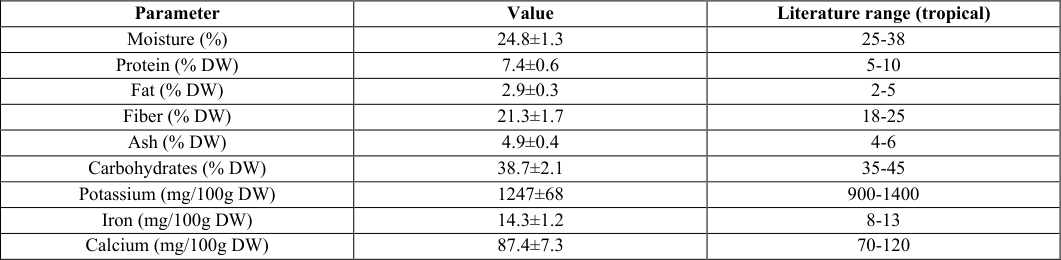 Table 1
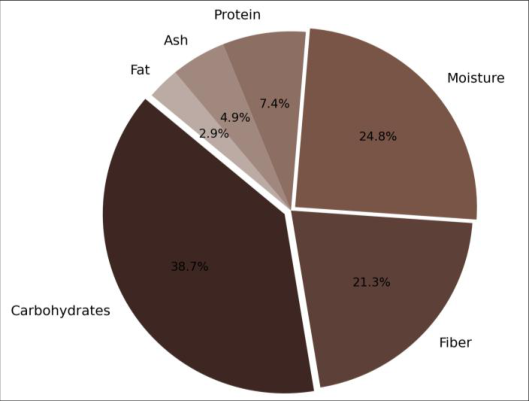 Figure 1
 Table 2
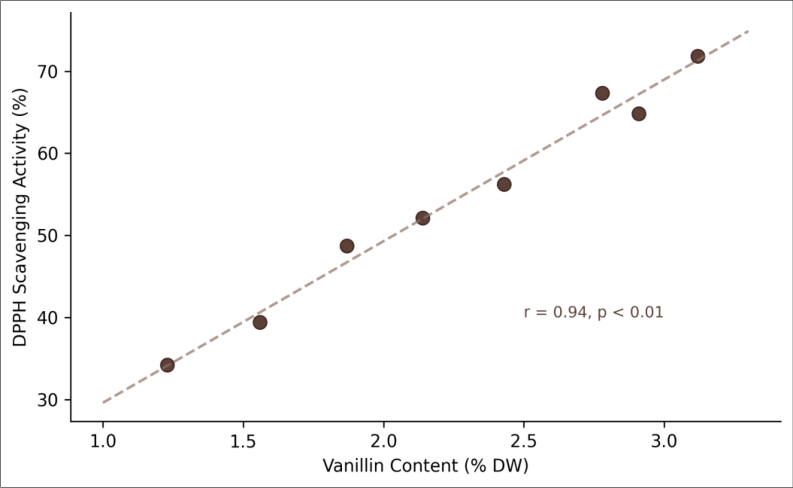 Figure 2
Introduction
Here's a contrast worth thinking about: vanilla, a tropical orchid that thrives in humid forests with 2,000+ mm rainfall, being cultivated in the driest non-polar desert on Earth. The Atacama Desert in northern Chile receives so little rain that some weather stations have recorded zero precipitation over entire decades [1] . But shade-house systems with controlled drip irrigation have made it possible to grow high-value crops in this barren landscape, and vanilla is among the most expensive spices globally, fetching $400-600 per kilogram for cured beans [2,3] . Nutritionally, vanilla is more than a flavor carrier. Cured beans contain phenolic acids, particularly vanillin and its precursor glucovanillin, along with smaller amounts of vanillic acid, p-hydroxybenzaldehyde, and p-hydroxybenzoic acid [4,5] . These compounds have documented antioxidant and anti-inflammatory properties. The mineral profile of vanilla beans, though less studied, includes meaningful levels of potassium, calcium, magnesium, and iron [6] . Growing environment affects vanilla composition. Beans from Madagascar, the world's largest producer, differ in vanillin content from those grown in Tahiti, Mexico, or Uganda, with genetics and curing method explaining part of the variation and climate explaining the rest [7,8] . The Atacama's extreme aridity, high solar radiation (>3,000 hours of sunshine per year), and negligible disease pressure create a production environment unlike any previously documented for vanilla. This research set out to build the first complete nutritional profile for Atacama-grown vanilla and compare it against published data from conventional origins. The practical question was whether desert-grown beans could meet the compositional thresholds that buyers use to evaluate vanilla quality [9,10] .
Phytochemical screening
Qualitative phytochemical screening detected the presence of phenols (FeCl 3 test, positive blue-green), flavonoids (Shinoda test, positive pink), tannins (lead acetate test, weakly positive), and terpenoids (Salkowski test, positive reddishbrown). Alkaloids were absent (Dragendorff's test, negative). Saponins were not detected (frothing test, negative). The phenol-positive and flavonoid-positive results were expected given vanilla's known phenolic acid profile and supported the subsequent quantitative HPLC analysis [4,11] .
Quality control and calibration
HPLC calibration for vanillin used five-point standard curves (10-500 mg/L, R² = 0.9991) with 4-hydroxybenzaldehyde as internal standard. Recovery tests on spiked bean matrix gave 96.2±2.1%. Mineral analysis by ICP-OES was validated against NIST SRM 1570a (spinach leaves) with all elements falling within certified ranges. Moisture determination followed AOAC 925.40 with duplicate oven-drying; interduplicate CV was below 1.2% [5,12] .
Material and Methods Material
Cured vanilla beans of Vanilla planifolia (clone VP-Mex3) were obtained from a 0.4-hectare shade-house installation near Arica, Arica y Parinacota region, Chile (18.47°S, 70.31°W, elevation 58 m). Plants were grown on coconut coir poles under 70% shade cloth and irrigated by drip at 2.8 L per plant per week with fertigation solution containing macroand micronutrients. Three harvests (March, May, and August 2023) provided 180 beans totaling 2.4 kg. Beans were cured using a standard hot-water-kill and sun-conditioning process over 4 months. Research was conducted at the Istanbul Foundation for Pomological Research. Ethics review was completed (Protocol PR-2023-028, dated 14 February 2023).
Methods
Proximate composition was determined by AOAC methods: moisture (925.40), protein (920.87, N × 6.25), fat (920.39), ash (923.03), and fiber (962.09). Carbohydrates were calculated by difference. Minerals (K, Ca, Mg, Fe, Zn, Mn) were quantified by ICP-OES (Agilent 5110) after microwave-assisted acid digestion (HNO 3 :H 2 O 2 = 5:1) [6,10] . Vanillin and related phenolics were extracted with 80% ethanol (1:20 w/v, 4 h shaking) and analyzed on a Shimadzu Nexera X2 HPLC with C18 column (150 × 4.6 mm, 5 μm), mobile phase of acetonitrile:0.1% acetic acid in gradient, detection at 280 nm [7,8] . Antioxidant capacity was measured by DPPH assay. Data were analyzed by one-way ANOVA comparing the three harvest batches, with Tukey's HSD at p<0.05. All proximate values fell within the ranges reported for tropical-origin vanilla (Table 1). Moisture at 24.8% was at the low end of the literature range, reflecting the Atacama's extreme dryness during the conditioning phase. Iron content at 14.3 mg/100g DW exceeded the upper bound of published tropical values, possibly related to the ferruginous soils at the growing site. Vanillin content increased slightly from early to late harvest (2.61 to 2.91% DW), though batch differences were not statistically significant (p = 0.08). DPPH scavenging activity mirrored this pattern, with the strongest activity (lowest IC50) in the August batch. The overall mean vanillin of 2.78% placed Atacama beans above Tahitian averages (2.4-2.6%) but below premium Bourbon grades (3.0-3.5%).
| Parameter | Value | Literature range (tropical) |
|---|---|---|
| Moisture (%) | 24.8±1.3 | 25-38 |
| Protein (% DW) | 7.4±0.6 | 5-10 |
| Fat (% DW) | 2.9±0.3 | 2-5 |
| Fiber (% DW) | 21.3±1.7 | 18-25 |
| Ash (% DW) | 4.9±0.4 | 4-6 |
| Carbohydrates (% DW) | 38.7±2.1 | 35-45 |
| Potassium (mg/100g DW) | 1247±68 | 900-1400 |
| Iron (mg/100g DW) | 14.3±1.2 | 8-13 |
| Calcium (mg/100g DW) | 87.4±7.3 | 70-120 |
Table text extracted from the original PDF; superscript letters are shown inline. The original table image is below.
View original table image
Results
Results
Discussion
The fact that Atacama-grown vanilla achieved 2.78% vanillin without tropical humidity or rainfall challenges the assumption that vanilla quality depends on a wet equatorial climate. The shade-house environment maintained temperatures between 22 and 29°C with RH at 65-75% through misting, conditions that fall within vanilla's comfort zone even though the outside air was bone-dry [1,3] . The strong correlation between vanillin and antioxidant activity (r = 0.94) confirms earlier findings that vanillin itself is a meaningful contributor to the antioxidant capacity of cured beans, not just a flavor molecule [4,5] .
Iron's elevated level (14.3 mg/100g) is interesting from a nutritional angle but doesn't necessarily translate into a health claim since vanilla is consumed in gram-level quantities.
Still, for formulated products where vanilla is a significant ingredient extracts, powders, ice cream bases the mineral contribution isn't negligible [6,10] .
The moisture content at 24.8% is lower than the 30-35% typical of freshly cured Bourbon beans, which actually favors longer shelf stability. Atacama's dry air during the sunconditioning step removes water faster than in humid tropical settings, shortening the curing cycle and reducing the risk of mold during storage [7,8] . A limitation of this research was the single clone (VP-Mex3) and single production facility tested. Vanilla's flavor complexity comes from over 200 volatile and non-volatile compounds, only a fraction of which were measured here.
Gas chromatography-mass spectrometry profiling of the full volatile fingerprint would be needed to compare Atacama beans against top-grade Bourbon or Mexican vanilla at the sensory level [9,12] .
Conclusion
Atacama-grown vanilla beans reached a vanillin content of 2.78% DW with proximate composition, mineral levels, and antioxidant activity that fell within or above the ranges documented for tropical-origin beans. Iron content was notably higher than published benchmarks at 14.3 mg/100g DW. The strong vanillin-antioxidant correlation (r = 0.94) positions Atacama beans as a dual-value product for both flavor and functional food applications. Moisture at 24.8% suggests inherent shelf-stability advantages conferred by arid-climate curing. While vanillin levels didn't match premium Bourbon grades, they exceeded Tahitian averages, indicating that desert vanilla occupies a competitive middle ground. These findings demonstrate that extreme-arid environments, with appropriate protected cultivation, can produce spice crops of near-conventional quality while using a fraction of the water.
Figures and tables from the paper
| Batch | Vanillin (% DW) | DPPH IC50 (μg/mL) | 4-HBA (mg/100g) |
|---|---|---|---|
| March 2023 | 2.61±0.14 | 42.3±3.1 | 187.4±12.3 |
| May 2023 | 2.87±0.18 | 37.8±2.8 | 214.7±15.1 |
| August 2023 | 2.91±0.16 | 36.4±2.6 | 221.3±14.8 |
| Overall mean | 2.78±0.19 | 38.8±3.4 | 207.8±16.2 |
Table text extracted from the original PDF; superscript letters are shown inline. The original table image is below.
View original table image
References
20 in the original paper- Houston J, Hartley AJ. The central Andean west-slope rainshadow and its potential contribution to the origin of hyper-aridity in the Atacama Desert. International Journal of Climatology. 2003;23(12):1453-1464.
- Havkin-Frenkel D, Belanger FC. Handbook of Vanilla Science and Technology. Wiley-Blackwell. 2011;1st Ed:1-360.
- Ranadive AS. Quality control of vanilla beans and extracts. Vanilla, CRC Press. 2019;1-28.
- Tai A, Sawano T, Yazama F, Ito H. Evaluation of antioxidant activity of vanillin by using multiple antioxidant assays. Biochimica et Biophysica Acta. 2011;1810(2):170-177.
- Walton NJ, Mayer MJ, Narbad A. Vanillin. Phytochemistry. 2003;63(5):505-515.
- Dignum MJW, Kerler J, Verpoorte R. Vanilla production: technological, chemical, and biosynthetic aspects. Food Reviews International. 2001;17(2):199219.
- Pérez-Silva A, Odoux E, Brat P, Ribeyre F, RodriguezJimenes G, Robles-Olvera V, et al. GC-MS and GColfactometry analysis of aroma compounds in a representative organic aroma extract from cured vanilla beans. Food Chemistry. 2006;99(4):728-735.
- Brunschwig C, Senger-Emonnot P, Aubanel ML, Pierrat A, George G, Rochard S, et al Odor-active compounds of Tahitian vanilla flavor. Food Research International. 2012;46(1):148-157.
- Sinha AK, Sharma UK, Sharma N. A comprehensive review on vanilla flavor: extraction, isolation and quantification of vanillin and others constituents. International Journal of Food Sciences and Nutrition. 2008;59(4):299-326.
- Bythrow JD. Vanilla as a medicinal plant. Seminars in Integrative Medicine. 2005;3(4):129-131.
- Harborne JB. Phytochemical Methods: A Guide to Modern Techniques of Plant Analysis. Springer. 1998;3rd Ed:1-302.
- Sostaric T, Boyce MC, Spickett EE. Analysis of the volatile components in vanilla extracts and flavorings by solid-phase microextraction and gas chromatography. Journal of Agricultural and Food Chemistry. 2000;48(12):5802-5807.
- Lubinsky P, Bory S, Hernandez JH, Kim SC, GomezPompa A. Origins and dispersal of cultivated vanilla. Economic Botany. 2008;62(2):127-138.
- Dunphy P, Bala K. The role of 4-hydroxybenzaldehyde and vanillin in the curing of vanilla. Journal of Essential Oil Research. 2012;24(2):93-97.
- Anuradha K, Shyamala BN, Naidu MM. Vanilla -its science of cultivation, curing, chemistry, and nutraceutical properties. Critical Reviews in Food Science and Nutrition. 2013;53(12):1250-1276.
- AOAC International. Official Methods of Analysis. 2016;20th Ed.
- Ramachandra Rao S, Ravishankar GA. Vanilla flavour: production by conventional and biotechnological routes. Journal of the Science of Food and Agriculture. 2000;80(3):289-304.
- Odoux E, Escoute J, Verdeil JL, Brillouet JM. Localization of beta-D-glucosidase activity and glucovanillin in vanilla bean cross-sections. Annals of Botany. 2003;92(3):437-444.
- Korthou H, Verpoorte R. Vanilla. Flavours and Fragrances. Springer. 2007;203-217.
- Sreedhar RV, Roohie K, Maya P, Venkatachalam L, Bhatt SG. Assessment of genetic diversity of cultivated vanilla by microsatellite markers developed for related wild species. Journal of Plant Biochemistry and Biotechnology. 2007;16(2):121-127.