
Research article · 2026 · Full text
International Journal of Agriculture and NutritionFormulating and assessing bioactive antioxidant profile of diverse underutilized traditionally leafy vegetables Chenopodium album l., Marsilea minuta l., and Celosia aregentea l., from tribal regions of Tamil Nadu
Volume 8(4) · Pages 28–40 · DOI: 10.33545/26646064.2026.v8.i4a.371 ↗
Research areasPhytochemicals and Antioxidant ActivitiesSeed and Plant BiochemistryMedicinal Plant Research
Abstract
Author-writtenThe study evaluated the bioactive antioxidant potential of underutilized leafy vegetables Chenopodium album, Marsilea minuta and Celosia argentea collected from rural and tribal regions of Tamil Nadu, with an emphasis on their nutritional and therapeutic significance. Qualitative phytochemical analysis revealed the consistent presence of alkaloids and terpenoids across all species, while flavonoids were comparatively higher in C. argentea. Tannins and phenols were prominent in C. album and M. minuta but absent in C. argentea, indicating interspecific variation. Antioxidant activities assessed through DPPH, ABTS, FRAP, Hydrogen peroxide scavenging and SOD assays demonstrated significant radical scavenging potential, with C. argentea showing superior efficacy. Based on these findings, a nutrient-rich instant soup powder was formulated, offering extended shelf life, ease of preparation and potential health benefits, including support against iron deficiency and oxidative stress. Overall, these leafy vegetables exhibit strong nutraceutical potential and are suitable for incorporation into functional food products and dietary supplements.
Summary
Source-checkedPlain-language reading of the full paper, prepared with AI and checked against the text. Each point links to the authors' own words.
Why it matters
- Green leafy vegetables contain antioxidants and nutrients that can help prevent diseases associated with oxidative stress. View evidence ↗
- A large number of the world's approximately 600 vegetable species are underutilized. View evidence ↗
- Scientifically evaluating and promoting underutilized vegetables can support the development of functional foods and improve nutritional security. View evidence ↗
The question
- The study aims to create a nutrient-dense instant soup powder using underutilized green leafy vegetables to fit modern dietary needs. View evidence ↗
What they did
- The researchers collected Chenopodium album, Marsilea minuta, and Celosia argentea from the Pollachi regions of Coimbatore, Tamil Nadu, India. View evidence ↗
- Aqueous extracts were produced using a double boiling method, soaking 10g of greens in 250 ml of distilled water. View evidence ↗
- Data from three independent samples in three parallel experiments were analyzed for statistical significance using SPSS. View evidence ↗
What they found
- Preliminary phytochemical analysis showed that alkaloids were absent in all three species tested. View evidence ↗
- Tannins were present in C. album and M. minuta but absent in C. argentea. View evidence ↗
- In DPPH radical scavenging assays, C. argentea showed the highest potency with an IC₅₀ of 59.8 µg/mL, followed by M. minuta (61 µg/mL) and C. album (66 µg/mL). View evidence ↗
- In ABTS assays, C. argentea had the highest antioxidant activity (IC₅₀ = 62.6 µg/mL), while C. album had the lowest (IC₅₀ = 71 µg/mL). View evidence ↗
- C. argentea demonstrated a higher ferric reducing power than the ascorbic acid standard. View evidence ↗
- C. argentea showed superior hydrogen peroxide scavenging ability compared to the other two species, with an IC₅₀ of 45.8 µg/mL. View evidence ↗
What it means
- The authors conclude that developing a nutrient-rich instant soup mix is a socially significant way to promote the use of underutilized green leafy vegetables. View evidence ↗
- The authors suggest that future work should focus on optimizing packaging, extending shelf life, and testing different combinations of greens. View evidence ↗
Visual summary
2 visualsIllustrations explain the paper; charts are replotted from the paper's own table values.
Comparative Antioxidant Potency
AI-generated conceptual illustration (Chenopodium album, Marsilea minuta, and Celosia argentea leaves). It explains the idea and does not show study data.
View source evidence ↗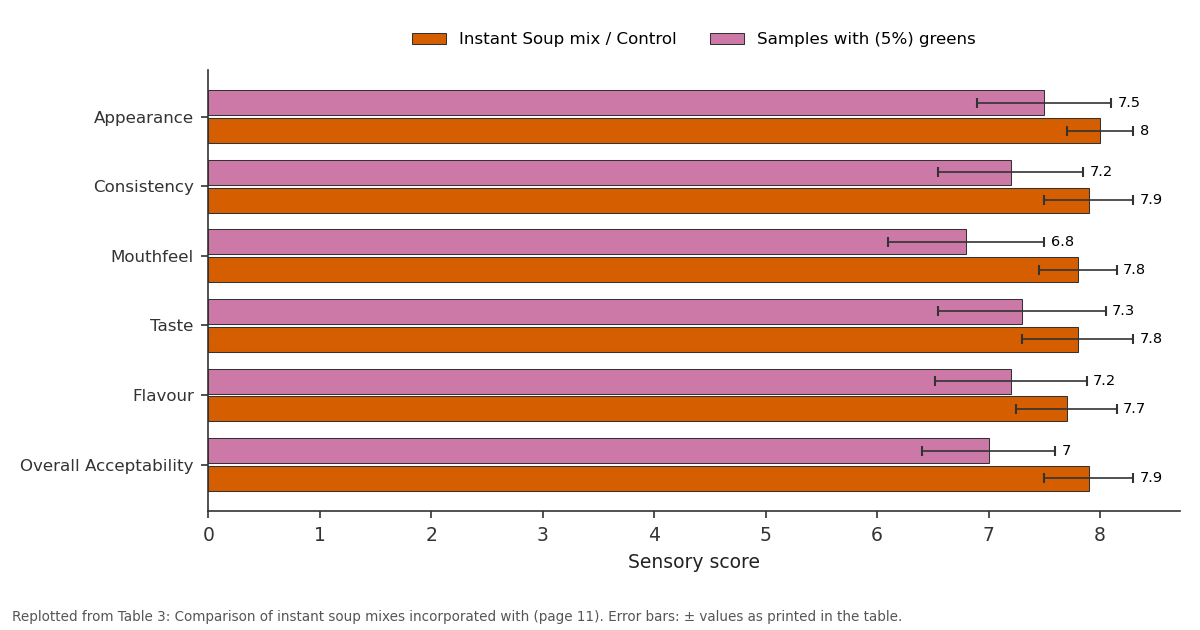
Instant Soup mix / Control and Samples with (5%) greens: Appearance vs Consistency vs Mouthfeel vs Taste vs Flavour
Replotted from Table 3 (page 11) of the original paper. Every bar is the paper's own table value.
View source evidence ↗Figures & tables
From the original paper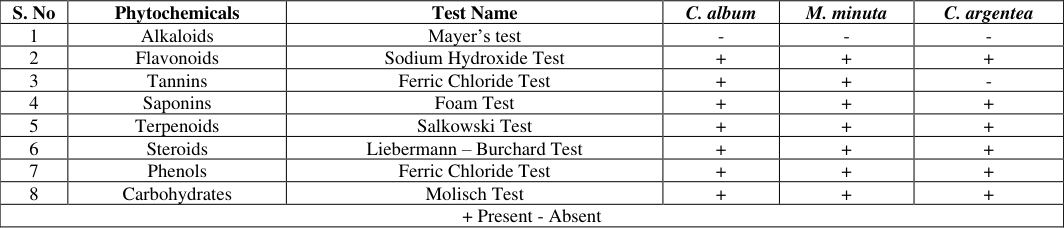 Table 1
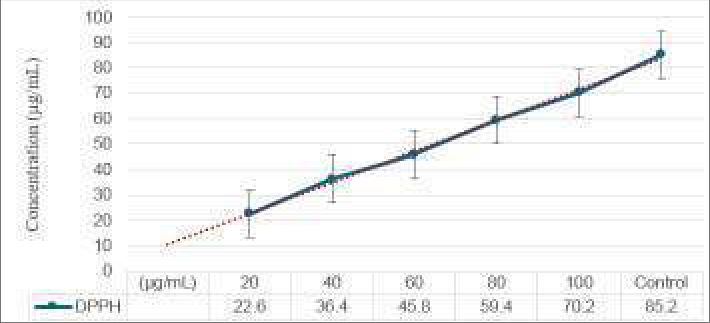 Figure 1
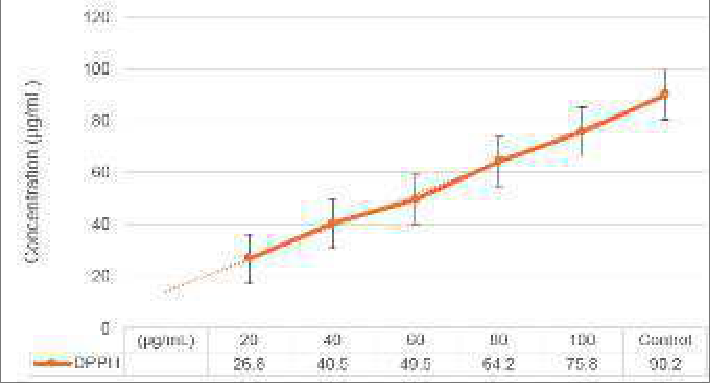 Figure 2
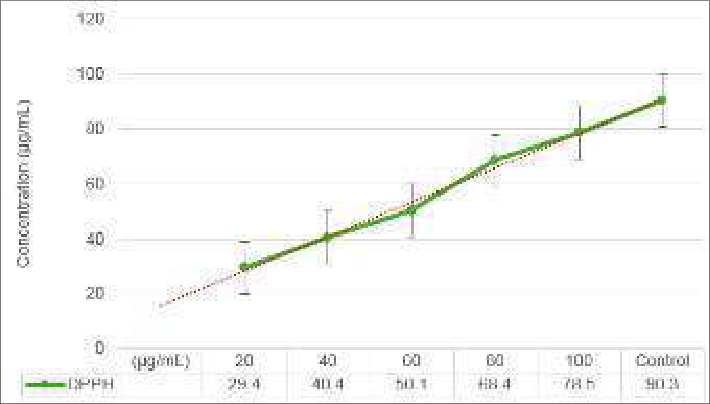 Figure 3
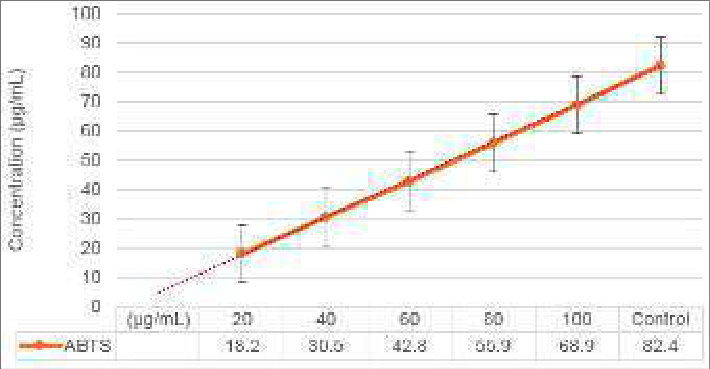 Figure 4
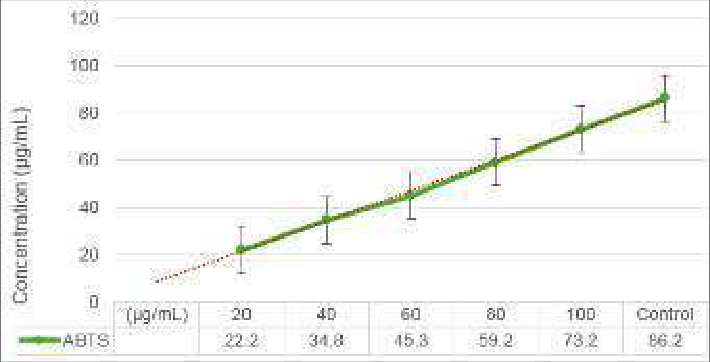 Figure 5
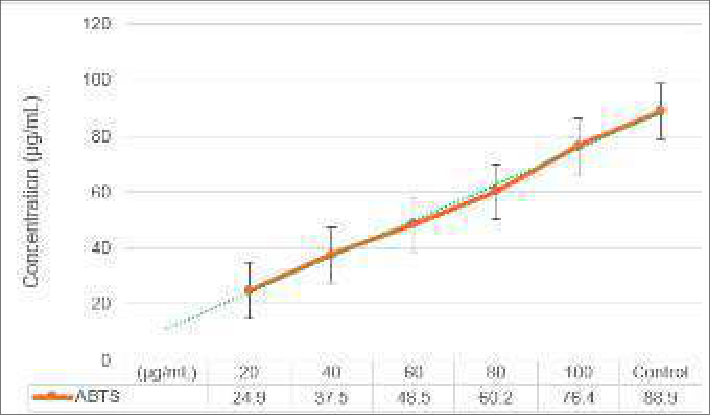 Figure 6
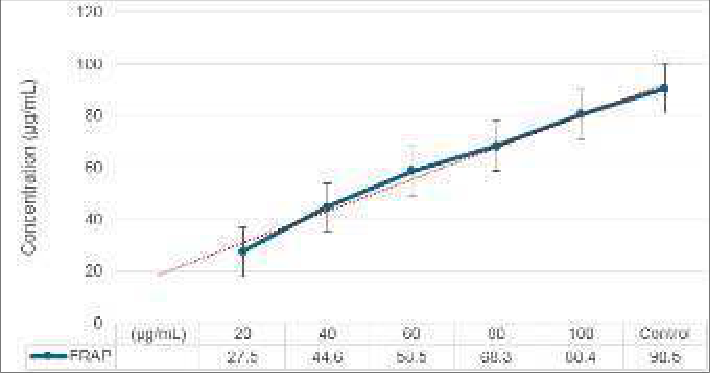 Figure 7
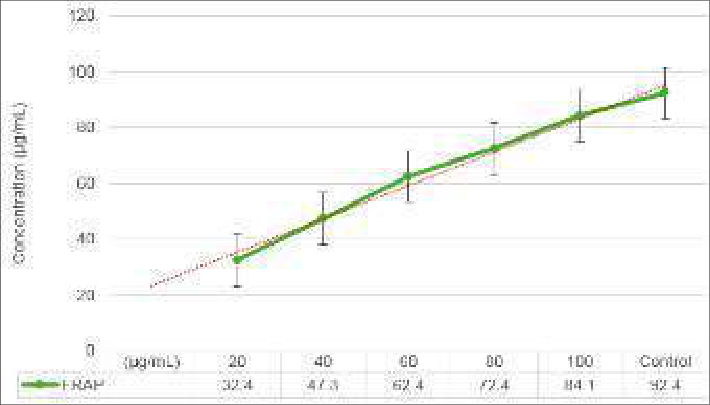 Figure 8
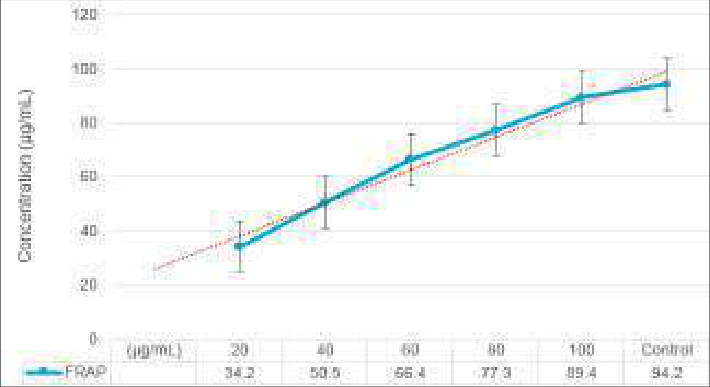 Figure 9
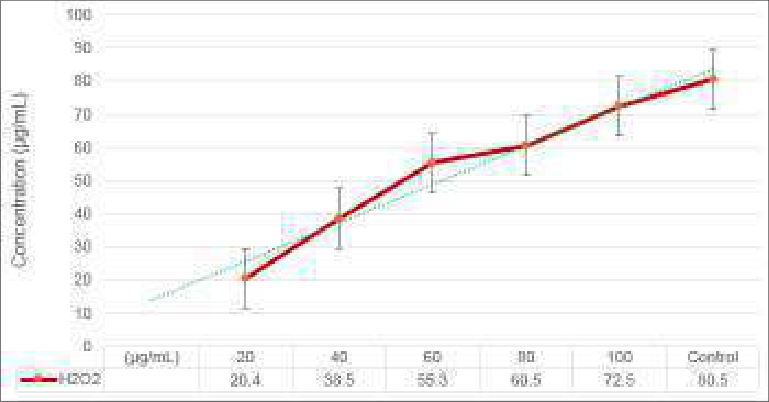 Figure 10
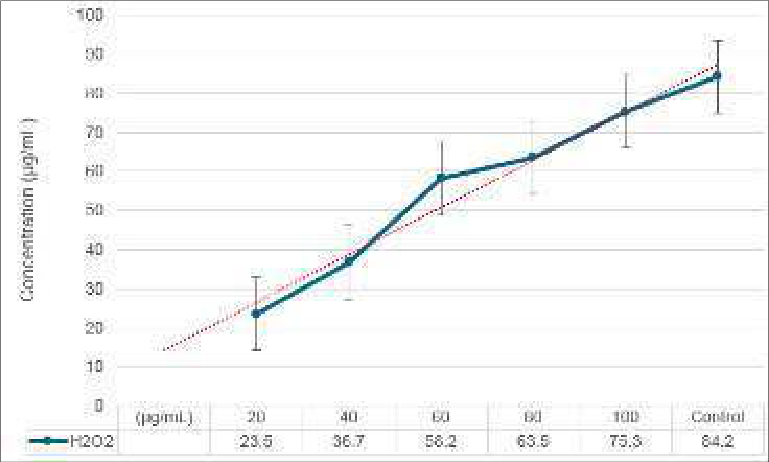 Figure 11
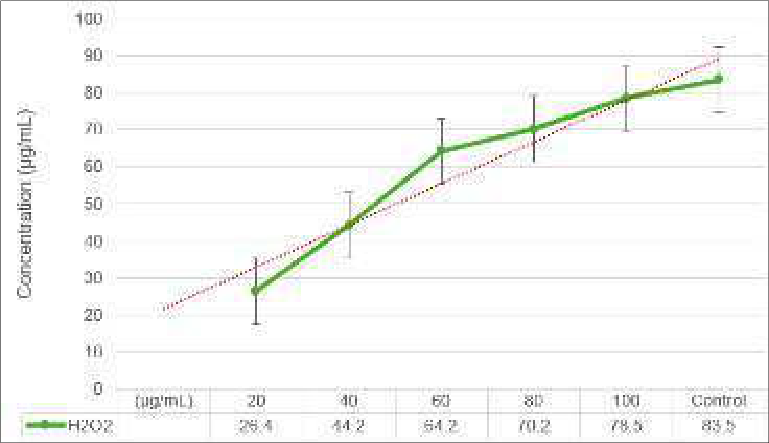 Figure 12
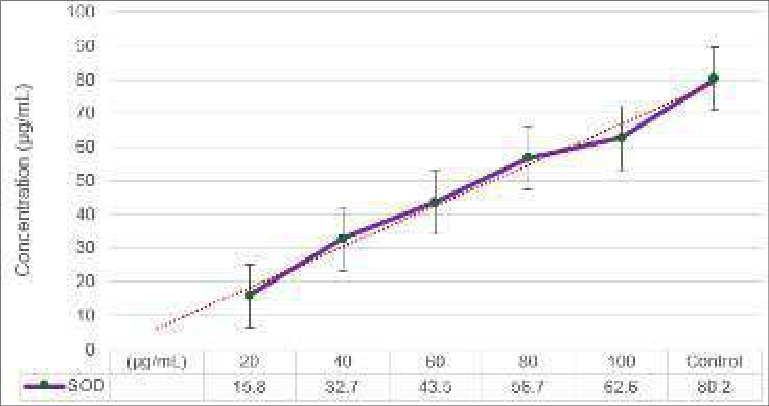 Figure 13
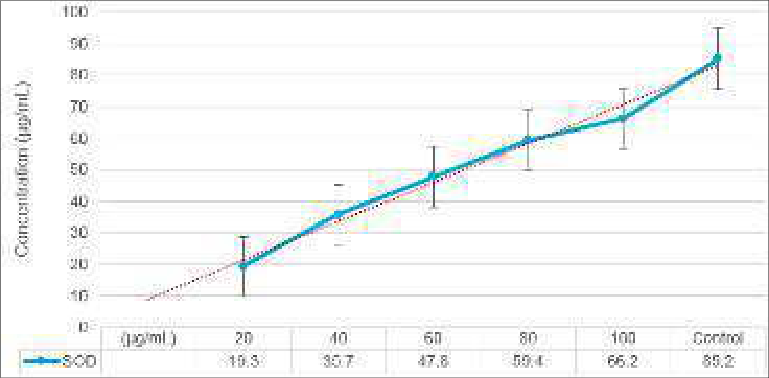 Figure 14
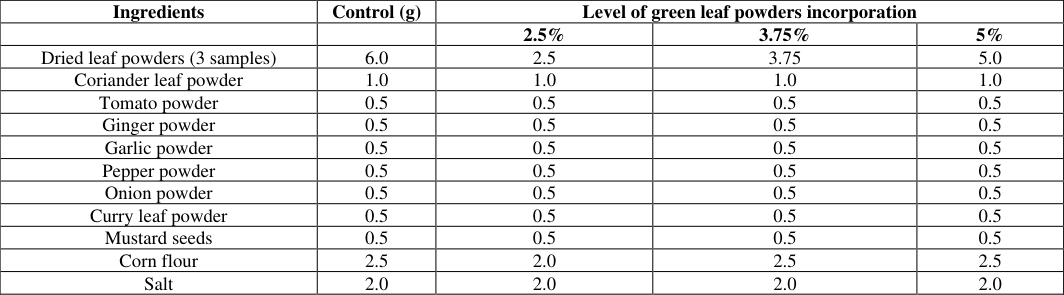 Table 2
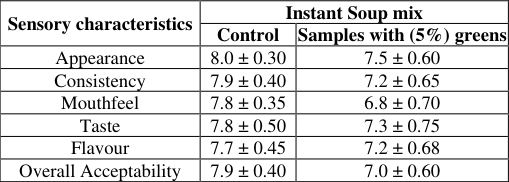 Table 3
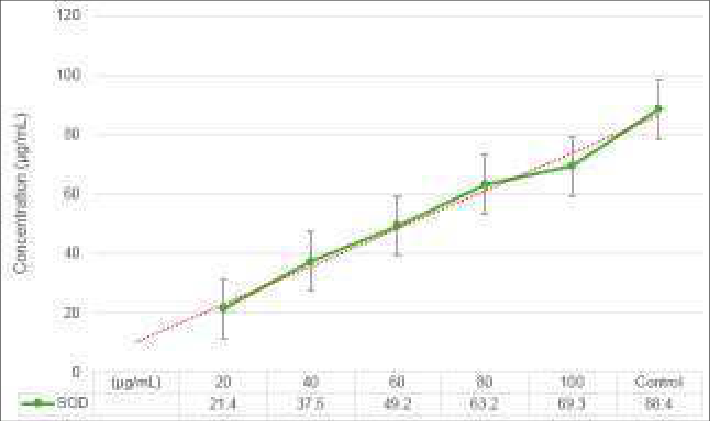 Figure 15
Introduction
Plants have played a crucial role in human healthcare for thousands of years, serving as a primary source of medicinal compounds, particularly in tropical regions. India, with its rich biodiversity, has a long tradition of using medicinal plants, where various parts such as roots, stems, leaves and seeds are employed for therapeutic purposes. These medicinal herbs have been integral to traditional healing systems, especially among tribal communities, who have preserved their ethnomedicinal knowledge, cultural practices and natural remedies across generations. Green leafy vegetables are rich in nutrients and antioxidants that help prevent oxidative stress related diseases. Although around 600 vegetable species exist globally, only a small proportion is widely utilized, while many remain underutilized. These unconventional greens are valuable sources of phytochemicals, phenolics, vitamins and minerals that contribute to health promotion. However, their nutritional potential is often underexplored and due to lack of awareness, they are frequently neglected or used as animal feed. Promoting their utilization and scientific evaluation can enhance nutritional security and support functional food development (Uusiku et al., 2010) [2] . Living organisms possess intrinsic defence mechanisms to counteract free radicals and reactive oxygen species, primarily through enzymatic antioxidants such as catalase, superoxide dismutase, glutathione peroxidase and glutathione reductase, along with nonenzymatic components including glutathione and vitamins E and C. Physiological homeostasis is maintained when a balance exists between oxidative agents and antioxidant defences, disruption of this equilibrium results in oxidative stress, which is implicated in various pathological conditions. Medicinal plants represent a significant source of natural antioxidants, with their bioactive compounds effectively scavenging free radicals and International Journal of Agriculture and Nutrition https://www.agriculturejournal.net inhibiting oxidative processes. Although plant-derived therapeutics are generally perceived as safer alternatives to synthetic agents, their toxicity and pharmacological profiles require further systematic evaluation (Musakhanian et al., 2022) [3] . The selected study species Celosia argentea and Chenopodium album (Amaranthaceae), and Marsilea minuta (Marsileaceae) are edible plants with notable ethnomedicinal significance. C. argentea has been traditionally utilized for the management of jaundice, inflammation, metrorrhagia, gonorrhoea and wound healing, with seed decoctions reported to exhibit antidiabetic activity. C. album demonstrates anti-inflammatory, analgesic, antimicrobial and hepatoprotective properties, supporting its use in treating skin infections, wounds and hepatic and urinary disorders (Vetrichelvan et al., 2002) [4] . M. minuta, an aquatic fern, is consumed for its digestive benefits and is traditionally employed for its antiinflammatory, sedative, antidiabetic, antimicrobial and respiratory therapeutic effects. Collectively, these species represent valuable sources of bioactive compounds with diverse pharmacological potential (Sajini, et al., 2019) [5] . The present study aims to formulate a healthy, nutrientdense instant soup powder derived from selected underutilized green leafy vegetables to meet the evolving demands of modern dietary patterns. The developed soup mix is intended to provide a convenient, time-efficient and shelf-stable dietary option suitable for diverse consumer groups, particularly individuals with busy lifestyles. The integration of these traditional greens into an instant food format not only promotes their wider acceptance and utilization but also supports the development of functional foods aligned with contemporary health-conscious consumption trends (Dhiman et al., 2017) [6] .
Materials and Methods
Materials and Methods
Study Area
Chenopodium album, Marsilea minuta and Celosia argentea were collected from Chettipalayam, Perur and Angalakurichi, Pollachi regions of Coimbatore, Tamilnadu, India.
Extraction and Preparation
To remove dust, the greens were cleaned up and rinsed with water. The greens are allowed to shade dry. Then they were ground into fine powder. To prevent deterioration, the powder was kept in an airtight container. The aqueous extract was prepared by double boiling method. In a beaker, 10g of greens were soaked in 250 ml of distilled water. The beaker containing the sample was kept in a water-boiling pan. After being boiled for 10 to 15 minutes, the sample was chilled. Every interval of fifteen minutes, this process is repeated. The sample was then filtered using filter paper and the extraction was then gathered for further study.
Preliminary Phytochemical Screening (Harborne, 1973) 1. Test for Alkaloids (Mayer's Test)
Few drops of Mayer's reagent were added to 1 ml of aqueous extract; cream colour precipitate indicates the presence of alkaloids.
Test for Flavonoids (Sodium Hydroxide Test)
Extract was treated with few drops of aqueous NaOH solution and noted for the yellow colour which becomes colourless on the addition of dilute acids. Then it was treated with Conc. H₂SO₄ acid. A yellowish to orange colour indicates the presence of flavonoids.
Test for Phenols (Ferric Chloride Test)
To 2 ml of extract, 2ml of 1% ferric chloride solution was added in a test tube. Bluish green colour indicates the presence of phenolic compounds.
Test for Terpenoids (Salkowski Test)
5 ml of chloroform and 2ml conc. H₂SO₄ was added to 2 ml of extract. Reddish brown colouration of interface indicates the presence of terpenoids.
Test for Tannins (Ferric Chloride Test)
To the extract 1ml of 5% ferric chloride solution was added, formation of bluish black or greenish black precipitate indicates the presence of tannins.
Test for Steroids (Liebermann -Burchard Test)
Take 1 mL of the extract and add 1 mL of acetic anhydride, then carefully add a few drops of concentrated H₂SO₄ along the sides of the test tube. The appearance of a blue-green coloration indicates the presence of steroids.
Test for Carbohydrates (Molisch Test)
Add 2 drops of Molisch reagent to 1 mL of the extract and mix thoroughly. Then carefully add concentrated H₂SO₄ along the side of the test tube, the formation of a violet ring at the interface indicates the presence of carbohydrates.
Test for Saponins (Foam Test)
A small amount of extract was taken in a test tube with little quantity of water and shake it vigorously for at least half a minute. Appearance of foam persisting for 10 minutes indicates the presence of saponins.
In Vitro Antioxidant Activity Determination of Antioxidant Activity Using the 2,2-Diphenyl-1-picrylhydrazyl (DPPH) Radical Scavenging Method
The objective of this study is to assess the efficacy of leaf extract in eliminating DPPH radicals. The excerpt above illustrates the capacity to either donate hydrogen or eliminate radicals, leading to the conversion of the 2,2diphenyl-1-picrylhydrazyl radical into 2,2-diphenyl-1picrylhydrazine, resulting in a faint yellow colouration of the solution. Various concentrations of the extracts were generated and then the volume was adjusted to 100 µL using methanol. The experimental procedure involves the addition of 5 mL of a methanolic solution containing DPPH· at a concentration of 0.1 mM. Subsequently, the mixture is incubated for 20 minutes at a temperature of 27 °C. Determine the optical density of the solution precisely at the wavelength of 517 nm. When methanol is utilized in isolation, it functions as a neutral substance. The experimental setup includes a negative control, which consists of a test tube containing 100 µL of methanol and 5 mL of DPPH solution. Inhibition can be assessed by observing the decrease in the intensity of the purple hue displayed by the DPPH solution, leading to a shift towards a faint yellow colour. The computation of percentage inhibition entails measuring the disparity in absorbance values between the sample and the negative control, which is subsequently utilized in the following equation (Mwamatope et al., 2023) [8] .
ABTS Radical Scavenging Assay
The ABTS radical scavenging activity was determined according to the method described by Re et al., 1999 with slight modifications. The ABTS radical cation (ABTS⁺•)
was generated by reacting 7 mM ABTS solution with 2.45 mM potassium persulfate and incubating the mixture in the dark at room temperature for 12-16 h. Prior to use, the ABTS⁺• solution was diluted with ethanol (or phosphate buffer, pH 7.4) to obtain an absorbance of 0.70 ± 0.02 at 734 nm.
Different concentrations of the test sample (0.1 mL) were mixed with 3.9 mL of diluted ABTS⁺• solution and incubated for 6 min at room temperature. The decrease in absorbance was measured at 734 nm using a UV-Visible spectrophotometer. Ascorbic acid (or Trolox) was used as the standard antioxidant. A control was prepared using ABTS⁺• solution without sample.
The percentage of radical scavenging activity was calculated using the following formula:
Ferric Reducing Power Antioxidant Assay
The capacity to reduce ferric ions was evaluated using the approach outlined by Pulido et al., 2000. The FRAP reagent was formulated by combining a 300 mM sodium acetate buffer (pH 3.6), a 20.0 mM TPTZ (Tripyridyltriazine) solution, and a 20.0 mM FeCl 3 .6H 2 O solution in a constant ratio of 10:1:1. The sample extract and standard were added to the FRAP reagent. The resultant mixture was thereafter incubated at a temperature of 37 ºC for a period of 30 minutes. The combination was subsequently analysed for absorbance at a wavelength of 593 nm. The chemical FeSO 4 .7H 2 O was used as the reference standard. The sample's ability to reduce ferric ions was assessed by measuring its antioxidant capacity using a linear calibration curve. The results were expressed as µM FeSO 4 equivalents per microgramme of the sample.
Hydrogen Peroxide Scavenging Activity
A 40 millimolar hydrogen peroxide solution was prepared using a phosphate buffer with a pH of 7.4. Different concentrations (5, 10, 25, 50, and 100 mg/mL) of the T. alpestris leaf extract (or ascorbic acid as the control) were added to a hydrogen peroxide solution (0.6 mL, 40 mM). A spectrophotometric analysis was performed to determine the optical density of hydrogen peroxide at a wavelength of 230 nm. The analysis was carried out after a time of 10 minutes, using a reference solution that contained phosphate buffer but did not contain hydrogen peroxide. Khan and Akhtar introduced this technique in 2003, which was subsequently reinforced by Chen et al., in the same year. The scavenging activity of hydrogen peroxide % was determined using the following equation:
The absorbance of the control reaction is denoted as A ∘ , while the absorbance in the presence of the samples or standards is denoted as A1.
Superoxide Dismutase (SOD)
To assess the activity of Superoxide Dismutase (SOD) methodology typically involves measuring the ability of the plant extract to inhibit the reduction of a substrate (such as nitroblue tetrazolium, NBT) by superoxide radicals. The assay is based on the principle that SOD catalyzes the dismutation of superoxide radicals (O₂ Incubate the reaction mixture at room temperature for 5-10 minutes. The PMS-NADH system generates superoxide radicals, which, in turn, are scavenged by SOD, preventing the reduction of NBT. Measure the absorbance of the reaction mixture at 560 nm using a spectrophotometer immediately after the incubation period. The absorbance at 560 nm is inversely proportional to the SOD activity, as the presence of SOD inhibits the reduction of NBT by superoxide radicals. (Beauchamp and Fridovich, 1971) [13] SOD Activity (units)= Absorbance of blank ̶ Absorbance of sample ×100 Absorbance of blank
Statistical analysis
Experimental data were shown as means ± S.D. for biochemical assays. Statistical significance was estimated through SPSS for the data obtained from three independent samples of each extract in three parallel experiments.
Formulation / Preparation of Instant soup mix
Formulation / Preparation of Instant soup mix
Results and Discussion
The dried leaf powders of Chenopodium album, Marsilea minuta and Celosia argentea were subjected to a qualitative examination, which revealed that the presence of a number of phytochemicals were shown in Table 1. The leaves of Chenopodium album contained alkaloids, flavonoids, tannins, saponins, terpenoids, steroids, phenols and carbohydrates. Marsilea minuta leaves contain alkaloids, flavonoids, tannins, saponins, terpenoids, steroids, phenols and carbohydrates. Similarly, Celosia argentea contain alkaloids, flavonoids, saponins, terpenoids, steroids and carbohydrates. The similar studies were carried out on Chenopodium album to determine the presence of bioactive compounds. According to research by Kumar et al., 2019 [14] and Singh and Verma (2020), preliminary phytochemical tests of methanolic and aqueous leaf extracts confirmed the presence of alkaloids (Dragendorff's test), flavonoids (Shinoda test), tannins (Ferric chloride test), saponins (Foam test), and phenolic compounds. Glycosides were detected using Keller-Killiani's test, while terpenoids were identified through Salkowski's test. The plant showed strong antioxidant potential due to its high phenolic and flavonoid content. These phytochemicals contribute to its antiinflammatory and antimicrobial activities. The studies concluded that Chenopodium album is a rich source of nutraceutical compounds suitable for functional food development. Phytochemical analysis of Marsilea minuta has revealed significant bioactive constituents. Studies conducted by Reddy et al., 2018 [15] and Patel and Shah (2021) [16] reported the presence of flavonoids, steroids, alkaloids, tannins, and carbohydrates in ethanolic and aqueous extracts. Standard qualitative tests such as Mayer's test for alkaloids, Ferric chloride test for tannins, and Liebermann-Burchard test for steroids were performed. Saponins were identified through persistent foam formation tests, while phenols were detected using lead acetate tests. The results indicated moderate to high antioxidant and antimicrobial properties. The researchers emphasized its medicinal importance and potential use in fortified food formulations. The phytochemical richness supports its inclusion in valueadded food products. In the case of Celosia argentea, phytochemical investigations by Chandrasekar et al., 2019 demonstrated the presence of alkaloids, flavonoids, saponins, tannins, phenols and cardiac glycosides. Qualitative screening involved Wagner's test for alkaloids, Shinoda test for flavonoids, and Salkowski's test for terpenoids. The plant exhibited high antioxidant activity attributed to its phenolic compounds. Steroids and triterpenoids were also detected in certain solvent extracts. The presence of these secondary metabolites explains its traditional medicinal uses. The authors concluded that Celosia argentea possesses significant therapeutic and nutritional potential, making it suitable for incorporation into functional and instant food products.
| S. No | Phytochemicals | Test Name | C. album | M. minuta | C. argentea |
|---|---|---|---|---|---|
| 1 | Alkaloids | Mayer’s test | - | - | - |
| 2 | Flavonoids | Sodium Hydroxide Test | + | + | + |
| 3 | Tannins | Ferric Chloride Test | + | + | - |
| 4 | Saponins | Foam Test | + | + | + |
| 5 | Terpenoids | Salkowski Test | + | + | + |
| 6 | Steroids | Liebermann – Burchard Test | + | + | + |
| 7 | Phenols | Ferric Chloride Test | + | + | + |
| 8 | Carbohydrates | Molisch Test | + | + | + |
| + Present - Absent |
Table text extracted from the original PDF; superscript letters are shown inline. The original table image is below.
View original table image
DPPH scavenging method
The assay measures the reduction of the purple-colored DPPH radical into a yellow-colored compound (2,2diphenyl-1-picrylhydrazine) upon receiving an electron or hydrogen atom from an sample extract. The results in figure 1 showed that the DPPH radical scavenging activity of the sample increased in a concentration-dependent manner, ranging from 20 µg/mL to 100 µg/mL. The IC₅₀ value was calculated to be approximately 59.8 µg/mL in C. argentea, 61 µg/mL in M. minuta and 66 µg/mL in C. album respectively. The control (Trolox) showed higher antioxidant potency compared to the sample. These results are impact that the plant phenolic compounds are very important due to their free radical scavenging ability. The DPPH radical scavenging assay revealed that all three leaf extracts exhibited concentration-dependent antioxidant activity, with Celosia argentea showing comparatively lower IC₅₀ values, indicating stronger free radical scavenging potential. Similar findings were reported by Brand-Williams et al., 1995 [18] who established that Amaranthaceae family plant extracts rich in phenolic compounds effectively neutralize DPPH radicals through hydrogen donation mechanisms. Likewise, Sreeramulu et al., 2009 observed significant DPPH inhibition in green leafy vegetables and concluded that antioxidant capacity is closely related to total phenolic and flavonoid content. The present findings are in agreement with these studies, suggesting that the phenolic constituents of the selected leafy vegetables contribute significantly to their radical scavenging activity.
ABTS assay
ABTS methods are simple, precise, inexpensive and commonly used to assess the chain breaking antioxidants in case of lipid peroxidation and antioxidant activity of hydrogen donating antioxidants like medicinal plant. The ABTS (2,2′-azinobis (3-ethylbenzothiazoline 6-sulfonic acid)) radical form has a characteristic absorbance at 734nm, which vanishes after its reduction by electron or hydrogen donors. The results in figure 2 revealed that aqueous extract of C. argentea exhibited the highest antioxidant activity (IC 50= 62.6 µg/mL). Whereas, the aqueous extract of C. album showed the lowest antioxidant activity (IC 50=71 µg/mL). The plant extract M. minuta exhibited a moderate activity (IC 50=66.8 µg/mL) respectively. [20] compared different antioxidant assays and found that ABTS assay was particularly suitable for evaluating plant extracts due to its versatility in aqueous systems. The current results correspond with these findings, confirming that bioactive phytochemicals present in the leaf extracts are capable of donating electrons to neutralize ABTS radicals effectively.
Ferric reducing power activity
The reductive capabilities of C. album, M. minuta and C. argentea leaves were detected and compared with ascorbic acid. The mean absorbance at various concentration (20-100 μg/ml) of C. album, M. minuta and C. argentea as well as standard Ascorbic acid (20-100 μg/ml) were calculated. The reductive capabilities were found to increase with increasing of concentration in various extract as well as standard ascorbic acid. The reducing power of a compound is related to its electron transfer ability. Reducing power is widely used to evaluate the antioxidant activity of polyphenols, which is associated with the presence of reductones, which exerts antioxidant activity by breaking the free radical chain by donating a hydrogen atom (Duan and Jiang, 2007) [21] . FRAP value serves as a measure of Fe (II) TPTZ reducing power of the extract. However, previous studies revealed that tannins possess vital anti-inflammatory properties by their ability to inhibit the 5-lipoxygenase enzyme and the potent ferric reducing agent (Okuda, 2005) [22] . As a result, the appreciably high ferric reducing power observed in C. argentea is attributed to the presence of tannins and their derivatives in the plant sample.
Hydrogen Peroxide Scavenging Capacity: The scavenging ability of aqueous extracts of C. album, M. minuta and C. argentea on hydrogen peroxide is shown Figure 5 and compared with a standard. The plant extracts were capable of scavenging hydrogen peroxide in an amount dependent manner. The C. album, M. minuta and C. argentea aqueous leaf extract was tested for its Hydrogen Peroxide Scavenging potential. The inhibition percentage was evaluated for each test concentration from 20-100 µg/mL. The C. argentea aqueous leaf extract showed a significant nitric oxide scavenging ability which was higher when compared to that of C. album and M. minuta with an IC 50 of 45.8 µg/mL. Hydrogen peroxide itself is not very reactive, but it can sometimes be toxic to cell because of it may give rise to hydroxyl radical in the cells (Halliwell, 1991) [23] . Thus, the removing of H 2 O 2 is very important for antioxidant defence in cell or food systems. [24] reported that phenolic
International Journal of Agriculture and Nutrition https://www.agriculturejournal.net antioxidants prevent cellular damage by converting hydrogen peroxide into water and oxygen. Halliwell (1991) [23] highlighted the importance of eliminating H₂O₂ to prevent hydroxyl radical formation in biological systems.
The current findings align with these studies, indicating that the selected leafy vegetables possess significant protective potential against oxidative stress through hydrogen peroxide scavenging. Kumar and Kumar, 2009 evaluated in vitro antioxidation and free radicals scavenging effect. Aqueous leaf extract of C. album exhibit significant reducing power and free radical scavenging effect on DPPH, hydroxyl, superoxide, hydrogen peroxide radicals. They also reported that the plant and their parts are useful in curing anorexia, cough, dysentery, diarrhoea, piles and kills small worms. Important components of C. album and some of their pharmacological effects could be attributed to the presence of these valuable constituents. Superoxide dismutase (SOD) activity analysis revealed enhanced enzymatic antioxidant capacity, particularly in C. argentea. Beauchamp and Fridovich (1971) [3] described SOD as a primary defense enzyme against superoxide radicals and emphasized its importance in cellular antioxidant mechanisms. Kakkar et al., 1984 [25] further reported that increased SOD activity in plant extracts reflects improved oxidative stress defense capacity. The present results are in agreement with these findings, suggesting that the studied leafy vegetables contribute to antioxidant defense not only through non-enzymatic mechanisms but also via enhancement of enzymatic antioxidant systems.
Superoxide dismutase (SOD
Overall, the comparative discussion confirms that the antioxidant activities observed in the present study are consistent with previously reported literature. The variation in IC₅₀ values among the plant extracts may be attributed to differences in phytochemical composition, particularly phenolics, flavonoids, and tannins. The strong antioxidant performance of C. argentea across multiple assays indicates its potential as a functional ingredient in nutraceutical and fortified food formulations. These findings collectively support the incorporation of these leafy vegetables in valueadded food products aimed at improving dietary antioxidant intake. For the preparation of the Instant soup mix, all the ingredients were combined in accordance with the recommended ratio (Table 2). The volunteers evaluated the samples sensory qualities, including their appearance, colour, flavour, taste, consistency and overall acceptability.
| Ingredients | Control (g) | Level of green leaf powders incorporation | — | — |
|---|---|---|---|---|
| 2.5% | 3.75% | 5% | ||
| Dried leaf powders (3 samples) | 6.0 | 2.5 | 3.75 | 5.0 |
| Coriander leaf powder | 1.0 | 1.0 | 1.0 | 1.0 |
| Tomato powder | 0.5 | 0.5 | 0.5 | 0.5 |
| Ginger powder | 0.5 | 0.5 | 0.5 | 0.5 |
| Garlic powder | 0.5 | 0.5 | 0.5 | 0.5 |
| Pepper powder | 0.5 | 0.5 | 0.5 | 0.5 |
| Onion powder | 0.5 | 0.5 | 0.5 | 0.5 |
| Curry leaf powder | 0.5 | 0.5 | 0.5 | 0.5 |
| Mustard seeds | 0.5 | 0.5 | 0.5 | 0.5 |
| Corn flour | 2.5 | 2.0 | 2.5 | 2.5 |
| Salt | 2.0 | 2.0 | 2.0 | 2.0 |
Table text extracted from the original PDF; superscript letters are shown inline. The original table image is below.
View original table image
Formulation of Instant soup mix
A number of trials were conducted by taking different composition of soup mix and keeping other ingredients constant. Finally, three different formulations of Instant soup mix powders were made using varying quantities of above major ingredients as given. In the preliminary sensory evaluation test different soup mixes were prepared using different formulations. The sensory evaluation was carried out with the help of volunteers using the 9-point hedonic scale using different parameters such as appearance, color, taste, flavour, consistency and overall acceptability. The sensory characters were scored based on 9-point hedonic scale ranges from 9 for like extremely to 1 for dislike extremely. During sensory evaluation it was observed that the formulation A3 soup powder was most acceptable with overall acceptability score 9.2 (Table 3). Similarly instant soup mix incorporated microgreens are formulated by Rajesshwari Priya and Haripriya, 2021. The survey data revealed that the most widely preferred microgreens were the mungbean and peas. Microgreens incorporated in snacks was the most preferred followed by instant chutney powders and soup mix. On understanding the consumer trends, three kinds of microgreens (peas (Pisum sativum), mung beans (Vigna radia) and mustard (Brassica juncea L.)) were utilized in a ready-to-cook instant soup mix at three levels of incorporations 10%, 20% &30%. The sensory parameters of various samples were analyzed by semi-trained panelist using a 9-point hedonic scale. The results of sensory analysis revealed that the mustard microgreen (10%) incorporated soup mix had the highest overall acceptability and it also had highest ranking in terms of taste, appearance and flavor attributes. Secondly mung bean microgreen incorporated at 30% level was widely accepted by the panellists. The current study concludes that microgreens can acts as potential ingredient that can be utilized in the instant soup mix with acceptable organoleptic properties.
| Sensory characteristics | Instant Soup mix | — |
|---|---|---|
| Control | Samples with (5%) greens | |
| Appearance | 8.0 ± 0.30 | 7.5 ± 0.60 |
| Consistency | 7.9 ± 0.40 | 7.2 ± 0.65 |
| Mouthfeel | 7.8 ± 0.35 | 6.8 ± 0.70 |
| Taste | 7.8 ± 0.50 | 7.3 ± 0.75 |
| Flavour | 7.7 ± 0.45 | 7.2 ± 0.68 |
| Overall Acceptability | 7.9 ± 0.40 | 7.0 ± 0.60 |
Table text extracted from the original PDF; superscript letters are shown inline. The original table image is below.
View original table image
Conclusion
This study highlights the societal significance of promoting underutilized and readily available green leafy vegetables through the development of a nutrient-rich instant soup mix. The product is convenient, affordable and can help improve dietary intake of vegetables, particularly for individuals with low vegetable consumption, while providing natural antioxidants that may mitigate oxidative stress related health risks. Future enhancements could focus on extending shelf life, optimizing packaging and exploring diverse combinations of greens to create additional functional food variants. Further research on detailed nutritional profiling and health benefits, along with potential large-scale production and commercialization, underscores the capacity of unconventional leafy vegetables to be transformed into accessible, health-promoting and value-added food products.
Acknowledgement
AcknowledgmentI sincerely express my heartfelt gratitude to the Management of Nirmala College for Women, Coimbatore, for granting the Student Seed Money and providing valuable financial assistance in support of this work. Their generous support has greatly contributed to the successful completion of this project.
Figures and tables from the paper
References
26 in the original paper- Nutritional composition, functional and organoleptic properties of breakfast cereals formulated from acha, wheat, cashew kernel and prawn. Eur J Agric Food Sci. 2020;2(5):1-6.
- Uusiku NP, Oelofse A, Duodu KG, Bester MJ, Faber M. Nutritional value of leafy vegetables of sub-Saharan Africa and their potential contribution to human health: a review. J Food Compos Anal. 2010;23(6):499-509.
- Musakhanian J, Rodier JD, Dave M. Oxidative stability in lipid formulations: a review of the mechanisms, drivers, and inhibitors of oxidation. AAPS PharmSciTech. 2022;23(5):151.
- Vetrichelvan T, Jegadeesan M, Devi BA. Anti diabetic activity of alcoholic extract of Celosia argentea Linn. seeds in rats. Biol Pharm Bull. 2002;25(4):526-528.
- Sajini RJ, Prema S, Chitra K. Phytoconstituents and pharmacological activities of Marsilea minuta L. Int J Pharm Sci Res. 2019;10(4):1582-1587.
- Dhiman AK, Negi V, Surekha A, Preethi R. Studies on development and storage stability of dehydrated pumpkin based instant soup mix. J Appl Nat Sci. 2017;9(3):1815-1820.
- Harborne JB. Phytochemical methods: a guide to modern techniques of plant analysis. London: Chapman & Hall; 1973.
- Mwamatope B, et al. Evaluation of antioxidant activity using DPPH radical scavenging assay in plant extracts. J Phytochem Pharmacol. 2023;15(2):120-128.
- Hassimotto NMA, Genovese MI, Lajolo FM. Antioxidant activity of dietary fruits, vegetables, and commercial frozen fruit pulps. J Agric Food Chem. 2005;53(8):2928-2935.
- Re R, Pellegrini N, Proteggente A, Pannala A, Yang M, Rice-Evans C. Antioxidant activity applying an improved ABTS radical cation decolorization assay. Free Radic Biol Med. 1999;26(9-10):1231-1237.
- Pulido R, Bravo L, Saura-Calixto F. Antioxidant activity of dietary polyphenols as determined by a modified ferric reducing/antioxidant power assay. J Agric Food Chem. 2000;48(8):3396-3402.
- Khan MA, Akhtar MS. Antioxidant activity of some medicinal plants using hydrogen peroxide scavenging method. Pak J Pharm Sci. 2003;16(2):55-60.
- Beauchamp C, Fridovich I. Superoxide dismutase: improved assays and an assay applicable to acrylamide gels. Anal Biochem. 1971;44(1):276-287.
- Kumar S, Singh R, Kaur P, Kaur A. Phytochemical screening and evaluation of antioxidant activity of Chenopodium album leaf extracts. J Pharmacogn Phytochem. 2019;8(4):1234-1238.
- Reddy PS, Reddy KR, Reddy MS. Phytochemical screening and in vitro antioxidant activity of Marsilea minuta Linn. leaf extracts. J Pharmacogn Phytochem. 2018;7(3):1891-1895.
- Patel D, Shah R. Phytochemical screening and antimicrobial evaluation of Marsilea minuta Linn. extracts. Int J Pharm Sci Res. 2021;12(5):2764-2772.
- Chandrasekar K, Venkatesalu S, Rajagopal R. Phytochemical and pharmacological studies of Celosia argentea. J Pharmacogn Phytochem. 2019;8(3):15001505.
- Brand-Williams W, Cuvelier ME, Berset C. Use of a free radical method to evaluate antioxidant activity. LWT Food Sci Technol. 1995;28:25-30.
- Sreeramulu D, Reddy CVK, Raghunath M. Antioxidant activity of commonly consumed green leafy vegetables in India. Food Chem. 2009;101:148-154.
- Thaipong K, Boonprakob U, Crosby K, CisnerosZevallos L, Hawkins Byrne D. Comparison of ABTS, DPPH, FRAP and ORAC assays for estimating antioxidant activity. J Food Compos Anal. 2006;19:669-675.
- Duan X, Jiang Y. Antioxidant activity of plant extracts. Food Chem. 2007;102:134-140.
- Okuda T. Systematics and health effects of tannins. Phytochemistry. 2005;66:2012-2031.
- Halliwell B. Reactive oxygen species in living systems. Am J Med. 1991;91:14S-22S.
- Ruch RJ, Cheng SJ, Klaunig JE. Prevention of cytotoxicity and inhibition of intracellular communication by antioxidant catechins. Carcinogenesis. 1989;10:1003-1008.
- Kakkar P, Das B, Viswanathan PN. A modified spectrophotometric assay of superoxide dismutase. Indian J Biochem Biophys. 1984;21(2):130-132.
- Rajesshwari Priya S, Haripriya A. Development and sensory evaluation of microgreens incorporated instant soup mix. Int J Food Nutr Sci. 2021;10(2):85-92.