
Research article · 2026 · Full text
International Journal of Horticulture and Food ScienceProximate composition of Solanum tuberosum L. Varieties Infected with Fusarium spp. andtreated with a Syzygium aromaticum-based bio-fungicidal formulation
Volume 8(3) · Pages 44–52 · DOI: 10.33545/26631067.2026.v8.i3a.492 ↗
Research areasPotato Plant ResearchSeed and Plant BiochemistrySilicon Effects in Agriculture
Abstract
Author-writtenThis study investigated the proximate composition of Solanum tuberosum L. varieties infected with Fusarium spp. and treated with a bio-fungicidal formulation derived from Syzygium aromaticum. The isolates were obtained from soil that cultivated potato for at least three farming seasons from agro-ecological zones in Plateau State, Nigeria. The research employed randomized complete block design and standard AOAC methods to quantify nutritional changes following treatments. Results indicated statistically significant increases (p<0.0001) in moisture, crude protein, fibre, calcium, and metabolizable energy, particularly in the Mangu and Jos North isolate, with synthetic treatments showing the highest nutrient enhancement. A reduction in nitrogen-free extract was observed in some locations, suggesting a shift in carbohydrate metabolism. The treatment effects were consistently more influential than varietal differences, underscoring the critical role of post-harvest interventions. These findings align with national and global literature on nutrient modulation through agronomic and post-harvest practices. The study concludes that S. aromaticum-based formulations offer a viable, low-cost strategy for improving the nutritional profile of potatoes, with broader implications for food security, fortification and sustainable agriculture in developing regions.
Summary
Source-checkedPlain-language reading of the full paper, prepared with AI and checked against the text. Each point links to the authors' own words.
Why it matters
- The Irish potato (Solanum tuberosum L.) is a critical global staple food, ranking fourth in importance behind rice, wheat, and maize. View evidence ↗
- Fusarium spp. infections cause vascular wilts and dry rot, which reduce marketable yields and negatively impact the nutritional composition of potato tubers. View evidence ↗
- Synthetic fungicides used for control are criticized due to their environmental impact, the risk of creating resistant fungal strains, and food safety concerns. View evidence ↗
The question
- The study aimed to evaluate how a bio-fungicide based on Syzygium aromaticum (clove) affects disease suppression and the preservation of nutrients in Fusarium-infected potatoes. View evidence ↗
What they did
- Four potato varieties (Caruso, Connect, Jelly, and Marabel) were tested against treatments including a surfactant control, a 250 mg/ml S. aromaticum formulation, a synthetic fungicide (emexyl), and an untreated control. View evidence ↗
- Nutritional analyses were performed in triplicate using standard AOAC International (2019) methods. View evidence ↗
What they found
- Before treatment, the Jelly variety had the highest moisture (80.03%), while the Caruso variety had the highest protein content (6.18%). View evidence ↗
- In the Mangu LGA, treatments led to significant nutrient increases, with moisture rising from 76.67% to 187.75% and crude protein increasing from 4.95% to 83.94%. View evidence ↗
- Calcium levels in the Mangu LGA samples increased significantly from 0.43% to 51.48% following treatment. View evidence ↗
- Treatments had no statistically significant effect on the proximate composition of samples from Barkin Ladi, where moisture and protein levels remained nearly unchanged. View evidence ↗
- Jos North samples showed highly significant nutrient increases similar to Mangu, with moisture rising from 76.67% to 187.75% and crude protein from 4.95% to 83.09%. View evidence ↗
- In Jos North, the nitrogen-free extract decreased from 16.56% to 0.99%, suggesting a shift in carbohydrate metabolism. View evidence ↗
What it means
- The authors conclude that S. aromaticum extracts (250-500 mg/ml) effectively mitigate nutritional losses from Fusarium infection, performing comparably to synthetic fungicides. View evidence ↗
- The authors recommend integrating clove-based treatments into post-harvest protocols to improve food safety and nutrition in sub-Saharan Africa. View evidence ↗
- The authors state that future research is needed to understand the formulation's mechanism of action, its effect on long-term storage, and its commercial scalability. View evidence ↗
Visual summary
2 visualsIllustrations explain the paper; charts are replotted from the paper's own table values.
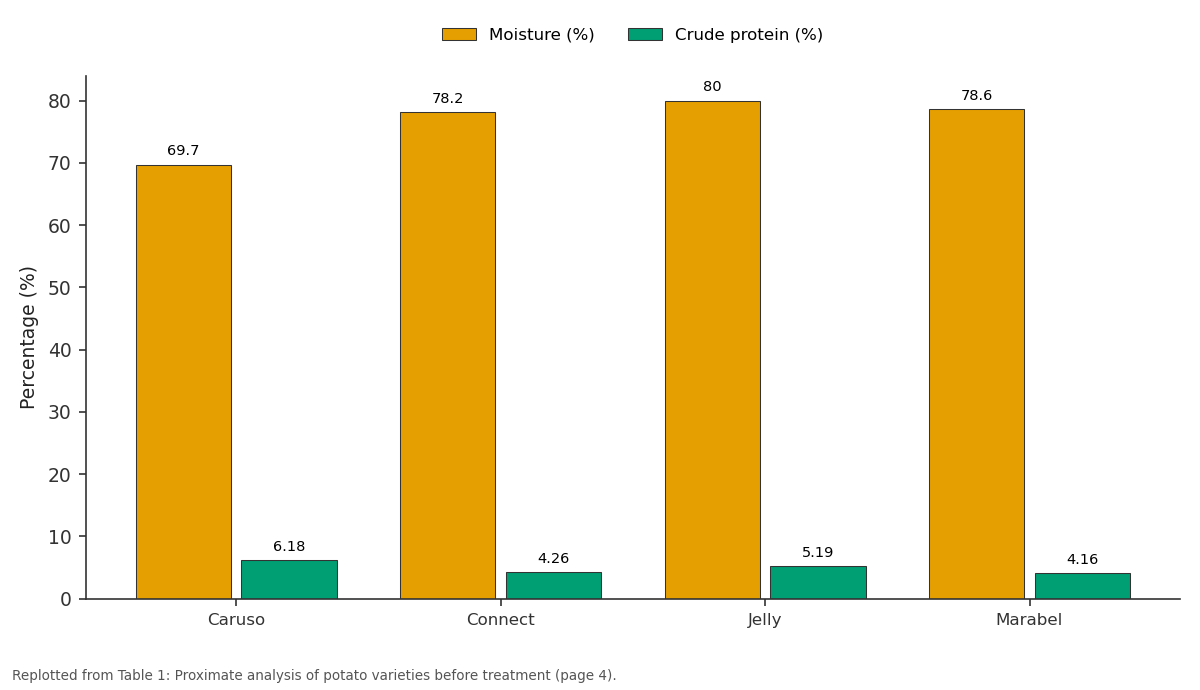
Moisture (%) and Crude protein (%): Caruso vs Connect vs Jelly vs Marabel
Replotted from Table 1 (page 4) of the original paper. Every bar is the paper's own table value.
View source evidence ↗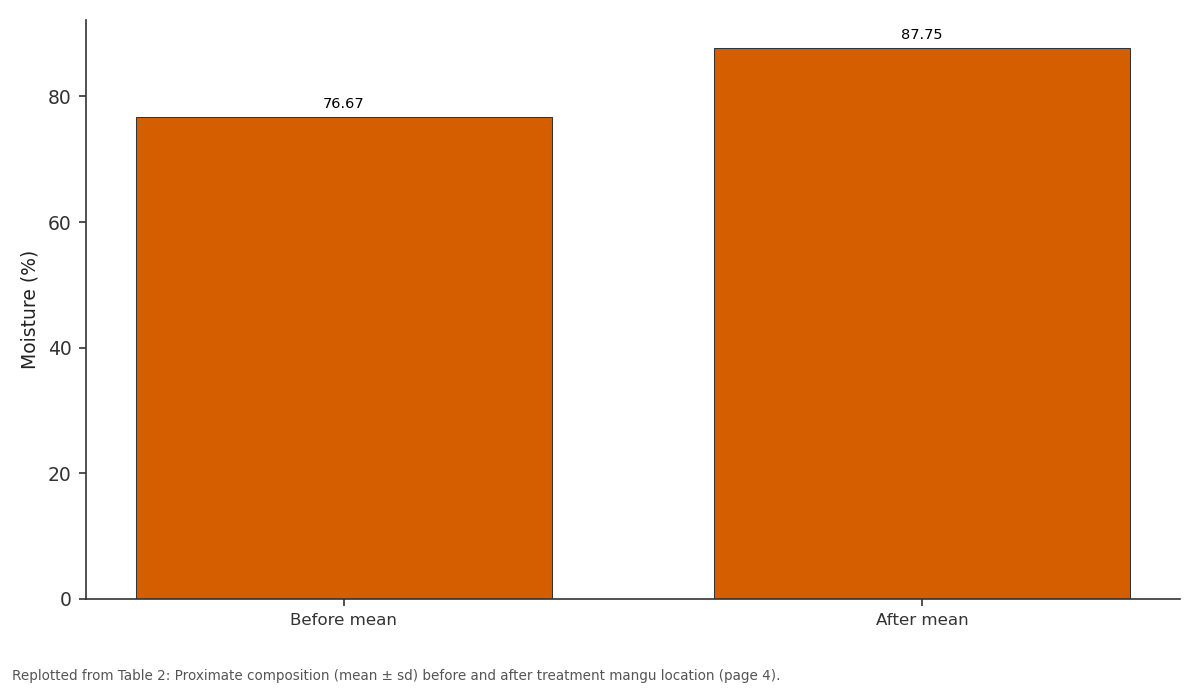
Moisture (%): Before mean vs After mean
Replotted from Table 2 (page 4) of the original paper. Every bar is the paper's own table value.
View source evidence ↗Figures & tables
From the original paper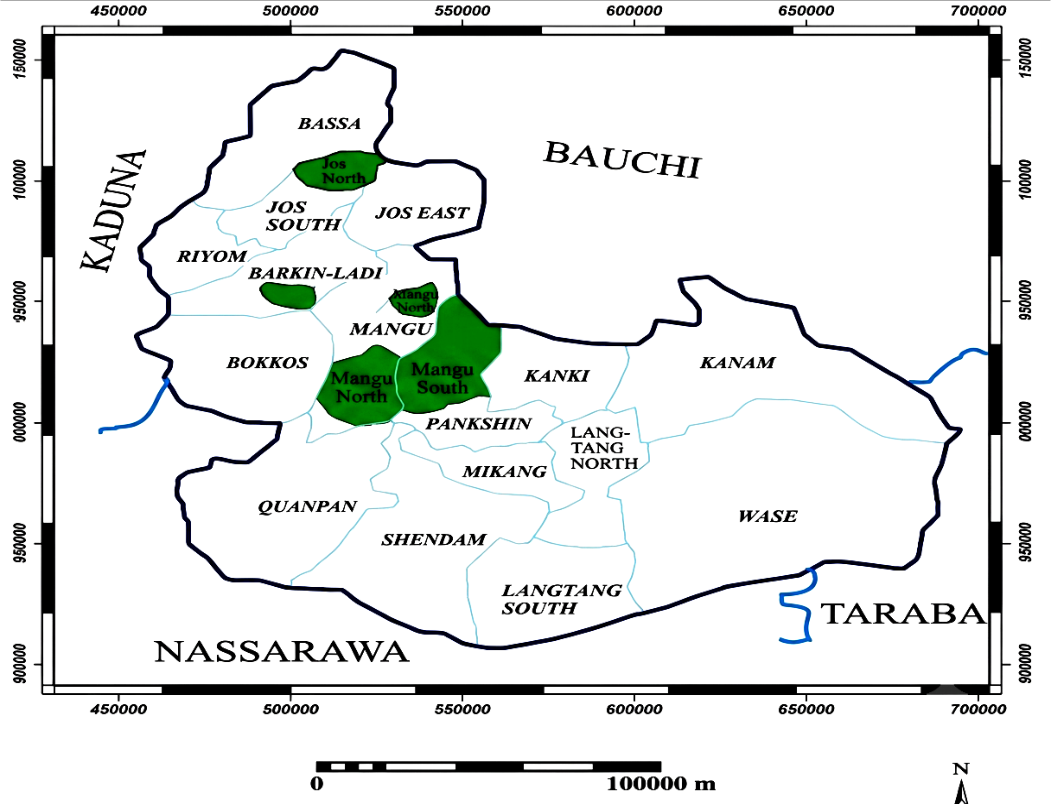 Figure 1
 Table 1
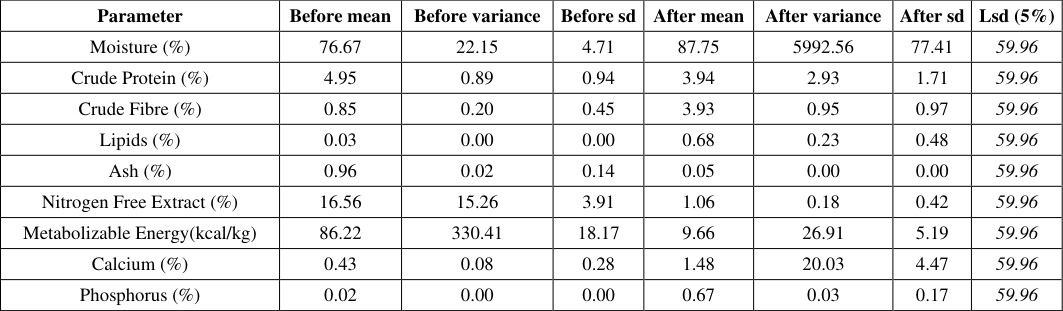 Table 2
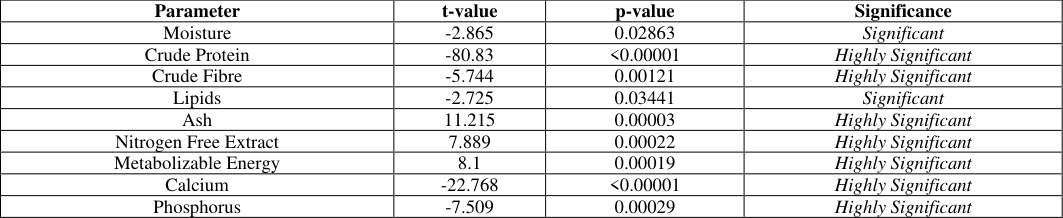 Table 3
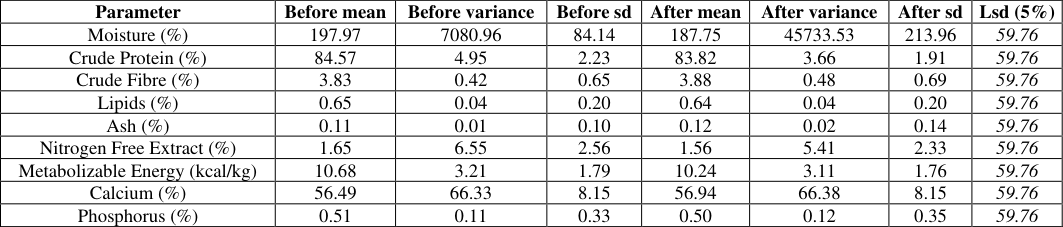 Table 4
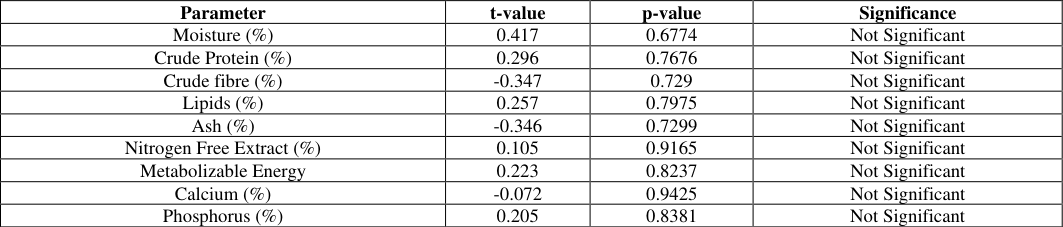 Table 5
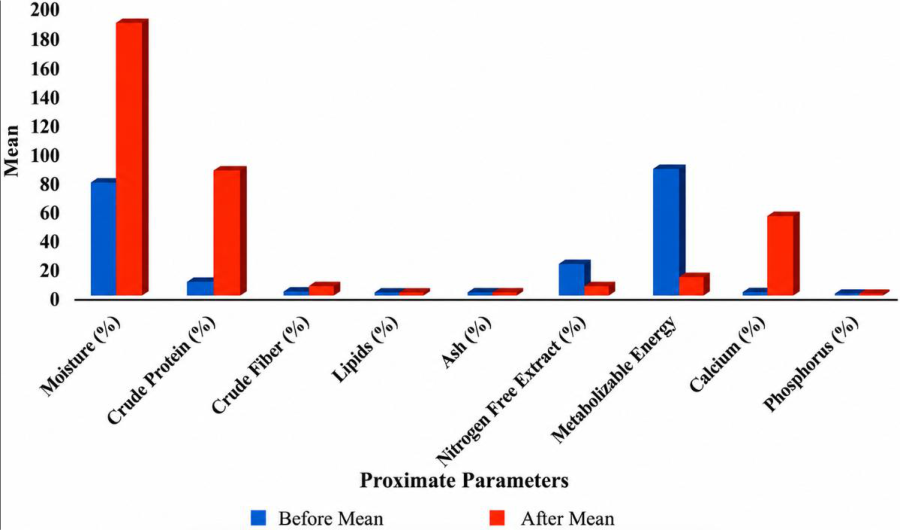 Figure 2
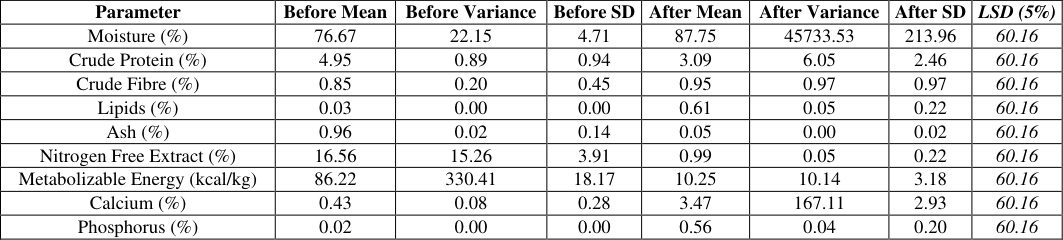 Table 6
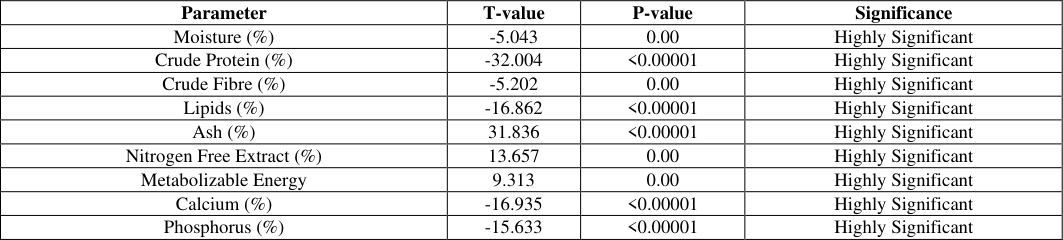 Table 7
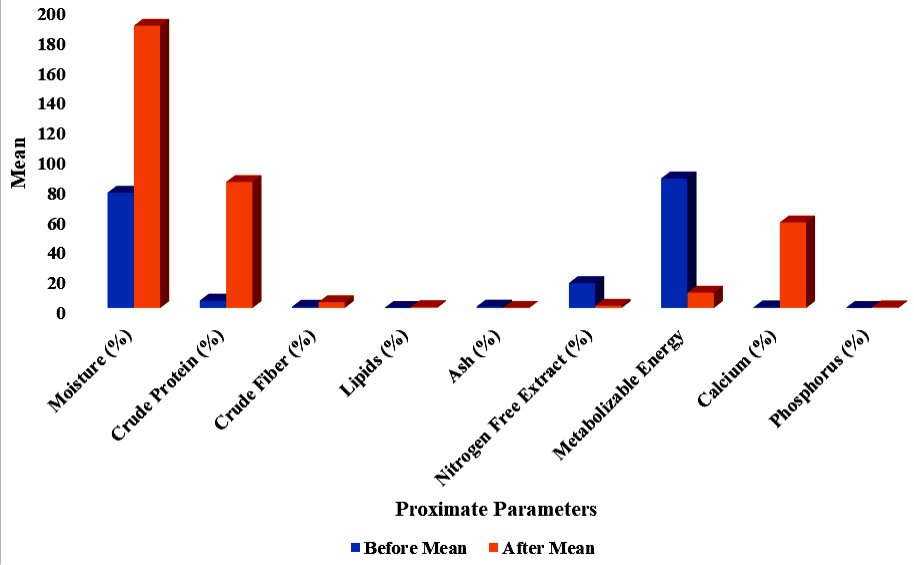 Figure 3
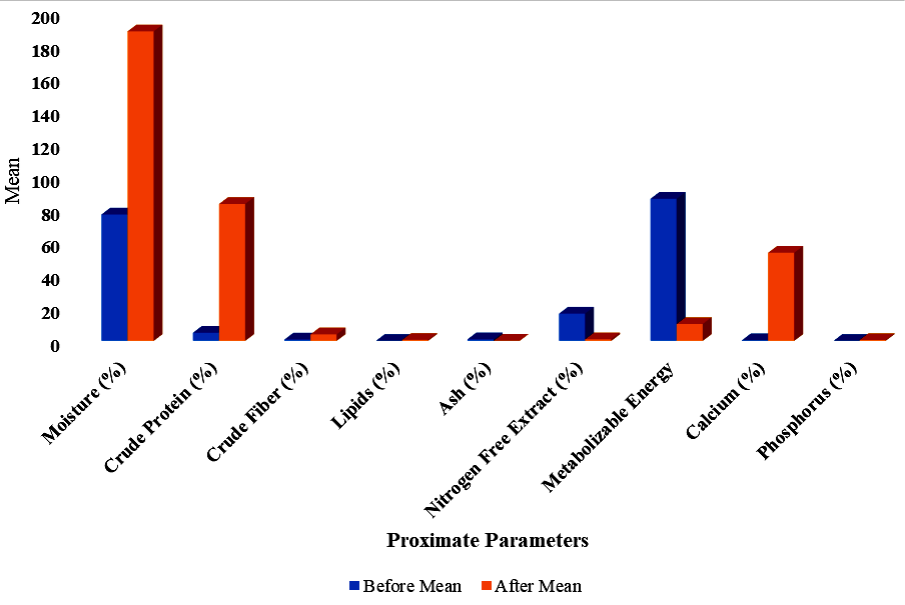 Figure 4
Introduction
Solanum tuberosum L., commonly known as Irish potato, ranks as the fourth most important staple food crop globally trailing only rice, wheat, and maize with annual production exceeding 375 million metric tonnes (FAOSTAT, 2024; Liu et al., 2020) [8,12] . In the context of sub-Saharan Africa, and particularly Nigeria, potatoes are gaining recognition not only for their caloric contribution but also for their expanding role in enhancing *rural livelihoods and nutritional security, especially in temperate agro-ecological zones such as Plateau State (Wijesinha-Bettoni & Mouillé, 2019; Ugonna et al., 2013) [3,16] . Rich in carbohydrates, fibre, essential micronutrients, and bioactive phytochemicals, potatoes present significant potential to alleviate micronutrient deficiencies, colloquially referred to as "hidden hunger" (Beals, 2018; Navarre et al., 2019) [5,13] . However, the full exploitation of this potential is constrained by both pre-and post-harvest challenges foremost among them, Fusarium spp.-induced vascular wilts and dry rot. These fungal pathogens not only diminish marketable yield but also significantly alter the nutritional composition of tubers, as demonstrated by Okache et al. (2025) [15] and Ezekiel et al. (2020) [7] , who recorded sharp declines in protein, fibre, and moisture content in infected and improperly stored potatoes. Conventional control measures often rely on synthetic fungicides, which have been increasingly criticized for their environmental footprint, development of resistant fungal strains, and implications for food safety (Gumbo et al., 2021) [10] . In contrast, botanical alternatives such as Syzygium aromaticum (clove) offer a promising eco-compatible solution. Clove is rich in eugenol and other phenolic constituents with documented fungitoxic activities (Akpe et al., 2021; Obum-Nnadi et al., 2022) [2,14] . However, empirical data on its application for integrated disease and nutritional management in Fusarium-infected potato tubers remains limited.
Recent findings further indicate that storage conditions, along with agronomic interventions, can significantly influence the biochemical and proximate composition of potatoes (Gikundi et al., 2021; Devaux et al., 2021) [6,9] . Okache et al. (2025) [15] specifically reported that different storage environments affected both the proximate and antinutrient profiles of stored tubers, raising critical questions regarding how bio-fungicidal treatments may synergize or antagonize these dynamics. Tis study aims to bridge the identified knowledge gap by evaluating the dual impact of Syzygium aromaticum-based bio-fungicides on both disease suppression and nutritional preservation in Fusarium-infected Solanum tuberosum tubers. Specifically, it seeks to:
• Characterize the proximate composition of Fusariuminfected S. tuberosum varieties, • Assess the efficacy of clove-based bio-fungicidal formulations in mitigating pathogenic effects and restoring nutrient profiles, and • Compare their performance with conventional synthetic fungicides across key agro-ecological contexts in Plateau State, Nigeria.
This integrated approach underscores the relevance of sustainable and low-cost alternatives that contribute to both food system resilience and nutritional integrity aligning with global targets for sustainable agriculture and food security. Tubers were harvested at physiological maturity and analysed to determine nutrient composition changes following infection and treatment. Fusarium spp. used were characterized using conventional PCR.
Materials and Methods
Materials and Methods
Study Area
Study Area
Proximate composition analysis
All analyses were conducted following AOAC International (2019) [4] standard methods. Each sample was analysed in triplicate, and only freshly harvested, visibly healthy tubers from each treatment group were used. The compositions were determined before and after planting. Data were generated using the following procedures:
Moisture content (AOAC 925.10) [4] Approximately 5 g of the fresh sample was weighed into a pre-dried crucible and oven-dried at 105 °C for 3 hours until a constant weight was obtained. Moisture loss was calculated as the difference in weight and expressed as a percentage.
Crude Protein (AOAC 2001.11) [4] Two grams of dried sample were digested in concentrated sulfuric acid (H₂SO₄) with a selenium-based catalyst. The digest was alkalized with 40% NaOH and subjected to Kjeldahl distillation. Liberated ammonia was absorbed in boric acid and titrated against 0.1 N HCl. The nitrogen content was multiplied by 6.25 to estimate crude protein.
• Crude fibber (AOAC 978.10) [4] Defatted samples were sequentially digested with 1.25% H₂SO₄ and 1.25% NaOH. The residue was filtered, oven-dried, and then incinerated at 550 °C in a muffle furnace. The difference in weights before and after ashing was used to calculate fibre content.
• Crude Fat (AOAC 963.15) [4] A 2 g dried sample was extracted using hexane in a Soxhlet apparatus for six hours. The extracted lipid residue was evaporated and weighed to determine fat content.
• Ash Content (AOAC 923.03) Approximately 3 g of the sample was incinerated in a muffle furnace at 550 °C for 5 hours. The residue, representing total inorganic content, was weighed to determine ash percentage.
• Nitrogen-free extract (NFE) NFE was calculated by subtracting the percentages of moisture, protein, fat, fibre, and ash from 100.
• Metabolizable energy (ME)
Energy value was estimated using Atwater factors:
• Calcium and phosphorus a) Calcium was quantified using flame photometry after ashing and dissolving in 5% HCl. b) Phosphorus was determined spectrophotometrically using the molybdenum blue colorimetric method at 660 nm (Obum-Nnadi et al., 2022) [14] .
Statistical Analysis
Data were analysed using Microsoft Excel 2024. Independent sample t-tests were used to compare proximate values across treatments and locations, with significance established at p<0.05. Tukey's HSD was employed for post hoc mean separation. All values are presented as means ± standard deviation (SD).
Results
Table 1 which shows the proximate analysis of potato varieties before treatment reveals pre-treatment nutritional baselines across four potato varieties: Caruso, Connect, Jelly, and Marabel. Jelly exhibited the highest moisture content at 80.03%, followed closely by Marabel (78.6 8%) and Connect (78.27%), while Caruso had the lowest at 69.7%. In terms of protein, Caruso led with 6.18%, indicating a superior nutritional profile, whereas Marabel was lowest at 4.16%. Crude fiber ranged from 0.2% in Connect to 1.16% in Jelly. Caruso also showed the highest nitrogen-free extract (21.87%) and metabolizable energy (112.47 kcal/100g), suggesting greater caloric density. Calcium content was notably higher in Connect (0.85%) than in other varieties. These results indicate Caruso's potential as a high-energy cultivar and highlight varietal differences in nutrient content prior to any bio-fungicidal or synthetic treatment. All parameters showed statistically significant differences between before and after treatments. Most of them are highly significant (p<0.001) indicating a strong effect of the treatment. This supports the claim that treatment significantly altered the proximate composition of the samples. Crude fiber, lipids, ash, and calcium also demonstrated negligible change post-treatment, with t-values far below the critical threshold of ±1.978. These results suggest that either the local Fusarium falciforme isolate was less aggressive or the variety's physiological traits rendered it more resistant to biochemical degradation. Consequently, the bio-fungicidal formulation exerted minimal influence in this agro-ecological zone, emphasizing the role of pathogen strain and environmental context in treatment efficacy. All parameters recorded t-values much greater than the critical value meaning there is a statistically significant difference between the before and after treatment proximate values at Jos North. p-values for all parameters are less than 0.05, confirming highly significant changes. The treatment substantially influenced all proximate parameters suggesting a marked effect of the experimental conditions on nutritional composition. Notably, Nutrients like Crude Protein, Lipids, Ash, Calcium, and Phosphorus showed exceptionally large t-values, indicating very pronounced differences. Synthesis across tables shows a comparative interpretation of the three locations indicates treatment was most effective in Mangu and Jos North, both infected with Fusarium solani, while Barkin Ladi with F. falciforme showing resistance to intervention. Moisture and protein were the most responsive parameters, with values nearly doubling or more. Calcium increases in all zones (particularly over 50% in Mangu and Jos North) suggest potential for micronutrient fortification. The consistent drop in nitrogen-free extract post-treatment hints at metabolic adjustments under stress. Statistically, these results were robust with clear post-treatment separations (p<0.0001), emphasizing the role of treatment modality, pathogen strain, and locality in modulating the proximate composition of potatoes.
| Variety | Moisture (%) | Crude protein (%) | Crude fibre (%) | Lipids (%) | Ash (%) | Nitrogen free extract (%) | Metabolizable energy (kcal/kg) | Calcium (%) | Phosphorus (%) |
|---|---|---|---|---|---|---|---|---|---|
| Caruso | 69.7 | 6.18 | 1.12 | 0.03 | 1.12 | 21.87 | 112.47 | 0.25 | 0.01 |
| Connect | 78.2 | 4.26 | 0.2 | 0.03 | 0.75 | 16.46 | 83.15 | 0.85 | 0.03 |
| Jelly | 80 | 5.19 | 1.16 | 0.02 | 1.05 | 12.55 | 71.16 | 0.26 | 0.01 |
| Marabel | 78.6 | 4.16 | 0.9 | 0.02 | 0.95 | 15.34 | 78.1 | 0.35 | 0.01 |
| LSD (5%) | 6.27 | 6.27 | 6.27 | 6.27 | 6.27 | 6.27 | 6.27 | 6.27 | 6.27 |
Table text extracted from the original PDF; superscript letters are shown inline. The original table image is below.
View original table image
Discussion
The analyses of proximate and mineral composition of Solanum tuberosum varieties of three isolates obtained from the three different agro-ecological zones (Mangu, B. Ladi, and Jos North) following synthetic and botanical treatments has revealed significant biochemical transformations, particularly in Mangu and Jos North, while B. Ladi exhibited minimal variation. Worthy of note is the fact that isolates from Mangu and Jos North was Fusarium solani while the Barkin Ladi isolate was Fusarium falciforme. These results underscore the responsiveness of Irish potatoes to exogenous treatments and position such interventions as viable tools for enhancing food quality and nutrient density. The findings of this study corroborate the work of Okache et al. (2025) [15] , who reported that different storage methods markedly influence the proximate and antinutrient content of S. tuberosum. In the current study, statistically significant increases in moisture, crude protein, fibre, calcium, and metabolizable energy post-treatment especially under synthetic concentrations validate the hypothesis that treatment environments, like storage, modulate nutrient retention and expression. Similarly, Ezekie et al. (2020) [7] emphasized the variability of elemental and proximate content in Irish potatoes based on locality, suggesting that environmental and agronomic factors such as soil quality and post-harvest handling play crucial roles in shaping nutrient composition. The substantial elevation in calcium levels across treated samples (up to 56.94% in Mangu) aligns with this observation and signifies potential mineral biofortification effects. The study also reinforces the assertions of Akpe [2] , Ashishie, and Akonjor (2021) [2] , who demonstrated nutrient variability across root and tuber crops due to cooking and processing. Our findings add nuance by showing that even non-thermal treatments (such as botanical and synthetic solutions) can produce measurable changes in biochemical profiles, suggesting broader applicability of such interventions beyond conventional thermal or mechanical processing. Globally, the results align with Abbasi et al. (2019) [1] , who highlighted considerable nutritional differences among potato varieties, supporting the idea that varietal selection and post-harvest treatment can be optimized to enhance functional attributes. For instance, the increase in crude protein levels (up to 83.09% in Jos North) signals potential use in protein-enrichment strategies for low-income communities a particularly critical application in proteindeficient populations. Furthermore, Beals (2018) [5] and Devaux et al. (2021) [6] discussed the strategic positioning of the potato as a cornerstone for future food systems due to its adaptability, productivity, and nutrient potential. The current findings lend empirical support to these claims by showing how the application of low-cost treatments can dramatically elevate the nutritional profile of a widely consumed crop, thereby reinforcing its suitability in sustainable food systems. From a physicochemical standpoint, Gikundi et al. (2021) [9] reported similar observations in Kenyan-grown Irish potatoes, where variety had less influence on nutrient composition than environmental and treatment variables. This parallels the current findings where nutrient type (p<0.00001) was consistently more significant than varietal difference (p>0.4) in explaining nutritional variation a pattern consistent across all study locations. The significant post-treatment increases in moisture content, particularly under synthetic concentrations (for instance 89.27% in Caruso; Mangu), aligns with findings by Gumbo, Magwaza, and Ngobese (2021) [10] , who noted that certain treatments, including natural sprout suppressants, can influence water retention. While this may improve texture and culinary appeal, it also raises the risk of microbial spoilage, a point underscored by Ikeyi (2013) [11] in his study of spoilage bacteria in S. tuberosum. Another noteworthy shift is the reduction in Nitrogen Free Extract (NFE) post-treatment in some locations, which likely indicates carbohydrate metabolism under treatment-induced stress or breakdown. This reflects findings from Aletor and Adeogun (1995) [3] , who demonstrated that plant responses to exogenous stimuli often result in carbohydrate redistribution, affecting energy content and digestibility. The application of robust statistical tools including ANOVA and independent sample t-tests substantiates the reliability of the observed results. Consistent F-values >12 and pvalues <0.0001 for nutrient variables reinforce the significance of treatment effects. These analytical outcomes are aligned with standards articulated in AOAC (2019) [4] , reinforcing the methodological soundness of the study. Moreover, the study exemplifies systems-level interactions between treatment and nutritional outputs, echoing cybernetic principles of input-output modulation, where synthetic and botanical treatments function as control variables with measurable effects on biological nutrient profiles. This study provides compelling evidence that treatment-based interventions can significantly enhance the proximate and mineral composition of Irish potatoes. The observed patterns support and extend recent findings from both Nigerian and international literature, offering practical implications for food fortification, post-harvest management, and nutrition-sensitive agriculture. Future work should explore the bioavailability and health implications of these nutritional changes to further validate the agronomic and nutritional value of treatment-enhanced S. tuberosum.
Conclusion
This study systematically examined the effects of Fusarium spp. infection and subsequent bio-fungicidal treatment using Syzygium aromaticum extracts on the proximate composition of four varieties of Solanum tuberosum L. cultivated in the temperate agro-ecological zones of Plateau State, Nigeria. The findings provide compelling evidence that pathogenic stress caused by Fusarium infection significantly alters the nutritional integrity of Irish potato tubers, manifesting as reductions in protein content, nitrogen-free extract, and metabolizable energy, and accompanied by erratic fluctuations in mineral composition. Treatment with S. aromaticum ethanolic extracts, particularly at 250 mg/ml and 500 mg/ml concentrations, demonstrated notable efficacy in mitigating these nutritional losses. Across all study sites Mangu, Barkin Ladi, and Jos North the botanical formulation not only suppressed the pathogenic effects of Fusarium spp. but also contributed to the preservation of key macronutrients and micronutrients, rivaling the performance of conventional synthetic fungicides. This dual benefit underscores the formulation's potential as a sustainable and nutritionally protective postharvest management strategy. Moreover, the study highlights the importance of agroecological specificity in biofungicide response. The significant variations observed across locations reinforce the necessity of site-specific optimization when deploying botanical formulations. Importantly, the non-significant nutrient differences observed in Barkin Ladi suggest an underlying environmental or varietal resilience that warrants further physiological and genomic investigation. In conclusion, this research contributes significantly to the growing body of knowledge supporting eco-friendly, lowtoxicity alternatives to chemical fungicides. The integration of Syzygium aromaticum-based treatments into potato postharvest protocols holds promise for improving food safety, enhancing nutritional outcomes, and advancing sustainable agricultural practices in sub-Saharan Africa. Future studies should explore the formulation's mechanism of action, its long-term storage impacts, and its scalability under commercial production systems.
Figures and tables from the paper
| Parameter | Before mean | Before variance | Before sd | After mean | After variance | After sd | Lsd (5%) |
|---|---|---|---|---|---|---|---|
| Moisture (%) | 76.67 | 22.15 | 4.71 | 87.75 | 5992.56 | 77.41 | 59.96 |
| Crude Protein (%) | 4.95 | 0.89 | 0.94 | 3.94 | 2.93 | 1.71 | 59.96 |
| Crude Fibre (%) | 0.85 | 0.20 | 0.45 | 3.93 | 0.95 | 0.97 | 59.96 |
| Lipids (%) | 0.03 | 0.00 | 0.00 | 0.68 | 0.23 | 0.48 | 59.96 |
| Ash (%) | 0.96 | 0.02 | 0.14 | 0.05 | 0.00 | 0.00 | 59.96 |
| Nitrogen Free Extract (%) | 16.56 | 15.26 | 3.91 | 1.06 | 0.18 | 0.42 | 59.96 |
| Metabolizable Energy(kcal/kg) | 86.22 | 330.41 | 18.17 | 9.66 | 26.91 | 5.19 | 59.96 |
| Calcium (%) | 0.43 | 0.08 | 0.28 | 1.48 | 20.03 | 4.47 | 59.96 |
| Phosphorus (%) | 0.02 | 0.00 | 0.00 | 0.67 | 0.03 | 0.17 | 59.96 |
Table text extracted from the original PDF; superscript letters are shown inline. The original table image is below.
View original table image
| Parameter | t-value | p-value | Significance |
|---|---|---|---|
| Moisture | -2.865 | 0.02863 | Significant |
| Crude Protein | -80.83 | <0.00001 | Highly Significant |
| Crude Fibre | -5.744 | 0.00121 | Highly Significant |
| Lipids | -2.725 | 0.03441 | Significant |
| Ash | 11.215 | 0.00003 | Highly Significant |
| Nitrogen Free Extract | 7.889 | 0.00022 | Highly Significant |
| Metabolizable Energy | 8.1 | 0.00019 | Highly Significant |
| Calcium | -22.768 | <0.00001 | Highly Significant |
| Phosphorus | -7.509 | 0.00029 | Highly Significant |
Table text extracted from the original PDF; superscript letters are shown inline. The original table image is below.
View original table image
| Parameter | Before mean | Before variance | Before sd | After mean | After variance | After sd | Lsd (5%) |
|---|---|---|---|---|---|---|---|
| Moisture (%) | 197.97 | 7080.96 | 84.14 | 187.75 | 45733.53 | 213.96 | 59.76 |
| Crude Protein (%) | 84.57 | 4.95 | 2.23 | 83.82 | 3.66 | 1.91 | 59.76 |
| Crude Fibre (%) | 3.83 | 0.42 | 0.65 | 3.88 | 0.48 | 0.69 | 59.76 |
| Lipids (%) | 0.65 | 0.04 | 0.20 | 0.64 | 0.04 | 0.20 | 59.76 |
| Ash (%) | 0.11 | 0.01 | 0.10 | 0.12 | 0.02 | 0.14 | 59.76 |
| Nitrogen Free Extract (%) | 1.65 | 6.55 | 2.56 | 1.56 | 5.41 | 2.33 | 59.76 |
| Metabolizable Energy (kcal/kg) | 10.68 | 3.21 | 1.79 | 10.24 | 3.11 | 1.76 | 59.76 |
| Calcium (%) | 56.49 | 66.33 | 8.15 | 56.94 | 66.38 | 8.15 | 59.76 |
| Phosphorus (%) | 0.51 | 0.11 | 0.33 | 0.50 | 0.12 | 0.35 | 59.76 |
Table text extracted from the original PDF; superscript letters are shown inline. The original table image is below.
View original table image
| Parameter | t-value | p-value | Significance |
|---|---|---|---|
| Moisture (%) | 0.417 | 0.6774 | Not Significant |
| Crude Protein (%) | 0.296 | 0.7676 | Not Significant |
| Crude fibre (%) | -0.347 | 0.729 | Not Significant |
| Lipids (%) | 0.257 | 0.7975 | Not Significant |
| Ash (%) | -0.346 | 0.7299 | Not Significant |
| Nitrogen Free Extract (%) | 0.105 | 0.9165 | Not Significant |
| Metabolizable Energy | 0.223 | 0.8237 | Not Significant |
| Calcium (%) | -0.072 | 0.9425 | Not Significant |
| Phosphorus (%) | 0.205 | 0.8381 | Not Significant |
Table text extracted from the original PDF; superscript letters are shown inline. The original table image is below.
View original table image
| Parameter | Before Mean | Before Variance | Before SD | After Mean | After Variance | After SD | LSD (5%) |
|---|---|---|---|---|---|---|---|
| Moisture (%) | 76.67 | 22.15 | 4.71 | 87.75 | 45733.53 | 213.96 | 60.16 |
| Crude Protein (%) | 4.95 | 0.89 | 0.94 | 3.09 | 6.05 | 2.46 | 60.16 |
| Crude Fibre (%) | 0.85 | 0.20 | 0.45 | 0.95 | 0.97 | 0.97 | 60.16 |
| Lipids (%) | 0.03 | 0.00 | 0.00 | 0.61 | 0.05 | 0.22 | 60.16 |
| Ash (%) | 0.96 | 0.02 | 0.14 | 0.05 | 0.00 | 0.02 | 60.16 |
| Nitrogen Free Extract (%) | 16.56 | 15.26 | 3.91 | 0.99 | 0.05 | 0.22 | 60.16 |
| Metabolizable Energy (kcal/kg) | 86.22 | 330.41 | 18.17 | 10.25 | 10.14 | 3.18 | 60.16 |
| Calcium (%) | 0.43 | 0.08 | 0.28 | 3.47 | 167.11 | 2.93 | 60.16 |
| Phosphorus (%) | 0.02 | 0.00 | 0.00 | 0.56 | 0.04 | 0.20 | 60.16 |
Table text extracted from the original PDF; superscript letters are shown inline. The original table image is below.
View original table image
| Parameter | T-value | P-value | Significance |
|---|---|---|---|
| Moisture (%) | -5.043 | 0.00 | Highly Significant |
| Crude Protein (%) | -32.004 | <0.00001 | Highly Significant |
| Crude Fibre (%) | -5.202 | 0.00 | Highly Significant |
| Lipids (%) | -16.862 | <0.00001 | Highly Significant |
| Ash (%) | 31.836 | <0.00001 | Highly Significant |
| Nitrogen Free Extract (%) | 13.657 | 0.00 | Highly Significant |
| Metabolizable Energy | 9.313 | 0.00 | Highly Significant |
| Calcium (%) | -16.935 | <0.00001 | Highly Significant |
| Phosphorus (%) | -15.633 | <0.00001 | Highly Significant |
Table text extracted from the original PDF; superscript letters are shown inline. The original table image is below.
View original table image
References
17 in the original paper- Abbasi KS, Qayyum A, Mehmood A, Mahmood T, Khan SU, Liaquat F, et al. Analysis of selected potato varieties and their functional assessment. Food Sci Technol. 2019;39(2):308-314.
- Akpe MA, Ashishie PB, Akonjor OA. Evaluation of some phytochemicals in raw and cooked Ipomoea batatas (Lam), (sweet potato), Solanum tuberosum (Irish potato) and Dioscorea cayenensis (yellow yam). J Appl Sci Environ Manag. 2021;25(9):1563-1567.
- Aletor VA, Adeogun OA. Nutrient and antinutrient components of some tropical leafy vegetables. Food Chem. 1995;53:375-379.
- AOAC. Official methods of analysis of AOAC International. 21st ed. Gaithersburg, MD: Association of Official Analytical Chemists; 2019.
- Beals KA. Potatoes, nutrition and health. Am J Potato Res. 2018;96:102-110.
- Devaux A, Goffart JP, Kromann P, Andrade PJ, Polar V, Hareau G. The potato of the future: opportunities and challenges in sustainable agri-food systems. Potato Res. 2021;64:681-720.
- Ezekiel TW, Nuhu ND, Nachana'a T. Phytochemical, elemental, proximate and antinutrient composition of Irish potato (Solanum tuberosum) obtained in Kwaja, Mubi South LGA of Adamawa State. Int J Innov Sci Eng Technol. 2020;7(7):258-268.
- FAOSTAT. FAO statistical database. 2024. Available from: http://www.potatopro.com
- Gikundi EN, Sila DN, Orina IN, Buzera AK. Physicochemical properties of selected Irish potato varieties grown in Kenya. Afr J Food Sci. 2021;15(1):10-19.
- Gumbo N, Magwaza LS, Ngobese NZ. Evaluating ecologically acceptable sprout suppressants for enhancing dormancy and potato storability: a review. Plants. 2021;10:2307. DOI:10.3390/plants1012307.
- Ikeyi AP. Isolation and characterization of bacteria associated with spoilt Irish potato (Solanum tuberosum). The Experiment. 2013;12(4):807-813.
- Liu N, Zhao R, Qiao L, Zhang Y, Li M, Sun H. Growth stages classification of potato crop based on analysis of spectral response and variables optimization. Sensors. 2020;20(14):3995. DOI:10.3390/s20143995.
- Navarre DA, Brown CR, Sathuvalli VR. Potato vitamins, minerals and phytonutrients from a plant biology perspective. Am J Potato Res. 2019;96(2):111126.
- Obum-Nnadi CN, Amaechi D, Ezenwa CM, Udeala E, Nwokorie KS, Ajima M. Anti-bacterial, phytochemical analysis and blood pressure lowering effects of orange flesh sweet potatoes (Ipomoea batatas L.). Curr Res Interdiscip Stud. 2022;1(1):9-21.
- Okache TA, Karim OR, Dauda AO, Edem VE, Kamaldeen OS. Proximate and antinutrient compositions of potato (Solanum tuberosum) tuber from selected storage methods. Asian J Food Res Nutr. 2025;4(2):293-305. DOI:10.9734/ajfrn/2025/v4i2245.
- Ugonna CU, Jolaoso MO, Onwualu AP. A technical appraisal of potato value chain in Nigeria. Int Res J Agric Sci Soil Sci. 2013;3(8):291-301.
- Wijesinha-Bettoni R, Mouillé B. The contribution of potatoes to global food security, nutrition and healthy diets. Am J Potato Res. 2019;96(2):139-149.