
Research article · 2025 · Full text
International Journal of Agriculture and Food ScienceImproving the quality of bio-yogurt: The impact of gum Arabic and stevia on physicochemical and sensory properties during storage
Volume 7(12) · Pages 308–316 · DOI: 10.33545/2664844x.2025.v7.i12d.1058 ↗
Research areasPolysaccharides Composition and ApplicationsProteins in Food SystemsFood composition and properties
Abstract
Author-writtenThe aim of this study was to evaluate the effect of 1% gum Arabic and stevia fortification of buffalo milk yogurt on the quality during storage (1, 7, 14 and 21 days). The results show that with the addition of the combination, a significant improvement (p
Summary
Source-checkedPlain-language reading of the full paper, prepared with AI and checked against the text. Each point links to the authors' own words.
Why it matters
- There is a growing consumer demand for functional foods that provide health benefits beyond basic nutrition. View evidence ↗
- Yogurt is a primary global source of probiotics, and researchers often add prebiotics or plant extracts to enhance its functional value. View evidence ↗
The question
- The study aimed to evaluate how fortifying buffalo milk yogurt with 1% gum Arabic and stevia affects its quality over a 21-day storage period. View evidence ↗
What they did
- Buffalo milk was heated, cooled, and inoculated with a starter culture; the experimental group (T1) was fortified with 1% gum Arabic and 1% stevia extract. View evidence ↗
- Samples were stored at 4°C and analyzed on days 1, 7, 14, and 21. View evidence ↗
What they found
- On day 1, the fortified sample showed significantly better stability than the control, with a water holding capacity of 82.0% (vs 72.5%) and lower syneresis of 8.0% (vs 15.5%). View evidence ↗
- The combination of gum Arabic and stevia significantly improved the viability of lactic acid bacteria, reaching 9.0 log CFU/g on day 21 compared to 6.5 log CFU/g in the control. View evidence ↗
- Sensory evaluation showed that the fortified yogurt had a significantly higher flavor score (27.0±1.3) than the control (21.0±1.2). View evidence ↗
- The fortified yogurt also scored significantly higher for consistency (17.0±1.3) compared to the control (11.0±0.9). View evidence ↗
- Overall acceptability was significantly higher for the fortified yogurt (19.0±1.0) than for the control (14.0±0.6). View evidence ↗
What it means
- The authors recommend using a 1% combination of gum Arabic and stevia to create a stable, naturally sweetened functional yogurt with a longer shelf life and better sensory properties. View evidence ↗
Visual summary
1 visualsIllustrations explain the paper; they do not show study data.
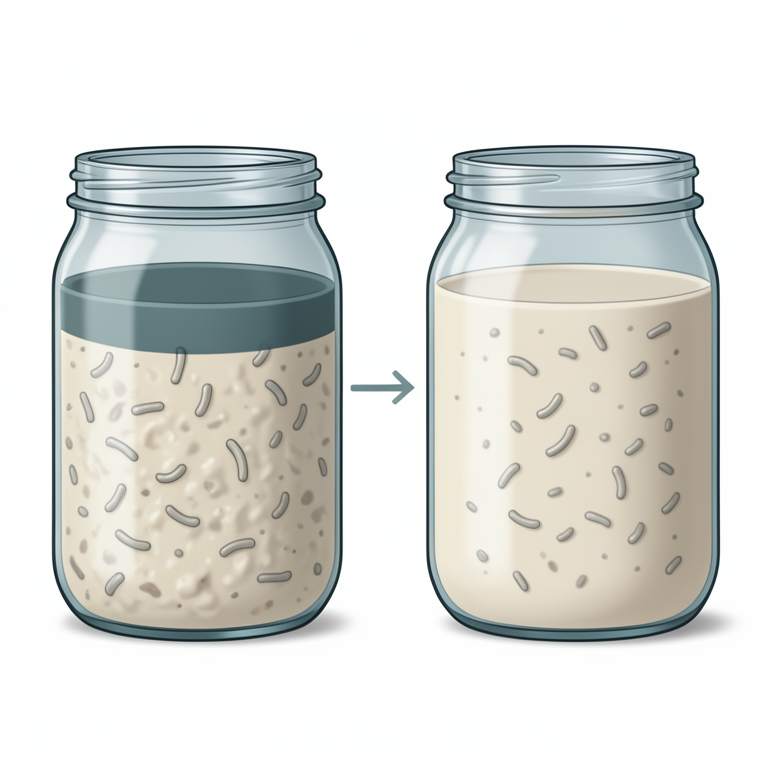
Impact of Fortification on Yogurt Quality
AI-generated conceptual illustration (bio-yogurt in glass jars). It explains the idea and does not show study data.
View source evidence ↗Figures & tables
From the original paper Table 1
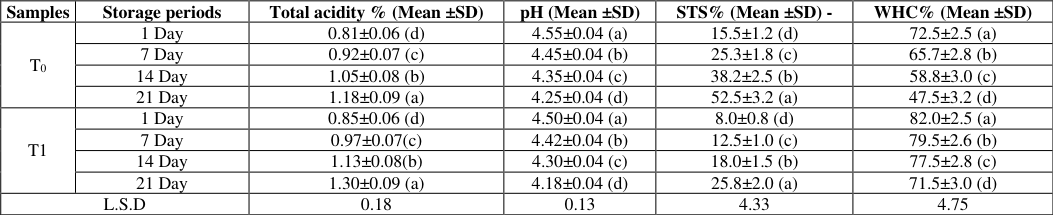 Table 2
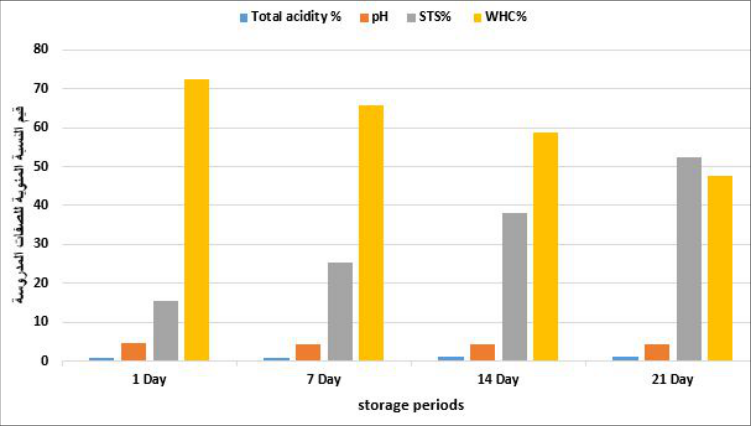 Figure 1
 Table 3
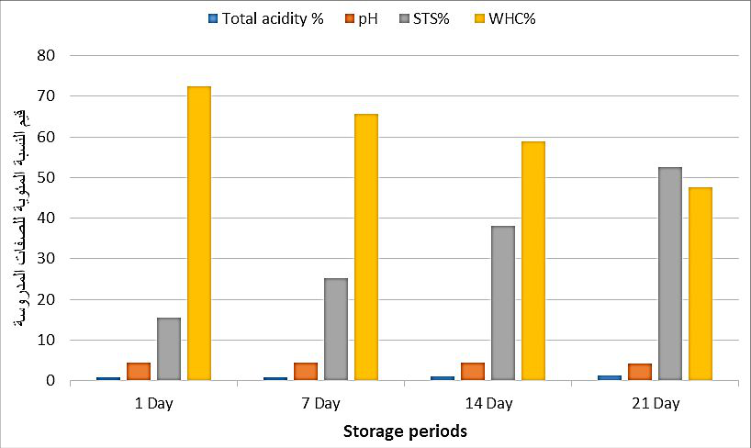 Figure 2
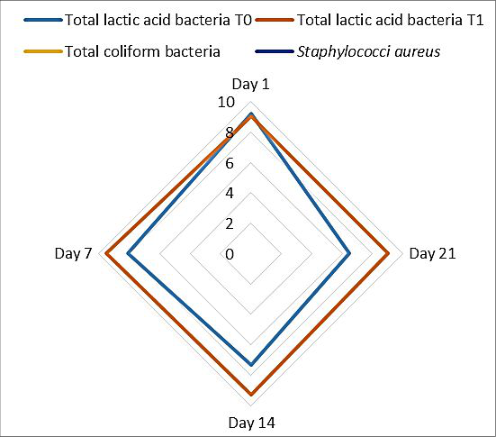 Figure 3
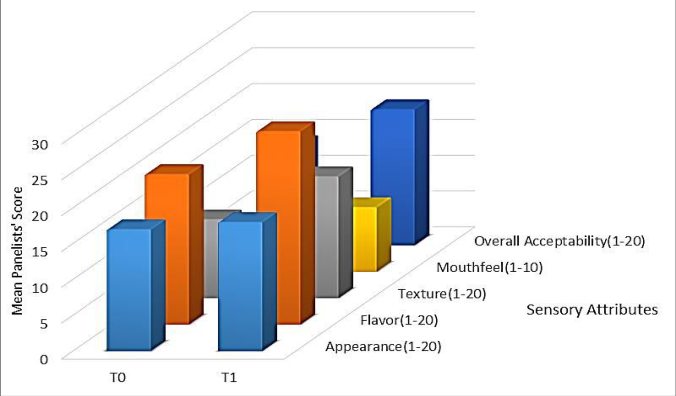 Figure 4
Introduction
Growing interest in healthy dietary practices has become an integral part of modern lifestyle. Such transformation of lifestyle has led to increase in demand for functional foods which have or are believed to have beneficial health effects. Certain products became important, among these probiotics, computerized important, prevents digestive disorders and maintains gut microbiota balance (Farag et al., 2020) [14] . Furthermore, it is also effective in cholesterol lowering and blood pressure lowering. Yoghurt and other fermented dairy products constitute one of the most essential probiotic sources globally (Bouhadi et al., 2021) [12] . As a result, many studies have tried to increase their functional value by adding bioactive component such as prebiotics and plant extracts (Fazilah et al., 2018) [15] . Studies of yogurt consistently show that changing ingredients alters its characteristics. According to Jaafar et al. (2020) [22] , for example, changing starter culture can make yogurt different. Similarly, Niamah et al. (2024) [29] found that encapsulating probiotics in yogurt alters its organoleptic characteristics. film-forming ability. It also works as an effective encapsulating material for bioactive materials (Prasad et al., 2022; Zabot et al., 2022) [31,41] . The objective of this study is to investigate the effect of Gum Arabic and Stevia rebaudiana extract on specific functional yogurt. Animal feed additives will be taken to assess their influence on growth or stability of probiotics. Also will be taken to check the physical, chemical and functional properties of the product.
Materials and Methods
Materials and Methods
Preparation of Culture Media
To activate the lactic acid bacteria, De Man, Rogosa, and Sharpe (MRS) Broth was prepared using 54.3 g/L and a pH of 6.8±0.2 as per the instruction of the manufacturers. MRS Agar is the medium used for enumerating lactic acid bacteria using the pour plate method at 67.15 g/L. For enumeration of coliform bacteria, MacConkey Agar (55.07 g/L) was prepared. Mannitol Salt Agar (MSA) (111.02 g/L) was also prepared as per the manufacturer for isolation and counting of Staphylococci. All media were sterilized by autoclaving at 121°c for 15 minutes at pressure of 15 psi.
Preparation of Solutions Used in the Study
0.4 g was dissolved in 100 mL distilled water to prepare a 0.1N NaOH solution. A 0.1N solution of HCl was prepared by taking 0.833 ml of concentrated acid and making it up to 100ml. Both solutions adjusted the pH and determined the titratable acidity. According to the (A.O.A.C., 2008) [44] method, 1 g of phenolphthalein indicator was dissolved in 50 mL of absolute ethanol, and the volume was made up to 100 mL. Peptone Water at the concentration of 1g per litre was made and then distributed into test tubes 9 mL per tube and sterilized for preparing serial dilutions for counts. We took Gum Arabic (AG) from Sigma Aldrich, Germany. It was prepared as a solution 1% (w/v) by dissolving in distilled water.
Determination of Chemical Content and Physical Properties of Milk
Samples of buffalo milk were taken from breeders at Maysan, Iraq. Analysis of chemical and physical properties was performed using a lacto flash ana lyser as per manufacturer's protocol Titratable acidity according to Nielsen (2010) [46] was performed by taking 9 g of the sample adding a few drops of phenolphthalein (1%) indicator and titrating with 0.1 N NaOH until a pink color appeared. In this study, the titratable acidity was determined as a percentage of lactic acid from the formula. Titratable Acidity (%) was calculated as (Volume of NaOH (mL) × Normality of NaOH × 0.09 / Weight of sample (g)) × 100. The pH was measured with a pH meter at 25°C by immersing the electrode in the sample (Nielsen 2010) [46] .
Aqueous Extraction of Stevia Leaves
Aqueous extraction was carried out according to the method of Goyal et al. (2010) [43] with modifications to suit food matrices. Dried stevia leaves were washed to remove dust. These were dried in a warm oven at 45-50°C for about 24 hours. This was done to preserve active compounds. The leaves were then ground into a fine powder.
A total of hundred mililiter of distilled water was added to 10grams of the powder. The concoction was heated at a temperature of 60-70 °C for a period of 1 h with constant stirring to facilitate the leaching of sweetening agents. The mixture was passed through Whatman No. 1 filter paper after extraction. The filtrate was stored at 4°C until use (Goyal et al., 2010; Lemus-Mondaca et al., 2012) [23,43] . Stevia leaf extracts in water can be successfully used for fortifying dairy products like yogurt. It enhances the natural flavor and improves sensory acceptability without affecting the functional properties. This is recommended by Giri et al. (2017) [18] , who does confirm a similar result. Shori (2016) [35] also confirmed the suitability of stevia extract for fermented milk.
Fortification of Yogurt with Gum Arabic and Stevia
The starter culture made up of Lactobacillus delbrueckii subsp. Our Lactic Strategy RM07 nutritionally activated direct set starter culture containing Lactobacillus bulgaricus and Streptococcus thermophilus (1:1) (Sacco, Italy) was engendered by adding it to sterilized skim milk(110°C for 5 minutes) cooled at 40°C at a rate of 0.2 gm/100 ml. The mixture was kept at 37 degrees Celsius for 24 hours and was repeated three times. Later, 1 g of mother culture was added to 99 mL sterilized milk and incubated at 37 °C till the coagulation occurred. The culture was kept in the refrigerator to make daily use easy. To make yogurt, buffalo milk was heated for 5 minutes at 90±2 °C and cooled to 42 °C. The starter culture was added at 3% (v/v) (≈ 8 log CFU/g). The milk was poured into 100 mL plastic containers containing gum arabic and control. Further, there were added T1 With 1% gum Arabic and 1% stevia extract. The vessels were covered and incubated at 37°C until pH was 4.6±0.2. The yogurt samples were stored at a temperature of 4° C for a period of 21 days and analysis were done on 1st, 7th, 14th and 21st days of storage (Shwetnisha and Nongmaithem, 2021) [45] .
Microbiological Analyses
Bacterial counts which would give a viable result were checked with the pour plate method. Lactic Acid Bacteria (LAB): On MRS Agar, incubated anaerobically at 37°C for 48 hours. After counting the colonies, the results were expressed in log CFU/g (Lima et al., 2009) [25] . Total Coliforms: On MacConkey Agar, incubated at 37°C for 48 hours. Staphylococcus aureus: On Mannitol Salt Agar, incubated at 37°C for 24-48 hours. Colonies that were characteristic, golden yellow were enumerated. (Watts et al., 2005) [47] .
Physicochemical Properties
Water Holding Capacity (WHC): According to Shori et al (2014) determined. We centrifuged ten (10) grams of yogurt at a force of five thousand times gravity. The supernatant was ascertained. From the weight of the supernatant and sample WHC was calculated. The formula applied was WHC% = [1 -(W₁ / W₂)] × 100 where W₁ is the supernatant and W₂ is the sample. Susceptibility to Syneresis (STS): Measurement by Niamah et al. (2016) [30] . For a duration of 6 hours, Whatman No. 1 filter paper was fixed with 10 mL of yogurt. The volume of whey that is ejected is calculated and subsequently, the STS is calculated as follows:
Where V₁ = volume of whey ejected and V₂ = initial volume of sample.
Titratable Acidity and pH:
Testing was done on all yogurt samples as per Nielsen (2010) [46] .
Sensory Evaluation
Using a sensory evaluation form, yogurt samples were assessed by panelists from the Department of Food Science, College of Agriculture, University of Maysan.
Statistical Analysis
Data were analyzed using SPSS software (Version 12). The application of a Completely Randomized Treatment Design (CRD) and statistical analysis of test results with the Least Significant Difference (LSD) test were conducted at the P≤ 0.05 significance level (Dean and Voss, 1999) [48] .
Results and Discussion
Results and Discussion
Physicochemical Composition of Buffalo Milk Used for Probiotic Yogurt Production
Buffalo milk is an important dairy product in many places, especially in the Middle East and Asia. It is known to have superior nutritional characteristics than cow's milk. [49] .
Its lactose content at 5.36% was similar to that of cow's milk. The fermentation of lactose by bacteria such as Lactobacillus delbrueckii subsp. bulgaricus and Streptococcus thermophilus is the primary substrate of these organisms and the main source of lactic acid responsible for coagulation of milk and the final texture (Walstra et al., 2006) [50] . The milk had a recorded pH of 6.74 which falls within the normal pH range of fresh milk (6.6-6.8). This indicates that the milk has good quality at the receiving point. Moreover, no pre-acidification was observed which could hinder the growth of starter culture. The total solids content was found to be 18.31% with solidsnot-fat (SNF) 9.69% These percentages were found to be high as compared to cow's milk, according to Ahmad et al.
(2013) [1] . The final yield and quality of the product are related to the SNF content. Increasing the SNF content increases the protein and lactose levels. This enhances bacterial fermentation. It also improves the final product's nutritional value. This reduced yogurt syneresis thereby increasing its stability in storage (Tamime & Robinson, 2007) [49] . The milk density of 1.035 g/cm³ refers to a normal density of solid components of milk. Milk being a natural food substance is liable to contamination with water, urea, starch, soft-drinks, detergent, synthetic milk etc by the food processors and other non-authorized hooked dealers. The freezing point of determined milk should not exceed -0.52°C. The water doesn't allow the whole amount to freeze at 0°C. A freezing point that is within a permissible range (-0.512° C to -0.550° C) shows quality of the raw milk and suitability for processing (Bylund, 2015) [51] . The titratable acidity (expressed as lactic acid) of fresh was found to be 0.13% A low ash content of 0.81% indicates that it is rich in mineral salts like calcium, phosphate and magnesium. Milk proteins are stabilized by these minerals. These minerals also help form a gel network during yogurtmaking. Calcium ions are specifically able to link together various protein molecules in the gel matrix.
Effect of Adding Gum Arabic and Stevia on the Physicochemical Properties of Yogurt during Storage
The current research showed that the addition of gum Arabic (AG) and aqueous stevia leaf extract (T1) in yogurt had a considerable (p<0.05) effect on the physicochemical properties titratable acidity, pH, syneresis, water holding capacity on various storage days (1, 7, 14, 21 days) (Table 2 and Figures 1 &2). The interactions between yogurt components with the additives and between these and the starter culture and casein protein network have become complicated owing to these shifts. All treatments experienced a constant increase in titratable acidity and a constant decrease in pH during the storage time. It is typical and anticipated that during storage lactic acid bacteria (LAB) will continue to convert lactose to lactic acid (Liu, 2025) [26] . The pace at which this increased was different for treatments. Throughout all the storage durations, samples of incubated yogurt reinforced with gum Arabic and stevia had the greatest titratable acidity. Thanks to gum Arabic, which is a fermentation fibre that may have prebiotic potential, acid production is enhanced by simulating the growth and activity of LAB (Al-Musawi et al., 2019) [4] . Gum Arabic and stevia samples experienced more syneresis reduction than the control ones (T0). The viscosity of the aqueous phase is improved by gum arabic making water molecules not to coalesce (Ahmad et al., 2021) [2] . Gum arabic forms a combined gel network with milk proteins (casein) to improve stability. The high binding capability of water prevents water migration and whey separation on the
| Samples | Storage periods | Total acidity % (Mean ±SD) | pH (Mean ±SD) | STS% (Mean ±SD) - | WHC% (Mean ±SD) |
|---|---|---|---|---|---|
| T0 | 1 Day | 0.81±0.06 (d) | 4.55±0.04 (a) | 15.5±1.2 (d) | 72.5±2.5 (a) |
| 7 Day | 0.92±0.07 (c) | 4.45±0.04 (b) | 25.3±1.8 (c) | 65.7±2.8 (b) | |
| 14 Day | 1.05±0.08 (b) | 4.35±0.04 (c) | 38.2±2.5 (b) | 58.8±3.0 (c) | |
| 21 Day | 1.18±0.09 (a) | 4.25±0.04 (d) | 52.5±3.2 (a) | 47.5±3.2 (d) | |
| T1 | 1 Day | 0.85±0.06 (d) | 4.50±0.04 (a) | 8.0±0.8 (d) | 82.0±2.5 (a) |
| 7 Day | 0.97±0.07(c) | 4.42±0.04 (b) | 12.5±1.0 (c) | 79.5±2.6 (b) | |
| 14 Day | 1.13±0.08(b) | 4.30±0.04 (c) | 18.0±1.5 (b) | 77.5±2.8 (c) | |
| 21 Day | 1.30±0.09 (a) | 4.18±0.04 (d) | 25.8±2.0 (a) | 71.5±3.0 (d) | |
| L.S.D | 0.18 | 0.13 | 4.33 | 4.75 |
Table text extracted from the original PDF; superscript letters are shown inline. The original table image is below.
View original table image
International Journal of Agriculture and Food Science https://www.agriculturaljournals.com surface. The addition of gum Arabic resulted in a more pronounced effect where the final syneresis reduce from 15.5% in the control to 8.0±0.7% in sample T1 on day 1.
The other hand addition of stevia showed no improvement towards stability to the final syneresis as it remains close to the control. The evidence indicates that sweetening on its own, without thickener and stabilizer addition, doesn't improve texture (Ghasempour et al., 2020) [17] . The higher WHC (water-holding capacity) in the newest process caused less syneresis development. The T1 samples that were fortified with gum Arabic and stevia had the highest water holding capacity (WHC) values and improved during storage. The polymer chains of gum Arabic entrain the water in the yogurt gel structure to reduce its loss and keep the product soft (Saha & Bhattacharya, 2010) [32] . On day 21, the WHC values of control sample reduced to 47.5%
while that of T1 sample maintained at a level of 71.5±1.5%. This important enhancement during prolonged storage increases the shelf life and preserves the sensory quality of yogurt. Once more, adding stevia by itself had not much of an effect on this characteristic, thus showing that gum Arabic mainly does affect properties controlling texture. The use of gum Arabic along with stevia will have the benefits of both. The acidity values that they show is moderate but analyse met a good improvement on syneresis stability and WHC scope. The addition of stevia did not affect the functional role of gum Arabic in increasing physical stability. Also, the mixture yields a sweet, lowcalorie yogurt where a real improvement is perceived in texture and stability, in response to trends towards healthy functional products in the market (Martinez et al., 2022) [28] .
Table 2: Physicochemical properties of yoghurt fortified with Gum Arabic and stevia during different storage periods.
Samples
Samples
Effect of Gum Arabic and Stevia Extract on Bacterial Viability in Yogurt
The effectiveness of yogurt as a functional food assembly can be affected by the viability and population density of bacteria especially lactic acid bacteria (LAB) (Küçük et al. 2010) [52] . The bacterial count (log CFU/g) of test sample using additives compared to control sample is represented in the Table (3). As the storage period increased, all groups generally and gradually observed a decrease in bacterial counts (Figure 3); probably due to lactic acid, pH, and nutrient deplete in the medium.
The samples with mixed gum Arabic and stevia (T1) showed stability in bacterial density, especially in the first few weeks. This finding agrees with Srisuvor et al. (2013) [37] who stated that the addition of fibers such as inulin and polydextrose (which perform analogy to gum Arabic) acted as prebiotics resulting in the growth of LAB and better survival of in fermented dairy products. This happens because gum Arabic is a substance that can be fermented by specialist bacteria in the gut at a low level, thus encouraging the bacteria to remain alive for longer inside the gut. According to Niamah et al. (2016) [30] , gum Arabic creates a prebiotic environment that stimulates the activity of probiotics. In fact, gum Arabic exerts a stabilizing effect or stimulates probiotic bacteria. Likewise Hashim et al. (2022) [20] who worked on belief on stabilizers like basil seed gum made mention of mechanisms gum Arabic use to enhance texture and offer more suitable environment for bacteria.
On the other hand, the inhibitory effect of samples with stevia alone agrees with the report by Gasmalla et al. (2014) [16] , which states that the stevia extract contains phenolic and flavonoid compounds that exhibit antimicrobial activity. Therefore, the inhibitory effect show in our experiment may be due to the active compounds in them that may crossinhibit the growth of useful bacteria at certain concentrations. The fact that the bacterial number was slightly lower in the samples containing stevia may also be justified by the antimicrobial activity of steviol glycosides (Lemus-Mondaca et al. 2012) [23] . The study by Tadhani et al. (2007) [39] confirmed that "initial" antimicrobial activity exhibited by stevia leave extract offers evidence to support the hypothesis on its effect on the bacteria. The effect would include beneficial bacteria in the yogurt matrix. The T1 group who had a mix had intermediate results meaning that gum Arabic partly surpassed the inhibition of the extract from stevia. According to Ma et al. (2016) [27] , hydrocolloids such as gum Arabic can adsorb or form complexes with the active ingredients in stevia. They do this at the moment of the assay. This reduces the ability of these active ingredients to directly interact with a bacteria. Thus, decreasing their inhibiting effect. As a result, both our findings suggest that the two can be used together in order to incorporate natural sweeteners while not harming probiotic functionality. The effect that gum Arabic and stevia have together could be due to the ability of gum to complex or entrap stevia actives which lowers their availability (Bilgiç, & Seyrekoğlu, 2025; Babeker, 2024) [11] . This could also play a role in how the sweeteners interact with the stabilizers in other studies (Coggins et al., 2010) [13] .
Detailed results of their studies on enhanced stability and probiotic viability in yogurt fortified with gum Arabic are in line with some recent findings on probiotic encapsulation technology. Atta et al. (2025) [7] proved that encapsulating Limosilactobacillus reuteri enhanced water-holding capacity and reduced syneresis and gave a higher bacterial viability in sheep's milk yogurt for 21 days of storage compared to free bacteria (Atta et al.,2025) [7] . Whereas in our study gum Arabic was used as a prebiotic and a stabilizing agent in a synergistic combination with stevia, Atta et al. work complimentarily proves that protecting and stabilizing probiotic bacteria by whatever means, and/or whether by encapsulating or by creating a supportive matrix in the yogurt is a very good tool to develop high-quality stable functional yogurts for prolonged shelf-life. LSD values were calculated for alternative comparisons. Differences in bacterial density between groups, concentrations and days of storage were verified not due to chance, rather true differences. The experimental results are quite repeatable and precise because of the low standard deviation these experiment results show.
Sensory Evaluation of Yogurt Fortified with Gum Arabic and Stevia
Sensory evaluation is a critical determinant for consumer acceptance of probiotic-fortified food products, as sensory attributes play a vital role in consumer preferences. The graph (4) showed a significant increase in the colour attribute with increasing concentration of gum Arabic. The treatment with the combination of gum Arabic and stevia (T1) at 1% concentration scored maximally (18.0±1.0). On the other hand, the control (T0) scored 15.0±0.8, and the difference was highly significant (p<0.01). The natural characteristics of gum Arabic can help improve the appearance of the product. The similarity of these results with findings of Sharifi et al. (2021) [5] which reported that gum Arabic is capable of enhancing the optical properties of dairy products. Treatment T1 (1%) gave the highest score for flavour (27.0±1.3) when compared to control (21.0±1.2) and the difference was highly significant (p<0.001). The natural sweetness of stevia, which does not change the nutritional value of the product, improves the taste. According to Leylak et al. (2021) [24] , the utilization of natural sweeteners enhances the sensory properties of yogurt surprisingly and significantly better than the control sample, which is confirmed by these results. The consistency attribute of the T1 treatment (1%) (17.0±1.3) was superior to control (11.0±0.9) with a highly (p<0.001) significant difference. The yogurt's structural matrix improved because of the combined effect of gum Arabic and stevia. The results were similar to Han et al. (2020) [19] study which demonstrated an enhancement of textural properties of yogurt with natural materials compared to a control. All treatments produced a significant improvement in texture attribute over the control (5.0±0.7), where the T1 treatment (1%) had achieved the highest score (9.0±1.0) with a highly significant difference (p<0.001). This improvement was made because it was shown that gum Arabic improves firmness and cohesiveness. The results show that Awaisheh et al. (2013) [8] who had analyzed the effect of natural materials on the textural properties of food products which were better than the control. All treatments were significantly superior to the control (14.0±0.6) for overall acceptability. The highest value of 19.0±1.0 was scored by treatment T1 (1%), where the difference was highly significant (p<0.001). This shows that enhancements in flavor, consistency, and texture work in harmony. These findings are in accordance with those of Anal and Singh (2007) [6] , who indicated that sensory properties greatly influenced the acceptability of fortified products over control. Arabic and the combination is a suitable candidate for probiotic products. 3. The addition of the combination enhanced the sensory properties of the yogurt, including flavor, consistency, texture, and overall acceptability, thereby increasing its marketability and palatability. 4. The use of a combination of gum Arabic and stevia (at 1% concentration each) is recommended for developing a naturally sweetened functional yogurt with a cohesive and stable body, extended shelf life, preserved probiotic value, and improved sensory characteristics.
Acknowledgement
AcknowledgmentsThanks to the Department of Food Science, College of Agriculture, University of Misan, for providing facilities and assistance to conduct this research.
Figures and tables from the paper
| Milk source | Percentage of contents / 100 gm milk | — | — | — | — | — | — | — | — | Total acidity | pH |
|---|---|---|---|---|---|---|---|---|---|---|---|
| Protein | Fat | Lactose | Ash | Moisture | Solid non- fat | Total solids | Density gm/cm3 | Freeze point | |||
| Buffalo milk | 4.15 | 8.62 | 5.36 | 0.81 | 84.35 | 9.69 | 18.31 | 1.035 | - 0.52 | 0.13 | 6.74 |
Table text extracted from the original PDF; superscript letters are shown inline. The original table image is below.
View original table image
| Group | — | Day 1 | Day 7 | Day 14 | Day 21 | L.S.D |
|---|---|---|---|---|---|---|
| Total lactic acid bacteria | T0 | 9.2±0.1a | ***8.1±0.1b | ***7.3±0.1b | ***6.5±0.1d | 0.28 |
| T1 | 9.0±0.1a | 9.5±0.1a | 9.3±0.1a | 9.0±0.1a | ||
| Total coliform bacteria | Nil | Nil | Nil | Nil | Nil | |
| Staphylococci aureus | Nil | Nil | Nil | Nil | Nil |
Table text extracted from the original PDF; superscript letters are shown inline. The original table image is below.
View original table image
References
52 in the original paper- Ahmad S, Gaucher I, Rousseau F, Beaucher E, Piot M, Grongnet JF, et al. Effects of acidification on physicochemical characteristics of buffalo milk: A comparison with cow's milk. Food Chemistry. 2013;126(3):10591066. https://doi.org/10.1016/j.foodchem.2012.07.105
- Ahmad S, Goksen G, Muhammad A. Effects of Arabic gum and xanthan gum on the physicochemical, rheological and microstructural properties of probiotic yogurt. Journal of Food Science and Technology. 2021;58(5):1871-1881. https://doi.org/10.1007/s13197020-04883-8
- Ahmed ME, Hamdy AM, Hammam ARA. Therapeutic benefits and applications of whey protein. International Journal of Current Microbiology and Applied Sciences. 2020;9(7):337-345.
- Al-Musawi MH, Al-Shadeedi SMJ, Al-Mossawi AE. Effect of gum Arabic as a prebiotic on the growth activity of Streptococcus thermophilus and Lactobacillus delbrueckii ssp. bulgaricus in yogurt. Iraqi Journal of Agricultural Sciences. 2019;50(2):678687.
- Al-Sharifi AS. Preparation of fermented soy milk and study of chemical, microbiological, and sensory properties and their effects on certain blood parameters in rats [Master's thesis]. Basrah: College of Agriculture, University of Basrah; 2016.
- Anal AK, Singh H. Recent advances in microencapsulation of probiotics for industrial applications and targeted delivery. Trends in Food Science & Technology. 2007;18(5):240-251. https://doi.org/10.1016/j.tifs.2007.01.004
- Atta ASH, Ali HI, Niamah AK. Effect of encapsulated bacteria Limosilactobacillus reuteri on the physicochemical, microbial, and sensory characteristics of yogurt produced from sheep's milk. IOP Conference Series: Earth and Environmental Science. 2025;1487(1):012112. https://doi.org/10.1088/17551315/1487/1/012112
- Awaisheh SS, Khalifeh MS, Al-Ruwaili MA, Khalil OM, Al-Ameri OH, Al-Groom R. Effect of supplementation of probiotics and phytosterols alone or in combination on serum and hepatic lipid profiles and thyroid hormones of hypercholesterolemic rats. Journal of Dairy Science. 2013;96(1):9-15. https://doi.org/10.3168/jds.2012-5577
- Babeker HHA. Development of a probiotic beverage (synbiotic) from different edible wild fruits fortified with gum Arabic [doctoral dissertation]. Bursa: Bursa Uludağ University; 2024.
- Bhasker S, Madhav H, Chinnamma M. Molecular evidence of insulinomimetic property exhibited by steviol and stevioside in diabetes induced L6 and 3T3Li cells. Phytomedicine. 2015;22(11):1037-1044. https://doi.org/10.1016/j.phymed.2015.07.007
- Bilgiç İG, Seyrekoğlu F. The use of stevia (Stevia rebaudiana) as a sweetener in fruit yogurts produced with apple powder and the determination of quality parameters. Journal of Food Measurement and Characterization. 2025. https://doi.org/10.1007/s11694025-02847-6
- Bouhadi D, Hariri A, Benattouche Z, El O, Ibri K, Belkhodja H, et al. Effect of the addition of egg white on the microbiological, physicochemical and sensory quality of steamed yogurt during fermentation and cold storage. Acta Agriculturae Serbica. 2021;26(51):3-10. https://doi.org/10.5937/aaser2151003D
- Coggins PC, Rowe DE, Wilson JC, Kumari S. The effect of sweetener and fruit level on the sensory properties of a yogurt product. Journal of Sensory Studies. 2010;25(3):403-421. https://doi.org/10.1111/j.1745-459X.2010.00279.x
- Farag MA, El Hawary EA, Elmassry MM. Rediscovering acidophilus milk, its quality characteristics, manufacturing methods, flavor chemistry and nutritional value. Critical Reviews in Food Science and Nutrition. 2020;60(18):3024-3041. https://doi.org/10.1080/10408398.2019.1675584
- Fazilah NF, Ariff AB, Khayat ME, Rios-Solis L, Halim M. Influence of probiotics, prebiotics, synbiotics and bioactive phytochemicals on the formulation of functional yogurt. Journal of Functional Foods. 2018;48:387-399. https://doi.org/10.1016/j.jff.2018.07.039
- Gasmalla MAA, Yang R, Hua X. Stevia rebaudiana Bertoni: An alternative sugar replacer and its International Journal of Agriculture and Food Science https://www.agriculturaljournals.com application in food industry. Food Engineering Reviews. 2014;6(4):150-162. https://doi.org/10.1007/s12393-014-9080-0
- Ghasempour Z, Alizadeh M, Bari MR. Optimization of the formulation of synbiotic yogurt containing stevia and inulin. Journal of Food Measurement and Characterization. 2020;14(4):1910-1920. https://doi.org/10.1007/s11694-020-00450-z
- Giri A, Banerjee P, Pradhan N, Sethy TK. Application of Stevia rebaudiana extract in yogurt. Journal of Food Processing and Preservation. 2017.
- Han C, Xiao Y, Liu E, Su Z, Meng X, Liu B. Preparation of Ca-alginate-whey protein isolate microcapsules for protection and delivery of Lactobacillus bulgaricus and Lactobacillus paracasei. International Journal of Biological Macromolecules. 2020;163:1361-1368. https://doi.org/10.1016/j.ijbiomac.2020.07.905
- Hashim MM, Elsakhawy MM, El-Sayed HS. Impact of basil seed gum, guar gum and their combination as stabilizers on the physicochemical, rheological and textural properties of probiotic yogurt. Journal of Food Science and Technology. 2022;59(5):1884-1894. https://doi.org/10.1007/s13197-021-05200-7
- Tikrit Journal of Agricultural Sciences. 2024. https://doi.org/10.25130/tjas.2024.24.11
- Jaafar AA, Atyea AS, Jasim SM, Mohsin GF. Study and evaluation of yoghurt products prepared from various commercial starter cultures. Plant Archives. 2020;20:3250-3254.
- Lemus-Mondaca R, Vega-Gálvez A, Zura-Bravo L, AhHen K. Stevia rebaudiana Bertoni, source of a highpotency natural sweetener: A comprehensive review. Food Chemistry. 2012;132(3):1121-1132. https://doi.org/10.1016/j.foodchem.2011.11.095
- Leylak C, Özdemir KS, Gürakan GC, Ögel ZB. Optimisation of spray-drying parameters for Lactobacillus acidophilus encapsulation in whey and gum Arabic: Its application in yoghurt. International Dairy Journal. 2021;112:104865. https://doi.org/10.1016/j.idairyj.2020.104865
- Lima GKDC, Kruger MF, Behrens J, Destro MT, Landgraf M, Franco BDGM. Evaluation of culture media for enumeration of Lactobacillus acidophilus, Lactobacillus casei and Bifidobacterium animalis in the presence of Lactobacillus delbrueckii subsp. bulgaricus and Streptococcus thermophilus. LWT -Food Science and Technology. 2009;42(2):491-495. https://doi.org/10.1016/j.lwt.2008.08.005
- Liu N. Effect of basil seed gum and its hydrolyzed oligosaccharides on yogurt culture growth and yogurt quality [Master's thesis]. Auckland: Massey University; 2025.
- Ma X, Chen W, Wang Y. Interactions between polysaccharides and bioactive compounds: A review. Food Chemistry. 2016;200:186-196. https://doi.org/10.1016/j.foodchem.2016.01.040
- Martinez RC, Bedani R, Saad SMI. Scientific evidence for health effects of fermented milk products and edible insects' gum: A review. Trends in Food Science & Technology. 2022;120:1-15. https://doi.org/10.1016/j.tifs.2021.12.017
- Niamah AK, Atta ASH, Ali HI. Vacuum oven drying technology used in the microencapsulation of Limosilactobacillus reuteri. Tikrit Journal for Agricultural Sciences. 2024;24(4):132-144.
- Niamah AK, Al-Sahlany STG, Al-Manhel AJ. Gum Arabic uses as prebiotic in yogurt production and study effects on physical, chemical properties and survivability of probiotic bacteria during cold storage. World Applied Sciences Journal. 2016;34(9):11901196.
- Prasad N, Thombare N, Sharma SC, Kumar S. Gum Arabic-A versatile natural gum: A review on production, processing, properties and applications. Industrial Crops and Products. 2022;187:115304. https://doi.org/10.1016/j.indcrop.2022.115304
- Saha D, Bhattacharya S. Hydrocolloids as thickening and gelling agents in food: A critical review. Journal of Food Science and Technology. 2010;47(6):587-597. https://doi.org/10.1007/s13197-010-0162-6
- Sharifi S, Rezazadeh-Bari M, Alizadeh M, Almasi H, Amiri S. Use of whey protein isolate and gum Arabic for the co-encapsulation of probiotic Lactobacillus plantarum and phytosterols by complex coacervation. Food Hydrocolloids. 2021;113:106496. https://doi.org/10.1016/j.foodhyd.2020.106496
- Shenana ME. Physico-chemical and functional properties of functional yogurt made with different types of whey protein concentrates. Annals of Agricultural Science, Moshtohor. 2021;59(2):455-462. https://doi.org/10.21608/assjm.2021.195014
- Shori AB. Comparative study of chemical, sensory, and antioxidant activity of yogurt sweetened with date syrup, honey, or stevia. Journal of Dairy Science. 2016.
- Shori AB, Baba AS, Misran M, Tan HW. Influence of Allium sativum or Cinnamon verum on physicochemical characteristics of yogurt. International Journal of Dairy Science. 2014;9(2):45-55.
- Srisuvor N, Chinprahast N, Praktichaiwattana C, Subhimaros S. Effects of inulin and polydextrose on physicochemical and sensory properties of low-fat set yoghurt. International Journal of Dairy Technology. 2013;66(2):261-267. https://doi.org/10.1111/14710307.12039
- Tadhani MB, Subash RI. In vitro antimicrobial activity of Stevia rebaudiana Bertoni leaf. Tropical Journal of Pharmaceutical Research. 2006;5(1):557-560.
- Tadhani MB, Patel VH, Subhash R. In vitro antimicrobial activity of Stevia rebaudiana Bertoni leaves. Turkish Journal of Biology. 2007;31(1):53-59.
- Younis K, Ahmad S, Jahan K. Health benefits and application of prebiotics in foods. Journal of Food Processing & Technology. 2015;6(4):1-7. https://doi.org/10.4172/2157-7110.1000433
- Zabot GL, Schaefer Rodrigues F, Polano Ody L, Tres MV, Herrera E, Palacin H, et al. Encapsulation of bioactive compounds for food and agricultural applications. Polymers. 2022;14(19):4194. https://doi.org/10.3390/polym14194194
- Zhang R, Zhou Z, Ma Y, Du K, Sun M, Zhang H, et al. Exopolysaccharide from Lactiplantibacillus plantarum YT013 and its apoptotic activity on gastric cancer AGS cells. Fermentation. 2023;9(6):539. https://doi.org/10.3390/fermentation9060539 International Journal of Agriculture and Food Science https://www.agriculturaljournals.com
- Goyal A, Singh N. Effect of processing on quality characteristics of dairy products. J Food Sci Technol. 2010;47(2):123-128.
- AOAC International. Official Methods of Analysis. 17th ed. Gaithersburg (MD): AOAC International; 2008.
- Shwetnisha, Nongmaithem S. Physicochemical and sensory evaluation of fermented dairy products. Int J Food Sci Nutr. 2021;6(3):45-52.
- Nielsen SS. Food Analysis. 4th ed. New York: Springer; 2010.
- Watts BM, Ylimaki GL, Jeffery LE, Elias LG. Basic Sensory Methods for Food Evaluation. Ottawa: International Development Research Centre; 2005.
- Dean AM, Voss DT. Design and Analysis of Experiments. New York: Springer; 1999.
- Tamime AY, Robinson RK. Yoghurt: Science and Technology. 3rd ed. Boca Raton (FL): CRC Press; 2007.
- Walstra P, Wouters JTM, Geurts TJ. Dairy Science and Technology. 2nd ed. Boca Raton (FL): CRC Press; 2006.
- Bylund G. Dairy Processing Handbook. Lund (Sweden): Tetra Pak Processing Systems AB; 2015.
- Küçük M, Ünal M, Sultanoğlu P. Effect of processing conditions on physicochemical properties of fermented milk products. Food Chem. 2010;121(3):716-720.