
Research article · 2025 · Full text
International Journal of Agriculture and Food ScienceA comprehensive review of pharmacological potential, nutritional profile and industrial applications of ash gourd (Benincasa hispida) seeds
Volume 7(12) · Pages 268–274 · DOI: 10.33545/2664844x.2025.v7.i12d.1052 ↗
Research areasAdvances in Cucurbitaceae ResearchSeed and Plant BiochemistryNuts composition and effects
Abstract
Author-writtenAsh Gourd (Benincasa hispida) is a significant member of Cucurbitaceae family. Benincasa is a monotypic genus and is one of the most well-known cucurbit crop. The fruit is valued for its nutritional and medicinal attributes, particularly in Ayurveda and is widely cultivated across South and Southeast Asia. India is home to cottage-scale industry of ‘Petha’, a popular sweet prepared by osmotically dehydrating ash gourd flesh. However, the industry generates substantial amount of processing waste in form of rind and seeds. This underutilized fraction, particularly the seeds, offers significant potential for value addition due to their rich nutritional and pharmacological properties, making it an important focus for scientific review and exploration. Globally, food wastes poses social, economic and environmental concerns. Valorizing nutrient-dense by-products is therefore highly relevant, especially when they contain essential nutrients. Ash gourd seeds are as beneficial as fruit flesh and serve as rich source of plant-based protein, essential fatty acids and mineral. The seed oil is of notable therapeutic value due to its content of vitamins (A and E) and terpenoids. The seed extract is reported to have anti-inflammatory, anti-microbial, anti-nociceptive and anti-pyretic properties making ash gourd seeds of considerable value for food, pharmaceutical and nutraceutical industries. This review comprehensively discusses the cultivation, pharmacological studies, nutritional profile and industrial application of ash gourd seed, emphasizing their potential as a promising source of nutritional and functional ingredients.
Summary
Source-checkedPlain-language reading of the full paper, prepared with AI and checked against the text. Each point links to the authors' own words.
Why it matters
- The production of 'Petha', a popular Indian sweet made from ash gourd flesh, creates significant amounts of industrial waste in the form of seeds and rind. View evidence ↗
- Reducing global food waste by valorizing nutrient-dense by-products is critical for addressing social, economic, and environmental concerns. View evidence ↗
- Ash gourd fruit is composed of approximately 75-77% flesh, 15% peel, and 8-10% seeds. View evidence ↗
The question
- The authors aim to synthesize scattered existing evidence on ash gourd seeds to fill a gap in understanding their bioactivities and potential as a sustainable bioresource. View evidence ↗
What they did
- The study is a comprehensive review focusing on the cultivation, nutritional profile, pharmacological properties, and industrial applications of Benincasa hispida seeds. View evidence ↗
What they found
- Linoleic acid is the primary fatty acid in ash gourd seed oil, accounting for 67.37% of the total fatty acids. View evidence ↗
- In rat models of carrageenan-induced paw edema, methanolic seed extracts reduced paw swelling by 59.7%, demonstrating significant anti-inflammatory activity. View evidence ↗
- Oral administration of seed extract at 500 mg/kg/day for 15 days in alloxan-induced diabetic rats showed a stronger hypoglycemic effect than the diabetic control group. View evidence ↗
- Methanolic seed extracts at 300 mg/kg provided ulcer protection in rats, inhibiting ulceration by 52.7% (pyloric ligation), 67.4% (water-immersion stress), and 61.2% (NSAID-induced). View evidence ↗
- Ethanolic seed extracts at 250 and 500 mg/kg significantly (P<0.05) reduced pain and yeast-induced fever in Wistar albino rats. View evidence ↗
- Aqueous seed extract showed dose-dependent cytotoxicity against Triple Negative Breast cancer cells (MDA-MB-231) with an IC₅₀ of 142±7.54 µg/mL, though it was less potent than doxorubicin (IC₅₀ 52±3.41 µg/mL). View evidence ↗
- The seed-derived peptide 'Hispidalin' at 40 μg/mL showed 70.8% DPPH free radical-scavenging activity and 69.5% lipid peroxide inhibition. View evidence ↗
- Water extracts of dried seeds showed inhibition of 79.8% (DPPH), 95.5% (hydroxyl radical), and 82.3% (ABTS) after one hour of incubation. View evidence ↗
What it means
- The authors conclude that ash gourd seeds are a promising, low-cost biomass suitable for use in the food, pharmaceutical, and nutraceutical industries. View evidence ↗
- The authors state that further work in safety evaluation, standardized extraction, and clinical validation is necessary to move laboratory findings toward marketable products. View evidence ↗
Visual summary
1 visualsIllustrations explain the paper; they do not show study data.
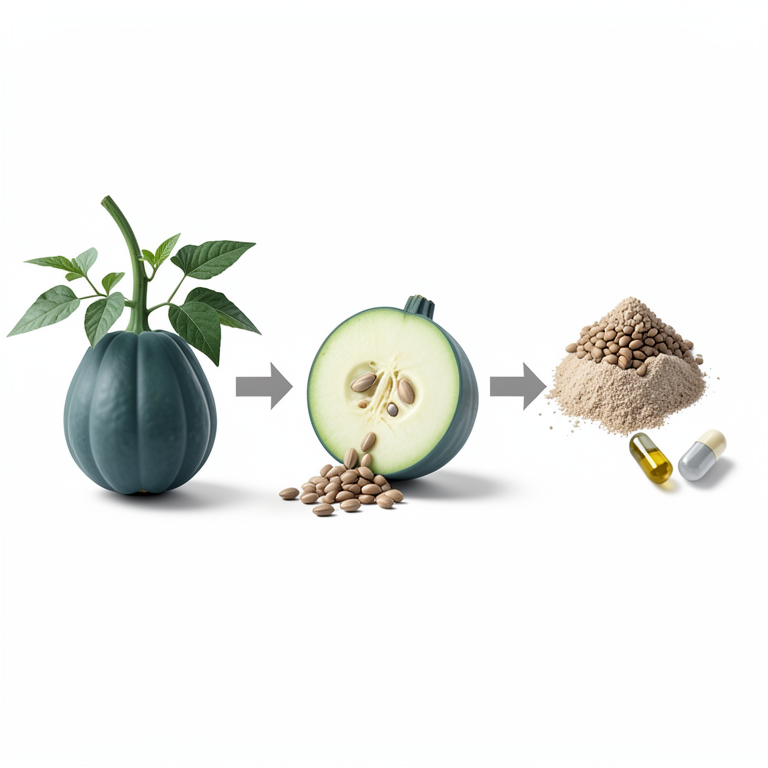
Circular Bioeconomy of Ash Gourd
AI-generated conceptual illustration (Ash gourd (Benincasa hispida) plants and seeds). It explains the idea and does not show study data.
View source evidence ↗Figures & tables
From the original paper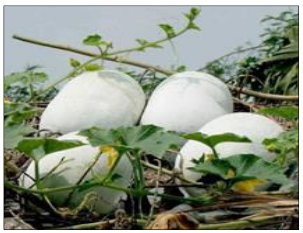 Figure 1
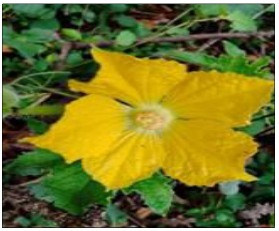 Figure 1
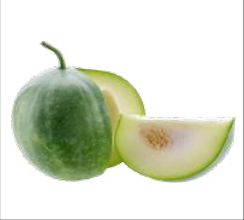 Figure 1
 Figure 1
 Table 1
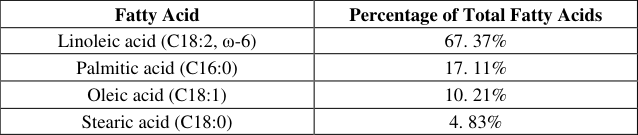 Table 2
 Table 3
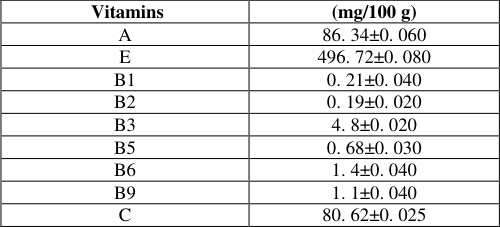 Table 4
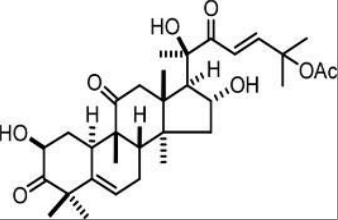 Figure 2
Introduction
Ash gourd (Benincasa hispida), a tropical melon of Cucurbitaceae family is the sole species classified under genus, Benincasa (Rabbani et al., 2013) [39] . It is commonly known as Petha in Hindi, Kushmanda in Sanskrit, Boodida Gummadi in Telugu, Neer Pooshnikkai in Tamil, Kumbalam in Malayalam, Bhuru Kolu or Safed Kolu in Gujarati and winter melon, white gourd, wax gourd, white pumpkin, Chinese preserving melon in English (Bimakar et al., 2012;Robinson & Decker-Walters, 1997) [4,42] . According to the International Plant Name Index (IPNI), the seeds of B. hispida refer to the plant's seeds along with their shells derived from Benincasa hispida. Ash gourd cultivation widely spans across India, Sri Lanka, Myanmar, Vietnam, Indonesia, Korea, Japan and Australia (Patil et al., 2012) [37] . It has traditionally been employed to manage a wide range of ailments, including diabetes mellitus, diuretic and urinary disorders, chronic inflammatory conditions (Grover & Rathi, 1994; Lee et al., 2005) [16,25] as well as epilepsy, cough, fever, cardiovascular issues, liver diseases (Dhiman et al., 2012; Zaini et al., 2011) [7,59] , peptic ulcer and hemorrhages from internal organs (Bhalodia et al., 2009) [3] . 'Kooshmanda rasayana', an ayurvedic preparation, is developed from ash gourd (Firke et al., 2020) [11] . 'Petha', the world famous confectionary from Taj Mahal city, Agra is exported globally. A sweet preparation from ash gourd flesh, the pieces are cured in lime solution followed by cooking in concentrated sugar syrup to produce translucent, candied sweet (Yadav et al., 2023) [58] . Petha manufacturing is a cottage industry with almost 1500 units involved in production in Agra only, with daily estimated capacity of 700-800 tonnes of petha sweet. Despite its long-standing popularity and cultural significance, by-products comprising fruit peels and seeds from processing has become a major environmental concern (Singh & Saini, 2014) [50] . While the flesh is extensively utilized, seeds which constitute a significant portion of the fruit by weight are usually [54] . The literature review reveals ash gourd fruit contains 75 -77% flesh, 15% peel and 8 -10% seeds (Sreenivas et al., 2011) 51 . Recent studies have also revealed that ash gourd seed extract possess free radical-scavenging and enzymeinhibitory properties, suggesting their possible applications in the prevention of chronic metabolic and neurodegenerative disorders (Acharya et al., 2025) [1] . This is similar to the case of pumpkin, watermelon and cucumber seeds, which for many years were neglected before being recognized as valuable sources of protein concentrates, healthy fats and minerals. Food loss and waste are serious threats to the sustainability of our food systems. According to the Food and Agriculture Organisation of the United Nations (FAO), one-third of the global food production for human consumption ~1. 3 billion tonnes per year is lost or wasted (FAO, 2011) [9] . One of the Sustainable Development Goals outlined by United Nations' in 2015 intends to 'halve the per capita global food waste at the retail and consumer levels and reduce food losses along production and supply chains, including post-harvest losses'by 2030 52 . From the perspective of sustainability, valorisation of ash gourd seeds could play a dual role in reducing food processing waste while providing affordable sources of plant-based protein and bioactive compounds to address global nutritional challenges. Plant proteins and oils are being actively explored for their role in improving food security, reducing dependence on animal sources. Ash gourd seeds fit perfectly into this paradigm, offering an opportunity for the development of dietary supplements and nutraceutical formulations (Gade et al, 2022; Kakkera & Bukya, 2024) [12,19] . Moreover, the seeds could be used in bakery products, protein-rich chocolate (Pallavi et al, 2018) [36] , biscuits, energy bars and as a raw material for pharmaceutical extractions. Despite this potential, systematic reviews compiling the existing data on ash gourd seeds are lacking. The available literature is scattered while comprehensive studies on ash gourd seeds remain limited. This lack of integration creates a notable gap in understanding and utilizing the potential bioactivities of ash gourd seeds. Therefore, a consolidated review is necessary to fill this gap by synthesizing the available evidence on B. hispida seeds. By bringing together the current state of knowledge, this review seeks to emphasize the importance of ash gourd seeds as a sustainable and valuable bioresource rather than an agricultural waste. [24,33] . Ash gourd is a warm season crop which grows well in temperature range of 22-35 °C. It is sensitive to frost and low temperature conditions. It can be grown in all types of soils but sandy loam soil is ideal for its growth, with optimum pH range 6. 5-7. 5. The best time for raising the crop is February-March. The fruits are ready for harvesting after 120-150 days of sowing (Devi, 2025) [5] . The round or oblong fruit weighs between 0. 5-3 kg on average, while length varies between 18-35 cm, width 15-33 cm and circumference 30-37 cm. The average yield is documented ~25-30 tonnes/ha. Ash gourd is listed as one of the vegetables covered under the APEDA HortiNet system for monitoring and export purposes, indicating its relevance as an export-oriented crop(Dewan et al., 2014; APEDA, 2024) [6, 2] . Sharma et al., 2014) [18,45] . Another study investigating the antibacterial activity of pulp and seed extract of B. hispida against major periodontal pathogens reveals the seed extract to be more effective indicating its potential as a natural adjunct for managing periodontal infections(Wadikar et al., 2015) [56] . Ng & Parkash, 2002 reports, a ribosomeinactivating protein (RIP), 'Hispin' extracted from ash gourd seeds having anti-fungal properties as fungal ribosomes are susceptible to RIPs [35] .
Cultivation
Cultivation
Anti-cancer properties
Anti-angiogenic therapy is a cornerstone of cancer treatment as tumor growth beyond a small size critically depends on neovascularization (Rajabi & Mousa, 2017) [40] . Lee [32] .
Anti-convulsant activity
Anti-convulsant activity refers to the ability of a substance to prevent or reduce the frequency and severity of seizures by stabilizing neuronal excitability and inhibiting abnormal electrical discharges in the brain (Katzung et al, 2021) [21] .
The ethanolic extract of B. hispida seeds (EEBH) has been assessed for its anti-convulsant properties using Maximal Electroshock Seizure (MES) and Pentylenetetrazol (PTZ)induced seizure models in albino Wistar rats. Phenytoin served as the reference drug in the MES test while diazepam was used in the PTZ testFindings revealed that EEBH lowered the duration of tonic hind limb extension in a dosedependent manner in the MES model and in the PTZ model it increased seizure latency and reduced the incidence of convulsions. Overall, the study suggests that EEBH possesses promising anticonvulsant activity (Gohain & Kaushik, 2014) [15] .
Anti-diabetic activity
The anti-diabetic activity of the ethanolic extract of [43] .
Anti-inflammatory activity
Inflammation is the body's protective mechanism in response to any injury or infection, involving pain, swelling, heat and redness (Medzhitov, 2008) [29] . Anti-inflammatory activity is beneficial as it helps reduce tissue damage, pain and swelling, promoting faster healing and preventing chronic inflammation-related diseases(Libby, 2007) [26] . The methanolic extract of B. hispida seeds exhibited significant anti-inflammatory activity in rats, as demonstrated by the carrageenan-induced paw edema model, where it produced a 59. 7% reduction in paw swelling (Gill et al., 2010) [13] . Also, the seed extract is reported to have inhibitory effects on histamine secretion and anti-tumor effects by enhancing immunoreactions (Yoshizumi et al., 1998) [59] .
Anti-nociceptive and anti-pyretic activity Anti-nociception refers to the suppression of nociceptive (painful) signal transmission within the central or peripheral nervous system. Similarly, anti-pyretic activity refers to the ability of a substance to reduce or suppress fever through inhibition of prostaglandin synthesis in the hypothalamus (Millan, 2002; Rang et al., 2016) [30,41] . The ethanolic seed extract of B. hispida was assessed for its anti-nociceptive and antipyretic activities, with Brewer's yeast (15%) used to induce fever in Wistar albino rats. The extract significantly (P<0. 05) enhanced pain-relieving effects in a dosedependent manner at 250 and 500 mg/kg body weight. Likewise, it markedly (P<0. 05) lowered yeast-induced fever at the same dosage levels. These findings indicate that the ethanolic seed extract of B. hispida possesses strong anti-nociceptive and anti-pyretic potential (Wadikar et al., 2015) [55] .
Anti-ulcer activity
Peptic ulcers are acid-induced lesions that typically occur in the stomach or duodenal wall. It involves loss of the protective mucosal layer, resulting in open sores in stomach lining that penetrates into the submucosa or even the muscularis propria (Narayanan et al., 2018) 34 . The methanolic extracts of B. hispida seeds (MEBH) were assessed for its anti-ulcer potential in rats using three experimental models namely, pyloric ligation, waterimmersion stress and non-steroidal anti-inflammatory drug (NSAID) i. e. indomethacin induced gastric ulceration with ranitidine serving as the standard drug. At a dose of 300 mg/kg, MEBH demonstrated notable ulcer protection, producing 52. 7%, 67. 4%, and 61. 2% inhibition in the pyloric ligation, water-immersion stress and NSAIDinduced ulcer models, respectively (Gill et al., 2011) [14].
Expectorant effect
The ability of a substance to increase bronchial mucus secretion and promote its expulsion, helping clear the airways and ease coughing is attributed to its expectorant effect. B. hispida seed extract is reported to promote mucus production, thereby exhibiting expectorant activity (Hopp & Townley, 1995; Kim & Shin, 1999) [17,23] .
Nutritional profile Proximate Composition
The literature review on proximate composition of ash gourd seeds reveals high proportion of protein such as trigonelline, coffearin and osmotin. X-ray diffraction analysis of selected cucurbit seeds, obtained highest degree of crystallinity for ash gourd seeds among all, suggesting the presence of high amount of fat and protein in the seeds. The lipid content of ash gourd seeds predominantly consists of unsaturated fatty acids (86. 54%). Linoleic acid, the main polyunsaturated fat is helpful to prevent coronary heart disease ( [12,44,47,10] .
Amino Acid Profile
In the ash gourd seeds, the amino acid reported in highest amount were glutamic acid (9. 48 mg/100 g) and aspartic acid (6. 14 mg/100 g), while methionine (1. 01 mg/100 g) and cystine (1. 06 mg/100 g) were reported in lowest amount (Gade et al., 2022) [12] . [12]
Minerals
In a comparative study of ash gourd pulp, leaves and seeds, the mineral content was determined using standard methods. The calcium, iron and potassium content in ash gourd seeds were reported at 214 mg/100 g, 4. 2 mg/100 g and 445 mg/100 g respectively with potassium content being highest in seeds against pulp and leaves. In another study, the mineral (Fe, K, Mg, Zn, Na) content of ash gourd seeds is found to be significantly higher at 13. 06 mg /100 g, 1286 mg/100 g, 1330. 95 mg/100 g, 29. 49 mg/100g and 98. 2 mg/100g respectively (Gade et al, 2022; Kakkera & Bukya, 2024) [12,19] .
Anti-nutritional factors
The major antinutritional factors reported in ash gourd seeds include phytates (2. 15. mg/100 g), alkaloids (65 mg/100 g), tannins (1. 11 mg/100 g) and saponins (7. 13 mg/100 g). A minor amount of oxalate (0. 13 mg/100 g) is reported in it. Cucurbitacin, a tetracyclic triterpenoid derived from cucurbitaceae species is present in minute amount in ash gourd seeds. It exhibits anticancer effects by suppressing Janus kinase 2 (JAK2) activity and signal transducer and activator of transcription 3 (STAT3) in cancer cell lines from the breast, prostate, and nasopharynx. Due to its insolubility in water and general toxicity, cucurbitacin is administered in its polymeric form (Gade et al, 2022; Uchikoba, 1998; Polu et al., 2015) [12,53,38] .
Anti-oxidant activity
When antioxidant activity of water extract of dried ash gourd seeds was tested using 2, 2-diphenylpicrylhydrazyl (DPPH) assay, hydroxyl radical scavanging activity measuring assay and 1, 2, 2′-azino bis-(3ethylbenzothiazoline-6-sulfonic acid) (ABTS) assay, the inhibition was reported at 79. 8%, 95. 5% and 82. 3% respectively after 1 hour of incubation. The total flavonoid content (TFC) was about 486. 8±4. 1 μg catechin/g dry mass (Samad et al., 2012) [43]. Another study reveals total phenolic content (TPC) of water extracted from dried ash gourd seeds at 81. 3±1. 4 μg gallic acid/g. Gade et al., 2022 reports total phenolic content (TPC) of ash gourd seeds at 176. 07 mg GAE/100 g, highest amongst pumpkin, watermelon, muskmelon.
Bioactive compunds
Ash gourd seeds were reported to found an osmotin-like protein which belongs to the PR-5 (Pathogenesis-Related protein 5) family. These proteins have well-studied biological roles in plants especially anti-microbial and antifungal activity. It was also found to consist of acetoin, 1octoanol, 1-nonanol as key volatile compound as glycosidic conjugate (Shih et al., 2001; Sikorski, 2006; Silva et al., 2018;Wu et al., 1987) [47,48,49,57] Potential application in industries Food Industry Applcations With 8-10% seed content in ash gourd, the valorization of seed waste for food purposes can help to overcome nutritional security besides aligning strongly with sustainable production frameworks and circular bioeconomy goals (Ebert et al., 2021; FAO, 2011;Viuda et al., 2014) [8,9,54] . The protein fraction of ash gourd seeds presents a lowcost, plant-based alternative to animal proteins. The seeds may be incorporated into functional food formulations e. g. protein-rich snacks, bakery products, protein isolates to enhance protein density in plant-based foods or defatted seed meal as a fibre-and protein-rich composite flour. The seed's thermal-stability and functional attributes were also documented supporting processing suitability. In a recent work, prebiotics identified from ash gourd seed extract were used to prepare prebiotic chocolate (Gade et al., 2022; Pallavi et al., 2018) [12,36] Bioactive Peptides with Antimicrobial Activity A novel cationic peptide ('Hispidalin') of molecular mass 5.
7 KDa and 49 amino acid residues, purified from the seed extract of B. hispida showed broad-spectrum antibacterial and anti-fungal activity against human pathogens, with growth inhibition significantly comparable with commercially available antibacterial and antifungal drugs. At 40 μ g/mL concentration, Hispidalin exhibited 70. 8% DPPH free radical-scavenging activity and 69. 5% lipid peroxide inhibition, indicating that seed-derived peptides can be developed into antimicrobial agents (Sharma et al., 2014) [46] .
Chemotherapy
An experimental study of anti-proliferative activity of B. hispida against the Triple Negative Breast cancer cell line (MDA-MB-231) is particularly noteworthy. In this study, the aqueous seed extract of B. hispida was tested at concentrations of 20, 40, 80, 160, 320 and 640 micrograms per millilitre (µg/mL). For comparison, the standard chemotherapeutic drug doxorubicin (DOXO) was applied at concentrations of 5, 10, 20, 40, 50 and 60 µg/mL to the same cell line. The results demonstrated that the cytotoxic effect of the B. hispida aqueous extract on MDA-MB-231 cells increased steadily with rising concentration, indicating a clear dose-dependent response. The extract produced a half-maximal inhibitory concentration (IC₅₀) of 142±7. 54 µg/mL. In comparison, doxorubicin, used as the positive control, showed a much lower IC₅₀ value of 52±3. 41 µg/mL, confirming its stronger potency (Kanase et al., 2025) [20] .
Nanomedicine / Nanoparticle-based Applications
In a recent study by Khan et
Source of bioactive lipids
Analysis of different solvent extracts from B. hispida seeds identified presence of several medically important bioactive fatty acids such as 9, 12-octadecadienoic acid, hexanoic acid, Nonanoic acid, 13-octadecenal (Z), hexadecanoic acid, 2-hydroxy-1-(hydroxyme) that have known therapeutic effect. The wide range of bioactive molecules detected in different crude extracts underscores the potential of these plants for medicinal applications (Muzahid et al., 2020) [31] .
Applications in the Nutraceutical Industry
The relatively high phenolic content and reported antioxidant activity of ash gourd seeds position them well for nutraceutical development. Seed extracts standardized for total phenolics or specific flavonoids can be formulated into capsules, powders or functional beverage ingredients aimed at reducing oxidative stress and supporting metabolic health (Gade et al., 2022; Islam et al., 2021) [12,18] . Ultrasound-assisted and other green extraction methods have been optimized for seed oil and bioactive recovery, demonstrating scalable pathways to obtain concentrated seed extracts with measurable antioxidant capacity. As nutri-cosmetic and anti-ageing markets value natural antioxidants, seed-derived concentrates could be developed for both oral and topical nutraceuticals after toxicology and efficacy validation (Islam et al., 2021; Bimakar et al., 2012) [18, 4] .
Conclusion
Ash gourd seeds though commonly discarded are a promising, low-cost biomass with tangible potential across food, nutraceutical and pharmaceutical sectors. While going through existing research studies of ash gourd seeds, it can be said without doubt that it can be utilized for its nutritive values and therapeutically for managing chronic disorders. Focused efforts in compositional profiling, standardized extraction, safety evaluation, formulation development and clinical validation are required to convert laboratory findings into safe, effective, and marketable products [2,18,26] .
Figures and tables from the paper
| Fatty Acid | Percentage of Total Fatty Acids |
|---|---|
| Linoleic acid (C18:2, ω-6) | 67. 37% |
| Palmitic acid (C16:0) | 17. 11% |
| Oleic acid (C18:1) | 10. 21% |
| Stearic acid (C18:0) | 4. 83% |
Table text extracted from the original PDF; superscript letters are shown inline. The original table image is below.
View original table image
| Vitamins | (mg/100 g) |
|---|---|
| A | 86. 34±0. 060 |
| E | 496. 72±0. 080 |
| B1 | 0. 21±0. 040 |
| B2 | 0. 19±0. 020 |
| B3 | 4. 8±0. 020 |
| B5 | 0. 68±0. 030 |
| B6 | 1. 4±0. 040 |
| B9 | 1. 1±0. 040 |
| C | 80. 62±0. 025 |
Table text extracted from the original PDF; superscript letters are shown inline. The original table image is below.
View original table image
References
58 in the original paper- Acharya T, Nanda A, Swain SS. Exploration of bioactive compounds in Benincasa hispida seeds: Insight into their therapeutic potential for Alzheimer's disease management using computer-aided drug design. Chem Biol Interact. 2025;22(8):e202403374.
- Agricultural and Processed Food Products Export Development Authority (APEDA). HortiNet - Traceability system for horticulture products. Government of India; 2024. Retrieved from https://apeda. gov. in/
- Bhalodia Y, Kanzariya N, Patel R, Patel N, Vaghasiya J, Jivani N. Renoprotective activity of Benincasa cerifera fruit extract on ischemia/reperfusion-induced renal damage in rat. Iran J Kidney Dis. 2009;3(2):8085.
- Bimakr M, Rahman RA, Taip FS, Adzahan NM, Sarker MZI, Ganjloo A. Optimization of ultrasound-assisted extraction of crude oil from winter melon (Benincasa hispida) seed using response surface methodology and evaluation of its antioxidant activity. Molecules. 2012;17(10):11748-11762.
- Devi R, editor. Package of practices for cultivation of vegetables -2025. Punjab Agricultural University; 2025. ISBN: 978-81-932778-8-1.
- Dewan MMR, Monda S, Islam MS, Mukul MHR, Hossen MA. Study on correlation and path analysis of the yield contributing characters of different ash gourd accessions. Eco-friendly Agric J. 2014;7(1):1-5.
- Dhiman K, Gupta A, Sharma DK, Gill NS, Goyal A. A review on the medicinally important plants of the family Cucurbitaceae. Asian J Clin Nutr. 2012;4(1):1626.
- Ebert AW, Drummond E, Giovannini P, van Zonneveld M. A global conservation strategy for crops in the Cucurbitaceae family. Bonn, Germany: Global Crop Diversity Trust; 2021.
- FAO. Global food losses and food waste -extent, causes and prevention. SAVE FOOD Initiative; 2011.
- Farvid MS, Ding M, Pan A, Sun Q, Chiuve SE, Steffen LM, et al. Dietary linoleic acid and risk of coronary heart disease: a systematic review and meta-analysis of prospective cohort studies. Circulation. 2014;130(18):1568-1578
- Firke A, Bobade RB. A literature review of Kushmanda (Benincasa hispida) in Ayurvedic classics. World J Pharm Res. 2020;9(12).
- Gade SR, Meghwal M, Prabhakar PK, Giuffrè AM. A comparative study on the nutritional, antioxidant, thermal, morphological and diffraction properties of selected cucurbit seeds. Agronomy. 2022;12(10):2242.
- Gill NS, Dhiman K, Bajwa J, Sharma P, Sood S. Evaluation of free radical scavenging, antiinflammatory and analgesic potential of Benincasa hispida seed extract. Int. J. Pharmacol. 6(5), 2010, 652657
- Gill NS, Dhiman K, Sharma P, Bajwa J, Sood S, Sharma PD, et al. Evaluation of free radical scavenging and antiulcer potential of methanolic extract of Benincasa hispida seeds. Res J Med Plants. 2011;5(5):596-604.
- Gohain KA, Kaushik SH. Study of the anticonvulsant activity of ethanolic extract of seeds of Benincasa hispida Linn. in albino rats. Asian. J. Pharm. Clin. Res. 7, 2014, 128-130.
- Grover JK, Rathi SS. Anti-inflammatory activity of fresh juice of Benincasa hispida. Indian J Pharm Sci. 1994;56:26-66.
- Hopp RJ, Townley RG. J Allergy Clin Immunol. 1995;95(6):1176-82.
- Islam MT, Quispe C, El-Kersh DM, Shill MC, Bhardwaj K, Bhardwaj P, et al. A literature-based update on Benincasa hispida (Thunb.) Cogn.: Traditional uses, nutraceutical, and phytopharmacological profiles. Oxid Med Cell Longev. 2021;2021:6349041.
- Kakkera N., Bukya, A. Antioxidant activity and nutrient analysis of Benincasa hispida (ash gourd) leaves, pulp and seeds:A comparative study. Int J Multidis Res, 2024;6(4), 1-9.
- Kanase M, Dharkar N, Ladke VS. Evaluating the efficacy of Benincasa hispida seed extract in inhibiting proliferation of a human triple negative breast cancer cell line. Asian Pac J Cancer Prev. 2025;26(2):471-478.
- Katzung BG, Trevor AJ. Basic & Clinical Pharmacology. 15th ed. McGraw-Hill Education; 2021
- Khan S, Rafi Z, Mishra P, Al-Keridis LA, Farooqui A, Mansoor S, et al. unleashing the potential of Benincasa hispida peel extract: synthesizing selenium nanoparticles with remarkable antibacterial and anticancer properties. Mol Biotechnol. 2023.
- Kim YJ, Shin MG. Mucolytic effects of various parts of Fructus Benincasa extracts in the rat trachea. J Korean Med Soci. 1999;20:165-176.
- Kumara B. S., Puttaraju T. B., Hongal S., Prakash K., Jainag K., Sudheesh N. K. Combining ability studies in bitter gourd (Momordica charantia L.) for quantitative characters. Asian J. Hort., 2011, 6(1), 135-140
- Lee KH, Choi HR, Kim CH. Anti-angiogenic effect of the seed extract of Benincasa hispida Cogniaux. J Ethnopharmacol. 2005;97(3):509-513.
- Libby P. Inflammatory mechanisms: the molecular basis of inflammation and disease. Nutr Rev. 2007;65(Suppl 3):S140-S146.
- Maity A, Mollah MK, Sau A, Roy KK. Evaluation of anti-Diabetic potential of ethanolic extract of Benincasa hispida in alloxan induced diabetic rats. Int. Adv. Res. J. Sci. Eng. Technol. 8(5), 2021, 550-554.
- Mandana B. Antioxidant activity of winter melon (Benincasa hispida) seeds using conventional Soxhlet extraction technique. Int Food Res J. 2012;19:229-232.
- Medzhitov, R. Origin and physiological roles of inflammation. Nature, 2008, 454(7203), 428-435
- Millan MJ. Descending control of pain. Prog Neurobiol. 2002;66(6):355-474.
- Muzahid AA, Sharmin S, Hossain MS, Ahamed KU, Ahmed N, Yeasmin MS, et al. Analysis of bioactive compounds in crude extracts of Benincasa hispida and Cucurbita moschata seeds by GC-MS. Heliyon. 2023;9(1):e12702.
- Nandecha C, Nahata A, Dixit VK. Effect of Benincasa hispida fruits on testosterone-induced prostatic hypertrophy in albino rats. Curr Ther Res Clin Exp. 2010;71(5):331-343.
- Nagaraju K, Saraswathi T, Saravanapriya M, Bommesh JC, Rakesh Sharma V, Padiyaraj P, Yadav RK, Iyannar R. Diversity analysis in scented and non-scented ash gourd (Benincasa hispida) genotypes. Plant Arch. 2016;16(1):23-30
- Narayanan M, Reddy KM, Marsicano E. Peptic ulcer disease and Helicobacter pylori infection. Mo Med. 2018;115(3):219-224
- Ng TB, Parkash A. Hispin, a novel ribosomeinactivating protein with antifungal activity from hairy melon seeds. Protein Expr Purif. 2002;26:211-217.
- Pallavi JK, Sangeetha R, Antony U. Development of chocolates enriched with prebiotics from ash gourd seeds. Asian J Dairy Food Res. 2018;37(3):221-226.
- Patil JK, Patel MR. Pharmacognostic and phytochemical investigation of Benincasa hispida (Thunb.) Cogn. fruit. Pharma Sci Monit. 2012;3:146156.
- Polu P, Nayanabhirama U, Khan S. Herbal medicinal plants as an anticancer agent. Ann Phytomed. 2015;4(1):37-45
- Rabbani MG, Naher UA, Pramanik S, Quais MK. Genetic diversity of ash gourd (Benincasa hispida) genotypes. Bangladesh J Plant Breed Genet. 2013;26(2):01-08
- Rajabi M, Mousa SA. The role of angiogenesis in cancer treatment. Biomedicines. 2017;5(2):34.
- Rang HP, Dale MM, Ritter JM, Flower RJ, Henderson G. Rang and Dale's Pharmacology. 8th ed. Elsevier;2016.
- Robinson RW, Decker-Walters DS. Cucurbits. CAB International. 1997
- Samad NB, Debnath T, Jin HL, Lee BR, Park PJ, Lee SY, Lim BO. Antioxidant activity of Benincasa hispida seeds. J Food Biochem. 2013;37:388-395
- Sharma RK, Singh R, Jha KK, Abhishek B. Antibacterial and antioxidant activity of Benincasa hispida using hydrogen peroxide-scavenging model. Indian J Pharmacol Biol Res. 2014;2(1):86-94.
- Sharma S, Verma HN, Sharma NK. Cationic bioactive peptide from the seeds of Benincasa hispida. Int J Pept. 2014;2014:156060.
- Shih CT, Wu J, et al. Purification of an osmotin-like protein from the seeds of Benincasa hispida and cloning of the gene encoding this protein. Plant Sci. 2001;160:817-826.
- Sikorski ZE, ed. Chemical and Functional Properties of Food Components. CRC Press, New York, NY; 2006.
- Silva MS, Arraes FBM, Campos MA, Grossi-de-Sá MF, Fernandez D, Cândido ES, et al. Potential biotechnological assets related to plant immunity modulation applicable in engineering disease-resistant crops. Plant Sci. 2018;270:72-84.
- Singh S, Saini G. Environmental management of Petha industry in Agra city. J Civ Eng Environ Technol. 2014;1(2):97-101.
- Sreenivas KM, Chaudhari K, Lele SS. Ash gourd peel wax: Extraction, characterization and application as an edible coat for fruits. Food Sci Biotechnol. 2011;20(2):383-87.
- Uchikoba T, Yonezawa H, Kaneda M. Cucumisin-like protease from the sarcocarp of Benincasa hispida var. Ryukyu. Phytochemistry. 1998;49:2215-2219.
- Viuda-Martos M, Sanchez-Zapata E, Sayas-Barberá E, Sendra E, Pérez-Álvarez JA, Fernández-López J. Tomato and tomato byproducts: Human health benefits of lycopene and its application to meat products A review. Crit Rev Food Sci Nutr. 2014;54(8):1032-1049.
- Wadikar DD, Nimbalkar SS, Patil RG. Antinociceptive and antipyretic activities of Benincasa hispida seed extract in experimental animals. Int J Phar Bio Sci, 2015, 6(2), 338-345.
- Wadikar TS, Setty SB, Bhat KG, Trivedi DJ, Thakur SL. Antibacterial activity of aqueous extract of Benincasa hispida fruit against periodontal pathogens. Int J Sci Study. 2015;3(1):145-149.
- Wu CM, Liou SE, Chang Y-H, Chiang W. Volatile compounds of the wax gourd (Benincasa hispida, Cogn) and a wax gourd beverage. J Food Sci. 1987;52(1):132-134.
- Yadav MB, Tiwari S, Khare PK. Value added products in vegetable crops. Sci Approach Self-Reliant India. 2023;61
- Yoshizumi K, Amatatsu M, Nakama S, Matsuzaki T, Hada T. Effects of winter melon (Benincasa hispida) seed extract on histamine secretion and tumor growth. Biol Pharm Bull. 1998;21(12):1231-1234.
- Zaini NAM, Anwar F, Hamid AA, Saari N. Kundur (Benincasa hispida): A potential source for valuable nutrients and functional foods. Food Res Int. 2011;44:2368-2376.
Cited by 1
From OpenAlex, OpenCitations and reference lists read by Scinovex
- Medicinal Ingredients of Wax Gourd (Benincasa hispida (Thunb.) Cogn.): An Integrated Review of Phytochemistry, Pharmacology, and Nutraceutical Applications ↗
Qiancheng Mao, Xuling Zhai, Jinqiang Yan, Wenrui Liu, Piaoyun Sun, Qian Zhou et al. · Plants · 2026
family, is a globally significant vegetable crop distinguished by its versatile nutritional and therapeutic properties. This review systematically synthesizes current knowledge on the phytochemical composition and pharmacological potential of various botanical parts, thereby bridging ethnobotanical history with modern molecular insights. Recent advancements in multi-omics technologies, particularly metabolomics and chromatography-mass spectrometry, have significantly deepened the characterization of its bioactive constituents, including…
❝ 0PDF