
Research article · 2025 · Full text
International Journal of Agriculture and Food ScienceDevelopment of process technology for preparation of guava leaves powder and incorporation in the preparation of gluten-free pasta
Volume 7(10) · Pages 592–599 · DOI: 10.33545/2664844x.2025.v7.i10i.925 ↗
Research areasPsidium guajava Extracts and ApplicationsSeed and Plant BiochemistryFood composition and properties
Abstract
Author-writtenGuava leaves (Psidium guajava) abound in bioactive constituents, including flavonoids, tannins, coupled with antioxidants mainly focusing on Vitamin C, thereby rendering them a precious functional component throughout alimentary implementations. The guava leaves dried using hybrid dryer is having a good nutritional profile. The leaves were dried at 50°C for 45mins in the hybrid dryer should a good amount of moisture (8.68%), protein (11.29%) and a significant good amount of Vitamin C (113mg/g).Gluten-free pasta was created using a combination of amaranth, buckwheat, along with rice flour with diverse proportions of guava leaf powder (5g,10g,15g,20g) to evaluate its consequence on texture, culinary characteristics, and also sensory qualities. Based on sensory analysis the addition of 15g guava leaves powder was acceptable and the nutritional profile of the gluten free pasta was also good. The moisture content of the pasta was 9.35% and a fair amount of protein 11.50% and Vitamin C was 82mg/g and showed great amount of total phenolic content and antioxidant (DPPH%) of 360 mg GAE/100g and 78.02%. The result shows a healthy fusion product that can be consumed by all the age group of people.
Summary
Source-checkedPlain-language reading of the full paper, prepared with AI and checked against the text. Each point links to the authors' own words.
Why it matters
- Guava leaves are valuable for food use because they contain bioactive components like flavonoids, tannins, and antioxidants, specifically Vitamin C. View evidence ↗
- Incorporating guava leaves into gluten-free pasta can potentially enhance its nutritional and functional properties. View evidence ↗
The question
- The study aimed to evaluate how different amounts of guava leaf powder (5g, 10g, 15g, and 20g) affect the texture, culinary characteristics, and sensory qualities of gluten-free pasta made from amaranth, buckwheat, and rice flour. View evidence ↗
What they did
- Guava leaves were processed into powder using a hybrid dryer at 50°C for 45 minutes. View evidence ↗
- Four pasta formulations (T1-T4) were tested, keeping amaranth and buckwheat constant at 35g each, while varying rice flour (25g to 10g) and guava leaf powder (5g to 20g). View evidence ↗
- The prepared pasta was dried in a hot air oven at 60°C for 4 hours. View evidence ↗
What they found
- The guava leaf powder exhibited a true density of 1157±0.144 kg/m³, a bulk density of 301±0.006 kg/m³, and a porosity of 73.98%. View evidence ↗
- Both total phenolic content (TPC) and antioxidant activity (DPPH%) increased with more guava leaf powder, with T4 showing the highest values (390.12±0.644 mg GAE/100g and 80.12±0.312%, respectively). View evidence ↗
- Optimum cooking time increased from 6.10 to 6.68 minutes, and cooking loss increased from 4.47% to 6.27% as guava leaf powder content increased from T1 to T4. View evidence ↗
What it means
- The authors conclude that the T3 formulation (15g guava leaf powder) is the best option as it balances firmness and cohesiveness for functional pasta. View evidence ↗
- The study concludes that gluten-free pasta incorporated with guava leaf powder is a promising and healthier food option. View evidence ↗
Visual summary
3 visualsIllustrations explain the paper; charts are replotted from the paper's own table values.
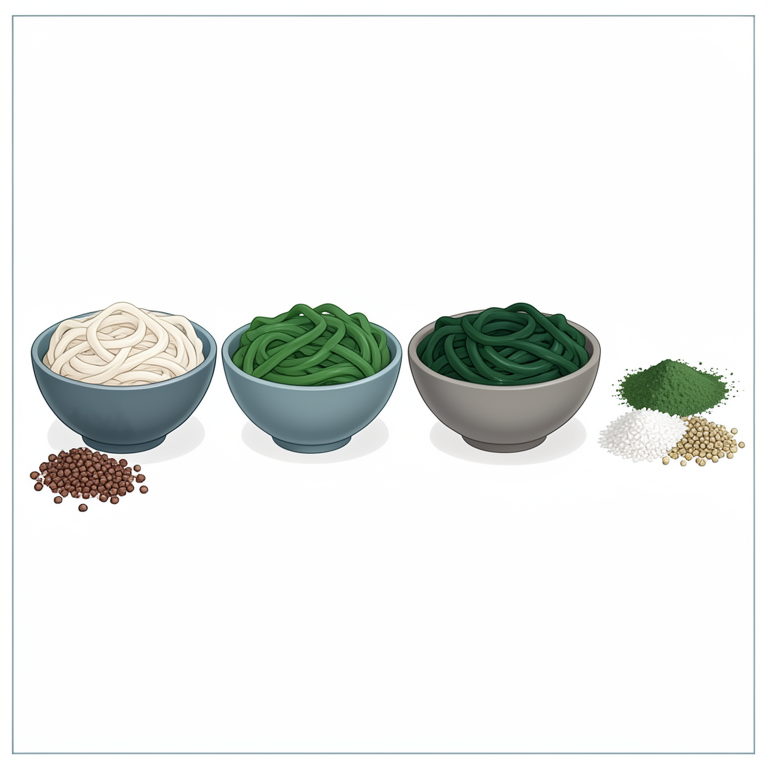
Pasta Formulation Comparison
AI-generated conceptual illustration (gluten-free pasta made from amaranth, buckwheat, rice flour, and guava leaf powder). It explains the idea and does not show study data.
View source evidence ↗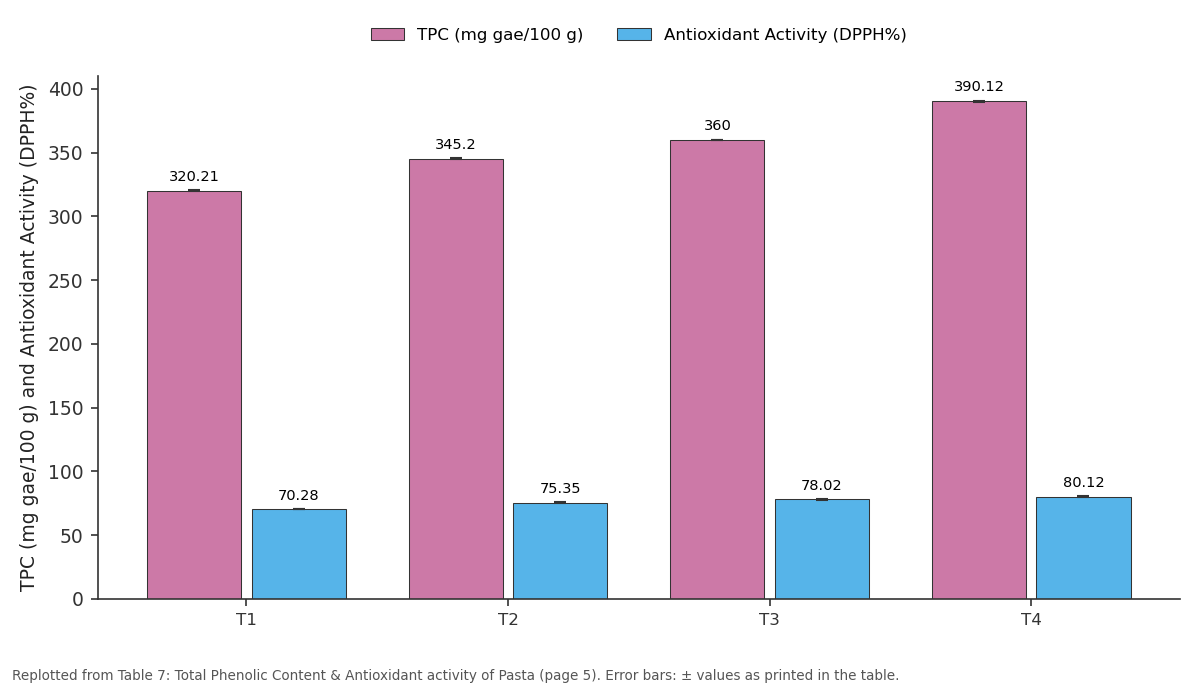
TPC (mg gae/100 g) and Antioxidant Activity (DPPH%): T1 vs T2 vs T3 vs T4
Replotted from Table 7 (page 5) of the original paper. Every bar is the paper's own table value.
View source evidence ↗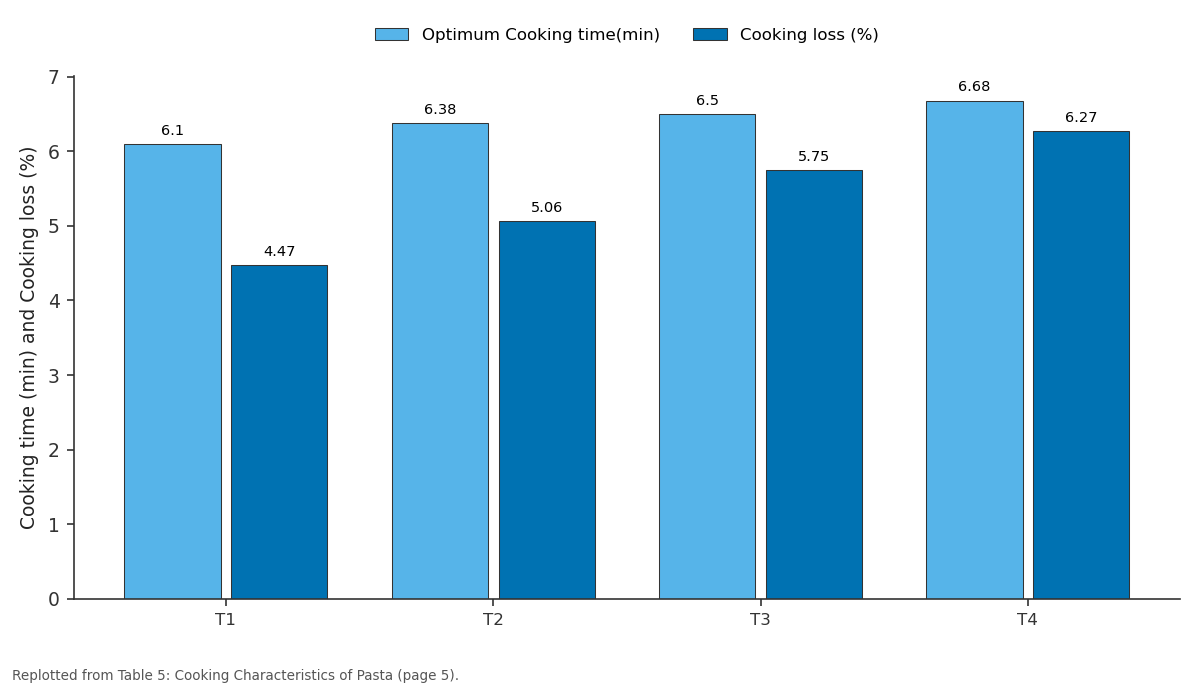
Optimum Cooking time(min) and Cooking loss (%): T1 vs T2 vs T3 vs T4
Replotted from Table 5 (page 5) of the original paper. Every bar is the paper's own table value.
View source evidence ↗Figures & tables
From the original paper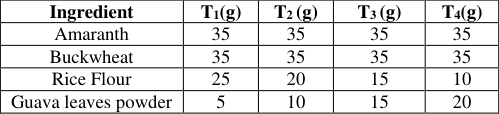 Table 1
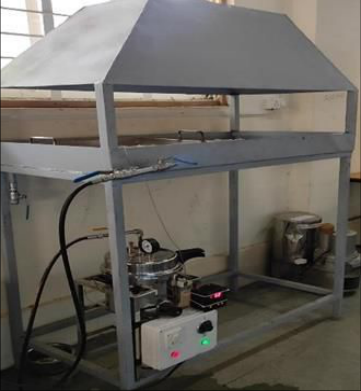 Figure 1
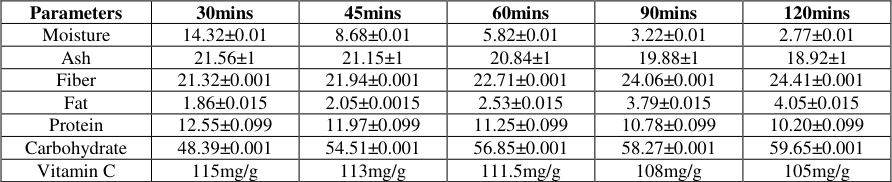 Table 2
 Table 3
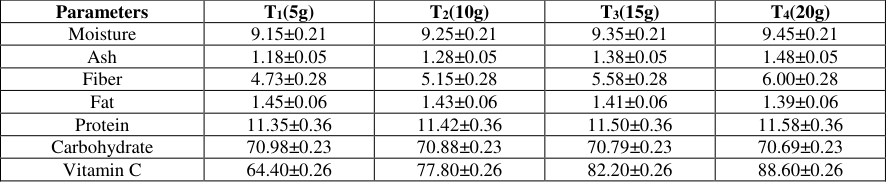 Table 4
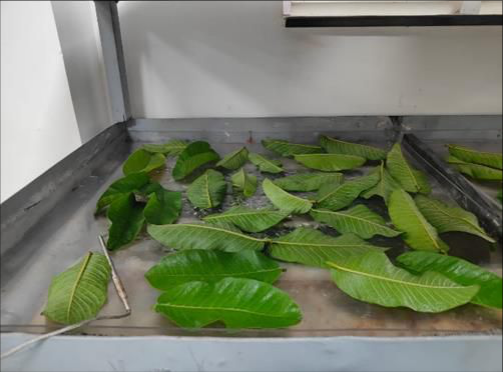 Figure 2
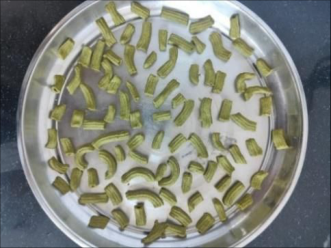 Figure 3
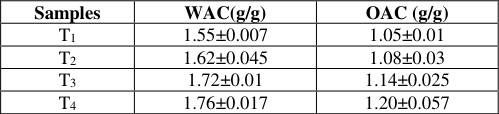 Table 6
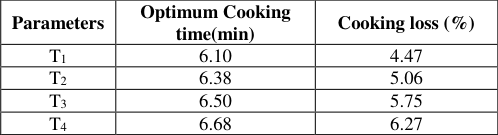 Table 5
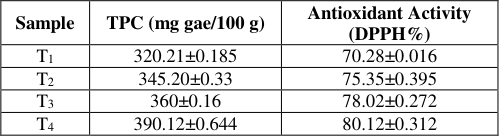 Table 7
 Table 8
 Table 9
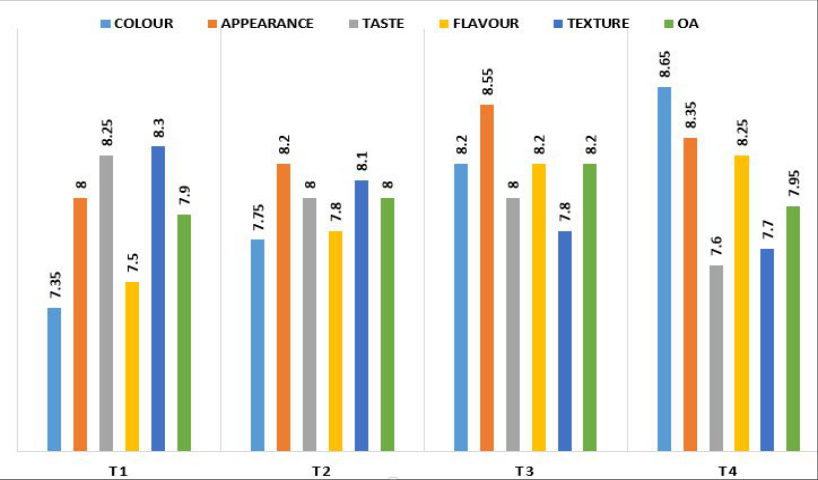 Figure 4
Introduction
Amaranthus belong to the Amaranthaceae family and comes in a variety of wild, weedy, and cultivated varieties, globally in about every type of agricultural setting. Different amaranthus species have distinct origins and locations of domestication (Sun et al., 1999 and Xu et al., 1997) [19,20] . It is regarded as pseudocereals due to their high lysine and seed protein contents (Barrio et al., 2010) [4] . From a nutritional point of view, pseudocereals are considered better than cereals such as wheat, barley, or rice because of their content/composition of starch, oil, dietary fiber, vitamins (A, K, B6, C, E, and B), and minerals such as calcium, magnesium, phosphorus, iron, potassium, zinc, copper, and manganese. Buckwheat (BW) could be a gluten-free pseudocereal that belongs to the Polygonaceae family. BW grain could be a exceedingly dietary nourishment component that has been appeared to supply a wide run of useful impacts. Wellbeing benefits ascribed to BW incorporate plasma cholesterol level decrease, neuroprotection, anticancer, antiinflammatory, antidiabetic impacts, and enhancement of hypertension conditions. In expansion, BW has been detailed to have prebiotic and antioxidant exercises (Gimenez-Bastida et al., 2015) [13] Rice flour is used as a raw ingredient in many different foods, such as bread, noodles, cakes, cookies, muffins, pre-mixes, beverages, vinegar, surimi, and fake meat. Retail outlets are currently selling rice bread that is created with only rice flour. There are also a variety of rice flour-based noodle products available. Problems with the product We looked at the definition and labeling regulations regarding the items' rice flour composition (Myoung Ho Kim 2013). The guava (Psidium guajava L.) tree, belonging to the Myrtaceae family, is an extremely unique and traditional plant which is cultivated for its varied medicinal and nutritive values. Various parts of the guava tree, i.e., roots, leaves, bark, stem, and fruits, have been used for the cure of stomach ache, diabetes, diarrhea, and other health-related disorders in most countries.
Guava leaves (Psidii guajavae folium; GL) are elliptical, oval, dark green, and have an obtuse-type apex. Guava leaves, pulp, and seeds are utilized to cure some respiratory and gastrointestinal ailments, and to enhance platelets in dengue fever patients (Laily et al., 2015) [13] . GLs are also widely used for their antispasmodic, cough sedative, antiinflammatory, antidiarrheic, antihypertension, antiobesity, and antidiabetic properties (Chen et al., 2007) [6] . Animal model studies have also secured the position of GL isolates as effective antitumor, anticancer, and cytotoxic agents. (Ashraf et al., 2016 and Jiang et al., 2020) [3,1] . Making gluten-free pasta with incorporation of guava leaves is more practical given the fair cost of raw ingredients like amaranth flour, buckwheat flour and guava leaves, among others, and the lower cost of manufacturing compared to other bakery goods. Given their phytochemical composition and advantageous properties, guava leaves have the potential to be employed as a component in the creation of gluten-free pasta. That can improve the functional and nutritional qualities of gluten-free pasta. In recent years, gluten-free flour has become more well-liked as a healthy option.
Materials and Methods
Raw materials such as amaranth, buckwheat, rice flour was purchased from the local market Pune. Guava leaves were collected from the MIT Art Design Technology -Pune, Loni Kalbhor campus. Packaging and storage
Drying of Guava leaves
Drying of Guava leaves
Mechanism of Hybrid dryer
The drying process in a hybrid dryer uses circulating steam to facilitate effective heat transfer to the food product. The steam normally operates at temperatures of 95-97°C but at atmospheric pressure. What is remarkable here is that the product itself goes through a less harsh drying process, with the temperature kept at below 70°C. The heat transmission takes place indirectly through the process of passing the hot steam over an acrylic sheet between it and the moist food. This infrared-transparent acrylic sheet enables the infrared radiation to penetrate indirectly and dry the product without making contact. The indirect heating with this method presents a significant advantage: it reduces the product temperature compared to other drying methods. This can also have the benefit of enhancing the quality of the final Guava leaves by maintaining heat-sensitive nutrients within the food. [30] .
Bulk density (ρB) =
Powder mass Volume of the powder 3.1.2. Tap density: Tapped density is the weight of a powder divided by its volume after repeated tapping, which packs the particles and eliminates air spaces. It reflects the powder's ability to pack and flow. (Tze et al., 2012) [30] .
Tap density ρT =
Powder mass Final tapped volume
Optimum Cooking Time:
The optimal cooking time of pasta is established according to the standard procedure outlined by AACC (2000) with minor adjustments. 10 g of pasta is weighed and placed in 400 ml of boiling water. The pasta is cooked under continuous boiling, and at regular intervals, a strand is taken out for testing. For determining doneness, the strand of pasta is placed between two glass slides and pressed gently. The cooking time is taken at the point when the white central core of the pasta, corresponding to ungelatinized starch, totally vanishes, signaling complete gelatinization. This is taken as the best time for cooking the pasta.
Calculating Cooking Loss:
With some slight boil the pasta in 200 ml water for its ideal cooking time. Drain the cooked pasta and reserve the cooking water after cooking. Dry up the cooking water entirely using an oven or a water bath.
% Cooking Loss = Dry residue wt × 100 Wt of the pasta before cooking
Physico-chemical Analysis 3.4.1. Moisture Content
To obtain a constant weight, the oven-dry method was used to measure the moisture content at 105°C (AOAC, 2003) [22] . 5 grams of the material were precisely weighed in a moisture box that had been previously weighed. After 5 hours of oven drying at 105ºC, the sample was moved to desiccators to cool, and 30 minutes later it was weighed once more until a consistent weight was achieved, this process was repeated.
(𝐼𝑛𝑖𝑡𝑖𝑎𝑙 𝑤𝑒𝑖𝑔ℎ𝑡-𝑤𝑒𝑖𝑔ℎ𝑡 𝑜𝑓 𝑑𝑟𝑦 𝑚𝑎𝑡𝑡𝑒𝑟) 𝐼𝑛𝑖𝑡𝑖𝑎𝑙 𝑤𝑒𝑖𝑔ℎ𝑡 × 100
Estimation of Ash
The weighed samples (5.0 g) were placed in crucibles, burned on a hot plate and subsequently in a muffle furnace at 600°C for 4 hours to yield a light grey ash and the per cent ash content was calculated as: Ash (%) = 𝑤𝑒𝑖𝑔ℎ𝑡 𝑜𝑓 𝑎𝑠ℎ 𝑤𝑒𝑖𝑔ℎ𝑡 𝑜𝑓 𝑠𝑎𝑚𝑝𝑙𝑒 × 100
Estimation of Fat
Reagent -Petroleum ether (B.P. 60-80oC) Place the bottle and lid in the incubator at 105 ℃ overnight to ensure that the weight of the bottle is stable. Weigh about 3-5 g of sample to paper filter and wrap. Take the sample into an extraction thimble and transfer it into a Soxhlet. Fill petroleum ether about 250 ml into the bottle and take it on the heating mantle. Connect the Soxhlet apparatus and turn on the water to cool them and then switch on the heating mantle. Heat the sample for about 8 h (heat rate of 150 drops/min). Evaporate the solvent by using the vacuum condenser. Incubate the bottle at 80-90 ℃ until the solvent is completely evaporated and the bottle is completely dry. After drying, transfer the bottle with a partially covered lid to the desiccator to cool. Reweigh the bottle and its dried content (AOAC, 2016) [23] .
𝑤𝑒𝑖𝑔ℎ𝑡 𝑜𝑓 𝑟𝑒𝑠𝑖𝑑𝑢𝑒 𝐼𝑛𝑖𝑡𝑖𝑎𝑙 𝑤𝑒𝑖𝑔ℎ𝑡 𝑜𝑓 𝑠𝑎𝑚𝑝𝑙𝑒 × 100
Estimation of Protein
Protein estimation was done by Kjeldahl method which comprised three phases: Digestion, Distillation and titration 1. Digestion: 2-gram sample is accurately weighed in kjeldahl digestion flask. 15g Na2SO4/K2SO4 + 1g CuSO4 were added to the sample as a digestion mixture. Then 25ml conc. H2SO4 was added to it. The contents were vigorously boiled until the solution was clear. Heating was continued for 2-3 hours.
Distillation:
The flask was cooled, and 250ml distilled water was added to it. A few zinc granules and 100 ml NaOH were added to it. The distillation assembly was connected. The condenser was immersed well below 1cm in the collecting flask to avoid loss of ammonia (collect 200ml). The excess of acid was titrated with 0.1N NaOH. Blank was carried out. Amount of Nitrogen and Proteins was calculated by the conversion factor.
Nitrogen %) = (𝑚𝑙 ℎ𝑐𝑙 𝑖𝑛 𝑠𝑎𝑚𝑝𝑙𝑒) -(𝑚𝑙 ℎ𝑐𝑙 𝑖𝑛 𝑏𝑙𝑎𝑛𝑘) × 𝑛𝑜𝑟𝑚𝑎𝑙𝑖𝑡𝑦 𝑜𝑓 𝑎𝑐𝑖𝑑 × 14.01 × 100 𝑖𝑛𝑖𝑡𝑖𝑎𝑙 𝑤𝑒𝑖𝑔ℎ𝑡 𝑜𝑓 𝑠𝑎𝑚𝑝𝑙𝑒 × 100
Total carbohydrates (NIN, 1983)
The content of the per cent available carbohydrates was determined by difference method, this is the general method used for the estimating total carbohydrates in food.
Total carbohydrates (%) = 100 (moisture %+ protein %+ fat % + fibre % + ash %)
Results and discussion 4.1 Proximate analysis of dried Guava Leaves Powder: The proximate composition of the developed guava leaves powder enriched gluten-free pasta showed potential nutritional improvements. The moisture content of the product was 8.68±0.01%, which revealed the degree of drying and stability of the product during storage.
Remarkably high ash content (21.15±1%) was observed.
The protein content (11.29±0.01%) was significantly higher than most of the gluten-free pasta formulations which has been shown to be insufficient with respect to protein due to the absence of wheat gluten. This is consistent with the report of Oboh et al. (2009) [27] who indicated that guava leaves are rich in dietary proteins. It also has moderate crude fat (2.05±0.0015%) and crude fiber (1.94±0.001%), hence making an overall a good functional and nutritional pasta-product. The carbohydrate level was 37.98 ± 0.01%, which is an appropriate energy source but lower than conventional semolina pasta, perhaps as a result of the dilution effect of guava leaf powder. Of particular interest was the high Vitamin C level of 113 mg/g, which reflects
the antioxidant capacity of guava leaves, as advocated by Jiménez-Escrig et al. (2001) [26] , who emphasized their high ascorbic acid and polyphenolic content. These findings show that the addition of guava leaves powder not only increases the nutrient content of gluten-free pasta but also adds functional characteristics that could provide additional health benefits. Physical characteristics of the powder of guava leaves showed desirable traits for use in food product development, particularly in gluten-free products. True density was 1157 ± 0.144 kg/m³, which reflects a relatively dense particle structure. Bulk density was 301 ± 0.006 kg/m³, which falls within the preferred range for ease of handling, packaging, and transportation. High porosity of 73.98% indicates that the powder contains a loose structure with sufficient air space between the particles. Such values are beneficial for powder flowability, solubility, and rehydration capacity, which are key factors in the creation of instant and reconstitutable food products. High porosity and low bulk density lower the chances of caking on storage and improve mixing properties, especially when added to dough or batter systems. In addition, these attributes enhance dispersion in blends with efficient nutrient distribution. Based on the works of Goula et al. (2008) [25] , physical attributes like porosity and bulk density have a major impact on processing and reconstitution performance of food powders. It can be concluded from the findings that guava leaves powder exhibits physical characteristics suitable for blending into gluten-free pasta and other such health-oriented products, validating its functionality as well as process-compatibility as an ingredient. The crude fiber content of 5.578% is worthy of mention and above usual pasta products, providing improved gut benefits. This rise is directly related to the fiber content of guava leaves, as attested by Singh et al. (2019) [18] , who highlighted the functional dietary fiber potential of guava leaves. The 1.41% fat content is still low, in line with the health-conscious consumer trend. Protein content was found at 11.50%, which was slightly above the level of the guava leaves powder by itself (11.29%) and much higher than the majority of gluten-free pastas, which typically have below 9% protein. This improved protein rating can be contributed to the optimal mix of components used, and it puts the product at a good plant-based protein option. 70.79% carbohydrate content is usual in pasta and maintains sufficient delivery of energy, but higher than found in guava leaf powder (37.98%), because base ingredients were included as rice or millet flours. Remarkably, the content of Vitamin C was 82 mg/g, lower compared to raw guava leaf powder (113 mg/g) but otherwise amazingly high in the processed pasta product. This shows the retention of antioxidants during processing, conferring functional value to the pasta. Guava leaves are a rich source of vitamin C and polyphenols, as reported by Jiménez-Escrig et al. (2001) [26] , and even partial retention during processing provides considerable health-promoting benefits. Overall, these results indicate that the addition of guava leaves powder to gluten-free pasta not only enhances the sensory acceptability (as chosen based on sensory acceptability) but also greatly increases its nutritional and functional characteristics, making it a better option compared to traditional gluten-free products. Cooking properties of guava leaves powder added pasta samples reveal a gradually changing optimum cooking time and cooking loss, as significant trends within the formulations have been observed. Optimum cooking time increased minutely with more guava leaves powder, as the range between T1, 6.10 minutes to T4, 6.68 minutes is shown. This is due to the increased fiber content and modification of the starch-protein matrix caused by the presence of guava leaves, which can slow water entry and starch gelatinization during cooking. T3, the sensoryoptimized version, possessed an acceptable cooking time of 6.50 minutes, indicating that it maintained a satisfactory texture while being able to incorporate the functional advantages of guava leaves. With regard to cooking loss the proportion of solid content dissolved into the cooking water a similar increase was also noted, from 4.47% in T1 to 6.27% in T4. Cooking loss is an important quality indicator for pasta, with levels below 8% being generally acceptable (Padalino et al., 2013) [29] . The elevated cooking loss at increasing guava leaf content might be attributed to the reduced gluten network or lower starch structure of the gluten-free matrix, which will not seal effectively during cooking. Nevertheless, T3 showed a cooking loss of 5.75%, far within acceptability, indicating that the blend succeeded in maintaining equilibrium between nutrient fortification and cooking quality. These findings confirm the adequacy of T3 as a best product, with enhanced functional and nutritional quality and tolerable technological properties. The WAC values recorded were as follows: T1 (1.55 ± 0.007 g/g), T2 (1.62 ± 0.045 g/g), T3 (1.72 ± 0.01 g/g), and
Physical characteristics of the powder
Physical characteristics of the powder
Proximate composition of the gluten-free pasta incorporated with guava leaves powder:
Proximate composition of the gluten-free pasta incorporated with guava leaves powder:
Cooking properties of guava leaves powder added pasta
Cooking properties of guava leaves powder added pasta
Functional properties of pasta
T4 (1.76 ± 0.017 g/g). The research demonstrates that elevated guava leaf powder content leads to increased water uptake capabilities in pasta products. The pasta improvement most likely results from the hydrophilic properties of dietary fibers and proteins in guava leaves which contain polar amino acids to bind water. The findings match Oliveira Filho et al. (2021) [28] research which explains how protein and fiber content in flour enhances water absorption through the polar amino acids and carbohydrate effects on water retention. The water holding capacity of pasta increases when guava leaf structural components cellulose and hemicellulose form the pasta matrix which enhances the pasta's ability to absorb water. De Angelis et al. (2022) [24] discovered that water absorption improved in gluten-free legume pasta because protein denaturation established additional water-binding sites. The recorded OAC values were as follows: T1 (1.05 ± 0.01 g/g), T2 (1.08 ± 0.03 g/g), T3 (1.14 ± 0.025 g/g), and T4 (1.20 ± 0.057 g/g). More guava leaf powder is associated with higher OAC, which means the pasta retains oils in a way that is both good for flavor and mouthfeel. This could be attributed to the nonpolar amino acid side chains of proteins contacting with lipids, which enhance the adsorption of oil.
The results are consistent with those found by Klunklin and Savage in 2017, where flours with highest levels of protein content absorbed more oil due to hydrophobic properties of some amino acid residues. The TPC values increased with the inclusion of higher amount of guava leaf powder: T1 at 320.21±0.185mg GAE/100g while T2 at 345.20±0.33 mg GAE/100g and T3 at 360±0.16mg GAE/100g, T4 at 390.12±0.644mg GAE/100g, thus revealing that guava leaves are rich in polyphenolic compounds that are full of flavonoids and tannins responsible for the high phenolic profile of the pasta. Such compounds are already known for their antioxidative activity, being involved in the scavenging of free radicals and in the prevention of diseases caused by oxidative stress. Similar studies have found that the supplementations of functional ingredient were capable to increase TPC in a similar manner. As an example, were chestnut flour included in a formulation for gluten free pasta, TPC can range between levels of 212.3 and 572.1 mg GAE/100 g with the proportion of chestnut flour used. The results were similar to the previous studies and proved it. The antioxidant activity, measured by the ability to scavenge DPPH radicals, showed a noticeable increase as the amount of guava leaf powder went up: T1 recorded 70.28 ± 0.016%, T2 reached 75.35 ± 0.395%, T3 hit 78.02 ± 0.272%, and T4 topped out at 80.12 ± 0.312%. This boost can be linked to the high levels of antioxidant compounds found in guava leaves, which are really good at donating electrons to neutralize free radicals. The sensory profile of pasta samples enriched with guava leaves powder (T1-T4) was evaluated based on several key attributes: color, appearance, taste, flavor, texture, mouthfeel, and overall acceptability. The base formulation remained constant in terms of amaranth and buckwheat (35g each), while rice flour was progressively reduced from 25g to 10g as guava leaf powder was increased from 5g to 20g.The sensory evaluation results showed significant results for the various sample. The color of T4 sample was brighter when compared to other samples because of 20% addition of Guava leaf powder and the other samples were comparatively lighter due to less amount of guava leaf powder. The taste and flavour were better in T3 sample when compared to other samples and even the overall acceptability was high in T3 sample. In T4 sample the taste was little bitter and so the T3 sample is been accepted as the best trail by sensory as well as in nutritional profile. respectively. This reduction can be attributed to the high fiber content in guava leaves, Similar results were showed in previous studies also, when fibre rich plant powder is been added in pasta. On the other hand, hardness and chewiness increased with higher guava leaf content. Hardness rose from 38.25 g/mm (T1) to 54.48 g/mm (T4), while chewiness increased from 30.34 g/mm to 40.12 g/mm. Cohesiveness and springiness, also showed a decreasing results with increasing guava leaf powder. Cohesiveness dropped from 0.52 g/mm in T1 to 0.45 g/mm in T4, and springiness from 0.92 g/mm to 0.83 g/mm. The incorporation of guava leaf powder showed increase in hardness and chewiness but all the other results were decreases due to high amount of fibre present in guava leaf powder. Based on these results, T3 (15g guava leaves powder) offers an optimal balance between desirable firmness and acceptable cohesiveness, making it a promising formulation for functional pasta development.
Total Phenolic Content & Antioxidant activity of Pasta
Total Phenolic Content & Antioxidant activity of Pasta
Sensory profile of pasta incorporated with Guava leaves
Sensory profile of pasta incorporated with Guava leaves
The textural parameters of pasta enriched with varying concentrations of guava leaves powder
The textural parameters of pasta enriched with varying concentrations of guava leaves powder
Conclusion
The results obtained from above research helped to develop a gluten free pasta incorporated with guava leaves powder. The T3 sample based on the nutritional profile and sensory analysis showed better results. Overall, the gluten free pasta is a promising and a healthier option which is been incorporated with Guava leaves powder.
Figures and tables from the paper
| Ingredient | T1(g) | T2 (g) | T3 (g) | T4(g) |
|---|---|---|---|---|
| Amaranth | 35 | 35 | 35 | 35 |
| Buckwheat | 35 | 35 | 35 | 35 |
| Rice Flour | 25 | 20 | 15 | 10 |
| Guava leaves powder | 5 | 10 | 15 | 20 |
Table text extracted from the original PDF; superscript letters are shown inline. The original table image is below.
View original table image
| Parameters | 30mins | 45mins | 60mins | 90mins | 120mins |
|---|---|---|---|---|---|
| Moisture | 14.32±0.01 | 8.68±0.01 | 5.82±0.01 | 3.22±0.01 | 2.77±0.01 |
| Ash | 21.56±1 | 21.15±1 | 20.84±1 | 19.88±1 | 18.92±1 |
| Fiber | 21.32±0.001 | 21.94±0.001 | 22.71±0.001 | 24.06±0.001 | 24.41±0.001 |
| Fat | 1.86±0.015 | 2.05±0.0015 | 2.53±0.015 | 3.79±0.015 | 4.05±0.015 |
| Protein | 12.55±0.099 | 11.97±0.099 | 11.25±0.099 | 10.78±0.099 | 10.20±0.099 |
| Carbohydrate | 48.39±0.001 | 54.51±0.001 | 56.85±0.001 | 58.27±0.001 | 59.65±0.001 |
| Vitamin C | 115mg/g | 113mg/g | 111.5mg/g | 108mg/g | 105mg/g |
Table text extracted from the original PDF; superscript letters are shown inline. The original table image is below.
View original table image
| Parameters | Units | Values |
|---|---|---|
| True density | kg/m3 | 1157±0.144 |
| Bulk density | kg/m3 | 301±0.006 |
| Porosity | % | 73.98 |
Table text extracted from the original PDF; superscript letters are shown inline. The original table image is below.
View original table image
| Parameters | T1(5g) | T2(10g) | T3(15g) | T4(20g) |
|---|---|---|---|---|
| Moisture | 9.15±0.21 | 9.25±0.21 | 9.35±0.21 | 9.45±0.21 |
| Ash | 1.18±0.05 | 1.28±0.05 | 1.38±0.05 | 1.48±0.05 |
| Fiber | 4.73±0.28 | 5.15±0.28 | 5.58±0.28 | 6.00±0.28 |
| Fat | 1.45±0.06 | 1.43±0.06 | 1.41±0.06 | 1.39±0.06 |
| Protein | 11.35±0.36 | 11.42±0.36 | 11.50±0.36 | 11.58±0.36 |
| Carbohydrate | 70.98±0.23 | 70.88±0.23 | 70.79±0.23 | 70.69±0.23 |
| Vitamin C | 64.40±0.26 | 77.80±0.26 | 82.20±0.26 | 88.60±0.26 |
Table text extracted from the original PDF; superscript letters are shown inline. The original table image is below.
View original table image
| Samples | WAC(g/g) | OAC (g/g) |
|---|---|---|
| T1 | 1.55±0.007 | 1.05±0.01 |
| T2 | 1.62±0.045 | 1.08±0.03 |
| T3 | 1.72±0.01 | 1.14±0.025 |
| T4 | 1.76±0.017 | 1.20±0.057 |
Table text extracted from the original PDF; superscript letters are shown inline. The original table image is below.
View original table image
| Parameters | Optimum Cooking time(min) | Cooking loss (%) |
|---|---|---|
| T1 | 6.10 | 4.47 |
| T2 | 6.38 | 5.06 |
| T3 | 6.50 | 5.75 |
| T4 | 6.68 | 6.27 |
Table text extracted from the original PDF; superscript letters are shown inline. The original table image is below.
View original table image
| Sample | TPC (mg gae/100 g) | Antioxidant Activity (DPPH%) |
|---|---|---|
| T1 | 320.21±0.185 | 70.28±0.016 |
| T2 | 345.20±0.33 | 75.35±0.395 |
| T3 | 360±0.16 | 78.02±0.272 |
| T4 | 390.12±0.644 | 80.12±0.312 |
Table text extracted from the original PDF; superscript letters are shown inline. The original table image is below.
View original table image
| Samples | Color | Appearance | Taste | Flavour | Texture | Overall acceptability |
|---|---|---|---|---|---|---|
| T1 | 7.35±0.01 | 8.00±0.01 | 8.25±0.01 | 7.50±0.01 | 8.30±0.01 | 7.90±0.01 |
| T2 | 7.75±0.01 | 8.20±0.01 | 8.00±0.01 | 7.80±0.01 | 8.10±0.01 | 8.00±0.01 |
| T3 | 8.20±0.01 | 8.55±0.01 | 8.00±0.01 | 8.20±0.01 | 7.80±0.01 | 8.20±0.01 |
| T4 | 8.65±0.01 | 8.35±0.01 | 7.60±0.01 | 8.25±0.01 | 7.70±0.01 | 7.95±0.01 |
Table text extracted from the original PDF; superscript letters are shown inline. The original table image is below.
View original table image
| Samples | Stickiness | Adhesiveness | Hardness | Chewiness | Cohesiveness | Springiness |
|---|---|---|---|---|---|---|
| (g/mm) | (g/mm) | (g/mm) | (g/mm) | (g/mm) | (g/mm) | |
| T1 | 20.11 | 45.34 | 38.25 | 30.34 | 0.52 | 0.92 |
| T2 | 18.55 | 40.72 | 42.12 | 33.67 | 0.50 | 0.90 |
| T3 | 15.38 | 35.62 | 48.38 | 36.55 | 0.48 | 0.87 |
| T4 | 11.25 | 28.98 | 54.48 | 40.12 | 0.45 | 0.83 |
Table text extracted from the original PDF; superscript letters are shown inline. The original table image is below.
View original table image
References
29 in the original paper- Adrian JAL, Arancon NQ, Mathews BW, Carpenter JR. Mineral composition and soil-plant relationships for common guava (Psidium guajava L.) and yellow strawberry guava (Psidium cattleianum var. Lucidum) tree parts and fruits. Communications in Soil Science and Plant Analysis. 2015;46:1960-1979.
- Alvarez-Jubete L, Wijngaard HH, Arendt EK, Gallagher E. Polyphenol composition and in-vitro antioxidant activity of amaranth, quinoa and buckwheat as affected by sprouting and bread baking. Food Chemistry. 2010;119(2):770-778.
- Ashraf A, Sarfraz RA, Rashid MA, Mahmood A, Shahid M, Noor N. Chemical composition, antioxidant, antitumor, anticancer and cytotoxic effects of Psidium guajava leaf extracts. Pharmaceutical Biology. 2016;54:1971-1981.
- Barrio DA, Anon MC. Potential antitumor properties of a protein isolate obtained from seeds of amaranth Mantegazzianum. European Journal of Nutrition. 2010;49:73-82.
- Capriles VD, Coelho KD, Guerra-Matias AC, Arêas JAG. Effects of processing methods on amaranth starch digestibility and predicted glycemic index. Journal of Food Science. 2008;73(7):160-164.
- Chen HY, Yen GC. Antioxidant activity and free radical-scavenging capacity of extracts from guava (Psidium guajava L.) leaves. Food Chemistry. 2007;101:686-694.
- Dewi PS, Sutjiatmo AB, Nurdiansyah A. Antidiarrheal activity of water extracts of guava leaves (Psidium guajava L.) and water extracts of green tea leaves (Camellia sinensis L.) combination in Swiss Webster mice. Acta Pharmaceutica Indonesiana. 2013;38:67-70.
- Farag RS, Abdel-Latif MS, Abd El Baky HH, Tawfeek LS. Phytochemical screening and antioxidant activity of some medicinal plants' crude juices. Biotechnology Reports. 2020;28:e00536.
- Giménez-Bastida JA, Zieliński H. Buckwheat as a functional food and its effects on health. Journal of Agricultural and Food Chemistry. 2015;63(36):78967913.
- Gopalan CJ, Subramamian CS, Sastri Rama VB. Nutritive value of Indian foods. 4th ed. National Institute of Nutrition (NIN), ICAR; 2004. p. 47-51.
- Jiang L, Lu J, Qin Y, Jiang W, Wang Y. Antitumor effect of guava leaves on lung cancer: A network pharmacology study. Arabian Journal of Chemistry. 2020;13:7773-7797.
- Kumar M, Tomar M, Amarowicz R, Saurabh V, Nair M, Maheshwari C, Sasi M, Prajapati U, Hasan M, Singh S, Changan SS, Prajapat RK, Berwal MK, Satankar V. Guava (Psidium guajava L.) leaves: Nutritional composition, phytochemical profile, and health-promoting bioactivities. Foods. 2021;10.
- Laily N, Kusumaningtyas RW, Sukarti I, Rini MRDK. The potency of guava Psidium guajava (L.) leaves as a functional immunostimulatory ingredient. Procedia Chemistry. 2015;14:301-307.
- Mazumdar S, Akter R, Talukder D. Antidiabetic and antidiarrhoeal effects on ethanolic extract of Psidium guajava (L.) Bat. leaves in Wister rats. Asian Pacific Journal of Tropical Biomedicine. 2015;5:10-14.
- Miranda-Ramos KC, Sanz-Ponce N, Haros CM. Evaluation of technological and nutritional quality of bread enriched with amaranth flour. LWT. 2019.
- Rahman Z, Siddiqui MN, Khatun MA, Kamruzzaman M. Effect of guava (Psidium guajava) leaf meal on production performances and antimicrobial sensitivity in commercial broiler. Journal of Natural Products. 2013;6:177-187.
- Repo-Carrasco-Valencia R, Peña J, Callio H, Salminen S. Dietary fiber and other functional components of two varieties of crude and extruded Kiwicha (Amaranthus caudatus). Journal of Cereal Science. 2009;49(2):219224.
- Singh A, Punia D. Characterization and nutritive values of amaranth seeds. Current Journal of Applied Science and Technology. 2020;27:27-33.
- Sun MH, Chen FC, Leung. Low-Cot DNA sequences for fingerprinting analysis of germplasm diversity and relationships in Amaranthus. Theoretical and Applied Genetics. 1999;99:464-472.
- El Aydam M, Burki HM. Biological control of noxious pigweeds in Europe: A literature review of the insect species associated with Amaranthus spp. Worldwide. Biocontrol News and Information. 1997.
- AOAC International. Official methods of analysis of AOAC International. 17th ed. Gaithersburg (MD): Association of Official Analytical Chemists; 2003.
- AOAC International. Official methods of analysis of AOAC International. 20th ed. Rockville (MD): Association of Official Analytical Chemists; 2016.
- De Angelis A, et al. Safety profile of sodium glucose co-transporter 2 (SGLT2) inhibitors: A brief summary. Front Cardiovasc Med. 2022;9:1010693. International Journal of Agriculture and Food Science https://www.agriculturaljournals.com
- Goula AM, Krokida MK, Maroulis ZB. Water sorption isotherms and glass transition temperature of spraydried tomato pulp. J Food Eng. 2008;85(1):73-83.
- Jiménez-Escrig A, Rincón M, Pulido R, Saura-Calixto F. Guava fruit (Psidium guajava L.) as a new source of antioxidant dietary fiber. J Agric Food Chem. 2001;49(11):5489-5493.
- Oboh G, Ademiluyi AO, Akinyemi SO. Inhibitory effect of aqueous extract of ginger on the activities of αamylase and α-glucosidase in vitro. J Med Food. 2009;12(5):1019-1025.
- de Oliveira Filho JI, et al. Rapid point-of-care COVID19 diagnosis with a gold-nanoarchitecture-assisted laser-scribed graphene biosensor. Anal Chem. 2021;93(24):8585-8594.
- Padalino L, Conte A, Del Nobile MA. Effect of raw material on cooking quality and nutritional composition of durum wheat spaghetti. J Cereal Sci. 2013;57(3):478484.
- Tze WJ, Hong F, Shen A, Zheng L, Zeng J, Lin W, et al. Pien Tze Huang inhibits tumor cell proliferation and promotes apoptosis via suppressing the STAT3 pathway in a colorectal cancer mouse model. Int J Oncol. 2012;40(5):1569-1574.