
Research article · 2025 · Full text
International Journal of Biology SciencesIn vitro Study of Duranta Erecta L. leaf extract against Rook-knot Nematode in Punica granatum L.
Volume 7(6) · Pages 45–48 · DOI: 10.33545/26649926.2025.v7.i6a.354 ↗
Research areasGarlic and Onion StudiesPomegranate: compositions and health benefitsInsect Pest Control Strategies
Abstract
Author-writtenThis study investigates the efficacy of Duranta erecta L. leaf extract in combating root-knot nematodes (Meloidogyne incognita) affecting pomegranate (Punica granatum L.) cultivation, a crop of immense economic and medicinal value. Root-knot nematodes pose significant challenges to pomegranate yield and quality by inducing root galls that impede nutrient and water uptake. The research employed an in vitro approach to assess the bioefficacy of various concentrations (5%, 10%, 15%, 20%, and 25%) of aqueous Duranta leaf extract on juvenile mortality of M. incognita. The results demonstrated a clear time-dependent increase in juvenile mortality, with higher concentrations yielding greater lethality over extended exposure periods. Statistical analysis revealed significant differences in mortality rates across different exposure times (p-value = 0.0379), highlighting the extract's potential as a sustainable nematicidal agent. This study underscores the viability of Duranta erecta L. leaf extract as an organic alternative for managing root-knot nematode infestations, contributing to integrated pest management strategies in pomegranate cultivation. Further investigations are recommended to elucidate the mechanisms of action and optimize application protocols for effective field use.
Summary
Source-checkedPlain-language reading of the full paper, prepared with AI and checked against the text. Each point links to the authors' own words.
Why it matters
- Pomegranate (Punica granatum L.) is a fruit crop of high agricultural, medicinal, and economic value. View evidence ↗
- Root-knot nematodes damage pomegranate crops by creating root galls that block the uptake of water and nutrients, reducing yield and quality. View evidence ↗
- Meloidogyne incognita is identified as the most common species of root-knot nematode affecting pomegranate. View evidence ↗
The question
- The study aims to evaluate how effective Duranta erecta L. leaf extract is at combating Meloidogyne incognita nematodes in pomegranate cultivation. View evidence ↗
What they did
- Duranta leaf extracts were prepared using an infusion method, soaking 20 grams of powder in 80 mL of distilled water for 24 hours. View evidence ↗
- The researchers tested five different concentrations of the aqueous leaf extract: 5%, 10%, 15%, 20%, and 25%. View evidence ↗
- The bioassay involved placing 20 second-stage juveniles (J2s) in 9 mL of extract and incubating them at room temperature for durations of 24, 48, 72, 96, and 120 hours. View evidence ↗
What they found
- Statistical analysis (ANOVA) showed that the length of exposure to the extract significantly affected juvenile mortality (p = 0.0379). View evidence ↗
- Juvenile mortality increased over time, rising from low levels at 24 hours to a highest average of 17.5 at 120 hours. View evidence ↗
What it means
- The authors conclude that Duranta erecta L. leaf extract is a viable organic alternative for managing root-knot nematode infestations. View evidence ↗
- The authors state that more research is required to understand the specific effects of different concentrations across various exposure durations. View evidence ↗
Visual summary
1 visualsIllustrations explain the paper; they do not show study data.
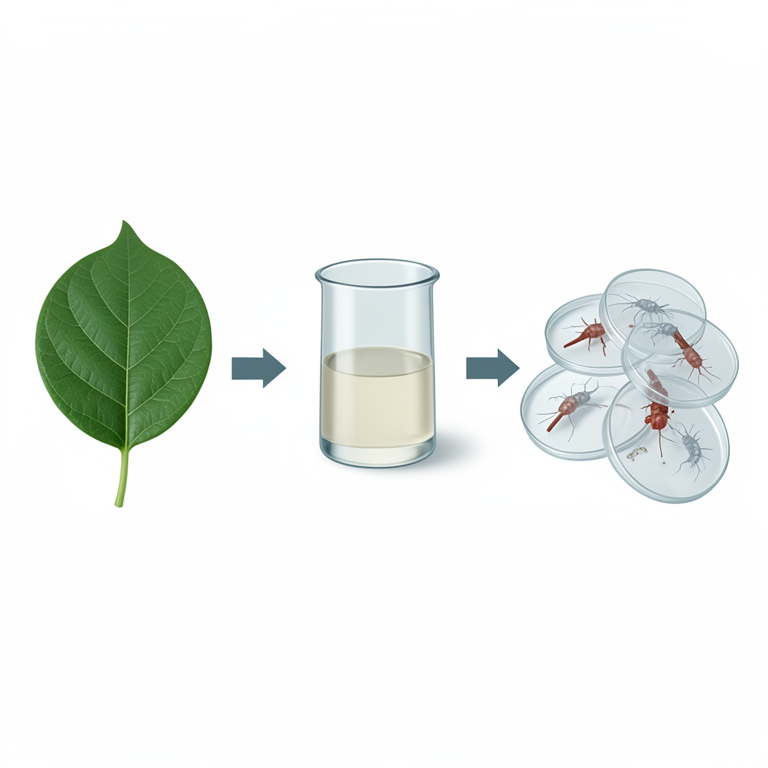
Experimental Setup
AI-generated conceptual illustration (Duranta erecta leaves, Punica granatum roots, and Meloidogyne incognita nematodes). It explains the idea and does not show study data.
View source evidence ↗Figures & tables
From the original paper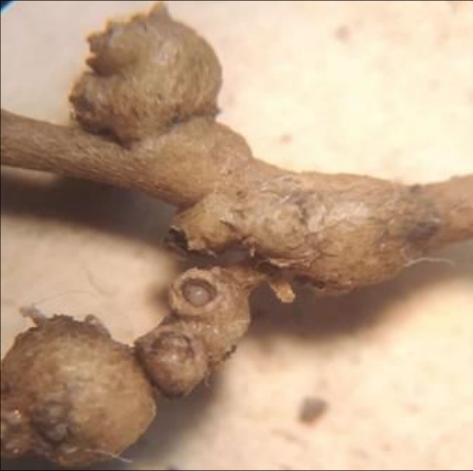 Figure 1A
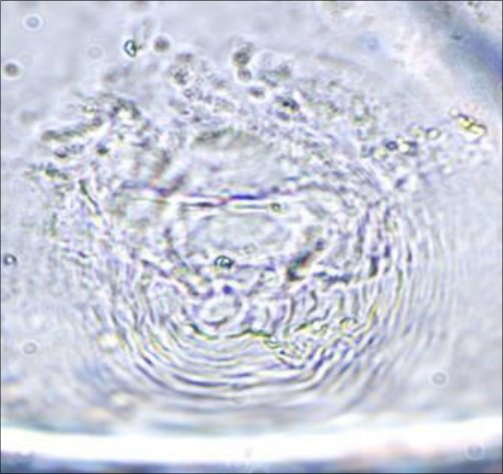 Figure 1B
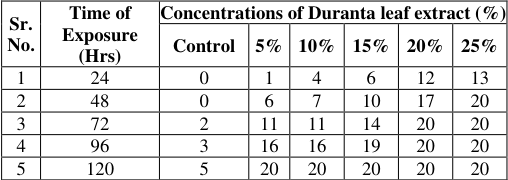 Table 1
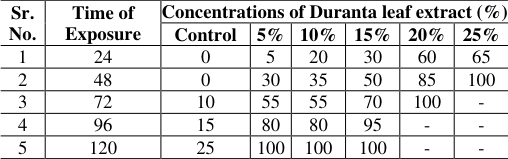 Table 2
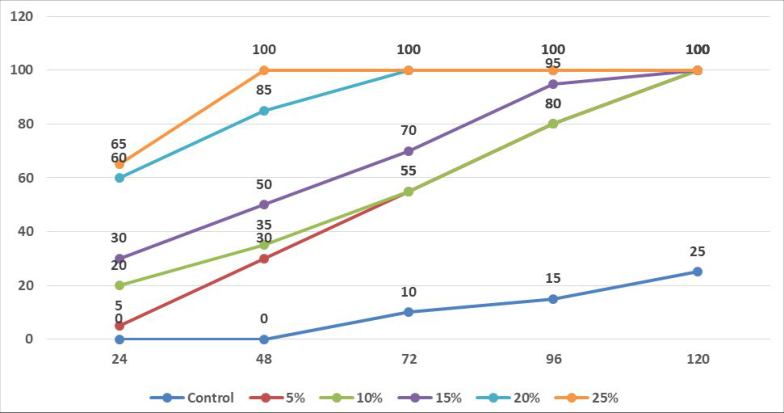 Figure 1
Introduction
The pomegranate (Punica granatum L.), a member of the family Lythraceae, is a highly valued fruit crop with significant economic, medicinal, and agricultural importance. Widely cultivated in regions such as India, Iran, the USA, and the Mediterranean, pomegranate plays a crucial role in global agrarian economies. Its economic significance stems from its diverse applications in the food industry, where it is used for making juices, jams, and alcoholic beverages, as well as in the pharmaceutical and cosmetic industries due to its rich antioxidant and antimicrobial properties. The increasing demand for pomegranate-based products has led to a rise in its commercial value, making it a vital cash crop in several countries (Jain & Desai, 2018) [2] . Beyond its economic impact, Punica granatum is widely recognized for its medicinal properties. It contains bioactive compounds such as polyphenols, flavonoids, and tannins, which have been shown to exhibit strong antioxidant, anti-inflammatory, and antimicrobial effects. Studies suggest that consumption of pomegranate can reduce cardiovascular disease risk, aid in diabetes management, and possess anticancer properties (Miguel, Neves, & Antunes, 2010) [3] . Additionally, pomegranate peel extracts have demonstrated significant antifungal and antibacterial activity, making them useful for both plant disease control and human health applications (Khaleel et al., 2016) [4] . Despite its resilience, pomegranate cultivation faces several challenges due to diseases and insect pests, which can significantly reduce yield and fruit quality. Fungal infections such as Alternaria alternata, which causes fruit rot, and Aspergillus niger are major concerns in post-harvest storage. Additionally, bacterial blight caused by Xanthomonas axonopodis is a serious disease affecting pomegranate orchards, leading to considerable economic losses (Bagal et al., 2022) [5] . Among insect pests, fruit borers, aphids, and whiteflies pose major threats, causing damage to both the fruit and the plant structure. Integrated pest management (IPM) strategies, including biological control and organic treatments, have been recommended to mitigate these challenges (Cocuzza et al., 2016) [1] . Root-knot nematodes (Meloidogyne spp.) are a significant threat to Punica granatum (pomegranate) cultivation, causing severe root damage that affects plant growth, yield, and fruit quality. These microscopic roundworms invade the root system, inducing the formation of characteristic galls or knots, which disrupt water and nutrient uptake, leading to stunted growth, leaf chlorosis, and reduced fruit production. Among the various species, Meloidogyne incognita is the most commonly reported nematode affecting pomegranate crops (Kesba et al., 2024) [6] . Infestation by root-knot nematodes leads to biochemical alterations in the plant, including increased oxidative stress and changes in enzyme activity. Studies have shown that pomegranate plants infected with M. incognita exhibit significant reductions in chlorophyll content, total sugars, and protein levels, negatively impacting overall plant health (Kesba et al., 2024) [6] . Additionally, nematode damage predisposes the roots to secondary infections by soil-borne pathogens, exacerbating crop losses. Several management strategies have been explored to control root-knot nematodes in pomegranate orchards. Traditional approaches include soil fumigation, crop rotation, and the use of resistant rootstocks. However, recent studies have highlighted the potential of organic and biological control methods. Abdel Razek (2024) [7] demonstrated that pomegranate peel extracts possess nematicidal properties and can effectively reduce Meloidogyne populations while minimizing the negative impact on beneficial soil organisms such as arbuscular mycorrhizal fungi. Additionally, nano-fertilizers and biopesticides are emerging as an eco-friendly and sustainable strategy for nematode management (Kesba et al., 2024) [6] .
Material and Methodology Materials:
The study was conducted at the Department of Botany, S.S.G.M Science, Gautam Arts, and Sanjivani Commerce College, Kopargaon. Essential laboratory instruments, including an autoclave, BOD incubator, hot air oven, sieve set, and Olympus CX23 Upright microscope were used. Various chemicals such as alcohol, acetic acid, sodium hypochlorite, and hydrochloric acid were utilized. Plastic and glass labware were employed, including Petri dishes, beakers, test tubes, and pipettes. Nematode images were captured using the Olympus Upright microscope.
Methodology
Isolation of Nematodes from Root Samples: Root samples were collected, mixed, and washed with tap water to remove soil debris. The cleaned roots were placed in a beaker, and egg masses were isolated under a stereomicroscope using a needle. The egg masses were then placed in a Petri dish with distilled water and incubated at 28°C for hatching. The hatched nematodes were observed under a stereomicroscope.
Staining and Identification of Root-Knot Nematodes:
Infected roots with galls were thoroughly washed to remove soil particles and treated with 4% sodium hypochlorite for 5 minutes before rinsing with tap water. A stock solution of acid fuchsin stain (3.5 g acid fuchsin, 250 ml glacial acetic acid, 750 ml distilled water) was prepared, and 20 ml of the stain was boiled. The roots, wrapped in muslin cloth, were immersed in the boiling stain for 5-6 minutes, then blotted to remove excess stain and placed in glycerine acidified with 1% HCl. The next day, stained nematodes were observed under a stereomicroscope (Byrd et al., 1983). For species identification, female nematodes were extracted from root galls and placed in glycerine. A sharp cut was made on the posterior end to clear the perineal region, which was then mounted temporarily and examined under a compound microscope for species identification (Eisenback).
Preparation of Duranta Leaf Extracts:
The extraction was done using the infusion method, where 20 grams of powdered material were soaked in 80 mL of distilled water (1:4 ratio) for 24 hours. During this period, the active compounds were extracted into the water. After soaking, the mixture was filtered to separate the solid residue from the liquid extract. The filtered extract was then stored in a refrigerator for further use, ensuring preservation of its properties (Abubakar & Haque 2020) [8] .
Bioassay of aqueous leaf extract of Duranta against rootknot nematode (J2):
The bioefficacy experiment was conducted to assess the longevity of juveniles (J2s) of rootknot nematodes. Different concentrations of Duranta aqueous leaf extract (5%, 10%, 15%, 20%, and 25%) were prepared separately with distilled water. Each Petri dish contained 9 mL of the respective leaf extract concentration and 20 J2s and was incubated at room temperature for 24, 48, 72, 96, and 120 hours (Dengale et. al. 2022) [9] . The experiment was replicated three times for each concentration, and mortality of the J2s was recorded at each time interval. In another experiment, egg masses collected from galls were exposed to the different leaf extract concentrations mentioned above to examine their effect on egg hatching and juvenile longevity. This experiment also included three replications per concentration, and the resulting data were analyzed statistically (Dengale et. al. 2022) [10] .
Results and Discussion
The identification of Meloidogyne incognita, a species of root-knot nematode, was carried out through the analysis of its perennial patterns. According to the perineal pattern (FigB), the given species is Meloidogyne incognita. The infected nematode roots were collected from a chili field and brought to the laboratory, where the females were isolated from the root galls and observed under the microscope. The bulbshaped structure containing the female nematode was examined, and perineal lines were clearly visible, confirming the species identification. The key characteristics of M. incognita include a high, squarish dorsal arch at the perineal apex, wavy and distinct striae bending toward the lateral lines, and a weakly defined or absent lateral field. The cuticle lines are jagged, and instead of lateral fields, wrinkles or breaks are present (Eisenback & Triantaphyllou. 1991) [10] .
Discussion
The results from the ANOVA analysis reveal that exposure time to Duranta leaf extract significantly influences juvenile mortality, with a p-value of 0.0379, which is less than the commonly accepted significance level of 0.05. This indicates that there are statistically significant differences in juvenile mortality across the five time points (24, 48, 72, 96, and 120 hours). The F-value of 2.99 exceeds the critical Fvalue of 2.7587, further confirming that the variation in juvenile mortality is attributable to differences in exposure time rather than random chance. Upon examining the trends in mortality, it is observed that juvenile mortality increases progressively with exposure time. At 24 hours, mortality is relatively low, but by 120 hours, it reaches its highest average (17.5), suggesting a time-dependent effect of the Duranta leaf extract. Additionally, the variance in mortality also increases with exposure time, particularly evident in the 120-hour group, indicating greater variability in juvenile mortality at longer exposure durations. These findings suggest that prolonged exposure to Duranta leaf extract exacerbates its lethality and may lead to more unpredictable outcomes. This significant relationship between exposure time and mortality warrants further investigation to identify the specific concentrations at each exposure time that contribute to the observed differences in mortality. Such insights would be valuable for understanding the toxicity of Duranta leaf extract, particularly in ecological studies and potential applications in pest control. Future research should incorporate post-hoc tests to further dissect the differences between specific exposure groups and better understand the dose-response relationship over time.
Conclusion
The study concludes that exposure time to Duranta leaf extract significantly affects juvenile mortality, with mortality increasing over time. The results indicate that prolonged exposure leads to higher and more variable mortality rates. The findings highlight the time-dependent toxicity of the extract. Further research is needed to explore the specific concentration effects at different exposure durations.
Figures and tables from the paper
| Sr. No. | Time of Exposure (Hrs) | Concentrations of Duranta leaf extract (%) | — | — | — | — | — |
|---|---|---|---|---|---|---|---|
| Control | 5% | 10% | 15% | 20% | 25% | ||
| 1 | 24 | 0 | 1 | 4 | 6 | 12 | 13 |
| 2 | 48 | 0 | 6 | 7 | 10 | 17 | 20 |
| 3 | 72 | 2 | 11 | 11 | 14 | 20 | 20 |
| 4 | 96 | 3 | 16 | 16 | 19 | 20 | 20 |
| 5 | 120 | 5 | 20 | 20 | 20 | 20 | 20 |
Table text extracted from the original PDF; superscript letters are shown inline. The original table image is below.
View original table image
| Sr. No. | Time of Exposure | Concentrations of Duranta leaf extract (%) | — | — | — | — | — |
|---|---|---|---|---|---|---|---|
| Control | 5% | 10% | 15% | 20% | 25% | ||
| 1 | 24 | 0 | 5 | 20 | 30 | 60 | 65 |
| 2 | 48 | 0 | 30 | 35 | 50 | 85 | 100 |
| 3 | 72 | 10 | 55 | 55 | 70 | 100 | - |
| 4 | 96 | 15 | 80 | 80 | 95 | - | - |
| 5 | 120 | 25 | 100 | 100 | 100 | - | - |
Table text extracted from the original PDF; superscript letters are shown inline. The original table image is below.
View original table image
References
10 in the original paper- Cocuzza GEM, Mazzeo G, Russo A, et al. Pomegranate arthropod pests and their management in the Mediterranean area. Phytoparasitica. 2016;44:393-409. https://doi.org/10.1007/s12600-016-0529-y.
- Jain K, Desai N. Pomegranate: The cash crop of India - a comprehensive review on agricultural practices and diseases. International Journal of Health Sciences and Research. 2018;8(5):315-335.
- Miguel MG, Neves MA, Antunes MD. Pomegranate (Punica granatum L.): a medicinal plant with myriad biological properties -a short review. Sapientia. 2010;4(25):2836-284.
- Khaleel AI, Sijam K, Rashid TS, Ahmad KB. Phytochemical determination and antibacterial activity of Punica granatum peel extracts against plant pathogenic bacteria. American Journal of Plant Sciences. 2016;7:159-166. DOI: 10.4236/ajps.2016.71017.
- Bagal SN, Patil MS, Thite SV, Chandanshive AA, Pise NM. Survey of diseases and pest on pomegranate from Solapur District. Journal of Pharmaceutical Sciences. 2022;14(7):818-824.
- Kesba H, El-Ganainy S, Elmenofy W, Sayed S, AbdelRahman A, Diab S. Pomegranate (Punica granatum L.) growth and biochemical alterations in response to Meloidogyne incognita infection, minerals, and nanofertilizers. Bioscience Journal. 2024;40:e40028. https://doi.org/10.14393/BJ-v40n0a2024-70373.
- AbdelRazek GM. Effect of pomegranate peel extract (Punica granatum) against plant parasitic nematodes. Egyptian Journal of Desert Research. 2024;73(2):419436.
- Abubakar AR, Haque M. Preparation of medicinal plants: basic extraction and fractionation procedures for experimental purposes. Journal of Pharmacy and Bioallied Sciences. 2020;12(1):1-10. DOI: 10.4103/jpbs.JPBS_175_19.
- Dengale B, Magar B, Shelke S, Thorat Y. In vitro evaluation of vidhara (Argyreia nervosa) leaf extract against root-knot nematode (Meloidogyne javanica) in pomegranate from Maharashtra State. Journal of the Maharaja Sayajirao University of Baroda. 2024;56(1):52-59.
- Eisenback JD, Triantaphyllou HH. Root-knot nematodes: Meloidogyne species and races. In: Nickle WR, editor. Manual of Agricultural Nematology. New York: Marcel Dekker; 1991. p. 191-274.