
Research article · 2025 · Full text
International Journal of Agriculture and Food ScienceComprehensive review on pulp extraction mechanism for various horticultural fruits
Volume 7(2) · Pages 27–34 · DOI: 10.33545/2664844x.2025.v7.i2a.276 ↗
Research areasLignin and Wood ChemistryPostharvest Quality and Shelf Life ManagementGinkgo biloba and Cashew Applications
Abstract
Author-writtenThe growing demand for high-quality fruit pulp in the food industry has driven advancements in pulp extraction technologies to enhance efficiency, yield, and product hygiene. Traditional manual methods widely used are labor-intensive, time-consuming, high contamination and low extraction efficiency. Various mechanical and automated pulp extraction machines have been developed to optimize based on the physical and structural characteristics of different horticultural fruits such as pineapple, apple, orange, watermelon, mango and other fruits such as Baobab (Adansonia digitata), ginger, kendu fruits, Palmyrah fruit. This comprehensive review explores the technological advancements in pulp extraction mechanism used in the various machine, including auger-based screw presses, pneumatic separation, centrifugal separation and enzymatic-assisted methods with a focus on their working principles, performance, and efficiency. Innovative machines such as the Crushing Separation Machine (CSM) for apple juice extraction, auger-based systems for baobab and citrus fruits, and pneumatic-operated extractors for pineapple and orange have significantly improved pulp yield while reducing enzymatic browning and processing losses. Specialized mechanisms, including perforated sieves, shearing blades, and automated conveyor systems, are employed to ensure effective separation of pulp, seeds, peels, and fibrous materials. Furthermore, multipurpose extractors for small-scale farmers offer cost-effective solutions, contributing to sustainable pulp fruit processing. This review provides a comprehensive analysis of existing and emerging pulp extraction technologies, highlighting their efficiency, automation, and applicability across various fruit categories emphasize the need for continued research and development to optimize extraction mechanisms, reduce post-harvest losses, and enhance the economic viability of fruit processing industries.
Summary
Source-checkedPlain-language reading of the full paper, prepared with AI and checked against the text. Each point links to the authors' own words.
Why it matters
- Increased industrial demand for high-quality fruit pulp has led to the development of new extraction technologies to improve hygiene, yield, and efficiency. View evidence ↗
- Traditional manual pulp extraction methods are often inefficient, time-consuming, and prone to high levels of contamination. View evidence ↗
- Because different fruits have different physical characteristics, specific mechanical methods are required to effectively separate the pulp from seeds, skin, and peel. View evidence ↗
The question
- The review aims to explore technological advancements in pulp extraction mechanisms, focusing on the efficiency, performance, and working principles of various systems like pneumatic, centrifugal, and auger-based presses. View evidence ↗
What they did
- Some extraction systems use an auger screw to press fruit against a stationary sieve to separate the pulp. View evidence ↗
- Manual multipurpose extractors operate by applying compressive force via a turning handle and screw rod to liberate juice from fruits in a perforated cylinder. View evidence ↗
- Pneumatic extractors utilize a chopping unit with rotating blades to slice fruit before it is crushed and pressed in a cylindrical barrel. View evidence ↗
What they found
- A citrus fruit extractor achieved extraction efficiencies of 89% for limes, 87% for tangerines, and 84% for oranges. View evidence ↗
- The Crushing Separation Machine (CSM) for apples achieved a 91.33% pulp yield and reduced PPO and POD enzyme activity by 29.17% and 82.3% respectively compared to conventional methods. View evidence ↗
- A manual extractor for multiple fruits showed the highest juice yield (57%) and extraction efficiency (71.3%) for watermelon. View evidence ↗
- In a manually-operated multipurpose machine, pineapple exhibited the best performance with an extraction efficiency of 82.99% and a yield of 68.74%. View evidence ↗
- A multipurpose juicing machine with a serrated auger achieved extraction efficiencies of 91.13% for pineapples and 85.96% for sweet oranges. View evidence ↗
- A small-scale motorized ginger extractor produced an average yield of 80 ml of juice per 1 kg of ginger at a capacity of 0.5 kg/min. View evidence ↗
- A small-scale watermelon extractor achieved a maximum juice yield of 86% and an extraction efficiency of 92.6% with a capacity of 49.04 kg/hr. View evidence ↗
- A mango pulp extractor operating at 900 rpm reached a maximum extraction efficiency of 96.03% and a pulp yield of 77.9%. View evidence ↗
- For Bocaiuva fruits, a bench device achieved 96% efficiency when fruits were dehydrated for 24 hours and pulped for 120 seconds. View evidence ↗
- A Palmyrah fruit extraction machine demonstrated an extraction efficiency of 84.78% and a pulp yield of 33.90%. View evidence ↗
What it means
- The authors conclude that mechanized pulp extraction systems are essential for reducing post-harvest losses, improving hygiene, and increasing the economic viability of the industry. View evidence ↗
Visual summary
1 visualsIllustrations explain the paper; they do not show study data.
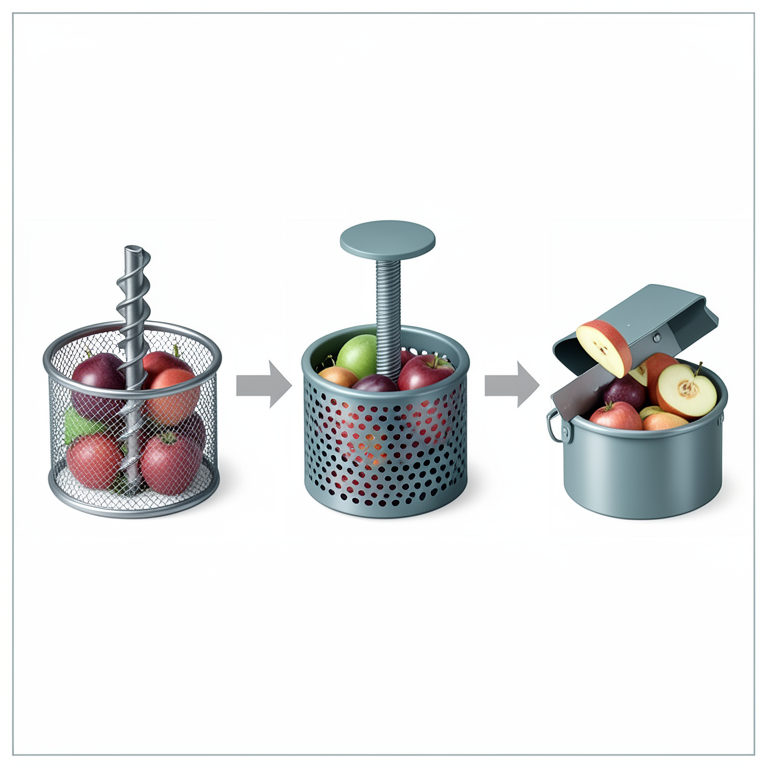
Comparison of Pulp Extraction Mechanisms
AI-generated conceptual illustration (Horticultural fruits (apples, oranges, and berries) in mechanical extraction devices). It explains the idea and does not show study data.
View source evidence ↗Figures & tables
From the original paper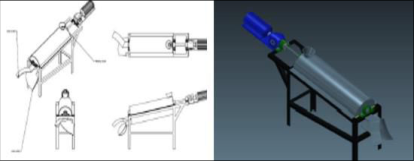 Figure 1
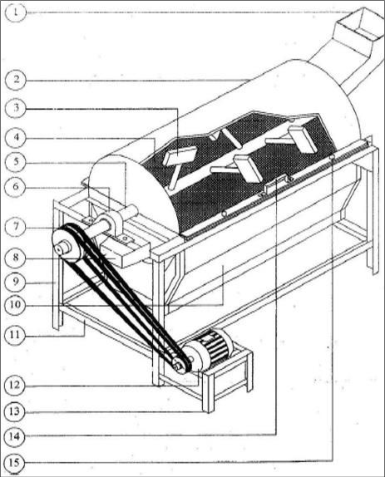 Figure 2
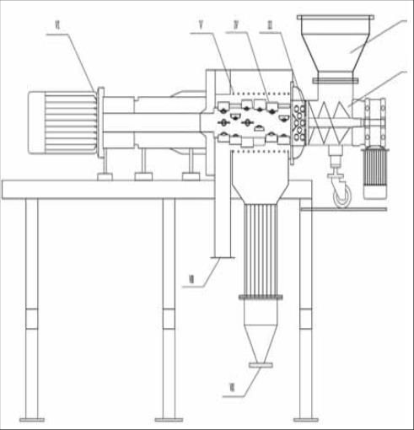 Figure 3
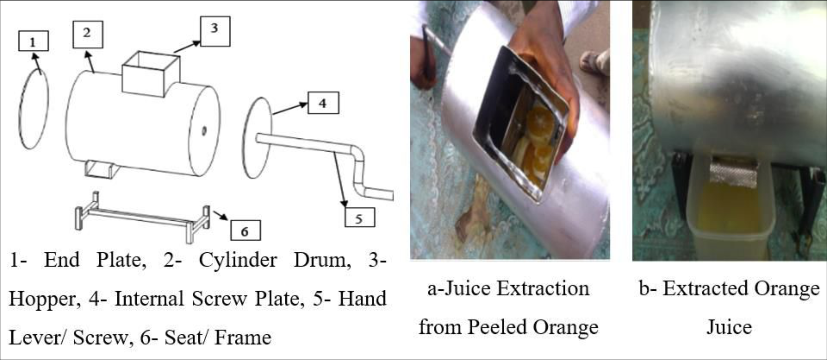 Figure 4
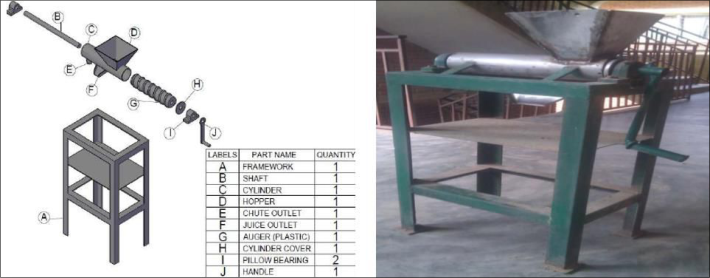 Figure 5
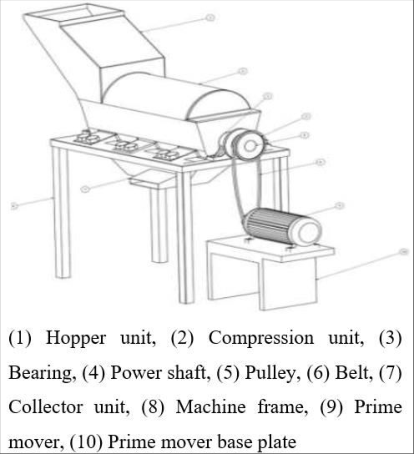 Figure 6
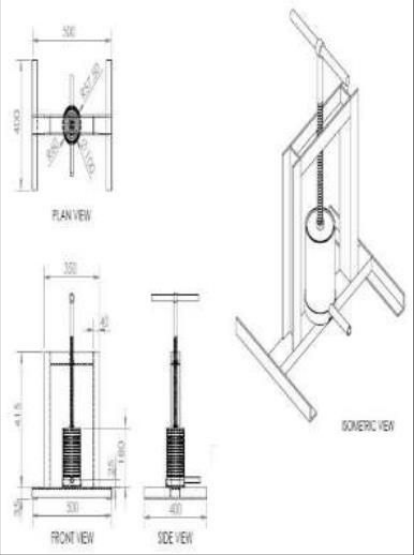 Figure 7
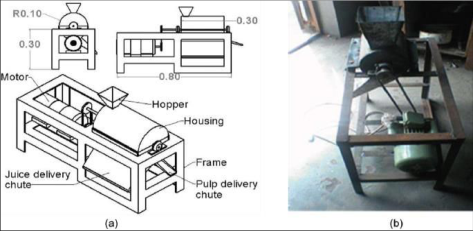 Figure 8
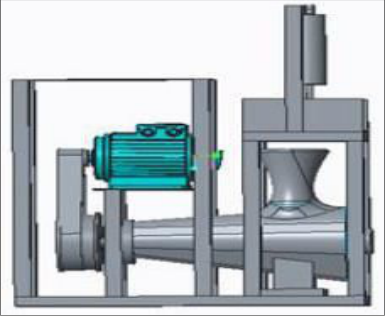 Figure 9
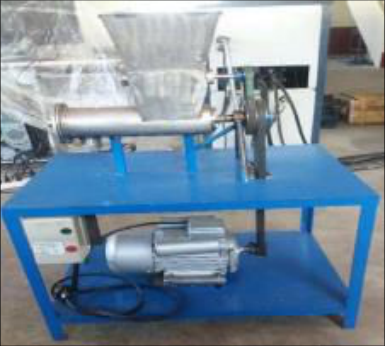 Figure 10
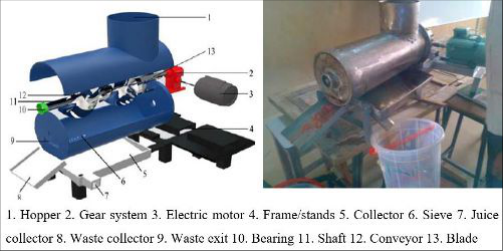 Figure 11
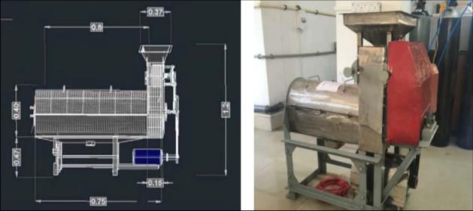 Figure 12
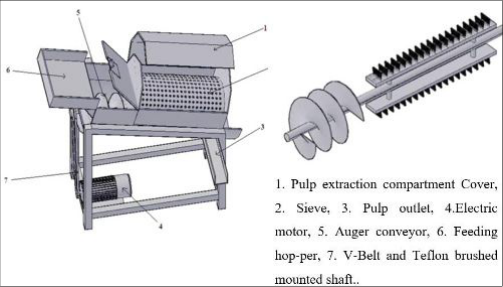 Figure 13
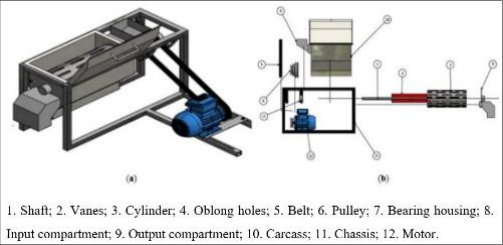 Figure 14
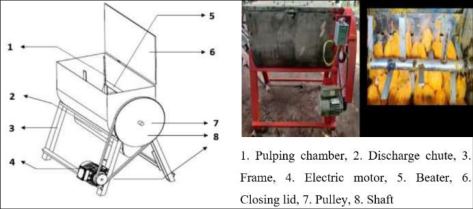 Figure 15
Introduction
Fruit pulp and other processed horticulture products are in high demand worldwide due to their numerous uses in the food industry, economic importance, and nutritional worth. The various researchers, scientist, food processor and manufacture have focused on the design, development, fabrication and performance evaluation of pulp extraction mechanisms tailored to specific fruits, leveraging innovative technologies and materials to enhance performance while addressing challenges such as the quality control mechanism enzymatic browning, mechanical inefficiency of extraction of the pulp, its yield and product contamination during post harvest processing, handling and storage. Traditional methods of juice extraction predominantly rely on manual techniques, which involve macerating the fruit by hand or employing sequential steps such as peeling, slicing, blending, and pressing. These include manual juicers, automatic continuous juicers, and masticating (chewing) juicers, each designed to optimize extraction yield and maintain juice quality. Various juice extraction technologies have been successfully introduced in recent years to enhance the efficiency of juice extraction processes. These labor-intensive processes are not only time-consuming and energy-demanding but also result in low extraction yields, efficiency and hygiene of the extracted juice. (Adekanye, et al 2017) [1] . A crucial stage in fruit processing is the separation of peel, skin, and seeds, which calls for specific mechanical methods depending on each fruit's physical characteristics. To effectively release arils, pomegranate deseeding machines employ a cutter and a revolving cylindrical disk with regular perforations.
The outer skin is preserved while the arils are loosened with the help of a hammer mechanism. Using sharp revolving blades, the cores of fruits with thick exterior skins-like pineapple, watermelon, and grapefruit-are extracted. For accuracy, metallic cylinders that may be adjusted are used to deseed peaches, plums, and litchi. Perforated rotating or stationary screens with slow-moving conveyors are used to separate the seeds of apples, citrus fruits, and kiwis. Circular knives are used to cut the meat from the shell of pineapples. Automated conveyor belts featuring revolving shields, blades, knives, perforated cylinders, and hammers are used in advanced industrial processes. These automated methods maximize fruit pulp extraction, increase efficiency, and improve quality control (Mushtaq, 2018) [14] . Various pulp extraction machines are explained here along with their mechanisms, focusing on the use of different components that influence pulp yield, machine extraction efficiency, and extraction loss. These efforts aim to optimize extraction mechanisms, minimize post-harvest losses, and enhance the economic viability of the fruit processing industry, as outlined below:
Pulp extraction machine for Fruits Baobab (Adansonia digitata)
A wild fruits Baobab (Adansonia digitata) and Chrysobalanaceae (Parinari curatellifolia) were processed using an efficient pulp extraction method that operated on the principles of friction and shear. This method utilized an auger screw to press the fruit against a stationary sieve, facilitating the separation of pulp. This mechanism ensures the separation of pulp from seeds and fiber of the Baobab fruit. The pulping machine was shown in fig. 1. The feed system consists of an inclined chute that uses gravity for material flow, eliminating the need for external energy input. Key components include the auger screw with helically welded blades, a fixed perforated sieve, and a robust frame constructed from mild steel. The screw and sieve are made of stainless steel for durability and corrosion resistance. The design emphasized optimal screw-sieve gaps and speeds, particularly for Baobab fruit, requiring higher rotational speeds for effective shearing. Performance tests demonstrated that fruit ripeness, preservation methods, and sieve mesh size significantly influence pulping efficiency (Manditsera, 2015) [11] .
Pulp extraction machine for citrus fruit
A citrus fruit juice extractor's design, construction, and performance assessment having different components such as feeding hopper, cylindrical housing, and shaft with pressers, perforated screen, and juice outlet as shown in isometric projection of citrus fruits juice extraction machine as shown in fig 2 . A feeding hopper, a cylindrical main housing, a shaft with carefully positioned pressers, a perforated screen, and an output comprise the machine. The cylindrical main housing is composed of two chamber components, one upper and one lower. The upper chamber is made up of a shaft and two bearings, while the shaft was made from 1.5 mm thick stainless steel plate that had the presser correctly welded to it. A 5 hp electric motor required for transferring power via a V-belt and pulleys. For efficient pressing, the motor is run at 1200 rpm and the shaft at 600 rpm. Extraction efficiencies of oranges, tangerines and limes were found as 84%, 87%, and 89% respectively. Over the course of six-hour daily operations, the machine's capability was assessed by processing 3.36 tonnes of oranges, 10.85 tonnes of tangerines, and 10.47 tonnes of limes (Olabisi and Adelegan, 2015) [16] .
Pulp extraction machine for Apple fruits
In order to produce apple juice with less enzymatic browning, the study presents a revolutionary Crushing Separation Machine (CSM) for apple fruit as shown in fig. 3 by combining crushing and separating operations, the machine overcomes the drawbacks of conventional techniques, such as high enzymatic activity and browning brought on by peroxidase (POD) and polyphenol oxidase (PPO). A high pulp yield of 91.33% was attained by optimizing key operating parameters, including screen perforation size, separation gap, rotor speed, and feeding screw speed. When compared to conventional methods, the ideal parameters (1.5 mm perforation size, 1.5 mm separation gap, 300 rpm feeding screw speed, and 1400 rpm rotor speed) dramatically decreased PPO and POD activity by 29.17% and 82.3%, respectively. By separating the peel, seeds, and stems, the machine's creative design minimizes enzyme substrates and lessens browning. With a 75% decrease in browning rate during 9 hours of storage, juice treated with the CSM showed slower browning rates and higher quality. Furthermore, a non-toxic and environmentally responsible substitute for conventional enzyme inhibition techniques is provided by the small, energy-efficient CSM. This study demonstrates how the CSM is a useful development in juice extraction technology as it may enhance apple juice quality while lowering processing energy and expenses (Meng, 2015) [13] .
Multipurpose juice extractor for Pineapple and Sweet orange fruits
A portable multipurpose juice extractor was developed for extracting juice from tropical fruits such as pineapple, orange, and watermelon. The pulp extraction machine for multiple fruits as shown in fig 4 was fabricated using locally available materials, primarily stainless steel. The main functional components include a cylindrical drum with dimensions of 30 cm in length and 20 cm in diameter, a screw rod measuring 28 cm in length, a sieve, and a hopper with dimensions of 10.2 cm × 6.4 cm × 7.5 cm. The machine was evaluated using standard methods to determine its performance under varying conditions. Three test trials were conducted with different sieve opening diameters (0.5 mm, 1 mm, 1.5 mm, and 2 mm) for both peeled and unpeeled fruits. The time taken for juice extraction, the mass of juice extracted, the mass of fruits, and the residual waste were recorded to calculate the juice yield, extraction efficiency, and extraction losses. The highest juice yield and extraction efficiency for peeled fruits were observed with oranges (45%), pineapples (46.5%), and watermelons (50.8%), while unpeeled fruits showed yields of 60.1%, 55.3%, and 47.6%, respectively. The highest values were achieved using a 2 mm sieve diameter (Amru and Ogunlade 2016) [3] .
Manual juice extractor for watermelon, orange, and pineapple
A manual juice extractor for watermelon, orange, and pineapple as shown in Fig. 5 was developed and built using locally found materials. A feeding unit, an extraction unit, a waste outlet, a juice collection, a frame, and bearings make up the extractor. The handle is used to manually operate the pulp extraction machine, which transfers rotation to the Polytetrafluoroethylene (PTFE) screw via roller bearings that support the auger. The PTFE screw rotates as the handle is turned, moving the fruit through the extraction chamber. The compressive and shearing forces applied on the fruits by the PTFE screw results in the extraction of the juice content from the fruits. Residues are crushed, squeezed, and sent to the waste exit by the screw shaft while the juice passes through the screen to the juice collector. Experiments were conducted to examine the machine's performance in terms of water melon, orange, and pineapple fruit juice output, extraction efficiency, and extraction loss. The corresponding juice yields for water melon, tangerine, and pineapple were 57%, 53.6%, and 52.9%. Water melon, orange, and pineapple had extraction efficiencies of 71.3%, 65.8%, and 63.8%, respectively. Orange, pineapple, and watermelon had extraction losses of 2.5%, 4.3%, and 3.5%, respectively. For watermelon, oranges, and pineapples, the machine's respective capabilities were 19.51 kg/hr, 15.97 kg/hr, and 18.10 kg/hr. Eyeowa et al. (2017) [9] . includes key parts such as a turning handle (24.5 mm x 400 mm), a screw rod (32 mm x 620 mm), a compression plate (100 mm), a perforated inner cylinder (115 mm x 180 mm), a non-perforated outer cylinder (120 mm x 180 mm), and a discharge pipe. The structural frame, measuring 350 mm x 415 mm x 60 mm, is fabricated from mild steel in a Uchannel section, providing the necessary support and durability for the system. The machine operates on principle of the transmission of compressive force. Fruits loaded into the perforated internal cylinder within the compression chamber are subjected to compressive force applied by the operator through the turning handle and the screw rod. As the force is transmitted, the juice cells embedded within the fruits are compressed to the point where they can no longer withstand the applied pressure. This results in the liberation of juice from the fruit, which is subsequently collected through the discharge point, ensuring efficient juice extraction. Sweet orange, watermelon, red apple, green apple, pineapple, lime, lemon and grape were used for the performance evaluation process. Results obtained showed that pineapple had the highest values of juice yield (68.74%), juice content (66.40%), extraction capacity (92.85 g/min) and extraction efficiency (82.99%) while sweet orange and lime had the lowest extraction loss and extraction capacity of 1.67% and 29.81 (g/min) respectively (Marteen, et. al 2018) [12] .
Motorized citrus juice extractor for citrus
A motorized citrus juice extractor is design and constructed as shown in fig 7 comprises of stainless steel aluminum alloy which is used for the construction of the feed hopper, compression chamber and collector or receiver of the pulp. The presser and perforated cylindrical sieve of the machine were fabricated from stainless steel sheets, ensuring durability and resistance to corrosion. The power shaft was machined from a solid stainless steel shaft to provide strength and longevity. The main frame was constructed using a mild steel angle bar, while the transmission pulleys were machined from mild steel material. The performance evaluation of the machine shows that the machine extraction capacity and extraction efficiency are significantly affected by the prime mover speed in rpm. The machine efficiency is found to be 84.54%, average juice extraction capacity is 10.92 cm 3 /sec or 39.312 lit/h at 600 rpm and the machine capacity is 38.89 kg/h.
Fruit juice extractor pineapple and sweet orange
The fruit juice extractor as shown in fig 8 was designed with three primary components such as a feeding unit, a crushing unit, and pulp extraction unit with inlet and outlet. The extraction unit incorporated a stainless steel screen for sieving the juice before discharge. The feeding unit featured a prismatic hopper made of stainless steel, with its sides inclined at a 60º angle to the horizontal, mounted on a removable concave top cover that provided protection for the serrated auger. The serrated auger, constructed from stainless steel with a diameter of 0.18 m, operated at an average rotational speed of 1400 rpm, effectively cutting and squeezing the fruits fed into the hopper to separate the juice from the pulp. Juice extracted during operation was collected via the juice delivery chute located beneath the crushing unit, while the residual pulp was discharged through the pulp delivery chute positioned at one end of the machine. A multipurpose juicing machine with a serrated auger was developed and tested with peeled pineapples and sweet oranges. The performance evaluation revealed that the machine achieved an extraction capacity of 88.4 kg/h for pineapples, with juice extraction efficiency of 91.13% and for sweet oranges; the machine demonstrated an extraction capacity of 84.5 kg/h, with a juice extraction efficiency of 85.96% as compared with a manual juice extractor has an average extraction capacity of about 53% for both pineapple and sweet orange.
Pneumatic operated juice extractor orange and pineapple
The pneumatic operated juice extractor machine as shown in fig. 9 was constructed has two feeding hoppers, chopping unit with spikes on shaft, screw (auger) conveyor housed in a cylindrical barrel, waste outlet, juice outlet and main frame. In the operation of the pulp extraction machine, fruits are initially introduced through the primary feeding hopper.
Within the chopping unit, the fruits are sliced and chopped using blades (knives) mounted on a rotating shaft. The chopped fruits are then directed into the cylindrical barrel via the secondary hopper, where they undergo crushing during their transfer into the barrel. Inside the cylindrical barrel, the machine performs multiple functions, including conveying, crushing, grinding, and pressing the fruits. These processes are facilitated by a screw conveyor, which continuously compresses the fruits to extract juice. The extracted juice is subsequently drained through perforations located at the bottom of the cylindrical barrel, ensuring efficient separation of juice from the fruit pulp. Force generated by the machine is 100.158 N and force required for fruits 32.298 N and 36.98 N for orange and pineapple respectively. (Bhalekar, et al 2019) [5] .
Juice extraction machine for ginger
A small-scale motorized ginger juice extractor as shown in fig10 having the dimensions of 0.61 m in length, 0.46 m in width, and 0.97 m in height was designed and fabricated. The machine consists of essential components, including a worm shaft fabricated from a stainless steel rod with a diameter increasing from 0.036 m to 0.044 m. A stainless steel square bar with a cross-section of 0.0095 m is wound around the shaft to serve as the screw, featuring 12 pitches across the root diameter of the shaft. The screw conveyor alone measures 0.286 m in length. The strainer, made of pure stainless steel to ensure food safety, has a cylindrical shape with a length of 0.26 m, an inside diameter of 0.061 m, and an outside diameter of 0.072 m. The pulleys used for the motor, conveyor, and shredder have diameters of 0.051 m, 0.102 m, and 0.051 m, respectively, and are driven by a V-belt with a specification of A-45 and a pitch length of 1.176 m. The machine is powered by a 0.5 hp (373 W) electric motor with a speed of 1740 rpm. The base and stand were constructed with dimensions of 0.497 m in height, 0.452 m in width, and 0.603 m in length. During performance evaluation, ginger was fed into the grinder to reduce its size. The worm shaft, or screw conveyor, then conveyed, crushed, pressed, and squeezed the ground ginger to extract the juice. The extracted juice was filtered through a sieve into the juice collector, while residual waste was discharged through a waste outlet. The results showed an average juice yield of 80 ml per 1 kg of ginger. With a capacity of 0.5 kg/min, the machine is efficient, compact, and suitable for small-scale ginger juice extraction (Dela Cruz, et. al. 2016) [7] . Juice extraction machine for watermelon fruit A small-scale machine for extracting watermelon juice as shown in fig. 11 was developed with locally available materials and evaluated to determine its best extracting operating factors. The machine slices a whole watermelon and extracts its juice. This machine operates on the principle of compressive and shearing force which exerts through an auger. Component parts includes feeding hopper, conveyor shaft, auger conveyor housed in a cylindrical chamber, juice sieve, juice collector, seed and pulp outlet, gear and main frame. The machine was powered by a 1 hp electric motor, coupled to a gear reduction speed to operate at 46.67 rpm.
The operation of the watermelon juice extraction machine begins with the introduction of watermelon fruits through the feeding hopper. The screw conveyor presses the watermelon fruits against the internal surface to extract the juice. The fruits are squeezed and transferred to the auger conveyor, which applies compressive and shearing forces to extract the juice. The juice extracted was drained through the stainless screen into the base collector, discharged through the juice channel and weighed while the residual wastes were collected and weighed separately. Performance evaluation of the machine was conducted using watermelon fruits of varying weights (2.3 kg, 2.6 kg, 2.8 kg, 3.1 kg, and 3.3 kg) to obtained, juice yield, extraction efficiency, and extraction loss and extraction capacity. The results demonstrated a maximum juice yield of 86%, an extraction efficiency of 92.6%, and an extraction loss of 18%. The machine has a processing capacity of 49.04 kg/hr (Adekanye, et.al, 2017) [1] . ) [10] . Results revealed that at the optimum motor speed (S2: 900 rpm), the machine achieved a maximum pulp yield of 77.9%, an extraction efficiency of 96.03%, and an extraction loss of 9.3% for mango fruits. The ideal feed rate was F2 (2.5 kg/min), though the machine also performed effectively at F3 (3.0 kg/min). The breakeven point of the machine was determined to be 40 hours when operating at its maximum capacity (Akram, et al, (2021) [2] . was designed and integrated to ensure compactness, operational efficiency, and ease of use for bocaiuva fruits. The pulp extraction by the combined effect of centrifugal force and shear of the fruits by the pulping cylinder wall was the concept of the bench device offering an efficient alternative to manual methods. Performance evaluation was conducted using fruits dehydrated at 70°C for varying drying periods (6, 12, and 24 hours). The weight of the Pulp was measured every 15 seconds during the 150-second pulping process. The highest efficiency (96%) was achieved with fruits dehydrated for 24 hours, using a pulping time of 120 seconds, resulting in a production rate of 5.5 kg/h (Chuba, 2018) [6] . The suggested operating conditions such as speed and input are 410 rpm and 10 kg for batch. In palmyrah fruit processing, the high efficiency makes the developed mechanized system highly effective for pulp extraction of palmyrah fruits, providing a viable alternative to manual pulping operation in rural communities of India. (Vengaiah et al 2022) [18] .
Figures and tables from the paper
References
16 in the original paper- Adekanye TA, Adelakun OJ. Evaluation of a portable watermelon juice extracting machine. Agric Eng Int: CIGR J. 2017;19(4):219-223.
- Akram ME, Khan MA, Khan MU, Amin U, Haris M, Manmud MS, et al. Development, fabrication and performance evaluation of mango pulp extractor for cottage industry. AgriEngineering. 2021;3(4):827-839.
- Aremu A, Clement O. Development and evaluation of a multipurpose juice extractor. J Agric Sci Technol. 2016;2016(1):1-15.
- Ayoola OJ. Multipurpose fruit juice machine for preventing fruit wastage in Nigeria villages. Turk J Agric Eng Res. 2021;2(2):321-329.
- Bhalekar SD, Dalwai A, Dalavi T, Dahale T. Design and fabrication of pneumatic operated juice extract machine. Int J Anal Exp Finite Elem Anal. 2019;6(2):106-109.
- Chuba CAM, Silva REP, Santos AC, Sanjinez EJ. Development of device for pulping fruits of Bocaiuva (Acrocomia aculeata sp.) for communities that practice sustainable stratification. For Res: Open Access. 2018;7(2):1-12.
- Dela Cruz ALF, Magnaye MVG, Manalo EJV, Camello NC. Development of ginger juice extractor. EPH -Int J Sci Eng. 2016;2(8):15-22.
- Dewole M, Falua KJ, Adebisi SO, Adejumo BA. Development and performance evaluation of a manually-operated multipurpose fruit juice extractor. FUOYE J Eng Tech. 2018;3(1):1-8.
- Eyeowa AD, Adesina BS, Diabana PD, Tanimola OA. Design, fabrication, and testing of a manual juice International Journal of Agriculture and Food Science https://www.agriculturaljournals.com extractor for small-scale applications. Curr J Appl Sci Technol. 2017;22(5):1-7.
- Hmar BZ, Mishra S, Pradhan RC. Design, fabrication, and testing of a pulper for Kendu (Diospyros melanoxylon Roxb.). J Food Process Eng. 2017;2017(1):1-9.
- Martins OO, Bolaji BO, Adeyemi HO, Sanusi OM. Design and construction of a motorized citrus juice extractor. AgriEngineering. 2018;3(4):827-839.
- Meng Y. A crushing separation machine (CSM) towards low enzymatic browning apple juice. Fruit Processing. 2015;5(2015):182-188.
- Olaniyan A, Obajemihi O. Design, development, and test of a small-scale mango juice extractor. J Agric Sci Technol. 2014;2014(1):1-12.
- Olabisi OI, Adelegan GO. Design, construction, and performance evaluation of citrus fruits' juice extractor. Int J Eng Res & Tech (IJERT). 2015;4(5):1372-1380.
- Ugwu BN, Onyejiuwa CT, Ogbuke CR. Review of orange juice extractor machines. Adv Sci Technol Eng Syst J. 2020;5(5):485-492.
- Vengaiah PC, Kaleemullah S, Madhava M, Srikanth AD. Development and evaluation of palmyrah (Borassus flabellifer L.) fruit pulp extractor. The Pharma Innovation J. 2022;11(12):6370-6376.
Cited by 2
From OpenAlex, OpenCitations and reference lists read by Scinovex
- A review on fruit pulp extraction machines: Design, performance, and technological advancements
AB Gawande, RV Jaybhaye, AD Handibag, Anke Vishnu Charan, MA Raut · International Journal of Advanced Biochemistry Research · 2026
Fruit processing plays a crucial role in reducing post-harvest losses, extending shelf life, and enhancing the value of agricultural produce. Among various processing operations, pulp extraction is a key step in the production of juices, purees, nectars, jams, and other fruit-based products. However, conventional manual extraction methods are labor-intensive, time-consuming, and often result in low pulp recovery and inconsistent product quality. This review examines the design, development, operating principles, and performance of fruit pulp extraction machines with emphasis on their extractio
- State‐of‐the‐Art Seed Separation Techniques for Horticultural Crops: A Review ↗
Kohinoor Singh Bhullar, Gurveer Kaur, Preeti Birwal · ChemBioEng Reviews · 2026
ABSTRACT Fruit and vegetable processing generates large streams of seed‐containing material during the manufacture of value‐added products. Effective seed separation is essential to preserve product quality, prevent undesirable seed disruption, and enable recovery of seed‐derived oils, proteins, and other valuable compounds. This review critically examines mechanical, chemical, enzymatic, fermentation‐based, and emerging seed‐separation technologies for horticultural crops. Technologies are assessed according…
❝ 0PDF