
Research article · 2024 · Full text
International Journal of Agriculture and Food ScienceKaronda: An underutilized fruit crop, promise as a significant asset for rural economies
Volume 6(2) · Pages 156–158 · DOI: 10.33545/2664844x.2024.v6.i2b.217 ↗
Research areasAgricultural Economics and Practices
Abstract
Author-writtenThe Karonda (Carissa carandas L.), an underutilized fruit crop, has the potential to become a valuable asset for rural economies. This resilient evergreen shrub, native to desert and subtropical climates, offers a range of benefits. Its fruits, rich in iron and vitamin C, possess antiscorbutic properties and can be used in various culinary applications, from jams to pickles. Additionally, Karonda has a history of traditional medicinal uses, with modern research uncovering its potential in treating various ailments and highlighting its cardio protective and antiviral properties. With its adaptability to harsh environments and minimal maintenance requirements, Karonda could provide rural communities with a sustainable source of income and contribute to their economic growth.
Summary
Source-checkedPlain-language reading of the full paper, prepared with AI and checked against the text. Each point links to the authors' own words.
Why it matters
- Karonda (Carissa carandas L.) is a fruit crop native to the Indian subcontinent that is currently underutilized, particularly in desert and subtropical areas. View evidence ↗
- The plant is a resilient evergreen shrub capable of growing in marginal soils and water-limited environments where conventional crops often fail. View evidence ↗
- There is growing interest in Karonda due to its potential to provide nutritional and medicinal benefits while boosting rural economies and livelihoods. View evidence ↗
The question
- The paper aims to explore the nutritional, medicinal, ecological, and economic potential of Karonda for rural communities. View evidence ↗
What they did
- The author analyzed the crop's potential by reviewing both traditional indigenous knowledge and contemporary scientific applications. View evidence ↗
What they found
- Karonda is highly adaptable to heat, with the ability to withstand temperatures between 25 °C and 45 °C. View evidence ↗
- Compounds like flavonoids, alkaloids, and triterpenoids in the plant are linked to improved heart health, including the management of blood pressure and cholesterol. View evidence ↗
- Research indicates that the fruit possesses antiviral properties, showing effectiveness against common infections and the herpes simplex virus. View evidence ↗
- The leaves of the plant are used traditionally as antiseptic and anti-inflammatory poultices for treating cuts and sores. View evidence ↗
- The bark is traditionally used in decoctions to treat infections and lower blood sugar levels due to its antimicrobial and antidiabetic properties. View evidence ↗
- While it can be eaten fresh, Karonda is frequently processed into value-added products like chutneys, pickles, jellies, and jams. View evidence ↗
- Due to its high iron content, the fruit can serve as a critical dietary tool for combating anemia in rural populations. View evidence ↗
- The crop is suitable for organic farming because it is resistant to most pests and diseases, reducing the need for chemical pesticides. View evidence ↗
What it means
- The author concludes that leveraging Karonda for food, medicine, and value-added products can diversify agriculture and drive economic development in rural areas. View evidence ↗
- Promoting the cultivation and processing of Karonda is recommended to improve food security and combat malnutrition in rural populations. View evidence ↗
Visual summary
1 visualsIllustrations explain the paper; they do not show study data.
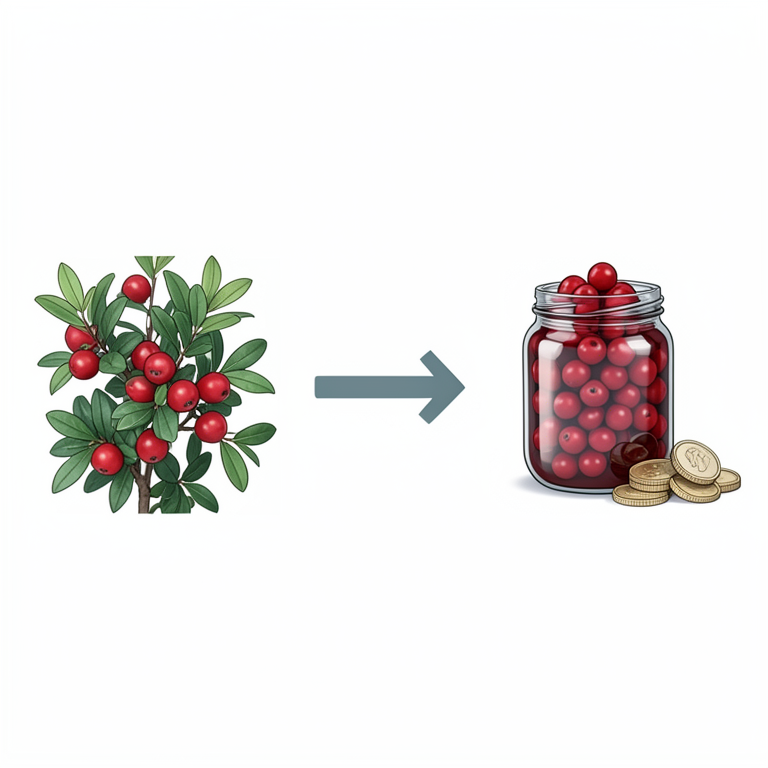
Study overview
AI-generated conceptual illustration (Karonda (Carissa carandas) shrubs). It explains the idea and does not show study data.
View source evidence ↗Introduction
Karonda (Carissa carandas L.) is an underutilized fruit crop native to the Indian subcontinent, commonly found in desert and subtropical regions. This hardy evergreen shrub thrives in harsh environments, where most conventional crops struggle to survive, making it a resilient and valuable option for cultivation in areas with marginal soils and limited water resources. Despite its long history of traditional use, karonda remains relatively underexploited in terms of commercial cultivation and value addition. However, its potential for improving rural livelihoods, boosting local economies, and providing nutritional and medicinal benefits has gained increasing attention in recent years. Karonda is often regarded as a "forgotten fruit," but its adaptability, rich nutrient profile, and diverse uses position it as an untapped resource that could significantly contribute to rural economies. The fruit's high iron content, vitamin C, and other bioactive compounds not only make it a healthy addition to the diet but also enhance its prospects as a source of valueadded products such as jams, juices, and herbal medicines. Moreover, the shrub's low input requirements and tolerance to arid conditions offer opportunities for sustainable farming practices in drought-prone regions. This article explores the various aspects of karonda's potential, highlighting its nutritional value, medicinal properties, ecological adaptability, and economic importance for rural communities (Chopra, & Nayar, 1992) [2] . By examining both traditional uses and contemporary applications, we aim to illustrate how karonda can be leveraged as a significant asset for rural economies, especially in the context of sustainable agriculture and rural development.
Botanical profile and ecological adaptability
Karonda (Carissa carandas L.) belongs to the Apocynaceae family and is a low-growing, spiny shrub that can reach up to 3 meters in height. It is well adapted to arid and semi-arid climates, making it suitable for cultivation in regions where water is scarce and soil fertility is low. The plant is drought-resistant, requires minimal irrigation, and thrives in a variety of soil types, including sandy, loamy, and even rocky soils. Karonda is a hardy plant that can withstand temperatures ranging from 25 °C to 45 °C, which makes it an ideal candidate for cultivation in desert and subtropical regions. It has a high tolerance for salinity and can endure a range of environmental stresses, including drought, heat, and low soil fertility.
This resilience makes it a promising option for farmers in regions where other crops fail, particularly in arid and semiarid parts of India, Africa, and other parts of Asia. The plant requires very little care once established. It grows well in poor soils and needs minimal fertilizer inputs. This low-maintenance requirement makes karonda an attractive option for smallholder farmers and rural communities with limited access to resources. Moreover, it is not prone to many pests and diseases, which further reduces the need for chemical inputs and enhances its sustainability as a crop for organic farming.
Nutritional and culinary value
The fruit of karonda is small, round, and typically dark purple or red when ripe. It has a tart, slightly astringent taste and is rich in several essential nutrients, including vitamin C, iron, calcium, phosphorus, and antioxidants. Karonda is known for its high iron content, which makes it a valuable addition to the diet, especially in regions where anemia and iron deficiency are common health concerns. It is also an excellent source of vitamin C, which helps boost immunity and plays a key role in collagen synthesis and wound healing (Sharma, & Patel, 2015) [5] .
Nutritional composition of karonda fruit
Iron: 10-15 mg per 100 grams of fruit. Vitamin C: 20-25 mg per 100 grams of fruit. Calcium: 20-30 mg per 100 grams of fruit. Phosphorus: 20-25 mg per 100 grams of fruit. Antioxidants: High levels of polyphenols and flavonoids.
Due to its tangy flavor, karonda is used in a variety of culinary preparations. It is commonly consumed as a fresh fruit, but it is more often processed into jams, jellies, pickles, and chutneys. Its pulp can be used for making juices, syrups, and soft drinks. Karonda's versatility in the kitchen makes it a highly marketable product, especially if processed into value-added products for local and regional markets.
In addition to its use in food products, karonda also has significant potential as a natural preservative due to its high acidity and antioxidant properties. This makes it suitable for the production of fruit-based preserves and pickles, which can have a long shelf life.
Traditional and medicinal uses
Karonda has a long history of traditional use in folk medicine across South Asia. Various parts of the plant fruits, roots, leaves, and bark have been used for treating a wide range of ailments. The fruit is traditionally used as an antiscorbutic (to prevent or treat scurvy) due to its high vitamin C content. It is also used in the treatment of digestive issues, fever, and as a general tonic for improving health and vitality.
Medicinal benefits of karonda
Karonda has a long history of traditional use in various cultures, particularly in the Indian subcontinent, where it is valued not only as a nutritious fruit but also for its medicinal properties. The fruit, roots, leaves, and bark of karonda have been utilized in traditional medicine to treat a range of ailments, making it a versatile and important part of local pharmacopoeia. The fruit, rich in vitamin C and iron, has long been used to prevent scurvy and boost immunity, with its high antioxidant content also making it a valuable remedy for combating oxidative stress and inflammation. In folk medicine, karonda fruit is commonly prescribed for treating digestive disorders, such as indigestion, constipation, and diarrhea, due to its natural astringent properties, which help regulate bowel movements. The fruit's tangy taste and sourness are attributed to its high organic acid content, which contributes to its digestive benefits. Additionally, karonda is used as a natural remedy for fever, sore throat, and respiratory infections, with its antimicrobial and anti-inflammatory properties offering relief from symptoms. Beyond the fruit, the leaves and bark of the karonda plant are also used in traditional healing practices. The leaves are known for their antiseptic and antiinflammatory properties, often being crushed and applied as a poultice to treat wounds, cuts, or sores. They are also used to alleviate headaches and as a mild sedative to promote relaxation and reduce anxiety. The bark, on the other hand, is believed to have antimicrobial and antidiabetic effects and is sometimes used in decoctions to treat infections and lower blood sugar levels in people with diabetes. Recent scientific research has started to confirm many of these traditional uses, particularly the fruit's antioxidant, anti-inflammatory, and cardioprotective properties (Pandey & Yadav, (2020) [4] .
Studies have suggested that compounds present in karonda, such as flavonoids, alkaloids, and triterpenoids, contribute to its ability to reduce blood cholesterol, manage blood pressure, and improve heart health, making it a potential natural alternative for cardiovascular disease prevention. Furthermore, the fruit's antiviral properties have been investigated, with some evidence supporting its effectiveness against viruses like herpes simplex and other common infections. The growing body of research underscores the potential of karonda as not only a nutritious fruit but also a valuable medicinal plant with significant health benefits, offering a natural, sustainable alternative to synthetic medications in rural areas, where access to modern healthcare may be limited. In light of these findings, karonda is being increasingly recognized as a functional food and herbal medicine, with further research likely to expand its applications in contemporary health and wellness practices. Traditional and medicinal uses of karonda, thus, present an exciting opportunity for integrating indigenous knowledge with modern science to develop holistic, sustainable healthcare solutions, particularly in rural areas where this resilient fruit can thrive and provide both nutritional and therapeutic value.
Impact on food security and nutrition
Karonda can play a significant role in enhancing food security and improving nutrition in rural areas, especially in regions where malnutrition and micronutrient deficiencies are prevalent. Its rich iron content makes it an important food source for addressing anemia, a common health issue in many rural communities. The fruit's high vitamin C content also boosts immunity, helps fight infections, and promotes overall health. By introducing Karonda into local diets, rural communities can benefit from the additional nutrients that this underutilized fruit offers. Karonda fruits can be consumed fresh, or they can be preserved through pickling or making jams and juices, thus contributing to food security during off-seasons when other crops are not available. This contributes to a diversified diet and reduces reliance on staple foods, which often lack essential micronutrients (Bisht & Kaur 2018) [1] .
In addition to its direct nutritional benefits, Karonda's ability to grow in marginal conditions and require minimal inputs can help ensure stable food production in rural areas, even in the face of climatic challenges. As rural farmers shift toward cultivating more drought-resistant and climateresilient crops like Karonda, they can help buffer their communities against food shortages caused by extreme weather events.
Contribution to the rural economy
In rural economies, agriculture and allied activities form the backbone of income generation. Karonda's ability to thrive in drylands and its minimal input requirements make it an important asset for rural economies. By growing karonda, farmers can increase agricultural productivity, diversify their crops, and create new revenue streams. The potential for value-added products can increase profitability, helping farmers transition from subsistence agriculture to marketoriented production. Moreover, karonda's economic impact extends beyond the farm gate. It stimulates rural economies through its value chain, which includes cultivation, harvesting, processing, packaging, and marketing. Local businesses involved in the production and sale of karonda products contribute to the local economy, create jobs, and support rural infrastructure development (Jain & Rani, 2007) [3] . By promoting the cultivation and processing of karonda, governments, NGOs, and rural development organizations can help rural communities reduce poverty, improve their economic resilience, and promote sustainable farming practices.
Conclusion
Karonda (Carissa carandas L.) holds significant promise as an underutilized fruit crop with the potential to contribute to the economic growth of rural communities. Its ecological adaptability, nutritional value, and medicinal properties make it a versatile crop for smallholder farmers, particularly in arid and semi-arid regions. By tapping into its potential as a source of healthy food products, medicinal remedies, and value-added products, karonda can help diversify agricultural production and offer new avenues for rural economic development.
As research continues to uncover the full extent of karonda's health benefits and market potential, it is likely that this resilient fruit will play an increasingly important role in sustainable agriculture and rural empowerment. Furthermore, promoting karonda cultivation and value addition could help address food security challenges, combat malnutrition, and contribute to the overall wellbeing of rural populations.
References
4 in the original paper- Bisht V, Kaur R. Nutritional and medicinal properties of Karonda (Carissa carandas L.). Indian J Tradit Knowl. 2018;17(3):440-444.
- Jain SK, Rani S. Underutilized fruits in India: Karonda (Carissa carandas) and its potential. Hort Rev. 2007;33:125-140.
- Pandey A, Yadav R. Potential of Karonda in rural development and its value-added products. J Rural Dev. 2020;39(1):22-31.
- Sharma P, Patel K. Karonda: A promising underutilized fruit crop for arid regions. Indian Horticult. 2015;60(4):35-40.
Cited by 7
From OpenAlex, OpenCitations and reference lists read by Scinovex
- Underutilized fruit crops as a sustainable approach to enhancing nutritional security and promoting economic growth ↗
Kumaresan Marappan, Shakila Sadasivam, Naveena Natarajan, Vijai Ananth Arumugam, Kathari Lakshmaiah, Meera Thangaraj et al. · Frontiers in Sustainable Food Systems · 2025
Underutilized fruit crops hold significant potential for commercial cultivation due to their nutritional benefits, resilience to climatic changes, and increasing consumer demand for exotic and health-beneficial fruits. These crops are appealing for sustainable agriculture because they are resistance to major pest and disease as well as excellent adaptability to marginal areas. However, due to a lack of agronomic understanding, restricted…
❝ 32PDF - Promoting Karonda (Carissa carandas) cultivation through agricultural extension: Pathways for rural development and income security
L. Fernando Gonzalez · International Journal of Agriculture Extension and Social Development · 2025
Karonda (Carissa carandas), an underutilized fruit crop indigenous to South Asia, holds immense potential as a sustainable solution for rural development and livelihood security. Despite its nutritional richness, medicinal value, and resilience to drought and poor soils, Karonda remains largely confined to subsistence and boundary plantings rather than being integrated into mainstream horticultural or commercial systems. This paper explores the pathways through which agricultural extension can play a transformative role in promoting Karonda cultivation and value addition, thereby enhancing inc
- Phytochemical characterization and antioxidant potential of Karonda (Carissa carandas): Unlocking a neglected fruit for nutraceutical chemistry
Samira Al- Busaidi · International Journal of Advanced Chemistry Research · 2025
Carissa carandas, commonly known as Karonda, is a tropical fruit native to South Asia, widely recognized for its unique flavor and potential therapeutic applications. Despite its historical use in traditional medicine and culinary practices, Karonda remains an underutilized resource in the field of nutraceutical chemistry. This paper provides a comprehensive review of the phytochemical composition and antioxidant properties of Carissa carandas, emphasizing its untapped potential as a source of bioactive compounds. Phytochemical analyses have identified a variety of secondary metabolites in Kar
- Phytochemical composition of Karonda (Carissa carandas): A comparative study on its potential applications ↗
Erik Lindström, Sofia Bergqvist · Journal of Research in Chemistry · 2025
Karonda (Carissa carandas) is a tropical shrub known for its potential health benefits, attributed to its rich phytochemical composition. This study aims to provide a comparative analysis of the phytochemical constituents of Karonda and their possible applications in various fields, including medicine, food, and agriculture. The research methodology employed includes qualitative and quantitative analysis of the plant’s bioactive compounds, utilizing
- Socioeconomic impacts of Karonda cultivation on rural economies and livelihoods ↗
Lars Hestbjerg Hansen, Ingrid Nilsson · International Journal of Social Science and Education Research · 2025
This study explores the socioeconomic impacts of Karonda (Carissa carandas) cultivation on rural economies and livelihoods. Known for its resilience in arid conditions, Karonda serves as a potential source of income for smallholder farmers in rural areas. The paper examines its cultivation's role in improving local economic stability, promoting sustainable agricultural practices, and enhancing community well-being. Through a comprehensive analysis,…
❝ 0PDF - Biological Characteristics and Agricultural Potential of Karonda (Carissa carandas) in Sustainable Farming Systems
Leena‐Sisko Johansson, FB Andersen, Emil Henriksen · International Journal of Biology Sciences · 2025
Karonda (Carissa carandasL.), a hardy shrub from the Apocynaceae family, is native to arid and semi-arid regions of South Asia. Despite its resilience and rich nutritional profile, it remains underutilized in sustainable farming systems. This paper explores the biological characteristics and agricultural potential of Karonda, emphasizing its adaptability to harsh environments, nutritional benefits, and role in sustainable agriculture. By integrating Karonda into farming systems, there is potential to enhance biodiversity, improve soil health, and provide economic benefits to rural communities.
- Pharmacognostic and Phytochemical evaluation of Karonda (Carissa carandas): A potential source of traditional and modern therapeutics ↗
Junji Kato · Journal of Pharmacognosy and Phytochemistry · 2024
Carissa carandas, commonly known as Karonda, is a plant native to tropical and subtropical regions and has a long history of use in traditional medicine. The plant contains various bioactive compounds, such as alkaloids, flavonoids, tannins, and saponins, contributing to its therapeutic efficacy. This study aims to evaluate the pharmacognostic and phytochemical properties of Karonda, collected from the Kampala Local