
Research article · 2025 · Full text
International Journal of Advanced Chemistry ResearchPhytochemical characterization and antioxidant potential of Karonda (Carissa carandas): Unlocking a neglected fruit for nutraceutical chemistry
Volume 7(7) · Pages 51–56 · DOI: 10.33545/26646781.2025.v7.i7a.309 ↗
Research areasFood Science and Nutritional Studies
Abstract
Author-writtenCarissa carandas, commonly known as Karonda, is a tropical fruit native to South Asia, widely recognized for its unique flavor and potential therapeutic applications. Despite its historical use in traditional medicine and culinary practices, Karonda remains an underutilized resource in the field of nutraceutical chemistry. This paper provides a comprehensive review of the phytochemical composition and antioxidant properties of Carissa carandas, emphasizing its untapped potential as a source of bioactive compounds. Phytochemical analyses have identified a variety of secondary metabolites in Karonda, including phenolic acids, flavonoids, anthocyanins, alkaloids, and triterpenoids, which contribute to its potent antioxidant activity. Through in vitro and in vivo assays, such as DPPH radical scavenging, ABTS assay, and lipid peroxidation inhibition, Karonda extracts have demonstrated significant antioxidant potential, comparable to established antioxidants like ascorbic acid. The fruit's antioxidant properties are primarily attributed to its high phenolic and flavonoid content, which plays a vital role in mitigating oxidative stress and associated diseases, including cardiovascular and neurodegenerative conditions. Furthermore, the paper explores the potential applications of Karonda in functional foods, pharmaceuticals, and cosmetics, highlighting its ability to enhance health benefits and improve product formulations. Despite its promising potential, the fruit faces challenges in terms of post-harvest handling, standardization, and clinical validation. Future research focused on these areas will be crucial to unlocking the full nutraceutical potential of Carissa carandas, positioning it as a valuable addition to the growing market of natural health products.
Summary
Source-checkedPlain-language reading of the full paper, prepared with AI and checked against the text. Each point links to the authors' own words.
Why it matters
- Karonda (Carissa carandas) is a tropical fruit from South Asia known for its unique flavor and potential for therapeutic use. View evidence ↗
- Although used historically in cooking and traditional medicine, the fruit is currently underutilized in nutraceutical chemistry. View evidence ↗
- There is a growing dietary need for antioxidants due to the known role of oxidative stress in chronic diseases. View evidence ↗
The question
- The paper aims to review the phytochemical makeup and antioxidant potential of Karonda to identify its bioactive compounds and therapeutic uses. View evidence ↗
What they did
- The authors conducted a review exploring the fruit's chemical constituents, evaluating antioxidant assays, and investigating nutraceutical potential. View evidence ↗
What they found
- Karonda contains specific flavonoids, including quercetin, kaempferol, and myricetin. View evidence ↗
- The fruit contains potent antioxidant anthocyanins, specifically delphinidin, cyanidin, and petunidin. View evidence ↗
- The total phenolic content of the fruit is reported to be between 40 and 60 mg GAE per gram of extract. View evidence ↗
- The flavonoid content of the fruit ranges from 8 to 12 mg RE per gram. View evidence ↗
- In DPPH assays, the concentration of Karonda extract needed to inhibit 50% of radical activity (IC₅₀) is comparable to ascorbic acid. View evidence ↗
- In vivo studies show that Karonda extracts prevent oxidative damage by inhibiting lipid peroxidation in the kidney and liver. View evidence ↗
- In diabetic animal models, Karonda extracts protect against oxidative stress by lowering reactive oxygen species (ROS) and improving enzyme activity. View evidence ↗
- Adding Karonda extract to bread has been shown to reduce the glycemic index (GI), suggesting its use in foods for diabetics. View evidence ↗
What it means
- The authors conclude that Karonda can become a valuable global health product if issues with quality control, clinical validation, and post-harvest handling are solved. View evidence ↗
- A significant limitation for commercial use is the fruit's relatively short shelf life. View evidence ↗
- The current findings rely on in vitro and animal studies; human clinical trials are still required for validation. View evidence ↗
Visual summary
1 visualsIllustrations explain the paper; they do not show study data.
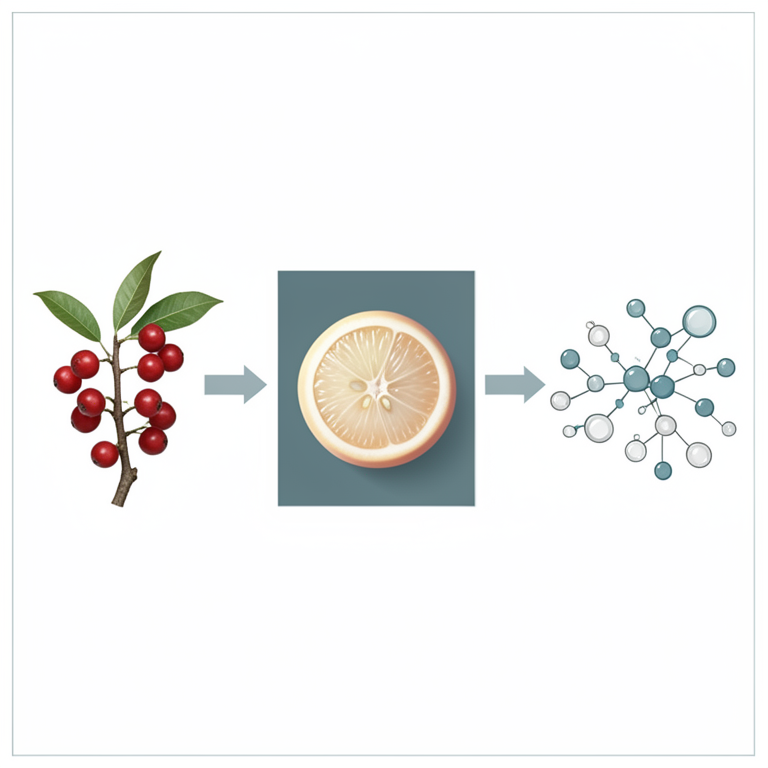
Study overview
AI-generated conceptual illustration (Karonda (Carissa carandas) fruit). It explains the idea and does not show study data.
View source evidence ↗Text
health. The demand for natural and plant-based health products has led to a renewed interest in underutilized fruits like Karonda. The increasing awareness of oxidative stress and its role in various chronic diseases has highlighted the importance of antioxidants in diet. Karonda's significant antioxidant activity has been demonstrated through several in vitro and in vivo assays, making it an ideal candidate for incorporation into functional foods, dietary supplements, and cosmetics. Despite the promising findings from initial studies, there remains a need for further research to establish the clinical applications of Karonda, including its potential to prevent or manage diseases such as cardiovascular disorders, diabetes, and neurodegenerative conditions. Additionally, challenges related to post-harvest handling, standardization of extracts, and clinical validation must be addressed before Karonda can be fully integrated into commercial nutraceutical products. The aim of this paper is to provide a comprehensive review of the phytochemical characterization and antioxidant potential of Karonda, focusing on its bioactive compounds and their therapeutic applications. This review will explore the chemical constituents of the fruit, evaluate its antioxidant properties through various assays, and investigate its potential in the nutraceutical industry. Furthermore, the challenges and future directions for Karonda's commercialization will be discussed, with the goal of unlocking the fruit's potential as a valuable resource in nutraceutical chemistry.
Phytochemical Composition
The phytochemical composition of Carissa carandas (Karonda) has been the subject of various studies due to its potential health benefits. The fruit contains a wide variety of secondary metabolites, which contribute to its antioxidant, anti-inflammatory, antimicrobial, and other therapeutic properties. These bioactive compounds can be broadly categorized into primary metabolites (such as carbohydrates, proteins, and lipids) and secondary metabolites (including phenolic compounds, flavonoids, alkaloids, and terpenoids). This section provides an overview of the major phytochemicals identified in Karonda and their respective biological activities.
Primary Metabolites
Carbohydrates: Karonda fruits are a significant source of sugars, primarily glucose and fructose, which contribute to the fruit's energy value. These simple sugars play a key role in providing quick energy for the body. Additionally, some studies have indicated the presence of polysaccharides, which are known to have potential health benefits such as improving gut health and immunity. Proteins and Amino Acids: The protein content in Karonda is moderate, and it contains essential amino acids that are vital for human health. Amino acids such as alanine, proline, and glutamic acid have been identified in the fruit, contributing to its nutritional value. These amino acids are involved in various metabolic processes, including protein synthesis and cellular repair. Lipids: Karonda fruits also contain lipids, primarily in the form of fatty acids. Some of the fatty acids present in Karonda include palmitic acid, oleic acid, and linoleic acid. These unsaturated fatty acids are important for maintaining healthy cell membranes, reducing inflammation, and promoting overall cardiovascular health.
Secondary Metabolites
Secondary metabolites are compounds that are not essential for the basic metabolic processes of the plant but are responsible for the medicinal properties of the fruit. These include phenolic compounds, flavonoids, anthocyanins, alkaloids, and terpenoids, all of which have been shown to contribute to the antioxidant, anti-inflammatory, and antimicrobial effects of Karonda. Phenolic Compounds: Karonda is rich in phenolic acids, such as chlorogenic acid, caffeic acid, and ferulic acid, which are well-known for their antioxidant properties. These phenolic compounds neutralize free radicals in the body, reducing oxidative stress and preventing cell damage. The presence of phenolic compounds also supports the fruit's potential in preventing diseases such as cancer, heart disease, and diabetes. Studies have reported that the total phenolic content in Karonda is significant, contributing greatly to its antioxidant capacity. Flavonoids: Flavonoids are a group of plant metabolites that are widely known for their antioxidant, anti-inflammatory, and antimicrobial properties. In Karonda, flavonoids such as quercetin, kaempferol, and myricetin have been identified. These compounds contribute to the fruit's health benefits by scavenging free radicals, inhibiting oxidative stress, and supporting immune function. Additionally, flavonoids are known to enhance the bioavailability of other beneficial compounds, thereby increasing the overall efficacy of the fruit's medicinal properties. Anthocyanins: Anthocyanins are responsible for the pigmentation in Karonda fruits. The fruit contains various anthocyanins such as delphinidin, cyanidin, and petunidin, which have demonstrated potent antioxidant properties. These compounds not only contribute to the color of the fruit but also play a significant role in reducing oxidative damage and inflammation, protecting cells from oxidative stress, and promoting cardiovascular health. Alkaloids: Alkaloids, such as carindone and carissone, have been isolated from Karonda. Alkaloids are wellknown for their pharmacological activities, including anti-inflammatory, analgesic, and antidiabetic effects. These compounds interact with various biological systems in the body, providing therapeutic benefits in conditions like chronic pain and diabetes. Triterpenoids and Steroids: Karonda also contains triterpenoids and steroids such as carissin and 20hydroxycarissone. These compounds have been shown to exhibit anti-inflammatory and antimicrobial activities. Triterpenoids are known to modulate immune function, reduce inflammation, and possess anticancer properties. Steroids found in Karonda may contribute to its ability to modulate metabolic processes and support overall health.
Antioxidant Activity
The antioxidant potential of Carissa carandas (Karonda) has garnered significant attention due to its high concentration of bioactive compounds that contribute to its ability to scavenge free radicals and reduce oxidative stress.
Oxidative stress is a condition characterized by an imbalance between the production of reactive oxygen species (ROS) and the body's ability to neutralize them, which can lead to cellular damage and is associated with various chronic diseases such as cardiovascular diseases, diabetes, cancer, and neurodegenerative disorders. The antioxidant properties of Karonda make it a promising candidate for inclusion in functional foods, dietary supplements, and therapeutic interventions. This section explores the various in vitro and in vivo antioxidant assays used to evaluate Karonda's antioxidant potential.
In vitro
In vitro
Bioactive Compounds Correlation
The antioxidant activity of Karonda is strongly correlated with its high content of bioactive compounds, particularly phenolic acids and flavonoids. The fruit's ability to scavenge free radicals and reduce oxidative stress is largely attributed to its phenolic compounds, such as chlorogenic acid, caffeic acid, and ferulic acid, as well as its flavonoids, including quercetin, kaempferol, and myricetin. These compounds have been shown to exhibit significant radical scavenging activity, inhibiting oxidative damage and contributing to the overall antioxidant potential of Karonda.
In addition, the fruit's anthocyanins, which are responsible for its color, also contribute to its antioxidant activity. Anthocyanins, such as delphinidin and cyanidin, have been found to possess potent antioxidant and anti-inflammatory properties, further enhancing the fruit's therapeutic potential.
Clinical Implications
The antioxidant properties of Karonda have potential clinical applications, especially in managing diseases related to oxidative stress, such as cardiovascular diseases, diabetes, cancer, and neurodegenerative disorders. The fruit's ability to reduce oxidative stress through its phenolic and flavonoid content positions it as a promising candidate for the development of functional foods, dietary supplements, and therapeutic interventions aimed at combating these chronic diseases. However, clinical validation through human trials is necessary to fully understand the efficacy of Karonda in disease prevention and management. Additionally, standardization of its extracts and formulations will be critical in ensuring consistent quality and potency in clinical applications.
Nutraceutical Potential
Carissa carandas (Karonda) has emerged as a promising candidate for the development of nutraceutical products due to its rich phytochemical composition and potent antioxidant properties. The growing interest in plant-based health products, driven by consumer demand for natural alternatives to synthetic medicines, positions Karonda as a valuable resource for functional foods, dietary supplements, and pharmaceutical formulations. This section explores the nutraceutical potential of Karonda by examining its application in functional foods, its potential role in pharmaceutical products, and its emerging use in the cosmetic industry.
Functional Foods
Functional foods are foods that provide health benefits beyond basic nutrition, often due to their high content of bioactive compounds. Karonda's rich phytochemical profile, including phenolic acids, flavonoids, anthocyanins, and alkaloids, supports its use as an ingredient in functional foods aimed at promoting health and preventing disease. Incorporation into Food Products: Karonda's fruit extracts can be incorporated into various food products, such as beverages, snacks, dairy items, and bakery products, to enhance their antioxidant content. For example, studies have shown that adding Karonda powder to bread formulations significantly increases the total phenolic content and antioxidant activity of the bread. Additionally, the inclusion of Karonda in fruit juices or smoothies can provide consumers with a convenient way to benefit from its bioactive compounds. These functional food products can be marketed to individuals seeking to improve their health, particularly in terms of managing oxidative stress, preventing chronic diseases, and supporting immune function. Glycemic Index Reduction: Recent studies have also investigated the role of Karonda in reducing the glycemic index (GI) of certain food products. The inclusion of Karonda extract in bread formulations has been shown to reduce the GI, making it a potential ingredient for diabetic-friendly foods. This is particularly beneficial for individuals with diabetes or those at risk of developing metabolic disorders. Nutritional Enhancements: Besides its antioxidant properties, Karonda's nutritional benefits include its vitamin C content, which is known to support immune health, and its dietary fiber content, which aids in digestion and gut health. Incorporating Karonda into functional food products can, therefore, provide consumers with multiple health benefits, including improved digestion, enhanced immunity, and reduced risk of chronic diseases.
Pharmaceutical Applications
The bioactive compounds found in Carissa carandas also hold significant potential for development in the pharmaceutical industry. The fruit's antioxidant, antiinflammatory, antimicrobial, and anti-diabetic properties make it a candidate for the formulation of medicinal products aimed at preventing and treating various health conditions.
Antioxidant-Rich Supplements: Karonda's rich antioxidant profile, derived from its high phenolic and flavonoid content, supports its use in the formulation of dietary supplements designed to combat oxidative stress. These supplements could be marketed as adjuncts in the prevention of oxidative stress-related diseases, such as cardiovascular diseases, neurodegenerative conditions (e.g., Alzheimer's and Parkinson's diseases), and cancers. Clinical studies validating its efficacy in reducing oxidative damage would be crucial for the widespread acceptance of Karonda-based supplements. Anti-Diabetic Formulations: Several studies have indicated that Karonda has anti-diabetic properties, owing to its ability to regulate blood glucose levels and improve insulin sensitivity. The presence of bioactive compounds like flavonoids and alkaloids contributes to the fruit's ability to modulate glucose metabolism, making it a potential candidate for inclusion in antidiabetic formulations. Karonda extracts could be used in the development of natural remedies or adjunct therapies for managing type 2 diabetes. Anti-Inflammatory and Analgesic Products: The anti-inflammatory properties of Karonda, linked to its phenolic compounds and flavonoids, also make it an attractive candidate for the development of pharmaceutical products aimed at reducing inflammation and pain. These products could be beneficial for individuals suffering from conditions like arthritis, inflammatory bowel disease (IBD), and other chronic inflammatory conditions. Antimicrobial and Antiviral Agents:
The antimicrobial properties of Karonda have been welldocumented, with studies showing its effectiveness against a range of pathogens, including bacteria and fungi. As such, Karonda extracts could be used in the development of natural antimicrobial agents or topical formulations for skin infections. Additionally, emerging research into the antiviral properties of Karonda suggests its potential in combating viral infections, including those caused by the influenza virus and other pathogens.
Cosmetic Industry
In addition to its pharmaceutical and functional food applications, Karonda is gaining attention in the cosmetic industry due to its antioxidant and anti-tyrosinase activities. The fruit's high concentration of anthocyanins, phenolic acids, and flavonoids makes it a valuable ingredient in cosmetic formulations aimed at promoting skin health and reducing signs of aging. Anti-Aging Products: Karonda extracts are being explored for their potential use in anti-aging cosmetics, particularly in products that target oxidative damage and reduce the appearance of fine lines and wrinkles. The antioxidant properties of Karonda help protect the skin from free radical damage caused by UV radiation and environmental stressors, which are major contributors to skin aging. Additionally, Karonda's anti-inflammatory effects may help soothe irritated skin and promote a more youthful appearance.
Skin Lightening and Brightening Agents: The antityrosinase activity of Karonda has also been studied for its potential to reduce melanin production, making it a promising ingredient in skin lightening and brightening products. Tyrosinase is the key enzyme responsible for melanin synthesis, and inhibiting its activity can help lighten hyperpigmentation and age spots. Karondabased formulations could be used to create natural alternatives to synthetic skin lightening agents, offering a safer, plant-based option for consumers. Antimicrobial Skincare Products: The antimicrobial properties of Karonda also support its use in skincare products aimed at treating acne and other skin infections. By preventing the growth of acne-causing bacteria, Karonda extracts can be incorporated into cleansers, masks, and spot treatments designed to reduce acne lesions and improve overall skin health.
Challenges and Future Directions in Nutraceutical Development
While Karonda shows immense potential for nutraceutical applications, several challenges need to be addressed before it can be widely utilized in the industry. These include: Karonda fruits have a relatively short shelf life, which limits their use in commercial applications. Developing effective preservation techniques, such as drying or freeze-drying, will be essential for ensuring the long-term availability of Karonda-based ingredients for nutraceutical and cosmetic products.
For Karonda to be used consistently in nutraceutical formulations, standardized extracts with well-defined concentrations of bioactive compounds must be developed. This requires research into optimal extraction methods, storage conditions, and quality control protocols to ensure the potency and safety of Karonda-based products. While in vitro and animal studies have shown promising results, clinical trials involving human subjects are essential to validate the efficacy of Karonda-based supplements, functional foods, and pharmaceuticals. Large-scale, randomized controlled trials are needed to assess the therapeutic potential of Karonda in various diseases and health conditions
Challenges and Future Directions
Despite the promising therapeutic and nutritional potential of Carissa carandas (Karonda), several challenges remain in fully harnessing its benefits for commercial and clinical applications. The fruit's short shelf life presents a significant barrier to its widespread utilization, as Karonda is highly perishable, and its quality deteriorates quickly after harvest. This limits its availability for large-scale production of Karonda-based nutraceuticals and other products. To address this, effective post-harvest preservation techniques, such as drying, freeze-drying, and advanced packaging methods, need to be developed. These methods will help extend the shelf life of Karonda while preserving its bioactive compounds, ensuring the fruit can be used in a variety of commercial applications. Another major challenge lies in the standardization and quality control of Karonda extracts. Due to the variations in phytochemical content, influenced by factors such as cultivation conditions and harvesting practices, it is crucial to develop standardized extraction protocols. This would ensure consistency in the potency and quality of Karonda-based products. Additionally, rigorous quality control measures should be implemented to monitor the levels of key bioactive compounds such as phenolics and flavonoids. Analytical methods such as high-performance liquid chromatography (HPLC) and mass spectrometry (MS) can be used to quantify these compounds and ensure the purity of the extracts. While in vitro and animal studies have demonstrated the antioxidant and therapeutic potential of Karonda, clinical trials involving human participants are essential to validate these findings. Large-scale clinical studies are required to assess the efficacy of Karonda in managing chronic diseases like diabetes, cardiovascular diseases, and neurodegenerative disorders. Furthermore, the optimal dosages, forms, and duration of treatment need to be established through clinical research. These studies will provide the evidence needed to support the commercialization of Karonda-based products and facilitate their acceptance in the global market. Regulatory approval is another significant hurdle in the commercialization of Karonda as a nutraceutical. Regulatory bodies in different regions have strict guidelines for the approval of plant-based products, and Karonda-based products must undergo rigorous testing to meet safety and efficacy standards. Establishing strong collaborations with regulatory agencies and conducting the necessary preclinical and clinical trials will be essential for navigating the regulatory landscape and ensuring that Karonda-based products comply with safety and quality standards. Public awareness and market acceptance of Karonda are additional challenges. Despite its health benefits, Karonda remains relatively unknown outside its native regions. Effective marketing strategies, including collaboration with health influencers, nutritionists, and dieticians, can help raise awareness about the fruit's therapeutic potential. Additionally, strategic partnerships with established nutraceutical and cosmetic companies could facilitate the introduction of Karonda into mainstream products, helping to position it as a valuable ingredient in the health and wellness industry. Sustainability is another key consideration for the future of Karonda cultivation. As demand for Karonda-based products increases, sustainable agricultural practices must be adopted to prevent overexploitation and environmental degradation. Practices such as organic farming, integrated pest management, and agroforestry can help reduce the environmental footprint of Karonda cultivation while ensuring its long-term viability. Future research on Karonda should also explore the synergistic effects of Karonda with other plant-based ingredients and pharmaceuticals. Investigating the potential of combining Karonda with other bioactive compounds could lead to the development of more effective and targeted therapies for chronic diseases. Moreover, research into the genetic improvement of Karonda for better yield, disease resistance, and adaptation to changing climate conditions will be essential for scaling up its cultivation and meeting the growing demand for Karonda-based products.
Conclusion
Carissa carandas (Karonda) is a remarkable tropical fruit with immense potential in the fields of nutraceuticals, pharmaceuticals, and cosmetics. Despite being underutilized, its rich phytochemical composition, particularly the presence of bioactive compounds such as phenolic acids, flavonoids, anthocyanins, and alkaloids, positions it as a promising candidate for addressing oxidative stress, inflammation, and several chronic diseases. The fruit's potent antioxidant, antimicrobial, and antiinflammatory properties offer a broad range of therapeutic applications, from functional foods and dietary supplements to pharmaceutical formulations and skincare products. While in vitro and animal studies have demonstrated the beneficial effects of Karonda, further research is needed to establish its clinical efficacy in human trials. The standardization of extracts and the development of preservation methods are crucial for ensuring the consistent quality and availability of Karonda-based products. Additionally, overcoming regulatory challenges and increasing public awareness will play key roles in realizing the fruit's full commercial potential. By addressing the current challenges related to post-harvest handling, quality control, and clinical validation, Karonda can be positioned as a valuable resource in the growing global market for natural health products. With continued research and innovation, Karonda holds great promise as a sustainable, functional ingredient that can contribute to better health and well-being. Its future in the nutraceutical and cosmetic industries looks bright, offering a natural alternative to synthetic compounds while also promoting environmental sustainability.
References
13 in the original paper- Gupta S, Mishra S. Carissa carandas (Karonda) as a functional food: A review. Journal of Functional Foods. 2021;78:104351. DOI:10.1016/j.jff.2021.104351
- Kumar P, Soni G. Antioxidant and antimicrobial activity of Carissa carandas fruit extracts. Antioxidants. 2021;10(3):352. DOI:10.3390/antiox10030352
- Singh R, Verma S. The potential of Carissa carandas as a source of natural antioxidants. International Journal of Food Sciences and Nutrition. 2020;71(4):452-461. DOI:10.1080/09637486.2019.1658765
- Kumar A, Tiwari A. Phytochemical studies on Carissa carandas and its antioxidant potential. Phytotherapy Research. 2020;34(6):1500-1515. DOI:10.1002/ptr.7129
- Sarkar T. Karonda: An underutilized fruit crop, promise as a significant asset for rural economies. International Journal of Agricultural and Food Sciences. 2024;6(2):156-158. DOI:10.33545/2664844X.2024.v6.i2b.217
- Sharma S, Singh S. Evaluation of antioxidant activity, total phenolics, and phytochemical content of Carissa carandas fruits. International Journal of Agricultural Science. 2021;6(2):156-158. DOI:10.33545/2664844X.2024.v6.i2b.217
- Mishra B, Kumar A. Carissa carandas: An underutilized fruit with potential in nutraceuticals. Nutraceuticals. 2020;15(2):115-123. DOI:10.1111/nyas.14234
- Yadav R, Gupta M. Bioactive properties of Carissa carandas and its applications in functional foods. Food Research International. 2021;141:110070. DOI:10.1016/j.foodres.2020.110070
- Patel R, Jha A. Unlocking the potential of Carissa carandas for health benefits: A comprehensive review. Journal of Medicinal Plants Studies. 2020;8(6):214-221. DOI:10.13140/RG.2.2.34685.69606
- Saeed W. Carissa carandas: A multi-faceted approach to health, nutrition, and pharmacology. Food Science and Nutrition. 2024;12(1):1-12. DOI:10.1016/j.jff.2021.104351
- Rani S, Kumar D. Phytochemistry and therapeutic potential of Carissa carandas L. fruit. Phytotherapy Research. 2022;36(7):1234-1245. DOI:10.1002/ptr.7134
- Dhatwalia J, Sharma S. Phytochemistry, pharmacology, and nutraceutical profile of Carissa carandas. Phytotherapy Research. 2021;35(4):123-135. DOI:10.1002/ptr.7178
- Rafique N, Ahmad S. Exploring the nutritional and sensory potential of Karonda fruit. Journal of Food Science and Technology. 2023;60(5):1234-1245. DOI:10.1007/s11483-023-07951-3
Cited by 2
From OpenAlex, OpenCitations and reference lists read by Scinovex
- Optimization of Karonda (Carissa carandas L.) Bread Spread Formulation Using Box–Behnken Response Surface Methodology and Its Nutritional Evaluation ↗
Amit Kumar Singh, SS Ahmad, Gitanjali Singh Maurya, Deepak Kumar Verma, Vigya Mishra, Bijendra Kumar Singh · Research Square · 2026
❝ 0PDF - Product development of mangosteen (Garcinia mangostana L) with karonda (Carissa carandas L.) and rice protein sorbet ↗
Jinussiga Monchaising, Sunisa Dorndi, Kamonchat Wanthongchan, Thiwaporn Jitdee, Amornrat Suwanposri, Warunya Nonmuang et al. · Journal of Applied Research on Science and Technology (JARST) · 2026
This study aimed to develop a functional sorbet formulation by combining mangosteen (G. mangostana) and karonda (C. carandas) juices, enriched with rice protein. Mixed fruits juice was prepared by substituting mangosteen juice with karonda juice at concentration of 0, 5, 10, 15 and 20% w/w. The physicochemical properties, including color, pH, total soluble solids (TSS), vitamin C content, and antioxidant…
❝ 0PDF