
Research article · 2024 · Full text
International Journal of Agriculture and NutritionEffect of fermentation and pelleting on some physical traits of layer diet
Volume 6(1) · Pages 103–106 · DOI: 10.33545/26646064.2024.v6.i1b.148 ↗
Research areasFood Industry and Aquatic BiologyMeat and Animal Product QualityFood composition and properties
Abstract
Author-writtenThis study was conducted in the laboratories of the College of Agriculture and the College of Food Sciences/Al-Qasim Green University for the period from 15/7/2020 until 15/8/2020 to study the effect of fermenting the feed with probiotics and then converting it into pellets on the microorganisms, pH, and volatile fatty acids in which the diet was used, Laying hens, probiotic concentrations (5, 10, 15 gm/kg feed) and moisture percentage (0.25, 0.50, 1.00, 1.50 liters/kg feed) and for periods (24, 48, 72 hours). The results showed: There was an effect of the concentrations of probiotics on the numbers of Bifidobacterium bacteria, especially the concentrations of 10 and 15 g/kg feed before and after the pelleting. As for the effect of duration, the time 72 hours significantly increased the number of volatile fatty acids, and the time 24 and 48 hours increased the pH before the pelleting; after the pelleting process, the time 48 hours increased the number of Basils subtilis bacteria, and the acidity and volatile fatty acids increased. In the effect of humidity, the percentage of 0.50 significantly increased the number of Basils subtilis bacteria, and the percentage of volatile fatty acids increased by 1.50 level.
Summary
Source-checkedPlain-language reading of the full paper, prepared with AI and checked against the text. Each point links to the authors' own words.
Why it matters
- Fermenting animal feed is a traditional method used to break down indigestible substances, allowing birds to get the most nutritional benefit from their food. View evidence ↗
- Fermentation improves the nutritional value of feed by altering its physical, chemical, and microbial properties. View evidence ↗
- Poultry are particularly suited for fermented feed because their simple stomachs lack some of the enzymes needed to break down complex nutrients. View evidence ↗
The question
- The study aimed to determine how fermentation and subsequent pelleting affect the bacterial count, pH (acidity), and volatile fatty acids in layer diet. View evidence ↗
What they did
- Feed was aerobically fermented using three probiotic concentrations (5, 10, and 15 g/kg), four moisture levels (0.25, 0.50, 1.00, and 1.50 L/kg), and three durations (24, 48, and 72 hours). View evidence ↗
- The diet used for the laying hens consisted of 2756.19 kcal/kg metabolic energy, 17.13% crude protein, and 4% crude fiber. View evidence ↗
- Data were analyzed using a completely randomized design (C.R.D.) and the Duncan multinomial test via SAS (2012) software. View evidence ↗
What they found
- After pelleting, there were no significant differences in Lactobacilli, Bacillus subtilis, Saccharomyces cerevisiae, pH, or volatile fatty acids across probiotic levels. View evidence ↗
- After pelleting, the water addition ratio had no significant effect on bacterial counts, pH, or volatile fatty acids. View evidence ↗
What it means
- The authors conclude that fermentation improves feed physical traits and increases beneficial bacteria, which enhances nutrient readiness, digestion, and absorption. View evidence ↗
- The authors state that pelleting does not significantly reduce microorganism numbers due to their heat resistance. View evidence ↗
Visual summary
3 visualsIllustrations explain the paper; charts are replotted from the paper's own table values.
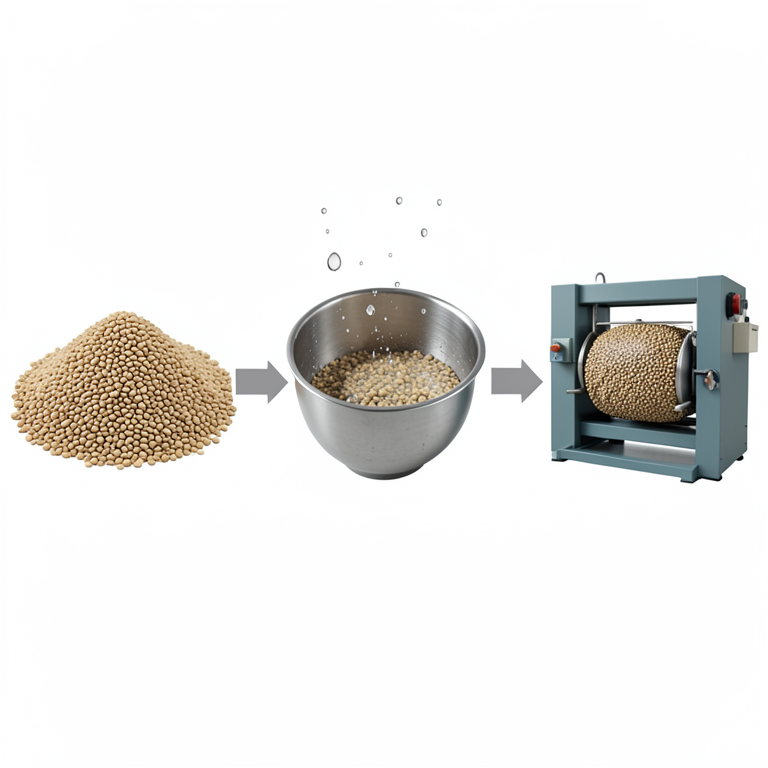
Experimental Workflow
AI-generated conceptual illustration (layer chicken feed). It explains the idea and does not show study data.
View source evidence ↗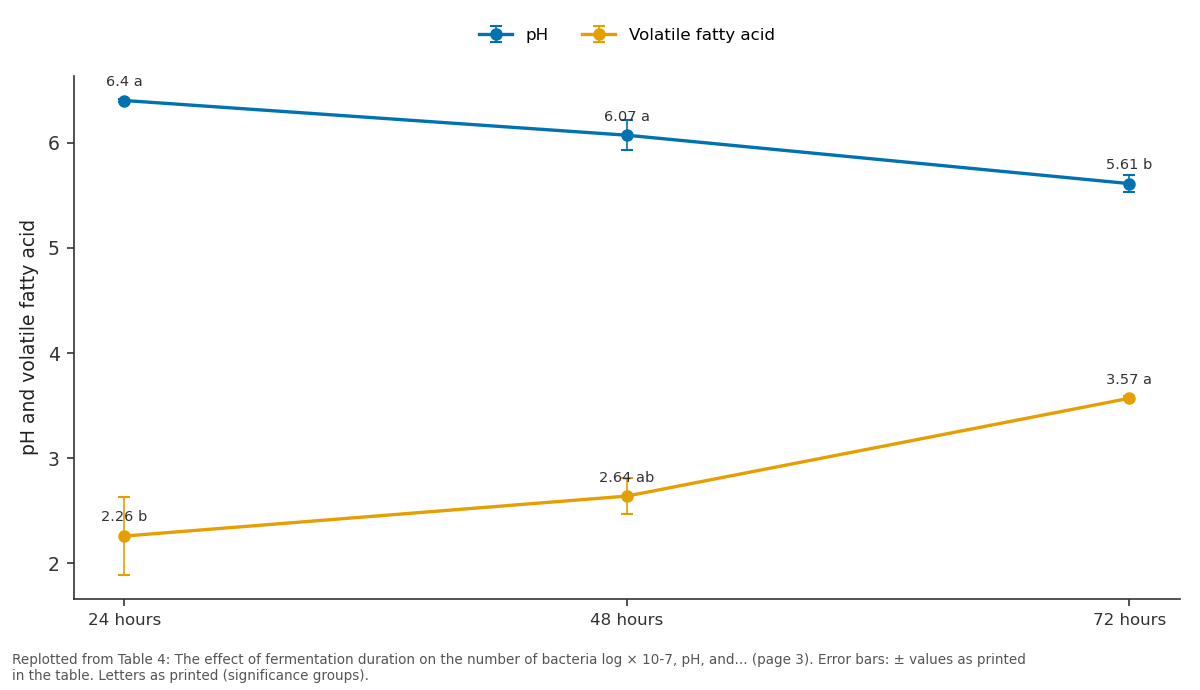
pH and Volatile fatty acid: 24 hours vs 48 hours vs 72 hours
Replotted from Table 4 (page 3) of the original paper. Every bar is the paper's own table value.
View source evidence ↗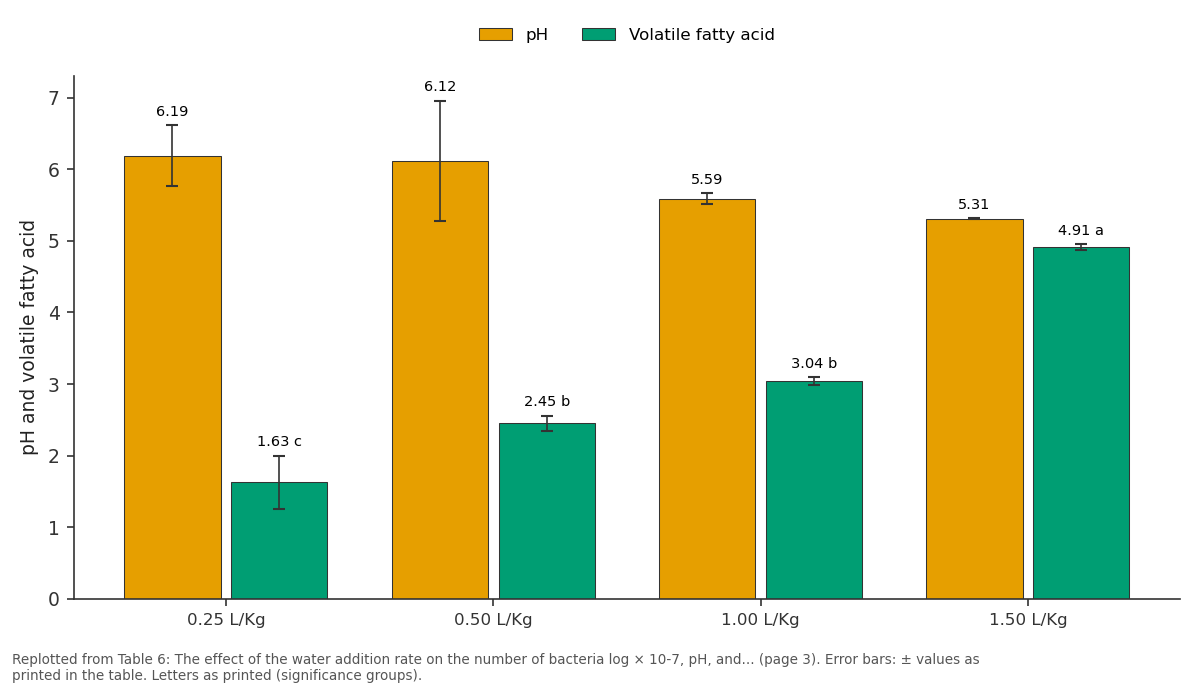
pH and Volatile fatty acid: 0.25 L/Kg vs 0.50 L/Kg vs 1.00 L/Kg vs 1.50 L/Kg
Replotted from Table 6 (page 3) of the original paper. Every bar is the paper's own table value.
View source evidence ↗Figures & tables
From the original paper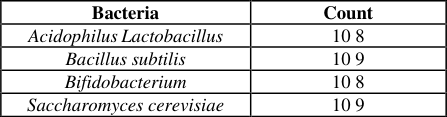 Table 1
 Table 2
 Table 3
 Table 4
 Table 5
 Table 6
 Table 7
Introduction
Fermentation is a dynamic process carried out by beneficial microorganisms that convert some complex basic materials into simpler compounds. The results of fermentation can be highly variable, and this variability depends on the nature and type of basic materials used in fermentation, as well as the fermentation conditions, such as temperature, humidity, and availability. O2 and CO2 gases, fermentation process procedures (Amount of fermented material and fermentation time), and depending on the microorganisms used in fermentation and the type of fermentation (Aerobic and anaerobic), for example, lactobacilli produce citric acid. In contrast, yeasts produce ethanol (Subramaniyam and Vimala, 2012) [20] . The process of fermenting animal feed is considered one of the oldest methods of preserving and processing food for the purpose of reducing some of the food substances that the bird cannot digest and benefit from, thus achieving the maximum benefit from the feed materials consumed (Niba, 2008) [16] , in addition to recent developments regarding the use of lactic acid bacteria in fermentation. Poultry feed for the purpose of reducing harmful bacteria present in the feed (Heres et al., 2003) [12] , as fermentation is defined as a group of processes that cause changes in the physical, chemical, and microbial characteristics of the feed, which works to improve the nutritional value of the feed material (Al-Asheh and Davnjak, 1995) [1] , as for modern scientific studies, they have shown that in fermentation, complex organic compounds are converted into simpler compounds by increasing the secretion of enzymes due to this process by microorganisms and yeasts. In addition, these enzymatic processes work to break the bonds of nutrients, such as the protease enzyme, which breaks down protein into simpler units. As amino acids that are easily digested and absorbed by the organism, whether human or animal (William and Akiko, 2007) [21] , and the enzyme amylase, which breaks down carbohydrates and turns them into simple sugars that are easy to absorb (Santoso et al., 2001) [6] , and lipase, which breaks down fats into free fatty acids (Chen et al., 2009) [6] .
Hence comes the importance of fermentation and the vital role it plays by increasing the secretion of these enzymes and thus changing the qualitative characteristics of the food material, especially in poultry birds, which are characterized by having simple stomachs and do not possess all of these enzymes in their digestive system. This improvement in the feed or feed material depends on the amount of change that this process causes in the physical, chemical, and microbial characteristics in order to obtain the maximum benefit from it. The fermentation process requires several factors, including temperature, the amount of water added to moisten the feed, the quality of the feed used, and the amount of time required for this process (Heres et al., 2002) [11] . High temperatures may kill most microorganisms in probiotics, as Lu et al., (2009) [13] found the ability of yeast to continue to grow when exposed to heat shock and high temperatures, as yeast can resist environmental stress by implementing many mechanisms that resist It has unsuitable conditions for growth, including increased carbohydrate metabolism, detoxification, processing of damaged protein and D.N.A., and modification of the cell wall (Gasch et al., 2000) [9] . Al-Jebory and Naji (2021 a & b) [2,4] : Al-Jebory et al., (2024) [3] also indicated that fermenting the feed with probiotics and turning it into pellets did not significantly affect the killing of bacteria. Therefore, the current study aims to study the effect of feed fermentation before and after pelleting on the number of bacteria, the level of acidity, and volatile fatty acids.
Materials and Methods
The feed was fermented aerobically with 5, 10, and 15 g of probiotic whose components are mentioned in (Table 1) and a humidity ratio of 0.25, 0.50, 1.00, and 1.50 liters of water per kg of feed for 24, 48, and 72 hours. Used a ration for laying hens containing metabolic energy of 2756.19 kilocalories/kg of feed, 17.13% crude protein, and 4% crude fiber; after crushing the components of the feed and mixing them in the vertical mixer inside the feed factory, they were received for fermentation, where each time 100 kg of feed was fermented, and after mixing the necessary probiotic for the fermentation process with water, it was then mixed with the feed well and then distributed on a piece of nylon in a thin layer and a gas incubator was placed, for the purpose of providing a temperature of 37-38 degrees Celsius and leaving it for 48 hours, and after the end of the fermentation time, the feed is taken and placed in the vertical mixer in order to expose it to an air current through its movement in the mixer, and then it is passed to the feed granulation machine for the purpose of converting it into pellet, diet and then transferred to the breeding farm Al-Jebory and Naji, (2021 a) [2] .
| Bacteria | Count |
|---|---|
| Acidophilus Lactobacillus | 10 8 |
| Bacillus subtilis | 10 9 |
| Bifidobacterium | 10 8 |
| Saccharomyces cerevisiae | 10 9 |
Table text extracted from the original PDF; superscript letters are shown inline. The original table image is below.
View original table image
Saccharomyces cerevisiae
Taking 1 gm of the fermented feed for all replicates in sterile conditions and making decimal dilutions of it until a dilution of (10)-7 using sterilized peptone water using a Micropipette. Then, the number of bacteria was estimated using the pour-plate method according to Harrigan and McCance (1976) [10] . The pH and the level of volatile fatty acids were estimated according to Al-Jebory and Naji (2021b) [2] . The data were analyzed using a completely randomized design (C.R.D.) to study the effect of the studied parameters on the various characteristics, and the significant differences between the means were compared using the Duncan (1955) [8] multinomial test. The program S.A.S. (2012) was used in the statistical analysis according to the following mathematical model.
Yij = µ + Ti + eij
Yij = µ + Ti + eij
Results and Discussion
Table 2 shows the effect of the study on a number of bacteria, pH, and volatile fatty acids before feed pelleting; there were no significant differences in Lactobacilli, Basils subtilis, Saccharomyces cerevisiae count, pH and volatile fatty acid, at same time in Bifidobacterium count significant (p≤0.01) increase for 10 and 15 g/kg probiotic level compared to level 5 g/kg diet. 3 shows the effect of the study on a number of bacteria, pH, and volatile fatty acids after feed pelleting; there were no significant differences in Lactobacilli, Basils subtilis, Saccharomyces cerevisiae count, pH and volatile fatty acid, at the same time in Bifidobacterium count significant (p≤0.05) increase for 15 g/kg probiotic level compared to level 5 g/kg diet. Table 4 shows the effect of the study on a number of bacteria, pH, and volatile fatty acids before feed pelleting; there were no significant differences in Lactobacilli, Basils subtilis, Saccharomyces cerevisiae, and Bifidobacterium count, while in pH level significant (p≤0.05) increase for 5 and 10 g/kg probiotic level compared to level 15 g/kg diet, as well in volatile fatty acids significant (p≤0.05) increase for 15 g/kg probiotic level compared to level 5 g/kg diet. 5 shows the effect of the study on the number of bacteria, pH, and volatile fatty acids before feed pelleting; there were no significant differences in Lactobacilli, Saccharomyces cerevisiae, and Bifidobacterium count, in Basils subtilis count significant (p≤0.05) increase for 10 g/kg probiotic level compared to level 15 g/kg diet, while in pH level significant (p≤0.05) increase for 5 g/kg probiotic level compared to level 10 and 15 g/kg diet, as well in volatile fatty acids significant (p≤0.05) increase for 15 g/kg probiotic level compared to level 5 g/kg diet. 6 shows the effect of treatments on the number of bacteria, pH, and volatile fatty acids before feed pelleting; there were no significant differences in Saccharomyces cerevisiae, Bifidobacterium count and pH, in Lactobacilli log count significant (p≤0.01) increase for 0.50 L/kg water level compared to other level and significant increase for 1.00 L/kg on 1.50 L/kg levels, while in Basils subtilis count significant (p≤0.05) increase for 0.50 and 0.25 L/kg water level respectively compared to level 1.00 and 1.50 L, as well in volatile fatty acids significant (p≤0.05) increase for 0.50, 1.00, and 1.50 L/kg level compared to level 0.25 L/kg diet. Table 7 shows no significant difference in all bacteria count, pH and volatile fatty acid. High temperatures above 45 degrees Celsius may lead to the killing of bacteria or yeast cells in the probiotic, as exposing the cells to a temperature of 65 degrees Celsius for 30 minutes led to a decrease in the number of bacterial cultures, as it killed 6 bacterial cultures, each containing 3.6-5 log/Gram of a bacterial cell (Mansouripour et al., 2013) [14] . Bacteria and yeasts are used in the form of probiotics and nutritional supplements in raising poultry, large animals, and even aquatic organisms for the purpose of increasing the ability of animals to resist diseases and increasing the process of competitive exclusion of pathogens within the intestine (Cutting, 2010) [7] . Probiotic bacteria are widely used in feed or water because of their ability to resist stomach acidity (Rosales-Mendoza et al., 2016) [16] . Lu et al., (2009) [13] found the ability of yeast to continue growing when exposed to heat shock and high temperatures, as yeast can resist environmental stress by performing many mechanisms by which it resists unsuitable conditions for growth, including increasing carbohydrate metabolism, removing toxins, and processing protein. Moreover, damaged D.N.A. and cell wall modification (Gasch et al., 2000) [9] . As Amerah et al., (2013) [5] showed, manufacturing feed in the form of pellets at a temperature of 70 and 80 degrees Celsius did not significantly affect the numbers of probiotic bacteria, but manufacturing at a temperature of 90 degrees Celsius significantly reduced the numbers of bacteria. Yeh et al., (2018) [22] also found that fermenting feed with different types of bacteria improved the physical properties of the feed, as it increased the number of bacteria and reduced the pH of the feed. It also increased the concentration of modified volatile fatty acids, and the fermentation process also increased the level of amino acids in the fermented feed. After that, the fermented feed was transformed into feed tablets, as the granulation process significantly reduced the number of bacteria. I attribute the reason for the survival of some of these bacteria to the ability of these bacteria to withstand high temperatures, especially Bacillus bacteria, as the researcher indicated that heating up to 100 degrees Celsius did not limit their growth.
| Water level | Lactobacilli | Basils subtilis | Bifidobacterium | Saccharomyces cerevisiae | pH | Volatile fatty acid |
|---|---|---|---|---|---|---|
| 0.25 L/Kg | 1.00±0.00 | 2.00±0.00 | 4.50±0.50 | 5.50±2.50 | 6.38±0.03 | 2.19±0.04 |
| 0.50 L/Kg | 1.50±0.50 | 2.50±1.25 | 5.00±1.00 | 5.00±2.00 | 5.62±0.51 | 2.59±0.04 |
| 1.00 L/Kg | 3.50±1.50 | 5.50±0.40 | 5.50±0.40 | 8.00±1.00 | 5.73±0.02 | 3.12±0.56 |
| 1.50 L/Kg | 3.00±1.00 | 3.50±1.50 | 3.50±1.50 | 7.00±1.00 | 5.55±0.33 | 4.41±1.56 |
| Significant | NS | NS | NS | NS | NS | NS |
Table text extracted from the original PDF; superscript letters are shown inline. The original table image is below.
View original table image
| Fermentation time | Lactobacilli | Basils subtilis | Bifidobacterium | Saccharomyces cerevisiae | pH | Volatile fatty acid |
|---|---|---|---|---|---|---|
| 24 hours | 1.00±9.00 | 6.00±3.00 | 13.50±1.50 | 9.00±1.00 | 6.40±0.01 a | 2.26±0.37 b |
| 48 hours | 1.50±12 | 5.00±1.00 | 14.50±3.50 | 9.00±3.00 | 6.07±0.14 a | 2.64±0.17 ab |
| 72 hours | 0.05±11.50 | 4.00±0.00 | 17.00±3.00 | 9.00±0.00 | 5.61±0.08 b | 3.57±0.02 a |
| Significant | NS | NS | NS | NS | * | * |
Table text extracted from the original PDF; superscript letters are shown inline. The original table image is below.
View original table image
| Probiotic level | Lactobacilli | Basils subtilis | Bifidobacterium | Saccharomyces cerevisiae | pH | Volatile fatty acid |
|---|---|---|---|---|---|---|
| 5 g/kg | 7.00±0.01 | 6.50±0.50 | 3.00±1.00 b | 9.00±0.02 | 6.86±0.04 | 2.25±0.50 |
| 10 g/kg | 7.00±3.00 | 6.50±1.50 | 8.50±0.50 a | 10.00±4.00 | 6.58±0.29 | 2.47±0.07 |
| 15 g/kg | 5.00±0.01 | 7.00±1.00 | 10.50±0.50 a | 14.00±0.50 | 6.21±0.10 | 2.81±0.14 |
| Significant | NS | NS | ** | NS | NS | NS |
Table text extracted from the original PDF; superscript letters are shown inline. The original table image is below.
View original table image
Conclusion
From the results, we conclude that the fermentation process improves the physical traits of the feed and increases the number of beneficial bacteria, which is positively reflected in the readiness, digestion, and absorption of nutrients, the pelleting process did not significantly affect the number of microorganisms, as they have heat resistance; it is also possible to benefit from the secondary metabolic products of fermentation, even if the organisms are killed due to heat and pressure during pelleting.
Figures and tables from the paper
| Probiotic level | Lactobacilli | Basils subtilis | Bifidobacterium | Saccharomyces cerevisiae | pH | Volatile fatty acid |
|---|---|---|---|---|---|---|
| 5 g/kg | 0.05±1.50 | 1.00±0.00 | 1.00±0.00 b | 1.00±0.00 | 6.94±0.03 | 2.46±0.50 |
| 10 g/kg | 0.05±2.50 | 3.00±1.00 | 1.50±1.50 ab | 1.00±0.00 | 5.79±0.02 | 3.02±0.15 |
| 15 g/kg | 0.05±2.50 | 2.00±1.00 | 4.00±1.00 a | 2.50±1.50 | 6.06±0.49 | 3.54±0.43 |
| Significant | NS | NS | * | NS | NS | NS |
Table text extracted from the original PDF; superscript letters are shown inline. The original table image is below.
View original table image
| Fermentation time | Lactobacilli | Basils subtilis | Bifidobacterium | Saccharomyces cerevisiae | pH | Volatile fatty acid |
|---|---|---|---|---|---|---|
| 24 hours | 0.50±1.50 | 3.50±0.50 ab | 2.50±1.50 | 3.50±0.50 | 6.34±0.11 a | 1.71±0.19 b |
| 48 hours | 0.50±2.50 | 5.00±0.00 a | 4.50±2.50 | 9.00±3.00 | 5.74±0.01 b | 2.56±0.13 ab |
| 72 hours | 1.50±2.50 | 2.00±1.00 b | 2.50±0.50 | 9.00±0.00 | 5.52±0.10 b | 3.88±0.67 a |
| Significant | NS | * | NS | NS | * | * |
Table text extracted from the original PDF; superscript letters are shown inline. The original table image is below.
View original table image
| Water level | Lactobacilli | Basils subtilis | Bifidobacterium | Saccharomyces cerevisiae | pH | Volatile fatty acid |
|---|---|---|---|---|---|---|
| 0.25 L/Kg | 15.00±1.00 bc | 14.50±0.50 b | 14.50±1.40 | 14.00±2.00 | 6.19±0.43 | 1.63±0.37 c |
| 0.50 L/Kg | 18.50±0.50 a | 16.50±0.50 a | 15.50±0.49 | 14.00±3.00 | 6.12±0.84 | 2.45±0.11 b |
| 1.00 L/Kg | 15.50±0.50 b | 11.00±0.02 c | 12.00±0.05 | 14.00±1.00 | 5.59±0.08 | 3.04±0.06 b |
| 1.50 L/Kg | 12.50±0.50 c | 11.00±0.02 c | 12.50±1.50 | 15.00±3.00 | 5.31±0.01 | 4.91±0.04 a |
| Significant | ** | ** | NS | NS | NS | ** |
Table text extracted from the original PDF; superscript letters are shown inline. The original table image is below.
View original table image
References
16 in the original paper- Al-Asheh S, Duvnajak Z. Phytase and decrease of phytic acid content in conata meat by Aspergillus carbonarius in solid state fermentation. World Microbial Biotech. 1995;11:228-231.
- Al-Jebory HH, Naji SAH. Effect of Pelleted Fermented Feed in Production Performance of Laying Hens. Fourth International Conference for Agricultural and Sustainability Sciences. IOP Conf Series: Earth and Environmental Science. 2021;910(1):012007. DOI:10.1088/1755-1315/910/1/012007.
- Al-Jebory HH, Al-Saeedi MKI, Aobais AF, Ajafar M, Qotbi AAA. Role of Pelleted Fermented Feed-in Improving Semen Quality of Cocks. Syrian Journal of Agricultural Research -SJAR. 2024;11(2):220-231.
- Aljebory HHD, Naji SAH. Effect of Pelleted Fermented Feed-in Egg Quality of Laying Hens. Diyala Agricultural Sciences Journal. 2021;13(1):41-57.
- Ameraha AM, Quilesb A, Medelc P, Sánchezc J, Lehtinend MJ, Graciac MI et al. Effect of pelleting temperature and probiotic supplementation on growth performance and immune function of broilers fed maize/soy-based diets. Animal Feed Science and Technology. 2013;180(1-4):55-63. http://dx.doi.org/10.1016/j.anifeedsci.2013.01.002.
- Chen KL, Kho WT, Yeu SH, Yeh RH, Tang SW, Hsieh CW. Effect of Bacillus subtilis var. natto and Saccharomyces cerevisiae mixed fermented feed on the enhanced growth performance of broiler. Poultry Science. 2009;88(2):309-315.
- Duncan DB. Multiple Rang and Multiple F-test. Biometrics. 1955;11(1):4-42.
- Gasch AP, Spellman PT, Kao CM, Carmel-Harel O, Eisen MB, Storz G, et al. Genomic expression programs in the response of yeast cells to environmental changes. Molecular Biology Cell. 2000;11(12):4241-4257.
- Heres L, Engel B, Vanknapen F, Wagenaar J, Urlings B. Effect of Fermented Feed on the susceptibility for Campylobacter jejuni colonization in broiler chickens with and without concurrent inoculation of Salmonella enteritis. International Journal of Food Microbiology. 2002;87(1-2):75-86.
- Heres L, Engel BV, Knapen F, Wagenaar RJ, Urlings BAP. Effect of fermented feed on the susceptibility for Campylobacter jejuni colonization in broiler chickens with and without concurrent inoculation of Salmonella enteritidis. International Journal of Food Microbiology. 2003;87(1-2):75-86.
- Lu J, Li X, Yang Ru, Yang L, Zhao J, Liu Y, et al. Fedbatch semi-simultaneous saccharification and fermentation of reed pretreated with liquid hot water for bio-ethanol production using Saccharomyces cerevisiae. Bioresource Technology. 2009;144:539547.
- Mansouripour S, Esfandiari Z, Nateghi L. The effect of heat process on the survival and increased viability of probiotic by microencapsulation. Annals of Biological Research. 2013;4(4):83-87.
- Rosales-Mendoza S, Angulo C, Meza B. Food-grade organisms as vaccine biofactories and oral delivery vehicles. Trends Biotechnology. 2016;34(2):124-136.
- Santoso U, Tanaka K, Ohaniand S, Saksida M. Effect of fermented product from Bacillus subtilis on feed efficiency, lipid accumulation and ammonia production in broiler chickens. Asian-Australas. Journal Animal Science. 2001;14(3):333-337.
- Subramaniyam R, Vimala R. Solid state and submerged fermentation for the production of bioactive substances: a comparative study. International Journal Science Nat. 2012;3(3):480-486.
- Yeh RH, Hsieh CW, Chen KL. Screening lactic acid bacteria to manufacture two-stage fermented feed and pelleting to investigate the feeding effect on broilers. Poultry Science. 2018;97(1):236-246. http://dx.doi.org/10.3382/ps/pex300.