
Research article · 2024 · Full text
International Journal of Agriculture and Food ScienceFenugreek seeds based functional foods: A review
Volume 6(1) · Pages 53–57 · DOI: 10.33545/2664844x.2024.v6.i1a.167 ↗
Research areasNatural Antidiabetic Agents StudiesAdvances in Cucurbitaceae ResearchFood and Agricultural Sciences
Abstract
Author-writtenSeveral illnesses affecting humans are progressing much more quickly due to modern lifestyle choices, eating habits, stress, environmental variables, and extensive use of synthetic chemicals in food processing and agriculture. Worldwide, researchers have been searching for natural therapeutics that can be utilized to either treat or postpone the onset of various lifestyle-related illnesses. Due to the presence of various bioactive chemicals, several different kinds of medicinal plants have demonstrated the potential to be commonly used in therapies. One of these, fenugreek, is a significant herb that has gained international recognition from numerous scientists as an essential therapeutic plant. Numerous studies have shown this herb to be effective in treating conditions like cancer, high cholesterol, diabetes, and inflammation. Due to their therapeutic properties, the extracts/powders from various fenugreek sections have been successfully used in the food and pharmaceutical industries. In light of this, the current review aims to emphasize the significant nutritional advantages and therapeutic uses of fenugreek as a potent therapeutic agent against many disorders.
Summary
Source-checkedPlain-language reading of the full paper, prepared with AI and checked against the text. Each point links to the authors' own words.
Why it matters
- Modern lifestyle factors, including poor eating habits and the use of synthetic chemicals in food, are accelerating the progression of various human illnesses. View evidence ↗
- There is a global research effort to find natural therapeutic agents that can treat or delay the onset of lifestyle-related diseases. View evidence ↗
- Fenugreek is recognized internationally by scientists as an important therapeutic plant. View evidence ↗
The question
- The review aims to explore the potential health benefits of fenugreek seeds and how they can be used to create functional foods. View evidence ↗
What they did
- The authors conducted a review to emphasize the nutritional advantages and therapeutic applications of fenugreek against various disorders. View evidence ↗
What they found
- Fenugreek seeds provide 25.4 g of protein per 100 g, with the endosperm containing a higher concentration of 43.8 g per 100 g. View evidence ↗
- In Type II diabetics, treatment with fenugreek powder (50% dietary fiber) for 20 days resulted in a 25% reduction in blood glucose levels. View evidence ↗
- Ingesting fenugreek seeds for 8 weeks in 40 individuals led to significant decreases in urine sugar (13%) and glycosylated hemoglobin (12.2%). View evidence ↗
- Regular administration of 25 grams of fenugreek fiber powder (~50% fiber) to 60 diabetics significantly reduced blood sugar, LDL cholesterol, and triglycerides. View evidence ↗
- Aqueous fenugreek seed extracts improved lung function in mild asthma patients, increasing FEV1 and FEV1/FVC heights by 10%. View evidence ↗
- Dietary supplementation of 5% fenugreek seed powder for 4 weeks significantly reduced neurotoxicity in mice. View evidence ↗
- Increasing fenugreek seed husk (FSH) from 0 to 15% in muffin batter increased its viscosity from 32,500 to 38,000 cps. View evidence ↗
- Substituting soybean flour with 3% to 12% fenugreek seed flour in beef patties increased microbiological quality compared to the control. View evidence ↗
What it means
- The authors recommend including fenugreek in regular diets and using it to develop functional foods because of its extensive health benefits. View evidence ↗
- The authors conclude that fenugreek possesses antidiabetic, antioxidant, anticarcinogenic, hypoglycemic, and hypocholesterolemic properties. View evidence ↗
Visual summary
1 visualsIllustrations explain the paper; they do not show study data.
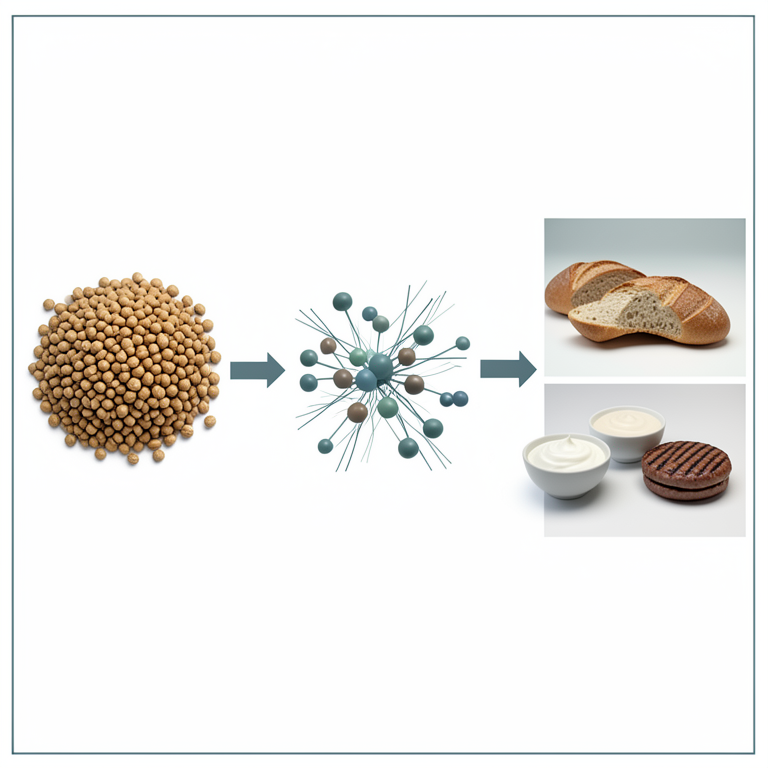
Fenugreek to Functional Food Pipeline
AI-generated conceptual illustration (fenugreek seeds and processed food products). It explains the idea and does not show study data.
View source evidence ↗Introduction
The food industry has been interested in creating food products that promote health in response to increasing consumer demands for healthier foods (Nematollahi et al., 2016) [24] . Nutritional foods, which provide health benefits to consumers, prevent disease, and/or promote health, are widely accepted as marketing tools. Consequently, functional foods, which contain probiotics, prebiotics, vitamins, minerals, and dietary fiber, have become more popular (Nematollahi et al., 2016) [24] . In spite of the astounding advances in medicine and combinatorial drug development, herbal plants continue to be widely used for treating or preventing a variety of disorders due to their extensive nutraceutical characteristics (Olaiya and Soetan, 2014) [25] . There are many crop plants that have nutritive, therapeutic, or nutraceutical benefits. Fenugreek is known to have all of these characteristics and is used extensively as a spice in human diets (Olaiya and Soetan, 2014) [25] . Fenugreek, also known as Trigonella foenum-Graecum L., comes from the Fabaceae family and has long been used as a spice (Aasim et al., 2018). There have been studies of the beneficial health properties of dried seeds throughout India, China, Egypt, and some parts of Europe. These properties include galactagogues, antibacterials, anti-inflammatory agents, insulinotropic, and rejuvenates (IM and Maliakel, 2008) [14] . In the fenugreek seed, the yellow embryo is surrounded by a thick coating of semitransparent, white endosperm (Betty, 2008) [2] . While it has long been used as a condiment on human food, literature also explains how it can treat a variety of lifestyle-related diseases, such as cardiovascular disease, high cholesterol, high blood sugar, cancer, liver disease, and sexual disorders (Thorat and Gaikwad, 2019; Park et al., 2019) [39,26] . Fenugreek has been used extensively to flavor a variety of traditional foods. The medical qualities of fenugreek make it a valuable ingredient for food and pharmaceutical industries because of its anticarcinogenic, anti-diabetic, antioxidant, hypocholesterolemic, antilithogenic, antibacterial and immunological effects (Reddy et al., 2019) [30] . Along with its health benefits, fenugreek has been used as an emulsifier and stabilizer in various foods (Wani and Kumar, 2018) [41] . Additionally, fenugreek extracts or powders have been noted as being used to make bread and other extruded products (Wani and Kumar, 2018) [41] .
International Journal of Agriculture and Food Science https://www.agriculturaljournals.com
The study aims to explore how fenugreek seeds can be used to develop different functional foods as well as their potential health benefits.
Chemical constituents of fenugreek seeds
Protein: Fenugreek seeds contain 25.4 g of protein per 100 g, while endosperm contains 43. [21,22,17] . In a study by Işikli and Karababa (2005) [15] , it was found that fenugreek contains 20-30% protein, especially 4hydroxy isoleucine, which increases insulin sensitivity (Işikli and Karababa, 2005) [15] . Salt (NaCl) concentration and pH levels affect the emulsion and foaming properties of fenugreek proteins (El Nasri and Tinay, 2007) [5] . There were no significant differences in emulsion or foam qualities at pH 4.5, the isoelectric point of proteins. In addition, they noted that the fenugreek protein concentrate had high water and oil absorption rates (1.6 ml per g of protein, 1.56 ml per g of oil, and 0.66 g per ml, respectively) and bulk density. It has been discovered that fenugreek seed protein is more soluble in acidic (pH 4.5) conditions. Srinivasan (2006) [38] found that cooking fenugreek seeds did not degrade their protein quality. (Srinivasan, 2006) [38] .
Vitamin and Minerals
The mineral content of fenugreek is low, although some minerals are well-preserved, such as phosphorus and sulfur (El Nasri and Tinay, 2007) [5] . It is reported that curry made from fenugreek contains significant amounts of calcium, iron, and zinc (Jani et al., 2009) [17] . Seeds that are sprouting are enriched with pyridoxine, cyanocobalamin, calcium pantothenate, biotin, and vitamin C (Parthasarathy et al., 2008) [27] .
Alkaloids, flavonoids, and saponins
A variety of alkaloids, flavonoids, and saponins are present in fenugreek (Kumar et al., 2012; Uemura et al., 2011) [19,40] , with saponins having the highest concentration (Singh and Garg, 2006) [37] . Fenugreek seeds contain alkaloid and volatile compounds that create a bitter taste and foul odor (Faeste et al., 2009) [6] . Alkaloids, flavonoids, and saponins in fenugreek have pharmacological effects. In clinical trials, fenugreek seeds appear to reduce serum cholesterol levels, which may contribute to the treatment of diabetes mellitus and hypercholesterolemia (Izzo et al., 2005) [16] . In addition, they act as both antilipidemic and hypoglycemic agents, as well as cholagogues. Apart from its beneficial effects, it should be used cautiously to prevent allergic reactions and mild gastrointestinal issues (Izzo et al., 2005) [16] .
Fibers and Gums
Fenugreek seeds are a good source of soluble dietary fiber (Sharma et al., 1990) [33] . A 100 g serving of flax seeds contains 65% of the daily recommended intake of saponins, hemicelluloses, mucilage, tannins, and pectin that reduce bile salt absorption in the colon and lower blood levels of low-density lipoprotein cholesterol (LDL) (Mohammadi and Mortazavian, 2011) [23] . Fenugreek fiber also binds to dietary toxins, protects the colon mucosa from cancercausing agents, and slows glucose absorption in the gut, regulating blood sugar levels (Mohammadi and Mortazavian, 2011) [23] . Moreover, fiber may have prebiotic properties since it influences the intestinal flora and promotes good health (Mohammadi and Mortazavian, 2011) [23] . Fenugreek seeds contain galactomannan, which inhibits bile salts and starch digestion in the intestine as well as absorption of bile salts (Uemura et al., 2011; Singh and Garg, 2006) [40,37] . Studies report that fenugreek husk is an excellent source of dietary fiber and phenolic acids, which are natural antioxidants and food additives (Madhava et al., 2011) [21] .
Volatile Compound
The volatile oil of fenugreek seeds contained 39 distinct chemicals, Including n-alkanes, sesquiterpenes, and some oxygenated compounds (Girardon et al., 1985) [9] . Nhexanol, heptanoic acid, dihydroactiniolide, dihydro benzofuran, tetradecane, a-muurolene, ß-elemene, and pentadecane are the primary constituents (Girardon et al., 1985) [9] . Hemiterpenoid-lactone sotolon (3-hydroxy-4, 5 dimethyl-2(5H)-furanone), which is present in concentrations up to 25 ppm, is the predominant fragrance component (Girardon et al., 1985) [9] .
Health and therapeutic benefits of fenugreek seed Diabetes management
In recent years, a lot of research has been conducted to determine the effects of fiber, particularly the soluble part of fenugreek dietary fiber, on blood sugar and insulin levels. Type II diabetics treated with fenugreek powder containing 50 percent dietary fiber for 20 days experienced a 25 percent reduction in blood glucose levels. Studies have shown that soluble fiber fractions can reduce postprandial hyperglycemia in Type 2 diabetic rats by inhibiting sucrose digestion (Hammerness et al., 2003) [12] . The fructosamine level is reduced by taking 0.5 g/kg of fenugreek soluble fiber twice daily for 28 days. Therefore, soluble fiber had an adverse effect on dyslipidemia. A type 2 diabetic rat model has been shown to benefit from the drug by inhibiting platelet aggregation (Hannan et al., 2003) [10] . In addition, soluble fiber from fenugreek promotes glucose homeostasis by delaying digestion and absorption of carbohydrates (Hannan et al., 2007) [11] . It might be explained by ensuing gel production in the intestine and its low viscosity, which delays gastric emptying and shorten the intestinal transit of food mass (Hannan et al., 2007) [11] . It is possible that the level of blood glucose may not rise suddenly because the glucose may be contained inside the gel and can instead leak out gently (Hannan et al., 2007) [11] . The viscous and gel-forming properties of soluble fiber inhibit macronutrient absorption, reduce postprandial glucose responses, and have some beneficial effects on blood lipids (Hannan et al., 2007) [11] . In both type 2 diabetics and non-diabetics, the SDF (Soluble Dietary Fibre) fraction prevented blood glucose spikes following oral sucrose administration (Hannan et al., 2007) [11] . Sharma et al. (1996) [34] investigated the effects of fenugreek seed powder on glycemia and insulinemia in 60 T2 diabetics. As a result of taking fenugreek seed powder (25 g) for 24 weeks, both blood glucose levels at rest and after a glucose tolerance test decreased (Sharma et al., 1996) [34] . An evaluation of 40 individuals found that, after 8 weeks of fenugreek seed ingestion, both urine sugar and glycosylated hemoglobin showed significant decreases of 13% and 12.2%, respectively (Sharma et al., 1996) [34] . According to researchers, fenugreek (5.5 g) significantly decreases the area under the plasma glucose response curve when added to white bread and jam and fried rice containing International Journal of Agriculture and Food Science https://www.agriculturaljournals.com 50 g of carbohydrates. A significant difference has been observed between obese individuals in postprandial plasma glucose and satiety (PPG) (Robert et al., 2014) [14] .
Impact on body weight and obesity
Fiber and protein-rich foods secrete higher amounts of the anorexigenic and insulinotropic hormone glucagon-like peptide-1 (GLP-1), which improves glucose tolerance and inhibits weight gain (Reimer and Russell, 2008) [32] . According to several studies, fenugreek seed extract supplements are effective at reducing body fat and body weight (Geetha et al., 2011) [8] . In addition, fenugreek contains a high amount of soluble fiber, which forms a gelatinous structure that may slow the digestion and absorption of food and create a sense of satiety in the intestines (Geetha et al., 2011) [8] . Possibly, the mechanism is related to flushing out carbohydrates before they enter the bloodstream, which results in weight loss (Geetha et al., 2011) [8] .
Effect on decreasing cholesterol level
Studies have been conducted on the efficacy of dietary fiber as a therapy for hypercholesterolemia, especially soluble forms like beta-glucans or galactomannans (Boban et al., 2006) [3] . Researchers have found that fenugreek-derived galactomannans can lower plasma cholesterol levels most effectively because they contain a 1:1 ratio of galactose to mannose. Moreover, soluble fiber fractions reduce harmful low-density lipoproteins and triglycerides while maintaining desirable high-density cholesterol levels (Boban et al., 2006) [3] . An experiment on 60 diabetics with high cholesterol and triglyceride levels showed a significant reduction in blood sugar, LDL cholesterol, and triglycerides when 25 grams of fenugreek fiber powder, which contains nearly 50% fiber, were given on a regular basis. HDL levels did not change (Favier et al., 1995) [7] . A molecular mechanism for the hypolipidemic action of soluble fiber can be explained by its ability to bind bile acids, which are eliminated from the blood instead of regenerated (Peran et al., 2007) [28] .
Antioxidant activity and anti-carcinogenic effect
In recent years, cancer has become more prevalent, a deadly and complex disease characterized by uncontrolled and irregular cell proliferation (Khorshidian et al., 2016) [20] . A healthy lifestyle, increased physical activity, quitting smoking, and a nutritionally balanced diet combined with toxin-free foods can reduce 90% to 95% of cancer cases, except for genetic abnormalities, which account for 5 to 10% of cancer incidence (Khorshidian et al., 2016) [20] . The lack of fiber can cause irritable bowel syndrome and colon cancer. The fermentation of dietary fiber creates short-chain fatty acids like butyrate that can prevent colon cancer in anaerobic bacteria (Schatzkin et al., 2007) [35] . The addition of fenugreek seeds in our diet regulates the function of mucinase and ß-glucoronidase and protects against colon cancer. ẞ-Glucuronidase significantly reduced free carcinogens without damaging colonocytes. Mucinase hydrolyzes protective mucin, and fiber, flavonoids, and saponins assist in this process (Devasena and Menon, 2003) [4] . The active phytochemicals in a plant determine its antioxidant activity. Fenugreek has phenolic and flavonoid constituents that have a positive effect on the liver and pancreas (Kaviarasan et al., 2004) [18] .
Effect on neurological disorder
Neurodegenerative disorders are also treated with fenugreek as a potent herbal remedy. Several neurological conditions have also been shown to be reduced by the bioactive ingredients found in fenugreek extracts several. Studies have shown that the components of fenugreek are useful in treating neurological disorders, such as Parkinson's, Alzheimer's, and depression (Zameer et al., 2018) [42] .
Neurotoxicity was significantly reduced by dietary supplementation of 5% fenugreek seed powder for 4 weeks in mice (Hammerness et al., 2003) [12] . Fenugreek extracts at different levels (100-500 mg/kg) have been shown to reduce depression by blocking the MAO (monoamine oxidase) A and B inhibitor clorgyline and increasing neurotransmission (Hannan et al., 2003) [10] . Fenugreek (100 mg/kg) may also reduce the risk of Parkinson's disease by preventing rotation and restoring MDA (malondialdehyde) and CNS (Substantia nigra compact) neuron levels (Hannan et al., 2007) [10] .
Impact on the treatment of Asthma
Asthma, one of the most common lung disorders, causes inflammation and constrictions of the bronchial tubes, making breathing difficult. As a supplement to treat mild asthma, the fenugreek seed extract was tested for effectiveness and safety (Razi and Al-Havi, 2001) [29] . Aqueous extracts of fenugreek seed improved lung function and quality of life in patients with mild asthma, in comparison to placebos and honey syrups. According to the study, fenugreek seed extract increased forced expiratory volume in one second (FEV1) and FEV1/FVC heights by 10%, which led to a necessary drop in serum IL-4 levels (Razi and Al-Havi, 2001) [29] . Study results suggest that fenugreek aqueous extract can be useful in the treatment of moderate asthma with only a few side effects. During the trial, fenugreek improved lung function through its action on lung secretions and by acting as a lung tonic once a simple grouping was chosen to more attentively observe the herb's special effects or adverse effects (Razi and Al-Havi, 2001) [29] .
Uses of fenugreek seed in food
The high protein and fiber content of fenugreek, notably the soluble dietary fiber called gum, and its neutral detergent properties can alter the texture of meals. Foods' organoleptic qualities are also influenced by fiber content as well as flavoring elements (IM and Maliakel, 2008) [14] . Soluble fibers can be used in yogurt, dairy products, cereal bars, and nutritious drinks. It is possible to combine soluble fiber powders or total dietary fiber powders with fruit juices, spice blends, and seasonings (Srinivasan, 2006) [38] . For direct supplementation, it is also available as tablets and capsules. As well as pizza, bread, bagels, muffins, cake mix, noodles, tortillas, flatbreads, fried and baked corn chips, milkshakes, soups, dressings, sweets, and candy, it could also be used to fortify bakery flour (IM and Maliakel, 2008; Srinivasan, 2006) [14,38] . Fenugreek serves as a stabilizer, glue, emulsifier, and gum for food preparation in general. Fenugreek gum gains molecular weight by eliminating the associated proteins (Madhava et al., 2011; Singh and Garg, 2006) [21,37] . [21,37] . Fenugreek seed flour was tested for its antioxidant and antibacterial properties in beef burger preparation (Hegazy, 2011) [13] . As an alternative to soybean flour, beef patties were made using 3%, 6%, 9%, and 12% fenugreek seed flour (Hegazy, 2011) [13] . Additionally, this substitution resulted in an increase in microbiological quality in comparison with the control sample, as well as an increase in essential amino acids, and caused the retention or improvement of physiochemical quality criteria (pH, water holding capacity, cooking shrinkage, and TBA contents) during freezing (Hegazy, 2011) [13] . A study was conducted to determine batter flow characteristics using fenugreek seed husk (FSH). By increasing FSH from 0 to 15%, muffin batter viscosity increased from 32,500 to 38,000 cps (Hegazy, 2011) [13] .
Conclusion
There have been numerous studies on the health benefits of fenugreek seeds as well as practical uses in recent years. Fenugreek has significant medicinal properties, is high in fibre and protein, and has significant bioactive compounds.
According to several studies, fenugreek has antidiabetic, antioxidant, anticarcinogenic, hypoglycemic, and hypocholesterolemic properties. Fenugreek is recommended as part of a regular diet and can be added to foods to make functional foods due to its numerous health benefits.
References
38 in the original paper- Betty R. The many healing virtues of fenugreek. Spice India. 2008;1:17-19.
- Boban PT, Nambisan B, Sudhakaran PR. Hypolipidaemic effect of chemically different mucilages in rats: A comparative study. Br J Nutr. 2006;96(6):1021-1029. https://doi.org/10.1017/bjn20061944
- Devasena T, Menon VP. Fenugreek affects the activity of β-glucuronidase and mucinase in the colon. Phytother Res. 2003;17(9):1088-1091. https://doi.org/10.1002/ptr.1331
- El Nasri NA, El Tinay AH. Functional properties of fenugreek (Trigonella foenum graecum) protein concentrate. Food Chem. 2007;103(2):582-589. https://doi.org/10.1016/j.foodchem.2006.09.003
- Faeste CK, Namork E, Lindvik H. Allergenicity and antigenicity of fenugreek (Trigonella foenum-Graecum) proteins in foods. J Allergy Clin Immunol. 2009;123(1):187-194. https://doi.org/10.1016/j.jaci.2008.09.012
- Favier ML, Moundras C, Demigné C, Rémésy C. Fermentable carbohydrates exert a more potent cholesterol-lowering effect than cholestyramine. Biochim Biophys Acta. 1995;1258(2):115-121. https://doi.org/10.1016/0005-2760(95)00107-n
- Geetha M, Suneel K, Krupanidhi A, Muralikrishna K, Avin A, Prashanth P. Effect of fenugreek on total body and organ weights: A study on mice. Pharmacologyonline. 2011;3:747-752.
- Girardon P, Bessiere JM, Baccou JC, Sauvaire Y. Volatile constituents of fenugreek seeds. Planta Med. 1985;51(6):533-534. https://doi.org/10.1055/s-2007969591
- Hannan JM, Rokeya B, Faruque O, Nahar N, Mosihuzzaman M, Azad Khan AK, et al. Effect of soluble dietary fibre fraction of Trigonella foenum Graecum on glycemic, insulinemic, lipidemic and platelet aggregation status of Type 2 diabetic model rats. J Ethnopharmacol. 2003;88(1):73-77. https://doi.org/10.1016/s0378-8741(03)00190-9
- Hannan JM, Ali L, Rokeya B, Khaleque J, Akhter M, Flatt PR, et al. Soluble dietary fibre fraction of Trigonella foenum-graecum (fenugreek) seed improves glucose homeostasis in animal models of type 1 and type 2 diabetes by delaying carbohydrate digestion and absorption, and enhancing insulin action. Br J Nutr. 2007;97(3):514-521. https://doi.org/10.1017/S0007114507657869
- Hammerness P, Basch E, Ulbricht C, Barrette EP, Foppa I, Basch S, et al. St. John's wort: A systematic review of adverse effects and drug interactions for the consultation psychiatrist. Psychosomatics. 2003;44(4):271-282. https://doi.org/10.1176/appi.psy.44.4.271
- Hegazy A. Influence of using fenugreek seed flour as antioxidant and antimicrobial agent in the manufacturing of beef burger with emphasis on frozen storage stability. World J Agric. Sci. 2011;7(4):391399.
- Im KK, Maliakel BP. Fenugreek dietary fibre a novel class of functional food ingredient. Agro Food Ind. Hi Tec. 2008;19(2):18-21.
- Işıklı ND, Karababa E. Rheological characterization of fenugreek paste (çemen). J Food Eng. 2005;69(2):185190. https://doi.org/10.1016/j.jfoodeng.2004.08.013
- Izzo AA, Di Carlo G, Borrelli F, Ernst E. Cardiovascular pharmacotherapy and herbal medicines: The risk of drug interaction. Int. J Cardiol. 2005;98(1):1-14. https://doi.org/10.1016/j.ijcard.2003.06.039
- Jani R, Udipi SA, Ghugre PS. Mineral content of complementary foods. Indian J Pediatr. 2009;76(1):3744. https://doi.org/10.1007/s12098-009-0027-z
- Kaviarasan S, Vijayalakshmi K, Anuradha CV. Polyphenol-rich extract of fenugreek seeds protect erythrocytes from oxidative damage. Plant Foods Hum Nutr. 2004;59(4):143-147. https://doi.org/10.1007/s11130-004-0025-2
- Kumar P, Kale RK, McLean P, Baquer NZ. Antidiabetic and neuroprotective effects of Trigonella foenum-Graecum seed powder in diabetic rat brain. Prague Med Rep. 2012;113(1):33-43. https://doi.org/10.14712/23362936.2015.35
- Madhava Naidu MM, Shyamala BN, Pura Naik J, Sulochanamma G, Srinivas P. Chemical composition and antioxidant activity of the husk and endosperm of fenugreek seeds. LWT -Food Science and Technology. 2011;44(2):451-456. DOI:10.1016/j.lwt.2010.08.013
- Mathur P, Choudhry M. Consumption pattern of fenugreek seeds in Rajasthani families. J Hum Ecol. 2009;25(1):9-12. doi:10.1080/09709274.2009.11906127
- Mohammadi R, Mortazavian AM. Review article: Technological aspects of prebiotics in probiotic fermented milks. Food Reviews International. 2011;27(2):192-212. DOI:10.1080/87559129.2010.535235
- Nematollahi A, Sohrabvandi S, Mortazavian AM, Jazaeri S. Viability of probiotic bacteria and some chemical and sensory characteristics in cornelian cherry juice during cold storage. Electron J Biotechnol. 2016;21:49-53. DOI:10.1016/j.ejbt.2016.03.001
- Park HJ, Lee KS, Lee EK, Park NC. Efficacy and Safety of A Mixed Extract of Trigonella foenumGraecum Seed and Lespedeza cuneate in the Treatment of testosterone Deficiency Syndrome: A Randomized, Double-blind, Placebocontrolled Trial. J Urol. 2019;201(Suppl. 4). DOI:10.1097/01.JU.0000555756.74398.32
- Peran L, Sierra S, Comalada M, Lara-Villoslada F, Bailón E, Nieto A, et al. A comparative study of the preventative effects exerted by two probiotics, Lactobacillus reuteri and Lactobacillus fermentum, in the trinitrobenzenesulfonic acid model of rat colitis. Br J Nutr. 2007;97(1):96-103. DOI:10.1017/S0007114507257770
- Dare Ehia Attorath al Arabi. Beirut; 2001.
- Reddy RLR, Gowda ANS, Srinivasan K. Antilithogenic and hypocholesterolemic Effect of Dietary Fenugreek Seeds (Trigonella foenum-Graecum) in Experimental Mice. Med Plants -Int. J Phytomed Rel Ind. 2019;11(2):145-154. DOI:10.5958/0975-6892.2019.00018.2
- Robert SD, Ismail AA-S, Wan Rosli WI. Trigonella foenum-Graecum seeds lowers postprandial blood glucose in overweight and obese individuals. J Nutr. Metab. 2014;2014:964873. DOI:10.1155/2014/964873
- Reimer RA, Russell JC. Glucose tolerance, lipids, and GLP-1 secretion in JCR: La-cp rats fed a high protein fiber diet. Obesity. 2008;16(1):40-46. DOI:10.1038/oby.2007.16
- Sharma RD, Raghuram TC, Rao NS. Effect of fenugreek seeds on blood glucose and serum lipids in type I diabetes. Eur. J Clin. Nutr. 1990;44(4):301-306.
- Sharma RD, Sarkar A, Hazara DK, Mishra B, Singh JB, Sharma SK, et al. Use of Fenugreek seed powder in the management of non-insulin dependent diabetes mellitus. Nutr. Res. 1996;16(8):1331-1339. doi:10.1016/0271-5317(96)00141-8
- Schatzkin A, Mouw T, Park Y, Subar AF, Kipnis V, Hollenbeck A, et al. Dietary fiber and whole-grain consumption in relation to colorectal cancer in the NIHAARP Diet and Health Study. Am J Clin. Nutr. 2007;85(5):1353-1360. DOI:10.1093/ajcn/85.5.1353
- Sharma RD, Sarkar A, Hazara DK, Mishra B, Singh JB, Sharma SK, et al. Use of Fenugreek seed powder in the management of non-insulin dependent diabetes mellitus. Nutr Res. 1996;16(8):1331-1339. DOI:10.1016/0271-5317(96)00141-8
- Singh V, Garg AN. Availability of essential trace elements in Indian cereals, vegetables and spices using INAA and the contribution of spices to daily dietary intake. Food Chem. 2006;94(1):81-89. DOI:10.1016/j.foodchem.2004.10.053
- Srinivasan K. Fenugreek (Trigonella foenumGraecum): A review of health beneficial physiological effects. Food Rev Int. 2006;22(2):203-224. DOI:10.1080/87559120600586315
- Thorat RM, Gaikwad DD. Pharmacognostical and phytophysicochemical investigations of Trigonella Foenumgraecum Linn. J Drug Deliv. Ther. 2019;9(3s):138-145.
- Uemura T, Goto T, Kang MS, Mizoguchi N, Hirai S, Lee JY, et al. Diosgenin, the main aglycon of fenugreek, inhibits LXRα activity in HepG2 cells and decreases plasma and hepatic triglycerides in obese diabetic mice. J Nutr. 2011;141(1):17-23. DOI:10.3945/jn.110.125591
- Wani SA, Kumar P. Fenugreek: A review on its nutraceutical properties and utilization in various food products. Journal of the Saudi Society of Agricultural Sciences. 2018;17(2):97-106. https://doi.org/10.1016/j.jssas.2016.01.007
- Zameer S, Najmi AK, Vohora D, Akhtar M. A review on therapeutic potentials of Trigonella foenum Graecum (Fenugreek) and its chemical constituents in neurological disorders: Complementary roles to its hypolipidemic, hypoglycemic, and antioxidant potential. Nutritional Neuroscience. 2018;21(8):539545. https://doi.org/10.1080/1028415X.2017.1327200
Cited by 12
From OpenAlex, OpenCitations and reference lists read by Scinovex
- The role of herbal medicine in peptic ulcer disease management: A comprehensive review ↗
Rutik N Sapkal, Jitendra A. Kubde, Ravindra L. Bakal, Pooja R. Hatwar · International Journal of Herbal Medicine · 2025
Peptic ulcer disease (PUD) is a common gastrointestinal disorder characterized by mucosal lesions in the stomach and duodenum. The etiology of PUD is multifactorial, involving Helicobacter pylori infection, nonsteroidal anti-inflammatory drugs (NSAIDs), and stress-related mucosal damage. Conventional treatment options for PUD include proton pump inhibitors (PPIs), H2 receptor blockers, antacids, and cytoprotective agents. However, these treatments have several drawbacks, including
- A pharmacognostical insight into the traditional and modern applications of Kasuri Methi: A detailed overview ↗
Mohammed Asif Shah S, Muhammad Shinas SJ, Maathu MS, W Vijitha, Anusha Jasmin RJ, Aswathy SS et al. · International Journal of Pharmacognosy and Life Science · 2025
Kasuri methi is the ethnomedicinal plant (Trigonella foenum-graecum L) which is a member of the Fabaceae family. Kasuri methi is also known as sickle fruited fenugreek. In ancient time fenugreek seed and leaves commonly used in Egypt for the treatment of burn. It is currently widely cultivated in central Africa, North America and parts of Australia, with India. Many extracts
- Effect of organic manures and bio-fertilizers on growth and herb yield of fenugreek (Trigonella foenum-graecum L.)
Dipti Baghel, RK Jaiswal, R. F. Ahirwar, RK Dhakad, SA Ali · International Journal of Advanced Biochemistry Research · 2025
Field experiment was carried out at carried out during early summer 2024 in the department of horticulture, Horticulture Research Farm, R.A.K., College of Agriculture, Sehore (M.P.). This experiment was laid out in a Randomized Block Design (RBD) with three replications and eight treatments. The experimental crop fenugreek was line sown with the spacing of 15cm*10cm. This study evaluated the effects of various treatments on plant growth and development at different growth intervals. The treatments included NC (1 t ha-1) with Rhizobium (1.5 kg ha-1), FYM (10 t ha-1) with Rhizobium (1.5 kg ha-1)
- Therapeutic and protective valuation of fenugreek seeds
Chinwe Nwadiuto Eze, Ngozi Okafor, Oladejo Afees Adebayo, A. O. Alabi, Cornelius Tochukwu Nwankwo · International Journal of Agriculture and Nutrition · 2025
Fenugreek (Trigonella foenum-graecum L.) is a medicinal herb with a long history of use in traditional medicine for managing various ailments, including metabolic disorders and inflammatory conditions. The present study provides a comprehensive evaluation of the therapeutic and protective effects of fenugreek seed extracts, focusing on its antioxidant, anti-inflammatory, hypoglycemic, and hypocholesterolemic properties. Phytochemical analysis revealed the presence of bioactive compounds such as diosgenin, trigonelline, and galactomannan, which are responsible for the observed pharmacological e
- Water management strategies in fenugreek cultivation
Emilia Laitinen, Antti Nieminen, Marja Korhonen · International Journal of Research in Agronomy · 2025
Fenugreek (Trigonella foenum-graecum L.) is an economically significant crop known for its nutritional, medicinal, and functional food properties. With the increasing global demand for functional foods, optimizing fenugreek cultivation methods has become essential. This study investigates the effects of three irrigation methods—furrow, drip, and sprinkler—on fenugreek yield, physiological performance, water use efficiency (WUE), and economic viability. A randomized block design was used in a field trial, with three irrigation treatments applied to fenugreek crops under controlled conditions. T
- Development of functional spent hen meat patties using fenugreek seed powder as a natural fortificant ↗
Lucía Rodríguez Fernández, S. Morales · Journal of Entomology and Zoology Studies · 2025
The increasing demand for functional foods has led to the exploration of plant-based additives to enhance the nutritional and functional properties of meat products. This study investigates the efficacy of fenugreek seed powder in fortifying spent hen meat patties, focusing on its effects on nutritional composition, oxidative stability, microbial growth, and sensory attributes. Spent hen meat, a by-product of the
- Engineering of fenugreek seed-based functional foods for sustainable agricultural practices and resource optimization in civil engineering ↗
Martin Heine Kristensen · International Journal of Research in Civil Engineering and Technology · 2025
Fenugreek (Trigonella foenum-graecum L.) has gained attention beyond its traditional use in culinary and medicinal contexts. The seeds, rich in bioactive compounds, present promising potential for developing functional foods that not only promote human health but also contribute to sustainable agricultural practices. This paper delves into the engineering of fenugreek seed-based functional foods, with a focus on their role in
- Engineering approaches for the extraction and application of bioactive compounds from fenugreek seeds in functional foods ↗
A. Lynch, Ronan P. Murphy · International Journal of Research in Engineering · 2025
Fenugreek (Trigonella foenum-graecum) seeds are a well-known source of bioactive compounds, including saponins, flavonoids, alkaloids, and dietary fiber, which have been linked to numerous health benefits. As interest in functional foods grows, fenugreek seeds have emerged as a potential ingredient for enhancing health through food systems. This paper explores various engineering approaches for extracting and applying bioactive compounds from fenugreek
- Current perspectives on fenugreek bioactive compounds and their applications
Erik Johansson, Katherine Svensson, Anders Lindgren · International Journal of Biology Sciences · 2025
This systematic review synthesizes current scientific perspectives on fenugreek's (Trigonella foenum-graecum L.) bioactive compounds and their diverse applications, providing a critical analysis of literature published from 2020 to 2024. Despite its extensive history in traditional medicine, the full therapeutic potential of fenugreek's complex phytochemical profile remains underexplored. This review addresses the gap in a comprehensive, consolidated analysis by meticulously examining the isolation, characterization, and molecular pharmacology of its key compounds, including saponins, galactom
- Small Bites, Big Impact: A Review on Functional Foods in Geriatric Nutrition ↗
Shefali Sevakram Bhiwapurkar, Saloni S Mistry, Omkar R Shete, Shruti D Patel, Shiney A Shukla · Journal of Oral Health and Biomedical Research · 2025
❝ 0 - 207Chapter 8 Fermented Foods: Sources of Probiotics and Prebiotics ↗
Susmitha, Kalidoss, Ashwitha Kodaparthi, Yogananth · De Gruyter eBooks · 2025
❝ 0 - Compounds in functional food fenugreek spice exhibit anti-inflammatory properties ↗
Emily Johnson, Michael T. Anderson, Sarah Thompson · International Journal of Chemical and Biological Sciences · 2024
Chronic inflammation is a critical underlying factor in many non-communicable diseases, including cardiovascular disease, diabetes, and neurodegenerative disorders. Conventional anti-inflammatory drugs like NSAIDs and corticosteroids, while effective, often cause adverse side effects with prolonged use. As a result, there is increased interest in investigating natural, plant-based alternatives with fewer side effects. Fenugreek (Trigonella foenum-graecum), a traditional herb and spice, is