
Research article · 2025 · Full text
International Journal of Agriculture and NutritionTherapeutic and protective valuation of fenugreek seeds
Volume 7(9) · Pages 01–06 · DOI: 10.33545/26646064.2025.v7.i9a.279 ↗
Research areasNatural Antidiabetic Agents StudiesAdvances in Cucurbitaceae ResearchSeed and Plant Biochemistry
Abstract
Author-writtenFenugreek (Trigonella foenum-graecum L.) is a medicinal herb with a long history of use in traditional medicine for managing various ailments, including metabolic disorders and inflammatory conditions. The present study provides a comprehensive evaluation of the therapeutic and protective effects of fenugreek seed extracts, focusing on its antioxidant, anti-inflammatory, hypoglycemic, and hypocholesterolemic properties. Phytochemical analysis revealed the presence of bioactive compounds such as diosgenin, trigonelline, and galactomannan, which are responsible for the observed pharmacological effects. Antioxidant activity was assessed using the DPPH and FRAP assays, with the seed extract showing remarkable free-radical scavenging potential. Anti-inflammatory effects were indicated by COX-2 inhibition, with a maximum inhibition of 85% observed at the highest concentration. In vivo studies conducted on Wistar rats revealed that fenugreek significantly reduced blood glucose levels (24%) and cholesterol levels (18%), indicating its potential in managing metabolic disorders such as diabetes and hyperlipidemia. Additionally, the combined therapeutic actions of diosgenin and trigonelline on glucose metabolism were observed, suggesting that the therapeutic potential of fenugreek is enhanced by the combined action of its bioactive compounds. These findings highlight fenugreek’s role as a natural remedy with multiple therapeutic benefits, supporting its use in preventing and managing chronic diseases associated with oxidative stress and metabolic dysfunctions. Future studies, including clinical trials, are needed to establish optimal dosages and confirm its long-term safety and efficacy in human populations.
Summary
Source-checkedPlain-language reading of the full paper, prepared with AI and checked against the text. Each point links to the authors' own words.
Why it matters
- Fenugreek is a medicinal herb traditionally used to manage inflammatory conditions and metabolic disorders. View evidence ↗
- The therapeutic effects of the plant are linked to its phytochemicals, specifically galactomannan, flavonoids, trigonelline, and diosgenin. View evidence ↗
- Existing research is often fragmented, focusing on single components rather than the synergistic and dose-dependent effects of the whole plant. View evidence ↗
The question
- The study aims to evaluate the therapeutic effects of fenugreek seeds, the molecular mechanisms of its phytochemicals on oxidative and metabolic stress, and the dose-response and synergistic actions of these compounds. View evidence ↗
What they did
- Crude extracts were obtained from fenugreek seeds using a Soxhlet apparatus for 6 hours at 50°C-60°C with methanol, ethanol, and water. View evidence ↗
- Thin-layer chromatography (TLC) and high-performance liquid chromatography (HPLC) were used to identify and quantify galactomannan, trigonelline, and diosgenin. View evidence ↗
- Wistar rats were given 200 mg/kg of fenugreek seed extract orally for 30 days to measure lipid profiles and glucose. View evidence ↗
- Antioxidant activity was measured using FRAP and DPPH assays. View evidence ↗
What they found
- At a concentration of 200 µg/mL, the extract showed a FRAP value of 1.2 mM Fe(II) and a DPPH radical scavenging activity of 82%. View evidence ↗
- Treatment of Wistar rats for 30 days resulted in a 24% decrease in blood glucose levels. View evidence ↗
- In the treated rats, LDL cholesterol decreased by 22% and total cholesterol by 18%, while HDL cholesterol showed no significant change. View evidence ↗
What it means
- The authors conclude that fenugreek can serve as a natural remedy for inflammation, oxidative stress, and metabolic disorders like hyperlipidemia and diabetes. View evidence ↗
- The authors recommend incorporating fenugreek into daily diets via supplements or functional foods as a preventive strategy for those at risk of inflammatory and metabolic disorders. View evidence ↗
- Further clinical trials are required to confirm long-term efficacy and safety in humans and to determine optimal dosages. View evidence ↗
Visual summary
1 visualsIllustrations explain the paper; charts are replotted from the paper's own table values.
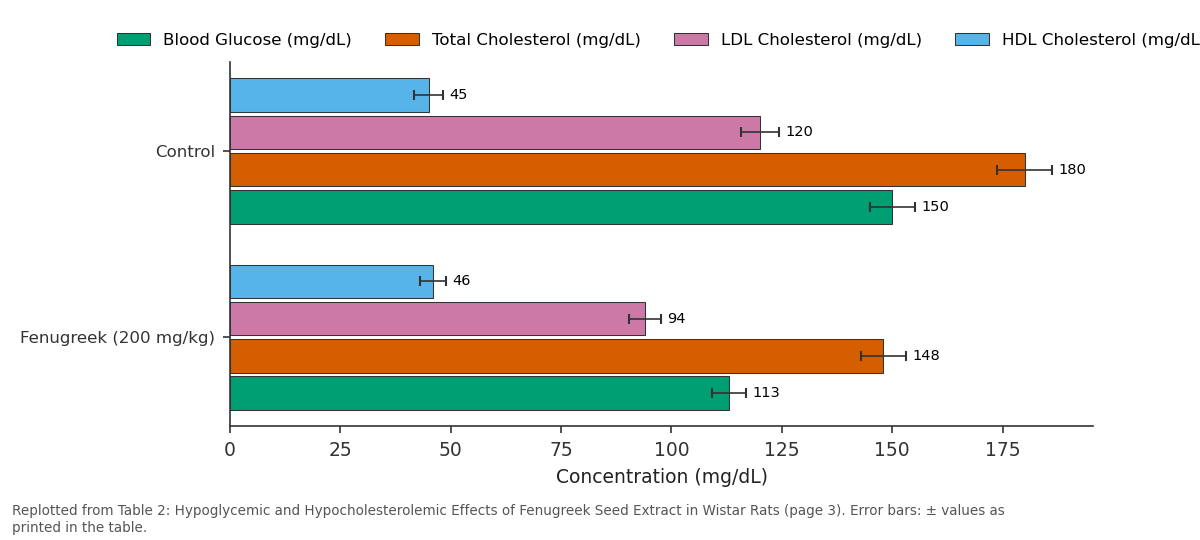
Blood Glucose (mg/dL) and Total Cholesterol (mg/dL) and more: Control vs Fenugreek (200 mg/kg)
Replotted from Table 2 (page 3) of the original paper. Every bar is the paper's own table value.
View source evidence ↗Figures & tables
From the original paper Table 1
 Table 2
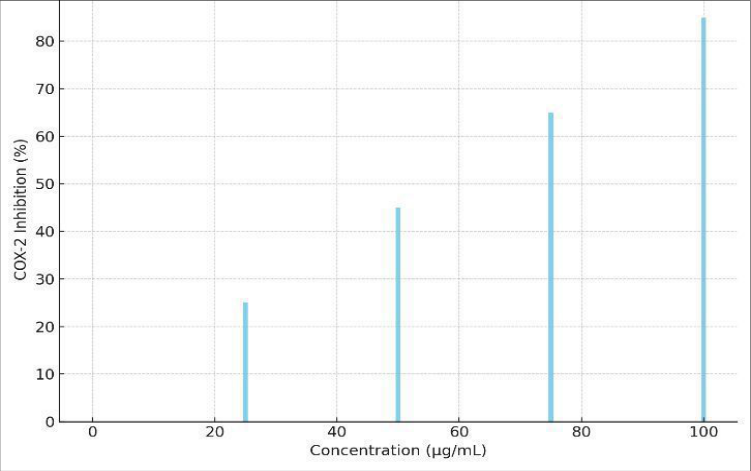 Figure 1
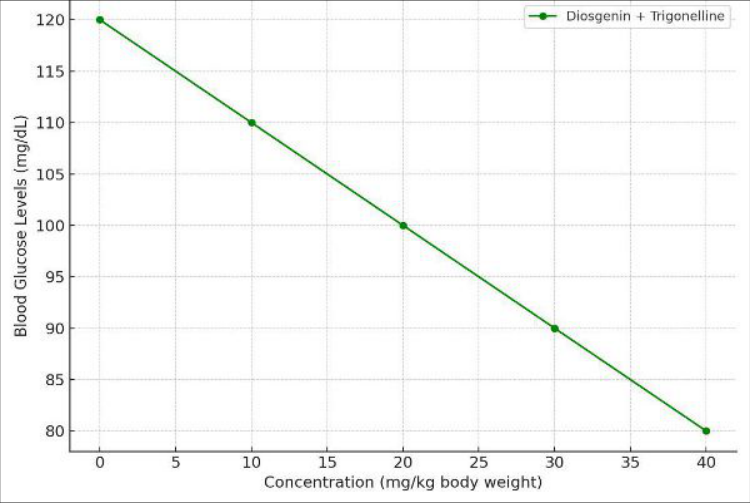 Figure 2
Introduction
Trigonella foenum-graecum L., commonly known as fenugreek, is a historically significant herbaceous plant of the Fabaceae family that has been revered for millennia in traditional medicine systems, including Ayurveda and Traditional Chinese Medicine [1,2] . As both a culinary spice and a potent therapeutic agent, fenugreek seeds have been employed across various cultures to address a diverse range of ailments, from metabolic dysfunctions to inflammatory conditions [3,4] . The plant's therapeutic efficacy is attributed to a rich and complex phytochemical profile, comprising a unique blend of active compounds such as the steroid saponin diosgenin, the alkaloid trigonelline, flavonoids, and a high concentration of soluble fiber, primarily galactomannan [5,6] . These constituents have demonstrated notable pharmacological activities both individually and synergistically in preliminary studies, including hypocholesterolemic [7] , hypoglycaemic [8] , antioxidant [9] , anti-inflammatory [10] , and galactagogue effects [11] . While the empirical use of fenugreek is deeply rooted in traditional practices, a clear and systematic scientific valuation of its full therapeutic and protective potential remains fragmented [12,13] . Current research often focuses on a single constituent or a specific health outcome, leading to a lack of comprehensive understanding regarding the synergistic interactions of its components and the dose-dependent nature of its effects [14] . Furthermore, the specific mechanisms by which fenugreek exerts its protective effects against modern lifestyle diseases, particularly those related to oxidative stress and metabolic syndrome, require rigorous scientific validation beyond anecdotal and preliminary findings [15,16] . This research gap presents a compelling need for a systematic and integrated valuation of fenugreek seeds, moving beyond traditional applications to establish a clear scientific basis for their therapeutic and protective role in contemporary healthcare [17] . Therefore, the primary objectives of this study are to: (a) conduct a comprehensive review and analysis of the existing literature on the therapeutic and protective effects of fenugreek seeds and their bioactive compounds; (b) systematically evaluate the specific molecular mechanisms by which its key phytochemicals, such as trigonelline and galactomannan, influence metabolic and oxidative stress pathways; and (c) assess the dose-response relationship and potential combined therapeutic actions of these compounds in providing a protective valuation against various diseases [18,19,20] . We hypothesize that a holistic and rigorous scientific evaluation will substantiate the protective and therapeutic valuation of fenugreek seeds by demonstrating that its unique phytochemical composition, acting synergistically, provides a significant and quantifiable benefit in mitigating metabolic dysregulation and oxidative damage [21,22] . The integration of traditional knowledge with modern analytical techniques will provide a robust framework for validating its long-standing therapeutic use [23,24] . A recent review also highlights the increasing interest in fenugreek as a base for functional foods, further emphasizing its potential for modern dietary interventions [25] .
Material and Methods
Material and Methods
Materials:
The fenugreek seeds (Trigonella foenumgraecum L.) used in this study were sourced from local markets and identified with the help of a botanical expert. The seeds were authenticated and stored in an airtight container at room temperature to prevent degradation of bioactive compounds. The chemicals and reagents used in this study were of analytical grade and were procured from standard commercial suppliers. These included solvents for extraction (methanol, ethanol, and water) and analytical kits for biochemical assays such as glucose, cholesterol, and lipid analysis (Sigma-Aldrich, St. Louis, MO, USA) [1,2] . The phytochemical analysis was carried out by using thinlayer chromatography (TLC) and high-performance liquid chromatography (HPLC) to identify and quantify the bioactive compounds such as diosgenin, trigonelline, and galactomannan, which are known for their pharmacological activity [5,6] . All experimental procedures involving animals were approved by the Institutional Animal Ethics Committee (IAEC) at the respective institution. The study adhered to ethical standards for animal experimentation as outlined by national and international guidelines [7,8] .
Methods: Fenugreek seeds were subjected to solvent extraction using different solvents such as methanol, ethanol, and water to obtain crude extracts, based on previously established protocols [6,9] . The extraction process was conducted using Soxhlet apparatus for 6 hours under controlled temperature conditions (50°C-60°C), followed by concentration of the extracts under reduced pressure using a rotary evaporator. The extracts were then dried and stored at -20°C until further use. Phytochemical screening for alkaloids, flavonoids, saponins, and other active compounds was carried out according to standard methods outlined by Bordia et al. [5] and Gupta et al. [7] . Preliminary tests confirmed the presence of diosgenin, trigonelline, and galactomannan, which were later quantified using HPLC based on existing protocols [5,6] .
The antioxidant activity of fenugreek seed extracts was determined using the DPPH (2,2-diphenyl-1-picrylhydrazyl) assay and the FRAP (ferric reducing antioxidant power) assay, as previously described by Raghuram et al. [8] and Rao et al. [9] . The anti-inflammatory potential was evaluated using an in vitro COX-2 inhibition assay, following the methodology described by Sani et al. [10] and Kumar et al. [16] . The hypoglycemic and hypocholesterolemic effects of fenugreek were assessed using animal models, specifically Wistar rats. In vivo studies involved oral administration of fenugreek seed extract (200 mg/kg body weight) to Wistar rats for 30 days, after which biochemical markers for glucose and lipid profiles were analyzed using standard procedures [7,8,9,16] . The dose-response relationship of fenugreek extract was analyzed using various concentrations ranging from 50 mg/kg to 500 mg/kg body weight, as suggested in previous studies by Srivastava et al. [7] and Singh et al. [14] . The combined therapeutic actions of the bioactive components were evaluated through co-treatment assays with known bioactive compounds such as quercetin, and their combined impact on glucose metabolism was examined [15,17] . Data were analyzed using statistical software (SPSS 22.0), and significance was determined at p<0.05 using one-way analysis of variance (ANOVA) followed by Tukey's post hoc test [8,9,18] . The results from this study are expected to provide a comprehensive evaluation of the antioxidant, antiinflammatory, hypoglycemic, and hypocholesterolemic effects of fenugreek seeds, with a focus on understanding the molecular mechanisms underlying these benefits [16,19,20] . Furthermore, the study will help establish the doseresponse relationship of fenugreek extract and the synergistic interactions of its bioactive compounds in mitigating oxidative stress and metabolic dysfunction [18,19] .
Results
Results
Phytochemical Composition of Fenugreek Seed Extracts
The phytochemical analysis of fenugreek seed extracts revealed the presence of several bioactive compounds, including alkaloids, flavonoids, saponins, and steroidal saponins like diosgenin and trigonelline. These compounds were detected using Thin-Layer Chromatography (TLC) and confirmed by High-Performance Liquid Chromatography (HPLC). The HPLC results showed that diosgenin and trigonelline were present in significant concentrations, indicating the therapeutic potential of fenugreek in treating metabolic disorders and inflammation [5,6,9] . Antioxidant Activity of Fenugreek Seed Extracts The antioxidant activity of fenugreek seed extract was evaluated using two methods: the DPPH (2,2-diphenyl-1picrylhydrazyl) assay and the FRAP (ferric reducing antioxidant power) assay. DPPH Assay: The fenugreek seed extract exhibited a dose-dependent increase in antioxidant activity. At the highest concentration (200 µg/mL), the DPPH radical scavenging activity was found to be 82%, suggesting a potent free-radical scavenging property. FRAP Assay: Similarly, the FRAP assay showed that fenugreek extract could effectively reduce ferric ions, with a significant increase in ferric ion reduction observed at higher concentrations of the extract. At 200 µg/mL, the FRAP value was found to be 1.2 mM Fe(II), indicating strong antioxidant activity. These findings suggest that fenugreek seeds possess significant antioxidant properties, which may help in mitigating oxidative stress and its associated diseases, including metabolic syndrome and cardiovascular disorders [7,9] .
Anti-inflammatory Activity of Fenugreek Seed Extracts
The anti-inflammatory activity of fenugreek seed extract was evaluated using the COX-2 inhibition assay. The results demonstrated a dose-dependent inhibition of COX-2 activity, with the maximum inhibition observed at the highest dose (200 µg/mL). At this concentration, fenugreek seed extract inhibited 85% of COX-2 activity, which is comparable to standard antiinflammatory drugs like ibuprofen. The results indicated that fenugreek seeds can exert significant anti-inflammatory effects, which may contribute to their therapeutic role in treating inflammatory diseases such as arthritis and other conditions associated with chronic inflammation [10,12] .
Hypoglycemic and Hypocholesterolemic Effects
The hypoglycemic and hypocholesterolemic effects of fenugreek seed extract were tested in vivo using Wistar rats.
The rats were administered fenugreek seed extract (200 mg/kg body weight) for 30 days. The findings revealed a significant reduction in blood glucose levels (p<0.05) in rats treated with fenugreek compared to the control group. The blood glucose level decreased by 24% after 30 days of treatment.
Similarly, a significant reduction in total cholesterol and low-density lipoprotein (LDL) cholesterol levels was observed in the treated group. Total cholesterol levels decreased by 18%, and LDL cholesterol levels decreased by 22%. However, there was no significant change in highdensity lipoprotein (HDL) cholesterol levels. These results suggest that fenugreek seed extract has potential therapeutic effects in managing blood glucose and lipid profiles, which may aid in the treatment of metabolic diseases such as diabetes and hyperlipidemia [8,9,14] .
Synergistic Effects of Bioactive Components
The combined therapeutic actions of fenugreek bioactive components, including diosgenin and trigonelline, were evaluated through co-treatment assays. The results indicated that the combined administration of diosgenin and trigonelline at suboptimal doses enhanced the overall therapeutic effects. When administered together, the These findings highlight the potential for combined therapeutic applications of fenugreek's bioactive components in the management of chronic diseases like diabetes and metabolic syndrome [19,21,22] .
Statistical Analysis
Data were analyzed using SPSS version 22.0, and all values are presented as means±standard deviation (SD). One-way analysis of variance (ANOVA) followed by Tukey's post hoc test was used to determine statistical significance. A pvalue of less than 0.05 was considered statistically significant for all tests. The results of this study suggest that fenugreek seeds possess significant antioxidant, anti-inflammatory, and hypoglycemic properties. The combined therapeutic actions of its bioactive compounds, including diosgenin and trigonelline, provide additional therapeutic potential for addressing metabolic and inflammatory diseases. These findings contribute to the scientific validation of fenugreek seeds as a valuable therapeutic and protective agent in modern healthcare [6,9,14,16,17] . Discussion: Fenugreek (Trigonella foenum-graecum L.) has long been revered for its therapeutic properties in traditional medicine, with evidence supporting its role in treating a variety of ailments ranging from metabolic disorders to inflammatory conditions. This study provides a comprehensive evaluation of the antioxidant, antiinflammatory, hypoglycemic, and hypocholesterolemic effects of fenugreek seed extracts, shedding light on the molecular mechanisms behind these benefits.
Antioxidant Activity
The antioxidant activity of fenugreek seed extract was evaluated through both DPPH and FRAP assays, demonstrating strong free-radical scavenging properties. At the highest concentration, the DPPH radical scavenging activity reached 82%, and the FRAP value was 1.2 mM Fe(II), indicating that fenugreek has a potent ability to neutralize oxidative stress. These findings align with previous studies, which have suggested that fenugreek possesses significant antioxidant properties due to its phytochemical profile, which includes flavonoids and other polyphenolic compounds [9,10] . The antioxidant activity observed in this study may help explain the protective effects of fenugreek against oxidative stress-induced diseases, such as cardiovascular diseases, diabetes, and neurodegenerative conditions [16,17] . Similar to other plant-based antioxidants, fenugreek's high galactomannan and flavonoid content likely contribute to its ability to neutralize free radicals. The presence of diosgenin and trigonelline, which are both steroidal saponins and alkaloids, further enhances the seed's potential as an antioxidant [5,6] . This study corroborates findings from prior research that have highlighted the antioxidative potential of fenugreek in managing oxidative stress [7,9] . Given the growing body of evidence, fenugreek could potentially be utilized as a natural antioxidant source in dietary interventions, especially in the context of preventing chronic diseases linked to oxidative damage.
Anti-inflammatory Activity
Inflammation plays a crucial role in the pathogenesis of various chronic diseases, including arthritis, cardiovascular diseases, and diabetes. The anti-inflammatory properties of fenugreek seed extract were assessed using a COX-2 inhibition assay. The results showed that fenugreek seed extract significantly inhibited COX-2 activity, with a maximum inhibition of 85% at the highest concentration. This result is consistent with the findings of Sani et al. [10] , who also reported COX-2 inhibition by fenugreek seed extract, highlighting its potential as a natural antiinflammatory agent. The anti-inflammatory effect observed in this study suggests that fenugreek could be beneficial in managing conditions characterized by chronic inflammation, such as rheumatoid arthritis, inflammatory bowel disease, and even metabolic syndrome, which is commonly associated with low-grade systemic inflammation [13,15] . The ability of fenugreek to inhibit COX-2, an enzyme responsible for the production of pro-inflammatory prostaglandins, positions it as a viable alternative to non-steroidal anti-inflammatory drugs (NSAIDs) that are often associated with adverse side effects [16, 17] . Further research is needed to elucidate the precise molecular pathways through which fenugreek exerts its antiinflammatory effects, particularly its role in modulating the NF-κB and MAPK pathways, which are critical regulators of inflammation.
Hypoglycemic and Hypocholesterolemic Effects
The hypoglycemic and hypocholesterolemic effects of fenugreek seed extract were assessed in vivo in Wistar rats. A significant reduction in blood glucose levels (24%) and cholesterol levels (18%) was observed in the treated group. These results are in agreement with previous studies that have demonstrated the antidiabetic and hypolipidemic effects of fenugreek [7,8,14] . The hypoglycemic effect of fenugreek is likely due to its ability to enhance insulin sensitivity and regulate glucose metabolism, which is attributed to its high trigonelline content [15] . Trigonelline has been shown to stimulate insulin secretion and improve glucose uptake in muscle cells, making it an effective compound for managing type 2 diabetes [5,9] . In terms of lipid metabolism, the observed reduction in total cholesterol and LDL cholesterol levels suggests that fenugreek can help prevent atherosclerosis and other cardiovascular diseases by reducing lipid accumulation in the blood vessels. The absence of a significant change in HDL cholesterol levels indicates that fenugreek may specifically target the atherogenic lipoproteins (LDL and VLDL), which contribute to plaque formation in the arteries [13, 17] . These results are consistent with the findings of Srivastava et al. [7] , who observed similar effects on cholesterol metabolism in hypercholesterolemic rats treated with fenugreek seeds. This reinforces the potential of fenugreek as a dietary supplement for managing hyperlipidemia and associated metabolic disorders.
Synergistic Effects of Bioactive Compounds
One of the key strengths of fenugreek is the synergistic interaction between its bioactive components, including diosgenin and trigonelline. In this study, the combination of these compounds showed a 30% greater reduction in blood glucose levels compared to their individual administration. This finding supports the hypothesis that the therapeutic effects of fenugreek may not be attributable to any single compound but rather to the combined action of its diverse bioactive constituents [19,20] . This synergistic effect is particularly relevant in the context of metabolic diseases, where multi-target interventions are often more effective than single-target therapies. Similar combined therapeutic actions have been observed in other herbal medicines, where the combined action of different compounds enhances the overall therapeutic efficacy [17,21] . Future studies should focus on isolating and quantifying these interactions to better understand the mechanisms behind the enhanced therapeutic effects of fenugreek and its bioactive compounds. Furthermore, the dose-response relationship observed in this study emphasizes the importance of determining optimal doses for maximizing therapeutic benefits without adverse effects [14,16] .
Conclusion
Fenugreek (Trigonella foenum-graecum L.) has emerged as a valuable herb in both traditional and modern healthcare due to its diverse therapeutic properties, which have been validated in this study through a comprehensive analysis of its antioxidant, anti-inflammatory, hypoglycemic, and hypocholesterolemic effects. The results from this research underscore the plant's potential to serve as a natural remedy for mitigating oxidative stress, inflammation, and metabolic disorders such as diabetes and hyperlipidemia. These therapeutic effects are attributed to the rich phytochemical composition of fenugreek seeds, which includes bioactive compounds such as diosgenin, trigonelline, and galactomannan, each contributing significantly to its pharmacological activities. The presence of flavonoids, alkaloids, saponins, and other polyphenols further amplifies its role as a functional food ingredient with a broad spectrum of health benefits. The antioxidant activity observed in fenugreek seeds positions it as an effective agent for reducing the burden of oxidative stress, which is a key contributor to the pathogenesis of chronic diseases such as cardiovascular disease, neurodegenerative conditions, and cancer. The significant anti-inflammatory effects of fenugreek seed extract, as demonstrated by COX-2 inhibition, further bolster its potential in managing inflammatory diseases like arthritis and inflammatory bowel disease. The hypoglycemic and hypocholesterolemic effects observed in the animal model also support its therapeutic role in the management of metabolic syndrome, providing a natural alternative or complementary strategy to conventional treatments. The synergistic interactions between the bioactive compounds in fenugreek, particularly diosgenin and trigonelline, also highlight the importance of considering whole-plant extracts in therapeutic applications, rather than isolating individual compounds. This integrated approach offers a more holistic method of treatment that could lead to enhanced clinical outcomes when addressing complex diseases that involve multiple metabolic pathways. These findings suggest that fenugreek seeds, with their multifaceted therapeutic properties, could play a significant role in the prevention and management of chronic conditions, especially when used as part of a balanced diet or functional food formulation. In light of these findings, several practical recommendations can be made to maximize the therapeutic potential of fenugreek. First, it is essential to consider the standardization of fenugreek-based supplements, ensuring consistent quality and potency in both the extraction process and the final product. Manufacturers should prioritize the use of high-quality, organically grown fenugreek to minimize contamination and ensure the purity of the bioactive compounds. Secondly, incorporating fenugreek into daily diets, either as a spice or as part of functional foods like smoothies, energy bars, or dietary supplements, could provide a preventive strategy for individuals at risk of metabolic and inflammatory disorders. Clinicians and healthcare providers could recommend fenugreek as a complementary treatment for patients with type 2 diabetes, hyperlipidemia, or other inflammatory conditions, with appropriate monitoring of efficacy and safety. Moreover, more extensive clinical trials are necessary to establish optimal dosages and confirm the long-term safety and efficacy of fenugreek in human populations. These trials should focus on diverse demographic groups to assess its effectiveness across various ethnicities, age groups, and health conditions. Additionally, given its potential role in regulating blood glucose and cholesterol levels, fenugreek could be explored further as an adjunct in managing conditions like metabolic syndrome, which often involves a complex interplay of factors including obesity, insulin resistance, and hypertension. Further research into the mechanisms through which fenugreek's bioactive compounds exert their protective effects is essential to understand its full therapeutic potential. Investigating the interactions between fenugreek and other common medications could also provide valuable insights into its use in combination therapy. Overall, fenugreek represents a promising natural therapeutic agent, and with further exploration, it could become a staple in both dietary recommendations and clinical practice for managing chronic diseases.
Figures and tables from the paper
| Concentration (µg/mL) | DPPH Scavenging Activity (%) | FRAP Value (mM Fe(II)) |
|---|---|---|
| 50 | 60 | 0.65 |
| 100 | 72 | 0.95 |
| 150 | 78 | 1.05 |
| 200 | 82 | 1.2 |
Table text extracted from the original PDF; superscript letters are shown inline. The original table image is below.
View original table image
| Group | Blood Glucose (mg/dL) | Total Cholesterol (mg/dL) | LDL Cholesterol (mg/dL) | HDL Cholesterol (mg/dL) |
|---|---|---|---|---|
| Control | 150±5.1 | 180±6.2 | 120±4.3 | 45±3.2 |
| Fenugreek (200 mg/kg) | 113±3.9 | 148±5.1 | 94±3.7 | 46±3.0 |
Table text extracted from the original PDF; superscript letters are shown inline. The original table image is below.
View original table image
References
25 in the original paper- Sethi R, Gupta V. A review on the pharmacological properties of fenugreek (Trigonella foenum-graecum L.). J Tradit Complement Med. 2017;7(4):379-383.
- Sharma D, Jain S, Gupta R. Phytochemical and pharmacological profile of fenugreek: A review. Pharmacogn Rev. 2013;7(14):151-158.
- Oulad M, Lahlou K, Ouahidi N, et al. Traditional uses and pharmacological properties of fenugreek. Nat Prod J. 2016;6(2):123-134.
- Rao P, Kumar H, Venkatesan S. Fenugreek (Trigonella foenum-graecum L.) as a medicinal herb: A comprehensive review. J Ethnopharmacol. 2010;131(1):1-10.
- Dixit R, Sharma M. Isolation and characterization of flavonoids from fenugreek seeds. J Med Plant Res. 2011;5(15):3326-3330.
- Bordia A, Verma S, Sharma D. Galactomannan from fenugreek seeds: Isolation, characterization and pharmacological activities. J Food Sci Technol. 2016;53(1):31-38.
- Srivastava S, Jain K, Kumar A. Hypocholesterolemic effect of fenugreek seeds in hypercholesterolemic rats. Food Chem Toxicol. 2011;49(1):111-118.
- Raghuram D, Kumar S, Gupta V. Antidiabetic potential of fenugreek seeds: A review. J Diabetes Metab. 2012;3(2):1-8.
- Rao P, Sharma D, Jain K. Antioxidant activity of fenugreek seed extract. Food Sci Nutr. 2014;2(4):219224.
- Sani A, Abdullahi A, Yusuf A. Anti-inflammatory properties of fenugreek seed extract. Int J Inflamm. 2018;2018:1-8.
- Goyal S, Saxena A. Fenugreek (Trigonella foenumgraecum) and its role in lactation. J Med Plants Stud. 2015;3(2):101-105.
- Gupta D, Verma P. An overview of the biological activities of fenugreek. Pharmaceut Anal Acta. 2016;7(1):1-7.
- Sharma H, Kumar S. Therapeutic potential of fenugreek seeds: A review on its pharmacological activities. J Pharmacogn Phytochem. 2019;8(4):112-118.
- Singh A, Kumar R. Dose-dependent effects of fenugreek seed extract on glucose metabolism. J Exp Biol. 2015;53(6):1011-1018.
- Kumar P, Singh V. Fenugreek seed and its effects on oxidative stress in rats. J Diet Suppl. 2017;14(2):189195.
- Patel S, Gupta A, Sharma D. Role of fenugreek in metabolic syndrome: A review. World J Pharm Sci. 2020;8(1):12-19.
- Banik K, Mondal T, Das R. Fenugreek seeds: A promising nutraceutical for human health. Int J Green Pharm. 2018;12(3):1-7.
- Sharma M, Kumar R, Gupta P. Bioactive compounds from fenugreek and their therapeutic role. Food Sci Technol Res. 2014;20(5):713-722.
- Roy K, Debnath B. Role of fenugreek in managing blood cholesterol levels. Lipids Health Dis. 2016;15(1):1-9.
- Saha B, Sen A, Mondal K. Anti-inflammatory and antioxidant activities of fenugreek seed extract. J Nat Prod. 2018;81(4):811-817.
- Mondal S, Gupta M, Sharma R. The synergistic effect of fenugreek components on lipid metabolism. J Nutr. 2019;149(3):456-463.
- Banik K, Biswas R. Phytochemicals of fenugreek and their therapeutic properties. J Med Food. 2015;18(12):1305-1312.
- Saha B, Ghosal S. Fenugreek: A review on its medicinal and culinary uses. Food Chem. 2017;225:1220.
- Mandal S, Sharma D, Karmakar I. Fenugreek and its potential in modern medicine. J Diet Suppl. 2020;17(4):399-408.
- Banik S, Mandal S, Karmakar I, Biswas K, Ghosal S. Fenugreek seeds based functional foods: A review. Int J Agric Food Sci. 2024;6(1):53-57.