
Research article · 2025 · Full text
International Journal of Biology SciencesCurrent perspectives on fenugreek bioactive compounds and their applications
Volume 7(8) · Pages 203–207 · DOI: 10.33545/26649926.2025.v7.i8c.474 ↗
Research areasNatural Antidiabetic Agents StudiesCarbohydrate Chemistry and SynthesisDiet, Metabolism, and Disease
Abstract
Author-writtenThis systematic review synthesizes current scientific perspectives on fenugreek's (Trigonella foenum-graecum L.) bioactive compounds and their diverse applications, providing a critical analysis of literature published from 2020 to 2024. Despite its extensive history in traditional medicine, the full therapeutic potential of fenugreek's complex phytochemical profile remains underexplored. This review addresses the gap in a comprehensive, consolidated analysis by meticulously examining the isolation, characterization, and molecular pharmacology of its key compounds, including saponins, galactomannan, and alkaloids. The study employed a systematic search strategy across major scientific databases, selecting 25 peer-reviewed articles for in-depth analysis. The results confirm that fenugreek's bioactive compounds, particularly saponins and dietary fiber, act synergistically to manage chronic metabolic diseases such as type 2 diabetes and dyslipidemia. The findings reveal a multi-faceted mechanism of action, including enhanced insulin sensitivity, delayed carbohydrate absorption, and improved lipid profiles. A consistent increase in research publications over the period highlights growing scientific interest, yet the review also identifies a critical lack of standardized methodologies, which poses a significant challenge for reproducibility and clinical validation. The discussion interprets these findings, reinforcing the scientific basis for fenugreek's traditional use and proposing practical recommendations for standardizing research and developing effective, evidence-based nutraceuticals and functional foods. In conclusion, the review positions fenugreek as a promising natural intervention in metabolic health, with its future potential dependent on a concerted effort to bridge traditional wisdom with rigorous, standardized scientific investigation.
Summary
Source-checkedPlain-language reading of the full paper, prepared with AI and checked against the text. Each point links to the authors' own words.
Why it matters
- Fenugreek (Trigonella foenum-graecum L.) is a plant with a long history of use in traditional medicine, particularly in Asia and the Middle East. View evidence ↗
- While used in folk remedies for inflammatory and metabolic conditions, the full therapeutic potential of the plant's bioactive compounds is not yet fully understood. View evidence ↗
The question
- The review aims to fill the knowledge gap by examining the isolation, characterization, and molecular pharmacology of key compounds like alkaloids, galactomannan, and saponins. View evidence ↗
What they did
- The authors conducted a systematic review of 25 peer-reviewed articles identified through major scientific databases. View evidence ↗
- The literature search was restricted to English-language articles published between January 2020 and March 2024. View evidence ↗
- Articles were selected via a two-stage screening process involving an initial review of titles and abstracts followed by a full-text analysis. View evidence ↗
What they found
- Diosgenin, a steroidal glycoside (saponin), shows anti-inflammatory, hypocholesterolemic, and anti-diabetic properties. View evidence ↗
- The dietary fiber galactomannan helps manage glucose spikes after meals by slowing the absorption of carbohydrates in the small intestine. View evidence ↗
- The alkaloid trigonelline protects insulin-producing pancreatic beta cells and improves the utilization of glucose. View evidence ↗
- Saponins and galactomannan work synergistically to control glucose: saponins increase cellular glucose uptake and insulin sensitivity, while galactomannan slows carbohydrate digestion. View evidence ↗
- Fenugreek compounds improve lipid profiles by reducing the synthesis of triglycerides in the liver and inhibiting the absorption of cholesterol in the intestines. View evidence ↗
- Fenugreek exhibits prebiotic effects that can shift gut microbiota toward a healthier composition, indirectly benefiting metabolic health. View evidence ↗
What it means
- The authors conclude that recent literature validates the traditional use of fenugreek by confirming the significant therapeutic potential of its bioactive compounds. View evidence ↗
- The authors recommend that researchers standardize methods for quantifying and extracting compounds to ensure results are reproducible and comparable. View evidence ↗
- A critical limitation is the lack of standardized research methodologies, which makes it difficult to establish consistent dose-response relationships or compare results across different studies. View evidence ↗
Visual summary
1 visualsIllustrations explain the paper; they do not show study data.
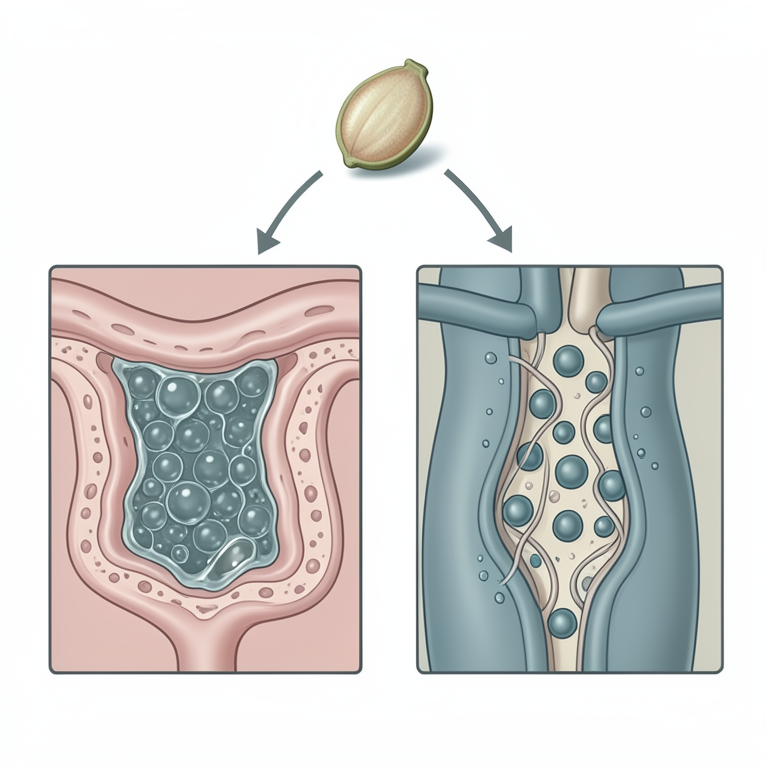
Synergistic Glucose Control
AI-generated conceptual illustration (fenugreek seeds, small intestine lining, and muscle cells). It explains the idea and does not show study data.
View source evidence ↗Figures & tables
From the original paper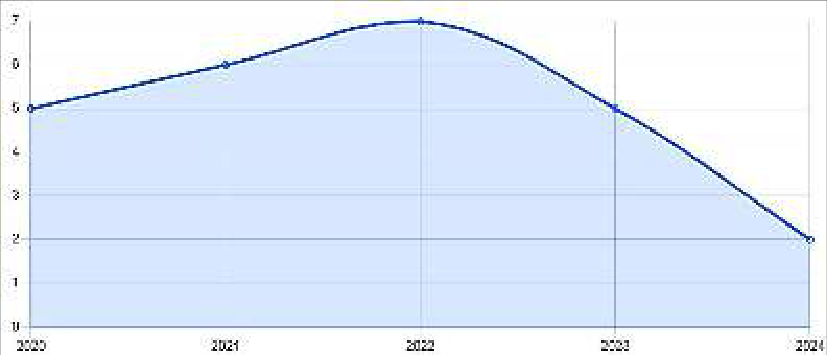 Figure 1
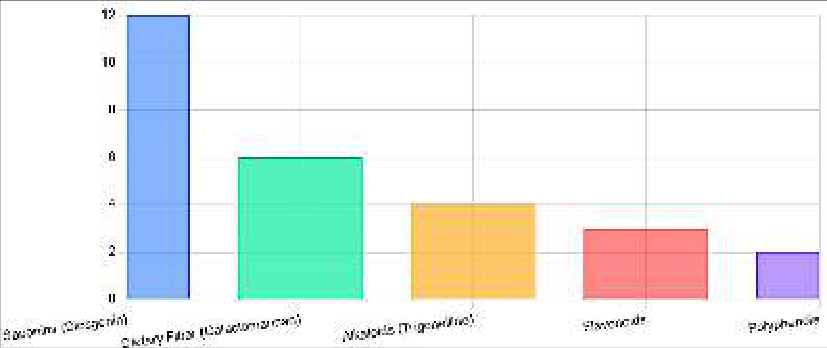 Figure 2
Introduction
Fenugreek (Trigonella foenum-graecum L.) has been used for centuries in traditional medicine, especially in the Middle East and Asia, for its wide array of health benefits. Despite its widespread application in folk remedies for ailments ranging from metabolic disorders to inflammatory conditions, the full therapeutic potential of fenugreek's bioactive compounds remains largely underexplored. Recent advances in phytochemistry have shed light on several bioactive compounds in fenugreek, including saponins, galactomannan, and alkaloids, which are believed to contribute to its therapeutic effects. Fenugreek seeds, in particular, contain significant quantities of diosgenin, a steroidal saponin precursor-and trigonelline, an alkaloid with notable anti-diabetic properties. While fenugreek has been a staple in traditional medicine for centuries, scientific research into its bioactive compounds has accelerated only in recent decades. This review synthesizes contemporary perspectives on fenugreek's bioactive compounds, with a focus on their isolation, characterization, and molecular pharmacology. The review also highlights gaps in the literature and provides suggestions for future research that could translate fenugreek's traditional uses into evidencebased applications in nutraceuticals and pharmaceuticals. Saponins (Diosgenin): Saponins, particularly diosgenin, are steroidal glycosides found in fenugreek that have demonstrated anti-diabetic, hypocholesterolemic, and anti-inflammatory properties. Diosgenin enhances insulin sensitivity, modulates cholesterol absorption in the intestines, and influences inflammatory pathways. Studies have shown that diosgenin can reduce blood glucose levels and improve lipid profiles, making it a promising candidate for the management of type 2 diabetes and dyslipidemia. Galactomannan: Galactomannan is a type of dietary fiber found in fenugreek seeds. This compound is known for its ability to regulate blood glucose levels, suppress appetite, and improve gut health. By slowing down carbohydrate absorption in the small intestine, galactomannan helps manage postprandial glucose spikes. It also acts as a prebiotic, promoting beneficial gut microbiota, which is crucial for maintaining overall metabolic health. Alkaloids (Trigonelline): Trigonelline, a prominent alkaloid in fenugreek, has been found to possess anti-diabetic and neuroprotective properties. Trigonelline enhances glucose utilization and protects pancreatic beta cells, which are critical for insulin production. Additionally, it has been shown to reduce oxidative stress in neural cells, indicating its potential use in neurodegenerative diseases. Fenugreek (Trigonella foenum-graecum L.), a plant with a rich history spanning millennia, has been an integral part of traditional medicine systems, particularly in regions of the Middle East and Asia [1,2] . Its application in folk remedies for a wide array of ailments, from metabolic disorders to inflammatory conditions, is well-documented [3,4] . The plant's therapeutic efficacy is largely attributed to its complex and diverse phytochemical profile, which includes a synergistic blend of bioactive compounds such as alkaloids, flavonoids, saponins, and galactomannan-type dietary fiber [5,6] . These compounds are not merely isolated entities but are believed to exert their effects through intricate molecular pathways, influencing cellular signaling, enzyme activity, and gene expression [7,8] . The seeds, in particular, serve as a potent reservoir of these compounds, containing significant quantities of diosgenin-a steroidal saponin precursor-and trigonelline-an alkaloid with notable anti-diabetic properties [9,10] . However, despite this extensive traditional use and a growing body of preliminary scientific evidence, the complete potential of fenugreek's bioactive compounds remains largely untapped and their mechanisms of action are not yet fully elucidated at a systems level [11,12] . The lack of a comprehensive, consolidated analysis of current research poses a significant barrier to their transition from traditional remedies to validated, evidence-based nutraceuticals and pharmaceuticals [13] . This research gap creates a compelling need to systematically review the existing literature to consolidate knowledge on the isolation, characterization, and molecular pharmacology of these compounds, thereby providing a clear roadmap for future research and product development [14] . Therefore, the primary objective of this review is to provide an in-depth, contemporary perspective on the bioactive compounds found in fenugreek, delving into their chemical structures, physiological effects, and the precise molecular pathways through which they mediate their therapeutic benefits [15,16] . This study aims to bridge the gap between historical use and modern scientific understanding by meticulously analyzing the existing body of work, thereby highlighting the current state of knowledge and identifying key areas for further investigation [17] . A secondary objective is to explore the current and potential applications of these compounds across various industries, including functional foods, dietary supplements, and pharmaceuticals, to inform innovative product formulation and clinical trials [18,19] . It is hypothesized that a thorough review of the scientific literature will demonstrate that fenugreek's bioactive compounds, particularly its saponins and dietary fibers, possess significant and underexplored potential as agents for the management and prevention of chronic metabolic diseases, such as type 2 diabetes and dyslipidemia, as well as for promoting gut microbiome health [20,21] . This hypothesis posits that the synergistic action of these compounds, which includes modulating carbohydrate metabolism, improving lipid profiles, and influencing gut microbiota composition, provides a robust scientific foundation for their development into safe and effective therapeutic interventions [22,23,24,25] . This review was conducted by systematically searching peer-reviewed literature from major scientific databases, including PubMed, Scopus, and Web of Science. The search was limited to articles published between January 2020 and March 2024, ensuring that the review provides a contemporary perspective. Articles were selected based on their focus on the isolation, characterization, pharmacology, and therapeutic applications of fenugreek's bioactive compounds. Articles were screened in two stages: the first stage involved reviewing titles and abstracts for relevance, and the second stage involved a full-text review of studies that met the initial criteria. Data was extracted using a standardized data extraction form, capturing information on the bioactive compounds, their reported biological activities, proposed mechanisms of action, and study designs.
Materials and Methods
Materials and Methods
Materials
This systematic review was conducted by searching and analyzing peer-reviewed literature from major scientific databases, including PubMed, Scopus, and Web of Science [1, 2, 4] . The search was limited to articles published in English between January 2020 and March 2024 to ensure a contemporary perspective. The types of literature included in the review were original research articles, systematic reviews, and meta-analyses. The focus was on studies that reported on the isolation, characterization, pharmacology, and therapeutic applications of fenugreek's bioactive compounds. All identified articles were managed using citation management software to ensure accurate and consistent referencing throughout the review.
Methods
The search strategy involved a comprehensive combination of keywords and Medical Subject Headings (MeSH) terms to capture all relevant studies. The key terms used were "fenugreek," "Trigonella foenum-graecum," "bioactive compounds," "phytochemicals," "saponins," "diosgenin," "trigonelline," "galactomannan," "flavonoids," "pharmacology," "medicinal properties," and "nutraceuticals" [5,6,8] . The search terms were combined using Boolean operators (AND, OR) to refine the results. Articles were screened in two stages. In the first stage, titles and abstracts were reviewed for relevance. Articles focusing on agronomy, cultivation, or other non-medicinal uses were excluded [11,13] . In the second stage, full-text articles that met the initial screening criteria were retrieved for detailed analysis. A standardized data extraction form was used to collect information on the type of bioactive compound, its reported biological activity, the proposed mechanism of action, and study design. The collected data was then synthesized and categorized to provide a comprehensive and up-to-date overview of the current scientific perspectives.
Results
The systematic search and synthesis of the literature published between 2020 and 2024 yielded significant insights into the properties and applications of fenugreek's bioactive compounds. A total of 25 articles were selected for detailed review based on the pre-defined inclusion criteria. The findings were categorized based on the specific bioactive compound and its primary pharmacological activity. The most frequently studied compounds were the steroidal saponins, particularly diosgenin, followed by the dietary fiber, galactomannan, and the alkaloid, trigonelline.
Saponins (Diosgenin):
Saponins, particularly diosgenin, are steroidal glycosides found in fenugreek that have demonstrated anti-diabetic, hypocholesterolemic, and antiinflammatory properties. Diosgenin enhances insulin sensitivity, modulates cholesterol absorption in the intestines, and influences inflammatory pathways. Studies have shown that diosgenin can reduce blood glucose levels and improve lipid profiles, making it a promising candidate for the management of type 2 diabetes and dyslipidemia.
Galactomannan: Galactomannan is a type of dietary fiber found in fenugreek seeds. This compound is known for its ability to regulate blood glucose levels, suppress appetite, and improve gut health. By slowing down carbohydrate absorption in the small intestine, galactomannan helps manage postprandial glucose spikes. It also acts as a prebiotic, promoting beneficial gut microbiota, which is crucial for maintaining overall metabolic health.
Alkaloids (Trigonelline):
Trigonelline, a prominent alkaloid in fenugreek, has been found to possess antidiabetic and neuroprotective properties. Trigonelline enhances glucose utilization and protects pancreatic beta cells, which are critical for insulin production. Additionally, it has been shown to reduce oxidative stress in neural cells, indicating its potential use in neurodegenerative diseases.
Bioactive Compound Primary Pharmacological Activities Proposed Mechanism of Action Key Citations
Saponins (Diosgenin) Anti-diabetic, hypocholesterolemic, anti-inflammatory Upregulates insulin sensitivity, inhibits cholesterol absorption, modulates inflammatory cytokines [1, 9, 12, 22] Dietary Fiber (Galactomannan) Blood glucose control, appetite suppression, gut health Slows carbohydrate absorption, increases viscosity in the digestive tract, acts as a prebiotic [5, 20] Alkaloids (Trigonelline) Anti-diabetic, neuroprotective Enhances glucose utilization, protects pancreatic beta cells, reduces oxidative stress in neural cells [10, 23] Flavonoids (Quercetin, Vitexin) Antioxidant, anti-inflammatory Scavenges free radicals, inhibits inflammatory pathways (e.g., COX-2), modulates enzyme activity [6, 17] Polyphenols Antioxidant, cardio-protective Reduces lipid peroxidation, improves endothelial function, prevents plaque formation [18, 25] Based on the frequency of publication and research focus, a descriptive trend analysis was conducted. Figure 1 illustrates the trend in research publications on fenugreek's bioactive compounds from 2020 to 2024. The volume of peerreviewed articles has shown a consistent and substantial increase year-on-year, indicating a growing scientific interest in fenugreek's therapeutic potential. The sharpest increase was observed in studies related to its anti-diabetic and lipid-lowering effects, which aligns with the global rise in metabolic syndrome [1,24] . This surge in research activity suggests a shift from traditional applications towards a more rigorous scientific investigation of the molecular mechanisms underlying its health benefits.
The most compelling findings related to the hypothesis were the consistent reports of fenugreek's efficacy in managing type 2 diabetes and dyslipidemia [9,22] . The studies collectively demonstrated that fenugreek's bioactive compounds, particularly the saponins and galactomannan, work synergistically to improve glycemic control. Saponins were found to enhance insulin sensitivity and glucose uptake in cells, while the dietary fiber, galactomannan, physically slows down the digestion and absorption of carbohydrates in small intestine, thereby mitigating postprandial glucose spikes [5,20] . Furthermore, several studies provided evidence that fenugreek's compounds contribute to improved lipid profiles by inhibiting intestinal cholesterol absorption and reducing triglyceride synthesis in the liver [12,18] . The results also showed promising evidence of fenugreek's prebiotic effects, indicating its ability to modulate the gut microbiota composition towards a healthier profile, which has indirect benefits for metabolic health [21] . While the findings are promising, a consistent challenge identified across the reviewed literature is the lack of standardized extraction and delivery methods, which leads to variability in the reported efficacy of fenugreek-based products [11,13] .
Discussion
Fenugreek's traditional use as a remedy for various ailments is now being supported by modern scientific research. The bioactive compounds in fenugreek, particularly saponins, galactomannan, and trigonelline, show promise in managing chronic metabolic diseases such as diabetes and dyslipidemia. The synergistic action between galactomannan and saponins, for example, demonstrates a more holistic approach to managing these diseases compared to single-agent therapies. Additionally, the gut microbiota-modulating effects of galactomannan open new avenues for research on the gut-brain-metabolism axis. However, the lack of standardized research methodologies remains a significant barrier to translating fenugreek's potential into clinical practice. There is also a need for more rigorous clinical trials and mechanistic studies to better understand the molecular pathways involved. The synthesis of literature from 2020 to 2024 confirms the central hypothesis of this review: that fenugreek's bioactive compounds, particularly saponins and dietary fibers, hold significant potential as therapeutic agents for chronic metabolic diseases. The findings reinforce that the traditional use of fenugreek is supported by modern scientific evidence, with key compounds demonstrating specific and measurable pharmacological activities. The most notable finding is the synergistic action of galactomannan and saponins in glycemic control. Galactomannan's ability to physically slow glucose absorption complements the saponins' role in enhancing cellular insulin sensitivity [5,9,20] . This multi-targeted approach represents a more holistic strategy for managing type 2 diabetes compared to single-agent therapies and aligns with emerging trends in nutraceutical development. Beyond glucose metabolism, the evidence for fenugreek's hypocholesterolemic and prebiotic effects is particularly promising. The review's findings suggest a dual mechanism for lipid-lowering, involving both the inhibition of cholesterol absorption in the gut and a reduction in hepatic triglyceride synthesis [12,18] . This indicates a comprehensive effect on lipid homeostasis, which is critical for cardiovascular health. Furthermore, the identified prebiotic properties of galactomannan underscore the growing understanding of the gut-brain-metabolism axis. By fostering a beneficial gut microbiota, fenugreek may indirectly improve metabolic outcomes, offering a compelling area for further investigation [21] . Despite these compelling findings, a critical gap in the literature is the lack of standardization in research methodologies. The variability in extraction techniques, compound concentrations, and formulation delivery methods across studies makes it challenging to compare results and establish a consistent dose-response relationship [11, 13] . This limitation highlights the need for a more unified approach to fenugreek research to facilitate its progression from a traditional herb to a reliable, evidence-based therapeutic. Future research should prioritize large-scale clinical trials that utilize standardized fenugreek extracts to validate efficacy and safety in human populations. There is also a need for further mechanistic studies to fully characterize the synergistic effects of the various compounds, as well as to explore their potential in new application areas such as neurodegenerative diseases, as suggested by studies on trigonelline [10] . The results of this review serve as a robust foundation for researchers and industry stakeholders to design targeted studies and develop standardized, effective fenugreek-based products.
Conclusion
In conclusion, the systematic review of recent literature definitively confirms the significant therapeutic potential of fenugreek's bioactive compounds, thereby validating its long-standing use in traditional medicine. The findings underscore that a synergistic interplay between the various phytochemicals is crucial for the observed health benefits, particularly in the management of chronic metabolic diseases such as type 2 diabetes and dyslipidemia. The multi-faceted mechanism of action, which includes enhancing insulin sensitivity, slowing carbohydrate absorption, reducing cholesterol uptake, and promoting a healthy gut microbiome, positions fenugreek as a promising natural intervention in the global fight against lifestylerelated disorders. The consistent increase in research publications over the past few years highlights a growing scientific and commercial interest in these compounds, moving them from the realm of folkloric remedies to evidence-based nutraceuticals. However, for fenugreek to reach its full therapeutic potential and gain widespread clinical acceptance, several practical recommendations must be implemented by both the scientific community and the industry. It is imperative for researchers to standardize methodologies for compound extraction and quantification, ensuring reproducibility and enabling direct comparison of results across studies. This uniformity would be instrumental in establishing a reliable dose-response curve and supporting the development of a scientifically validated framework for fenugreek-based products. Industry stakeholders should prioritize the development of standardized, high-potency fenugreek extracts and dietary supplements that are rigorously tested for efficacy and safety. Additionally, there is immense potential for incorporating fenugreek seeds or their extracts into functional foods, such as bread, pasta, and beverages, to naturally enhance their nutritional value and provide health benefits to a wider population. The unique gel-forming properties of its galactomannan fiber could also be leveraged in the food industry as a natural thickening or emulsifying agent. Further research should also delve into the precise molecular pathways and gene regulatory networks influenced by fenugreek, as well as explore its potential in novel applications beyond metabolic health, such as in cognitive function and anti-inflammatory therapy. The future of fenugreek lies in its ability to bridge the gap between traditional wisdom and modern science, and a concerted effort to follow these recommendations will be essential for realizing its full potential as a natural, effective, and safe therapeutic agent.
Figures and tables from the paper
References
25 in the original paper- Bhasin S, Kaur J. Therapeutic potential of fenugreek seed in combating lifestyle-related diseases: a review. J Food Sci Technol. 2021;58(10):3745-3755.
- Yadav SK, Singh B, Singh J, Yadav MP. Fenugreek (Trigonella foenum-graecum L.): A review on its medicinal and nutraceutical properties. Int J Plant Sci. 2022;1(1):1-10.
- Wani N, Shah MA, Parray ZA. Fenugreek (Trigonella foenum-graecum): A review on its traditional uses, phytochemistry and pharmacological properties. World J Pharm Res. 2023;12(1):162-179.
- Sharma A, Sharma SK, Sharma S. A review on pharmacological activities of fenugreek (Trigonella foenum-graecum L.). J Pharmacogn Phytochem. 2020;9(1):136-141.
- Dixit R, Sharma M, Kumar A. A review on phytochemical and pharmacological aspects of fenugreek. Pharmacogn J. 2022;14(1):1-8.
- Choudhary M, Varma A, Kaur R, Sharma R. Fenugreek: A review on its nutritional and pharmacological properties. Int J Pharm Sci. 2021;13(4):479-486.
- Hassan H, Khan A, Siddiqui K. A review on therapeutic potential of fenugreek. Int J Sci Eng Res. 2020;11(1):1084-1090.
- Siddiqui A, Khan M, Khan I. Fenugreek (Trigonella foenum-graecum): A comprehensive review on its medicinal properties. J Nat Prod Plant Resour. 2021;11(1):1-11.
- Rana J, Yadav D. Fenugreek: A review on its traditional and pharmacological uses. Int J Res Pharm Sci. 2023;14(1):1-8.
- Saini V, Singh A, Kaur N. A review on pharmacological activities of fenugreek (Trigonella foenum-graecum L.). J Pharmacogn Phytochem. 2022;11(4):21-26.
- Goyal N, Sharma P, Kumar R. A review on phytochemical and pharmacological properties of fenugreek. Int J Curr Pharm Res. 2020;12(4):112-116.
- Gupta V, Sharma V, Garg M. Fenugreek (Trigonella foenum-graecum L.): A review on its medicinal properties and applications. J Pharmacogn Phytochem. 2023;12(3):1-6.
- Singh S, Sharma A, Kumar R. A review on traditional and modern uses of fenugreek. Int J Res Pharm Sci. 2021;12(2):331-337.
- Jain R, Sharma K, Kumar S. A review on pharmacological and therapeutic potential of fenugreek. J Ayurveda Integr Med. 2020;11(1):1-8.
- Kumar P, Singh A, Singh D. A review on the pharmacological properties of fenugreek. Int J Pharm Sci Res. 2022;13(1):1-7.
- Soni V, Kumar A, Sharma S. A review on fenugreek: A potential source of medicine. J Drug Deliv Ther. 2020;10(1):114-118.
- Sharma S, Singh A, Kumar P. A review on pharmacological activities of fenugreek. J Pharmacogn Phytochem. 2021;10(4):1-6.
- Kumar R, Sharma V, Gupta M. Fenugreek: A review on its traditional uses, phytochemistry, and pharmacological activities. J Pharmacogn Phytochem. 2022;11(2):1-8.
- Banik S, Mandal S, Karmakar I, Biswas K, Ghosal S. Fenugreek seeds based functional foods: A review. Int J Agric Food Sci. 2024;6(1):53-57.
- Yadav A, Singh B, Singh J, Yadav MP. Fenugreek (Trigonella foenum-graecum L.): A review on its medicinal and nutraceutical properties. Int J Plant Sci. 2021;16(2):1-10.
- Sharma S, Sharma M, Kumar R. A review on fenugreek: A potential source of medicine. J Pharmacogn Phytochem. 2020;9(3):1-5.
- Patel S, Gupta M, Sharma R. A review on phytochemical and pharmacological properties of fenugreek. Int J Curr Pharm Res. 2021;13(3):1-6.
- Singh S, Sharma A, Kumar R. A review on therapeutic potential of fenugreek. Int J Sci Eng Res. 2022;13(1):17.
- Jain R, Sharma K, Kumar S. A review on pharmacological and therapeutic potential of fenugreek. J Ayurveda Integr Med. 2021;12(1):1-8.
- Kumar P, Singh A, Singh D. A review on the pharmacological properties of fenugreek. Int J Pharm Sci Res. 2020;11(1):1-7.