
Research article · 2023 · Full text
International Journal of Horticulture and Food ScienceEffects of chemical preservatives and liquid smoke on the microbial quality of smoked and oven dried tilapia fish (Oreochromis niloticus)
Volume 5(2) · Pages 35–44 · DOI: 10.33545/26631067.2023.v5.i2a.176 ↗
Research areasMeat and Animal Product QualityMedicinal Plant ResearchProtein Hydrolysis and Bioactive Peptides
Abstract
Author-writtenFish is a major source of protein and its degradation keeps causing post- harvest losses and a decline in fish supply. Nowadays, preservatives are frequently used to keep fish from spoiling. The effects of using chemical preservatives (Sodium benzoate and potassium sorbate) and locally prepared liquid smoke prior to smoking and oven drying of tilapia fish was carried out using standard microbiological methods. In the result obtained across Day 0 to Day 21 of storage, microbial load (THB, TF, TCC and TSC) ranged between 3.25-6.92 log10 cfu/g for the control (Untreated samples) and zero/no count – 5.82 log 10 cfu/g for the treated samples, after they samples were subjected to treatments prior to smoking and oven drying the THB count was reduced. Although, there were no significant difference p
Summary
Source-checkedPlain-language reading of the full paper, prepared with AI and checked against the text. Each point links to the authors' own words.
Why it matters
- Fish is a critical protein source, but post-harvest degradation leads to significant losses and reduced supply. View evidence ↗
- The deterioration of fresh fish after capture is accelerated by the natural presence of endogenous enzymes and the rapid growth of microorganisms. View evidence ↗
- Smoking is a more accessible preservation method in underdeveloped nations compared to canning or freezing, as it requires less specialized labor and equipment. View evidence ↗
The question
- The study aimed to evaluate how liquid smoke and chemical preservatives (potassium sorbate and sodium benzoate) affect the microbial quality of smoked and oven-dried tilapia fish stored at room temperature. View evidence ↗
What they did
- The experiment used tilapia fish divided into eight groups of five fish each. View evidence ↗
- Treatments included 0.2% sodium benzoate, 0.2% potassium sorbate, or liquid smoke, applied to fish that were subsequently either smoked or oven-dried, with untreated groups serving as controls. View evidence ↗
What they found
- Treated samples showed a lower total heterotrophic bacteria (THB) count (4.19 to 5.82 log10 Cfu/g) compared to untreated control samples (4.78 to 6.92 log10 Cfu/g). View evidence ↗
- Among the treatments, oven-dried fish treated with potassium sorbate achieved the most significant reduction in total heterotrophic bacteria. View evidence ↗
- Total Staphylococcus count (TSC) was lower in treated samples (2.04 to 2.81 log10 Cfu/g) than in untreated controls (3.29 to 3.65 log10 Cfu/g). View evidence ↗
- Total fungi (TF) counts were reduced in treated samples (2.41 to 4.32 log10 Cfu/g) compared to untreated controls (4.48 to 4.73 log10 Cfu/g). View evidence ↗
- After 21 days of storage, potassium sorbate treatment resulted in the lowest microbial load, while liquid smoke treatment resulted in the highest among the treated groups. View evidence ↗
- The most common bacteria isolated from treated samples were Bacillus sp, Staphylococcus sp, Vibrio sp, Micrococcus sp, and Klebsiella sp. View evidence ↗
- Fungi isolated from the samples included Aspergillus sp, Saccharomyces sp, Penicillium sp, Fusarium sp, and Rhizopus sp. View evidence ↗
What it means
- The authors concluded that the use of liquid smoke, sodium benzoate, and potassium sorbate effectively reduced the microbial count in tilapia fish. View evidence ↗
- The authors recommend combining pretreatment with smoking and oven drying to maximize the effectiveness of fish preservation. View evidence ↗
Visual summary
1 visualsIllustrations explain the paper; they do not show study data.
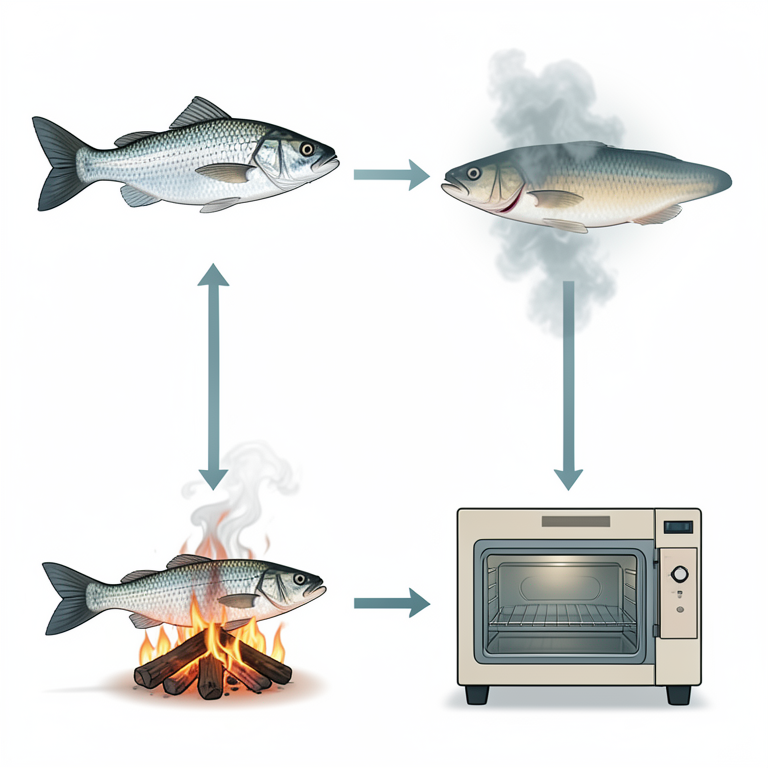
Experimental Treatment Flow
AI-generated conceptual illustration (Tilapia fish (Oreochromis niloticus)). It explains the idea and does not show study data.
View source evidence ↗Figures & tables
From the original paper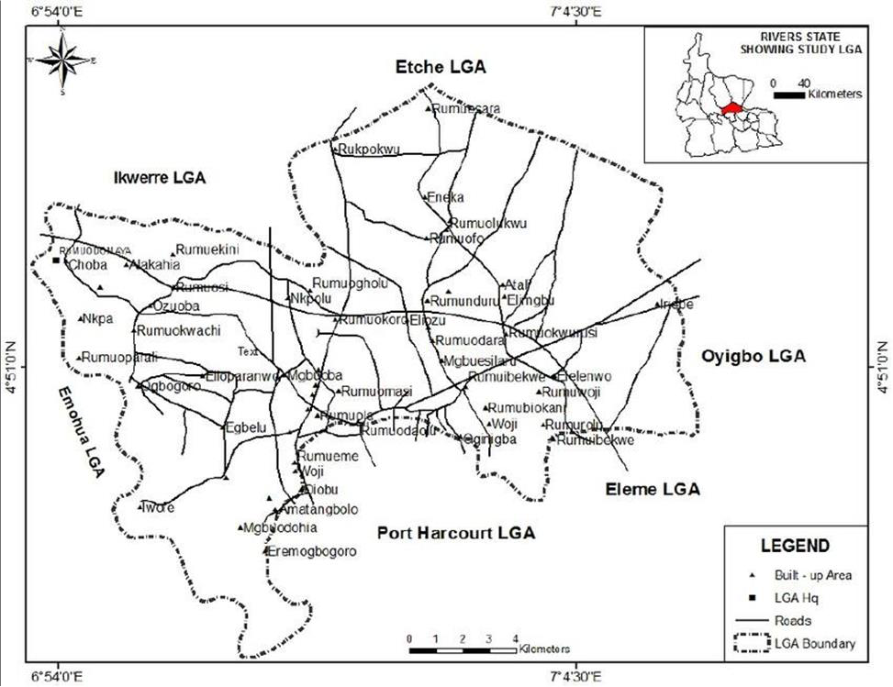 Figure 1
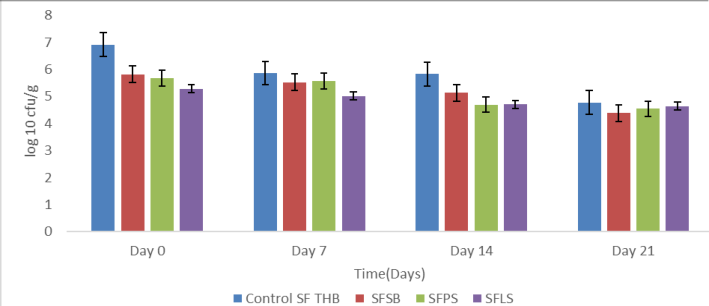 Figure 1
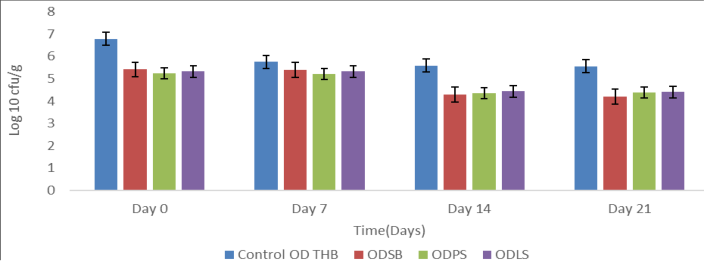 Figure 2
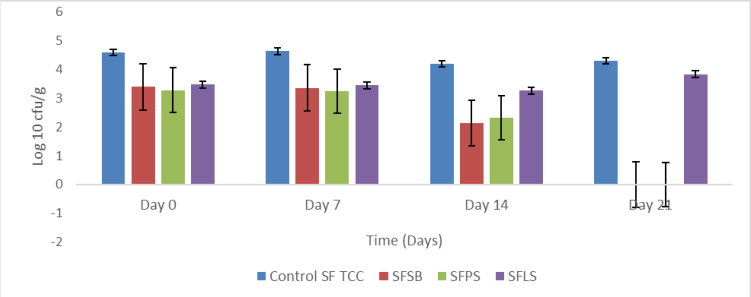 Figure 3
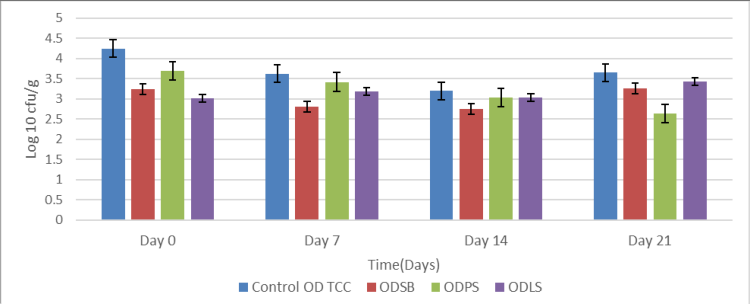 Figure 4
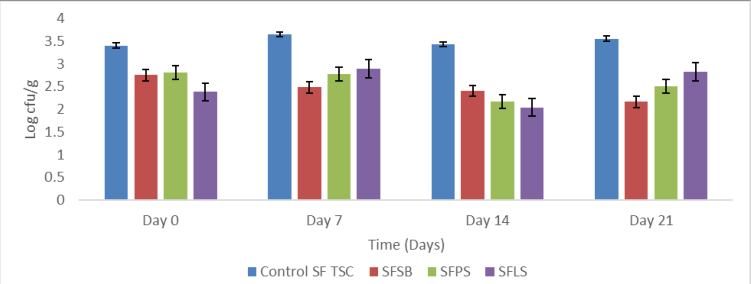 Figure 5
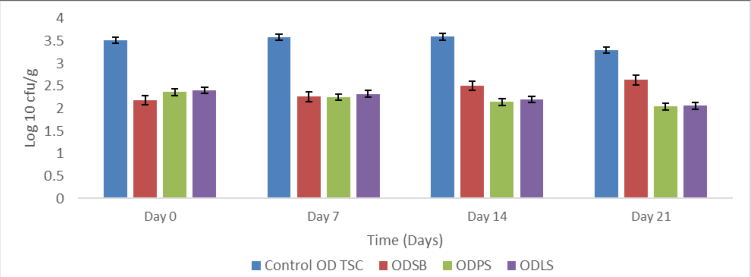 Figure 6
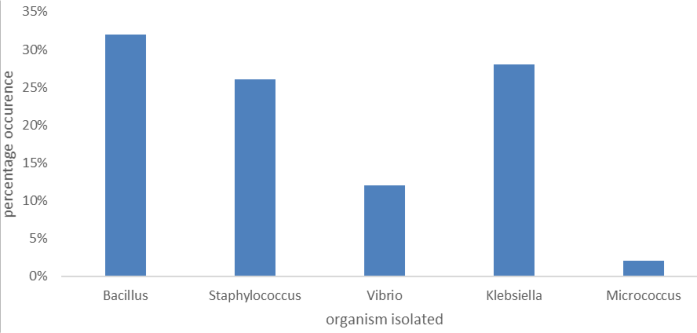 Figure 7
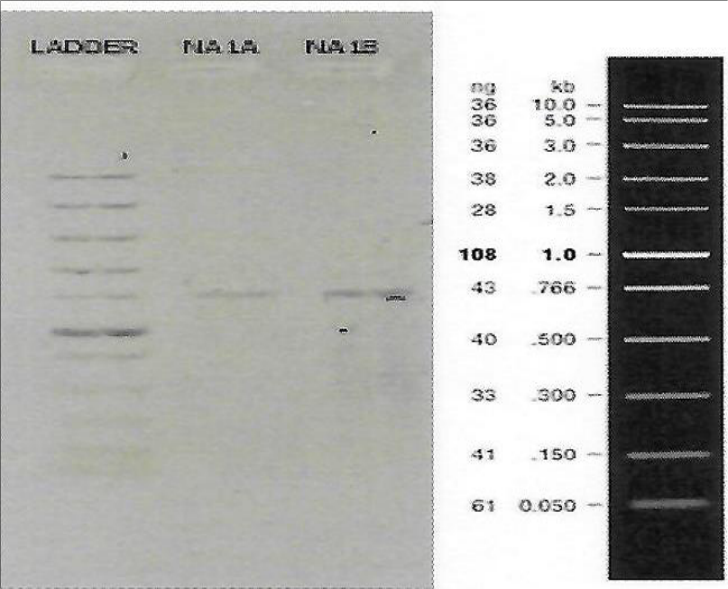 Plate 1
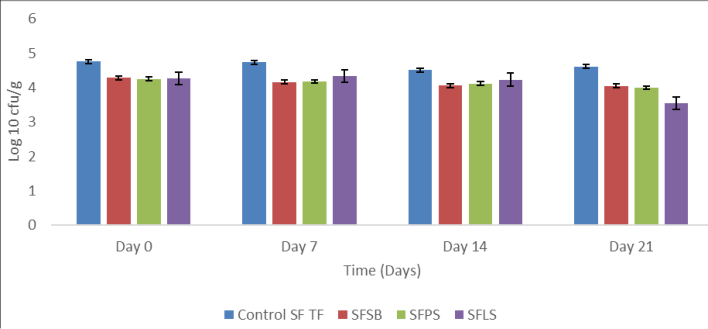 Figure 8
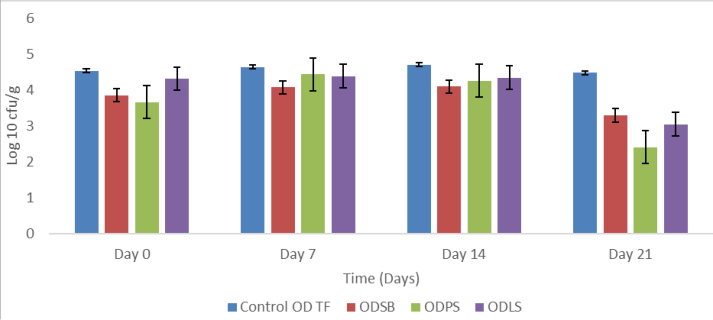 Figure 9
Introduction
Fish is considered to be one of the most nutritious meal options available. The food item contains significant amounts of essential nutrients, including protein and vitamin D. Additionally, it serves as a significant reservoir of omega-3 fatty acids, which play a vital role in the functioning of the human body and cognitive processes. Fish is well recognized as a crucial component of the dietary habits of rural and fishing communities in Nigeria, where it contributes a substantial proportion, up to 75%, of the overall animal protein consumption. From an economic standpoint, fish serves as a crucial source of sustenance and financial support for individuals of both genders. Moreover, fishing has a significant social and cultural significance among riverine communities. According to Rahji and Bada (2010) [21] , Nigeria has a yearly fish consumption requirement of approximately 1.5 million tonnes. In order to meet the recommended minimum fish consumption rate of 12.5 kilograms per person per year, as suggested by the Food and Agriculture Organization (FAO), Nigeria needs to bridge the fish supply-demand gap. Currently, the nation imports up to 400,000 tonnes of fish to fulfil this gap. The provision of fish to customers in a timely manner, appropriate shape, and suitable location, while minimizing costs, necessitates the implementation of an efficient marketing strategy. Fish populations fluctuate annually throughout fishing meccas due to a variety of variables, the most prominent of which are changes in the fish's nutrition and activity level. One of the most popular fish species farmed in Nigeria is the tilapia. This tropical fish matures quickly and often outgrows its kin in size. Tilapia are more suited to freshwater habitats including streams, ponds, and lakes than saltwater habitats. Tilapia is in significant demand in the Nigerian market because of its excellent productivity (Jagdish, 2021) [10] .
The necessity to preserve fish parts after harvest arises from the need to prevent spoilage, extend storage life, and minimize the likelihood of food illness. The rapid proliferation of microorganisms and the presence of endogenous enzymes, both of which occur naturally in fish and may potentially be the consequence of contamination, considerably accelerate the deterioration of fresh fish after capture. The decomposition of fish results in the formation of new molecules. When fish spoils, a number of things happen: proteins and lipids break down; the fish's aroma, flavour, and texture change; and the fish's chemical makeup changes. Consequently, there is a pressing need to innovate effective treatment methods for extending the fish's shelf life.
Various preservation methods are used to extend the shelf life of fish, ensuring its suitability for food. These techniques include sun drying, solar drying, freezing, canning, and the application of heat via smoking, among other methods. The practice of smoking is a prevalent and cost-effective technique used for the preservation of fish in Nigeria, Ghana, and other nations in West Africa (Adeyemi et al., 2013; Nyarko, 2011) [1,13] . At lower temperatures, the use of refrigeration and freezing techniques aids in the preservation of fish by inhibiting the growth and activity of microorganisms. Consequently, the fish may be maintained in a state of reduced deterioration for an extended period of time. While some preservation techniques like canning and freezing may be cost-prohibitive in underdeveloped nations, smoking is often suggested as a more accessible approach that does not need advanced equipment or specialised labour (Olayemi et al., 2011) [18] . According to a study conducted by Aliya et al. (2012) [3] , around 25 to 30% of the global fish harvest is used via the utilisation of drying, salting, smoking, or a combination of these preservation methods. Smoking fish facilitates an extended shelf life, improved storage feasibility, and an enhanced flavour profile. The smoking procedure induces a reduction in the moisture content of the fish, making it suitable for preservation and transportation to alternative locations for eating. The act of smoking. The duration of fish preservation by smoking might vary between one week and one month, depending upon the duration of the smoking process. Nevertheless, the act of smoking requires constant vigilance and the use of potentially expensive equipment. Additionally, there are statistical associations that suggest the presence of carcinogenic substances in smoked meals. If adequately prepared and consumed in appropriate quantities, the aforementioned issues may be alleviated. Various preservation techniques, like as smoking and the use of chemical preservatives, may be employed to delay or prevent microbiological decomposition of fish. The aforementioned substances include sodium benzoate and potassium sorbate. Potassium sorbate is well recognised as an effective preservative against a broad range of bacteria that cause food degradation. Preservatives used in the contemporary food business are recognised for their exceptional safety, efficiency, and versatility. According to Omojowo et al. (2009) [17] , sorbates exhibit a lack of taste and aroma. Due to their non-toxic nature, these substances find use in a diverse range of culinary items, such as cheese, yoghurt, sour cream, bread, cakes, baking mixes, icing, drinks, margarine, fermented vegetables, fruit goods, salad dressing, smoked and salted fish, and mayonnaise.
Researchers have documented the antibacterial efficacy of sorbates against moulds, bacteria, and fungi (Sofos, 2000) [23] . Sodium benzoate has antibacterial characteristics, effectively inhibiting the proliferation of bacteria and mould. Sodium benzoate is used in the preservation of fish due to its bacteriostatic and fungicidal qualities. It significantly extends the duration of fish preservation while maintaining its texture, flavour, and visual qualities. Fish degradation keeps causing post-harvest losses and a decline in fish supply. Fish that has been contaminated by microorganisms and chemical processes loses part of its nutritional and organoleptic properties, rendering it unfit for human eating. However, there have been attempts to preserve and process fish as well as increase its shelf stability by pretreating fishes before drying them. Different preservative techniques such as liquid smoke application, drying and the use of chemical preservatives like potassium sorbate and sodium benzoate, can be used to postpone or prevent microbial decomposition of fish. Additionally, there is an urgent need for a method that is both effective and affordable and can maintain fish quality for an extended period of time while simultaneously addressing the protection of the fishes from complete spoilage. In contrast to this framework, this research was carried out. The aim of this study is to evaluate the effects of chemical preservatives (Sodium benzoate and potassium sorbate) and liquid smoke on the microbial quality of oven dried and smoked tilapia fishes (Oreochromis niloticus) during storage at room temperature.
Materials and Methods
Materials and Methods
Study area
The study was carried out in Obio/Akpor Local Government Area (LGA), situated within the geographical boundaries of Rivers State. The research region is situated within the approximate geographical coordinates of latitudes 40° 50'08.24" N to 40° 52'20.49" N, and longitudes 70° 02 '18.48" E to 70° 06'05. 20 Local Government Areas within the state of Rivers. The population of the area mostly consists of individuals belonging to the Ikwerre Ethnic Nationality. However, the urban status of the region and the welcoming nature of its inhabitants contribute to its diverse demographic composition. The Local Government Area is seeing an increase in the number of individuals from various nationalities settling in the region. The Local Government Area has an area of 260 square kilometres and had a population of 464,789 individuals in the 2006 Census, as reported by obioakporembassy.com
Preparation of the Liquid smoke
The coconut shell waste was obtained from different coconut vendors within Choba and Ozuoba community and were sundried for three days to reduce excess moisture before been used in preparation of liquid smoke. The liquid smoke was prepared through pyrolysis process according to Budaraga et al. (2016) [28] with slight modifications. Equipment used in pyrolysis was a locally improvised smoke condensation equipment that consists of a condenser unit, pipe, distillate bottle, source of heat and other equipment used. The product was then stored in an air container until it was used.
Preparation of the chemical preservatives
The chemical preservatives were prepared according to the method described by Irwin (1976) [7] Weight/volume percent (% w/v) = weight in g of a solute per 100 ml of solution To prepare a 0.2% concentration of sodium benzoate, 0.2 g of sodium benzoate was dissolved in a distilled water to make a 100 ml of solution. At the same above condition, 0.2% potassium sorbate was also prepared.
Source of fish samples
Fresh tilapia fishes (Oreochromis niloticus) were procured from the Choba and Ozuoba communities, located in the Obio Akpor Local Government Area of Port Harcourt, Rivers State, Nigeria. The fish samples were promptly transported to the laboratory in sterile polythene bags within a time frame of 30 minutes. Subsequently, the fish were euthanized by severing the spinal cord using a sterile knife.
Following this, the fish were aseptically eviscerated, washed, and rinsed in sterile water. The fishes were allocated into eight groups, each consisting of five fishes, following the methodology outlined by Omojowo et al. (2009) [17] , with some adjustments. This experimental design was used specifically for the tilapia species under investigation. Group 1,2 and 3 were treated with 0.2% concentration of sodium benzoate, 0.2% concentration of potassium sorbate for 5 minutes and liquid smoke was applied round the fishes five times for twenty minutes using a clean brush before heating according to (Hesham et al., 2021) [11] procedure prior to smoking, Group 4, 5 and 6 were also treated with 0.2% concentration of sodium benzoate, 0.2% concentration of potassium sorbate and liquid smoke before they were an oven dried group 7 and 8 served as a control (untreated samples) which was smoked and oven dried. All they samples were stored in an airtight container and drawn for sampling after 7 days, 14 days and 21 days of storage then subjected to analysis.
Smoking of the fishes
The fish samples were smoked using the hot smoking method, the smoking kiln was locally improvised with blocks of about 0.3 m height which were used to raise the wire mesh to avoid direct contact with fire and smoking was done using heat from coal as a source of heat. Hot smoking was done according to the method described by (Olusegun et al., 2013) [19] the fishes were turned at the same time to maintain uniform smoking at an interval of one hour thirty minutes until a uniform brown colour was achieved. The oven dried fishes were put into an oven and dried at 45 °C, 65 °C and 80 °C for two hours.
Storage of the fishes
The fish samples were labeled properly and stored in an airtight container at room temperature of about 30-37 °C and were drawn after seven, fourteen and twenty-one days of storage, then subjected to analysis.
Preparation of media
All analytical procedures are according to the AOAC.
Total Heterotrophic Bacteria Count (THB)
The quantification of heterotrophic bacteria was conducted by using the nutrient agar medium and the pour plate technique, following the methodology outlined by Prescott et al. (2005) [20] . A quantity of ten grammes (10 g) of each sample was carefully measured and placed into a conical flask with a capacity of 250 ml. The flask already contained 90ml of sterile normal saline solution. This process resulted in an initial dilution of 10 -1 . A volume of 1 mL was extracted from the aforementioned dilution and combined with 9 mL of sterile normal saline in a test tube, resulting in a dilution of 10 -2 . The aforementioned procedure was iterated until a dilution of 10 -6 was achieved. An aseptic transfer of a 1 mL aliquot from the suitable dilution was performed onto sterile Petri plates. Subsequently, 10 mL of molten sterile agar, cooled to about 45 °C, was aseptically added to the dishes. The mixture was gently stirred and then allowed to harden. The samples were plated in duplicate. The plates were subjected to incubation in an inverted orientation at a temperature of 35±2 o C for a duration of 24 hours. Following this incubation period, the number of viable colonies present on the plates was determined.
Total Coliform (TCC)
The determination of the total coliform count was conducted using MacConkey Agar and the spread plate technique, as outlined in the methodology given by Prescott et al. (2005) [20] . A quantity of ten grammes (10 g) was measured for each of the samples and placed into a 250 ml conical flask. The flask already contained 90 ml of sterile normal saline. This resulted in an initial dilution of 10 -1 . A volume of 1 mL was extracted from the aforementioned diluted and added to a test tube containing 9 mL of sterile normal saline, resulting in a dilution of 10 -2 . The aforementioned procedure was iterated until a dilution of 10 -6 was achieved. A 0.1 ml aliquot of the suitable dilution was aseptically placed onto the surface of pre-dried sterile Petri plates. The sterile bent glass rod was used to evenly distribute the plates, which were afterwards incubated in an inverted posture at a temperature of 35±2 °C for a duration of 24 hours. Following this incubation period, the number of viable colonies was determined by counting.
Total Staphylococcus aureus counts (TSC)
Pour plate method was employed for the growth of S. aureus counts. About 0.1 ml of the serially diluted samples was aseptically plated on Mannitol Salt Agar and incubated inverted at 37 °C for 24 h. The presence of yellow pigment, which did not show haemolytic properties on blood agar indicate S. aureus (Ineyougha et al., 2015) [8] Purification of isolates Each bacteria isolate was further subcultured aseptically from the plates by streak plate method into newly prepared nutrient agar plates using a wire loop and incubated at 37 °C for 24 hours. Furthermore, the bacterial isolates that exhibited growth on Mannitol Salt Agar (MSA) were then subcultured onto a nutrient agar plate. Gramme staining and several biochemical analyses were performed on all pure cultures. The process of sub culturing was used to cultivate fungal isolates. Spores were obtained using a wire loop and afterwards put onto a fresh Potato Dextrose Agar (PDA) plate. The plate was then incubated at a temperature of 37 degrees Celsius for a duration of 5 days.
Characterization and identification of isolates
The bacteria that were kept in isolation were examined in order to evaluate their characteristics related to colony shape, cell micro-morphology, and biochemical properties. The following laboratory tests were performed: The Gram reaction, citrate utilisation test, catalase test, indole test, methyl red test, fermentative utilisation of glucose, indole test, and test for hydrogen sulphide (H2S) generation from Triple Sugar Iron Agar (TSIA). The process of identifying fungal isolates included the examination of macroscopic characteristics, such as shape, colour, spore arrangement, mycelium structure, hyphae structure, and sporangiophore organisation, among others.
Molecular Identification Bacterial genomic DNA extraction
The genomic DNA was obtained using the Quick-DNA fungal/bacteria Miniprep kit (Zymo Research, Catalogue No. D6005) following the protocol provided by the manufacturer (http://www.zymoresearch.com).
Amplification, sequencing and purification
To enhance the amplification of the 16s target region, we used the primers specified in Table 3.1 and the OneTaq Quick-Load 2X Master Mix (NEB, Catalogue No.M0486). Following the completion of the polymerase chain reaction (PCR), the DNA obtained from the gel was isolated with the Zymoclean Gel DNA Recovery kit (Zymo Research, Catalogue No D4001). The isolated fragments were sequenced using a forward and reverse sequencing kit (Nimagen, Brilliant Dye Terminator Cycle Sequencing Kit V3.1, BRD3-100/1000) and then purified using a purification kit (Zymo Research, ZR-96 DNA Sequencing Clean-up Kit, Catalogue No D4050). The procedures described in Section 1 were conducted using the ABI 3500xl Genetic Analyzer (Applied Biosystems, Thermo Fisher Scientific) on the purified fragments obtained from each sample. The.ab1 files generated by the ABI 3500XL Genetic Analyzer were subjected to analysis using BLAST (NCBI) and CLC Bio Main Workbench v7.6.
16S Primers sequences
16S Primers sequences
Name of primer
Target Sequence (5' to 3')
Total Fungi Count (TF)
In order to decrease the bacterial population, a 1% concentration of lactic acid was included into Potato Dextrose Agar (PDA) (Okerentugba & Ezereonye, 2003) [3] prior to quantifying the fungal growth on the culture medium. Prescott et al. reported the use of the spread plate approach. A sterilised glass spreader was used to evenly distribute a 0.1ml aliquot of the appropriate serially diluted samples onto sterile pre-dried Potato Dextrose Agar (PDA) plates. Following a period of 5 days in an incubator maintained at a temperature of 250 degrees Celsius, a measurement of the average number of colonies was conducted and then documented (Douglas & Robinson, 2018) [4] .
Statistical analysis
Statistical analyses were conducted with the help of a social science statistical program (SPSS Version 23.1). When detecting significant variations among sample values, a twoway analysis of variance (ANOVA) was utilized. When distinguishing significant means, least significant difference was employed by fisher method.
Results and Discussions Bacteria group
The total heterotrophic bacteria count (THB), total coliform count (TCC) and total Staphylococcus count (TSC), during the 21 days of storage are represented in the figure 1
Molecular identification
When compared to the NCBI non-redundant nucleotide (nr/nt) database, the acquired 16s rDNA sequence from the isolate yielded an exact match during the mega blast search for highly similar sequences. Isolates' 16S rDNA exhibited a similarity to other species of 96.68%. Plate 1 displays the final product, which is Staphylococcus sciuri bacteria that were cultured and grown in isolation.
Fungi isolation
The total fungi count (TF) for the fish samples are represented in Figure .8 and Figure 9. The total fungi count (TF) of the untreated samples (control) ranged from the high 4.73 to the lower 4.48 log10 Cfu/g, while the total fungi (TF) of the treated samples ranged from highest 4.32 to lowest 2.41 log10 Cfu/g. Oven dried fishes treated with potassium sorbate (ODPS) significantly reduced the total fungi count compared to other treatments as seen in the figure 8. Table 4.3 represents the microscopic and macroscopic characteristics of fungi isolated from the study. The fungi isolates were identified as Aspergillus sp, Saccharomyces sp, Penicillium sp, Fusarium sp, Rhizopus sp. Microbial growth in these products can lead to unfavorable physical and chemical alterations, rendering them unsuitable for consumption due to potential health hazards. Hence, it was crucial to assess the bacterial count in fish samples to ascertain their suitability for consumption. (Swastawati et al., 2022) [24] . The total heterotrophic bacteria count (THB) as determined in this study revealed that the untreated (control) fish samples were relatively high 6.92 log10 cfu/g to 4.78 log10 cfu/g, but after they samples were subjected to treatments prior to smoking and oven drying the THB count was reduced. Although, there was no significant difference p<0.05 between the treatments used. However, the greatest reduction was seen in the oven dried fish samples treated with potassium sorbate (ODPS). It maintained a low level throughout the 21 days of storage. Ineyougha et al. (2015) [8] recorded a higher range of total heterotrophic bacteria count (THB) 6.384 to 6.608 log10 cfu/g from smoked Trachurus. The total coliform count (TCC) dropped from 4.63 log10 cfu/g to a range of 3.83 log10 cfu/g to no count/zero count at the end of the 21 days of storage, this is similar to the studies of Olusegun & Jacob (2013) [19] during their study, the recorded that the total coliform count reduced from 4. [25] . The total Staphylococcus count (TSC) of the untreated (control) fish samples ranged from 3.65 log10 cfu/g to 3.29 log10 cfu/g while the samples treated with chemical preservatives (sodium benzoate and potassium sorbate) and liquid smoke prior to smoking recorded oven drying ranged a 2.81 log10 cfu/g to 2.04 log10 cfu/g for the 21 days which did not exceed the acceptable limit for total Staphylococcus count by International Commission on Microbiology Specifications for seafood (ICMSF, 1998) [9] which is below 10 3 (3 log cfu/g). The high Staphylococcus count recorded in the untreated (control) samples might be attributed to post processing contamination. The total Staphylococcus count is similar to the findings of Ineyougha et al. (2015) [8] whose result indicated TSC values of 2.70 log10 cfu/g -1.68 log10 cfu/g. The application of liquid smoke on the fish samples also decreased the microbial load Total heterotrophic bacteria (THB), Total fungi (TF), Total coliform count (TCC) and Total Staphylococcus count (TSC) compared to the untreated samples (control) this indicates that the liquid smoke acted as an antibacterial agent (Swastawati et al., 2022) [24] . According to ICMSF (1996) [9] the maximum recommended bacterial count for good quality fish products is 5.0 x 10 5 (5.0 cfu/g) and the maximum for marginally acceptable quality products is 10 7 (7 log cfu/g) (Saludeen & Osibona, 2018) the result obtained in this study was below the acceptable limit. Bacillus sp, Staphylococcus sp, Vibro sp, Micrococcus sp and Klebsiella sp were the most predominant bacterial species isolated from the treated samples, but they were negative for E.coli and Streptococcus which was similar to the findings of Omojowo et al. (2009) [17] with Micrococcus sp having the highest occurrence of 32%. The presence of Staphylococcus, Bacillus, Klebsiella in this study might be as a result of the moisture content of the product and also increase in temperature that favors the growth of the organism. The isolation of Bacillus sp and Staphylococcus sp is an indication of poor handling or cross contamination of fish products since the two organisms have been indicted in food poisoning (Dike-Ndudim et al., 2014) [5] . Klebsiella which was also identified is among the most common gramnegative bacteria. Infections such as pneumonia are caused by Klebsiella pneumoniae and respiratory tract diseases resulting in having low immunity. Micrococcus isolated can possibly cause arthritis and bacteremia in humans (Wharton et al., 1986) [26] . While Vibrio sp a gram-negative bacterium found in fish and shellfish living in saltwater and in rivers causes vibriosis, an intestinal disease. According to Herman et al. (2011) [12] The Staphylococcus bacterial group stands as a prevalent source of human illnesses and forms part of the regular microorganisms found on the human skin and mucous membranes, typically without causing any disease. Akpabio et al. (2018) [2] isolated Bacillus sp, Staphylococcus sp and Micrococcus sp from smoked fishes while Moshood et al. (2012) [14] isolated Bacillus sp, Staphylococcus sp, Proteus, Klebsiella, Salmonella and Streptococcus which are similar to the bacteria isolated in this study except for the absence of Salmonella and Streptococcus of this study.
Through the process of DNA sequencing, researchers successfully ascertained that the isolated bacterium had familial characteristics with Staphylococcus sciuri. The total fungi count (TF) of the oven dried fish samples treated with potassium sorbate had the lowest reduction of 2.41 log10cfu/g. this is similar to the studies reported by (Omojowo et al., 2009) [17] where the samples treated with potassium sorbate showed maximum reduction in microbial load. The isolated fungi were identified as Aspergillus sp, Saccharomyces sp, Penicillium sp, Fusarium sp, and Rhizopus sp. The occurrence of fungi may be due to the difference in the chemical composition of the fish samples and to which different moulds react differently of the species. (Olajuyigbe et al., 2017) [16] isolated Aspergillus, Penicillium, Fusarium, Rhizopus, Mucor, Neurospora and Trichoderma fungi species from any fishery product which is similar to the fungi isolated in this study, except for Mucor, Neurospora and Trichoderma. These isolated fungi are potential pathogens and are likely to have mycotoxins (Olajuyigbe et al., 2017) [16] . In conclusion, the microbial load analysis conducted in this study indicate that the utilisation of chemical preservatives, namely sodium benzoate and potassium sorbate, as well as liquid smoke for the treatment of fish samples prior to the processes of oven drying and smoking, resulted in a significant reduction in the quantities of total heterotrophic bacteria (THB), total staphylococci (TSC), total coliforms (TCC), and total fungi (TFC) observed in the smoked and dried fish samples, in comparison to the control samples. Based on our analysis at the significance level of p=0.05, we observed no statistically significant difference between the various treatments. The microbiological load count of fish samples subjected to liquid smoke treatment exhibited the highest value after a storage period of 21 days, in contrast to fish samples treated with potassium sorbate, which had the lowest microbial load count after the same storage duration. The bacterial strains that were isolated in this study consist of Bacillus sp., Staphylococcus sp., Vibrio sp., Micrococcus sp., and Klebsiella sp. Similarly, the fungal strains that were identified include Aspergillus sp., Saccharomyces sp., Penicillium sp., Fusarium sp., and Rhizopus sp. Through the process of DNA sequencing, researchers successfully ascertained that the isolated bacterium had familial characteristics with Staphylococcus sciuri. This study assessed the impact of chemical preservatives (sodium benzoate and potassium sorbate) and liquid smoke on the oven dried and smoked fish samples for a storage period of 21 days. The result obtained proved that the treatments used on the fish samples effectively reduced the microbial count.
Recommendations
The combined effect of pretreating fish before smoking and oven drying in fish processing should be employed to significantly increase the effectiveness of each technique. This study proved that the use of liquid smoke should be considered as an easy and simple technology in fulfilling the need of a natural treatment.
Figures and tables from the paper
References
21 in the original paper- Adeyemi OT, Osilesi OO, Onajobi F, Adebawo O, Afolayan AJ. Stability study of smoked fish, horse mackerel (Trachurus trachurus) by different methods and storage at room temperature. African Journal of Biochemistry Research. 2013;7(6):98-106.
- Akpabio U, Okoibu NE, Kwag JKP, Okoloch EC, Ikpendu CN. Isolation and Identification of Bacteria in Retailed Smoked Fish Sold in Umuahia Metropolis. Global Veterinaria. 2018;20(5):204-208.
- Aliya G, Humaid K, Nasser A, Sami G, Aziz K, Nashwa M, et al. Effect of the freshness of starting material on the final product quality of dried salted shark. Advance Journal for Food Science Technology. 2012;4(2):60-63.
- Douglas SI, Robinson VK. Fungal Pollution of Indoor Air of Some Health Facilities in Rivers State. International Journal of Tropical Disease & Health. 2018;32(2):1-7.
- Dike-Ndudim JN, Egbuobi RC, Onyeneke EN, Microbial status of smoked fish, Scombia scombia sold in Owerri, Imo state, Nigeria, African Journal of Clinical and Experimental Microbiology. 2013;15(1):35-39.
- Ineyougha ER, Orutugu LA, Izah SC. Assessment of microbial quality of smoked trachurus sold in some markets of three South-south States, Nigeria. International Journal of Food Research. 2015;2:16-23.
- Hesham FA, Eman SA. Quality of Smoked Tilapia Fillets (Oreochromis niloticus) Treated by Traditional and Liquid Smoke. Aquatic Science and Fish Resourses. 2021;2:9-14
- Herman HH, Lin W, Petrecca PJ, Simmon MR, Houghton J. Centrifugal Bioreactors and their application in remediations. Remediation Journal. 2011;11(4):15-33.
- Nyarko HD, Obodai EA, Boamponsem LK, Coomson SS, Aniwe Y. Microbial profile of smoked sardine (Sardinella aurita) AT smoking sites and market centres of Tema, Ghana-1. Archives of Applied Science Research. 2011;3(3):443-453.
- Moshood AY, Tengku Haziyamin AA. Isolation and Identification of Bacteria in Retailed Smoked Fish within Bauchi Metropolis. Journal of Pharmacy Biological Sciences. 2012;3(1):1-5.
- Okerentugba PO, Ezeronye OU. Petroleum degradation potentials of single and mixed microbial cultures isolated from rivers and refinery effluents in Nigeria. African Journal of Biotechnology. 2003;2(9):288-292.
- Olajuyigbe OE, Yusuf AK. Occurrence of Fungi Species in Some Fisheries Products from Retail Markets in Lagos, Nigeria. Food and Applied Bioscience Journal. 2017;5(3):149-154.
- Olayemi FF, Adedayo MR, Bamishaiye EI, Awagu EF. Proximate composition of catfish (Clarias gariepinus) smoked in Nigerian stored products research institute (NSPRI) developed kiln. International Journal of Fisheries Acquaculture. 2011;3(5):96-98.
- Olusegun AO, Jacob O. Microbial Load (Bacteria, Coliform and Mould Count/Flora) of Some Common Hot Smoked Freshwater Fish Species Using Different Packaging Materials. Food and Nutrition Sciences. 2013;4(12):1201-1208.
- Rahji MAY, Bada T. Frozen fish markets and marketing problems in Ibadan, Nigeria. Journal of Agricultural Science. 2010;2(3):39-48.
- Md. Rahman H, Md. Alam A, Flura, Md. Moniruzzaman, Md. Didar AK. Nutrient retention, feed utilization, feed conversion ratio (FCR) and growth response of Tilapia (Oreochromis niloticus) fed with floating feed in tank based aquaculture system. International Journal of Biological Sciences. 2020;2(2):30-35. DOI: 10.33545/26649926.2020.v2.i2a.50
- Swastawati F, Agustini TW, Riyadi PH, Purnamayati L, Prasetyo DYB, Setiaputri AA, et al. Characteristics of chikuwa with the addition of liquid smoke as an antibacterial agent. Food Research. 2022;6(5):76-83.
- Sivashanthini K, Reval VS, Thavaranjit AC. Comparative Study on Organoleptic, Microbiological and Biochemical Qualities of Commercially and Experimentally Prepared Salted and Sun Dried Talang Queen Fish, Scomberoides commersonnianus. Asian Journal of Animal and Veterinary Advances. 2012;7(12):1279-1289.
- Wharton M, Rice JR, McCallum R, Gallis HA. Septic arthritis due to Micrococcus luteus. Journal of Rheumatology. 1986;13(3):659-660.
- Salaudeen MM, Osibona AO. Impact of smoking techniques and storage conditions on microbial safety and stability of catfish (Clarias gariepinus). Ife Journal of Science. 2018;20(2):345-353.
- Budaraga IK, Arnim A, Marlinda Y, Bulain U. Antioxidant properties of liquid smoke production variation of pyrolysis temperature raw and different concentration. Journal of PharmTech Research. 2016;9(6):366-79.
Cited by 1
From OpenAlex, OpenCitations and reference lists read by Scinovex
- Evaluation of Catfish Skin Gelatin-Based Edible Antimicrobial Coating with Lactic Acid and Potassium Sorbate on the Shelf Life and Quality of Fresh Catfish Fillets ↗
Katheryn Parraga, Hunter Songy, Evelyn G. Watts · Gels · 2026
Edible coatings derived from fish by-products offer promising, sustainable approaches for seafood preservation. This study evaluated catfish skin gelatin as a carrier for antimicrobial agents to enhance microbiological stability, oxidative stability, and shelf life of fresh catfish fillets during refrigerated storage. Shelf life was defined as the storage period required for microbial and quality parameters to reach spoilage-associated limits. Treatments…
❝ 0PDF