
Research article · 2023 · Full text
International Journal of Veterinary Sciences and Animal HusbandryApplication of fermentation technology in poultry feed for the sustainable poultry industry: A review
Volume 8(5S) · Pages 07–14 · DOI: 10.22271/veterinary.2023.v8.i5sa.673 ↗
Research areasAnimal Nutrition and PhysiologyProbiotics and Fermented FoodsProtein Hydrolysis and Bioactive Peptides
Abstract
Author-writtenThe poultry industry plays a pivotal role in global food security, providing a significant source of protein for human consumption. However, the industry faces substantial challenges related to sustainability, including the efficient utilization of resources, environmental concerns, and animal welfare issues. In recent years, fermentation technology has emerged as a promising approach to address these challenges and promote sustainable practices within the poultry sector. Fermentation is a versatile process involving the enzymatic transformation of complex organic substances into simpler compounds through the action of microorganisms like bacteria, yeast, or molds. This review explores the application of fermentation technology in poultry feed production and its implications for the sustainability of the poultry industry. The application of fermented feeds in poultry production has gained significant attention due to its potential to replace antibiotics and reduce feed costs. Fermentation enhances the nutritional value and nutrient availability of feed ingredients, leading to improved poultry performance. It also positively influences gut microbiota, intestinal morphology, lipid profiles, antioxidant status, and immunity in poultry. In conclusion, fermentation technology holds great promise for the sustainable poultry industry by improving feed quality, reducing environmental impacts, and promoting animal health. The integration of fermented feeds into poultry nutrition practices represents a critical step toward achieving a more sustainable and efficient poultry production system.
Summary
Source-checkedPlain-language reading of the full paper, prepared with AI and checked against the text. Each point links to the authors' own words.
Why it matters
- The poultry industry is essential for global food security because it provides a major source of protein for humans. View evidence ↗
- The industry currently struggles with sustainability issues, specifically regarding animal welfare, environmental impact, and resource efficiency. View evidence ↗
- Fermentation uses microorganisms such as molds, yeast, or bacteria to enzymatically break down complex organic substances into simpler compounds. View evidence ↗
The question
- The authors aim to review how fermentation technology can be applied to poultry feed and how this affects the sustainability of the industry. View evidence ↗
What they did
- Fermentation techniques are categorized into two main types based on the substrate: submerged fermentation (SmF) and solid-state fermentation (SSF). View evidence ↗
- Solid-state fermentation involves growing microorganisms on a solid substrate under controlled conditions, usually without free water. View evidence ↗
- Submerged fermentation is a technique where microorganisms are cultivated within a liquid broth. View evidence ↗
What they found
- Fermenting maize kernels increases organic acids, which lowers the pH from 5.5 to 4.2. View evidence ↗
- In fermented maize, lactic acid bacteria increased from 7.5 to 8.2 log CFU/g, while coliforms, yeasts, molds, and lactose-negative enterobacteria decreased from 6 to 3 log CFU/g. View evidence ↗
- Total replacement of SBM with FSBM in broilers increases LAB counts, lowers pH, increases villus height (VH) and the VH:CD ratio, and decreases crypt depth (CD) in the jejunum. View evidence ↗
- By day 35, diets including fermented soybean meal (FSBM) significantly reduced serum cholesterol, triglycerides, LDL-C, and VLDL-C compared to control and organic acid (OA) diets. View evidence ↗
- Feeding broilers 10% and 15% fermented rapeseed meal leads to a significant increase in IgM and IgG levels. View evidence ↗
What it means
- The authors conclude that fermentation technology can promote a sustainable poultry industry by enhancing animal health, improving feed quality, and lowering environmental impacts. View evidence ↗
- A limitation of fermentation is that it may degrade certain nutrients, such as free lysine, which could negatively impact the performance of the host. View evidence ↗
Visual summary
2 visualsIllustrations explain the paper; they do not show study data.
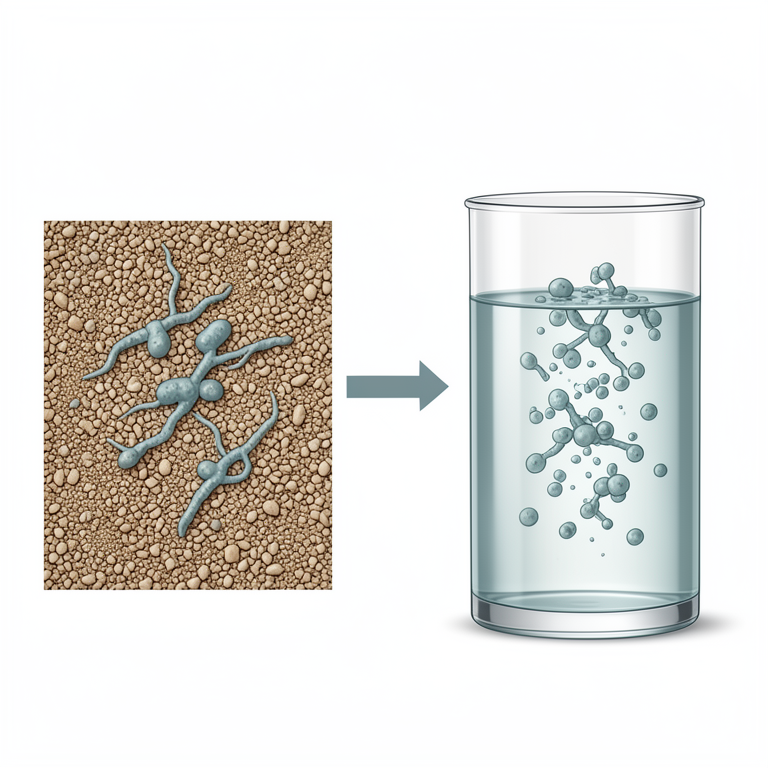
Comparison of Fermentation Types
AI-generated conceptual illustration (poultry feed ingredients and microorganisms). It explains the idea and does not show study data.
View source evidence ↗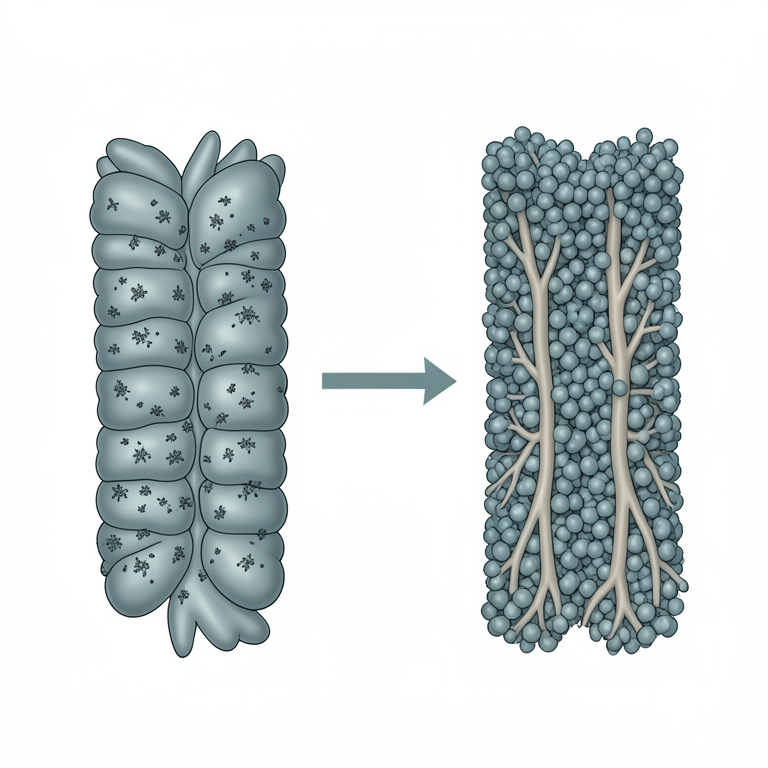
Benefits of Fermented Feed on Gut Health
AI-generated conceptual illustration (broiler chicken intestinal tissue). It explains the idea and does not show study data.
View source evidence ↗Figures & tables
From the original paper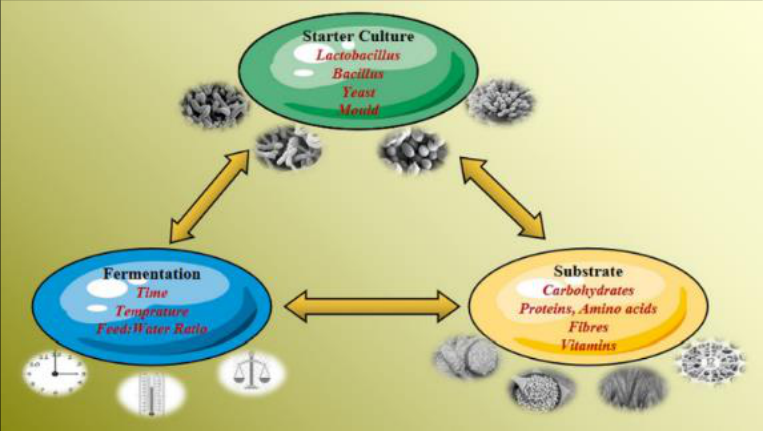 Figure 1
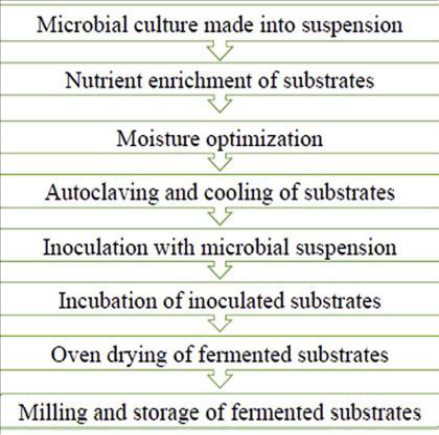 Figure 2
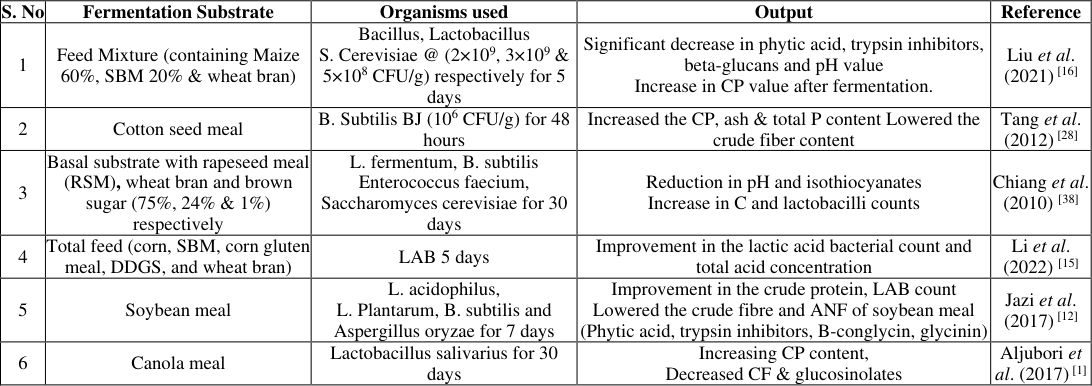 Table 1
 Table 2
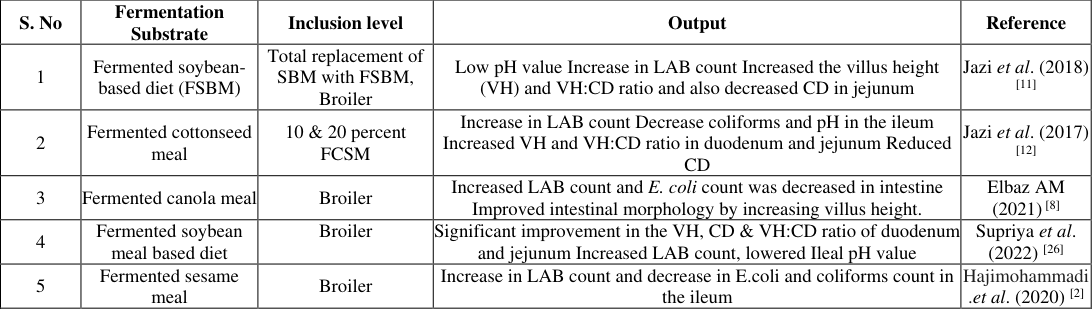 Table 3
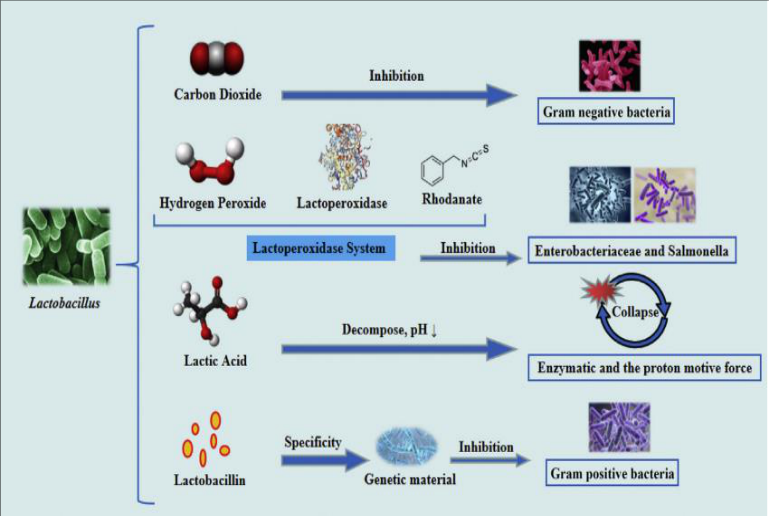 Figure 3
Introduction Fermentation
Fermentation is defined as a chemical transformation of complex organic substances into simple compounds by the action of enzymes which are produced by microorganisms such as bacteria, yeast, or molds. Enzymes facilitate this process by hydrolysis and breaking down complex organic substances into smaller, more easily digestible compounds and nutrients, particularly in case of food. According to reports from Canibe and Jensen (2012) [4] , fermentation outcomes are highly variable and seem to be influenced by the nature and characteristics of the substrate. Various factors can influences the fermentation rate and fermented product quality. These factors encompass conditions like temperature, pH, levels of dissolved CO2 and CO2, composition of medium and the type of operational system used (continuous or batch type), the addition of different precursors, mixing processes, fermenter shear rates and the duration of the fermentation process (Renge et al., 2012) [36] . Depending on the microorganism used for the fermentation, yield of various end products such as acetic acid, lactic acid, or ethanol. Different microorganisms exhibit distinct reactions to each substrate. According to Couto and Sanroman (2006) [6] , the Lactobacillus produces lactic acid, molds yields citric acid, while yeasts produce ethanol and CO 2 .
History of fermentation
Fermentation is a natural phenomenon that predates our full understanding of the biochemical processes involved. Our ancestors harnessed this natural process to create a variety of products such as beer, wine, mead (fermented honey & water based drink), cheese. Back in the 1850-1860s, Louis Pasteur was the pioneering zymurgist, delving into the study of fermentation and demonstrating that it was caused by living cells. Around 1837 to 1838, C. Cagniard de la Tour, T. Swann, and F. Kuetzing published works that provided compelling evidence supporting the living nature of yeast. Through their independent microscopic investigations, they confirmed that yeast was a living organism capable of reproducing through budding. Interestingly, the term "yeast" traces its origins back to a Sanskrit word meaning "boiling," likely because bread and wine, two staple foods of Europe, were produced using yeast. As research progressed, scientists discovered the presence of bacteria in the fermentation process as well.
Types of fermentation
In general, fermentation techniques are divided into 2 types based on type of substrate used: solid-state fermentation (SSF) and submerged fermentation (SmF).
Solid state fermentation
Solid-state fermentation is a specific process in which microorganisms thrive on a solid substrate under the controlled conditions, typically in absence of free water. Over time, the advancement of these techniques has enabled largescale production of a diverse range of bioactive compounds, including antibiotics, pigments, antioxidants, antitumor agents, bio-surfactants, bioactive peptides, and more. Generally, SSF is utilized for production of fermented dry feed, which can be incorporated into basic feed mixes like whole grains. Alternatively, the fermented dry feed can be transformed into a powder form. Moisture essential for the process is absorbed within the solid matrix, as outlined by Pandey (2003) [21] . Nevertheless, it is crucial for the substrate to maintain sufficient moisture to facilitate growth and metabolic activity of micro-organisms.
Selection of Micro-organism
Microorganism selection is a crucial factor in enhancing product yields. The SSF approach, characterized by its low moisture content, is applicable to a restricted range of microorganisms, primarily fungi like Rhizopus spp. and Aspergillus spp. and some bacteria, such as Bacillus spp. and Lactobacillus spp. also employed in this method (Supriyati et al., 2015) [27] .
Substrate
The choice of substrate plays an important role in micro organism growth and, consequently, increase the product yield. The selected substrate should ideally provide both physical support and essential nutrients to support the thriving culture.
In the SSF process, the selection of the substrate is crucial as it serves as both a physical support and a nutrient source for the growing culture. Commonly employed agro residues as substrates in SSF includes cassava & sugarcane bagasse, various cereal brans like wheat bran, rice bran, and oat bran, as well as soybean bran (Farinas, 2015) [9] . Additionally, coffee pulp and their husks, fruit peels & pulps, wood shavings, corn cobs, and straws from different sources are also used. These materials are mainly composed of NSP like celluloses, hemicelluloses, lignin, starch, pectins, and other fibers.
Depending on the composition of the substrate, the microorganism has to be selected. Lignocellulosic residues are best suited for the activity of wood-rotting fungi. Specifically, white rot fungi, which belong to the Basidiomycetes and some Ascomycetes groups, are adept at degrading lignin. On the other hand, brown rot fungi (Basidiomycetes) excel in breaking down celluloses and hemicelluloses. The soft-rot fungi, represented by species like Aspergillus niger and Trichoderma reesei, possess a comprehensive system of cellulases that they release into their environment.
Agro residues play a dual role in the process, serving not only as solid support for biomass growth and nutrient absorption, but also as a valuable source of nutrients and carbon for the organisms. In some cases, additional supplementation becomes necessary to ensure optimal growth. The medium is typically enriched with both macro and micronutrients, including elements like P, S, K, Mg, Ca, Zn, Mn, Cu, Fe, Co, and Iodine (Farinas, 2015) [9] . When selecting the substrate, availability and cost are the primary factors to be taken into consideration.
Bioreactor design for SSF
The SSF bioreactors can be categorized according to the type of mixing system utilized. There are several classifications based on the aeration method, which includes static bioreactors (e.g., fixed bed & perforated trays) and stirred bioreactors (such as stirred drum or horizontal drum or). Additionally, other categorizations are available depending on the presence of forced aeration.
Static bioreactors
A variety of static bioreactors are utilized in solid-state fermentation across different scales, ranging from laboratory setups to industrial applications. One common example of a static bioreactor used in SSF is the Erlenmeyer flask. Erlenmeyer flasks are small perforated trays with fixed type of bed bioreactors (Also known as Raimbault columns), Roux bottles, jars, Petri dishes, and roller bottles are chosen for their simplicity and suitability for working with small volumes. One common feature of these bioreactors is the lack of agitation. Erlenmeyer flasks, particularly well-suited for laboratory-scale investigations and process optimization, are simple glass flasks with a restricted capacity, sealed with cotton plugs to allow aeration through the process of diffusion. Their advantages include ease of handling, costeffectiveness, and the ability to conduct multiple simultaneous tests.
Agitated bioreactors
An alternative approach to bioreactors for SSF involves continuous and intermittent agitation of the solid medium. This method led to the development of bioreactors, such as rotating drums or horizontal paddle mixers, which may or may not include water jacket. If the continuous mixing is employed, these bioreactors are designed to achieve greater uniformity of solid medium and enhances O 2 transfer to the microorganisms.
Steps involved in SSF (Yang et al., 2021) [32] The SSF Advantages Simple and cost-effective, possible to be carried out on farm Enhanced efficiency and cost-effective media Reduced efforts in downstream processing. Resembles the natural environment suitable for various microorganisms, particularly fungi and molds. Due to Low moisture content, less susceptibility to contamination, and ease of transportation of the fermentation products Possesses numerous environmental benefits. Less effluent release, generation of less wastewater and reduce pollution By enabling the utilization of solid agro-industrial byproducts as substrates and facilitating solid waste management (Pandey, 2003) [21], it offers the advantage of sustainability and environmental friendliness. Greater product stability & yield Substrates are utilized in a gradual and consistent manner, allowing for an extended fermentation period using the same substrate.
Disadvantages of SSF
Difficulties with scale-up Difficulties in regulating of process parameters, including temperature, moisture, nutrient content, and others. Difficulty in the purification of end products and biomass estimation Microorganisms capable of thriving in low moisture conditions can be employed. Heat production poses challenges, and regulating the growth environment becomes exceedingly difficult.
Submerged fermentation
Submerged fermentation is a cultivation technique involving microorganisms grown in a liquid broth. This process breaks down the nutrients and releasing of desired bioactive compounds into the solution. In this approach, the fermentation substrate stays in a liquid form, offering essential nutrients for microbial proliferation. It makes use of free-flowing liquid substrates such as molasses, broths, soluble sugars, fruit and vegetable juices, whey, liquid media, wet distillers' grains, and sewage/wastewater (Missotten et al., 2016) [17] . In this approach, specific microorganisms are cultivated within enclosed containers filled with a nutrient-rich broth and a high oxygen concentration.
In Submerged Fermentation (SmF), the substrate is consumed rapidly, necessitating constant replacement or supplementation with nutrients. The fermentor, housing the substrate, operates continuously, and the product biomass is harvested continuously using various technical methods an finally the product is filtered or centrifuged and then dried. The most suitable bacteria for submerged fermentation are those that thrive in conditions with high moisture content or high water activity. Submerged fermentation (SmF) is employed to produce fermented liquid feed using these dried bacteria.
Advantages of SmF
Improved monitoring of temperature, dissolved oxygen, pH and concentration of water-soluble molecules Separation of biomass after the fermentation process was simple Smooth mixing and aeration Straightforward scaling-up process
Phases during microbial growth A) Lag phase
Following inoculation, there is an initial period with no significant increase in the number of microbial cells, and this phase is referred to as the "lag phase." During this stage, the organisms acclimate to the new environment into which they have been introduced.
B) Acceleration phase
The acceleration phase refers to the period when the cells have just begun to multiply and their numbers start to increase.
C) Log phase
The log phase, also known as the exponential phase, is characterized by a steady and rapid increase in cell numbers.
D) Deceleration phase
The deceleration phase is the period when the previously constant growth rate starts to decline.
E) Stationary phase
During the stationary stage, the population of microbial cells reaches a state of equilibrium, with no significant growth occurring. This stage is reached either when the carbon source is exhausted or when there is an accumulation of end products.
F) Death phase
In the death phase, cell numbers steadily decline as a result of reduced metabolic activity and depletion of energy resources, leading to cell death. The choice of maintaining specific phases of cell growth depends on the desired product. In microbial mass production, the logarithmic (log) phase is commonly favoured.
Importance of fermented feeds in poultry 1. Substitute to antibiotics
In the realm of animal production, antibiotics are incorporated into animal feeds through two approaches: utilizing subtherapeutic levels as growth promoters (AGPs) or administering therapeutic levels to address diseases. As growth promoters, antibiotics assist in reducing the competition between gastro-intestinal microflora and the host for nutrients (Dibner and Richards 2005) [35]. Regrettably, significant apprehension has arisen regarding the utilization of AGPs due to their prolonged and widespread application in animal production, leading to the emergence of resistant bacterial spp. or strains and also due to the accumulation of antibiotic residues in eggs and meat. Many trials are conducted and proved that probiotics, prebiotics, and organic acids are used as antibiotic alternatives. But in recent days, fermented feeds become more popular. Because these fermented feeds are rich in probiotics, prebiotics & organic acids and have similar actions to them (Jazi et al., 2019) [13] .
To decrease the feed cost
In the commercial poultry sector, the cost of broiler feed constitutes a significant portion, up to 70%, of the total expenses. Due to the increasing global feed prices, the poultry industry is progressively investigating alternative/unconventional feed ingredients. Nonetheless, this transition is confronted with several challenges, including fluctuating fiber and protein levels, along with the presence of antinutritional factors (ANF) in these unconventional ingredients. These factors have a negative impact on feed digestibility. Earlier research studies have demonstrated that fermentation results in an increase in crude protein (CP) content while decreasing crude fiber content (Sugiharto et al., 2015a, 2016a) [24][25] . Furthermore, fermentation plays a role in decreasing the occurrence of diverse ANF and toxic compounds in feed ingredients (Xu et al., 2012) [30]. Besides the improved nutritional attributes, fermentation is associated with a considerable population of LAB (lactic acid bacteria), leading to the establishment of a low-pH environment enriched with high levels of organic acids (Canibe and Jensen, 2012) [4] . Research indicates that these specific characteristics, either individually or in combination, can act as a protective barrier, guarding the feed against pathogen contamination before being consumed (Niba et al., 2009) [18] . Moreover, these features can be advantageous for the gastrointestinal health of chickens.
Solid-state fermentation (SSF) of feed
It is a process where microorganisms degrade feed substrates to facilitate their growth and metabolite production, simultaneously breaking down anti-nutritional factors and toxins present in the feed. This method involves fermenting a feed substrate using naturally occurring or introduced microorganisms under controlled conditions, usually maintaining a water content below 70%. Adopting SSF of feed has the potential to modify the feed's nutritional characteristics, digestibility, palatability, and safety. Furthermore, SSF shows promise as a viable alternative to antibiotics in animal feed (Wang et al., 2017) [29]. The nutritional properties of these fermented feeds are influenced by various factors, such as the type of fermentation starter (the type of bacterial culture), the composition of substrates used, and the specific fermentation conditions like temperature and incubation time (Niba et al., 2009) [18] .
Fermented feeds characteristics
Fermentation is widely recognized for its positive impact on the nutritional and microbial properties of specific feedstuffs (Sugiharto et al., 2015a) [24] . An investigation into fermented maize kernels revealed a rise in organic acids during fermentation, resulting in a decrease in pH from 5.5 to 4.2. Additionally, the counts of lactosenegative enterobacteria, coliform bacteria, yeasts, and molds significantly lowered from 6 to 3 log CFU/g after the fermentation. Conversely, the counts of lactic acid bacteria (LAB) was increased from 7.5 to 8.2 log CFU/g (Ranjitkar et al., 2016) [36] . Generally, fermented products exhibit elevated populations of LAB and reduced no of Enterobacteriaceae members. Moreover, they contain higher concentrations of organic acids, particularly lactic acid, resulting in lower pH values compared to their raw material counterparts. These characteristics make the fermented feeds particularly beneficial for promoting healthy gastro-intestinal functions and also enhancing the overall well-being of chickens (Sugiharto et al., 2016a, b) [24][25] . Fermentation offers several benefits, including improved microbiological metrics and the reduction of mycotoxins in feedstuffs. Studies conducted by Okeke et al. (2015) [19] demonstrated a decrease in mycotoxins in unsteeped maize grains through fermentation.
Under solid-state fermentation (SSF) conditions, Yang et al. (2018) [31] observed decreases in zearalenone levels, which is a mycotoxin primarily produced by Fusarium fungi. The decrease in mycotoxins is linked to the crucial function of bacteria engaged in fermentation, as they assist in breaking down and transforming the mycotoxins into non-toxic compounds. In addition to the mentioned benefits, fermented feeds contain acetic acids and biogenic amines (such as Putrescine, Cadaverine and histamine), which could affect feed palatability. It is essential to note that fermentation might also compromise certain nutritional elements in the feed, such as degradation of free lysine, which could have adverse effects on host performance (Canibe and Jensen, 2003) [4]. Experts frequently recommend diverse strategies to enhance fermentation processes and optimize the final product. These approaches may include improving fermentation conditions and environments, incorporating acidifiers such as organic acids, utilizing concentrated starter strains like LAB (lactic acid bacteria), or employing enzymes (Canibe and Jensen, 2012) [4] . These measures not only accelerate the fermentation process but also result in improved the nutritional values & improve the palatability of the end product. Sugiharto et al. (2015b) [25] proposed a strategy to preserve essential nutrients in fermented feeds by suggesting the fermentation of the grain fraction separately, before incorporating it into the compound diets, rather than fermenting the complete whole diets. Storage of poultry feed can lead to contamination by bacteria, molds, and fungi, resulting in spoilage and a decline in feed quality, while also increasing the risk of infections in poultry. Fermented feeds containing elevated levels of lactic acid and maintaining a low pH have been found to impede the growth of bacteria like E. coli and Salmonella typhimurium in chicken diets (Niba et al., 2009) [18] . Additionally, Londero et al. (2014) [37] discovered that the inclusion of fermented whey in the diet of poultry enhanced their resistance to fungal contamination. Moreover, during fermentation, metabolites like organic acids and bacteriocins, produced by lactic acid bacteria, exhibit preservative effects and prolong the shelf-life of fermented feeds, leading to decreased bacterial and fungal contamination.
Effect of fermentation technique on the nutritive value of feed ingredients
The fermentation process enhance the nutritive value of feedstuffs by increasing their CP content. This improvement is attributed due to formation of microbial protein and reduction in non-protein compounds (NPN), such as fiber, during fermentation. Additionally, fermentation leads to a decrease in crude fiber, anti-nutritional factors, and toxic compounds, which is facilitated by the enzymes produced by microorganisms. The decrease in pH value observed in fermented feed can be attributed to the production of organic acids, such as lactic acid and acetic acid, as well as shortchain fatty acids (SCFA) by anaerobic bacteria during fermentation (Sugiharto et al., 2015a, 2016a) [24][25] . Bacillus, Lactobacillus S. Cerevisiae @ (2×10 9 , 3×10 9 & 5×10 8 CFU/g) respectively for 5 days
Significant decrease in phytic acid, trypsin inhibitors, beta-glucans and pH value Increase in CP value after fermentation.
Liu et al.
Cotton seed meal B. Subtilis BJ (10 6 CFU/g) for 48 hours Increased the CP, ash & total P content Lowered the crude fiber content Tang et al.
(2012) [28] 3 (2010) [38] 4 Total feed (corn, SBM, corn gluten meal, DDGS, and wheat bran) LAB 5 days Improvement in the lactic acid bacterial count and total acid concentration Li et al.
(2022) [15] 5 Soybean meal L. acidophilus, L. Plantarum, B. subtilis and Aspergillus oryzae for 7 days Improvement in the crude protein, LAB count Lowered the crude fibre and ANF of soybean meal (Phytic acid, trypsin inhibitors, B-conglycin, glycinin) Jazi et al. (2017) [12] 6
Canola meal Lactobacillus salivarius for 30 days [1] Effect of fermented feeds on the growth performance Fermented feed demonstrates probiotic properties because of its abundant population of lactic acid-producing bacteria, which contributes to acidification. This process lowers the gut pH and creates an environment that hinders the establishment of pathogenic organisms, ultimately leading to enhanced performance (Jazi et al., 2017) [12] .
Microorganisms play an important role in the breaking down the complex macromolecular organic compounds in the feed into smaller, easily digestible substances. These reduced antinutritional factors lead to a decrease in gut inflammation and an improvement in nutrient bioavailability and digestibility, consequently enhancing growth performance (Feng et al., 2007a) [39]. [11] 2 Fermented Rapeseed meal 10% FRSM Broiler Higher weight gain, better FCR than unfermented group Chiang et al. (2009) [5] 3 Fermented Cottonseed meal 10 and 20% FCSM Broiler Improved growth performance Jazi et al. (2017) [12] 4 Fermented Rapeseed cake 20% of FRSM to layers Improvement in laying performance, sensory qualities of eggs & albumen quality Kopacz et al. (2021) [14] 5 Fermented canola meal Broiler Improvement in body. weight gain, FCR and nutrient digestibility Elbaz AM (2021) [8] Effect on gut microbiota & intestinal morphology The intestinal microflora serves as the initial line of defense, safeguarding the host from diseases that arise due to the colonization of pathogens in the gut. The fermented feed inclusion cause the acidification of the upper GIT. So, this provides appropriate environment for the establishment of beneficial bacteria & prevents the pathogenic bacteria (Niba et al., 2009) [18] . Lactobacillus has the ability to secrete lactobacilli and produce organic acids, CO 2 , and H 2 O 2 , which possess the capability to inhibit the growth of pathogenic bacteria (Zhang, 2006) [33]. Furthermore, lactobacillin which is a bactericidal peptide, demonstrates selective entry into the bodies of pathogenic Gram-positive bacteria. Once inside, it acts by either destroying their genetic material or disrupting essential metabolic pathways, effectively inhibiting their growth. H 2 O 2 activates the peroxidase-thiocyanate system, causing lactate peroxidase to react with hydrogen peroxide and thiocyanate, leading to the generation of oxidative intermediates. These intermediates play an important role in inhibiting the growth of pathogenic bacteria. Additionally, CO 2 has the capacity to control the growth of certain gram-negative bacteria (Yang et al., 2021) [32] .
The reduction in pathogenic bacteria can also be attributed to the decreased amount of substrates available for microbial fermentation in the gut. This is due to increased nutrient digestibility in the small intestine which is brought by fermentation of feed (Yang et al., 2021) [32] . The fermentation process degrades the antinutritional factors in feed and prevents their negative effects like villus atrophy and crypt hyperplasia in the small intestine. Fermented feed rich in SCFA, butyric acid, and acetic acid act as an energy source for the growth of epithelial cells and improves morphology. [2] Effect of fermentation on lipid profile Fermented feeds are abundant in lactic acid bacteria (LAB), specifically Lactobacillus spp., which possess the ability to deconjugate bile salts. This action leads to the hydrolysis of bile salts, disrupting their reabsorption cycle and increasing their excretion in feces. Since cholesterol serves as a precursor for primary bile salts synthesized in liver, the increased excretion of bile salts is linked to higher cholesterol excretion as well. Furthermore, Lactobacilli exhibit hypolipidemic properties by inhibiting the activity of 3hydroxy-3-methyl-glutaryl-coa, resulting in lower serum concentrations of triglycerides.
In a study carried out by Jazi et al. (2018) [11] , the researchers investigated and compared the effects of different dietary interventions on serum lipid profiles in quails. The dietary treatments comprised a control diet based on corn and soybean meal (SBM), along with four experimental diets: 1) control diet + 0.1% dietary probiotic mixture (PM); 2) control diet + 0.2% organic acid (OA) mixture; 3) control diet + a combination of both PM and OA; and 4) an additives-free diet with fermented soybean meal (FSBM) replacing the SBM in the control diet. By day 35 of the experiment, the diets containing PM, PM+OA, and FSBM exhibited significant reductions in serum concentrations of triglycerides, cholesterol, LDL-C, and VLDL-C-when compared to both the control and OA-supplemented diets.
Hajimohammadi et al. (2020) [2] reported that fermented sesame meal inclusion @ 15% in the broiler diets significantly reduced blood cholesterol & triglycerides levels.
Effect of fermentation on antioxidant status
During the process of fermentation, there is an increase in the production of phenolic compounds, anthocyanins, and flavonoids in the substrates, all of which exhibit antioxidant activity. Moreover, the substrates generate numerous active peptides from protein hydrolysates, which possess the ability to counteract free radicals (Wang et al., 2017a) [29] . The fermentation process additionally yields lactic acid, amino acids and antioxidant vitamins, thereby significantly enhancing the overall antioxidant capacity in the fermented feed.
Hu et al. (2016) [10] fermented the basal substrate (80% Rape seed meal, 10% wheat bran and 10% corn flour) with B. subtilis, E. faecalis and Candida utilis studied the effect of fermentation on antioxidant status. The 3 dietary treatments are corn-soya-based CD, CD+10.9% RSM and CD + 9.41% FRSM. Significant improvement in total antioxidant capacity and total superoxide dismutase levels in birds fed with fermented rapeseed meal.
Effect of Fermentation on Immunity
As part of the intestinal resident flora, Lactobacillus present in solid-state fermentation (SFF) has the ability to bind to specific receptors on the surfaces of intestinal epithelial cells. This allows them to colonize and function effectively as a protective mucosal barrier. Lactobacillus also fulfills a crucial function by promoting the proliferation of B-cells within the small intestinal lymphoid tissue, thereby enhancing mucosal immune responses. It stimulates plasmocytes to produce a substantial amount of IgA, which contributes to enhanced immune function. Moreover, probiotics and their metabolic products, through solid-state fermentation, activate lymphocytes in the intestinal mucosa, fostering the production of interleukin, tumor necrosis factor, and interferons, thus providing further support to the immune system (Liu et al., 2014) [40] .
In an experiment conducted by Xu et al. (2012) [30] , the effect of fermented rapeseed meal supplementation on the antioxidant status of broilers was evaluated. The L. fermentum and B. subtilis cultures were used for fermentation. The dietary treatments included fermented rapeseed meal replacing soybean meal at 0%, 5%, 10%, and 15%, respectively. A significant increase in IgG and IgM levels were observed in the groups which are fed with 10% and 15% fermented rapeseed meal.
Conclusion
Microbial fermentation plays a key role in reducing antinutritional factors and enhancing the nutritional value of feed ingredients. The incorporation of fermented products into animal feed brings about several advantages, including improved performance and gastrointestinal health due to their probiotic effects. As a result, they could be considered as an alternative to AGPs (antibiotic growth promoters). Additionally, fermented feedstuffs have positive effects on antioxidant status, immunity, and serum lipid profile. Furthermore, substituting expensive conventional feedstuffs like yellow corn and soybean meal with more affordable unconventional fermented feedstuffs not only reduces feed costs but also contributes to overall cost efficiency in animal production.
Figures and tables from the paper
| S. No | Fermentation Substrate | Inclusion level | Output | Reference |
|---|---|---|---|---|
| 1 | Fermented Soybean meal (FSBM) | Total replacement of SBM with FSBM, Broiler | Higher weight gain Better FCR | Jazi et al. (2018) [11] |
| 2 | Fermented Rapeseed meal | 10% FRSM Broiler | Higher weight gain, better FCR than unfermented group | Chiang et al. (2009) [5] |
| 3 | Fermented Cottonseed meal | 10 and 20% FCSM Broiler | Improved growth performance | Jazi et al. (2017) [12] |
| 4 | Fermented Rapeseed cake | 20% of FRSM to layers | Improvement in laying performance, sensory qualities of eggs & albumen quality | Kopacz et al. (2021) [14] |
| 5 | Fermented canola meal | Broiler | Improvement in body. weight gain, FCR and nutrient digestibility | Elbaz AM (2021) [8] |
Table text extracted from the original PDF; superscript letters are shown inline. The original table image is below.
View original table image
References
38 in the original paper- Aljubori A, Idrus Z, Soleimani AF, Abdullah N, Juan Boo L. Response of broiler chickens to dietary inclusion of fermented canola meal under heat stress condition. Italian Journal of Animal Science. 2017;16(4):546-551.
- Hajimohammadi A, Mottaghitalab M, Hashemi M. Effects of microbial fermented sesame meal and enzyme supplementation on the intestinal morphology, microbiota, pH, tibia bone and blood parameters of broiler chicks, Italian Journal of Animal Science. 2020;19(1):457-467 DOI: 10.1080/1828051X.2020.1755378.
- Awati A, Williams BA, Bosch MW, Li YC, Verstegen MWA. Use of the in vitro cumulative gas production technique for pigs: an examination of alterations in fermentation products and substrate losses at various time points. J Anim Sci. 2006;84:1118.
- Canibe N, Jensen BBJ. Fermented liquid feed -microbial and nutritional aspects and impact on enteric diseases in pigs. Anim Feed Sci Technol. 2012;173:174.
- Chiang G, Lu WQ, Piao XS, Hu JK, Gong LM, Thacker PA. Effects of feeding solid-state fermented rapeseed meal on performance, nutrient digestibility, intestinal ecology and intestinal morphology of broiler chickens. Asian-Australasian Journal of Animal Sciences. 2009;23(2):263-271.
- Couto SR, Sanroman MA. Application of solid-state fermentation to food industry review. J Food Eng. 2006;76:291-302.
- Elbaz AM. Effects of Diet Containing Fermented Canola Meal on Performance, Blood Parameters, and Gut Health of Broiler Chickens. Journal of World Poultry Research. 2021;11(1):01-07. DOI: https://dx.doi.org/10.36380/jwpr.2021.1
- Farinas CS. Developments in solid-state fermentation for the production of biomass-degrading enzymes for the bioenergy sector. Renew Sustain Energy Rev 2015;52:179-188.
- Hu Y, Wang Y, Li A, Wang Z, Zhang X, Yun T, et al., Effects of fermented rapeseed meal on antioxidant functions, serum biochemical parameters and intestinal morphology in broilers. Food and Agricultural Immunology. 2016;27(2):182-193.
- Jazi V, Ashayerizadeh A, Toghyani M, Shabani A, Tellez G. Fermented soybean meal exhibits probiotic properties when included in Japanese quail diet in replacement of soybean meal. Poultry science. 2018;97(6):2113-2122.
- Jazi V, Boldaji F, Dastar B, Hashemi SR, Ashayerizadeh A. Effects of fermented cottonseed meal on the growth performance, gastrointestinal microflora population and small intestinal morphology in broiler chickens. British Poultry Science. 2017;58(4):402-408.
- Jazi V, Mohebodini H, Ashayerizadeh A, Shabani A, Barekatain R. Fermented soybean meal ameliorates Salmonella Typhimurium infection in young broiler chickens. Poultry science. 2019;98(11):5648-5660.
- Kopacz M, Drazbo AA, ˙ Smiecinska K, Ognik K. ´ Performance and Egg Quality of Laying Hens Fed Diets Containing Raw, Hydrobarothermally-Treated and Fermented Rapeseed Cake. Animals. 2021;11:3083. https:// doi.org/10.3390/ani11113083.
- Li J, Tao L, Zhang R, Yang G. Effects of fermented feed on growth performance, nutrient metabolism and cecal microflora of broilers. Animal Bioscience. 2022;35(4):596.
- Liu Y, Feng J, Wang Y, Lv J, Li J, Guo L, et al., Fermented Corn-Soybean Meal Mixed Feed Modulates Intestinal Morphology, Barrier Functions and Cecal Microbiota in Laying Hens. Animals. 2021;11(11):3059.
- Missotten JA, Michiels J, Degroote J, Stefaan DS. Fermented liquid feed for pigsan ancient technique for the future. J Anim Sci Biotechnol. 2016;6:4-12.
- Niba AT, Beal JD, Kudi AC, Brooks PH. Potential of bacterial fermentation as a biosafe method of improving feeds for pigs and poultry. Afr J Biotechnol. 2009;8:175177.
- Okeke CA, Ezekiel CN, Nwangburuka CC, Sulyok M, Ezeamagu CO, Adeleke RA, Dike, et al., Bacterial diversity and mycotoxin reduction during maize fermentation (steeping) for ogi production. Frontiers in Microbiology. 2015;6:1402.
- Olukomaiya O, Fernando C, Mereddy R, Li X, Sultanbawa Y. Solid-state fermented plant protein sources in the diets of broiler chickens: A review. Animal Nutrition. 2019;5(4):319-330.
- Pandey A. Solid-state Biochem Eng J. 2003;13:814.
- Shim YH, Shinde PL, Choi JY, Kim JS, Seo DK, et al., Evaluation of multi-microbial probiotics produced by submerged liquid and solid substrate fermentation methods in broilers. Asian-Australasian Journal of Animal Sciences. 2010;23(4):521-529.
- Soccol CR, da Costa ESF, Letti LAJ, Karp SG, Woiciechowski AL, de Souza Vandenberghe LP. Recent developments and innovations in solid state fermentation. Biotechnology Research and Innovation. 2017;1(1):52-71.
- Sugiharto S, Lauridsen C, Jensen BB. Gastrointestinal ecosystem and immunological responses in E. coli challenged pigs after weaning fed liquid diets containing whey permeate fermented with different lactic acid bacteria. Animal Feed Science and Technology. 2015;207:278-282.
- Sugiharto S, Yudiarti T, Isroli I. Performances and haematological profile of broilers fed fermented dried cassava (Manihot esculenta Crantz). Tropical animal health and production. 2016;48(7):1337-1341.
- Supriya R, Chacko B, Anitha P, Suja CS, Priya PM. Effects of fermented soybean meal, probiotics and organic acids on intestinal morphology, pH and microbial count in broilers. Journal of Veterinary Animal Sciences. 2022;53(3):348-355. Doi: https://doi.org/10.51966/jvas.2022.53.3.348-355.
- Supriyati T, Susanti HT, Susana IWR. Nutritional value of rice bran fermented by Bacillus amyloliquefaciens and humic substances and its utilization as a feed ingredient for broiler chickens. Asian-Aust. Journal Anim. Sci. 2015;28:231-238
- Tang JW, Sun H, Yao XH, Wu YF, Wang X, et al. Effects of replacement of soybean meal by fermented cottonseed meal on growth performance, serum biochemical parameters and immune function of yellowfeathered broilers. Asian-Australasian Journal of Animal Sciences. 2012;25(3):393.
- Wang Y, Deng Q, Song D, Wang W, Zhou H, Wang L, Li A. Effects of fermented cottonseed meal on growth performance, serum biochemical parameters, immune functions, antioxidative abilities and cecal microflora in broilers. Food Agric Immunol. 2017;28(4):725-738.
- Xu FZ, Zeng XG, Ding XL. Effects of replacing soybean meal with fermented rapeseed meal on performance, serum biochemical variables and intestinal morphology of broilers. Asian-Australasian Journal of Animal Sciences. 2012;25(12):1734.
- Yang LJ, Yang Z, Yang W, Li HR, Zhang CY, Jiang SZ, et al. Conventional solid fermentation alters mycotoxin contents and microbial diversity analyzed by highthroughput sequencing of a Fusarium mycotoxincontaminated diet. Can J Anim Sci. 2018;98:354-361.
- Yang L, Zeng X, Qiao S. Advances in research on solidstate fermented feed and its utilization: The pioneer of private customization for intestinal microorganisms. Animal Nutrition. 2021;7(4):905-916.
- Zhang LF. Discussion on bacteriostatic mechanism of lactic acid bacteria metabolites in vitro. Feed Review. 2006;12:46.
- Renge VC, Khedkar SV, Nandurkar NR. Enzyme synthesis by fermentation method: a review. Scientific Reviews and Chemical Communications. 2012; 2(4):585590.
- Dibner JJ, Richards JD. Antibiotic growth promoters in agriculture: history and mode of action. Poultry science. 2005;84(4):634-43.
- Ranjitkar S, Karlsson AH, Petersen MA, Bredie WL, Petersen JS, Engberg RM. The influence of feeding crimped kernel maize silage on broiler production, nutrient digestibility and meat quality. British poultry science. 2016;57(1):93-104.
- Londero A, León Peláez MA, Diosma G, De Antoni GL, Abraham AG, Garrote GL. Fermented whey as poultry feed additive to prevent fungal contamination. Journal of the Science of Food and Agriculture. 2014;94(15):318994.
- Feng J, Liu X, Xu ZR, Lu YP and Liu YY. Effect of fermented soybean meal on intestinal morphology and digestive enzyme activities in weaned piglets, Digestive Diseases and Sciences. 2007a;52:1845-1850.
- Liu H, Zhang J, Zhang S, Yang F, Thacker PA, Zhang G, Qiao S, Ma X. Oral administration of Lactobacillus fermentum I5007 favors intestinal development and alters the intestinal microbiota in formula-fed piglets. Journal of agricultural and food chemistry. 2014;62(4):860-866.
Cited by 4
From OpenAlex, OpenCitations and reference lists read by Scinovex
- Sustainable Poultry Production Through Novel Nutrition and Circular Resource Management ↗
Abigail Osei-Akoto, Ahmed A. A. Abdel‐Wareth, Md Salahuddin, Prantic Kumar Goswami, Jayant Lohakare · Sustainability · 2026
Global poultry production continues to expand rapidly to meet the growing demand for affordable and high-quality animal protein. However, this growth raises pressing concerns about environmental sustainability, natural resource use, and public health. Although current initiatives, such as improved housing systems, optimized feeding practices, and partial soybean meal substitution, have helped mitigate some impacts, comprehensive integrated solutions remain underexplored. This…
❝ 10PDF - Microbial fermented agricultural waste-based broiler feed: a sustainable alternative to conventional feed ↗
Roheela Yasmeen, Farah Ahmad · World s Poultry Science Journal · 2024
SUMMARYThe rising costs and limited availability of conventional chicken feed ingredients have prompted researchers to seek alternatives. Agricultural waste products are a promising option but are often unsuitable due to their high crude fibre content. Fermentation, a dynamic process, involving bacteria, fungi, and other microbes, breaks down complex materials into simpler, more digestible compounds and enriches waste with probiotics, enzymes,…
❝ 9 - Sustainable poultry feed formulations from fruit and vegetable residues for advancing animal health ↗
Ankita Siwach, Sonu Saini, Arup Giri, Poonam Khatri, Ramesh Chander Kuhad, Anil Kumar · Bioresource Technology Reports · 2025
❝ 3 - Performance, nutrient digestibility and nitrogen utilization of West African Dwarf goats fed dietary levels of Pleurotus tuber regium-treated maize cobs ↗
Kingsley Ikwunze, Peter-Damian Chukwunomso Jiwuba, Uchenna Ugwunnaya Uwadi, N. J. Ekanem, Wisdom Amaduruonye, Uchechukwu Okah et al. · Tropical Animal Health and Production · 2026
❝ 0