
Research article · 2020 · Full text
International Journal of Advanced Chemistry ResearchLevels of heavy metals and their health risk assessment from wastewater irrigated spinach in railway quarters, Bauchi, Bauchi state, Nigeria
Volume 2(2) · Pages 12–17 · DOI: 10.33545/26646781.2020.v2.i2a.22 ↗
Research areasWater Quality and Pollution AssessmentHealthcare and Environmental Waste ManagementHeavy metals in environment
Abstract
Author-writtenScarcity of irrigation water can affect human health and economic development. Increase in industrial activities has led to the discharge of wastewater in large quantities which is used for the cultivation of vegetables in urban areas due to unavailability of clean water. Health problems in humans arise as a result of the consumption of vegetables contaminated with heavy metals. The health risk assessment of heavy metals through consumption of contaminated spinach (Amarantus caudatus) grown with wastewater of Railway Quarters was evaluated. The results obtained from the study area revealed that the wastewater and spinach respectively collected from Railway Quarters contain some amount of heavy metals. The concentrations (µg/cm3) of cadmium (0.01), chromium (0.01), manganese (0.05), nickel (0.03) and lead (0.02) in the wastewater studied are within the threshold limits of SON (2002, 2007), Indian standard limits, NAFDAC (2001), WHO (2011) and FAO (1985). The concentration of the observed copper (0.10 µg/cm3) exceeded the recommended limits set by Indian Standard (0.05 µg/cm3). The levels (mg/kg or µg/g) of cadmium (1.00), chromium (1.65), copper (7.70), manganese (12.65) and nickel (7.70) in spinach sample are all within the permissible limits set by various standard regulatory organizations, but the level of lead (6.60) assayed is far greater than the permissible and safe limit (2.50) of Indian Standard. The observed Health Risk Index (HRI) of cadmium (0.3000), chromium (0.0003), copper (0.2150), manganese (0.1240), nickel (0.1250) and lead (0.5000) are all less than 1.0000 which signifies that the spinach sample cultivated in Railway irrigation farm are relatively safe for human consumption.
Summary
Source-checkedPlain-language reading of the full paper, prepared with AI and checked against the text. Each point links to the authors' own words.
Why it matters
- Urban vegetable cultivation often relies on wastewater due to a lack of clean water, which can lead to heavy metal contamination. View evidence ↗
- Heavy metals pose significant health risks because they are non-biodegradable and persist in the human body over long periods. View evidence ↗
- Chronic consumption of contaminated food can cause heavy metals to accumulate in the liver and kidneys, potentially leading to cardiovascular, bone, and nervous system diseases. View evidence ↗
The question
- The study aimed to measure heavy metal levels and assess the health risks associated with consuming spinach irrigated with wastewater in the Railway Quarters of Bauchi, Nigeria. View evidence ↗
What they did
- The researchers sampled African spinach (Amarantus caudatus) from an irrigation farm located in the Railway Quarters of Bauchi. View evidence ↗
- Heavy metal concentrations were determined using a Bulk Scientific Atomic Absorption Spectrophotometer Model 210 VGP. View evidence ↗
- To calculate daily intake, a survey was conducted with 100 people with an average body mass of 57.50 kg. View evidence ↗
- Health risk was evaluated using three metrics: the Transfer Factor (TF), Daily Intake of Metals (DIM), and the Health Risk Index (HRI). View evidence ↗
What they found
- In the irrigation wastewater, copper levels (0.10 µg/cm3) exceeded the Indian Standard limit of 0.05 µg/cm3. View evidence ↗
- Lead levels in the spinach samples (6.60 mg/kg) were significantly higher than the Indian Standard safe limit of 2.50 mg/kg. View evidence ↗
- Cadmium (1.00 mg/kg), chromium (1.65 mg/kg), copper (7.70 mg/kg), manganese (12.65 mg/kg), and nickel (7.70 mg/kg) in the spinach were within permissible regulatory limits. View evidence ↗
- The Health Risk Index (HRI) for all tested metals, lead (0.5000), cadmium (0.3000), copper (0.2150), nickel (0.1250), manganese (0.1240), and chromium (0.0003), was below the safety threshold of 1.0000. View evidence ↗
- The Transfer Factor (TF) analysis showed that cadmium had the highest rate of transfer from soil to plant, followed by lead, chromium, nickel, manganese, and copper. View evidence ↗
What it means
- The authors concluded that the spinach from the Railway Quarters irrigation farm is currently safe for human consumption because all HRI values are below 1.00. View evidence ↗
- The authors warn that prolonged use of wastewater for irrigation could increase heavy metal levels over time, eventually raising the HRI and posing health risks to consumers. View evidence ↗
Visual summary
1 visualsIllustrations explain the paper; they do not show study data.
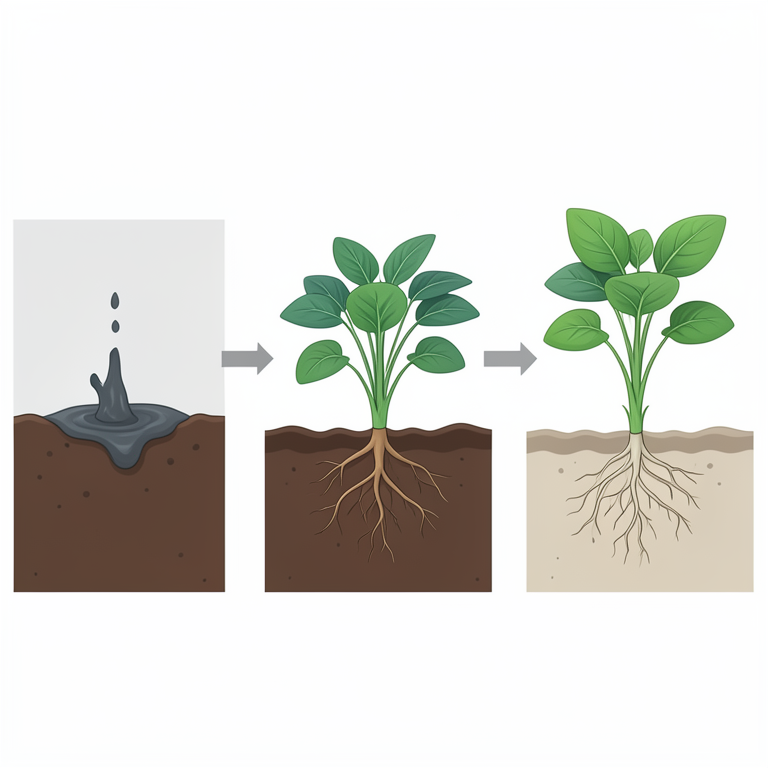
Heavy Metal Transfer Pathway
AI-generated conceptual illustration (African spinach (Amaranthus caudatus) in contaminated soil). It explains the idea and does not show study data.
View source evidence ↗Figures & tables
From the original paper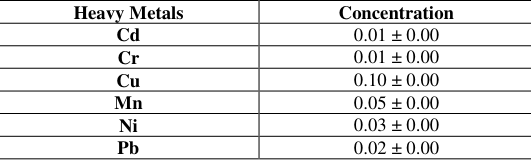 Table 1
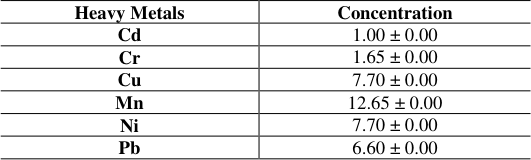 Table 2
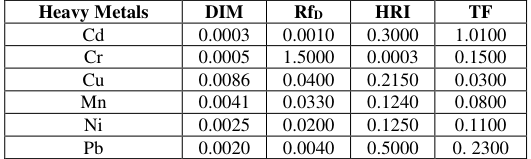 Table 3
Introduction
Cultivation of vegetables in cities serves as a source of income to farmers and this plays a significant role in the nutritional requirement of the city. Growing of vegetables depend on the availability of ground, surface water or rain. A major restriction to vegetable farmers in Railway Quarters and its surrounding communities is the unavailability of fresh water for agricultural purpose. Vegetables are needed for human nutrition and health, especially as dietary fibre, folic acid, niacin, minerals, pyridoxine, thiamine and vitamin C, their biochemical function and anti-oxidative effects. The most important area of food quality assurance is the adulteration of food items with heavy metals [1] . Vegetables absorb metals from adulterated soils, apart from deposits on the part of vegetables exposed to polluted air [2] . Vegetable roots absorb heavy metals which pile up in their edible parts at high enough concentrations [3] . A major source of heavy metals adulteration is anthropogenic activities which include emission from vehicles, industries and agricultural crop residue. In general, certain quantities of useful nutrients and heavy metals are present in wastewater used for irrigation [4] .The consumption of vegetables adulterated with heavy metals may cause health problems to humans. Heavy metals are dangerous due to their non-biodegradable nature, long biological half-lives and their ability to proliferate in various body parts [5] . Long term consumption of food items that are contaminated with heavy metals can lead to accumulation of heavy metals in the kidney and liver of human beings resulting in different disorders in many biochemical processes that could result also in kidney, bone cardiovascular and nervous diseases [6] . The human health risk as a result of the consumption of vegetables is based on the amount of vegetables eaten and the mass of the individual consumers. Longterm consumption of heavy metals with low levels has negative impact on the health of humans. After exposure for many years, the effect becomes visible [7,8,9] . Prolonged application of adulterated water for the irrigation of vegetables can facilitate increase in the levels of heavy metals in soils and their consequent transfer to crops under cultivation, with concentrations of adulteration that is greater than the recommended limits [10] . Vegetables grown in soils polluted with venomous heavy metals absorb such metals and store them in their edible and non-edible parts in large quantities that are capable of causing clinical problems to both animals and human beings that eat these contaminated vegetables because there is no means to eliminate them from the human body [11] . Heavy metals aggregation in soil can decrease soil quality, lower crop yield and the quality of agricultural products irrespective of their origin and can also have effects on the health of animals, human and the ecosystem [12] . The aim of this research work is to determine the levels of heavy metals and their risk assessment from wastewater irrigated spinach in Railway Quarters of Bauchi, Bauchi state, Nigeria.
Materials and Methods
Chemicals of analytical reagent grade purity and distilled water were used in the preparation of all the solutions. The equipment used for this research work was Bulk Scientific Atomic Absorption Spectrophotometer Model 210 VGP.
Experimental SiteBauchi
State is in North-East geo-political zone of Nigeria and was created in 1976. The State is located between latitudes 9 0 30' and 12 0 30' North of equator and between longitudes 8 0 45' and 11 0 0' East of the Green Wich Meridian. There are 20 Local Government Areas in the State namely: Alkaleri, Bauchi, Bogoro, Dambam, Darazo, Dass, Gamawa, Ganjuwa, Giade, Itas-Gadau, Katagum, Kirfi, Jama'are, Misau, Ningi, Shira, Tafawa Balewa, Toro, Warji and Zaki respectively (en.m.wikipedia.org/wiki/Bauchi-State). The study area (Railway Quarters) is located between latitudes 10 0 17'44.8"N and longitudes 9 0 51'02.4"E.
Sampling Procedure 2.2.1 Sampling of Water
Water samples used for irrigation practices were collected from the site in pre-cleaned polyethylene bottles. The bottles were rinsed earlier with a metal-free soap, soaked in 10.00 % trioxonitrate (V) acid overnight and finally washed with deionised water [13] . The sample was brought into Chemistry laboratory for digestion.
Sampling of Vegetables
African spinach (Amarantus caudatus) was collected from an irrigation farm in Railway quarters, Bauchi where they were harvested into edible as well as non-edible parts and washed with tap water to remove some form of depositions like soil particles, debris and dirts. Edible parts of the vegetables were air-dried, ground into powder using ceramic pestle and mortar, passed through a 2 mm sieve and stored at room temperature before the analysis [14] .
Digestion of Samples 2.3.1 Digestion of Vegetable Samples
A 1.00 g of ground vegetable sample (Amaratuu caudatus) was digested in 15.00 cm 3 of HNO3, H2SO4 and HClO4 mixture (5:1:1) at a temperature of 80 0 C until brown fumes of trioxonitrate (V) acid was observed [15] . The resulting digest was filtered using Whatman filter paper number 1 into a 50 cm 3 volumetric flask and water added to volume.
Digestion of Water Sample
Water sample (50.00 cm 3 ) was digested with 10.00 cm 3 of concentrated trioxonitrate (V) acid at 80 0 C until brown fumes were observed and the solution reduced to 10.00 cm 3 of its initial volume [16] . The digest was filtered through Whatman filter paper number 1 and diluted to 50.00 cm 3 with water. The concentrations of Cd, Mn,Cu, Pb, Ni and Cr in the sample solution were determined using Bulk Scientific Atomic Absorption Spectrophotometer Model 210 VGP at their respective wavelengths.
Quality Assurance
Chemicals used were of analytical grades and distilled water was used in the preparation of all the solutions. The glass wares used were washed with detergent solution and rinsed thoroughly with 10.00 % trioxonitrate (V) acid. The mixtures of all the reagents used were utilized to auto-zero the machine. Standard errors of the means were evaluated as measures of precision and accuracy of the results were monitored through repeated analyses.
Environmental Health Risk Assessments 2.5.1 Health Risk Assessment
The health risk of heavy metals through consumption of the vegetable (African spinach) was determined based on Transfer Factor (TF), Daily intake of metals (DIM) and Health Risk Index (HRI).
Transfer Factor (TF)
Transfer factor was evaluated to determine the level of risk due to wastewater irrigation and consequent heavy metal accumulation in edible parts of vegetables [17] . The soil to plants metal transfer was evaluated as transfer factor.TF = Cplant /Csoil,, Where Cplant is the concentration (mg/kg) of heavy metals in the plant and Csoil is the concentration (mg/kg) of heavy metals in the soil.
Daily Intake of Metals (DIM)
The daily intake of vegetable in adult was determined using the data that was obtained during the survey through questionnaire. The following equation was used to evaluate DIM. DIM = Cmetal X Cfactor Dfood intake / Baverage mass. [13] , where Cmetal represents the concentration of heavy metals in the plant (mg/kg), Cfactor is the conversion factor (0.085), Dfood intake is the daily intake of vegetables (kg/person) and Baverage mass is the average body mass (kg/person). The average vegetable intake was calculated by conducting a survey where 100 people (male and female) having average body mass of 57.50 kg were asked for their daily intake of African spinach (Amanrantus caudatus) from the sampling site.
Health Risk Index (HRI)
To determine the human health risk index of the heavy metals, vegetables cultivated at the irrigation site were collected and analysed for the heavy metals investigated. The concentrations of the metals obtained were therefore used to calculate the health risk index (HRI). The value of health risk index depends on the daily intake of metals (DIM) and oral reference dose (RfD) (mg/kg/day). RfD is an estimated exposure of metal per day to human body that has no harmful effect during life time [18] . The health risk index of manganese, cadmium, lead, copper nickel and chromium due to eating adulterated vegetable was evaluated using the equation: HRI = DIM / RfD [19] . Where, RfD denotes the reference oral dose and DIM is the daily intake of metals. The RfD values of Mn, Cd, Pb, Cu, Ni and Cr are 0.033, 0.001, 0.004, 0.04, 0.02 and 1.50 (mg/kg bw/day) respectively [18] . Human beings are considered to be safe if the HRI is less than one (1) [20] .
Results and Discussion
Results and Discussion
Results
Tables 1, 2 and 3 respectively show the levels of some heavy metals (µg/cm 3 ) in irrigation wastewater of Bauchi Railway Quarters, levels of some heavy metals (mg/ kg) in spinach samples of irrigation farm in Railway Quarters, Bauchi as well as the levels of daily intake of metals (DIM), reference oral dose (RfD), health risk index (HRI) and transfer factor (TF).
Discussion
Discussion
Levels of Heavy Metals in Irrigation Wastewater
The levels of heavy metals in irrigation wastewater of Railway Quarters of Bauchi are summarized in Table 1. The observed level of cadmium is 0.01µg/cm 3 . This value is lower than literature value of 0.02 mg/dm 3 (0.02 µg/cm 3 ) reported by Ftsum and Abraha, 2018 [21] . The value is also lower than the permissible limit (0.03 µg/cm 3 ) of cadmium in water [22] , but is in good agreement with the Indian Standard safe limit (0.01 µg/cm 3 ) of cadmium in water [23] . The concentration (0.01µg/cm 3 ) of cadmium may be due to the presence of lubricating oils and / or old tyres as well as the rough surfaces of our roads that can increase the wearing of tyres. Chronic exposure of cadmium may lead to renal dysfunction, increasing incidence of some forms of cancer and calcium metabolism disorder [24] . The concentration of chromium in the wastewater sample investigated was found to be 0.01 µg/cm 3 . The experimental value is lower than literature values (µg/cm 3 ) of 0.053 and 0.18 [21,23] . Comparatively, the observed value of chromium is lower than permissible limits of 0.05 µg/cm 3 in water respectively set by Indian Standard, NAFDAC, 2001; SON, 2002; SON, 2007 and WHO, 2011 [22,23,25,26,27] . The toxic behaviour of chromium in the environment is rare, but it can cause some risks to human health because it can accumulate in lungs, muscle fat, skin, hair, liver, nails, dorsal fin and placenta, where this can be responsible for different health conditions in human beings [28] . The sources of chromium may be from cement, leather, dyes, paints, detergents, water erosion of rocks, municipal waste and wood preservatives [28,29] . The concentration of copper found in the irrigation wastewater sample of Railway Quarters, Bauchi was 0.10 µg/cm 3 . This value is the highest concentration of all heavy metals determined. The level of copper found is greater than 0.07µg/cm 3 [21] as well as 0.05 µg/cm 3 Indian Standard safe limit of copper in water [23] . Too much copper can be life-threatening to both man and other forms of animals since it reduces enzyme activity and when suddenly released from hepatic storage into the blood stream can cause anaemia, hemolysis and icterus [30] . 0.05 µg/cm 3 of manganese was assayed in the sample. This value compares favourably well with 0.05 µg/cm 3 manganee value in wastewater of Khaji Wala Kha [31] . The observed value has a very good agreement with the same 0.05 µg/cm 3 [22] , but lower than Indian Standard safe limit of 0.10 µg/cm 3 [23] as well as 2.00, 0.20 and 0.40 µg/cm 3 [25, 26, 27] . Manganese occurs naturally in many surface and ground water sources and even in soils that erode into the waters [32] .
| Heavy Metals | Concentration |
|---|---|
| Cd | 0.01 ± 0.00 |
| Cr | 0.01 ± 0.00 |
| Cu | 0.10 ± 0.00 |
| Mn | 0.05 ± 0.00 |
| Ni | 0.03 ± 0.00 |
| Pb | 0.02 ± 0.00 |
Table text extracted from the original PDF; superscript letters are shown inline. The original table image is below.
View original table image
Manganese is important for the normal physiological functioning of humans as well as animals. Exposure of manganese at low levels in the diet is regarded as nutritionally important in human health [33] . The concentration of nickel determined in wastewater sample of Railway Quarters of Bauchi was 0.03 µg/cm 3 . This value is lower than literature value of 0.07 µg/cm 3 determined in wastewater sample of Dinapur Area [34] as well as 0.06 µg/cm 3 found in wastewater irrigated area of Varanasi, India [23] . The observed value of nickel (0.03 µg/cm 3 ) is lower than the Standard FAO, 1985 nickel value of 0.20 µg/cm 3 [23] . Nickel can cause allergic reactions in humans and in extreme cases this may lead to degenerative respiratory disease that can be fatal [35] .The concentration of lead (0.02 µg/cm 3 ) determined in the study area is less than lead value of 0.03 µg/cm 3 found by Ftsum and Abraha, 2018 [21] and also far less than literature value of 0.09 µg/cm 3 [23] . The value of lead determined in the present study is comparatively far less than the Indian Standard value of 0.10 µg/cm 3 reported by Singh et al., 2010 [23] . Lead has negative influence on both children and adults. It can also affect the physical and mental growth of children [36] .
The levels of some heavy metals (mg/kg) in spinach sample of irrigation farm in Railway Quarters, Bauchi are depicted in Table 2. The concentration of cadmium determined in the study area is 1.00 mg/kg, which is lower than reported literature value of 1.80 mg/kg [21] . The observed value of cadmium is however greater than another literature value of 0.022 mg/kg [37] . This variation may be as a result of increasing use of sewage water for irrigation farming in the study location. The observed value (1.00 mg/kg) is comparatively lower than the Indian standard safe limit of cadmium (1.50 µg/g or 1.50 mg/kg) in plants as reported by Singh et al., 2010 [23] . The high level of cadmium in the spinach may be due to the release of wastewater from the bridge in which various vehicles are washed, improper dumping of domestic wastes and sewage from different houses into the irrigation soil that accumulated in the plant material. Another source of cadmium may be due to the presence of phosphate fertilizers in the wastewater, which consequently accumulated in the soil and plant [38] . Cadmium in small amounts can lead to adverse changes in the arteries of human kidney. It also biochemically replaces zinc and can therefore cause high blood pressure and kidney damage [39] . The level of cadmium assayed in the spinach sample is 1.65 mg/kg. In a similar study, Ftsum and Abraham, 2018 [21] reported a high chromium concentration of 13.50 mg/kg. The observed value of chromium is also comparatively lower than 3.69 µg/g or 3.69 mg/kg found for radish in wastewater irrigated soil [23] . The level of chromium in the present study is far less than the Indian Standard safe limit of chromium in plants (20.00 µg/g or 20.00 mg/kg) reported by Singh et al., 2010 [42] as well as the standard limit (2.30 mg/kg) established by FAO/WHO, 2011 [40] .
| Heavy Metals | Concentration |
|---|---|
| Cd | 1.00 ± 0.00 |
| Cr | 1.65 ± 0.00 |
| Cu | 7.70 ± 0.00 |
| Mn | 12.65 ± 0.00 |
| Ni | 7.70 ± 0.00 |
| Pb | 6.60 ± 0.00 |
Table text extracted from the original PDF; superscript letters are shown inline. The original table image is below.
View original table image
The most common forms of chromium are chromium (III) and (VI). Chromium (III) is an important part of a balanced diet in both animals and human beings and its deficiency can lead to disturbance in lipid and glucose metabolism in human beings, whilst chromium (VI) is said to be carcinogenic [41] . A 7.70 mg/kg copper level was determined in the spinach investigated. The experimental value in the present study is far less than reported literature copper values of 16.70 mg/kg [21] and 13.75 mg/kg or 13.75 µg/g [23] . The observed level of copper is also far less than the Indian Standard safe limit (30.00 µg/g) of copper in plants [23] as well as the Standard safe limit of 70.00 mg/kg (70.00 µg/g) established by FAO/WHO, 2011 [40] . The concentration of copper determined in the spinach has therefore not reached an unacceptable limit that can cause phyto-toxicity. The primary effects of copper on humans are damage to organs and liver [42] . A 12.65 mg/kg manganese concentration was determined in the analyte. It is the highest of all the metals determined in the vegetable sample. In a related research, Rilwan et al., 2019 [43] determined the concentrations of manganese in Allium cepa of Gwallaga irrigation site (28.80 mg/kg) and that of Gombe road irrigation site (23.30 mg/kg). The determined value of manganese is comparatively much lower than the above two values and that of FAO/WHO, 2007 Standard value of 500.00 mg/kg reported by Rilwan et al., 2019 [43] . At higher concentrations, manganese is toxic with some degrees of neurological effects [44] . A 7.70 mg/kg of nickel was found in the spinach sample. The observed value falls within the nickel range of 5.55 to 15.00 µg/g or 5.55 to 15.00 mg/kg [34] . The level of nickel determined (7.70 mg/kg) is far less than the Standard safe limit of 67.00 mg/kg specified by FAO/WHO, 2001 [45] . Excess concentrations of nickel can cause lung disease and eventually death in dogs [35] . The level of lead determined in the test sample is 6.60 mg/kg, which is lower than 12.20 µg/g or 12.20 mg/kg lead found in radish [23] . Tsafe et al., 2012 [46] determined a higher level (44.5875 mg/kg) of lead. The observed value of lead in the present study is far greater than the Indian Standard safe limit of lead (2.50 µg/g or 2.50 mg/kg) in plants [23] . The toxic effects of lead has multiple biochemical effects such as such as competing with calcium for incorporation into bones and this can interfere with nerve transmission and the Development of the brain [47] .
Daily Intake of Metals (DIM)
The daily food intake (0.22 kg/person/day) of the inhabitants/consumers was obtained from the questionnaire given to them. The daily food intake, average body mass (57.50 kg) and conversion factor of 0.085 was used to compute the DIM of the elements. The degree of toxicity of heavy metals to human being is based on their daily intake. A DIM of 0.0086 was found in Cu, followed by Mn (0.0041), Ni (0.0025), Pb (0.0020), Cr (0.0005) and Cd (0.0003). The higher DIM values of Cu, Mn and Ni could be due to the high levels of the metals in the spinach vegetable.
Health Risk Assessment of Irrigation Farm of Railway Quarters
Heavy metals can get into plants when they are in the form of solution. The Transfer Factor (TF), a role of both soil and plant characteristics was used to evaluate the heavy metals transferred from soil to plant. Table 3 shows the Daily Intake of Metals (mg/kg), Health Risk Index (HRI) and Transfer Factor (TF) from soil to spinach. As indicated in Table 3, the trend of TF was Cd > Pb > Cr > Ni > Mn > Cu. The high TF values of Cd and Pb indicated the high metal adulteration of the vegetable by anthropogenic activities such as various metal works and discharge of wastewater from the washings of various vehicles which flows into farmlands [48] .
| Heavy Metals | DIM | RfD | HRI | TF |
|---|---|---|---|---|
| Cd | 0.0003 | 0.0010 | 0.3000 | 1.0100 |
| Cr | 0.0005 | 1.5000 | 0.0003 | 0.1500 |
| Cu | 0.0086 | 0.0400 | 0.2150 | 0.0300 |
| Mn | 0.0041 | 0.0330 | 0.1240 | 0.0800 |
| Ni | 0.0025 | 0.0200 | 0.1250 | 0.1100 |
| Pb | 0.0020 | 0.0040 | 0.5000 | 0. 2300 |
Table text extracted from the original PDF; superscript letters are shown inline. The original table image is below.
View original table image
Health Risk Index (HRI)
The harmful effect of heavy metals to the consumers of the vegetable (spinach) which is contaminated with those heavy metals was denoted by HRI. People are considered to be safe to feed on the vegetable if the value of HRI is less than 1. As summarized in Table 3, the HRI values of the metals of interest were all less than 1. The high values of HRI of lead (0.5000) and cadmium (0.3000) obtained in the present study agreed with the HRI of Pb and Cd as reported by Ftsum and Abraha (2008) [21] on the health risk assessment of heavy metals via consumption of spinach grown in Elalla River. Similarly, the HRI of Pb and Cd are higher in comparison with other metals. The spinach samples cultivated in the irrigation farm are therefore safe for human consumption since all the HRI values are less than one (1.00). However, prolong use of the irrigation wastewater for the purpose of irrigation farming may lead to increase in the levels of the metals investigated, consequently an increase in the HRI and this will invariably pose health risk and dangers to the consumers of the vegetables (spinach) with time.
Conclusion
The results of this study based on DIM and HRI revealed that consumption of the spinach (vegetable) cultivated in Railway Quarters irrigation farm was risk free for all the heavy metals assayed. Although, the values of all the HRI was below one, the prolong use of the wastewater for irrigation farming may lead to heavy metals contamination that may result in health risk to consumers. Based on the present study, it is therefore evident that consumption of spinach from the Railway Quarters irrigation
References
48 in the original paper- Wang XL, Sato T, Xing BS, Tao S. Health Risks of Heavy Metals to the General Public in Tianjin, China via Consumption of Vegetables and Fish. Sci Total Environ. 2005; 350:28-37.
- Haiyan W, Stuanes AO. Heavy Metals Pollution in AirWater-Soil-Plant. Water Air Soil Pollution. 2003; 147:79107.
- Jolly YN, Islam A, Akbar S. Transfer of Metals from Soil to Vegetables and Possible Health Risk Assessment. Springer Plus. 2003; 2:385-391.
- Chen Y, Wang C, Wang Z. Residues and Source Identification of Persistent Organic Pollutants in Farmland Soils Irrigated by Effluents from Biological Treatment Plants. Environ Int. 2005; 31:778-783.
- Heidarieh M, Maragheh MG, Shamami MA, Behgar M, Ziaei F, Akbari Z, et al. Evaluation of Heavy Metals Concentration in Shrimp (Penaeus semisulcatus) and Crab (Portunus pelagicus) with INAA Method. Springer Plus. 2013; 2:72-73.
- Jarup L. Hazards of Heavy Metals Contamination. Br Med Bull. 2003; 68:167-182.
- Liu H, Probst A, Liao B. Metal Contamination of Soils and Crops Affected by the Chenzhou Lead/Zinc Mine Spill (Hunan, China). Sci Total Envron. 2005; 339:153-156.
- Huang SS, Liao QL, Hua M, Wu XM, Bi KS, Yan CY. et al. Survey of Heavy Metals Pollution and Assessment of Agricultural Soil in Yangzhong District, Jiangsu Province, China. Chemosphere. 2007; 67:2148-2155.
- Bortey-Sam N, Nakayama SMM, Ikenaka Y, Akoto O, Baidoo E, Yohannes YB, et al. Human Health Risks from Metals and Metalloid via Consumption of Food Animals near Gold Mines in Tarkwa, Ghana: Estimation of the Daily and Target Harzard Quotients (THQs), Ecotoxicol. Environmental Safety. 2015; 111:160-167.
- Mohsen B, Mohsen S. Investigation of Metals Accumulation in Some Vegetables Irrigated with Waste Water in Shahre Rey-Iran and Toxicological implications. American - Eurasian Journal of Agriculture and Environmental Science. 2008; 4(1):86-92.
- Bhuiyan MAH, Suruvi NI, Dampare SB, Islam MA, Quraishi SB, Ganyaglo S, et al. Investigation of the Possible Sources of Heavy Metals Contamination in Lagoon and Canal Water in the Tannery Industrial Area in Dhaka,Bangladesh. Environmental Monitoring Assessment. 2011; 175:633-649.
- Nagajyoti PC, Lee KD, Sreekanth TVM, Heavy Metals, Occurrence and Toxicity for Plants of the Black Sea Fish Mugil auratus from Sinop-Iclimari, Turkey. Human Exposure Toxicology; a review of Environmental Chemistry Lett. Netherlands. 2001; 8(3):199-216. www.excelwater. com/thp/filters/WaterPurification.htm.
- Chary NS, Kamala CT, Raj DSS. Assessing Risk of Heavy Metals from Consuming Food Grown on Sewage Irrigated Soils Food Chain Transfer. Ecotoxicology Environmental Safety. 2008; 69:514-524.
- Jamali MK, Kazi TG, Arain MB, Afridi HI, Jalbani N, Kandhro GA. et al. Heavy Metals Accumulation in Different Varieties of Wheat (Triticum aestivum L.) Grown in Soil Amended with Domestic Sewage Sludge. Journal of Hazard.Matte. 2009; 164:1386-1391.
- Allen SE, Grimshaw HM, Rowlan AP, Cited in Anita S, Rajesh KS, Madhoolika A, et al. Risk Assessment of Heavy Metals Toxicity through Contaminated Vegetables from Waste Water Irrigated Areas of Varanasi, India, International Society for Tropical Ecology. 2010; 51(2S):370-387.
- American Public Health Association. Standard Methods for the Examination of Water and Waste water. American Public Health Association, Washington, DC, 2005.
- Cui YJ, Zhu YG, Zhai RH, Chen DY, Huang YZ, Qui Y, et al. Transfer of Metals from Near a Smelter in Nanning, China. Environmental International. 2004; 30:785-791.
- US-EPA IRIS. United States Environmental Protection Agency, Integrated Risk Information System. <http://www.epa.gov/iris/substS>, 2006.
- Jan FA, Ishaq M, Khan S, Ihsanullah I, Ahmad I, Shakirullah MA, et al. Comparative Study of Human Health Risks via Consumption of Food Crops Grown on Wastewater Irrigated Soil (Peshawar) and Relatively Clean Water Irrigated Soil (lower Dir). Journal of Hazardous Mater. 2010; 179:612621.
- Silambarasan K, Senthilkumaar P, Velmurugun K. Cited in: Ftsum, G. and Abraha, G. Health Risk Assessment of Heavy Metals via Consumption of Spinach Vegetable Grown in Ellela River. Bull. Chem, Soc. Ethiop. 2018; 32(1):65-75.
- Ftsum G, Abraha G. Health Risk Assessment of Heavy Metals via Consumption of Spinach Vegetable Grown in Ellela River. Bull. Chem, Soc. Ethiop. 2018; 32(1):65-75.
- Son, Cited in Imaseun OI, Egai AO. Concentration and Environmental Implication of Heavy Metals in Surface Water in Aguobiri Community, Southern Ijaw Local Government Area, Bayelsa, Nigeria, J. Appl. Sci Environ. Manage. 2013; 17(4):467-472.
- Singh A, Sharma RK, Agrawal M, Marshall FM. Cited in: Muamar, A., Abdelmajid, Z., M'hamed, T., Abdellah, E., Zakaria, M., Hasna, Y. and Mohammed, B. Evaluation of Heavy Metals Pollution in Groundwater, Soil and Some Vegetables Irrigated with Wastewater in the Skhirat Region "Morocco".Journal of Mater. Environ. Sci. 2010; 5(3):961966.
- Selinus O, Alloway B. Essentials of Medical Geology. Impact of the Natural Environment". Blackie Academic and Professional Publishers, London, U.K, 2005, 187.
- Nafdac. Cited in Amos PI, Joseph IA. Investigation of the Occurrence and Levels of some Heavy Metals in Spring Water from Bazza, Pella and Yadim Areas of Adamawa State, Chemical Science International Journal. 2016; 17(4):1-6.
- Son. Cited in: Amos, P.I. and Joseph, I.A. Investigation of the Occurrence and Levels of Some Heavy Metals in Spring Water from Bazza, Pella and Yadim Areas of Adamawa State. Chemical Science International Journal. 2016; 17(4):1-6.
- WHO. Cited in, Amos PI, Joseph IA. Investigation of the Occurrence and Levels of Some Heavy Metals in Spring Water from Bazza, Pella and Yadim Areas of Adamawa State. Chemical Science International Journal. 2016; 17(4):1-6.
- Adelekan B, Abegunde K. Heavy Metals Contamination of Soil and Ground Water at Automobile Mechanic Village in Ibadan, Nigeria. International Journal of the Physical Sciences. 2011; 6:1045-1058
- Hilgenkamp K. "Environmental Health: Ecological Perspective". Jones and Barlett Publishers, Toronto, Canada, 2006, 83.
- Owen C. "Copper Deficiency and Toxicity". Noyes Publication, Park Ridge, New Jersey, USA, 1981, 39-47.
- Muhmood A, Majeed A, Javid S, Nias A, Majeed T, Hussaini SS, et al. Health Risk Assessment from Wastewater Irrigated Vegetables, American-EurasianJ.Agric. and Environ. Sci. 2015; 15(7):1424-1434.
- EPA. Drinking Water Health Advisory for Manganese http//www.epa.gov/safewater/, 2004.
- Calkins M. "Materials for Sustainable Sites: A Complete Guide to the Evaluation". John Wiley and Sons, Hoboken, New Jersey, 2009, 451.
- Sharma KK, Agrawal M, Marshall FM. Heavy Metals Contamination in Vegetables Grown in Wastewater Irrigated Areas of Varanasi, India. Bulletin of Environmental Contamination and Toxicology. 2006; 77:311-318.
- ASTDR. Toxicological Profile for Nickel. Agency for Toxic Substances and Diseases Registry. G.A. Atlanta, 2005.
- Simeonov L, Kolhubovski M, Simeonov B. "Environmental Heavy Metal Pollution and Effects on Child Mental Development".Spinger, Dordrecht, Netherlands, 2010, 114115.
- Salawu K, Barau MM, Mohammed D, Mikailu DA, Abdullahi BH, Uroko RI, et al. Determination of Some Selected Heavy Metals in Spinach and Irrigated Water from Samaru Area within Gusau Metropolis in Zamfara State, Nigeria. Journal of Toxicology and Environmental Health Sciences. 2015; 7(8):76 -80.
- Challa S, Kumar R. "Nanostructured Oxides" Willey Publishers, Weinheim, Germany, 2009, 29.
- Mehbrahtu G, Zerabruk S. Concentration of Heavy Metals in Drinking Water from Urban Areas of Tigray Region, Northern Ethiopia. Maejo International Journal of Science and Technology. 2011; 3:105-121.
- FAO/WHO. Cited in: Ftsum, G. and Abraha, G. Health RiskAssessment of Heavy Metals ViaConsumption of Spinach Vegetable grown in Ellela River. Bull. Chem, Soc. Ethiop. 2018; 32(1):65-75.
- Chernoff R. "Getriatic Nutrition: The Health Professional's Handbook". Jones and Bartlett Publishers, Ontario, Canada, 2005, 102.
- Howell J, Gawthorne J. "Copper in Animals and Man", Volume II. CRS Press Inc., Boca Raton, Florida, 1987, 5160.
- Rilwan MZ, Adamu HM, Shibdawa MS, Haladu KA. Determination and Risk Assessment of Heavy Metals via Intake of Allium cepa from Wastewater Used for Irrigation in Bauchi Suburb. Chemistry Research Journal. 2019; 4(2):59-64.
- Kohl P, Medlar S. "Occurrence of Manganese in Drinking Water and Manganese Control". IWA Publishing, New York, USA, 2007, 16-18.
- FAO/WHO. Cited in: Muamar A, Abdelmajid Z, M'hamed T, Abdellah E, Zakaria M, Hasna Y, Mohammed B. Evaluation of Heavy Metals Pollution in Groundwater, Soil and some Vegetables Irrigated with Wastewater in the Skhirat region "Morocco", J. Mater. Environ. Sci. 2014; 5(3):961-966.
- Tsafe AI, Hassan LG, Sahabi DM, Alhassan Y, Bala BM. Evaluation of Heavy Metals Uptake and Risk Assessment of Vegetables Grown in Yargalma of Northern Nigeria. Journal of Basic Applied Science Research. 2012; 2:6708-6714.
- Ediin G, Golantu E, Brown M. "Essentials for Health and Wellness". Bartlett Publishers, Toronto, Canada, 2000, 368.
- Mollazadeh N. Cited in: Ftsum, G. and Abraha, G. Health Risk Assessment of Heavy Metals Via Consumption of Spinach Vegetable Grown in Ellela River. Bull. Chem. Soc. Ethiop. 2018; 32(1):65-75.
Cited by 11
From OpenAlex, OpenCitations and reference lists read by Scinovex
- Improving the growth of pea plant by biochar–polyacrylamide association to cope with heavy metal stress under sewage water application in a greenhouse ↗
Muhammad Naveed, Maryum Fatima, Zainab Naseem, Zulfiqar Ahmad, Abdel-Rhman Zakaria Gaafar, Mubashra Shabbir et al. · Frontiers in Environmental Science · 2024
Sewage water is extensively used for irrigation, serving as a valuable resource for plant growth to enhance agricultural productivity. However, this practice also results in a significant accumulation of heavy metals in the soil, posing potential environmental and health risks. A study was designed to evaluate the combined effect of amendments on heavy metal immobilization in soil and improved growth…
❝ 3PDF - Investigation of heavy metal concentrations (lead, cadmium, and arsenic) in vegetables irrigated with synthetic effluent and well water: Risk assessment of carcinogenicity and non-carcinogenicity ↗
Zeinab Parmoozeh, Gholamreza Reza Mostafaii, Davarkhah Rabbani, Hossein Akbari, Atieh Salem, Mohammad Bagher Miranzadeh · Environmental Health Engineering and Management · 2024
Background: The growing use of treated wastewater in farming has raised concerns about the potential impacts on public health. Methods: This study assessed the levels of the heavy metals lead (Pb), cadmium (Cd), and arsenic (As) in plants watered in greenhouse settings using both well water and synthetic wastewater. Synthetic wastewater with As at concentrations of 0.1, 0.2, and 0.4…
❝ 3PDF - Prevalence of gastrointestinal helminths of small ruminants subjected to traditional livestock management system in Gadau district, Bauchi state Nigeria ↗
Ismail Hassan, Abdullahi Nuruddeen Jibrin · Acta Entomology and Zoology · 2022
Globally, parasitic diseases are one of serious concerns in production and management of livestock. African climate and other environmental factors constitute a favorable condition for the growth of gastrointestinal parasites in animals. This research work was aimed at assessment of prevalence of parasites infesting gastrointestinal tracks of goats and sheep at Gadau District, Northern Nigeria. The results reveal the overall
- Comparing chronic and acute heavy metal poisoning: Mechanisms, clinical profiles, and management strategies ↗
José Carlos Machado, Luís Maltez · International Journal of Molecular Biology and Biochemistry · 2021
This study presents a comprehensive analysis of the contrasting mechanisms, clinical profiles, and management strategies associated with chronic and acute heavy metal poisoning. Heavy metal exposure is a significant public health concern, with diverse environmental and occupational sources leading to varying degrees of toxicity. Through an extensive literature review, this paper delineates the distinct biochemical pathways activated in chronic and
❝ 2Found by Scinovex - The impact of Amaranthus diet on eicosanoid Profiles: exploring the role in cancer treatment through cyclooxygenase (COX) and lipoxygenase (LOX) pathways: A mini-review
Violet Ndeda · International Journal of Agriculture and Food Science · 2023
Scientists worldwide have made significant progress in identifying various beneficial substances found in plants, known as nutraceuticals and phytochemicals, which can enhance the effectiveness of chemotherapy by inhibiting cell signaling mechanisms associated with chemo-resistance. However, there is a lack of research regarding the potential anticancer and chemo-preventative properties of numerous naturally occurring agents derived from Amaranthus plants, including nutraceuticals and phytochemicals. This mini-review aims to provide an up-to-date overview of the effects of an Amaranthus-based
- Effects of different organic manures on yield and economics of Amaranthus ↗
Yashvantkumar KH, Laxman AP, B. R. Arunkumar, Suvarna Suvarna, Patil Shantappa T, S. J. Imamsaheb · International Journal of Chemical Studies · 2021
The experiment was conducted during Kharif seasons of 2019-20 at AICRP (Vegetables) RHREC, Dharwad, Karnataka. The experiment was laid out in a randomized block design (RBD) with seven treatments with three replications. Significantly increased in yield per plot and per hectare was recorded with the application of T1 (RDF) of 8.7 kg and 183.05 q/ha followed by T5 (Vermicompost @…
❝ 1PDF - Assessment of antimicrobial properties of a lectin isolated from Amaranthus cruentus Linn ↗
Fathima Rumaisa, Ratheesh Sadanandan, Arun A. Rauf · Journal of Medicinal Plants Studies · 2021
Lectins are diverse class of proteins which have the ability to bind carbohydrates with considerable specificity and involved in many biological processes like host pathogen interactions, cell targeting, cell- cell communications, cancer metastasis and differentiation. Plants are rich sources of lectins that have great implications in medicinal and therapeutic applications. The antimicrobial property of a lectin isolated from Amaranthus cruentus
- Nutritive values of most preferred forage species eaten by giraffe (Giraffa camelopardalis) in Sumu wildlife park, Bauchi state, Nigeria
Mamman GS · International Journal of Agriculture and Nutrition · 2023
This study evaluated the nutritive values of most preferred forage species eaten by Giraffa camelopardalis in Sumu Willdlife park, Bauchi State, Nigeria. The most preferred forage species were obtained following the time spent on sighting the animal browsing on each of the species among the individuals. Time spent was measured between 1 - 30 minutes and 30 - 60 minutes on species preferred. The nutritive values of the most preferred forage species were obtained using proximate analysis following the Association of Analytical Chemist (AOAC). Results obtained revealed that during the wet season,
- Knowledge and attitude of men toward women living with vesicovaginal fistula in Bauchi State, Nigeria ↗
Salihu Ismail, Sulaiman Umar · International Journal of Midwifery and Nursing Practice · 2021
The purpose of this study was to determine the knowledge and attitude of men toward women living with vesicovaginal fistula in Bauchi State, Nigeria. Survey design was used for the study. Stratified sampling technique were used to select the sample of 100 men. Self-structured questionnaire were used for data collect. Frequency and percentage were used to analysis the data. The…
❝ 0PDF - Determination of different species of bacteria associated with fermented cow milk (Kindirmo) commonly consumed in Bauchi metropolis of Bauchi state, Nigeria ↗
Ebu B, Funmilayo Deborah Ijebor, H Mustapha, H Yusuf · International Journal of Bioscience and Biochemistry · 2021
A research was carried out to determine different species of bacteria associated with cow milk (KINDIRMO) commonly consumed in some selected areas of Bauchi Metropolis, Bauchi State. The total of ten (10) different samples were obtained from different sales point inside sterile containers and thereafter transported to the laboratory for analysis. The media used for the analysis included; Nutrient and
❝ 0Found by Scinovex - Assessing human health risks of heavy metal exposure through food crops grown with wastewater irrigation practices
E Oyeneyin, Abdullahi Umar · International Journal of Biology Sciences · 2021
This comprehensive review article delves into the critical issue of human health risks associated with heavy metal contamination in food crops cultivated using wastewater irrigation methods. In many regions around the world, limited access to clean water has driven agricultural practices reliant on wastewater for irrigation, leading to potential hazards to public health. This review evaluates the pathways of heavy metal accumulation in crops, explores the health risks posed to consumers, and discusses mitigation strategies and regulatory measures. By analyzing recent research findings, risk as