
Research article · 2019 · Full text
International Journal of Agriculture and NutritionRole of guar in agro-industries
Volume 1(2) · Pages 24–27 · DOI: 10.33545/26646064.2019.v1.i2a.11 ↗
Research areasPolysaccharides Composition and ApplicationsFood composition and propertiesPolysaccharides and Plant Cell Walls
Abstract
Author-writtenAgricultural sustainability has the highest priority in all countries, whether developed or developing. Guar-native to the Indian subcontinent is a drought tolerant, multi-purpose legume crop cultivated mainly in the kharif season in arid environments. Guar gum is an edible thickening agent extracted from the guar bean. Guar beans have a large endosperm which contains galactomannan gum which forms gel in water. It mainly consists of hydrocolloidal polysaccharide with a high molecular weight, which consists of galactopyranose- and mannopyranose- units in glycosidic linkage which can be chemically described as galactomannan. The guar seed comprises three parts: the seed coat (14-17%), the endosperm (35-42%), and the germ (43-47%). In India the commercial production of Guar gum is normally undertaken by using process of roasting, differential attrition, sieving and polishing. Guar plays an important role in many industries like oil well drilling, textile printing, paper, explosive, mining, frozen food, bakery, dairy products, beverages, pet foods, slimming aids, diabetic treatment, tablet preparation, ointment, soaping and shampoo, etc. as it is one of the best thickening additives, emulsifying additives and stabilizing additives and thus an important foreign exchange earner for the country.
Summary
Source-checkedPlain-language reading of the full paper, prepared with AI and checked against the text. Each point links to the authors' own words.
Why it matters
- Agricultural sustainability is a top priority for both developed and developing nations. View evidence ↗
- Guar is a multi-purpose, drought-tolerant legume native to the Indian subcontinent, typically grown in arid environments during the kharif season. View evidence ↗
- Guar is a significant foreign exchange earner because it serves as an effective stabilizer, emulsifier, and thickening additive across various industries. View evidence ↗
The question
- The paper aims to examine the role and applications of guar within various agro-industries. View evidence ↗
What they did
- Commercial production of guar gum in India typically involves roasting, sieving, polishing, and differential attrition. View evidence ↗
- Food-grade guar gum manufacturing involves selecting and screening splits, prehydrating them in a double cone mixer, flaking, grinding to a specific size, and drying. View evidence ↗
What they found
- A guar seed is composed of the germ (43-47%), the endosperm (35-42%), and the seed coat (14-17%). View evidence ↗
- India dominates the global guar market, accounting for approximately 80% of total world production and exports. View evidence ↗
- Within India, Rajasthan is the primary producer, contributing 81% of national production and occupying 78% of the cultivation area. View evidence ↗
- Guar can be successfully cultivated in regions with low average rainfall of 30-40 centimeters. View evidence ↗
- Guar gum is utilized across a wide array of sectors, including food (bakery, dairy), pharmaceuticals (tablets, diabetic treatment), cosmetics (shampoo, ointment), and heavy industry (oil drilling, mining, explosives). View evidence ↗
- The oil and albuminoid content in guar processing by-products is approximately 50% in the germ and 25% in the husks. View evidence ↗
- Because guar is a rain-fed crop, it suffers from uncertain production and yield levels. View evidence ↗
What it means
- There is a need for coordinated agricultural research focusing on agronomical practices and plant breeding for guar. View evidence ↗
- A major limitation is that state agriculture departments and universities often treat guar as a minor crop, prioritizing cereals, pulses, and oil-seeds instead. View evidence ↗
- Value-addition in the industry is poor, with approximately 40% of exports still being shipped as refined splits rather than processed products. View evidence ↗
Visual summary
1 visualsIllustrations explain the paper; they do not show study data.
Composition of a Guar Seed
AI-generated conceptual illustration (Guar seeds (Cyamopsis tetragonoloba)). It explains the idea and does not show study data.
View source evidence ↗Figures & tables
From the original paper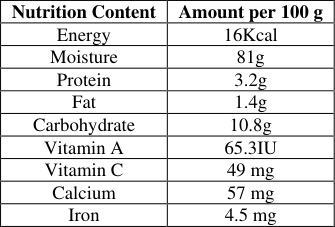 Table 1
Introduction
Guar or cluster bean [Cyamopsis tetragonoloba (L.) Taub], a native to the Indian subcontinent is a drought tolerant, multipurpose legume crop cultivated mainly in the kharif season in arid environments. It is commonly known as guar, chavli, kayi, guari, khutti. Guar is grown mainly in India, Pakistan, United States and also in some part of Africa and Australia. In India, the crop is mainly grown in the dry habitats of Rajasthan, Haryana, Gujarat and Punjab and to a limited extent in Uttar Pradesh and Madhya Pradesh. Rajasthan alone comprises almost 78 per cent area and 81 per cent production to the national basket of Guar (Anonymous, 2011) [1] . India is the largest producer and exporter of guar in the world accounting for about 80% of total production. The germ has toxic effect but recently advanced research has been made on the germ to reduce its toxic effect and to make it suitable for animal consumption as a rich source of the protein (Murwan and Abdalla, 2008) [7] . Guar seeds are a rich source of mucilage or gum, a natural hydrocolloid, which forms a viscous gel in cold water and used as an emulsifier, thickener, stabilizer in a wide range of food and industrial application (Marina et al., 2007) [6] . Guar galactomannan has mannose to galactose (M: G) ratio of 6:1 (Edwards et al., 1992) [2] . The pure mannanose without galactose is completely insoluble in the water, but increasing of galactose substitution in guar gum increase the solubility of the polymer by allowing it to become attended (Noble et al., 1989) [8] . The mannose to galactose ratio is 2:1, guar gum is insoluble in organic solvent, molecular weight range is 50.000 -80.000 and gum is a white to yellowish white, nearly odorless, free flowing powder with a bland taste (Yoko, 2008) [12] . It is one of the most important and potential vegetable cum industrial crop grown for its tender pods for vegetable purpose and endospermic gum [30-35%]. The guar seed comprises three parts: the seed coat (14-17%), the endosperm (35-42%), and the germ (43-47%). It is from the endosperm that guar gum is derived, which is the prime marketable product of the plant. This spherical-shaped endosperm contains significant amounts of galactomannan gum (19-43% of the whole seed), which forms a viscous gel in cold water. Like other legumes, guar is an excellent crop for enhancing soil fertility. Its root nodules contain nitrogenfixing bacteria and crop residues, when ploughed under soil, improve yields of the succeeding crops. The by-products of guar processing, 'Churi' and 'Korma' are used as cattle feed. Guar gum recovery normally constitutes around 31 per cent of the total International Journal of Agriculture and Nutrition guar seed processed, whereas Churi and Korma account for 29 per cent and 37 per cent, respectively (Sharma and Gummagolmath, 2012) [9] . As guar is a drought resistant crop and therefore, it can be grown successfully in areas where average rainfall is 30-40 centimeter. It is a crop preferring warm climate and grows well in the subtropics during summer. Proper germination of seeds and root development takes place between 25 and 30 0 C temperatures. It cannot stand water logging conditions at all. It is a photosynthetic crop, it comes into flowering and fruiting when sown in kharif season only (Singh et al. 2008). Some of the Varieties of guar for different regions are Pusa Navbahar, Pusa Mausami, Pusa Sadabahar, GH-10, HFG-119, Ageta Guara-111, Guar No.2, FS-277, Durgapur Safed, etc. for Northern India and Pusa Navbahar, Pusa Sadabahar, GH-10, HFG-119, Saradbahar, IC 11704, P-28-1, CP-78, S-299-7, IC-11521, etc. for Southern India (Ganesh Prajapat, 2012 and Vinod Kumar, 2013) [3,11] . Guar gum has multiple industrial use such as oil well drilling, textile printing, paper, explosive, mining, frozen food, bakery, dairy products, beverages, pet foods, slimming aids, diabetic treatment, tablet preparation, ointment, soaping and shampoo, etc. and thus an important foreign exchange earner for the country (Kumar, 2005) [11] .
Nutritional Information
Nutritional Information
Manufacturing Process of Guar Gum:
In India, depending upon the requirement of end product various processing techniques is used. Guar gum production is normally undertaken commercially by using process of roasting, differential attrition, sieving and polishing. The stage wise process for manufacturing food grade guar gum is as follows-Guar splits are selected. The splits are screened to clean and then soaked to prehydrate in a double cone mixer. Pre hydrating stage is very important as it derives the rate of hydration of the final product. The soaked splits, with high moisture content, are passed through Flacker to take them. The flaked guar splits are ground to desired particle size followed by drying. Through rotary screens the powder is screened to deliver required particle size. As per viscosity requirement, the oversize particles are either recycled to main ultra-fine or regrind in separate regrind plant. This stage helps to reduce the load at the grinder. The soaked splits are difficult to grind. As direct grinding of those generates more heat in the grinder which is not desired as it results in insoluble or reduced hydration of the product in the process. Through heating, grinding & polishing process the husk is separated from the endosperm halves and the refined Guar Gum split are obtained. Through grinding process the refined Guar split are then treated and converted into powder. During the split manufacturing process, husk & germ are obtained which are used as a cattle feed as they are rich in protein. It is widely sold in the international market as "Guar Meal" and has contents of "Oil & Albuminoids". These contents are about 50% in germ whereas it is about 25% in husks.
Application of Guar Gum in Industry
A) Food Industry Guar gum is one of the best thickening emulsifying and stabilizing additives. In Food Industry, it is used as gelling, viscosifying, thickening, clouding, and binding agent as well as used for stabilization, emulsification, preservation, water retention, enhancement of water soluble fiber content etc. Some food products in which guar gum powder is used are-ice cream, soft drinks & concentrates, puddings, chocolate milk, flavoured milks, jams, jellies, fruit spreads, jelly sweets, bread, biscuit and other baked foods, ham and sausages, soft cheese and cheese spreads, canned or retorted food of fish and meat, myonnaise, ketchup, sauce and dressings, noodles and pasta.
B) Pharmaceutical Industries
In pharmaceutical industries, it is used as In tablet manufacturing it is used as a binder and disintegrating gelling, viscosifying, thickening, suspension, stabilization, emulsification, preservation, water retention or water phase control, binding, clouding/bodying, process aid, pour control for following applications, agent and in micro-encapsulation of drugs. Guar Gum is an important non-caloric source of soluble dietary fiber. Guar gum powder is widely used in capsules as dietary fiber. Fiber is a very important element of any healthy diet. Its synergistic mix of guar gum and fiber mixture when taken with water expands in stomach to produce a feeling of fullness.
C) Cosmetic Industries
It used as a thickener, protective colloid in Skin care products, creams and lotions. Also used in toothpaste, and shaving cream for easy extruding from the container tube.
D) Industrial Use
In Industrial Applications, guar gum powder is a very versatile product and finds its different applications, as thickening, sizing agent, wet-end strength additive, gelling agent and water barrier, flocculation aid, for waste water treatment, as emulsifier, binder. Also used for mud formulations, enhanced oil recovery, polymer flooding, well treatment, lost circulation plugging etc. Mining grade guar gum is used in mining industry as a floatation agent flocculating or setting better quality agent. Fast hydration guar gum powder for oil drilling applications is an important advantage of guar gum. Altrafine Gums in India supply oil drilling grade guar gum, guar gum for paper industry, guar gum as an emulsifying, guaran and sickle pod.
Guar Gum Industrial grade powder is used in some industries as follows
Textile Printing & Sizing, Fire Fighting, Ceramics, Pharmaceuticals, Printing Inks, Mosquito Mats, Synthetic Resins, Paper Industry, Battery Electrolytes, Water Treatment, Floatation Agent, Water Paint, Carpet Printing, Oil Well Drilling, Explosives, Mining etc.
Paper Industry
Guar Gum provides better properties compared to substitutes. It gives denser surface to the paper used for printing and imparts improved erasive and writing properties, better bonding strength and increased hardness. It also gives better breaking, mullen and folding strengths due to improved adhesion.
Textile Industry
Guar Gum gives excellent film forming and thickening properties when used for textile sizing, finishing and printing. It helps reducing warp breakage, reduces dusting while sizing and gives better efficiency in production.
Oil Field Applications
Industrial grade Guar gum powder are use in oil well fracturing, oil well stimulation, mud drilling and industrial applications and preparations as a stabilizer, thickener and suspending agent. High viscosity Guar Gum products are used as drilling aids in oil well drilling, geological drilling and water drilling. Guar gum is used as a surfactant, synthetic polymer and deformer ideally suited for all rheological requirements of water-based and brine-based drilling fluids. These products also reduces friction in the holes, and so minimising power requirements
Metallurgical and Mining
Guar gum is widely used as a flocculants to produce liquid solid separation. It is also used in flotation which acts as a depressant for talc or insoluble gangue mined along with the valuable minerals
Explosives Applications
Gelling agents for gel sausage type explosives and pumpable slurry explosives. Cross linking agents for gel and slurry explosives systems.
Constraints for Guar
Constraints for Guar
Market Influencing Factors
Guar gum cultivation and its production are directly related to monsoon. The rainfall fluctuates between years and thus results in high volatility in production and consequently on prices. Some other factors influencing the market are- The physical market of the commodity involves speculators and stockists. The commodity is subjected to a long storage period based on demand and market prices. Government policies: There is no Governance to frame rules and regulations which govern the production, distribution, marketing, exports or imports of the commodity and the market forces determine the prices. Demand and supply mismatch Hoarding and black marketing Limitation Guar is considered as a minor crop by the State Agriculture Departments and Agricultural Universities, who give more attention to crops like cereals, oil-seeds and pulses. Productivity is poor because farmers cultivate on marginal soils and hardly use any inputs. Good quality seeds and improved varieties are not available. Even farmers are not aware of varieties suitable for their area.
Value-addition is poor. The pulverized gum is largely sold as a commodity. About 40% of the exports are still in form of refined splits. Lack of knowledge by the trade and industry. The industry's knowledge about the developments in agricultural research is poor. Conclusion In the global market, India is in a dominant position with estimated share of about 80%. At present there isn't any competition. However there is a cut-throat competition amongst the exporters of India.) Production pattern of Guar is erratic as it is largely grown in rainfed areas. Good quality seeds, suitable for different agro climatic conditions should be made available. Suitable short duration varieties should be developed. Photo thermo-insensitive varieties should also be developed Guar should be promoted as an intercrop in annual crops. Concerted efforts in the area of agricultural research for guar i.e. plant breeding and agronomical practices should be undertaken. For the research on guar and extension activities it would be desirable for the industry to develop backward linkages. Special incentives could be given for export of branded (Indian brand) Guar products
Figures and tables from the paper
| Nutrition Content | Amount per 100 g |
|---|---|
| Energy | 16Kcal |
| Moisture | 81g |
| Protein | 3.2g |
| Fat | 1.4g |
| Carbohydrate | 10.8g |
| Vitamin A | 65.3IU |
| Vitamin C | 49 mg |
| Calcium | 57 mg |
| Iron | 4.5 mg |
Table text extracted from the original PDF; superscript letters are shown inline. The original table image is below.
View original table image
References
12 in the original paper- Anonymous, 2011.www.nhb.gov.in
- Edwards ME. Scot C, Gidley MJ, Reid JS. Control of mannose/galactose during galactomannan formation in developing legume Seeds, Planta. 1992; 187:67 -74.
- Ganesh Prajapat. Guar Cultivation in India at, 2012, http:// guarcultivationinindia.blogspot.in/p/guar-gumprocessing.html
- Kumar D, Singh NB. Guar in India, Scientific Publishers, Jodhpur, 2002.
- Kumar D. Status and direction of arid legumes research in India. The Indian J. Agril. Science. 2005; 75(7):375-391.
- Marina N, Jerez IT, Jihe S, Zhao PX, Dixon RA, May GD. Analysis of cDNA libraries from developing seeds of guar (Cyamopsis tetragonoba (L.) Taub), BMC Plant Biology. 2007; 7:62.
- Murwan KS, Abdalla AH. Yield and Yield Components of Forty Five Guar (Cyamopsis tetragonoba) Genotypes Grown in Sudan, Nile Basin Research Journal. 2008; 11(4):48-54.
- Noble O, Perez D, Rochas C, Travel F. Optical rotation of branched polysaccharides, Polymer Bulletin. 1989; 16:175 - 180.
- Sharma P, Gummagolmath KC. Reforming Guar Industry in India: Issues and Strategies. Agricultural Economics Research Review. 2012; 25(1):37-48.
- Singh C, Singh P, Singh R. Modern Techniques of Raising Field Crops, 2008, 452-457.
- Vinod Kumar. Guar (CLUSTER BEAN) Varieties in India. Agropedia, 2013.
- Yoko K. Guar Gum, Chemical Technical Assessment (CTA), 1 -4 Ph.D. Thesis, 69TH JECFA, 2008.
Cited by 2
From OpenAlex, OpenCitations and reference lists read by Scinovex
- Impact of liquid microbial inoculants ofAzotobactersp. andStenotrophomonas maltophiliaon soil fertility and productivity-cum-economics of cluster beans ↗
Gulab Pandove, Sukhdeep Kaur, Brijesh Kumar Yadav, Mehra S. Sidhu · Journal of Crop Improvement · 2022
Liquid microbial inoculants (LMIs) can play a paramount role in integrated nutrient management as these are renewable and eco-friendly sources of plant nutrition. Here, we evaluated the impact of LMIs, such as of Stenotrophomonas maltophilia and Azotobacter sp., on the growth and yield parameters of cluster bean (Cyamopsis tetragonoloba (L.) Taub.). The bacterial culture, S. maltophilia, was isolated from the…
❝ 6 - Breeding value of guar (Cyamopsis tetragonoloba L.) accessions under irrigation ↗
В.О. Боровик, О.П. Мальцева · Genetičnì resursi roslin · 2026
Aim. The study aimed to expand the genetic diversity of the guar collection by incorporating new accessions, conducting a comprehensive evaluation under irrigation, and selecting promising genotypes based on multi-year observations for subsequent use in breeding programs. Results and Discussion. The results of evaluating introduced guar accessions obtained from the National Center for Plant Genetic Resources of Ukraine are presented.…
❝ 0