
Research article · 2023 · Full text
International Journal of Agriculture and Food ScienceEffects of four years of continuous conservation agriculture practice on soil fertility and maize (Zea mays L.) yield in agroecological transition context in western Burkina Faso
Volume 5(1) · Pages 64–71 · DOI: 10.33545/2664844x.2023.v5.i1a.125 ↗
Research areasAgriculture and Rural Development Research
Abstract
Author-writtenThe objective of this study is to show the potential of conservation agriculture on chemical parameters, soil respiration activity and maize yields after 4 years of continuous CA practices. The experimental design is a factorial block with two treatments and three replications. The conventional system (CS = plowing + maize) is compared to the conservation agriculture system (CA = 2 t/ha of straw + direct seeding of maize/ cowpea). The results show that the CA system significantly increased soil pH (11.32%), carbon (81.13%), nitrogen (85.71%) and potassium (97.55%) in the 0-5 cm soil layer compared to the conventional system. The AC system improves the soil respiration activity. It induced a non-significant increase in grain (10.89%) and straw (16.01%) yields of maize compared to SC. Total forage biomass production (straw with or without stover) showed a significant increase of 39.06% in CA compared to SC. It can be concluded that CA with 2 t/ha of straw as cover can ensure sustainable management of tropical soils and improve productivity of cropping systems. However, the beneficial effect would only be noticeable after a few years of continuous CA practice (4 years for our study).
Summary
Source-checkedPlain-language reading of the full paper, prepared with AI and checked against the text. Each point links to the authors' own words.
Why it matters
- Agriculture is a critical economic driver in Burkina Faso, employing more than 80% of the population and contributing approximately 25% of the GDP. View evidence ↗
- Demographic growth and extensive agriculture have led to the removal of long fallow periods, which previously served as the natural method for restoring soil fertility and organic matter. View evidence ↗
- Conservation agriculture (CA) is proposed as a sustainable alternative based on minimum tillage, crop diversification, and soil protection using mulch cover. View evidence ↗
The question
- The study aims to evaluate how four years of continuous conservation agriculture practices affect maize yields, soil respiration activity, and chemical soil parameters. View evidence ↗
What they did
- The researchers used a factorial block design with three replications for each of the two treatments. View evidence ↗
- The study compared a conventional system (plowing, no straw, maize) against a conservation agriculture system (direct seeding of maize/cowpea association with 2 t/ha of straw). View evidence ↗
- All treatments received 150 kg/ha of NPK (15-15-15) fertilizer at 15 days after sowing, followed by 50 kg/ha of 46% N urea at 30 and 45 days. View evidence ↗
- Soil respiration activity was measured by trapping CO2 in soda from soil samples taken at depths of 0-10 cm and 10-20 cm. View evidence ↗
What they found
- In the 0-5 cm soil layer, the CA system significantly increased potassium (97.55%), nitrogen (85.71%), carbon (81.13%), and pH (11.32%) compared to the conventional system. View evidence ↗
- Soil respiration was much higher in the CA system, with CO2 release of 248.6 mg/kg (0-10 cm) and 148.1 mg/kg (10-20 cm), compared to 15.1 mg/kg and 1.1 mg/kg in the conventional system, respectively. View evidence ↗
- While the CA system produced higher grain (2888.89 kg/ha vs 2605.16 kg/ha) and straw yields (2773.81 kg/ha vs 2390.87 kg/ha) than the conventional system, these differences were not statistically significant. View evidence ↗
What it means
- The authors conclude that using conservation agriculture with 2 t/ha of straw can ensure sustainable tropical soil management and improve overall productivity. View evidence ↗
- The authors state that the success of CA depends on continuous practice over several years, effective weed management, and sufficient biomass to avoid competition with animal feed. View evidence ↗
Visual summary
1 visualsIllustrations explain the paper; they do not show study data.
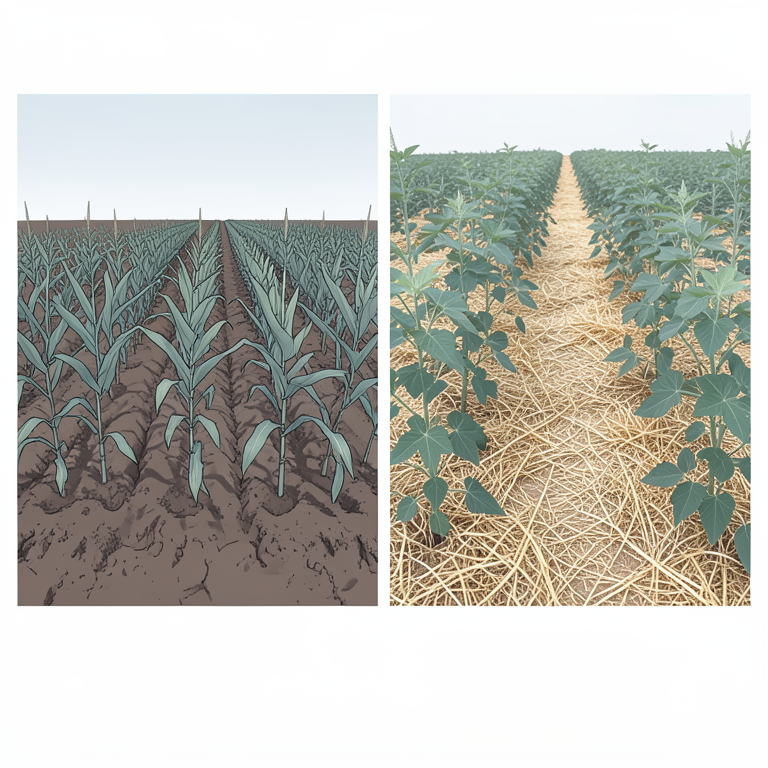
Comparison of Farming Systems
AI-generated conceptual illustration (maize and cowpea plants in soil). It explains the idea and does not show study data.
View source evidence ↗Figures & tables
From the original paper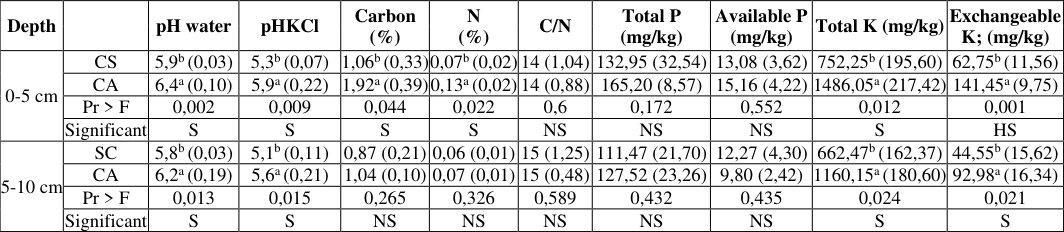 Table 1
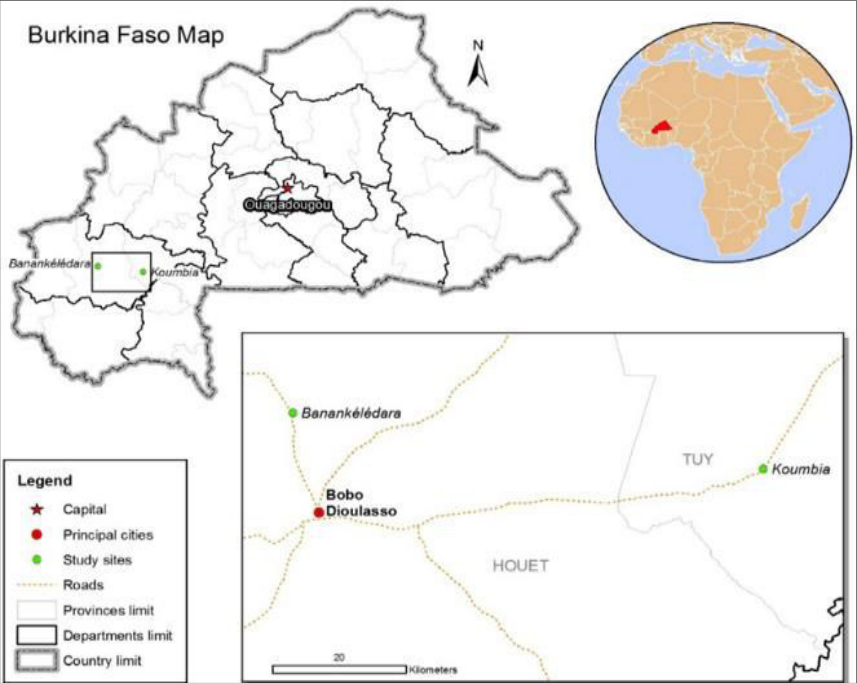 Figure 1
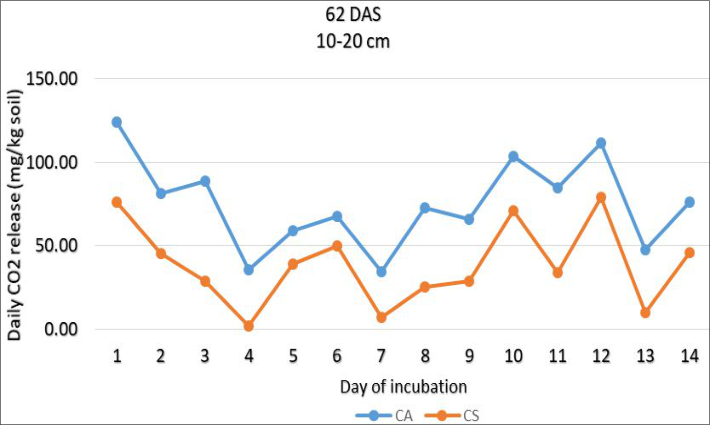 Figure 2
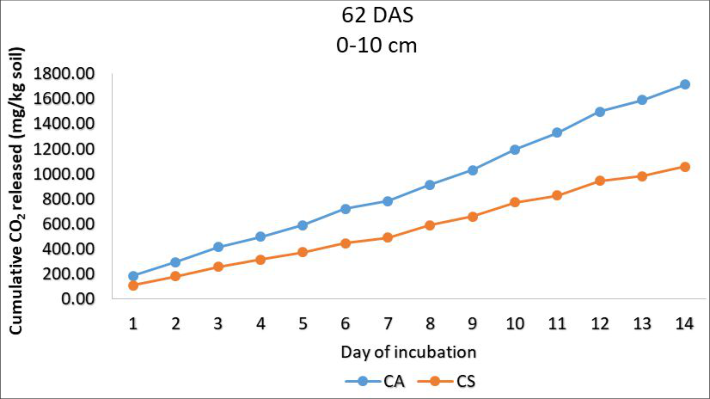 Figure 2
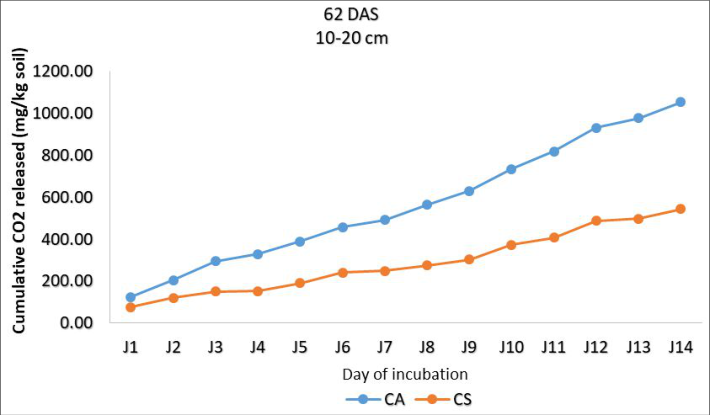 Figure 3
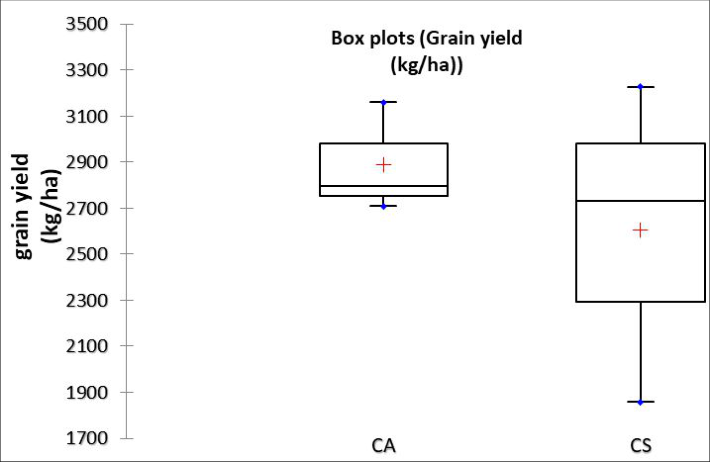 Figure 3
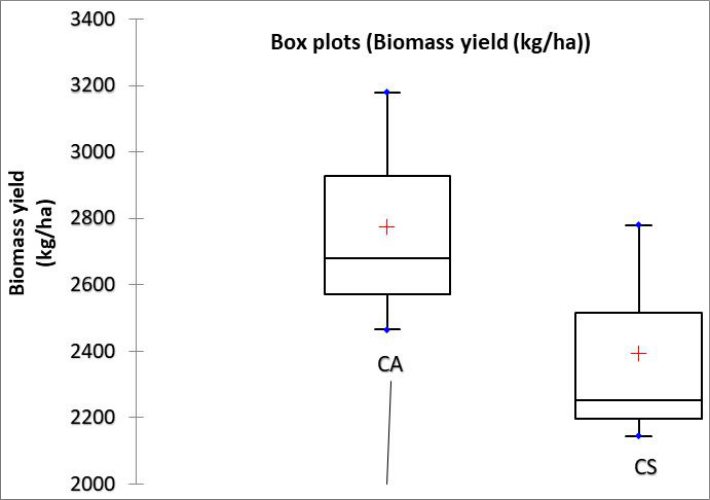 Figure 4
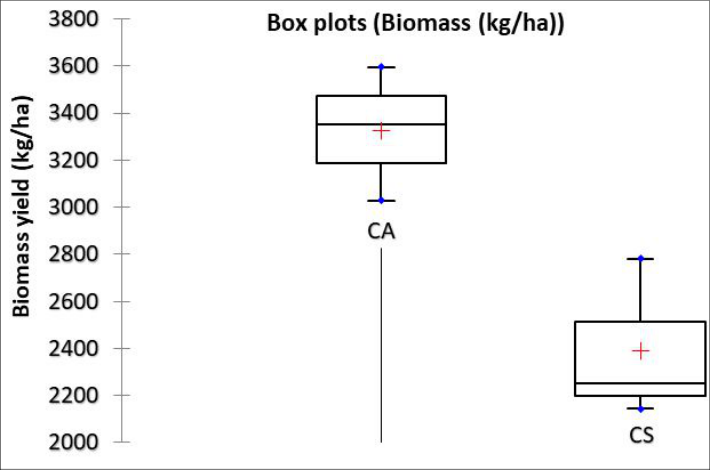 Figure 5
Introduction
The agricultural sector plays a major role in the socio-economic development of Sub-Saharan African countries. This sector is the main source of income for populations and contributes significantly to the national wealth of these countries. In Burkina Faso, agriculture contributes about 25% of the Gross Domestic Product (DGPER, 2010) [5] and employs over 80% of the population. Despite this socio-economic importance, the agricultural sector is facing several problems, including climate change and population growth. Indeed, the strong demographic growth (Annual increase of 3.1% according to INERA, 2014) [12] in the context of an extensive and not very productive agriculture, has led to an increasing pressure on natural resources. This pressure is reflected in the expansion of cultivated areas, which is taking place even on land that is less and less suitable for crops (Zoundi et al. 2006) [27] . The result is the elimination of long fallow periods which was the natural basis for the restoration of organic matter and soil fertility (Gura et al., 2022; Masse, 2007; Sédogo, 2008) [11,30,21] . This extensive agriculture with very low inputs and no recycling of crop residues leads to negative nutrient balances and does not allow for long-term maintenance of soil fertility (Bado, 2002; Kutamahufa et al., 2022) [31,33] . In order to overcome this constraint, new production systems such as conservation agriculture are being tested to ensure the sustainability of production. Conservation agriculture is based on three fundamental principles, namely minimum tillage, soil protection through mulch cover and crop diversification. According to the FAO (2005) [10] , it is an interesting alternative to meet the multiple challenges facing the agricultural sector today, particularly in developing countries such as Burkina Faso. However, it should be noted that the application of this cropping system is done in an adaptive manner according to the agroecological environment.
The problem is to adapt conservation agriculture to different types of production systems in order to fight against food insecurity and rehabilitate soils. In order to address this issue, studies have been conducted since 2013 by the ABACO (Agro-ecology Based Aggradation Conservation agriculture) project in the village of Koumbia. The present study shows the back effects after four (04) years of continuous practice of CA on chemical parameters, soil respiration activity and maize yields.
Materials and Methods
Materials and Methods
Study site
The study was carried out in the village of Koumbia (11° 14' 11'' North; 3° 41' 47'' West), located 67 km northeast of Bobo-Dioulasso in the rural commune of Koumbia (Figure 1). The commune of Koumbia is characterized by a Sudanian climate. In general, the amount of water collected over the past 10 years has ranged from 775 mm to 1,202 mm with an average of 966.24 mm of water per year. The soils found in the area are mostly of the leached and slightly leached tropical ferruginous type (30% of the provincial territory), rich in iron dioxide, rusty in color and of average agronomic value.
Experimental design:
The experimental design was a factorial block, consisting of two treatments and three replications within each plot. It was integrated into another set-up previously set up since 2013 in the framework of the ABACO project (Agro-ecology Based Aggradation-Conservation agriculture). It consisted of two plots where on the one hand we had the practice of conservation agriculture and on the other the practice of the conventional system. The treatments compared were (i) the conventional system (CS): plowing + 0 t/ha of straw + maize and (ii) the conservation agriculture system (CA): 2 t/ha of straw + direct seeding of maize/ cowpea (in association). On each treatment in the conservation agriculture system, straw was applied before sowing. The treatments consisted in elementary plots of 10 m x 05 m (50 m 2 ).
Conduct of the experiment
A herbicide treatment with glyphosate 360 g/L was carried out before sowing on the AC plots and 2 t/ha of straw were also brought in. A ploughing was done before sowing for the SC treatments. When planting maize (Zea mays L.) of the SR21 variety with an intermediate cycle (97 days), the spacing was 40 cm between bunches and 80 cm between lines. Cowpea (Vigna unguiculata L. Walp) of the variety KVX745 11p (70 days of cycle) was planted 21 days after maize, at the same spacing and between the maize lines on each AC plot. A dose of 150 kg.ha-1 of NPK compound fertilizer (15-15-15) was applied on the 15th day after sowing (DAS) of maize for all treatments. Then a dose of 50 kg.ha-1 of urea at 46% N was applied in two fractions at 30 and 45 days after sowing. Weeding was carried out on the SC treatments by hand with a daba at 35 th and 90 th days of the month. The first treatment of cowpea with K-Optimal was carried out at 35 days of cowpea corresponding to the stage of flower buds emission and the second at 50 days of cowpea corresponding to the stage of pod formation.
Monitored parameters Determination of chemical parameters:
The pH water and pH KCl are measured with an electronic pH meter in a suspension of the sample in distilled water and in a solution of KCl at a ratio of 1/2.5 (AFNOR, 1981) [1] . Total organic carbon was determined using the Walkley-Black method (1934). Carbon is oxidized by an excess of potassium dichromate in concentrated sulfuric acid. The excess dichromate is determined by Mohr's salt. Total nitrogen and total phosphorus were determined by automatic calorimetry after mineralization of soil samples by the KJELDAHL method. Total potassium was determined by flame photometry after mineralization. Assimilable phosphorus was extracted by the Bray I method (Bray and Kurtz, 1945) [3] .
Determination of soil respiration activity
Analyses of soil respiratory activity were performed by the method of CO 2 trapping in soda (Dommergues, 1960) [7] . The soil samples were taken from the 0-10 and 10-20 cm horizons. They consisted in taking for each treatment, a sample of one hundred (100) grams of soil, sieved to 2 mm, and to moisten them to 2/3 of the maximum retention capacity. This soil was then introduced into a hermetically sealed jar; two bottles, one containing soda (NaOH 0.1 N) to trap the CO 2 released and the other containing distilled water to maintain constant humidity, were placed in each jar (Photo 2). The whole set is placed in a chamber set at 30 °C for 21 days. The amount of CO 2 released is measured daily during the first 7 days of incubation, then every other day until day 21. The CO 2 released during the study is trapped by soda (NaOH, 0.1 N) and precipitated as sodium carbonate by 3% barium chloride. The excess soda (NaOH) is neutralized by hydrochloric acid (HCl 0.1 N) in the presence of phenolphthalein. The amount of CO 2 released per day is expressed in mg/100 g dry soil and given by the following formula (Dommergues, 1960; Tiessen and Moir, 1993) [7,23] :
Where V HCl (blank) = volume of hydrochloric acid for the control V HCl (treatment) = volume of hydrochloric acid for the treatment The coefficient 2.2 means that to 2.2 mg of CO 2 corresponds 1 ml of HCl (0.1N).
Determination of crop yields
Yields are determined on the 7 central lines of each elementary plot over a length of 3 m per line, which corresponds to an area of 3 m x 5.6 m or 16.8 m 2 . The corn cobs obtained are dried and shelled manually by treatment and by repetition. The obtained grains are weighed with an electronic scale. The corn stalks are cut at the level of the collar and dried in an oven at 75 °C for 72 hours. They are weighed with an electronic scale after drying to obtain the dry weight in grams (g). The determination of cowpea seed yield and hay yield was done following the method used to determine grain and straw yield of maize.
Statistical analysis
The collected data were entered using Microsoft office Excel 2013 software. These data were subjected to an analysis of variance (ANOVA) with the XLSTAT software Version 2015.4.01.22368. Means were separated at the 5% threshold using Fisher's test.
Results
Results
Effects of conservation agriculture on chemical parameters:
The effect of conservation agriculture on soil chemical properties is recorded in Table 1. These results show an improvement in soil chemical characteristics under conservation agriculture compared to the conventional system. On the 0-5 cm soil layer, there was a significant increase (p<0.05) in pH water (8.47%), pH KCl (11.32%), total carbon (81.13%), total nitrogen (85.71%), total potassium (97.55%) and available potassium (125.42%). At the level of total and available phosphorus, although the highest values were recorded in conservation agriculture, there was no significant difference between the two treatments (p<0.05). At the 5-10 cm soil depth, the analysis of variance shows that the conservation agriculture system only significantly increased (p<0.05) pH (pH water and pH KCl) and potassium (total and available). As for the other chemical parameters, notably total carbon, total nitrogen, total phosphorus and available phosphorus, the difference was not significant (p<0.05) between the two treatments. Nevertheless, the highest values are always those recorded on the AC plot.
| Depth | — | pH water | pHKCl | Carbon (%) | N (%) | C/N | Total P (mg/kg) | Available P (mg/kg) | Total K (mg/kg) | Exchangeable K; (mg/kg) |
|---|---|---|---|---|---|---|---|---|---|---|
| 0-5 cm | CS | 5,9b (0,03) | 5,3b (0,07) | 1,06b (0,33) | 0,07b (0,02) | 14 (1,04) | 132,95 (32,54) | 13,08 (3,62) | 752,25b (195,60) | 62,75b (11,56) |
| CA | 6,4a (0,10) | 5,9a (0,22) | 1,92a (0,39) | 0,13a (0,02) | 14 (0,88) | 165,20 (8,57) | 15,16 (4,22) | 1486,05a (217,42) | 141,45a (9,75) | |
| Pr > F | 0,002 | 0,009 | 0,044 | 0,022 | 0,6 | 0,172 | 0,552 | 0,012 | 0,001 | |
| Significant | S | S | S | S | NS | NS | NS | S | HS | |
| 5-10 cm | SC | 5,8b (0,03) | 5,1b (0,11) | 0,87 (0,21) | 0,06 (0,01) | 15 (1,25) | 111,47 (21,70) | 12,27 (4,30) | 662,47b (162,37) | 44,55b (15,62) |
| CA | 6,2a (0,19) | 5,6a (0,21) | 1,04 (0,10) | 0,07 (0,01) | 15 (0,48) | 127,52 (23,26) | 9,80 (2,42) | 1160,15a (180,60) | 92,98a (16,34) | |
| Pr > F | 0,013 | 0,015 | 0,265 | 0,326 | 0,589 | 0,432 | 0,435 | 0,024 | 0,021 | |
| Significant | S | S | NS | NS | NS | NS | NS | S | S |
Table text extracted from the original PDF; superscript letters are shown inline. The original table image is below.
View original table image
Effects of conservation agriculture on soil respiration activity
Figure 2 shows the daily CO 2 release at 62 DAS for the 0-10 cm and 10-20 cm layers under conservation agriculture compared to the conventional system. These results show that CO 2 release varies with soil depth. Overall, the amount of CO 2 released on the Conservation Agriculture plot was much higher than on the conventional plot, regardless of soil depth. Overall, there was a decrease in CO 2 release for all treatments during the 21-day incubation period. The highest CO 2 release for the 0-10 cm layer is recorded in conservation agriculture (248.6 mg/kg soil) while the lowest release is obtained in conventional system (15.1 mg/kg soil). For the 10-20 cm layer, the same observation is made with a release of 148.1 mg/kg of soil for conservation agriculture against 1.1 mg/kg of soil obtained in the conventional system. Figure 3 shows the cumulative CO 2 release for the conservation agriculture system and the conventional system. The amount of CO 2 released under Conservation Agriculture is much higher than under the conventional system.
Effects of conservation agriculture on corn yields
Figure 4 shows the grain and straw yields of corn for the different treatments. The lowest corn yields are obtained on the conventional system treatments. The results show that the highest corn grain yield was observed in the AC treatment with 2888.89 kg/ha compared to 2605.16 kg/ha in the SC treatment. In terms of straw yield, the AC treatment had the highest yield (2773.81 kg/ha), and SC the lowest (2390.87 kg/ha). The analysis of variance showed no significant difference at the 5% level between treatments for all yields. Figure 5 compares the total forage biomass production (straw with or without chaff) between the conventional and the conservation agriculture system. It is noted that the conservation agriculture treatment has the highest yield (3324.69 kg/ha in CA) compared to the conventional system (2390.87 kg/ha in SC). The analysis of variance showed a significant difference at the 5% level.
Discussions
Analyses on chemical parameters reveal that conservation agriculture would significantly improve soil chemical properties. These results are in line with those reported by Scopel et al. (2005) [20] who obtained an increase in soil carbon content from 23 to 29% after 5 years of experimentation under a cover crop system. The increase in carbon content under conservation agriculture is much more noticeable in the 0-5 cm soil layer. Scopel et al, (2005) [20] also obtained a significant increase in carbon content in the 0-2.5 cm and 2.5-5 cm depths after five years of practice of a conservation agriculture system in the semi-arid zone of western Mexico. This can be explained by the fact that there is an accumulation of organic matter on the soil surface. Dounias (2001) [9] finds that in the tropics, cover cropping systems improve organic matter levels in soil depths less than 10 cm. The conservation agriculture system significantly increased soil pH, nitrogen and potassium levels. This can be attributed to the accumulation of organic matter on the soil surface, but also to the insertion of legumes into the cropping system during the four years of continuous practice. Indeed, showed that the zaï technique in combination with compost raises the pH level. Sidibé (2013) [22] and Wendlandt et al. (2022) [26] find that legumes improve soil nitrogen content. Conservation agriculture did not induce a significant difference on soil phosphorus, although the highest value was noted at this level. This result contrasts with Doumbia (2016) [8] who found after three years of conservation agriculture, higher total and available phosphorus values in the conventional system. This would mean that phosphorus would require a longer cropping period under conservation agriculture for a significant difference to be observed with the conventional system. Soil respiratory activity is manifested by the release of carbon dioxide (CO 2 ), which in fact reflects the degradation processes of organic matter (Nacro, 1997) [32] . It must be said that the respiratory intensity of a soil will depend on the activity of microorganisms and the amount of organic matter found in it. Our results show that the highest release of CO 2 is observed in conservation agriculture. The important release of CO 2 indicates that the microbiological activity is more intense than in the conventional system. Indeed, the organic matter stimulates the biological activity of the soil. These results are similar to those of Doamba et al., (2011) [6] who show that the use of stone cordons promotes a significant release of CO 2 due to the accumulation of organic matter on the soil surface. They find that soil respiratory activity is higher the more dense the macrofauna in the soil. Soil macrofauna not only participate in the mineralization of organic nitrogen through their digestion, but also constitute an often large and mobilizable reserve by themselves when they die (Mathieu, 2004) [28] . Kohio (2015) [13] and Doumbia (2016) [8] have also observed higher CO 2 emissions in conservation agriculture systems compared to conventional systems. Our results in terms of grain yield did not show a significant difference between the two systems, but there was a trend towards an increase in the treatments under the conservation agriculture system. Scopel et al. (2005) [20] found that after five years of continuous practice of conservation agriculture, grain yields of corn increased by 170-190% compared to the conventional system. Several authors (Naudin et al., 2010; Schaller, 2013) [29,19] agree that the effects of conservation agriculture on crop yields are not noticeable in the first years of adoption. It takes several years of implementation (+5 years) for the system to reach ecological equilibrium in order to have the favorable impacts on yields. However, Naudin et al. (2005) [18] observed slightly higher cotton yields after three years under the conservation agriculture system than under the conventional system in northern Cameroon. This means that the number of years of cultivation is not the only determinant (Kohio, 2015) [13] . He adds that climatic conditions could also be a second determinant underlying the divergence in results. In the climatic context of western Burkina Faso, Doumbia (2016) [8] found after three years under the conservation agriculture system, lower yields compared to the conventional system. In the present study, where the experiment is in its fourth year of testing, an improvement in yield under conservation agriculture is beginning to be noted. This is reflected in the fact that the physico-chemical and biological parameters of the soil have improved. Total forage biomass production (straw and chaff) was better with the CA treatments compared to the conventional treatments. These results corroborate those obtained by Coulibaly et al. (2012) [4] who showed that cereal-legume associations allow for an increase in forage biomass (straw and tassel combined) compared to pure cropping. Indeed, they recorded increases of 22-29% in forage biomass for maize-legume associations compared to maize monoculture. The difference is significant between values assigned by different letters in the same column; Each value is the mean of 3 replicates; values in parenthes represent the standard deviations HS: Highly Significant; NS: Not Significant; S: Significant. CA: conservation agriculture; CS: conventional system Fisher test at the 5% level:
Conclusion
It can be noted that the CA system improves chemical parameters in the surface layer (0-5 cm) of the soil and respiratory activity compared to the conventional system. In the current context of Burkina Faso, marked by climatic deterioration and declining soil fertility, conservation agriculture can be an alternative for sustainable soil fertility management, by stimulating biological activity and improving the chemical characteristics of the soil. As an agronomic consequence of this study, it can be said that the conservation agriculture system with 2 t/ha of straw is a cropping system that would allow for sustainable management of tropical soils and improved productivity of production systems. Nevertheless, the success of this system in our context requires continuous practice over several years, sufficient biomass production to reduce competition between soil cover and animal feed, and good weed management.
References
19 in the original paper- Narang KK, Jha SK. Effect of weed management on weed dynamics, crop growth, fodder yield and economics of fodder maize (Zea mays L.) African tall under Chhattisgarh condition. International Journal of Advanced Chemistry Research. 2022;4(2):235-241. DOI: 10.33545/26646781.2022.v4.i2d.104
- Bray RII, Kurtz LT. Determination of total organic, and available forms of phosphorus in soils. Soil Science. 1945;59(1):39-45.
- Coulibaly K, Vall E, Autfray P, Sedogo PM. Performance technico-économique des associations maïs-niébé et maïs-mucuna en situation réelle de culture au Burkina Faso: Potentiels et contraintes. Tropicultura. 2012;30(3):147-154.
- Doamba SMF, Nacro HB, Sanon A, Sedogo M. Effet des cordons pierreux sur l'activité biologique d'un sol ferrugineux tropical lessivé (Province du Kouritenga au Burkina Faso). International Journal of Biological and Chemical Sciences. 2011;5(1):304-313.
- Dommergues Y. La notion de coefficient de minéralisation du carbone dans les sols. Agronomia Tropical Maracay. 1960;15:54-60.
- Gura I, Mnkeni PNS, Du Preez CC, Barnard JH. Shortterm effects of conservation agriculture strategies on the soil quality of a Haplic Plinthosol in Eastern Cape, South Africa. Soil and Tillage Research. 2022;220:105378.
- INERA. Plan Stratégique de Recherches Environnementales et Agricoles (PSREA) 2014-2022; c2014. p. 45.
- Muslumova ZH, Mammadli SA, Farajov MF. Effect of sodium and potassium humate in adaptive reaction of Zea mays under radiation stress. Int. J Biol. Sci. 2022;4(1):9-15. DOI: 10.33545/26649926.2022.v4.i1a.35
- Satpathy MR. Chemical control of cowpea anthracnose caused by (Colletotrichum lindemuthianum). International Journal of Advanced Chemistry Research. 2021;3(1):35-37. DOI: 10.33545/26646781.2021.v3.i1a.57
- Tiwari P, Dr. Kumar S. Effect of different organic nutrient management practices on yield and yield attributes of sweet corn (Zea mays L. var. Saccharata). International Journal of Advanced Chemistry Research. 2022;4(2):307-310. DOI: 10.33545/26646781.2022.v4.i2e.113
- Eleduma AF, Aderibigbe ATB, Sanni KO, Obabire SO. Effect of cattle manure on soil nutrients dynamics and performances of maize (Zea mays L) grown on sandy loam soil in forest-savannah transition zone southwest Nigeria. International Journal of Horticulture and Food Science. 2020;2(2):05-09.
- Naudin K, Balarabe O, Aboubakary. Systèmes de culture sur couverture végétale Résultats campagne 2004. SODECOTON, Projet ESA, Nord Cameroun; c2005. p. 65.
- Schaller N. L'agriculture de conservation. Analyse Centre d'Etudes et de Prospective n°. 2013;61:4.
- Scopel E, Douzet JM, Da Silva F-AM, Cardoso A, Aloisio J, Moreira A, et al. Impacts des systèmes de culture en semis direct avec couverture végétale (SCV) sur la dynamique de l'eau, de l'azote minéral et du carbone du sol dans les cerrados brésiliens. Cahiers Agricultures. 2005;14(1):71-75.
- Nuru Seid Tehulie. Review on critical period of weed competition and management in maize (Zea mays L.). Int. J Hortic Food Sci. 2021;3(2):44-48.
- Walkley A, Black IA. An examination method of the detjareff and a proposed modification of the chromic acid titration method. Soil Science. 1934;37:29-38.
- Mathieu D, Luciani A. Internal abdominal herniations. American Journal of Roentgenology. 2004 Aug;183(2):397-404.
- Naudin C, Corre-Hellou G, Pineau S, Crozat Y, Jeuffroy MH. The effect of various dynamics of N availability on winter pea-wheat intercrops: crop growth, N partitioning and symbiotic N2 fixation. Field Crops Research. 2010 Oct 9;119(1):2-11.
- Kutamahufa M, Matare L, Soropa G, Mashavakure N, Svotwa E, Mashingaidze AB. Forage legumes exhibit a differential potential to compete against maize and weeds and to restore soil fertility in a maize-forage legume intercrop. Acta Agriculturae Scandinavica, Section B-Soil & Plant Science. 2022;72(1):127-141.
Cited by 6
From OpenAlex, OpenCitations and reference lists read by Scinovex
- Adoption intensity of soil and water conservation techniques in Burkina Faso is influenced by farmers’ preferences for their attributes ↗
Hadji Adama Ouédraogo, Youmanli Ouoba · Scientific Reports · 2025
Soil degradation is a major cause of agricultural productivity decrease in sub-Saharan Africa. In Burkina Faso, efforts to reduce this environmental issue has emerged since several decades. However, most of the techniques developed are rarely adopted by farmers. In addition, those adopted are on small areas. This study aims to analyze the effect of farmers' preferences for soil and water…
❝ 4PDF - Sustainability of conservation agriculture practices for improved crop yields in agroecological transitions of western Burkina Faso ↗
Moussa Ouédraogo, Amara Zongo, Idrissa Kaboré, Mariam Amadou Diallo · South Asian Journal of Agricultural Sciences · 2025
This study aimed to evaluate the sustainability and long-term impacts of Conservation Agriculture (CA) practices on key agricultural metrics, such as soil health, crop productivity, and water retention, in the agroecological transition zone of Western Burkina Faso. Results indicated significant improvements in soil organic matter (22% increase), nutrient availability (15% increase in nitrogen), and water retention (18% higher moisture at
- Evaluating maize yield enhancement through conservation agriculture practices in the Sahel region of Africa
A. C. Okafor, Kezia Mensah, Sarah Bomkapre Kamara · International Journal of Horticulture and Food Science · 2025
The Sahel region in Africa, characterized by semi-arid conditions, faces significant challenges such as food insecurity, soil degradation, and the impacts of climate change. This study aimed to evaluate the impact of Conservation Agriculture (CA) practices on maize yield and soil health in the Sahel, focusing on the effects of minimum tillage, residue retention, and crop rotation. A randomized complete block design (RCBD) was used across four study sites in western Burkina Faso, with treatments including CA+ (minimum tillage, residue retention, crop rotation), CA- (minimum tillage without resi
- Long-term effects of conservation agriculture on soil fertility and maize productivity in Western Burkina Faso
Aminu K. Bello, Chukwuemeka Okafor, Tunde Adewale, Fatimah Hassan, Emeka Iwuoha · International Journal of Research in Agronomy · 2025
This study investigates the long-term effects of Conservation Agriculture (CA) on soil fertility and maize productivity in Western Burkina Faso, a region facing severe soil degradation and low agricultural productivity. This study primarily aims to assess the cumulative impacts of CA practices, including minimal soil disturbance, residue retention, and crop rotation, on key soil properties and maize yield over a 10-year period. The study was conducted in a randomized block design with two treatments: CA and conventional tillage (CT), the latter serving as the control. Soil samples were analyze
- Soil fertility and nutrient dynamics under conservation agriculture in the semi-arid region of Burkina Faso
J. G. Mwangi, Amina Juma, Samuel Odhiambo · International Journal of Advanced Chemistry Research · 2025
This study investigates the impact of Conservation Agriculture (CA) on soil fertility and nutrient dynamics in the semi-arid region of Burkina Faso, an area plagued by soil degradation and declining agricultural productivity. The primary objective was to assess the long-term effects of CA practices, including no-tillage, crop residue retention, and crop rotation, on soil fertility and the cycling of major plant nutrients such as nitrogen (N), phosphorus (P), and potassium (K). We compared the soil fertility status and crop productivity under CA and Conventional Tillage (CT) systems in a field-
- Impact of continuous conservation agriculture on soil chemistry and crop productivity in Burkina Faso ↗
Kofi Asare, Abigail A. Mensah, Edward Osei, Nana Yaw Boateng · International Journal of Chemical Research and Development · 2024
This study investigates the impact of continuous conservation agriculture (CCA) on soil chemistry and maize (Zea mays L.) productivity in the semi-arid regions of Burkina Faso. The primary objective was to evaluate the long-term effects of CCA on soil fertility, crop yields, and the socio-economic outcomes for smallholder farmers. The study was conducted over multiple growing seasons in fields practicing