
Research article · 2020 · Full text
International Journal of Geography Geology and EnvironmentSpatial temporal variation of leptospirosis disease in Madurai city – Medico-geographical analysis
Volume 2(1) · Pages 21–27
Research areasLeptospirosis research and findingsViral Infections and Vectors
Abstract
Author-writtenLeptospirosis is a zoonotic disease caused by bacteria of the genus Leptospira. The bacteria are typically found in animals, including rodents, farm animals, and dogs. Humans become infected when water or soil contaminated with the bacteria come into contact with their eyes, mouth, nose, or open cuts on the skin. It is also possible to be infected through rodent bites and drinking contaminated water. Leptospirosis it continues to remain as an important public health problem in Madurai city. The study area, Madurai is the oldest and second largest city in Tamil Nadu situated on the banks of river Vaigai in south central part of Tamil Nadu, India. It is located on 90 30’ and 100 30’ longitudes and between 770 00’and 780 30 latitudes. The broader objective of this study is to analyse the spatio temporal variation noticed between different unit areas of study area. The collected data includes both primary and secondary source. Standard score (Z-score) technique, is used to synthese the relationship between the sets of variables and total conditions of selected urban environmental variables. It includes mapping of the disease using the GIS software of Arc GIS. The study’s social aspect of leptospirosis with reference to selected socio-economic determinants and suggests suitable preventive measures.
Summary
Source-checkedPlain-language reading of the full paper, prepared with AI and checked against the text. Each point links to the authors' own words.
Why it matters
- Leptospirosis is a zoonotic disease caused by Leptospira bacteria, which are commonly found in animals such as dogs, farm animals, and rodents. View evidence ↗
- Human infection occurs through contact with contaminated soil or water via the mouth, nose, eyes, or skin abrasions. View evidence ↗
- Leptospirosis remains a significant public health issue within Madurai city. View evidence ↗
The question
- The study aims to analyze the geographical distribution of leptospirosis in Madurai city and how it relates to medical, behavioral, environmental, and socio-economic factors. View evidence ↗
What they did
- Primary data was gathered from 300 samples using stratified random sampling across various sexes and age groups. View evidence ↗
- Secondary data on ward-wise zoonotic and vector-borne diseases from 2014 to 2018 were obtained from the leptospirosis clinic (ECO) and the health department. View evidence ↗
- The researchers used Arc GIS 9.3 for mapping and the Z-score statistical technique to analyze disease distribution and its relationship with health centers. View evidence ↗
What they found
- Among the sampled population, females were more widely affected by leptospirosis, representing 73.3% of cases compared to 26.7% for males. View evidence ↗
- The number of leptospirosis cases declined over time, from a high of 139 in 2014 to 49 in 2016, 46 in 2017, and 21 in 2018. View evidence ↗
- By 2018, the number of affected wards decreased to 13, with Ellisnagar remaining heavily affected. View evidence ↗
What it means
- The authors conclude that the disease is most prevalent in the Western and South Western parts of Madurai City, linked to slums, poor hygiene, and low socio-economic status. View evidence ↗
- The authors state that the gradual reduction in leptospirosis incidence is a result of proper management and planning in the area. View evidence ↗
Visual summary
2 visualsIllustrations explain the paper; charts are replotted from the paper's own table values.
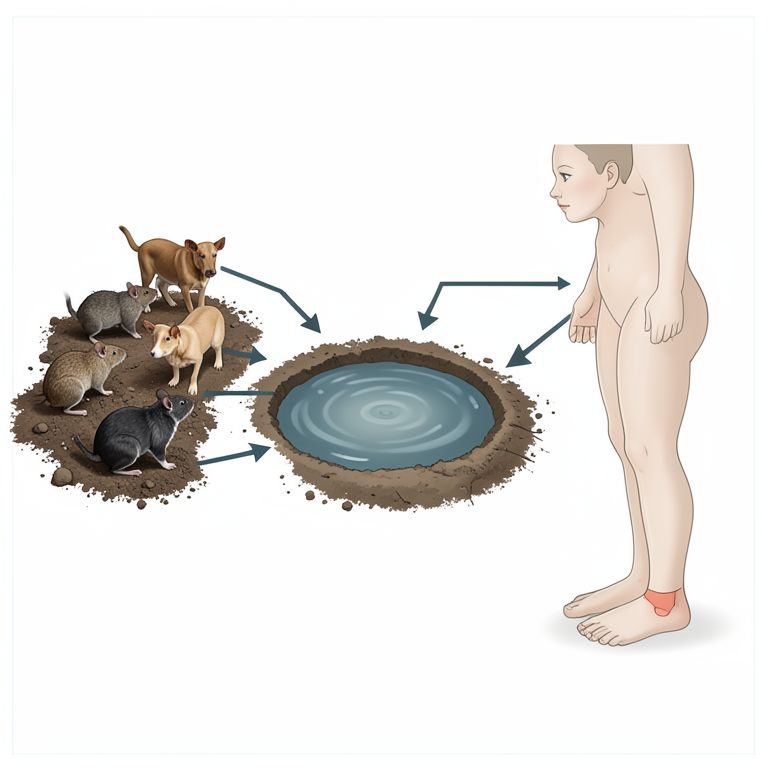
Transmission Cycle of Leptospirosis
AI-generated conceptual illustration (rodents, dogs, livestock, and humans in an urban environment). It explains the idea and does not show study data.
View source evidence ↗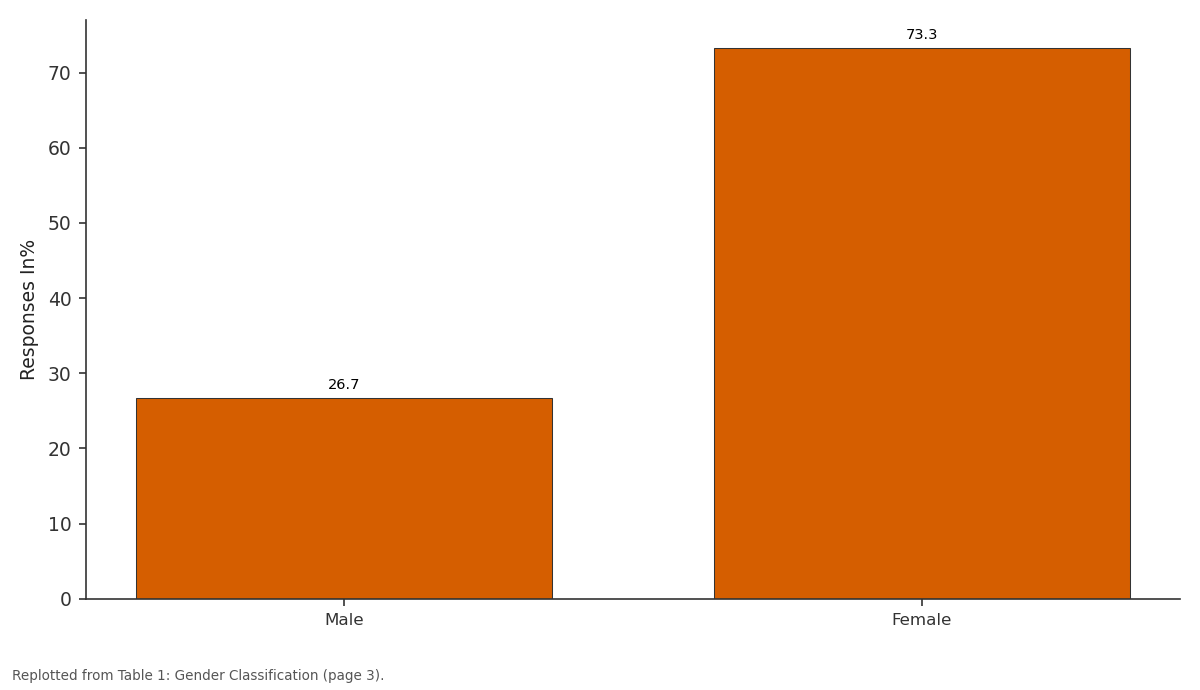
Responses In%: Male vs Female
Replotted from Table 1 (page 3) of the original paper. Every bar is the paper's own table value.
View source evidence ↗Figures & tables
From the original paper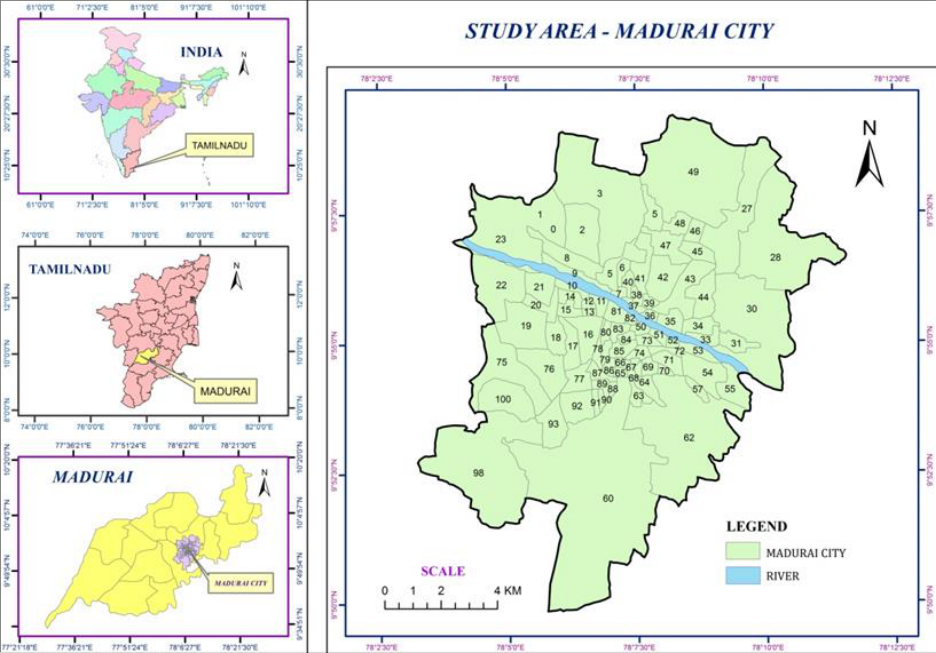 Figure 1
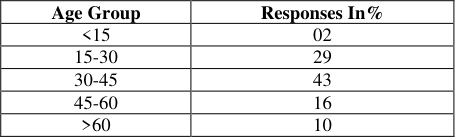 Table 2
 Table 3
 Table 1
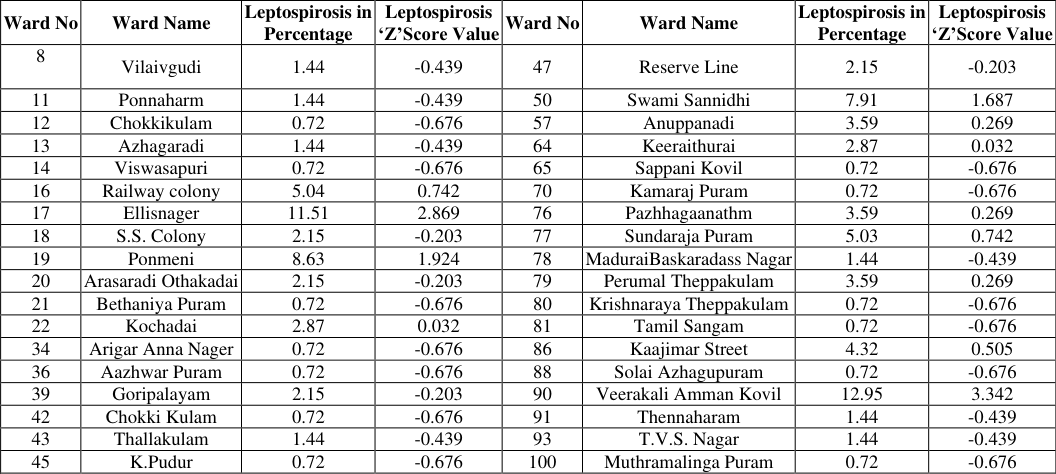 Table 3
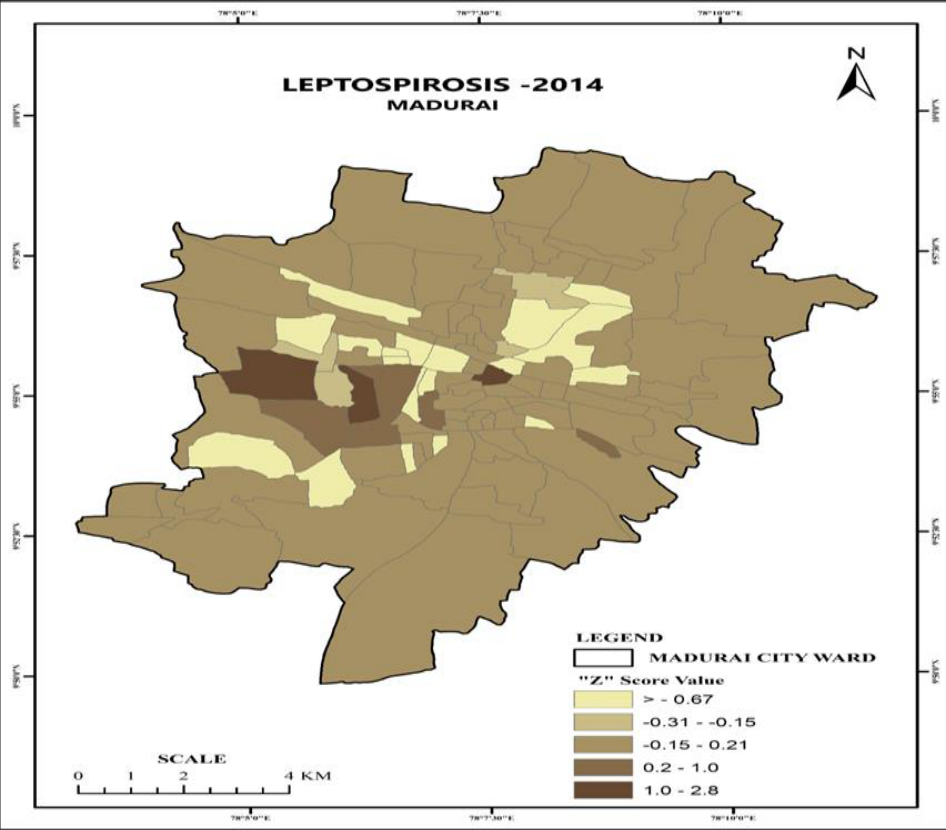 Figure 2
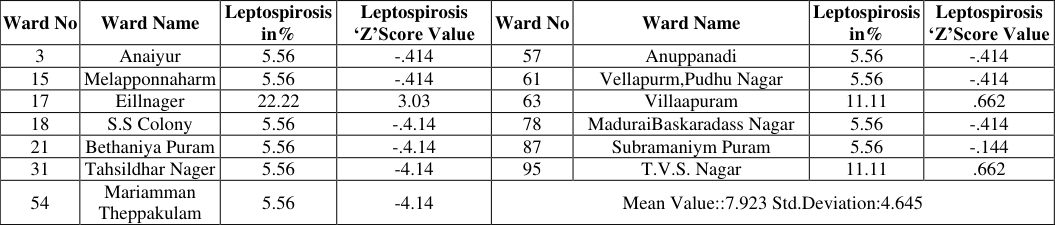 Table 4
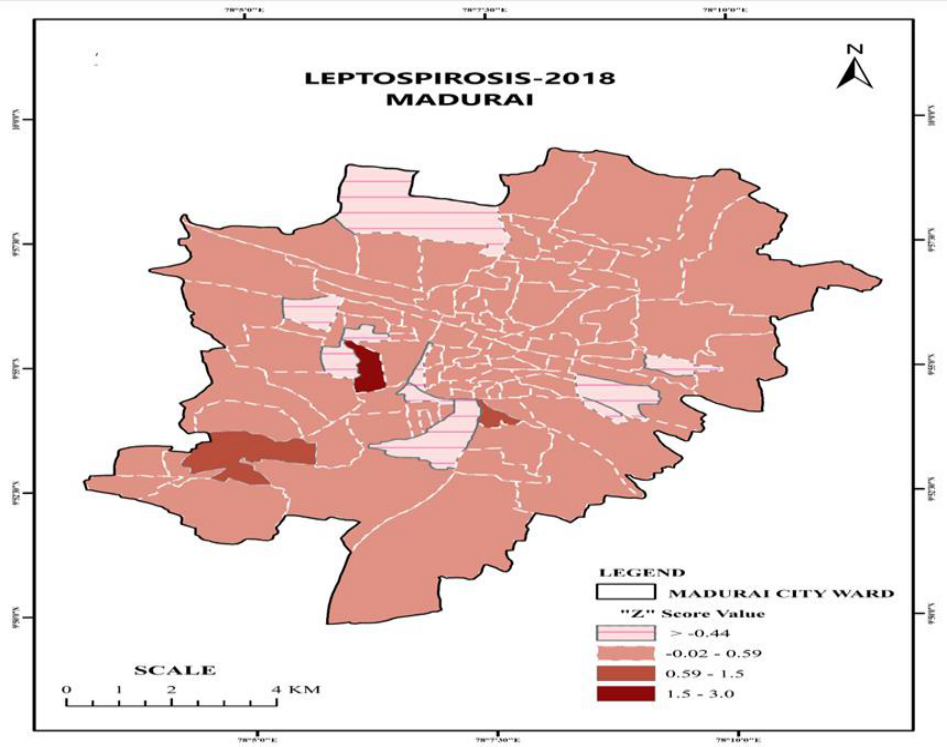 Figure 3
Introduction
Leptospirosis is a zoonotic disease caused by bacteria of the genus Leptospira [1] It is most commonly spread via water contaminated with urine from infected animals, but contaminated food or soil can also act as vehicles for the disease [2] . The main animal reservoirs are rodents, livestock and dogs. The patients suffer from fever, swelling of legs, and sever body pain. Some severe complications include kidney damage, liver failure, respiratory distress, meningitis and death [3] . Leptospirosis is most common in urban slum areas, where there is inadequate sewage disposal and water treatment [4] . It can also be an occupational hazard for those working outdoors or with animals and a recreational hazard for those participating in water related activities. 5 Epidemics are typically seen during flooding. Changing environmental trends, with extreme weather patterns, may perpetuate these epidemics [6] . Transmission of the disease in humans occurs by either direct or indirect contact with the urine, blood, or tissue of an infected animal. Animals known to spread leptospirosis to humans include cattle, pigs, dogs, reptiles and amphibians, rats and other rodents, which are the most important sources for human infection [7,8] . The urine of infected animals or healthy carriers, which may contaminated soil, pasture, drinking water and food, is the main source of infection. In the case of leptospira abortion, infection can spread through the aborted fetus and uterine discharges [9] . Humans are accidental hosts and acquire infection due to several occupational and recreational hazards associated with leptospirosis. Butchers, veterinarians, farmers and rodent control workers are at increased risk [10] . Outbreaks associated with recreational exposure to water have been reported from several countries [11] . Leptospirosis has been recognized as a potential hazard of water sports, swimming in the river and other recreational activities that expose people to possible contaminated waters. Direct transmission between humans is not indicated. They are not proven to be important epidemiological source of transmission although the excretion of leptospirosis in human urine occurs for months after recovery has been recorded [12,13] .
Medical geography is a multidimensional body of knowledge and at the same time a multifaceted approach is geared towards understanding the spatial aspects of health problems [14,15,16,17,18] . Epidemiology is a branch of medical science that deals with the incidence, distribution, and control of disease in a population [19,20,21,22] . It also deals with the sum of the factors controlling the presence or absence of a disease or pathogen [23,24,25,26,27] . All the studies in medical geography are concerned with the description of spatial and temporal variations of a particular disease and are attempted at the regional level but limited with respect to micro level [28,29,30] . Hence the present study has focused its importance at micro level to study the spatial distribution of Leptospirosis in Madurai city. The purpose of this study is to analyze the geographical distribution of vector borne disease in Madurai city especially Leptospirosis and its association with selected socio economic, environmental, behavioral and Medical aspects. The present study will identify the existing morbidity condition of population and health status prevailing in Madurai City. This offers a wide scope to find out the environmental conditions for both health and disease and stress the need for better environmental planning [31,32] . In addition, it helps to provide the most appropriate description for its present standard of diagnosis and remedy [33,34] .
Study Area
Madurai city is situated in south central part of Tamilnadu on 9 0 55"N Latitude and 78 0 07"E Longitude at a distance of nearly 500 km from Chennai. (Fig 1 ) It is bounded on north by districts namely Dindigul, Tiruchirappalli, and on the east by Sivagangai and on the west by Theni and south by Virudhunagar. The city has grown on both sides of river Vaigai and lies at a low altitude being only about 100 mts above the mean sea level. Madurai city has an area of 52sq.km with an urban area now extending over at much as 130 sq.km.
Aims and objectives
The aims and objectives of the present sutdy are as follows;
To analyse the ward wise spatial distribution of leptospirosis in Madurai City.
To analyse the spatio temporal variation noticed between different years of study area.
To analyse the inter relationship between the prevalence rate of leptospirosis and selected environmental, socio economic and health care variables.
Methodology
To fulfill the above objectives, the information was collected from both primary and secondary sources. The most important tool of analysis for geographers is cartographic interpretation and analysis of data with the help of maps.
Primary Data
The primary data is collected in the form of sample questionnaire survey in selected ward of the study area. The data collected were taken by using the method of stratified random sampling and a total of 300 samples were collected from the study is area with reference to different age groups and sex. The primary data in the present study based on direct personal interview which is selected as sampling units. Leptospirosis awareness of the public identified in Madurai city.
4.2Secondary Data
The main sources of secondary data are available at health department (Viswanatha puram) and leptospirosis clinic (ECO) in West Zone. The data collected from the above institution are ward wisevector borne disease and zoonotic disease 2014-2018. The rainfall and ward wise population data was collected from Assistant director of statistic in Madurai. The information about vectors was collected from respected health centers in Madurai. Census was collected from Madurai corporation office. Other socioeconomic particulars were collected from the respective offices. The Study area maps and related information were obtained from the Town Planning office in Madurai Corporation.
Techniques Used
Two important techniques are used in the present study. They are statistical techniques and Cartographic interpretations. It includes mapping of the study area using the GIS software of Arc GIS 9.3. The primary survey is based on the method of stratified random sampling. Apart from this, the 'Z' score statistical techniques and used to find the major disease distribution and interrelationship between patients and health care centres.
'Z' Score Method
A 'Z' score is a statistical measurement of a score's relationship to the mean in group scores. A 'z' score can be positive or negative indicating whether it is above or below the mean and standard deviation [35] . 'z' score can also be explained as in addition of showing a score's relationship to the mean. 'z' scores also allow analyst to convert scores from different data sets into scores that can be accurately concerned to each other. In order to use a z-score, we need to know the mean μ (mu) and the population standard deviation σ. The z-score is calculated using the following formula by SPSS (Statistical package Social Sciences)
Where: X= Raw score µ= mean of the given population sample σ = standard deviation of given population sample.
Results and Discussion
Results and Discussion
Gender Classification
Analysis of sex ratio is one of the important aspects of Leptospirosis study. In the sample population Females are more (73.3%) when compared to males (26.7%). In Madurai city Females are widely affected by Leptospirosis. Hence awareness about Leptospirosis is needed amongst them (Table 1)
| Gender | Responses In% |
|---|---|
| Male | 26.7 |
| Female | 73.3 |
Table text extracted from the original PDF; superscript letters are shown inline. The original table image is below.
View original table image
Spatial temporal variation of Leptospirosis In Madurai City
In 2014 people affected is very high (139). In 2016 affected 49 people. In 2017 it affected few people i.e 46. (Table 3)
| Ward No | Ward Name | Leptospirosis in Percentage | Leptospirosis ‘Z’Score Value | Ward No | Ward Name | Leptospirosis in Percentage | Leptospirosis ‘Z’Score Value |
|---|---|---|---|---|---|---|---|
| 8 | Vilaivgudi | 1.44 | -0.439 | 47 | Reserve Line | 2.15 | -0.203 |
| 11 | Ponnaharm | 1.44 | -0.439 | 50 | Swami Sannidhi | 7.91 | 1.687 |
| 12 | Chokkikulam | 0.72 | -0.676 | 57 | Anuppanadi | 3.59 | 0.269 |
| 13 | Azhagaradi | 1.44 | -0.439 | 64 | Keeraithurai | 2.87 | 0.032 |
| 14 | Viswasapuri | 0.72 | -0.676 | 65 | Sappani Kovil | 0.72 | -0.676 |
| 16 | Railway colony | 5.04 | 0.742 | 70 | Kamaraj Puram | 0.72 | -0.676 |
| 17 | Ellisnager | 11.51 | 2.869 | 76 | Pazhhagaanathm | 3.59 | 0.269 |
| 18 | S.S. Colony | 2.15 | -0.203 | 77 | Sundaraja Puram | 5.03 | 0.742 |
| 19 | Ponmeni | 8.63 | 1.924 | 78 | MaduraiBaskaradass Nagar | 1.44 | -0.439 |
| 20 | Arasaradi Othakadai | 2.15 | -0.203 | 79 | Perumal Theppakulam | 3.59 | 0.269 |
| 21 | Bethaniya Puram | 0.72 | -0.676 | 80 | Krishnaraya Theppakulam | 0.72 | -0.676 |
| 22 | Kochadai | 2.87 | 0.032 | 81 | Tamil Sangam | 0.72 | -0.676 |
| 34 | Arigar Anna Nager | 0.72 | -0.676 | 86 | Kaajimar Street | 4.32 | 0.505 |
| 36 | Aazhwar Puram | 0.72 | -0.676 | 88 | Solai Azhagupuram | 0.72 | -0.676 |
| 39 | Goripalayam | 2.15 | -0.203 | 90 | Veerakali Amman Kovil | 12.95 | 3.342 |
| 42 | Chokki Kulam | 0.72 | -0.676 | 91 | Thennaharam | 1.44 | -0.439 |
| 43 | Thallakulam | 1.44 | -0.439 | 93 | T.V.S. Nagar | 1.44 | -0.439 |
| 45 | K.Pudur | 0.72 | -0.676 | 100 | Muthramalinga Puram | 0.72 | -0.676 |
Table text extracted from the original PDF; superscript letters are shown inline. The original table image is below.
View original table image
The number of in cases 2018 is only 21. The bacteria can get into a person's body through eating or drinking food or water with these bacteria, through a cut in the skin, or through mucous membranes (eyes, nose, mouth, or anus).
Significant variation of Leptospirosis in Madurai City 2014-2018
Madurai city was highly affected by leptospirosis in 2014 when compared to 2018. The major reasons are polluted water, solid waste management, and socio economic background of people.People can also get this disease through direct or indirect contact with the infected urine of people or animals. The bacteria can get into a person's body through eating or drinking food or water with these bacteria, through a cut in the skin, or through mucous membranes (eyes, nose, mouth, or anus).The most people affected in leptospirosis the government hospital. The mazimum affected areas are Anuppanadi, Ellisnagar.
Conclusions
Spatial distribution of this disease observed to be high in the Western part of Madurai City. The prevalence rate was very high in south western part of the city. This area has a slum, poor water supply, poor and low socio-economic status of people and personal hygienic etc,. Moderate prevalence rate is noticed in southern part. Low prevalence rate is found Leptospirosis in Northern area the city. The disease mostly affected women and children. The present study will identify the existing morbidity condition of population and health status prevailing in Madurai City. This offers a wide scope to find out the environmental conditions to both health and disease and stress the need for better environmental planning. In addition, it helps to provide the most appropriate description for its present standard of diagnosis and remedy. The work also helps to plan for minimum essential health facilities needed for the people of Madurai city. The study has its own value if this subjective impression revealed from the maps, could be reinforced by objective. Hence the present study has made an attempt to throw light on specific environment and geographical pathology particularly with physical health with reference to selected environmental indicators of Madurai city. The study highlights that incidence rate of Leptospirosis has gradually reduced due to proper planning and management system of the study area.
Figures and tables from the paper
| Age Group | Responses In% |
|---|---|
| <15 | 02 |
| 15-30 | 29 |
| 30-45 | 43 |
| 45-60 | 16 |
| >60 | 10 |
Table text extracted from the original PDF; superscript letters are shown inline. The original table image is below.
View original table image
| Ward No | Ward Name | Leptospirosis in% | Leptospirosis ‘Z’Score Value | Ward No | Ward Name | Leptospirosis in% | Leptospirosis ‘Z’Score Value |
|---|---|---|---|---|---|---|---|
| 3 | Anaiyur | 5.56 | -.414 | 57 | Anuppanadi | 5.56 | -.414 |
| 15 | Melapponnaharm | 5.56 | -.414 | 61 | Vellapurm,Pudhu Nagar | 5.56 | -.414 |
| 17 | Eillnager | 22.22 | 3.03 | 63 | Villaapuram | 11.11 | .662 |
| 18 | S.S Colony | 5.56 | -.4.14 | 78 | MaduraiBaskaradass Nagar | 5.56 | -.414 |
| 21 | Bethaniya Puram | 5.56 | -.4.14 | 87 | Subramaniym Puram | 5.56 | -.144 |
| 31 | Tahsildhar Nager | 5.56 | -4.14 | 95 | T.V.S. Nagar | 11.11 | .662 |
| 54 | Mariamman Theppakulam | 5.56 | -4.14 | Mean Value::7.923 Std.Deviation:4.645 |
Table text extracted from the original PDF; superscript letters are shown inline. The original table image is below.
View original table image
References
34 in the original paper- Thayaparan S, Robertson ID, Fairuz A, Suut L, Abdullah MT. Leptospirosis, an emerging zoonotic disease in Malaysia. Malaysian Journal of Pathology. 2013; 35(2):123-32.
- Prabhakaran SG, Shanmughapriya S, Dhanapaul S, James A, Natarajaseenivasan K. Risk factors associated with rural and urban epidemics of leptospirosis in Tiruchirappalli District of Tamilnadu, India. Journal of Public Health. 2014; 22(4):323-33. https://doi.org/10.1007/s10389-014-0611-1
- Sivasankari K, Shanmughapriya S, Natarajaseenivasan K. Leptospiral renal colonization status in asymptomatic rural population of Tiruchirapalli district, Tamilnadu, India. Pathogens and global health. 2016; 110(4-5):209-15. https://doi.org/10.1080/20477724.2016.1222054
- Kanagavel M, Margreat AA, Arunkumar M, Prabhakaran SG, Shanmughapriya S, Natarajaseenivasan K. Multilocus sequence typing (MLST) of leptospiral strains isolated from two geographic locations of Tamil Nadu, India. Infection, Genetics and Evolution. 2016; 37:123-8. https://doi.org/10.1016/j.meegid.2015.11.008
- Rahamath Nisha R, Saravanabavan V. " A Geo medical anlaysis of Leptopirosis in Madurai district" Ed,Vol 'Geospatial Technologies for Resource Evaluation and Management', Jayalakshmi Publication, 140,VPM Towers, TPK Main road, Vasanthanagar, Madurai - 625003, 2015, pp415-420, ISBN: 978-93-84193-36-2.
- Boey K, Shiokawa K, Rajeev S. Leptospira infection in rats: A literature review of global prevalence and distribution. PLoS neglected tropical diseases, 2019, 13(8). doi: 10.1371/journal.pntd.0007499
- Padma V, Javid SM. Leptospirosis-a cross sectional study. World Applied Science Journal. 2014; 29:879-3.
- López MS, Müller GV, Lovino MA, Gómez AA, Sione WF, Pomares LA. Spatio-temporal analysis of leptospirosis incidence and its relationship with hydroclimatic indicators in northeastern Argentina. Science of The Total Environment. 2019; 694:133651. https://doi.org/10.1016/j.scitotenv.2019.133651
- Desvars A, Naze F, Benneveau A, Cardinale E, Michault A. Endemicity of leptospirosis in domestic and wild animal species from Reunion Island (Indian Ocean). Epidemiology and Infection. 2013; 141(6):1154-65. https://doi.org/10.1017/S0950268812002075
- Ghasemian A, Abbas AF, Al-Saadi AG, Salari M, Memariani H, Mostafavi SK. Occupational leptospirosis as an underreported disease in high-risk groups: implications for prevention and control measures. Reviews in Medical Microbiology. 2020; 31(2):75-8. doi: 10.1097/MRM.0000000000000198
- Garba B, Bahaman AR, Bejo SK, Zakaria Z, Mutalib AR, Bande F. Major epidemiological factors associated with leptospirosis in Malaysia. Acta tropica. 2018; 178:242-7. https://doi.org/10.1016/j.actatropica.2017.12.010
- Vijayachari P, Sugunan AP, Shriram AN. Leptospirosis: an emerging global public health problem. Journal of biosciences. 2008; 33(4):557-69. https://doi.org/10.1007/s12038-008-0074-z
- Guernier V, Goarant C, Benschop J, Lau CL. A systematic review of human and animal leptospirosis in the Pacific Islands reveals pathogen and reservoir diversity. PLoS neglected tropical diseases. 2018; 12(5):e0006503. https://doi.org/10.1371/journal.pntd.0006503
- Saravanabavan V, Balaji D, Preethi S. Identification of dengue risk zone: a geo-medical study on Madurai city. Geo Journal. Springer. 2019; 84(4):1073-87. https://doi.org/10.1007/s10708-018-9909-9
- Balaji D, Saravanabavan V. A geo medical analysis of dengue cases in Madurai city-Tamilnadu India. Geo Journal. Springer, 2019, 1-6. ISSN 0343-2521, https://doi.org/10.1007/s10708-019-10006-4
- Vimala Vinnarasi J, Saravanabavan V. Tuberculosis types and its characteristics in Dindigul District-A Geomedical study using GIS. International Journal of Geomatics and Geosciences. 2017; 7(3):262-74. ISSN: 0976-4380, 2017
- Ganesan J, Saravanabavan V. Nutritional Problems of Anaemia Disorders among the Tea Plantation Labourers in Nilgiris District-A Geo Medical Study. International Journal of Research Studies in Science, Engineering and Technology. 2018; 4(4):360-1366. ISSN: 2394-4099
- Eswari S, Saravanabavan V. A Geo Medical analysis of Diarrhoeal diseases among Children in Madurai City, Tamilnadu, India. International Journal of Current Research, l12(3), 10684-10689.Issn:0975-833X https://doi.org/10.24941/ijcr.38320.03.2020
- Saravanabavan V, Reshma CU, Preethi S. Determinants of reproductive health in working women in Thrissur district, Kerala. GeoJournal. Springer, 2019, 1-5. ISSN 0343-252 https://doi.org/10.1007/s10708-019-10051-z
- Balaji D, Saravanabavan V. Geo spatial variation of dengue risk zone in Madurai city using autocorrelation techniques. GeoJournal. Springer. 2020; 28:1-21. https://doi.org/10.1007/s10708-020-10143-1
- Saravanabavan V, Reejo RJ, Neethidevi A, Jayashree R. Travel and health care utilization pattern of patients in Vadippati panchayat union: A micro level study using GIS. Journal of Deccan Geographer. 2006; 44(2):97-108. ISSN.NO 0011-7269
- Rahamath Nisha R, Saravanabavan V, Balaji D. Knowledge, Attitude and Practice in Dengue Endemic Areas in Madurai District. International Journal of Contemporary Medical Research. 2020; 7(3):2393915X
- Sudharsan R, Saravanabavan V, Devanathan D, Patient Satisfaction and Perceptions about Quality of Healthcare at a Primary Healthcare Centre of Thanjavur District, Tamil Nadu. International Journal of Research in Science and Technology. 2019; (9):ISSN:2249-0604, p-ISSN: 2454-180X http://www.ijrst.com
- Saravanabavan V, Sudharsan R, Balaji D, Rahamath Nisha R. Patient's perception and epidemiological characteristics of dengue in Madurai city-using factor analysis. International Journal of Mosquito Research. 2014; 1(2):18-24.
- Saravanabavan V, Shanmuganandan S. Identification of Health Care Delivery System for Paucibacillary Leprosy in Tamil Nadu. Geographical Review of India. 1997; 59(3):216-224. ISSN.NO 0375-6386
- Reshma CU, Sheheersha SK, Saravanabavan V. A case study on the influence of socio-economic status of women on infant healthcare in Kerala state. International Journal of Physical and Social Sciences. 2015; 5(1):128.
- Saravanabavan V, Shanmuganandan S. Leprosy and Multidrug therapy in Tamil Nadu, India: A Factor Analysis. The Indian Geographical Journal. 1998; 73(1):41-50. ISSN.NO 0019-4824
- Saravanabavan Patients V. Perception and travel behavior pattern in primary health care center in Haripad block-A micro Geo-medical study. Journal of Language in India; 2013; 13(4):194-207.
- Renugadevi G, Vadivel S. Determinants of Elderly people health care management in Kumbakonam towin, Taminadu, India, International Journal of Humanities and Social Science inventions. 2017; 6(7):24-28
- Saravanabavan V. "Bicycles and health-a geo medical study of Madurai city." In Velo Australis and VeloCity'96, International Bicycle Conference, 1996, Fremantle, Western Australia, 1996. http://worldcat.org/isbn/1863080554
- Balasubramani K, Saravanabavan V, Kannandasan K. A Comparison of Approaches for Automated Watershed Delineation: A Case study of NagalAr Watershed. In Proceedings of the National Seminar on Geospatial Technology for Resource Evaluation and Management, Department of Geography, Madurai Kamaraj University, 2012, 200-208.
- Saravanabavan V. Geospatial Technologies for Research Evaluation and Management. Book, Editor V. Saravanabavan, Jayalakshmi Publicatin, 140,VPM Towers, TPK Main road, Vasanthanagar, Madurai - 625003, 2015, ISBN: 978-93-84193-36-2.
- Dhewantara PW, Al Mamun A, Zhang WY, Yin WW, Ding F, Guo D et al. Geographical and temporal distribution of the residual clusters of human leptospirosis in China. Scientific reports. 2018; 8(1):12. https://doi.org/10.1038/s41598-018-35074-3
- Saravanabavan V, Balaji D, Reshma CU, Sheheersha SK, Sudharsan R, Vimala Vinnarasi J et al. Urban disease ecology and its spatial variation of Chikungunya in Madurai City, Tamilnadu, India: a geomedical study. Geo Journal, 2020, 1-16. https://doi.org/10.1007/s10708-020-10192-6
Cited by 3
From OpenAlex, OpenCitations and reference lists read by Scinovex
- Determinants of health care facilities and patients’ accessibility to PHC in Madurai district
C Vinothini, V. Saravanabavan · International Journal of Geography Geology and Environment · 2023
Health geography as an interdisciplinary field of study concerned with variations of disease incidence as expressed in mortality or morbidity with the demonstration of possible cause and effect relationship with health utilization, elements of physical, biological and socio-cultural environments in space. The study area Madurai district lies between 9° 30′ north to 10° 30′ North latitudes and 77° 30′ east to 78° 30′ East longitudes. The data for the present study was collected from primary and secondary source. The main objectives of the study are; To analyze the identification of spatial dist
- Spatial distribution of primary health care centre and socio economic conditions of patients in Madurai district
V. Saravanabavan, C Vinothini, RS Suja Rose · International Journal of Geography Geology and Environment · 2023
Health services are essentially social services. It is one of the many services system that has emerged to facilitate of individual as well as social goals. Health is one of the major dimensions in socio economic development. The main objectives of the study are; To analyse the spatial distribution of primary health care centre in Madurai district. To analyse the socio-economic conditions of patients in Madurai district. To analyze the patient perception and satisfaction level who avail these PHC services. The study area Madurai district lies between 9° 30′ north to 10° 30′ North latitudes and
- Epidemiological Scenario of Dengue Infection Over Two Years During 2021-2022, in Madurai Corporation ↗
Sugumari Chandrasegaran, G. Manjula, A. Seetha · International Journal of Health Sciences and Research · 2024
Aim: To determine the incidence of Dengue in Madurai city during 2021 & 2022 by Dengue IgM ELISA and to analyse the epidemiological trend of Dengue infection including age, gender and seasonal variation. Methods: Serum samples from the suspected patients were screened using IgM antibody ELISA. Results: Maximum number of DENV cases occurred between October to March ranging from 43.3%…
❝ 0PDF