
Research article · 2023 · Full text
International Journal of Geography Geology and EnvironmentSpatial distribution of primary health care centre and socio economic conditions of patients in Madurai district
Volume 5(2) · Pages 192–198 · DOI: 10.22271/27067483.2023.v5.i2b.192 ↗
Research areasHealthcare Systems and Reforms
Abstract
Author-writtenHealth services are essentially social services. It is one of the many services system that has emerged to facilitate of individual as well as social goals. Health is one of the major dimensions in socio economic development. The main objectives of the study are; To analyse the spatial distribution of primary health care centre in Madurai district. To analyse the socio-economic conditions of patients in Madurai district. To analyze the patient perception and satisfaction level who avail these PHC services. The study area Madurai district lies between 9° 30′ north to 10° 30′ North latitudes and 77° 30′ east to 78° 30′ East longitudes. The data for the present study was collected from primary and secondary source. The random sampling technique is adopted to collect the primary data in all 13 blocks of Madurai district. Altogether about 260 sample respondents have been interviewed from the study area for the Questionnaire method. The data has been analysed by means of Descriptive statistical techniques. To identify health service area in Madurai District, spatial analysis techniques were applied. A detailed fieldwork was carried out at all levels to study the socio-economic characteristics of the respondent and their utilization pattern.
Summary
Source-checkedPlain-language reading of the full paper, prepared with AI and checked against the text. Each point links to the authors' own words.
Why it matters
- Health is considered a primary dimension of socio-economic development. View evidence ↗
- The World Health Organization defines primary health care (PHC) as essential health care that is accessible, acceptable, and affordable for individuals and families. View evidence ↗
- Limited availability and perceived low quality of care often force patients to travel to access health services. View evidence ↗
The question
- The study aims to analyze the spatial distribution of primary health care centers, the socio-economic conditions of patients, and patient satisfaction levels in the Madurai district. View evidence ↗
What they did
- The study was conducted in the Madurai district, which consists of 11 taluks, 13 blocks, and 665 revenue villages. View evidence ↗
- Researchers used stratified random sampling to interview 260 respondents via a direct questionnaire method. View evidence ↗
- Data analysis involved descriptive statistical techniques and GIS overlay analysis. View evidence ↗
What they found
- The Madurai district contains a total of 54 primary health centers (PHCs) and one government hospital. View evidence ↗
- Regarding proximity, 72.98% of respondents live within 3 km of a health center, 23.17% live 3 to 4 km away, and 3.85% live more than 5 km away. View evidence ↗
- Male respondents (53%) utilized health centers more frequently than female respondents (46%). View evidence ↗
- The majority of respondents are agricultural workers, with 40% being farmers and 30% agricultural laborers. View evidence ↗
- Education levels are low in the study area, with 45% of respondents being illiterate. View evidence ↗
- The most common modes of transport to health centers are buses (41%) and walking (34%). View evidence ↗
- Transportation costs are generally low, with 77% of respondents spending between 5 and 10 rupees. View evidence ↗
What it means
- The authors conclude that PHCs suffer from staff vacancies and doctor absenteeism, recommending the appointment of more doctors and health workers. View evidence ↗
- The authors note that PHCs are not equally spaced, leaving some areas unserved. View evidence ↗
Visual summary
3 visualsIllustrations explain the paper; charts are replotted from the paper's own table values.
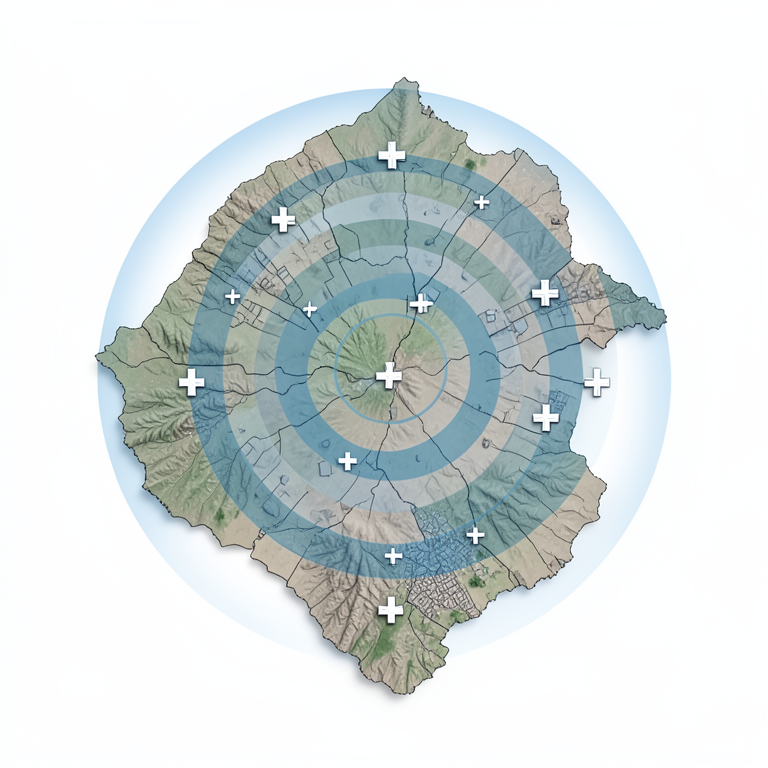
Spatial Distribution Concept
AI-generated conceptual illustration (A geographical map of Madurai district with primary health care centers). It explains the idea and does not show study data.
View source evidence ↗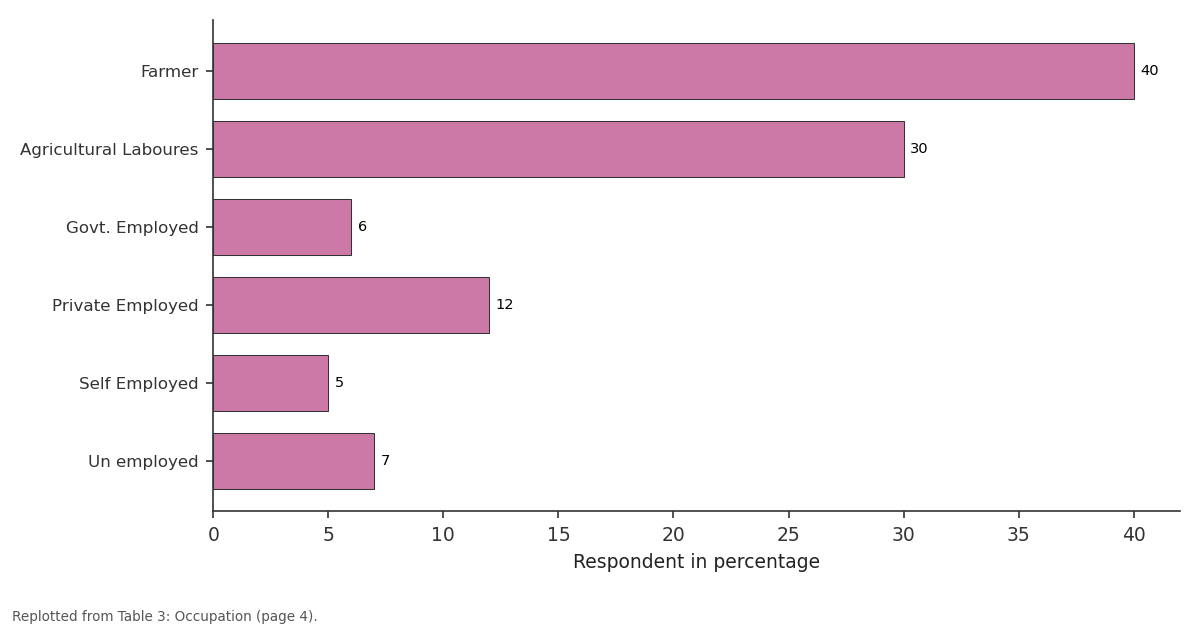
Respondent in percentage: Farmer vs Agricultural Laboures vs Govt. Employed vs Private Employed vs Self Employed
Replotted from Table 3 (page 4) of the original paper. Every bar is the paper's own table value.
View source evidence ↗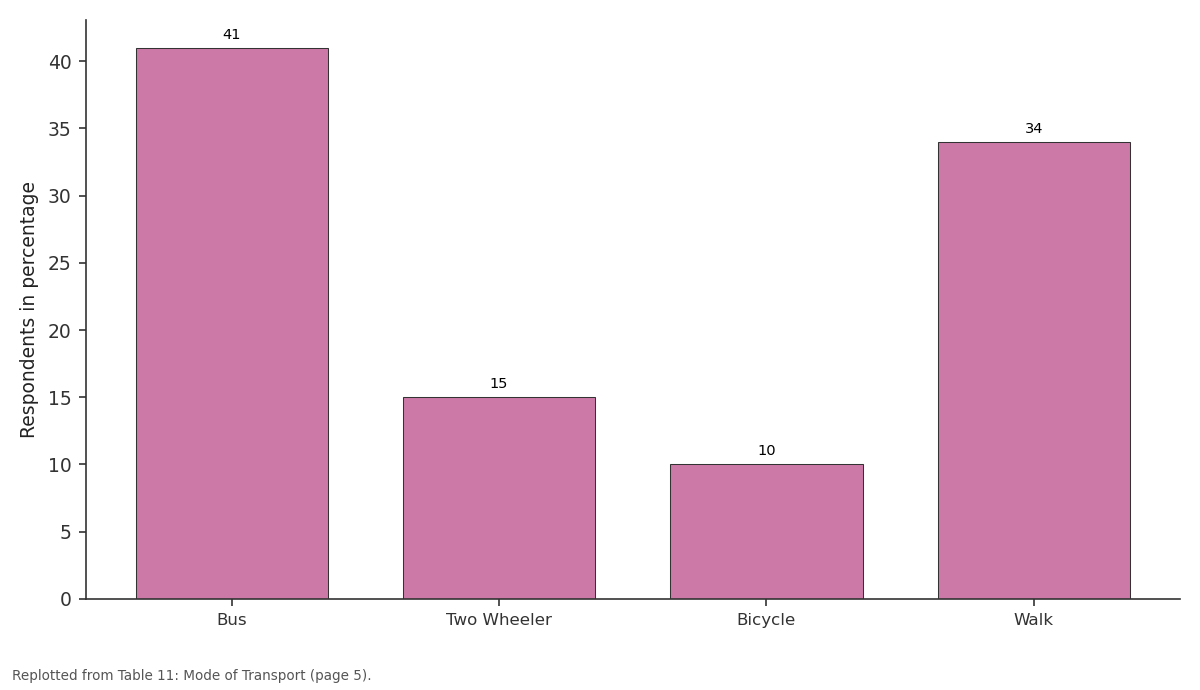
Respondents in percentage: Bus vs Two Wheeler vs Bicycle vs Walk
Replotted from Table 11 (page 5) of the original paper. Every bar is the paper's own table value.
View source evidence ↗Figures & tables
From the original paper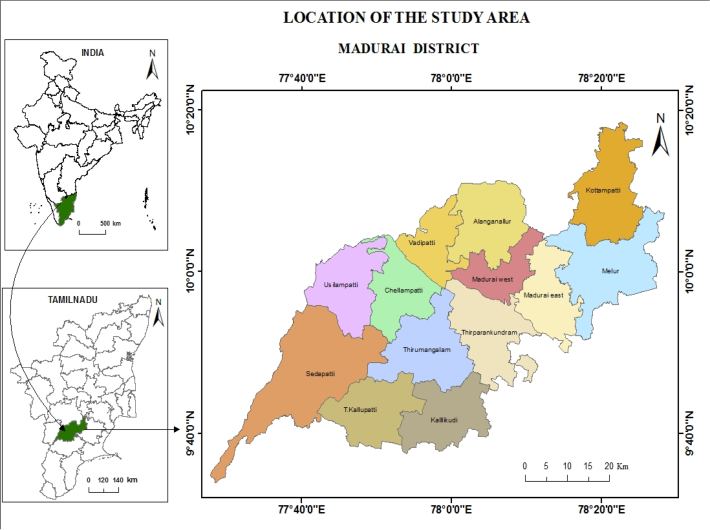 Figure 1
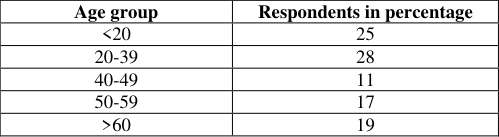 Table 1
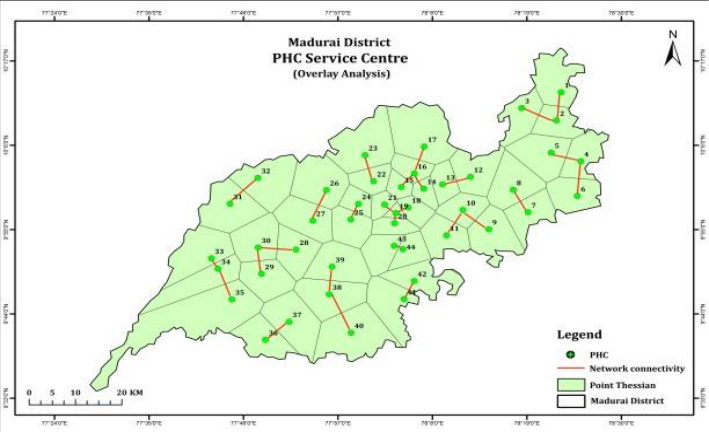 Figure 2
 Table 2
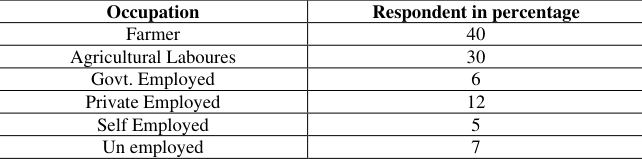 Table 3
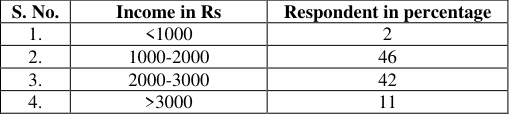 Table 4
 Table 5
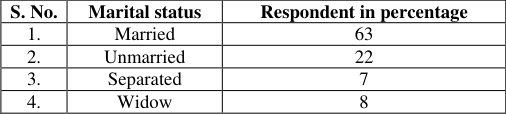 Table 6
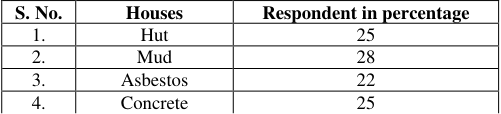 Table 7
 Table 10
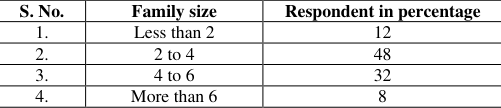 Table 8
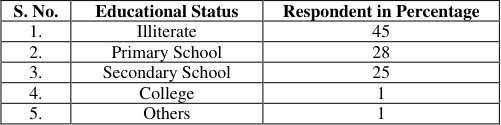 Table 9
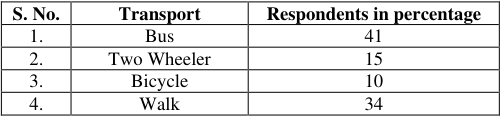 Table 11
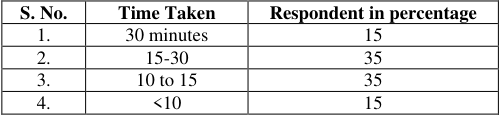 Table 12
 Table 13
Introduction
Primary health care has been defined by the World Health Organization as: essential health care made accessible to individuals and families in the community, by means acceptable to them, through their full participation and at a cost that the community and the country can afford [1] . PHC includes all areas that play a role in health, such as access to health services, environment and lifestyle. Thus, primary healthcare and public health measures, taken together, may be considered as the cornerstones of universal health systems [2,3] . The present study is an attempt made to understand the patient and satisfaction level on health care delivery system in Madurai District. For this purpose a primary survey was conducted on the basis of stratified random sampling of the study area. In this chapter, the characteristics of the patients viz, their economic and social status, health problems and related aspects, perception on treatment and health centers and the satisfaction level of people on the health care system are analyzed. PHC addresses the broader determinants of health and focuses on the comprehensive and interrelated aspects of physical, mental and social health and wellbeing [4][5][6] . Analysis the spatial distribution of health care centres and patterns behaviour pattern among different age and sex groups [7][8][9] . The study describes about patients perception and utilization pattern of PHCs in Madurai [10][11][12] . The perspective of medical geography or Health geography, the implementation of geographical concepts and techniques to study health and diseases [13][14][15] . Health geography is a comparative study of the incidence of diseases and the distribution of physiological traits in people belonging to different communities throughout the world and the correlation of these traits with different aspects of the environment [16][17] . Diseases are not uniformly distributed over the surface of the earth [18,19] . There are different patterns of distribution of various diseases [20,21] . A detailed field work was carried out at all level, to study the socio-economic characteristics of the respondent [22,23] . The field work was designed with the help of a suitable scientific frame work of sampling, namely the stratified random sampling [24,25] .
Primary health care system is designed to meet the health needs of community through the available knowledge and resources [26,27] . The health care system is intended to deliver health care services [28,29] . Limited availability of health care facilities and services and perceived low quality of care mean that those in need of health care services frequently had to travel for health care [30,31] . Respiratory disease is transmitted among humans either through direct contact or via droplets from sneeze or cough [32,33] . They are creating new habitat and breeding sites for disease vectors that, in many cases, favor disease transmission [34,35,36] . Continued progress in controlling these diseases is therefore an important contribution to global health, development and security [37,38] . Vector-borne diseases are spread by insects (such as mosquitoes) [39] . The development in health condition and in the field of health studies is essential for the sustainable economic and social development, thus increasing the life expectancy and the health condition of the people [40] . The study is aimed to analyze the socio-economic characteristics of the patients and the resultant utilization pattern of health care services.
Study Area
Madurai district located in the central part of the southern Tamilnadu of India. It's bordered by Dindigul and Tiruchirappalli District on the North Sivagangai District on East, Virunagar on the South and Theni on the West. Madurai district is at 9º 30´ and 10 º 50´ of North Latitude and from 77 º 00´ to 78 º 30´ of East longitude. (Figure 1). The total geographical area is 384,680 hectares. The total population about 3038252 as per 2011 census. Madurai district in Tamil Nadu is selected for the present study. This district is a combination of urban and rural region. According to 2011 census the study area has the total population of 1,470,755. Spread over an area of 147.97 km2. The study area is the most famous and most important district in Tamil Nadu and India. It has 11 taluk's and 13 blocks 665 revenue villages.
Aims and Objectives
The main objectives of the study are: a. To analyse the spatial distribution of primary health care centre in Madurai district. b. To analyse the socio-economic conditions of patients in Madurai district. c. To analyze the patient perception and satisfaction level who avail these PHC services.
Methodology
The data for the present study was collected from primary and secondary source. The fieldwork was designed with the help of a suitable scientific framework of sampling, namely the stratified random sampling. There were totally 260 respondents who were interviewed by direct questionnaire method. The survey was at best carried out from government primary health centers. The data has been analysed by means of Descriptive statistical techniques. The secondary data was based on the relevance data available at joint director of health office in Madurai city. The other medical and demographic statistical data were collected from respective offices. The most important tool of analysis is the cartographic interpretation and analysis of data with the help of maps. Geographical techniques such as overlay analysis using GIS and suitable statistical techniques were used to analyse the data.
Primary data
The primary data collection for the purpose of this study was done in the form of questionnaire survey in selected four major health centres of the study area based on stratified area random procedure. The data collected were taken using the method of random sampling based on total number of patients on both age and sex and total of 260 samples were drawn in the year 2021. The units were almost uniformly (each 20 samples) drawn from the total by following the spatial distribution of patients with in the selected health care centre.
Secondary data
The main sources of secondary health data were collected at joint director of health, and demographic data sources obtained from the respective statistical offices in Madurai district
Results and Discussion
Results and Discussion
Spatial distribution of health care centers in Madurai district
Madurai district is well developed in its health care system.
The study area has one Govt. Hospital and 54 PHC in total.
There a few private clinics in the study area, which serve the increasing health needs of the people. The sample survey, conducted in the study area, about 72.98% of the respondent reside near to the health centre (With in 3 km) and about 23.17% reside 3 to 4 km from the hospital (Figure 2). Around 3.85% of the respondent reside more than 5 km from the health centre.
The study area is well connected to all of its village panchayats via; roads. The mode of transport which people use to reach the health centre is also an important aspect to be analyzed. About 46% of the respondents reach the health care by walk and about 38% of them reach by bus. About 11% of them respondents reach by two wheelers and 5% of them use other modes of travel. The patient's perception point of view of about 65% of the respondents took only within 30 minutes to reach the health centre and 23% of them were of the opinion that they took 30-45 minutes to reach the health centre. Likewise 5% of the respondents needed more than 45 minutes and only 7% of them reached within 15 minutes. The medical availability at free of cost in the health centers are another measure to check the efficiency of the respective health centre.
In the case of the study area about 58% of the respondents stated that they have to wait for 15 minutes to see the doctor and 29% of them stated that it took 30 minutes to see the doctor. Likewise 8% of them respondents stated they have to wait for 30-45 minutes and 5% of them stated that it took more than 45 minutes to see the doctor for treatment.
The Socio-Economic conditions of the patients in Madurai district
The socio-economic conditions of the respondent are collected through primary survey by administering a Questionnaire. The socio-economic conditions considered in the present study are the age, sex, mother tongue, religion, educational status, marital status, family size, occupation and income. The utilization pattern refers how the patients of different socio-economic groups are utilizing the health centre facilities.
An analysis of the socio-economic characteristics of the respondents in Madurai district
In the following paragraphs emphasis is made to bring out the variation in the socio-economic characteristics of the respondents and their utilization pattern of health care facilities at micro region level in order to measure the efficiency of health care centers centre based on patients utilization.
Age structure
Age group is a major aspect in health care studies. An Analysis of various age groups would reveal the type of illness and severity of suffering from a specific disease. The age structures of the respondents reveal a variation in the utilization rate of the health care facilities. It is also evident that the respondents in the age group of less than20 years utilize more, i.e. 25% of health centers. The respondents in the age group of 40-49 years utilize very less i.e., 11% of the health centers. The utilization pattern with regard to number of years -25% who utilize it are less than 20 years, 28% are of 20-39 year, 11% are of 40-49 years, 17% are of 50-59 years, 19% are above 60 years (Table 1). So the majority of the respondent's utilization of services at the government primary health centers is less than 20 years.
| Age group | Respondents in percentage |
|---|---|
| <20 | 25 |
| 20-39 | 28 |
| 40-49 | 11 |
| 50-59 | 17 |
| >60 | 19 |
Table text extracted from the original PDF; superscript letters are shown inline. The original table image is below.
View original table image
Sex
Sex is also a major aspect in health care studies. Most of the respondents were male. The utilization of health centre is more among males than female. The above table 2 shows the structure of respondents in the study area. The male respondents constitute to about 53% and female constitute to about 46% others 1%. This clearly shows that the male populations have free movement than female.
| S. No. | Sex | Respondent in percentage |
|---|---|---|
| 1. | Male | 53 |
| 2. | Female | 46 |
| 3. | Others | 1 |
Table text extracted from the original PDF; superscript letters are shown inline. The original table image is below.
View original table image
Economic status of the Respondents
The socio-economic characteristics of the respondents have a strong bearing on the utilization pattern of health care facilities. The economic status of the patients or respondent is responsible for them to choose the health care facility at a higher or lower level. So there is a need to assess their economic situation.
Occupation
The occupational characteristics of the respondent also vary considerably from macro to meso and micro level. The table 3 shows the occupation of respondent in the study area. Among the respondents 30% of them are agricultural laboures, and farmers are 40%, and others are 30%. So majority of the respondents are agricultural workers.
| Occupation | Respondent in percentage |
|---|---|
| Farmer | 40 |
| Agricultural Laboures | 30 |
| Govt. Employed | 6 |
| Private Employed | 12 |
| Self Employed | 5 |
| Un employed | 7 |
Table text extracted from the original PDF; superscript letters are shown inline. The original table image is below.
View original table image
Monthly Income
In Madurai district the majority of people were under middle -income group. The monthly income level decides their type and place of treatment for a specific disease. Majority of the respondent are of Rs 1000-2000 income group. The income level of respondents vary from less than Rs 1000 to more than Rs 3000.About 46% of respondents were of Rs 1000-2000 income group and 42% of Rs. 2000-3000. About 11% of the respondent were under Rs more than 3000 income group and two percent of them were less than Rs 1000 income group. (Table 4).
| S. No. | Income in Rs | Respondent in percentage |
|---|---|---|
| 1. | <1000 | 2 |
| 2. | 1000-2000 | 46 |
| 3. | 2000-3000 | 42 |
| 4. | >3000 | 11 |
Table text extracted from the original PDF; superscript letters are shown inline. The original table image is below.
View original table image
Religion
Religion also plays an important role in health care studies. Most of the respondents were Hindu 76% (Table 5). People of all religion go to health care centers in Madurai district. About 76% of the respondents belong to Hindu religion. 13% belongs to Muslim religion. 10% of the respondents belong to Christians, and others are 1%.
| S. No. | Religion | Respondent in percentage |
|---|---|---|
| 1. | Hindu | 76 |
| 2. | Christian | 10 |
| 3. | Muslim | 13 |
| 4. | Others | 1 |
Table text extracted from the original PDF; superscript letters are shown inline. The original table image is below.
View original table image
Mother tongue:
Mother tongue is one of the vital roles in health care services. Majority of the respondent's mother tongue is Tamil. About 83% speak Tamil and 17% speak in other language.
Marital status
The marital status of the respondents varies from married to widow. Majority of the respondents are married people (Table 6). In the analysis of marital status, about 63% are married people and 22% of unmarried people. About 7% of them were separated and about 8% of them were widowed.
| S. No. | Marital status | Respondent in percentage |
|---|---|---|
| 1. | Married | 63 |
| 2. | Unmarried | 22 |
| 3. | Separated | 7 |
| 4. | Widow | 8 |
Table text extracted from the original PDF; superscript letters are shown inline. The original table image is below.
View original table image
Housing
The study area is rural in nature. In Madurai district most people live in mud houses. To analyze the social status of respondents the housing types were identified. The Table 7 shows the housing type of respondents in study area. About 25% of them live in huts and 25% of concrete house. 28% of the respondents have mud houses and 22% of them have asbestos roofed house.
| S. No. | Houses | Respondent in percentage |
|---|---|---|
| 1. | Hut | 25 |
| 2. | Mud | 28 |
| 3. | Asbestos | 22 |
| 4. | Concrete | 25 |
Table text extracted from the original PDF; superscript letters are shown inline. The original table image is below.
View original table image
Size and types of family
Family size is also important in health care studies. It may be observed that majority of the respondents family size is large. The analysis of the family size reveals that 12% of the respondent's family consists of less than 2 persons. 48% consists of 2 to 4 persons and 32% consists of 4-6 persons (Table 8). About 8% consists of more than 6 persons. Source: Compiled by author.
| S. No. | Family size | Respondent in percentage |
|---|---|---|
| 1. | Less than 2 | 12 |
| 2. | 2 to 4 | 48 |
| 3. | 4 to 6 | 32 |
| 4. | More than 6 | 8 |
Table text extracted from the original PDF; superscript letters are shown inline. The original table image is below.
View original table image
Family type is also important in health care studies. The analyses of the types of family reveal that less than two consists are single family, while more than two consists on joint family.
Educational status
The educational status of the respondents showed a considerable variation in the utilization and closely corresponds with the level of education. Educational qualification is an important indicator in the study about social status. In Madurai district, most of the people are illiterate. Among the respondents a majority of 45% were uneducated people, 28% of the respondents are primary school level education attained, and 25% of them have secondary school level of education (Table 9). 1% of them have college level education.
| S. No. | Educational Status | Respondent in Percentage |
|---|---|---|
| 1. | Illiterate | 45 |
| 2. | Primary School | 28 |
| 3. | Secondary School | 25 |
| 4. | College | 1 |
| 5. | Others | 1 |
Table text extracted from the original PDF; superscript letters are shown inline. The original table image is below.
View original table image
Environment
Environment is an important health related measurements.
In the survey, about 56% of the respondents live in unpolluted surroundings.
Patients satisfied with medical services
The medical services are meant for people who avail these facilities. The level of satisfaction of the respondents about the health services provided by the government primary health care centers in Madurai district is given below (Table 10). Source: Compiled by author.
| S. No. | Satisfaction Level | In percentage |
|---|---|---|
| 1. | Very good | 54 |
| 2. | Good | 40 |
| 3. | Bad | 6 |
Table text extracted from the original PDF; superscript letters are shown inline. The original table image is below.
View original table image
Travel pattern of the patients 6.1 Nearness to the health centre
Distance is an important factor in the consumer travel pattern between separate locations thus affecting the spatial interaction of consumer who usually have their choice for shorter distance. In the sample survey conducted in the study area, about 42% of the respondents reside near the primary health centre and about 49% reside near the subcentre. Around 9% of the respondents reside near the dispensary.
Accessibility of primary health centre
The accessibility to the primary health centre is also a major aspect for the analysis. About 88% have high accessibility to the health centre and 12% have less accessibility to the health centre.
Location of transportation Route
The study area is well connected to all the village panchayat roads. Almost all the respondents i.e., 100% of them were of the opinion that the villages are well connected to the health centre.
Mode of Transport
The mode of transport which people use to reach the health centre is an important aspect to be analyzed. About 41% of the respondents reach the health centre by bus and 15% reach by two wheeler (Table 11).10% of the respondents use bicycle to reach the health centre and 34% of the respondents reach the health centre by walk.
| S. No. | Transport | Respondents in percentage |
|---|---|---|
| 1. | Bus | 41 |
| 2. | Two Wheeler | 15 |
| 3. | Bicycle | 10 |
| 4. | Walk | 34 |
Table text extracted from the original PDF; superscript letters are shown inline. The original table image is below.
View original table image
Time taken to reach health centre
Time taken to reach the health centre is important. People travel from long distance to take treatment in the health centre. The above table 12 shows the time taken to reach the health centre in the study area. About 15% of the respondents took more than 30 minutes to reach the health centre and 35% of them were of the opinion that it took 15-30 minutes to reach the health centre. Around 35% of them needed 10-15 minutes and 15% of them reached the centre in less than 10 minutes.
| S. No. | Time Taken | Respondent in percentage |
|---|---|---|
| 1. | 30 minutes | 15 |
| 2. | 15-30 | 35 |
| 3. | 10 to 15 | 35 |
| 4. | <10 | 15 |
Table text extracted from the original PDF; superscript letters are shown inline. The original table image is below.
View original table image
Money spent on Transportation
The average amount of money spent on transportation also varied considerably. More number of respondents reach the health centre by bus in micro level. The above table 13 shows that the money spent on transportation to reach the health centre varies. About 10% needed less than 5 rupees, 77% spent 5-10 rupees, and 13% spent more than 10 rupees on transportation to reach the health centre.
| S. No. | Money spent in Rupees | Respondent in percentage |
|---|---|---|
| 1. | <5 | 10 |
| 2. | 5 to 10 | 77 |
| 3. | >10 | 13 |
Table text extracted from the original PDF; superscript letters are shown inline. The original table image is below.
View original table image
Conclusion
The analysis put light on various aspects of the respondents such as physical, economic, social and treatment aspects and individual perception of the patients and their satisfaction level with the medical facilities available in Madurai district. This study deals with the analysis of social and economic back ground of the respondents and the individual perception of each respondents and the satisfaction level of the accessible of the Madurai district. The age structure of the respondents reveals a variation in the utilization rate of the health care facilities. The major problems faced by the PHCs are the absenteeism and time delay to come the duty of Doctors and Medical staff non availability and staff vacancies not filled. In order to overcome this problem, it is suggested to appointment Doctor and other health workers. All the primary health centers in the block are not equally spaced and there are areas unserved by PHCs.
Acknowledgment
The authors gratefully acknowledge the RUSA-Phase (Rashtriya Uchchatar Shiksha Abiyan). Department of Earth and atmospheric science, Madurai Kamaraj University, Madurai, 625021 for their financial support in carrying out the publishing of this research work.
Ethical Approval
Ethical approval not required. This article does not contain any studies with human participants or animals performed by any of the authors, since only the secondary data collected at various centers are used in the study.
Conflict of Interest
On behalf of all authors, the corresponding author states that there is no conflict of interest.
References
39 in the original paper- World Health Organization. Summary reports on proceedings minutes and final acts of the International Health Conference held in New York from 19 June to 22 July 1946 World Health Organization https://apps.who.int/iris/handle/10665/85573
- Phillips DR, Hyma B, Ramesh A. A comparison of the use of traditional and modern medicine in primary health centers in Tamil Nadu. Geo Journal. 1992;26:2130.
- Saravanabavan V, Reejo RJ, Neethidevi A, Jayashree R. Travel and health care utilization pattern of patients in Vadippati panchayat union: A micro level study using GIS. Journal of Deccan Geographer. 2006;44(2):97-108.
- Vinothini C, Saravanabavan V. Determinants of health care facilities and patients' accessibility to PHC in Madurai district. International Journal of Geography, Geology, and Environment. 2023;5(2):17-22.
- Saravanabavan V, Balaji D, Sudharsan R. A GeoMedical analysis of Chikungunya and patients environmental perception in Madurai City. Journal of JAC Journal of Science, Humanities, and Management. 2014;1(2):111-120.
- Alqahtani M, Alanazi M, Alsuwaidan S. Patient satisfaction with primary health care services in Riyadh City, Saudi Arabia. International Journal of Clinical Medicine. 2023;14(8):366-376.
- Saravanabavan V, Aneesh P, Babu HM, Harieswari DM. Patient's perception and level of primary health care utilization in east block of Madurai North taluk: A geo-health study. International Journal of Geography, Geology and Environment. 2021;3(1):34-41.
- Eswari S, Saravanabavan V. A Geo Medical analysis of Diarrhoeal diseases among Children in Madurai City, Tamil Nadu, India. International Journal of Current Research. 2020;12(03):10684-10699.
- Sarvanabavan V, Shanmuganandan S. Identification of health care delivery system for Paucibacillary Leprosy in Tamil Nadu. Calcutta. 1997;3(59):216-24.
- Saravanabavan V, Balaji D, Preethi S. Identification of dengue risk zone: A geo-medical study on Madurai city. GeoJournal. 2019;84:1073-1087.
- Vinothini C, Saravanabavan V, Emayavaramban V. Location Accessibility of PHC and Health care travel performance in Madurai District. International Journal of Innovative Science and Research Technology. 2022;7(12):687-695.
- Saravanabavan V, Sudharsan R, Balaji D, Rahamath Nisha R. Patient's perception and epidemiological characteristics of dengue in Madurai city-using factor analysis. International Journal of Mosquito Research. 2014;1(2):18-24.
- Saravanabavan V, Aswathilekha CS, Aparna T, Nisha DRR, Balaji KK, Kanna SV. Spatio-temporal variation of dengue in Kozhikode District, Kerala: A medico geographical study. International Journal of Mosquito Research. 2021;8(1 Part B):130-140.
- Radwan NM, Alkattan AN, Haji AM, Alabdulkareem KI. Evaluation of levels and determinants of patient satisfaction with primary health care services in Saudi Arabia: A Systematic Review and Meta-Analysis. Dr. Sulaiman Al Habib Medical Journal, 2023, 1-10.
- Vinothini C, Neethidevi A, Saravanabavan V. Health impact and nine fold classification of land use change in Nilakottai Taluk, Dindigul District, Tamil Nadu. International Journal of Geography, Geology and Environment. 2019;1(1):80-86.
- Saravanabavan V, Shanmuganandan S. Application of multivariate analysis in the identification of major dimension of multi bacillary leprosy in Tamil Nadu. The Transaction Institute of Indian Geographers. 1995;1(2):75-80.
- Saravanabavan V, Shanmuganandan S. Impact of MDTon changing scenario of Leprosy in Tamil Nadu. The Journal of Region, Health and Health Care. 1996;1(2):19-27.
- Geetha S, Maniyosai R. An evaluation of maternal health care services in Primary Healthcare Centers (PHC) In Thanjavur District Tamil Nadu. International journal of Environment, Ecology, Family and Urban Studies (Ijeefus). 2019;9:11-16.
- Saravanabavan V. Bicycles and health-a geo medical study of Madurai city. In Velo Australis and VeloCity'96, International Bicycle Conference, 1996, Fremantle, Western Australia; c1996.
- Saravnabavan V. Geo Spatial Technologies for resource evaluation and management, Edited By V. Saravanabavan, Jayalakshmi Publication, 140 VPM Towers, TPK Main Road, Vasanthanagar, Madurai, 2015, 1-647. ISBN 978-93-841932-36-2, Dec 2015
- Rajee R, Saravanabavan V. Exploring the suitability of groundwater for domestic water quality and irrigation purpose in Dindigul District, Tamil Nadu. In Surface and Groundwater Resources Development and Management in Semi-arid Region: Strategies and Solutions for Sustainable Water Management, 2023, 253-277. Cham: Springer International Publishing. https://doi.org/10.1007/978-3-031-29394-8_14
- Saravanabavan V, Eswari S, Vimala Vinnarasi J, Ganesan J, Sudharsan R. Spatial temporal variation of leptospirosis disease in Madurai city-Medicogeographical analysis. International Journal of Geography, Geology and Environment. 2020;2(1):21-7.
- Saravanabavan V, Keerthi SP, Anupama A, Vinothini C. Psycho-social characteristics of mental disorder patients in Thiruvananthapuram District: A geo medical study. International Journal of Geography, Geology and Environment. 2019;1(2):08-16.
- Saravanabavan V, Emayavaramban V, Thangamani V, Manonmani IK, Rose RS, Balaji D, et al. Spatial variation of covid-19 morbidity status and identification of risk zone in Tamil Nadu (India) during first wave. GeoJournal. 2023;88(2):1341-1354.
- Kalaichelvi K. A study on patient satisfaction towards the quality of services offered in Government Hospitals of Madurai District. International Journal of Management (IJM). 2020;11(7):1802-1812.
- Saravanabavan V. An analysis of pattern of leprosy and regional classification of health care service in Tamil Nadu. Geography Review of India. 2000;62(4):379386.
- Saravanabavan V, Abeesh P. Environmental health status of fishermen in Mahe district. International Journal of Geography, Geology and Environment. 2020;2(2):95-102.
- Balaji D, Saravanabavan V. A geo medical analysis of dengue cases in Madurai city-Tamil Nadu India. GeoJournal. 2020;85(4):979-994.
- Saravanabavan V, Reshma CU, Preethi S. Determinants of reproductive health in working women in Thrissur district, Kerala. GeoJournal. 2021;86:239-253.
- Saravanabavan V, Eswari S, Vimala Vinnarasi J, Ganesan J, Sudharsan R. Spatial temporal variation of leptospirosis disease in Madurai city-Medicogeographical analysis. International Journal of Geography, Geology and Environment. 2020;2(1):2127.
- Gao Q, Liu M, Peng L, Zhang Y, Shi Y, Teuwen DE, Yi H. Patient satisfaction and its health provider-related determinants in primary health facilities in rural China. BMC Health Services Research. 2022;22(1):946.
- Saravanabavan V, Vinothini C, Balaji D, Alok M, Arya M, Athira R. Geo-spatial approach on COVID-19 mortality in Tamil Nadu. International Journal of Geography, Geology and Environment. 2022;4(1);123131.
- Vinothini C, Saravanabavan V. Determinants of health care facilities and patients' accessibility to PHC in Madurai district. International Journal of Geography, Geology, and Environment. 2023;5(2):17-22.
- Vinothini C, Saravanabavan V, Balaji D. Travel pattern of health utilization to primary health care centers in Madurai district. International Journal of Geography, Geology and Environment. 2021;3(2):144-151.
- Saravanabavan V, Balaji D, Reshma CU, Sheheersha SK, Sudharsan R, Vimala Vinnarasi J, et al. Urban disease ecology and its spatial variation of Chikungunya in Madurai City, Tamil Nadu, India: A geo-medical study. GeoJournal. 2021;86(5):2335-2350. 36. Saravanabavan V. Geo-Medical analysis of Multibacilary leprosy in Tamil Nadu. The Deccan Geographyer. 1997;35(2):179-189.
- Vinothini C, Saravanabavan V. Spatial distribution of emerging diseases in Madurai District: A Geo Medical Study. International Journal of Innovative Science and Research Technology. 2022;7(6):2456-165. ISSN No: 2456-2165
- Xesfingi S, Vozikis A. Patient satisfaction with the healthcare system: Assessing the impact of socioeconomic and healthcare provision factors. BMC Health Services Research. 2016;16(1):1-7.
- Saravanabavan V, Balaji D, Rahamath Nisha R, Preethi S, Vadivel S. Geo-ecological association of dengue disease in Madurai city-using multivariate analysis. International Journal of Mosquito Research. 2020;7(2):37-45.
- Pandve HT, Pandve TK. Primary healthcare system in India: Evolution and challenges. International Journal of Health System and Disaster Management. 2013;1(3):125.
Cited by 2
From OpenAlex, OpenCitations and reference lists read by Scinovex
- Transport accessibility and efficiency of PHC location in Kanyakumari district, Tamil Nadu ↗
V. Saravanabavan, C Vinothini, R. S. SujaRose · International Journal of Science and Research Archive · 2024
Transportation is an essential feature of modern economics. In general terms, as an economy grows and develops, it becomes more dependent on its transport sector. The efficient location of any PHC center mainly depends on the network pattern. The study area, Kanniyakumari, is the southernmost district of Tamil Nadu. Kanyakumari District lies between 77°15’ and 77°36’ of eastern longitude and…
❝ 1PDF - Assessment of primary health care accessibility and patients’ perception in Madurai district: a geo-medical study ↗
C Vinothini, R. S. Suja Rose, V. Saravanabavan · GeoJournal · 2024
❝ 1
Social status of the Respondents
The social status of the patients or respondents such as religion, mother tongue, marital status, and housing type, size and type of family, educational status are important indicators in the study about social status.