
Research article · 2026 · Full text
International Journal of Agriculture and NutritionComparative physicochemical, antioxidant and sensory evaluation of fruit juices for incorporation into probiotic soy yoghurt
Volume 8(9) · Pages 10–24 · DOI: 10.33545/26646064.2026.v8.i9a.745 ↗
Research areasProbiotics and Fermented FoodsFood Quality and Safety StudiesFood and Agricultural Sciences
Abstract
Author-writtenThe present study was undertaken to comparatively evaluate selected fruit juices for their suitability in the development of probiotic soy yoghurt. Four fruit juices, namely mango, pineapple, orange and strawberry, were assessed for their physicochemical characteristics, antioxidant properties and influence on the quality attributes of soy yoghurt. The fruit juices were analyzed for pH, total soluble solids (TSS), titratable acidity, total phenolic content (TPC) and DPPH radical scavenging activity. Subsequently, each fruit juice was incorporated into probiotic soy yoghurt at 10% (v/v), and the resulting products were evaluated for physicochemical, rheological, colour and sensory characteristics. Significant differences (P≤0.05) were observed among the fruit juices with respect to physicochemical and antioxidant properties. Strawberry juice exhibited the highest total phenolic content (119.20 mg GAE/100 g) and DPPH radical scavenging activity (89.20%), followed by orange juice, mango juice and pineapple juice. Incorporation of fruit juices significantly influenced the quality characteristics of soy yoghurt. Strawberry soy yoghurt exhibited the lowest syneresis (9.90%) and highest viscosity (3000 cP), indicating superior gel stability and water-holding capacity. Fruit juice addition also improved colour characteristics and sensory quality compared with the control soy yoghurt. Among the treatments, strawberry soy yoghurt received the highest sensory scores for colour and appearance (8.70), flavour (8.80), body and texture (8.50), taste (8.90) and overall acceptability (8.80) on a nine-point hedonic scale. Mango soy yoghurt ranked second in overall sensory quality, whereas orange and pineapple soy yoghurts showed comparatively lower performance. An overall performance index integrating antioxidant, rheological and sensory parameters identified strawberry juice as the most suitable fruit juice for probiotic soy yoghurt manufacture. The results demonstrate that incorporation of strawberry juice at 10% level can significantly enhance the functional, technological and sensory quality of probiotic soy yoghurt. Therefore, strawberry juice may be effectively utilized for the development of antioxidant-rich, consumer-acceptable and technologically stable plant-based fermented products.
Summary
Source-checkedPlain-language reading of the full paper, prepared with AI and checked against the text. Each point links to the authors' own words.
Why it matters
- There is a growing consumer demand for sustainable, lactose-free, and health-promoting alternatives to traditional dairy products, leading to increased interest in plant-based fermented foods. View evidence ↗
- Soy-based fermented products are often less accepted by consumers because of a characteristic 'beany' flavor caused by the oxidation of unsaturated fatty acids. View evidence ↗
- Adding fruit juices to fermented soy products is an effective way to improve sensory qualities like flavor and color while increasing nutritional and functional value. View evidence ↗
The question
- The study aimed to compare different fruit juices to determine which is most suitable for creating a probiotic soy yoghurt. View evidence ↗
What they did
- The researchers tested four specific fruit juices: mango, pineapple, orange, and strawberry. View evidence ↗
- Each selected fruit juice was incorporated into the probiotic soy yoghurt at a fixed concentration of 10% (v/v). View evidence ↗
- The soy yoghurt was produced by inoculating standardized soymilk with a 2% (v/v) culture of Streptococcus thermophilus NCDC293. View evidence ↗
- Sensory quality was assessed by a semi-trained panel of ten members using a nine-point hedonic scale. View evidence ↗
What they found
- Among the juices, strawberry juice had the highest antioxidant potential, with a total phenolic content of 119.20 mg GAE/100 g and DPPH radical scavenging activity of 89.20%. View evidence ↗
- Strawberry soy yoghurt showed the best physical stability, recording the lowest syneresis (9.90%) and the highest viscosity (3000 cP). View evidence ↗
- Strawberry soy yoghurt was the most preferred by the sensory panel, scoring highest in taste (8.90), flavour (8.80), overall acceptability (8.80), colour and appearance (8.70), and body and texture (8.50). View evidence ↗
- Orange soy yoghurt had the lowest pH (4.35) and the highest titratable acidity (0.94%), which the authors linked to the natural acidity of orange juice. View evidence ↗
- Mango soy yoghurt had the highest total soluble solids (16.90 °Brix), indicating it was the sweetest of the fruit-blended options. View evidence ↗
- Fruit juices significantly altered color: strawberry yoghurt had the highest redness (a* = 11.90), while mango yoghurt had the highest yellowness (b* = 21.90). View evidence ↗
What it means
- Based on a combined index of antioxidant, rheological, and sensory data, the authors concluded that strawberry juice is the most suitable for making probiotic soy yoghurt. View evidence ↗
- The authors recommend incorporating strawberry juice at a 10% level to produce high-quality probiotic soy yoghurt. View evidence ↗
- The authors state that future research is needed to evaluate probiotic viability, storage stability, and consumer acceptance in commercial production settings. View evidence ↗
Visual summary
3 visualsIllustrations explain the paper; charts are replotted from the paper's own table values.
Comparative Performance of Fruit Juices
AI-generated conceptual illustration (strawberry, mango, orange, and pineapple fruits and soy yoghurt). It explains the idea and does not show study data.
View source evidence ↗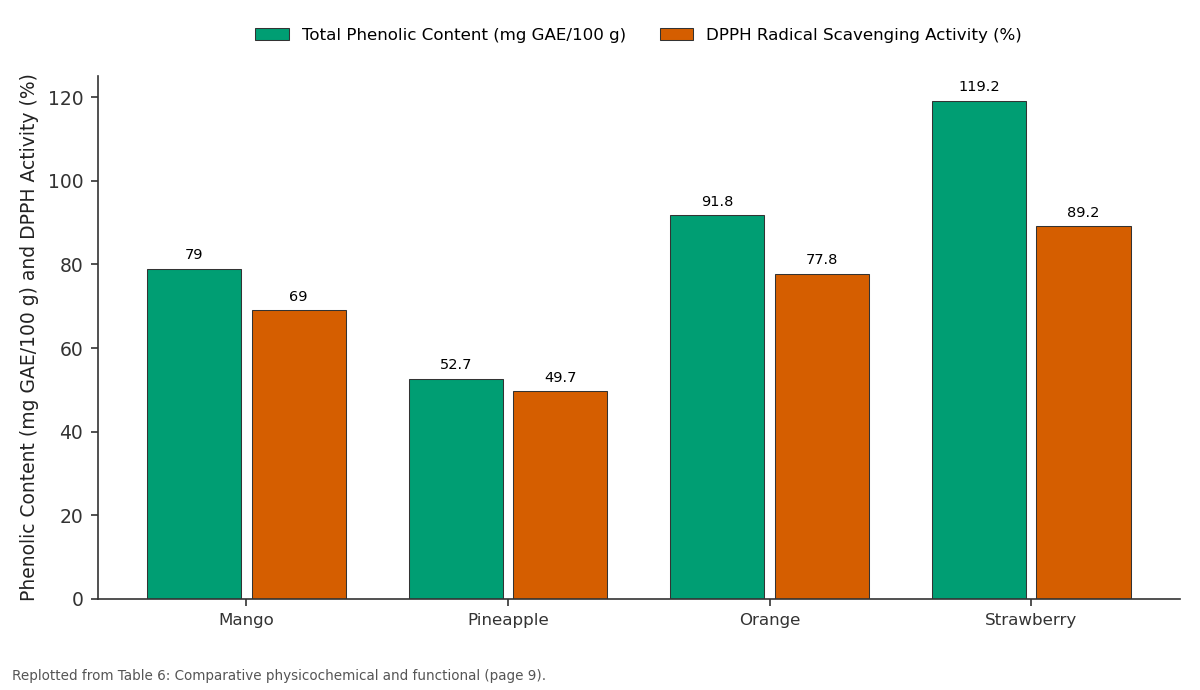
Total Phenolic Content (mg GAE/100 g) and DPPH Radical Scavenging Activity (%): Mango vs Pineapple vs Orange vs Strawberry
Replotted from Table 6 (page 9) of the original paper. Every bar is the paper's own table value.
View source evidence ↗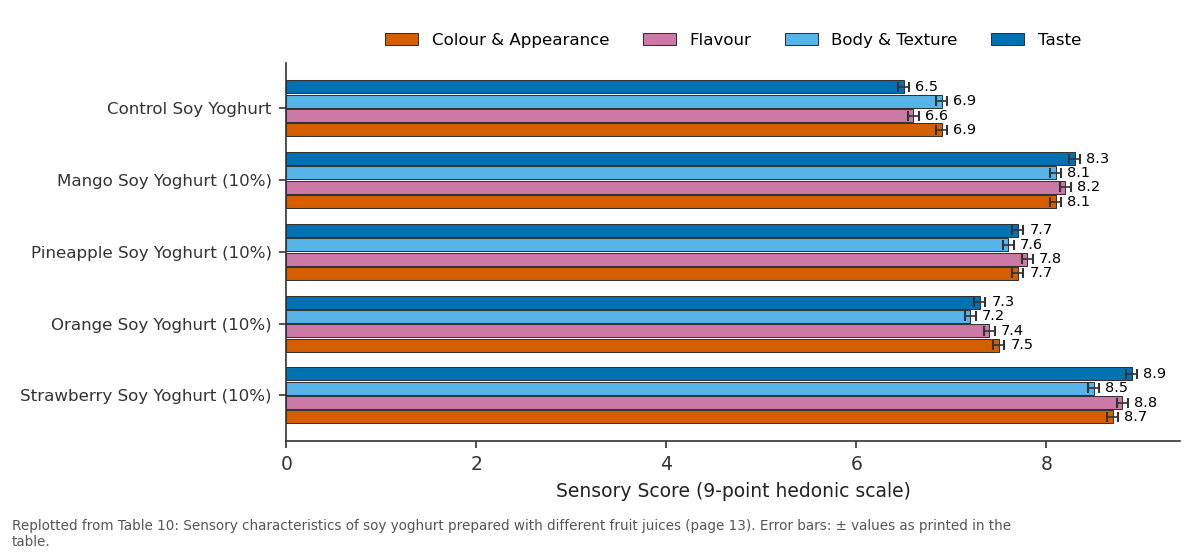
Colour & Appearance and Flavour and more: Control Soy Yoghurt vs Mango Soy Yoghurt (10%) vs Pineapple Soy Yoghurt... vs Orange Soy Yoghurt (10%) vs Strawberry Soy Yoghurt...
Replotted from Table 10 (page 13) of the original paper. Every bar is the paper's own table value.
View source evidence ↗Figures & tables
From the original paper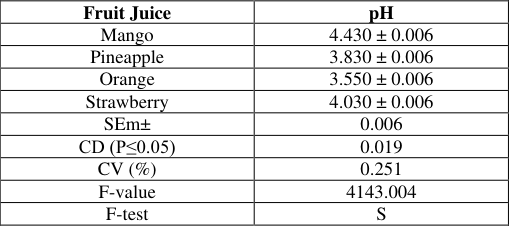 Table 1
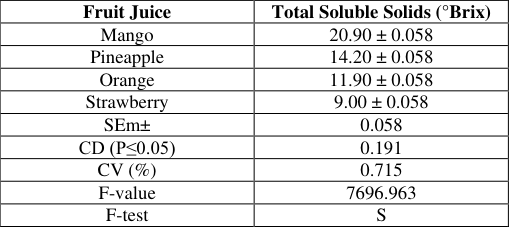 Table 2
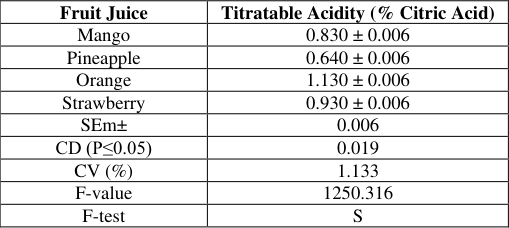 Table 3
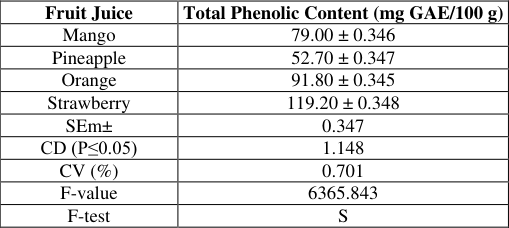 Table 4
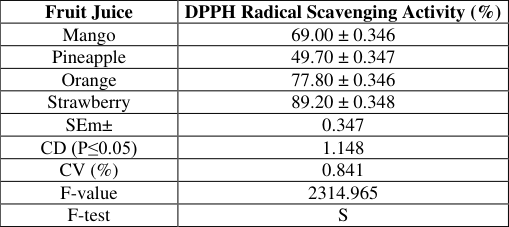 Table 5
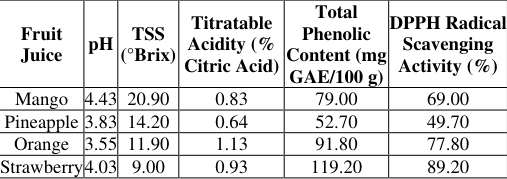 Table 6
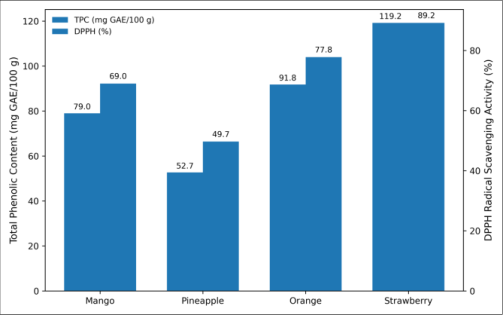 Figure 1
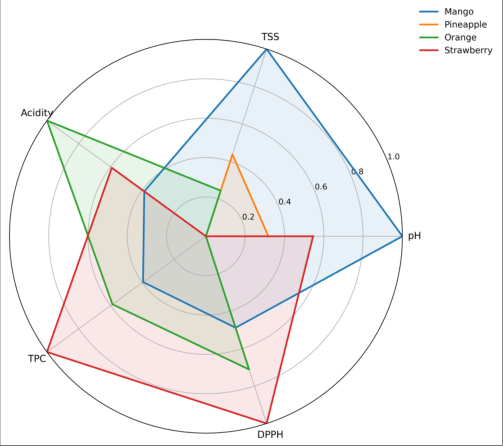 Figure 2
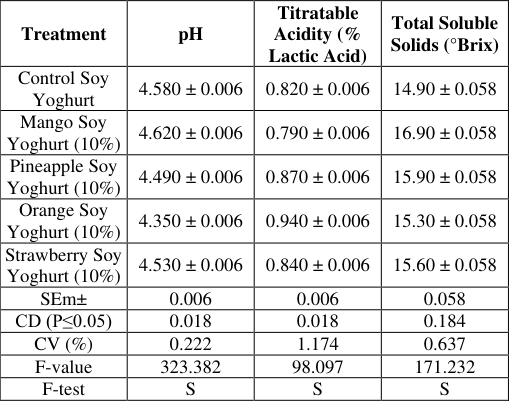 Table 7
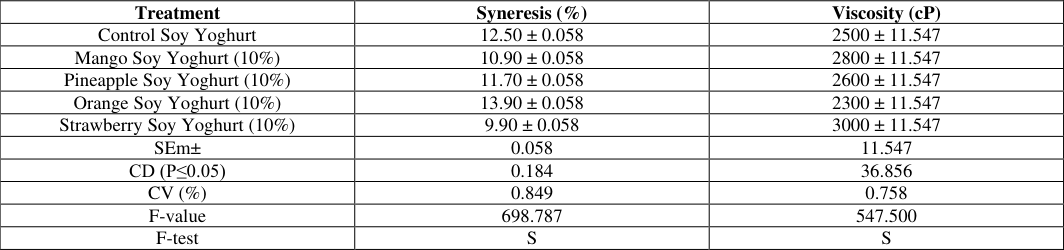 Table 8
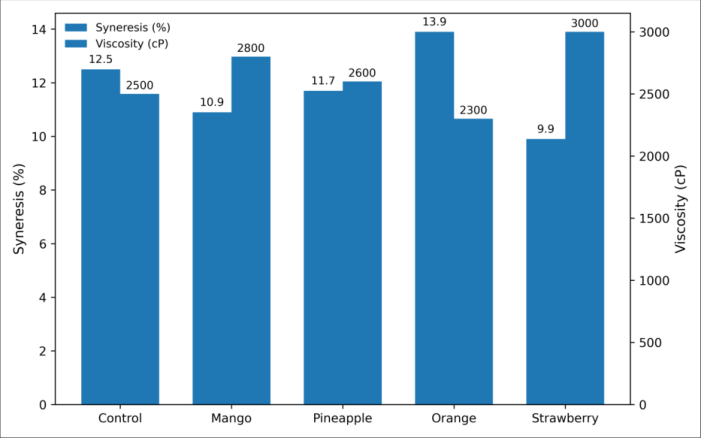 Figure 3
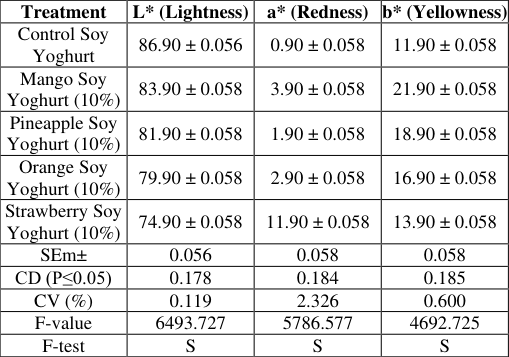 Table 9
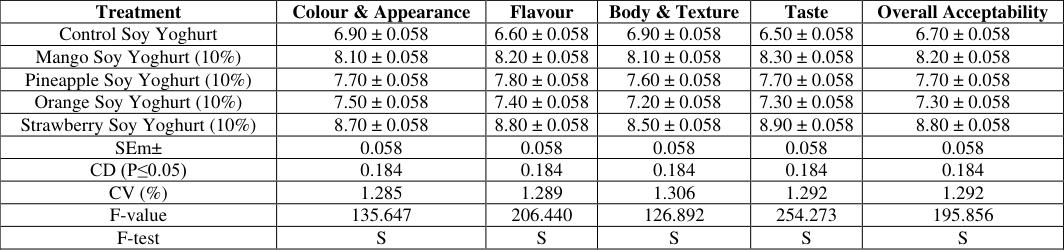 Table 10
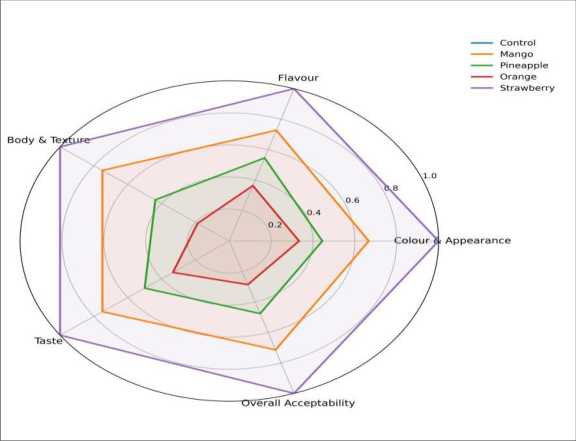 Figure 4
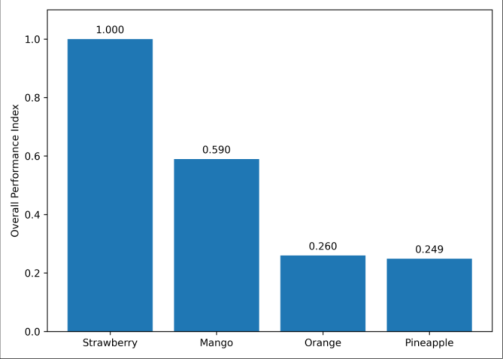 Figure 5
Introduction 1.1 Importance of Fruit-Flavoured Plant-Based Fermented Products
Plant-based fermented foods have gained considerable attention in recent years owing to increasing consumer interest in sustainable, health-promoting and lactose-free alternatives to conventional dairy products. Among these products, fermented soy-based foods occupy a prominent position because soybeans provide high-quality protein, essential amino acids, dietary fibre, minerals and bioactive phytochemicals such as isoflavones (Granato et al., 2020; Jeske et al., 2018) [4,5] . Fermentation further enhances the nutritional value of soy products by improving protein digestibility, reducing anti-nutritional factors and generating desirable flavour compounds through microbial metabolism (Marco et al., 2021) [8] . Despite their nutritional advantages, soy-based fermented products often suffer from limited consumer acceptance due to the characteristic beany flavour associated with lipoxygenasemediated oxidation of unsaturated fatty acids in soybeans (Champagne et al., 2019) [3] . The incorporation of fruit juices into fermented soy products has emerged as an effective strategy to improve flavour, colour, aroma and overall sensory quality while simultaneously enhancing their nutritional and functional attributes.
Fruit juices contribute natural sugars, organic acids, vitamins, phenolic compounds and antioxidants that can positively influence both fermentation performance and product acceptability (Granato et al., 2020) [4] . Fruit-flavoured plant-based fermented products combine the health benefits of probiotic fermentation with the nutritional and bioactive properties of fruits. The addition of fruitderived phytochemicals, including phenolic acids, flavonoids and anthocyanins, has been reported to increase antioxidant activity and improve the functional value of fermented foods (Shori, 2022) [17] . Furthermore, fruits can enhance product appearance and sensory attractiveness, thereby addressing one of the major challenges limiting the widespread acceptance of soy-based fermented foods. The global market for plant-based fermented products has expanded rapidly in response to growing awareness of lactose intolerance, milk protein allergies, vegan dietary preferences and environmental sustainability concerns. Consequently, the development of fruit-flavoured probiotic soy yoghurt represents an important area of research aimed at producing nutritionally superior and consumer-acceptable alternatives to conventional dairy yoghurt (Jeske et al., 2018; Marco et al., 2021) [5,8] . Comparative evaluation of different fruit juices is therefore essential to identify suitable ingredients that can enhance physicochemical properties, antioxidant potential and sensory characteristics of probiotic soy yoghurt.
Nutritional and Functional Significance of Fruit Juices
Fruit juices are important sources of nutrients and bioactive compounds that contribute significantly to human health and nutrition. They contain natural sugars, organic acids, vitamins, minerals, dietary fibre components and various phytochemicals, including phenolic acids, flavonoids, carotenoids and anthocyanins. These constituents not only provide nutritional value but also impart antioxidant, antiinflammatory and health-promoting properties to food products (Slavin and Lloyd, 2012; Rodriguez-Mateos et al., 2014) [15,19] . The nutritional composition of fruit juices varies according to fruit type. Citrus fruits such as orange are rich sources of vitamin C, organic acids and flavonoids, whereas berries contain substantial amounts of anthocyanins and phenolic compounds with strong antioxidant activity. Mango and pineapple juices contribute natural sugars, carotenoids and volatile flavour compounds that improve both nutritional quality and sensory appeal of food products (Rao and Rao, 2007; Kaur and Kapoor, 2001) [6,14] . Consequently, fruit juices are widely utilized as functional ingredients in the development of value-added foods and beverages. The functional significance of fruit juices is largely attributed to their high content of antioxidant compounds. Phenolic substances can neutralize reactive oxygen species and reduce oxidative stress, thereby contributing to the prevention of chronic diseases such as cardiovascular disorders, diabetes and certain cancers (Scalbert et al., 2005) [16] . The antioxidant capacity of fruits is commonly evaluated through total phenolic content and radical scavenging assays such as DPPH, which provide valuable indicators of their functional potential. In fermented food systems, fruit juices can positively influence product quality by supplying fermentable carbohydrates, natural pigments and flavour compounds.
The sugars present in fruit juices serve as additional substrates for microbial metabolism, while organic acids contribute to desirable acidity and flavour balance. Moreover, fruit-derived phenolic compounds may enhance the functional characteristics of fermented products by increasing antioxidant activity and consumer appeal (Shori, 2022) [17] . Incorporation of fruit juices into probiotic soy yoghurt is therefore expected to provide multiple benefits, including improved nutritional composition, enhanced antioxidant potential, better flavour and colour characteristics and increased consumer acceptability. Comparative evaluation of different fruit juices is essential for identifying suitable candidates that can maximize both the functional and sensory quality of probiotic soy yoghurt.
Role of Fruit Juices in Improving Sensory Quality of Soy Yoghurt
Sensory quality is one of the most important determinants of consumer acceptance of plant-based fermented products. Although soy yoghurt possesses excellent nutritional and functional properties, its commercial success is often limited by the presence of characteristic beany flavour, grassy notes and relatively bland sensory attributes resulting from lipid oxidation products formed during soybean processing (Jeske et al., 2018; Champagne et al., 2019) [3,5] . Consequently, considerable research efforts have focused on improving the sensory appeal of soy-based fermented foods through the incorporation of natural flavouring ingredients such as fruit juices.
Fruit juices contribute desirable colour, flavour, aroma and taste characteristics that can effectively mask undesirable beany notes and enhance overall product acceptability. Natural fruit sugars provide sweetness, while organic acids contribute a pleasant balance between sweetness and acidity, resulting in improved flavour perception. Additionally, volatile compounds naturally present in fruits, including esters, aldehydes, alcohols and terpenes, impart characteristic fruity aromas that enhance the sensory profile of fermented products (Aziz et al., 2012) [1] . The incorporation of fruit juices also influences the visual appearance of soy yoghurt. Pigments such as carotenoids, anthocyanins and flavonoids impart attractive colours ranging from yellow and orange to red and purple, thereby increasing consumer appeal. Colour is often the first quality attribute perceived by consumers and plays a crucial role in influencing purchasing decisions and sensory expectations (Pathare et al., 2013) [11] . Apart from flavour and appearance, fruit juices may improve the texture and mouthfeel of soy yoghurt. Fruit solids, pectin and other hydrocolloidal components can enhance viscosity, reduce whey separation and contribute to a smoother and creamier texture. Improved textural properties are particularly important in plant-based yoghurt alternatives, where achieving a dairy-like consistency remains a major technological challenge (McClements and Grossmann, 2021) [9] . Several studies have reported that fruit supplementation significantly enhances sensory scores for colour, flavour, texture, taste and overall acceptability of fermented dairy and plant-based products. Fruit-derived flavour compounds and natural antioxidants not only improve palatability but may also contribute to product stability during storage (Shori, 2022) [17] . Therefore, selection of an appropriate fruit juice is critical for developing probiotic soy yoghurt with superior sensory characteristics and enhanced consumer acceptance. Comparative evaluation of different fruit juices can help identify the most suitable fruit source capable of improving flavour, appearance, texture and overall acceptability while simultaneously providing nutritional and functional benefits. Such information is valuable for the development of highquality fruit-flavoured probiotic soy yoghurt products targeted toward health-conscious consumers.
Antioxidant Potential of Fruit-Derived Bioactive Compounds
Fruits are recognized as rich sources of natural antioxidants and bioactive compounds that contribute significantly to human health and disease prevention. These compounds include phenolic acids, flavonoids, anthocyanins, carotenoids, tannins, vitamin C and other phytochemicals capable of scavenging free radicals and reducing oxidative stress (Scalbert et al., 2005; Slavin and Lloyd, 2012) [16,19] . The concentration and composition of these bioactive constituents vary among fruit species, influencing their antioxidant capacity and functional value. Phenolic compounds constitute one of the most important classes of antioxidants present in fruits. They possess strong reducing power and free radical scavenging activity due to the presence of hydroxyl groups attached to aromatic rings. These compounds can donate hydrogen atoms or electrons to reactive oxygen species, thereby preventing oxidative damage to lipids, proteins and nucleic acids (Pandey and Rizvi, 2009) [10] . Consequently, diets rich in phenolic-containing fruits have been associated with reduced risk of cardiovascular diseases, diabetes, cancer and other chronic disorders. Among commonly consumed fruits, strawberry, orange, mango and pineapple contain varying levels of phenolic compounds and antioxidant activity. Strawberries are particularly rich in anthocyanins, flavonols and phenolic acids, whereas citrus fruits such as oranges contain high concentrations of vitamin C and flavanones. Mangoes provide carotenoids and polyphenols, while pineapples contribute phenolic compounds and ascorbic acid, although generally at lower levels than berries and citrus fruits (Kaur and Kapoor, 2001; Rodriguez-Mateos et al., 2014) [6,15] . The antioxidant potential of fruits is commonly evaluated using total phenolic content (TPC) and free radical scavenging assays such as the DPPH (2,2-diphenyl-1picrylhydrazyl) method. Total phenolic content provides an estimate of the concentration of phenolic compounds, whereas DPPH radical scavenging activity measures the ability of fruit extracts to neutralize stable free radicals. Higher TPC values are generally associated with greater antioxidant capacity, although the relationship may also depend on the specific composition and bioavailability of phenolic compounds (Prior et al., 2005) [12] . Incorporation of fruit juices into fermented foods offers an effective approach to enhance antioxidant functionality. Fruit-derived bioactive compounds can remain stable during fermentation and may even become more bioavailable through microbial enzymatic activity. Furthermore, the combination of probiotic microorganisms and antioxidantrich fruit juices may produce synergistic health benefits, resulting in functional foods with enhanced nutritional value (Shori, 2022) [17] .
Therefore, evaluation of total phenolic content and antioxidant activity is essential when selecting fruit juices for probiotic soy yoghurt manufacture. Fruit juices exhibiting high levels of bioactive compounds and strong antioxidant activity are expected to improve not only the functional properties of the final product but also its nutritional quality and potential health benefits.
Selection Criteria for Fruit Juices in Fermented Soy Products
The successful development of fruit-flavoured fermented soy products depends largely on the selection of appropriate fruit juices capable of enhancing nutritional, functional and sensory quality without adversely affecting fermentation performance. Fruit juices differ considerably in their chemical composition, antioxidant properties, acidity, sugar content, colour characteristics and flavour profile. Therefore, systematic evaluation of these attributes is essential for identifying suitable fruits for incorporation into probiotic soy yoghurt. One of the primary selection criteria is the physicochemical composition of the fruit juice. Parameters such as pH, total soluble solids (°Brix) and titratable acidity influence microbial growth, fermentation kinetics and the overall quality of the final product. Fruit juices with appropriate sugar content can provide additional fermentable substrates for probiotic cultures, while balanced acidity contributes to desirable flavour and product stability (Tamime and Robinson, 2007) [20] . Antioxidant potential is another important consideration in fruit selection. Fruits rich in phenolic compounds, flavonoids, anthocyanins and vitamin C can enhance the functional value of fermented products by increasing antioxidant activity and promoting health benefits. Consequently, total phenolic content and radical scavenging activity are frequently used as indicators for selecting fruit juices in functional food formulations (Prior et al., 2005; Pandey and Rizvi, 2009) [10,12] . Sensory compatibility with soy yoghurt is equally important. Fruit juices should effectively mask the characteristic beany flavour of soy products while imparting pleasant sweetness, aroma and colour. Consumer acceptance is strongly influenced by flavour, appearance, texture and overall palatability; therefore, sensory evaluation plays a critical role in the selection process. Fruits possessing attractive colour pigments and characteristic fruity aromas are generally preferred because they improve both visual appeal and flavour perception (Pathare et al., 2013; Shori, 2022) [11,17] . The impact of fruit juices on texture and physical stability must also be considered. Fruit-derived pectin and soluble polysaccharides can influence viscosity, waterholding capacity and syneresis of fermented soy products. Fruits that improve texture and reduce whey separation contribute to higher product quality and consumer acceptance. Therefore, rheological and stability characteristics provide valuable criteria for selecting suitable fruit juices for soy yoghurt manufacture (McClements and Grossmann, 2021) [9] . In addition, technological compatibility with probiotic cultures is an important requirement. Certain fruit constituents may stimulate probiotic growth by supplying readily available carbohydrates and growth-promoting compounds, whereas excessive acidity or antimicrobial phytochemicals may adversely affect microbial viability. Therefore, the selected fruit juice should support both probiotic survival and desirable fermentation characteristics. Considering these factors, comparative evaluation of different fruit juices based on physicochemical properties, antioxidant activity and sensory performance provides a scientific basis for selecting the most suitable fruit juice for probiotic soy yoghurt. Such an approach facilitates the development of nutritionally enriched, functionally superior and consumer-acceptable plant-based fermented products.
Research Gap
Considerable research has been conducted on the development of fermented soy products and the utilization of fruit juices to improve their nutritional and sensory characteristics. Previous studies have demonstrated that incorporation of fruits and fruit-derived ingredients can enhance antioxidant activity, flavour, colour and consumer acceptance of fermented dairy and plant-based products (Shori, 2022; Jeske et al., 2018) [5,17] . Similarly, several investigations have reported the beneficial effects of probiotic cultures on the functional properties of soy yoghurt and other fermented soy foods (Marco et al., 2021) [8] . Despite these advances, available literature primarily focuses on the incorporation of individual fruits or fruit preparations into fermented products, with limited emphasis on the systematic comparison of different fruit juices under identical processing conditions. Most studies evaluate a single fruit source and therefore provide insufficient information regarding the relative suitability of various fruit juices for probiotic soy yoghurt manufacture. Consequently, there is a lack of comparative data on the physicochemical, antioxidant and sensory characteristics of commonly consumed fruit juices and their potential application in fermented soy products. Furthermore, the influence of fruit juice selection on key quality attributes such as total soluble solids, acidity, phenolic content, antioxidant activity, viscosity, syneresis and sensory acceptability has not been comprehensively investigated in probiotic soy yoghurt systems. Information regarding the relative contribution of different fruit juices to both functional quality and consumer acceptance remains limited. This knowledge gap restricts the scientific selection of fruit juices for the development of high-quality plant-based fermented products. In addition, although fruits are recognized as valuable sources of bioactive compounds, comparative studies integrating antioxidant characteristics with technological and sensory performance are scarce. Such integrated evaluation is necessary because the most antioxidant-rich fruit may not necessarily provide the best sensory quality or overall product acceptability. Therefore, a comprehensive assessment combining physicochemical, functional and sensory parameters is required to identify the most suitable fruit juice for incorporation into probiotic soy yoghurt. The present study was undertaken to address these gaps by comparatively evaluating selected fruit juices with respect to their physicochemical characteristics, antioxidant potential and sensory performance. The findings are expected to provide a scientific basis for fruit juice selection and contribute to the development of nutritionally enriched, antioxidant-rich and consumer-acceptable probiotic soy yoghurt products.
Objectives of the Study
The present investigation was undertaken to comparatively evaluate selected fruit juices for their suitability in the development of probiotic soy yoghurt. The specific objectives of the study were: 1. To determine the physicochemical characteristics of selected fruit juices in terms of pH, total soluble solids and titratable acidity. 2. To evaluate the antioxidant potential of the selected fruit juices through determination of total phenolic content and DPPH radical scavenging activity. 3. To investigate the effect of different fruit juices on the physicochemical properties of probiotic soy yoghurt, including pH, total soluble solids and titratable acidity. 4. To assess the influence of fruit juice incorporation on the rheological and physical stability characteristics of soy yoghurt, particularly viscosity and syneresis. 5. To evaluate the effect of fruit juices on the colour characteristics and sensory quality attributes of probiotic soy yoghurt. 6. To compare the overall technological, functional and sensory performance of the selected fruit juices for probiotic soy yoghurt manufacture. 7. To identify the most suitable fruit juice for incorporation into probiotic soy yoghurt based on physicochemical, antioxidant and sensory evaluation criteria.
The outcomes of this study are expected to provide a scientific basis for selecting fruit juices capable of improving the nutritional quality, antioxidant potential, sensory acceptability and overall functionality of probiotic soy yoghurt.
Materials and Methods
Materials and Methods
Fruit Juice Samples
Four fruit juices, namely mango (Mangifera indica L.), pineapple (Ananas comosus L.), orange (Citrus sinensis L.) and strawberry (Fragaria × ananassa Duch.), were selected for the present investigation based on their popularity, nutritional value, antioxidant potential and suitability for incorporation into fermented food products. These fruits represent diverse sources of natural sugars, organic acids, pigments and bioactive compounds that may influence the physicochemical, functional and sensory properties of probiotic soy yoghurt. Fresh, ripe and sound fruits free from visible defects, mechanical damage and microbial spoilage were procured from the local market of Jhansi, Uttar Pradesh, India. The fruits were transported to the laboratory and processed immediately after procurement to minimize quality deterioration. Prior to juice extraction, fruits were thoroughly washed under running potable water to remove adhering dirt and foreign matter. Mango fruits were peeled manually and the pulp was separated from the seed. Pineapple fruits were peeled, cored and sliced into small pieces. Orange fruits were peeled and separated into segments, while strawberry fruits were sorted and the calyx removed. Juice extraction was carried out using a laboratory fruit pulper-cum-juice extractor. The extracted juices were filtered through a double-layer muslin cloth to remove coarse fibrous material and obtain a uniform juice.
The prepared fruit juices were stored under refrigerated conditions (4 ± 1°C) and analyzed within 24 h for physicochemical and antioxidant characteristics. The same juices were subsequently used for the preparation of fruit juice blended probiotic soy yoghurt. The selected fruit juices were designated as follows:
F₁: Mango juice F₂: Pineapple juice F₃: Orange juice F₄: Strawberry juice These fruit juices were comparatively evaluated with respect to physicochemical properties, antioxidant potential and their suitability for incorporation into probiotic soy yoghurt.
Preparation of Fruit Juices
Fruit juices were prepared from fresh, ripe and wholesome fruits following standard fruit processing procedures with minor modifications (Ranganna, 2010) [13] . Mango, pineapple, orange and strawberry fruits were thoroughly washed with potable water to remove adhering dirt, dust and other foreign materials. Damaged, diseased and overripe fruits were discarded prior to processing. For mango juice preparation, fruits were peeled manually and the pulp was separated from the seed. The pulp was homogenized using a laboratory blender to obtain a uniform juice. Pineapple fruits were peeled, cored and cut into small pieces before juice extraction using a fruit pulper. Orange fruits were peeled and separated into segments, and the juice was extracted using a citrus juice extractor. Strawberries were washed, de-calyxed and crushed in a blender to obtain the juice. The extracted juices were filtered through a double-layer muslin cloth to remove coarse fibrous material, seeds and other suspended particles. The filtered juices were collected in sterilized containers and immediately analyzed for physicochemical and antioxidant characteristics. To minimize enzymatic and oxidative deterioration, the juices were stored under refrigerated conditions (4 ± 1°C) and utilized within 24 h for subsequent experiments. The fruit juices were evaluated for pH, total soluble solids, titratable acidity, total phenolic content and antioxidant activity prior to their incorporation into probiotic soy yoghurt. Based on comparative evaluation, the suitability of each fruit juice for improving the quality characteristics of probiotic soy yoghurt was assessed.
The overall process for fruit juice preparation is summarized below: Selection of ripe fruits ↓ Sorting and grading ↓ Washing ↓ Peeling / trimming ↓ Pulping or juice extraction ↓ Filtration through muslin cloth ↓ Collection in sterilized containers ↓ Refrigerated storage (4 ± 1°C) ↓ Physicochemical and antioxidant analysis ↓ Use in probiotic soy yoghurt preparation
Determination of Physicochemical Characteristics
The physicochemical characteristics of the selected fruit juices were determined to assess their suitability for incorporation into probiotic soy yoghurt. The analyses included measurement of pH, total soluble solids (TSS) and titratable acidity using standard analytical procedures (AOAC, 2019; Ranganna, 2010) [13] . All determinations were carried out in triplicate and the results were expressed as mean values.
pH
The pH of the fruit juices was determined using a calibrated digital pH meter. Prior to analysis, the instrument was standardized using buffer solutions of pH 4.0 and 7.0. Approximately 25 mL of fruit juice was transferred into a clean beaker, and the electrode was immersed directly into the sample. The pH value was recorded after stabilization of the reading. Measurements were performed in triplicate and the average value was reported.
Total Soluble Solids (°Brix)
Total soluble solids (TSS) were determined using a handheld digital refractometer calibrated with distilled water at room temperature. A few drops of filtered fruit juice were placed on the prism surface, and the TSS value was recorded directly as degrees Brix (°Brix). After each measurement, the prism was cleaned with distilled water and dried with tissue paper. The analysis was conducted in triplicate and the mean value was reported.
Titratable acidity was determined by the standard titration method and expressed as percentage citric acid (AOAC, 2019). A known volume (10 mL) of fruit juice was diluted with distilled water and titrated against standardized 0.1 N sodium hydroxide (NaOH) solution using phenolphthalein as an indicator. Titration was continued until the appearance of a faint pink colour that persisted for approximately 30 seconds. Titratable acidity was calculated using the following equation:
Where: V = volume of NaOH used for titration (mL) N = normality of NaOH 0.064 = equivalent weight factor of citric acid (g meq-1) W = weight (g) or volume (mL) of sample taken for analysis
The results were expressed as percentage citric acid (%).
Determination of Antioxidant Properties
The antioxidant properties of the selected fruit juices were evaluated through determination of total phenolic content (TPC) and DPPH radical scavenging activity. These analyses were performed to assess the functional potential of the fruit juices and their suitability for incorporation into probiotic soy yoghurt. All determinations were carried out in triplicate and the results were expressed as mean values.
Total Phenolic Content (TPC)
The total phenolic content of the fruit juices was determined using the Folin-Ciocalteu colorimetric method as described by Singleton et al. (1999) [18] with minor modifications. An aliquot of appropriately diluted fruit juice (0.5 mL) was mixed with 2.5 mL of ten-fold diluted Folin-Ciocalteu reagent. After 5 min, 2.0 mL of 7.5% sodium carbonate solution was added, and the mixture was thoroughly mixed. The reaction mixture was incubated in the dark at room temperature for 30 min to allow colour development.
The absorbance was measured at 765 nm using a UV-Visible spectrophotometer against a reagent blank. A standard calibration curve was prepared using gallic acid, and the results were expressed as milligrams of gallic acid equivalents per 100 g of fruit juice (mg GAE/100 g).
DPPH Radical Scavenging Activity
The antioxidant activity of the fruit juices was determined using the 2,2-diphenyl-1-picrylhydrazyl (DPPH) radical scavenging assay according to the method of Brand-Williams et al. (1995) [2] . Briefly, 0.1 mL of fruit juice sample was mixed with 3.9 mL of freshly prepared DPPH solution (0.1 mM in methanol). The mixture was vortexed thoroughly and incubated in the dark at room temperature for 30 min. Following incubation, the decrease in absorbance was measured at 517 nm using a UV-Visible spectrophotometer.
Methanol containing DPPH solution served as the control.
The percentage DPPH radical scavenging activity was calculated using the following equation:
where: A0 = absorbance of the control As = absorbance of the sample The antioxidant activity was expressed as percentage inhibition of DPPH radicals. The combined evaluation of total phenolic content and DPPH radical scavenging activity provided an estimate of the antioxidant potential of the selected fruit juices and their suitability for development of functional probiotic soy yoghurt.
Preparation of Fruit Juice Blended Soy Yoghurt
Probiotic soy yoghurt was prepared from standardized soymilk using the selected starter culture and subsequently blended with different fruit juices. The procedure followed was based on the standardized method developed during earlier phases of the investigation with suitable modifications. Soymilk was prepared from selected soybean grains following soaking, grinding, filtration and heat treatment.
The soymilk was standardized to contain approximately 12-14% total solids and supplemented with 4% sucrose to improve fermentation characteristics and sensory quality.
The standardized soymilk was heated to 90 °C for 10 min and cooled to the inoculation temperature of 37 ± 1 °C. The cooled soymilk was inoculated with an active culture of Streptococcus thermophilus NCDC293 at the optimized inoculum level of 2% (v/v). Fermentation was carried out at 37 ± 1 °C until the pH reached approximately 4.5, corresponding to a titratable acidity of about 0.8% lactic acid. The fermented soy yoghurt was then cooled to 4 ± 1 °C to arrest further fermentation.
Based on preliminary standardization studies, fruit juice incorporation was fixed at 10% (v/v) for comparative evaluation. Mango, pineapple, orange and strawberry juices were individually incorporated into the fermented soy yoghurt at this level. The fruit juice was added gradually with continuous stirring to ensure uniform distribution throughout the product. The resulting fruit juice blended soy yoghurts were stored under refrigerated conditions (4 ± 1°C)
for subsequent physicochemical, rheological and sensory evaluation.
The treatments employed in the study were as follows: T₁: Soy yoghurt + 10% mango juice T₂: Soy yoghurt + 10% pineapple juice T₃: Soy yoghurt + 10% orange juice T₄: Soy yoghurt + 10% strawberry juice
The incorporation level of 10% fruit juice was selected to facilitate comparative evaluation of fruit types while maintaining acceptable consistency and sensory characteristics of the soy yoghurt. The prepared fruit juice blended soy yoghurts were evaluated for physicochemical characteristics, antioxidant properties, viscosity, syneresis, colour attributes and sensory acceptability in order to identify the most suitable fruit juice for probiotic soy yoghurt manufacture.
Evaluation of Fruit Juice Blended Soy Yoghurt
The fruit juice blended soy yoghurt samples were evaluated for physicochemical, rheological, colour and sensory characteristics to determine the influence of different fruit juices on product quality. All analyses were carried out in triplicate using standard analytical procedures, and the results were expressed as mean values.
pH
The pH of fruit juice blended soy yoghurt was measured using a calibrated digital pH meter. The instrument was standardized using pH 4.0 and pH 7.0 buffer solutions prior to analysis. Approximately 25 g of yoghurt sample was transferred into a clean beaker, and the electrode was immersed directly into the sample. The pH value was recorded after stabilization of the reading.
Titratable Acidity
Titratable acidity was determined by titration with standardized 0.1 N sodium hydroxide using phenolphthalein as an indicator and expressed as percentage lactic acid (% LA). A 10 g sample of fruit juice blended soy yoghurt was diluted with distilled water and titrated to a faint pink endpoint persisting for approximately 30 seconds. Titratable acidity was calculated using the following equation:
Where The results were expressed as percentage lactic acid.
Total Soluble Solids
Total soluble solids (TSS) were determined using a digital refractometer calibrated with distilled water. A small quantity of thoroughly mixed yoghurt serum was placed on the prism surface, and the reading was recorded as degrees Brix (°Brix). Measurements were carried out at room temperature and expressed as °Brix.
Syneresis
Syneresis was determined according to the centrifugation method described by Keogh and O'Kennedy (1998) [7] . Approximately 20 g of fruit juice blended soy yoghurt was transferred into centrifuge tubes and centrifuged at 3,000 rpm for 10 min. The separated whey was collected and weighed.
Syneresis was calculated as:
Where: Weight of separated whey = weight of whey released after centrifugation (g) Weight of yoghurt sample = initial weight of yoghurt taken for analysis (g) The results were expressed as percentage whey separation.
Viscosity
Apparent viscosity of the fruit juice blended soy yoghurt samples was measured using a Brookfield viscometer equipped with an appropriate spindle. Measurements were conducted at 25 ± 1°C under constant rotational speed. The viscosity values were recorded after stabilization of the instrument reading and expressed in centipoise (cP).
Colour Characteristics (L*, a*, b*)
Colour characteristics were determined using a Hunter Lab colorimeter standardized with a white calibration plate. The colour of each yoghurt sample was expressed in terms of Hunter colour coordinates: L* = lightness (0 = black, 100 = white) a* = redness (+) to greenness (-) b* = yellowness (+) to blueness (-) Three readings were taken at different locations of each sample, and the average values were reported.
Sensory Evaluation
Sensory evaluation of fruit juice blended soy yoghurt samples was carried out by a semi-trained sensory panel consisting of ten members from the Institute of Food Technology, Bundelkhand University, Jhansi, evaluated the samples. Samples were coded and presented randomly under identical conditions. The products were evaluated for: The mean sensory scores were used for comparative evaluation of the fruit juice blended soy yoghurt samples.
Statistical Analysis
All experiments were conducted in triplicate, and the results were expressed as mean ± standard deviation. Differences among treatment means were considered statistically significant when the calculated probability value was less than or equal to 0.05 (p ≤ 0.05). The physicochemical characteristics of the selected fruit juices are presented in Tables 1-3. Significant differences (P≤0.05) were observed among the fruit juices with respect to pH, total soluble solids (TSS) and titratable acidity, indicating considerable variation in their chemical composition and potential suitability for incorporation into probiotic soy yoghurt. The pH of the fruit juices ranged from 3.55 to 4.43 (Table 1). Mango juice exhibited the highest pH (4.43), followed by strawberry juice (4.03) and pineapple juice (3.83), whereas orange juice showed the lowest pH (3.55). The lower pH of orange juice reflects its higher concentration of organic acids, particularly citric acid, which contributes to its characteristic acidic taste. The observed differences were statistically significant as indicated by the high F-value (4143.004) and significant F-test. Similar variations in pH among fruit juices have been reported previously and are primarily attributed to differences in organic acid composition and maturity of the fruits (Ranganna, 2010; Kaur and Kapoor, 2001) [6,13] . Total soluble solids (TSS) varied significantly among the fruit juices (Table 2). Mango juice recorded the highest TSS value (20.90 °Brix), followed by pineapple juice (14.20 °Brix), orange juice (11.90 °Brix) and strawberry juice (9.00 °Brix). The high TSS content of mango juice may be attributed to its greater concentration of soluble sugars, including sucrose, glucose and fructose. In contrast, strawberry juice contained comparatively lower amounts of soluble solids. The significant differences observed among treatments suggest that the selected fruit juices differ considerably in their carbohydrate composition, which may influence sweetness, fermentation characteristics and sensory quality of the final product. Titratable acidity ranged from 0.64 to 1.13% citric acid (Table 3). Orange juice exhibited the highest acidity (1.13%), followed by strawberry juice (0.93%) and mango juice (0.83%), whereas pineapple juice recorded the lowest value (0.64%). The high acidity of orange juice corresponds well with its low pH and reflects the abundance of citric acid naturally present in citrus fruits. The statistically significant differences among fruit juices indicate substantial variation in acid composition and buffering capacity. Acidity is an important quality parameter because it contributes to flavour, microbial stability and overall acceptability of fruit-based fermented products. The combined evaluation of pH, TSS and titratable acidity suggests that each fruit juice possesses distinct physicochemical characteristics that may influence its performance in probiotic soy yoghurt formulations. Mango juice was characterized by high pH and TSS, indicating greater sweetness and lower acidity, whereas orange juice exhibited the highest acidity and lowest pH. Strawberry juice provided an intermediate balance between acidity and sweetness, while pineapple juice showed comparatively low acidity and moderate soluble solids. These differences are expected to influence the physicochemical, sensory and functional attributes of fruit juice blended soy yoghurt and therefore justify their comparative evaluation in the present study. The antioxidant characteristics of the selected fruit juices, expressed in terms of total phenolic content (TPC) and DPPH radical scavenging activity, are presented in Tables 4 and5 and illustrated in Figure 1. Significant differences (P≤0.05) were observed among the fruit juices for both parameters, indicating substantial variation in their bioactive compound content and antioxidant potential. Total phenolic content ranged from 52.70 to 119.20 mg GAE/100 g (Table 4). Strawberry juice exhibited the highest phenolic content (119.20 mg GAE/100 g), followed by orange juice (91.80 mg GAE/100 g), mango juice (79.00 mg GAE/100 g) and pineapple juice (52.70 mg GAE/100 g). The superior phenolic content of strawberry juice may be attributed to its abundance of anthocyanins, flavonols and phenolic acids, which are recognized as major contributors to antioxidant activity in berries. Orange juice also showed relatively high phenolic content owing to the presence of flavanones and other citrus polyphenols. The highly significant F-value (6365.843) confirmed substantial differences among the fruit juices with respect to phenolic composition. A similar trend was observed for DPPH radical scavenging activity (Table 5), which ranged from 49.70 to 89.20%. Strawberry juice exhibited the highest antioxidant activity (89.20%), followed by orange juice (77.80%), mango juice (69.00%) and pineapple juice (49.70%). The strong radical scavenging activity of strawberry juice is consistent with its elevated phenolic content, suggesting a positive relationship between phenolic concentration and antioxidant capacity. The results further indicate that fruits rich in phenolic compounds possess greater ability to neutralize free radicals and inhibit oxidative reactions. The close correspondence between total phenolic content and DPPH radical scavenging activity observed in the present study supports previous findings that phenolic compounds are among the principal contributors to antioxidant activity in fruits. Strawberry and orange juices demonstrated superior antioxidant characteristics, whereas pineapple juice exhibited comparatively lower values for both parameters. These findings are in agreement with earlier reports indicating that berries and citrus fruits generally possess higher antioxidant capacities than tropical fruits owing to their greater concentration of phenolic compounds and vitamin C (Kaur and Kapoor, 2001; Rodriguez-Mateos et al., 2014) [6,15] . The results suggest that incorporation of strawberry and orange juices into probiotic soy yoghurt may substantially enhance the functional value of the product through increased antioxidant activity. Such enhancement is desirable because antioxidant-rich fermented foods may provide additional health benefits by reducing oxidative stress and protecting against chronic diseases. Furthermore, the high antioxidant potential of strawberry juice indicates its suitability as a functional ingredient for development of value-added probiotic soy yoghurt. Overall, the antioxidant evaluation clearly identified strawberry juice as the richest source of bioactive compounds among the fruit juices studied, followed by orange juice, mango juice and pineapple juice. These differences are expected to influence the functional quality and health-promoting properties of the resulting fruit juice blended soy yoghurt formulations. 12345. pH is expressed as pH units; total soluble solids (TSS) as °Brix; titratable acidity as % citric acid; total phenolic content (TPC) as mg GAE/100 g; and DPPH radical scavenging activity as percentage inhibition.
| Fruit Juice | DPPH Radical Scavenging Activity (%) |
|---|---|
| Mango | 69.00 ± 0.346 |
| Pineapple | 49.70 ± 0.347 |
| Orange | 77.80 ± 0.346 |
| Strawberry | 89.20 ± 0.348 |
| SEm± | 0.347 |
| CD (P≤0.05) | 1.148 |
| CV (%) | 0.841 |
| F-value | 2314.965 |
| F-test | S |
Table text extracted from the original PDF; superscript letters are shown inline. The original table image is below.
View original table image
| Fruit Juice | Total Phenolic Content (mg GAE/100 g) |
|---|---|
| Mango | 79.00 ± 0.346 |
| Pineapple | 52.70 ± 0.347 |
| Orange | 91.80 ± 0.345 |
| Strawberry | 119.20 ± 0.348 |
| SEm± | 0.347 |
| CD (P≤0.05) | 1.148 |
| CV (%) | 0.701 |
| F-value | 6365.843 |
| F-test | S |
Table text extracted from the original PDF; superscript letters are shown inline. The original table image is below.
View original table image
| Fruit Juice | Titratable Acidity (% Citric Acid) |
|---|---|
| Mango | 0.830 ± 0.006 |
| Pineapple | 0.640 ± 0.006 |
| Orange | 1.130 ± 0.006 |
| Strawberry | 0.930 ± 0.006 |
| SEm± | 0.006 |
| CD (P≤0.05) | 0.019 |
| CV (%) | 1.133 |
| F-value | 1250.316 |
| F-test | S |
Table text extracted from the original PDF; superscript letters are shown inline. The original table image is below.
View original table image
| Fruit Juice | Total Soluble Solids (°Brix) |
|---|---|
| Mango | 20.90 ± 0.058 |
| Pineapple | 14.20 ± 0.058 |
| Orange | 11.90 ± 0.058 |
| Strawberry | 9.00 ± 0.058 |
| SEm± | 0.058 |
| CD (P≤0.05) | 0.191 |
| CV (%) | 0.715 |
| F-value | 7696.963 |
| F-test | S |
Table text extracted from the original PDF; superscript letters are shown inline. The original table image is below.
View original table image
| Fruit Juice | pH |
|---|---|
| Mango | 4.430 ± 0.006 |
| Pineapple | 3.830 ± 0.006 |
| Orange | 3.550 ± 0.006 |
| Strawberry | 4.030 ± 0.006 |
| SEm± | 0.006 |
| CD (P≤0.05) | 0.019 |
| CV (%) | 0.251 |
| F-value | 4143.004 |
| F-test | S |
Table text extracted from the original PDF; superscript letters are shown inline. The original table image is below.
View original table image
Results and Discussion
Results and Discussion
Physicochemical Characteristics of Selected Fruit Juices
Physicochemical Characteristics of Selected Fruit Juices
Antioxidant Characteristics of Selected Fruit Juices
Antioxidant Characteristics of Selected Fruit Juices
Comparative Evaluation of Fruit Juices for Soy Yoghurt Formulation
To facilitate comparison among variables measured on different scales, the values of pH, total soluble solids, titratable acidity, total phenolic content and DPPH radical scavenging activity were normalized to a 0-1 scale before construction of the radar chart. From a product development perspective, an ideal fruit juice for probiotic soy yoghurt should provide a balance between desirable sensory characteristics and functional benefits. While mango juice offers sweetness and flavour enhancement, strawberry and orange juices contribute substantially greater antioxidant potential. The superior phenolic content and radical scavenging activity observed in strawberry juice suggest that it may be the most suitable candidate for developing antioxidant-rich probiotic soy yoghurt. Consequently, the comparative evaluation indicates that strawberry juice possesses the greatest potential for improving both the nutritional and functional quality of probiotic soy yoghurt formulations. The effect of different fruit juices on the physicochemical characteristics of soy yoghurt is presented in Table 7. Significant differences (P≤0.05) were observed among treatments with respect to pH, titratable acidity and total soluble solids (TSS), indicating that fruit juice incorporation markedly influenced the chemical composition and quality attributes of the final product. The pH values of the soy yoghurt samples ranged from 4.35 to 4.62. Mango soy yoghurt exhibited the highest pH (4.62), followed by the control (4.58), strawberry soy yoghurt (4.53) and pineapple soy yoghurt (4.49), whereas orange soy yoghurt recorded the lowest pH (4.35). The lower pH observed in orange soy yoghurt may be attributed to the naturally high acidity of orange juice, which contained the highest titratable acidity among the fruit juices evaluated. The incorporation of acidic fruit juices contributed to a reduction in yoghurt pH, thereby influencing flavour profile and microbial stability. The highly significant F-value (323.382) confirms the substantial effect of fruit juice type on the pH of soy yoghurt. Titratable acidity varied significantly among treatments and ranged from 0.79 to 0.94% lactic acid. Orange soy yoghurt exhibited the highest acidity (0.94%), followed by pineapple soy yoghurt (0.87%), strawberry soy yoghurt (0.84%), control soy yoghurt (0.82%) and mango soy yoghurt (0.79%). The increase in acidity observed in orange and pineapple soy yoghurts reflects the contribution of organic acids naturally present in the respective fruit juices. Higher acidity is generally associated with enhanced flavour intensity and improved microbiological stability; however, excessive acidity may adversely affect consumer acceptability. The significant differences among treatments indicate that fruit juice composition played an important role in determining the acid balance of the fermented product. Total soluble solids content also differed significantly among treatments. Mango soy yoghurt recorded the highest TSS value (16.90 °Brix), followed by pineapple soy yoghurt (15.90 °Brix), strawberry soy yoghurt (15.60 °Brix), orange soy yoghurt (15.30 °Brix) and the control soy yoghurt (14.90 °Brix). The increase in TSS following fruit juice incorporation can be attributed to the additional sugars and soluble constituents contributed by the fruit juices. Mango juice, which possessed the highest initial TSS among the fruit juices studied, produced the greatest increase in soluble solids content of the soy yoghurt. Higher TSS values may contribute positively to sweetness, mouthfeel and overall sensory quality. The combined evaluation of pH, titratable acidity and TSS demonstrates that fruit juice type significantly influences the physicochemical characteristics of soy yoghurt. Mango juice enhanced sweetness and maintained a relatively high pH, whereas orange juice increased acidity and lowered pH. Strawberry juice produced a balanced physicochemical profile characterized by moderate acidity and satisfactory soluble solids content. These findings suggest that selection of an appropriate fruit juice can be used strategically to optimize the flavour, stability and overall quality of probiotic soy yoghurt. The influence of different fruit juices on the physical stability and rheological characteristics of soy yoghurt is presented in Table 8 and Figure 3. Significant differences (P≤0.05) were observed among treatments with respect to both syneresis and viscosity, indicating that fruit juice composition had a substantial effect on the texture and water-holding capacity of the final product. Syneresis, expressed as percentage whey separation, ranged from 9.90 to 13.90%. Strawberry soy yoghurt exhibited the lowest syneresis value (9.90%), followed by mango soy yoghurt (10.90%), pineapple soy yoghurt (11.70%) and the control soy yoghurt (12.50%), whereas orange soy yoghurt showed the highest syneresis (13.90%). Lower syneresis values indicate greater water-holding capacity and improved gel stability. The reduced whey separation observed in strawberry and mango soy yoghurts may be attributed to the presence of soluble solids, pectin and other polysaccharide components that strengthen the yoghurt matrix and enhance moisture retention. In contrast, the higher syneresis observed in orange soy yoghurt may be associated with its elevated acidity, which can destabilize the protein network and promote serum separation. Viscosity showed an inverse relationship with syneresis and varied significantly among treatments. Strawberry soy yoghurt recorded the highest viscosity (3000 cP), followed by mango soy yoghurt (2800 cP), pineapple soy yoghurt (2600 cP), control soy yoghurt (2500 cP) and orange soy yoghurt (2300 cP). The increase in viscosity observed in strawberry and mango treatments may be attributed to the higher content of fruit solids, natural pectic substances and other hydrocolloidal compounds capable of increasing resistance to flow and strengthening the gel structure. These components likely contributed to the formation of a more cohesive and stable yoghurt matrix. The significant negative association between syneresis and viscosity observed in the present study indicates that treatments exhibiting greater viscosity generally possessed superior water-holding capacity and lower whey separation. Similar relationships have been reported in fermented dairy and plant-based yoghurt systems, where increased viscosity is commonly associated with improved gel integrity and reduced syneresis (Keogh and O'Kennedy, 1998; Tamime and Robinson, 2007) [7,20] . Among the fruit juices evaluated, strawberry juice produced the most favourable rheological characteristics, as evidenced by the highest viscosity and lowest syneresis values. These results suggest that strawberry juice enhanced the structural stability of soy yoghurt more effectively than the other fruit juices tested. Mango juice also improved texture and stability compared with the control, whereas orange juice exerted a negative effect on gel stability, resulting in lower viscosity and increased whey separation. The findings demonstrate that fruit juice selection plays a critical role in determining the physical quality of probiotic soy yoghurt. Improved viscosity and reduced syneresis are desirable attributes because they contribute to better mouthfeel, appearance, consumer acceptance and storage stability. Therefore, the superior rheological performance of strawberry soy yoghurt further supports its suitability as a fruit juice for the development of high-quality probiotic soy (13.90) and the control soy yoghurt (11.90). The increased yellowness observed in mango and pineapple treatments is attributable to the presence of carotenoids and other yellow-orange pigments naturally occurring in these fruits. These pigments enhanced the colour intensity of the yoghurt and contributed to a more attractive appearance. The results clearly demonstrate that fruit juice incorporation significantly improved colour diversity and visual appeal compared with the plain soy yoghurt control. Strawberry juice imparted a characteristic reddish colour, while mango and pineapple juices enhanced yellowness. Orange juice produced an intermediate colour profile combining moderate redness and yellowness. Such colour modifications are important because appearance is one of the primary factors influencing consumer perception and acceptance of fermented food products. Among the treatments evaluated, strawberry soy yoghurt exhibited the most distinctive colour profile due to its high redness and reduced lightness, while mango soy yoghurt displayed the highest yellowness. These findings indicate that fruit-derived pigments can be effectively utilized to improve the visual attractiveness of probiotic soy yoghurt without the need for artificial colourants. Furthermore, the enhanced colour attributes observed in fruit juice blended soy yoghurts are expected to contribute positively to consumer preference and overall product acceptability. The results are consistent with previous studies reporting that incorporation of fruit-derived pigments significantly alters colour characteristics and enhances the market appeal of fermented dairy and plant-based products. Therefore, selection of appropriate fruit juices can serve as an effective strategy for improving both the aesthetic and sensory quality of probiotic soy yoghurt. The sensory characteristics of fruit juice blended soy yoghurt are presented in Table 10 and Figure 4. To facilitate comparison among sensory attributes measured on the same hedonic scale, the sensory scores were normalized to a 0-1 scale prior to construction of the radar chart. Significant differences (p ≤0.05) were observed among treatments for colour and appearance, flavour, body and texture, taste and overall acceptability, indicating that the type of fruit juice had a pronounced influence on consumer perception and product preference. Colour and appearance scores ranged from 6.90 to 8.70. Strawberry soy yoghurt received the highest score (8.70), followed by mango soy yoghurt (8.10), pineapple soy yoghurt (7.70), orange soy yoghurt (7.50) and the control soy yoghurt (6.90). The superior colour score of strawberry soy yoghurt may be attributed to its attractive reddish hue resulting from natural anthocyanin pigments, whereas mango soy yoghurt benefited from its bright yellow-orange appearance. The comparatively lower score of the control sample reflected the relatively plain appearance of unflavoured soy yoghurt. Similar trends were observed for flavour evaluation. Strawberry soy yoghurt achieved the highest flavour score (8.80), followed by mango soy yoghurt (8.20), pineapple soy yoghurt (7.80), orange soy yoghurt (7.40) and the control soy yoghurt (6.60). The enhanced flavour scores of strawberry and mango treatments may be attributed to their pleasant fruity aroma and ability to effectively mask the characteristic beany flavour of soy yoghurt. In contrast, the stronger acidic notes associated with orange juice may have slightly reduced flavour acceptability despite its functional advantages. Body and texture scores varied from 6.90 in the control sample to 8.50 in strawberry soy yoghurt. The highest score recorded for strawberry soy yoghurt corresponded closely with its superior viscosity and lower syneresis observed in Table 8. Mango soy yoghurt also received a high texture score (8.10), indicating favourable mouthfeel and consistency. The results suggest that fruit juices capable of improving gel stability and water-holding capacity positively influence sensory perception of texture. Taste scores exhibited significant variation among treatments. Strawberry soy yoghurt obtained the highest score (8.90), followed by mango soy yoghurt (8.30), pineapple soy yoghurt (7.70), orange soy yoghurt (7.30) and the control soy yoghurt (6.50). The superior taste of strawberry soy yoghurt may be attributed to its balanced sweetness and acidity combined with characteristic fruity flavour compounds. Mango soy yoghurt also demonstrated excellent palatability due to its high soluble solids content and natural sweetness.
| Treatment | Colour & Appearance | Flavour | Body & Texture | Taste | Overall Acceptability |
|---|---|---|---|---|---|
| Control Soy Yoghurt | 6.90 ± 0.058 | 6.60 ± 0.058 | 6.90 ± 0.058 | 6.50 ± 0.058 | 6.70 ± 0.058 |
| Mango Soy Yoghurt (10%) | 8.10 ± 0.058 | 8.20 ± 0.058 | 8.10 ± 0.058 | 8.30 ± 0.058 | 8.20 ± 0.058 |
| Pineapple Soy Yoghurt (10%) | 7.70 ± 0.058 | 7.80 ± 0.058 | 7.60 ± 0.058 | 7.70 ± 0.058 | 7.70 ± 0.058 |
| Orange Soy Yoghurt (10%) | 7.50 ± 0.058 | 7.40 ± 0.058 | 7.20 ± 0.058 | 7.30 ± 0.058 | 7.30 ± 0.058 |
| Strawberry Soy Yoghurt (10%) | 8.70 ± 0.058 | 8.80 ± 0.058 | 8.50 ± 0.058 | 8.90 ± 0.058 | 8.80 ± 0.058 |
| SEm± | 0.058 | 0.058 | 0.058 | 0.058 | 0.058 |
| CD (P≤0.05) | 0.184 | 0.184 | 0.184 | 0.184 | 0.184 |
| CV (%) | 1.285 | 1.289 | 1.306 | 1.292 | 1.292 |
| F-value | 135.647 | 206.440 | 126.892 | 254.273 | 195.856 |
| F-test | S | S | S | S | S |
Table text extracted from the original PDF; superscript letters are shown inline. The original table image is below.
View original table image
| Treatment | Syneresis (%) | Viscosity (cP) |
|---|---|---|
| Control Soy Yoghurt | 12.50 ± 0.058 | 2500 ± 11.547 |
| Mango Soy Yoghurt (10%) | 10.90 ± 0.058 | 2800 ± 11.547 |
| Pineapple Soy Yoghurt (10%) | 11.70 ± 0.058 | 2600 ± 11.547 |
| Orange Soy Yoghurt (10%) | 13.90 ± 0.058 | 2300 ± 11.547 |
| Strawberry Soy Yoghurt (10%) | 9.90 ± 0.058 | 3000 ± 11.547 |
| SEm± | 0.058 | 11.547 |
| CD (P≤0.05) | 0.184 | 36.856 |
| CV (%) | 0.849 | 0.758 |
| F-value | 698.787 | 547.500 |
| F-test | S | S |
Table text extracted from the original PDF; superscript letters are shown inline. The original table image is below.
View original table image
| Treatment | pH | Titratable Acidity (% Lactic Acid) | Total Soluble Solids (°Brix) |
|---|---|---|---|
| Control Soy Yoghurt | 4.580 ± 0.006 | 0.820 ± 0.006 | 14.90 ± 0.058 |
| Mango Soy Yoghurt (10%) | 4.620 ± 0.006 | 0.790 ± 0.006 | 16.90 ± 0.058 |
| Pineapple Soy Yoghurt (10%) | 4.490 ± 0.006 | 0.870 ± 0.006 | 15.90 ± 0.058 |
| Orange Soy Yoghurt (10%) | 4.350 ± 0.006 | 0.940 ± 0.006 | 15.30 ± 0.058 |
| Strawberry Soy Yoghurt (10%) | 4.530 ± 0.006 | 0.840 ± 0.006 | 15.60 ± 0.058 |
| SEm± | 0.006 | 0.006 | 0.058 |
| CD (P≤0.05) | 0.018 | 0.018 | 0.184 |
| CV (%) | 0.222 | 1.174 | 0.637 |
| F-value | 323.382 | 98.097 | 171.232 |
| F-test | S | S | S |
Table text extracted from the original PDF; superscript letters are shown inline. The original table image is below.
View original table image
Effect of Fruit Juice Type on Physicochemical Properties of Soy Yoghurt
Effect of Fruit Juice Type on Physicochemical Properties of Soy Yoghurt
Effect of Fruit Juice Type on Syneresis and Viscosity of Soy Yoghurt
Effect of Fruit Juice Type on Syneresis and Viscosity of Soy Yoghurt
Effect of Fruit Juice Type on Colour Characteristics of Soy Yoghurt
Overall acceptability followed a pattern similar to that observed for individual sensory attributes. Strawberry soy yoghurt achieved the highest overall acceptability score (8.80), followed by mango soy yoghurt (8.20), pineapple soy yoghurt (7.70), orange soy yoghurt (7.30) and the control soy yoghurt (6.70). The consistently high scores obtained by strawberry soy yoghurt across all sensory parameters indicate strong consumer preference for this treatment. The significant F-values obtained for all sensory attributes further confirm that fruit juice type exerted a substantial influence on sensory quality. The radar chart (Figure 4) clearly illustrates the superior sensory performance of strawberry soy yoghurt, which achieved the highest scores for all evaluated attributes. Mango soy yoghurt ranked second and demonstrated excellent sensory characteristics, particularly with respect to flavour, taste and appearance. Pineapple and orange soy yoghurts exhibited moderate acceptability, whereas the control soy yoghurt consistently received the lowest scores. These findings demonstrate that incorporation of fruit juices markedly improved sensory quality compared with plain soy yoghurt. Overall, strawberry juice emerged as the most effective fruit juice for enhancing sensory acceptability of probiotic soy yoghurt. Its ability to improve appearance, flavour, texture and taste simultaneously resulted in the highest overall consumer preference. The sensory results are also consistent with the physicochemical and rheological findings, indicating that strawberry juice not only improved antioxidant properties and product stability but also produced the most desirable sensory profile among the fruit juices evaluated. The overall performance of the selected fruit juices for probiotic soy yoghurt manufacture was evaluated by considering their antioxidant characteristics, physicochemical properties, rheological behaviour and sensory acceptability. The integrated comparison of these parameters is presented in Figure 5, which provides a comprehensive assessment of the suitability of each fruit juice for incorporation into probiotic soy yoghurt. The overall performance index was calculated as the arithmetic mean of normalized antioxidant (TPC and DPPH), rheological (viscosity and syneresis) and sensory (overall acceptability) parameters. Beneficial attributes were normalized using min-max scaling, whereas syneresis was reverse-normalized because lower values indicate superior product quality. The results demonstrated substantial differences among the fruit juices with respect to their contribution to product quality. Mango juice exhibited the highest total soluble solids content and produced soy yoghurt with desirable sweetness, good viscosity and high sensory acceptance. However, its antioxidant properties were moderate compared with those of strawberry and orange juices. Pineapple juice showed intermediate performance for most quality attributes but recorded the lowest total phenolic content and antioxidant activity, limiting its functional contribution to the final product. Orange juice exhibited strong antioxidant characteristics, including high total phenolic content and DPPH radical scavenging activity. However, its high acidity resulted in lower pH, increased syneresis and reduced viscosity of the soy yoghurt. Although orange soy yoghurt possessed acceptable sensory quality, its overall performance was inferior to that of strawberry and mango treatments due to less favourable rheological characteristics and lower consumer preference scores. Among all fruit juices evaluated, strawberry juice consistently demonstrated superior performance across multiple quality parameters. Strawberry juice possessed the highest total phenolic content (119.20 mg GAE/100 g) and DPPH radical scavenging activity (89.20%), indicating exceptional antioxidant potential. Furthermore, strawberry soy yoghurt exhibited the lowest syneresis (9.90%) and highest viscosity (3000 cP), reflecting improved gel stability and texture. The enhanced rheological properties were accompanied by outstanding sensory characteristics, with the highest scores recorded for colour and appearance (8.70), flavour (8.80), body and texture (8.50), taste (8.90) and overall acceptability (8.80). Figure 5 demonstrates the consistently superior overall performance of strawberry juice across antioxidant, rheological and sensory parameters. Unlike other fruit juices that excelled only in specific attributes, strawberry juice achieved consistently high performance in all major quality indicators. This balanced profile is particularly important in functional food development, where nutritional value, product stability and consumer acceptance must be optimized simultaneously. The superior performance of strawberry juice can be attributed to its high concentration of phenolic compounds, anthocyanins and other bioactive constituents that contribute to antioxidant activity, colour development and sensory enhancement. In addition, naturally occurring pectic substances and soluble solids may have contributed to improved viscosity and reduced whey separation in the soy yoghurt matrix. These combined effects resulted in a product possessing enhanced functional value and excellent consumer appeal. Based on the comprehensive evaluation of physicochemical, antioxidant, rheological and sensory characteristics, strawberry juice was identified as the most suitable fruit juice for incorporation into probiotic soy yoghurt. Mango juice ranked second due to its favourable sensory characteristics, high soluble solids content and improved rheological properties, while pineapple and orange juices exhibited comparatively lower overall performance. Therefore, strawberry juice offers the greatest potential for the development of antioxidant-rich, consumer-acceptable and technologically stable probiotic soy yoghurt products.
Overall Selection of the Most Suitable Fruit Juice for Probiotic Soy Yoghurt
Overall Selection of the Most Suitable Fruit Juice for Probiotic Soy Yoghurt
Conclusion
The present study comparatively evaluated mango, pineapple, orange and strawberry juices for their suitability in the development of probiotic soy yoghurt. Significant differences were observed among the fruit juices with respect to physicochemical characteristics, antioxidant properties and their influence on the quality attributes of soy yoghurt. Among the fruit juices evaluated, strawberry juice exhibited the highest total phenolic content (119.20 mg GAE/100 g) and DPPH radical scavenging activity (89.20%), indicating superior antioxidant potential. Incorporation of strawberry juice at 10% level resulted in soy yoghurt with improved rheological properties, characterized by the lowest syneresis (9.90%) and highest viscosity (3000 cP), reflecting enhanced gel stability and water-holding capacity. Strawberry soy yoghurt also achieved the highest sensory scores for colour and appearance (8.70), flavour (8.80), body and texture (8.50), taste (8.90) and overall acceptability (8.80). Mango juice produced soy yoghurt with high total soluble solids and excellent sensory quality, ranking second overall. Orange juice contributed substantial antioxidant activity but increased acidity and syneresis, while pineapple juice showed comparatively lower functional and sensory performance. The overall performance index integrating antioxidant, rheological and sensory parameters identified strawberry juice as the most suitable fruit juice for incorporation into probiotic soy yoghurt. The results demonstrate that strawberry juice can be effectively utilized to develop antioxidant-rich, technologically stable and highly acceptable probiotic soy yoghurt with enhanced functional value and consumer appeal. Therefore, strawberry juice at 10% incorporation level is recommended for the manufacture of high-quality probiotic soy yoghurt. Further studies may be undertaken to evaluate storage stability, probiotic viability and consumer acceptance under commercial production conditions.
Figures and tables from the paper
| Treatment | L* (Lightness) | a* (Redness) | b* (Yellowness) |
|---|---|---|---|
| Control Soy Yoghurt | 86.90 ± 0.056 | 0.90 ± 0.058 | 11.90 ± 0.058 |
| Mango Soy Yoghurt (10%) | 83.90 ± 0.058 | 3.90 ± 0.058 | 21.90 ± 0.058 |
| Pineapple Soy Yoghurt (10%) | 81.90 ± 0.058 | 1.90 ± 0.058 | 18.90 ± 0.058 |
| Orange Soy Yoghurt (10%) | 79.90 ± 0.058 | 2.90 ± 0.058 | 16.90 ± 0.058 |
| Strawberry Soy Yoghurt (10%) | 74.90 ± 0.058 | 11.90 ± 0.058 | 13.90 ± 0.058 |
| SEm± | 0.056 | 0.058 | 0.058 |
| CD (P≤0.05) | 0.178 | 0.184 | 0.185 |
| CV (%) | 0.119 | 2.326 | 0.600 |
| F-value | 6493.727 | 5786.577 | 4692.725 |
| F-test | S | S | S |
Table text extracted from the original PDF; superscript letters are shown inline. The original table image is below.
View original table image
References
20 in the original paper- Aziz NAA, Wong LM, Bhat R, Cheng LH. Evaluation of processed green and ripe mango peel and pulp flours in terms of chemical composition, antioxidant compounds and functional properties. Journal of the Science of Food and Agriculture. 2012;92(3):557-563.
- Brand-Williams W, Cuvelier ME, Berset C. Use of a free radical method to evaluate antioxidant activity. LWT -Food Science and Technology. 1995;28(1):2530.
- Champagne CP, da Cruz AG, Daga M. Strategies to improve the functionality of probiotics in supplements and foods. Current Opinion in Food Science. 2019;22:160-166.
- Granato D, Branco GF, Cruz AG, Faria JAF, Shah NP. Functional properties of fermented soy products and probiotic beverages. Comprehensive Reviews in Food Science and Food Safety. 2020;19:807-838.
- Jeske S, Zannini E, Arendt EK. Past, present and future: the strength of plant-based dairy substitutes based on gluten-free raw materials. Food Research International. 2018;110:42-51.
- Kaur C, Kapoor HC. Antioxidants in fruits and vegetables -the millennium's health. International Journal of Food Science and Technology. 2001;36(7):703-725.
- Keogh MK, O'Kennedy BT. Rheology of stirred yogurt as affected by added milk fat, protein and hydrocolloids. Journal of Food Science. 1998;63(1):108-112.
- Marco ML, Heeney D, Binda S, Cifelli CJ, Cotter PD, Foligné B, et al. Health benefits of fermented foods: microbiota and beyond. Current Opinion in Biotechnology. 2021;44:94-102.
- McClements DJ, Grossmann L. The science of plantbased foods: constructing next-generation meat, fish, milk and egg analogs. Comprehensive Reviews in Food Science and Food Safety. 2021;20(4):4049-4100.
- Pandey KB, Rizvi SI. Plant polyphenols as dietary antioxidants in human health and disease. Oxidative Medicine and Cellular Longevity. 2009;2(5):270-278.
- Pathare PB, Opara UL, Al-Said FAJ. Colour measurement and analysis in fresh and processed foods: a review. Food and Bioprocess Technology. 2013;6(1):36-60.
- Prior RL, Wu X, Schaich K. Standardized methods for the determination of antioxidant capacity and phenolics in foods and dietary supplements. Journal of Agricultural and Food Chemistry. 2005;53(10):42904302.
- Ranganna S. Handbook of analysis and quality control for fruit and vegetable products. 2nd ed. New Delhi: Tata McGraw-Hill Publishing Company Ltd.; 2010.
- Rao AV, Rao LG. Carotenoids and human health. Pharmacological Research. 2007;55(3):207-216.
- Rodriguez-Mateos A, Heiss C, Borges G, Crozier A. Berry polyphenols and cardiovascular health. Journal of Agricultural and Food Chemistry. 2014;62(18):38423851.
- Scalbert A, Johnson IT, Saltmarsh M. Polyphenols: antioxidants and beyond. American Journal of Clinical Nutrition. 2005;81(1):215S-217S.
- Shori AB. Influence of fruit and vegetable additives on the antioxidant activity and sensory properties of fermented products. Food Research International. 2022;152:110918.
- Singleton VL, Orthofer R, Lamuela-Raventós RM. Analysis of total phenols and other oxidation substrates and antioxidants by means of Folin-Ciocalteu reagent. Methods in Enzymology. 1999;299:152-178.
- Slavin JL, Lloyd B. Health benefits of fruits and vegetables. Advances in Nutrition. 2012;3(4):506-516.
- Tamime AY, Robinson RK. Tamime and Robinson's yoghurt: science and technology. 3rd ed. Cambridge, UK: Woodhead Publishing; 2007.