
Research article · 2026 · Full text
International Journal of Advanced Chemistry ResearchStudy of undoped and PEG-doped zinc oxide nano particles: Optical behavior and removal of methylene blue
Volume 8(8) · Pages 07–13 · DOI: 10.33545/26646781.2026.v8.i8a.726 ↗
Research areasAdvanced Photocatalysis TechniquesZnO doping and propertiesTiO2 Photocatalysis and Solar Cells
Abstract
Author-writtenThe photocatalytic removal of methylene blue (MB), a widely recognized organic dye contaminant, was investigated using polyethylene glycol (PEG)-modified zinc oxide (ZnO) nanoparticles. Nanostructured materials possess unique optical and surface characteristics that significantly improve photocatalytic performance for environmental remediation. In this study, 1% PEG-doped ZnO nanoparticles were synthesized and characterized by UV-Visible spectroscopy. The PEG-modified ZnO exhibited a distinct absorption peak near 350 nm, whereas pristine ZnO displayed an absorption edge around 380 nm, confirming the successful formation of the nanoparticles. Optical band gap values estimated from Tauc plot analysis were approximately 3.3 eV for PEG-doped ZnO and 2.5 eV for undoped ZnO, suggesting that PEG primarily influenced the surface characteristics without substantially altering the ZnO crystal structure. Photocatalytic performance was assessed through the degradation of methylene blue under natural sunlight, where a progressive decline in absorbance at 590-600 nm over 90 minutes indicated efficient dye decomposition. The findings demonstrate that PEG improves nanoparticle stability, minimizes agglomeration, and enhances photocatalytic efficiency, highlighting the potential of PEG-modified ZnO nanoparticles for sustainable wastewater treatment and environmental remediation.
Summary
Source-checkedPlain-language reading of the full paper, prepared with AI and checked against the text. Each point links to the authors' own words.
Why it matters
- Zinc oxide (ZnO) nanoparticles are extensively studied due to their superior electronic, optical, chemical, and physical properties. View evidence ↗
- A primary application of these nanoparticles is photocatalysis, which is used to clean the environment. View evidence ↗
- Pure ZnO nanoparticles have limitations that lower their efficiency, including particle agglomeration, stability issues, limited visible-light absorption, and the rapid recombination of electron-hole pairs. View evidence ↗
The question
- The study aimed to investigate how polyethylene glycol (PEG)-modified ZnO nanoparticles could be used to remove the organic dye contaminant methylene blue (MB) via photocatalysis. View evidence ↗
What they did
- The researchers synthesized 1% PEG-doped ZnO nanoparticles using a direct precipitation method with sodium hydroxide (NaOH) and zinc sulphate (ZnSO4) as precursors. View evidence ↗
- The synthesis involved using a 0.1 M aqueous solution of zinc sulphate and a 1 M solution of NaOH. View evidence ↗
- For the adsorption experiments, 10 mg of PEG-doped ZnO nanoparticles were dispersed in a 1x10⁻⁴ M solution of methylene blue, with the kinetic run monitored for 80 minutes. View evidence ↗
- The optical properties were characterized using a Shimadzu-1900i UV-Visible spectrophotometer, scanning wavelengths from 300 to 800 nm. View evidence ↗
What they found
- The successful formation of nanoparticles was confirmed by UV-Visible spectroscopy, showing an absorption peak near 350 nm for PEG-modified ZnO and an absorption edge around 380 nm for pristine ZnO. View evidence ↗
- Tauc plot analysis estimated the optical band gap to be approximately 3.3 eV for PEG-doped ZnO and 2.5 eV for undoped ZnO. View evidence ↗
- Under natural sunlight, the PEG-modified ZnO nanoparticles efficiently decomposed methylene blue, as evidenced by a progressive decline in absorbance at 590-600 nm over a 90-minute period. View evidence ↗
- The results indicate that the addition of PEG enhances photocatalytic efficiency, reduces particle agglomeration, and improves the stability of the nanoparticles. View evidence ↗
What it means
- The authors conclude that PEG-doped ZnO nanoparticles are promising for removing organic pollutants from contaminated water and treating wastewater due to their stability and efficient photocatalytic activity. View evidence ↗
Visual summary
1 visualsIllustrations explain the paper; they do not show study data.
Photocatalytic Process Concept
AI-generated conceptual illustration (zinc oxide nanoparticles and methylene blue dye molecules in water). It explains the idea and does not show study data.
View source evidence ↗Figures & tables
From the original paper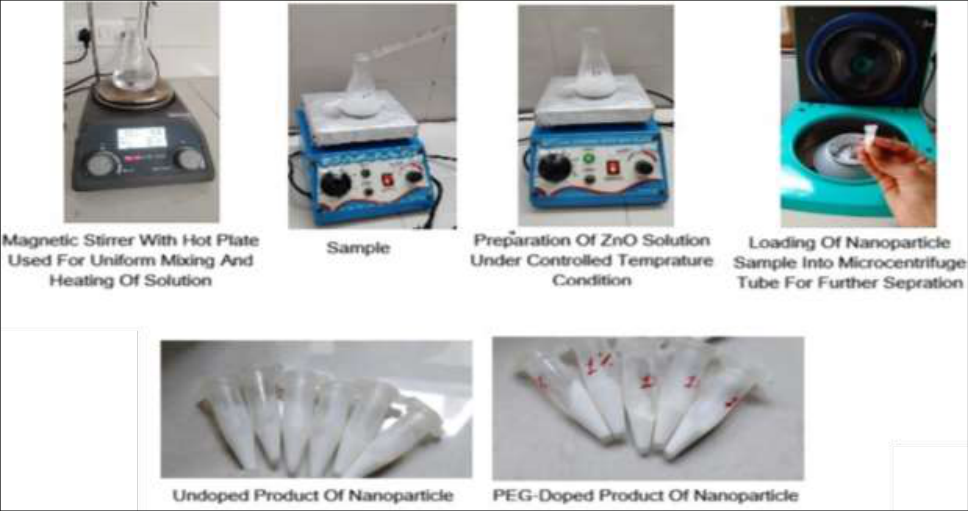 Figure 1
 Figure 2
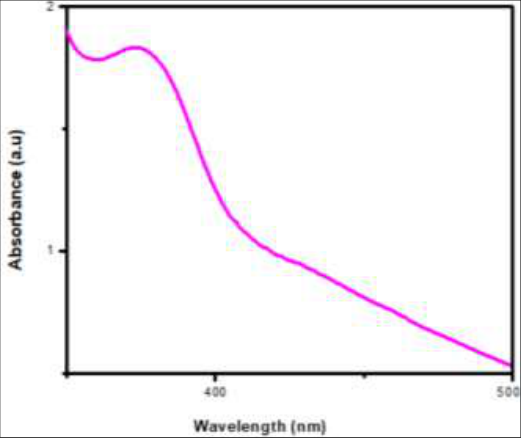 Figure 3
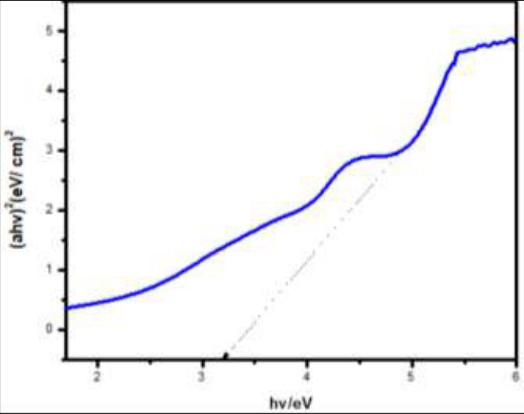 Figure 4
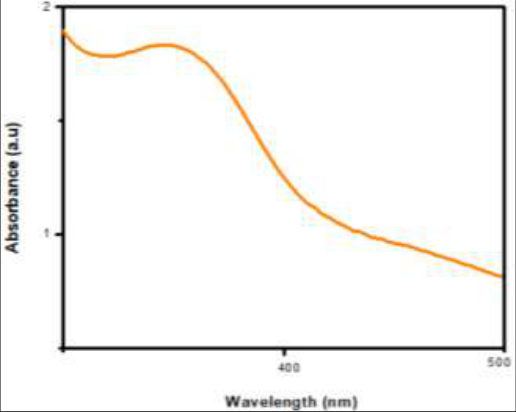 Fig. 5
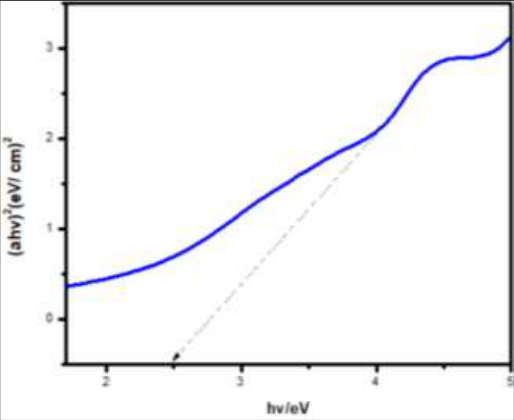 Figure 6
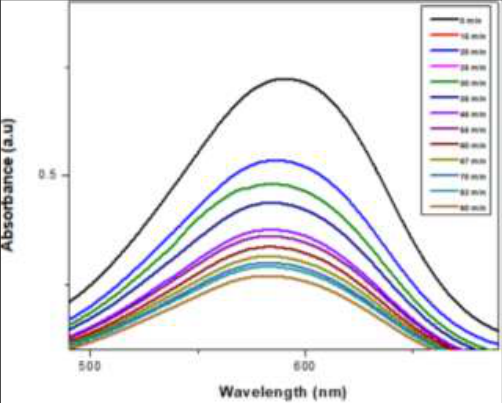 Figure 7
Introduction
ZnO nanoparticles are among the most widely studied metal oxide nanomaterials because of their excellent physical, chemical, optical, and electronic properties. As a II-VI semiconductor with a wide bandgap (3.37 eV) and high exciton binding energy (60 meV), ZnO can efficiently emit excitons at room temperature, making it suitable for photonic and optoelectronic applications. Their nanoscale size provides high surface area, strong light absorption, efficient charge transport, and significant ultraviolet (UV) emission, enabling their use in sensors, light-emitting devices, and solar cells [1] . One of the most important applications of ZnO nanoparticles is photocatalysis for environmental remediation. Under UV light, ZnO generates electron-hole pairs that react with oxygen and water to produce reactive oxygen species (ROS), including hydroxyl radicals and superoxide ions. These highly reactive species effectively degrade organic pollutants such as dyes, pesticides and industrial chemicals in wastewater. ZnO nanoparticles have demonstrated high degradation efficiencies, often exceeding 90% for dyes such as methylene blue, methyl orange, and malachite green, highlighting their potential as costeffective and environmentally friendly photocatalysts [2][3][4][13][14] . ZnO nanoparticles also possess strong antibacterial properties due to ROS generation and the release of Zn²⁺ ions, which damage bacterial cell membranes and interfere with cellular functions. These characteristics make them valuable for biomedical applications, including antimicrobial coatings, wound dressings, and drug delivery systems. In addition, their antioxidant activity has attracted attention for pharmaceutical applications because of their ability to reduce oxidative stress associated with various diseases [5][6]15] . Despite these advantages, pure ZnO nanoparticles face challenges such as rapid recombination of photogenerated electron-hole pairs, limited visible-light absorption, particle agglomeration, and long-term stability issues, all of which reduce photocatalytic efficiency [7] . To overcome these limitations, researchers have developed strategies including metal and non-metal doping, heterojunction formation with other semiconductors, and surface functionalization to improve charge separation, extend light absorption into the visible region, and enhance photocatalytic performance [8][9] . The performance of ZnO nanoparticles is strongly influenced by their size, shape, surface morphology, and synthesis method. Smaller particles provide larger surface areas, leading to improved catalytic activity and pollutant interaction [10] . Recently, green synthesis approaches using plant extracts and microorganisms have gained popularity because they reduce the use of toxic chemicals, lower environmental impact, and improve nanoparticle stability and biocompatibility [11][12] . Although significant progress has been achieved, further research is needed to improve the efficiency, stability, safety, and large-scale application of ZnO nanoparticles in environmental, biomedical, and industrial fields [1] .
Photocatalytic removal of methylene blue using ZnO nanoparticles
Photocatalysis has emerged as an effective and environmentally sustainable technology for the removal of organic contaminants from wastewater, particularly synthetic dyes released from textile, pharmaceutical, and printing industries. Among various semiconductor photocatalysts, zinc oxide (ZnO) nanoparticles have attracted significant attention because of their high photocatalytic activity, chemical stability, low toxicity, abundance, and cost-effectiveness. Their wide bandgap (3.37 eV) and high exciton binding energy enable efficient generation of reactive oxygen species (ROS) under ultraviolet (UV) irradiation, making ZnO a promising material for wastewater treatment applications [16] . The photocatalytic process is initiated when ZnO nanoparticles absorb UV light with energy equal to or greater than their bandgap, resulting in the excitation of electrons from the valence band to the conduction band and the formation of electron-hole pairs [17][18] . The photogenerated electrons react with dissolved oxygen to produce superoxide radicals (O₂⁻), while the holes oxidize water molecules or hydroxide ions to generate hydroxyl radicals (•OH). These highly reactive oxygen species oxidize complex dye molecules into environmentally benign products, including carbon dioxide and water, through complete mineralization without generating harmful secondary pollutants [13,31] . The superior photocatalytic performance of ZnO nanoparticles is primarily attributed to their nanoscale dimensions, which provide a high specific surface area and numerous active sites for adsorption and catalytic reactions [19][20][21] . Efficient adsorption of dye molecules onto the catalyst surface facilitates close interaction with reactive oxygen species, thereby enhancing degradation efficiency. ZnO nanoparticles have demonstrated excellent photocatalytic performance in the degradation of various organic dyes, including methylene blue, methyl orange, and rhodamine B, making them suitable for wastewater remediation [22] .
The photocatalytic efficiency of ZnO is strongly influenced by both material characteristics and operating conditions [23] . Parameters such as particle size, morphology, crystallinity, surface area, and optical properties determine light absorption, charge transport and the availability of active sites [24] . Smaller nanoparticles with well-defined crystalline structures generally exhibit enhanced photocatalytic activity because of their larger surface area and reduced charge carrier recombination [10] . Similarly, experimental conditions including catalyst dosage, initial dye concentration, solution pH, and light intensity significantly affect degradation efficiency [25] . In particular, alkaline conditions promote hydroxyl radical formation, leading to faster photocatalytic degradation of dye molecules [31] . Despite these advantages, the practical application of pure ZnO is limited by rapid recombination of photogenerated electron-hole pairs and poor absorption in the visible-light region. To overcome these limitations, several modification strategies have been developed, including metal and nonmetal doping, polymer surface coating (e.g., polyethylene glycol, PEG), surface functionalization, and the fabrication of hybrid nanocomposites [26] . These modifications effectively suppress charge recombination, extend light absorption into the visible spectrum, and improve overall photocatalytic performance [7] . Furthermore, tailoring ZnO nanostructures into nanorods, nanospheres, nanoflowers, and nanosheets exposes different crystal facets with enhanced catalytic activity. Immobilization of ZnO nanoparticles on substrates such as glass, polymers, and biochar further improves catalyst stability, recovery, and reusability, thereby facilitating practical large-scale wastewater treatment [1,11,13] . Overall, ZnO nanoparticlebased photocatalysis represents a promising, sustainable, and economically viable approach for the degradation of organic pollutants in wastewater [27][28] .
Material and method 2.1 Reagent
Polyethylene glycol (PEG) [H(OCH₂CH₂) n OH] Merck ≥99%, Zinc Sulphate (ZnSO 4 ) Rankem≥99%, Sodium Hydroxide (NaOH) Rankem ≥99% and double distilled water used throughout the study [29] .
Synthesis of 1% PEG doped ZnO nanoparticle
ZnO nanoparticles were synthesized by direct precipitation method using zinc sulphate (ZnSO 4 ) and sodium hydroxide (NaOH) as precursors and dopant polyethylene glycol used 1%. In this work, the aqueous solution (0.1 M) of zinc sulphate and the solution (1 M) of NaOH were prepared with distilled water, respectively [30]. The NaOH solution was slowly added into zinc sulphate solution at room temperature under vigorous stirring, which resulted in the formation of a white suspension. The white product was centrifuged at 5000 rpm for 2. min and washed three times with distilled water, and washed with absolute alcohol at last. The obtained product was dried with oven in 80 ͦ C [31] .
Synthesis of undoped ZnO nanoparticle
ZnO nanoparticles were synthesized by direct precipitation method using zinc sulphate (ZnSO 4 ) and sodium hydroxide(NaOH) as precursors. In this work, the aqueous solution (0.1 M) of zinc sulphate and the solution (1 M) of NaOH were prepared with distilled water, respectively. The NaOH solution was slowly added into zinc sulphate solution at room temperature under vigorous stirring, which resulted in the formation of a white suspension. The white product was centrifuged at 5000 rpm for 2 min and washed three times with distilled water, and washed with absolute alcohol at last. The obtained product was dried with oven in 80 ͦ C [32] .
Adsorption
An orbital shaker incubator (Heidolp, Unimax1010, Germany) was used in adsorption experiments. The tests were carried out at a speed of approximately 200 rpm. A stock solution of 1x10 -3 M concentration of Methylene blue dye was prepared and diluted to 1x10 -4 M and 10 mg PEG Doped ZnO nanoparticles has been dispersed at wavelength of 601 nm using UV-Visible Spectroscopy . A kinetic run was studied till 80 minutes [33] .
Characterization 2.5.1 UV-visible spectroscopy
The surface plasmon resonance (SPR) of the sample was recorded using a UV-Visible spectrophotometer (Shimadzu -1900i ). The sample was scanned and found in the wavelength of range of 300-800 nm with a reference. The optical band gap energy of the nanoparticles was further determined using Tauc's plot method, which helped in understanding the effect of PEG doping on the electronic structure of ZnO. The obtained spectral data also revealed that PEG acted as a stabilizing and capping agent, reducing particle agglomeration and improving dispersion stability. Thus, UV-Visible spectroscopy played a significant role in analyzing the optical behaviour and photocatalytic potential of the synthesized nanoparticles [34][35] .
Result and Discussion
Result and Discussion
UV -Visible spectrum of 1% polyethylene glycol doped ZnO nanoparticle
The synthesized 1% zinc oxide (ZnO) nanoparticle analysed using UV-Visible spectroscopy. The UV-Visible spectrum exhibited a strong and well-defined absorption peak at around 350 nm, which is a characteristic feature of ZnO nanoparticles. This prominent peak confirms the successful synthesis of zinc oxide nanoparticles in the solution. Unlike bulk materials, the appearance of this distinct absorption band in the UV region is attributed to the electronic transitions and Nano scale properties of ZnO.
The presence of this sharp absorption peak indicates the formation of ZnO nanoparticles with good optical properties. The absence of irregular or multiple peaks further suggests uniform particle formation and stability in the system. The UV-Visible absorption data were interpreted using the Beer-Lambert equation:
This equation describes the linear relationship between absorbance and concentration at a given wavelength, where ε(λ) represents the wavelength-dependent molar absorptivity, A(λ) is the absorbance at wavelength λ, l is the optical path length, and c is the concentration of the absorbing species as shown in Fig. 3.
Optical band gap evaluation of 1% PEG-ZnO nanoparticles
ZnO nanoparticles typically have a band gap around 3.2-3.3 eV. When 1% polyethylene glycol (PEG) is doped into ZnO, the band gap value of ~3.3 eV indicates that there is minimal change in the electronic structure. PEG mainly acts as a surface modifier or stabilizer rather than introducing significant new energy levels within the band structure. The relation is that low-level PEG doping can slightly influence particle size and surface, which may cause minor band gap variation, but at 1% concentration, ZnO retains its intrinsic band gap, showing that PEG does not strongly alter its optical properties as shown in Fig. 4.
UV-visible spectral analysis of undoped ZnO nanoparticles
Synthesized zinc oxide (ZnO) nanoparticles were analysed using UV-Visible spectroscopy. The UV-Visible spectrum exhibited strong absorption in the UV region with a clear absorption edge around ~380 nm, which is characteristic of ZnO nanoparticles. The appearance of this absorption edge confirms the successful synthesis of ZnO nanoparticles. The absorption edge around 380 nm indicates the electronic transition of electrons from the valence band to the conduction band, which is a typical feature of semiconductor materials like ZnO. The gradual decrease in absorbance toward higher wavelengths shows normal optical behaviour of ZnO nanoparticles. The relatively smooth nature of the curve suggests that the nanoparticles are fairly uniform in size and well-dispersed, with minimal aggregation. Thus, the UV-Visible spectroscopy results confirm the successful synthesis of ZnO nanoparticles, with a characteristic absorption edge observed around 380 nm, indicating well-formed and stable nanoparticles with typical semiconductor optical properties as below Fig. 5.
Optical Band Gap Evaluation of Un-doped ZnO Nanoparticles
This graph represents the Tauc plot used to determine the optical band gap of the synthesized ZnO nanoparticles. The x-axis shows photon energy (hν in eV), while the y-axis represents (αhν)², where α is the absorption coefficient. This type of plot is used for direct band gap semiconductors like ZnO. The curve shows that a gradual increase followed by a linear region. The straight-line portion is extrapolated toward the x-axis (energy axis) and the point where it intersects gives the band gap value. In this graph the extrapolated line intersects the x-axis at approximately 2.5 eV, indicating the band gap of the sample. The presence of a clear linear region suggest that a good optical quality of the nanoparticles. The reduced band gap compared to pure ZnO indicates successful modification likely due to doping or defect states, which introduce additional energy levels. This shift enhances visible light absorption, that making the material more effective for applications like photo catalysis and environmental remediation as below Fig 6.
Conclusion
This work presents the successful synthesis and characterization of 1% polyethylene glycol (PEG)-doped ZnO nanoparticles and investigates their photocatalytic performance for methylene blue degradation under sunlight. UV-Visible spectroscopy verified the formation of stable nanoparticles with characteristic optical absorption. Optical band gap analysis showed that PEG modification had minimal influence on the intrinsic electronic structure of ZnO, whereas undoped ZnO exhibited a slightly narrower band gap due to defect-related states. The PEG-modified nanoparticles displayed enhanced photocatalytic efficiency because of improved particle dispersion, reduced agglomeration, and increased surface activity. The gradual reduction in dye absorbance during irradiation confirmed effective photocatalytic degradation. Furthermore, PEG helped suppress electron-hole recombination, leading to improved catalytic performance. The low-cost and environmentally friendly synthesis route enhances the potential for practical applications. Overall, PEG-doped ZnO nanoparticles demonstrate excellent stability, favorable optical properties, and efficient photocatalytic activity, making them promising candidates for wastewater treatment and the removal of organic pollutants from contaminated water.
Acknowledgement
AcknowledgementAuthors are thankful to Department of Chemistry, Anjaneya University, Raipur for providing lab facility.
Figures and tables from the paper
References
35 in the original paper- Lebaka VR, Ravi L, et al. Zinc oxide nanoparticles in modern science and technology: Applications and advances. Nanotechnology Reviews. 2025;14(1):223245.
- Zikalala N, Azizi S, et al. Evaluation of ZnO nanoparticles for photocatalytic degradation of pollutants. Catalysts. 2022;12(9):1023.
- Kumar R, Dhar S, et al. Zinc oxide nanoparticles in photocatalytic degradation of pollutants. Journal of Environmental Management. 2025;345:118765.
- Akhter R, et al. In silico molecular docking and ADMET prediction of dye degradation compounds. Journal of Molecular Modeling and Computational Chemistry. 2024;18(2):115-128.
- Kaur R, Sharma S, et al. Green synthesis of ZnO nanoparticles using Elettaria cardamomum and photocatalytic applications. Materials Science in Semiconductor Processing. 2025;168:107789.
- Jin S, Jin H, et al. Photocatalytic antibacterial applications of zinc oxide nanoparticles. Applied Microbiology and Biotechnology. 2019;103(5):21592170.
- Wafy A, Mohamed R, et al. Evaluation of antibacterial efficacy of ZnO nanoparticles. Microbial Pathogenesis. 2023;176:105987.
- Mutukwa M, Taziwa R, et al. Plant-mediated synthesis of ZnO nanoparticles and their applications. Journal of Nanoparticle Research. 2024;26(3):89.
- Çokyaşa H, Hallac B, et al. Eco-friendly synthesis of ZnO nanoparticles using green methods. Materials Today: Proceedings. 2025;72:250-256.
- Shrestha S, Tiwari A, et al. Photocatalytic, antimicrobial, and antioxidant properties of ZnO nanoparticles. Materials Chemistry and Physics. 2025;312:127654.
- Environmental Nanotechnology, Monitoring & Management. 2024;22:100987.
- Khan MI, Saeed K, et al. Review on methylene blue: Properties, toxicity, and environmental concerns. Journal of Water Process Engineering. 2022;46:102653.
- Azim MM, Tanim MH, et al. Degradation of methylene blue using graphene oxide-based photocatalysts. Applied Surface Science. 2018;435:123-131.
- Baeissa ES. Photocatalytic degradation of methylene blue dye under light irradiation. Journal of Nanomaterials. 2016:1-9.
- Zena A, Andoshe D, et al. High-performance ZnO nanocomposites for dye degradation. Journal of Hazardous Materials. 2024;452:131245.
- Pham TH, Nguyen DT, et al. Immobilization of ZnO nanoparticles for wastewater treatment applications. Chemical Engineering Journal. 2017;317:908-919.
- Astuti Y, Sulistyaningsih T, et al. Biochar-ZnO composites for photocatalytic degradation of methylene blue dye. Journal of Environmental Chemical Engineering. 2023;11(4):109876.
- Kumar S, Kumar A, et al. Nanoscale zinc oxide-based heterojunctions for visible light photocatalysis. Ceramics International. 2020;46(10):15059-15075.
- Sharma P, Devi R, et al. Photocatalytic, antibacterial, and antioxidant study of modified ZnO nanoparticles. Colloids and Surfaces B: Biointerfaces. 2025;240:113456.
- Dulla JB, Vanama P, et al. Sustainable synthesis of zinc oxide nanoparticles using biological approaches. Green Chemistry Letters and Reviews. 2025;18(1):45-59.
- Karthiga S, Chitra K, et al. Green synthesis of ZnO nanoparticles using plant extracts and their applications. Journal of Nanoscience and Nanotechnology. 2025;25(3):1456-1465.
- Das S, Mishra A, Rout S. PEG-doped ZnO nanoparticles for improved photocatalytic degradation of dyes. Materials Today: Proceedings. 2022;56:21002105.
- Kaur H, Singh K, Kaur G. Influence of PEG on morphology and photocatalytic activity of ZnO nanostructures. Materials Science in Semiconductor Processing. 2018;75:101-107.
- Khan A, Hussain I, Rehman U. Stability and reusability of PEG-coated ZnO nanoparticles for dye degradation. Journal of Environmental Management. 2021;286:112189.
- Kumar S, Patel R, Singh D. PEG-assisted synthesis of ZnO nanoparticles and their optical properties. Advanced Materials Letters. 2014;5(6):320-325.
- Mehta D, Shah P, Joshi M. PEG-assisted synthesis of ZnO nanoparticles for improved photocatalytic activity. Materials Today: Proceedings. 2020;28:345-350.
- Reddy K, Kumar V, Sharma S. Role of PEG as surfactant in ZnO nanoparticle synthesis and photocatalytic activity. Journal of Materials Science. 2017;52(14):8900-8910.
- Saxena N, Gupta R, Sharma P. Photocatalytic degradation of methylene blue using PEG-modified ZnO nanoparticles. International Journal of Environmental Science and Technology. 2017;14(9):1985-1992.
- Shukla A, Mishra V, Tiwari S. Effect of PEG concentration on ZnO nanoparticles for photocatalytic applications. Materials Today: Proceedings. 2023;72:1450-1455.
- Verma A, Singh P, Yadav R. Optical and photocatalytic properties of PEG-doped ZnO nanoparticles. Optik. 2016;127(18):7435-7440.
- Ahmad M, Iqbal J, Ahmad I. Enhanced sunlight photocatalytic performance of hafnium-doped ZnO nanoparticles. Journal of Materials Science. 2013;48(15):5400-5408.
- Ali S, Khan M, Ahmed R. Polymer-modified ZnO nanoparticles for enhanced dye removal efficiency. Journal of Environmental Chemical Engineering. 2020;8(4):104123.
- Ekinci A, Sahin O, Demir M. Green synthesis of copper-doped ZnO nanoparticles for photocatalytic applications. Environmental Nanotechnology, Monitoring & Management. 2024;22:100789.
- Gupta V, Sharma P, Singh R. Effect of polymer concentration on ZnO nanoparticle synthesis and photocatalytic activity. Journal of Nanoscience and Nanotechnology. 2016;16(9):9876-9882.
- Habib A, Zain M, Ali S. Effect of rare-earth doping on structural and photocatalytic properties of ZnO nanoparticles. Ceramics International. 2021;47(10):14567-14575.