
Research article · 2026 · Full text
International Journal of Biology SciencesPlant polyphenols and gut microbiota: An interdependent relationship and its repercussions for human health
Volume 8(8) · Pages 38–48 · DOI: 10.33545/26649926.2026.v8.i8a.975 ↗
Research areasGut microbiota and healthPhytochemicals and Antioxidant ActivitiesNutritional Studies and Diet
Abstract
Author-writtenDietary polyphenols are structurally diverse plant-derived bioactive compounds increasingly recognised for their interactions with the gut microbiota and their potential influence on human health. Although polyphenols include phenolic acids, flavonoids, stilbenes, lignans, and tannins, many exhibit limited absorption in the small intestine because of their glycosylation, polymerization, and association with the food matrix. Consequently, substantial quantities reach the colon, where gut microorganisms transform them through deglycosylation, hydrolysis, demethylation, dehydroxylation, reduction, and ring cleavage into more readily absorbed metabolites, including phenolic acids, phenyl-γ-valerolactones, urolithins, and enterolignans. This relationship is bidirectional, as polyphenols and their metabolites can also reshape microbial composition and function by promoting beneficial taxa, suppressing opportunistic pathogens, enhancing short-chain fatty acid production, and supporting intestinal barrier integrity. Their antimicrobial effects involve membrane disruption, enzyme inhibition, metal chelation, interference with adhesion and biofilm formation, and modulation of bacterial virulence. Microbiota-derived metabolites may subsequently enter systemic circulation and contribute to cardiometabolic, anti-inflammatory, and neuroprotective effects. Importantly, inter-individual differences in gut microbial composition and metabolic capacity generate distinct metabotypes, resulting in considerable variability in biological responses to polyphenol-rich foods. This review examines the chemistry, bioavailability, microbial biotransformation, microbiota-modulating properties, and health implications of dietary polyphenols, emphasizing the polyphenol- microbiota-metabolite axis. Greater integration of metabolomics, metagenomics, controlled human studies, and microbiome profiling is required to clarify causal mechanisms and facilitate the development of microbiota-informed personalized nutritional strategies for improving human health.
Summary
Source-checkedPlain-language reading of the full paper, prepared with AI and checked against the text. Each point links to the authors' own words.
Why it matters
- Dietary polyphenols are diverse bioactive compounds from plants that are recognized for their ability to interact with gut microbiota and influence human health. View evidence ↗
- Many polyphenols are not well-absorbed in the small intestine due to their chemical structure and food matrix, allowing them to reach the colon in significant amounts. View evidence ↗
- The relationship between polyphenols and gut microbiota is bidirectional: microbes transform polyphenols, and polyphenols in turn modify the microbial community and support gut health. View evidence ↗
The question
- The review aims to examine the chemistry, bioavailability, microbial transformation, and health effects of dietary polyphenols, focusing on the polyphenol-microbiota-metabolite axis. View evidence ↗
What they did
- The review categorizes dietary polyphenols into five main groups based on their carbon skeleton: phenolic acids, flavonoids, stilbenes, lignans, and tannins. View evidence ↗
- The review notes that approximately 90-95% of dietary polyphenols reach the colon because they escape absorption in the small intestine. View evidence ↗
What they found
- Microbial biotransformation is class-dependent: flavonoids produce phenolic acids, flavan-3-ols/proanthocyanidins produce phenyl-γ-valerolactones, ellagitannins produce urolithins, and lignans produce enterodiol and enterolactone. View evidence ↗
- Polyphenols exert antimicrobial effects by disrupting bacterial membranes, inhibiting enzymes, chelating metals, and interfering with biofilm formation. View evidence ↗
- Individual responses to polyphenols vary by 'metabotype'; for example, metabotype-B individuals show significant decreases in cardiometabolic risk biomarkers after pomegranate ellagitannin intake, unlike metabotype-A individuals. View evidence ↗
- Specific microbial metabolites have different cardiovascular correlations: Urolithin A correlates with apo A-1 and intermediate HDL, while isourolithin-A and urolithin-B correlate with total cholesterol and LDL. View evidence ↗
- Certain microbiota-derived phenolic metabolites, such as 3-hydroxyphenylacetic acid, demonstrate neuroprotective effects in neuronal cell models. View evidence ↗
What it means
- The authors conclude that the future of nutritional science lies in moving from general polyphenol intake to dietary strategies informed by an individual's specific gut microbiota. View evidence ↗
- A significant limitation is that most current evidence comes from animal models rather than well-controlled human trials, and research has focused primarily on obesity and metabolic syndrome. View evidence ↗
- The specific human gut bacteria responsible for most polyphenol transformations are still unknown, and the full nature of the polyphenol-microbiota relationship is not yet understood. View evidence ↗
Visual summary
1 visualsIllustrations explain the paper; they do not show study data.
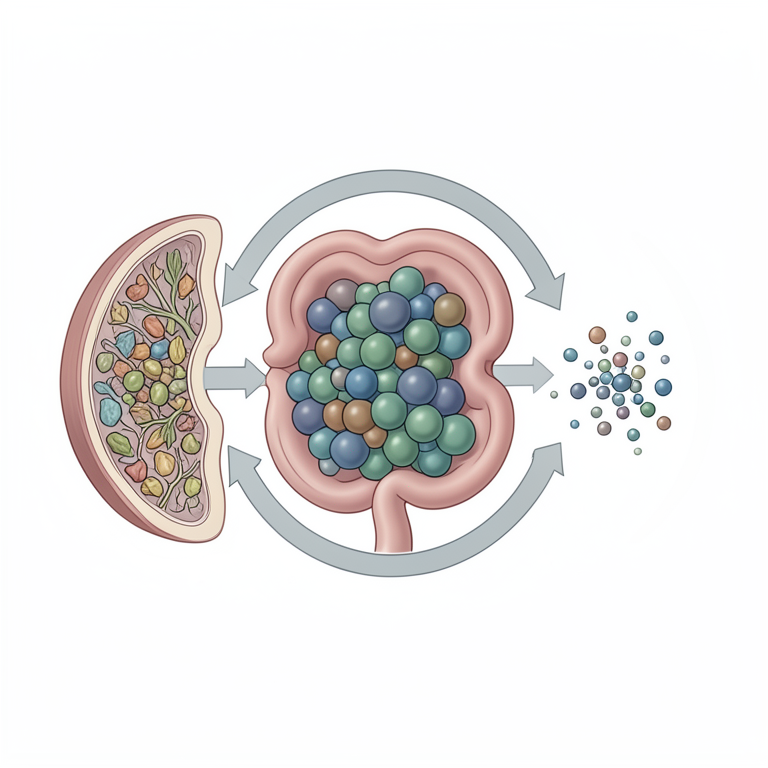
The Polyphenol-Microbiota-Metabolite Axis
AI-generated conceptual illustration (Human colon tissue and gut microbiota). It explains the idea and does not show study data.
View source evidence ↗Figures & tables
From the original paper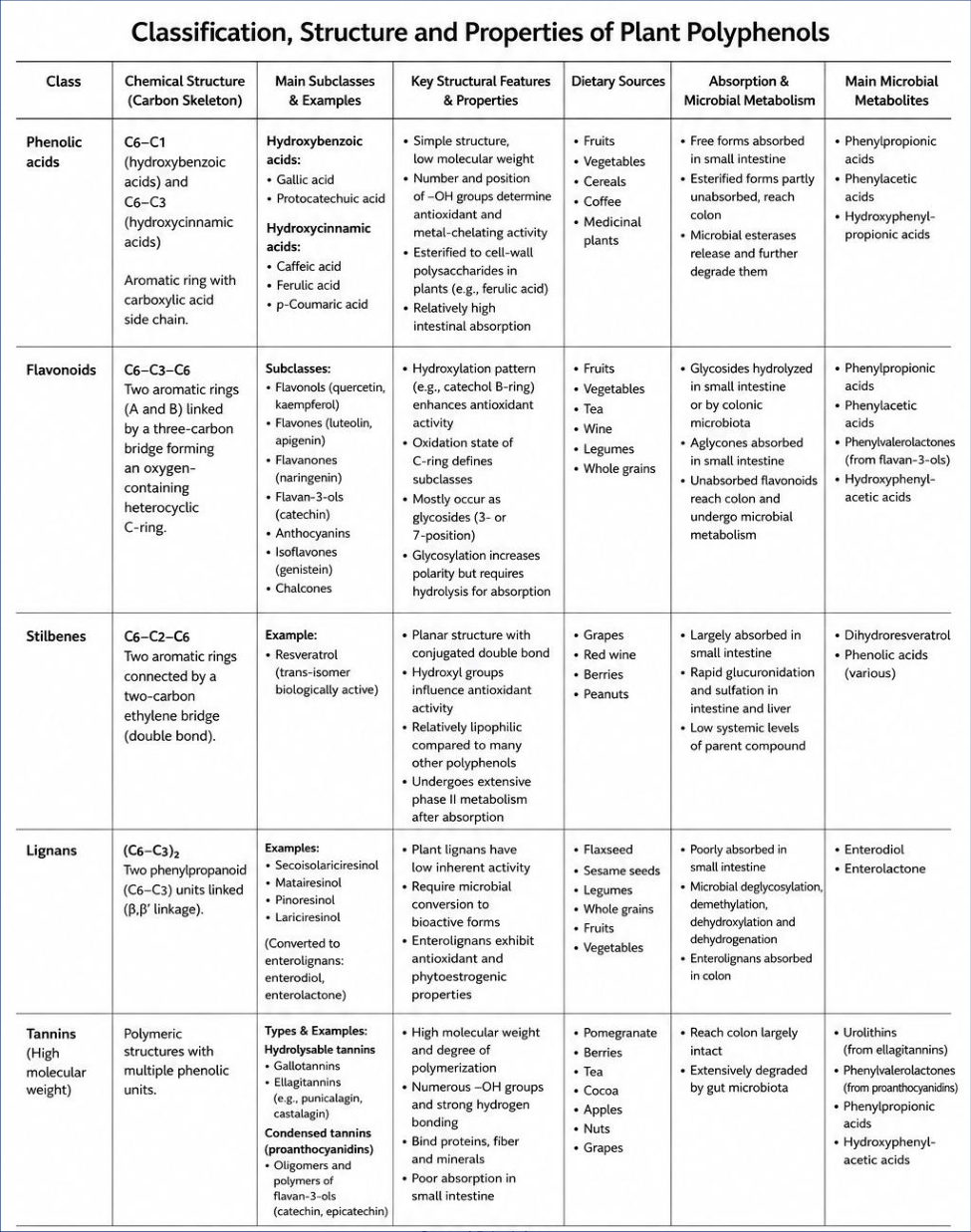 Figure 1
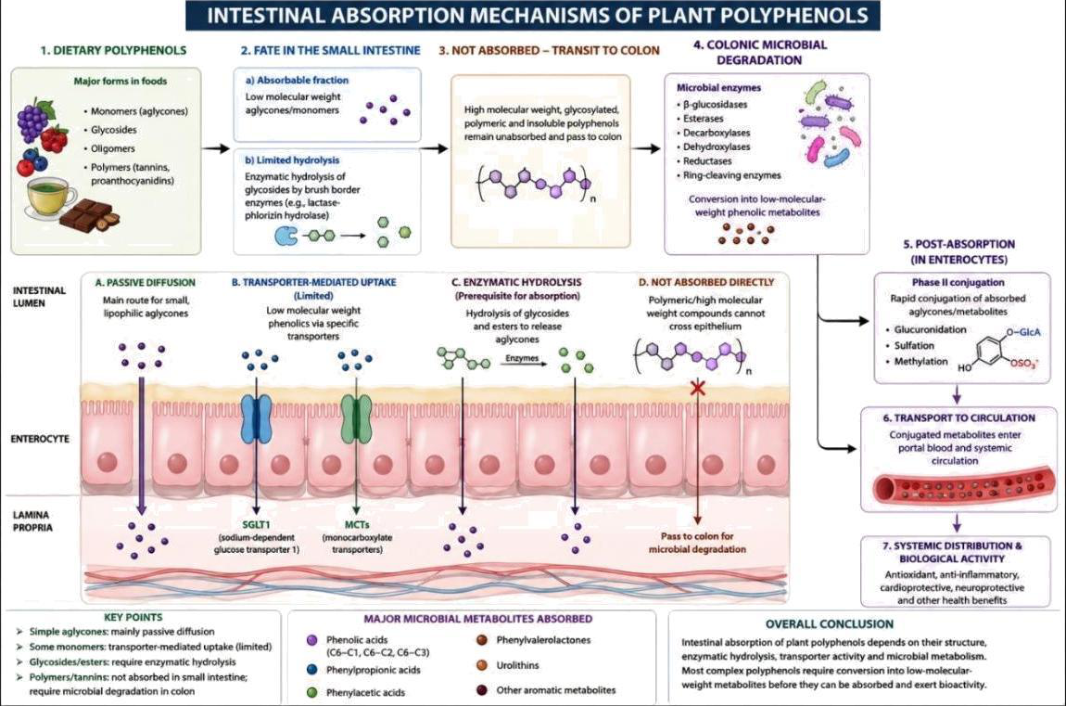 Figure 2
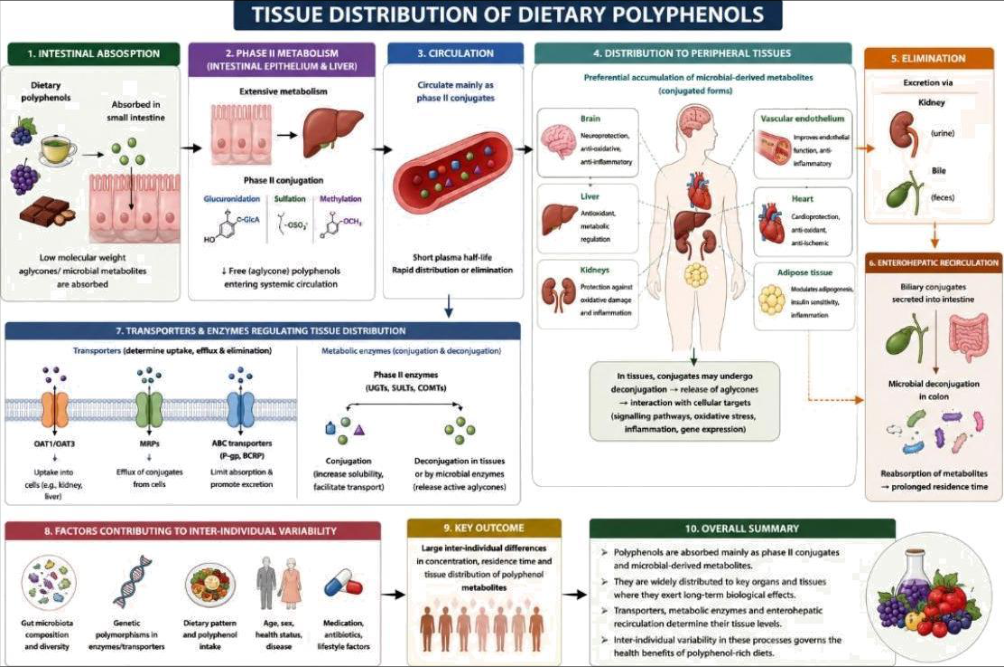 Figure 3
Introduction
Dietary polyphenols are diverse plant-derived bioactive compounds that interact closely with the gastrointestinal environment and influence human health (Valdés et al., 2015; Wang et al., 2022) [1, 2] . Their relationship with the gut microbiota is bidirectional. Because many polyphenols are poorly absorbed in the small intestine, substantial amounts reach the colon, where gut microorganisms transform them into smaller and often more bioavailable metabolites. In turn, polyphenols and their metabolites can modify microbial composition and metabolic activity (Cano et al., 2024; Çatalkaya et al., 2020) [3,4] . This reciprocal interaction may contribute to metabolic homeostasis and protection against obesity, type 2 diabetes, dysbiosis, and inflammation (Koudoufio et al., 2020; Mahdi et al., 2025) [5, 6] . Polyphenols can promote beneficial microorganisms while suppressing potentially harmful bacteria, thereby exerting prebiotic-like effects (Rodríguez-Daza et al., 2021) [7] . Central to these effects is the "polyphenol-microbiota-metabolite" axis, in which microbial composition and functional capacity determine the type and quantity of metabolites generated from dietary polyphenols. Microbial transformation produces compounds such as phenolic acids and urolithins that may exhibit biological activities distinct from their parent compounds (Plamada & Vodnar, 2021; Ray & Mukherjee, 2021) [8,9] . Inter-individual differences in gut microbiota generate distinct metabolic phenotypes, or metabotypes, which may explain variable responses to polyphenol-rich foods and provide a basis for personalised nutrition (Narduzzi et al., 2022) [10] . Recognition of the generally low systemic bioavailability of native polyphenols has shifted attention from their direct antioxidant activity towards gastrointestinal metabolism and microbial biotransformation. Colonic reactions, including deglycosylation, hydrolysis, reduction, dehydroxylation, and ring cleavage, generate numerous bioactive derivatives (Loo et al., 2020) [11] . This review therefore examines polyphenol bioavailability, microbial biotransformation, microbiota modulation, and associated health effects, with particular emphasis on interindividual variability and microbial metabotypes as potential tools for developing personalised nutritional strategies.
Classification of Plant Polyphenols: Chemistry, Structure, and Properties of Dietary Polyphenols
The way polyphenols act in the body is closely tied to their molecular structure, including the number and position of hydroxyl groups, aromatic conjugation, glycosylation, methylation, esterification, and degree of polymerisation. These features determine their polarity, solubility, chemical stability, antioxidant and metal-chelating activity, intestinal absorption, microbial accessibility, and overall biological activity (Crozier et al., 2009) [12] . Based on their carbon skeleton and structure, dietary polyphenols are generally grouped into phenolic acids, flavonoids, stilbenes, lignans, and tannins (Del Rio et al., 2013; Shahidi & Yeo, 2018) [13] .
Phenolic Acids
Phenolic acids are simple dietary polyphenols classified as hydroxybenzoic acids (C6-C1), including gallic, protocatechuic, vanillic, and syringic acids, and hydroxycinnamic acids (C6-C3), such as caffeic, ferulic, pcoumaric, and sinapic acids. Their biological properties depend largely on hydroxylation and methoxylation patterns. Catechol structures, as in caffeic acid, enhance antioxidant and metalchelating activity (Rice-Evans et al., 1996) [14] , whereas methoxylation can influence lipophilicity and metabolic stability. Phenolic acids occur in free or conjugated forms in cereals, fruits, vegetables, and coffee. Bound hydroxycinnamic acids, particularly ferulic acid, often reach the colon, where microbial esterases release and transform them into bioactive metabolites.
Flavonoids
Flavonoids are the largest and most structurally diverse class of dietary polyphenols, characterised by a C6-C3-C6 skeleton comprising two aromatic rings linked through a heterocyclic Cring (Panche et al., 2016) [15] . Structural alterations distinguish flavonols, flavones, flavanones, flavan-3-ols, anthocyanins, isoflavones, and chalcones. Their antioxidant activity depends mainly on B-ring catechol groups, C2=C3 conjugation with a 4oxo group, and hydroxylation, with quercetin exhibiting particularly strong radical-scavenging activity. Most dietary flavonoids occur as Oglycosides, which influence solubility and intestinal absorption. Unabsorbed flavonoids reach the colon, where microbial glycosidases hydrolyse them and facilitate further biotransformation into smaller metabolites (Del Rio et al., 2013) [13] .
Stilbenes
Stilbenes possess a characteristic C6-C2-C6 skeleton, with two aromatic rings connected by an ethylene bridge. Resveratrol (3,5,4′-trihydroxystilbene), the best-characterised dietary stilbene, occurs as cis and trans isomers, with trans-resveratrol being more stable and extensively studied. Its conjugated double bond promotes molecular planarity and electron delocalisation, while hydroxyl groups contribute to antioxidant activity. Although resveratrol is efficiently absorbed, its systemic bioavailability is low because of rapid intestinal and hepatic glucuronidation and sulfation (Walle, 2011) [16] . It also occurs as the glucoside piceid (polydatin), which requires hydrolysis before absorption.
Lignans
Lignans are formed by coupling two phenylpropanoid (C6-C3) units, commonly through a β-β′ linkage, producing a (C6-C3) framework. Major dietary lignans include secoisolariciresinol,₂ matairesinol, pinoresinol, and lariciresinol, commonly found in flaxseed, sesame seeds, whole grains, legumes, fruits, and vegetables. Plant lignans primarily act as precursors of mammalian enterolignans. Gut microbiota transform them through deglycosylation, demethylation, dehydroxylation, and dehydrogenation into enterodiol and enterolactone (Rowland et al., 2018). These readily absorbed metabolites can interact with estrogen receptors, giving them phytoestrogenic activity and demonstrating the close relationship between lignan structure, microbial metabolism, and biological effects.
Tannins
Tannins are high-molecular-weight polyphenols rich in phenolic hydroxyl groups and are classified into hydrolysable and condensed tannins (Serrano et al., 2009) [17] . Hydrolysable tannins include gallotannins and ellagitannins, generally containing a glucose core esterified with gallic acid or hexahydroxydiphenoyl groups. Ellagitannins release ellagic acid, which gut microbiota convert into bioactive urolithins. Condensed tannins, or proanthocyanidins, are polymers of flavan-3-ols such as catechin and epicatechin linked mainly through C4-C8 or C4-C6 bonds. Their large molecular size limits intestinal absorption, allowing substantial amounts to reach the colon, where microbial metabolism produces smaller phenyl-γ-valerolactones and phenolic acids that can be absorbed systemically (Del Rio et al., 2013; Mena et al., 2018) [13, 18] .
Structural Determinants of Polyphenol Bioavailability
The bioavailability of dietary polyphenols depends largely on their chemical form and molecular structure, including molecular weight, hydroxylation, methylation, glycosylation, esterification, and polymerisation (Del Rio et al., 2013) [13] . Larger and highly polymerised compounds, such as proanthocyanidins, generally show poor intestinal absorption. Glycosylation and esterification influence solubility and may require hydrolysis before absorption, while association with dietary fibre increases delivery to the colon (Crozier et al., 2009) [12] . After absorption, polyphenols undergo extensive phase II metabolism, mainly glucuronidation, sulfation, and methylation. Consequently, circulating polyphenol-related compounds occur predominantly as conjugated derivatives and microbial metabolites rather than unchanged parent compounds (Del Rio et al., 2013) [13] .
Gut Microbial Biotransformation and Structure-Metabolism Relationships
Polyphenols that escape small-intestinal absorption reach the colon, where gut microbiota convert them into lowermolecular-weight metabolites through deglycosylation, deesterification, demethylation, dehydroxylation, reduction, and ring cleavage. These conversions are classdependent: flavonoids yield various phenolic acids, flavan-3-ols and proanthocyanidins produce phenyl-γ-valerolactones, ellagitannins generate urolithins, and lignans form enterodiol and enterolactone (Del Rio et al., 2013; Mena et al., 2018; Rowland et al., 2018) [13,18] . Thus, structural intricacy that limits intestinal absorption increases delivery to the colon, making microbial metabolism a major determinant of polyphenol bioavailability and biological activity.
Intestinal Absorption of Dietary Polyphenols
The intestinal absorption of dietary polyphenols is strongly influenced by molecular size, polymerisation, glycosylation, esterification, and lipophilicity. Small, lipophilic aglycones may cross the small-intestinal epithelium by passive diffusion, whereas glycosylated polyphenols generally require hydrolysis before absorption (Del Rio et al., 2010) [27] . Flavonoid glycosides can be hydrolysed by brush-border lactase-phlorizin hydrolase (LPH) or intracellular β-glucosidases, while unabsorbed compounds reach the colon for microbial transformation (Cardona et al., 2013) [28] . Carrier-mediated transport may add to the uptake of specific phenolics. Highmolecular-weight polyphenols, particularly proanthocyanidins and tannins, are poorly absorbed and reach the colon, where gut microbiota convert them into smaller metabolites, including phenyl-γ-valerolactones, phenylpropionic acids, and phenylacetic acids, which can subsequently be absorbed (Pérez-Jiménez et al., 2013; Sharma et al., 2022) [30,29] . The food matrix further affects bioaccessibility because phenolics bound to plant cell-wall polysaccharides require enzymatic release (Lin et al., 2019; Shahidi et al., 2019) [31,32] . Following absorption, polyphenols undergo extensive intestinal and hepatic phase II metabolism, particularly glucuronidation, sulfation, and methylation. Consequently, systemic circulation contains relatively low concentrations of unchanged polyphenols and predominantly their conjugated and microbiota-derived metabolites (Del Rio et al., 2013) [13] . Schematic representation of the intestinal absorption of dietary polyphenols, illustrating passive diffusion, limited transportermediated uptake, enzymatic hydrolysis, gut microbiota-mediated degradation of complex polyphenols, phase II conjugation, and the formation of bioavailable microbial metabolites that enter systemic circulation.
Tissue Distribution and Elimination
Following intestinal absorption, dietary polyphenols circulate predominantly as phase II metabolites, particularly glucuronides, sulfates, and methylated derivatives, rather than native aglycones (Jiang & Hu, 2012; Ruskovska et al., 2019) [33,34] . Their pharmacokinetics vary with chemical structure and metabolic origin. Small-intestinal metabolites generally appear rapidly in plasma, whereas gut microbiota-derived metabolites emerge later following colonic biotransformation and absorption (Minatel et al., 2017) [35] . Polyphenol metabolites have been detected in the liver, kidneys, vascular tissues, adipose tissue, heart, and, for selected compounds, the brain, although distribution is highly compound-specific (Teng & Chen, 2018; Velderrain-Rodríguez et al., 2013) [36,37] . Tissue exposure depends on polarity, molecular size, membrane permeability, protein binding, and cellular transporters. OAT, MRP, and ABC transporters contribute to cellular uptake, efflux, biliary secretion, and renal elimination (Wang et al., 2018; Wong et al., 2011) [38,39] . Enterohepatic recirculation may further prolong exposure by allowing biliary conjugates to undergo microbial deconjugation and subsequent reabsorption (Heleno et al., 2014) [40] . Importantly, conjugated metabolites are not necessarily biologically inactive and may undergo local deconjugation or directly influence cellular signalling and inflammatory pathways (Muñoz-González et al., 2019; Rein et al., 2012) [42,41] . Microbial metabolites, including phenolic acids, phenylγvalerolactones, urolithins, and enterolignans, add further to to systemic exposure. Considerable inter-individual variability in microbiota, metabolic enzymes, and transporters produces distinct circulating metabolite profiles (Carregosa et al., 2022; Lorenzo et al., 2021) [43,44] . Thus, polyphenol bioavailability reflindicates a dynamicyphenol-microbiota-metabolite axis rather than exposure to native compounds alone. Overview of the systemic distribution of absorbed polyphenol metabolites, highlighting phase II conjugation, transport to peripheral tissues, enterohepatic recirculation, transportermediated uptake and elimination, tissue-specific accumulation, and factors influencing inter-individual variability in their biological activity.
Modulation of Gut Microbiota by Dietary Polyphenols
Dietary polyphenols act not only as as agentsr microbial metabolism but also as modulators of gut microbiota composition and activity. Because substantial amounts reach the colon, polyphenols and their metabolites can exert selective antimicrobial and prebiotic-like effects, potentipossibly suppressingl microorganisms while favouring beneficial taxa (Bačić et al., 2023; Duda-Chodak et al., 2015) [46,45] . Polyphenol-rich diets have been associated with increased [47,48,49] . Polyphenols influence microorganisms through multiple mechanisms, including membrane disruption, enzyme inhibition, metal chelation, and interference with adhesion, biofilm formation, and energy metabolism. Their microbial metabolites can further modify community structure and crossfeeding interactions. Such ecological changes may enhance production of short-chain fatty acids (SCFAs), particularly acetate, propionate, and butyrate, supporting epithelial barrier integrity, immune regulation, and metabolic signalling (Fava et al., 2018; İlhan, 2018) [50] .
Importantly, the polyphenol-microbiota relationship is bidirectional. Gut microorganisms transform ellagitannins into urolithins, daidzein into equol, lignans into enterodiol and enterolactone, and flavan-3-ols into phenyl-γvalerolactonesand phenolic acids (Pasinetti et al., 2018) [51] . Individual differences in microbial composition produce distinct metabotypes, causing variable biological reactions to identical polyphenol-rich foods. By improving microbial balance and intestinal barrier function, polyphenols may reduce LPS translocation and metabolic inflammation (Mahdi et al., 2025) [6] . Microbial metabolites may additionally influence the gut-liver, gut-brain, gut-immune, and gut-metabolic axes (Bernardi et al., 2019; Kasprzak-Drozd et al., 2021) [52,53] . Thus, polyphenol effects reflect an integrated polyphenol-microbiotametabolite-host axis, although further human studies are required to establish clinical relevance.
Prebiotic-like Effects
Dietary polyphenols exert prebiotic-like effects by selectively modulating the gut microbiota. They can promote beneficial bacteria such as Bifidobacterium, Lactobacillus, Akkermansia muciniphila, and Faecalibacterium while controlling potentially harmful microorganisms (Fraga et al., 2019; Rodríguez-Daza et al., 2020) [25,54] . These effects depend on polyphenol structure, dose, food matrix, and the existing microbial community. Polyphenol-induced microbial changes is able to enhance short-chain fatty acid production, strengthen intestinal barrier integrity, and improve immune and metabolic regulation. Enrichment of taxa such as A. muciniphila has been associated with improved mucus-layer function and reduced inflammatory signalling (Collins et al., 2016; Roopchand et al., 2015) [55,56] . Polyphenols may also inhibit opportunistic microorganisms through membrane disruption, enzyme inhibition, metal chelation, and interference with adhesion and biofilm formation (Corrêa et al., 2019) [26] . These changes can reduce intestinal permeability and limit the translocation of lipopolysaccharide into the circulation, thereby attenuating systemic inflammation (Medina-Larqué et al., 2022) [57] . Overall, polyphenols act as selective microbial modulators rather than classical prebiotics. Their ability to reshape microbial composition, enhance beneficial metabolites, and support intestinal barrier function provides an important mechanism linking polyphenol-rich diets with better metabolic health.
Antimicrobial Activities
Plant polyphenols exhibit antimicrobial activity against diverse Gram-positive and Gram-negative bacteria through several complementary mechanisms. A major mechanism entails disruption of bacterial membrane integrity, increasing permeability, leakage of intracellular components, metabolic dysfunction, and cell death (Lessard-Lord et al., 2024) [58] . Antimicrobial potency is structure-dependent, particularly on hydroxylation, lipophilicity, and polymerisation (Bouarab-Chibane et al., 2019; Lee, 2013) [59,60] . Polyphenols can inhibit pathogens such as Escherichia coli, Pseudomonas aeruginosa, Staphylococcus aureus, Salmonella Typhimurium, Clostridium perfringens, and Clostridioides difficile (Qu et al., 2018; Sánchez-Moya et al., 2024) [61,62] . Beyond membrane disruption, polyphenols can inhibit bacterial adhesion, biofilm formation, energy metabolism, and virulence. Certain flavonoids inhibit fatty-acid biosynthesis enzymes, including KAS I and KAS III, while metal chelation restricts vital nutrients such as iron (Khameneh et al., 2019; Khare et al., 2021) [63,64] . Polyphenols may additionally disrupt bacterial redox balance and inhibit multidrug efflux pumps, possibly increasing antibiotic susceptibility (Górniak et al., 2018; Maisuria et al., 2019) [65,66] . These selective antimicrobial effects may support gut microbial homeostasis by suppressing opportunistic pathogens while favouring commensals such as Akkermansia muciniphila, Lactobacillus, and Bifidobacterium (Anhê et al., 2016; Rodríguez-Daza & Vos, 2022) [67,57] . Collectively, these mechanisms underpin the antimicrobial potential of plant polyphenols (Figure 4).
Dysbiosis Modulation
The gut microbiota is usually kept balanced, called eubiosis, which assists in maintaining a healthy relationship with the immune system. In contrast, dysbiosis, which is an imbalance in the makeup, diversity, and function of gut microbes, can lead to gut and other diseases, including obesity and diabetes (Rodríguez-Daza et al., 2021; Singh et al., 2019) [7,68] . Dietary polyphenols have been found to help prevent and correct dysbiosis by acting like prebiotics. They encourage the growth of beneficial bacteria and limit harmful ones in both animal studies and humans. Polyphenols work by interfering with bacterial communication and membrane function and making microbes more sensitive to other substances, which helps shift the microbial community toward a more balanced state.
Microbial Biotransformation of Polyphenols
Because most dietary polyphenols occur as glycosides, esters, or polymers, a large proportion escapes small-intestinal absorption and accumulates in the large intestine, where it is extensively metabolised by the gut microbiota (Wan et al., 2020; Lopes de Freitas et al., 2022) [49,69] . This biotransformation is a defining feature of the two-way polyphenol-microbiota interaction: the microbiota converts parent compounds into absorbable catabolites with improved bioactivity, while the compounds simultaneously shape microbial composition and function (Wan et al., 2020; Rodríguez-Daza et al., 2021) [49,7] . The formation of these microbial-derived metabolites is central to the metabolic outcomes of polyphenol-rich diets, positioning the gut microbiota as a metabolic engine for phenolic activation.
Catabolic Pathways
Once polyphenols reach the colon, the resident microbiota dismantles their complicated structures glycosides, esters, and polymers through extensive enzymatic biotransformation, generating smaller catabolites with improved absorbability and bioactivity (Wan et al., 2020; Zhang et al., 2022) [49] . Specific bacterial taxa mediate defined conversions: ellagitannins and ellagic acid from berries, pomegranate, and walnuts are metabolised by gut bacteria into urolithins, with taxa such as Gordonibacter implicated within this transformation, while dietary lignans are converted to the bioactive enterolignans (Selma et al., 2017; Corrêa et al., 2019) [70,26] . Characterising these catabolic routes has become central to predicting which bioactive metabolites an individual will generate from a given phenolic intake.
Bioactive Metabolites
Despite the enormous structural diversity of dietary polyphenols, microbial metabolism converges them into a relatively small number of circulating catabolites, including phenolic acids, phenylvalerolactones, urolithins, and enterolignans, whose formation is increasingly recognised as a principal mediator of the health effects of polyphenol-rich diets (Rodríguez-Daza et al., 2021; Wan et al., 2020) [7,49] . Among them, urolithin A has been proposed as a metabotype biomarker of reduced cardiometabolic risk and exerts anti-inflammatory activity in vitro and in vivo, as well as antimicrobial and antiquorum-sensing effects that may further support gut homeostasis (Selma et al., 2017; Rodríguez-Daza et al., 2021) [70, 7] . These microbial-derived metabolites are thus central to translating phenolic intake into systemic metabolic outcomes.
Inter-individual Variability
Microbial biotransformation varies markedly between individuals as a function of gut microbial composition, dietary habits, age, and health status, generating distinct gut metabotypes. For ellagitannins, three urolithin metabotypes A, B, and 0 have been described, which associate with specific bacterial strains and predict cardiometabolic responses (Selma et al., 2017; Landberg et al., 2019) [70,71] . Notably, metabotype-B individuals respond to pomegranate ellagitannins with significant decreases in cardiometabolic risk biomarkers, whereas metabotype-A individuals do not. Similarly, isoflavone-metabolising phenotypes that yield equol or Odesmethylangolesin display differing cardiometabolic risk profiles. These observations show that the biological effects of polyphenols depend more on the efficiency of microbial metabolism than on the quantity consumed.
Health Implications
The polyphenol-microbiota crosstalk translates into wideranging effects on host health, as colonic metabolites influence gut barrier integrity, immune function, and systemic metabolic regulation (Wan et al., 2020; Kasprzak-Drozd et al., 2021) [49,53] . Changes in gut microbiota functions, particularly those linked to polyphenol metabolism, have marked repercussions on host well-being and are associated with reduced inflammation in the context of obesity. By restoring a balanced microbial community and favouring the production of bioactive catabolites, dietary polyphenols contribute to the homeostasis of both the intestinal environment and distal tissues, positioning the gut microbiota as a primary node linking phenolic intake to metabolic outcomes.
Cardiometabolic Benefits
Microbial-derived phenolic metabolites are increasingly implicated in cardiovascular protection. Urolithin A has been positively correlated with apo A-1 and intermediate HDL cholesterol, whereas isourolithin-A and urolithin-B correlate with total cholesterol, LDL, and oxidised LDL, consistent with higher cardiometabolic risk in metabotype-B individuals. Valerolactone isomers reduce monocyte adhesion to vascular endothelium and may prevent atherosclerosis. Human studies published over the past decade consistently associate isoflavone and ellagitannin metabotypes with more favourable cardiovascular risk factors. Moreover, gut microbial metabolism of polyphenols is directly linked to reduced cardiometabolic risk, supporting microbiota-directed strategies for cardiovascular disease prevention.
Gut and Systemic Inflammation
Polyphenol-derived metabolites exert anti-inflammatory effects at multiple sites, including the gut, vascular tissues, and neuronal tissues. Microbiota xenobiotic metabolism linked to polyphenols is associated with reduced inflammation and improved gut health in the context of obesity, and probiotic strains such as Lactobacillus plantarum WCFS1 lower plasma proinflammatory cytokines. Mechanistically, polyphenols modulate intestinal barrier function, innate and adaptive immune responses, and inflammatory signalling pathways, attenuating both local and systemic inflammation. Combined with prebiotic restructuring of the microbial community, these actions likely underlie the anti-inflammatory outcomes of polyphenol-rich dietary patterns in chronic disease.
Neuroprotective and Other Effects
Gut-derived phenolic metabolites can cross the blood-brain barrier and have been proposed to modulate neurotransmitter signalling, reduce neuroinflammation, and improve neural plasticity. Microbial-derived compounds such as 3hydroxyphenylacetic acid show neuroprotective effects in neuronal cell models, and polyphenolic products of the microbiota have been linked to cognitive vigor in rodents. Through the microbiota-gut-brain axis, polyphenols influence microbial composition and metabolite output relevant to the prevention of Alzheimer's and Parkinson's disease. Because hepatic and colonic metabolites reaching the brain are more bioavailable than their parent compounds, (poly)phenols remain strong candidates for cognitive health across the lifespan.
Future Views and Conclusions
A growing body of evidence indicates that the gut microbiota governs the bioavailability and bioactivity of dietary polyphenols, with inter-individual metabotype differences explaining much of the heterogeneity in response to phenolic interventions. Future research integrating metabolomics, metagenomics, and microbiome profiling will clarify the causal processes linking specific microbial ecologies to cardiometabolic and neurocognitive outcomes. We conclude that moving beyond native polyphenol intake toward microbiota-informed dietary strategies represents the next frontier in nutritional science. Developing these approaches will require establishing how individual microbial functional capacity determines the production of health-promoting metabolites such as urolithins and enterolignans.
Research Gaps and Challenges
Despite considerable progress, the detailed processes linking polyphenol intake, microbial metabolism, and human health remain incompletely defined. Most evidence derives from animal models, with few well-controlled human trials, and the majority of studies concern obesity and metabolic syndrome, leaving other pathologies underexplored. The human gut bacteria responsible for most polyphenol transformations remain unknown, and the polyphenol-microbiota interrelationship is not yet fully elucidated (Corrêa et al., 2019; Pinaffi-Langley et al., 2024) [72,26] . Interventional studies with isolated microbial metabolites are scarce, and standardised methods for assessing metabotypes are lacking, limiting the translation of mechanistic insights concerning clinical practice.
Clinical and Nutritional Applications
This information opens practical paths for exact nutrition:identifying an individual's metabotype could guide the selection of polyphenol-rich foods most likely to yield health-promoting metabolites such as urolithins (Pinaffi-Langley et al., 2024; Landberg et al., 2019) [72,71] . Delivery strategies including encapsulation and targeted colonic release are being developed to improve polyphenol solubility and transport, improving their potency in dysbiosis-associated disorders. Polyphenol-enriched foods and supplements could be formulated to restore eubiosis and barrier function in at-risk populations. Ultimately, personalised dietary strategies designed for an individual's microbial functional capacity will be essential to maximise individual responses and standardise future dietary interventions (Cardona et al., 2013; Lopes de Freitas et al., 2022) [28,69] .
Figures and tables from the paper
References
94 in the original paper- Valdés L, Cuervo AJV, Salazar N, Ruas Madiedo P, Gueimonde M, González S. The relationship between phenolic compounds from diet and microbiota: impact on human health. Food & Function. 2015;6(8):24242439.https://DOI.org/10.1039/c5fo00322a
- Wang X, Qi Y, Zheng H. Dietary Polyphenol, Gut Microbiota, and Health Benefits. Antioxidants. 2022;11(6):12121212.https://DOI.org/10.3390/antiox11061212
- Cano R, Bermúdex V, Galbán N, Garrido B, Santeliz R, Gotera MP, et al. Dietary Polyphenols and Gut Microbiota Cross-Talk: Molecular and Therapeutic Perspectives for Cardiometabolic Disease: A Narrative Review. International Journal of Molecular Sciences. 2024;25(16):91189118.https://DOI.org/10.3390/ijms25169118
- Çatalkaya G, Venema K, Lucini L, Rocchetti G, Delmas D, Daglia M, et al. Interaction of dietary polyphenols and gut microbiota: Microbial metabolism of polyphenols, influence on the gut microbiota, and implications on host health. Food Frontiers. 2020;1(2):109133.https://DOI.org/10.1002/fft2.25
- Koudoufio M, Desjardins Y, Feldman F, Spahis S, Delvin E, Lévy É. Insight into Polyphenol and Gut Microbiota Crosstalk: Are Their Metabolites the Key to Understand Protective Effects against Metabolic Disorders? Antioxidants. 2020;9(10):982982.https://DOI.org/10.3390/antiox9100982
- Mahdi L, Graziani A, Baffy G, Mitten EK, Portincasa P, Khalil M. Unlocking Polyphenol Efficacy: The Role of Gut Microbiota in Modulating Bioavailability and Health Effects. Nutrients. 2025;17(17):27932793.https://DOI.org/10.3390/nu17172793
- Rodríguez-Daza MC, Pulido-Mateos EC, Lupien Meilleur J, Guyonnet D, Desjardins Y, Roy D. Polyphenol-Mediated Gut Microbiota Modulation: Toward Prebiotics and Further. Frontiers in Nutrition. 2021;8:689456689456.https://DOI.org/10.3389/fnut.2021.689456
- Plamada D, Vodnar DC. Polyphenols Gut Microbiota Interrelationship: A Transition to a New Generation of Prebiotics. Nutrients. 2021;14(1):137137.https://DOI.org/10.3390/nu14010137
- Ray SK, Mukherjee S. Evolving Interplay Between Dietary Polyphenols and Gut Microbiota An Emerging Importance in Healthcare. Frontiers in Nutrition. 2021;8:634944634944.https://DOI.org/10.3389/fnut.2021.634944
- Narduzzi L, Agulló V, Favari C, Tosi N, Mignogna C, Crozier A, et al. (Poly)phenolic compounds and gut microbiome: new opportunities for personalized nutrition. Microbiome Research Reports. 2022;1(2):16-
- Loo YT, Howell K, Chan M, Zhang P, Ng K. Modulation of the human gut microbiota by phenolics and phenolic fiber rich foods. Comprehensive Reviews in Food Science and Food Safety. 2020;19(4):12681298.https://DOI.org/10.1111/1541-4337.12563
- Crozier A, Jaganath IB, Clifford MN. Dietary phenolics: chemistry, bioavailability and effects on health. Natural Product Reports. 2009;26(8):10011001.https://DOI.org/10.1039/b802662a
- Del Rio D, Rodriguez-Mateos A, Spencer JPE, Tognolini M, Borges G, Crozier A. Dietary (poly)phenolics in human health: Structures, bioavailability, and evidence of protective effects against chronic diseases. Antioxidants & Redox Signaling. 2013;18(14):1818-1892.
- Rice-Evans CA, Miller NJ, Paganga G. Structureantioxidant activity relationships of flavonoids and phenolic acids. Free Radical Biology and Medicine. 1996;20(7):933-956.https://DOI.org/10.1016/08915849(95)02227-9
- Panche AN, Diwan AD, Chandra SR. Flavonoids: An overview. Journal of Nutritional Science. 2016;5:e47.
- Walle T. Bioavailability of resveratrol. Annals of the New York Academy of Sciences. 2011;1215(1):9-15.
- Serrano J, Puupponen-Pimiä R, Dauer A, Aura AM, SauraCalixto F. Tannins: Current knowledge of food sources, intake, bioavailability and biological effects. Molecular Nutrition & Food Research. 2009;53(S2):S310-S329.
- Mena P, Ludwig IA, Tomatis V, Acharjee A, Calani L, Rosi A, et al. Inter-individual variability in the production of flavan-3-ol colonic metabolites: preliminary elucidation of urinary metabotypes. European Journal of Nutrition. 2018;58(4):1529-1543.https://DOI.org/10.1007/s00394018-1683-4
- Cortés Martín A, Selma MV, Tómas Barberán FA, González Sarrías A, Espín JC. Where to Look into the Puzzle of Polyphenols and Health? The Postbiotics and Gut Microbiota Associated with Human Metabotypes. DIGITAL.CSIC (Spanish National Research Council (CSIC)). 2020;64(9).https://DOI.org/10.1002/mnfr.201900952
- Prabhu S, Molath A, Choksi H, Kumar S, Mehra R. Classifications of polyphenols and their potential application in human health and diseases. International Journal of Physiology Nutrition and Physical Education. 2021;6(1):293301.https://DOI.org/10.22271/journalofsport.2021.v6.i1e. 2236
- Iglesias Aguirre CE, González Sarrías A, Cortés Martín A, Romo Vaquero M, Osuna-Galisteo L, Cerón JMC, et al. In vivo administration of gut bacterial consortia replicates urolithin metabotypes A and B in a non-urolithin-producing rat model. Food & Function. 2023;14(6):26572667.https://DOI.org/10.1039/d2fo03957e
- Eid HM, Wright ML, Kumar NVA, Qawasmeh A, Hassan STS, Mocan A, et al. Significance of Microbiota in Obesity and Metabolic Diseases and the Modulatory Potential by Medicinal Plant and Food Ingredients. Frontiers in Pharmacology. 2017;8:387387.https://DOI.org/10.3389/fphar.2017.00387
- Monagas M, Urpí-Sardà M, Sánchez Patán F, Llorach R, Garrido I, Gómez Cordovés C, et al. Insights into the metabolism and microbialbiotransformation of dietary flavan-3-ols and the bioactivity of their metabolites. Food & Function. 2010;1(3):233233.https://DOI.org/10.1039/c0fo00132e
- Williamson G. Bioavailability of Food Polyphenols: Current State of Knowledge. Annual Review of Food Science and Technology. 2025;16(1):315-
- Fraga CG, Croft KD, Kennedy DO, Tómas Barberán FA. The effects ofpolyphenols and other bioactives on human health. Food & Function. 2019;10(2):514528.https://DOI.org/10.1039/c8fo01997e
- Corrê TAF, Rogero MM, Hassimotto NMA, Lajolo FM. The Two-Way Polyphenols-Microbiota Interactions and Their Effects on Obesity and Related Metabolic Diseases. Frontiers in Nutrition. 2019;6:188188.https://DOI.org/10.3389/fnut.2019.00188
- Rio DD, Borges G, Crozier A. Berry flavonoids and phenolics: bioavailability and evidence of protective effects. British Journal Of Nutrition. 2010;104.https://DOI.org/10.1017/s0007114510003958
- Cardona F, Andrés Lacueva C, Tulipani S, Tinahones FJ, Queipo Ortuño MI. Benefits of polyphenols on gut microbiota and implications in human health. The Journal of Nutritional Biochemistry. 2013;24(8):14151422.https://DOI.org/10.1016/j.jnutbio.2013.05.001
- Pérez Jiménez J, Díaz-Rubio M, Saura-Calixto F. Nonextractable polyphenols, amajor dietary antioxidant: occurrence, metabolic fate and health effects. Nutrition Research Reviews. 2013;26(2):118-
- Sharma R, Diwan B, Singh BP, Kulshrestha S. Probiotic fermentation of polyphenols: potential sources of novel functional foods. Food Production Processing and Nutrition. 2022;4(1).https://DOI.org/10.1186/s43014-02200101-4
- Lin S, Wang Z, Lam K, Zeng S, Tan BK, Hu J. Role of intestinal microecology in the regulation of energy metabolism by dietary polyphenols and their metabolites. Food & Nutrition Research. 2019;63(0).https://DOI.org/10.29219/fnr.v63.1518
- Shahidi F, Vamadevan V, Oh WY, Peng H. Phenolic compounds in agri-food byproducts, their bioavailability and health effects. Journal of Food Bioactives. 2019:57119.https://DOI.org/10.31665/jfb.2019.5178
- Jiang W, Hu M. Mutual interactions between flavonoids and enzymatic and transporter elements responsible for flavonoid disposition via phase II metabolic pathways. RSC Advances. 2012;2(21):79487948.https://DOI.org/10.1039/c2ra01369j
- Ruskovska T, Maksimova V, Milenković D. Polyphenols in human nutrition: from thein vitroantioxidant capacity to the beneficial effects on cardiometabolic health and related interindividual variability -an overview and perspective. British Journal Of Nutrition. 2019;123(3):241254.https://DOI.org/10.1017/s0007114519002733
- Minatel IO, Borges CV, Ferreira MI, Gómez HAG, Chen CYO, Lima GPP. Phenolic Compounds: Functional Properties, Impact of Processing and Bioavailability. InTech eBooks. 2017.https://DOI.org/10.5772/66368
- Teng H, Chen L. Polyphenols and bioavailability: an update. Critical Reviews in Food Science and Nutrition. 2018;59(13):20402051.https://DOI.org/10.1080/10408398.2018.1437023
- Velderrain Rodríguez GR, Palafox Carlos H, Wall Medrano A, Ayala Zavala JF, Chen CYO, Robles Sánchez M, et al. Phenolic compounds: their journey after intake. Food & Function. 2013;5(2):189197.https://DOI.org/10.1039/c3fo60361j
- Wang L, Sun R, Zhang Q, Luo Q, Zeng S, Li X, et al. An update on polyphenol disposition via coupled metabolic pathways. Expert Opinion on Drug Metabolism & Toxicology. 2018;15(2):151165.https://DOI.org/10.1080/17425255.2019.1559815
- Wong CC, Botting NP, Orfila C, Al-Maharik N, Williamson G. Flavonoid conjugates interact with organic anion transporters (OATs) and attenuate cytotoxicity of adefovir mediated by organic anion transporter 1 (OAT1/SLC22A6). Biochemical Pharmacology. 2011;81(7):942949.https://DOI.org/10.1016/j.bcp.2011.01.004
- Heleno SA, Martins A, Queiroz MJRP, Ferreira ICFR. Bioactivity of phenolic acids: Metabolites versus parent compounds: A review. Food Chemistry. 2014;173:501513.https://DOI.org/10.1016/j.foodchem.2014.10.057
- Muñoz González I, Chamorro S, Pérez Jiménez J, LópezAndrés P, Álvarez-Acero I, Herrero AM, et al. Phenolic Metabolites in Plasma and Thigh Meat of Chickens Supplemented with Grape Byproducts. Journal of Agricultural and Food Chemistry. 2019;67(16):44634471.https://DOI.org/10.1021/acs.jafc.9b00222
- Rein MJ, Renouf M, Cruz Hernandez C, Actis Goretta L, Thakkar SK, Pinto M da S. Bioavailability of bioactive food compounds: a challenging journey to bioefficacy. British Journal of Clinical Pharmacology. 2012;75(3):588602.https://DOI.org/10.1111/j.136543.
- Carregosa D, Pinto C, Ávila Gálvez M Á, Bastos P, Berry D, Santos CN dos. A look beyond dietary (poly)phenols: The low molecular weight phenolic metabolites and their concentrations in human circulation. Comprehensive Reviews in Food Science and Food Safety. 2022;21(5):3931-3962.https://DOI.org/10.1111/15414337.13006
- Lorenzo CD, Colombo F, Biella S, Stockley CS, Restani P. Polyphenols and Human Health: The Role of Bioavailability. Nutrients. 2021;13(1):273273.https://DOI.org/10.3390/nu13010273
- Bačić A, Gavriložć J, Rajilić-Stojanović M. Polyphenols as a new class of prebiotics for gut microbiota manipulation. Arhiv Za Farmaciju. 2023;73(6):535553.https://DOI.org/10.5937/arhfarm73-46900
- Duda Chodak A, Tarko T, Satora P, Sroka P. Interaction of dietary compounds,-especially polyphenols, with the intestinal microbiota: a review. European Journal of Nutrition. 2015;54(3):325341.https://DOI.org/10.1007/s00394-015-0852-y
- Krishnamurthy HK, Pereira M, Bosco J, George J, Jayaraman V, Krishna K, et al. Gut commensals and their metabolites in health and disease. Frontiers in Microbiology. 2023;14:12442931244293.https://DOI.org/10.3389/fmicb.2023.1244293
- Ramos S, Martín MÁ. Impact of diet on gut microbiota. Current Opinion in Food Science. 2020;37:8390.https://DOI.org/10.1016/j.cofs.2020.09.006
- Wan MLY, Co VA, El Nezami H. Dietary polyphenol impact on gut health andmicrobiota. Critical Reviews in Food Science and Nutrition. 2020;61(4):690711.https://DOI.org/10.1080/10408398.2020.1744512
- Fava F, Rizzetto L, Tuohy K. Gut microbiota and health: connecting actors across the metabolic system. Proceedings of The Nutrition Society. 2018;78(2):177188.https://DOI.org/10.1017/s0029665118002719
- Pasinetti GM, Singh R, Westfall S, Herman F, Faith JJ, Ho L. The Role of the Gut Microbiota in the Metabolism of Polyphenols as Characterized by Gnotobiotic Mice. Journal of Alzheimer s Disease. 2018;63(2):409421.https://DOI.org/10.3233/jad-171151
- Bernardi S, Bo' C D, Marino M, Gargari G, Cherubini A, Andrés Lacueva C, et al. Polyphenols and Intestinal Permeability: Rationale and Future Perspectives. Journal of Agricultural and Food Chemistry. 2019;68(7):18161829.https://DOI.org/10.1021/acs.jafc.9b02283
- Kasprzak Drozd K, Oniszczuk T, Stasiak M, Oniszczuk A. Beneficial Effects of-Phenolic Compounds on Gut Microbiota and Metabolic Syndrome. International Journal of Molecular Sciences. 2021;22(7):37153715.https://DOI.org/10.3390/ijms22073715
- Rodríguez-Daza MC, Roquim M, Dudonné S, Pilon G, Lévy É, Marette A, Roy D, Desjardins Y. Berry Polyphenols and Fibers Modulate Distinct Microbial Metabolic Functions and Gut Microbiota Enterotype-Like Clustering in Obese Mice. Frontiers in Microbiology. 2020;11.https://DOI.org/10.3389/fmicb.2020.02032
- Collins B, Hoffman JB, Martinez K, Grace MH, Lila MA, Cockrell C, et al. A polyphenol-rich fraction obtained from table grapes decreases adiposity, insulin resistance and markers of inflammation and impacts gut microbiota in high-fat-fed mice. The Journal of Nutritional Biochemistry. 2016;31:150165.https://DOI.org/10.1016/j.jnutbio.2015.12.021
- Roopchand DE, Carmody RN, Kühn P, Moskal K, Rojas Silva P, Turnbaugh PJ, et al. Dietary Polyphenols Promote Growth of the Gut Bacterium Akkermansia muciniphila and Attenuate High-Fat Diet-Induced Metabolic Syndrome. Diabetes. 2015;64(8):28472858.https://DOI.org/10.2337/db14-1916
- Medina-Larqué AS, Rodríguez-Daza MC, Roquim M, Dudonné S, Pilon G, Lévy É, Marette A, Roy D, Jacques H, Desjardins Y. Cranberry polyphenols and agave agavins impact gut immune response and microbiota composition while improving gut barrier function, inflammation, and glucose metabolism in mice fed an obesogenic diet. Frontiers in Immunology. 2022;13:871080871080.https://DOI.org/10.3389/fimmu.2022.871080
- Lessard Lord J, Roussel C, Lupien Meilleur J, Généreux P, Richard V, Guay V, et al. Short term supplementation with cranberry extract modulates gut microbiota in human and displays a bifidogenic effect. Npj Biofilms and Microbiomes. 2024;10(1):1818.https://DOI.org/10.1038/s41522-024-00493-w
- Bouarab-Chibane L, Forquet V, Lantéri P, Clément Y, Léonard-Akkari L, Oulahal N, et al. Antibacterial Properties of Polyphenols: Characterization and QSAR (Quantitative Structure-Activity Relationship) Models. Frontiers in Microbiology. 2019;10:829-
- Lee YK. Effects of Diet on Gut Microbiota Profile and the Implications for Health and Disease. Bioscience of Microbiota Food and Health. 2013;32(1):112.https://DOI.org/10.12938/bmfh.32.1
- Qu G, Chen J, Guo X. The beneficial and deleterious role of dietary polyphenols on chronic degenerative diseases by regulating gene expression. BioScience Trends. 2018;12(6):526536.https://DOI.org/10.5582/bst.2018.01172
- Sánchez Moya T, López Nicolas R, Peso Echarri P, González Bermúdex C A, Frontela-Saseta C. Effect of pine bark extract and its phenolic compounds on selected pathogenic and probiotic bacterial strains. Frontiers in Nutrition. 2024;11:13811251381125.https://DOI.org/10.3389/fnut.2024.1381125
- Khameneh B, Iranshahy M, Soheili V, Bazzaz BSF. Review on plant antimicrobials: a mechanistic viewpoint. Antimicrobial Resistance and Infection Control. 2019;8(1):118-118.https://DOI.org/10.1186/s13756-0190559-6
- Khare T, Anand U, Dey A, Assaraf YG, Chen Z, Liu Z, et al. Exploring Phytochemicals for Combating Antibiotic Resistance in Microbial Pathogens. Frontiers in Pharmacology. 2021;12:720726720726.https://DOI.org/10.3389/fphar.2021.720726
- Górniak I, Bartoszewski R, Króliczewski J. Comprehensive review of antimicrobial activities of plant flavonoids. Phytochemistry Reviews. 2018;18(1):241-
- Maisuria VB, Okshevsky M, Déziel É, Tufenkji N. Proanthocyanidin Interferes with Intrinsic Antibiotic Resistance Mechanisms of Gram Negative Bacteria. Advanced Science. 2019;6(15):18023331802333.https://DOI.org/10.1002/advs.201802333
- Anhê F F, Pilon G, Roy D, Desjardins Y, Lévy É, Marette A. Triggering Akkermansia with dietary polyphenols: A new weapon to combat the metabolic syndrome? Gut Microbes. 2016;7(2):146153.https://DOI.org/10.1080/19490976.2016.1142036
- Singh AK, Cabral C, Kumar R, Ganguly R, Rana HK, Gupta A, et al. Beneficial Effects of Dietary Polyphenols on Gut Microbiota and Strategies to Improve Delivery Efficiency. Nutrients. 2019;11(9):22162216.https://DOI.org/10.3390/nu11092216
- Lopes de Freitas P, Miranda JPN, others. Plant-derived (poly)phenols and their metabolic outcomes: The pursuit of a role for the gut microbiota. Nutrients. 2022;14(17):3510.https://DOI.org/10.3390/nu14173510
- Selma MV, González Sarrías A, Salas Salvadó J, Andrés Lacueva C, Alasalvar C, Örem A, et al. The gut microbiota metabolism of pomegranate or walnut ellagitannins yields two urolithin-metabotypes that correlate with cardiometabolic risk biomarkers: Comparison between normoweight, overweight-obesity and metabolic syndrome. Clinical Nutrition. 2017;37(3):897905.https://DOI.org/10.1016/j.clnu.2017.03.012
- Landberg R, Manach C, Kerckhof F, Minihane AM, Saleh RNM, Roos B de, Tómas-Barberán FA, Morand C, Wiele TV de. Future prospects for dissectinginterindividual variability in the absorption, distribution and elimination of plantbioactives of relevance for cardiometabolic endpoints. European Journal of Nutrition. 2019;58:2136.https://DOI.org/10.1007/s00394-019-02095-1
- Pinaffi Langley AC da C, Tarantini S, Hord NG, Yabluchanskiy A. Polyphenol--Derived Microbiota Metabolites and Cardiovascular Health: A Concise Review of Human Studies. Antioxidants. 2024;13(12):15521552.https://DOI.org/10.3390/antiox13121552
- Akif A, Munami JW, Das R, Shawon NJ. Dietary Polyphenols in Non-Communicable Chronic Diseases: Neuro-Enteric Mechanisms, Multi Omics Biomarkers andTranslational Opportunities. Food Science & Nutrition. 2026;14(5).https://DOI.org/10.1002/fsn3.71856
- Bartsch M, Hahn A, Berkemeyer S. Closing the Gap from Enterotypes to Personalized Dietary Recommendations: A Metabolomics Perspective on Microbiome Research. Metabolites. 2023;13(12):11821182.https://DOI.org/10.3390/metabo13121182
- Bié J, Sepodes B, Fernandes P, Ribeiro MH L. Polyphenols in Health and Disease: Gut Microbiota, Bioaccessibility, and Bioavailability. Compounds. 2023;3(1):4072.https://DOI.org/10.3390/compounds3010005
- Bohn T, McDougall GJ, Alegría A, Alminger M, Arrigoni E, Aura A, Brito C, Cilla A, El SN, Karakaya S, Martínez Cuesta MC, Santos CN dos. Mind the gap-deficits in our knowledge of aspects impacting the bioavailability of phytochemicals and their metabolites-a position paper focusing on carotenoids and polyphenols. Molecular Nutrition & Food Research. 2015;59(7):13071323.https://DOI.org/10.1002/mnfr.201400745
- Cai Y, Xu J, Wang B. Gut Microbiota Targeted Polyphenol Interventions: A Novel-Paradigm and Synergistic Strategies for Obesity Management. Phytotherapy Research. 2025;39(10):49134933.https://DOI.org/10.1002/ptr.70068
- Cortés Martín A, Colmenarejo G, Selma MV, Espín JC. Genetic Polymorphisms, Mediterranean Diet and Microbiota-Associated Urolithin Metabotypes can Predict Obesity in Childhood-Adolescence. Scientific Reports. 2020;10(1):7850-7850.https://DOI.org/10.1038/s41598020-
- Cortés Martín A, Iglesias Aguirre CE, Meoro A, Selma MV, Espín JC. Pharmacological Therapy Determines the Gut Microbiota Modulation by a Pomegranate Extract Nutraceutical in Metabolic Syndrome: A Randomized Clinical Trial. Molecular Nutrition & Food Research. 2021;65(6).https://DOI.org/10.1002/mnfr.202001048
- Duynhoven J van, Vaughan EE, Jacobs DM, Kemperman R, Velzen EJ J van, Gross G, Roger LC, Possemiers S, Smilde AK, Doré J, Westerhuis JA, Wiele TV de. Metabolic fate of polyphenols in the human superorganism. Proceedings of the National Academy of Sciences. 2010;108:45314538.https://DOI.org/10.1073/pnas.1000098107
- Espín JC, Jarrín Orozco MP, Osuna Galisteo L, Ávila Gálvez MÁ, Romo Vaquero M, Selma MV. Perspective on the Coevolutionary Role of Host and Gut Microbiota in Polyphenol Health Effects: Metabotypes and Precision Health. Molecular Nutrition & Food Research. 2024;68(22).https://DOI.org/10.1002/mnfr.202400526
- Freitas PL de, Miranda JPN, França LM, Paes AM de A. Plant-Derived (Poly)phenols and Their Metabolic Outcomes: The Pursuit of a Role for the Gut Microbiota. Nutrients. 2022;14(17):35103510.https://DOI.org/10.3390/nu14173510
- Iglesias Aguirre CE, Cortés Martín A, Ávila Gálvez MÁ, Giménez Bastida JA, Selma MV, González Sarrías A, Espín JC. Main drivers of (poly)phenol effects on human health: metabolite production and/or gut microbiotaassociated metabotypes? Food & Function. 2021;12(21):1032410355.https://DOI.org/10.1039/d1fo02033a
- İlhan N. Gut Microbiota and Metabolism. International Journal of Medical Biochemistry. 2018.https://DOI.org/10.14744/ijmb.2018.92400
- Lackner S, Mahnert A, Moissl Eichinger C, Madl T, Habisch H, Meier Allard N, et al. Interindividual differences in aronia juice tolerability linked to gut microbiome and metabolome changes secondary analysis of a randomized placebo-controlled parallel intervention trial. Microbiome. 2024;12(1):49-
- Li Q, Stautemas J, Onyango SO, Mey MD, Duchi D, Tuenter E, Hermans N, Calders P, Wiele TV de. Human gut microbiota stratified by (+)-catechin metabolism dynamics reveals colon region-dependent metabolic profile. Food Chemistry. 2022;408:135203135203.https://DOI.org/10.1016/j.foodchem.2022.135203
- Li Y, Huang X, Qian X, Liu C, Yao Y, Wang Z, et al. Exploring the anti-aging potential of phytoestrogens: focus on molecular mechanisms and menopausal symptom modulation. Frontiers in Nutrition. 2025;12:16513671651367.https://DOI.org/10.3389/fnut.2025.1651367
- Moorthy M, Chaiyakunapruk N, Jacob SA, Palanisamy UD. Prebiotic potential of polyphenols, its effect on gut microbiota and anthropometric/clinical markers: A systematic review of randomised controlled trials. Trends in Food Science & Technology. 2020;99:634649.https://DOI.org/10.1016/j.tifs.2020.03.036
- Morand C. How to better consider and understand interindividual variability in response to polyphenols in clinical trials. Frontiers in Nutrition. 2024;11:15225161522516.https://DOI.org/10.3389/fnut.2024.1522516
- Rodríguez-Daza MC, Vos WM de. Polyphenols as Drivers of a Homeostatic Gut Microecology and ImmunoMetabolic Traits of Akkermansia muciniphila: From Mouse to Man. International Journal of Molecular Sciences. 2022;24(1):45-45.https://DOI.org/10.3390/ijms24010045
- Rodriguez Mateos A, Sayec ML, Cheok A. Dietary (poly)phenols andcardiometabolic health: from antioxidants to modulators of the gut microbiota. Proceedings of The Nutrition Society. 2024;84(3):279289.https://DOI.org/10.1017/s0029665124000156
- Rubió L, Macià A, Motilva M. Impact of Various Factors on Pharmacokinetics of Bioactive Polyphenols: An Overview. Current Drug Metabolism. 2014;15(1):6276.https://DOI.org/10.2174/138920021466613121014411 5
- Verbeke K, Boobis AR, Chiodini A, Edwards CA, Franck A, Kleerebezem M, Nauta A, Raes J, Tol EAF van, Tuohy K. Towards microbial fermentation metabolites as markers for health benefits of prebiotics. Nutrition Research Reviews. 2015;28(1):4266.https://DOI.org/10.1017/s0954422415000037
- del Rosario Campos-Esparza M, Adriana Torres-Ramos M. Neuroprotection by Natural Polyphenols: Molecular Mechanisms. Central Nervous System Agents in Medicinal Chemistry. 2010;10(4):269-