
Research article · 2026 · Full text
International Journal of Advanced Chemistry ResearchDesign, synthesis, molecular docking, and ADMET evaluation of heterocyclic compounds as anticancer and antibacterial agents
Volume 8(7) · Pages 68–75 · DOI: 10.33545/26646781.2026.v8.i7a.722 ↗
Research areasSynthesis and biological activitySynthesis and Characterization of Heterocyclic CompoundsSynthesis and Biological Evaluation
Abstract
Author-writtenHeterocyclic Schiff base derivatives have various biological functions and have garnered interest. Three new Schiff base derivatives (R1-R3) were synthesized by condensation of 2-amino-5-chlorobenzophenone with aromatic aldehydes in this work. FTIR and 1H-NMR spectroscopy confirmed the successful production of the azomethine (C=N) bond in the synthesized imine derivatives. Molecular docking was used to assess biological activity against Dihydrofolate Reductase (DHFR, PDB ID: 1RX2). The docking findings showed that derivative R3 had the greatest binding affinity (-6.49306 kcal/mol), followed by synthesized derivatives R1 and R2. Agar diffusion was used to test Staphylococcus aureus and E. coli for antibacterial activity. Derivative R3 had the greatest antibacterial activity, inhibiting S. aureus and E. coli with 33 and 19 mm zones, respectively, surpassing azithromycin at the measured dose. The MTT test cytotoxicity against breast cancer MCF-7 cell line showed concentration-dependent antiproliferative effects. Cytotoxicity was higher in derivative R3, which had an IC50 of 122.8 ppm compared to 161 ppm for synthesized derivative R1. The dimethylamino-substituted derivative R3 has excellent antibacterial and anticancer activities and may be a lead molecule for pharmaceutical development.
Summary
Source-checkedPlain-language reading of the full paper, prepared with AI and checked against the text. Each point links to the authors' own words.
Why it matters
- Heterocyclic compounds are organic chemicals with ring structures containing heteroatoms, which are widely used in pharmaceutical, veterinary, and agrochemical applications. View evidence ↗
- Schiff bases are a significant class of heterocycles valued for their ease of production and potential as anticancer and antibacterial agents. View evidence ↗
- Dihydrofolate reductase (DHFR) is a common therapeutic target because it is essential for DNA biosynthesis and folate metabolism in both cancer and microbial cells. View evidence ↗
The question
- The study aimed to synthesize three Schiff base compounds (R1-R3) and evaluate their potential as antimicrobial and anticancer drugs through characterization, molecular docking with DHFR, and biological testing. View evidence ↗
What they did
- Compounds R1, R2, and R3 were synthesized by refluxing 0.1 mole of specific aromatic aldehydes (2-Iodobenzaldehyde, 4-Iodo-3-methylbenzaldehyde, and 4-(Dimethylamino)benzaldehyde) with 2-Amino-5-chlorobenzophenone in absolute ethanol with glacial acetic acid. View evidence ↗
- Antibacterial activity was tested against Staphylococcus aureus and Escherichia coli using the agar diffusion technique at concentrations of 0.1, 0.001, and 0.00001 mg/mL. View evidence ↗
- Cytotoxicity against the MCF-7 breast cancer cell line was measured using the MTT assay with doses ranging from 0 to 320 μg/mL. View evidence ↗
What they found
- Molecular docking showed that derivative R3 had the strongest binding affinity to DHFR (-6.49306 kcal/mol), while R2 had the lowest (-5.9578 kcal/mol). View evidence ↗
- Derivative R3 exhibited the highest antibacterial activity, producing inhibition zones of 33 mm for S. aureus and 19 mm for E. coli, which surpassed the reference drug azithromycin (28 mm and 15 mm, respectively). View evidence ↗
- In cytotoxicity tests against MCF-7 cells, derivative R3 was more potent than R1, with a lower IC50 value of 122.8 ppm compared to 161 ppm. View evidence ↗
- At a concentration of 320 ppm, derivative R3 reduced MCF-7 cell viability to 30%, while R1 reduced it to 36%. View evidence ↗
What it means
- The authors conclude that derivative R3 is the most promising candidate for further pharmacological study due to its superior antibacterial and anticancer activities. View evidence ↗
- The authors attribute the enhanced biological performance of R3 to its electron-donating dimethylamino group, which likely improves target interaction and cellular penetration. View evidence ↗
Visual summary
2 visualsIllustrations explain the paper; charts are replotted from the paper's own table values.
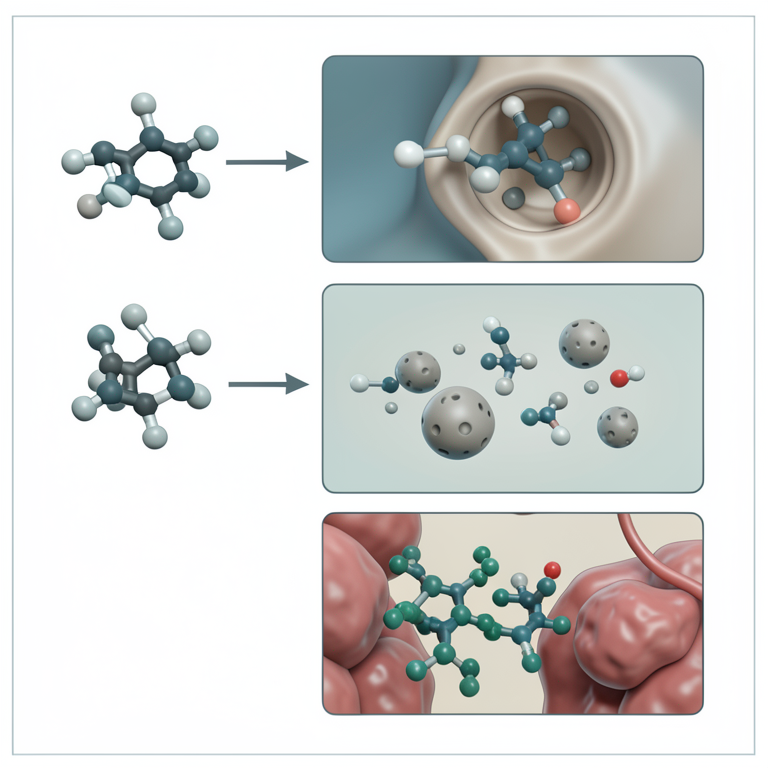
Evaluation Workflow of Schiff Base Derivatives
AI-generated conceptual illustration (Heterocyclic Schiff base chemical compounds, DHFR protein, bacteria, and MCF-7 cancer cells). It explains the idea and does not show study data.
View source evidence ↗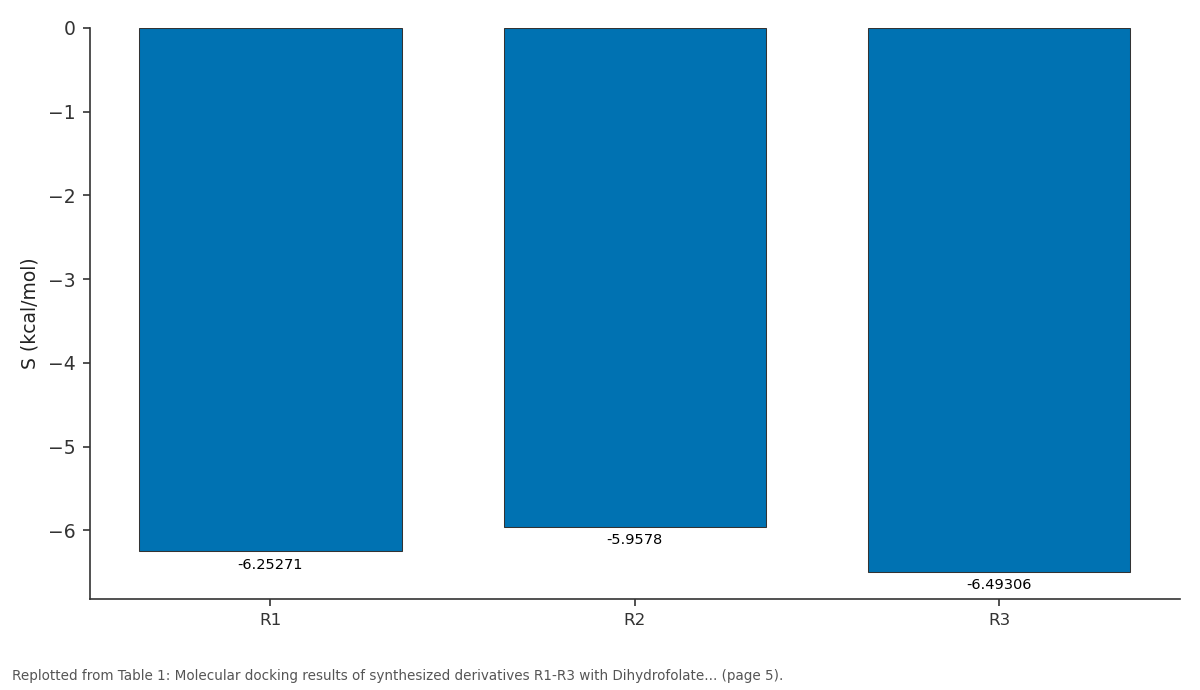
S: R1 vs R2 vs R3
Replotted from Table 1 (page 5) of the original paper. Every bar is the paper's own table value.
View source evidence ↗Figures & tables
From the original paper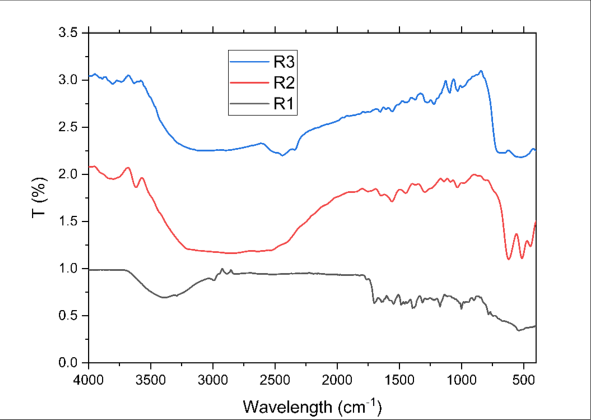 Figure 1
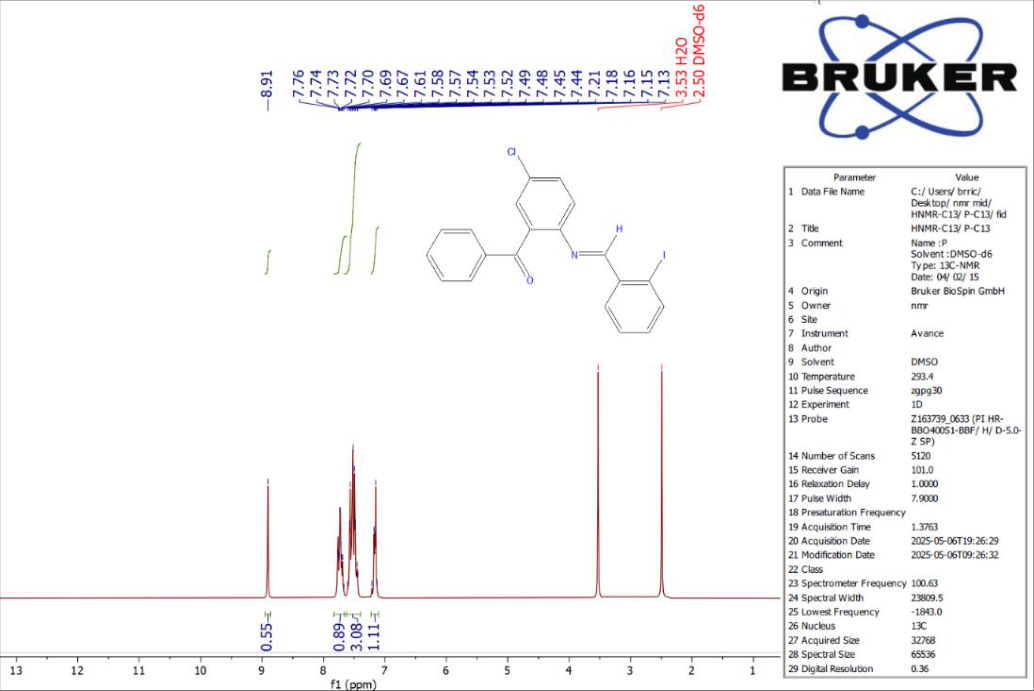 Figure 2
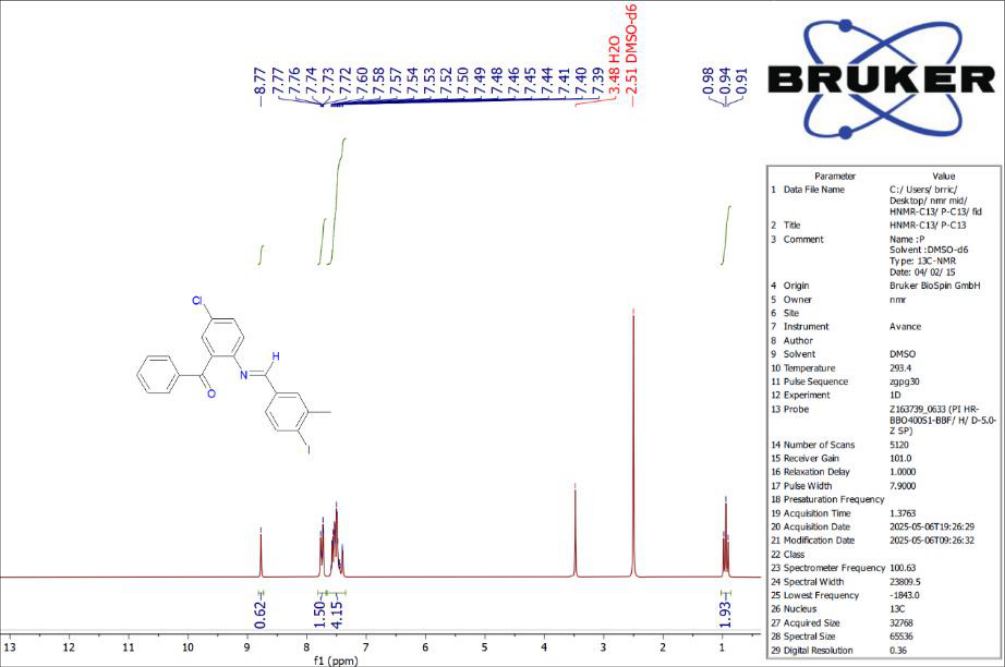 Figure 3
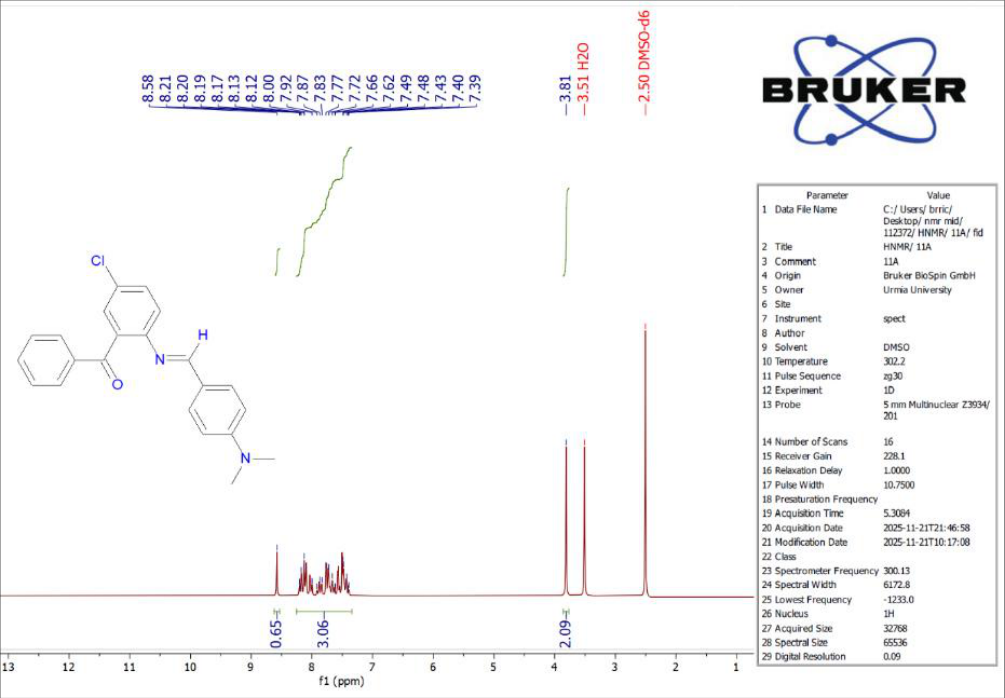 Figure 4
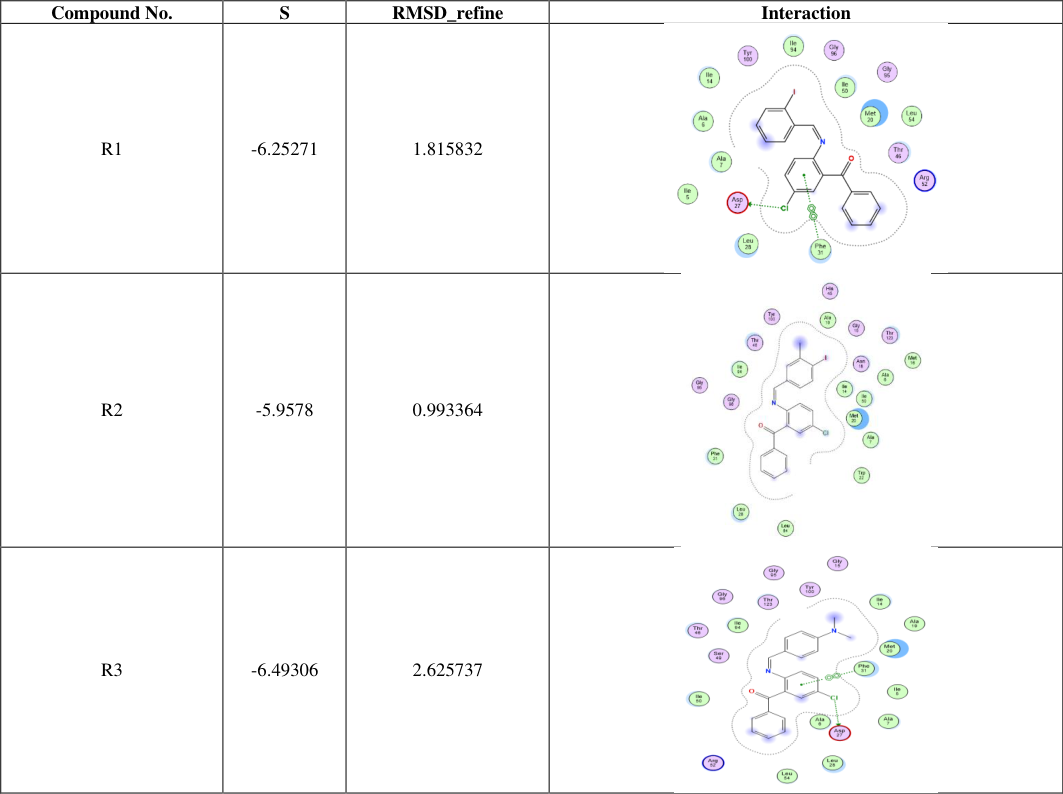 Table 1
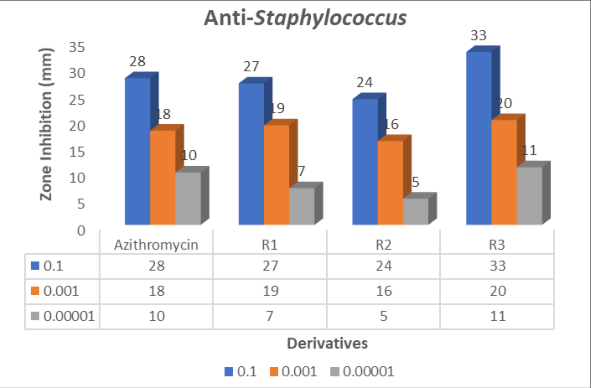 Figure 5
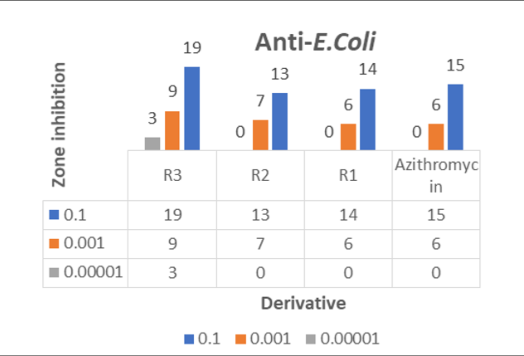 Figure 6
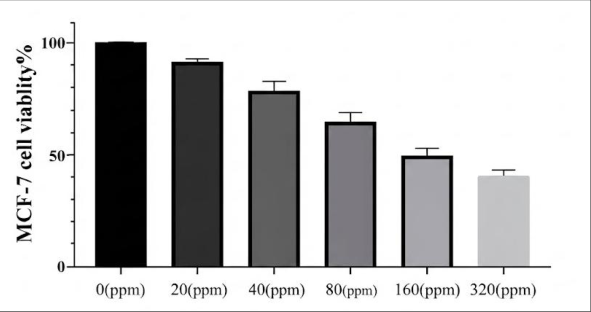 Figure 7
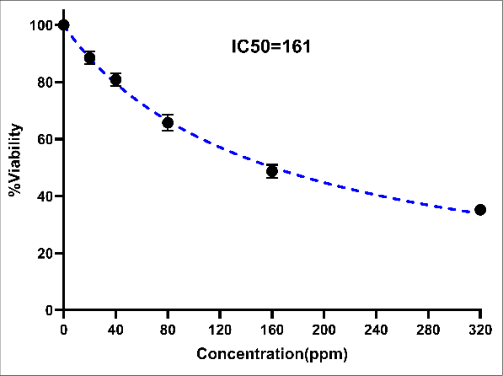 Figure 8
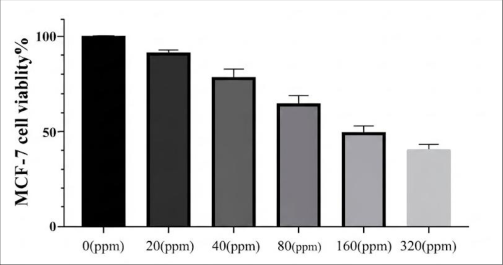 Figure 9
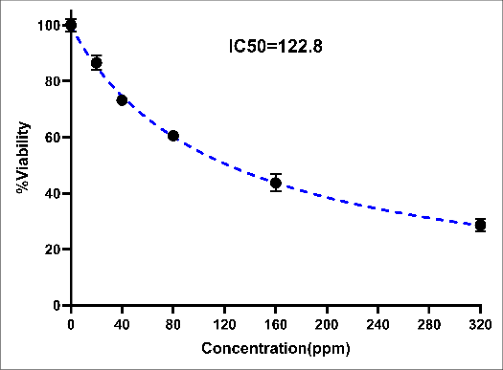 Figure 10
Introduction
Heterocyclic compounds, or heterocycles, are organic chemicals with a ring-like structure and heteroatoms [1] . Cyclic and acyclic heterocycles exist. Heterocycles have physicochemical characteristics different from carbon ring analogues because they contain heteroatoms instead of carbon atoms [2] . Heterocycles have agrochemical, pharmaceutical, and veterinary applications [3][4][5] . Sanitisers, antioxidants, copolymers, corrosion inhibitors, dyestuff, etc. employ such chemicals [6] . Heterocycles are used to make several organic chemicals. Many natural substances, including alkaloids, morphine, vinblastine, and reserpine, and antibiotics like cephalosporin and penicillin, have heterocyclic components [7] . Schiff bases are important heterocyclic compounds due to their structural variety and easy production [8] . The azomethine functional group is synthesized from a primary amine coupled to an aldehyde to prepare Schiff bases, and this imine bond is essential to a basic pharmacophore with several biological functions [9] . Schiff base derivatives have been widely researched as antibacterial and anticancer drugs due to metal ion coordination [10] . Given antibiotic resistance and rising cancer rates, new safe and effective treatments are required, and the mechanisms of action of newly synthesized medicines and ligand-protein interactions predicted via molecular docking [11,12] . Microbial and cancer cells need dihydrofolate reductase (DHFR) for folate metabolism and DNA biosynthesis, making it a frequent therapeutic target [13,14] . This study synthesizes Schiff base compounds R1-R3 from aromatic aldehydes and 2-amino-5-chlorobenzophenone, and these compounds R1-R3 characterization and molecular docking with DHFR (PDB ID: 1RX2), antibacterial and cytotoxicity test against MCF-7 cell line were undertaken to assess the synthesized compounds as antimicrobial and anticancer drugs.
Methodology
Methodology
Synthesis of Schiff base derivatives (R1-R4)
Through reacting identical moles of various aldehyde compounds with 2-Amino-5-chlorobenzophenone, which were categorized as primary amines, a new different group of. imine derivatives (R1-R4) were synthesized, according to Jaafar, M. R., et al. (2024) [15] . After dissolving 0.1 mole of 2-Iodobenzaldehyde, 4-Iodo-3-methylbenzaldehyde, and 4-(Dimethylamino)benzaldehyde in 15 mL of absolute ethanol, add two to three drops of glacial acetic acid, add 2-Amino-5-chlorobenzophenone, and reflux for three hours. After cooling to room temperature, the solutions are filtered to extract the precipitates [16] . As shown in Scheme 1, create derivative R1 from 2-Iodobenzaldehyde, derivative R2 from 4-Iodo-3-methylbenzaldehyde, and derivative R3 from 4-(Dimethylamino)benzaldehyde. The synthetic derivative R1's physical characteristics included a yellow precipitate and a melting point of 243°C. On the other hand, derivative R1 had a yellow color and a melting point of 227°C, whereas derivative R3 had a light yellowish color and a melting temperature of 251°C.
Molecular docking
The 3D structures of the newly synthesized Schiff bases R1-R3 were created using ChemDraw Ultra 12.0 and then subjected to energy minimization [17] . The semi-empirical AM1 method in HyperChem 8.08 was used to pre-optimize the structures [18] . In order to evaluate ligand affinity, the optimized structures were combined into a single database using MOE software (2022) [19] . Hydrogen atoms are integrated, missing bonds are fixed, and the water molecule is kept at the active site to facilitate hydrogen interaction with ligands. The Dihydrofolate Reductase (DHFR, PDB ID: 1RX2) protein analysis is also included [20] , and docking and scoring are carried out using the Molecular Operating Environment software (MOE, 2019) [21] .
Antimicrobial evaluation of synthesized Schiff base (R1-R3)
The cup-plate agar diffusion technique was used to assess the antibacterial activity of the synthesized Schiff base R1-R3 [22] . Clinical isolates of Staphylococcus aureus and Escherichia coli were among the bacterial strains against which these synthetic derivatives were evaluated at different doses of 0.1, 0.001, and 0.00001 mg/mL. Mueller-Hinton agar plates prepared with 12 mm dissolved in DMSO were used to inoculate the bacteria [23] . After dissolving the reference medication azithromycin in sterile distilled water, the dish was incubated for 48 hours at 37 °C [24] .
Cytotoxicity by MTT assay
The MTT test was used to evaluate the cytotoxicity of the synthesized Schiff bases R1 and R3 against the human cell line MCF-7. Following incubation, cells were given synthetic derivatives at doses of 0, 20, 40, 80, 160, and 320 μg/mL using a 2-fold serial dilution. After incubation, remove the supernatant and dissolve formazan in each well with 100 μL of DMSO to preserve crystals. Five minutes of moderate shaking caused the plates to melt. The halfmaximal inhibitory concentration of the derivatives was determined by statistical analysis, and absorbance at 575 nm was measured using the ELISA microplate reader (Bio-Rad, Germany), with optical density values indicating cell viability [25,26] .
Results and Discussion
Scheme 1 demonstrates the synthesis of Schiff base derivatives R1-R3, and these target compounds were prepared by condensation of 2-amino-5chlorobenzophenone and aromatic aldehydes such as 2iodobenzaldehyde, 4-iodo-3-methylbenzaldehyde, and 4-(dimethylamino)benzaldehyde under catalytic concentrations of glacial acetic acid. A nucleophilic carbinolamine intermediate is formed by a nucleophilic attack of amino group on carbonyl carbon of aldehyde derivative. The thermodynamically stable imine bond is produced upon proton transfer and water molecule removal to synthesize Schiff base derivatives R1-R3. The addition of electron-donating and electron-withdrawing substituents on aromatic aldehydes affect reaction efficiency, electronic properties, and biological activity [27] . These synthesized derivatives characterization by used FTIR (cm -1 ), as shown in Figures 123. The FTIR spectrum of derivative R1, showed a peak of carbonyl amide at 1691, imine group at 1631, C-H of aromatic ring at 3001, C-C at 1003 and C-N at 1172. FTIR spectrum of derivative R2, showed a peak of imine group at 1640, C-H of aromatic ring at 3095, C-C at 1068 and C-N at 1186. While FTIR spectrum of derivative R3, showed a peak of imine group at 1613, C-H of aromatic ring at 3056, C-C at 1042 and C-N at 1102 [28] , as shown in Figure 1. 1 H-NMR (ppm) used DMSO-d6 as solvent, as shown in Figures 234, and the spectrum of the derivative R1 showed bands at 7.13-7.76 for protons of aromatic ring as a multiplet and 8.91 for imine proton CH=N as a singlet. The derivative R2 showed bands at 7.39-7.77 for protons of aromatic ring as a multiplet and 8.77 for imine proton CH=N as a singlet. Finally, the derivative R3 showed bands 7.39-8.21 for protons of aromatic ring as a multiplet and 8.58 for imine proton CH=N as a singlet [29] . The imine derivative R3 had the greatest binding affinity with score as -6.49306 kcal/mol, indicating a favorable interaction with the active site of DHFR protein. The most significant amino acid residues, Met20, Phe31, Ala7, and Asp27, interacted hydrophobically with the ligand to stabilize it in the binding pocket, with the RMSD as 2.63 Å was slightly over the threshold, the docking score showed a strong ligand-enzyme contact. The docking score as -6.25271 kcal/mol and the RMSD value as 1.82 Å indicate a stable binding conformation for the synthesized derivative R1, and this ligand interacted with crucial active-site residues including Asp27, Phe31, Ile5, Ile14, Ala7, and Leu28 to better fit the catalytic pocket of DHFR. Finally, the synthesized derivative R2, with a docking score as -5.9578 kcal/mol, exhibited the lowest binding affinity among all examined derivatives. Conversely, its lowest RMSD as 0.99 Å suggests high structural stability. Due to limited favorable interactions with catalytic residues, the binding energy may be lower than synthesized derivatives R1 and R3. These docking tests show all synthesized variants bind active site optimally of DHFR, and docking score determines binding affinity order: R3 > R1 > R2. The successful synthesis of Schiff base derivatives R1-R3 was validated using FTIR and 1 H-NMR studies, and target synthesized derivatives were confirmed by the presence of imine (C=N) absorption bands in FTIR spectra and singlet signals for the azomethine proton in ¹H-NMR spectra. These results imply that 2-amino-5-chlorobenzophenone and the aromatic aldehydes condensed well.
Molecular docking experiments showed that synthesized derivative R3 has the highest DHFR binding affinity (-6.49 kcal/mol), followed by synthesized derivatives R1 and R2. The electron-donating dimethylamino group raises electron density and boosts enzyme active site contacts, which enhances R3 binding. This observation matches the study's biological findings.
The antibacterial testing showed that R3 inhibited Staphylococcus aureus and Escherichia coli better than azithromycin at 0.1 mg/mL. The synthesized derivative R3, having a lower IC50 (122.8 ppm) than synthesized derivative R1, was more cytotoxic against MCF-7 breast cancer cells. The dimethylamino substituent may increase lipophilicity and cellular penetration, improving synthesized derivative R3's biological performance. According to docking, antibacterial, and cytotoxicity results, derivative R3 is most promising derivative for pharmacological inquiry.
Conclusion
Three novel Schiff base derivatives R1-R3 were successfully synthesized from 2-amino-5chlorobenzophenone and different aromatic aldehydes and subsequently characterized using FTIR and 1 H-NMR spectroscopy. Spectroscopic analyses confirmed the formation of the desired azomethine-containing structures. In this research, the molecular docking studies demonstrated favorable interactions between the synthesized compounds R1-R3 and the DHFR active site, with synthesized derivative R3 exhibiting the strongest binding affinity. Biological evaluation revealed that all synthesized compounds possessed antibacterial activity against both Gram-positive and Gram-negative bacteria in a concentration-dependent manner. Among the tested derivatives, R3 showed the highest antibacterial potency, surpassing the reference drug azithromycin under the studied conditions. Furthermore, cytotoxicity studies against MCF-7 cell line indicated significant antiproliferative activity, with derivative R3 displaying the lowest IC50 value and the greatest reduction in cell viability. The superior biological performance of synthesized derivative R3 may be attributed to the presence of the electrondonating dimethylamino group, which enhances its interaction with biological targets. Overall, the combined spectroscopic, computational, and biological findings identify synthesized derivative R3 as the most promising derivative and support further investigations into its mechanism of action, safety profile, and potential therapeutic applications.
Figures and tables from the paper
References
28 in the original paper- Ahmad G, et al. N-Heterocycles as promising antiviral agents: a comprehensive overview. Molecules. 2024;29(10):2232.
- Kumar A, Mishra A. Role of heterocyclic compounds in pharmaceuticals and medicines. Journal of Experimental Zoology India. 2023;26(1):26.
- Baranwal J, Kushwaha S, Singh S, Jyoti A. A review on the synthesis and pharmacological activity of heterocyclic compounds. Current Physical Chemistry. 2023;13(1):2-19.
- Dong Y, et al. Strategic applications of heterocyclic compounds in pharmaceutical innovation: a business perspective. Frontiers in Chemistry. 2026;14:1780357.
- Borah P, et al. Heterocyclic compounds as antimicrobial agents. In: Viral, Parasitic, Bacterial, and Fungal Infections. Elsevier; 2023. p. 781-804.
- Al-Jumaili MHA, et al. Comprehensive review on the bis-heterocyclic compounds and their anticancer efficacy. Journal of Molecular Structure. 2023;1271:133970.
- Khan Y, Sarfraz H, Rehman W, Khan M, Rasheed L, Rahman KU. Innovative horizons in drug design: exploring the synthesis and medicinal properties of heterocyclic Schiff bases. A review. Mini-Reviews in Medicinal Chemistry. 2025;25(10):727-744.
- Aghaward SA, Abbas LJ, Hussein KA. Synthesis, characterisation, and biological and computational studies of novel Schiff bases from heterocyclic molecules. Journal of Medicinal and Chemical Sciences. 2023;6:1714-1729.
- Mushtaq I, Ahmad M, Saleem M, Ahmed A. Pharmaceutical significance of Schiff bases: an overview. Future Journal of Pharmaceutical Sciences. 2024;10(1):16.
- Muteeb G, Rehman MT, Shahwan M, Aatif M. Origin of antibiotics and antibiotic resistance, and their impacts on drug development: a narrative review. Pharmaceuticals. 2023;16(11):1615.
- Garg P, Malhotra J, Kulkarni P, Horne D, Salgia R, Singhal SS. Emerging therapeutic strategies to overcome drug resistance in cancer cells. Cancers. 2024;16(13):2478.
- Mahara FA, Nuraida L, Lioe HN, Nurjanah S. Hypothetical regulation of folate biosynthesis and strategies for folate overproduction in lactic acid bacteria. Preventive Nutrition and Food Science. 2023;28(4):386-397.
- Sehrawat R, et al. Dihydrofolate reductase (DHFR) inhibitors: a comprehensive review. Current Medicinal Chemistry. 2024;31(7):799-824.
- Jaafar MR, Rasool BS, Jawad AA, Abbas AK, Hamid DM, Al-Tabra RH. Synthesis and biological activity of novel derivatives of Schiff base. Al-Nahrain Journal of Science. 2024;27(5):1-9.
- Ali ZH, Jber NR, Abbas AK. Synthesis and characterization of new 1,3-oxazepine compounds from p-phenylenediamine as insecticide (Aphidoidea). In: AIP Conference Proceedings. 2023;2457(1):030015.
- Hassan AS, Morsy NM, Aboulthana WM, Ragab A. Exploring novel derivatives of isatin-based Schiff bases as multi-target agents: design, synthesis, in vitro biological evaluation, and in silico ADMET analysis with molecular modeling simulations. RSC Advances. 2023;13(14):9281-9303.
- Saleem D, Ali ZH, Abbas AK, Abd-Almonaeem TM, Al-Musawi MH, Gharbavi M. Exploring pyrazole and diazepine derivatives: advances in molecular docking, synthesis, and biological activities. Journal of Advances in Medical and Biomedical Research. 2025;33(161):1010.
- Polat Köse L, Köse A. Identification of hCA I, hCA II, AChE and BChE inhibitory properties of some norcantharimide derivatives: molecular docking, SAR and in silico ADME studies. ChemistrySelect. 2024;9(16):e202400684.
- Hassan AS, Askar AA, Naglah AM, Almehizia AA, Ragab A. Discovery of new Schiff bases tethered pyrazole moiety: design, synthesis, biological evaluation, and molecular docking study as dual targeting DHFR/DNA gyrase inhibitors with immunomodulatory activity. Molecules. 2020;25(11):2593.
- El-Metwaly N, Althagafi I, Katouah HA, Al-Fahemi JH, Bawazeer TM, Khedr AM. Synthesis of novel VO(II)-thiazole complexes: spectral, conformational characterization, MOE docking and genotoxicity. Applied Organometallic Chemistry. 2019;33(9):e5095.
- Naeimi H, Nazifi ZS, Amininezhad SM, Amouheidari M. Synthesis, characterization and in vitro antimicrobial activity of some new Schiff bases and their complexes. Journal of Antibiotics. 2013;66(11):687-689.
- Kouser S, et al. Molecular docking, synthesis and antimicrobial evaluation of metal complexes with Schiff base. Results in Chemistry. 2023;5:100650.
- Abbas AK, Jber NR. Synthesis and characterization of new oxazepine compounds and estimation its biological activity. Al-Nahrain Journal of Science. 2020;23(3):1723.
- Savcı A, Turan N, Buldurun K, Alkış ME, Alan Y. Schiff base containing fluorouracil and its M(II) complexes: synthesis, characterization, cytotoxic and antioxidant activities. Inorganic Chemistry Communications. 2022;143:109780.
- Savcı A, Buldurun K, Alkış ME, Alan Y, Turan N. Synthesis, characterization, antioxidant and anticancer activities of a new Schiff base and its M(II) complexes derived from 5-fluorouracil. Medical Oncology. 2022;39(11):172.
- Khattab TA, Rehan M. A review on synthesis of nitrogen-containing heterocyclic dyes for textile fibers-Part 1: five-and six-membered heterocycles. Egyptian Journal of Chemistry. 2018;61(5):897-937.
- Imran S, et al. Synthesis of novel bisindolylmethane Schiff bases and their antibacterial activity. Molecules. 2014;19(8):11722-11740.
- Haj NQ, Mohammed MO, Mohammood LE. Synthesis and biological evaluation of three new chitosan Schiff base derivatives. ACS Omega. 2020;5(23):1394813954.