
Research article · 2026 · Full text
International Journal of Biology SciencesPhytochemical determination and antioxidant potential of whole aerial parts of Pedalium murex L.
Volume 8(7) · Pages 120–125 · DOI: 10.33545/26649926.2026.v8.i7b.940 ↗
Research areasMedicinal Plant ResearchPhytochemicals and Antioxidant ActivitiesPhytochemistry and Biological Activities
Abstract
Author-writtenThe current study assesses the phytochemical content and antioxidant capacity of the entire aerial portions of Pedalium murex L. (Family: Pedaliaceae), a historically significant medicinal plant. We used solvents with different polarities, like water, methanol, chloroform, and n-hexane, to extract the material. Qualitative phytochemical screening showed that there were sugars, glycosides, flavonoids, terpenoids, and phytosterols, but no alkaloids or saponins. GC-MS investigation revealed multiple bioactive chemicals, including n-hexadecanoic acid, octadecanoic acid, phytol, and stigmasterol, suggesting considerable pharmacological potential. The DPPH assay was used to test for antioxidant activity. It showed that the activity depended on the concentration, with the chloroform extract showing the most activity (IC₅₀ = 89.08 µg/ml). The results underscore the medicinal significance of P. murex L. and validate its conventional application as a source of natural antioxidants and bioactive substances.
Summary
Source-checkedPlain-language reading of the full paper, prepared with AI and checked against the text. Each point links to the authors' own words.
Why it matters
- Medicinal plants are valuable for medicine because they contain bioactive chemicals like terpenoids, phenolics, flavonoids, and alkaloids. View evidence ↗
- Oxidative stress, caused by an imbalance between free radicals and antioxidants, contributes to chronic diseases including heart problems, diabetes, cancer, and neurodegenerative diseases. View evidence ↗
- Pedalium murex L. is a plant from India's dry regions traditionally used to treat inflammation, microbiological infections, reproductive issues, and urinary diseases. View evidence ↗
The question
- The study aims to evaluate the antioxidant capacity and phytochemical content of the whole aerial parts of Pedalium murex L. View evidence ↗
What they did
- The whole aerial parts of P. murex were collected from the Karauli district of Rajasthan. View evidence ↗
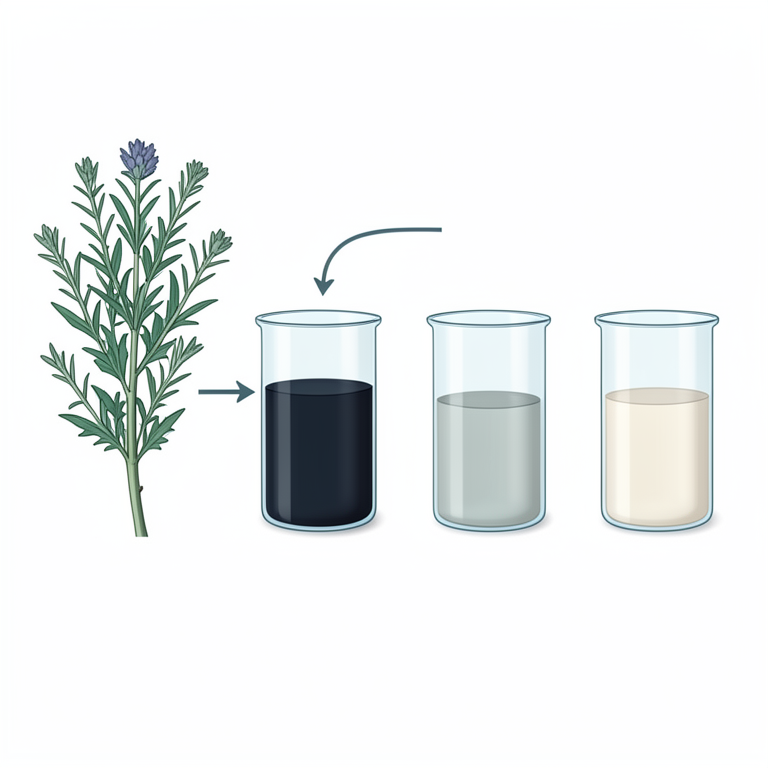
- Extraction was performed by dipping 1 g of plant material into 10 ml of one of four solvents: n-hexane, chloroform, methanol, or water. View evidence ↗
- Antioxidant activity was measured using the DPPH method, where 100 μl of sample was mixed with 3.9 ml of 0.1 mM DPPH solution, incubated in the dark for 30 minutes, and measured at 515 nm. View evidence ↗
What they found
- Methanol provided the highest extraction yield (0.435 g/5 g), followed by water (0.169 g/5 g), chloroform (0.08 g/5 g), and n-hexane (0.025 g/5 g). View evidence ↗
- Phytochemical screening found carbohydrates and phytosterols in all extracts, while proteins and glycosides were only in the aqueous extract, flavonoids only in the methanolic extract, and terpenoids only in the chloroform extract. View evidence ↗
- No saponins or alkaloids were detected in any of the plant extracts. View evidence ↗
- GC-MS analysis identified the primary constituents as ethane, 1-chloro-1-fluoro- (26.83%), isopropyl alcohol (20.93%), and 6-octadecenoic acid (20.47%). View evidence ↗
- Other notable compounds identified via GC-MS included n-hexadecanoic acid (9.36%), diethyl phthalate (5.16%), octadecanoic acid (3.44%), and stigmasterol (3.44%). View evidence ↗
- The chloroform extract exhibited the strongest antioxidant activity, with an IC₅₀ value of 89.08 µg/ml. View evidence ↗
- Aqueous and methanolic extracts showed similar antioxidant activity, with IC₅₀ values of 98.38 µg/ml and 98.91 µg/ml, respectively. View evidence ↗
- The n-hexane extract demonstrated the lowest antioxidant activity, with an IC₅₀ of 100.67 µg/ml. View evidence ↗
What it means
- The authors conclude that Pedalium murex L. is a significant source of bioactive phytochemicals with considerable pharmacological potential. View evidence ↗
- The authors state that in vivo assessments and clinical validation are necessary for a comprehensive investigation of the plant's medicinal uses. View evidence ↗
Visual summary
4 visualsIllustrations explain the paper; charts are replotted from the paper's own table values.
Extraction Process and Yield
AI-generated conceptual illustration (Pedalium murex L. aerial parts). It explains the idea and does not show study data.
View source evidence ↗
Antioxidant Activity Comparison
AI-generated conceptual illustration (Pedalium murex L. aerial parts). It explains the idea and does not show study data.
View source evidence ↗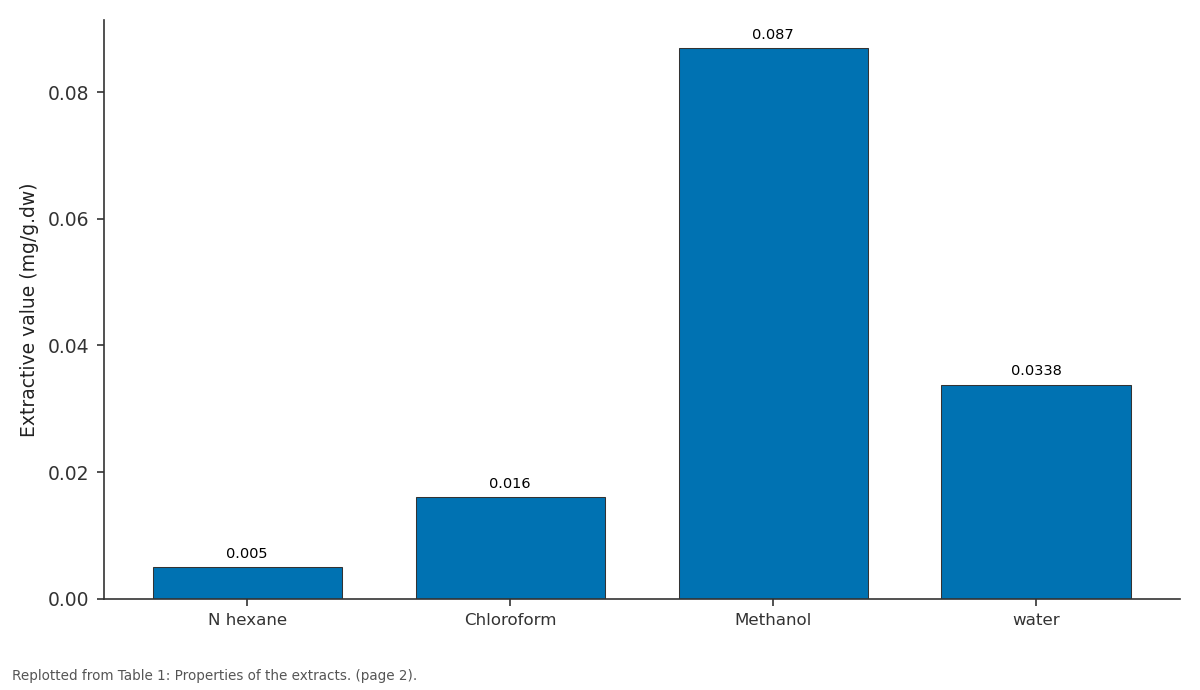
Extractive value (mg/g.dw): N hexane vs Chloroform vs Methanol vs water
Replotted from Table 1 (page 2) of the original paper. Every bar is the paper's own table value.
View source evidence ↗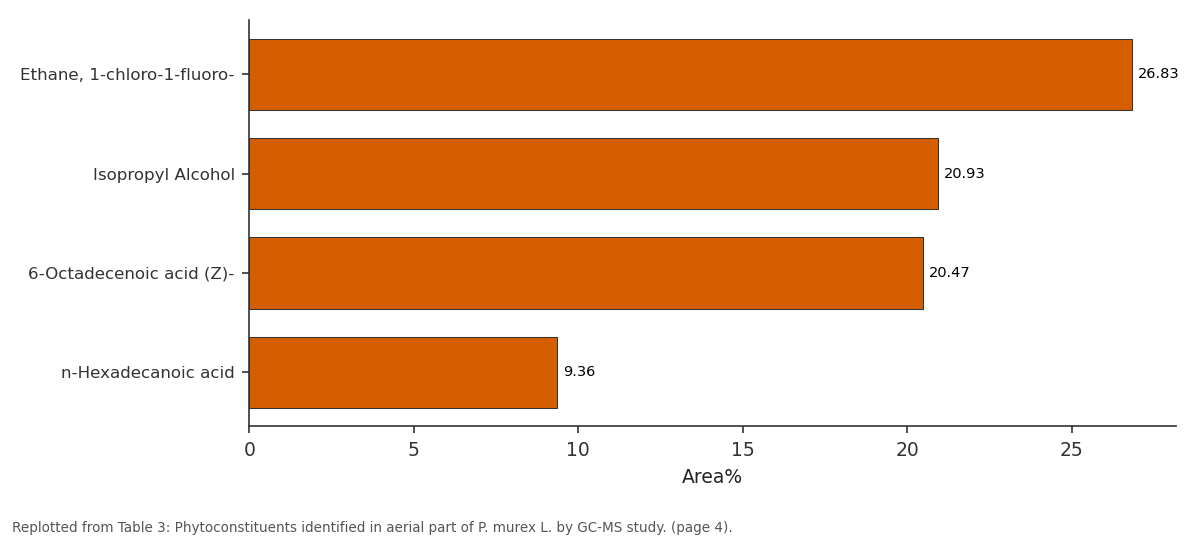
Area%: Ethane... vs Isopropyl Alcohol vs 6-Octadecenoic acid (Z)- vs n-Hexadecanoic acid
Replotted from Table 3 (page 4) of the original paper. Every bar is the paper's own table value.
View source evidence ↗Figures & tables
From the original paper Table 1
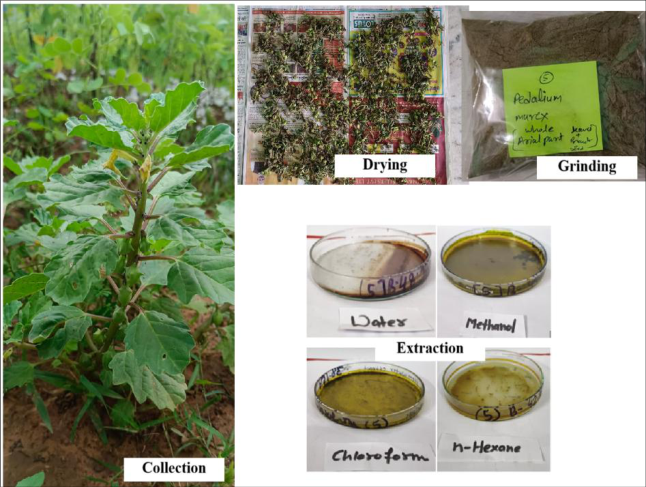 Figure 1
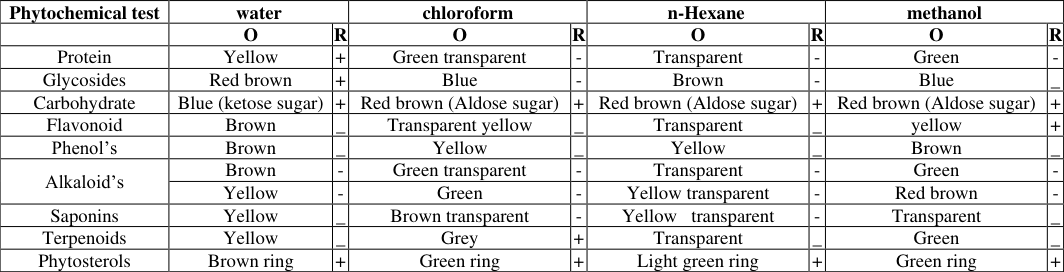 Table 2
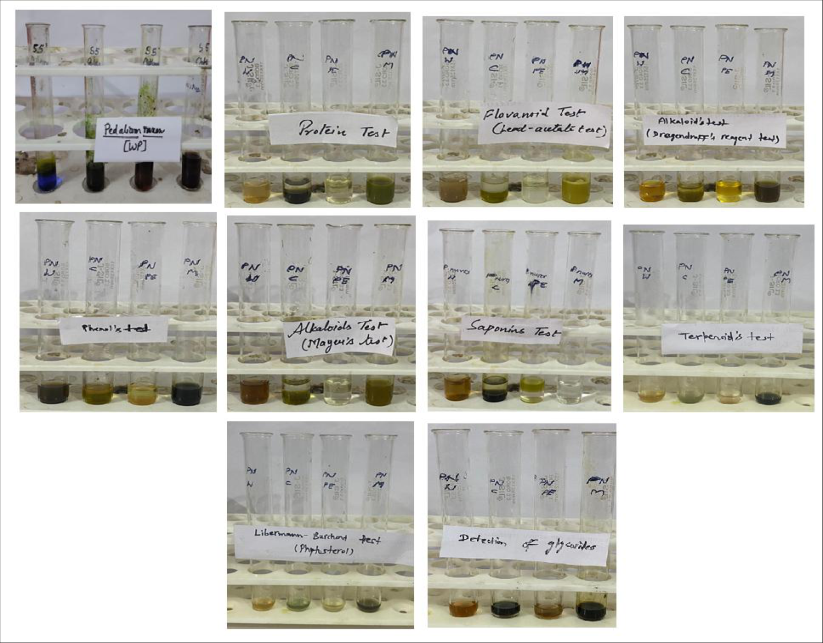 Figure 2
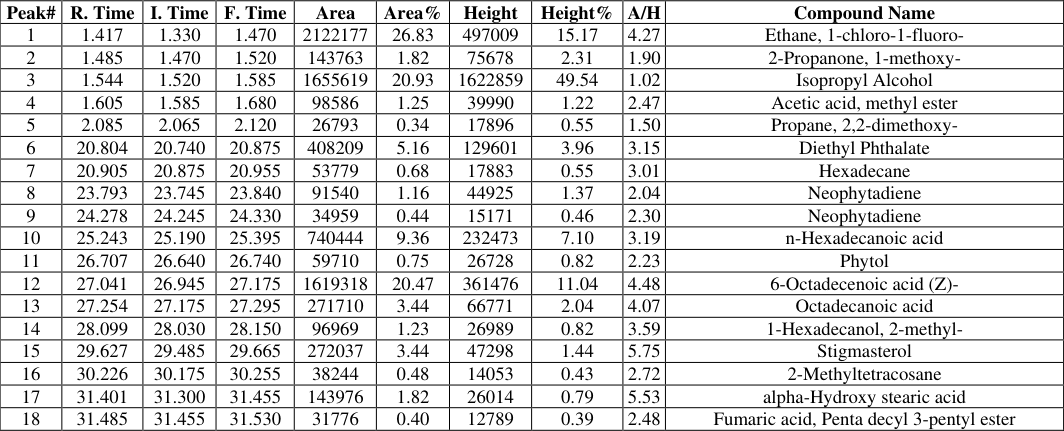 Table 3
 Table 4
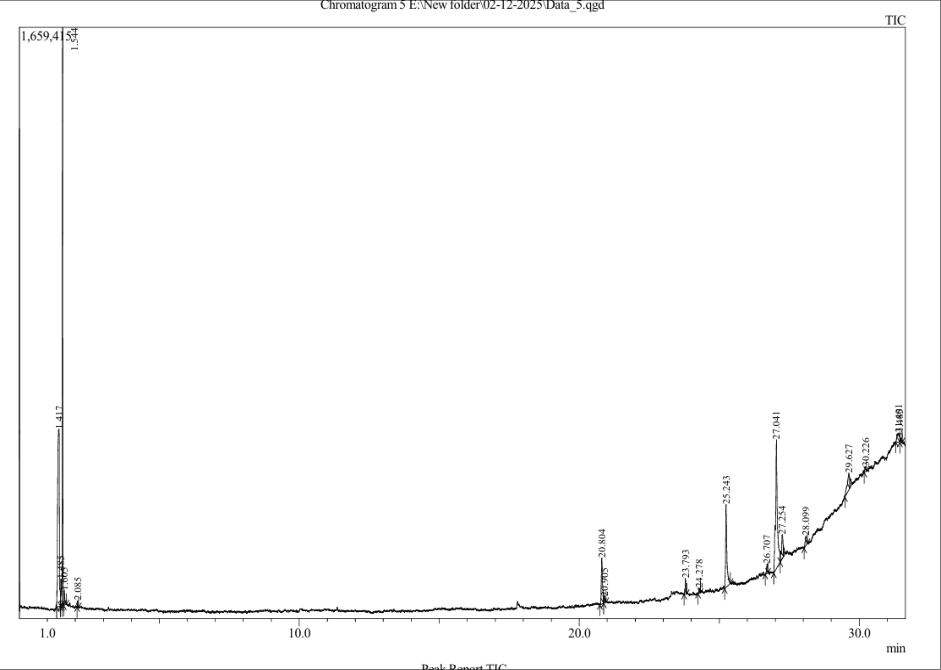 Figure 3
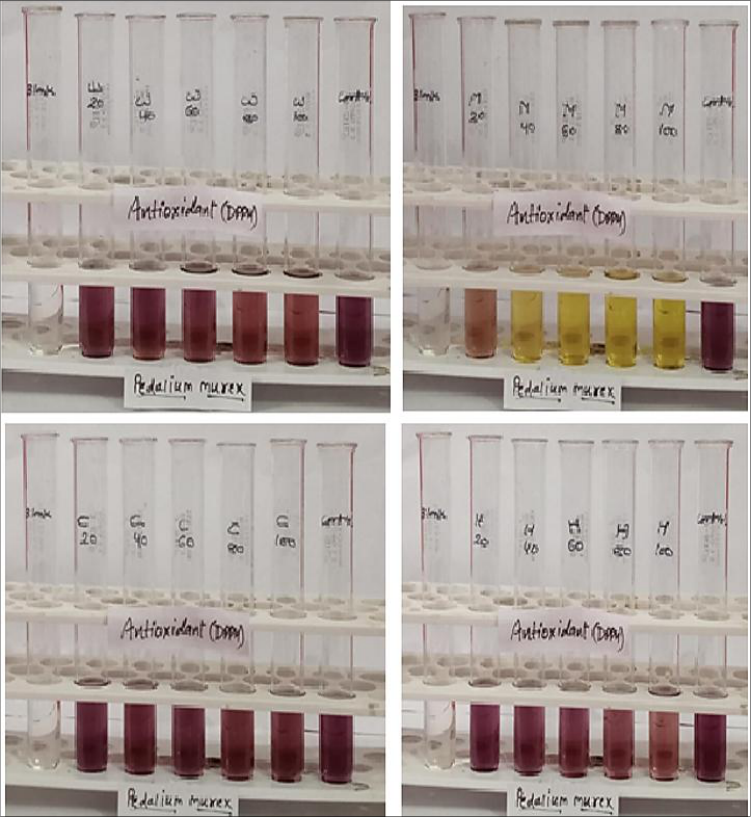 Figure 4
Introduction
Medicinal plants have been an important aspect of traditional medicine for a long time, especially in places like India where ethnomedicine is a big part of everyday life. Medicinal plants are full of bioactive chemicals such alkaloids, flavonoids, phenolics, and terpenoids that make them useful for medicine (Sharma, 1992; Nadkarni, 1976) [16,13] . In recent years, scientists have become more interested in plant-based chemicals since they work well, are cheap, and have few adverse effects compared to synthetic pharmaceuticals (Patwardhan et al., 2005; Newman & Cragg, 2020) [15,14,4] . Oxidative stress, which happens when there are too many free radicals and not enough antioxidants, is a big cause of many long-term illnesses, such as cancer, diabetes, heart problems, and diseases that cause the brain to lose function (Gupta et al., 2013; Aggarwal et al., 2013) [7,1] . Natural antioxidants obtained from medicinal plants are essential in counteracting free radicals and safeguarding cellular integrity. Consequently, the identification and assessment of plant-derived antioxidants have emerged as a significant domain of pharmacological study (Isman, 2006; Dixon, 2001) [8,6] . Pedalium murex L., a member of the Pedaliaceae family, is a well-known medicinal plant that grows in dry and semi-dry areas of India. It has been traditionally employed for the treatment of urinary diseases, reproductive issues, inflammation, and microbiological infections (Kumar et al., 2006; Cunningham, 2001) [11,5] . Although it has been widely used in traditional medicine, there is still not enough scientific evidence to fully support its phytochemical makeup and antioxidant properties.
Materials and methods
Materials and methods
Collection of plant materials
Whole arial part of P. murex were collected from Karauli district, Rajasthan. Those were washed with running tap water, shade dried and ground to make coarse powder and stored in refrigerator for further use.
Extraction
The collected parts were extracted in various solvents. For this, 1 g of plant material was dipped into 10 ml of solvent (water, methanol, chloroform and n-hexane). Those were filtered and solvents were evaporated. Dry extract yield was noted down.
Qualitative determination of phytochemicals
The extracts were determined for the presence of various primary and secondary metabolites using various standard methods such as-
GC-MS study
The methanolic samples of both plants were subjected to determine phytochemical constituents. The samples were sent to Accuphysem Analytics, Jaipur for characterization.
DPPH Free radical scavenging activity
For determination of DPPH radical scavenging potential of the extracted samples 1,1-diphenyl 2-picryl-hydrazil (DPPH) method was applied. The mixing of 100 μl sample was done in 3.9 ml taken from 0.1 mM DPPH (methanolic) solution. Then blend was subjected to vortex and left for incubation in the dark for 30 min. Its OD (Optical Density) was calculated at 515 nm while methanol was used as blank.
The radical scavenging activity was determined by the ratio = (Ab control -Ab sample / Ab control ) × 100 Where Ab control is presenting the absorbance of the DPPH solution and absorbance of the DPPH solution with sample is denoted by Ab sample . Linear plot of concentration versus % inhibition was plotted and by this IC 50 values were determined. The antioxidant potential of each extract was showed in form of IC 50 (stated as the quantity of concentration necessary to prevent DPPH radical development by 50%), find out with the help of inhibition curve.
Results
Results
Extraction of the plant material
Pedalium murex L. showed maximum extraction yield in methanol (0.435 g/5 g), followed by aqueous (0.169 g/5 g), chloroform (0.08 g/5 g), and n-hexane (0.025 g/5 g). Polar solvent extracts (methanol and water) were dry, while nonpolar extracts were sticky in nature. These findings indicate that polar solvents are more efficient in extracting phytoconstituents from the plant species.
Phytochemical test
In Pedalium murex L., phytochemical analysis demonstrated the presence of carbohydrates in all extracts. Proteins and glycosides were detected only in the aqueous extract, whereas flavonoids were observed exclusively in the methanolic extract. Terpenoids were present in chloroform extract, and phytosterols were detected in all solvent extracts. Phenolic compounds were either absent or present in negligible amounts. Alkaloids and saponins were not detected in any extract.
GC-MS studies
GC-MS study of Pedalium murex L. extracts identified a variety of bioactive chemicals, including fatty acids, terpenoids, alcohols, esters, and phytosterols, recognized for their notable pharmacological activities. In Pedalium murex L., GC-MS analysis identified several major compounds, with ethane, 1-chloro-1-fluoro-(26.83%), isopropyl alcohol (20.93%), and 6-octadecenoic acid (20.47%) as the predominant constituents. Other significant compounds included n-hexadecanoic acid (9.36%), diethyl phthalate (5.16%), octadecanoic acid (3.44%), and stigmasterol (3.44%). Additionally, compounds such as phytol (0.75%), neophytadiene, hexadecane, and alpha-Hydroxy stearic acid were also detected in smaller amounts. The presence of fatty acids, phytosterols, and terpenoid compounds indicates the potential of P. murex L. for antioxidant, anti-inflammatory, and pharmacological activities. Pedalium murex L. exhibited a predominance of fatty acids and alcohol-derived compounds. The fact that the plant has phytol, n-hexadecanoic acid, octadecanoic acid, and stigmasterol in them shows that the plant could be useful for medicine. Overall, GC-MS profiling shows that the plant species are rich in physiologically active chemicals, which backs up their traditional medicinal uses and antioxidant qualities.
Antioxidant assay
The DPPH free radical scavenging experiment demonstrated that all extracts from the plant had antioxidant activity that clearly increased with concentration. The chloroform extract had the most activity, with an IC₅₀ value of 89.08 µg/ml.
The aqueous and methanolic extracts showed similar levels of activity, with IC₅₀ values of 98.38 µg/ml and 98.91 µg/ml, respectively. The hexane extract has the least antioxidant activity (IC₅₀ = 100.67 µg/ml). 9] .
Conclusion
The current investigation validates that Pedalium murex L. is a significant source of bioactive phytochemicals with considerable pharmacological potential. The identification of substances such as fatty acids, phytosterols, and terpenoids using GC-MS analysis corroborates its conventional medical applications. The antioxidant activity seen in different extracts shows even more how it could help fight disorders related to oxidative stress. The antioxidant activity was moderate, but the study lays a strong groundwork for more research on how to isolate, purify, and characterize beneficial molecules. Future research concentrating on in vivo assessment and clinical validation is essential to comprehensively investigate its medicinal uses. In general, P. murex L. looks like a good natural resource for making plant-based drugs and nutraceuticals.
Figures and tables from the paper
| Sample | solvent | Extractive value (mg/g.dw) | Consistency |
|---|---|---|---|
| Pedalium murex L. | N hexane | 0.005 | Sticky |
| Chloroform | 0.016 | Sticky | |
| Methanol | 0.087 | Dry | |
| water | 0.0338 | Dry |
Table text extracted from the original PDF; superscript letters are shown inline. The original table image is below.
View original table image
| Peak# | R. Time | I. Time | F. Time | Area | Area% | Height | Height% | A/H | Compound Name |
|---|---|---|---|---|---|---|---|---|---|
| 1 | 1.417 | 1.330 | 1.470 | 2122177 | 26.83 | 497009 | 15.17 | 4.27 | Ethane, 1-chloro-1-fluoro- |
| 2 | 1.485 | 1.470 | 1.520 | 143763 | 1.82 | 75678 | 2.31 | 1.90 | 2-Propanone, 1-methoxy- |
| 3 | 1.544 | 1.520 | 1.585 | 1655619 | 20.93 | 1622859 | 49.54 | 1.02 | Isopropyl Alcohol |
| 4 | 1.605 | 1.585 | 1.680 | 98586 | 1.25 | 39990 | 1.22 | 2.47 | Acetic acid, methyl ester |
| 5 | 2.085 | 2.065 | 2.120 | 26793 | 0.34 | 17896 | 0.55 | 1.50 | Propane, 2,2-dimethoxy- |
| 6 | 20.804 | 20.740 | 20.875 | 408209 | 5.16 | 129601 | 3.96 | 3.15 | Diethyl Phthalate |
| 7 | 20.905 | 20.875 | 20.955 | 53779 | 0.68 | 17883 | 0.55 | 3.01 | Hexadecane |
| 8 | 23.793 | 23.745 | 23.840 | 91540 | 1.16 | 44925 | 1.37 | 2.04 | Neophytadiene |
| 9 | 24.278 | 24.245 | 24.330 | 34959 | 0.44 | 15171 | 0.46 | 2.30 | Neophytadiene |
| 10 | 25.243 | 25.190 | 25.395 | 740444 | 9.36 | 232473 | 7.10 | 3.19 | n-Hexadecanoic acid |
| 11 | 26.707 | 26.640 | 26.740 | 59710 | 0.75 | 26728 | 0.82 | 2.23 | Phytol |
| 12 | 27.041 | 26.945 | 27.175 | 1619318 | 20.47 | 361476 | 11.04 | 4.48 | 6-Octadecenoic acid (Z)- |
| 13 | 27.254 | 27.175 | 27.295 | 271710 | 3.44 | 66771 | 2.04 | 4.07 | Octadecanoic acid |
| 14 | 28.099 | 28.030 | 28.150 | 96969 | 1.23 | 26989 | 0.82 | 3.59 | 1-Hexadecanol, 2-methyl- |
| 15 | 29.627 | 29.485 | 29.665 | 272037 | 3.44 | 47298 | 1.44 | 5.75 | Stigmasterol |
| 16 | 30.226 | 30.175 | 30.255 | 38244 | 0.48 | 14053 | 0.43 | 2.72 | 2-Methyltetracosane |
| 17 | 31.401 | 31.300 | 31.455 | 143976 | 1.82 | 26014 | 0.79 | 5.53 | alpha-Hydroxy stearic acid |
| 18 | 31.485 | 31.455 | 31.530 | 31776 | 0.40 | 12789 | 0.39 | 2.48 | Fumaric acid, Penta decyl 3-pentyl ester |
Table text extracted from the original PDF; superscript letters are shown inline. The original table image is below.
View original table image
| Solvents | 20 µg/ml | 40 µg/ml | 60 µg/ml | 80 µg/ml | 100 µg/ml | IC50 µg/ml |
|---|---|---|---|---|---|---|
| Methanol | 43.68±0.14 | 44.86±0.21 | 45.44±0.01 | 49.37±0.16 | 49.99±0.11 | 98.91±1.59 |
| Chloroform | 30.86±0.19 | 31.4±0.26 | 44.28±0.05 | 49.93±0.07 | 50.9±0.03 | 89.08±0.15 |
| Water | 35.29±0.08 | 36.44±0.12 | 41.52±0.05 | 48.72±0.14 | 49.32±0.03 | 98.38±0.24 |
| Hexane | 36.52±0.05 | 43.61±0.02 | 44.28±0.11 | 45.98±0.10 | 49.82±0.19 | 100.67±1.25 |
Table text extracted from the original PDF; superscript letters are shown inline. The original table image is below.
View original table image
References
16 in the original paper- Aggarwal BB, Sundaram C, Malani N, Ichikawa H. Curcumin: The Indian solid gold. Advances in Experimental Medicine and Biology. 2013;784:1-12. doi:10.1007/978-1-4614-6435-8.
- Ali BH, Blunden G, Tanira MO, Nemmar A. Some phytochemical, pharmacological and toxicological properties of ginger (Zingiber officinale): A review of recent research. Food and Chemical Toxicology. 2008;46(2):409-420. doi:10.1016/j.fct.2007.09.085.
- Biswas K, Chattopadhyay I, Banerjee RK, Bandyopadhyay U. Biological activities and medicinal properties of neem (Azadirachta indica). Current Science. 2002;82(11):1336-1345.
- Cragg GM, Newman DJ. Natural products: A continuing source of novel drug leads. Biochimica et Biophysica Acta (BBA) -General Subjects. 2013;1830(6):3670-3695. doi:10.1016/j.bbagen.2013.02.008.
- Cunningham AB. Applied ethnobotany: People, wild plant use and conservation. London: Earthscan; 2001.
- Gupta SC, Patchva S, Aggarwal BB. Therapeutic roles of curcumin: Lessons learned from clinical trials. AAPS Journal. 2013;15(1):195-218. doi:10.1208/s12248-0129432-8.
- Isman MB. Botanical insecticides, deterrents, and repellents in modern agriculture and an increasingly regulated world. Annual Review of Entomology. 2006;51:45-66. doi:10.1146/annurev.ento.51.110104.151146.
- Kala CP. Indigenous uses, population density, and conservation of threatened medicinal plants in protected areas of the Indian Himalayas. Conservation Biology. 2005;19(2):368-378. doi:10.1111/j.15231739.2005.00602.x.
- Kalita S, Kumar G, Karthik L, Rao KVB. A review on medicinal properties of lemongrass (Cymbopogon citratus). Research Journal of Pharmaceutical, Biological and Chemical Sciences. 2013;4(1):645-653.
- Kumar N, Arya SS. Medicinal plants of India. New Delhi: Daya Publishing House; 2006.
- Mondal S, Mirdha BR, Mahapatra SC. The science behind sacredness of Tulsi (Ocimum sanctum). Indian Journal of Physiology and Pharmacology. 2009;53(4):291-306.
- Nadkarni KM. Indian materia medica. Mumbai: Popular Prakashan; 1976.
- Newman DJ, Cragg GM. Natural products as sources of new drugs over the nearly four decades from 1981 to 2019. Journal of Natural Products. 2020;83(3):770-803. doi:10.1021/acs.jnatprod.9b01285.
- Patwardhan B, Warude D, Pushpangadan P, Bhatt N. Ayurveda and traditional Chinese medicine: A comparative overview. Evidence-Based Complementary and Alternative Medicine. 2005;2(4):465-473. doi:10.1093/ecam/neh140.
- Sharma PV. History of medicine in India. New Delhi: Indian National Science Academy; 1992.
- Singh B, Bhat TK, Singh B. Potential therapeutic applications of some antinutritional plant secondary metabolites. Journal of Agricultural and Food Chemistry. 2010;58(22):9725-9732. doi:10.1021/jf101683h.