
Research article · 2026 · Full text
International Journal of Advanced Chemistry ResearchSynthesis, docking studies, and in vitro antimicrobial and anticancer assessment of Mannich derivatives
Volume 8(5) · Pages 56–66 · DOI: 10.33545/26646781.2026.v8.i5a.675 ↗
Research areasSynthesis and biological activitySynthesis and Biological EvaluationSynthesis and Characterization of Heterocyclic Compounds
Abstract
Author-writtenAntimicrobial resistance and cancer are worldwide health issues because pathogens and tumor cells quickly become drug-tolerant. New metabolic pathway-interfering pharmacophores are essential. Mannich bases, flexible β-aminocarbonyl scaffolds, have many biological functions by interacting with enzyme targets via hydrogen bonding and hydrophobic interactions. We synthesized four new Mannich compounds (A1-A4) in one pot using 4-methoxyacetophenone, benzaldehyde, and substituted aromatic amines. The structures were verified by FTIR and ¹H-NMR spectroscopy. At 0.1 mg/mL, derivative A3 inhibited Bacillus subtilis better than azithromycin (24 mm) and Klebsiella pneumoniae (17 mm). The cytotoxic test of A2 on MA-10 cells showed a concentration-dependent reduction in viability, with an IC₅₀ of 112.4 µg/mL. Docking against dihydrofolate reductase (DHFR, PDB: 1RX2) revealed favorable binding energies (−7.67 to −7.75 kcal/mol), with A2 scoring highest (−7.75475). DHFR inhibition may affect nucleotide biosynthesis, leading to antibacterial and antiproliferative actions. Viability fell from 99.96% at 0 µg to 2.40% at 800 as halogen substitution enhances lipophilicity and target Thus, Mannich compounds are intriguing dual-acting medications.
Summary
Source-checkedPlain-language reading of the full paper, prepared with AI and checked against the text. Each point links to the authors' own words.
Why it matters
- Antimicrobial resistance and cancer are critical global health issues, with drug-resistant bacteria like Bacillus subtilis and Klebsiella pneumoniae causing dangerous infections and breast cancer being a leading cause of death. View evidence ↗
- Mannich bases are β-amino carbonyl compounds that are of significant interest in medicinal chemistry due to their structural versatility and synthetic accessibility. View evidence ↗
- Dihydrofolate reductase (DHFR) is a key enzyme target for antibacterial and anticancer drugs because its suppression disrupts nucleotide biosynthesis. View evidence ↗
The question
- The study aimed to synthesize and characterize four new Mannich base derivatives (A1-A4) and evaluate their antibacterial activity, cytotoxicity against MA-10 cells, and binding affinity via molecular docking. View evidence ↗
What they did
- The derivatives A1-A4 were synthesized using a one-pot three-component condensation of 4-methoxyacetophenone, aqueous benzaldehyde (37% w/w), and various substituted aromatic amines. View evidence ↗
- Antibacterial activity was measured using cup-plate agar diffusion to determine inhibition zones in millimeters at concentrations of 0.1, 0.001, and 0.00001 mg/mL. View evidence ↗
- The cytotoxicity of derivative A2 was evaluated on MA-10 murine tumor cells using dosages ranging from 0 to 800 µg. View evidence ↗
- Molecular docking was performed using MOE 2019 to determine the binding affinity of the derivatives against the DIHYDROFOLATE REDUCTASE 1RX2 protein structure. View evidence ↗
What they found
- Against Bacillus subtilis, derivative A3 showed the highest inhibition zone (26 mm), outperforming the reference drug azithromycin (24 mm). View evidence ↗
- At a 0.1 concentration, derivative A3 was the most effective against Klebsiella pneumoniae with an inhibition zone of 17 mm, compared to 12 mm for azithromycin. View evidence ↗
What it means
- The authors conclude that one-pot condensation is an efficient method for creating halogenated Mannich base derivatives that act by inhibiting folate metabolism through strong DHFR binding. View evidence ↗
- The authors note that the cytotoxic effect is limited and suggest that future work should focus on structural modifications, in vivo testing, and apoptotic pathway analysis to improve potency and selectivity. View evidence ↗
Visual summary
1 visualsIllustrations explain the paper; they do not show study data.
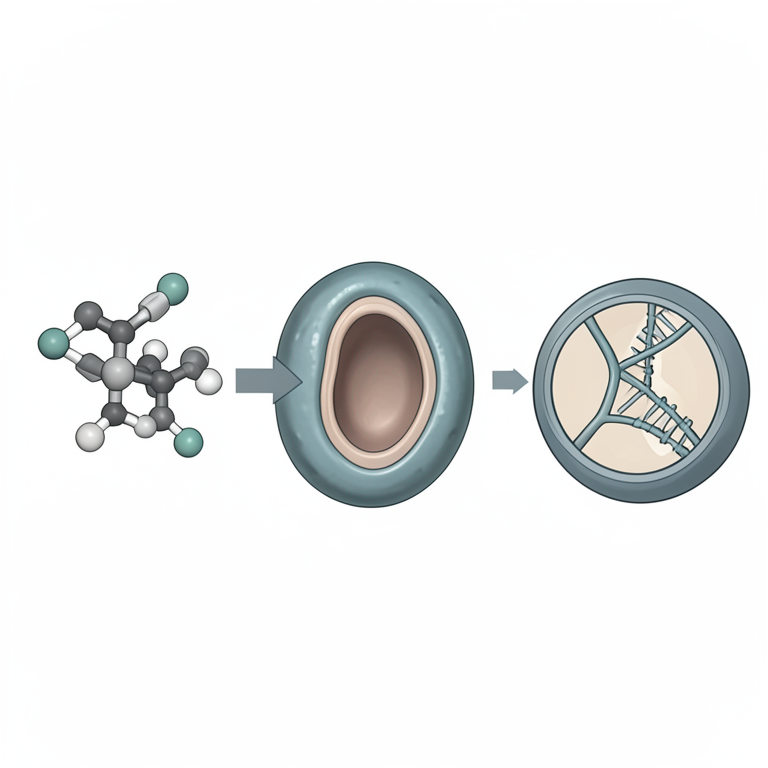
Mechanism of Action
AI-generated conceptual illustration (Mannich base molecule and DHFR enzyme in a bacterial cell). It explains the idea and does not show study data.
View source evidence ↗Figures & tables
From the original paper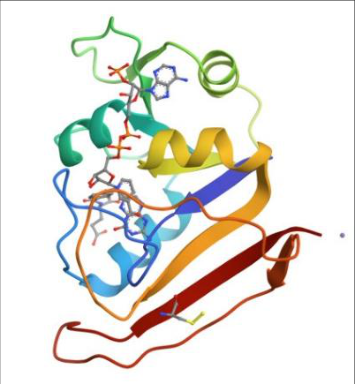 Figure 1
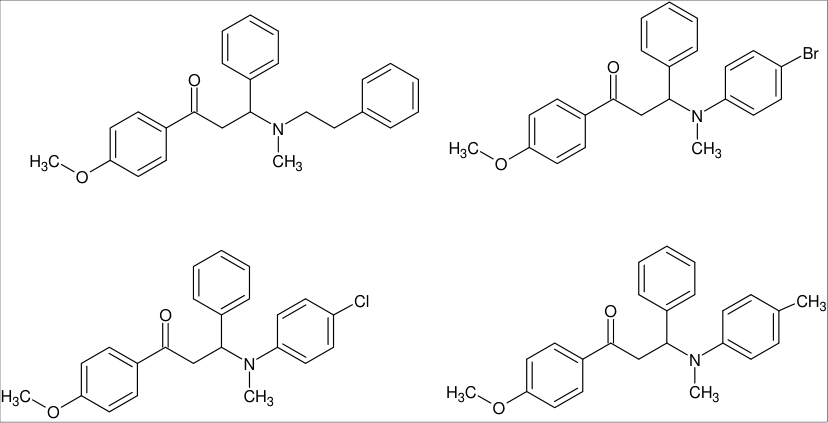 Figure 2
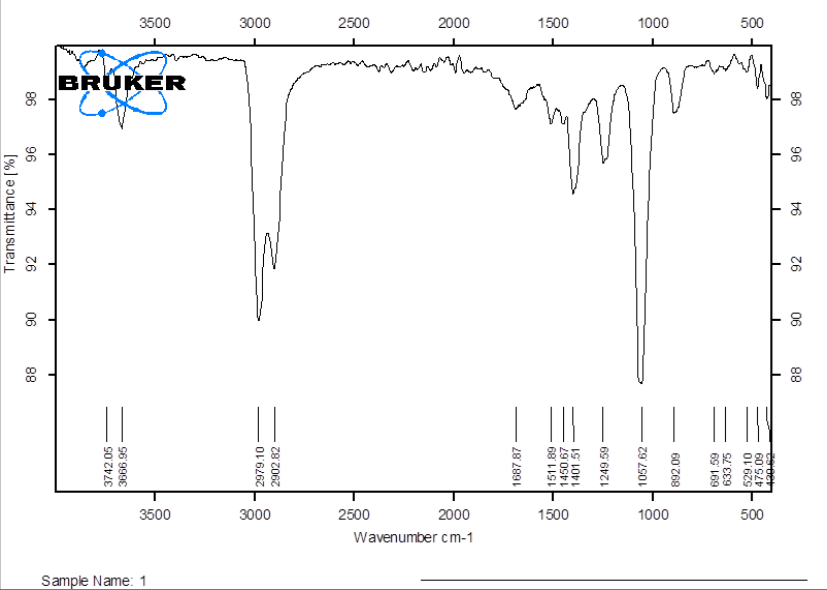 Figure 4
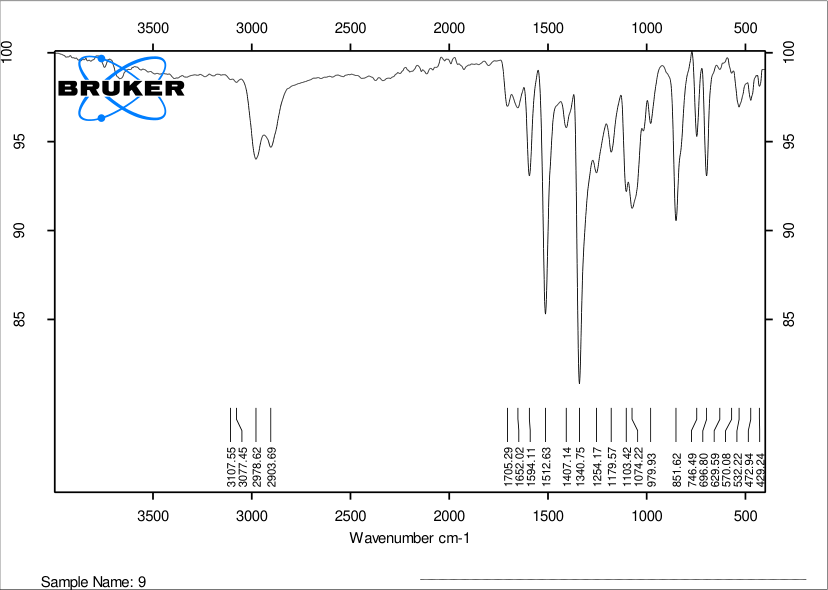 Figure 3
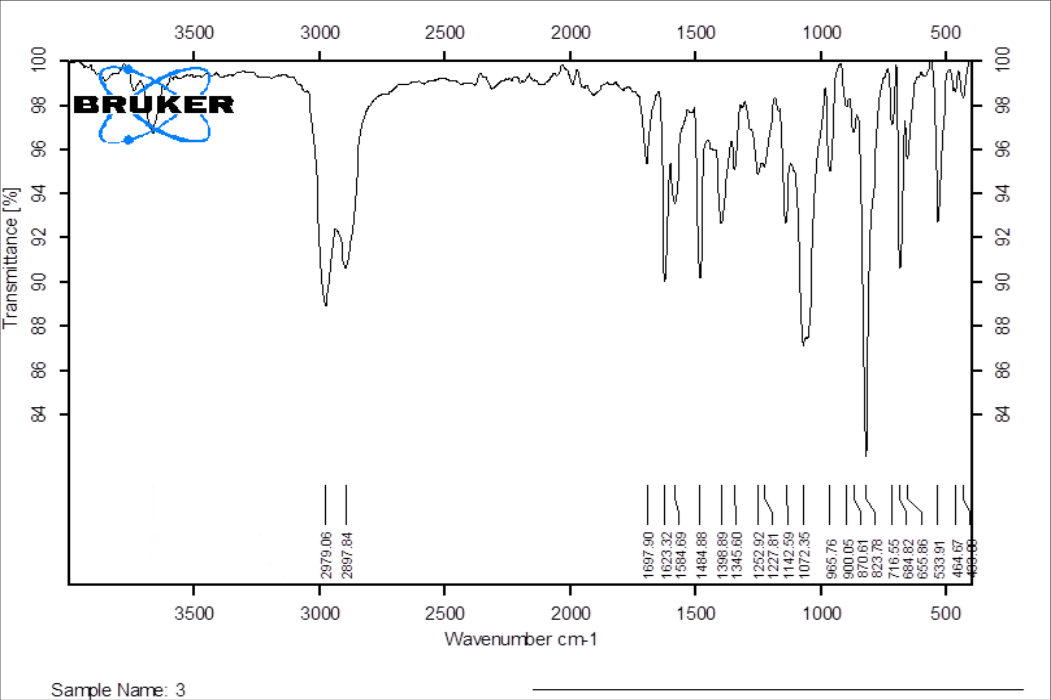 Figure 5
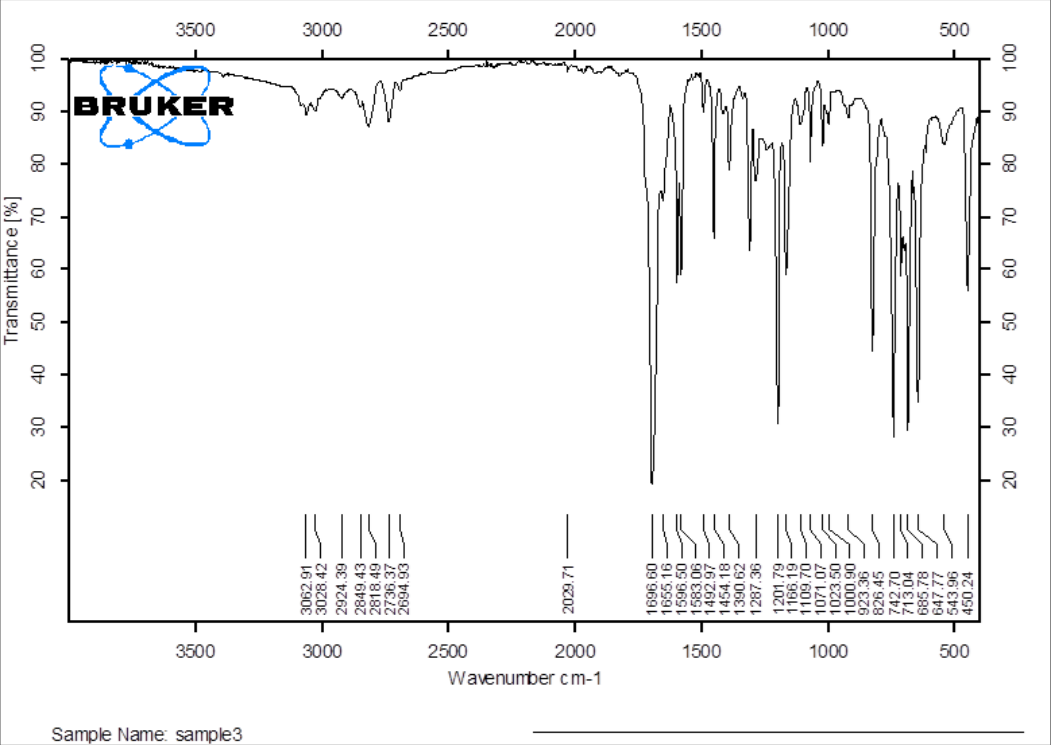 Figure 6
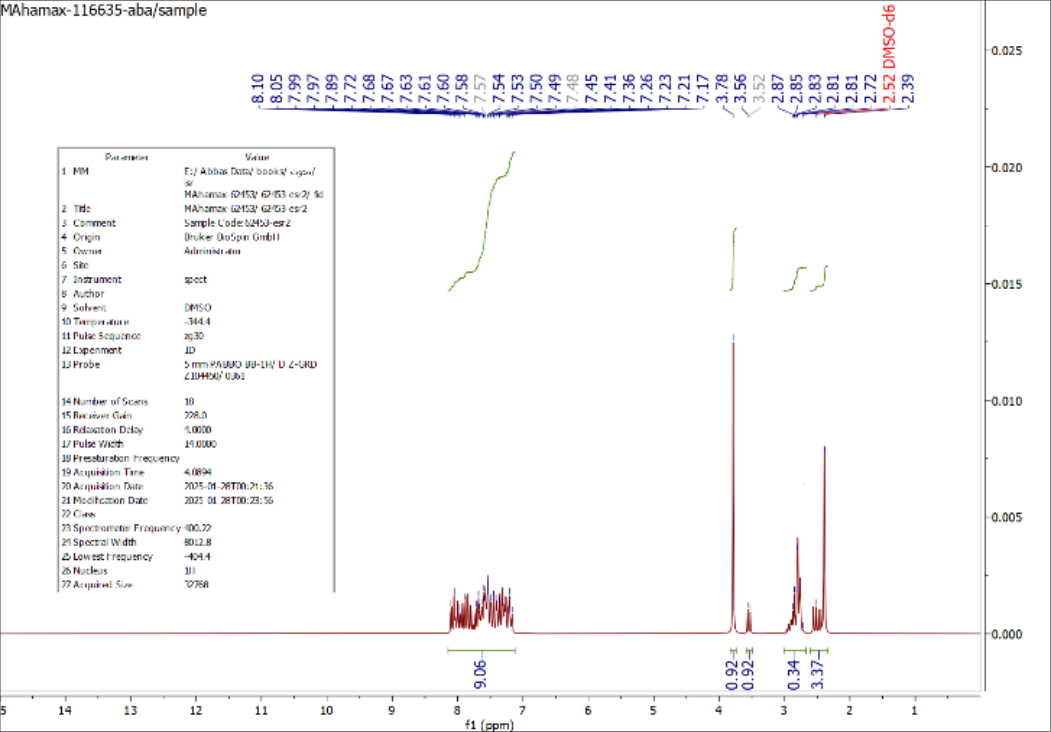 Figure 8
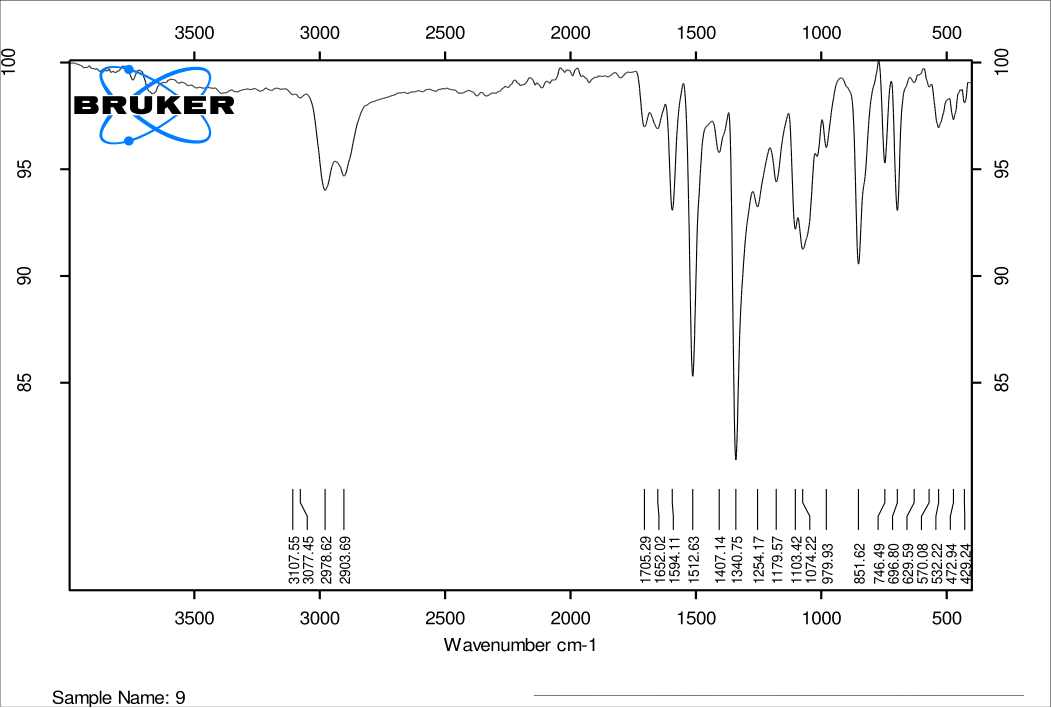 Figure 7
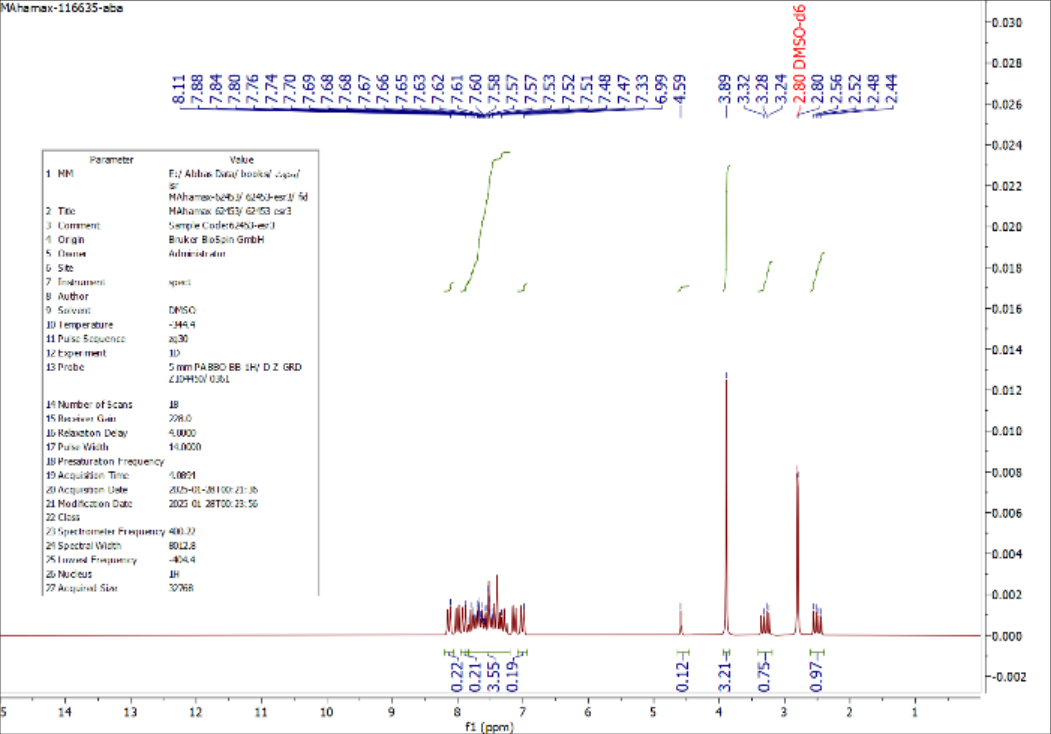 Figure 9
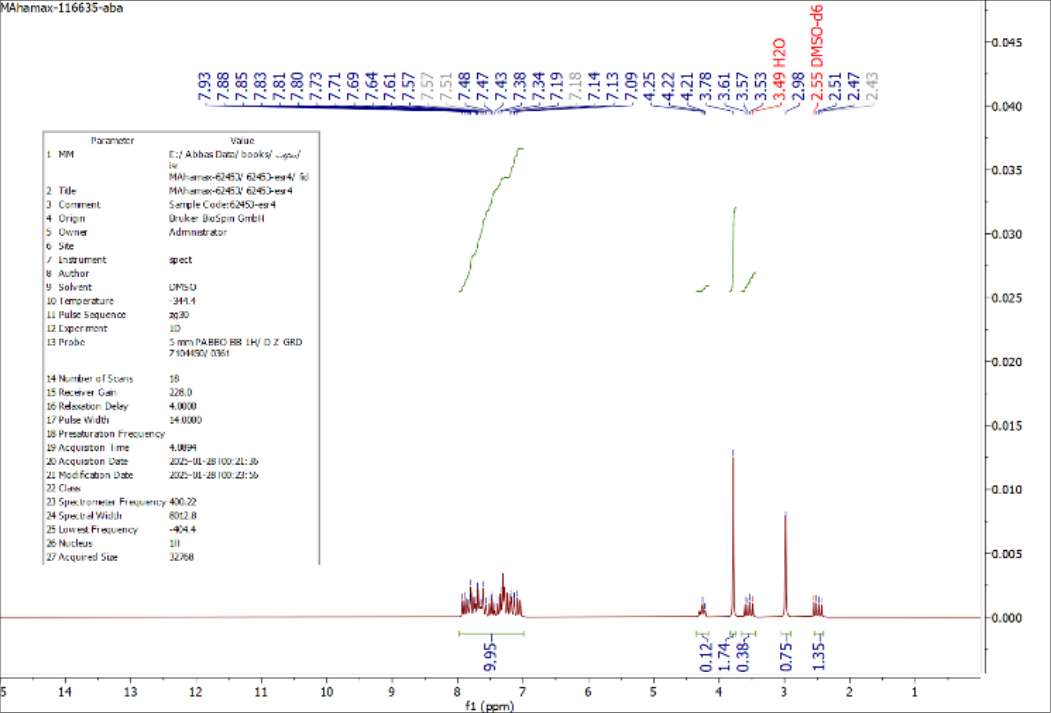 Figure 10
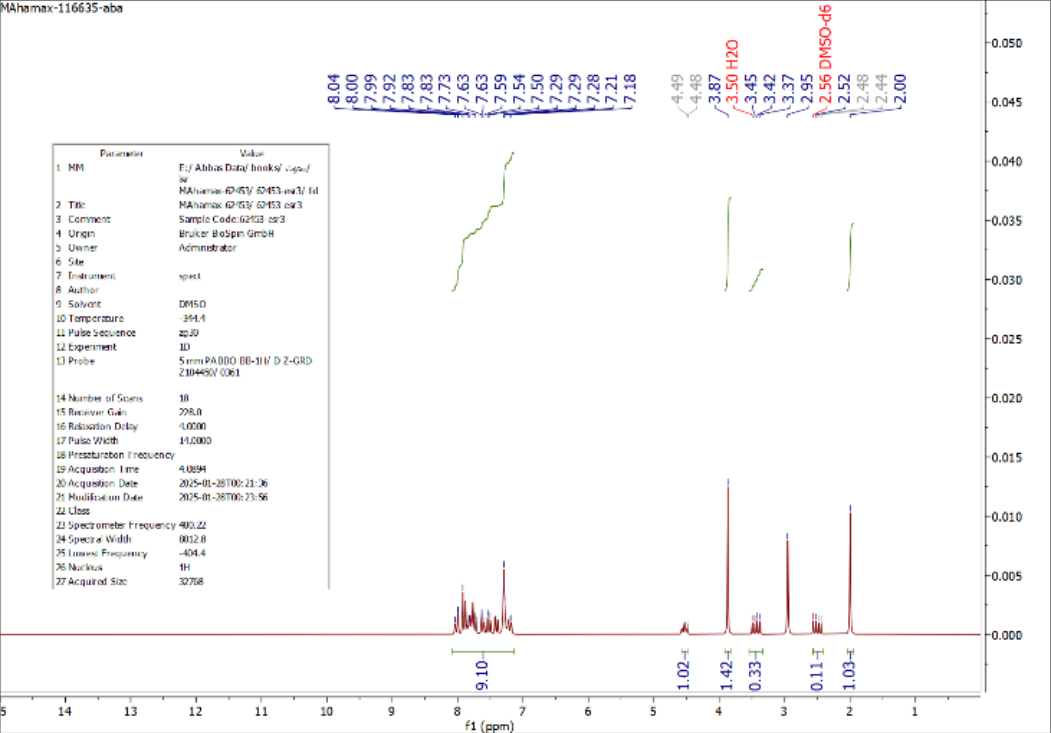 Figure 11
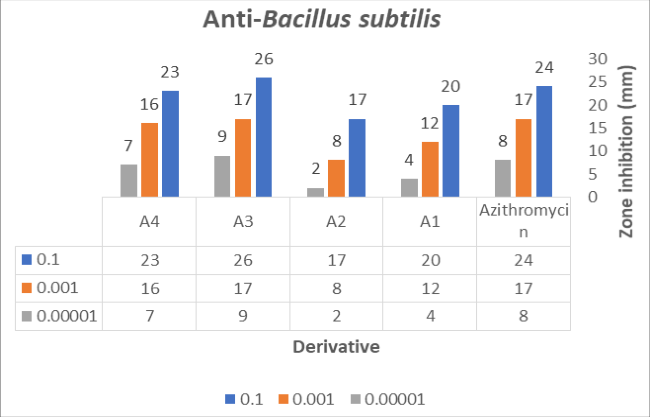 Figure 12
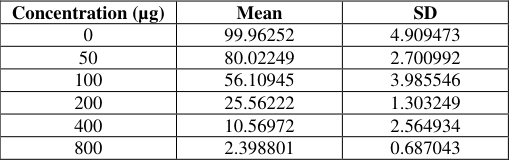 Table 1
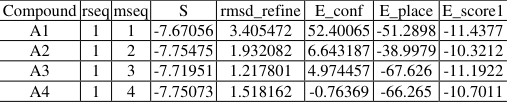 Table 2
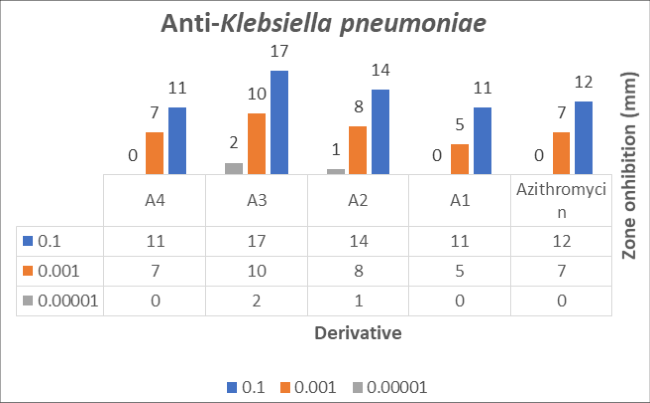 Figure 13
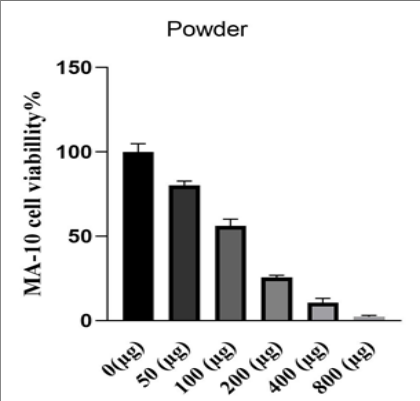 Figure 14
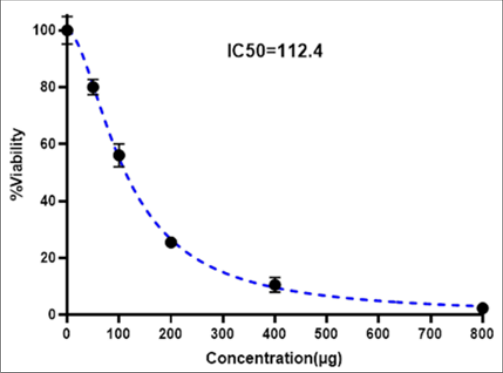 Figure 15
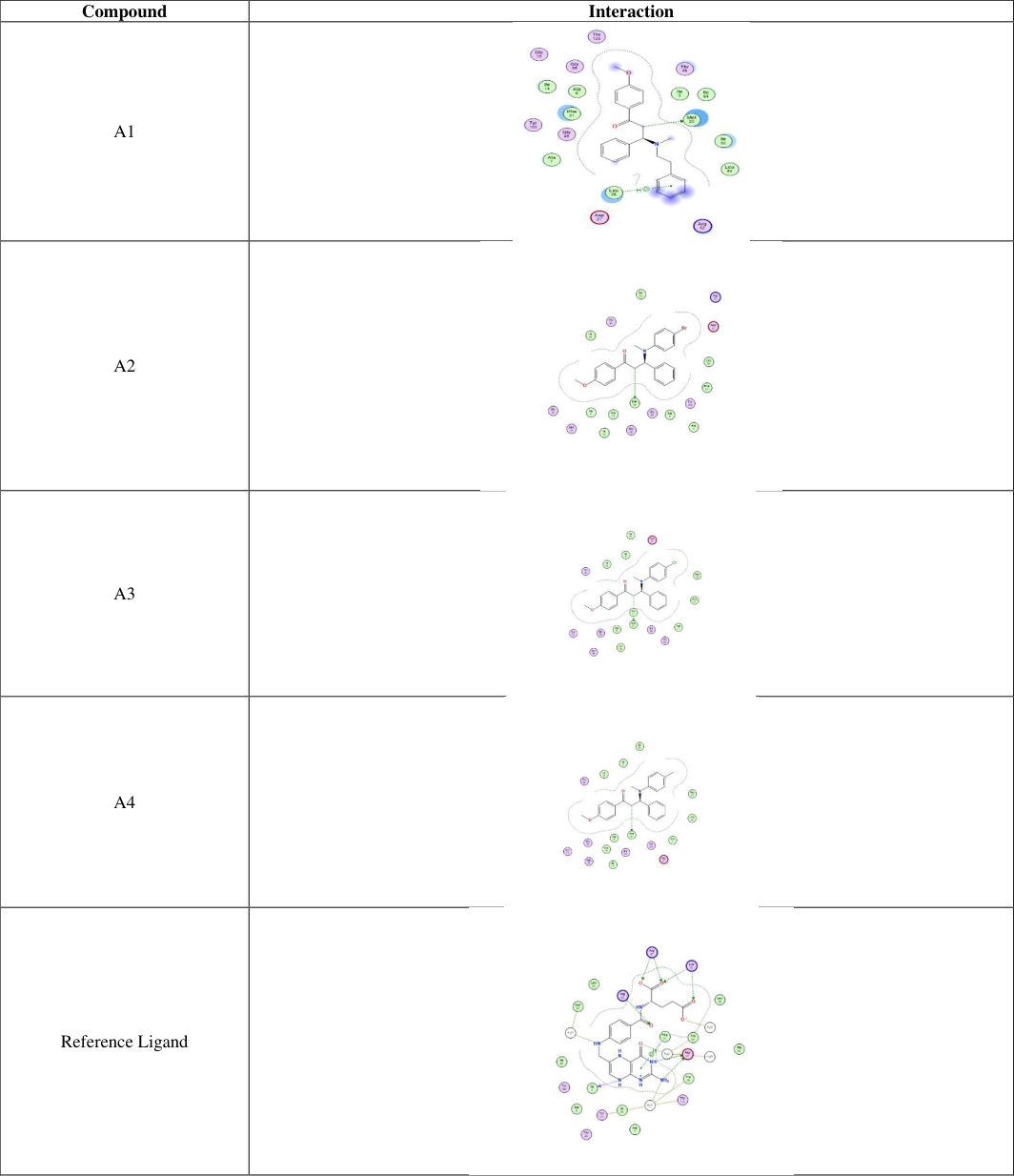 Table 3
Introduction
World health challenges include antimicrobial resistance and the rise of cancer, and drugresistant Bacillus subtilis and Klebsiella pneumoniae cause dangerous infections [1] . Breast cancer is the leading cause of cancer deaths across the world; Thus, therapeutic failure and sickness recurrence will increase without innovative pharmacophores. So, a pharmaceutical chemical study creates scaffolding that communicates with biologically important targets [2] . Mannich bases, which are β-amino carbonyl compounds typically synthesized via the condensation of a carbonyl compound, an amine, and benzaldehyde, have attracted considerable interest in medicinal chemistry [3] . This interest stems from structural versatility of mannich compounds, synthetic accessibility, and broad spectrum of biological activities, and it is well established that incorporating nitrogen atom containing groups into drug scaffolds often enhances their pharmacological potential [4] . Furthermore, recent studies have demonstrated that Mannich bases exhibit promising antibacterial, antifungal, antiinflammatory, and anticancer activities. Due to their ability to interact with microbial enzymes and DNA through hydrogen bonding and π-π stacking, these compounds can disrupt vital cellular processes, leading to the death of microbial or cancer cells [5] . Mannich bases are bioactive scaffolds and pharmacophores for aminoalkyl-chained drug synthesis [6] . The Mannich bases may be anti-inflammatory, anticancer, antifilarial, antibacterial, and antiviral [6] . DNA and folate metabolism include DHFR, a known enzyme target, and antibacterial and anticancer medicines target DHFR suppression because it degrades nucleotide biosynthesis [7,8] . Bacteria need DNA gyrase to replicate. If they bind to these enzymes, newly synthesized chemicals may be dual-function therapeutics [9] . The study aims to synthesize and characterize a new Mannich base derivative (A1-A4) by FTIR and NMR, with applications in antibacterial and anti-MA-10. In addition to the study of molecular docking and ADMET.
Methodology Materials
All materials used in this research were of analytical grade and employed without further purification, such as 4-Hydroxyacetophenone, N-Methyl-phenethylamine, N-Methyl-4-bromoaniline, dimethyl sulfoxide (DMSO), Acetone, Ethyl bromide, DMF, and K₂CO₃ were purchased from Sigma-Aldrich (USA), CDH (India), and BLD (UK). 4-Chloro-N-methylaniline, N-methyl-4-methoxyaniline, benzaldehyde, tetrahydrofuran (THF), ethyl acetate, ethanol (absolute), chloroform, phosphate-buffered saline (PBS), and amoxicillin were obtained from BDH Chemicals (UK) and CDH (India). Muller-Hinton agar was also acquired from Sigma-Aldrich and used as the standard growth medium for antimicrobial assays.
Synthesis of 4-Methoxy acetophenone
According to the paper procedure of Damdoom, W. K., & Al-Jeilawi, O. H. R. (2025) [10] , the synthesis of 4hydroxyacetophenone was achieved by a standard Williamson ether synthesis that included the O-alkylation of 4-hydroxyacetophenone. In a standard technique, 1.36 g (10 mmol) of 4-hydroxyacetophenone was solubilized in 25 mL of anhydrous acetone while subjected to magnetic stirring. To this solution, 2.76 g (20 mmol) of anhydrous potassium carbonate was included as a base to produce the reactive phenoxide intermediate. Subsequently, 1.0 mL (10 mmol) of iodomethane was added dropwise to the reaction mixture, and the system was refluxed at 65 °C for 6 hours to ensure full etherification. Finally, the solution was cooled to 25℃ and then filtered. The filtrate was then transferred into cold distilled water. The amalgamated organic layers were rinsed with saturated brine, dehydrated using anhydrous sodium sulfate, and concentrated at diminished pressure utilizing a rotary evaporator. The crude product underwent purification by recrystallization from ethanol, yielding 4methoxyacetophenone as a yellow compound at a 68% yield.
Synthesis of Mannich Base Derivatives (A1-A4)
A usual one-pot three-component condensation process using 4-methoxyacetophenone, aqueous benzaldehyde (37% w/w), and substituted aromatic amines produced Mannich base derivatives A1-A4. In a typical process, 4methoxyacetophenone (0.01 mol) was dissolved in 25 mL of THF at room temperature by continuous stirring, and different amine precursors were used in 4 simultaneous processes. In the first reaction, 0.01 mol of N-methylphenethylamine was added to the solution. In the remaining three reactions, 0.01 mol of N-methyl-4-bromoaniline, 4-Chloro-N-methylaniline, and N-methyl-4-methoxyaniline were added under similar circumstances. After dispersing the amines, 15 mL of aqueous benzaldehyde solution was added dropwise to each reaction mixture while stirring. After stirring at room temperature for 1 hour to start condensation, the liquids were heated under mild reflux on a steam bath for 20 minutes to create products. After heating, the combinations were cooled to ambient temperature and kept at 4 °C for 48 hours to fully crystallize. The solid precipitates of compounds A1-A4 were filtered, rinsed with cold distilled water, and recrystallized from ethanol and chloroform (1:1 v/v) [11] .
The physical properties of derivative A1 have a molecular weight of 373.49 and an off-white color. The derivative A2 has a molecular weight of 424.29 and a light-yellow color. Derivative A3 has a molecular weight of 379.88 and a white color, and derivative A4 has a molecular weight of 359.46 and a white yellowish color.
Antimicrobial activity of synthesized derivatives (A1 and A2)
According to the paper procedure of Songül Boy et al. (2021) [12] , the synthesized Mannich base derivatives A1 and A2 were tested for antibacterial activity using cup-plate agar diffusion, quantifying inhibition zones in millimeters. The compounds were tested at 0.1, 0.001, and 0.00001 mg/mL of medicine. Klebsiella pneumoniae and Bacillus subtilis are therapeutically important antibacterial germs. Infected wounds, nasal swabs, UTIs, and surgical samples for bacterial isolates were clinical sources. Muller-Hinton agar was used for all microbiological experiments. Aseptically solidifying agar medium on Petri plates. Using a sterile triangular loop, bacterial samples were equally distributed over agar. On hardened agar, 12 mm stainless steel cylinders created uniform wells. The wells received synthesized chemicals in the appropriate amounts by micropipette. The azithromycin was dissolved in sterile distilled water, whereas all produced compounds were in DMSO. After one hour at room temperature for compound diffusion, plates were incubated at 37 °C for 48 hours. After incubation, millimeter-sized inhibitory zones surrounding each well were measured to assess the produced compounds' antibacterial activities.
Molecules Docking Preparation
The MOE 2019 docking of the produced derivatives [13] , to the DIHYDROFOLATE REDUCTASE 1RX2 structure determines its binding affinity [14] . Moe docks molecules. A separate step docks ligands into the protein's binding pocket. Many active site ligand poses are generated by Triangle Matcher placement. Force-field energy reduction streamlines top postures. Final GBVI/WSA dG binding affinities are assessed. Figure 1 shows DIHYDROFOLATE REDUCTASE 1RX2 structure's Protein Data Bank [15] . Using ChemDraw Ultra (12.0) [16] and MOE [17] , and sketch and minimize the synthesized derivatives (A1-A4). MOE imported ChemDraw Ultra 12.0 chemical structures. For stable docking conformations, the MMFF94 force field is used to translate each ligand to three dimensions and reduce energy. Module MOE's Site Finder finds the protein's active binding pocket via alpha-sphere mapping. To generate multiple binding postures for docking calculations, Triangle Matcher places each ligand independently into the binding site. Positions were established using the London dG scoring function scores. The GBVI/WSA dG scoring method calculates binding affinities, and force-field-based energy reduction optimizes postures. S-scores, RMSD, and protein-ligand interaction patterns evaluate docking findings. The MoE Ligand Interaction module displays hydrogen bonding, π-H interactions, and hydrophobic contacts. Each compound docks most stably with high binding energy, low RMSD, and good active site interactions [18] , as shown in Figure 1.
Results and Discussion
A one-pot three-component condensation process using 4methoxyacetophenone, benzaldehyde, and modified secondary aromatic amines produced the Mannich base derivatives A1-A4. The reaction went successfully under gentle reflux conditions, producing crystalline βaminoketone derivatives in excellent yields, as shown in Figure 2. The mannich chemicals work by inhibiting key enzymes involved in nucleotide manufacture and DNA replication, and the β-aminoketone scaffold's carbonyl group and tertiary amine promote hydrogen bonding and electrostatic interactions in enzyme active sites. Molecular docking shows these compounds form stabilizing hydrogen bonds and hydrophobic interactions with key amino acid residues in DHFR's catalytic pocket. Dihydrofolate may not be converted to tetrahydrofolate, which inhibits thymidylate and purine synthesis, which are needed for DNA replication and cell proliferation. Additional DNA gyrase interaction may break DNA supercoiling, slowing bacterial growth.
Halogen substituents improve membrane permeability and lipophilicity, enabling intracellular enzymatic target access. Thus, folate metabolism inhibition and DNA processing pathway interference kill bacteria and cancer cells. The synthesized Mannich base derivatives (A1-A4) are confirmed through characteristic FTIR and ¹H-NMR spectral features consistent with the proposed structures. In the FTIR spectra, all compounds exhibit a strong absorption band around 1687-1705 cm⁻¹, which corresponds to the stretching vibration of the carbonyl (C=O) group of the ketone [19] . The FTIR (cm -1 ) of derivatives as shown in Figures 34567for synthesized derivatives A and A1-A4, Figure 4 shows the FTIR spectrum of the derivative, which shows the disappearance of a broad band of the hydroxyl group and C=O at 1705. The derivative A1, a new band C-O at 1254, C-H aliphatic at 2903 and 2978, while carbonyl group at 1687, and the disappearance of the hydroxyl group [20] .
The FTIR (cm -1 ) of derivative A2 shows bands 1697 for the carbonyl group, 2979 and 2897 for C-H aliphatic, and 1252 for C-N, as shown in Figure 5 [12] . The FTIR (cm -1 ) of derivative A3 shows 1696 for the carbonyl group, 2964 for the C-H aliphatic, and 1174 for the C-N, as shown in Figure 6 [12] . The FTIR (cm -1 ) of derivative A4 shows 1705 the carbonyl group, 2903 and 2978 the C-H aliphatic, and 1179 the C-N [21] , as shown in Figure 7.
The derivative A1: 1 H-NMR (400 MHz, DMSO) δ, 7.17-8.10 showed as (m, 14H, Aromatic ring), 2.39 as (s, 3H, N-CH 3 ), 4.59 (s, 3H, O-CH 3 ), 3.72-3.87 as two groups (t, 2H, methylene), as shown in Figure 8 [22] . The derivative A2: 1 H-NMR (400 MHz, DMSO) δ, 6.99-8.11 showed as (m, 14H, Aromatic ring), 3.89 as (s, 3H, N-CH 3 ), 4.59 (s, 3H, O-CH 3 ), 2.44-2.80 as two groups (t, 2H, methylene), as shown in Figure 9 [21] .
The derivative A3: 1 H-NMR (400 MHz, DMSO) δ, 7.09-7.93 showed as (m, 14H, Aromatic ring), 2.98 as (s, 3H, N-CH 3 ), 3.78 (s, 3H, O-CH 3 ), 2.43-3.61 as two groups (t, 2H, methylene), as shown in Figure 10 [21,23] . The derivative A4: 1 H-NMR (400 MHz, DMSO) δ, 7.18-8.08 showed as (m, 14H, Aromatic ring), 2.95 as (s, 3H, N-CH 3 ), 3.87 (s, 3H, O-CH 3 ), 2.44-3.45 as two groups (t, 2H, methylene), as shown in Figure 11 [12] .
Applications 1. Biological Activity (Anti-bacterial Evaluation)
The synthesized mannich derivatives A1-A4 inhibited both Bacillus subtilis and Klebsiella pneumoniae concentrationdependently. The reference drug, such as azithromycin, that was used inhibited Bacillus subtilis at 24 mm, the derivative A3 the most at 26 mm, followed by A4 at 23 mm, A1 at 20 mm, and A2 at 17 mm. the derivative A3 inhibited Klebsiella pneumoniae best at 17 mm at 0.1 concentration, followed by A2 at 14 mm, A1 and A4 11 mm, and azithromycin was inhibit 12 mm, as shown in Figures 12 and13, A3 was the most efficient derivative against all strains, particularly Gram-positive bacteria. The aromatic ring electron-donating and electron-withdrawing groups, such as alkoxy and halide substituents, boost antibacterial action. Bridging active groups in the Mannich framework may impact activity by allowing π-π stacking with bacterial DNA or peptidoglycan pathways. This supports Ali et al.'s (2025) Mannich-type derivative [24] , and Pakeeraiahet et al. (2025) [25] , phenol or alkoxy substitution improved antibacterial capabilities.
Anti-breast cancer MCF-7 Cytotoxicity
In triplicate (R1-R3), derivative A2 was assessed for cytotoxicity on MA-10 murine tumor cells at 0 to 800 µg dosages, and treated cells (0 µg) were 100% viable after blank correction and normalization, with a mean vitality of 99.96 ± 4.91%. Concentration harmed cells. Viability decreased to 80.02 ± 2.70% at 50 µg and 56.11 ± 3.99% at 100 µg. Significant inhibition occurred at 200 µg, lowering viability to 25.56 ± 1.30%. Increased dosages caused considerable cytotoxicity, with mean viability values of 10.57 ± 2.56% at 400 µg and 2.40 ± 0.69% at 800 µg. All dosages had modest standard deviations, indicating high experimental reproducibility. Table 1 and Figures 14 and15 show concentration-dependent MA-10 cell viability decrease.
| Concentration (µg) | Mean | SD |
|---|---|---|
| 0 | 99.96252 | 4.909473 |
| 50 | 80.02249 | 2.700992 |
| 100 | 56.10945 | 3.985546 |
| 200 | 25.56222 | 1.303249 |
| 400 | 10.56972 | 2.564934 |
| 800 | 2.398801 | 0.687043 |
Table text extracted from the original PDF; superscript letters are shown inline. The original table image is below.
View original table image
Molecular Docking
All synthesized mannich derivatives (A1-A4) docked with DHFR, PDB ID: 1RX2 protein. Docking scores (S) of -7.67 to -7.75 kcal/mol indicated ligand-protein interactions. The derivative A2 has the score (-7.75475) as the highest docking, followed by derivative A4 as (-7.75073), derivative A3 shows at (-7.71951), and derivative A1 shows at (-7.67056). The negative E_place values suggest effective binding pocket placement for all derivatives, especially derivative A3 (-67.626) and derivative A4 (-66.265). All Mannich derivatives bind DHFR effectively in docking studies, with derivative A2 and derivative A4 having somewhat higher theoretical binding energies and derivative A3 having the most stable binding posture, as shown in Table 2. All Mannich compounds stabilized DHFR protein (1RX2)'s catalytic pocket in interaction analysis. Active site amino acid residue hydrophobic and hydrogen bonding are binding processes. Substituent effects and electronic dispersion changed derivative interactions. In contrast, the reference ligand had robust and well-defined binding pocket contacts. Docking energies and low RMSD make derivatives A3 and A4 good active-site accommodations. By attaching to critical DHFR residues, the Mannich scaffold may block dihydrofolate reductase, as shown in Table 3.
Conclusion
This study indicates that one-pot condensation may swiftly create halogenated Mannich base derivatives. Successful βaminoketone production is confirmed by structural analysis, and biologically, derivative A3 exhibits stronger antibacterial activity, particularly against Bacillus subtilis, whereas A2 has moderate but significant antiproliferative activity (IC₅₀ = 112.4 µg/mL). Molecular docking indicates a strong DHFR binding affinity, indicating folate metabolism inhibition produces biological consequences.
These medicines' antibacterial and anticancer properties are verified mechanistically. Although promising, the cytotoxic effect is limited, and modification may improve potency and selectivity. Future research involves mechanistic studies, apoptotic pathway analysis, ADMET profiling, in vivo testing, and structural modification to optimize binding selectivity. Increasing substitution patterns and analyzing synergistic drug combinations may enhance therapy.
Applicants will be evaluated. This approach permits rational drug design and pharmacological studies without mechanistic validation and biological screening.
Figures and tables from the paper
References
25 in the original paper- Harikumar G, Krishanan K. The growing menace of drug resistant pathogens and recent strategies to overcome drug resistance: A review. Journal of King Saud University-Science. 2022;34(4):101979.
- Alara JA, Alara OR. An overview of the global alarming increase of multiple drug resistant: a major challenge in clinical diagnosis. Infectious DisordersDrug Targets. 2024;24(3):26-42.
- Raju SK, Settu A, Thiyagarajan A, Rama D. Synthetic applications of biologically important Mannich bases: An updated review. Open Access Research Journal of Biology and Pharmacy. 2023;7(2):001-015.
- Jawad AA, Jber NR, Rasool BS, Abbas AK. Tetrazole derivatives and role of tetrazole in medicinal chemistry: An article review. Al-Nahrain Journal of Science. 2023;26(1):1-7.
- van Rootselaar S, Peterse E, Blanco-Ania D, Rutjes FP. Stereoselective Mannich reactions in the synthesis of enantiopure piperidine alkaloids and derivatives. European Journal of Organic Chemistry. 2023;26(22):e202300053.
- Yamali C, Gul M, Gul HI. Current pharmaceutical research on the significant pharmacophore Mannich bases in drug design. Current Topics in Medicinal Chemistry. 2023;23(27):2590-2608.
- Shamshad H, Bakri R, Mirza AZ. Dihydrofolate reductase, thymidylate synthase, and serine hydroxymethyltransferase: Successful targets against some infectious diseases. Molecular Biology Reports. 2022;49(7):6659-6691.
- Heppler LN, et al. The antimicrobial drug pyrimethamine inhibits STAT3 transcriptional activity by targeting the enzyme dihydrofolate reductase. Journal of Biological Chemistry. 2022;298(2):101531.
- Drago P, et al. DHFR2 RNA directly regulates dihydrofolate reductase and its expression level impacts folate one carbon metabolism. The FASEB Journal. 2025;39(4):e70391.
- Damdoom WK, Al-Jeilawi OHR. Synthesis, characterization and study antimicrobial activity of isoniazid derivatives. Iraqi Journal of Pharmaceutical Sciences. 2025;34(2):116-121.
- Abdula AM, et al. Design, synthesis, and molecular docking of new phenothiazine incorporated N-Mannich bases as promising antimicrobial agents. Heliyon. 2024;10(7).
- Boy S, et al. Synthesis, spectroscopic analysis, and in vitro/in silico biological studies of novel piperidine derivatives heterocyclic Schiff-Mannich base compounds. Chemistry & Biodiversity. 2021;18(12):e2100433.
- Moriwaki H, et al. FMOe: Preprocessing and visualizing package of the fragment molecular orbital method for Molecular Operating Environment and its applications in covalent ligand and metalloprotein analyses. Journal of Chemical Information and Modeling. 2024;64(18):6927-6937.
- Kong D, Dolzhenko AV. Dihydrofolate reductase inhibitors as anticancer agents: progress and perspectives in drug design and development. Novel Therapeutic Targeting in Cancer: An Interdisciplinary Approach. 2024:497-532.
- Griffiths SC, et al. Hedgehog-Interacting Protein is a multimodal antagonist of Hedgehog signalling. Nature Communications. 2021;12(1):7171.
- Yaayin B, Hayford KA. Promoting students' conceptual understanding in drawing and naming of hydrocarbons using ChemDraw software with guided worksheets. European Journal of Education and Pedagogy. 2025;6(3):1-6.
- Konyar D, Okur H, Arslan Z. Molecular docking studies of COX inhibitors on wild-type ras. Journal of Faculty of Pharmacy of Ankara University. 2022;46(1):23-34.
- Castleman P, Szwabowski G, Bowman D, Cole J, Parrill A, et al. Ligand-based G protein coupled receptor pharmacophore modeling: Assessing the role of ligand function in model development. Journal of Molecular Graphics and Modelling. 2022;111:108107.
- Muhammad FM, Khairallah BA, Albadrany K. Synthesis, characterization and antibacterial evaluation of novel 1,3-oxazepine derivatives using a cycloaddition approach. Journal of Angiotherapy. 2024;8(3):1-5.
- Jaafar MR, Rasool BS, Jawad AA, Abbas AK, Hamid DM, et al. Synthesis and biological activity of novel derivatives of Schiff base. Al-Nahrain Journal of Science. 2024;27(5):1-9.
- Hameed MA, Al-Jeboori MJ. Synthesis, spectral characterisation, DFT calculations, biological evaluation and molecular docking analysis of new Mannich compounds derived from cyclopentanone. Journal of Molecular Structure. 2025;1322:140619.
- Janowska S, Andrzejczuk S, Gawryś P, Wujec M. Synthesis and antimicrobial activity of new Mannich bases with piperazine moiety. Molecules. 2023;28(14):5562.
- Wang C, et al. Synthesis via the Mannich reaction and biological activity of novel fluorinated camptothecin derivatives. Chemistry of Heterocyclic Compounds. 2021;57(6):704-708.
- Ali HA, Hammouda MM, Ismail MA, Ghaith EA. Sonosynthesis of new functionalized optically active triazines via double Mannich reaction: antibacterial potential and in silico docking study. RSC Advances. 2025;15(22):17516-17534.
- Pakeeraiah K, et al. Multimodal antibacterial potency of newly designed and synthesized Schiff's/Mannich based coumarin derivatives: potential inhibitors of bacterial DNA gyrase and biofilm production. RSC Advances. 2024;14(43):31633-31647.