
Research article · 2026 · Full text
International Journal of Biology SciencesA review on the emerging therapeutic significance of Carya illinoinensis (Pecan Tree)
Volume 8(5) · Pages 115–120 · DOI: 10.33545/26649926.2026.v8.i5b.837 ↗
Research areasMedicinal Plant ResearchNatural Antidiabetic Agents StudiesNuts composition and effects
Abstract
Author-writtenCarya illinoinensis (pecan) is a nutritious and medicinal tree. Pecan is a long-lived, deciduous Juglandaceae tree. Originating in the south-central US, it is cultivated in Mexico, South Africa, Australia, and India. Temperate to subtropical climates with well-drained soils and ample water suit the plant. Pecan oil contains antioxidants and cholesterol-lowering tocopherols, phytosterols, and phospholipids. Phytochemical studies show that pecan leaves and shells contain gallic acid, chlorogenic acid, catechin, naringenin, and quercetin glycosides. Pharmacological studies reveal that pecan shell aqueous extract (PSAE) has potent antidiabetic properties. Diabetic rats treated with streptozotocin and then given PSAE had decreased blood sugar levels, increased insulin production, and improved polyuria and body weight loss. Nut extracts are useful for treatment because of antioxidants. High phenolic content reduces free radicals, lipid peroxidation, and oxidative stress causing diabetes, cancer, and heart disease. New research suggests pecan phytochemicals may prevent cancer. Phenolic acids, flavonoids, tannins, and ellagic acid destroy cancer cells, inhibit tumour growth, and induce apoptosis. These compounds prevent cancer by blocking cancer-promoting cellular signalling pathways and reducing oxidative DNA damage. It helps treat metabolic problems more with this characteristic. Adding pecans nuts to the diet of patients with stable coronary artery disease can improve inflammatory markers and cardiometabolic health, supporting their functional food status.years, entering commercial bearing within 6-10 years and reaching peak yield at maturity.
Summary
Source-checkedPlain-language reading of the full paper, prepared with AI and checked against the text. Each point links to the authors' own words.
Why it matters
- Pecan nuts have become a focus of research in recent years because of their high polyphenol and fiber content, which may offer prebiotic and health benefits. View evidence ↗
- The tree is valued for its bioactive secondary metabolites and rich concentration of unsaturated fatty acids. View evidence ↗
The question
- The objective of this review is to examine the emerging therapeutic significance and pharmacological properties of the pecan tree (Carya illinoinensis). View evidence ↗
What they did
- This paper is a review that synthesizes findings from various pharmacological and phytochemical studies, including research on leaf and shell extracts. View evidence ↗
- The reviewed studies utilized methods such as HPLC-DAD and the Folin-Ciocalteu assay to measure the concentration of phenolic compounds. View evidence ↗
What they found
- The total phenolic content of pecan extracts was found to range from 102.19 to 110.13 mg GAE/g, depending on the cultivar. View evidence ↗
- In diabetic rats, oral administration of pecan shell aqueous extract (PSAE) at 100 mg/kg for 28 days significantly reduced serum glucose levels compared to untreated rats. View evidence ↗
- PSAE administration was found to significantly lower triglyceride and total cholesterol levels in hypercholesterolemic rats. View evidence ↗
- Pecan shell extract inhibits α-glucosidase and α-amylase, which may help manage postprandial blood glucose by slowing carbohydrate breakdown. View evidence ↗
- Pecan extracts demonstrated cytotoxic activity against cancer cell lines, suggesting a potential to inhibit tumor cell proliferation. View evidence ↗
- Adding pecan nuts to the diet of patients with stable coronary artery disease (CAD) was associated with an improved inflammatory profile. View evidence ↗
- Pecan nut shell extract exhibits strong antioxidant activity by scavenging reactive oxygen species (ROS). View evidence ↗
What it means
- The authors conclude that pecan nuts are a valuable functional food with significant potential for preventing illness and promoting health. View evidence ↗
- The authors state that further clinical trials are necessary to confirm the long-term efficacy and safety of pecan nut use in humans. View evidence ↗
Visual summary
1 visualsIllustrations explain the paper; they do not show study data.
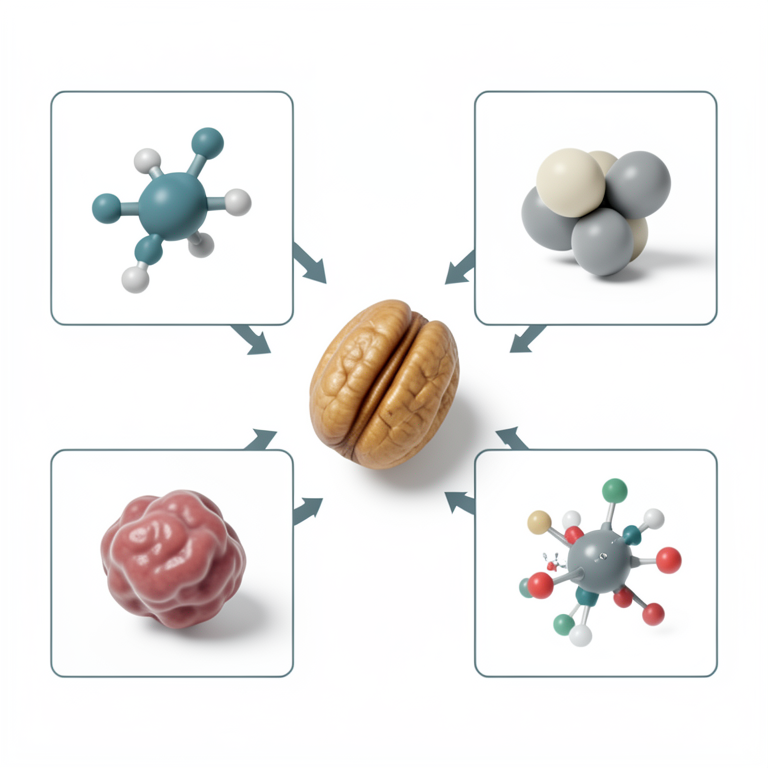
Therapeutic Actions of Pecan Extracts
AI-generated conceptual illustration (Carya illinoinensis (Pecan Tree) nuts and shells). It explains the idea and does not show study data.
View source evidence ↗Figures & tables
From the original paper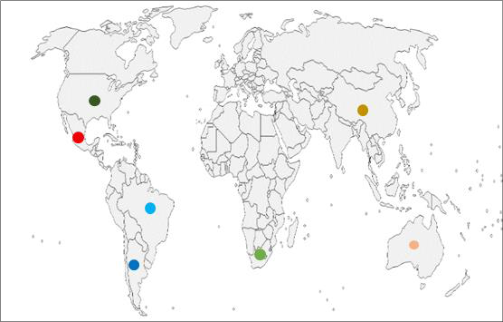 Figure 1
Introduction
Pecan nuts have gained attention over the last 5-10 years due to their health benefits and possible prebiotic properties from high fiber and polyphenol content. Common tree nuts include Brazil nut, almond, walnut, cashew, pecan, hazelnut and pine nut. Among all nuts present in Juglandaceae family walnut and almond being the most studied and economically important nut [1,24] . The pecan nuts are important agricultural products of northern Mexico and southern United States, and are gaining recognition in China and India for nutritional and cosmetic benefits. Pecan nuts are excellent in terms of their rich unsaturated fatty acids and bioactive secondary metabolites [2,9] .
Geographical Condition
Pecan (Carya illinoinensis) belongs to the family Juglandaceae under the kingdom Plantae and is commonly known in India as Khori, Shimla Akhrot, and Bachh Doon. It is a deciduous, perennial, long-lived nut tree native to the south-central United States and widely cultivated in Texas, Georgia, and New Mexico, while in Mexico the nut is extensively used in foods such as pecan pie. [2,3] Globally, pecan cultivation has expanded beyond the U.S. and Mexico, with South Africa, Australia, and China emerging as important producers. The plant thrives in temperate to subtropical climates, preferring river-valley regions and plains with deep, well-drained loamy to sandy-loam or alluvial soils, neutral to slightly acidic pH, adequate sunlight, and reliable irrigation, especially during flowering and nut development. In India, favourable agro-climatic conditions occur in the Himalayan states of Himachal Pradesh, Uttarakhand, and Jammu & Kashmir [3] . The pecan tree typically attains a height of 20-40 m with a broad canopy spread of 12-20 m, bears oval to elongated nuts weighing 5-10 g per kernel, and has a long productive lifespan of 100-300 years, entering commercial bearing within 6-10 years and reaching peak yield at maturity [4,5] .
Flower
• Size & shape: Small flowers, unisexual; male flowers in long, drooping catkins, female flowers in small terminal clusters |• Colour: Yellowish green to green on both sides. • Colour: Yellowish green to green above and below.
• Odour: Odourless or very weak, appropriate to wind pollination • Lifespan: These are ephemeral flowers, lasting only a few days in spring.
Leaves
Leaves
Stem
• Type: Woody, perennial, upright stem.
• Size: Tall trunk with vast spreading canopy.
• Colour: Young stems are greenish brown; older stems are gray to dark brown. • Texture: Dry, coarse and wrinkled with age.
• Function: Gives mechanical support, transmits water and nutrients throughout the plant.
Nut shell (Endocarp)
• Size & shape: Hard, smooth to slightly ridged shell; oval to elongated shape.
• Colour (both sides): ight to dark brown, inner surface smooth and somewhat lighter • Texture & odour: Woody, hard, un aromatic, Odourless • Weight: Weight: Shell is lighter than kernel, hence simple to fracture in better cultivars. • Function: Protects the edible kernel and aids in seed dispersal. [5,6] Harvesting: The harvesting periods for pecans vary across different countries May, depending on regional climate and crop development. [7,8]
Procedures
Phytoconstituents: Pecan (Carya illinoinensis) leaves are rich in phenolic and flavonoid phytoconstituents, which are mainly responsible for their antioxidant and protective effects. [38] Methyl Gallate (Reported) Identified (Qualitative) HPLC (Qualitative)
Gad, H. A., Ayoub, N. A., & Al-Azizi, M. M. (2007). Phenolic constituents with antioxidant and hepatoprotective activities from Carya illinoinensis leaves. Natural Products: An Indian Journal. [10] Pharmacological Activity Antidiabetic Effect of Pecan Nuts (Pecan Shell Aqueous Extract -PSAE) Hypoglycemic effect of aqueous extract of pecan shells in streptozotocin (STZ)-induced diabetic Wistar mice. Oral injection of PSAE at 100 mg/kg body weight for 28 days dramatically alleviated the diabetes conditions in rats. The treated rats showed decreased serum glucose levels as compared to the untreated diabetic rats which demonstrated a definite hypoglycaemic impact. [11] Clinical signs of diabetes such polyuria, weight loss and tiredness were decreased and normal behavioral activity was maintained. The antidiabetic effect may be due to the increase of pancreatic insulin release from β-cells and the inhibition of aldose reductase. [12] The phenolic contents (tannins, flavonoids, gallic acid, and ellagic acid) of the extract are involved in the suppression of blood glucose, reduction of cholesterol and triglycerides, and increase of hepatic glucokinase activity, hence boosting insulin release. Inorganic nutrients such as chromium, zinc and magnesium may also help by decreasing insulin resistance and assisting glucose metabolism. [13] The reduced urea levels in PSAE-treated diabetic rats suggest a kidney protective effect.The extract did not demonstrate any genotoxic or mutagenic effect indicating safety at the tested dose. [13,14]
Antihypercholesterolemic Effect of Pecan Nuts (Pecan Shell Aqueous Extract -PSAE)
The study was conducted to examine lipid lowering activity of pecan shell aqueous extract (PSAE PSAE administration significantly lowered total cholesterol and triglyceride levels in hypercholesterolemic rats compared to untreated rats. These findings imply that PSAE possesses antihyperlipidemic activity by improving aberrant lipids profile. [15,17] The lipid-lowering action is mainly ascribed to phenolic substances such as tannins, gallic acid and ellagic acid contained in pecan shells. These chemicals are capable of reducing plasma cholesterol and triglycerides, reducing inflammation associated with metabolic diseases and improving lipid metabolism.
Phenolics may potentially protect the cardiovascular system by decreasing LDL transport and lipid oxidation at the endothelium membrane. The presence of elements such as chromium, zinc and magnesium in PSAE which can regulate the cholesterol balance and ameliorate the lipid abnormalities, further supports the anti-hypercholesterolemic action. [17,18] Anticancer Effect of Pecan Nuts (Carya illinoinensis) Pecan nuts contain many bioactive compounds that may contribute to possible anticancer action. phenolic chemicals in pecans play a vital function in the prevention of cancer growth. The cytotoxic activity of the extracts of pecan against cancer cell lines was indicative of their potential to inhibit the proliferation of tumor cells. [19,20] The antioxidant rich composition helps neutralize free radicals and thereby prevents oxidative DNA damage that can trigger cancer. These chemicals can induce apoptosis (programmed cell death) in abnormal cells and inhibit the growth of cancer cells. [21,23] The high antioxidant activity minimizes oxidative stress, which is one of the main causes of the start of cancer. Its anti-inflammatory properties create a biological environment less conducive to the development of cancer. Phenolics can also block cellular signaling pathways involved in tumor growth. [24,25] In vitro Digestibility Activity of Pecan Nut Shell Extract (PSE) the effect of pecan nut shell extract on the in vitro digestion, notably on the carbohydrate digestive enzymes. The pecan shell extract exhibited considerable inhibitory effect against digestive enzymes, particularly α-amylase and α-glucosidase, which are responsible for the breakdown of complex carbohydrates into glucose. The extract may slow down enzymatic digestion and hence limit the rate of glucose absorption which may assist to manage postprandial blood glucose levels. [26,27] The digestibility-modulating action is mainly due to polyphenols and tannins found in the pecan shell. These phytochemicals bond to digestive enzymes or substrates to slow down carbohydrate breakdown.
The reduction of the enzyme activity results in slow digestion of starch and controlled release of glucose, which is good for metabolic health and shows the potential of pecan shell extract as an anti-diabetic [28,29] .
Anti-Inflammatory Activity of Pecan Nut Shell Extract (PSE)
The pecan nut shell extract contains phytochemicals especially phenolics with important anti-inflammatory activities. The extract exhibited highly potent anti-inflammatory action indicating its medicinal promise in treatment of inflammatory illnesses. [30] Its high antioxidant capacity further supports its role in regulating inflammation by decreasing oxidative stress, a significant trigger for inflammatory pathways. The antiinflammatory effects is mainly attributed to biologically active compounds such as phenolics, flavonoids, tannins, ellagic acid and gallic acid. These substances serve to maintain cell integrity and protect the tissues from harm induced by inflammation. It can inhibit the generation of pro-inflammatory mediators and reduce the cellular oxidative damage. It modulates inflammatory pathways that lead to improved tissue protection and metabolic wellness. It inhibits production of pro-inflammatory mediators and reduces cellular oxidative damage. It modulates inflammatory pathways that lead to better tissue protection and metabolic wellness. [31,33]
Antioxidant Activity of Pecan Nut Shell Extract (PSE)
The high content of phenolic compounds in the pecan nut shell extract was responsible for its strong antioxidant activity. These antioxidants play an important role in the protection of biological systems against oxidative damage. The extract showed a considerable free radical scavenging activity demonstrating its ability to scavenge the reactive oxygen species (ROS). High phenolic content was substantially correlated to higher antioxidant capacity, showing that pecan shells are a potential source of natural antioxidants. The main components include phenolic acids, flavonoids, tannins, gallic acid and ellagic acid, which are all characterized by strong redox activity. [34] These chemicals transfer electrons to unstable molecules, thus reducing lipid peroxidation and cell damage. These chemicals transfer electrons to unstable molecules and so inhibit lipid peroxidation and cellular damage. The extract works by scavenging free radicals, chelating metal ions and preventing oxidative chain reactions. This activity aids to reduce oxidative stress which is related with chronic diseases such as diabetes, cardiovascular condition and cancer. [35]
Effect of Pecan Nuts in Stable Coronary Artery Disease (CAD)
The effect of adding pecan nuts to a healthy diet in patients diagnosed with stable coronary artery disease. Main focus of the study was inflammatory markers and cardiovascular risk factors Adding pecan nuts to a healthy diet improved the inflammatory profile of patients with stable CAD. The intervention was associated with enhanced cardiometabolic health and shows a preventive effect against the advancement of cardiovascular disease.
Pecan nuts are high in unsaturated fatty acids, fiber, phytosterols and polyphenols, and may help lower systemic inflammation and oxidative stress, both of which are known factors to atherosclerosis. These nutrients can improve endothelial function, favorably alter the lipid profile and so support heart health. Regular pecan intake as part of a healthy diet may be a dietary approach for secondary prevention in coronary artery disease. Main Findings [36,37] Key Findings • Carya illinoinensis (pecan) is a nutrient-dense tree nut rich in unsaturated fatty acids, especially oleic and linoleic acids, • contributing to cardiovascular health.
Conclusion
Pecan nut (Carya illinoinensis) is a nutrient dense food with pharmacological importance and several health advantages. It is rich in unsaturated fatty acids, in particular oleic and linoleic acids. The chemicals are responsible for its powerful antioxidant, anti-inflammatory, antidiabetic and cardioprotective actions. Pecan nut consumption has been associated to improved lipid profiles, reduced cholesterol, and better blood glucose control, which in turn promote cardiovascular and metabolic health.
In addition, important micronutrients have therapeutic advantages and pecan nut extracts can assist to reduce oxidative stress, block digestive enzymes and protect from chronic diseases such as diabetes and cancer. More clinical trials are required, however, to confirm the long-term safety and efficacy of this technique in humans.
In conclusion, pecan nuts represent a valuable functional food with significant potential for health promotion and illness prevention.
Acknowledgement
AcknowledgmentThe authors express their sincere gratitude to the Dev Bhoomi Uttarakhand University and the School of Pharmacy and Research for providing the necessary academic support, facilities, and guidance for the successful completion of this review work. The authors are especially thankful to the faculty members, mentors, and colleagues whose valuable suggestions and
Figures and tables from the paper
References
38 in the original paper- Gad HA, Ayoub NA, Al-Azizi MM. Phenolic constituents with antioxidant and hepatoprotective activities from Carya illinoinensis leaves. Natural Products: An Indian Journal. 2007.
- Niccoli T, Partridge L. Ageing as a risk factor for disease. Current Biology. 2012;22(17):R741-R752.
- Rowe JW, Kahn RL. Successful aging. The Gerontologist. 1997;37(4):433-440.
- World Health Organization. Ageing and health. Geneva: World Health Organization; 2022.
- United Nations Department of Economic and Social Affairs, Population Division. World population ageing 2023. New York: United Nations; 2023.
- World Health Organization. World report on ageing and health. Geneva: World Health Organization; 2015.
- Whittemore AT, Stone DE. Juglandaceae. In: Flora of North America North of Mexico. Vol. 3. Oxford: Oxford University Press; 2015.
- Centers for Disease Control and Prevention. Healthy aging: Promoting well-being in older adults. Atlanta: CDC; 2023.
- Atanasov AG, Sabharanjak SM, Zengin G, Mollica A, Szostak A, Simirgiotis M, et al. Pecan nuts: A review of reported bioactivities and health effects. Trends in Food Science and Technology. 2018;71:246-257.
- Alvarez-Parrilla E, Urrea-López R, de la Rosa LA. Bioactive components and health effects of pecan nuts and their byproducts: A review. Journal of Food Bioactives. 2018;1:56-92.
- Thompson TE, Conner PJ. Pecan. In: Fruit breeding. Boston, MA: Springer US; 2011. p. 771-801.
- Alzheimer's Association. Alzheimer's disease facts and figures. Chicago: Alzheimer's Association; 2023.
- Baker DA, Thompson TE. Pecan production and management. In: Handbook of nuts. Boca Raton: CRC Press; 2014. p. 457-482. doi:10.1201/b14647.
- Centers for Disease Control and Prevention. Healthy aging and chronic disease. Atlanta: CDC; 2023.
- Franceschi C, Bonafè M, Valensin S, Olivieri F, De Luca M, Ottaviani E, et al. Inflamm-aging: An evolutionary perspective on immunosenescence. Annals of the New York Academy of Sciences. 2000;908(1):244-254.
- Hendricks LC, Wood BW. Pecan nutrition and fertilization. Horticultural Reviews. 2019;47:1-56. doi:10.1002/9781119516872.ch1.
- Harvard T.H. Chan School of Public Health. Nutrition, physical activity, and healthy aging. Cambridge: Harvard University; 2022.
- Hudson JL, Pettigrew WT. Growth and development of pecan trees. Journal of the American Society for Horticultural Science. 2018;143(2):85-94. doi:10.21273/JASHS04332-17.
- Mexican National Institute of Forestry, Agriculture and Livestock Research. Pecan production systems and management practices. Mexico: INIFAP Publications; 2020.
- Kumar V, Abbas AK, Aster JC. Robbins and Cotran pathologic basis of disease. 10th ed. Philadelphia: Elsevier; 2020.
- López-Otín C, Blasco MA, Partridge L, Serrano M, Kroemer G. The hallmarks of aging. Cell. 2013;153(6):1194-1217.
- Fronza D, Hamann JJ, Both V, Anese RDO, Meyer EA. Pecan cultivation: General aspects. Ciência Rural. 2018;48(2):e20170179.
- Grauke LJ, Thompson TE. Pecan (Carya illinoinensis). In: Kole C, editor. Genome mapping and molecular breeding in plants: Fruits and nuts. Berlin: Springer; 2007. p. 261-283.
- Weschenfelder C, Gottschall CB, Markoski MM, Portal VL, de Quadros AS, Bersch-Ferreira ÂC, et al. Effects of supplementing a healthy diet with pecan nuts or extra-virgin olive oil on inflammatory profile of patients with stable coronary artery disease: A randomised clinical trial. British Journal of Nutrition. 2022;127(6):862-871.
- McGranahan GH, Leslie CA. Walnut, pecan, and hickory production. California: University of California Division of Agriculture and Natural Resources; 2012.
- Janick J, Paull RE. The encyclopedia of fruit and nuts. Wallingford: CABI Publishing; 2008.
- Stuckey RL, Braun EL. Trees of the eastern United States and Canada. Oxford: Oxford University Press; 1971.
- Whittemore AT, Stone DE. Juglandaceae. In: Flora of North America. Vol. 3. Oxford: Oxford University Press; 2015.
- Sparks D. Pecan production and management. Pecan Production Innovations; 2005.
- Thompson TE, Conner PJ. Pecan. In: Fruit breeding. Boston, MA: Springer US; 2011. p. 771-801.
- Rodríguez-Roque M, Del-Toro-Sánchez C, ChávezAyala J, González-Vega R, Pérez-Pérez L, SánchezChávez E, et al. Digestibility, antioxidant and antiinflammatory activities of pecan nutshell. Journal of Renewable Materials. 2022;10(10):2569-2584.
- Porto LCS, da Silva J, Ferraz AB, Ethur EM, Porto CD, Marroni NP, et al. The antidiabetic and antihypercholesterolemic effects of an aqueous extract from pecan shells in Wistar rats. Plant Foods for Human Nutrition. 2015;70(4):414-419.
- Rábago Panduro LM, Martín Belloso O, Welti-Chanes J, Morales-de la Peña M. Changes in bioactive compounds content and antioxidant capacity of pecan nuts [Carya illinoinensis (Wangenh.) K. Koch] during storage. 2020.
- Ezeanolue IR, Ezeanolue CF, Plastina P, Stefanello FM, Giacomelli Tavares R, Spanevello RM. In vitro antiinflammatory and anticancer potential of pecan nut (Carya illinoinensis) kernel extracts: Modulation of cell signaling pathways A scoping review. Molecules. 2025;30(21):4310.
- Olas B. The cardioprotective properties of selected nuts: Their functional ingredients and molecular mechanisms. Foods. 2024;13(2):242.
- Hazzard WR, Blass JP, Halter JB, Ouslander JG, Tinetti ME. Principles of geriatric medicine and gerontology. 7th ed. New York: McGraw-Hill Education; 2017.
- Katzung BG, Trevor AJ, Masters SB. Basic and clinical pharmacology. 15th ed. New York: McGraw-Hill Education; 2021.
- Achilonu CC, et al. Antifungal activity of Carya illinoinensis extracts against Alternaria alternata pathogen. SN Applied Sciences. 2024.