
Research article · 2026 · Full text
International Journal of Horticulture and Food ScienceMicrogreens as functional foods: Health benefits, bioactive compounds & dietary applications
Volume 8(4) · Pages 01–06 · DOI: 10.33545/26631067.2026.v8.i4a.503 ↗
Research areasFood Science and Nutritional StudiesPhytochemicals and Antioxidant ActivitiesFood and Agricultural Sciences
Abstract
Author-writtenMicrogreens are emerging as nutrient-dense functional foods that offer health benefits beyond basic nutrition. This review addresses the growing demand for sustainable and health-promoting dietary options by examining the nutritional potential, cultivation practices, and functional applications of microgreens. A comprehensive analysis of existing literature was conducted to evaluate their composition, including vitamins, minerals, and bioactive compounds such as polyphenols and carotenoids. The findings indicate that microgreens possess significantly higher nutrient concentrations than mature plants and exhibit antioxidant, anti-inflammatory, cardioprotective, and anti-diabetic properties. The study also highlights the influence of growing media on yield and quality, as well as the successful incorporation of microgreens into value-added functional food products. In conclusion, microgreens represent a promising component of modern diets and sustainable food systems, with considerable potential to enhance nutritional security and human health.
Summary
Source-checkedPlain-language reading of the full paper, prepared with AI and checked against the text. Each point links to the authors' own words.
Why it matters
- There is an increasing global demand for functional foods, which are defined as foods that offer health benefits beyond basic nutrition. View evidence ↗
- Microgreens are immature vegetable greens harvested 7-21 days after germination, serving as an intermediate growth stage between sprouts and mature plants. View evidence ↗
- Microgreens are considered nutritionally significant because they can be four to six times more nutrient-dense than their mature vegetable counterparts. View evidence ↗
The question
- The objective of this review is to summarize existing knowledge regarding the nutritional makeup, bioactive compounds, health benefits, cultivation methods, and use of microgreens in functional foods. View evidence ↗
What they did
- The authors performed a comprehensive analysis of existing literature to evaluate the composition of microgreens, specifically looking at minerals, vitamins, and bioactive compounds like carotenoids and polyphenols. View evidence ↗
- The production of microgreens involves harvesting the aerial parts of young plantlets within a timeframe of 10-20 days. View evidence ↗
- Plants from the Solanaceae family (e.g., chili, brinjal, and tomato) are typically avoided in microgreen production because they contain anti-nutritional compounds that may be harmful. View evidence ↗
What they found
- Using husk charcoal as a growing medium can improve the nutritional value of microgreens by increasing their chlorophyll and carotenoid content. View evidence ↗
- Adding mung bean and wheatgrass microgreen powders to rice flour for gluten-free, eggless muffins increases the levels of flavonoids, phenolic compounds, dietary fiber, protein, and antioxidant activity. View evidence ↗
- In animal studies, supplementing a high-fat diet with red cabbage microgreens resulted in substantially lower levels of low-density lipoprotein (LDL) compared to those on a high-fat diet alone. View evidence ↗
- In vitro research indicates that microgreens, especially those from the Brassicaceae family, can significantly inhibit tumor cell lines. View evidence ↗
- Certain microgreens provide omega-3 fatty acids, which are essential for maintaining neuronal integrity and are linked to a lower risk of Parkinson's disease. View evidence ↗
- Microgreen extracts from radish and mustard have shown the ability to inhibit various pathogenic microorganisms. View evidence ↗
- A systematic review and meta-analysis found that diets rich in fiber and plant-based bioactives, such as those in microgreens, lead to notable decreases in insulin resistance, HbA1c, and fasting plasma glucose. View evidence ↗
What it means
- The authors conclude that microgreens are a promising part of sustainable food systems and modern diets, offering significant potential to improve human health and nutritional security. View evidence ↗
- Due to their therapeutic properties and rich phytochemical profile, microgreens are recommended as an important element of future functional nutrition strategies. View evidence ↗
Visual summary
1 visualsIllustrations explain the paper; they do not show study data.
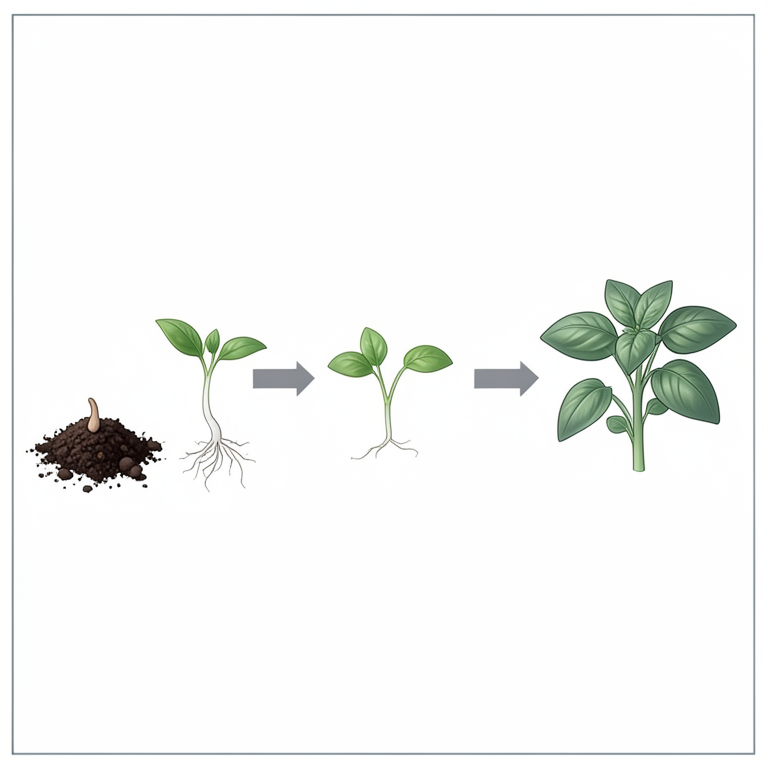
Microgreen Growth Cycle
AI-generated conceptual illustration (basil microgreens). It explains the idea and does not show study data.
View source evidence ↗Figures & tables
From the original paper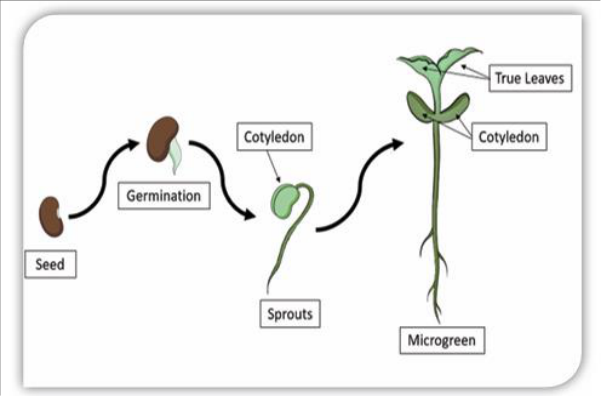 Figure 1
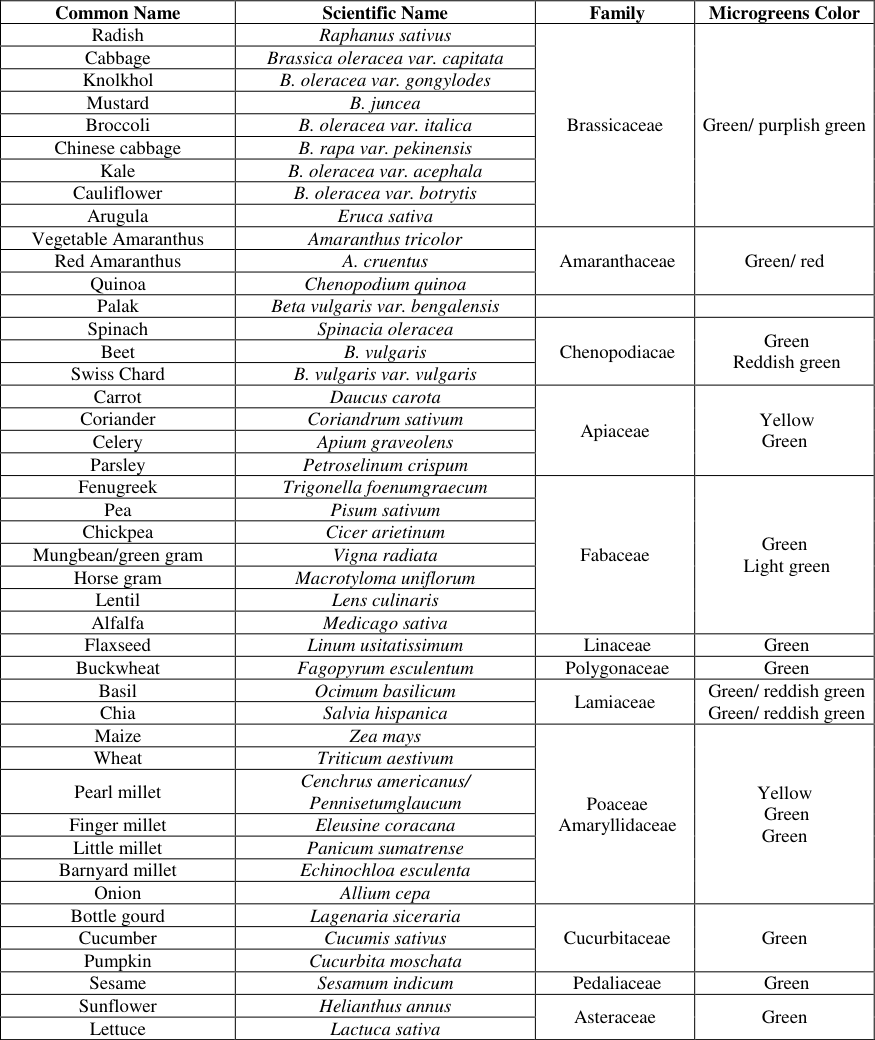 Table 1
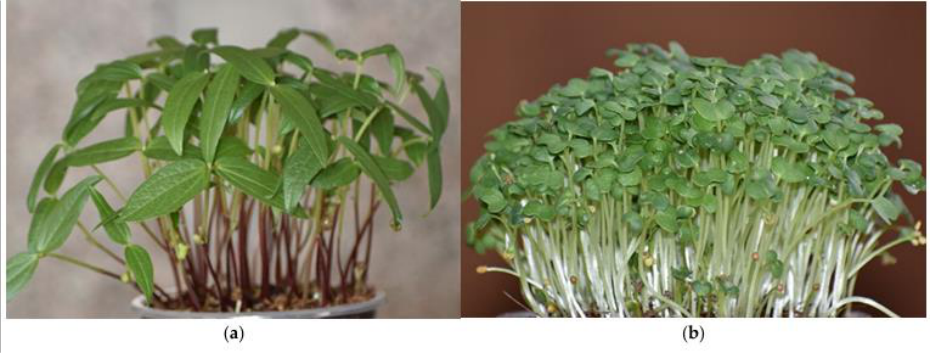 Figure 2
Introduction
The global shift toward health-conscious dietary practices has amplified the demand for functional foods foods that provide health benefits beyond basic nutrition. Among these, microgreens have gained prominence as novel superfoods. Microgreens are vegetable greens (not to be confused with sprouts or green shoots) and are harvested just after two cotyledonary leaves with one set of true leaflets (Jambor et al., 2022) [19] . So, these tender, immature greens harvested 7-21 days after germination represent an intermediate stage between sprouts and mature plants. Unlike sprouts, which are consumed as germinated seeds, microgreens are grown in soil or substrates under controlled conditions, ensuring the development of photosynthetic pigments and enhanced bioactive composition. Their short growth cycle, minimal space requirements, and suitability for vertical and urban farming make them ideal candidates for sustainable food production. In the 21 st century world, the vegetables at microscale have become increasingly popular due to their high nutritional value as well as inactive enrichment (Ayoub, 2003; Partap et al., 2023) [2,29] . Frequently called "vegetable confetti", young, tender microgreens are used to enhance texture, color, or flavor of salads, or to garnish a wide variety of main dishes (Treadwell, et. al, 2010) [46] . The potential of microgreens as functional foods arises from their dense nutrient profile, rich phytochemicals, and diverse health-promoting effects. As micro-scale vegetables are significant source of bioactive compounds, consumers are getting interested in making them part of their diet. (Petropolous et al., 2021). When compared to mature vegetables, microgreens are four to six times more dense nutritionally (Li et al., 2021). The potential of microgreen to deliver higher levels of essential nutrients and phytochemicals, frequently exceeding those present in their mature counterparts, accounts for their nutritional significance (Jambor et al, 2022) [19] . Microgreens can be grown from various vegetable, herb and grain seeds and can be grown year-round in small spaces such as balconies or windows. (Arya et al, 2023) [1] . They are cultivated from a variety of vegetables, herbs, and grains, including broccoli, kale, fenugreek, radish, coriander, and sunflower.
This review aims to explore & summarize the current knowledge on microgreens, focusing on their nutritional composition, bioactive compounds, health benefits, cultivation practices, and applications in functional food development.
Microgreens evolution Historical Evolution of Microgreens
Microgreens trace their origins to ancient practices but gained modern recognition through distinct evolutionary phases, particularly resonant in India's context of traditional herbal medicine and contemporary urban agriculture.
Global Foundations (1930s-1980s)
The historical roots of microgreens date back to the 1930s when North American pharmacies sold dried wheatgrass (Triticum aestivum) for medicinal use. This established nutrient-dense grasses as health foods. By the 1960s-1970s, sunflower (Helianthus annuus), radish (Raphanus sativus), and buckwheat (Fagopyrum esculentum) emerged as winter greens in colder climates, valued for their rapid growth and nutritional density during off-seasons. The 1980s marked culinary mainstreaming when San Francisco chefs began using microgreens from arugula (Eruca sativa), basil (Ocimum basilicum), beets (Beta vulgaris), kale (Brassica oleracea var. acephala), and cilantro (Coriandrum sativum) for garnishing (Choe et al.,2018) [6] . Their vibrant colors, delicate textures, and concentrated flavors earned them the nickname "vegetable confetti," transitioning microgreens from health supplements to gourmet ingredients.
Commercialization Era (1998-2010s)
The term "microgreens" was coined in 1998 in the United States, with commercial production scaling through the early 2000s. By 2010, fresh microgreens became widely available in North American grocery chains (Pinto et al., 2015) [22,31] . Scientific validation accelerated & Lee et al.
(2004) published the first seed treatment studies enhancing greenhouse establishment of beet and chard microgreens. Market data reflects explosive growth as global production increased 1.2-4.3 times from 2015-2020, driven by organic food demand. North America led commercialization, followed by Europe (Netherlands, Italy) and Asia-Pacific (Paraschivu et al, 2021) [28] .
India-specific Evolution: Indian microgreens research remained limited until Wadhawan et al. (2017) [48] demonstrated the therapeutic potential of daily fenugreek (Trigonella foenum-graecum) and mint (Mentha spicata) microgreens as glucose-regulating dietary supplements. The COVID-19 crisis catalyzed widespread adoption as urban consumers embraced these antioxidant-rich greens for immune support amid disrupted food supply chains. DIY hydroponic cultivation exploded in cities like Delhi, Mumbai, and Bangalore, with balcony kits enabling yearround production of nutrient-dense produce. This homegrown approach offers multiple sustainability advantages: eliminating refrigerated transport emissions, reduces fossil fuel consumption for product delivery, bypassing pandemicinduced shortages, and delivering peak-freshness microgreens harvested precisely when needed for traditional preparations like wheatgrass shots, fenugreek rasam, or amaranth raita (Weber, 2017) [49] .
Popular crops use for growing micro greens Fig 1: Growth of microgreens
Microgreens are emerging as a novel category of foodproducts that are required by harvesting the aerial part of young plantlet with a timeframe of 10-20 days, Figure 1 shows the growth pattern of microgreens. A diverse range of plant species, including cereals, pseudocereals, legumes, oilseeds, vegetables, and herbs, can be utilized for the production of microgreens (Table 1; Figure 2). Among these, broccoli has emerged as one of the most widely cultivated crops in the microgreens sector, primarily due to its well-documented nutritional and healthpromoting properties with sulforaphane-rich profile and proven anti-cancer potential (Paraschivu et al., 2021) [28] . In terms of market distribution, fresh microgreens are predominantly purchased through retail outlets such as supermarkets, hypermarkets, and grocery stores, which accounted for approximately 46.8% of the market share in 2019, followed by sales through farmers' markets (Stein, 2021) [44] . From a taxonomic perspective, species belonging to the Brassicaceae family are most commonly used for microgreen production, owing to their rapid growth and rich phytochemical composition followed by Fabaceae (legumes), Apiaceae (carrots/coriander), Poaceae (cereals), Amaranthaceae, Chenopodiaceae, and Lamiaceae (Sanlier & Guler, 2018) [39] . However, crops from the Solanaceae family, such as tomato, brinjal, and chilli, are generally avoided in microgreen cultivation due to the presence of certain anti-nutritional compounds that may pose health concerns (Di Gioia et al., 2015; 2017) [11,12] . [7,9,15,20,27,32,41,51,52] Different Medias used for growing microgreens The selection of appropriate plant species, seed quality, seeding density, substrate type, and growing media selection are all crucial for the successful production of microgreens (Di Gioia et al., 2015) [10] . A growing consumer preference for fresh, organic, and nutrient-dense foods has led to a significant surge in interest in microgreen gardening in recent years (Riggio et al., 2018) [35] . As a result, production methods have changed, with a focus on improving growth conditions, particularly the choice of suitable growing media.
| Common Name | Scientific Name | Family | Microgreens Color |
|---|---|---|---|
| Radish | Raphanus sativus | Brassicaceae | Green/ purplish green |
| Cabbage | Brassica oleracea var. capitata | ||
| Knolkhol | B. oleracea var. gongylodes | ||
| Mustard | B. juncea | ||
| Broccoli | B. oleracea var. italica | ||
| Chinese cabbage | B. rapa var. pekinensis | ||
| Kale | B. oleracea var. acephala | ||
| Cauliflower | B. oleracea var. botrytis | ||
| Arugula | Eruca sativa | ||
| Vegetable Amaranthus | Amaranthus tricolor | Amaranthaceae | Green/ red |
| Red Amaranthus | A. cruentus | ||
| Quinoa | Chenopodium quinoa | ||
| Palak | Beta vulgaris var. bengalensis | ||
| Spinach | Spinacia oleracea | Chenopodiacae | Green Reddish green |
| Beet | B. vulgaris | ||
| Swiss Chard | B. vulgaris var. vulgaris | ||
| Carrot | Daucus carota | Apiaceae | Yellow Green |
| Coriander | Coriandrum sativum | ||
| Celery | Apium graveolens | ||
| Parsley | Petroselinum crispum | ||
| Fenugreek | Trigonella foenumgraecum | Fabaceae | Green Light green |
| Pea | Pisum sativum | ||
| Chickpea | Cicer arietinum | ||
| Mungbean/green gram | Vigna radiata | ||
| Horse gram | Macrotyloma uniflorum | ||
| Lentil | Lens culinaris | ||
| Alfalfa | Medicago sativa | ||
| Flaxseed | Linum usitatissimum | Linaceae | Green |
| Buckwheat | Fagopyrum esculentum | Polygonaceae | Green |
| Basil | Ocimum basilicum | Lamiaceae | Green/ reddish green Green/ reddish green |
| Chia | Salvia hispanica | ||
| Maize | Zea mays | Poaceae Amaryllidaceae | Yellow Green Green |
| Wheat | Triticum aestivum | ||
| Pearl millet | Cenchrus americanus/ Pennisetumglaucum | ||
| Finger millet | Eleusine coracana | ||
| Little millet | Panicum sumatrense | ||
| Barnyard millet | Echinochloa esculenta | ||
| Onion | Allium cepa | ||
| Bottle gourd | Lagenaria siceraria | Cucurbitaceae | Green |
| Cucumber | Cucumis sativus | ||
| Pumpkin | Cucurbita moschata | ||
| Sesame | Sesamum indicum | Pedaliaceae | Green |
| Sunflower | Helianthus annus | Asteraceae | Green |
| Lettuce | Lactuca sativa |
Table text extracted from the original PDF; superscript letters are shown inline. The original table image is below.
View original table image
Table 1: Common plant species used for microgreen production along with their taxonomic classification and color characteristics
Table 1: Common plant species used for microgreen production along with their taxonomic classification and color characteristics
Common
Because of its inherent nutrient content and capacity to foster advantageous microbial activity, soil has historically been employed extensively as a growing medium. However, using pure soil might not always be the best option because it might occasionally limit plant growth, especially for species like mustard that do better on different or mixed substrates. Although organic matter improves soil moisture retention and nutrient availability, poor management can result in compaction and poor drainage, which can hinder plant growth. [25,36] . These substrates provide better drainage, aeration, and water retention, which improves the conditions for seed germination and early growth.
A by-product of carbonizing agricultural leftovers, husk charcoal has also drawn interest as a successful growing medium. By increasing aeration and moisture retention, which are critical for the best possible root development, it improves soil structure. Husk charcoal and biochar are frequently compared, but they have different production processes and main uses. Long-term soil improvement and carbon sequestration are the main uses for biochar, which is created under regulated conditions to preserve its carbon structure (Roberts et al., 2010). Husk charcoal, on the other hand, is primarily used to promote plant growth and has been shown to increase the amount of carotenoid and chlorophyll, which improves the nutritional value of microgreens (Charloq, 2024) [5,37] . Furthermore, because they can maintain sufficient moisture while guaranteeing appropriate drainage, substrates like perlite are especially useful in soilless and hydroponic systems. Perlite has been demonstrated to promote the growth of a variety of microgreens, including species like kale and arugula, when mixed with organic materials (Saleh et al., 2022; Bhaswant et al., 2023) [3,38] . The yield, quality, and nutritional makeup of microgreens are all significantly influenced by the choice of growing medium, underscoring the need of choosing suitable substrates for maximum production.
Functional foods developed using microgreens
In recent years, there has been a growing consumer inclination toward foods that offer health benefits beyond basic nutrition. Increasing awareness about individual dietary requirements has encouraged a shift toward personalized nutrition, prompting consumers to explore novel food products that align with their lifestyle and health goals. As a result, innovative and health-oriented products often witness rapid acceptance among early adopters (Birch & Bonwick, 2019) [4] . The development of functional foods requires careful consideration of factors such as the preservation of organoleptic properties, enhancement of shelf life, and stability of bioactive components to ensure both acceptability and efficacy (Williams et al., 2022) [50] . In this context, microgreens have emerged as promising ingredients for the formulation of novel functional food products due to their rich nutritional and phytochemical composition (Rawat et al., 2024) [33] . Among various food matrices, bakery products serve as suitable carriers for functional ingredients owing to their widespread consumption (Birch & Bonwick, 2019) [4] . For instance, the incorporation of wheatgrass and mung bean microgreen powders into rice flour has been utilized to develop gluten-free, eggless muffins with enhanced nutritional quality. These fortified products exhibited increased levels of protein, dietary fiber, phenolic compounds, flavonoids, and antioxidant activity. Notably, wheatgrass-enriched muffins showed higher concentrations of phenolic acids, whereas mung bean microgreen supplementation resulted in elevated flavonoid content (Kaur et al., 2022) [21] .
Similarly, functional beverages enriched with microgreens have demonstrated significant nutritional potential. An optimized formulation containing fenugreek microgreens, kinnow mandarin, aloe vera, sorbitol, and stevia exhibited appreciable levels of protein, vitamin C, essential minerals, and bioactive compounds such as phenols and beta-carotene (Sharma et al., 2020) [43] . In another approach, wheatgrass juice has been successfully incorporated into pasta formulations, leading to improvements in nutritional composition and antioxidant activity. Although the cooking time was reduced, an increase in water absorption capacity was observed, indicating modifications in physicochemical properties (Jabeen et al., 2021) [18] . Overall, the integration of microgreens into diverse food products significantly enhances their nutritional profile and functional properties. Such developments highlight the potential of microgreens as valuable ingredients in functional food design, contributing to improved dietary quality and overall human well-being (Rawat et al., 2024) [33] .
Health benefits of microgreens
Microgreens are increasingly recognized as functional foods due to their rich composition of vitamins, minerals, dietary fiber, and diverse bioactive compounds such as polyphenols, flavonoids, carotenoids, and glucosinolates. These constituents contribute to a wide range of health-promoting effects, making microgreens a valuable addition to modern diets.
Antioxidant Activity
Microgreens are abundant in antioxidants, including vitamin C, vitamin E, and phenolic compounds, which play a crucial role in neutralizing reactive oxygen species (ROS). By reducing oxidative stress, these compounds help in preventing cellular damage associated with aging and chronic diseases. Studies have demonstrated that microgreens exhibit significantly higher antioxidant capacity compared to their mature counterparts, thereby enhancing their protective role against oxidative damage. Microgreens contain antioxidants that scavenge free radicals, reducing oxidative stress and the likelihood of diseases like type 2 diabetes and cardiovascular disorders. (Bhaswant et al., 2023) [3] .
Anti-inflammatory Properties
Chronic inflammation is a key factor underlying many noncommunicable diseases such as cardiovascular disorders, diabetes, and obesity. Microgreens, particularly those belonging to the Brassicaceae family (e.g., broccoli, red cabbage, and mustard), are rich in anti-inflammatory phytochemicals such as glucosinolates and anthocyanins. These compounds modulate inflammatory pathways and reduce the production of pro-inflammatory cytokines, thereby contributing to improved metabolic health. Microgreens, particularly red cabbage, are abundant in bioactive compounds like anthocyanins. These compounds have been demonstrated to address inflammation linked to obesity by influencing metabolic and inflammatory markers, presenting a dietary approach to manage obesity and its related health concerns (Lee et al., 2017) [23] . Animals fed on a fat-rich diet supplemented with red cabbage microgreens had substantially lower low density lipoprotein levels as compared to animals fed on a high-fat diet. (Huang et al., 2016) [17] . [6,26] .
Cardioprotective Effects
Anti-diabetic Potential: Microgreens may play a beneficial role in the management of diabetes due to their high fiber content and bioactive compounds. Dietary fiber helps regulate glucose absorption and improves insulin sensitivity. Additionally, phytochemicals present in microgreens have been shown to influence carbohydrate metabolism and glycemic response. Evidence from systematic studies suggests that diets rich in fiber and plant-based bioactives can significantly reduce fasting blood glucose levels and insulin resistance. According to research, diets high in fiber and biaoactive substances, like those in microgreens, can enhance insulin sensitivity and have a positive impact on the glycemic index. Increased fiber consumption is linked to notable decreases in fasting plasma glucose, HbA1c, and insulin resistance -all indicators of diabetes management, based on a systematic review and meta-analysis. (Reynolds et al., 2020) [34] .
Anticancer Properties
The anticancer potential of microgreens is largely attributed to their high concentration of phytochemicals such as polyphenols, flavonoids, and glucosinolates. These compounds exhibit anti-proliferative effects, induce apoptosis (programmed cell death), and inhibit the growth of cancer cells. In vitro studies have demonstrated that microgreens, particularly from the Brassicaceae family, show significant inhibitory effects on tumor cell lines, highlighting their potential role in cancer prevention. Microgreens are also known for their ability to prevent cancer, owing to their high phytochemical content. The bioactive compounds in microgreens may promote apoptosis (programmed cell death) and restrict the proliferation of cancer cells, making them a beneficial addition to cancer preventive diet. (Fuente et at, 2020. Sharma et al., 2019) [42,14] . Microgreens of the Brassicaceae family showed anti proliferative effects on tumoral cells after being exposed to in-vitro-gastrointestinal digestion (Fuente et al., 2020) [14] . The study confirmed the antitumour potential and pro-apoptotic effect exhibited by green pea microgreens attributed to the presence of polyphenol fractions (Truzzi et al., 2021) [47] .
Neuroprotective Effects: Certain microgreens contain essential fatty acids, including omega-3 fatty acids, along with antioxidant compounds that contribute to brain health. These components help protect neuronal cells from oxidative stress and inflammation, which are key factors in neurodegenerative disorders such as Parkinson's and Alzheimer's diseases. Regular intake of nutrient-rich microgreens may therefore support cognitive function and neurological health. Some microgreens contain omega-3 fatty acids, which have been linked to a decreased risk of Parkinson's disease and are crucial for preserving neuronal integrity (Tallei et al.,2024 Sehrish et al., 2023) [40,45] .
Antimicrobial Activity
Microgreens have also been reported to possess antimicrobial properties due to the presence of bioactive phytochemicals. Extracts from microgreens such as mustard and radish have demonstrated inhibitory effects against various pathogenic microorganisms. This antimicrobial potential further enhances their value as functional foods with health-protective benefits.
Overall, the integration of microgreens into daily diets provides a practical and effective approach to enhance nutrient intake and reduce the risk of chronic, lifestylerelated diseases. Their rich phytochemical profile and diverse therapeutic properties make them an important component of future functional nutrition strategies. Nonetheless, the integration of microgreens into daily diets offers a practical and appealing strategy to augment nutrient intake and reduce the risk of diet-related noncommunicable diseases.
References
51 in the original paper- Ayoub NA. Unique phenolic carboxylic acids from Sanguisorba minor. Phytochemistry. 2003;63(4):433436.
- Bhaswant M, Shanmugan DK, Miyazawa T, Abe C, Miyazawa T. Microgreens: bioactive molecules and health benefits. Molecules. 2023;28(2):867.
- Birch C, Bonwick G. Ensuring the future of functional foods. Int J Food Sci Technol. 2019;54(5):1467-1485.
- Charloq C. Bioactive components of pakcoy microgreens. J Agron Tanaman Trop. 2024;6(2).
- Choe U, Yu LL, Wang TTY. Science behind microgreens. J Agric Food Chem. 2018;66:1151911530.
- Corrado G, Pannico A, Zarrelli A, Kyriacou MC, Pascale SD, Rouphael Y. Mineral composition of hemp cultivars. J Food Compos Anal. 2022;114:104750.
- De-la Fuente B, López-Garcia G, Mañez V, Alegría A, Barberá R, Cilla A. Antiproliferative effect of microgreens. Antioxidants. 2020;9(5):1-15.
- Dhaka AS, Dikshit HK, Mishra GP, et al. Evaluation of microgreens species. Agriculture. 2023;13:676.
- Di Gioia F, Mininni C, Santamaria P. How to grow microgreens. In: Microgreens. 2015. p. 51-79.
- Di Gioia F, Renna M, Santamaria P. Sprouts, microgreens and baby leaf vegetables. In: Minimally processed fruits and vegetables. 2017.
- Ebert AW. Sprouts and microgreens. Plants. 2022;11(4).
- Food and Drug Administration. Reducing microbial hazards for sprouted seeds. 1999.
- Fuente BD, López-García G, Mañez V, Alegría A, Barberá R, Cilla A. Antiproliferative effect of microgreens. Antioxidants. 2020;9(5):368.
- Ghoora MD, Srividya N. Micro-farming of greens. Int J Nutr Agric Res. 2018;5:10-16.
- Gogoi B, Dutta S, Saikia T, Saikia R, Borthakur S, Neog M. Microgreens for nutritional resilience. Int J Res Agron. 2025;8(7).
- Huang H, Jiang X, Xiao Z, et al. Red cabbage microgreens and cholesterol reduction. J Agric Food Chem. 2016;64(48):9161-9171.
- Jabeen NM, Kumar GP, Devanna, Manjunath. Wheatgrass soup mix. Int J Food Nutr Sci. 2021;10(1):10-15.
- Jambor T, Knizatova N, Valkova V, et al. Microgreens as functional food. J Microbiol Biotechnol Food Sci. 2022;12(1):e5870.
- Junpatiw A, Sangpituk A. Chia microgreens growth. Int J Geomate. 2019;17:80-85.
- Kaur N, Singh B, Kaur A, Yadav M. Growing conditions and microgreens quality. J Food Process Preserv. 2022;46(7).
- Lee J, Pill W, Cobb B, Olszewski M. Seed treatments for microgreens. J Hortic Sci Biotechnol. 2004;79:565570.
- Lee YM, Yoon Y, Yoon H, et al. Anthocyanins and inflammation. Nutrients. 2017;9(10):1089.
- Li T, Lalk GT, Arthur JD, Johnson M, Bi G. Microgreens nutrient production. Horticulturae. 2021;7(6):129.
- Mohammad ZH, Prado ID, Sirsat SA. Microbial analysis of lettuce. Heliyon. 2022;8:e11050.
- Newman RG, Moon Y, Sams CE, Tou JC, Waterland NL. Biofortification of microgreens. Front Plant Sci. 2021;12:1-9.
- Pannico A, Kyriacou MC, El-Nakhel C, et al. Hemp microgreens. Food Res Int. 2022;161:111863.
- Paraschivu M, Cotuna O, Sarateanu V, et al. Microgreens market trends. Sci Pap Ser Manag Econ Eng Agric. 2021;21:633-640.
- Partap M, Sharma D, HN D, et al. Microgreens as superfood. J Funct Foods. 2023;107:105697.
- Petropoulos SA, El-Nakhel C, Graziani G, et al. Nutrient regime in spinach microgreens. Horticulture. 2021;7(7):162-176.
- Pinto E, Almeida AA, Aguiar AA, Ferreira IM. Microgreens vs mature lettuce. J Food Compos Anal. 2015;37:38-43.
- Puccinelli M, Maggini R, Angelini LG, et al. Light spectrum effects. Horticulturae. 2022;8:98.
- Rawat K, Jain M, Pahuja A. Microgreens and functional foods. Def Life Sci J. 2024;9(3):224-232.
- Reynolds AN, Akerman AP, Mann J. Dietary fibre in diabetes. PLoS Med. 2020;17(3):e1003053.
- Riggio GM, Wang Q, Kniel KE, Gibson KE. Microgreens food safety. Int J Food Microbiol. 2018;290:76-85.
- Riggio G, Jones S, Gibson K. Pathogen risk in vegetables. Horticulturae. 2019;5:25.
- Roberts KG, Gloy BA, Joseph S, Scott NR, Lehmann J. Biochar life cycle assessment. Environ Sci Technol. 2010;44(2):827-833.
- Saleh R, Gunupuru LR, Lada R, Abbey L. Microgreens composition. Plants. 2022;11(24).
- Sanlier N, Guler SM. Brassica vegetables health benefits. J Hum Health Res. 2018;1:1-13.
- Sehrish A, Majeed I, Zongo E, et al. Bio-functional components extraction. Int J Food Prop. 2023;26:30823105.
- Senevirathne GI, Gama-Arachchige NS, Karunartne AM. Germination and antioxidant activity. Ceylon J Sci. 2019;48:91-96.
- Sharma K, Mahato N, Lee YR. Citrus flavonoids extraction. Rev Chem Eng. 2019;35(2):265-284.
- Sharma P, Sharma A, Rasane P, et al. Microgreenbased beverage optimization. An Acad Bras Cienc. 2020;92(3):1-15.
- Stein EW. Indoor farming environmental effects. Air Soil Water Res. 2021;14.
- Tallei TE, Kepel BJ, Wungouw HIS, et al. Antioxidant benefits of microgreens. Int J Food Sci Technol. 2024;59(1):58-71.
- Treadwell D, Huchmuth R, Landrum L, Laughlin W. Microgreens: a new specialty crop. EDIS. 2010;3.
- Truzzi F, Whittaker A, Roncuzzi C, et al. Microgreens as functional food. Foods. 2021;10(8):1-20.
- Wadhwan S, Tripathi J, Gautam S. Enzymatic regulation by microgreens. Int J Food Sci Technol. 2017;53:320-326.
- Weber CF. Broccoli microgreens. Front Nutr. 2017;4:7.
- Williams J, D'Cunha NM, Kellett J, et al. Mango functional food. J Food Sci Technol. 2022;59(12):48334843.
- Xiao Z, Lester GE, Luo Y, Wang Q. Vitamin content of microgreens. J Agric Food Chem. 2012;60:7644-7651.
- Yan H, Li W, Chen H, et al. Shelf life of buckwheat microgreens. Foods. 2022;11:3630.