
Research article · 2026 · Full text
International Journal of Horticulture and Food ScienceInfluence of directional photosynthetic radiation on panicle health, malformation dynamics and morphological traits in mango (Mangifera indica L.) varieties
Volume 8(3) · Pages 208–216 · DOI: 10.33545/26631067.2026.v8.i3b.501 ↗
Research areasPlant Physiology and Cultivation StudiesPlant Water Relations and Carbon DynamicsHorticultural and Viticultural Research
Abstract
Author-writtenMango panicle malformation is a major constraint affecting productivity, yet its interaction with microclimatic factors such as directional radiation remains inadequately understood. The present study was conducted to evaluate the influence of incident photosynthetic radiation from different canopy directions on panicle health, malformation and associated morphological traits in five mango varieties (Dushehari, Langra, Amrapali, Fazli and Sunderja) under field conditions. The experiment was laid out in an asymmetrical factorial randomized block design with three replications, considering varieties and four directional exposures (north, south, east and west). The results revealed significant variation among varieties, directions and their interaction for all studied traits. Among the varieties, Langra exhibited superior performance with the highest number of healthy panicles and the lowest malformation percentage, whereas Sunderja and Fazli showed greater susceptibility to malformation. Directional influence was pronounced, with the south-facing canopy producing maximum healthy panicles and minimum malformation, while the north direction recorded the highest malformation incidence. Total panicle number was primarily governed by varietal potential, whereas panicle health and malformation were strongly influenced by radiation environment. Morphological traits further indicated that healthy panicle length was highest in Dushehari, while malformed panicles exhibited greater elongation in Amrapali and Sunderja, suggesting altered growth behaviour under stress conditions. Correlation and multivariate analyses demonstrated a strong positive association between healthy and total panicles, and a negative relationship between healthy panicles and malformation percentage, highlighting the detrimental effect of malformation on productivity. The findings emphasize that both genetic factors and directional radiation play a crucial role in regulating panicle development in mango. Selection of tolerant varieties such as Langra, combined with favourable canopy orientation, can serve as an effective strategy to minimize malformation and enhance productivity under varying environmental conditions.
Summary
Source-checkedPlain-language reading of the full paper, prepared with AI and checked against the text. Each point links to the authors' own words.
Why it matters
- Mango panicle malformation significantly reduces productivity, but how it interacts with microclimatic factors like directional radiation is not well understood. View evidence ↗
- Panicle malformation is a severe issue in mango cultivation that causes yield losses through abnormal development and poor fruit set. View evidence ↗
- The orientation of the tree canopy creates different microclimates in terms of light, temperature, and humidity. View evidence ↗
The question
- The study aimed to evaluate how different directions of photosynthetic radiation affect panicle health, malformation, and morphological traits across various mango varieties. View evidence ↗
What they did
- The researchers used an asymmetrical factorial randomized block design with three replications to test 20 combinations of five mango varieties and four radiation directions. View evidence ↗
- The five varieties tested were Dushehari, Langra, Amrapali, Fazli, and Sunderja, evaluated across north, south, east, and west exposures. View evidence ↗
- The field study was conducted in Jabalpur, Madhya Pradesh, India, over the 2022-23 and 2023-24 periods. View evidence ↗
- Panicle counts for healthy and malformed types were measured using 1 m x 1 m quadrats. View evidence ↗
What they found
- Langra had the highest average number of healthy panicles at 23.11 ± 0.61 m⁻², outperforming all other varieties. View evidence ↗
- South-facing canopies produced the most healthy panicles (20.03 ± 0.54 m⁻²), while north-facing canopies produced the fewest (16.56 ± 0.48 m⁻²). View evidence ↗
- Sunderja and Fazli showed the highest malformation percentages (44.00 ± 0.65% and 42.50 ± 0.64% respectively), while Langra showed the lowest (20.36 ± 0.46%). View evidence ↗
- The north direction had the highest malformation percentage (39.10 ± 0.61%), and the south direction had the lowest (27.57 ± 0.52%). View evidence ↗
- Dushehari produced the longest healthy panicles, averaging 29.35 ± 0.45 cm. View evidence ↗
- Malformed panicles were longest in the Amrapali variety, with a mean length of 10.64 ± 0.28 cm. View evidence ↗
- There is a strong positive correlation between healthy and total panicles (r ≈ 0.94) and a strong negative correlation between healthy panicles and malformation percentage (r ≈ -0.91). View evidence ↗
What it means
- The authors found that while genetics determine the total number of panicles, the environment (specifically radiation) determines whether those panicles are healthy or malformed. View evidence ↗
Visual summary
2 visualsIllustrations explain the paper; charts are replotted from the paper's own table values.
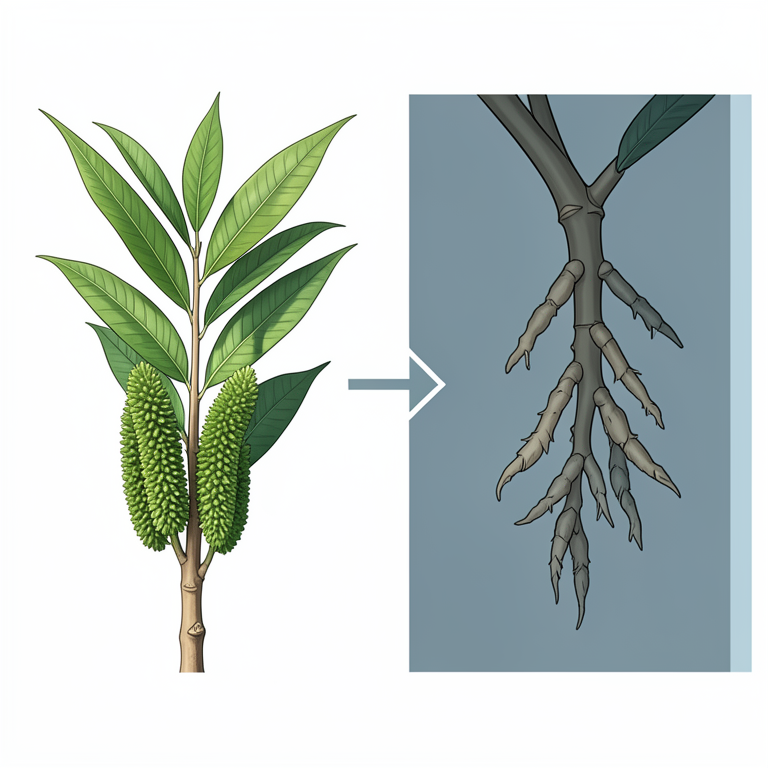
Directional Radiation Effect
AI-generated conceptual illustration (mango tree (Mangifera indica L.) canopy and panicles). It explains the idea and does not show study data.
View source evidence ↗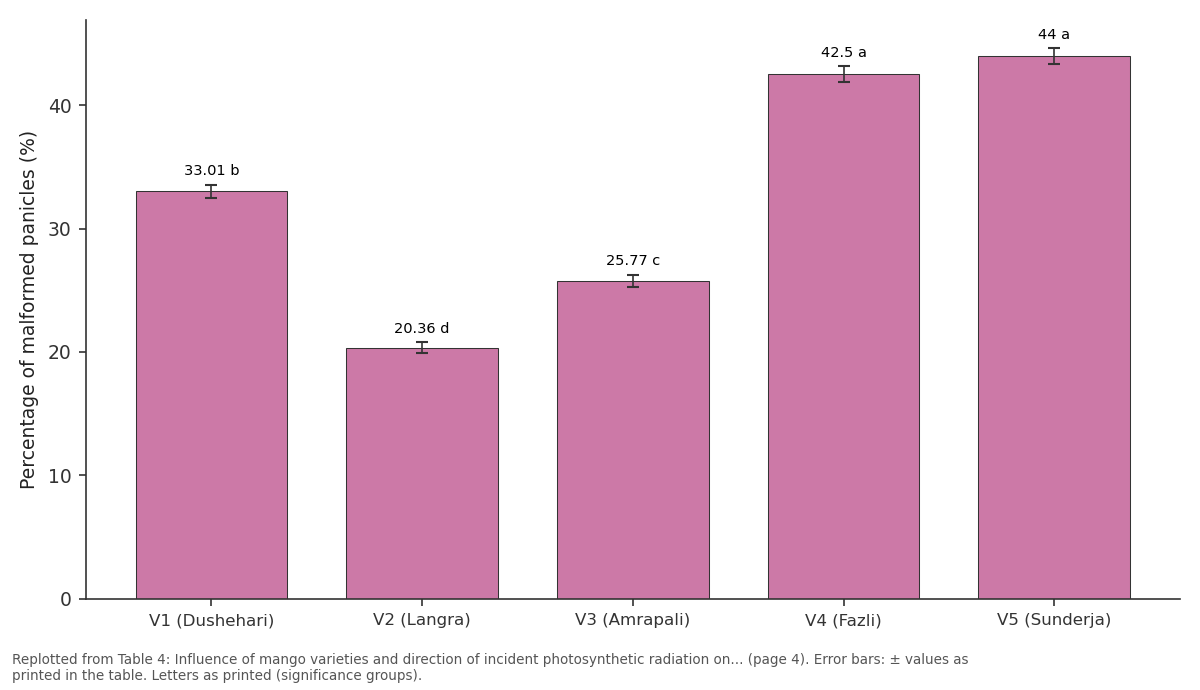
Mean (V): V1 (Dushehari) vs V2 (Langra) vs V3 (Amrapali) vs V4 (Fazli) vs V5 (Sunderja)
Replotted from Table 4 (page 4) of the original paper. Every bar is the paper's own table value.
View source evidence ↗Figures & tables
From the original paper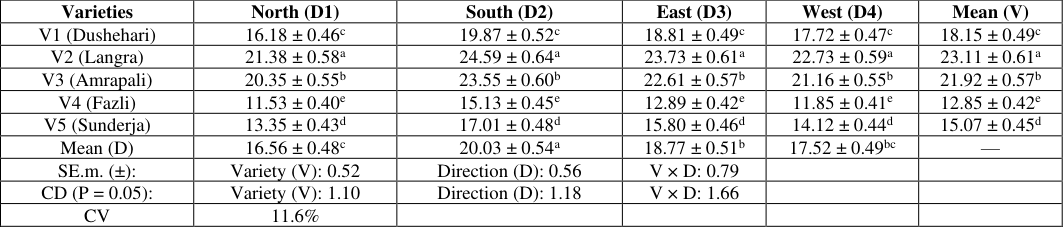 Table 1
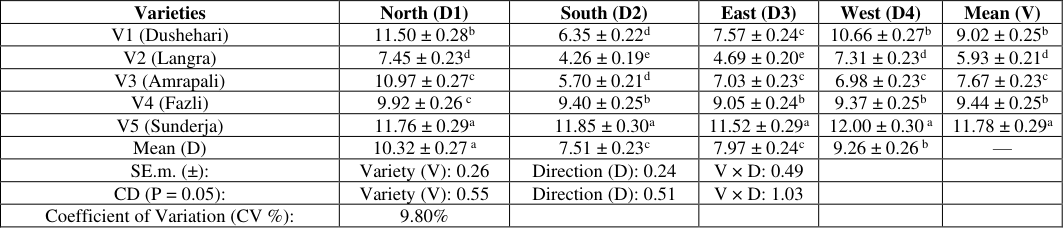 Table 2
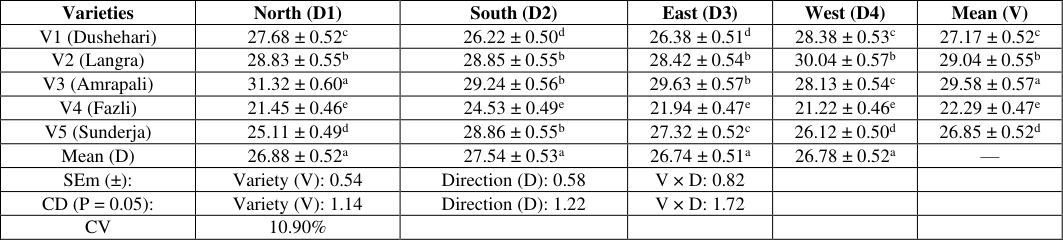 Table 3
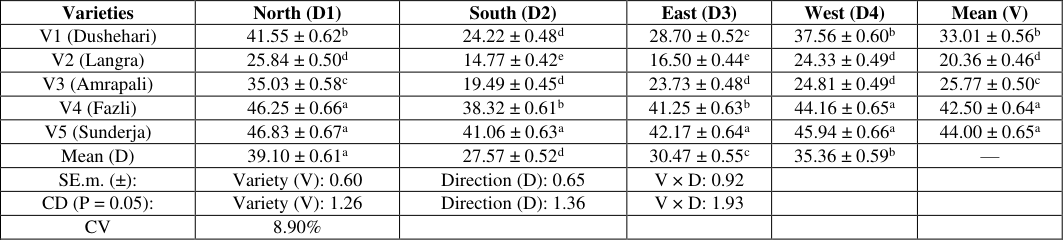 Table 4
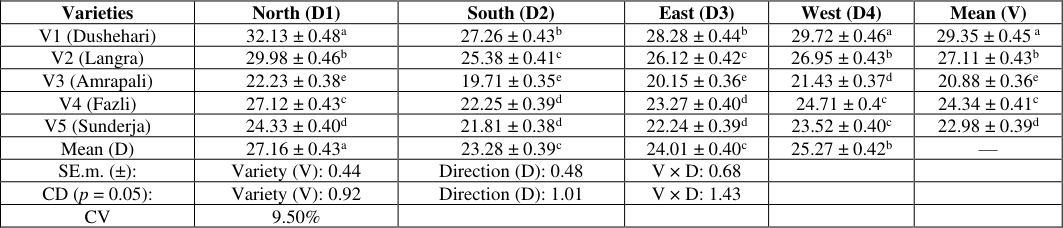 Table 5
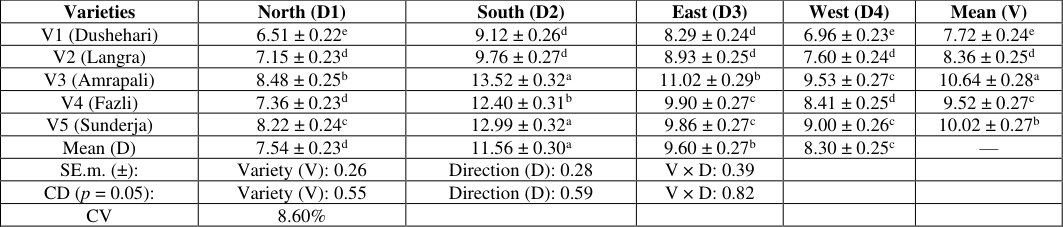 Table 6
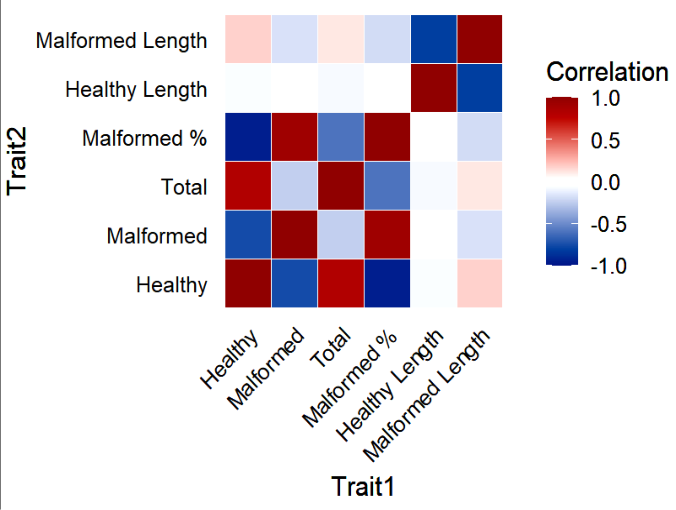 Figure 1
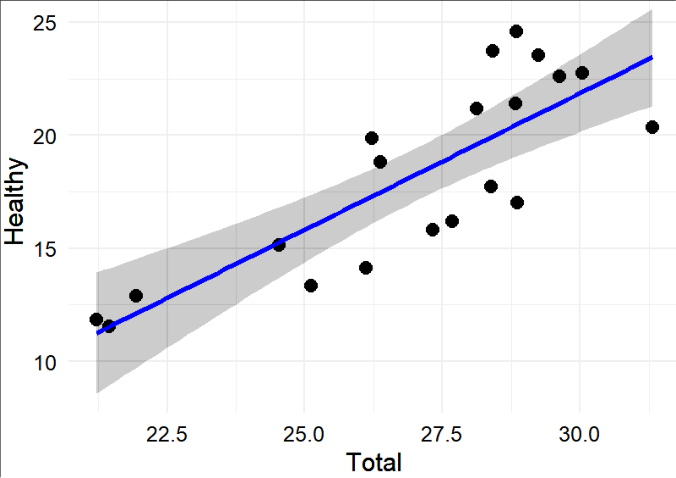 Figure 2
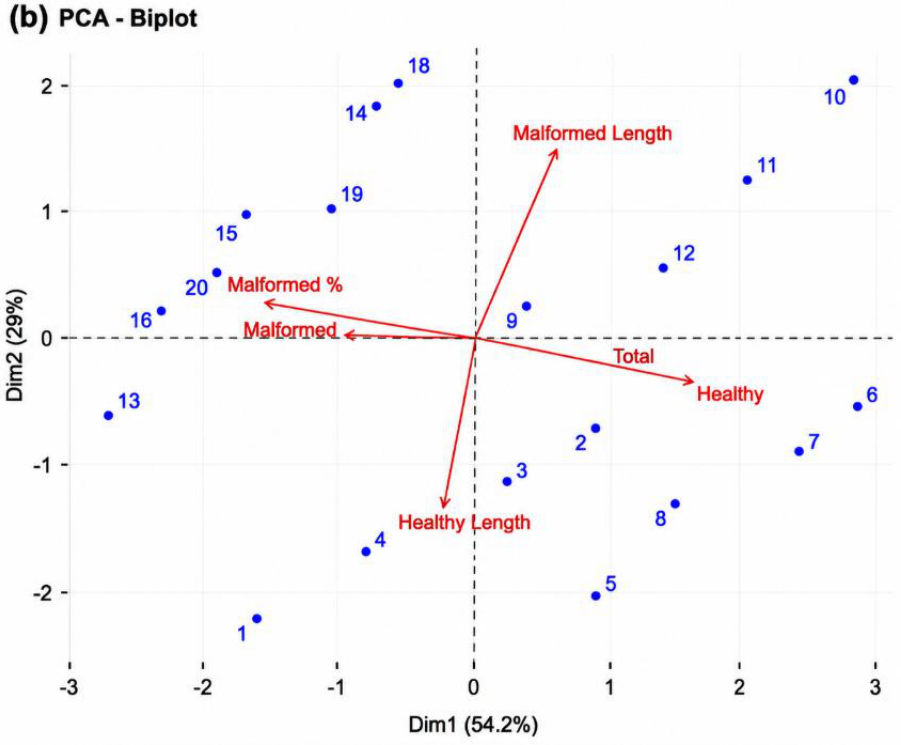 Figure 4
Introduction
Mango (Mangifera indica L.) is one of the most important tropical fruit crops, widely cultivated for its nutritional, economic and cultural significance. India, being the largest producer of mango, contributes substantially to global production; however, productivity is often constrained by several physiological and pathological disorders. Among these, mango panicle malformation is considered one of the most serious problems, leading to significant yield losses due to reduced flowering, poor fruit set and abnormal panicle development (Ahmad et al., 2025; Kumar et al., 2022) [1,3] . Panicle malformation in mango is a complex disorder influenced by multiple factors, including genetic, physiological, biochemical and environmental components. It is characterized by abnormal proliferation of floral tissues, resulting in compact and distorted panicles that fail to produce fruits effectively. Several studies have indicated that the incidence and severity of malformation vary among mango varieties, suggesting the presence of inherent genetic differences in tolerance or susceptibility (Balban et al., 2025; Kumar, 2014) [2,9] . Earlier screening studies on mango germplasm and hybrids have also demonstrated considerable variation in malformation incidence, identifying tolerant cultivars that could be utilized in breeding and management programmes (Kumar, 2014; Kumar & Solanki, 2014) [12,11] . In addition to genetic factors, physiological imbalances such as altered hormonal regulation, disturbed carbohydrate metabolism and oxidative stress have been implicated in the development of malformation (Maurya et al., 2023) [15] . Environmental conditions, particularly light and temperature, play a crucial role in regulating flowering behaviour and panicle development in mango. Photosynthetically active radiation (PAR) influences key physiological processes such as photosynthesis, assimilate production and translocation, which ultimately determine the formation and development of floral structures (Huang et al., 2024) [5] . The spatial distribution of radiation within the tree canopy varies with orientation, leading to microclimatic differences in temperature, light intensity and humidity across different directions. Such variation in canopy microenvironment can significantly affect flowering, panicle health and the occurrence of malformation (Ahmad et al., 2025) [1] . Directional exposure of incident radiation has been reported to influence growth and reproductive behaviour in perennial fruit crops. Canopy orientation determines the amount and duration of radiation intercepted by different parts of the tree, thereby affecting photosynthetic efficiency and metabolic activity (Kishore et al., 2023) [7] . In mango, variations in radiation interception across north, south, east and west directions may create distinct microenvironments that influence panicle initiation, development and susceptibility to malformation (Imran et al., 2025) [6] . However, systematic studies examining the combined effect of varietal differences and directional radiation on panicle traits remain limited, particularly under Indian agro-climatic conditions. Understanding the interaction between genotype and radiation environment is essential for developing effective strategies to improve panicle health and reduce malformation incidence. Evaluation of morphological traits such as number of healthy and malformed panicles, total panicle density and panicle length can provide insights into the underlying mechanisms governing flowering behaviour. Furthermore, integrating these traits with environmental factors such as directional radiation can help identify suitable varieties and canopy conditions for enhanced productivity and disease management (Kumar et al., 2014) [12] . Therefore, the present investigation was undertaken to assess the influence of different directions of incident photosynthetic radiation on panicle health, malformation and associated morphological traits in selected mango varieties. The study aims to elucidate the role of canopy microclimate in regulating panicle development and to identify varietal responses that can be utilized for improving mango productivity under varying environmental conditions.
Materials and Methods
Materials and Methods
Experimental details
The present investigation was conducted on mango (Mangifera indica L.) under field conditions. The experiment was laid out in an asymmetrical factorial randomized block design (AFRBD) with three replications. A total of 20 treatment combinations were evaluated, comprising five mango varieties and four directions of incident photosynthetic radiation. The varieties included Dushehari (V1), Langra (V2), Amrapali (V3), Fazli (V4) and Sunderja (V5), while the directional exposures consisted of north (D1), south (D2), east (D3) and west (D4). Each variety was evaluated under all four directions, resulting in 20 treatment combinations (V × D). The present investigation was carried out at the Fruit Research Station, Imaliya, under the Department of Horticulture (Fruit Science), College of Agriculture, Jawaharlal Nehru Krishi Vishwa Vidyalaya (JNKVV), Jabalpur, Madhya Pradesh, India, during the years 2022-23 and 2023-24.
The number of healthy panicles was recorded using a quadrat of 1 m × 1 m placed at representative locations in each treatment plot. Healthy panicles were counted from all four directions of the canopy, and the average number of healthy panicles per square meter was calculated.
Malformed panicles were counted using the same quadrat method. The total number of malformed panicles per square meter was recorded from different canopy directions, and the average value was computed for each treatment.
The total number of panicles (healthy + malformed) per square meter was recorded using a 1 m × 1 m quadrat. Observations were taken from randomly selected positions in all four directions (north, south, east and west) to ensure representativeness, and the average number of panicles per square meter was calculated.
The percentage of malformed panicles was calculated using the following formula:
Fully developed healthy panicles were selected from tagged plants and measured using a measuring scale. Panicle length was recorded from the point of attachment at the peduncle to the apex of the panicle. The average panicle length was computed for each treatment.
Malformed panicles from tagged plants were measured in a similar manner, from the peduncle to the tip of the malformed apex. The average length of malformed panicles was calculated for each treatment.
Statistical analysis
The experimental data were subjected to analysis of variance (ANOVA) appropriate for an asymmetrical factorial randomized block design (AFRBD) to evaluate the effects of varieties, directions and their interaction. The significance of treatment differences was tested at the 5% level of probability, and mean comparisons were performed using Tukey's Honestly Significant Difference (HSD) test as a post hoc analysis. In addition to ANOVA, Pearson's correlation analysis was carried out to determine the relationships among different panicle traits. Multiple regression analysis was performed to assess the influence of morphological and malformation-related parameters on the number of healthy panicles. Furthermore, principal component analysis (PCA) was conducted to reduce the dimensionality of the dataset and to identify the major components contributing to variability among traits. All statistical analyses were performed using R statistical software (R Foundation for Statistical Computing, Vienna, Austria).
Results
Results
The data presented in Table 1 revealed that the number of healthy panicles was significantly influenced by mango varieties, direction of incident photosynthetic radiation and their interaction. Among the varieties, Langra (V2) recorded the highest number of healthy panicles with a mean value of 23.11 ± 0.61 m⁻², which was significantly superior to all other varieties. It was followed by Amrapali (V3) (21.92 ± 0.57 m⁻²) and Dushehari (V1) (18.15 ± 0.49 m⁻²), whereas the lowest number of healthy panicles was observed in Fazli (V4) (12.85 ± 0.42 m⁻²). Sunderja (V5) recorded an intermediate value (15.07 ± 0.45 m⁻²). With respect to direction, the south direction (D2) produced the highest number of healthy panicles (20.03 ± 0.54 m⁻²), followed by the east (18.77 ± 0.51 m⁻²) and west (17.52 ± 0.49 m⁻²) directions, while the north direction (D1) recorded the lowest value (16.56 ± 0.48 m⁻²). The interaction effect (V × D) was found to be significant, indicating that the response of varieties varied with direction of incident radiation. The combination of Langra under south direction recorded the maximum number of healthy panicles, whereas Fazli under north direction recorded the minimum. Means followed by the same letter(s) within a column or row are not significantly different at P = 0.05 according to CD test.
| Varieties | North (D1) | South (D2) | East (D3) | West (D4) | Mean (V) |
|---|---|---|---|---|---|
| V1 (Dushehari) | 16.18 ± 0.46c | 19.87 ± 0.52c | 18.81 ± 0.49c | 17.72 ± 0.47c | 18.15 ± 0.49c |
| V2 (Langra) | 21.38 ± 0.58a | 24.59 ± 0.64a | 23.73 ± 0.61a | 22.73 ± 0.59a | 23.11 ± 0.61a |
| V3 (Amrapali) | 20.35 ± 0.55b | 23.55 ± 0.60b | 22.61 ± 0.57b | 21.16 ± 0.55b | 21.92 ± 0.57b |
| V4 (Fazli) | 11.53 ± 0.40e | 15.13 ± 0.45e | 12.89 ± 0.42e | 11.85 ± 0.41e | 12.85 ± 0.42e |
| V5 (Sunderja) | 13.35 ± 0.43d | 17.01 ± 0.48d | 15.80 ± 0.46d | 14.12 ± 0.44d | 15.07 ± 0.45d |
| Mean (D) | 16.56 ± 0.48c | 20.03 ± 0.54a | 18.77 ± 0.51b | 17.52 ± 0.49bc | — |
| SE.m. (±): | Variety (V): 0.52 | Direction (D): 0.56 | V × D: 0.79 | ||
| CD (P = 0.05): | Variety (V): 1.10 | Direction (D): 1.18 | V × D: 1.66 | ||
| CV | 11.6% |
Table text extracted from the original PDF; superscript letters are shown inline. The original table image is below.
View original table image
The data presented in Table 2 indicated that the number of malformed panicles was significantly influenced by mango varieties, direction of incident photosynthetic radiation and their interaction. Among the varieties, Sunderja (V5) recorded the highest number of malformed panicles with a mean value of 11.78 ± 0.29 m⁻², followed by Fazli (V4) (9.44 ± 0.25 m⁻²) and Dushehari (V1) (9.02 ± 0.25 m⁻²). In contrast, Langra (V2) recorded the lowest number of malformed panicles (5.93 ± 0.21 m⁻²), followed by Amrapali (V3) (7.67 ± 0.23 m⁻²).
| Varieties | North (D1) | South (D2) | East (D3) | West (D4) | Mean (V) |
|---|---|---|---|---|---|
| V1 (Dushehari) | 11.50 ± 0.28b | 6.35 ± 0.22d | 7.57 ± 0.24c | 10.66 ± 0.27b | 9.02 ± 0.25b |
| V2 (Langra) | 7.45 ± 0.23d | 4.26 ± 0.19e | 4.69 ± 0.20e | 7.31 ± 0.23d | 5.93 ± 0.21d |
| V3 (Amrapali) | 10.97 ± 0.27c | 5.70 ± 0.21d | 7.03 ± 0.23c | 6.98 ± 0.23c | 7.67 ± 0.23c |
| V4 (Fazli) | 9.92 ± 0.26 c | 9.40 ± 0.25b | 9.05 ± 0.24b | 9.37 ± 0.25b | 9.44 ± 0.25b |
| V5 (Sunderja) | 11.76 ± 0.29a | 11.85 ± 0.30a | 11.52 ± 0.29a | 12.00 ± 0.30 a | 11.78 ± 0.29a |
| Mean (D) | 10.32 ± 0.27 a | 7.51 ± 0.23c | 7.97 ± 0.24c | 9.26 ± 0.26 b | — |
| SE.m. (±): | Variety (V): 0.26 | Direction (D): 0.24 | V × D: 0.49 | ||
| CD (P = 0.05): | Variety (V): 0.55 | Direction (D): 0.51 | V × D: 1.03 | ||
| Coefficient of Variation (CV %): | 9.80% |
Table text extracted from the original PDF; superscript letters are shown inline. The original table image is below.
View original table image
With respect to direction, the north diection (D1) recorded the highest number of malformed panicles (10.32 ± 0.27 m⁻²), followed by west (9.26 ± 0.26 m⁻²) and east (7.97 ± 0.24 m⁻²) directions, whereas the south direction (D2) exhibited the lowest number (7.51 ± 0.23 m⁻²).
The interaction effect (V × D) was significant, indicating that varietal response to malformation varied across directions. The combination of Sunderja under north direction recorded the maximum number of malformed panicles, whereas Langra under south direction recorded the minimum. 9.80%
The data presented in Table 3 revealed that the total number of panicles per m² was significantly influenced by mango varieties and their interaction with direction of incident photosynthetic radiation, whereas the main effect of direction was non-significant.
| Varieties | North (D1) | South (D2) | East (D3) | West (D4) | Mean (V) |
|---|---|---|---|---|---|
| V1 (Dushehari) | 27.68 ± 0.52c | 26.22 ± 0.50d | 26.38 ± 0.51d | 28.38 ± 0.53c | 27.17 ± 0.52c |
| V2 (Langra) | 28.83 ± 0.55b | 28.85 ± 0.55b | 28.42 ± 0.54b | 30.04 ± 0.57b | 29.04 ± 0.55b |
| V3 (Amrapali) | 31.32 ± 0.60a | 29.24 ± 0.56b | 29.63 ± 0.57b | 28.13 ± 0.54c | 29.58 ± 0.57a |
| V4 (Fazli) | 21.45 ± 0.46e | 24.53 ± 0.49e | 21.94 ± 0.47e | 21.22 ± 0.46e | 22.29 ± 0.47e |
| V5 (Sunderja) | 25.11 ± 0.49d | 28.86 ± 0.55b | 27.32 ± 0.52c | 26.12 ± 0.50d | 26.85 ± 0.52d |
| Mean (D) | 26.88 ± 0.52a | 27.54 ± 0.53a | 26.74 ± 0.51a | 26.78 ± 0.52a | — |
| SEm (±): | Variety (V): 0.54 | Direction (D): 0.58 | V × D: 0.82 | ||
| CD (P = 0.05): | Variety (V): 1.14 | Direction (D): 1.22 | V × D: 1.72 | ||
| CV | 10.90% |
Table text extracted from the original PDF; superscript letters are shown inline. The original table image is below.
View original table image
Among the varieties, Amrapali (V3) recorded the highest total number of panicles with a mean value of 29.58 ± 0.57 m⁻², which was statistically at par with Langra (V2) (29.04 ± 0.55 m⁻²), but significantly superior to the remaining varieties. It was followed by Dushehari (V1) (27.17 ± 0.52 m⁻²) and Sunderja (V5) (26.85 ± 0.52 m⁻²), whereas the lowest value was observed in Fazli (V4) (22.29 ± 0.47 m⁻²). With respect to direction, the values ranged from 26.74 ± 0.51 m⁻² (east) to 27.54 ± 0.53 m⁻² (south); however, the differences among directions were non-significant, indicating relatively uniform panicle production across canopy orientations. The interaction effect (V × D) was found to be significant, suggesting that varietal performance varied with direction of radiation. The combination of Amrapali under north direction recorded the maximum number of total panicles, whereas Fazli under west direction recorded the minimum.
The data presented in Table 4 indicated that the percentage of malformed panicles was significantly influenced by mango varieties, direction of incident photosynthetic radiation and their interaction. Among the varieties, Sunderja (V5) recorded the highest percentage of malformed panicles with a mean value of 44.00 ± 0.65%, which was statistically at par with Fazli (V4) (42.50 ± 0.64%), but significantly higher than the remaining varieties. It was followed by Dushehari (V1) (33.01 ± 0.56%) and Amrapali (V3) (25.77 ± 0.50%), whereas the lowest malformation percentage was recorded in Langra (V2) (20.36 ± 0.46%).
| Varieties | North (D1) | South (D2) | East (D3) | West (D4) | Mean (V) |
|---|---|---|---|---|---|
| V1 (Dushehari) | 41.55 ± 0.62b | 24.22 ± 0.48d | 28.70 ± 0.52c | 37.56 ± 0.60b | 33.01 ± 0.56b |
| V2 (Langra) | 25.84 ± 0.50d | 14.77 ± 0.42e | 16.50 ± 0.44e | 24.33 ± 0.49d | 20.36 ± 0.46d |
| V3 (Amrapali) | 35.03 ± 0.58c | 19.49 ± 0.45d | 23.73 ± 0.48d | 24.81 ± 0.49d | 25.77 ± 0.50c |
| V4 (Fazli) | 46.25 ± 0.66a | 38.32 ± 0.61b | 41.25 ± 0.63b | 44.16 ± 0.65a | 42.50 ± 0.64a |
| V5 (Sunderja) | 46.83 ± 0.67a | 41.06 ± 0.63a | 42.17 ± 0.64a | 45.94 ± 0.66a | 44.00 ± 0.65a |
| Mean (D) | 39.10 ± 0.61a | 27.57 ± 0.52d | 30.47 ± 0.55c | 35.36 ± 0.59b | — |
| SE.m. (±): | Variety (V): 0.60 | Direction (D): 0.65 | V × D: 0.92 | ||
| CD (P = 0.05): | Variety (V): 1.26 | Direction (D): 1.36 | V × D: 1.93 | ||
| CV | 8.90% |
Table text extracted from the original PDF; superscript letters are shown inline. The original table image is below.
View original table image
With respect to direction, the north direction (D1) recorded the highest malformation percentage (39.10 ± 0.61%), followed by west (35.36 ± 0.59%) and east (30.47 ± 0.55%) directions, whereas the south direction (D2) exhibited the lowest value (27.57 ± 0.52%).
The interaction effect (V × D) was found to be significant, indicating that the extent of malformation varied with both variety and direction. The combination of Sunderja under north direction recorded the maximum malformation percentage, whereas Langra under south direction recorded the minimum.
The data presented in Table 5 revealed that the length of healthy panicles was significantly influenced by mango varieties, direction of incident photosynthetic radiation and their interaction. Among the varieties, Dushehari (V1) recorded the maximum length of healthy panicles with a mean value of 29.35 ± 0.45 cm, which was significantly superior to all other varieties. It was followed by Langra (V2) (27.11 ± 0.43 cm) and Fazli (V4) (24.34 ± 0.41 cm), whereas the minimum panicle length was observed in Amrapali (V3) (20.88 ± 0.36 cm). Sunderja (V5) recorded an intermediate value (22.98 ± 0.39 cm). With respect to direction, the north direction (D1) recorded the maximum panicle length (27.16 ± 0.43 cm), followed by west (25.27 ± 0.42 cm) and east (24.01 ± 0.40 cm) directions, whereas the south direction (D2) recorded the minimum value (23.28 ± 0.39 cm). The interaction effect (V × D) was found to be significant, indicating that varietal response varied with direction of radiation. The combination of Dushehari under north direction recorded the maximum panicle length, whereas Amrapali under south direction recorded the minimum.
| Varieties | North (D1) | South (D2) | East (D3) | West (D4) | Mean (V) |
|---|---|---|---|---|---|
| V1 (Dushehari) | 32.13 ± 0.48a | 27.26 ± 0.43b | 28.28 ± 0.44b | 29.72 ± 0.46a | 29.35 ± 0.45 a |
| V2 (Langra) | 29.98 ± 0.46b | 25.38 ± 0.41c | 26.12 ± 0.42c | 26.95 ± 0.43b | 27.11 ± 0.43b |
| V3 (Amrapali) | 22.23 ± 0.38e | 19.71 ± 0.35e | 20.15 ± 0.36e | 21.43 ± 0.37d | 20.88 ± 0.36e |
| V4 (Fazli) | 27.12 ± 0.43c | 22.25 ± 0.39d | 23.27 ± 0.40d | 24.71 ± 0.4c | 24.34 ± 0.41c |
| V5 (Sunderja) | 24.33 ± 0.40d | 21.81 ± 0.38d | 22.24 ± 0.39d | 23.52 ± 0.40c | 22.98 ± 0.39d |
| Mean (D) | 27.16 ± 0.43a | 23.28 ± 0.39c | 24.01 ± 0.40c | 25.27 ± 0.42b | — |
| SE.m. (±): | Variety (V): 0.44 | Direction (D): 0.48 | V × D: 0.68 | ||
| CD (p = 0.05): | Variety (V): 0.92 | Direction (D): 1.01 | V × D: 1.43 | ||
| CV | 9.50% |
Table text extracted from the original PDF; superscript letters are shown inline. The original table image is below.
View original table image
Discussion
The present investigation demonstrated that mango panicle development is significantly influenced by both varietal characteristics and directional variation in incident photosynthetic radiation. The significant differences observed among varieties for all studied traits indicate a strong genetic basis governing flowering behaviour, panicle development and susceptibility to malformation (Yadav et al., 2020) [21] . Among the evaluated varieties, Langra exhibited superior performance with a higher number of healthy panicles and lower malformation percentage, indicating its relative tolerance to mango malformation. In contrast, Sunderja and Fazli showed greater susceptibility, as reflected by higher malformed panicle incidence and percentage. Such varietal differences may be attributed to inherent genetic variability affecting physiological processes such as carbohydrate accumulation, hormonal balance and metabolic regulation during floral differentiation (Brito Vera & Pérez, 2024) [3] . Efficient mobilization of assimilates from vegetative tissues to developing reproductive structures is known to promote healthy panicle formation, whereas any disruption in these processes may favour abnormal growth and malformation (Ullah et al., 2024) [20] . The directional effect of incident radiation further highlighted the importance of canopy microclimate in regulating panicle development. The south-facing direction consistently produced a higher number of healthy panicles and lower malformation percentage, which may be attributed to enhanced solar radiation interception and favourable thermal conditions. Increased radiation availability improves photosynthetic efficiency and carbohydrate synthesis, thereby supporting floral bud differentiation and panicle development (Rossouw et al.,
2024) [18] . Conversely, the north direction recorded higher malformation incidence, which may be associated with relatively lower light intensity and cooler microclimatic conditions that reduce photosynthetic activity and disturb hormonal regulation, thereby promoting malformation (Balban et al, 2025) [2] . Similar directional effects on flowering behaviour and malformation incidence have been reported in mango and other perennial fruit crops (Hammad et al., 2025) [4] . The total number of panicles was largely governed by varietal potential, with Amrapali and Langra producing a higher panicle density. This suggests that panicle initiation is primarily controlled by genetic factors, whereas the proportion of healthy and malformed panicles is more sensitive to environmental conditions. The relatively nonsignificant variation in total panicle number across directions further indicates that radiation environment plays a greater role in determining panicle quality rather than quantity (Kishore et al., 2023) [7] . Panicle length also exhibited significant variation among varieties and directions, reflecting differences in growth dynamics of floral structures. The greater length of healthy panicles observed in Dushehari may be attributed to enhanced assimilate supply and hormonal balance promoting elongation of the rachis and panicle branches (Singh et al., 2025) [19] . The increased panicle length observed under the north direction may be associated with reduced light intensity favouring elongation growth as a physiological adaptation. Under relatively shaded conditions, plants often exhibit increased elongation due to altered growth regulation mechanisms (Kuldeep et al., 2025) [8] . In contrast, malformed panicles exhibited greater elongation in Amrapali and Sunderja, particularly under the south direction. This abnormal elongation may be associated with disturbed metabolic activity and hormonal imbalance within malformed tissues. Higher radiation exposure may enhance metabolic processes, leading to excessive and disorganized growth patterns in malformed panicles (Perveen et al., 2025) [16] . Such responses reflect the altered physiological status of affected tissues under stress conditions (Léchaudel et al., 2013) [14] . Overall, the results revealed a clear inverse relationship between healthy panicle production and malformation incidence, indicating that factors promoting normal floral development simultaneously suppress malformation. The combined influence of varietal traits and radiation environment determines the balance between healthy and malformed panicles, thereby influencing overall productivity (Ahmad et al., 2025) [1] . Varieties such as Langra, which maintain higher healthy panicle numbers with lower malformation under favourable radiation conditions, may therefore be considered more suitable for cultivation under similar agro-climatic conditions (Premalatha, 2023) [17] .
Conclusion
The present study demonstrated that mango panicle development is significantly influenced by varietal characteristics and the direction of incident photosynthetic radiation. Among the evaluated varieties, Langra exhibited superior performance with a higher number of healthy panicles and lower malformation percentage, indicating its relative tolerance to mango malformation. In contrast, Sunderja and Fazli showed greater susceptibility, as evidenced by higher malformed panicle incidence and percentage. Directional variation in radiation also played a crucial role in determining panicle health and morphology. The south-facing direction proved most favourable for healthy panicle production and reduced malformation, likely due to enhanced radiation interception and improved microclimatic conditions. Conversely, the north direction was associated with higher malformation incidence, suggesting that reduced light availability adversely affects normal panicle development.
The study further revealed that while total panicle production is largely governed by varietal potential, the proportion of healthy and malformed panicles is strongly influenced by environmental conditions, particularly radiation exposure. Additionally, variations in panicle length indicate that both genetic factors and microclimatic conditions regulate growth behaviour of healthy and malformed panicles. Overall, the findings highlight that selection of tolerant varieties such as Langra, along with consideration of canopy orientation and radiation exposure, can significantly improve panicle health and productivity in mango orchards. These results provide valuable insights for developing management strategies aimed at minimizing malformation and enhancing yield under varying environmental conditions.
Figures and tables from the paper
| Varieties | North (D1) | South (D2) | East (D3) | West (D4) | Mean (V) |
|---|---|---|---|---|---|
| V1 (Dushehari) | 6.51 ± 0.22e | 9.12 ± 0.26d | 8.29 ± 0.24d | 6.96 ± 0.23e | 7.72 ± 0.24e |
| V2 (Langra) | 7.15 ± 0.23d | 9.76 ± 0.27d | 8.93 ± 0.25d | 7.60 ± 0.24d | 8.36 ± 0.25d |
| V3 (Amrapali) | 8.48 ± 0.25b | 13.52 ± 0.32a | 11.02 ± 0.29b | 9.53 ± 0.27c | 10.64 ± 0.28a |
| V4 (Fazli) | 7.36 ± 0.23d | 12.40 ± 0.31b | 9.90 ± 0.27c | 8.41 ± 0.25d | 9.52 ± 0.27c |
| V5 (Sunderja) | 8.22 ± 0.24c | 12.99 ± 0.32a | 9.86 ± 0.27c | 9.00 ± 0.26c | 10.02 ± 0.27b |
| Mean (D) | 7.54 ± 0.23d | 11.56 ± 0.30a | 9.60 ± 0.27b | 8.30 ± 0.25c | — |
| SE.m. (±): | Variety (V): 0.26 | Direction (D): 0.28 | V × D: 0.39 | ||
| CD (p = 0.05): | Variety (V): 0.55 | Direction (D): 0.59 | V × D: 0.82 | ||
| CV | 8.60% |
Table text extracted from the original PDF; superscript letters are shown inline. The original table image is below.
View original table image
References
21 in the original paper- Ahmad M, Shabbir M, Ali H, Hashmi MBF, Ahmed M, Ahmad S, et al. Climate-induced changes in mango production: phenological impacts, pest threats, and mitigation approaches. In: Climate Change and Mango Production: Potential Adaptation and Mitigation Options. Cham: Springer Nature Switzerland; 2025. p. 773-802.
- Balban A, Nazir W, Umar UUD, Ahmed N, Rehman AU, Mustafa G. Impact of micronutrients for mitigating mango malformation disease under changing climate. In: Climate Change and Mango Production: Potential Adaptation and Mitigation Options. Cham: Springer Nature Switzerland; 2025. p. 469-497.
- Brito Vera GA, Pérez F. Floral Nectar (FN): drivers of variability, causes, and consequences. Braz J Bot. 2024;47(2):473-483.
- Hammad HM, Tariq T, Saeed S, Malik MT, Siddique HF, Jawad R, et al. Impact of climatic variables on fruit bearing behavior and disease incidence in commercial mango cultivars in a semi-arid region. Appl Fruit Sci. 2025;67(4):272.
- Huang J, Haider FU, Huang W, Liu S, Mwangi BN, Suba V, et al. Influence of photosynthetic active radiation on sap flow dynamics across forest succession stages in Dinghushan subtropical forest ecosystem. Heliyon. 2024;10(18).
- Imran HM, Malik MT, Mustafa G, Hakim F, Waheed A. Dynamics of disease infestation under changing climate-impact and future perspectives. In: Climate Change and Mango Production: Potential Adaptation and Mitigation Options. Cham: Springer Nature Switzerland; 2025. p. 803-818.
- Kishore K, Singh HS, Nath V, Baig MJ, Murthy DS, Acharya GC, et al. Influence of canopy architecture on photosynthetic parameters and fruit quality of mango in tropical region of India. Hortic Environ Biotechnol. 2023;64(4):557-569.
- Kuldeep S, Singh AK, Rawat M, Shivam M, Gautam R, Kumar V. Postharvest physiology of mango crops: understanding ripening, quality, and storage strategies. Appl Fruit Sci. 2025;67(2):60.
- Kumar A. Evaluation of tolerance level in mango hybrids against malformation. Indian J Hortic. 2014;22(2):442-443.
- Kumar A. Screening of mango genetic resource for tolerance against its malformation incidence in Madhya Pradesh, India. J Appl Nat Sci. 2014;6(2):612.
- Kumar A, Solanki SC. Evaluation of mango germplasm for malformation incidence in Madhya Pradesh. Trends Biosci. 2014;7(16):2083-2086.
- Kumar A, Kumar A, Solanki SC. Evaluation of mango germplasm for malformation incidence in Madhya Pradesh. Trends Biosci. 2014;7(16):2083-2086.
- Kumar A, Sharma KK, Bisen S. Mango (Mangifera indica L.) diseases in India: perspective and management strategies. In: Diseases of Horticultural Crops: Diagnosis and Management. Apple Academic Press; 2022. p. 331-353.
- Léchaudel M, Lopez-Lauri F, Vidal V, Sallanon H, Joas J. Response of the physiological parameters of mango fruit (transpiration, water relations, and antioxidant system) to its light and temperature environment. J Plant Physiol. 2013;170(6):567-576.
- Maurya P, Kumar V, Jain S, Amulya S, Jagga S, Kiran B, et al. A deep insight into physiological disorders of mango (Mangifera indica L.): a review. Int J Agric Environ Biotechnol. 2023;16(2):135-147.
- Perveen N, Dinesh MR, Sankaran M, Bindu KH, Shivashankara KS, Ravishankar KV, et al. Radiation induced mutations alter morpho-biochemical, anatomical, and molecular responses in polyembryonic mango genotype Bappakkai. Plant Physiol Rep. 2025;30(2):284-295.
- Premalatha BR. Studies on crop weather relationship in mango (Mangifera indica L.) [Doctoral dissertation, University of Agricultural Sciences, GKVK, Bangalore]; 2023.
- Rossouw GC, Orr R, Bennett D, Bally IS. The roles of non-structural carbohydrates in fruiting: a review focusing on mango (Mangifera indica). Funct Plant Biol. 2024;51(4):FP23195.
- Singh A, Singh HS, Trivedi AK, Singh A, Dayal V, Singh NS, et al. Girdling-induced hormonal and metabolic changes in mango cv. Dashehari: implications for flowering and fruit quality. 2025.
- Ullah MA, Khanal A, Joyce P, White N, Macnish A, Joyce D. Internal disorders of mango fruit and their management-physiology, biochemistry, and role of mineral nutrients. Plants. 2024;13(18):2596.
- Yadav A, Jayaswal PK, Venkat Raman K, Singh B, Singh NK, Usha K. Transcriptome analysis of flowering genes in mango (Mangifera indica L.) in relation to floral malformation. J Plant Biochem Biotechnol. 2020;29(2):193-212.
Cited by 1
From OpenAlex, OpenCitations and reference lists read by Scinovex
- Genotype-dependent modulation of photosynthesis and oxidative dynamics by directional light in mango
Shubham Singh Patel, SK Pandey, SK Sharma, Ashish Kumar, Reena Nair, RS Ramakrishnan · International Journal of Advanced Biochemistry Research · 2026
Light distribution within the canopy plays a critical role in regulating physiological and biochemical processes in perennial fruit crops like mango (Mangifera indica L.). The present study evaluated the interactive effect of genotype and incident photosynthetic photon flux density (PPFD) direction on chlorophyll content, biochemical attributes and antioxidative responses under field conditions during 2022-23 and 2023-24. The results revealed a significant genotype × direction interaction for all parameters. Among the cultivars, Amrapali recorded the highest leaf chlorophyll content (up to 43.