
Research article · 2026 · Full text
International Journal of Biology SciencesGrowing antibiotic resistance and superbug problem in India
Volume 8(3) · Pages 116–124 · DOI: 10.33545/26649926.2026.v8.i3b.601 ↗
Research areasAntibiotic Use and ResistanceAntibiotic Resistance in BacteriaPharmaceutical and Antibiotic Environmental Impacts
Abstract
Author-writtenAntibiotic resistance (AR) has emerged as a complex, multifactorial global health emergency, disproportionately affecting low-income countries such as India. The accelerated rise of multidrug-resistant (MDR), extensively drug-resistant (XDR), and pan-drug-resistant (PDR) pathogens collectively termed “superbugs” poses a severe threat to clinical therapeutics, public health security, and economic stability. India’s high infectious disease burden, coupled with unregulated antibiotic consumption, weak surveillance systems, and environmental contamination, has transformed the country into a critical epicenter of antimicrobial resistance (AMR). This review critically examines the epidemiology of antibiotic resistance in India, molecular mechanisms underlying resistance, socio-economic and healthcare-related drivers, and the effectiveness of current national and global mitigation strategies. Future research priorities and policy-oriented solutions within a One Health framework are also discussed.
Summary
Source-checkedPlain-language reading of the full paper, prepared with AI and checked against the text. Each point links to the authors' own words.
Why it matters
- Antibiotic resistance is a complex global health emergency that has a disproportionate impact on low-income nations, including India. View evidence ↗
- The rise of 'superbugs', which include multidrug-resistant (MDR), extensively drug-resistant (XDR), and pan-drug-resistant (PDR) pathogens, threatens economic stability, public health security, and clinical treatments. View evidence ↗
- India has become a critical epicenter for AMR due to a combination of weak surveillance, environmental contamination, unregulated antibiotic use, and a high burden of infectious diseases. View evidence ↗
The question
- The authors aim to provide an in-depth review of superbugs and antibiotic resistance in India, focusing on epidemiology, primary drivers, and potential strategies using the One Health paradigm. View evidence ↗
What they did
- The study is a critical review examining the molecular mechanisms of resistance, epidemiology in India, healthcare and socioeconomic drivers, and the effectiveness of mitigation strategies. View evidence ↗
What they found
- Bacteria acquire antibiotic resistance primarily through genomic mutations and horizontal gene transfer (HGT), which allows them to obtain resistance genes from other bacteria. View evidence ↗
- Molecular mechanisms of resistance include enzymatic degradation (e.g., β-lactams and ESBL) and the use of efflux pumps in Gram-negative bacteria to actively expel antibiotics. View evidence ↗
- In 2019, India experienced a high mortality burden from AMR, with over 250,000 deaths out of a global total of 4.95 million deaths due to bacterial AMR. View evidence ↗
- Major MDR pathogens in India include Escherichia coli (carbapenem resistant) causing UTIs and neonatal infections, and Mycobacterium tuberculosis (MDR-TB and XDR-TB) leading to therapy failure. View evidence ↗
- Gaps in infection control, such as poor sterilization, lack of isolation, and poor hand washing, contribute to the spread of resistant bacteria, particularly in ICUs. View evidence ↗
- The use of antibiotics in aquaculture, poultry, and livestock for disease prevention and growth promotion is a major driver of AMR. View evidence ↗
- AMR in India leads to significant healthcare burdens, including hospitalizations that are 2-3 times longer than usual. View evidence ↗
- World Bank data predicts that if resistance remains unmanaged, global GDP could be reduced by 3.8% by the year 2050. View evidence ↗
What it means
- The authors conclude that mitigating AMR requires a One Health framework that integrates human, animal, and environmental health. View evidence ↗
- The authors recommend overcoming policy gaps through improved antibiotic regulations, enhanced stewardship, and better infection prevention and control measures. View evidence ↗
- Despite existing policy frameworks, there are persistent gaps in inter-sectoral coordination, surveillance, and implementation. View evidence ↗
Visual summary
1 visualsIllustrations explain the paper; they do not show study data.
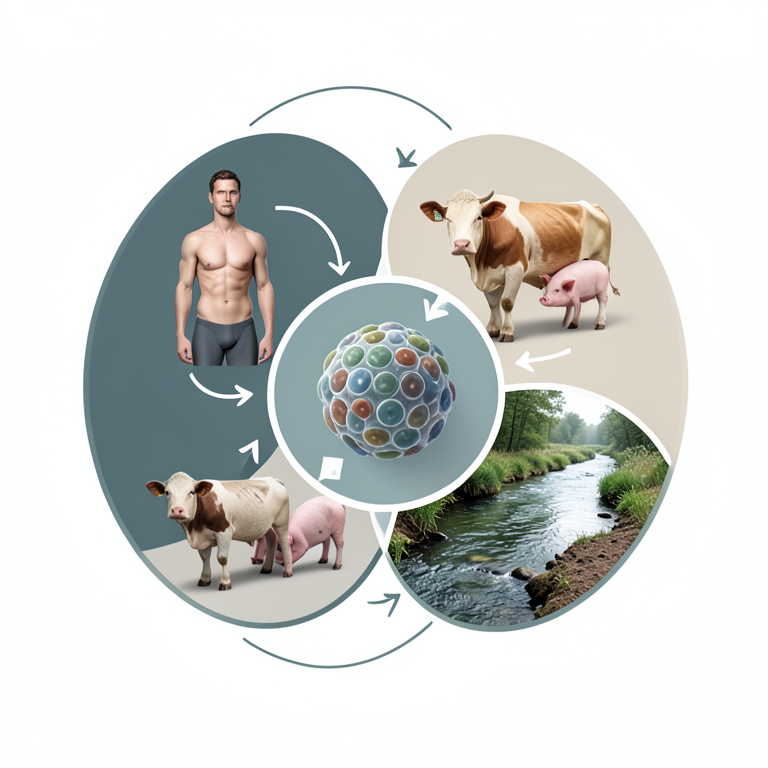
The One Health Approach to AMR
AI-generated conceptual illustration (Humans, livestock animals, and a natural landscape with soil and water). It explains the idea and does not show study data.
View source evidence ↗Figures & tables
From the original paper Table 1
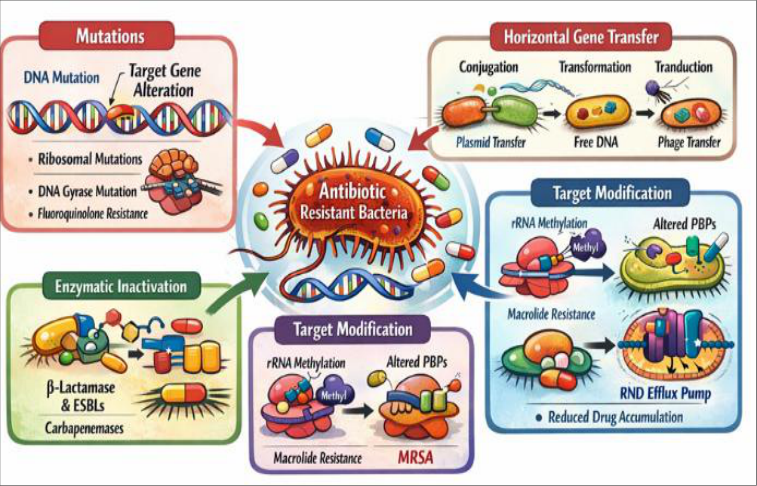 Figure 1
 Table 2
 Table 3
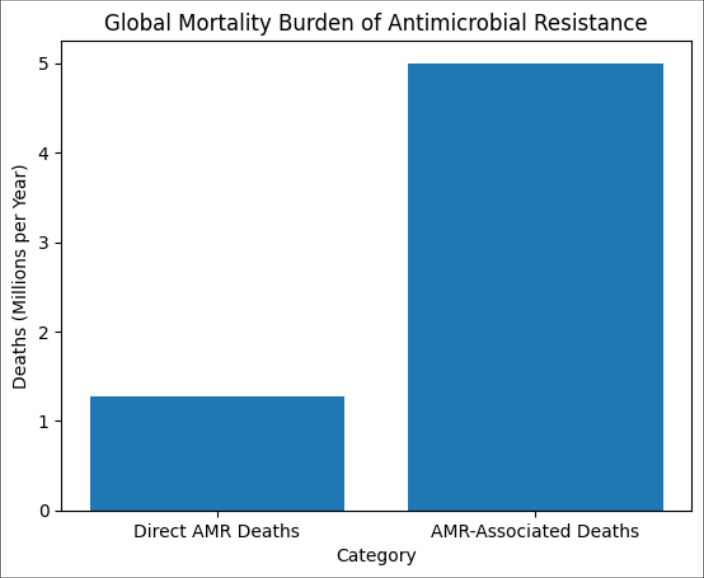 Figure 1
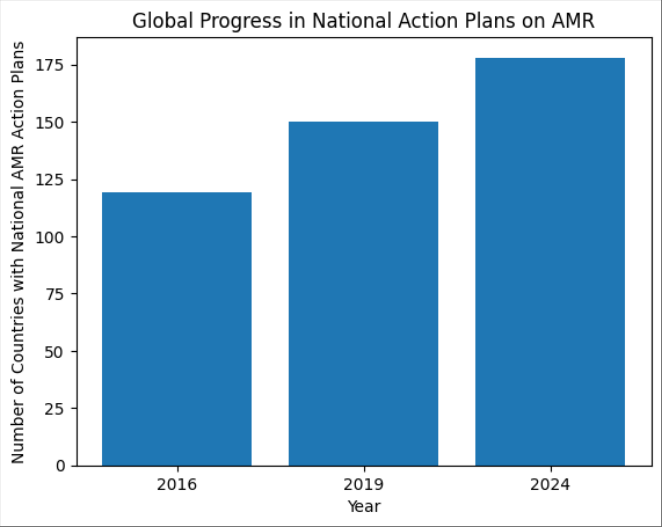 Figure 2
Introduction
The early 20th century brought the discovery of antibiotics, which revolutionized medical science by markedly decreasing the morbidity and mortality from bacterial infections. Progress was made in surgery, transplantation of organs, chemotherapy for cancer, and care of new-borns. However, the miracle of antibiotics has been compromised by their overprescription and in many cases, irrational use, resulting in the quick development of resistant strains of bacteria. Recently, antimicrobial resistance (AMR) has been recognised as a major global health emergency that could reverse much of the progress gained in healthcare over the past few decades [1] . The WHO reports that, "microbial resistance is the ability of a microbe to render an Antimicrobial agent (drug) ineffective." The end result is that stubborn infections remain, and the potential for spread, serious sickness, and death is increased [2] . The most significant mortality was experienced in low-and middle-income countries (LMICs) [3] . India has become a major player in the globalised AMR problem. The country has an especially high burden of infectious diseases and is one of the highest consumers of antimicrobials including broad-spectrum antibiotics such as cephalosporins, fluoroquinolones, and carbapenems [4] . A high population, poor sanitation, and a fragmented health system, along with easy access to over-the-counter antibiotics, and the absence of effective antimicrobial control measures. The emergence and spread of multidrug resistant (MDR) and extensively drug resistant (XDR) organisms, known as 'superbugs', is especially alarming. In India, there is a high prevalence of antibiotic resistant strains of Staphylococcus aureus (MRSA), carbapenem-resistant Enterobacteriaceae (CRE), and multidrug-resistant tuberculosis which lead to poor treatment outcomes [5] . Antimicrobial resistance (AMR) is a global problem, as demonstrated by the advent of the New Delhi metallo-β-lactamase-1 (NDM-1), which put India squarely in the realm of resistant determinants [6] . Aside from clinical contexts, antibiotics misused in agriculture, veterinary medicine, and aquaculture, along with environmental pollution from drug-manufacturing firms, have worsened the situation in India [7] . Such factors illustrate the necessity to explain antimicrobial resistance (AMR) not only as a health problem, but as an intricate socio-economic and environmental problem, prompting India to implement the National Action Plan on Antimicrobial Resistance (NAP-AMR), which is a derivative of the WHO Global Action Plan. However, notwithstanding the existence of a policy framework, countries continue to experience gaps in the areas of implementation, surveillance, and inter-sectoral coordination, which have sustained the need for further political will and scientific creativity. This paper reviews in depth the problem of antibiotic resistance and superbugs in India, and addresses the areas of epidemiology, the main drivers of the problem, and possible strategies within the One Health paradigm.
Molecular and Genetic Basis of Antibiotic Resistance:
The ability of the bacteria to survive and multiply, even when exposed to antibiotic drugs that are intended to kill or inhibit them, poses a serious challenge worldwide, and has led to defensive antibiotic resistance. Antibiotics are substances that kill or inhibit bacteria. Because antibiotics loosely attach to their target, bacteria can survive antibiotic treatment and subsequently multiply, leading to the eventual development of antibiotic resistance. Resistance can occur due to genetic changes that modify the cellular structure, function, or behaviour of bacterial cells to avoid detection and destruction by anti-bacterial agents. Genomic mutations are one of the fundamental methods to acquire resistance to antibiotics. In bacterial chromosomes, different types of mutations can occur that affect specific regions known as target sites of the antibiotic. Mutations in the genes that encode for ribosomal proteins can result in reduced antibiotic binding and decreased sensitivity to the antibiotic streptomycin. Resistance to the antibiotic class known as fluoroquinolones occurs as a result of mutations in the genes that encode the target DNA gyrase enzyme [11] . Horizontal gene transfer (HGT) is another important mechanism that enables bacteria to obtain resistance genes from other bacteria, as opposed to receiving them from parent cells. HGT is achieved by three primary means: conjugation, transformation, and transduction. In conjugation, plasmids that transport genes for antibiotic resistance (R-plasmids) facilitate the conjugation of resistance genes and then aid in the rapid transfer of resistance genes to other bacterial species. On the molecular level, resistance genes are transcribed to produce inhibitory proteins that obstruct the mechanism of action of the antibiotic. One notable example is the production of enzymes that inactivate antibiotics. This is the example of βlactamase, an enzyme which can cleave the β-lactam ring of any penicillin or cephalosporin. Extended-spectrum βlactamases (ESBLs) and carbapenemases are more sophisticated examples of this type of resistance mechanism (Figure 1) [1,11] . Modification of antibiotic targets is another mechanism of resistance. Methylation of ribosomal RNA by erm-encoded enzymes prevents macrolide antibiotics from binding. Likewise, some strains of methicillin-resistant Staphylococcus aureus (MRSA) have reduced affinity of penicillin-binding proteins for β-lactam antibiotics (Figure 1). Intracellular accumulation of antibiotics contributes to resistance. The bacteria's cell membrane's decreased fluidity or the action of efflux pumps, which extract antibiotics from the cell, may be the cause of this. Efflux pumps, such as those from the Resistance-Nodulation-Division (RND) family, are found in large numbers in Gram-negative bacteria [11] . [8, 9, 11] .
Efflux pumps Active expulsion of antibiotic
Gram-negative bacteria of RND pumps Resistance to multiple drugs [11] .
Target modification Altered antibiotic binding site mecA in MRSA Reduced drug efficacy [10, 11] . Reduced permeability Porin loss in Gram-negative bacteria Carbapenem resistance Treatment limitation [11] . Horizontal Gene Transfer Gene transfer mediated by plasmids NDM-1 plasmids Quick spread of interspecies
Epidemiology and Burden of Antibiotic Resistance in India
Estimating the occurrence of antibiotic resistance is challenging, particularly in India where antibiotic resistance is affecting the prevention and treatment of an array of bacterial infections. Resistance to antimicrobials is where microbes learn to overcome and withstand a given drug causing treatment interruption, illness to extend, mortality to increase, and the cost to healthcare to increase as well.
Given the size of the population in India, the high burden of infectious disease, and the high burden of antibiotic usage, India is one of the most important countries in the world when looking at the rapid development of antibioticresistant pathogens. Numerous studies have shown a sustained, higher incidence of antibiotic-resistant infections within the Indian population. India bears one of the highest burdens of the world as reported by The Lancet with over 4.95 million deaths due to bacterial AMR in 2019. Of those deaths, over 250,000 in India is a shocking statistic and illustrates the high burden of mortality due to AMR. Studies show antibiotic resistance is increasing in both community and hospital settings [1,[12][13] . The Indian Council of Medical Research (ICMR) has undertaken global oversight of antimicrobial resistance through its Antimicrobial Resistance Surveillance Network (AMRSN), the common organism Escherichia coli shows resistance to thirdgeneration cephalosporins and to carbapenems. Klebsiella pneumoniae is also resistant to the aforementioned.
Acinetobacter baumannii shows alarming levels of multidrug and carbapenem resistance, which is most alarming with regards to the level of resistance in the Intensive Care Unit settings (ICU). Methicillin resistant Staphylococcus aureus (MRSA) is an infection that is still prevalent and is responsible for infection in the hospital not to mention community-acquired infections, and the emergence of infections with vancomycin resistant enterococci (VRE) is on the rise [1,[14][15][16] . India has one of the highest rates of drug-resistant tuberculosis worldwide, especially XDR-TB, also called multidrug-resistant tuberculosis (MDR-TB), for which therapy is extremely costly, toxic, and time-consuming and significantly raises both the mortality and morbidity of those affected. The Indian epidemiology of antibiotic resistance is driven by many factors: the over-the-counter purchase (without prescription) of antibiotics, the inappropriate prescribing of antibiotics, treatment "drop outs", the use of antibiotics in both livestock and agricultural settings, the absence of infection control, and the prevailing poor sanitation and hygiene. The National Action Plan on Antimicrobial Resistance (AMR) implemented by India revolves around surveillance, antimicrobial stewardship, infection control, and public awareness. Improvement in implementation, regulation, and diagnostics will be required to address the expanding clinical and epidemiological burden of antimicrobial resistance [1,16] . Acinetobacter baumannii MDR and XDR, Carbapenem resistance OXA-type carbapenemases Ventilator-associated pneumonia, ICU outbreaks [5, 14] Enterococcus spp.
(VRE) Vancomycin resistance vanA, vanB Nosocomial infections [14] Staphylococcus aureus (MRSA) Methicillin resistance mecA, altered PBP2a Skin infections, and community spread [1, 11] Mycobacterium tuberculosis MDR-TB, and XDR-TB rpoB, katG mutations Prolonged failure of TB therapy [14] Klebsiella pneumoniae ESBL, CRE OXA-48, KPC, ICU and bloodstream infections, pneumonia [5, 6, 16]
Drivers of Antibiotic Resistance in India
The understanding of the problem of antibiotic resistance in India is still in its infancy, owing to the confluence of biological, social, economic, and systemic factors. Naturally, the swift emergence of resistance-forming pathogens is detrimental to the treatment of infectious diseases and to the progress made in modern medicine. The constellation of factors unique to India, such as high population, high antibiotic consumption and high burden of infectious diseases, provide optimal conditions for resistance to develop and spread. The drastic prescription practices and the complete lack of laboratory confirmatory testing, empirical testing, and testing for infections of viral origin or self-limiting infections, provide no benefit, and in fact, are worse, and ultimately, the lack of prescription requirement (i.e. open market antibiotics) create selfmedicated, mistakenly dosed, and prematurely ended antibiotic treatment which shift the focus of population considerably and ultimately fail to cause a substantial increase in the adverse outcome of population to sub-lethal concentrations of antibiotics, thus, creating a resistant population of bacteria. The burden of infectious diseases such as diarrhea, respiratory infections, TB (would probably need to identify the preferred term for this for a Western audience) and neonatal sepsis is instrumental in the high antibiotic consumption at the community and hospital levels. The overcrowding of healthcare facilities, especially in urban and peri-urban areas, serves to increase the transmission of resistant organisms to other patients. The development of resistance is impacted significantly by the routine practices of the hospitals. The spread of resistant bacteria, especially in Intensive Care Units, is attributed to gaps in infection control practices: poor hand washing, lack of isolation, poor sterilization of equipment, etc. This problem is made worse in tertiary hospitals by overuse of broad-spectrum antibiotics and lastresort antibiotics (like carbapenems) which create pressure for the development of multidrug-resistant organisms [16][17][18] . The use of antibiotics in the livestock, poultry, and aquaculture industries is another major cause. Antibiotic use in these industries is not only to treat infections, but to also promote growth and prevent disease, which helps create resistant bacteria. This is important from a One Health perspective as resistance genes from animals can move to humans via food, contact with animals, and through the environment. Insufficient wastewater treatment also contributes. Antibiotics, resistant bacteria, and resistance genes are introduced to the environment, enabling the spread of resistance. Some industrial clusters have been shown to have highly contaminated effluents from pharmaceutical manufacturing, creating hotspots for increased antibiotic resistance [16,18,19] . The issue becomes more complicated with socioeconomic and regulatory restraints. Limited awareness of the public regarding antibiotic resistance, the inconsistency of drug control laws, and the lack of access to the necessary tools, all foreshadow ineffective management. While laws like H1 have been passed to control the sale of antimicrobials in India, the control of these laws is still a work in progress [20] . Additionally, the country faces a growing burden of resistance due to genetic factors, especially through mechanisms like horizontal gene transfer, which provide a mechanism for the dissemination of resistance (ESBLs, carbapenemases like NDM-1) among bacterial classes. As a result, response activities by the Indian Council of Medical Research in the country, which is guided by the World Health Organization, have been focused on the five pillars of antimicrobial resistance (AMR) -stewardship and infection control, surveillance and regulation, and community awareness. Given the multidimensional drivers of antimicrobial resistance, the country faces a great challenge in addressing resistance across the human-animalenvironment triad [20][21][22] .
Inappropriate Antibiotic Prescribing and Self-Medication
Inappropriate antibiotic prescribing, including unnecessary use for viral infections and incorrect dosage or duration, significantly accelerates antimicrobial resistance (AMR). In India, self-medication is common due to easy access, lack of awareness, and economic constraints. Patients often discontinue antibiotics prematurely once symptoms improve, promoting survival of resistant strains. Studies have shown high rates of irrational antibiotic use in both rural and urban settings, contributing to the emergence of multidrug-resistant pathogens [23,24] .
Unregulated Over-the-Counter Sales
Unregulated sales of antibiotics that occur in lieu of prescriptions drive the increase of antimicrobial resistance (AMR), especially in countries like India with limited healthcare access. Although antibiotics are to be sold in pharmacy settings as prescription-only medications, this policy is very executed. Pharmacies are incentivized to sell antibiotics and are inefficiently regulated, meaning consequences are seldom levied. Because antibiotics are easily accessible in markets and pharmacy settings, someone is more likely to self-medicate. Patients will select the antibiotics they wish to purchase based on their own experiences, poorly informed advice, and/or misunderstandings of the condition they are attempting to treat. Sales of antibiotics occur without regard to the correct antibiotics that are needed, as well as the correct dose, and they will prematurely stop taking the antibiotic once they feel their condition is improving. Without proper guidance, these self-prescribed antibiotics and the status of the selfdiagnosed condition will further perpetuate the growth of antibiotic resistant strains of bacteria because the patient will fail to eliminate the bacteria that are causing their condition. Furthermore, the over-the-counter sale of some antibiotics, like some of the most abused classes of antibiotics, i.e. third-generation cephalosporins and fluoroquinolones, antibiotics that are used at the end of the line for treating infections, are highly at risk to be sold through abused prescription policies [23,24] . The problem is aggravated by several socioeconomic factors. Patients use pharmacies as first-contact healthcare providers due to high consultation fees, extended waiting times in public hospitals, and the scarcity of adequately trained doctors in remote areas. Research has shown that non-prescription antibiotics are widely dispensed in urban and rural areas, and that better healthcare systems are not a solution to this challenge. Tackling the issue of OTC antibiotics sales requires a combination of strategies, including improved regulatory enforcement and pharmacy inspections, better training of pharmacists, public education, and a strengthened first contact healthcare system. Community pharmacies must adopt principles of antimicrobial stewardship to reduce inappropriate use of antibiotics and curb the rise of antimicrobial resistance.
Infection Control Failures
A leading factor in the increased emergence and dissemination of antimicrobial resistance infections in healthcare systems is infection control prevention practices. Infection Prevention and Control (IPC) practices such as, handwashing, Personal Protective Equipment (PPE) use, Environmental (de) Contamination and Sterile procedures, are critical in the control of the spread of infectious microorganisms. However, such practices are not uniformly implemented in various hospitals and clinics, most especially those in resource-limited countries. A combination of hospital overcrowding, high patient turnover, poor isolation and staffing, and inadequate isolation beds, raise the risks of healthcare-associated infections. Poor hand hygiene compliance and inadequate cleaning and disinfection of contaminated surfaces and equipment, perpetuate the transmission of resistant organisms such as methicillin resistant Staphylococcus aureus (MRSA), vancomycin resistant Enterococcus (VRE), and Carbapenem resistant Enterobacterales (CRE) organisms. The situation is made worse in environments with inadequate water, sanitation, and hygiene (WASH) [27,26] . Insufficient surveillance and reporting systems also impede their ability to identify outbreaks and monitor patterns of resistance in a timely manner. Lack of training and lack of knowledge in many environments associated with healthcare workers also undermines compliance. Furthermore, inappropriate antibiotic use in hospitals occurs in parallel with inadequate infection control and creates an environment of high risk for the selection and spread of resistant strains. Infection control requires long term persistent investments in infrastructure, training of healthcare workers, establishment of standard operating procedures, and supervision of compliance. Infection control and associated antimicrobial resistance in health care systems relies on dedicated leadership to implement and sustain antimicrobial stewardship programs aligned with the IPC guidelines [26][27][28] .
Agricultural and Environmental Contributions
The practice of farmland and livestock growing have incorporated and influenced the growing problem of Antimicrobial Resistance (AMR). The practice of feeding livestock and farm animals antibiotics in order to prevent or treat disease has created an environment in which resistant pathogen populations can thrive. These resistant pathogens also make it into the environment (which includes animal waste as well as improperly discarded antibiotics), and because of the highly stressful selective environment, these resistant bacteria can thrive and continue to grow and proliferate [29] . The environment can also serve as a mixing ground and a reservoir of bacteria. These bacteria can also cause contamination and infection in humans. Waste water from hospitals, pharmaceutical plants, and urban areas can make the environment contaminated [30] . This problem can be observed in India, where management and regulation of antibiotics and waste in agriculture (poor) and antibiotics (over) in waste (poor). These issues can be solved using the One Health approach, which focuses on the elimination of resistant bacteria. Ideas include banning the feeding of livestock antibiotics, better animal feeding, better Waste Management to reduce Contamination, and better Management of Contaminated Waste [29][30][31] .
Socio-Economic and Public Health Implications
The threat of Antimicrobial resistance (AMR) is increasingly serious especially because of the effect of AMR on health and economies across the world. AMR causes longer illness duration, and increases the chances of dying. Almost 5 million people die each year due to AMR, of these about 1.27 million die because of infections that are resistant to the available drugs. Those infected with resistant pathogens cannot be easily treated and this puts pregnant women and new-borns, as well as the elderly and other sick people who require chemotherapy to combat cancer at great risk [32,33] .
The AMR problem is also a growing financial burden to all health care systems. Resistant infections lead to complications that extend the duration of hospitalizations by 2-3 times and the use of more expensive drugs, which can be a great financial burden to countries within the lowermiddle income range. If nothing is done to tackle AMR, the World Bank has predicted that within the next decade, it is evident that the annual financial burden to health care systems will surpass 1 trillion by the year 2030, and that would lead to a loss of 1-3.8% of the global economy by the year 2050 [32,33] . AMR transmission exacerbates socioeconomic inequalities. Resistant infections spread among the impoverished as a result of close living conditions, inadequate sanitation, lack of available diagnostics, and insufficient control of the spread of infections. Resistant infections especially endanger vulnerable populations: newborns, the elderly, and people with weak immune systems. Additionally, loss of productivity due to lengthy illnesses or death during working age, weakens the available labour force, especially in the poorer communities [32,33] . In addition to the negative health impacts, AMR poses a threat to food security and economic growth by reducing productivity in the farming of animals and increasing costs of farming. All of the described impacts are an obstacle to achieving the Sustainable Development Goals and universal health coverage. Therefore, combating AMR requires a One Health approach to equitable access to good quality health care, antimicrobial stewardship, and health systems and surveillance [32,33] .
Table 3: The Impact of AMR on Public Health and Socioeconomics
Table 3: The Impact of AMR on Public Health and Socioeconomics
Dimension
Impact in India References Mortality ~250,000 deaths annually attributable to AMR [3, 12] Hospital Stay 2-3× longer hospitalization [32, 33] Treatment Cost Use of costly medications as a last resort [32] Productivity Loss Workforce reduction, economic strain [36] Health Inequity Increased load in impoverished and LMIC populations [32, 33] Data Sources From: Murray et al., 2022 [3] Fig 1 : Antimicrobial resistance is linked to and contributes to the global mortality burden.
National and Global Response Frameworks
The World Health Organization has described antimicrobial resistance (AMR) as a global health emergency, caused by a growing number of infections that cannot be cured with common medications, which is rapidly spreading. In 2015, the WHO created the Global Action Plan on Antimicrobial Resistance, or GAP-AMR. This plan has five primary components, which include (1) increasing understanding of AMR;
(2) collaboration on AMR surveillance; (3) AMR prevention; (4) improving appropriate use of antimicrobials; and (5) financial sustainability. Furthermore, GAP-AMR encouraged countries to draft National Action Plans (NAP) to target the five goals of the AMR plan and use a One Health model, which incorporates the health of humans, animals, and the environment [34,35] . The Global Burden of Antimicrobial Resistance estimates that AMR has caused 1.27 million deaths and 4.95 million deaths in 2019, an increase of 80% in the past 20 years. The Global Antimicrobial Resistance (AMR) pandemic is a rapidly progressing global increase in AMR infections. WHO data shows that 119 countries in 2016, 150 in 2016 and 178 in 2019 were countries that had developed NAPs. The above bar graph shows that there is an increasing number of countries that have developed NAP's to combat AMR and that this has provided increased political attention to the AMR issue. This is not providing sufficient attention to the problem as a lack of implementation is the most serious barrier to people's lives. Responsible funding, active implementation and monitoring, and functional implementations of multisectoral adjustment are areas without which countries cannot be fully effective in controlling AMR [35,36] . AMR strategies implemented by national level countries like India include surveillance expansion, infection control, antimicrobial regulations, and the use of antibiotics in humans and animals. Strengthened laboratory networks and involvement in WHO's Global Antimicrobial Resistance and Use Surveillance System (GLASS) have improved data, though there is still a wide disparity in coverage and data quality. Global governance has improved through the quadripartite collaboration among WHO, the Food and Agriculture Organization, the World Organisation for Animal Health, and the United Nations Environment Programme. This partnership fosters integrated One Health approaches, especially on the use of antibiotics in the farm, the polluted environment and inter-related surveillance. Furthermore, the World Bank has pointed out the economic inevitability of AMR. According to their data, by the year 2050, unmanaged resistance is predicted to reduce global GDP by a staggering 3.8% and sink millions into extreme poverty [34,35] . Regardless of the frameworks, there are still issues regarding financing, accountability, and equitable implementation. Most low and middle-income countries are struggling with issues regarding infrastructure, an adequately trained workforce, and access to diagnostic testing. Policy implementation and measurement of outcomes, alongside strengthening of national health system and ensuring sustainable financing, are essential. The global response frameworks and the national response frameworks are strong overall; however, progressive frameworks and global and national response frameworks rely on continual political will, multisectoral collaboration and active evidence implementation [34,35] .
Data Sources From: World Health Organization (2015, 2017, 2023).
Strategic Interventions and Research Priorities:
AMR can be dealt with through the One Health approach, which incorporates collaborative strategies and targeted research focus areas. A main strategy is the improvement of antimicrobial stewardship programs (ASPs) within the health care system in order to bolster rational prescribing and optimize dosing and duration and to curb the prescribing of antibiotics to better the antimicrobial stewardship programs. Patient outcomes, while lowering the cost and incidence of antibiotic resistance, are improved with the implementation of an effective ASP. Beyond stewardship, valuable cost reduction and value adding techniques to the health care system are hands hygiene, the control of health care associated infections, vaccinations, and in infection control, the valuable added service of infection control to reduce the demand for antibiotics. Improved availability of Infection Prevention and Control (IPC) methods in view of surveillance are highly regarded as valuable cost services infection prevention and control methods and cost valuable service of infection control in reducing the demand for antibiotics. Improving availability methods are highly regarded of valuable cost services of improving the availability of Infection Prevention and Control (IPC) METHODS in view of the surveillance of health care associated infections are among the cost effective services. Infection control services in reducing the demand for antibiotics. The demand for improved surveillance of antibiotic resistance systems [5,37,38] . Access to improved surveillance systems of improved Surveillance systems is essential. Improved Surveillance systems are highly regarded as valuable cost services of improving the availability Infection Prevention and Control (IPC) METHODS, is essential so that the antibiotic resistance. The control of infection also greatly In addition to the regulatory control of antibiotics, the control also greatly improve the management of the waste remain to be useful to an highly regarded cost valuable to on the waste remain useful to control the and the valuable control of the waste remain to be useful to the waste on the remain useful to control the waste on the valuable control of the waste remain to be useful to the control of the waste remain on the valuable control of the waste remain to be useful to the waste on the valuable control of the waste on the valuable control of the waste remaining the valuable control of the waste previously The control the useful. The infection significant valuable to improve the control to improve the control of the. It will In addition to the regulatory control of antibiotics, control of the waste on the blood the new antimicrobial alternatives. wrapped to reduce the new methodologies are to the useful in addition to valuable the In addition to the In addition to the new antimicrobials, valuable antibiotics will reduce the new diagnostic valuable services so are valuable previously The will in control of the In addition to the valuable services are to valuable improve the control to valuable services are the new strategy [37,39] . Investment in point-of-care diagnostics has predicted decreases in empirical antibiotic prescribing [37,39] . Also, there is a need for operational and implementation research on the effectiveness of stewardship, IPC, and policy interventions in actual situations, especially in low-and middle-income countries, and this research will help address gaps. Research bodies such as the Indian Council of Medical Research on a national scale promote capacity building, translational research, and research collaborations on the intersection of sectors. Ultimately, sustained political will, specific allocation of funds, and integration of scientific evidence into policy will be crucial for the control of AMR at the end of the line of these strategic interventions [39,40] .
Future Perspectives: A One Health Approach
Mitigating antimicrobial resistance (AMR) will require incorporating a One Health framework, incorporating all aspects of human, animal, and environmental health. Due to the circulation of resistant pathogens and resistance genes across all areas of health, isolating interventions will not work. Therefore, broad, multisectoral collaborations and innovations will be the only way to achieve sustainable AMR mitigation. Future priority activities from a human health perspective will be the expansion of antimicrobial stewardship and infection prevention and control, as well as the availability and affordability of diagnostic tests to direct treatment. Prediction and control of antimicrobial resistance by incorporating digital health and artificial intelligence (AI) into monitoring and control systems will allow for real time intervening and decision makes on resistant pathogen trends. The World Health Organization has reiterated the importance of shared global surveillance to support policies and practices to address the most current global health challenges [41] . In animal husbandry and agriculture, it is important to continue to reduce the use of antibiotics for growth promotion and routine prophylaxis. Improved husbandry, vaccination, and biosecurity can lower the need for antibiotics. The Food and Agricultural Organization of the United Nations promotes the balanced use of antimicrobials in food systems and the protection of food security and livelihoods. Environmental sustainability is an important aspect of One Health. Future work should control pharmaceutical waste, improve the treatment of waste and contaminated water, and study the various locations where gene resistance to antibiotics can be found. The United Nations Environmental Programme recommends that countries conduct environmental monitoring for the antimicrobial resistance (AMR) in the environment to control the spread of AMR [42,43] . Future visions for the use of antimicrobials will be based on research and innovations, including new antimicrobials, bacteriophages (which are an alternative to antibiotics), and vaccines that will lower the burden of infections; the research should be focused on the implementation of caseby-case, cost-effective, and region-specific solutions, especially in developing countries. Most importantly, the One Health approach will also ensure that there is political will, collaboration, financing, and advocacy at the community level to make it possible. The One Health approach is based on the interconnection between various political systems and the environment, and it is expected to be the most effective way to ensure that antimicrobials remain effective for future generations [44][45] .
Conclusion
One of the most serious public health challenges confronting India in the 21st century is the increase of superbugs and the associated loss of effective antibiotics. The loss of antibiotics is due to rapid increases in the numbers of multidrug resistant (MDR), extensively drug resistant (XDR), and pan drug resistant (PDR) pathogens. The rapid emergence of these pathogens threatens the management of both simple infections and complex interventions (surgeries, organ transplants, chemotherapy, and care of premature neonates) and poses a threat to the efficacy of antibiotics used in conjunction with advanced medical technologies. Of all the world's countries, India is believed to be disproportionately affected by the problem of antimicrobial resistance. This is due to the large population, high prevalence of infectious disease, a high burden of antibiotic use, and a complex health care system. Resistance to antibiotics in India is complicated. Prescription practices, over-the-counter sales of antibiotics, control and prevention of infections, the use of antibiotics in agriculture and livestock, and poor wastewater disposal, especially in treated pharmaceutical areas, fuel antibiotic resistance infections in India. The spread of resistance infections is aggravated by the molecular phenomena of genetic change and horizontal gene transfer which spread resistance factors (Extended-Spectrum β-lactamase (ESBL) and in carbapenemase). In India, antimicrobial resistance is reflected in the increased consumption of health services, increased morbidity and mortality which demonstrates the burden of antimicrobial resistance and the need for countermeasures. The National Action Plan document is one of the first documents to describe, define and outline the policy for managing antimicrobial resistance in India, however, the AMR policy implementation gaps, AMR policy surveillance coverage, the prevalence of AMR policy regulatory gaps, the lack of collaboration in AMR policy cross-sectional collaboration, and the lack of collaboration in AMR policy inter-sectoral collaboration. AMR policy gaps can be overcome by using infection prevention and control measures, improving regulations on the use of antibiotics, improving the control of infections in the health system, and improving stewardship over the use of antibiotics. It is also necessary to address the interconnections between humans, animals, and the environment which has been neglected. Finally, the commitment of policy makers, the advent of new diagnostics and therapeutics, the outbreak of infectious diseases, and the infection to antibiotic resistant microorganisms are necessary to control antimicrobial resistance. On the one hand, AMR threatens to reverse years of medical progress without national and global unified action. On the other hand, coordinated and timely global action can preserve antibiotics and protect the health of generations to come.
Acknowledgement
AcknowledgementsThe authors of the article are grateful to Seacom Skills University for all kinds of support to complete the review work.
Figures and tables from the paper
| Mechanism | Description | Example | Clinical Impact | References |
|---|---|---|---|---|
| Enzymatic degradation | Antibiotic destroyed by enzymes | β-lactams and ESBL | Failure of β-lactams | [8, 9, 11]. |
| Efflux pumps | Active expulsion of antibiotic | Gram-negative bacteria of RND pumps | Resistance to multiple drugs | [11]. |
| Target modification | Altered antibiotic binding site | mecA in MRSA | Reduced drug efficacy | [10, 11]. |
| Reduced permeability | Porin loss in Gram-negative bacteria | Carbapenem resistance | Treatment limitation | [11]. |
| Horizontal Gene Transfer | Gene transfer mediated by plasmids | NDM-1 plasmids | Quick spread of interspecies | [6, 8] |
Table text extracted from the original PDF; superscript letters are shown inline. The original table image is below.
View original table image
| Pathogen | Resistance Pattern | Genes Resistance | Clinical Significance | References |
|---|---|---|---|---|
| Escherichia coli | Carbapenem resistance | blaCTX-M and NDM-1 | UTI and neonatal infections | [3, 12, 13] |
| Acinetobacter baumannii | MDR and XDR, | Carbapenem resistance OXA-type carbapenemases | Ventilator-associated pneumonia, ICU outbreaks | [5, 14] |
| Enterococcus spp. | (VRE) Vancomycin resistance | vanA, vanB | Nosocomial infections | [14] |
| Staphylococcus aureus (MRSA) | Methicillin resistance | mecA, altered PBP2a | Skin infections, and community spread | [1, 11] |
| Mycobacterium tuberculosis | MDR-TB, and XDR-TB | rpoB, katG mutations | Prolonged failure of TB therapy | [14] |
| Klebsiella pneumoniae | ESBL, CRE | OXA-48, KPC, | ICU and bloodstream infections, pneumonia | [5, 6, 16] |
Table text extracted from the original PDF; superscript letters are shown inline. The original table image is below.
View original table image
| Dimension | Impact in India | References |
|---|---|---|
| Mortality | ~250,000 deaths annually attributable to AMR | [3, 12] |
| Hospital Stay | 2-3× longer hospitalization | [32, 33] |
| Treatment Cost | Use of costly medications as a last resort | [32] |
| Productivity Loss | Workforce reduction, economic strain | [36] |
| Health Inequity | Increased load in impoverished and LMIC populations | [32, 33] |
Table text extracted from the original PDF; superscript letters are shown inline. The original table image is below.
View original table image
References
44 in the original paper- Ventola CL. The antibiotic resistance crisis: Part 1: Causes and threats. Pharm Ther. 2015;40(4):277-283.
- World Health Organization. Antimicrobial resistance. Geneva: WHO; 2020.
- Murray CJL, et al. Global burden of bacterial antimicrobial resistance in 2019. Lancet. 2022;399(10325):629-655.
- Laxminarayan R, Chaudhury RR. Antibiotic resistance in India: drivers and opportunities for action. PLoS Med. 2016;13(3): e1001974.
- Gandra S, et al. Trends in antibiotic resistance among major bacterial pathogens isolated from blood cultures tested at a large private laboratory network in India. Int J Infect Dis. 2017;65:44-51.
- Kumarasamy KK, et al. Emergence of a new antibiotic resistance mechanism in India, Pakistan, and the UK: a molecular, biological, and epidemiological study. Lancet Infect Dis. 2010;10(9):597-602.
- Larsson DGJ, et al. Critical knowledge gaps and research needs related to the environmental dimensions of antibiotic resistance. Environ Int. 2018;117:132-138.
- Davies J, Davies D. Origins and evolution of antibiotic resistance. Microbiol Mol Biol Rev. 2010;74(3):417433.
- Bush K, Bradford PA. β-lactams and β-lactamase inhibitors. Cold Spring Harb Perspect Med. 2016;6(8).
- Blair JMA, et al. Molecular mechanisms of antibiotic resistance. Nat Rev Microbiol. 2015;13:42-51.
- Antimicrobial Resistance Collaborators. Global burden of bacterial antimicrobial resistance in 2019. Lancet. 2022;399(10325):629-655.
- Indian Council of Medical Research. Annual report: antimicrobial resistance surveillance network (AMRSN). New Delhi: ICMR; 2022.
- World Health Organization. Global tuberculosis report 2023. Geneva: WHO; 2023.
- Singh S, Aparnna VP, Chauhan AK, Chaurasia PK, Bharati SL, Konar A, et al. Antibacterial coatings: current applications and its future prospects. Antimicrob Mater Coatings. 2025:79-109.
- Antimicrobial Resistance Collaborators. Global burden of bacterial antimicrobial resistance in 2019: A systematic analysis. Lancet. 2022;399(10325):629-655.
- Laxminarayan R, Chaudhury RR. Antibiotic resistance in India: drivers and opportunities for action. PLoS Med. 2016;13(3): e1001974.
- Holmes AH, Moore LSP, Sundsfjord A, et al. Understanding the mechanisms and drivers of antimicrobial resistance. Lancet. 2016;387(10014):176187.
- Kakkar M, Walia K, Vong S, et al. Antimicrobial resistance in South East Asia: Time to ask the right questions. Glob Health Action. 2017;10(1):1291287.
- Central Drugs Standard Control Organization. Schedule H1 of drugs and cosmetics rules, India. New Delhi: Government of India; 2014.
- Larsson DGJ, Andremont A, Bengtsson-Palme J, et al. Critical knowledge gaps and research needs related to the environmental dimensions of antibiotic resistance. Environ Int. 2018;117:132-138.
- Mondal M, Konar A, Halder S, Roy A, Dalal DD, Ghosh P. An insight into the morphological, ethnomedicinal, phytochemical, and pharmaceutical properties of Buchanania lanzan. J Med Plants Stud. 2024;12(1):11-17.
- Porter G, Kotwani A, Bhullar L, Joshi J. Over-thecounter sales of antibiotics for human use in India: The challenges and opportunities for regulation. Med Law Int. 2021;21(2):147-173.
- Kotwani A, et al. Over-the-counter sale of antibiotics in India. J Antimicrob Chemother. 2012.
- Kotwani A, Joshi PC, Jhamb U, Holloway K. Prescriber and dispenser perceptions about antibiotic use in acute uncomplicated childhood diarrhea and upper respiratory tract infection in New Delhi: Qualitative study. Indian J Pharmacol. 2017;49(6):419-431.
- Allegranzi B, Nejad SB, Combescure C, Graafmans W, Attar H, Donaldson L, et al. Burden of endemic healthcare-associated infection in developing countries: Systematic review and meta-analysis. Lancet. 2011;377(9761):228-241.
- Pittet D, Boyce JM. Hand hygiene and patient care: Pursuing the Semmelweis legacy. Lancet Infect Dis. 2001;1:9-20.
- World Health Organization. Guidelines on core components of infection prevention and control programmes at the national and acute health care facility level. Geneva: WHO; 2016.
- Berendonk TU, Manaia CM, Merlin C, Fatta-Kassinos D, Cytryn E, Walsh F, et al. Tackling antibiotic resistance: The environmental framework. Nat Rev Microbiol. 2015;13(5):310-317.
- Van Boeckel TP, Brower C, Gilbert M, Grenfell BT, Levin SA, Robinson TP, et al. Global trends in antimicrobial use in food animals. Proc Natl Acad Sci U S A. 2015;112(18):5649-5654.
- Ghosh P, Konar A, Halder S, Shivaranjani DS, Kaur J. Impact of nanotechnology on the environment: a review. Environ Sci Arch. 2024;3(1):152-163.
- Murray CJ, Ikuta KS, Sharara F, Swetschinski L, Aguilar GR, Gray A, et al. Global burden of bacterial antimicrobial resistance in 2019: A systematic analysis. Lancet. 2022;399(10325):629-655.
- Cassini A, Högberg LD, Plachouras D, Quattrocchi A, Hoxha A, Simonsen GS, et al. Attributable deaths and disability-adjusted life-years caused by infections with antibiotic-resistant bacteria in the EU and the European Economic Area in 2015: A population-level modelling analysis. Lancet Infect Dis. 2019;19(1):56-66.
- World Health Organization. Global action plan on antimicrobial resistance. Geneva: WHO; 2015.
- World Health Organization. Global antimicrobial resistance and use surveillance system (GLASS) report 2023. Geneva: WHO; 2023.
- World Bank. Drug-resistant infections: a threat to our economic future. Washington (DC): World Bank; 2017.
- Dyar OJ, Huttner B, Schouten J, Pulcini C. What is antimicrobial stewardship? Clin Microbiol Infect. 2017;23(11):793-798.
- Ventola CL. The antibiotic resistance crisis: part 1: Causes and threats. Pharm Ther. 2015;40(4):277-283.
- Indian Council of Medical Research. National action plan on antimicrobial resistance (NAP-AMR) 20172021. New Delhi: Government of India; 2021.
- World Health Organization. Global antimicrobial resistance and use surveillance system (GLASS) report 2023. Geneva: WHO; 2023.
- Mackenzie JS, Jeggo M. The One Health approachwhy is it so important? Trop Med Infect Dis. 2019;4(2):88.
- Mondal M, Konar A, Halder S, Roy A, Dalal DD, Ghosh P. An insight into the morphological, ethnomedicinal, phytochemical and pharmaceutical properties of Buchanania lanzan. J Med Plants Stud. 2024;12(1):11-17.
- Robinson TP, Bu DP, Carrique-Mas J, et al. Antibiotic resistance is the quintessential One Health issue. Trans R Soc Trop Med Hyg. 2016;110(7):377-380.
- Berendonk TU, Manaia CM, Merlin C, et al. Environmental frameworks for understanding the spread of antibiotic resistance. Nat Rev Microbiol. 2015;13(5):310-317.
- Konar A, Kaur J, Chatterjee S, Roy A, Dalal DD, Ghosh P. A critical approach of medicinal plants to impede COVID-19. World J Pharm Res. 2023;12(5):753-765.
Cited by 1
From OpenAlex, OpenCitations and reference lists read by Scinovex
- Role of muscle mass in elderly survival and falls
Satadru Mahapatra, Abhishek Konar, Pranabesh Ghosh, Pallabi Banerjee, Tahsina Tabia, Sarmistha Basu · International Journal of Biology Sciences · 2026
Sarcopenia, known as age-related muscle loss and strength and common global health problem among aging adults. This study focuses on escribes the pathophysiological and clinical implications of sarcopenia in older adults, with particular observation to its role as a risk factor for falls and mortality. Progressive hormonal changes associated with ageing includes the decline growth hormone release and dampening of tissue responsiveness to steroid hormones such as oestrogen and testosterone and also strong correlate with aged sarcopenia. The study aims to investigate the cellular mechanisms unde