
Research article · 2026 · Full text
International Journal of Biology SciencesRole of muscle mass in elderly survival and falls
Volume 8(7) · Pages 43–51 · DOI: 10.33545/26649926.2026.v8.i7a.908 ↗
Research areasNutrition and Health in AgingMuscle Physiology and DisordersMuscle metabolism and nutrition
Abstract
Author-writtenSarcopenia, known as age-related muscle loss and strength and common global health problem among aging adults. This study focuses on escribes the pathophysiological and clinical implications of sarcopenia in older adults, with particular observation to its role as a risk factor for falls and mortality. Progressive hormonal changes associated with ageing includes the decline growth hormone release and dampening of tissue responsiveness to steroid hormones such as oestrogen and testosterone and also strong correlate with aged sarcopenia. The study aims to investigate the cellular mechanisms underlying accelerated muscle loss, including oxidative stress, chronic inflammation and switch in protein homeostasis. These findings underscore the vital role of muscle mass for metabolic health and immune function. Because Mutations are one of the main risk factors for muscle loss. It is analyze the most common methods of inflammatory processes, chronic diseases, hormonal imbalance and sedentary lifestyle from a neural perspective. Health implications sarcopenia such as an increased risk for falls, hospitalisation, disability and medical expense are also addressed in this study. Finally, after this introduction the paper discusses possible measures for prevention and treatment using resistance training, a healthy diet, and early medical treatment to maintain muscle mass and thereby improve quality of life. In general, maintaining adaptative abilities in muscular fitness is pertinent to promote healthy ageing, reduce the risk of death and lessen pressure on health systems.
Summary
Source-checkedPlain-language reading of the full paper, prepared with AI and checked against the text. Each point links to the authors' own words.
Why it matters
- Sarcopenia is a widespread global health issue among older adults characterized by the loss of muscle strength and mass. View evidence ↗
- The increasing elderly population makes sarcopenia a major driver of disability, frailty, and dependence, which strains healthcare systems. View evidence ↗
- Reduced muscle strength in older adults is a well-known risk factor for hospitalizations, fractures, and falls. View evidence ↗
The question
- The paper aims to examine the cellular mechanisms that accelerate muscle loss, specifically focusing on chronic inflammation, oxidative stress, and changes in protein homeostasis. View evidence ↗
What they did
- The review analyzes how sedentary lifestyles, hormonal imbalances, chronic diseases, and inflammatory processes contribute to muscle loss. View evidence ↗
What they found
- Muscle mass typically declines by 3% to 8% per decade starting at age 30, with the rate of loss increasing after age 60. View evidence ↗
- Skeletal muscle is critical for metabolic health, handling approximately 70% to 80% of glucose uptake after eating. View evidence ↗
- Dynopenia occurs when muscle strength is lost faster than muscle mass, significantly impairing daily activities like lifting objects or climbing stairs. View evidence ↗
- Inflammatory mediators accelerate muscle protein breakdown by activating catabolic pathways, such as the ubiquitin-proteasome system. View evidence ↗
- Age-related neuromuscular degeneration involves a steady decline in motor neurons, particularly those affecting type II fast-twitch fibers responsible for power and strength. View evidence ↗
- Compared to those without the condition, patients with sarcopenia experience higher readmission rates and longer durations of hospital stays. View evidence ↗
- Due to anabolic resistance, older adults may need more protein, approximately 1.0 to 1.2 g/kg of body weight per day, than younger people. View evidence ↗
What it means
- The authors conclude that preserving functional autonomy and muscle mass requires a combination of healthy lifestyle changes, sufficient protein and vitamin D intake, and regular resistance training. View evidence ↗
- The authors state that sarcopenia can be treated and prevented through an integrative approach if it is detected early. View evidence ↗
Visual summary
1 visualsIllustrations explain the paper; they do not show study data.
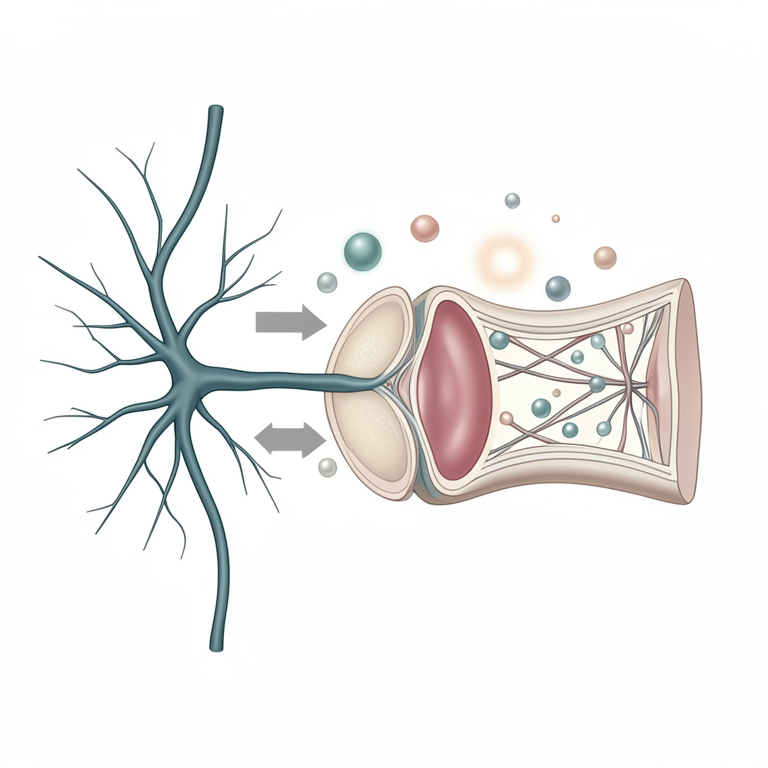
Pathways of Muscle Loss
AI-generated conceptual illustration (human skeletal muscle tissue and motor neurons). It explains the idea and does not show study data.
View source evidence ↗Figures & tables
From the original paper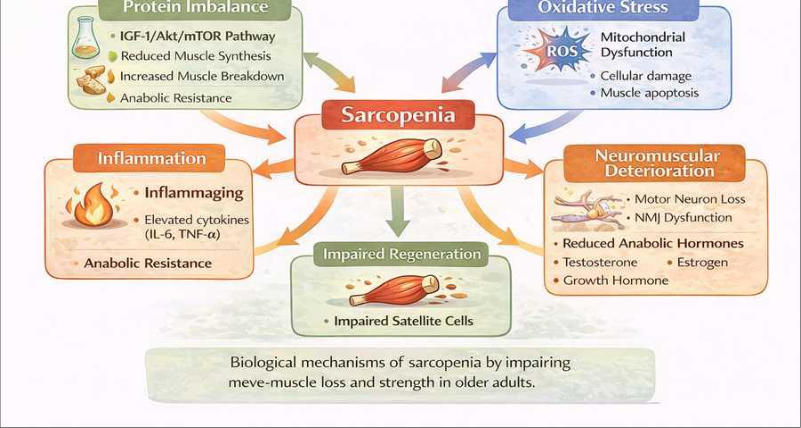 Figure 1
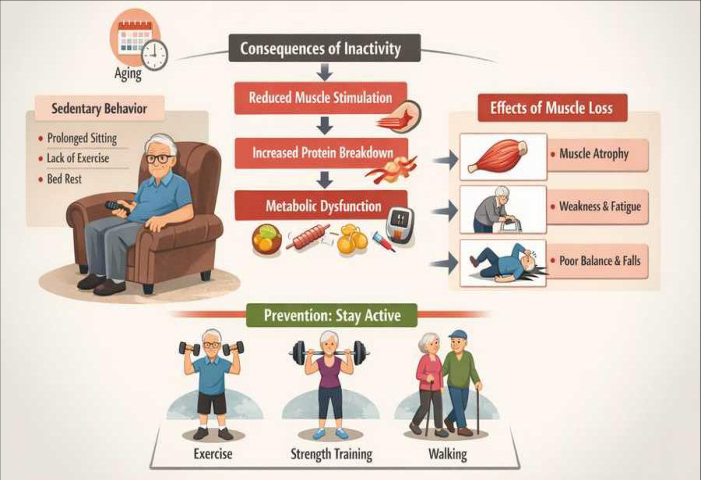 Figure 2
 Table 1
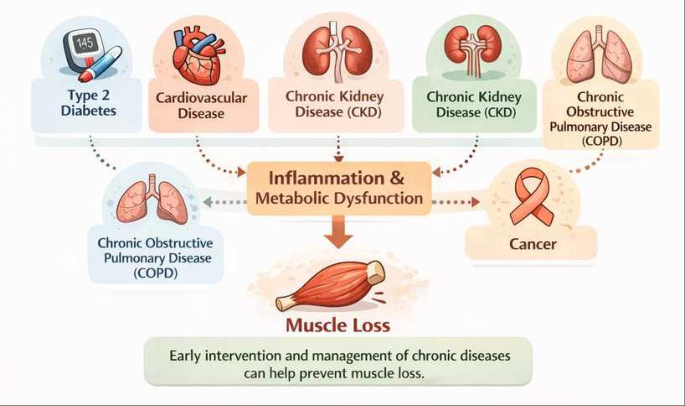 Figure 3
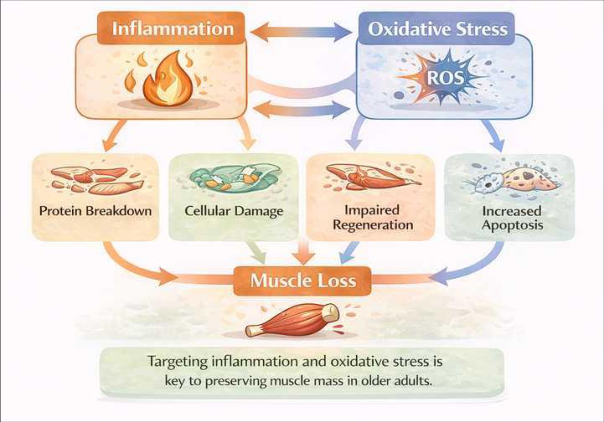 Figure 4
Introduction
Sarcopenia -the age-associated loss of skeletal muscle mass, strength and function -has emerged as a challenging global public health threat. The concept was first proposed by Rosenberg (1997) but it includes now not only the decrease of muscle mass and this term refers to also quality and performance of muscles [1] .Worldwide, due to the rapid growth of the elderly population, sarcopenia is significantly being considered one of the major contributors to frailty, disability and dependence posing great challenges onto healthcare process. Ageing is distinguish by a multitude of biological and physiological alterations that are known to affect the skeletal muscle system. The decrease in levels of anabolic hormones such as testosterone, oestrogen and growth hormone that are crucial for muscle protein synthesis and regeneration is one major reason. Along with hormonal changes, larger age is also associated to mitochondrial dysfunction, high oxidative stress and chronic low-grade inflammation frequently called as "inflammaging" all of which alternates muscle degredation [2][3][4] . This mechanisms shift the balance away from protein synthesis towards breakdown, resulting in progressive muscle mass loss and functional capacity. In aging adults, decreased muscle strength is one of the most established factors related to falls, fractures and hospitalisation [5,6] . In addition, skeletal muscle is important for glucose homeostasis and lipid metabolism, immune function, and recuperation from the illness. As a result, the loss of muscle mass is related to the development of chronic diseases, longer recovery times and even deat [7] . There are both modifiable and non-modifiable risk factors thought to contribute to the pathogenesis and progression of sarcopenia. Immobility, low intracellular protein availability in unresolved unhealthy context such as simple inactivity, diabetes that we will name also as chronic disease as CVD or any inflammatory environments dramatically increase muscle wasting [8] .
International Journal of Biology Sciences https://www.biologyjournal.net Some of Socioeconomic factors are poor nutrition and fewer opportunities for activity compound the issue particularly in low-and middle-income populations.
Studies indicate the beneficial effects of resistance training, sufficient nutrition especially with protein and vitamin D intake and specialized treatment strategies to prevent muscular mass-loss in older individuals [9] . That's why it is important to research the mechanisms, risk factors and consequences of sarcopenia in order to formulate efficacious interventions for older people that increase healthy ageing, decrease fall risk and improve survival.
Natural loss of muscle mass with age
Age-related loss of muscle mass is a normal and inevitable phenomena but the rate and magnitude differ among individuals based on lifestyle, genetics, and health status.
After 30 years of age, adults start losing 3 to 8% of their muscle mass per decade with the rate accelerating after 60 [12] . This gradual decrease is mainly due to a decrease in the size, and the number, of muscle fibers especially type II (fast-twitch) fibers which are responsible for strength and power. Mitochondrial dysfunction increased ROS production and reduced energy production. These ROS induce oxidative damage in muscle cells, leading to impaired function and apoptosis [13] . Additionally, chronic low-grade inflammation leads to increased levels of proinflammatory cytokines (e.g., interleukin-6 [IL-6] and tumor necrosis factor-alpha [TNF-]), which initiate signaling pathways that increase the breakdown of muscle proteins. With ageing, the response of the body to dietary protein intake or physical activity in terms of synthesis of muscle proteins gets impaired and this process is called "anabolic resistance" [14] . Simultaneously, the activity of proteolytic pathways such as the ubiquitin-proteasome system is upregulated which contributes to increased degradation of muscle proteins. Another important factor that leads to muscle loss is changes that occur in the neuromuscular.
Motor neuron function declines progressively with loss of motor units and denervation of muscle fibers. Some reinnervation occurs but it is usually deficient and leaves the muscle fibres dead and the muscle itself less useful. This mix of effects is why we start to lose muscle mass steadily from our late teens onwards.
Effect on physical performance
Age-associated loss of muscle mass and strength has important implications for older adults' physical performance and functional independence. The most obvious change is loss in strength faster than muscle wasting. This condition, we call dynopenia, has an enormous impact on carrying out daily activities such as walking, climbing stairs and lifting objects [6] . Decreased muscle strength and coordination contribute to the increased risk of falls that are one of the leading causes of injury, disability, and mortality in older adults. Increased fall risk; impaired balance, slower reflexes, and decreased gait speed contribute to this. It has been well established by studies that as compared to individuals with normal muscle mass, those with sarcopenia are much more likely to suffer from falls and fractures. Beyond mobility, sarcopenia impairs endurance and physical capacity. Older adults fatigue more easily partly than their muscles are less efficient and have a lower aerobic capacity. This results in a sedentary lifestyle, and again contributes to further muscle loss as part of a downward spiral. Furthermore, less muscle mass impacts metabolic health as well. Skeletal muscle is a primary tissue responsible for glucose uptake and energy metabolism; hence, its loss has been involved in insulin resistance, excessive fat accumulation and greater susceptibility to metabolic diseases such as T2DM [7,15] . Such metabolic adaptations further reduce physical performance and higher risk of chronic diseases and mortality. In summary, atrophy of muscle mass is one of the most important predictor of physical function, independence and quality of life in old age. These changes are crucial for developing interventions to preserve muscle health, prevent falls and foster healthy ageing.
Biological Mechanisms
The sarcopenia included a multifaceted interplay biological factors that lead to myofibrillar protein synthesis and degradation imbalances (Figure 1). These mechanisms are molecular, cellular and systemic changes that the Increasing muscle mass loss and strength among older adults. Anabolic pathways are fundamental mechanisms; the insulin-like growth factor-1 (IGF-1)/Akt/mTOR signalling pathway that indicator for muscle protein formation, are disfunction with age. Concurrently, the catabolic pathways become more active especially the ubiquitin-proteasome system which is causing for protein breakdown and muscular atrophy [1] . Also show "anabolic resistance" in older adults. A depressed response of lean protein synthesis to exercise and dietary protein. Another vital factor is oxidative stress; mitochondrial functionality decreases with age and is associated with an increased ROS level. These molecules break down cell structures, including proteins and DNA, and trigger the apoptosis of muscle cells [3] . IL-6 and TNF-α are pro-inflammatory cytokines that increase the circulating levels and also contribute to accelerating muscle protein degradation [4] .
Neuromuscular degeneration is equally important. In the motor neuron disease spectrum, loss of motor neurons and neuromuscular junction dysfunction impair sufficient communication between nerves and muscles, resulting in lower muscle activation and strength. This is a major contribution to functional decline. In addition to this, the decrease of certain hormones such as testosterone, oestrogen and growth hormone negatively influences muscle maintenance due to lower protein synthesis. Moreover, the satellite cell dysfunction restricts repair and regeneration of muscle. Sarcopenia derives from a number of biological processes that are closely related to each other, including protein imbalance, oxidative stress and inflammation, neuromuscular degeneration and hormonal changes [4] . Impaired muscle regeneration is mediated by the same regulatory systems; thus, knowledge gained from effective tactics aimed at providing these pathways for healthy ageing will be imperative in developing sustainable strategies to overcome age-related impairment in muscle function.
Role of Muscle Mass in Elderly Survival
Skeletal muscle has evolved from a simple tissue controlling motion to an active organ system. Preservation of muscle mass is one of the most critical determinants of survival outcomes in older adults, particularly with chronic disease, infection and recovery from illness. Body composition wasting known as Sarcopenia, is highly predictive of the increased morbidity, longer periods of hospitalisation and mortality [1] .
Maintenance of metabolic health
Skeletal muscle represents the largest metabolic organ in humans and has critical functions in regulating metabolic homeostasis. It is responsible for about 70-80% of postprandial glucose uptake and plays a key role in controling blood glucose levels and preventing insulin resistance [17] . In older adults, the loss of muscle mass decreases the storage capacity of glucose in skeletal muscle, resulting in abnormal glucose homeostasis and a higher incidence of T2DM [7,17] . In addition, skeletal muscle plays a role in lipid metabolism and energy expenditure. Loss of muscle mass is associated with lower basal metabolic rate, facilitating an accumulation of fat and especially visceral fat, which is a risk factor for the metabolic syndrome and cardiovascular diseases [19] . But this change in human anatomy is not only a metabolic medical raider but also goes hand to hand with a new illness risk that comes with life threatening persistent illnesses.
Muscle tissue a reservoir of amino acids which can be mobilised during periods of metabolic stress such as those observed in disease, injury and malnutrition. In individuals who have adequate muscle mass, such stores of amino acids fulfil a requirement for proper organ function and protein production across catabolic states. Skeletal muscle releases a number of bioactive molecules (myokines), such as irisin and interleukin-15, which possess anti-inflammatory and metabolic regulatory functions [7] . Myokines increase insulin sensitivity, down-regulate systemic inflammation, and contribute to metabolic health. So, muscle mass is retained live longer barrier for metabolic disorders.
Boost immunity and healing from illness
Skeletal muscle is essential for supporting immune function. For example, aged people have been found to be more susceptible to illness and to recover more slowly. Glutamine is important Amino acids for Muscle tissue and it is help with the proliferation and function of specific immune cells [17] . Muscle mass offers nutrients source, allowing it to respond effectively against pathogens. Sarcopenia produces a decrease in muscle mass, resulting in a lack of essential substrates needed for a sufficient immune response. This creates a substrate-limited microenvironment that might exacerbate and increase exposure to infections. This is particularly noticeable in older persons who are hospitalized or have a chronic illness, as reduced muscle mass is linked with a higher risk of death or complications [6] . An important factor in recovery from sickness and injury is Muscle mass. Under infection and surgery conditions, the body enters a catabolic condition and protein breakdown increases. A major source of amino acids is Skeletal muscle that necessary for wound healing and acute-phase protein synthesis, and tissue repair. Those patients have higher muscle reserves; they tolerate these catabolic strains better and bounce back sooner. In addition, several studies reported that the strength of the muscles of ill patients plays an important role in respiratory function, because sufficient muscle mass and strength required for diaphragm movement. Week muscle cause of respiratory complications ill patients and increase mortality [7] . In other words, the preservation of muscle mass dramatically improves our immune response to infection, recovery from illness and homeostasis. It is a major factor for resilience among older adults, affecting short-term recovery as well as long-term survivorship.
Risk Factors for Muscle Loss 5.1 Physical inactivity and sedentary lifestyle
Physical inactivity and sedentary time are also significant modifiable risk factors in loss of muscle mass, thus the development of sarcopenia among older adults. Exercise is important for preventing both the loss of muscle mass, strength and function throughout grow older, since contraction in muscle concerns an adequate signal that causes a rise in protein synthesis. Conversely, longer periods of inactivity decrease this stimulus, resulting in lower muscle protein synthesis and greater protein breakdown [1] .
On ageing, all persons common lose the employment of the body, either through lack of mobility or chronic disorder, and lifestyle modifications; not surprising that individuals etc. little out and to bodily motion. This decreased mechanical loading on muscles over prolonged periods of time leads to rapid atrophy in these muscles. This is called disuse atrophy and can occur within days if you are bedridden or hospitalised. Research has found that inactivity even for just a few days can lead to clinically significant reductions in both muscle strength and physical function in older adults (Figure 2) [20] . Metabolic health is also impaired by sedentary behaviour. Sedentary behaviour is combined with decreased insulin sensitivity which leads to impairment of glucose uptake into the muscle and reduced anabolic impact on muscle protein synthesis [17] . Furthermore, the sedentary lifestyle facilitates fat gaining regarding mostly visceral fat, which induces chronic inflammation and desires to further muscle loss.
Inactive lifestyle affects neuromuscular function via enhanced motor unit activation and coordination. It affects older adults' body diminished strength and balance increases fall-related injuries in older adults [6,21] . Furthermore, a vicious cycle of muscle loss develops when activity is combined with other indicators of risk such as obesity, poor diet, and chronic illnesses. Regular exercise, especially resistance and strength training, can significantly decrease muscle loss and help maintain functional performance and quality of life. So promoting activity is key for avoiding sarcopenia and easing healthy ageing.
Chronic diseases
Chronic diseases are an important factor for inducing muscle loss and also a critical driver in the pathophysiology of sarcopenia in older adults (Figure 3). Cancer, T2DM, chronic kidney disease (CKD), cardiovascular diseases and chronic obstructive pulmonary disease (COPD) are among the most common long-term conditions in low-and middleincome countries and these conditions are all highly associated with accelerated loss of muscle mass and strength. These states involve the multiple organ systems and disturb the balance between muscle protein synthesis and degradation. Persistent inflammation is one of main mechanisms underlying chronic diseases-induced loss of muscle. Several chronic inflammatory conditions have increased concentrations of proinflammatory cytokines including interleukin-6 (IL-6) and tumour necrosis factor-alpha (TNF-α). The inflammatory mediators then activate muscle-proteolytic anabolic pathways while also decreasing skeletal-muscle growth, resulting in the continuous loss of muscle [4,16] . This low-grade inflammation, commonly referred to as "inflammaging," is instrumental in aggravating the muscle loss due to aging. Metabolic dysfunction is another key component. T2DM is characterised by insulin resistance, meaning that muscle cells cannot take up glucose and it inhibits protein synthesis, which leads to muscle loss [16,17] . In cardiovascular diseases like heart failure, however, diminished blood flow limits oxygen and nutrient delivery to muscle tissues leading to functional and regenerative impairment. Wasting of muscle is in addition accelerated by chronic kidney disease from metabolic acidosis and protein-energy imbalance, while COPD results in muscle loss due to systemic inflammation resulting from hypoxia, inactivity and each one leads into the other. Cancer has strong links to acute muscle wasting through the process of cachexia, which is defined as more than normal and involuntary loss of muscle. It is a multifaceted syndrome characterized by inflammation, disturbed metabolism, and decreased food intake that collectively drives down patient survival and recovery [1,18] . Besides direct physiological effects, chronic diseases reduce physical activity due to fatigue, pain or disability. This inactivity is further compounded by disuse atrophy, cementing rapid muscle decline. Nutritional deficiencies are also frequently encountered as many patients either have a poor appetite or absorption, which restricts the access to the key amino acids necessary for muscle. Additionally, other treatments for chronic diseases including corticosteroids exert a catabolic effect muscle breakdown. Chronic diseases foster sarcopenia with a complex interaction of inflammation, metabolic abnormalities, immobility and treatment factors. An effective management of such disease process, along with optimal nutrition and physical activity are important in preventing loss of muscle mass and improving health status among older adults [1,18] .
Muscle Loss in Frailty
Frailty is an elderly syndrome marked by diminished physiological capacity, more proneness to stresses, and elevated risk of severe health effects. Loss of muscle, and the specific form sarcopenia, is a core element of frailty and contributes importantly to development and progression. The muscle mass loss and strength reduces stabilisation, mobility, and overall physical functions in older adults. Reduced muscle strength, often defined as handgrip strength and walking speed is one of the characteristics of frailty. This decline is mainly due to the loss of mass and quality of skeletal muscle, which hinders activities such as walking, standing and climbing stairs. The decline of muscle strength renders older people more dependent on assisting, where the risk of disability and institutionalization increases [14] . Table 1 summarizes the main variables associated with frailty and sarcopenia in elderly people. Sarcopenia and frailty are interrelated. Muscle loss plays a role in the frailty syndrome, but at the same time, frailty can exacerbate muscle wasting via diminished physical activity, impaired nutrition and increased inflammation. Frailty is characterized by fatigue, tiredness, low energy levels and weakness is accompanied by display of sedentary lifestyle which aggravates muscle atrophy. This creates a cycle that feeds on itself, whereby losing muscle increases frailty and vice versa. Inflammation is an essential common link between muscle loss and frailty. High levels of the proinflammatory cytokines interleukin-6 (IL-6) and tumour necrosis factor-alpha (TNF-α) lead to an increase in protein degradation and inhibit muscle regeneration. Hormonal changes that happen during aging process also play a role in the decrease of mass and function, such as decrease in anabolic hormones. Frailty is also associated with suboptimal nutritional status, primarily insufficient protein and energy intake. Anecdotal evidence illustrates that the lack of nutrients reduces the availability of critical materials necessary for muscle protein synthesis; thus contributing to muscle loss [14] . Muscle loss in frailty has substantial clinical implications. The frailm are predisposed to falls, fractures, hospitalisation and mortality. Loss of muscle strength reduces balance and coordination so that even minor physiological stressors can be life-threatening. Muscle loss is a core feature of frailty, and declines in muscle mass and function are associated with dependence, the risk of adverse health outcomes, hospitalisation and mortality. Muscle loss has an important role in frailty development, and addressing the issue using evidence-based strategies (resistance exercise, nutritional supplementation, clinical management) is necessary to prevent and/or manage this condition in older adults [14] .
| Key variables | Statement |
|---|---|
| Role of Muscle Loss | Loss of Muscle, especially sarcopenia, is a major contributor to the onset and progression of frailty. |
| Role of Inflammation | Elevated IL-6 and TNF-α increase muscle protein breakdown and impair muscle regeneration. |
| Micronutrient Deficiencies | Vitamin D deficiency impairs muscle function and increases fall risk. |
| Hormonal Factors | Reduced anabolic hormones contribute to decreased muscle mass and function. |
| Role of Inflammation | Elevated IL-6 and TNF-α increase muscle protein breakdown and impair muscle regeneration. |
Table text extracted from the original PDF; superscript letters are shown inline. The original table image is below.
View original table image
Inflammation and Oxidative Stress
As illustrated in Figure 4, inflammation and oxidative stress are critical biological drivers of muscle loss and sarcopenia risk in older adults. These processes are intimately interrelated and centrally important to disrupting muscle homeostasis associated with enhanced protein degradation and impaired muscle regeneration. Ageing is a typical inflammatory milieu, known as chronic-low grade inflammation, or "inflammaging". This is characterised by high-level expression of pro-inflammatory cytokines including interleukin-6 (IL-6), tumour necrosis factor-alpha (TNF-α) and C-reactive protein (CRP). Inflammatory mediators promote the activation of catabolic pathways, for example through the ubiquitin-proteasome system, which increase muscle protein degradation [4] . Inflammation suppresses many anabolic signalling pathways, as well as the insulin-like growth factor-1 (IGF-1)/Akt/mTOR pathway, thus decreasing muscle protein synthesis during aging. This imbalance causes a net loss of muscle mass throughout years [1,4] . Inflammation is also bad for satellite cells, the muscle stem cells that give rise to myoblasts (early stage muscle) and are important for remodeling. Prolonged exposure to inflammatory cytokines leads to defected activation and differentiation of these cells, thereby hindering the muscle's ability for recovery from injury or stress. Consequently, older muscle tissue is more vulnerable to injury and degeneration. This leads to muscle atrophy by promoting oxidative stress. It happens if the production of reactive oxygen species (ROS) becomes imbalanced with the body's antioxidant defence mechanisms. The age-associated decline of mitochondrial function is suggested to increase local ROS production in muscle cells [4,13] . A type of molecule called reactive oxide species can destroy proteins, lipids and DNA, resulting in cellular dysfunction which ultimately accelerates muscle cell apoptosis [4] .
Oxidative stress and inflammation together unite in a vicious cycle. Since oxidative stress can activate inflammatory pathways, they will naturally amplify the damage to cells triggered by ROS. This process increases the rate of muscle breakdown and plays a major role in sarcopenia progression, depicted in Figure 4. Furthermore, oxidative stress directly reduces mitochondrial efficiency, leading to diminished production of ATP and muscle cell energy availability. This results in fatigue due to decreasing muscle endurance which restricts physical activity and contributes to muscle atrophy. Increased immobility then worsens inflammation and oxidative stress, creating a vicious cycle of muscle wasting. Other lifestyle factors such as poor diet, smoking, sedentary lifestyle and chronic diseases could boost the levels of oxidative stress and inflammation. Alternatively, regular exercise and a healthy lifestyle with an antioxidant-rich diet (e.g., antioxidants vitamins C and E) could limit these deleterious procedures and protect muscle health [13] .
Neuromuscular Degeneration
Sarcopenia is defined as the progressive loss of skeletal muscle mass, which underlies age-related muscle loss caused by several factors, one of them being neuromuscular degeneration in older adults. This is the gradual loss of components of the nervous system that are more specifically responsible for muscle function, such as motor neurons and neuromuscular junctions. They provide a pathway (also known as axons) in which signals are conveyed from the brain and spinal cord to skeletal muscles, ultimately facilitating contraction and movement. Motor neuron loss varies with age, exhibiting a persistent and accumulated decline over time from fast-twitch (type II) muscle fibers that innervate strength and power. This also results in denervation of affected muscle fibers, which will become smaller and ultimately undergo atrophy. While local reinnervation is provided due to regenerative sprouting of nearby neurons, this mechanism can be incomplete and less effective, leading to muscle function loss and lower muscle quality [6] . The neuromuscular junctions (NMJs) -the sites of connection between nerve cells and muscle fibers -also show structural and functional changes with age. Such alterations can lead to fragmentation of junctions, reduced release of neurotransmitters and disruption of signal transmission. The consequence is a less responsive muscle activation, which results in diminished capacity to generate force, slower reflexes, and inhibited synchronization.
Another reason for less motor unit recruitment is the degeneration of nerve junctions that cause some muscle fibers to be inactive in movement. This decline has a significant impact on physical function, balance and mobility in older adults. Consequently, there is a risk of people falling down, sustaining injuries or becoming functionally disabled. The co-activity of neuromuscular decline with other mechanisms such as inactivity and hormonal changes accelerates the loss of muscle mass. In particular, lower physical activity magnifies the decline in neural function because it leads to decreased stimulation of motor pathways [6] . Nevertheless, neuromuscular degeneration is essential in sarcopenia because it disrupts nerve-muscle communication and weakens muscle function. This process, and the pathophysiology related to it is important to understand in order to formulate interventions e.g. resistance training and neuromuscular exercises targeted at preserving muscle strength, coordination; functional independence across old age.
Socioeconomic and Healthcare Burden
Sarcopenia carries a high socioeconomic and healthcare burden worldwide and, as our global population ages further, is eagerly searched for preventative measures. In addition to the biological and clinical implications Atrial Fibrillation has a significant impact on health systems, economic productivity and older peoples quality of life. The gradual loss of muscle mass and function leads to higher dependency on family, hospitalisation and long-term care needs, thus placing a significant burden on both the family dynamics as well as the healthcare system [1] .
Increased Healthcare Utilisation and Costs
Higher utilisation of health services is one of the most immediate consequences of sarcopenia. Older patients with low muscle mass are at increased risk for falls, fractures of the bones, and other mobilitiy-related injuries that tend to require hospitalisation and surgery. Sarcopenic patients have longer hospital stays and significantly higher rates of readmission compared to non-sarcopenic patients [6] . The economic costs of these outcomes are also large. Healthcare costs associated with sarcopenia, such as hospitalization, recovery, medication, and the ongoing treatment of complications. The economic burden of sarcopenia corresponds to that of different chronic diseases like osteoporosis and cardiovascular disease in many countries.
In addition, the need for specific care such as physiotherapy and nutritional support increases costs [22,23] . And especially in low-and middle-income countries with limited health system, the massive burden. Inadequate approaches to early diagnosis and prevention of complications are contributing factors causing late-phase disease conditions which ultimately escalate treatment costs and mortality.
Disability, Dependency, and Reduced Quality of Life:
The principal factor is Sarcopenia that physical disability loss of independence for older adults. The week's muscle strength hampers the walking problems, that is why people will become dependent on nursing home facilities. Sarcopenia may increase the probability of developing depression, reduced self-esteem and social isolation in older adults because they cannot engage in quotidian and social activities [14] . All this contributes to a very significant drop in quality of life. A great strain on family members and caregivers is emotional and financial burden on them as well. Long-term care of sarcopenic subjects is very time, effort and resources consuming, severely affecting the caregivers' productivity and health [3,14] .
Impact on Mortality and Public Health Systems
Sarcopenia has a high mortality risk associated with it especially in seniors suffering from chronic diseases. Decreased strength and muscle mass make the body less responsive to physiological stress, infections, and acute diseases. This makes them more high-risk, resulting in a higher risk of complications and death, especially when they are hospitalised or critically ill [19] . The increase of sarcopenia is an important problem at the public health level. Since many people live to be older, a considerably more relevant part of the populace is in danger of loss of volume and quality in muscles connected with age. This will in turn lead to an increased demand for healthcare services, rehabilitation programs and long-term care facilities. In addition, sarcopenia typically occurs in the presence of chronic interrelated diseases such as diabetes mellitus, cardiovascular disease and osteoporosis [19,24] .
Prevention and Management
If adequate lifestyle and clinical therapies are not used, sarcopenia, a progressive condition, may result in a number of side effects. Due to the complex nature of sarcopenia, prevention and treatment must employ an integrated strategy that includes selective pharmaceutical therapy, dietary assistance, and physical activity. Maintaining muscle mass, functioning, and quality of life in older adults requires early diagnosis and intervention [2,18,25] .
Physical Activity and Resistance Training
Regular exercise is the strongest treatment for sarcopenia prevention and treatment. Exercises that are performed in a gym setting (for example resistance band exercises, and bodyweight training) are known to boost muscle protein synthesis. mTOR are anabolic signalling pathways that boost muscle strength [25] . Resistance training boosts muscle strength, mass, and balance in older adults and may enhance overall physical improvement. Regular exercise improves body strength and stability to minimise falls and bone fractures. Swimming, dancing, cycling and walking is an aerobic activity, that boosts cardiovascular health and helps maintain strength along with resistance exercises. Interestingly, any physical activity reduces the sarcopenic progression rate [19] .
Nutritional Interventions
Ensuring proper nutrition is vital to preserving muscle mass and preventing sarcopenia. This is especially true for protein, because amino acids are the raw material of muscle protein synthesis. Compared to younger individuals, older adults may require a higher intake of protein (∼1.0-1.2 g/kg body weight/day) than their younger counterparts because of anabolic resistance. Good sources of protein such as dairy products, eggs, lean meat, fish and legumes are suggested. Certain amino acids, particularly leucine, stimulate muscle protein synthesis via activation of anabolic pathways. Supplementing essential amino acids or whey protein could be beneficial, especially if intake from food sources is insufficient. Micronutrients such as calcium and vitamins C, D and E play a key role for muscle function and antioxidant properties, increasing muscle strength, which prevents fracture and relieving oxidative stress due To muscle degeneration [18,25] .
Pharmacological and Therapeutic Approaches
While lifestyle changes are one of the most important pillars of sarcopenia care, pharmacological therapies may augment these strategies. A modern therapy in medical science is Hormone replacement therapy. For example, Testosterone Hormone therapies play important role for increasing muscle mass and strength. But, Hormone therapies have side effects if not proper uses. Additionally, other novel therapies, such as selective SARMs (Selective androgen receptor modulators), anti-inflammatory agents and myostatin inhibitors, can increase muscle mass. These treatments are attractive, but the majority of them are still in clinical testing and have not yet been incorporated into routine practice. Physical therapy and rehabilitation programs are also an important part of management, especially for older patients with advanced sarcopenia or mobility limitations. These interventions are targeted towards improved strength, balance, and functional independence [2] .
Early Detection and Lifestyle Modifications
Early identification of sarcopenia is crucial for successful prevention or management because it is a significant risk factor for morbidity and mortality in older persons. In clinical practice, gait velocity measurement, handgrip strength tests, and muscle mass assessment (DXA or bioelectrical impedance analysis) are often used as screening instruments. Early detection of those who are at risk allows for a successful intervention before significant loss of muscle begins. Because of this, lifestyle changes including consistent exercise, avoiding extended periods of inactivity, and maintaining a well-rounded diet are the key ways to avoid sarcopenia. Nevertheless, effective public health initiatives in the prevention of this condition are feasible through increase awareness, promotion of healthy ageing and regular exercise. Moreover, controlling other chronic disorders like diseases of diabetes (like glucose control), cardiovascular disorders and obesity that favours muscle loss process is also important. The best treatment for sarcopenia can be multidisciplined and typically consists of physicians, nutritionists, physiotherapists, and caregivers [1,2] .
Conclusion
Sarcopenia is a progressive age-related syndrome characterized by loss of skeletal muscle mass, strength and function which has an enormous burden on health and mortality in older adults. The condition is driven by interplay of endocrine changes, long-term inflammation, cellular oxidation and neuromuscular degeneration with lifestyle factors and chronic diseases. When these biologic and physiologic maladaptations occur, they discouragingly prevent muscle protein synthesis and muscle-proteolysis to lead to decrease in muscle mass/physical performance over time. You are not training on muscle weakness and mobility limitations; sarcopenia has implications. A reduction in muscle mass is linked with a higher risk of frailty, falls, fractures, hospitalisation, disability and mortality leading to adverse effects on metabolic control, immunity and recovery from illness. In ageing populations, sarcopenia also represents a major socio-economic and health-system burden due to increased utilisation of health care and longterm care needs leading to increased health care costs. Sarcopenia is a geriatric syndrome with significant clinical relevance and can be prevented and treated if detected in time, using an integrative approach. Regular physical activity, especially resistance training, an adequate dietary intake of foods with sufficient protein and vitamin D and healthy lifestyle modifications are of critical importance to preserve muscle mass and functional autonomy. In addition, properly taken care and treated can be one way of delaying the course of the disease and ameliorating life quality for an aged adults. Thus, skeletal muscle health represents an important target for the promotion of healthy ageing and fall prevention and recovery from illness in the elderly.
Acknowledgement
AcknowledgementsThe authors are grateful to the Honourable Chancellor Madam of Seacom Skills University and and M R Bangur Hosptial for completing this review work.
References
26 in the original paper- Cruz-Jentoft AJ, Bahat G, Bauer J, Boirie Y, Bruyère O, Cederholm T, et al. Sarcopenia: revised European consensus on definition and diagnosis. Age Ageing. 2019;48(1):16-31.
- Morley JE, Anker SD, von Haehling S, Preedy VR, Grimble G. Cachexia and sarcopenia in older adults. Facts Res Interv Geriatr. 2014:1-10.
- Fulle S, Protasi F, Di Tano G, Pietrangelo T, Beltramin A, Boncompagni S, et al. The contribution of reactive oxygen species to sarcopenia and muscle ageing. Exp Gerontol. 2004;39(1):17-24.
- Cesari M, Landi F, Vellas B, Bernabei R, Marzetti E. Sarcopenia and physical frailty: two sides of the same coin. J Gerontol A Biol Sci Med Sci. 2012;67(7):721728.
- Mondal M, Konar A, Halder S, Roy A, Das Dalal D, Ghosh P. An insight into the morphological, ethnomedicinal, phytochemical and pharmaceutical properties of Buchanania lanzan. J Med Plants Stud. 2024;12(1):11-17.
- Landi F, Liperoti R, Russo A, Giovannini S, Tosato M, Capoluongo E, et al. Sarcopenia as a risk factor for falls in elderly individuals: results from the ilSIRENTE study. Clin Nutr. 2012;31(5):652-658.
- Argilés JM, Busquets S, Stemmler B, López-Soriano FJ. Cancer cachexia: understanding the molecular basis. Curr Opin Pharmacol. 2016;22:100-106.
- Dent E, Morley JE, Cruz-Jentoft AJ, Arai H, Kritchevsky SB, Guralnik J, et al. International Clinical Practice Guidelines for Sarcopenia (ICFSR): screening, diagnosis and management. J Am Med Dir Assoc. 2018;19(5):406-414.
- Peterson MD, Rhea MR, Sen A, Gordon PM. Resistance exercise for muscular strength in older adults: a meta-analysis. Ageing Res Rev. 2010;9(3):226-237.
- Saha M, Roy Chowdhury S, Mitra D, Ghosh C, Ghosh P, Chatterjee S. Preliminary phytochemical screening International Journal of Biology Sciences https://www.biologyjournal.net with the evaluation of antioxidant and antimicrobial efficacy of Citrus limon and Citrus aurantifolia leaf hydroalcoholic extracts: a comparative study. Int J Bot Stud. 2021;6(4):98-105.
- Calder PC. Feeding the immune system. Proc Nutr Soc. 2013;72(3):299-309.
- Rosenberg IH. Sarcopenia: origins and clinical relevance. J Nutr. 1997;127(5 Suppl):990S-991S.
- Fulle S, Protasi F, Di Tano G, Pietrangelo T, Beltramin A, Boncompagni S, et al. The contribution of reactive oxygen species to sarcopenia and muscle ageing. Exp Gerontol. 2004;39(1):17-24.
- Burd NA, West DWD, Moore DR, Atherton PJ, Staples AW, Prior T, et al. Enhanced amino acid sensitivity of myofibrillar protein synthesis after resistance exercise in older men. FASEB J. 2012;26(11):4765-4773.
- Biswas M, Ghosh P, et al. Phytochemical analysis and determination of in vitro antioxidant and antimicrobial activity of Phyllanthus amarus leaf extracts. Int J Bot Stud. 2020;5(5):483-490.
- Mahapatra S, Konar A, Ghosh P, Basu S, Tabia T. Growing antibiotic resistance and superbug problem in India. IJBS. 2026;8(3):116-124.
- DeFronzo RA, Tripathy D. Skeletal muscle insulin resistance is the primary defect in type 2 diabetes. Diabetes Care. 2009;32(Suppl 2):S157-S163.
- Deutz NEP, Bauer JM, Barazzoni R, Biolo G, Boirie Y, Bosy-Westphal A, et al. Protein intake and exercise for optimal muscle function with aging. Clin Nutr. 2014;33(6):929-936.
- Srikanthan P, Karlamangla AS. Muscle mass index as a predictor of longevity in older adults. Am J Med. 2014;127(6):547-553.
- Dirks ML, Wall BT, Nilwik R, Weerts DH, Verdijk LB, van Loon LJC. Skeletal muscle disuse atrophy is not attenuated by dietary protein supplementation in healthy older men. J Cachexia Sarcopenia Muscle. 2016;7(5):515-525.
- Konar A, Barwan M, Kaur J, Yasmeen M, Ghosh P, Gangul P, Kadyan P. Ethical considerations in food science and technology. In: Innovations in food science. Boca Raton (FL): CRC Press; 2026. p. 170-193.
- Beaudart C, Zaaria M, Pasleau F, Reginster JY, Bruyère O. Health outcomes of sarcopenia. Osteoporos Int. 2014;25(3):877-889.
- Sousa AS, Guerra RS, Fonseca I, Pichel F, Amaral TF. Sarcopenia and length of hospital stay. Eur J Clin Nutr. 2016;70(5):595-601.
- Cawthon PM, Marshall LM, Michael Y, Dam TT, Ensrud KE, Barrett-Connor E, et al. Sarcopenia and mortality in older men: findings from the Osteoporotic Fractures in Men (MrOS) Study. J Am Geriatr Soc. 2007;55(8):1215-1222.
- Peterson MD, Sen A, Gordon PM. Influence of resistance exercise on lean body mass in aging adults: a meta-analysis. Med Sci Sports Exerc. 2010;42(2):249265.
- Bischoff-Ferrari HA, Dawson-Hughes B, Willett WC, Staehelin HB, Bazemore MG, Zee RY, Wong JB. Effect of vitamin D on falls: a meta-analysis. JAMA. 2004;291(16):1999-2006.