
Research article · 2026 · Full text
International Journal of Horticulture and Food ScienceValorisation of pineapple pomace powder as a functional ingredient in cookie fortification
Volume 8(1) · Pages 29–33 · DOI: 10.33545/26631067.2026.v8.i1a.452 ↗
Research areasPineapple and bromelain studiesNanocomposite Films for Food PackagingBotanical Research and Applications
Abstract
Author-writtenThe pineapple industry is a significant contributor to the global fruit market, generating substantial amounts of waste, including peels, cores, and pomace. Effective utilisation of this waste can mitigate environmental impacts and create new revenue streams. This study examines the potential of pineapple pomace powder as a value-added ingredient in the bakery industry, with a focus on its application in cookie production. The pineapple pomace powder obtained was rich in carbohydrates (35.25 g) and crude fibre (17.86%). Cookies enriched with pineapple pomace powder baked at 140 °C for 35 minutes produced cookies with a fine, crispy texture with delicate pineapple flavour and were found microbiologically stable for 90 days. This study revealed that refined wheat flour can be fortified with 10.8% pineapple pomace powder to prepare functional cookies without compromising sensory properties and microbiological safety.
Summary
Source-checkedPlain-language reading of the full paper, prepared with AI and checked against the text. Each point links to the authors' own words.
Why it matters
- Pineapple industrial processing generates significant biowaste, with pomace making up 50% of that waste, which overall accounts for 25-35% of the fruit's total weight. View evidence ↗
- Pineapple pomace is a rich source of dietary fiber, containing approximately 45.22 ± 3.62% fiber, of which 98.18% is insoluble. View evidence ↗
The question
- The study aims to evaluate whether pineapple pomace powder can be used as a value-added ingredient for producing cookies. View evidence ↗
What they did
- Pineapple pomace powder was prepared by treating pomace with 0.5% citric acid and 0.3% potassium metabisulphite for 10 minutes, followed by air drying at 60 °C for 24 hours and pulverization. View evidence ↗
- Five cookie formulations were tested, ranging from a control (S0) with 0g of pineapple pomace powder to S20 with 20g of powder, while keeping sugar, butter, and baking powder constant. View evidence ↗
- Cookie quality was assessed using a 5-point Hedonic scale to evaluate color, texture, flavor, and overall acceptability. View evidence ↗
- Microbial safety was monitored over 120 days of room temperature storage using a modified pour plate method. View evidence ↗
What they found
- The pineapple pomace powder (PPP) contained 6.72 ± 0.16% moisture, 35.25 ± 0.22g of total carbohydrates, 17.86 ± 0.12% crude fiber, 3.24 ± 0.08% total minerals, and 16.20 ± 0.02mg of calcium per 100g. View evidence ↗
- The optimal baking condition was found to be 140 °C for 35 minutes, which resulted in a fine and crispy texture. View evidence ↗
- Fortification levels of S10, S15, and S20 were rejected by panelists due to a harder texture, reduced spread, and a vegetative odor. View evidence ↗
What it means
- The authors conclude that refined wheat flour can be fortified with 10.8% pineapple pomace powder to create functional cookies that are sensory-acceptable and microbiologically safe. View evidence ↗
Visual summary
2 visualsIllustrations explain the paper; charts are replotted from the paper's own table values.
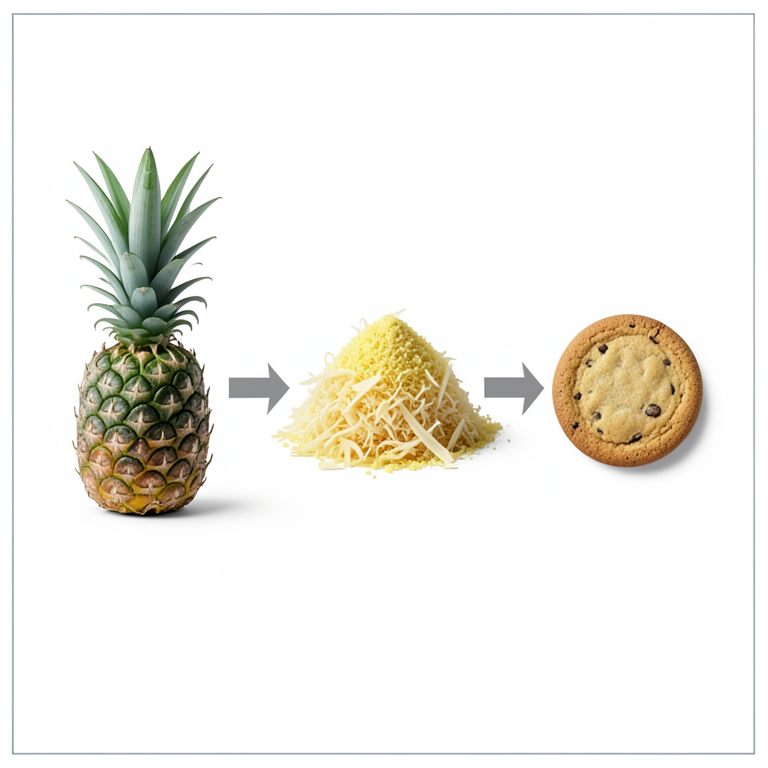
Circular Economy of Pineapple Waste
AI-generated conceptual illustration (pineapple fruit, pineapple pomace powder, and cookies). It explains the idea and does not show study data.
View source evidence ↗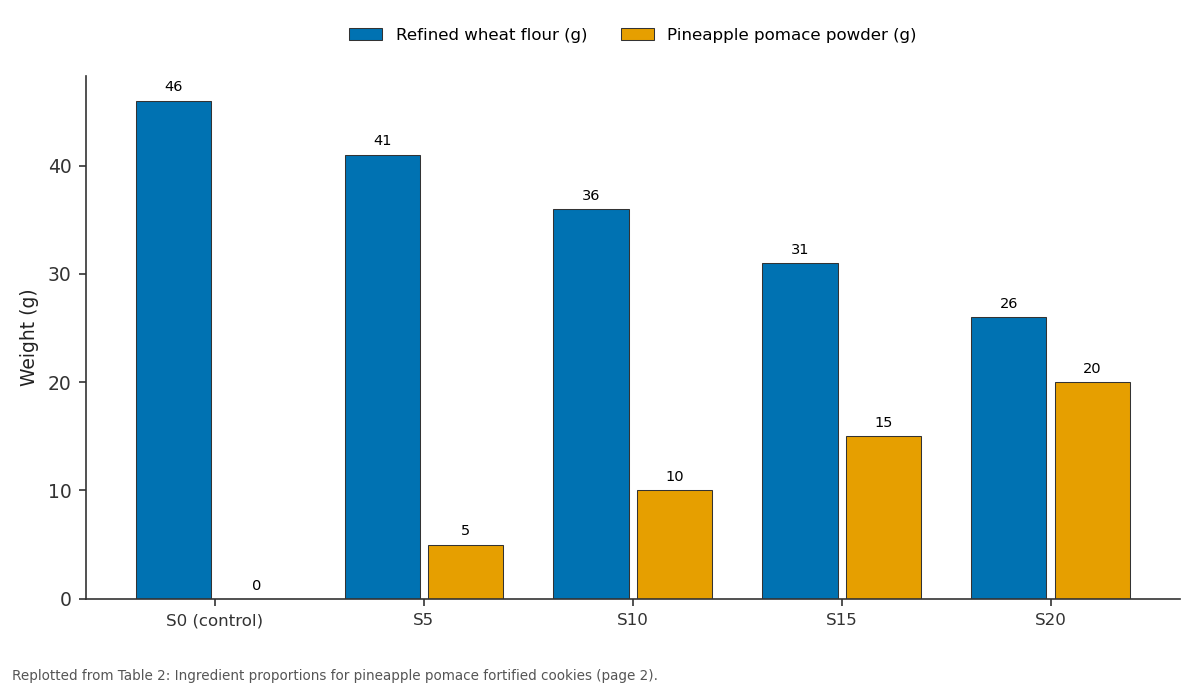
Refined wheat flour (g) and Pineapple pomace powder (g): S0 (control) vs S5 vs S10 vs S15 vs S20
Replotted from Table 2 (page 2) of the original paper. Every bar is the paper's own table value.
View source evidence ↗Figures & tables
From the original paper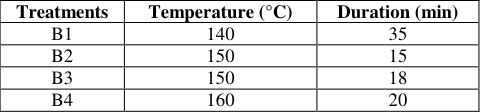 Table 1
 Table 2
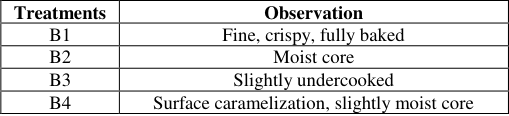 Table 4
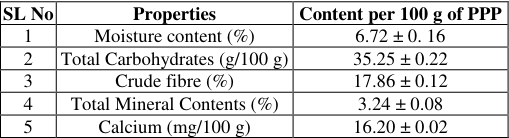 Table 3
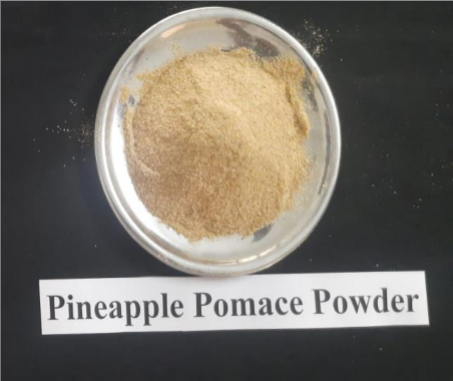 Figure 1
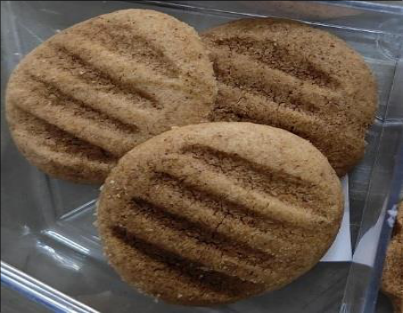 Figure 2
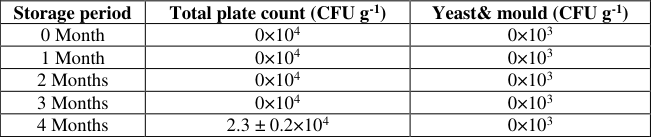 Table 5
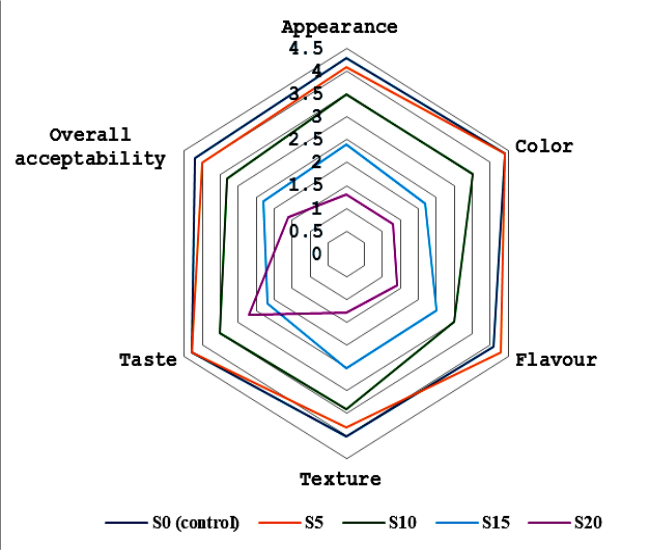 Figure 3
Introduction
Pineapple (Ananas comosus (L.) Merr. Bromeliaceae) is one of the most popular tropical fruits in the global market. Industrial processing of pineapple produces a large amount of fruit biowaste, mainly consisting of peel (30%), pomace (50%), core (7%), and crown (13%), which accounts for about 25-35% of the fruit's total weight (Banerjee et al., 2018) [4] . Selani et al., 2014 [22] , have reported that because these untreated fruit biowaste are improperly disposed of, as they lack a specific destination. However, these biowastes have significant potential to be recycled into raw materials or converted into valuable, higher-grade products (Abdullah et al., 2020) [1] . Valorising pineapple by-products offers a sustainable approach aligned with circular economic principles, opening promising opportunities for innovation and economic development in the food industry (Jose et al., 2022) [15] . The bakery industry is an essential part of the food sector, offering a diverse selection of convenient and functional foods tailored for health-conscious consumers. Cookies are readyto-eat baked products valued for their sensory appeal, ease of eating, affordability, and potential for nutritional enhancement through the addition of functional ingredients (Jose et al., 2022) [16] . They are made using a formulation high in sugar and fat (shortening) and contain very little water. Unlike bread and cakes, their low moisture level reduces the risk of microbial growth, allowing them to have a longer shelf life (Hanan, 2013) [11] . The main flour used in cookie production is typically wheat or composite flour, which forms the base ingredient in many baked goods, including bread, cakes, rolls, and pastries (Giwa and Ikujenlola, 2010) [9] . However, refined or bleached flours widely used in commercial baking have been linked to potential long-term health risks. Some researchers have called these refined flours "slow poisons" because of their low nutritional value and possible negative metabolic effects from chronic use. The high gluten content and calorie density of wheat flour have raised nutritional and health concerns, leading researchers to explore indigenous and underutilized flours as viable alternatives to partially or fully replace wheat flour in food formulations (Bello et al., 2022) [5] . Adjusting the standard recipe by adding functional ingredients like dietary fibre, alternative grains, and fat replacers has resulted in biscuits with improved nutritional quality and functional properties (Handa et al., 2012; Yadav et al., 2012) [12,24] . Pineapple pomace, the fibrous residue left after juice extraction, is a significant by-product of pineapple processing and is high in dietary fibre, approximately 45.22 ± 3.62%, with 98.18% being insoluble. This makes it a promising functional ingredient for high-fibre food formulations. Adding pineapple pomace powder to cookie recipes can boost their nutritional quality by increasing dietary fibre and providing beneficial techno-functional properties. The high water-holding capacity (WHC) and oilbinding capacity of the fibers can improve dough handling, reduce spread during baking, and contribute to desirable textures like chewiness and crispness. Additionally, these properties can help retain moisture and enhance the sensory acceptance of the final product (Elleuch et al., 2011) [6] . Foods rich in dietary fibre typically have a low glycemic index, leading to a slower and more controlled rise in blood glucose and insulin after eating, while also supporting weight management and lowering Low Density Lipoprotein (LDL) cholesterol levels.
Materials and Methods
Materials and Methods
Procurement of raw materials
Fresh fruits of 'Vazhakulam Pineapple', food-grade citric acid and potassium metabisulphite (KMS), refined wheat flour, sugar, butter, salt, and baking powder were sourced from the local market.
Preparation of pineapple pomace powder (PPP)
Fresh fruits were peeled and pomace was obtained immediately after juice extraction. Pineapple pomace was cabinet air dried at 60 °C for 24 hours after 10 minutes pretreatment with 0.5% citric acid and 0.3% potassium metabisulphite (KMS). Dried pomace was pulverised to fine powder in a household mixer grinder (Panasonic), sieved, and stored in HDPE container at ambient conditions for cookies preparation.
Assessment of physicochemical characteristics of PPP
Physico-chemical properties, moisture (%), mineral (%), calcium (%), crude fibre (%) and total carbohydrates(%) of the dried PPP were estimated as per Ranganna (1991) [20] and mean value of 3 determinations were estimated.
Optimisation of baking parameters
Preliminary experiments were conducted to optimise microwave baking temperature and duration to achieve uniform baking and the desired cookie texture (Table 1). Due to the high fibre and sugar content of pineapple pomace flour, cookies were baked at 140, 150, and 160 °C to allow gradual moisture removal while preventing excessive browning and quality deterioration. University, Gwalior (Madhya Pradesh), to study the effect of different. 2. Butter and powdered sugar, weighed accurately, were manually creamed until a light and fluffy consistency was obtained. The fortified flour was mixed with baking powder and incorporated into the creamed mixture. The dough was kneaded to achieve a plastic, nonsticky consistency and portioned into uniform sizes, which were baked at 150 °C for 18 minutes in a preheated convection microwave oven. The different formulations of cookies were organoleptically analysed for color, texture, flavour and overall acceptability using a 5-point Hedonic scale as described by Ranganna (1991) [20] . After baking, the cookies were cooled on a wire rack and organoleptically tested. The best product based on organoleptic score was packed in aluminium laminate pouches and stored for 120 days at room temperature.
| Treatments | Temperature (°C) | Duration (min) |
|---|---|---|
| B1 | 140 | 35 |
| B2 | 150 | 15 |
| B3 | 150 | 18 |
| B4 | 160 | 20 |
Table text extracted from the original PDF; superscript letters are shown inline. The original table image is below.
View original table image
Assessment of microbial quality of PPP fortified cookies
The microbial safety of developed functional cookies was monitored for 120 days of storage at room temperature. The pour plate method (Ikechukwu et al., 2017) [19] was employed with minor modifications. One gram of cookie sample was homogenized in 10 ml sterile peptone water and serially diluted. From each dilution, 1 ml aliquots were transferred to sterile petri dishes and overlaid with ~15 ml molten nutrient agar, mixed thoroughly, and incubated at 38 °C for 24 h to determine total viable counts (CFU/g). For yeast and mould enumeration, aliquots were pour-plated with molten Sabouraud Dextrose Agar (SDA) and Potato Dextrose Agar (PDA) supplemented with antibiotics and incubated at ambient temperature for 3 days and colony counts were recorded.
Statistical Analysis
The statistical analysis was carried out using the 'GRAPES' (R-shiny Based Analysis Platform Empowered by Statistics) software (Gopinath et al., 2020) [10] .
Results and Discussion
Results and Discussion
Physico-chemical properties of Pineapple Pomace Powder (PPP)
The pineapple pomace powder recorded a moisture content of 6.72%, which is well below the critical limit for microbial growth and enzymatic activity (Croguennec and Jeantet et al., 2016) [14] . Such low moisture ensures better storage stability and longer shelf life. The crude fibre content was 17.86%, reflecting the fibrous nature of pomace residues rich in cell wall components (Table 3). This high fibre level justifies its use as a potential dietary fibre supplement for functional food applications (JA Larrauri., 1999) [17] . The total carbohydrate content (35.25%) indicates the presence of residual sugars and polysaccharides, which contribute to the nutritive value of the powder (Huang et al., 2021) [13] . The total mineral content (3.24%) represents appreciable mineral matter, while the calcium level (16.20 mg/100 g), though modest, contributes to the overall mineral profile. The analytical results demonstrate that pineapple pomace powder is a low moisture, fibre-rich material (Figure 1).
| SL No | Properties | Content per 100 g of PPP |
|---|---|---|
| 1 | Moisture content (%) | 6.72 ± 0. 16 |
| 2 | Total Carbohydrates (g/100 g) | 35.25 ± 0.22 |
| 3 | Crude fibre (%) | 17.86 ± 0.12 |
| 4 | Total Mineral Contents (%) | 3.24 ± 0.08 |
| 5 | Calcium (mg/100 g) | 16.20 ± 0.02 |
Table text extracted from the original PDF; superscript letters are shown inline. The original table image is below.
View original table image
Optimisation of baking conditions for cookies
Cookies were baked at different temperature-time combinations to determine optimal conditions. Baking at 140 °C for 35 minutes (B1) produced cookies with a fine, crispy texture, indicating complete baking and uniform moisture removal. Baking at 150 °C for 15 minutes and 150 °C for 18 minutes resulted in under baked cookies, and a soft texture. Increasing the temperature to 160 °C for 20 minutes (B4) led to rapid surface browning, limited uniform heat transfer and slightly moist core (Table 4). These observations demonstrate that both temperature and baking time are critical parameters for achieving desirable cookie quality. (Šarić et al., 2017) [21] . Based on these trials, 140 °C for 35 minutes was selected as the optimal baking condition (Figure 2).
| Treatments | Observation |
|---|---|
| B1 | Fine, crispy, fully baked |
| B2 | Moist core |
| B3 | Slightly undercooked |
| B4 | Surface caramelization, slightly moist core |
Table text extracted from the original PDF; superscript letters are shown inline. The original table image is below.
View original table image
Effect of PPP fortification on sensory attributes of cookies
The sensory evaluation of cookie samples (Figure 3) indicated that cookies without PPP (S0) and composite flour with PPP (S5) had satisfactory scores across all sensory attributes. Incorporation of pineapple pomace powder (PPP) at10.8% in refined wheat flour provided optimal functional enrichment while maintaining desirable texture, colour, odour, and flavour. Higher levels of PPP (S10, S15, and S20) produced a harder texture, reduced spread, and a slightly vegetative odour, resulting in lower sensory scores and rejection by the panelists. The increased dietary fibre content and residual fruit components at higher fortification levels may have adversely affected the texture, flavour, and aroma of the cookies, leading to a decline in sensory acceptability. Accordingly, only S0 and S5 (Figure 3) were acceptable in terms of appearance, colour, flavour, texture, and overall sensory quality. Refined wheat flour with pineapple pomace powder at levels of 10.8% or lower can be used to prepare functional cookies without adversely affecting consumer-preferred sensory attributes.
Microbial quality of PPP fortified cookies
The total microbial count serves as an indicator of a food's production, storage, and handling conditions, and can be used to estimate its shelf life and quality retention. (Ikechukwu et al., 2017) [19] . Microbial analysis on the first day of cookie production showed no bacterial growth on Nutrient Agar and no detectable yeast or mould growth on Potato Dextrose Agar and Sabouraud Dextrose Agar. The microbiological integrity remained unchanged during the three-month storage duration (Table 5). The values are represented as mean ± standard deviation It was reported that the maximum bacteria (aerobic) plate count for cookies is 5.30 X 10 4 CFU/g and, 5.0 X 10 3 CFU/g for mould counts (Allen et al., 2004). This could also be due to the dry nature of the cookie samples (Ezeama, 2007) [8] . Bacteria usually require at least 0.91 water activity (aw) and fungi require at least 0.7aw, while below 0.6 aw microorganisms cannot be able to survive (Croguennec and Jeantet et al., 2016) [14] .
| Storage period | Total plate count (CFU g-1) | Yeast& mould (CFU g-1) |
|---|---|---|
| 0 Month | 0×104 | 0×103 |
| 1 Month | 0×104 | 0×103 |
| 2 Months | 0×104 | 0×103 |
| 3 Months | 0×104 | 0×103 |
| 4 Months | 2.3 ± 0.2×10⁴ | 0×103 |
Table text extracted from the original PDF; superscript letters are shown inline. The original table image is below.
View original table image
Conclusion
The study demonstrates the potential of utilising pineapple pomace powder as a value-added ingredient in cookie production, offering a promising solution for reducing food waste and enhancing product nutrition. Refined wheat flour fortified with 10.8%pineapple pomace powder can be used to prepare functional cookies without compromising sensory properties and microbiological safety. This approach promotes sustainability, pineapple fruit waste valorisation, and the development of innovative, nutrient-enriched bakery products.
Figures and tables from the paper
| Treatments | Refined wheat flour (g) | Pineapple pomace powder (g) | Sugar (g) | Butter (g) | Baking powder (g) |
|---|---|---|---|---|---|
| S0 (control) | 46 | 0 | 18 | 35 | 1 |
| S5 | 41 | 5 | 18 | 35 | 1 |
| S10 | 36 | 10 | 18 | 35 | 1 |
| S15 | 31 | 15 | 18 | 35 | 1 |
| S20 | 26 | 20 | 18 | 35 | 1 |
Table text extracted from the original PDF; superscript letters are shown inline. The original table image is below.
View original table image
References
24 in the original paper- Abdullah A, Winaningsih I. Effect of some parameter on lactic acid fermentation from pineapple waste by Lactobacillus delbrueckii. In: AIP Conference Proceedings. AIP Publishing LLC; 2020 Jan;2197(1):060002.
- Adeoye BK, Alao AI, Famurewa JAV. Quality evaluation biscuits produced from wheat and pineapple peel flour. Appl Trop Agric. 2017;22(2):210-217.
- Allen MJ, Edberg SC, Reasoner DJ. Heterotrophic plate count bacteria what is their significance in drinking water? Int J Food Microbiol. 2004;92(3):265-274.
- Banerjee S, Ranganathan V, Patti A, Arora A. Valorisation of pineapple wastes for food and therapeutic applications. Trends Food Sci. Technol. 2018;82:60-70.
- Bello FA, Folademi MA, Iwok LJ. Development of pearl millet flour-based cookies supplemented with mung bean and orange fleshed sweet potato flours. Ann Univ Dunarea Jos Galati Fascicle VI Food Technol. 2022;46(1):155-168.
- Elleuch M, Bedigian D, Roiseux O, Besbes S, Blecker C, Attia H. Dietary fibre and fibre-rich by-products of food processing: Characterisation, technological functionality and commercial applications: A review. Food Chem. 2011;124(2):411-421.
- Tilton E. Living a healthy lifestyle [Internet]. 2011 Jun 28 [cited 2016 Apr 5]. Available from: http://www.livingahealthylifestyle.com
- Ezeama CF. Food microbiology fundamentals and applications. Natural Prints Limited; 2007.
- Giwa EO, Abiodun V. Quality characteristics of biscuits produced from composite flours of wheat and quality protein maize. Afr J Food Sci Technol. 2010;1(5):116-119.
- Gopinath PP, Parsad R, Joseph B, Adarsh VS. GRAPES: General Rbased Analysis Platform empowered by statistics. Version 1.0.0. 2020. https://www.kaugrapes.com/home.
- Hanan MAAS. Quality characteristics of cantaloupe seed oil and cookies substituted with ground full fat and defatted seeds; 2013.
- Handa C, Goomer S, Siddhu A. Physicochemical properties and sensory evaluation of fructoligosaccharide enriched cookies. J Food Sci. Technol. 2012;49(2):192-9.
- Huang CW, Lin IJ, Liu YM, Mau JL. Composition, enzyme and antioxidant activities of pineapple. Int. J Food Prop. 2021;24(1):1244-51.
- Jeantet R, Croguennec T, Schuck P, Brulé G, editors. Handbook of food science and technology 1: Food alteration and food quality. John Wiley & Sons; 2016.
- Jose M, Himashree P, Sengar AS, Sunil CK. Valorization of food industry by-product (Pineapple Pomace): A study to evaluate its effect on physicochemical and textural properties of developed cookies. Meas Food. 2022;6:100031.
- Kendall CW, Esfahani A, Jenkins DJ. The link between dietary fibre and human health. Food Hydrocoll. 2010;24(1):42-48.
- Larrauri JA. New approaches in the preparation of high dietary fibre powders from fruit by-products. Trends Food Sci Technol. 1999;10(1):3-8.
- Meena L, Neog R, Yashini M, Sunil CK. Pineapple pomace powder (Freeze-Dried): Effect on the texture and rheological properties of set-type yogurt. Food Chem Adv. 2022;1:100101.
- Peter Ikechukwu A, Okafor DC, Kabuo NO, Ibeabuchi JC, Odimegwu EN, Alagbaoso SO, et al. Production and evaluation of cookies from whole wheat and date palm fruit pulp as sugar substitute. Int J Adv Eng Technol Manag Appl Sci. 2017;4(4):1-31.
- Ranganna S. Handbook of analysis of fruits and vegetable products. 2 nd Ed. New Delhi: Tata McGrawHill; 1991.
- Šarić BM, Nedeljković NM, Šimurina OD, Pestorić MV, Kos JJ, Mandić AI, et al. The influence of baking time and temperature on characteristics of gluten free cookies enriched with blueberry pomace. Food Feed Res. 2014;41(1):39-46.
- Selani MM, Brazaca SGC, dos Santos Dias CT, Ratnayake WS, Flores RA, Bianchini A. Characterisation and potential application of pineapple pomace in an extruded product for fibre enhancement. Food Chem. 2014;163:23-30.
- Sengar AS, Sunil CK, Rawson A, Venkatachalapathy N. Identification of volatile compounds, physicochemical and techno-functional properties of pineapple processing waste (PPW). J Food Meas Charact. 2022;16(2):1146-58.
- Yadav RB, Yadav BS, Dhull N. Effect of incorporation of plantain and chickpea flours on the quality characteristics of biscuits. J Food Sci Technol. 2012;49(2):207-213.