
Research article · 2026 · Full text
International Journal of Horticulture and Food ScienceImpact of soil mixtures on vegetative and reproductive growth of dragon fruits
Volume 8(1) · Pages 18–24 · DOI: 10.33545/26631067.2026.v8.i1a.450 ↗
Research areasBotanical Research and ApplicationsInnovations in Aquaponics and Hydroponics SystemsCoastal wetland ecosystem dynamics
Abstract
Author-writtenThe Southern Sundarban region, known for its ecological diversity and agricultural challenges exacerbated by frequent cyclones, has been exploring resilient alternatives to conventional crops in the aftermath of cyclones like Amphan (2020) and Yaas (2021) (Das, B., 2020) [4]. This study investigates the impact of soil mix variations on dragon fruit (Hylocereus spp.) production, considering crucial morphological parameters. Employing rigorous methods, including ANOVA for statistical analysis, the research examines the effects of eight distinct soil mixtures with varying organic matter and mineral proportions on dragon fruit growth and productivity. Dragon fruit, valued for its economic and nutritional significance, is influenced by various factors, with soil composition playing a pivotal role. Morphological parameters such as plant height, stem diameter, number of branches, flower and fruit production, and overall plant health were evaluated over the cultivation period. The objective is to offer insights into selecting optimal soil mixes to maximize dragon fruit yield and quality, aiding growers in making informed decisions to enhance production in the Southern Sundarban region.
Summary
Source-checkedPlain-language reading of the full paper, prepared with AI and checked against the text. Each point links to the authors' own words.
Why it matters
- The Southern Sundarban region faces significant agricultural challenges due to frequent cyclones, leading to a search for resilient alternative crops. View evidence ↗
- Dragon fruit is an economically and nutritionally valuable crop whose growth is heavily influenced by soil composition. View evidence ↗
- Dragon fruit (Hylocereus spp.) contains various health-beneficial phytochemicals, including Vitamin C, Polyphenols, and Flavonoids. View evidence ↗
The question
- The study aims to investigate how different soil mixture variations affect the production and morphological parameters of dragon fruit. View evidence ↗
What they did
- The researchers tested eight distinct soil mixtures with different proportions of minerals and organic matter. View evidence ↗
- The experiment used earthen pots (25 cm diameter, 30 cm height) containing 10 kg of soil mixture per pot, with three sets for each of the eight mixtures. View evidence ↗
- Measurements were taken starting 90 days after planting and every 90 days thereafter, with data analyzed via one-way ANOVA and Tukey's HSD test. View evidence ↗
What they found
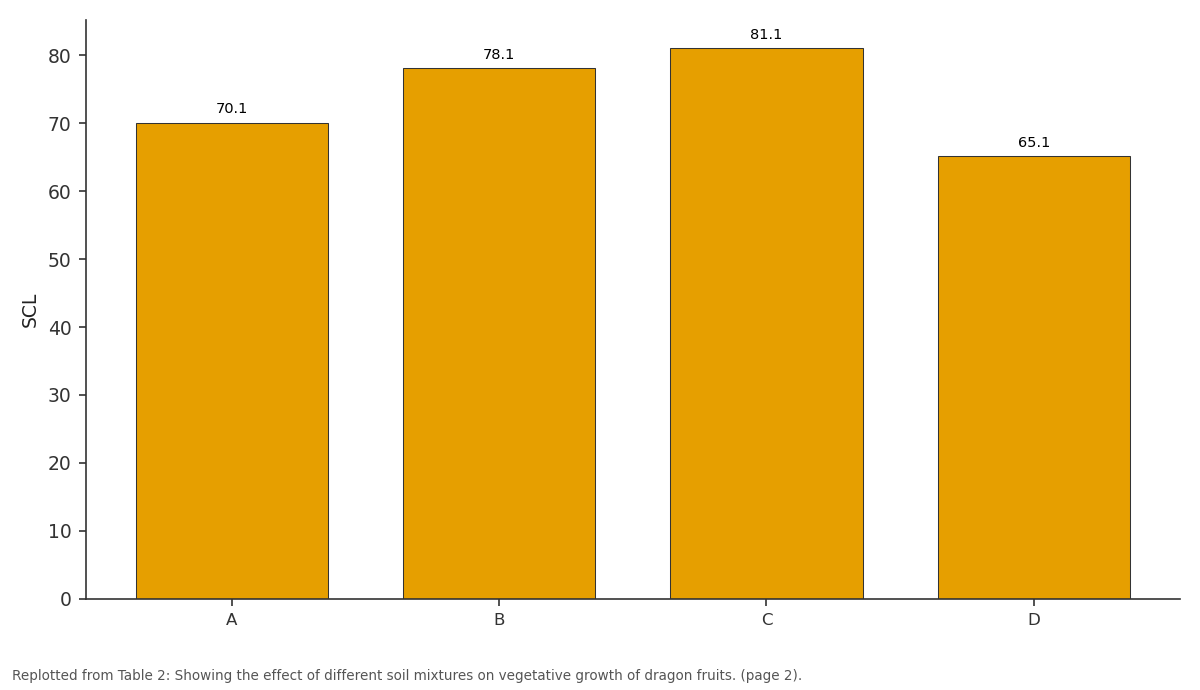
- Soil mixture F performed best overall; for example, it produced the longest secondary cladodes (SCL) at 89.5 cm compared to the lowest of 65.1 cm in mixture D. View evidence ↗
- Soil mixture F produced the highest number of flower buds (NFB = 6), while mixtures A, D, and H produced the fewest (NFB = 2), a difference found to be statistically significant (p=0.001). View evidence ↗
- The average fruit weight (AFW) was highest in soil mixture F (255.33) and lowest in soil mixture A (126), with a significant p-value of 0.001. View evidence ↗
- Average fruit yield (AFY) peaked at 14 in soil mixture F and was lowest at 4 in soil mixture A (p=0.001). View evidence ↗
What it means
- The authors conclude that soil mixture F, which provides balanced drainage and nutrient retention, is the most effective for optimizing dragon fruit growth and yield. View evidence ↗
- The authors recommend dragon fruit as a viable alternative crop for the Southern Sundarban region due to its ability to thrive in challenging environments. View evidence ↗
Visual summary
2 visualsIllustrations explain the paper; charts are replotted from the paper's own table values.
SCL: A vs B vs C vs D
Replotted from Table 2 (page 2) of the original paper. Every bar is the paper's own table value.
View source evidence ↗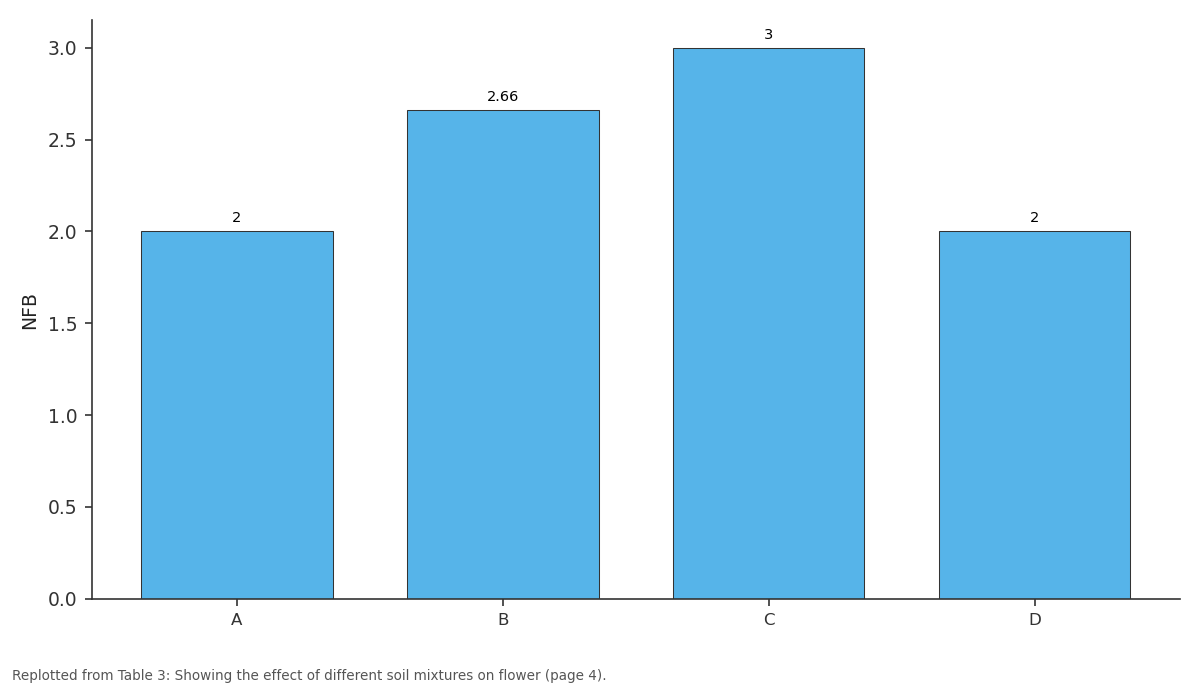
NFB: A vs B vs C vs D
Replotted from Table 3 (page 4) of the original paper. Every bar is the paper's own table value.
View source evidence ↗Figures & tables
From the original paper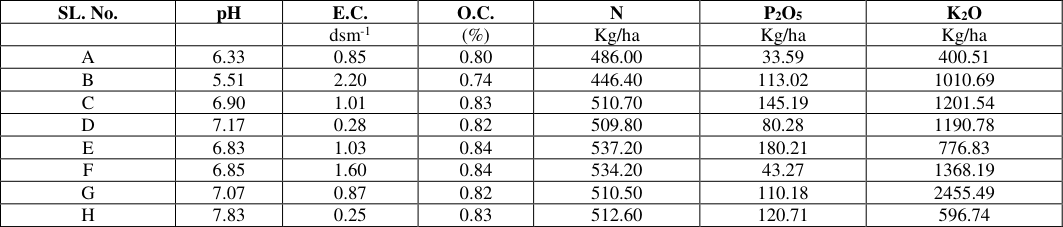 Table 1
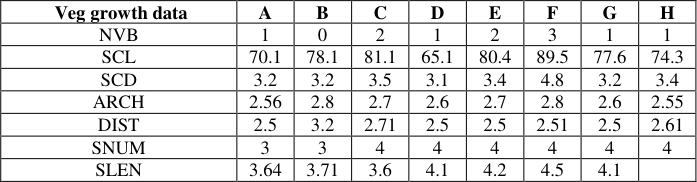 Table 2
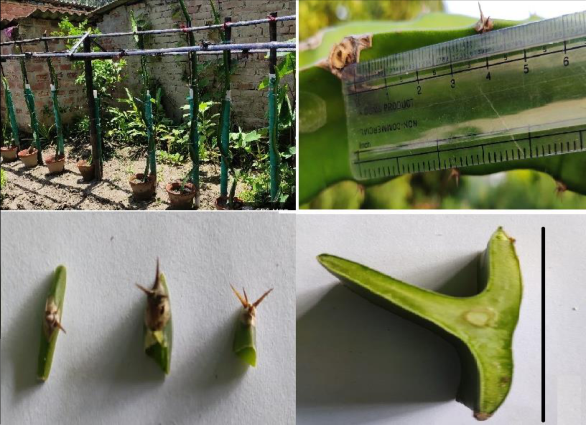 Figure 1
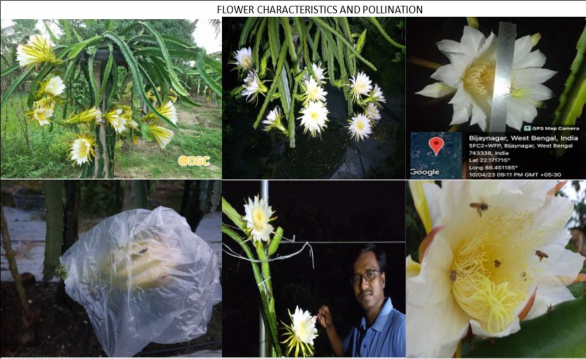 Figure 2
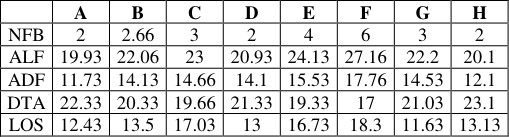 Table 3
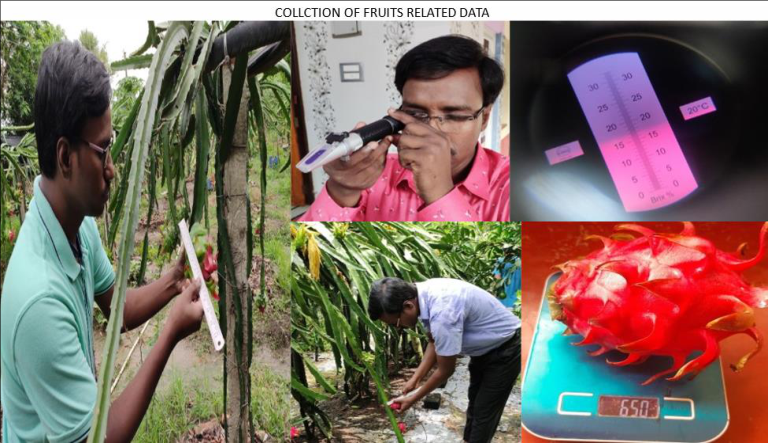 Figure 3
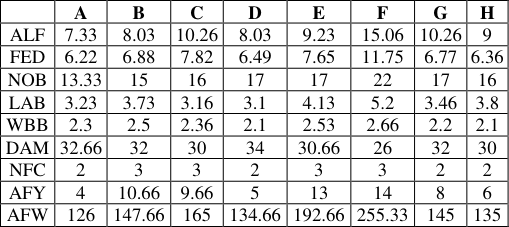 Table 4
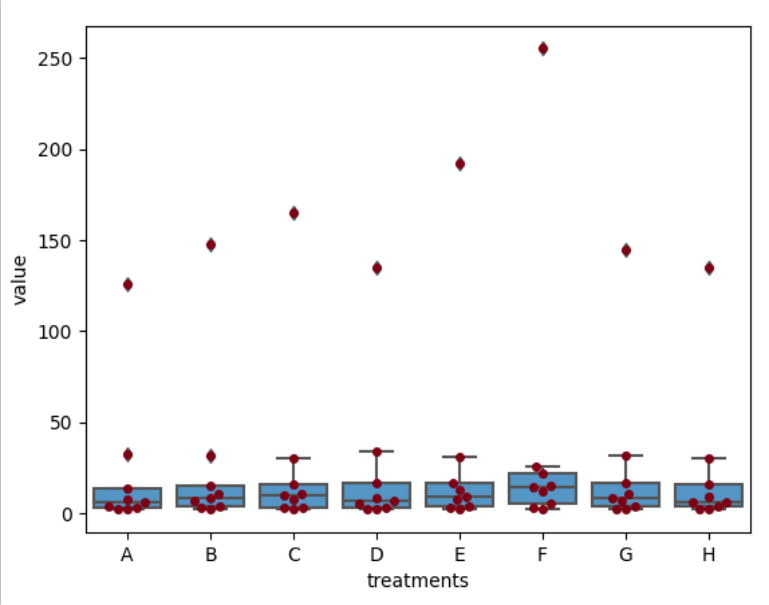 Figure 4
Introduction
The Southern Sundarban region, located in the deltaic region of the Bay of Bengal, is renowned for its unparalleled ecological diversity and its struggle with agricultural adversities. The region's farmers have been grappling with the challenges posed by recurrent cyclones, which bring destruction to embankments and inundate farmlands with saline water. Among the several factors affecting dragon fruit cultivation, soil composition plays a critical role in determining plant growth, nutrient uptake, and overall productivity (Perween, 2017) [1] . Different soil mixtures can influence the morphological parameters of dragon fruit plants, thereby impacting fruit yield and quality. Understanding the relationship between soil composition and morphological parameters is essential for optimizing dragon fruit production (Anon, 20170 [2] . These studies employed rigorous methods, including statistical analysis using ANOVA, to investigate the impact of various soil mixtures on dragon fruit growth and production. It is a tropical fruit belongs to the Cactaceae family (Britton N.L., Rose J.N., 1920) [3] (Mizrahi, Y., & Nerd, A., 1999) [5] and believed to have originated in Central America, primarily in Mexico and parts of Central and South America. Hylocereus spp., is known not only for its striking appearance and sweet, refreshing taste but also for its rich phytochemical components like Polyphenols, Vitamin C, Flavonoids, Fiber, Phytosterols, Fatty acids and Betacyanin's, which contributes to its potential health benefits (Weiss J et al., 1994) [9] .
Methodology/Experimental Design
The experiment was carried out in the experimental garden at Dkashin Barasat (22.23 N, 88.44S). The soil sample collected from southern Sundarban region. Eight soil mixtures were used in this study, which include soil mixture A, soil mixture B, soil mixture C, soil mixture D, soil mixture E, soil mixture F, soil mixture G and soil mixture H. The soil mixtures were prepared in earthen pots of 25 cm diameter and 30 cm height. Each pot was filled with 10 kg of soil mixture, and one dragon fruit cutting was planted in each pot. There were three sets prepared for each soil mixture set. The pots were kept under a green shade net for one week and after that they were kept in the experimental garden. [7] and subsequent measurements were taken at every 90 days interval after plantation. Data were analyzed using one-way ANOVA and Tukey's HSD test.
Soil Mixtures
Statistical Analysis: Collected data were subjected to analysis of variance (ANOVA) and post-hoc tests to identify significant differences among the soil mixtures.
Results and Discussion
The results of the study indicated significant variations in dragon fruit production based on the different soil mixtures used. Soil mixture F showed superior performance in terms of vegetative growth, flower characters and fruit production, while Treatment E exhibited the better result than other soil mixtures.
Number of Vegetative Bud Initiation (NVB) Null Hypothesis (H₀):
There is no significant difference in the means of NVB among soil mixtures. Alternative Hypothesis (Hₐ): There is a significant difference in the means of NVB among soil mixtures. ANOVA Result: F-statistic = 17.11, p-value = 0.001 Conclusion: Since the p-value (0.001) is less than the significance level (0.05), the null hypothesis is rejected.
There is a significant difference in the means of NVB among the soil mixtures.
Length of Secondary Cladode (SCL) Null Hypothesis (H₀):
There is no significant difference in the means of SCL among soil mixtures. Alternative Hypothesis (Hₐ): There is a significant difference in the means of SCL among soil mixtures. ANOVA Result: F-statistic = 10.74, p-value = 0.001 Conclusion: Since the p-value (0.001) is less than 0.05, the null hypothesis is rejected. There is a significant difference in the means of SCL among the soil mixtures.
Cladode Width (SCD) 1. Null Hypothesis (H₀):
There is no significant difference in the means of SCD among soil mixtures.
Alternative Hypothesis (Hₐ):
There is a significant difference in the means of SCD among soil mixtures. 3. ANOVA Result: F-statistic = 15.58, p-value = 0.0001 4. Conclusion: Since the p-value (0.0001) is less than 0.05, the null hypothesis is rejected. There is a significant difference in the means of SCD among the soil mixtures.
Arch height (ARCH) Null Hypothesis (H0):
There is no significant difference in the means of ARCH among soil mixtures. Alternative Hypothesis (Ha): There is a significant difference in the means of ARCH among soil mixtures. ANOVA Result: F-statistic = 6.66, p-value = 0.001 Conclusion: Since the p-value (0.001) is less than 0.05, we reject the null hypothesis. There is a significant difference in the means of ARCH among the soil mixtures.
Distance between areolas (DIST) Null Hypothesis (H0):
There is no significant difference in the means of DIST among soil mixtures. Alternative Hypothesis (Ha): There is a significant difference in the means of DIST among soil mixtures. ANOVA Result: F-statistic = 1.81, p-value = 0.120 Conclusion: Since the p-value (0.120) is greater than 0.05, we fail to reject the null hypothesis. There is no significant difference in the means of DIST among the soil mixtures.
Spine number (SNUM) Null Hypothesis (H0):
There is no significant difference in the means of SNUM among soil mixtures. Alternative Hypothesis (Ha): There is a significant difference in the means of SNUM among soil mixtures. ANOVA Result: F-statistic = 17.10, p-value = 0.001 Conclusion: Since the p-value (0.001) is less than 0.05, we reject the null hypothesis. There is a significant difference in the means of SNUM among the soil mixtures.
Length of spine (SLEN) Null Hypothesis (H0):
There is no significant difference in the means of SLEN among soil mixtures. These results indicate that for each of the measured cladode characteristics, there is a significant difference in the means among the different soil mixtures. This suggests that the choice of soil mixture can have a significant impact on cladode characteristics in dragon fruit plants.
Alternative Hypothesis (Ha
Alternative Hypothesis (Ha
Number of Flower Buds (NFB) Null Hypothesis (H₀):
There is no significant difference in the means of NFB among soil mixtures. Alternative Hypothesis (Hₐ): There is a significant difference in the means of NFB among soil mixtures. ANOVA Result: F-statistic = 8.89, p-value = 0.001 Conclusion: Since the p-value (0.001) is less than 0.05, the null hypothesis is rejected. There is a significant difference in the means of NFB among the soil mixtures.
Average Length of Flower (ALF) Null Hypothesis (H₀):
There is no significant difference in the means of ALF among soil mixtures.
Alternative Hypothesis (Hₐ):
There is a significant difference in the means of ALF among soil mixtures. ANOVA Result: F-statistic = 9.43, p-value = 0.001 Conclusion: Since the p-value (0.001) is less than 0.05, the null hypothesis is rejected. There is a significant difference in the means of ALF among the soil mixtures.
Average Diameter of the Flower (ADF) Null Hypothesis (H₀):
There is no significant difference in the means of ADF among soil mixtures.
Alternative Hypothesis (Hₐ):
There is a significant difference in the means of ADF among soil mixtures. ANOVA Result: F-statistic = 6.96, p-value = 0.001 Conclusion: Since the p-value (0.001) is less than 0.05, the null hypothesis is rejected. There is a significant difference in the means of ADF among the soil mixtures.
Days to Anthesis (DTA) Null Hypothesis (H₀):
There is no significant difference in the means of DTA among soil mixtures.
Alternative Hypothesis (Hₐ):
There is a significant difference in the means of DTA among soil mixtures. ANOVA Result: F-statistic = 6.11, p-value = 0.001 Conclusion: Since the p-value (0.001) is less than 0.05, the null hypothesis is rejected. There is a significant difference in the means of DTA among the soil mixtures.
Length of Style (LOS) Null Hypothesis (H₀):
There is no significant difference in the means of LOS among soil mixtures.
Alternative Hypothesis (Hₐ
Alternative Hypothesis (Hₐ
Average Length of Fruit (ALF) Null Hypothesis (H₀):
There is no significant difference in the means of ALF among soil mixtures.
Alternative Hypothesis (Hₐ):
There is a significant difference in the means of ALF among soil mixtures. ANOVA Result: F-statistic = 17.48, p-value = 0.001 Conclusion: Since the p-value (0.001) is less than 0.05, the null hypothesis is rejected. There is a significant difference in the means of ALF among the soil mixtures.
Fruit Equatorial Diameter (FED) Null Hypothesis (H₀):
There is no significant difference in the means of FED among soil mixtures. Alternative Hypothesis (Hₐ): There is a significant difference in the means of FED among soil mixtures. ANOVA Result: F-statistic = 6.63, p-value = 0.001 Conclusion: Since the p-value (0.001) is less than 0.05, the null hypothesis is rejected. There is a significant difference in the means of FED among the soil mixtures.
Number of Bracts (NOB) Null Hypothesis (H₀):
There is no significant difference in the means of NOB among soil mixtures. Alternative Hypothesis (Hₐ): There is a significant difference in the means of NOB among soil mixtures. ANOVA Result: F-statistic = 20.03, p-value = 0.001 Conclusion: Since the p-value (0.001) is less than 0.05, the null hypothesis is rejected. There is a significant difference in the means of NOB among the soil mixtures.
Length of Apical Bract (LAB) Null Hypothesis (H₀):
There is no significant difference in the means of LAB among soil mixtures. Alternative Hypothesis (Hₐ): There is a significant difference in the means of LAB among soil mixtures. ANOVA Result: F-statistic = 8.16, p-value = 0.001 Conclusion: Since the p-value (0.001) is less than 0.05, the null hypothesis is rejected. There is a significant difference in the means of LAB among the soil mixtures.
Width of Base of the Bract (WBB) Null Hypothesis (H₀):
There is no significant difference in the means of WBB among soil mixtures. Alternative Hypothesis (Hₐ): There is a significant difference in the means of WBB among soil mixtures. ANOVA Result: F-statistic = 5.68, p-value = 0.001 Conclusion: Since the p-value (0.001) is less than 0.05, the null hypothesis is rejected. There is a significant difference in the means of WBB among the soil mixtures.
Days from Anthesis to Maturity (DAM) Null Hypothesis (H₀):
There is no significant difference in the means of DAM among soil mixtures. Alternative Hypothesis (Hₐ): There is a significant difference in the means of DAM among soil mixtures. ANOVA Result: F-statistic = 5.90, p-value = 0.001 Conclusion: Since the p-value (0.001) is less than 0.05, the null hypothesis is rejected. There is a significant difference in the means of DAM among the soil mixtures.
Number of Fruiting Cycles (NFC) Null Hypothesis (H₀):
There is no significant difference in the means of NFC among soil mixtures. Alternative Hypothesis (Hₐ): There is a significant difference in the means of NFC among soil mixtures. ANOVA Result: F-statistic = 10.90, p-value = 0.001 Conclusion: Since the p-value (0.001) is less than 0.05, the null hypothesis is rejected. There is a significant difference in the means of NFC among the soil mixtures.
Average Fruit Yield (AFY) Null Hypothesis (H₀):
There is no significant difference in the means of AFY among soil mixtures. Alternative Hypothesis (Hₐ): There is a significant difference in the means of AFY among soil mixtures. ANOVA Result: F-statistic = 16.56, p-value = 0.001. Conclusion: Since the p-value (0.001) is less than 0.05, the null hypothesis is rejected. There is a significant difference in the means of AFY among the soil mixtures.
Average Fruit Weight (AFW) Null Hypothesis (H₀):
There is no significant difference in the means of AFW among soil mixtures. Alternative Hypothesis (Hₐ): There is a significant difference in the means of AFW among soil mixtures. ANOVA Result: F-statistic = 16.68, p-value = 0.001 Conclusion: Since the p-value (0.001) is less than 0.05, the null hypothesis is rejected. There is a significant difference in the means of AFW among the soil mixtures.
These results indicate that for each of the measured fruit characteristics, there is a significant difference in the means among the different soil mixtures. This suggests that the choice of soil mixture can have a significant impact on fruit characteristics in dragon fruit plants. The findings of these studies have been highly encouraging. Dragon fruit has demonstrated remarkable adaptability to the local environment, thriving even in saline soil conditions. The experiments revealed that specific soil mixtures and cultivation practices can significantly enhance dragon fruit yield. This adaptability and potential for improved yield make dragon fruit a promising alternative to traditional crops. Moreover, dragon fruit cultivation is wellsuited for smallholder farmers in the Southern Sundarban. It requires minimal land and resources (Nangare DD et al., 2020) [6] making it an accessible option for those with limited agricultural holdings. The economic benefits of dragon fruit production are also noteworthy. The crop fetches a competitive market price and can substantially increase farmers' income, reducing their vulnerability to the impact of cyclones on traditional crops.
Conclusion
The results of this study emphasize the importance of soil composition in dragon fruit cultivation. The soil mixture with well-balanced drainage and nutrient-holding capacity (soil mixture F) exhibited the most desirable outcomes in terms of plant height, stem diameter, and fruit production. Growers should consider soil characteristics, such as texture, drainage, and organic matter content, when selecting an appropriate soil mix for dragon fruit cultivation to optimize plant growth and yield. In conclusion, dragon fruit has emerged as a compelling alternative crop for the cyclone-prone Southern Sundarban region. Its ability to thrive in challenging environmental conditions, coupled with its economic and nutritional benefits, positions it as a promising choice for sustainable agriculture and livelihoods in this unique area. To fully realize the potential of dragon fruit, future efforts should focus on practical applications, including farmer training, infrastructure development, and market access. Harnessing the full potential of dragon fruit can contribute to resilience against recurrent cyclonic events and provide economic stability to the local population, ultimately transforming agriculture in the Southern Sundarban region. (Wakchaure et al., 2020) [8] .
Figures and tables from the paper
| SL. No. | pH | E.C. | O.C. | N | P2O5 | K2O |
|---|---|---|---|---|---|---|
| dsm-1 | (%) | Kg/ha | Kg/ha | Kg/ha | ||
| A | 6.33 | 0.85 | 0.80 | 486.00 | 33.59 | 400.51 |
| B | 5.51 | 2.20 | 0.74 | 446.40 | 113.02 | 1010.69 |
| C | 6.90 | 1.01 | 0.83 | 510.70 | 145.19 | 1201.54 |
| D | 7.17 | 0.28 | 0.82 | 509.80 | 80.28 | 1190.78 |
| E | 6.83 | 1.03 | 0.84 | 537.20 | 180.21 | 776.83 |
| F | 6.85 | 1.60 | 0.84 | 534.20 | 43.27 | 1368.19 |
| G | 7.07 | 0.87 | 0.82 | 510.50 | 110.18 | 2455.49 |
| H | 7.83 | 0.25 | 0.83 | 512.60 | 120.71 | 596.74 |
Table text extracted from the original PDF; superscript letters are shown inline. The original table image is below.
View original table image
| Veg growth data | A | B | C | D | E | F | G | H |
|---|---|---|---|---|---|---|---|---|
| NVB | 1 | 0 | 2 | 1 | 2 | 3 | 1 | 1 |
| SCL | 70.1 | 78.1 | 81.1 | 65.1 | 80.4 | 89.5 | 77.6 | 74.3 |
| SCD | 3.2 | 3.2 | 3.5 | 3.1 | 3.4 | 4.8 | 3.2 | 3.4 |
| ARCH | 2.56 | 2.8 | 2.7 | 2.6 | 2.7 | 2.8 | 2.6 | 2.55 |
| DIST | 2.5 | 3.2 | 2.71 | 2.5 | 2.5 | 2.51 | 2.5 | 2.61 |
| SNUM | 3 | 3 | 4 | 4 | 4 | 4 | 4 | 4 |
| SLEN | 3.64 | 3.71 | 3.6 | 4.1 | 4.2 | 4.5 | 4.1 |
Table text extracted from the original PDF; superscript letters are shown inline. The original table image is below.
View original table image
| — | A | B | C | D | E | F | G | H |
|---|---|---|---|---|---|---|---|---|
| NFB | 2 | 2.66 | 3 | 2 | 4 | 6 | 3 | 2 |
| ALF | 19.93 | 22.06 | 23 | 20.93 | 24.13 | 27.16 | 22.2 | 20.1 |
| ADF | 11.73 | 14.13 | 14.66 | 14.1 | 15.53 | 17.76 | 14.53 | 12.1 |
| DTA | 22.33 | 20.33 | 19.66 | 21.33 | 19.33 | 17 | 21.03 | 23.1 |
| LOS | 12.43 | 13.5 | 17.03 | 13 | 16.73 | 18.3 | 11.63 | 13.13 |
Table text extracted from the original PDF; superscript letters are shown inline. The original table image is below.
View original table image
| — | A | B | C | D | E | F | G | H |
|---|---|---|---|---|---|---|---|---|
| ALF | 7.33 | 8.03 | 10.26 | 8.03 | 9.23 | 15.06 | 10.26 | 9 |
| FED | 6.22 | 6.88 | 7.82 | 6.49 | 7.65 | 11.75 | 6.77 | 6.36 |
| NOB | 13.33 | 15 | 16 | 17 | 17 | 22 | 17 | 16 |
| LAB | 3.23 | 3.73 | 3.16 | 3.1 | 4.13 | 5.2 | 3.46 | 3.8 |
| WBB | 2.3 | 2.5 | 2.36 | 2.1 | 2.53 | 2.66 | 2.2 | 2.1 |
| DAM | 32.66 | 32 | 30 | 34 | 30.66 | 26 | 32 | 30 |
| NFC | 2 | 3 | 3 | 2 | 3 | 3 | 2 | 2 |
| AFY | 4 | 10.66 | 9.66 | 5 | 13 | 14 | 8 | 6 |
| AFW | 126 | 147.66 | 165 | 134.66 | 192.66 | 255.33 | 145 | 135 |
Table text extracted from the original PDF; superscript letters are shown inline. The original table image is below.
View original table image
References
9 in the original paper- Perween T. Studies on the effect of nutrient application in vegetative and reproductive phenology of dragon fruit. Thesis. Mohanpur (West Bengal): Bidhan Chandra Krishi Vishwavidyalaya; 2017. p. 29-44.
- Anonymous. Guidelines for pitaya (Hylocereus spp.) cultivation. Canberra: Department of Agriculture, Water and the Environment, Australian Government; 2017.
- Britton NL, Rose JN. The Cactaceae: descriptions and illustrations of plants of the cactus family. Vol. II. Washington (DC): Carnegie Institution of Washington; 1920. p. 183-195.
- Das B. Impact of Cyclone Amphan and COVID-19 on agriculture and food security in West Bengal, India. Frontiers in Sustainable Food Systems. 2020;4:150160. doi:10.3389/fsufs.2020.00150.
- Mizrahi Y, Nerd A. Cacti as crops. Horticultural Reviews. 1999;23:291-319.
- Nangare DD, Taware PB, Singh Y, Kumar PS, Bal SK, Ali S, et al. Dragon fruit: a potential crop for abiotic stressed areas. Technical Bulletin No. 47. Baramati (Pune): ICAR-National Institute of Abiotic Stress Management; 2020. p. 1-24.
- Rahim MA, Khan A, Siddique MRA, Ali MR. Studies on the cultivation of dragon fruit (Hylocereus spp.) as a new fruit crop. Asian Journal of Plant Sciences. 2009;8(6):441-447.
- Baramati (Pune): ICAR-National Institute of Abiotic Stress Management; 2020. p. 1-54.
- Weiss J, Nerd A, Mizrahi Y. Flowering behavior and pollination requirements in climbing cacti with fruit crop potential. HortScience. 1994;29:1487-1492.