
Research article · 2025 · Full text
International Journal of Biology SciencesComparative phytochemical profiling and mechanistic antioxidant evaluation of Drynaria quercifolia (L.) J.Sm. and Curcuma aeruginosa Roxb. rhizomes in relation to gouty arthritis
Volume 7(10) · Pages 126–134 · DOI: 10.33545/26649926.2025.v7.i10b.507 ↗
Research areasCurcumin's Biomedical ApplicationsGinger and Zingiberaceae researchGout, Hyperuricemia, Uric Acid
Abstract
Author-writtenAn inter-generic comparison of phytochemical profiles and antioxidant potential between Drynaria quercifolia (L.) J.Sm. (Polypodiaceae) and Curcuma aeruginosa Roxb. (Zingiberaceae) rhizomes were carried out in context of oxidative stress mediated Gout inflammation. This study explores two taxonomically distinct genera traditionally recognized for their traditional value in relation to their anti-inflammatory and anti-arthritic potential. Organoleptic evaluation of powdered rhizomes revealed genus-specific differences in colour, odour, texture and taste, while pH assessment indicated intrinsic variation between the two genera followed by Physiochemical characteristics. Soxhlet extraction using solvents of increasing polarity (petroleum ether, ethyl acetate, acetone, ethanol and water) enabled efficient recovery of metabolites. Qualitative screening confirmed the presence of primary and secondary metabolites, including phenolics, flavonoids, tannins, terpenoids and glycosides with varying intensities across solvents and genera. Quantitative estimation revealed that the ethanolic extract of D. quercifolia contained higher phenolic content (18.96 mg GAE/g extract), whereas C. aeruginosa showed greater flavonoid accumulation (85.26 mg QE/g extract). A range of antioxidant assays such as DPPH, ABTS, FRAP, superoxide and phosphomolybdenum were conducted to characterize their redox behavior through single electron transfer (SET) and hydrogen atom transfer (HAT) mechanisms which demonstrated significant activity in both species, with D. quercifolia showing prominent DPPH (IC50 28.07 μg/mL), ABTS (83, 229 μg TE/g extract), FRAP (760.98 mM Fe (II)/mg extract), superoxide scavenging (72.4%) and phosphomolybdenum activity (391.3 mg AAE/g extract), while C. aeruginosa exhibited comparatively higher antioxidant capacity in ethanol. Since oxidative stress plays a pivotal role in triggering inflammatory disorders like gout, the strong antioxidant potential of these rhizomes may contribute to alleviating oxidative damage linked with inflammation. This highlights the mechanistic basis for the antioxidant potential and validates their traditional therapeutic relevance from an inter-generic perspective.
Summary
Source-checkedPlain-language reading of the full paper, prepared with AI and checked against the text. Each point links to the authors' own words.
Why it matters
- Oxidative stress is a key driver of chronic inflammation, as it activates specific transcription factors and pro-inflammatory enzymes. View evidence ↗
- Gout inflammation is triggered by the deposition of Monosodium urate (MSU) crystals in joint tissues, which causes an overproduction of mitochondrial reactive oxygen species (ROS). View evidence ↗
- Drynaria quercifolia and Curcuma aeruginosa are traditionally used in folk medicine for their anti-inflammatory and antioxidant properties. View evidence ↗
The question
- The study aimed to compare the phytochemical profiles and antioxidant potential of D. quercifolia and C. aeruginosa rhizomes specifically regarding oxidative stress-mediated gout inflammation. View evidence ↗
What they did
- D. quercifolia rhizomes were collected from Kolli Hills, Tamil Nadu, and C. aeruginosa rhizomes were obtained from Beltola Bazaar, Guwahati, Assam. View evidence ↗
- Metabolites were recovered using Soxhlet extraction with solvents of increasing polarity: petroleum ether, ethyl acetate, acetone, ethanol, and water. View evidence ↗
- The researchers used DPPH, ABTS, FRAP, superoxide, and phosphomolybdenum assays to evaluate the redox behavior of the extracts. View evidence ↗
What they found
- C. aeruginosa had a significantly higher starch content (14.0%) compared to D. quercifolia (4.0%). View evidence ↗
- The highest extract yield was found in the aqueous extracts, with C. aeruginosa at 15.18% and D. quercifolia at 13.60%. View evidence ↗
- Ethanol extracts provided the highest total phenolic content, measuring 118.96 mg GAE/g for D. quercifolia and 106.22 mg GAE/g for C. aeruginosa. View evidence ↗
- The highest total flavonoid content was found in ethanol extracts, with 83.42 mg QE/g for D. quercifolia and 85.26 mg QE/g for C. aeruginosa. View evidence ↗
- In the DPPH assay, ethanol extracts showed high antioxidant potential, with D. quercifolia having a lower IC50 (28.07 μg/mL) than C. aeruginosa (64.83 μg/mL). View evidence ↗
- D. quercifolia ethanol extract exhibited significantly higher ferric reducing power (760.98±2.99 mM Fe (II)/mg) than C. aeruginosa (304.44±4.07 mM Fe (II)/mg). View evidence ↗
- Ethanol extracts of both species showed high superoxide inhibition, with D. quercifolia at 72.4±0.42% and C. aeruginosa at 69.35±1.82%. View evidence ↗
- The phosphomolybdenum assay showed higher total antioxidant capacity in ethanol extracts, with D. quercifolia at 391.3±2.02 mg AAE/g and C. aeruginosa at 366.77±3.22 mg AAE/g. View evidence ↗
What it means
- The authors conclude that the strong antioxidant properties of both rhizomes validate their traditional use and suggest they are pharmacologically relevant for managing gout-related inflammation. View evidence ↗
- The results provide a basis for conducting further studies to specifically validate the anti-gout efficacy of these extracts. View evidence ↗
Visual summary
2 visualsIllustrations explain the paper; charts are replotted from the paper's own table values.
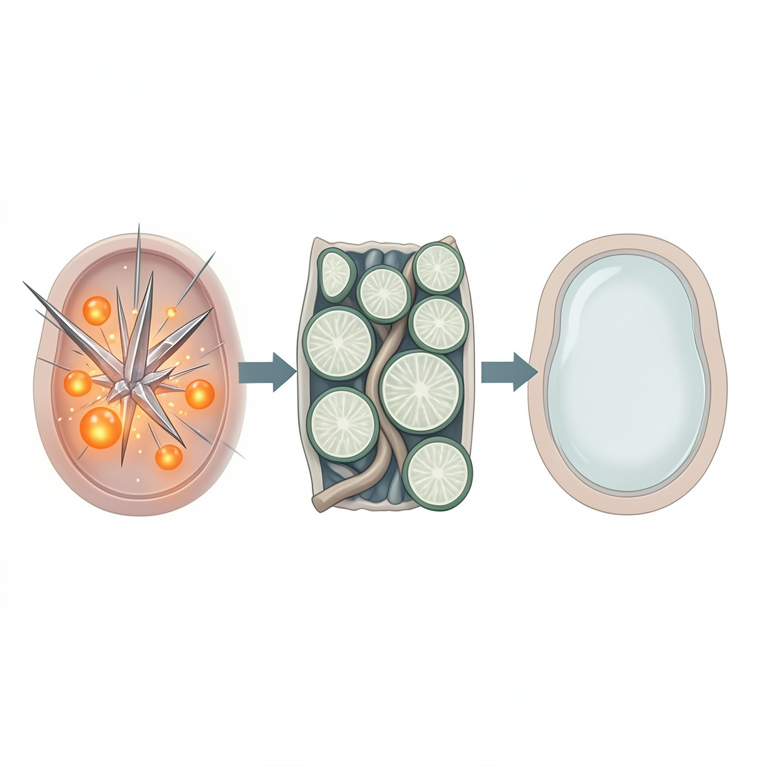
Mechanism of Antioxidant Action in Gout
AI-generated conceptual illustration (Drynaria quercifolia and Curcuma aeruginosa rhizomes, joint tissue with monosodium urate crystals). It explains the idea and does not show study data.
View source evidence ↗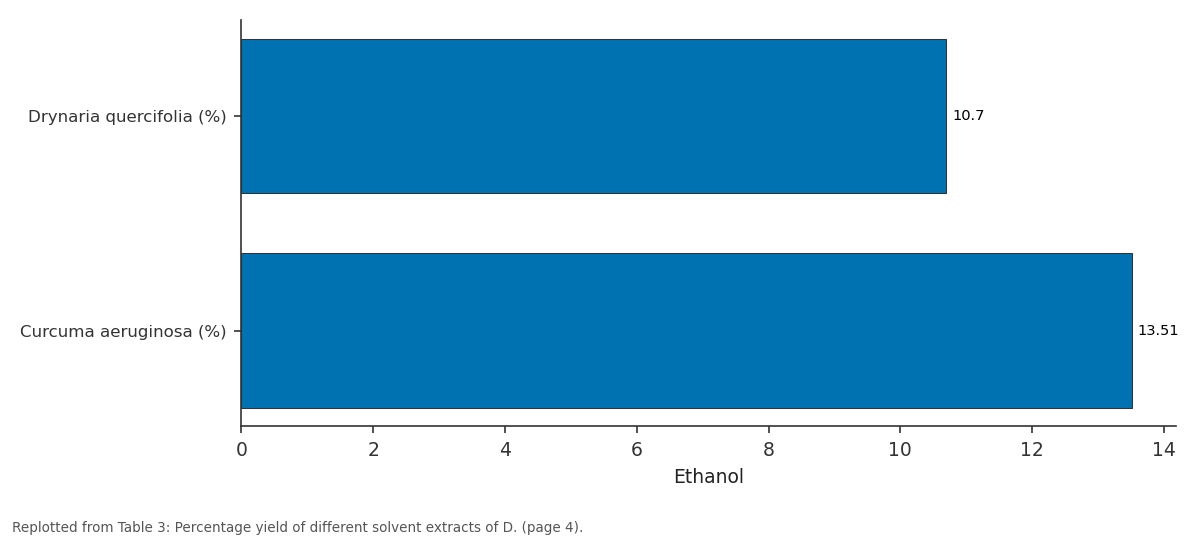
Ethanol: Drynaria quercifolia (%) vs Curcuma aeruginosa (%)
Replotted from Table 3 (page 4) of the original paper. Every bar is the paper's own table value.
View source evidence ↗Figures & tables
From the original paper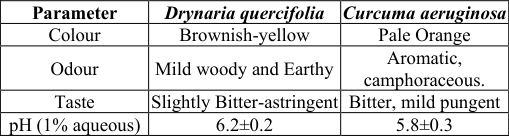 Table 1
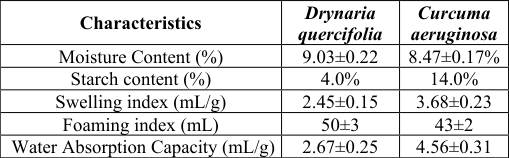 Table 2
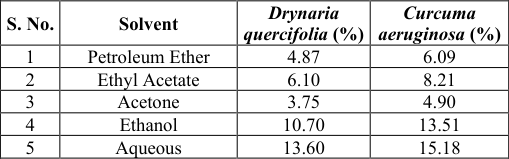 Table 3
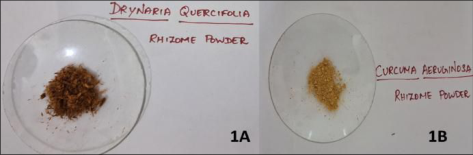 Figure 1A
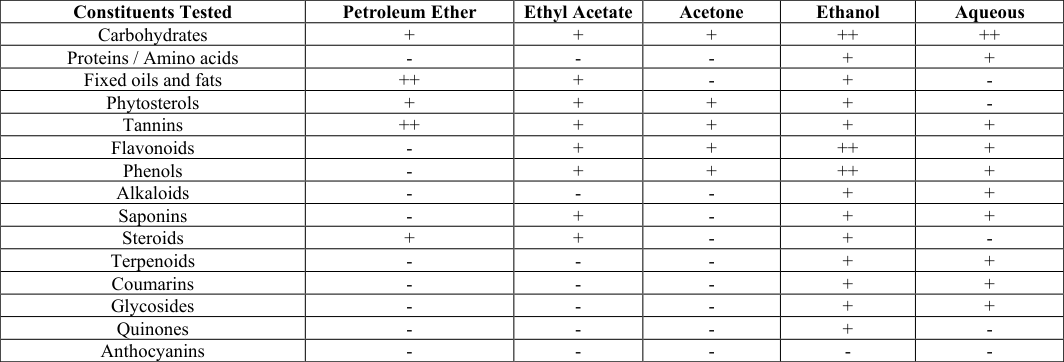 Table 4
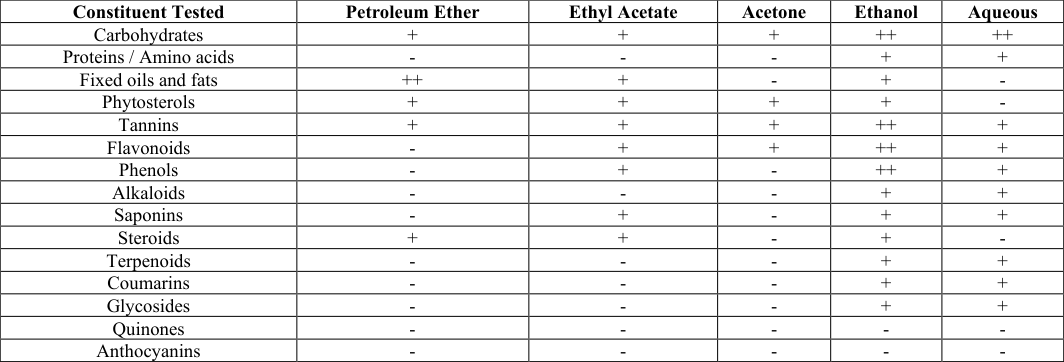 Table 5
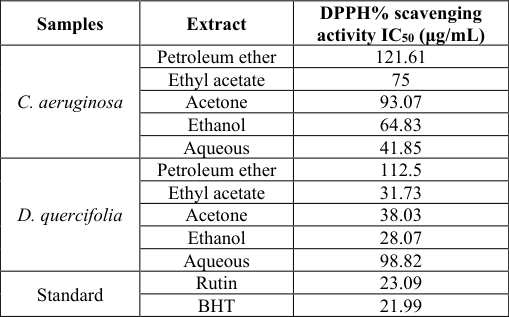 Table 6
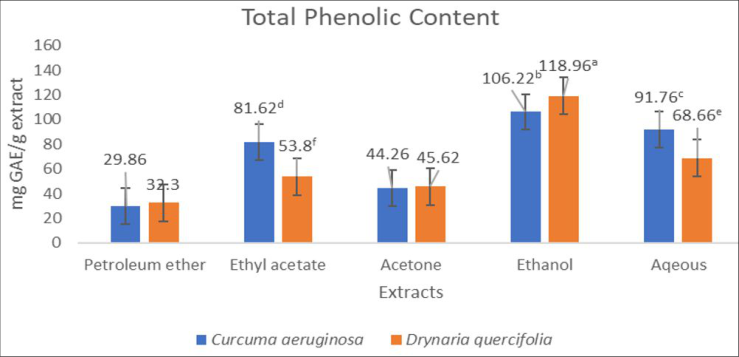 Figure 3
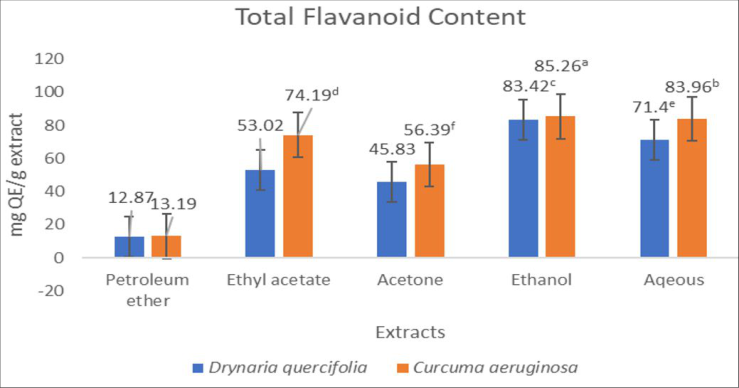 Figure 4
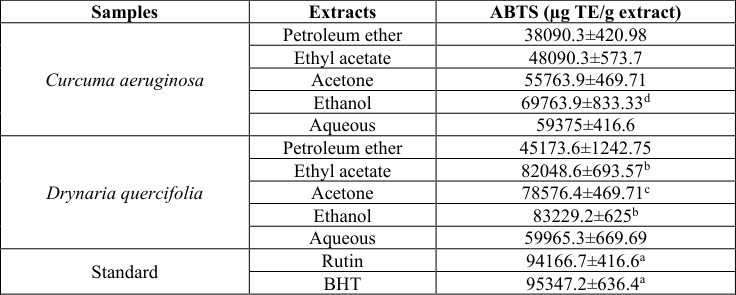 Table 7
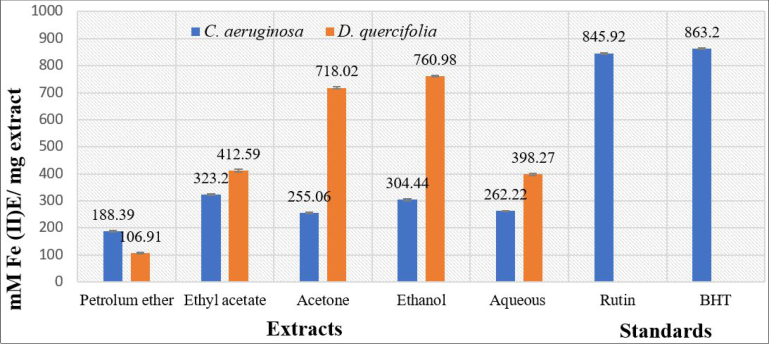 Figure 6
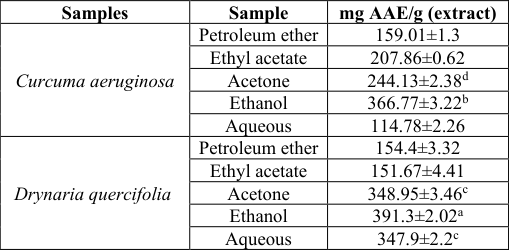 Table 8
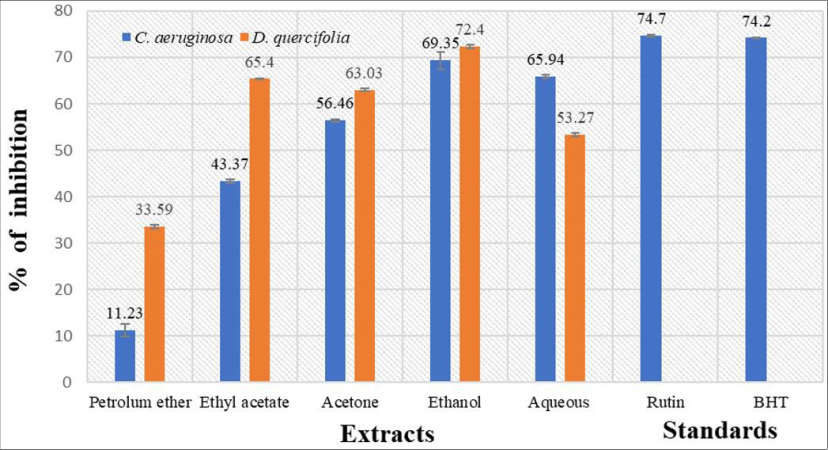 Figure 8
Introduction
The equilibrium between oxidative stress and antioxidant defence is essential for maintaining biological integrity. The inevitable generation of reactive oxygen species (ROS) such as superoxide anion (O₂•⁻), hydroxyl radical (•OH) and hydrogen peroxide (H₂O₂) during aerobic metabolism plays a dual role in physiological signalling and pathological damage [1,2] . Oxidative stress plays a central role in driving chronic inflammation by activating transcription factors such as NF-κB and inducing pro-inflammatory enzymes like COX-2 and iNOS. Excessive generation of reactive oxygen species (ROS) disrupts redox homeostasis, amplifying inflammatory cascades which induces lipid peroxidation, protein oxidation, DNA damage and contributing to tissue injury in conditions including arthritis, gout and neuroinflammation [3,4] . Gout is triggered by Monosodium urate (MSU) crystals which is deposited in the joint tissues during gout inflammation activate neutrophils and macrophages, leading to excessive production of mitochondrial reactive oxygen species (ROS).
This oxidative stress triggers NF-κB signalling and NLRP3 inflammasome activation, culminating in the release of proinflammatory cytokines such as interleukin-1β (IL-1β) and tumour necrosis factor-α (TNF-α) [5,6] . The persistent ROS generation and inflammatory cytokine cascade together perpetuate oxidative stress, thereby sustaining and amplifying gouty inflammation. Antioxidants are compounds that can delay or inhibit the oxidation of substrates even at low concentrations by donating electrons or hydrogen atoms to neutralize free radicals [7] . These molecules act through either the hydrogen atom transfer (HAT) or single-electron transfer (SET) mechanisms, terminating free radical chain reactions and preventing oxidative injury [8] . Antioxidants that effectively neutralize ROS can therefore interrupt the pathways which cascade inflammation and restore cellular balance. Among natural antioxidants, plant phenolic compounds have received considerable attention due to their redox properties, which enable them to act as reducing agents, metal chelators and singlet oxygen quenchers [9] . Phenolics, originating from the shikimate and phenylpropanoid pathways, include a wide array of subgroups such as flavonoids, tannins and phenolic acids that contribute to the antioxidant potential of plants [10] . Dietary and medicinal plant phenolics significantly surpass the intake of synthetic antioxidants and vitamins in providing oxidative protection [11] . However, synthetic antioxidants such as butylated hydroxyanisole (BHA) and butylated hydroxytoluene (BHT) have raised safety concerns due to their possible toxic and carcinogenic effects [12] , this emphasizes the need for safer, plant-based alternatives. Drynaria quercifolia (Family; Polypodiaceae) is an epiphytic fern commonly known as oak leaf ferns, widely distributed across tropical and subtropical regions of Asia, including India, China and Southeast Asia. It exhibits characteristic fronds with a basket-like rhizome structure that enables attachment to tree trunks, reflecting its adaptation to epiphytic habitats. This rhizome has immense ethnopharmacological properties which is used by various tribal communities across the world against inflammation and also for their antioxidant potential [13] . In contrast, Curcuma aeruginosa is a rhizomatous perennial herb of the Zingiberaceae family, predominantly found in Tropical and Subtropical regions in Asia. It is commonly known as Black Turmeric. Traditionally, C. aeruginosa has been valued for its therapeutic potential and utilization in folk medicine for various ailments like oxidative stress related disorders and rheumatism [14] . Drynaria quercifolia and Curcuma aeruginosa, despite belonging to distinct taxonomic families and displaying divergent morphological traits, exhibit remarkable convergence in ethnobotanical usage and the accumulation of secondary metabolites, particularly phenolics and flavonoids. However, detailed comprehensive analyses using solvents of different polarities still remain limited, despite their crucial role in determining the solvent polarity which influences extraction efficiency and overall phytochemical composition. The investigation of their redox potential directly supports the identification of natural bio actives which are capable of disrupting urate-induced ROS cascades [15][16][17] . Thus, the present study focuses on quantifying total phenolic and flavonoid contents, followed by evaluating antioxidant potential using DPPH, ABTS, FRAP, superoxide and phosphomolybdenum assays, which collectively represent single-electron transfer (SET) and hydrogen atom transfer (HAT) mechanisms and correlating phytochemical concentrations with observed redox activities in rhizome extracts. Such inter-generic comparisons not only illuminate biochemical diversity but also facilitate the identification of potent bioactive compounds for subsequent pharmacological explorations.
Materials and Methods
Materials and Methods
Collection and Identification of Rhizomes
Rhizomes of Drynaria quercifolia (L.) J.Sm. were collected from Kolli Hills, Tamil Nadu, whereas rhizomes of Curcuma aeruginosa Roxb. were procured from the herbal market at Beltola Bazaar, Guwahati, Assam. Both plant species were authenticated by the Botanical Survey of India, Southern Circle, Coimbatore, Tamil Nadu and voucher specimens were deposited in the department herbarium for future reference. The rhizomes were thoroughly washed to remove soil and other extraneous materials, peeled, sliced and shade-dried under controlled conditions. They were subsequently pulverized into a coarse powder using a mechanical grinder. The powdered samples were stored in airtight containers until further analysis.
Organoleptic Evaluation and Physiochemical characteristics
The powdered rhizomes of Drynaria quercifolia and Curcuma aeruginosa were subjected to organoleptic analysis to assess their sensory characteristics, including colour, odour, taste and texture using standard pharmacognostic methods. The pH of 1% aqueous extract was measured using a digital pH meter. The physiochemical parameters like moisture content, Starch content, swelling index, foaming index and Water absorption capacity were determined using standard procedures [13] .
Extraction
The powdered rhizomes of Drynaria quercifolia and Curcuma aeruginosa were packed separately in Soxhlet thimbles and subjected to successive extraction with solvents of increasing polarity: petroleum ether, ethyl acetate, acetone and ethanol. Between each successive extraction, the thimbles were air-dried to remove residual solvent. For the aqueous extract, the rhizome powder was prepared as a decoction by boiling in hot water with constant stirring for 30 min, followed by filtration. The solvent extracts were concentrated under reduced pressure using a rotary vacuum evaporator (Yamato BO410, Japan) and subsequently air-dried. The dried extracts obtained from each solvent were weighed and the percentage yield was calculated based on the weight of the desiccated slurry relative to the initial powdered material. Stock solutions of each extract were prepared at a concentration of 1 mg/mL in their respective solvents for further phytochemical and antioxidant analyses.
Extract recovery percentage
The amount of crude extract recovered after successive extraction was weighed and the percentage of yield was calculated by the following formula,
Qualitative phytochemical screening
The preliminary primary and secondary phytochemical analysis of the successive extracts of Drynaria quercifolia and Curcuma aeruginosa rhizomes was carried out for the screening of Carbohydrates, Proteins, Amino acids, Fixed Oils and Fats, Tannins, Saponins, Flavonoids, Steroids, Terpenoids, Coumarins, Alkaloids, Glycosides, Phytosterols, Phenols, Quinones, Anthocyanins according to standard methods [18] .
Quantification of Secondary metabolites
Flavonoids and phenolic compounds were specifically quantified because they represent the primary bioactive constituents responsible for the antioxidant and anti-gout activities. This quantification is essential to justify a focused analysis prior to conducting further in vitro bioassays.
Quantification of total phenolics
The content of total phenolic compounds was determined using the Folin-Ciocalteu method [19] . The absorbance was read at 725 nm against the reagent blank. Total phenolic content was expressed as milligrams of gallic acid equivalent (GAE) per g of extract using the following equation based on the calibration curve: y = 0.0003x + 0.0716, R 2 = 0.9365, where x was the absorbance and y was the gallic acid equivalent (mg/g).
Quantification of total flavonoids
The flavonoid contents of all the extracts were quantified according to the method [20] . The absorbance was read at 510 nm. Total flavonoid content was calculated as quercetin (mg/g) using the following equation based on the calibration curve: y = 0.0281x -0.3582, R² = 0.998, where x was the absorbance and y was the quercetin equivalent (mg/g).
In vitro antioxidant assays
The antioxidant potential was evaluated through DPPH, ABTS, FRAP, and phosphomolybdenum assays to assess their ability to scavenge free radicals and mitigate oxidative stress relevant to gout-related inflammation.
DPPH scavenging assay
The antioxidant activity of the extract was determined in terms of hydrogen donating or radical scavenging ability using the stable radical DPPH, according to the method [21] . The absorbance of the samples and control were measured at 517 nm against the methanol blank. Radical scavenging activity of the samples was expressed as IC50 which is the concentration of the sample required to inhibit 50% of DPPH˙ concentration.
ABTS Assay
The total antioxidant activity was determined by ABTS radical cation scavenging assay by the method [18] . After incubation the absorbance of samples and standards (BHT and Rutin) were measured at 734 nm against the ethanol blank. The results were expressed as the concentration of Trolox having equivalent antioxidant activity expressed as μg/ g sample extracts.
Ferric reducing antioxidant power assay
The antioxidant capacities of different extracts of samples were estimated according to the procedure described [22] . At the end of incubation, the absorbance of the blue colour developed was read immediately at 593 nm against the reagent blank. Methanolic solutions of known FeSO4.7H2O concentration ranging from 500 to 4000 µM were used for the preparation of the calibration curve. The parameter Equivalent Concentration was expressed as the concentration of antioxidant having a ferric-TPTZ reducing ability equivalent to that of 1 mM FeSO4 . 7H2O.
Superoxide radical scavenging activity
The assay was based on the capacity of various extracts to inhibit formazan formation by scavenging the superoxide radicals generated in riboflavin-light-NBT system [23] . The absorbance was measured at 590 nm against the blank (unilluminated reaction mixture without plant sample). The scavenging activity on superoxide anion generation was calculated as: Scavenging activity (%) = [(Control OD -Sample OD)/Control OD] X 100
Phosphomolybdenum assay
The antioxidant activity of samples was determined by the green phosphomolybdenum complex formation according to the method [24] . The absorbance of the mixture was measured at 695 nm against the reagent blank. Ascorbic acid was used as the reference standard and the results were expressed as milligrams of ascorbic acid equivalents (AAE)/g extract.
Statistical Analysis
The statistical analysis was performed by one-way ANOVA. The results were expressed as means±SE. to show variations in the various experiments. Differences are considered significant when P < 0.05.
Results and Discussion
Results and Discussion
Organoleptic evaluation
The powdered rhizomes of Drynaria quercifolia and Curcuma aeruginosa exhibited distinct organoleptic characteristics (Table 1& Fig. 1A,1B). D. quercifolia was brownish-yellow with a mild woody and earthy odour, slightly bitter-astringent taste and showed near neutral pH of 6.2±0.2. In contrast, C. aeruginosa was pale orange, aromatic and camphoraceous, bitter with a mild pungency and showed a slightly acidic pH of 5.8±0.3. The differences reflect their taxonomic and phytochemical variations such characteristics were useful for preliminary identification and may influence the extraction efficiency and antioxidant potential of the rhizomes. They also suggest the presence of terpenoids and essential oil components previously associated with XO inhibition and antiinflammatory activity [25] . These sensory traits indirectly indicate the presence of bioactive constituents relevant to gout therapy.
| Parameter | Drynaria quercifolia | Curcuma aeruginosa |
|---|---|---|
| Colour | Brownish-yellow | Pale Orange |
| Odour | Mild woody and Earthy | Aromatic, camphoraceous. |
| Taste | Slightly Bitter-astringent | Bitter, mild pungent |
| pH (1% aqueous) | 6.2±0.2 | 5.8±0.3 |
Table text extracted from the original PDF; superscript letters are shown inline. The original table image is below.
View original table image
Physiochemical and functional Characteristics of powdered rhizomes
The powdered rhizomes of Drynaria quercifolia and Curcuma aeruginosa were analyzed for key physicochemical and functional parameters (Table 2). These parameters are important indicators of quality, purity and stability of plant materials and are commonly used in the standardization of herbal drugs. They can influence both extraction efficiency and antioxidant potential. The observed optimal pH of the powdered rhizomes resembles physiological synovial fluid, suggesting that phenolic compounds remain active in joint environments affected by gout [26] . The moisture content of D. quercifolia (9.03±0.22%) and C.aeruginosa (8.47±0.17%) remained within the pharmacopoeial limit (<10%), indicating effective drying, reduced microbial risk and minimal oxidative degradation of sensitive phytoconstituents [27,28] . This low moisture content helps limit oxidation and preserves polyphenols, which can mitigate urate-driven ROS generation. The starch content differed significantly, being higher in C.aeruginosa (14.0%) than D. quercifolia (4.0%), suggesting enhanced carbohydrate deposition in Curcuma species. Such starch enrichment may increase solvent penetration and the extraction of hydrophilic compounds, particularly phenolic acids and curcuminoids, during aqueous and hydroalcoholic extraction [29] . Conversely, the lower starch and higher lignified matrix in D.quercifolia may favor extraction of polyphenolic compounds with strong radical scavenging activity [30] .
| Characteristics | Drynaria quercifolia | Curcuma aeruginosa |
|---|---|---|
| Moisture Content (%) | 9.03±0.22 | 8.47±0.17% |
| Starch content (%) | 4.0% | 14.0% |
| Swelling index (mL/g) | 2.45±0.15 | 3.68±0.23 |
| Foaming index (mL) | 50±3 | 43±2 |
| Water Absorption Capacity (mL/g) | 2.67±0.25 | 4.56±0.31 |
Table text extracted from the original PDF; superscript letters are shown inline. The original table image is below.
View original table image
The swelling index and water absorption capacity (WAC) further support this difference which exhibited higher swelling index in C.aeruginosa 3.68±0.23 mL/g with WAC of about 4.56±0.31 mL/g when compared to D. quercifolia swelling index of about 2.45±0.15 and 2.67±0.25 mL/g, respectively, indicating the presence of hydrophilic polysaccharides that enhance solvent interaction and antioxidant recovery [31] . The foaming index which reflects the presence of saponins and surface-active constituents, was slightly higher in D.quercifolia (50±3 mL) than C.aeruginosa (43±2 mL). Such amphiphilic compounds may enhance solubility and stability of lipophilic antioxidants [32] .
Collectively, D. quercifolia has a moderately hydrophilic profile, while C.aeruginosa shows starch-dominant, polysaccharide-enriched hydrophilic behaviour, this may affect distinct solvent-dependent extraction and antioxidant dynamics, potentially impacting the efficacy of these rhizomes in gout therapy
Extract Recovery Percentage
The rhizomes of Drynaria quercifolia and Curcuma aeruginosa were extracted using successive solvents of increasing polarity and the percentage yields are presented in Table 3. The maximum yield was obtained from the aqueous extract of C. aeruginosa (15.18%), followed by D. quercifolia (13.60%). Ethanol extracts also showed comparatively high yields of about 10.70% and 13.51% for C. aeruginosa and D. quercifolia, respectively, while ethyl acetate and acetone extracts gave moderate yields.
| S. No. | Solvent | Drynaria quercifolia (%) | Curcuma aeruginosa (%) |
|---|---|---|---|
| 1 | Petroleum Ether | 4.87 | 6.09 |
| 2 | Ethyl Acetate | 6.10 | 8.21 |
| 3 | Acetone | 3.75 | 4.90 |
| 4 | Ethanol | 10.70 | 13.51 |
| 5 | Aqueous | 13.60 | 15.18 |
Table text extracted from the original PDF; superscript letters are shown inline. The original table image is below.
View original table image
Petroleum ether extracts yielded the least, reflecting their limited capacity to extract polar phytoconstituents. The higher recovery in aqueous and ethanolic extracts indicates their effectiveness in solubilizing a wide spectrum of bioactive compounds, particularly phenolics, flavonoids, tannins, and glycosides as their compounds are generally polar in nature [33,34] . The solvent polarity plays a pivotal role in phytochemical extraction efficiency and polar solvents like ethanol and water are particularly efficient in recovering antioxidant-active molecules [35] .
Preliminary Qualitative Phytochemical Screening
Preliminary phytochemical analyses revealed that the distribution of metabolites varied across solvents (Tables 4 and5). Petroleum ether extracts were rich in lipophilic compounds such as fixed oils, steroids and terpenoids, whereas ethyl acetate and acetone extract predominantly contained phenols, flavonoids and alkaloids. Ethanol, being amphiphilic, extracted the broadest range of phytochemicals including tannins, flavonoids, phenolics, glycosides and alkaloids, while aqueous extracts were rich in carbohydrates, proteins, glycosides and saponins. The intensity of colour change during chemical tests indicated the relative abundance of each metabolite, confirming solvent-dependent extraction patterns. These findings are consistent with previous studies reporting that solvent polarity governs the recovery of both hydrophilic and lipophilic compounds [36,37] . The ethanol extracts of both species showed immense presence of phenolics and flavonoids, which aligns with their known pharmacological roles in antioxidant and anti-inflammatory mechanisms [38,39] . The detection of phenolics, flavonoids, tannins, terpenoids and saponins substantiates the anti-gout relevance because Phenolics and flavonoids will scavenge ROS and inhibit XO [40] . The presence of Tannins and saponins will suppress neutrophil infiltration during MSU-induced inflammation [41] and Terpenoids block NLRP3 inflammasome activation (12). Thus, the chemical profile of both rhizomes supports the modulation of oxidative-inflammatory pathways central to gout. These results also support the taxonomic and chemotaxonomic value of these rhizomes, as both species were belonging to different genera that is Drynaria is a fern; and Curcuma, a is monocotyledon which show convergence in secondary metabolite biosynthesis, particularly in polyphenolic and terpenoid content, reflecting adaptive chemical strategies in rhizomatous species [35] .
Quantification of Secondary Metabolites 3.5.1 Total Phenolic Content (TPC)
The total phenolic content (TPC) was highest in ethanol extracts of D. quercifolia (118.96 mg GAE/g extract) and C. aeruginosa (106.22 mg GAE/g extract), followed by aqueous, ethyl acetate, acetone and petroleum ether extracts (Fig. 2). The phenolic redox cycle plays a key biochemical role in preventing lipid peroxidation and protecting cellular biomolecules. Phenolic antioxidants scavenge peroxyl radicals (ROO•) via hydrogen atom donation (HAT) and regenerate through intra/intermolecular electron transfer (SET) [36] . Thus, the elevated phenolic content in ethanol extracts indicates strong solubility of polyphenols in polar solvents, which may be linked to enhanced antioxidant potential [37,38] . The observed results correlate with studies on Curcuma longa and Drynaria fortunei, where ethanol extracts similarly exhibited the highest TPC [39,40] . As observed earlier that the Phenolics such as gallic and ferulic acids are known as XO inhibitors that lower serum urate and attenuate gouty inflammation.
Total Flavonoid Content (TFC)
The total flavonoid content followed a similar pattern as phenolics, with ethanol extracts recording the highest values of about 83.42 mg QE/g for D. quercifolia and 85.26 mg QE/g for C. aeruginosa (Fig. 3) The ethyl acetate extracts also showed considerable flavonoid content, emphasizing the semi-polar nature of these metabolites. Flavonoids are potent antioxidants known for their radical scavenging, metal chelating and anti-inflammatory activities [41] . Structurally, flavonoids possess conjugated π-electron systems and hydroxyl groups capable of stabilizing radicals via electron delocalization and metal chelation, effectively participating in both SET and HAT pathways [42,43] . High flavonoid (TFC) content indicates the potential to reduce uric acid formation and oxidative load. Flavonoids such as quercetin, are known as potential XO inhibitors that correlates with inflammation associated with gout [41,42] . These findings suggest that the ethanol extracts from both rhizomes are rich sources of bioactive polyphenols, justifying their traditional use in oxidative and inflammatory conditions.
Antioxidant Activities 3.5.1 DPPH Radical Scavenging Activity
The DPPH assay primarily reflects both HAT and SETbased mechanisms since DPPH• can be reduced either by hydrogen atom transfer or by electron donation. The DPPH assay revealed concentration-dependent radical scavenging activity across all extracts (Table-6). Ethanol extracts of D. quercifolia and C. aeruginosa displayed IC₅₀ values of 28.07 μg/mL and 64.83 μg/mL, respectively, indicating high antioxidant potential. The strong scavenging efficiency of D. quercifolia may be attributed to its higher phenolic and flavonoid content. These results are comparable with those of standard antioxidants Rutin (23.09 μg/mL) and BHT (21.99 μg/mL). This mechanistic behaviour mirrors the radical neutralization capacity of antioxidants in biological membranes [44,45] . High DPPH activity reflects the ability of the extracts to neutralize the free radicals generated during gout flares. MSU-stimulated leukocytes produce ROS that amplify joint damage, and hydrogen-donating antioxidants suppress this oxidative burst [5,6] . Thus, DPPH performance predicts the mitigation of ROS-driven inflammatory injury. oxidant in inflammation related diseases [46] . An efficient electron-transfer capacity indicates the potential to counter xanthine oxidase-derived superoxide and peroxynitrite formation [16,17] . Similar redox behaviour underlies the clinical antioxidant benefits of febuxostat therapy [16] .
Ferric Reducing Antioxidant Power (FRAP)
Ethanol extracts of D. quercifolia (760.98±2.99 mM Fe (II)/mg) and C. aeruginosa (304.44±4.07 mM Fe (II)/mg) demonstrated potent reducing capabilities (Fig. 6). This assay measures electron-donating potential, confirming the presence of strong reductants in these extracts [47] . In FRAP, the ability of the compounds present in the outperformed extracts may donate an electron to neutralize free radicals or reduce ferric ions which demonstrates SET mechanism [48,49] . The superior FRAP values of D. quercifolia are consistent with its high phenolic content, which plays a dominant role in ferric ion reduction. This confirms SETdriven redox capacity. This strong reducing power suggests the ability to interrupt Fe³⁺/Fe²⁺ which are catalysed during ROS cycles in the synovial fluid [50] . This mechanism also stabilizes molybdenum in its reduced form within the XO, thereby inhibiting uric acid generation [51] .
Fe (II) -Ferric Equivalents
Fe (II) -Ferric Equivalents
Superoxide Radical Scavenging Activity
Superoxide inhibition (Fig. 7.) was significantly higher in ethanol extracts of D. quercifolia (72.4±0.42%) and C. aeruginosa (69.35±1.82%) comparable to Rutin and BHT. Superoxide radicals, being precursors to other reactive oxygen species, are efficiently neutralized by polyphenolic antioxidants [52] . These results substantiate the extract's potential in oxidative stress regulation. This mimics the biological action of endogenous superoxide dismutase (SOD), converting O₂•⁻ radicals into less harmful species. Phenolic antioxidants act as redox modulators by interacting with NADPH oxidase pathway responsible for ROS overproduction during oxidative stress [53,54] . This parallels towards the inhibition of XO and NADPH oxidase activity implicated in gouty arthritis [3,17] . By mimicking superoxide dismutase, these extracts may lower the oxidative pressure in chondrocytes [40] .
Phosphomolybdenum Assay
The total antioxidant capacity (TAC) as measured by the phosphomolybdenum assay reflects cumulative HAT and SET capacities. The total antioxidant capacity (Table-8) was higher in ethanol extracts of D. quercifolia (391.3±2.02 mg AAE/g extract) and C. aeruginosa (366.77±3.22 mg AAE/g extract). The phosphomolybdenum assay primarily detects compounds capable of reducing Mo (VI) to Mo(V), reflecting cumulative antioxidant potential [55] . Ethanol extracts displayed high redox potential, indicative of multiple reaction pathways involving Mo (VI)→Mo(V) reduction through both hydrogen and electron transfer. This redox versatility supports their therapeutic potential in oxidative pathologies, particularly in urate-mediated inflammation, where oxidative stress drives activation of NF-κB, NLRP3 inflammasome and COX-2 pathways [56] . This also signifies the ability of the extracts to counter cumulative oxidative stress during MSU-induced inflammasome activation. Overall, the antioxidant assays collectively revealed that ethanol extracts of both species possess strong radical scavenging and reducing abilities, attributed to the synergy of polyphenols, flavonoids and terpenoids.
Conclusion
The present study provides a comprehensive evaluation of the phytochemical profiles and antioxidant potential of Drynaria quercifolia and Curcuma aeruginosa rhizomes extracted using solvents of varying polarity. Both species exhibited distinct organoleptic and physicochemical characteristics that correspond to their taxonomic and metabolic diversity. Qualitative and quantitative analyses revealed the presence of diverse secondary metabolites, with ethanol emerging as the most effective solvent for recovering phenolics and flavonoids. The ethanolic extracts of both rhizomes exhibited significantly higher antioxidant activity across DPPH, ABTS, FRAP, superoxide and phosphomolybdenum assays, confirming their strong single electron transfer (SET) and hydrogen atom transfer (HAT) capacities. The enhanced redox potential of these extracts can be attributed to the synergistic action of phenolics, flavonoids and terpenoids, which effectively neutralize reactive oxygen species and prevent oxidative damage. These findings validate the traditional use of both rhizomes as potent natural antioxidants and highlight their pharmacological relevance in managing oxidative stressrelated inflammation in gout. The phenolic and flavonoid rich ethanolic extract of both the rhizomes demonstrated potent free-radical scavenging and ferric-reducing abilities, aligning with mechanistic pathways involved in oxidative stress and gout. These findings provide a rationale for further studies to validate its anti-gout efficacy.
Acknowledgement
This work was supported by the Tamil Nadu State Council for Science & Technology (TNSCST) under the Programme to bridge the gap in research funding for research scholar in colleges (RFRS) Scheme. The authors gratefully acknowledge this financial support which helped us to carry out the research.
Competing interests
Authors have declared that no competing interests exist.
Figures and tables from the paper
| Constituents Tested | Petroleum Ether | Ethyl Acetate | Acetone | Ethanol | Aqueous |
|---|---|---|---|---|---|
| Carbohydrates | + | + | + | ++ | ++ |
| Proteins / Amino acids | - | - | - | + | + |
| Fixed oils and fats | ++ | + | - | + | - |
| Phytosterols | + | + | + | + | - |
| Tannins | ++ | + | + | + | + |
| Flavonoids | - | + | + | ++ | + |
| Phenols | - | + | + | ++ | + |
| Alkaloids | - | - | - | + | + |
| Saponins | - | + | - | + | + |
| Steroids | + | + | - | + | - |
| Terpenoids | - | - | - | + | + |
| Coumarins | - | - | - | + | + |
| Glycosides | - | - | - | + | + |
| Quinones | - | - | - | + | - |
| Anthocyanins | - | - | - | - | - |
Table text extracted from the original PDF; superscript letters are shown inline. The original table image is below.
View original table image
| Constituent Tested | Petroleum Ether | Ethyl Acetate | Acetone | Ethanol | Aqueous |
|---|---|---|---|---|---|
| Carbohydrates | + | + | + | ++ | ++ |
| Proteins / Amino acids | - | - | - | + | + |
| Fixed oils and fats | ++ | + | - | + | - |
| Phytosterols | + | + | + | + | - |
| Tannins | + | + | + | ++ | + |
| Flavonoids | - | + | + | ++ | + |
| Phenols | - | + | - | ++ | + |
| Alkaloids | - | - | - | + | + |
| Saponins | - | + | - | + | + |
| Steroids | + | + | - | + | - |
| Terpenoids | - | - | - | + | + |
| Coumarins | - | - | - | + | + |
| Glycosides | - | - | - | + | + |
| Quinones | - | - | - | - | - |
| Anthocyanins | - | - | - | - | - |
Table text extracted from the original PDF; superscript letters are shown inline. The original table image is below.
View original table image
| Samples | Extract | DPPH% scavenging activity IC50 (μg/mL) |
|---|---|---|
| C. aeruginosa | Petroleum ether | 121.61 |
| Ethyl acetate | 75 | |
| Acetone | 93.07 | |
| Ethanol | 64.83 | |
| Aqueous | 41.85 | |
| D. quercifolia | Petroleum ether | 112.5 |
| Ethyl acetate | 31.73 | |
| Acetone | 38.03 | |
| Ethanol | 28.07 | |
| Aqueous | 98.82 | |
| Standard | Rutin | 23.09 |
| BHT | 21.99 |
Table text extracted from the original PDF; superscript letters are shown inline. The original table image is below.
View original table image
| Samples | Extracts | ABTS (µg TE/g extract) |
|---|---|---|
| Curcuma aeruginosa | Petroleum ether | 38090.3±420.98 |
| Ethyl acetate | 48090.3±573.7 | |
| Acetone | 55763.9±469.71 | |
| Ethanol | 69763.9±833.33d | |
| Aqueous | 59375±416.6 | |
| Drynaria quercifolia | Petroleum ether | 45173.6±1242.75 |
| Ethyl acetate | 82048.6±693.57b | |
| Acetone | 78576.4±469.71c | |
| Ethanol | 83229.2±625b | |
| Aqueous | 59965.3±669.69 | |
| Standard | Rutin | 94166.7±416.6a |
| BHT | 95347.2±636.4a |
Table text extracted from the original PDF; superscript letters are shown inline. The original table image is below.
View original table image
| Samples | Sample | mg AAE/g (extract) |
|---|---|---|
| Curcuma aeruginosa | Petroleum ether | 159.01±1.3 |
| Ethyl acetate | 207.86±0.62 | |
| Acetone | 244.13±2.38d | |
| Ethanol | 366.77±3.22b | |
| Aqueous | 114.78±2.26 | |
| Drynaria quercifolia | Petroleum ether | 154.4±3.32 |
| Ethyl acetate | 151.67±4.41 | |
| Acetone | 348.95±3.46c | |
| Ethanol | 391.3±2.02a | |
| Aqueous | 347.9±2.2c |
Table text extracted from the original PDF; superscript letters are shown inline. The original table image is below.
View original table image
References
33 in the original paper- Valko M, Leibfritz D, Moncol J, Cronin MT, Mazur M, Telser J. Free radicals and antioxidants in normal physiological functions and human disease. Int J Biochem Cell Biol. 2007;39(1):44-84.
- Halliwell B, Gutteridge JMC. Free radicals in biology and medicine. 4th ed. Oxford: Oxford University Press; 2007.
- Reuter S, Gupta SC, Chaturvedi MM, Aggarwal BB. Oxidative stress, inflammation, and cancer: how are they linked? Free Radic Biol Med. 2010;49(11):16031616.
- Mittal M, Siddiqui MR, Tran K, Reddy SP, Malik AB. Reactive oxygen species in inflammation and tissue injury. Antioxid Redox Signal. 2014;20(7):1126-1167.
- Gherghina ME, Peride I, Țigliș M, Neagu TP, Niculae A, Checherita IA. Uric acid and oxidative stressrelationship with cardiometabolic and renal impairment. Int J Mol Sci. 2022;23(6):3188.
- Chen CJ, Shi Y, Hearn A, Fitzgerald K, Golenbock D, Reed G, et al. MyD88-dependent IL-1 receptor signaling is essential for gouty inflammation stimulated by monosodium urate crystals. J Clin Invest. 2006;116(8):2262-2271.
- Becker EM, Nissen LR, Skibsted LH. Antioxidant evaluation protocols: food quality or health effects. Eur Food Res Technol. 2004;219(6):561-571.
- Prior RL, Wu X, Schaich K. Standardized methods for the determination of antioxidant capacity and phenolics in foods and dietary supplements. J Agric Food Chem. 2005;53(10):4290-4302.
- Rice-Evans C, Miller N, Paganga G. Structureantioxidant activity relationships of flavonoids and phenolic acids. Free Radic Biol Med. 1996;20(7):933956.
- Shahidi F, Ambigaipalan P. Phenolics and polyphenolics in foods, beverages and spices: antioxidant activity and health effects -a review. J Funct Foods. 2015;18:820-897.
- Scalbert A, Manach C, Morand C, Rémésy C, Jiménez L. Dietary polyphenols and the prevention of diseases. Crit Rev Food Sci Nutr. 2005;45(4):287-306.
- Ito N, Fukushima S, Tsuda H. Carcinogenicity and modification of carcinogenic response by BHA, BHT, and other antioxidants. Crit Rev Toxicol. 1985;15(2):109-150.
- Ramesh N, Viswanathan MB, Saraswathy A, Balakrishna K, Brindha P, Lakshmanaperumalsamy P. Phytochemical and antimicrobial studies on Drynaria quercifolia. Fitoterapia. 2001;72(8):934-936.
- Sari AP, Supratman U. Phytochemistry and biological activities of Curcuma aeruginosa (Roxb.). Indones J Chem. 2022;22(2):576-598.
- Du L, Zong Y, Li H, Wang Q, Xie L, Yang B, et al. Hyperuricemia and its related diseases: mechanisms and advances in therapy. Signal Transduct Target Ther. 2024;9(1):212.
- Teragawa H, Oshita C, Ueda Y, Matsuda K, Kido M, Otsuka K, et al. Effect of febuxostat on the level of malondialdehyde-modified low-density lipoprotein in patients with hyperuricemia: a sub-analysis of the PRIZE study. J Clin Med. 2023;12(3):948.
- Pacher P, Beckman JS, Liaudet L. Nitric oxide and peroxynitrite in health and disease. Physiol Rev. 2007;87(1):315-424.
- Ministry of Health and Family Welfare. The Ayurvedic Pharmacopoeia of India. Part I, Vol II. New Delhi: Department of Indian System of Medicine and Homeopathy; 1999. p.183-196.
- Raaman N. Phytochemical techniques. New Delhi: New India Publishing Agency; 2006. p.19-22.
- Siddhuraju P, Becker K. Studies on antioxidant activities of mucuna seed (Mucuna pruriens var. utilis) extracts and certain non-protein amino/imino acids through in vitro models. J Sci Food Agric. 2003;83(14):1517-1524.
- Zhishen J, Mengecheng T, Jianming W. The determination of flavonoid contents in mulberry and their scavenging effects on superoxide radical. Food Chem. 1999;64(4):555-559.
- Blois MS. Antioxidant determinations by the use of a stable free radical. Nature. 1958;181:1199-1200.
- Re R, Pellegrini N, Proteggente A, Pannala A, Yang M, Rice-Evans C. Antioxidant activity applying an improved ABTS radical cation decolourization assay. Free Radic Biol Med. 1999;26(9-10):1231-1237.
- Pulido R, Bravo L, Sauro-Calixto F. Antioxidant activity of dietary polyphenols as determined by a modified ferric reducing/antioxidant power assay. J Agric Food Chem. 2000;48(8):3396-3402.
- Mageed SSA, Mohamed FA, Sobhy M, Elosaily AH, El-Dessouki AM, Ghaiad HR, et al. Integrating natural products with modern medicine in the management of gout and oxidative inflammation. Integr Med Res. 2025;14(2):100998.
- Wang Z, Liu J, Li Y, Zhao P, Zhou D, Li Q. Oxidative stress and mitochondrial dysfunction in gouty arthritis: therapeutic implications. Biomed Pharmacother. 2024;172:115143.
- Ferreira ICFR, Baptista P, Vilas-Boas M, Barros L. Phenolic compounds and antioxidant activity of Drynaria quercifolia and related species. Food Chem. 2007;103(3):937-943.
- Koleva II, van Beek TA, Linssen JP, de Groot A, Evstatieva LN. Screening of plant extracts for antioxidant activity: a comparative study on three testing methods. Phytochem Anal. 2002;13(1):8-17.
- Apak R, Özyürek M, Güçlü K, Çapanoğlu E. Antioxidant activity/capacity measurement: IUPAC technical report. Pure Appl Chem. 2016;88(9-10):957998.
- Sultana B, Anwar F, Ashraf M. Effect of extraction solvent/technique on the antioxidant activity of selected medicinal plant extracts. Molecules. 2009;14(6):21672180.
- Liu RH. Potential synergy of phytochemicals in cancer prevention: mechanism of action. J Nutr. 2004;134(12 Suppl):3479S-3485S.
- Lanaspa MA, Sanchez-Lozada LG, Cicerchi C, Li N, Roncal-Jimenez CA, Ishimoto T, et al. Uric acid stimulates fructokinase and accelerates fructose metabolism in the development of fatty liver. PLoS One. 2012;7(10):e47948.
- Chen CJ, Shi Y, Hearn A, Fitzgerald O, Kane D, Bresnihan B, et al. NLRP3 inflammasome and gout. Front Immunol. 2019;10:115.
Cited by 1
From OpenAlex, OpenCitations and reference lists read by Scinovex
- Biochemical evaluation of xanthine oxidase inhibition and anti-inflammatory activity of Drynaria quercifolia (L.) J. Sm and Curcuma aeruginosa Roxb. Rhizomes
Narthanaa S, M Pradheeba, Vasukipriyadharshini G, M Pugalenthi, Narmathasri J, Deepa M.A · International Journal of Advanced Chemistry Research · 2025
Gout is a form of metabolic inflammatory arthritis characterized by hyperuricemia and acute joint inflammation, which is primarily driven by xanthine oxidase enzyme responsible for uric acid production and inflammation-associated membrane damages. The present study was aimed to comparatively evaluate the in-vitro biochemical xanthine oxidase (XO) inhibitory activity and anti-inflammatory (membrane stabilizing) potential of ethanolic extracts of Drynaria quercifolia (L.)J.sm and Curcuma aeruginosa Roxb. rhizomes which is ethnobotanically used against rheumatism. XO inhibition was evaluated spec