
Research article · 2025 · Full text
International Journal of Agriculture and Food ScienceAntifungal Efficacy of Warburgia ugandensis Extracts Against Pathogenic Fungi and their application in Maize Grain Preservation
Volume 7(10) · Pages 627–639 · DOI: 10.33545/2664844x.2025.v7.i10i.931 ↗
Research areasMycotoxins in Agriculture and FoodPlant Growth Enhancement TechniquesIndoor Air Quality and Microbial Exposure
Abstract
Author-writtenMaize is a staple food crop in Kenya which is often affected by the growth of fungi. These fungi produce mycotoxins which are hazardous to both human and animal health. The common mycotoxins present in maize and maize products are aflatoxins, Fumonisins, ochratoxins and penicillins. To address this concern, several methods have been put in place to counter the growth of fungi, however, no single method have been found effective. There has been an increased interest on plant based antifungal agents over synthetic fungicides due to environmental and health impacts. This study assessed antifungal activity of Warburgia ugandensis water and methanol extracts against Aspergillus flavus and Fusarium verticillioides, phytochemical composition and application in maize grain preservation. The antifungal activity of Warburgia ugandensis extracts were assessed using disc diffusion assay and the minimum inhibitory concentration (MIC) of the extracts also determined. Effectiveness of these extracts in preserving maize grains was also evaluated by treating the inoculating maize grains with the extracts. Chemical composition of the extracts was also determined using gas chromatography-mass spectrometry (GC-MS). Warburgia ugandensis extracts exhibited potent antifungal activity against both F. verticillioides and A. flavus. Methanol extract had higher antifungal against F. verticillioides (ZOI=30mm) while water extracts had a higher antifungal activity against A. flavus (ZOI=18mm). The MIC values of both extracts were 125mg/ml. Treatment with plant extracts effectively preserved maize grains from fungal contamination, with methanol extract being more effective. The GC-MS revealed the presence of a variety of chemical compounds in the extracts. Gas Chromatography-Mass Spectrometry analysis revealed 9-t-Butyl-4-iodo-2,2-dimethyladamantane (45.01%) and Cycloisolongifolene, 8,9-dehydro-9-formyl-(7.60%), while Ledene oxide-(II) (31.19%) as the most dominant compounds in water extracts. Notably, 9-t-Butyl-4-iodo-2,2-dimethyladamantane dominated the water extract, while while Ledene oxide-(II) (31.19%), Pregn-4-ene-1,20-dione, 12-hydroxy-16,17-d (21.51%) were dominating compounds in methanol extract. The most dominant compounds have been reported to possess antifungal activities hence underscoring the potential of Warburgia ugandensis extracts as natural antifungal bio preservatives therefore contributing to food safety and security.
Summary
Source-checkedPlain-language reading of the full paper, prepared with AI and checked against the text. Each point links to the authors' own words.
Why it matters
- Maize is a primary staple crop in Kenya, but it is frequently contaminated by fungi that produce hazardous mycotoxins. View evidence ↗
- While synthetic chemical preservatives are used to control fungi, they are associated with environmental risks and human health issues such as lung cancer and allergies. View evidence ↗
The question
- The study aimed to evaluate how effectively Warburgia ugandensis extracts inhibit Aspergillus flavus and Fusarium verticillioides, identify their chemical composition, and test their use in preserving maize grains. View evidence ↗
What they did
- The researchers collected stem bark samples of Warburgia ugandensis from Nyeri County, Kenya. View evidence ↗
- Crude extracts were prepared by mixing 50g of dried stem bark with either 86% methanol or boiling distilled water in a 1:3 mass-to-volume ratio. View evidence ↗
- Antifungal potency was measured using the disk diffusion method with extract concentrations ranging from 125 to 1000 mg/ml. View evidence ↗
- To test preservation, 25g of maize grains were sprayed with 2mL of extract and then inoculated with 1mL of a fungal spore suspension (1 x 10^8 spores/mL). View evidence ↗
What they found
- At a high concentration of 1000 µg/ml, water extracts produced mean inhibition zones of 18.00±1.15mm for A. flavus and 26.00±0.00mm for F. verticillioides. View evidence ↗
- At high concentrations, methanol extracts showed inhibition zones of 16.67±0.67mm against A. flavus and 30.00±0.00mm against F. verticillioides. View evidence ↗
- The minimum inhibitory concentration (MIC) for both water and methanol extracts against both F. verticillioides and A. flavus was determined to be 125 mg/mL. View evidence ↗
- Extracts at 125 mg/mL completely inhibited fungal growth on healthy maize grains; however, water extracts failed to completely inhibit A. flavus on broken grains, whereas methanol extracts remained effective. View evidence ↗
- The dominant compounds in the water extract were 9-t-Butyl-4-iodo-2,2-dimethyladamantane (45.01%) and Cycloisolongifolene, 8,9-dehydro-9-formyl- (7.60%). View evidence ↗
- The methanol extract was dominated by Ledene oxide-(II) (31.19%), Pregn-4-ene-1,20-dione, 12-hydroxy-16,17-d (21.51%), and 2,4-Cholestadien-1-one (12.46%). View evidence ↗
What it means
- The authors conclude that both extracts are highly effective against the tested fungi, but recommend methanol as the superior solvent for extraction. View evidence ↗
- The study suggests that Warburgia ugandensis extracts could potentially replace synthetic chemical preservatives in maize preservation. View evidence ↗
- The authors state that future work is needed to determine the sensory impact on preserved maize and to explore how to upscale the application for larger storage. View evidence ↗
Visual summary
2 visualsIllustrations explain the paper; charts are replotted from the paper's own table values.
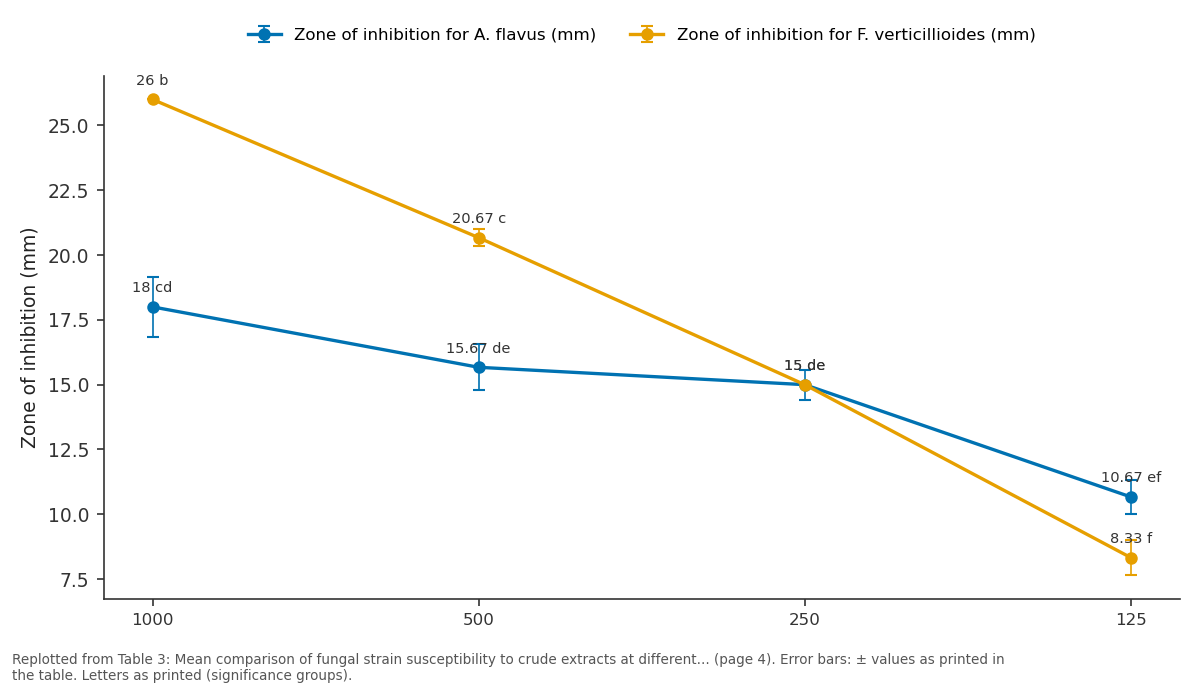
Zone of inhibition for A. flavus (mm) and Zone of inhibition for F. verticillioides...: 1000 vs 500 vs 250 vs 125
Replotted from Table 3 (page 4) of the original paper. Every bar is the paper's own table value.
View source evidence ↗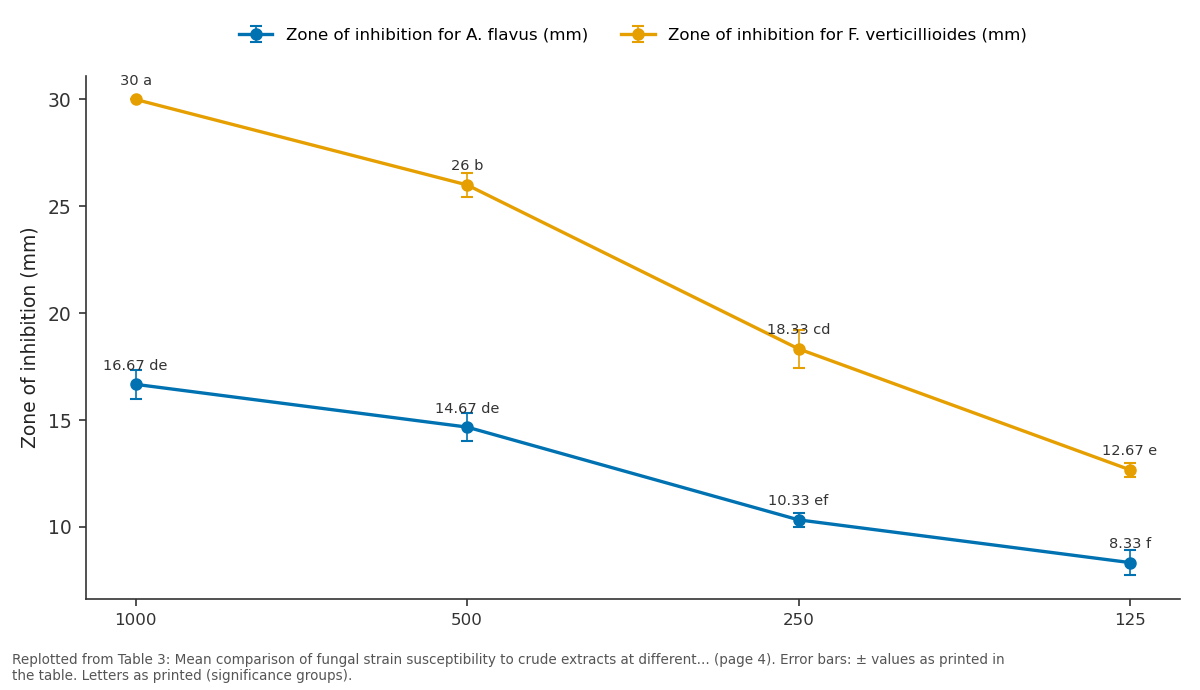
Zone of inhibition for A. flavus (mm) and Zone of inhibition for F. verticillioides...: 1000 vs 500 vs 250 vs 125
Replotted from Table 3 (page 4) of the original paper. Every bar is the paper's own table value.
View source evidence ↗Figures & tables
From the original paper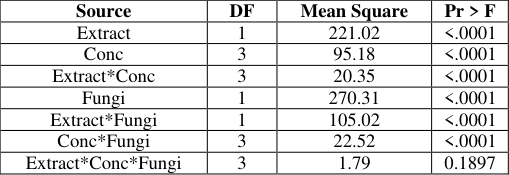 Table 1
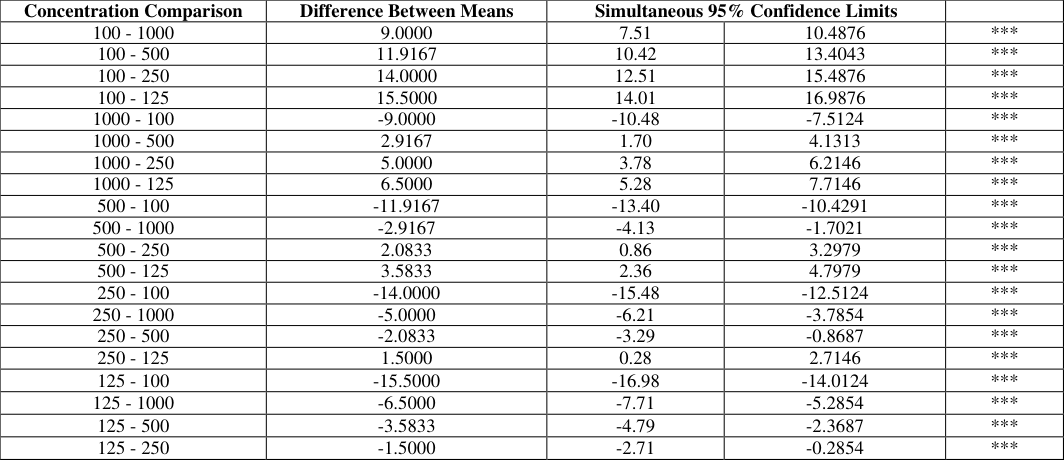 Table 2
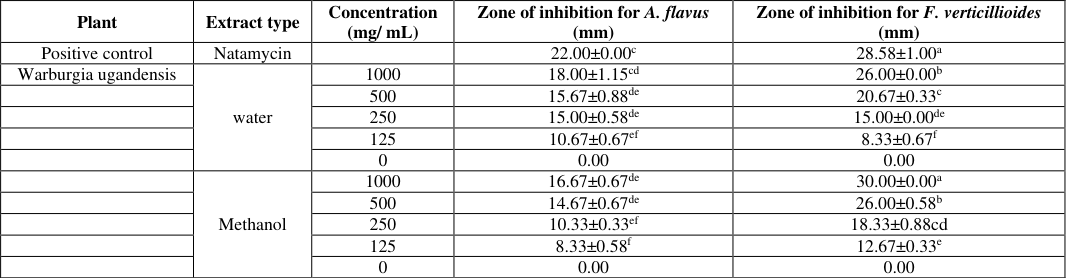 Table 3
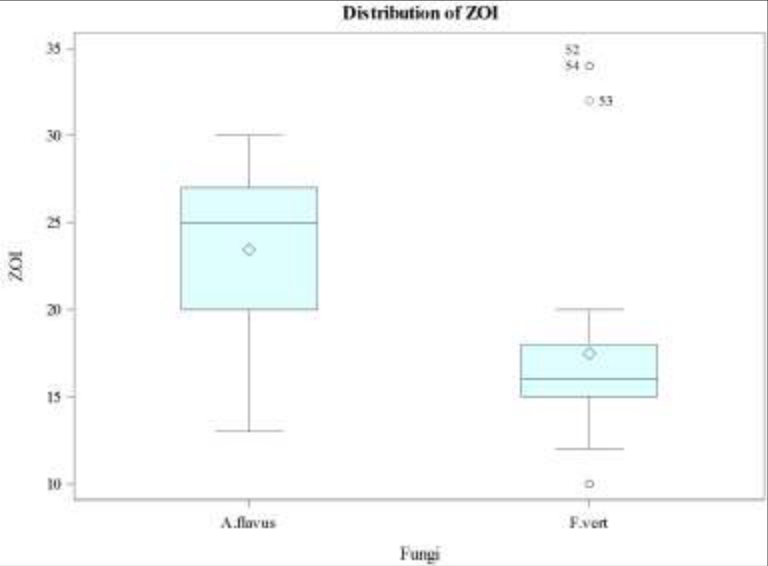 Figure 1
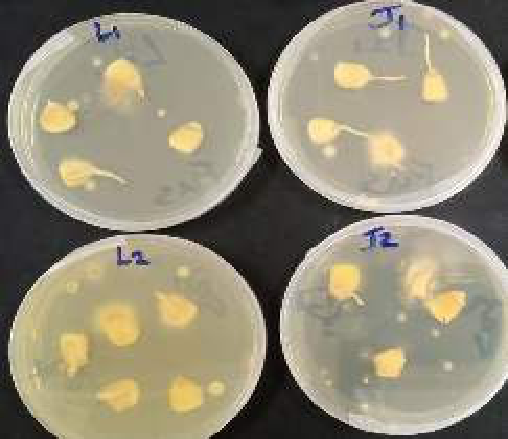 Figure 2
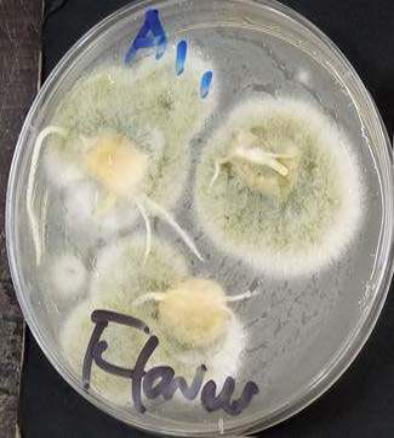 Figure 2
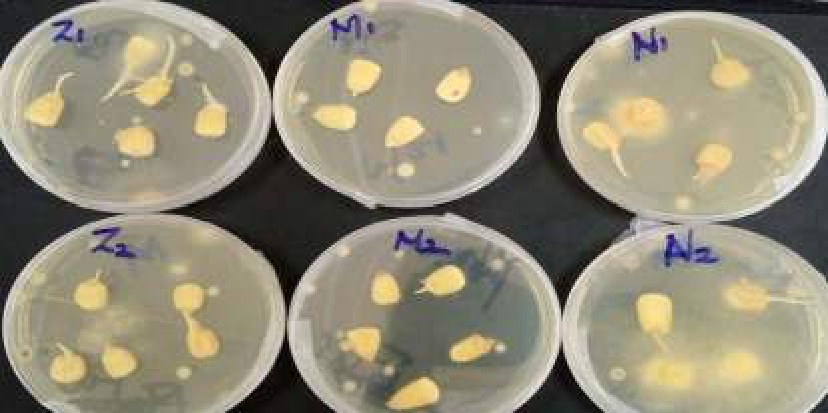 Figure 3
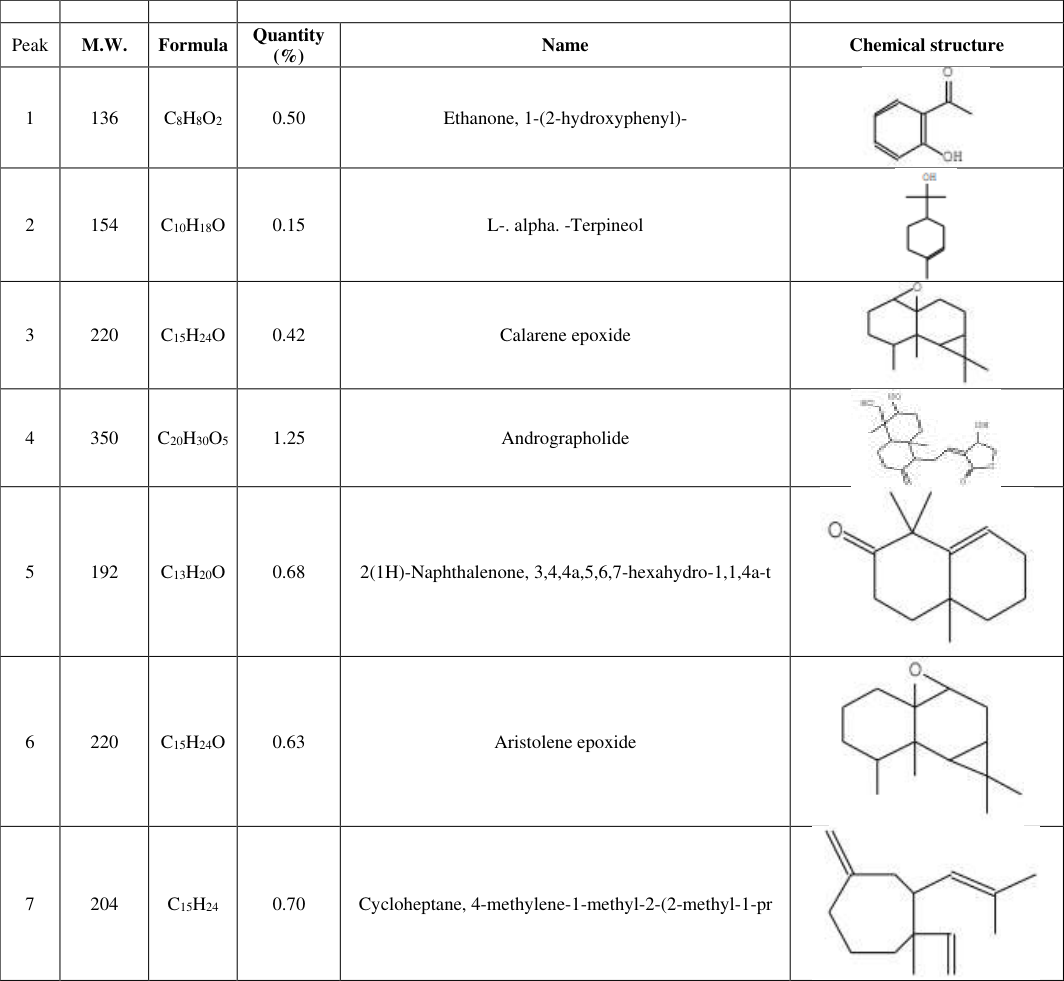 Table 4
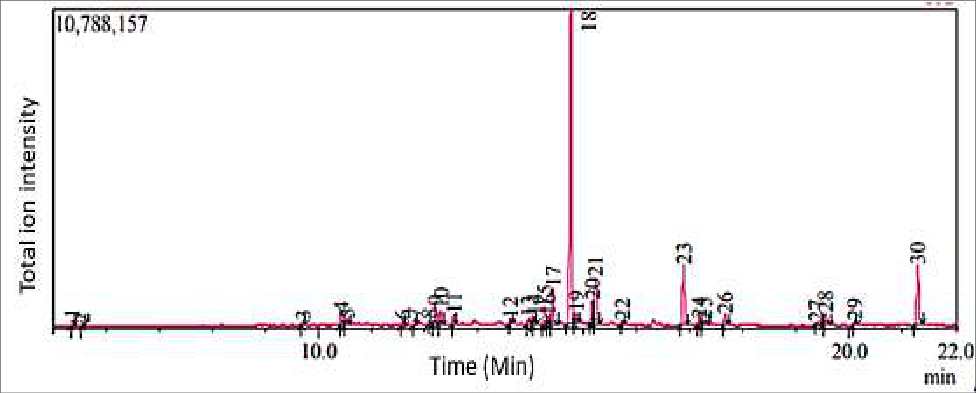 Figure 4
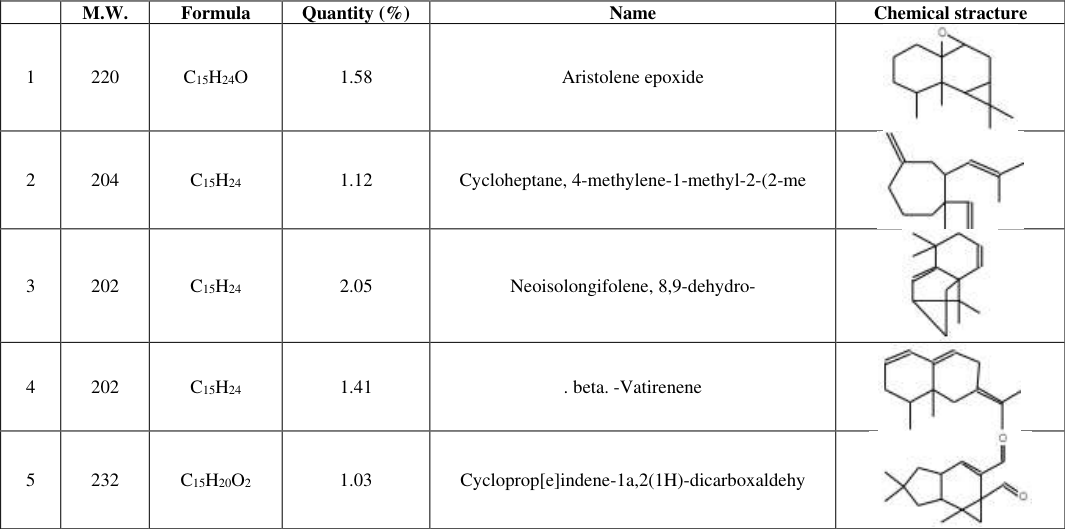 Table 5
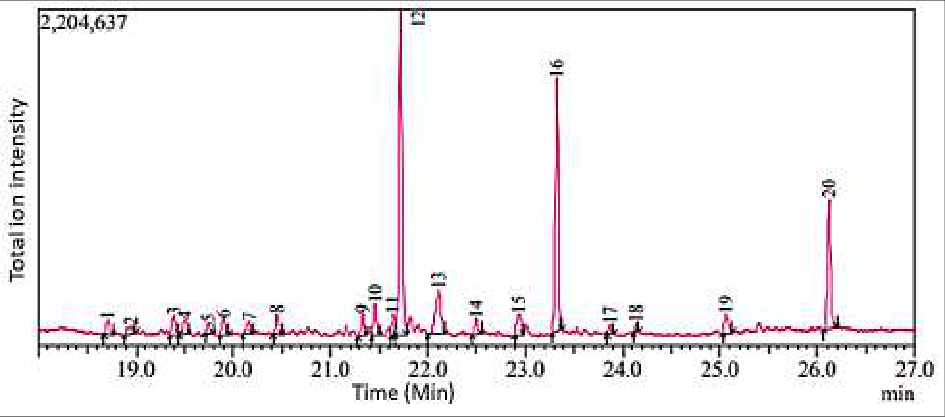 Figure 5
Introduction
Maize (Zea mays), also known as corn, is the staple food and most commonly grown cereal in Kenya, accounting for nearly 80% of all cereal production produced from over 3 million hectares of land (Kang'e the et al., 2020). It is mostly used to produce hard maize flour porridge (ugali), providing over 50% of daily calorie intake in Kenya (Wanjiru et al., 2023). The major food safety issue in maize is the presence of pathogenic fungi, including Aspergillus flavus, Aspergillus parasiticus, Aspergillus ochraceous, Fusarium verticillioides, and Fusarium proliferatum. These molds thrive in warm and moist environments and secrete mycotoxins such as Aflatoxins and fumonisins, which have adverse health effects (Lewis et al., 2005) [9] . Generally, significant factors that affect fungal growth and toxin production include temperature, relative humidity, water activity, P H , and fungal strain (Moghaddam & Farhadi, 2015) [14] . Fungal species belonging to the genera Aspergillus flavus and Aspergillus parasiticus are the most common strains secreting aflatoxins, while Fusarium verticillioides International Journal of Agriculture and Food Science https://www.agriculturaljournals.com and Fusarium proliferatum produce fumonisins (Pierron et al., Tournas & Niazi). These toxins pose severe risks to human and animal health hence of major concern when it comes to food safety (H. Gourama & L. B. Bullerman, 1995) [5] . Their toxicity can cause either short-or long-term illness, or even death (Oliveira et al., 2014) [24] . Efforts to prevent the growth of pathogenic fungi and reduce mycotoxin contamination have been ongoing, yet no single method has proven effective (Maina et al., 2016; A. W. Njoroge et al., 2019) [10,16] . Postharvest strategies such as proper drying, sorting, and the implementation of food safety management systems like Hazard Analysis and Critical Control Point (HACCP) are commonly employed to manage mycotoxins (Jnr et al., A. W. Njoroge et al., 2019) [16] . Synthetic antifungal chemical preservatives are also widely used due to their perceived effectiveness, particularly among small and large-scale producers (Silva & Lidon, 2016) [26] . However, these chemical preservatives pose a significant risk to the environment, humans and animals health ( i.e. lung cancer, allergy, headache, nausea, diarrhea etc.) (Kamala et al., 2019) [7] . Due to this, there has been an increasing interest in plant-based antifungal agents as potential alternative. However, there is lack of adequate information, and scientific findings regarding the efficacy of plant-based extracts in managing fungi and mycotoxin contamination (Kumari et al., 2019) [7] . Among the 1,562 medications approved by the FDA for the period between 1981-2014, 4% were purely natural goods, 9.1% were mixtures of different botanical drugs, 21% were derivatives of natural products, and 4% were synthetic drugs based on natural products (Ochola et al., 2015) [18] . This data underscores the importance of evaluating herbal extracts for their efficacy against mycotoxin-producing microorganisms. [12,17,20,23] . This study further sort to determine the efficacy of Warburgia ugandensis in inhibiting the growth of Aspergillus flavus and Fusarium verticillioides, determine the phytochemical composition and the potential application of in maize grain preservation against fungal contamination thereby enhancing food safety.
Materials and Methods
Materials and Methods
Study site
This research was conducted at the Food science Microbiology Laboratory department of Dairy and Food Science and Technology, Egerton University, with assistance from the Soils and Biotechnology Laboratory at Egerton University and the Biochemistry Laboratory at Jomo Kenyatta University of Science and Technology, Kenya.
Plant identification and sample collection
Samples of Warburgia ugandensis stem bark were collected from Nyeri County, Kenya, with the assistance of herbal medicine practitioner Dr. Jack Githae. The collected samples were stored in a cool box and transported to the Food Microbiology Laboratory at Egerton University, Kenya. Afterward, the samples were dried under shade for three days and then further dried in an oven at 40 °C until a moisture content of 14% was attained.
Extraction of crude methanol and aqueous extracts Methanol extraction:
The crude methanol extracts were obtained according to Adongo et al. (2012) [2] . Briefly, the dried and ground samples (50 g) of Warburgia ugandensis stem bark were mixed with 86% methanol in a ratio of 1:3 (m/v) in an Emerylene flask and allowed to stand for 72 hours with frequent shaking. The mixture was then filtered using a muslin cloth then with a filter paper (Whatman No.1) to remove coarse and fine particles, respectively. The filtrate was concentrated using a rotary evaporator (model ZJ-TFG-18, China) and dried to completion.
Water Extraction: Finely ground dried samples (50g) were mixed with boiling distilled water in a ratio of 1:3 and incubated for 72 hours. After incubation, the mixture was filtered to remove coarse particles, and the filtrate was centrifuged at 10,000rpm for five minutes. The supernatants were collected and dried under a laminar flow vacuum dryer (LDZH-100KBS) until a constant weight was achieved. The final aqueous crude extracts were standardized and transferred into well-labeled falcon tubes and stored under a refrigerator waiting further testing.
Determination of antifungal potency of Warburgia ugandensis water and methanol extracts
The antifungal potency of the crude methanol and water extracts of Warburgia ugandensis was assessed using the disk diffusion method (Belmekki et al., (2013) [3] . The dried extracts were redissolved in their respective solvents to obtain a high concentration of 1000 µg/mL. Pathogenic fungal strains of A. flavus and F. verticillioides (1 mL containing 10 6 CFU/mL), were spread on potato dextrose agar (PDA) in Petri dishes. Disks impregnated with the crude extracts under concentrations range (1000-125mg/ml) were placed on the surface of the inoculated agar. Negative control treatment was conducted using methanol, while Natamycin served as a positive reference standard. The plates were incubated at 33 o C and 24 o C for A. flavus and F. verticillioides, respectively, for seven days. The zone of inhibition was measured to determine antifungal potency and minimum inhibitory concentration of crude extract in inhibiting fungal growth. The experiments were conducted in triplicates and zones of inhibition were measured in millimeters.
Application in maize grain preservation
To determine the effectiveness of herbal extracts in preserving maize grain, Warburgia ugandensis methanol and water extracts at 125 µg/mL which was the established minimum inhibitory concentration were applied to the maize grain samples according to Abdelazm et al. The surface of the maize kernels was sterilized for one minute with a 5% sodium hypochlorite (NaOCl) and rinsed with sterile water. Twenty-five grams (25 g) of maize grains were sprayed with 2 mL of water and methanol extract separately, while one plate was left untreated to act as controls. One milliliter (1 mL) of a spore suspension of Aspergillus flavus and Fusarium verticillioides (1 × 10 8 spores/mL) was then added to the maize grains as an inoculant. The growth of A. flavus and F. verticillioides on the maize kernels was visually assessed after incubation at 33 °C and 24 °C, respectively, for seven days. Three replicates were conducted for each treatment.
Determination of phytochemical composition
The crude extracts were filtered and analyzed using SHIMADZU's GC-MS QP2010SE equipped with a BPX5 column (length (30m), thickness (0.25µm) and internal diameter (0.25mm)). The samples were injected in a split mode at a temperature of 200 ℃, column oven temperature set at 60 °C and temperature program used to bring about the separation of compounds starting from 60 °C, and then ramped at 10 0 C/minute held for 8 minutes. The interface temperature was 250 °C, the ion source temperature was set at 200 °C and the solvent cut times were 4.5. The mass spectrometer ran in scan mode for masses from 35Hz to 550Hz. The different identified compounds were characterized by matching their mass spectra with those of reference compounds recorded in the NIST 2014 mass spectral library.
Data analysis
The data obtained were tested for normality using Pearson's correlation in SAS 9.4. At the same time, the general linear model (GLM) technique was used to check the significant differences between the treatments. Where treatments were found significant, means separation for the individual effects of the type of extract, concentration, fungi, and their interactions were conducted using Tukey's Honestly Significant Difference at p≤0.05.
Results
Results
Antifungal efficacy of Warburgia ugandensis water and methanol extracts
When generalized linear model (GLM) was conducted it was reported that the solvent used during extraction, the concentration, and the fungal strain significantly influenced the antifungal inhibitory activities of Warburgia ugandensis (P˂0.05) (Table 1). It was reported that all the interactions had significant effects on the inhibitory activities of Warburgia ugandensis crude extracts except for the interaction between the type of solvent, concentration and fungal strain (Table 1). When mean separation was conducted Tukey's studentized range to determine the inhibitory effect between the types of solvents used, it was found that the type of solvent significantly influenced the antifungal activities of crude extracts with methanol producing a higher mean inhibitory effect. GLM analysis revealed a concentration dependent inhibitory effect with a higher concentration 1000µg/ml producing a higher mean zone of inhibition (Table 1). When mean separation was conducted it was found that there was a significant difference inhibitory effect between different concentration levels used (Table 2). GLM analysis furthermore revealed that the fungal strain significantly influenced the inhibitory effect Warburgia ugandensis crude extracts with Fusarium verticillioides being more susceptible (Figure 1). Mean separation conducted using Tukey's studentized range to compare the variation in the inhibitory effects of different extracts at different concentration revealed that Natamycin used as a positive control exhibited significantly highest inhibitory effect against both fungal stains yielding a zone of inhibition measuring 22.00±0.00mm and 28.50±0.50mm against A.flavus and F. verticillioides respectively as shown in table 3 bellow. There was a significant antifungal activity between methanol and water extracts of Warburgia ugandensis. Crude water extracts under high concentration 1000 µg/ml produced a mean zone of inhibition measuring 18.00±1.15mm and 26.00±0.00mm against Aspergillus flavus and Fusarium verticillioides respectively. This inhibitory effect was relatively high comparable to positive control however, there was a significant difference in their inhibitory effects (P˂0.05). Concerning the inhibition effect of methanol extracts it was found that under high concentration, the extract exhibited higher inhibitory effect 16.67±0.67mm and 30.00±0.00mm against A.flavus and F.verticillioides respectively comparable to the positive control. Nevertheless, mean comparison to positive control revealed that there was a significant difference in inhibiting the growth of A.flavus as shown in Table 3 bellow. It was also observed that there was difference in inhibitory effects under different concentration levels.
| Plant | Extract type | Concentration (mg/ mL) | Zone of inhibition for A. flavus (mm) | Zone of inhibition for F. verticillioides (mm) |
|---|---|---|---|---|
| Positive control | Natamycin | 22.00±0.00c | 28.58±1.00a | |
| Warburgia ugandensis | water | 1000 | 18.00±1.15cd | 26.00±0.00b |
| 500 | 15.67±0.88de | 20.67±0.33c | ||
| 250 | 15.00±0.58de | 15.00±0.00de | ||
| 125 | 10.67±0.67ef | 8.33±0.67f | ||
| 0 | 0.00 | 0.00 | ||
| Methanol | 1000 | 16.67±0.67de | 30.00±0.00a | |
| 500 | 14.67±0.67de | 26.00±0.58b | ||
| 250 | 10.33±0.33ef | 18.33±0.88cd | ||
| 125 | 8.33±0.58f | 12.67±0.33e | ||
| 0 | 0.00 | 0.00 |
Table text extracted from the original PDF; superscript letters are shown inline. The original table image is below.
View original table image
| Concentration Comparison | Difference Between Means | Simultaneous 95% Confidence Limits | — | — |
|---|---|---|---|---|
| 100 - 1000 | 9.0000 | 7.51 | 10.4876 | *** |
| 100 - 500 | 11.9167 | 10.42 | 13.4043 | *** |
| 100 - 250 | 14.0000 | 12.51 | 15.4876 | *** |
| 100 - 125 | 15.5000 | 14.01 | 16.9876 | *** |
| 1000 - 100 | -9.0000 | -10.48 | -7.5124 | *** |
| 1000 - 500 | 2.9167 | 1.70 | 4.1313 | *** |
| 1000 - 250 | 5.0000 | 3.78 | 6.2146 | *** |
| 1000 - 125 | 6.5000 | 5.28 | 7.7146 | *** |
| 500 - 100 | -11.9167 | -13.40 | -10.4291 | *** |
| 500 - 1000 | -2.9167 | -4.13 | -1.7021 | *** |
| 500 - 250 | 2.0833 | 0.86 | 3.2979 | *** |
| 500 - 125 | 3.5833 | 2.36 | 4.7979 | *** |
| 250 - 100 | -14.0000 | -15.48 | -12.5124 | *** |
| 250 - 1000 | -5.0000 | -6.21 | -3.7854 | *** |
| 250 - 500 | -2.0833 | -3.29 | -0.8687 | *** |
| 250 - 125 | 1.5000 | 0.28 | 2.7146 | *** |
| 125 - 100 | -15.5000 | -16.98 | -14.0124 | *** |
| 125 - 1000 | -6.5000 | -7.71 | -5.2854 | *** |
| 125 - 500 | -3.5833 | -4.79 | -2.3687 | *** |
| 125 - 250 | -1.5000 | -2.71 | -0.2854 | *** |
Table text extracted from the original PDF; superscript letters are shown inline. The original table image is below.
View original table image
| Source | DF | Mean Square | Pr > F |
|---|---|---|---|
| Extract | 1 | 221.02 | <.0001 |
| Conc | 3 | 95.18 | <.0001 |
| Extract*Conc | 3 | 20.35 | <.0001 |
| Fungi | 1 | 270.31 | <.0001 |
| Extract*Fungi | 1 | 105.02 | <.0001 |
| Conc*Fungi | 3 | 22.52 | <.0001 |
| Extract*Conc*Fungi | 3 | 1.79 | 0.1897 |
Table text extracted from the original PDF; superscript letters are shown inline. The original table image is below.
View original table image
Minimum inhibitory concentration (MIC)
The findings from this study as shown in Table 2 were used to determine the Minimum Inhibitory Concentration (MIC) of the Warburgia ugandensis crude extracts. MIC is the lowest concentration of an antimicrobial or antifungal agent (in this case, plant extracts) that can inhibit the visible growth of a microorganism. The clear zones of inhibition were interpreted according to Odongo et al., (2022) [19] as low activity (1 mm-6 mm), moderate activity (7 mm-10 mm), high activity (11 mm-15 mm), and very high activity (˃16 mm). From the findings in Table 3, it was identified that the lowest concentration with clear zones of inhibition for each combination of solvent extract and fungal pathogen was established at a concentration producing mean zone of inhibition measuring 11-15mm. It was observed that water and methanol extracts had high antifungal activity against Fusarium verticillioides at lower concentration (MIC = 125 mg/mL), producing a zone of inhibition measuring 8.33mm and 11.67mm respectively. For the case of Aspergillus flavus, the both water and methanol extracts had high activity at (MIC=125mg/ml) with a zone of inhibition measuring 10.67mm and 8.33mm respectively as shown in table 3 above.
Application of W. ugandensis extracts for maize grain preservation
Warburgia ugandensis water and methanol extracts were both applied in maize grain preservation at concentrations of 125 mg/mL and for both fungi Figure 1 and 2 respectively. The findings from this study revealed that the application of Warburgia ugandesnis water and methanol extract at a concentration of 125 mg/mL completely inhibited the growth of both Aspergillus flavus and Fusarium verticillioides. For the broken grains, A. flavus was not completely by water extracts while methanol extracts completely inhibited the growth of fungi in maize grains. Both water and methanol extracts of Warburgia ugandesnis completely inhibited the growth of Fusarium verticillioides. The petridish plate containing broken maize grains treated with water extracts (Z1) was found to contain signs of contamination.
J and L denotes methanol and water extracts respectively while 1 and 2 denotes healthy and broken maize grains. Z-water extracts, M-methanol extracts, and N-negative control. The labels "1" and "2" denote healthy and broken maize grains, respectively.
Phytochemical composition of Warburgia ugandensis crude extracts
Gas chromatography mass spectroscopy was used to analyzed the major chemical components of Warburgia ugandensis crude extracts. In water extracts the most dominating compounds were 9-t-Butyl-4-iodo-2,2dimethyladamantane (45.01%) and Cycloisolongifolene, 8,9-dehydro-9-formyl-(7.60%), while Ledene oxide-(II) (31.19%), Pregn-4-ene-1,20-dione, 12-hydroxy-16,17-d (21.51%), and 2,4-Cholestadien-1-one (12.46%), were the most dominating compounds in methanol extracts as shown in Table 2 and3 6-Isopropenyl-4,8a-dimethyl-1,2,3,5,6,7,8,8a(2.81%), alpha.-Farnesene(0.86%), and 24-Noroleana-3,12-diene(0.72%). Conversely, nine compounds were also identified in water extract; Aristolene epoxide (0.63%), Neoisolongifolene, 8, 9-dihydro-(4.68%), and Neoclovene oxide (1.96%), among others. These findings highlight the diverse and distinct phytochemical profiles of the water and methanol extracts of W. ugandensis. [4,20,21,23] . The significance of assessing the antifungal activities of the medicinal extracts cannot be understated, given its potential applications in agriculture and medicine. Natamycin, employed as the positive control, exhibited significant inhibition zones (ZOI) against both tested fungi (Fusarium verticillioides and Aspergillus flavus) with the mean zone of inhibition 28.58mm and 22mm respectively. These substantial inhibition zones indicated very high fungal inhibition activity as per Odongo et al., (2022) [19] classification. These findings highlight the reliability of the experimental setup and validate the capacity of this study to discern significant antifungal effects of Warburgia ugandensis extracts. Significant differences in antifungal activities were observed between the two selected solvent extracts where methanol extracts displayed a greater inhibitory effect against both Fusarium verticillioides and Aspergillus flavus compared to water. These findings were similar to of Chitopoa et al., (2019) [4] , who reported that ethyl acetate extracts of Erythrina abyssinica leaves exhibited the highest zone of inhibition (25 mm) when compared to dichloromethane extract (12mm) against C. albicans. This suggests that the solvent type significantly impacted the extraction of antifungal compounds from Warburgia ugandensis due to dispersibility of active compounds due to hydrophobicity and hydrophilicity of chemical compounds (Masoko & Makgapeetja, 2015) [13] .
There was a clear concentration-dependent effect, where an increase in extract concentrations generally resulted in the formation of larger ZOIs. This implies that the inhibitory activity of medicinal herb extract against the tested fungal pathogens was enhanced by an increase in extract concentration. Therefore, selecting the appropriate concentration is critical for effective fungal pathogen control. Moreover, there was a significant fungal straindependent antifungal activity, with Fusarium verticillioides being more susceptible to the crude plant extracts compared to Aspergillus flavus. This could be attributed to the genetic potential of each pathogen such as energy metabolism, remodeling and difference in oxidative stress response which underscores the importance of considering the specific fungal strain when evaluating antifungal properties of medicinal herb (Shishodia et al., 2019) [25] . Determining the minimum inhibitory concentration (MIC) of an antifungal/antimicrobial agent is a key parameter in assessing their effectiveness against microbial pathogens (Mansouri et al., 2021; Ochola et al., 2015) [11,18] . The interpretation of the zones of inhibition as low, moderate, high, or very high activity provides useful classification for the antimicrobial efficacy of the herbal extracts. Methanol extract had high activity while water extracts had moderate activity against Fusarium verticillioides at a relatively low concentration (MIC = 125 mg/mL), with a zone of inhibition measuring 12.67mm and 8.33mm respectively suggesting that Warburgia ugandensis water extract was effective at inhibiting the growth of F. verticillioides even at low concentrations. At a higher concentration (1000 mg/mL), it exhibited very high activity with a zone of inhibition measuring 26mm highlighting its potency as comparable to the positive control. In contrast, the MIC for Warburgia ugandensis water and methanol extract against A. flavus was 125mg/mL, producing a zone of inhibition measuring 10.67 mm and 8mm. This finding was an important indicator of the quantity of crude extracts applied in maize grain for preservation.
The application of both methanol and water extract at a concentration of 125 mg/mL (MIC) completely inhibited the growth of both F. verticillioides and Aspergillus flavus on healthy maize grains. It is possible that the methanol-soluble compounds in the methanol extracts are responsible for the higher antifungal activity (Okello et al., 2018) [20] . Synergistic effect of active compounds may be another possible explanation for the higher antifungal activity of methanol extracts. Synergy occurs when more than one compound interacts to produce a greater effect than the sum of their individual effects (Scorzoni et al., 2017) [24] . Therefore, it is possible that the active compounds in the methanol extracts work together to produce a synergistic antifungal effect. The results from this study moreover, revealed that methanol extracts were effective in inhibiting the growth of both Fusarium verticillioides and Aspergillus flavus. This finding suggests that Warburgia ugandensis crude extracts are effective in inhibiting the growth of fungi on maize grains. The phytochemical analysis using gas chromatography mass spectroscopy technique revealed that 9-t-Butyl-4-iodo- [12,60] . The most dominant compounds were mostly phenolic compounds characterized by the presence of methyl, hydroxy and carbonyl groups which have been reported to possess antifungal activities. [1,15,22] . Moreover, the degree of substitution of hydroxy and methoxy groups in phenyl ring have been reported to increase the antimicrobial efficacy (Orzeszko et al., 2002) [22] . This therefore means that the presence of hydroxyl and methoxy in Ethanone, 1-(2-hydroxyphenyl)and 1-Methoxy-5-methyl-5-phenyl-7-oxabicyclo [4.1.0] hept at different degree of substitution could have contributed to enhanced antifungal activity of Warburgia ugandensis extracts.
A study conducted by Kong et al., (2019) [8] on the antifungal mechanisms of α-terpineol and terpene-4-alcohol against Aspergillus ochraceus in postharvest grapes found that, these compounds could exert antimycotic activities which leads to abnormal spore and negative downgrading metabolic pathways due to disruption of cell membrane and hence weakening the life of the fungi. It was further observed that α-terpineol exhibited the strongest inhibitory effect against A. ochraceous. The retarded growth of Aspergillus flavus and Fusarium verticillioides in the maize grains preserved using Warburgia ugandensis extracts could be attributed to the presence of α-terpineol. Some compounds that were found and identified in Warburgia ugandensis water extracts have such as Neoisolongifolene in Neoisolongifolene, 8, 9-dehydro-, and Neoisolongifolene, 8,9-dehydro-have not been reported to possess antifungal potency (Xiang et al., 2017) [27] . Furthermore, according to Lewis et al., (2005) [9] the contribution of naphthalene derivatives in plant extracts has not been described hence the antifungal activities and a need for further analysis to determine the antifungal potency of naphthalene derivatives.
Conclusion
Both the methanol and water extracts of Warburgia ugandensis demonstrated high antifungal activity against Aspergillus flavus and Fusarium verticillioides. At a minimum inhibitory concentration (MIC) of 125 mg/mL, Warburgia ugandensis crude extracts effectively preserved maize grains. Methanol as extract had better inhibitory effect hence could be recommended as a suitable solvent in extracting Warburgia ugandensis. The excellent preservative effect of extracts against fungal growth suggests that Warburgia ugandensis could serve as a potential substitute for synthetic chemicals. Further research should focus on determining the sensory attributes of maize products preserved using these extracts. Additionally, exploring the upscaling application of these crude extracts in maize storage is a promising avenue for future studies.
Figures and tables from the paper
| — | — | — | — | — | — |
|---|---|---|---|---|---|
| Peak | M.W. | Formula | Quantity (%) | Name | Chemical structure |
| 1 | 136 | C8H8O2 | 0.50 | Ethanone, 1-(2-hydroxyphenyl)- | |
| 2 | 154 | C10H18O | 0.15 | L-. alpha. -Terpineol | |
| 3 | 220 | C15H24O | 0.42 | Calarene epoxide | |
| 4 | 350 | C20H30O5 | 1.25 | Andrographolide | |
| 5 | 192 | C13H20O | 0.68 | 2(1H)-Naphthalenone, 3,4,4a,5,6,7-hexahydro-1,1,4a-t | |
| 6 | 220 | C15H24O | 0.63 | Aristolene epoxide | |
| 7 | 204 | C15H24 | 0.70 | Cycloheptane, 4-methylene-1-methyl-2-(2-methyl-1-pr |
Table text extracted from the original PDF; superscript letters are shown inline. The original table image is below.
View original table image
| — | M.W. | Formula | Quantity (%) | Name | Chemical stracture |
|---|---|---|---|---|---|
| 1 | 220 | C15H24O | 1.58 | Aristolene epoxide | |
| 2 | 204 | C15H24 | 1.12 | Cycloheptane, 4-methylene-1-methyl-2-(2-me | |
| 3 | 202 | C15H24 | 2.05 | Neoisolongifolene, 8,9-dehydro- | |
| 4 | 202 | C15H24 | 1.41 | . beta. -Vatirenene | |
| 5 | 232 | C15H20O2 | 1.03 | Cycloprop[e]indene-1a,2(1H)-dicarboxaldehy |
Table text extracted from the original PDF; superscript letters are shown inline. The original table image is below.
View original table image
References
27 in the original paper- Abubacker MN, Deepalakshmi T. In vitro antifungal potentials of bioactive compound methyl ester of hexadecanoic acid isolated from Annona muricata Linn. (Annonaceae) leaves. Biosci Biotechnol Res Asia. 2013;10(2):879-884.
- Adongo JO, Omolo JO, Njue AW, Matofari JW. Antimicrobial activity of the root extracts of Tylosema fassoglensis Schweinf. Torre & Hillc (Caesalpiniaceae). Sci J Microbiol Biotechnol. 2012;1(1):1-3.
- Belmekki N, Bendimerad N, Bekhechi C, Fernandez X. Chemical analysis and antimicrobial activity of Teucrium polium L. essential oil from Western Algeria. J Med Plants Res. 2013;7(14):897-902.
- Chitopoa W, Muchachaa I, Mangoyi R. Evaluation of the antimicrobial activity of Erythrina abyssinica leaf extract. J Microb Biochem Technol. 2019;11(2):413418.
- Gourama H, Bullerman LB. Aspergillus flavus and Aspergillus parasiticus: aflatoxigenic fungi of concern in foods and feeds. J Food Prot. 1995;58(1):1395-1404.
- Emmanuel ZJ, Muitia A, Amane MIV, Brandenburg RL, Emmott A. Effect of harvesting time and drying methods on aflatoxin contamination in groundnut. J Postharvest Technol. 2018;6(1):90-103.
- Kamala Kumari PV, Akhila S, Srinivasa Rao Y, Rama Devi B. Alternative to artificial preservatives. Syst Rev Pharm. 2019;10(1):S13-S16.
- Kong Q, Zhang L, An P, Qi J, Yu X, Lu J, et al. Antifungal mechanisms of α-terpineol and terpene-4alcohol as the critical components of Melaleuca alternifolia oil in the inhibition of rot disease caused by Aspergillus ochraceus in postharvest grapes. J Appl Microbiol. 2019;126(4):1161-1174.
- Lewis L, Onsongo M, Njapau H, Schurz-Rogers H, Luber G, Kieszak S, et al. Aflatoxin contamination of commercial maize products during an outbreak of acute aflatoxicosis in eastern and central Kenya. Environ Health Perspect. 2005;113(12):1763-1767.
- Maina AW, Wagacha JM, Mwaura FB, Muthomi JW, Woloshuk CP. Postharvest practices of maize farmers in Kaiti District, Kenya and the impact of hermetic storage on populations of Aspergillus spp. and aflatoxin contamination. J Food Res. 2016;5(6):53-60.
- Mansouri S, Pajohi-Alamoti M, Aghajani N, BazarganiGilani B, Nourian A. Stability and antibacterial activity of Thymus daenensis L. essential oil nanoemulsion in mayonnaise. J Sci Food Agric. 2021;101(9):3880-3888.
- Maobe MAG, Gitu L, Gatebe E, Rotich H, Karanja PN, Votha DM, et al. Antifungal activity of eight selected medicinal herbs used for the treatment of diabetes, malaria and pneumonia in Kisii Region, Southwest Kenya. World J Med Sci. 2013;8(1):74-78.
- Masoko P, Makgapeetja Antibacterial, antifungal and antioxidant activity of Olea africana against pathogenic yeast and nosocomial pathogens. BMC Complement Altern Med. 2015;15(1):94-101.
- Moghaddam M, Farhadi N. Influence of environmental and genetic factors on resin yield, essential oil content and chemical composition of Ferula assa-foetida L. populations. J Appl Res Med Aromat Plants. 2015;2(3):69-76.
- Nagashree S, Mallu P, Mallesha L, Bindya S. Synthesis, characterization, and antimicrobial activity of methyl-2aminopyridine-4-carboxylate derivatives. Int J ChemTech Res. 2013;5(2):1-5.
- Njoroge AW, Baoua I, Baributsa D. Postharvest management practices of grains in the eastern region of Kenya. J Agric Sci. 2019;11(3):33-41.
- Njoroge GN, Kaibui IM, Njenga PK, Odhiambo PO. Utilisation of priority traditional medicinal plants and local people's knowledge on their conservation status in arid lands of Kenya (Mwingi District). J Ethnobiol Ethnomed. 2010;6(22):1-8.
- Ochola SO, Ogendo JO, Wagara IN, Ogweno JO, Nyaanga JG, Ogayo KO. Antifungal activity of methanol extracts of Leonotis nepetifolia L. and Ocimum gratissimum L. against ascochyta blight (Phoma exigua) on French bean. Asian J Plant Pathol. 2015;9(1):27-32.
- Odongo EA, Mutai PC, Amugune BK, Mungai NN. A systematic review of medicinal plants of Kenya used in the management of bacterial infections. Evid Based Complement Alternat Med. 2022;2022:9089360.
- Okello O, Richarh K, Motlalepula GM, Youngmin K. A review on the botanical aspects, phytochemical contents and pharmacological activities of Warburgia ugandensis. J Med Plants Res. 2018;12(27):448-455.
- Omwenga EO, Hensel A, Shitandi A, Goycoolea FM. Ethnobotanical survey of traditionally used medicinal plants for infections of skin, gastrointestinal tract, urinary tract and the oral cavity in Borabu sub-county, Nyamira county, Kenya. J Ethnopharmacol. 2015;176:508-514.
- Orzeszko A, Kaminska B, Starociak BJ. Synthesis and antimicrobial activity of new adamantane derivatives III. Farmaco. 2002;57(8):619-624.
- Rugutt JK, Ngigi AN, Rugutt KJ, Ndalut PK. Native Kenyan plants as possible alternatives to methyl bromide in soil fumigation. Phytomedicine. 2006;13(8):576-583.
- Scorzoni L, De Paula e Silva ACA, Marcos CM, Assato PA, De Melo WCMA, De Oliveira HC, et al. Antifungal therapy: new advances in the understanding and treatment of mycosis. Front Microbiol. 2017;8(36):1-23.
- Shishodia SK, Tiwari S, Shankar J. Resistance mechanism and proteins in Aspergillus species against antifungal agents. Mycology. 2019;10(3):151-165.
- Silva MM, Lidon FC. Food preservatives-an overview on applications and side effects. Emir J Food Agric. 2016;28(6):366-373.
- Xiang H, Zhang L, Yang Z, Chen F, Zheng X, Liu X, et al. Chemical compositions, antioxidative, antimicrobial, anti-inflammatory and antitumor activities of Curcuma aromatica Salisb. essential oils. Ind Crops Prod. 2017;108:6-16.