
Research article · 2025 · Full text
International Journal of Advanced Chemistry ResearchFunctionalization and material investigation of acrylic acid-based hydrogels with controlled swelling behaviour
Volume 7(5) · Pages 01–13 · DOI: 10.33545/26646781.2025.v7.i5a.273 ↗
Research areasHydrogels: synthesis, properties, applications
Abstract
Author-writtenThis paper is devoted to the formation and characterisation of medium-range swellable hydrogels of polyacrylic acid. Such polyacrylic acid (PAA) hydrogels were synthesised through polymerisation of acrylic acid (AA) monomers in aqueous solution of HNO3 as a medium, which also acts as an initiator and N, N-methylene bis-acrylamide (BAM) as cross linker in a mild concentration at 60 °C. After 2 to 4 hours, the polymerising mixture was transformed into a glassy, flexible and spongy mass, which was taken out and washed repeatedly to remove soluble and unreacted materials and dried. When the dried polymers so formed were subjected to alkaline saponification, the degree of swelling of hydrolysed hydrogels so formed was found to be nearly 115 times its mass. The degree of swelling of hydrolysed PAA hydrogels was highly affected by the variations of monomer concentration, NaOH concentration during saponification, initiator concentration, cross-linker density, and temperature of polymerisation. Such hydrogels is a reversible swelling behaviour. By the study of the above-mentioned factors affecting the degree of swelling of PAA hydrogels, it was revealed that the use of HNO3 as an initiator leads to the polymerisation of AA, resulting in hydrogels of a medium range of swelling capacity. This type of hydrogel has various applications in hygienic products, agriculture, drug delivery systems, sealing, pharmaceuticals, biomedical, tissue engineering and wound dressing, etc. The Study of temperature effect reveals that PAA hydrogels often display high swelling leading to deformation and deswelling, showing weaker mechanical properties. The TGA (Thermal Gravimetric Analysis) also reveals that the hydrogels has moderate moisture resistance and broad overlapping decomposition meaning, thereby, an appreciable amount of bound water in the hydrogel in HNO3 medium, indicating less densely cross-linked network and wide temperature range of weight loss, indicating gradual network breakdown rather than sharply defined stages. FTIR spectroscopy was carried out to show the chemical structure of the hydrogels. Morphology of hydrogels formed were also studied by FESEM. It would be probable to manufacture comparatively low swelling PAA hydrogels by carefully adjusting cross-linker concentration, polymerisation temperature and monomer content. The probable PAA hydrogels have good mechanical integrity and shape integrity.
Summary
Source-checkedPlain-language reading of the full paper, prepared with AI and checked against the text. Each point links to the authors' own words.
Why it matters
- Poly(acrylic acid) (PAA) gels are widely used in products like diapers, wound dressings, and water treatment due to their high absorbency. View evidence ↗
- Standard PAA gels suffer from poor mechanical strength, which restricts their application in high-stress or load-bearing environments. View evidence ↗
The question
- The study aimed to synthesize PAA-based hydrogels using HNO₃ as an initiator and BAM as a cross-linker to examine how swelling is affected by temperature, NaOH concentration, pH, and salts. View evidence ↗
What they did
- The hydrogels were synthesized by polymerizing acrylic acid (AA) monomers at 60 °C using HNO₃ as both the medium and initiator, with N,N-methylene bis-acrylamide (BAM) serving as the cross-linker. View evidence ↗
- Alkaline hydrolysis was performed by heating the polymer gels in 100 ml of 4% (w/v) NaOH solution at 60 °C for 30 minutes. View evidence ↗
What they found
- Hydrolyzed hydrogels exhibited a swelling degree of approximately 115 times their original mass. View evidence ↗
- Maximum water absorption occurred at a NaOH concentration of approximately 0.75 mol L⁻¹, beyond which water uptake decreased. View evidence ↗
- A direct correlation was found between monomer concentration and swelling, where lower amounts of acrylic acid (AA) resulted in lower swelling. View evidence ↗
- Increasing the concentration of the cross-linker (BAM) led to a progressive decrease in the gel's ability to swell. View evidence ↗
- The addition of ionic salts significantly reduced the degree of swelling in the hydrogels. View evidence ↗
- The hydrogels demonstrated reversible swelling behavior, with swelling increasing slightly in each subsequent cycle. View evidence ↗
What it means
- The authors conclude that PAA hydrogels initiated by HNO₃ exhibit 'medium-range swelling,' making them suitable for agricultural, pharmaceutical, and biomedical applications. View evidence ↗
- The authors suggest that the poor mechanical strength of these gels can be improved by increasing the polymerization temperature, monomer concentration, and cross-linker density. View evidence ↗
- Due to poor mechanical strength, these hydrogels are unsuitable for use as antifouling coatings, artificial tissue substitutes, or for absorbing hazardous substances in confined spaces. View evidence ↗
Visual summary
2 visualsIllustrations explain the paper; they do not show study data.
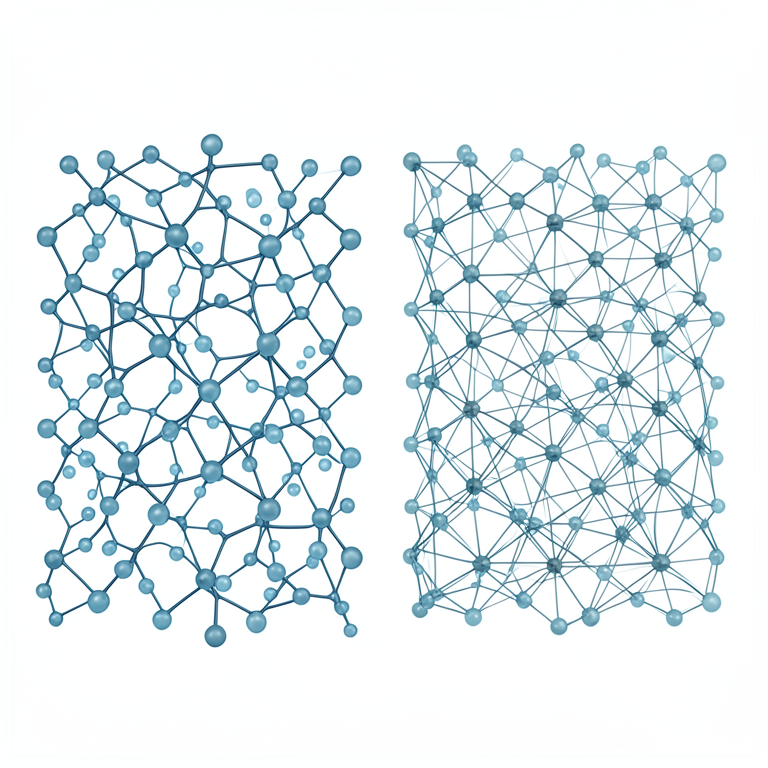
Cross-linker Density and Swelling
AI-generated conceptual illustration (acrylic acid-based hydrogel polymer networks). It explains the idea and does not show study data.
View source evidence ↗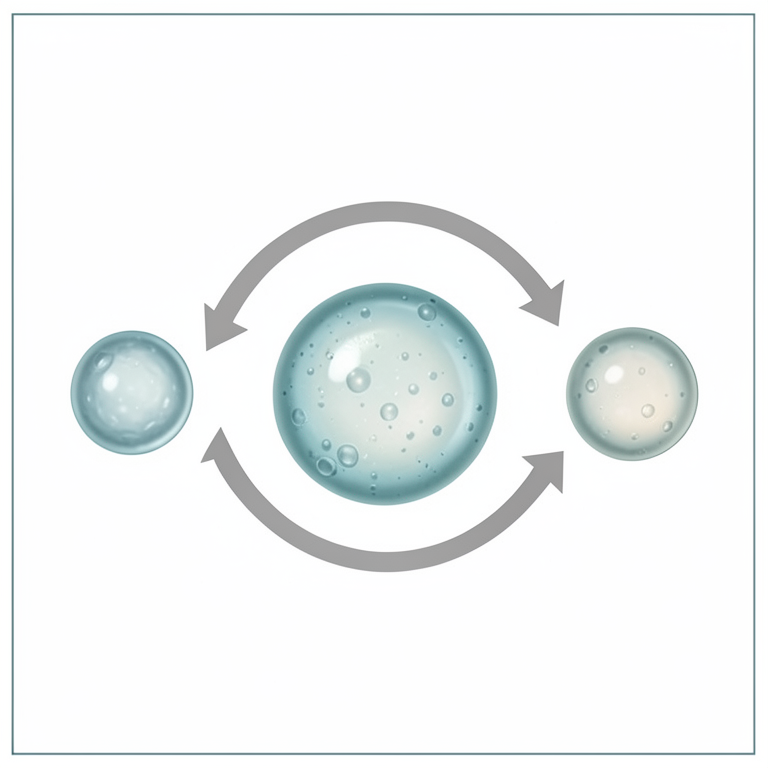
Reversible Swelling Cycle
AI-generated conceptual illustration (acrylic acid-based hydrogel). It explains the idea and does not show study data.
View source evidence ↗Figures & tables
From the original paper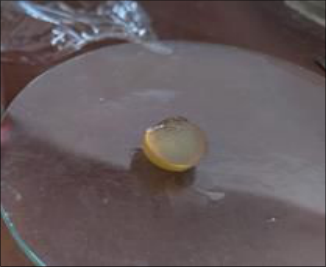 Figure 1
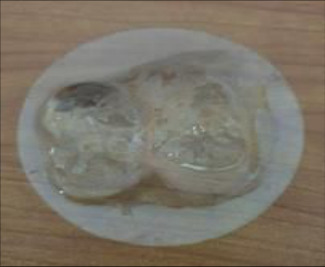 Figure 1
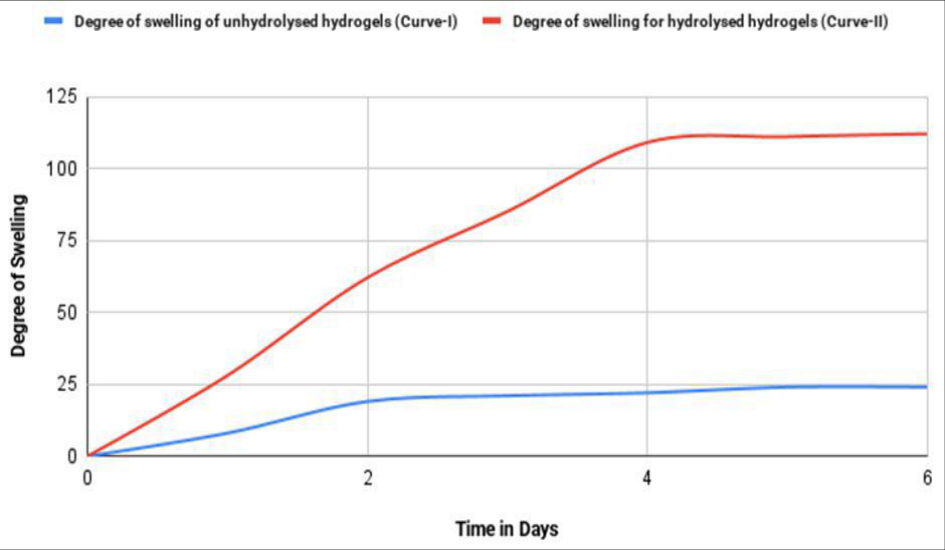 Figure 2
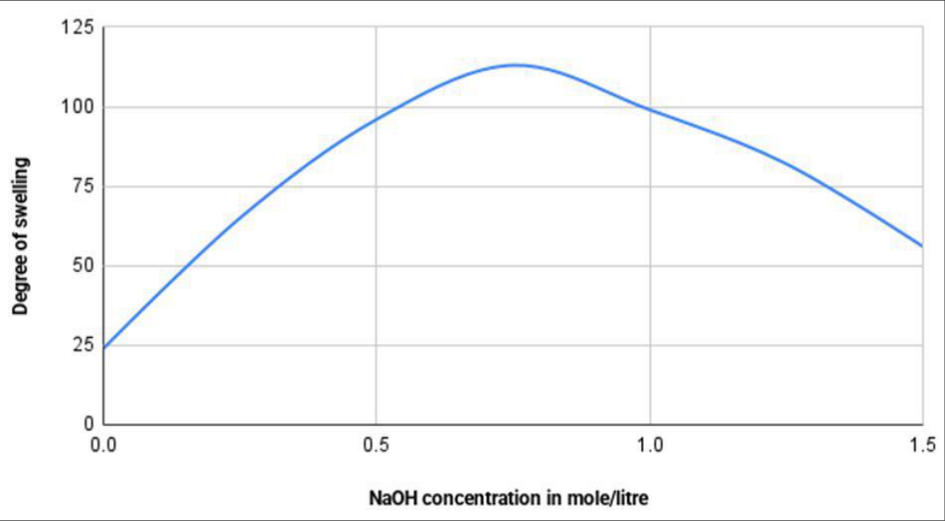 Figure 3
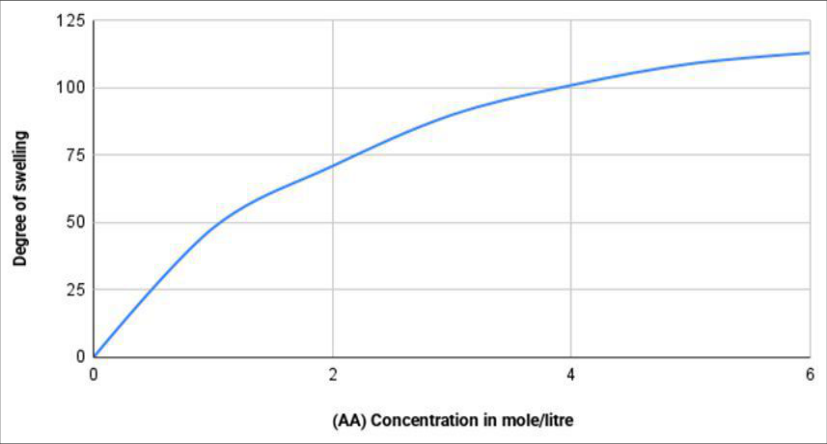 Figure 4
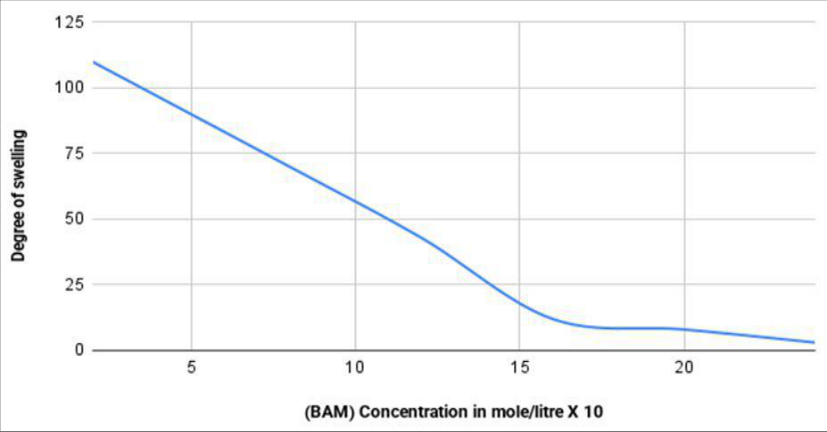 Figure 5
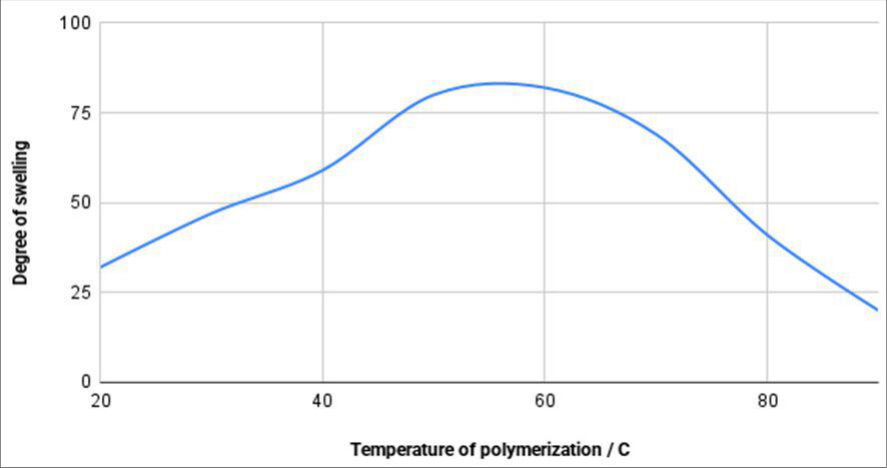 Figure 6
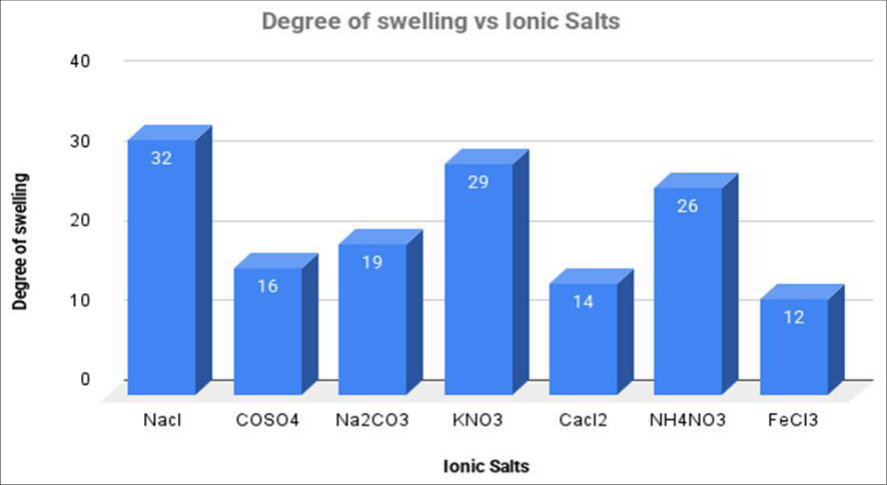 Figure 7
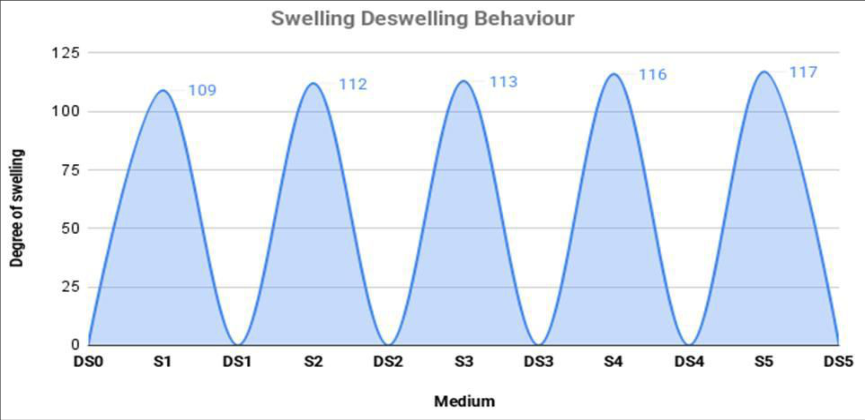 Figure 8
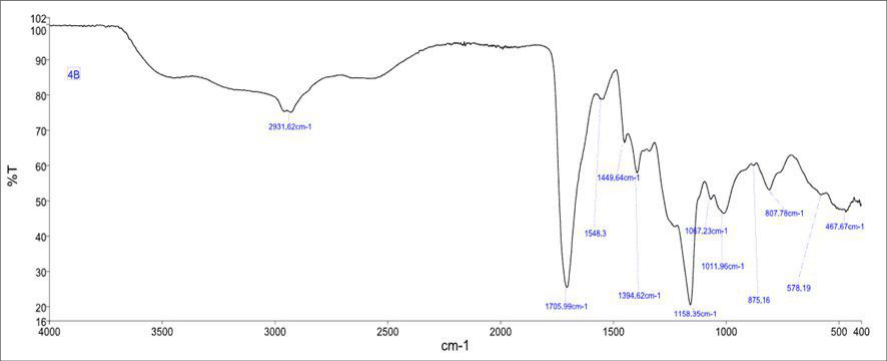 Figure 9
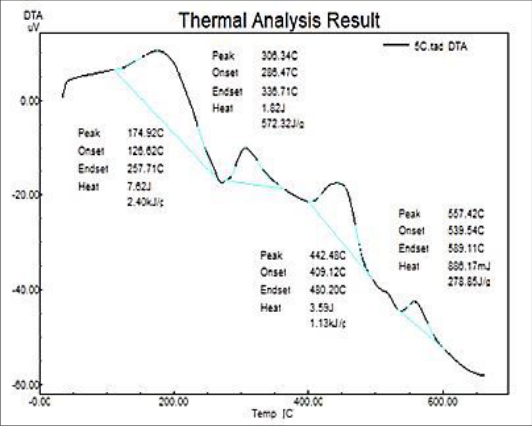 Figure 10
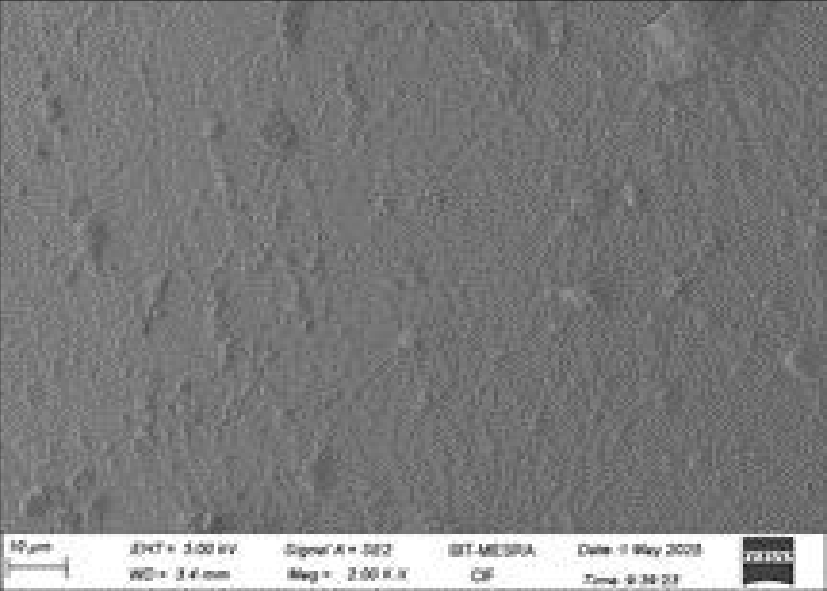 Figure 11
Introduction
Hydrogels are three-dimensional polymer networks that can imbibe large volumes of water without dissolving. Their remarkable water uptake stems from hydrophilic groups along the polymer backbone, whereas the permanent cross-links tying adjacent chains together stop the network from leaching away in solution [1][2][3] . Over the past ten years, natural gels have steadily given way to synthetic analogues because man-made polymers combine even greater swelling capacity with superior mechanical robustness. Synthetic backbones are also architecturally well defined, which allows chemists to tune degradation rates and introduce bespoke functional groups. As a result, all-synthetic hydrogels remain stable even when the temperature swings sharply [4] . Thanks to this versatility, hydrogels now appear in countless industrial and biomedical products [5][6][7] . Choosing the right formulation, however, means matching a gel's mechanical behaviour to the job at hand. Properties such as modulus, toughness and elasticity shift with external factors-temperature, pH and ionic strength, applied magnetic or electric fields, monomer chemistry and cross-linker content all play a role [8][9][10] . Poly(acrylic acid) (PAA) gels exemplify this balance: their exceptional absorbency has made them staples in water treatment, diapers, hygiene pads, cosmetics, wound dressings and heavy-metal capture [11][12][13][14][15] . Unfortunately, conventional PAA gels are mechanically weak, which limits their use in load-bearing or high-stress settings [16][17][18] . Researchers have therefore explored several routes to toughen these networks, including raising cross-link density, curbing excessive swelling, or dispersing inorganic nanoparticles to create nanocomposite gels [19][20] . An especially effective tactic is to build an interpenetrating network (IPN), where two or more independent polymer meshes intertwine without covalent bonding yet reinforce one another [21] .
In the present study, we prepared PAA-based hydrogels initiated by HNO₃, cross-linked with BAM and neutralised with NaOH at 60 °C. We systematically examined how swelling responds to temperature shifts, NaOH concentration, medium pH and the presence of various salts. Because the literature notes PAA's poor strength, we also determined the temperature window in which polymerisation proceeds most efficiently and assessed how different cross-linker loadings influence both gel formation and swelling capacity.
Experimental Materials
Analytical grade acrylic acid was used as a monomer, and analytical reagent grade BAM was used as a cross-linker. HNO 3 was analytical grade, and its dilute solution was made and standardised with a known solution of NaOH. Twicedistilled water was used, NaCl, Na 2 ,O 3 , KNO 3 , Cacl 2 , MgSO 4, and CuSO 4 were analytical grade and used without further purification.
Evaluation of acrylic acid in a solution of water
Acrylic acid (AA), having the chemical formula CH 2 CHCOOH (C 3 H 4 O 2 ) is an organic compound in the production of polymer hydrogels. AA is highly soluble in water. Its solubility in water is 1000 gm/litre. Hence, in the saturated solution of acrylic acid, it will be almost 1000 g of monomer in one litre of acrylic acid aqueous solution in pure water. Polymerisation of acrylic acid was carried out by adding a known amount of initiator HNO 3 in a fast table, contrary to acrylic acid in water, also a known amount of NaOH solution and cross-linker BAM was taken. The test table was purged with Nitrogen and then stopped. The test tube was thermally shocked for two hour at 60 °C in a water bath. After some time, the reaction mixture started to turn viscous and finally transformed into a glassy, sticky mass. The obtained gels are glassy and spongy. The obtained gels were washed several times to clean the unwanted and unreacted materials and then dried. The dried polymers were stored to determine the degree of swelling in water.
Polymerisation of acrylic acid
Polymerisation of acrylic acid
Alkaline hydrolysis of polymer gels
Polymer gels were introduced into 100 ml of 4% (w/v) sodium hydroxide solution in a 250 ml round bottle flask. The flask was loosely stoppered. The gel was kept heating at 60 °C for 30 minutes. Now the soft gel was taken out, washed several times and then dried. The dried gels were kept for further investigation.
Swelling Degree Investigation
The Known amount of dried gel sample was taken and immersed in 200 ml of water in a glass container at a particular temperature. The gels start getting swollen. The sample was taken out at regular intervals and dried by fine filter paper, and then weighed. This process continued until no weight change was observed in two or three cycles. The degree of swelling was determined by the formulae given below.
Where m = wt. of swollen gel m 0 = wt. of initial (dried) gel The degree of swelling of hydrolysed acrylic acid in distilled water is much higher in comparison to that of in unhydrolysed sample as shown in Figure -2. This is mainly due to increased hydrophilicity and electrostatic repulsion after hydrolysis. Firstly hydrolysis converted neutral or hydrophobic groups (into ionic or highly carboxyl group (-COO -). This ionic groups attract water strongly via iondipole interaction resulting in enhancement of water uptake. Secondly the negatively charged-COO -groups repel each other, forcing the polymer network to expand and create more space for water to enter. Thirdly and lastly mobile counter ion (Na + ) inside the hydrogels network creates a Donnan osmotic pressure drawing more water into network to the balance the ionic concentration between the inside and the outside of hydrogel network. The unhydrolysed hydrogel is neutral and has a randomly coiled configuration having a low swelling.
Effect of NaOH Concentration
The effect of NaOH concentration during hydrolysis of polymer gel on the degree of swelling is depicted in figure-3 below :- The hydrogel absorbs the most water at about 0.75 mol L⁻¹ NaOH. At this point it reaches its equilibrium swelling: any further increase in NaOH actually reduces water uptake. When NaOH concentration rises above 0.75 mol L⁻¹, extra Na⁺ ions flock to the polymer's carboxyl groups, disturbing their local balance of charge. This "charge-screening" effect makes the polymer chains curl up, so the gel shrinks. Very high hydroxide levels also promote extra cross-linking, tightening the network even more and cutting its ability to swell.
Effect of molecular weights of polyacrylic acid on swelling
Poly-acrylic acid (PAA) gels were prepared with several different amounts of acrylic acid (AA) while everything else in the recipe stayed the same. After the gels were made, they were left to soak in water and their swelling was measured (see Figure 4). The data show a clear trend: the less AA we started with, the less the gel swelled. Lower AA levels lead to shorter polymer chains. In free-radical polymerisation, the chain length (and therefore the molecular weight) grows as the monomer concentration rises. Here, nitric acid (HNO₃) served as the initiator: when heated, it breaks down into hydroxyl (ȮH) and nitrogen-dioxide (•NO₂) radicals, either of which can start the chain-growth reaction. The ṄO 2 radical, being paramagnetic, readily reacts with an AA molecule, creating a new radical site that keeps adding more AA units. With more monomer available, these growing chains become longer and heavier, building a looser network that can trap more water. Conversely, gels made from less AA have shorter chains, a tighter network, and therefore hold less water. In short, the gel's swelling capacity rises with the molecular weight of its polymer chains-longer chains soak up more water.
Effect of Concentration cross-linker
The water uptake capacity of polyacrylic acid hydrogels formed at different concentrations of (BAM), a cross-linker agent was examined The results were represented in figure 5. As seen in Figure 5, the gel swells less and less as we add more cross-linker. An extra cross-linker ties the polymer chains together more tightly, creating a stiffer, denser network. Because the chains are locked in place, the gel can't stretch enough to absorb much water. In short, the more cross-linking there is, the lower the gel's ability to swell. From the figure-6, it was clearly observed that there is an optimal temperature range (20 o -60 °C) during polymerisation where the swelling is maximised. This will depend on the specific cross-linker used and the polymerisation master. However, higher temperature decreases swelling because it leads to increased crosslinking in the hydrogel matrix, restricting the movement of polymer chains, resulting in the reduction of the ability of hydrogels to absorb water, thus decreases the degree of swelling. Experimental finding reveals that even a small quantity of divalent trivalent ions tremendously reduce the degree of swelling. The valence of the anion of the electrolyte does not affect the water absorbency [22] .
Effect of temperature on the degree of swelling
Effect of temperature on the degree of swelling
Effect of ionic salts on the degree of swelling
Effect of ionic salts on the degree of swelling
Reversibility of swelling of hydrogels
Polyacrylic acid hydrogels have the ability to undergo several cycles of swelling and deswelling, as shown in figure-8 declares reversible behaviour. Figure 8 show that with each new swelling-deswelling cycle the gel swells a bit more than it did the time before. The lighter, low-molecular-weight fragments wash out during cycling, so the gel left behind is made of heavier chains that can absorb more water. The figure also makes it clear that the gel lets go of water (deswells) more slowly than it takes it up, implying that the swelling and deswelling steps follow different underlying processes. ii) Endotherm at ~306 °C (ΔH = +572 J/g) depicts primary chain splits in the polymer network, indicating energy absorption during breakage of the backbone. iii) Endotherm at ~422 °C (ΔH = +1.13 kJ/g)-oxidation of the intermediate carbon-containing fragments, showing continued energy uptake during the material conversion to char. iv) Endotherm at ~557 °C (ΔH = +278.7 J/g): final oxidation of the last residual fragment, completing the decomposition process with net heat absorption.
FTIR analysis of Neutralised Polyacrylic Acid Hydrogel
Conclusively, the hydrogels retain an appreciable amount of bound water as well as oligomers in acidic medium (HNO₃),
indicating a less dense crosslinked network in Comparison to the stable sample. The wide temperature range of weight loss suggests gradual network breakages rather than sharply defined stages. All the main thermal decompositions need energy absorption. It means that the hydrogel structure has the capacity to resist rapid exothermic chain breakage.
Owing to the tolerance of this hydrogel in a low pH environment, lower crosslink density and heat-absorbing scissions, such hydrogels may be limited for use where both high acid resistance and thermal endurance are critical. Once converted to acrylic acid, it follows the same free radical sequence (initiation by ȮH/ṄO 2 ), propagation and termination) as outlined above.
FESEM analysis of hydrogels
In this way, HNO₃ has the role of an oxidising radicalproducing initiator (ȮH/ṄO 2 ) and protonating Sodium acrylate salt, thus it launches a free radical chain polymerisation of acrylic acid monomer.
Effect of the acidic medium initiator
Here, the initiator is itself HNO₃, which makes the medium acidic also, favouring the formation of neutralised carboxyl group. In this case, the molecular configuration of the same polyacrylic acid hydrogels in solution is similar to a nonionic polymer, which has a randomly coiled rather than extended chain configuration exhibiting a less degree of swelling in comparison to that of pure water medium with other initiator salts like (NH) 2 S 2 O₈ or K 2 S 2 O₈ or H 2 O 2 .
Conclusion
Hydrogels of 3D Crosslinked Polyacrylic acid were successfully prepared by using HNO₃ as initiator and N,Nmethylane bis-acrylamide as crosslinker. The swelling ability was studied in various conditions. The effects of concentration of NaOH, concentration of monomer, temperature, density of cross-linker, concentration and valency of ionic salts, and acidic medium reveal that the swelling ability of polyacrylic acid hydrogels is less in comparison to other super absorbent hydrogels as reported in the literature. Especially due to the use of acidic medium as initiator, the so-formed hydrogels have less swelling ability than the hydrogels of PAA formed with another initiator like K 2 S 2 O₈, H 2 O 2, etc. Thus, the swelling ability of the so-formed hydrogels of PAA is termed as medium-range swelling, which has applications in biomedical, pharmaceutical, and agricultural fields. The poor mechanical strength of such hydrogels makes them unsuitable for uses as artificial tissue substitutes, antifouling coatings on ships and confined space absorption of hazardous substances [23] . Due to the poor mechanical strength of such hydrogels, their uses were also restricted in various other fields.
Studying the various factors affecting the swelling ability, it is revealed that poor mechanical strength of such hydrogels may be tailored by increasing the cross-linker density, monomer concentration and temperature. Such hydrogels of PAA formed under the condition of high density of cross-linker, high monomeric concentration and relatively high temperature, may have very low swelling ability, a micro porous soft core spongy structure. This type of hydrogel has applications in slow drug release, specifically for cancer treatment. Such materials also have prospects in exploring their applications in sensor fields.
Figures and tables from the paper
References
23 in the original paper- Buchholz FL, Graham AT. Modern superabsorbent polymer technology (Chapters 1-7). New York: WileyVCH; 1998.
- Brannon-Peppas L, Harland RS. Absorbent polymer technology. Journal of Controlled Release. 1991;17(3):297-298.
- Li Y, Huang G, Zhang X, Li B, Chen Y, Lu T, et al. Magnetic hydrogels and their potential biomedical applications. Advanced Functional Materials. 2013;23(6):660-672.
- Scientists develop synthetic hydrogel [Internet]. [cited 2025 May 10]. Available from: http://vikno.eu/eng/health/health/scientists-developsynthetic-hydrogel.html
- Peng R, Yu Y, Chen S, Yang Y, Tang Y. Conductive nanocomposite hydrogels with self-healing property. RSC Advances. 2014;4(66):35149-35155.
- Han L, Lu X, Wang M, Gan D, Deng W, Wang K, et al. A mussel-inspired conductive, self-adhesive, and selfhealable tough hydrogel as cell stimulators and implantable bioelectronics. Small. 2017;13(2):1601916.
- Hamed I, Özogul F, Regenstein JM. Industrial applications of crustacean by-products (chitin, chitosan, and chitooligosaccharides): A review. Trends in Food Science & Technology. 2016;48:40-50.
- Eslahi N, Abdorahim M, Simchi A. Smart polymeric hydrogels for cartilage tissue engineering: A review on the chemistry and biological functions. Biomacromolecules. 2016;17(11):3441-3463.
- Wang J, Kaplan JA, Colson YL, Grinstaff MW. Mechanoresponsive materials for drug delivery: Harnessing forces for controlled release. Advanced Drug Delivery Reviews. 2016;108:68-82.
- Singhal R, Gupta K. A review: Tailor-made hydrogel structures (classifications and synthesis parameters). Polymer-Plastics Technology and Engineering. 2016;55(1):54-70.
- Lim SL, Tang NWH, Ooi CW, Chan ES, Tey BT. Rapid swelling and deswelling of semi-interpenetrating network poly(acrylic acid)/poly(aspartic acid) hydrogels prepared by microwave irradiation. Polymers for Advanced Technologies. 2016;27(10):1371-1379.
- Zhong M, Liu Y, Liu X, Liu F, Shi L, Zhang M, Zhu M, et al. Dually cross-linked single network poly(acrylic acid) hydrogels with superior mechanical properties and water absorbency. Soft Matter. 2016;12:5420-5428.
- Pal A, Giri A, Bandyopadhyay A. Influence of hydrodynamic size and zeta potential of a novel polyelectrolyte poly(acrylic acid) grafted guar gum for Pb(II) adsorption from acidic wastewater. Journal of Environmental Chemical Engineering. 2016;4(2):17311742.
- Sharma S, Dua A, Malik A. Superabsorbent polymer gels based on polyaspartic acid and polyacrylic acid. Journal of Materials Science: Materials in Electronics. 2016;5:235.
- Chen Y, Zhang Y, Wang F, Meng W, Yang X, Li P, et al. Preparation of porous carboxymethyl chitosan grafted poly(acrylic acid) superabsorbent by solvent precipitation and its application as a hemostatic wound dressing. Materials Science and Engineering: C. 2016;63:18-29.
- Li J, Su Z, Ma X, Xu H, Shi Z, Yin J, et al. In situ polymerization induced supramolecular hydrogels of chitosan and poly(acrylic acid-acrylamide) with high toughness. Materials Chemistry Frontiers. 2017;1:310318.
- Yang L, Zhang C. Highly stretchable and self-healing hydrogels based on poly(acrylic acid) and functional POSS. Chinese Journal of Polymer Science. 2016;34(2):185-194.
- Haq MA, Su Y, Wang D. Mechanical properties of PNIPAM based hydrogels: A review. Materials Science and Engineering: C. 2017;70:842-855.
- Gu Z, Huang K, Luo Y, Zhang L, Kuang T, Chen Z, et al. Double network hydrogel for tissue engineering. Wiley Interdisciplinary Reviews: Nanomedicine and Nanobiotechnology. 2018;10:e1520.
- Haraguchi K, Takehisa T. Nanocomposite hydrogels: A unique organic-inorganic network structure with extraordinary mechanical, optical, and swelling/deswelling properties. Advanced Materials. 2002;14:1120-1124.
- Gong JP, Katsuyama Y, Kurokawa T, Osada Y. Double-network hydrogels with extremely high mechanical strength. Advanced Materials. 2003;15:1155-1158.
- Bhadani R, Mitra UK, Jayaswal R. SO₂ initiated polymerization of acrylamide and studies on hydrogels based on resulting polyacrylamide. Asian Journal of Research in Chemistry. 2019;12(5):258-262.
- Wang Z, Wang J, Liu Y, Pu J, Shi H, Lu L. A low cost, acrylic acid based low swelling hydrogel. Materials Letters. 2024;366:136538.
Cited by 1
From OpenAlex, OpenCitations and reference lists read by Scinovex
- Novel superabsorbent polyacrylate hydrogels reinforced with nanotitanates: Study of swelling, mechanical and rheological properties ↗
Sunita Bishnoi, Rajendra Mathur, Vikash Chandra Janu, Aruna Yadav, Pooja Sharma, Deepesh Patidar et al. · Next Materials · 2026
Herein, a novel polyacrylate hydrogels incorporated with nanotitanates (NT@PAA) were synthesized using different schemes in order to obtain a robust, stable and efficient superabsorbent hydrogel. It was observed that the overall reaction volume, concentration of NaOH, amount of crosslinker and NTs played a significant role in achieving the target properties. The hydrogels were systematically investigated for their swelling behaviour, mechanical…
❝ 0PDF