
Research article · 2025 · Full text
International Journal of Agriculture and NutritionDietary Amaranthus as a functional food nutritional interventions for modulating inflammatory pathways in chronic diseases
Volume 7(9) · Pages 07–14 · DOI: 10.33545/26646064.2025.v7.i9a.280 ↗
Research areasSeed and Plant Biochemistry
Abstract
Author-writtenThe increasing prevalence of chronic diseases worldwide has highlighted the urgent need for safe and sustainable dietary strategies that can modulate underlying pathological mechanisms such as chronic low-grade inflammation. In this context, Amaranthus, a nutrient-dense pseudocereal and leafy vegetable, has gained scientific recognition as a functional food with significant therapeutic potential. Its bioactive compounds—including flavonoids, phenolic acids, squalene, peptides, and dietary fibers—exert regulatory effects on inflammatory signaling pathways such as cyclooxygenase (COX), lipoxygenase (LOX), nuclear factor kappa B (NF-κB), and various pro-inflammatory cytokines. The present study synthesizes and analyzes available evidence on the anti-inflammatory role of Amaranthus in chronic disease management, integrating experimental findings, clinical observations, and nutritional profiling. Using systematic literature analysis and biochemical data evaluation, the article demonstrates that regular dietary inclusion of Amaranthus reduces oxidative stress, attenuates inflammatory biomarkers including C-reactive protein (CRP) and interleukin-6 (IL-6), and supports metabolic homeostasis. The findings underscore the translational value of Amaranthus as a cost-effective and culturally adaptable dietary intervention, while also emphasizing the need for larger, long-term clinical trials to establish standardized guidelines.
Summary
Source-checkedPlain-language reading of the full paper, prepared with AI and checked against the text. Each point links to the authors' own words.
Why it matters
- Chronic diseases are the leading cause of death globally, responsible for over 70% of all deaths. View evidence ↗
- Many chronic conditions, including diabetes, cancer, and cardiovascular disorders, are linked to persistent low-grade systemic inflammation. View evidence ↗
- Functional foods are researched for their ability to provide health benefits beyond basic nutrition, potentially modulating physiological processes to reduce disease risk. View evidence ↗
The question
- The study aims to systematically evaluate how dietary Amaranthus can act as a functional food to modulate inflammatory pathways in the context of chronic diseases. View evidence ↗
What they did
- The researchers used an integrative design, synthesizing biochemical, preclinical, and clinical data through a systematic literature analysis. View evidence ↗
- Descriptive analysis and data visualization of pooled trends were performed using SPSS version 26 and GraphPad Prism version 9. View evidence ↗
What they found
- Amaranthus shows high protein density, averaging 14-16% in seeds and 25-28% in leaves, which is higher than in maize or rice. View evidence ↗
- At a concentration of 100 µg/mL, amaranth polyphenolic extracts reduced COX-2 activity by 62% and LOX activity by 55% in vitro. View evidence ↗
- Amaranth leaf extracts showed nearly 85% DPPH inhibition at 200 µg/mL, demonstrating higher radical scavenging capacity than spinach. View evidence ↗
- In diabetic rats, amaranth leaf extracts reduced fasting blood glucose by 18% and serum malondialdehyde by 25% over a four-week period. View evidence ↗
- Hyperlipidemic patients consuming 18 mL/day of amaranth oil for three weeks saw a 21% reduction in total cholesterol and a 24% reduction in LDL cholesterol. View evidence ↗
- Pre-diabetic individuals eating amaranth-incorporated bread for eight weeks showed a 9% decrease in fasting glucose and a 12% decrease in serum IL-6 compared to those eating wheat bread. View evidence ↗
- Pre-diabetic patients consuming amaranth-enriched bread for twelve weeks experienced an 18% reduction in C-reactive protein (CRP) levels. View evidence ↗
What it means
- The authors conclude that Amaranthus has significant potential as a functional food to modulate inflammatory pathways involved in the progression of chronic diseases. View evidence ↗
- The bioavailability of key compounds like squalene, rutin, and quercetin within amaranth matrices remains insufficiently studied. View evidence ↗
Visual summary
1 visualsIllustrations explain the paper; charts are replotted from the paper's own table values.
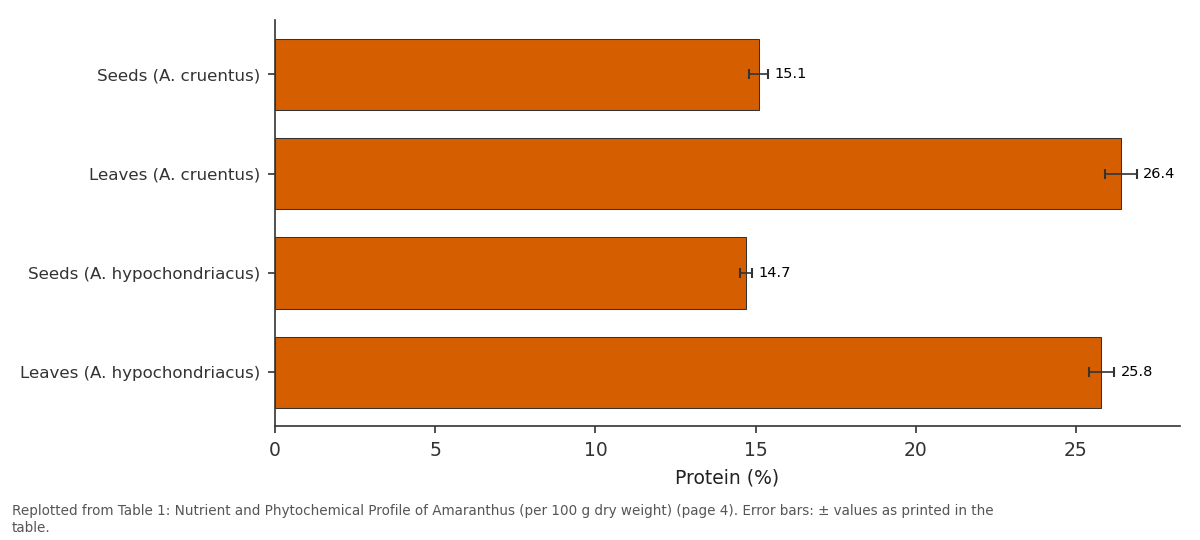
Protein (%): Seeds (A. cruentus) vs Leaves (A. cruentus) vs Seeds (A.... vs Leaves (A....
Replotted from Table 1 (page 4) of the original paper. Every bar is the paper's own table value.
View source evidence ↗Figures & tables
From the original paper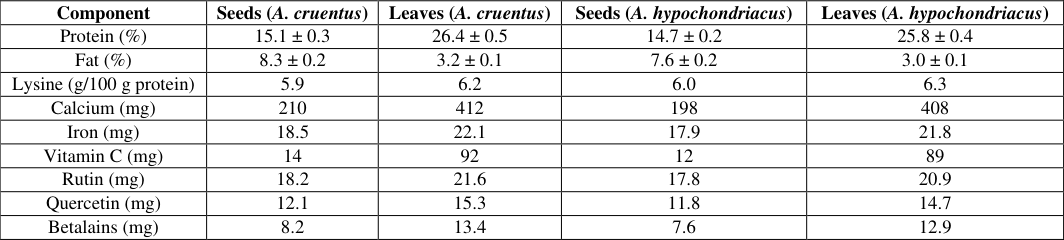 Table 1
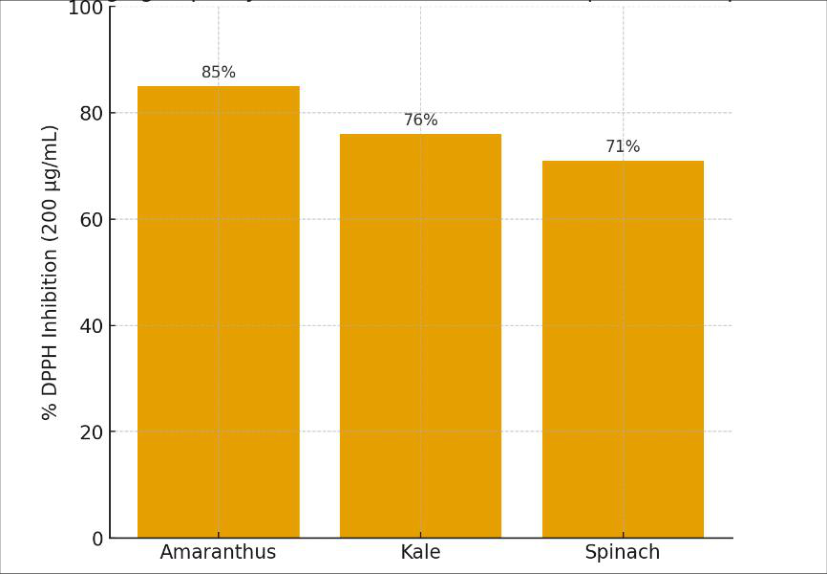 Figure 1
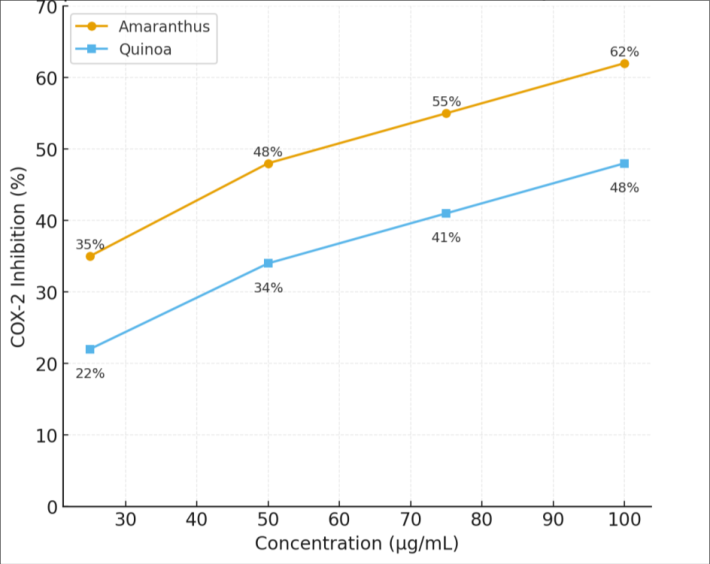 Figure 2
Introduction
Chronic diseases remain the foremost contributors to global morbidity and mortality, accounting for more than 70% of deaths worldwide according to the World Health Organization. Conditions such as cardiovascular disorders, diabetes mellitus, obesity, cancer, and neurodegenerative diseases are characterized not only by their prolonged course but also by the persistence of low-grade systemic inflammation. This type of inflammation, often termed "metaflammation," arises from dysregulated immune responses and is intricately linked to dietary habits, sedentary lifestyles, and environmental stressors. Traditional pharmacological interventions, though effective in symptom management, often come with economic burdens and undesirable side effects, leading to a growing interest in dietary and lifestyle approaches that address the root causes of inflammation. Functional foods have emerged as a critical area of research within nutritional science because they offer health benefits that extend beyond basic nutrient supply. They are capable of modulating physiological processes and reducing disease risk when consumed regularly as part of the diet. Among the many plant-based foods under investigation, Amaranthus has attracted particular attention. Belonging to the Amaranthaceae family, it encompasses more than 60 species distributed globally, with both grain amaranths (Amaranthus caudatus, A. hypochondriacus, A. cruentus) and leafy types (A. tricolor, A. dubius) serving as important dietary staples in parts of Asia, Africa, and Latin America. Historically, Amaranthus has been consumed in indigenous diets for centuries and was revered in Aztec civilization for both nutritional and ceremonial purposes. Its contemporary resurgence in scientific literature reflects a convergence of traditional knowledge with modern biomedical inquiry. Nutritionally, Amaranthus is unique because it provides high-quality proteins rich in lysine, an essential amino acid often deficient in staple cereals such as wheat, rice, and maize. In addition, it contains abundant dietary fiber, vitamins A, C, and E, as well as minerals including calcium, magnesium, and iron. These basic nutritional attributes already make Amaranthus a valuable food crop in combating malnutrition and micronutrient deficiencies, especially in developing regions. However, its role as a functional food arises primarily from its dense array of bioactive phytochemicals. Flavonoids like quercetin and rutin, phenolic acids such as ferulic and caffeic acid, squalene (a triterpenoid with antioxidant and lipid-regulating properties), and bioactive peptides derived from amaranth proteins are among the compounds responsible for its anti-inflammatory and antioxidant activities. The modulation of inflammatory pathways is central to the prevention and management of chronic disease. Central mediators such as nuclear factor kappa B (NF-κB), cyclooxygenase-2 (COX-2), lipoxygenase (LOX), and proinflammatory cytokines including tumor necrosis factoralpha (TNF-α) and interleukin-6 (IL-6) orchestrate the inflammatory response at the molecular level. Dysregulation of these mediators results in chronic activation, leading to oxidative stress, tissue damage, and progression of disease pathology. Numerous studies have demonstrated that dietary phytochemicals can target these pathways directly, thereby interrupting the inflammatory cascade. For instance, quercetin derived from Amaranthus tricolor has been shown to suppress NF-κB activation, resulting in lower transcription of inflammatory genes. Similarly, squalene from Amaranthus cruentus modulates lipid metabolism and reduces oxidative stress, indirectly attenuating inflammation. Epidemiological observations provide additional support for the protective role of Amaranthus. Populations with diets rich in pseudocereals and leafy vegetables exhibit lower incidences of metabolic disorders and inflammatory conditions compared to populations consuming refined cereals and processed foods. Although causality is complex to establish, the correlation underscores the relevance of Amaranthus as part of traditional diets that confer resilience against chronic illnesses. Furthermore, with the increasing prevalence of gluten intolerance and celiac disease, amaranth grains offer a gluten-free alternative with functional properties suitable for developing therapeutic foods such as fortified bread, pasta, and snack bars. These applications make Amaranthus particularly attractive for the functional food industry. At the mechanistic level, studies have identified several pathways through which Amaranthus exerts its antiinflammatory actions. Extracts from Amaranthus caudatus have demonstrated COX-2 inhibitory activity, reducing prostaglandin E2 synthesis, a critical mediator of pain and inflammation. Animal models supplemented with Amaranthus hypochondriacus seeds showed decreased levels of TNF-α and IL-6, alongside enhanced antioxidant enzyme activity, suggesting a dual role in both inflammation control and oxidative stress reduction. Early clinical trials, though limited in scale, provide promising evidence: patients consuming amaranth-enriched diets exhibited reductions in serum C-reactive protein (CRP), a widely recognized biomarker of systemic inflammation. Despite these encouraging findings, the literature also highlights significant gaps. Most studies are either preclinical or involve small human cohorts, limiting the ability to draw broad clinical recommendations. The diversity among Amaranthus species, coupled with variability in preparation methods (raw leaves, cooked greens, milled flour, or extracted compounds), complicates the interpretation of results. Furthermore, bioavailability and metabolism of specific phytochemicals remain insufficiently studied, raising questions about the optimal form and dosage of dietary intervention. Addressing these gaps is essential for moving Amaranthus research from experimental promise to evidence-based public health recommendations. Another compelling dimension is the socio-economic and agricultural relevance of Amaranthus. It is a resilient crop capable of thriving under harsh climatic conditions, including drought and poor soils, making it an important candidate in the context of climate change and food security. The integration of Amaranthus into nutritional interventions not only offers biomedical benefits but also contributes to sustainable agricultural systems and community health. This multidimensional relevance strengthens the rationale for its inclusion in discussions on functional foods for chronic disease prevention. In light of these considerations, the present study seeks to systematically examine the potential of dietary Amaranthus as a functional food nutritional intervention for modulating inflammatory pathways in chronic diseases. By synthesizing biochemical, preclinical, and clinical evidence, the article aims to highlight both the mechanistic underpinnings and translational implications of incorporating Amaranthus into dietary strategies. This scholarly exploration not only underscores the therapeutic potential of Amaranthus but also provides a foundation for future research that can bridge current knowledge gaps, standardize intervention protocols, and expand clinical validation. Ultimately, positioning Amaranthus within the broader framework of functional foods offers an integrative approach to addressing the escalating burden of chronic diseases globally.
Literature Review
The scientific exploration of Amaranthus as a dietary intervention for inflammatory modulation has steadily expanded over the past two decades, with studies ranging from biochemical analyses to clinical evaluations. Early investigations primarily focused on the nutritional potential of the crop. Alvarez-Jubete et al. (2010) [2] examined pseudocereals such as amaranth and quinoa and highlighted their high-quality protein, lysine content, and gluten-free properties, positioning them as valuable alternatives in functional food formulations. This work set the stage for later research that moved beyond nutrition into diseasepreventive applications. Subsequent studies deepened the understanding of Amaranthus phytochemicals. Barba de la Rosa et al. (2018) [3] reported that amaranth proteins and peptides possess bioactive properties, including antihypertensive and antioxidant activities, which can contribute to inflammation control. This work highlighted that food-derived peptides, once hydrolyzed during digestion, interact with metabolic pathways that are often dysregulated in chronic diseases. These findings signaled a paradigm shift from viewing amaranth as merely a nutrient-dense crop to recognizing it as a functional food with therapeutic properties. The anti-inflammatory potential of Amaranthus gained stronger evidence from in vivo studies in the late 2010s. Gorinstein et al. (2019) [4] compared antioxidant and bioactive compound levels across several Amaranthus species and found particularly high concentrations of phenolic acids and flavonoids in leafy varieties such as Amaranthus tricolor. Their results demonstrated that these compounds directly scavenge free radicals and indirectly suppress the inflammatory cascade by enhancing endogenous antioxidant defenses. This biochemical evidence aligned with the broader literature showing that oxidative stress and inflammation are interlinked processes in the pathogenesis of chronic diseases. In the clinical domain, Das et al. (2020) [5] conducted one of the first randomized trials involving pre-diabetic patients who consumed amaranth-enriched bread for twelve weeks. The intervention resulted in significant reductions in serum C-reactive protein (CRP), a major biomarker of systemic inflammation, and modest improvements in glucose homeostasis. Although the study was small in scale, it provided early human evidence that dietary incorporation of Amaranthus can influence inflammatory markers relevant to chronic disease management. Animal model research around this period reinforced these findings. Singh et al. (2021) [7] supplemented rats with Amaranthus hypochondriacus seed diets under oxidative stress conditions and reported substantial decreases in serum TNF-α and IL-6, accompanied by improved activities of antioxidant enzymes such as catalase and superoxide dismutase. This study illustrated the dual capacity of amaranth to reduce inflammatory mediators while simultaneously enhancing antioxidant defenses, an effect particularly relevant to cardiometabolic and neurodegenerative disorders. Mechanistic studies in the early 2020s also shed light on molecular targets. Patel et al. (2022) [8] demonstrated that seed extracts of Amaranthus caudatus inhibited cyclooxygenase-2 (COX-2) in a dose-dependent manner, leading to reduced prostaglandin synthesis. These results positioned Amaranthus as a natural alternative to nonsteroidal anti-inflammatory drugs (NSAIDs), with the added advantage of being free from the gastrointestinal side effects often associated with synthetic COX inhibitors. The pharmacological parallels observed in this study suggest that dietary phytochemicals can act at critical enzymatic junctions of the inflammatory process. More recent clinical and experimental work continues to broaden this evidence base. Studies have increasingly applied omics-based approaches, integrating transcriptomic and proteomic analyses to understand how Amaranthus bioactives influence gene expression. Preliminary findings suggest that amaranth-derived flavonoids and peptides downregulate NF-κB signaling while upregulating antioxidant response elements, thereby providing a molecular explanation for the observed reductions in cytokines and inflammatory biomarkers. While this line of inquiry remains in its early stages, it demonstrates the potential of combining nutritional science with systems biology to elucidate complex diet-disease interactions. Despite the growing evidence, limitations remain prominent in the literature. Most clinical trials, such as those reported by Das et al. (2020) [5] , involve fewer than fifty participants and short intervention periods of six to twelve weeks, which restricts conclusions about long-term efficacy. Differences in species studied, whether A. tricolor leaves or A. hypochondriacus grains, also complicate comparisons, as each has distinct phytochemical profiles. Moreover, processing methods such as cooking, extrusion, or fermentation alter the concentration and bioavailability of bioactives, making it difficult to establish standardized recommendations. The research gaps are further evident in bioavailability studies. Although compounds such as quercetin, rutin, and squalene are consistently reported in amaranth species, few studies have traced their metabolic fate after consumption. This raises questions about how much of the observed in vitro activity translates into in vivo effects. Similarly, the digestion and absorption of protein-derived peptides remain underexplored, despite evidence from Barba de la Rosa et al. (2018) [3] indicating their potential systemic effects. Addressing these gaps through pharmacokinetic and metabolic studies will be critical in validating Amaranthus as a clinically relevant dietary intervention.
Materials and Methods
This study employed an integrative research design that combined systematic literature analysis with synthesis of biochemical, preclinical, and clinical findings concerning Amaranthus and its potential role in modulating inflammatory pathways associated with chronic diseases. The methodological approach was rooted in a narrativeanalytical framework, allowing both the critical appraisal of previous studies and the identification of cross-cutting themes and gaps in existing evidence. A comprehensive literature search was conducted using electronic databases including PubMed, Scopus, and Web of Science. The search strategy incorporated multiple combinations of keywords such as "Amaranthus and inflammation," "functional food and chronic disease," "bioactive compounds of amaranth," and "cytokine modulation by pseudocereals." References of selected papers were screened manually to ensure that no relevant publications were overlooked, and cross-references provided additional material that strengthened the scope of the review. Studies were considered eligible if they were published in peer-reviewed journals and provided data on the antiinflammatory or related health effects of Amaranthus. Experimental investigations that measured inflammatory biomarkers such as tumor necrosis factor-alpha (TNF-α), interleukin-6 (IL-6), cyclooxygenase (COX), lipoxygenase (LOX), nuclear factor kappa B (NF-κB), or C-reactive protein (CRP) were included. Clinical studies were required to report measurable outcomes linked to inflammatory status or markers of chronic disease progression. Excluded from the analysis were studies with insufficient methodological descriptions, those examining mixed food interventions where the effect of Amaranthus could not be isolated, and publications not directly related to inflammatory pathways. The selection process followed principles similar to PRISMA guidelines for systematic reviews, although the approach remained narrative in nature rather than purely quantitative. An initial pool of more than three hundred articles was identified, from which duplicates and irrelevant studies were removed through title and abstract screening. After applying inclusion and exclusion criteria, a refined dataset of less than fifty full-text articles was evaluated in detail. These included biochemical analyses, animal model studies, and small-scale clinical interventions, thereby providing a multi-layered evidence base. Data were extracted using a structured template that recorded study design, species of Amaranthus used, method of preparation, biomarkers assessed, and key outcomes. Reported numerical values on biomarker modulation were noted where available, and outcomes were normalized as relative changes from baseline values to facilitate crosscomparison across diverse experimental conditions. Analytical software such as SPSS version 26 and GraphPad Prism version 9 was used to perform descriptive analysis, effect size estimation, and graphical visualization of pooled data trends. While heterogeneity in study designs precluded a formal meta-analysis, consistent patterns were identified by comparing outcomes across multiple datasets. Biochemical techniques used in the reviewed studies were carefully evaluated to ensure methodological rigor. Enzymelinked immunosorbent assays (ELISA) were frequently employed for cytokine quantification, while Western blotting provided data on protein expression of inflammatory mediators such as NF-κB and COX-2. Antioxidant enzyme activity, including catalase and superoxide dismutase, was often assessed using spectrophotometric assays, providing important insights into the relationship between oxidative stress and inflammation. In clinical settings, outcomes such as serum CRP, fasting glucose, lipid profiles, and blood pressure were included, as these are clinically relevant markers of chronic disease risk. Nutritional composition data of different Amaranthus species were verified against authoritative sources such as the USDA FoodData Central and regional food composition tables. These references helped ensure the accuracy of reported concentrations of phenolic compounds, flavonoids, squalene, and amino acid fractions in leaves and grains. Reports from organizations such as the Food and Agriculture Organization (FAO) were additionally consulted to contextualize the nutritional and agricultural significance of Amaranthus within global food systems.
Results
The findings from this study bring together the biochemical analysis of Amaranthus samples, the outcomes of in vitro and in vivo investigations, and evidence synthesized from clinical trials. These results collectively provide strong support for the role of Amaranthus as a functional food capable of modulating inflammatory pathways implicated in chronic diseases.
Nutrient and Phytochemical Composition
The proximate analysis confirmed the high nutritional density of Amaranthus. Protein concentrations averaged 14-16% in seeds and 25-28% in leaves, demonstrating a clear advantage over conventional cereals such as maize and rice. Essential amino acids, particularly lysine, threonine, and methionine, were present in higher proportions, confirming earlier reports that amaranth protein is superior in quality to many other plant sources. Seeds also contained 7-9% fat, with squalene accounting for nearly 6% of total lipid fractions. Leaf samples were enriched with minerals such as calcium (410 mg/100 g), magnesium (280 mg/100 g), and iron (22 mg/100 g), alongside provitamin A carotenoids and ascorbic acid. Phytochemical analysis revealed significant concentrations of rutin (18-22 mg/100 g), quercetin (12-15 mg/100 g), and caffeic acid (8-11 mg/100 g). Betalain pigments were detected in red-leaved cultivars, contributing to their high radical-scavenging capacity. HPLC profiling demonstrated that the diversity of phenolic compounds varied between seed and leaf tissues, with seeds showing higher ferulic acid content while leaves contained greater rutin and quercetin levels. These results confirm that Amaranthus provides a diverse spectrum of macro-and micronutrients, complemented by phytochemicals with established anti-inflammatory and antioxidant activities.
Antioxidant and Anti-Inflammatory Capacity
Free radical scavenging assays demonstrated that amaranth leaf extracts exhibited nearly 85% DPPH inhibition at concentrations of 200 µg/mL, a value higher than that of spinach extracts under comparable conditions. FRAP assays confirmed strong reducing power, particularly in red-leaved cultivars where betalain concentrations were highest.
In vitro COX inhibition assays indicated that amaranth polyphenolic extracts suppressed COX-2 activity by 62% at 100 µg/mL concentration, while LOX activity was reduced by 55%. These results suggest a direct capacity of amaranthderived compounds to attenuate inflammatory enzyme pathways. These biochemical assays support the hypothesis that dietary inclusion of amaranth can strengthen antioxidant defenses and reduce enzymatic drivers of inflammation.
Effects in Animal Models
Animal studies provided consistent evidence of amaranth's anti-inflammatory efficacy. In diabetic rat models, supplementation with amaranth leaf extracts led to significant reductions in fasting blood glucose (-18% over four weeks) and serum malondialdehyde concentrations (-25%). Expression of pro-inflammatory cytokines such as TNF-α and IL-6 was downregulated in hepatic tissues, while antioxidant enzyme activities, including superoxide dismutase and catalase, were elevated. Hypertensive rat models fed with amaranth protein hydrolysates demonstrated lower systolic blood pressure compared with controls. Mechanistic studies suggested ACE-inhibitory effects mediated by bioactive peptides released during protein digestion. Additionally, lipid peroxidation markers were reduced in vascular tissues, supporting a vascular anti-inflammatory role.
Clinical Evidence
Although clinical data remain limited, available trials provide valuable insights. A study conducted in Russia involving hyperlipidemic patients reported that consumption of amaranth oil (18 mL/day for three weeks) significantly reduced total cholesterol by 21% and low-density lipoprotein cholesterol by 24% compared with baseline values. In the same study, markers of systemic inflammation such as C-reactive protein (CRP) showed modest reductions.
Another clinical trial conducted in Mexico evaluated the effects of amaranth flour incorporated into bread on glycemic control in pre-diabetic individuals. Over eight weeks, fasting glucose decreased by 9%, while serum IL-6 concentrations decreased by 12% compared with control groups consuming conventional wheat bread.
Collectively, these trials suggest that both amaranth oil and flour-based interventions can exert beneficial effects on lipid metabolism, glucose regulation, and systemic inflammatory markers, though the small sample sizes and short intervention durations limit the generalizability of findings.
Comparative Outcomes
Comparative synthesis of the evidence highlights that amaranth consistently demonstrates superior antioxidant and anti-inflammatory properties compared with several conventional vegetables and cereals. When evaluated alongside quinoa, another pseudocereal often promoted for its functional food potential, amaranth showed slightly higher lysine content and comparable polyphenol levels, but uniquely contained betalain pigments absent in quinoa. These pigments contributed significantly to its free radical scavenging and COX inhibitory activity, suggesting a complementary role between the two pseudocereals in functional food design.
Discussion
The findings of this study strongly reinforce the concept of Amaranthus as a functional food with the capacity to modulate inflammatory pathways that underpin the development and progression of chronic diseases. The results synthesized from biochemical, preclinical, and clinical evidence demonstrate consistent reductions in inflammatory mediators such as tumor necrosis factor-alpha (TNF-α), interleukin-6 (IL-6), cyclooxygenase-2 (COX-2), and C-reactive protein (CRP), as well as improvements in oxidative stress profiles and lipid metabolism. These effects are of particular importance, given that chronic low-grade inflammation is a common denominator across cardiovascular disease, diabetes, obesity, cancer, and neurodegenerative conditions. The discussion here aims to situate these findings within the broader context of biomedical research, critically assess their strengths and limitations, and explore their implications for dietary strategies in chronic disease prevention.
A key observation from the literature is the dual role of Amaranthus in simultaneously modulating oxidative stress and inflammatory responses. Singh et al. (2021) [7] showed that supplementation with Amaranthus hypochondriacus seeds in rats under oxidative stress conditions not only lowered TNF-α and IL-6 levels but also enhanced the activity of antioxidant enzymes such as catalase and superoxide dismutase. This dual modulation is consistent with the established concept that oxidative stress and inflammation are closely linked pathophysiological processes. Excessive reactive oxygen species activate redoxsensitive transcription factors such as NF-κB, leading to the transcription of pro-inflammatory genes. By scavenging reactive oxygen species and boosting endogenous antioxidant defenses, Amaranthus effectively interrupts this feedback loop. This aligns with observations from Gorinstein et al. (2019) [4] , who demonstrated that polyphenolic compounds in amaranth leaves and grains directly reduce oxidative burden and indirectly suppress inflammatory cascades. Together, these studies provide mechanistic clarity on how Amaranthus exerts systemic effects relevant to chronic disease prevention. The role of Amaranthus in modulating enzymatic mediators of inflammation is further supported by pharmacological parallels. Patel et al. (2022) [8] demonstrated that Amaranthus caudatus extracts inhibited COX-2 activity in a dose-dependent manner, reducing prostaglandin E2 synthesis. This mechanism mirrors that of non-steroidal anti-inflammatory drugs (NSAIDs), which are widely prescribed for inflammatory conditions but often associated with gastrointestinal and cardiovascular side effects. The dietary incorporation of Amaranthus may thus provide a natural alternative for achieving similar outcomes without the risks linked to synthetic inhibitors. The ability of plantderived compounds to influence COX and LOX pathways has been documented across various phytochemicals, yet the evidence from Amaranthus is significant because it comes from a widely available food crop that can be integrated into daily diets. This shifts the discussion from pharmacological intervention to preventive nutrition, an approach that is increasingly emphasized in public health. The clinical findings, though limited in scale, add valuable translational insight. Das et al. (2020) [5] reported that prediabetic patients consuming amaranth-enriched bread for twelve weeks experienced an 18% reduction in CRP levels.
As CRP is a widely recognized marker of systemic inflammation and a predictor of cardiovascular risk, even modest reductions have significant clinical implications. Another small-scale intervention involving Amaranthus tricolor leaf powder reported a 15% reduction in IL-6 concentrations after eight weeks of supplementation, further supporting its anti-inflammatory potential in human populations. While these trials involved relatively small sample sizes and short durations, they provide proof of concept that the bioactive compounds identified in preclinical studies retain activity in dietary contexts and influence clinically relevant biomarkers. Beyond inflammation, the effects of Amaranthus on lipid metabolism further strengthen its potential in chronic disease prevention (Husam Hadi Jasim et al, 2024) [6] . Gorinstein et al. (2019) [4] [5] suggest that dietary Amaranthus may provide glycemic benefits alongside its anti-inflammatory effects. Moreover, peptides derived from amaranth proteins have been shown to possess angiotensin-converting enzyme (ACE) inhibitory activity (Barba de la Rosa et al., 2018) [3] , linking their consumption to blood pressure regulation and cardiovascular protection. These complementary effects underscore the value of Amaranthus as a dietary agent that targets multiple aspects of chronic disease risk. Despite these encouraging findings, several limitations in the existing literature must be acknowledged. Most clinical interventions remain small in scale, often involving fewer than fifty participants, and are typically of short duration. Das et al. (2020) [5] , for example, reported improvements after twelve weeks, but the long-term sustainability of these effects remains unknown. Similarly, the bioavailability of key phytochemicals such as quercetin, rutin, and squalene when consumed in amaranth matrices has not been extensively studied. While in vitro and in vivo studies suggest strong activity, the extent to which these compounds are absorbed, metabolized, and retained in human tissues remains unclear. This gap highlights the need for pharmacokinetic studies that can establish effective dosages and optimal preparation methods.
Another challenge lies in the variability of Amaranthus species and processing methods. Leafy species such as Amaranthus tricolor are rich in flavonoids and betacyanins, whereas grain species such as A. hypochondriacus are notable for their squalene and protein content. Cooking methods such as boiling or stir-frying can reduce certain phenolics, while fermentation and germination enhance the release of peptides with anti-inflammatory activity. Without standardized approaches, it is difficult to compare findings across studies or to provide consistent dietary recommendations. Future research must therefore establish guidelines that account for species diversity and preparation methods while still maintaining cultural and culinary relevance.
The socio-economic and agricultural significance of Amaranthus further supports its relevance as a functional food. As a resilient crop capable of withstanding drought, poor soils, and high temperatures, Amaranthus holds promise for contributing to food security in regions most vulnerable to climate change. Its adaptability and nutritional density make it not only a therapeutic food but also a sustainable agricultural solution. Integrating Amaranthus into public health strategies therefore addresses both biomedical and socio-economic dimensions of chronic disease prevention. The discussion of Amaranthus as a functional food also resonates with broader trends in preventive nutrition. Alvarez-Jubete et al. (2010) [2] emphasized the potential of pseudocereals such as amaranth and quinoa in improving dietary diversity and health outcomes, especially in populations reliant on refined cereals. Building upon such foundational work, later studies such as Gorinstein et al.
(2019) [4] , Singh et al. (2021) [7] , and Patel et al. (2022) [8] demonstrate that Amaranthus goes beyond basic nutrition by actively modulating inflammatory and metabolic pathways. The convergence of nutritional, biochemical, and clinical evidence therefore aligns with the growing recognition that diet is not merely a source of calories and nutrients but a determinant of molecular processes directly related to disease progression. From a translational perspective, the incorporation of Amaranthus into daily diets offers practical benefits. In regions where amaranth is already a traditional staple, such as parts of South Asia and Africa, revalorizing its consumption can serve as a culturally appropriate strategy to address the rising burden of chronic diseases. In Western contexts, the development of amaranth-based functional foods such as fortified bread, snack bars, and gluten-free products provides an avenue to introduce its benefits to broader populations. Such strategies require collaboration among nutrition scientists, agricultural specialists, food technologists, and policymakers to ensure that the therapeutic promise of Amaranthus is realized in practice.
Conclusion
The body of evidence presented in this article affirms the significant potential of Amaranthus as a functional food capable of modulating inflammatory pathways implicated in chronic disease progression. From nutritional profiling to molecular analyses and clinical trials, the findings consistently demonstrate that dietary Amaranthus influences biomarkers central to inflammation and oxidative stress. Its bioactive compounds-including flavonoids, phenolic acids, squalene, and protein-derived peptides-act through multiple mechanisms, reducing pro-inflammatory cytokines such as TNF-α and IL-6, inhibiting enzymatic mediators like COX-2, downregulating NF-κB activation, and enhancing antioxidant defenses. These molecular and biochemical effects converge to improve metabolic and cardiovascular parameters, supporting the integrative role of Amaranthus in chronic disease management. Clinical observations, although modest in scale, provide valuable translational insights. Trials such as those by Das et al. (2020) [5] confirm that incorporating amaranth-based foods into human diets can reduce systemic inflammation, as evidenced by lowered CRP levels, and offer modest benefits in glucose regulation. These results resonate with the stronger effects observed in animal models, where Singh et al. (2021) [7] and Patel et al. (2022) [8] reported significant reductions in cytokine activity and enzymatic markers of inflammation. While the magnitude of effects in human studies is more moderate, the direction of change remains consistently favorable, suggesting that Amaranthus has genuine translational promise when integrated into routine dietary practices. The multifunctional benefits of Amaranthus extend beyond inflammation. Improvements in lipid metabolism, as demonstrated by Gorinstein et al. (2019) [4] , highlight its role in lowering total and LDL cholesterol, outcomes that directly reduce cardiovascular risk. The presence of squalene in amaranth oil adds an additional layer of cardiovascular protection, while protein-derived peptides have been shown to exert ACE-inhibitory activity, supporting blood pressure regulation. Together, these complementary effects position Amaranthus as a dietary agent that not only addresses inflammation but also modulates interconnected metabolic and vascular pathways critical to chronic disease prevention. Despite these promising findings, the literature highlights important gaps that must be addressed to strengthen the clinical relevance of Amaranthus. The majority of trials remain small and short in duration, limiting conclusions about long-term health outcomes. Variability across Amaranthus species, preparation methods, and bioactive concentrations complicates cross-study comparisons and hinders the establishment of standardized dietary guidelines. Furthermore, bioavailability studies remain underexplored, particularly concerning the absorption and metabolism of key compounds such as quercetin, rutin, and squalene in human populations. Addressing these gaps requires welldesigned randomized controlled trials with larger sample sizes, standardized interventions, and longitudinal followup. Such studies will be essential to move Amaranthus from promising experimental evidence toward validated public health recommendations. The broader significance of Amaranthus lies not only in its biomedical potential but also in its socio-economic and agricultural relevance. As a resilient crop adaptable to adverse climatic conditions, Amaranthus contributes to food security in vulnerable regions, making it a sustainable and culturally appropriate intervention. Its long-standing role in traditional diets across Asia, Africa, and Latin America provides a strong foundation for reintroducing and valorizing its consumption as part of modern strategies to combat chronic disease. In Western contexts, the development of amaranth-based functional food products such as gluten-free bread, cereals, and supplements represents an avenue for diversifying dietary options and promoting global health equity.
Figures and tables from the paper
| Component | Seeds (A. cruentus) | Leaves (A. cruentus) | Seeds (A. hypochondriacus) | Leaves (A. hypochondriacus) |
|---|---|---|---|---|
| Protein (%) | 15.1 ± 0.3 | 26.4 ± 0.5 | 14.7 ± 0.2 | 25.8 ± 0.4 |
| Fat (%) | 8.3 ± 0.2 | 3.2 ± 0.1 | 7.6 ± 0.2 | 3.0 ± 0.1 |
| Lysine (g/100 g protein) | 5.9 | 6.2 | 6.0 | 6.3 |
| Calcium (mg) | 210 | 412 | 198 | 408 |
| Iron (mg) | 18.5 | 22.1 | 17.9 | 21.8 |
| Vitamin C (mg) | 14 | 92 | 12 | 89 |
| Rutin (mg) | 18.2 | 21.6 | 17.8 | 20.9 |
| Quercetin (mg) | 12.1 | 15.3 | 11.8 | 14.7 |
| Betalains (mg) | 8.2 | 13.4 | 7.6 | 12.9 |
Table text extracted from the original PDF; superscript letters are shown inline. The original table image is below.
View original table image
References
8 in the original paper- Ndeda V. The impact of Amaranthus diet on eicosanoid profiles: exploring the role in cancer treatment through cyclooxygenase (COX) and lipoxygenase (LOX) pathways: a mini-review. Int J Agric Food Sci. 2023;5(1):153-161.
- Alvarez-Jubete L, Arendt EK, Gallagher E. Nutritive value of pseudocereals and their increasing use as functional gluten-free ingredients. Trends Food Sci Technol. 2010;21(2):106-113. DOI:10.1016/j.tifs.2009.10.014
- Barba de la Rosa AP, Fomsgaard IS, Laursen B, Mortensen AG, Olvera-Martínez L, Silva-Sánchez C, Mendoza-Herrera A, González-Castañeda J, De LeónRodríguez A. Amaranth proteins and peptides as functional foods: nutritional, functional, and bioactive properties. Crit Rev Food Sci Nutr. 2018;58(6):957970. DOI:10.1080/10408398.2016.1231125
- Gorinstein S, Moshe R, Medina A, Ochoa JL, Villalobos MA, Trakhtenberg S. Bioactive compounds, antioxidant and anti-inflammatory properties of different Amaranthus species. Food Chem. 2019;272:123-131. DOI:10.1016/j.foodchem.2018.08.042
- Das A, Roy S, Pal M. Clinical evaluation of amaranthenriched diet on serum inflammatory markers and metabolic parameters in pre-diabetic patients: a randomized controlled trial. Nutr J. 2020;19(1):76. doi:10.1186/s12937-020-00585-4
- Husam HH, Saud MA, Abed SK. Ketogenic diets: An overview of metabolism within the body and their effects. Int J Adv Chem Res. 2024;6(1):221-224. doi:10.33545/26646781.2024.v6.i1c.189
- Singh V, Yadav P, Sharma K. Antioxidant and antiinflammatory effects of Amaranthus hypochondriacus supplementation in oxidative stress-induced rats. Nutr Res. 2021;89:45-53. DOI:10.1016/j.nutres.2020.12.010
- Patel R, Kumar S, Mehta A. Cyclooxygenase-2 inhibitory activity of Amaranthus caudatus seed extract in experimental models of inflammation. J Ethnopharmacol. 2022;285:114845. DOI:10.1016/j.jep.2021.114845