
Research article · 2025 · Full text
International Journal of Advanced Chemistry ResearchDevelopment and assessment of red sandalwood, cocoa powder, and beetroot pigmented lipsticks
Volume 7(8) · Pages 51–60 · DOI: 10.33545/26646781.2025.v7.i8a.303 ↗
Research areasPlant and Fungal Interactions ResearchPlant Pathogens and Fungal DiseasesHorticultural and Viticultural Research
Abstract
Author-writtenThe present study explores the feasibility of replacing synthetic dyes in lipstick with plant-derived natural pigments, focusing on red sandalwood, cocoa powder, and beetroot as colour sources. Motivated by rising health and environmental concerns linked to conventional synthetic colorants (e.g., azo dyes, heavy metal contamination), this research formulates three herbal lipstick prototypes and evaluates their physicochemical, sensory, stability, and safety profiles. All formulations complied with Bureau of Indian Standards, encompassing assessments of appearance, colour, odour, texture, surface anomalies, softening/melting points, breaking load, thermal stability, peroxide value, pH, heavy metal content, microbial load, skin irritation, and colour stability. These results support the potential of lipstick formulations as safe, sustainable, and consumer-friendly alternatives to synthetic-dye-based products addressing the global shift toward clean beauty and regulatory compliance in cosmetic development.
Summary
Source-checkedPlain-language reading of the full paper, prepared with AI and checked against the text. Each point links to the authors' own words.
Why it matters
- Conventional synthetic lipstick dyes, such as azo dyes, are associated with environmental concerns and health risks like heavy metal contamination. View evidence ↗
- Conventional lipsticks often contain toxic heavy metals, including lead, arsenic, cadmium, nickel, and chromium, which can lead to systemic toxicity. View evidence ↗
- Plant-based pigments from sources like cocoa, beetroot, and red sandalwood are non-toxic, biodegradable, and may provide antioxidant benefits for the lips. View evidence ↗
The question
- The study investigates if plant-derived pigments can replace synthetic dyes in lipsticks while maintaining safety, stability, and color performance. View evidence ↗
What they did
- Red sandalwood pigments were extracted using Soxhlet extraction with ethanol, heating the sample continuously for six hours. View evidence ↗
- Cocoa powder was integrated by mixing it with a carrier oil (olive or coconut), heating it briefly, and allowing it to soak overnight. View evidence ↗
- Beetroot extract was prepared by grinding peeled beetroot into a pulp and filtering it through a nylon cloth. View evidence ↗
- The lipsticks were created using an emulsion-based technique, heating oil-phase ingredients (beeswax, cocoa butter, and coconut oil) to 80°C. View evidence ↗
What they found
- The mechanical strength (breaking load) of the formulations was 75g for red sandalwood (F1), 80g for cocoa (F2), and 70g for beetroot (F3). View evidence ↗
- All formulations showed good thermal resilience, with softening points between 64°C and 67°C and melting points between 80°C and 84°C, exceeding the 55°C minimum threshold. View evidence ↗
- All samples exhibited low lipid oxidation, with a consistent peroxide value of 4.59 meq/kg. View evidence ↗
- The pH levels of the formulations (F1: 5.90, F2: 5.97, F3: 6.02) were slightly acidic to neutral, which is ideal for lip skin. View evidence ↗
- Heavy metal content was low, with lead levels between 6.0-6.1 ppm and arsenic levels below 0.71 ppm, both well within Bureau of Indian Standards (BIS) limits. View evidence ↗
- The lipsticks were microbiologically safe, with total viable counts below the limit of quantification, no Gram-negative pathogens, and no skin irritation during patch tests. View evidence ↗
- Color stability was stable for the red sandalwood (F1) and cocoa (F2) formulations, but only moderate for the beetroot (F3) formulation due to known fading. View evidence ↗
What it means
- The authors conclude that red sandalwood, cocoa, and beetroot pigments can create safe and cosmetically acceptable herbal lipsticks. View evidence ↗
- The beetroot-based formulation requires further stabilization strategies to improve the longevity of its color. View evidence ↗
Visual summary
3 visualsIllustrations explain the paper; charts are replotted from the paper's own table values.
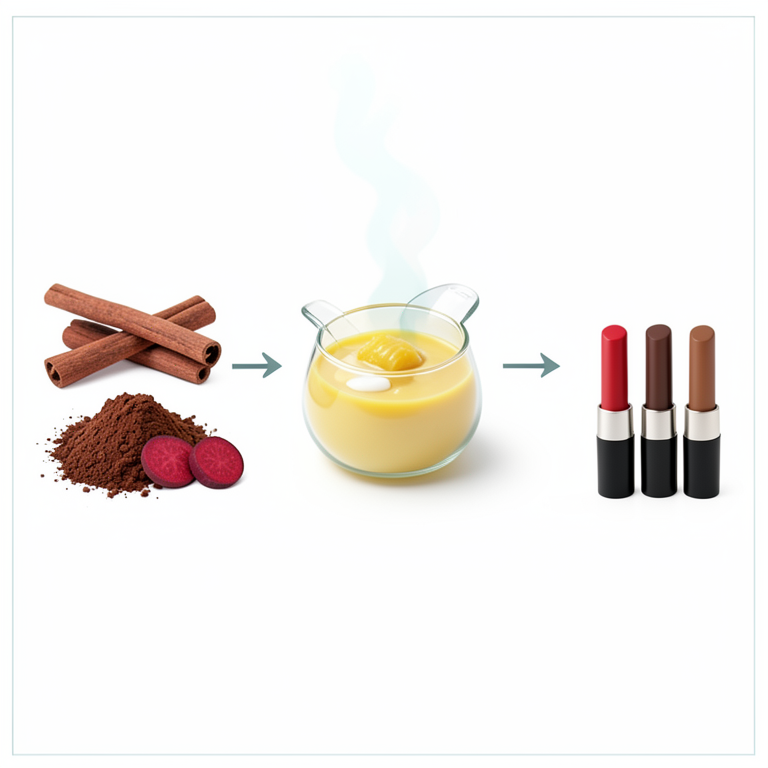
Herbal Lipstick Production Flow
AI-generated conceptual illustration (Red sandalwood sticks, cocoa powder, beetroot slices, and finished lipsticks). It explains the idea and does not show study data.
View source evidence ↗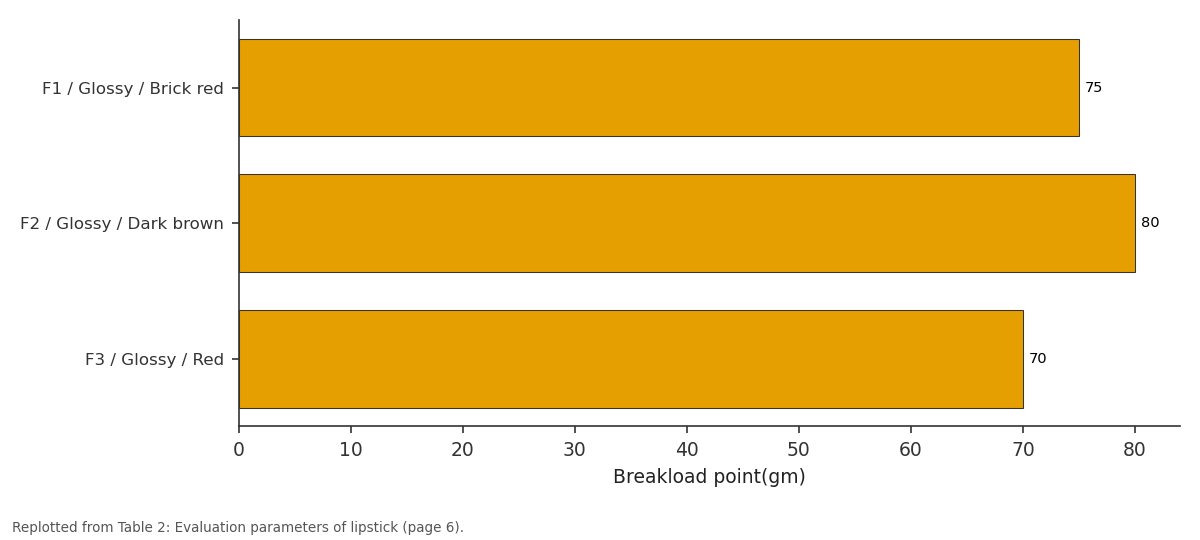
Breakload point(gm): F1 / Glossy / Brick red vs F2 / Glossy / Dark brown vs F3 / Glossy / Red
Replotted from Table 2 (page 6) of the original paper. Every bar is the paper's own table value.
View source evidence ↗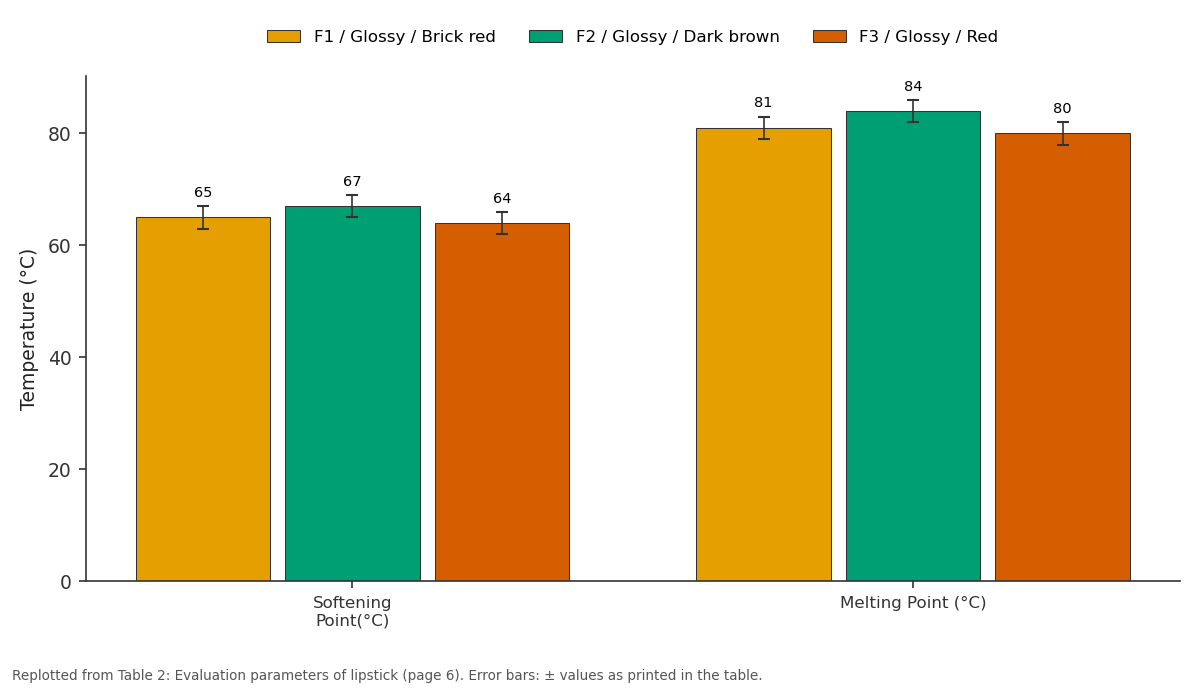
F1 / Glossy / Brick red and F2 / Glossy / Dark brown and more: Softening Point(°C) vs Melting Point (°C)
Replotted from Table 2 (page 6) of the original paper. Every bar is the paper's own table value.
View source evidence ↗Figures & tables
From the original paper Figure 1
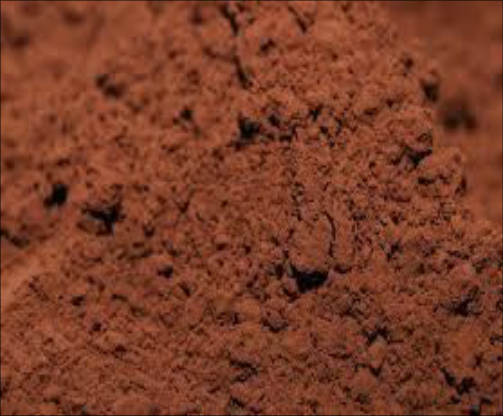 Figure 2
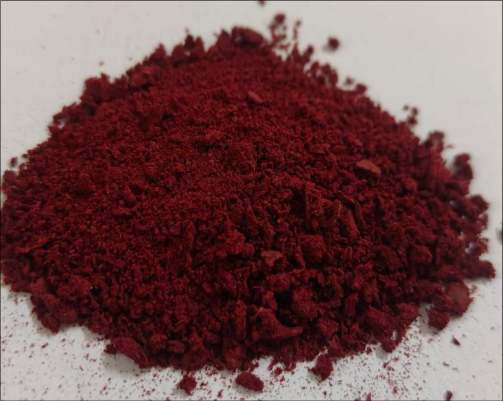 Figure 3
 Table 1
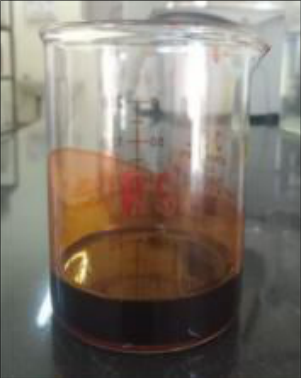 Figure 4
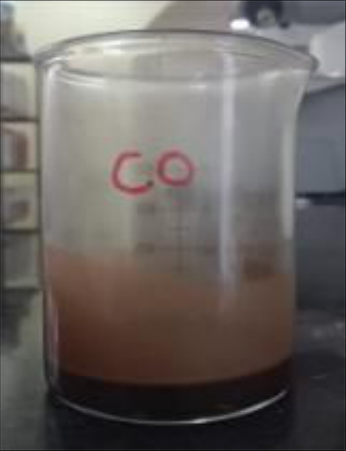 Figure 5
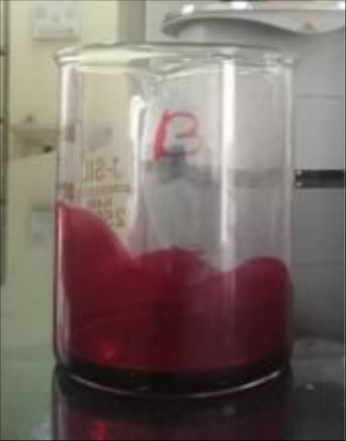 Figure 6
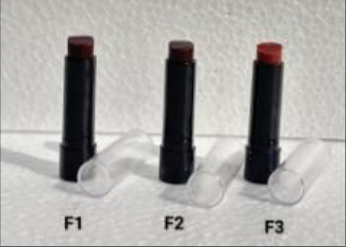 Figure 7
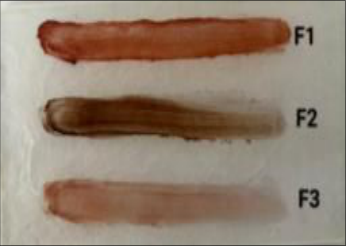 Figure 8
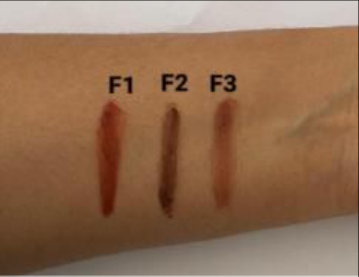 Figure 9
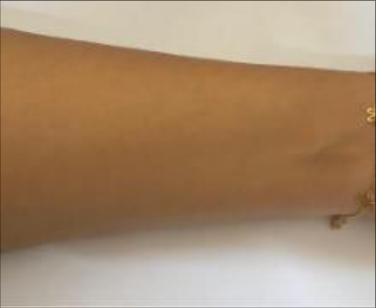 Figure 10
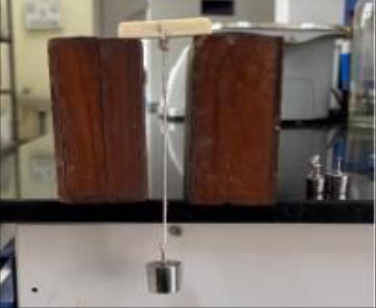 Figure 11
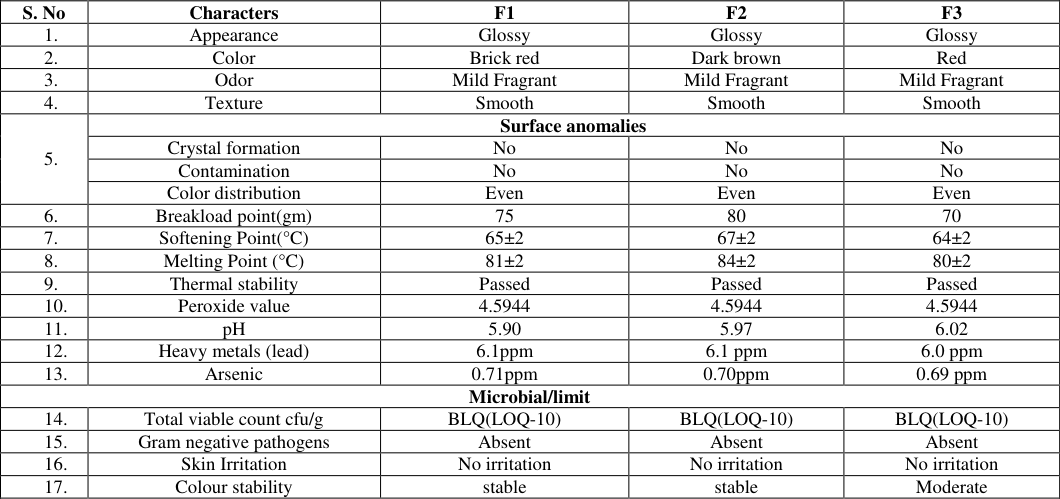 Table 2
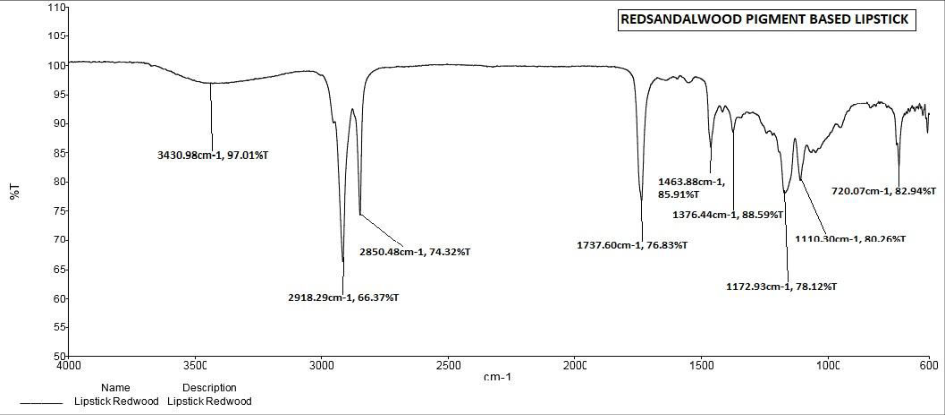 Figure 12
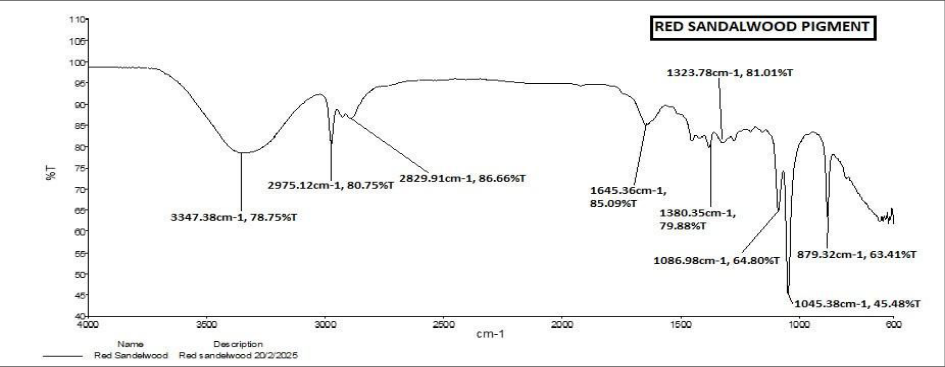 Figure 13
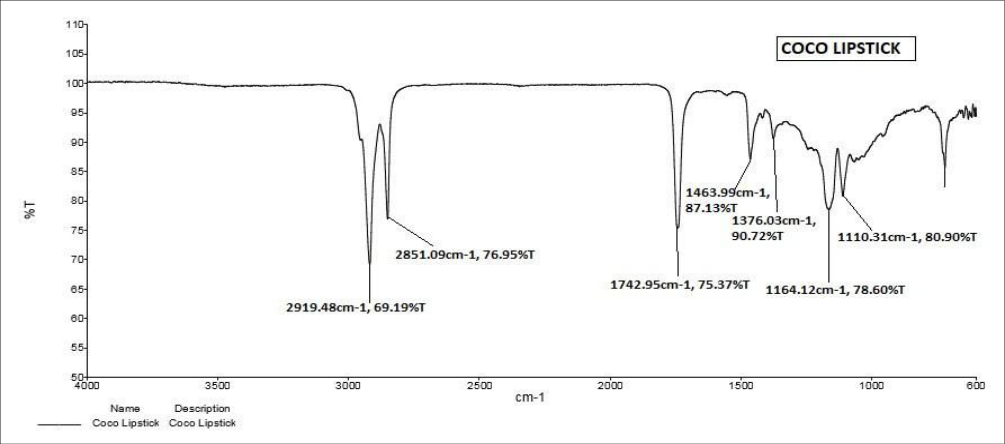 Figure 14
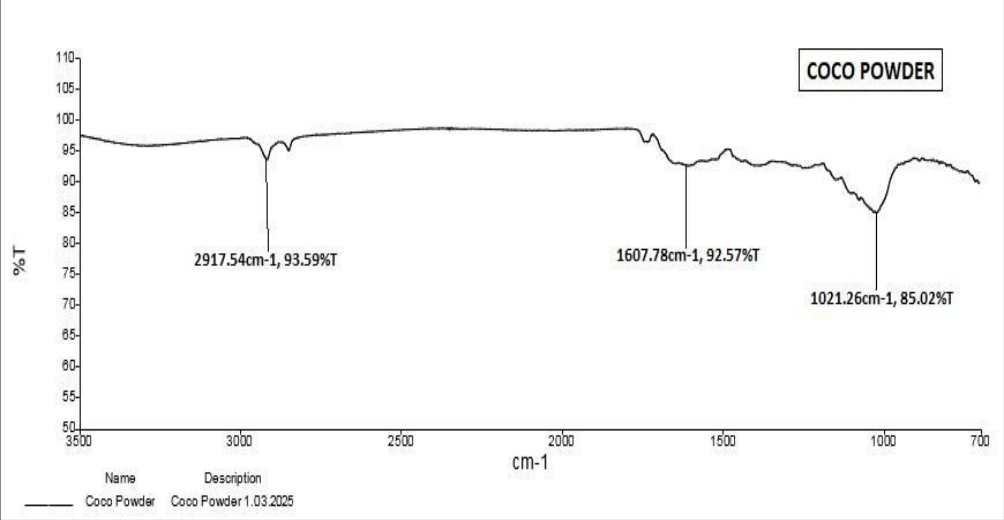 Figure 15
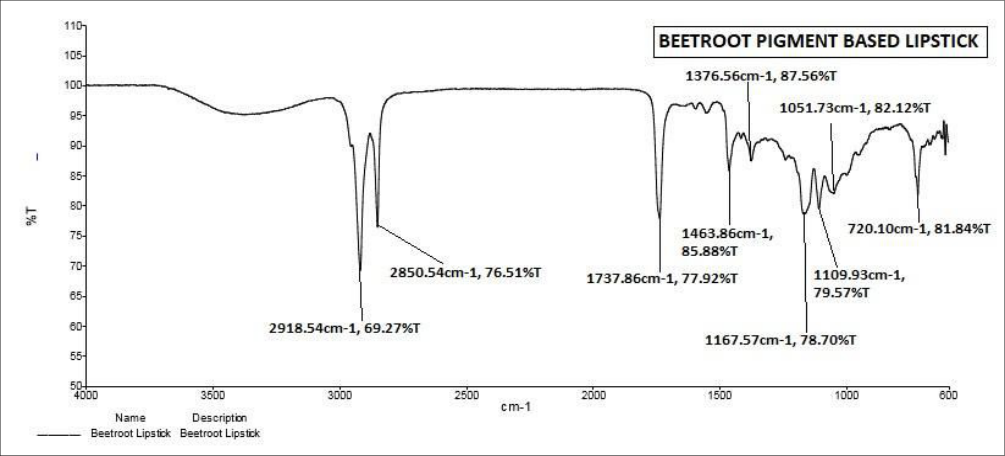 Figure 16
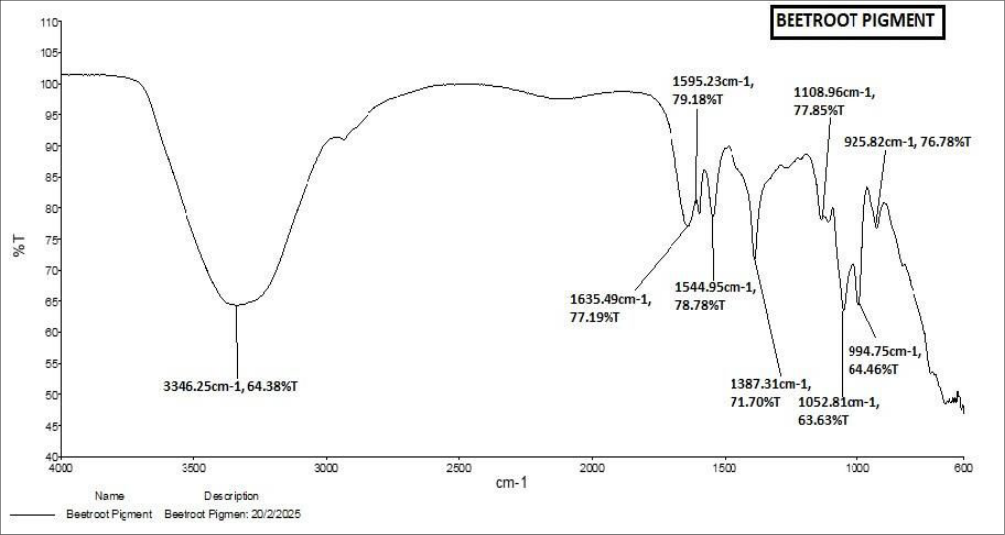 Figure 17
Introduction
Lipstick, a staple in many beauty routines, is traditionally formulated by blending pigments with oils, waxes, and fats, often enhanced with fragrances and moisturizers to create a convenient color stick for the lips [1,2] . Beyond aesthetics, modern lipsticks may also serve as moisturizers and even as transdermal delivery systems for active agents. synthetic pigments raised significant concerns due to health risks, including carcinogenicity, allergies, and heavy metal contamination, prompting regulatory measures and growing consumer and legislative demand for safer formulations [3] . Contaminants such as lead, arsenic, cadmium, nickel, and chromium have been consistently detected in conventional lipsticks, sometimes at unsafe levels raising alarms about systemic toxicity and prompting regulatory limits (e.g., cadmium ≤ 3 ppm, chromium ≤ 1 ppm, lead ≤ 0.1 µg/g) [4,5] . Synthetic fragrances and petroleum-based ingredients have also been linked to skin irritation, endocrine disruption, and environmental pollution [6] . Consequently, there has been a growing shift toward natural, plant-based pigments in cosmetics. These pigments from sources like beetroot, red sandalwood, cocoa, hibiscus, and turmeric are biodegradable, non-toxic, and often contain antioxidants that may benefit lip health. There has been a growing preference for natural cosmetics over synthetic ones. Consumers are increasingly choosing natural products, not only because they are free from synthetic chemicals and associated side effects, but also because they provide essential nutrients that enhance overall health [7] . This study aims to explore whether plant-derived pigments can effectively replace synthetic dyes in lipstick formulations without compromising on color performance, stability, or user safety. By evaluating the incorporation of pigments from red sandalwood, cocoa, and beetroot, aim to bridge traditional cosmetic aesthetics with modern demands for healthconscious, eco-friendly, and regulatory-compliant alternatives.
gemstones, and plant-based dyes for personal adornment and symbolic expression as early as 3,000 BC [7,8] . In ancient Egypt, cosmetics gained both aesthetic and cultural significance. People mixed red ochre with wax or fat, and later used carmine dye extracted from crushed cochineal insects to achieve rich red lips. Despite the popularity of these pigments, some mixtures included toxic substances like iodine or lead, which caused adverse health effects [9] . The green continued using natural pigments like mulberry juice, henna, and plant-based extracts. Wealth and social status were often indicated by vibrant lip colors, though some sources such as cinnabar (mercury sulfide) posed serious toxicity risks. The first modern wax-based lipsticks emerged in the late 19th century. In 1883-1884, Parisian perfumers, including Guerlain, marketed lipsticks made from mixtures of beeswax, tallow, and castor oil tinted with carmine dye, packaged in silk or paper tubes [10] . In the early 20th century, synthetic pigment development began to shift industry standards. In 1856, William Henry Perkin discovered mauveine, the first synthetic dye derived from coal tar initiating the rise of synthetic organic dyes in various applications, including cosmetics. synthetic dyes especially azo dyes, xanthones, triarylmethane, and indigoid compounds offered vibrant, stable colors at low cost, but growing evidence of environmental harm and health risks (e.g., carcinogenicity) eventually led to regulatory scrutiny and partial bans in European countries from the 1990s onward [11,12] .
Morphology
Utilizing plants like Redwood, Cocoa and Beetroot for the extraction and incorporation of its pigments into lipstick formulation.
Morphology of Pterocarpus santalinus (Red Sandalwood)
Red sandalwood is a small to medium-sized deciduous tree reaching approximately 8-11 m in height with a dense, rounded crown. Its blackish-brown bark is deeply fissured into rectangular plates, exuding a red sap when cut this resinous heartwood is hard and intensely red called santalin. Beyond its coloring properties, santalin exhibits antioxidant, antimicrobial, and anti-inflammatory activities, enhancing its appeal in health-related applications [13] heartwood of this tree contains multiple pigments, including santalin A and B (red) and santalin Y (yellow). Santalin is highly valued for its strong red tones and long-lasting properties, making it suitable for various applications [14] .
Morphology of Theobroma cacao (Cocoa)
Cocoa is a small tropical evergreen tree growing 4-8 m tall (occasionally up to 20 m). It thrives in tropical, shade-rich environments. Cocoa powder is obtained from the seeds of Theobroma cacao [15] abundant in antioxidants, vitamins A, C, and E, which can help slow the signs of aging [16] . It's emollient properties form a protective barrier, providing and preserving moisture in the lips and skin [17] . Alkalization results in distinctive brown hue to the natural pigment like anthocyanins (Flavonoids) compound present in cocoa beans [18] .
Morphology of Beta vulgaris (Beetroot)
Beetroot is a herbaceous biennial that usually attains about 120 cm height. It develops a swollen, fleshy taproot that is red (in garden cultivars), white, or yellow. The vivid red or pink coloration of beetroot is due to the presence of betanin, a betalain pigment. Betanin is widely used as a natural colorant in water-based cosmetics and food products. The vivid red or pink coloration of beetroot is due to the presence of betanin, a betalain pigment. Betanin is widely used as a natural colorant in water-based cosmetics and food products [19] .
Methodology
The formulation of lipstick is developed in accordance with established safety standards. The process begins with the extraction of natural pigments from plant sources, followed by their integration into a carefully selected base composed of waxes, oils, and emollients. Each component is chosen to ensure compatibility with skin and lip tissue, avoiding any harmful or toxic effects. Preservatives and antioxidants are used to extend the shelf life of the lipstick and pigments and prevent it from spoiling or becoming rancid [16] .
Extraction of plant based pigments
Plant extracts are typically prepared through methods like maceration, percolation, or other validated techniques using solvent. Depending on the process, the resulting extracts can be categorized as liquid, soft, or dry [20] .
Here, the extraction is done through Soxhlet extraction, where the plant sample is heated continuously six hours using simple solvent such ethanol. This method used for plant like red sandalwood.
Extraction procedure
The extraction process was conducted using Soxhlet extraction. Dried and powdered red sandalwood was utilized as the plant material. 10 g sample of the plant powder was weighed and placed into a round-bottom flask, to which 100 ml of alcohol were added. The flask was connected to a distillation assembly, ensuring a continuous flow of tap water through the condenser tube to facilitate rapid condensation of vapors. The temperature was maintained between 50-60°C using a heating mantle, and the mixture was allowed to distill continuously for six hours. Upon completion, the extracted mixture was filtered through muslin cloth into a beaker, weighed, and then heated on a hot plate to evaporate the solvent, resulting in a concentrated extract. The final weight was recorded to determine the quantity of the sample. This concentrated extract was then incorporated into the lipstick formulations. For Cocoa powder, the required quantity of cocoa powder was weighed and mixed with a carrier oil, such as olive or coconut oil. This mixture was then gently heated for a brief period before being left to soak overnight. This process facilitated the integration of the cocoa powder into the formulation, ensuring a smooth and effective application. To prepare the beetroot extract, first, peeled the beetroot and cut it into small pieces. Grind the pieces thoroughly to form a fine pulp. Then, filtered the pulp using a nylon cloth to separate the liquid extract. Transferred the filtered extract into a beaker and place it on a heating mantle for concentration. Heat it at a controlled temperature to evaporate excess moisture while preserving the natural pigments.
Formulation of lipstick
The lipstick was formulated by standard emulsion-based technique by weighing and combining the oil-phase ingredients, beeswax, cocoa butter, and coconut oil in a clean beaker, which was then heated to around 80 °C until all waxes melted completely. Simultaneously, a water-phase mixture was prepared by blending water, borax, and sodium benzoate in a separate beaker and heating it to the same temperature. Once both phases reached 80 °C, the aqueous mixture was gradually added to the oil phase under continuous stirring for about five minutes to form a uniform emulsion. While maintaining stirring, kaolin clay was slowly incorporated to enhance matte texture. Afterward, isopropyl myristate and vitamin E were added to improve blending and provide antioxidant benefits. When the temperature dropped to approximately 40 °C, plant-based colorant (either redwood extract, cocoa extract, or beetroot extract depending on the formulation) and fragrance were introduced, followed by citric acid to adjust the pH. At this point, the formulation had reached a semi-solid consistency and was carefully poured into pre-cleaned lipstick molds.
The lipsticks were then allowed to solidify at room temperature or under controlled cooling, demolded once fully set, and transferred into appropriate packaging for storage and use.
Organoleptic evaluations
The formulated lipsticks were assessed for organoleptic properties such as color, odor, and texture through sensory evaluation, and the findings were documented.
Surface anomalies
Surface anomalies were evaluated visually in accordance with BIS IS 9875:1990 standards to ensure product quality and cosmetic appeal. Approximately 0.5 g of lipstick paste
was smeared onto butter paper spread over a glass slide, then gently pressed with a fingertip. This method allowed for detection of crystal formation, surface blemishes, contamination (e.g., dust, mold, or fungi), rough textures, dents, scratches, or any irregularities [21] . Findings were systematically documented for each formulation. The presence of structural defects or foreign particles was classified as a surface anomaly, disqualifying the batch. The absence of such defects confirmed the lipstick surface met quality criteria, aligning with similar evaluations reported in literature. Cleaned and dried an appropriate patch of skin, inner forearm Applied a small amount of the lipstick onto the skin, spreading it evenly. Left the product undisturbed for 10 minutes. After the designated exposure time, gently wiped off the product and observed the site for any signs of irritation such as redness, swelling, itching, or rash. Recorded the observations immediately and continue monitoring the area for up to 24 hours for delayed reactions (e.g., itching, burning, erythema). In cosmetic practice, extended patch tests (e.g., repeat-open application over several days) are also recommended to screen for delayed irritant or allergic reactions [22] .
Softening point determination
Softening Point Determined the temperature at which the lipstick begins to lose its shape, indicating its heat resistance and suitability for cosmetic use.
A solid lipstick was inserted into a flat-bottomed tube. A thermometer was fixed through a cork so that its bulb made direct contact with the tip of the salve. The setup was placed in a 1-liter beaker filled with water to a level about 1 cm above the salve's tip. The water was heated gradually at a rate 2 °C per minute until reaching approximately 45 °C, after which the rate was reduced to 1 °C per minute with
Continuous stirring for uniform temperature distribution. The temperature at which the lipstick began to bend or lose its shape was recorded as the softening point.
Melting point determination
Weighed and melted 2 g of lipstick in a small vessel, then transferred the liquid into a glass capillary tube, by sealing one end. Pre-cooled the filled tube slightly below the anticipated melting range, then vertically immersed it in a controlled water bath, starting at around 16 °C. Gradually heated the bath at a rate of 2 °C per minute until 30 °C, then slowed to 1 °C per minute beyond that point. Continuously monitored the sample and noted the temperature at which the first droplet of melted lipstick appears at the open end. Repeated the test three times. BIS recommends a minimum melting point of 55 °C, though a higher threshold (60-65 °C) ensures consumer safety under warm conditions [23] . A melting point within this range confirms that the lipstick will remain solid during typical storage and use.
Thermal stability
The thermal stability test performed for the developed lipsticks to determine the resistance to heat whether the formulation maintains compositional integrity without oil or phase separation after exposure to elevated temperature. The lipstick sample was cut into small pieces, placed into a 30 mL clear glass vial, filled to two-thirds capacity, and tightly sealed. The vial was incubated upright in a controlled humidity chamber at 45 ± 1 °C for 48 hours. After incubation, the sample was visually inspected for any signs of oil separation or phase separation.
Test for heavy metals
Weighed 1 g of the lipstick into a pre-weighed crucible. Ignited in a muffle furnace at 600 °C until a constant weight is achieved. Dissolved the ash residue in 3 mL of dilute hydrochloric acid (HCl), warmed gently to dissolve metal salts. Diluted the solution to 50 mL with deionized water, then filtered to remove undissolved particulates. Compared 25 mL of the filtrate to standard solutions using Atomic Absorption Spectroscopy (AAS), calibrated for lead and arsenic.
pH test
Weighed 1 g of the lipstick sample. Dissolved and homogenized it in 100 mL of distilled water using a water bath until fully dispersed. Calibrated a pH meter using standard buffer solutions at pH 4.01 and pH 7.01. Rinsed the electrode with distilled water, then immerse it in the lipstick solution and recorded the pH once the reading stabilizes. Repeated the measurement two more times and reported the average value. A pH outside this range may cause irritation or disrupt the skin barrier, indicating the need for pH adjustment.
FTIR spectrum of pigments and its lipstick formulation
FTIR analysis was conducted using a Perkin Elmer Spectrum 2 in the wavenumber range of 4000 cm⁻¹ to 400 cm⁻¹ to identify the functional groups present in the plantbased pigments, namely red sandalwood, Cocoa powder and beetroot, as well as in the formulation.
Results and Discussions
All three lipstick formulations F1 (red sandalwood-based), F2 (cocoa powder-based), and F3 (beetroot powder-based) exhibited a glossy appearance, smooth texture, and mild fragrance, with no surface defects such as crystal formation, contamination, or uneven color distribution. Breaking load measurements showed moderate mechanical strength, with F1 at 75 g, F2 at 80 g, and F3 at 70 g, while these values fall below BIS standards, they align with previous herbal lipstick studies citing similar ranges for natural waxes. The softening points of F1-F3 ranged from 64 °C to 67 °C and melting points from 80 °C -84 °C, all comfortably above the minimum 55 °C threshold. These values reflect good thermal resilience typical of stable herbal formulations. Lactate oxidation remained low, with peroxide values of 4.59 meq/kg across all samples, indicating effective antioxidant protection consistent with reinforced stability in similar research. All pH results (F1 = 5.90, F2 = 5.97, F3 = 6.02) fell within the slightly acidic to neutral range ideal for lip skin compatibility and match findings reported in herbal lipstick evaluations. Heavy metal tests showed low lead (6.0-6.1 ppm) and arsenic (<0.71 ppm) levels, significantly under BIS limits and comparable to safer benchmarks noted in cosmetic analyses. Microbiological analysis revealed total viable counts Below the Limit of Quantification (BLQ) and absence of Gram-negative pathogens, while patch tests confirmed zero irritation indicating both microbiological safety and dermal acceptance seen in prior works. Thermal stress testing at 45 °C over 48 h confirmed no oil or phase separation, reinforcing visual and rancidity findings of robust formulation integrity. Finally, color stability was rated "stable" for F1 and F2 and "moderate" for F3.
Beetroot pigment, while visually striking, is known to exhibit moderate fading but stabilized by using antioxidant.
In summary, all formulations meet critical safety and quality parameters.
FTIR spectrum of red wood sandal pigment and its lipstick formulation
The FTIR spectra reveal that the characteristic functional groups of red sandalwood pigment are retained in the red sandalwood-based lipstick, confirming successful integration without chemical degradation. demonstrating retention of vital hydrophilic moieties [24] . The aliphatic C-H stretching bands at 2918 and 2850 cm⁻¹ in the lipstick correspond with those seen in the pigment, confirming the presence of lipid chains likely from wax and oils [25] . A C=N or aromatic C=C band around 1595-1635 cm⁻¹ in the pigment indicates betalain structures is mirrored in the lipstick near 1738 cm⁻¹, shifting to reflect ester carbonyls from the wax matrix, yet still overlapping with pigment peaks suggesting a strong molecular blend [26] . The fingerprint region shows overlapping bands at approximately 1376, 1167, and 1052 cm⁻¹, corresponding to C-H bending, C-O, and C-C vibrations found in both pigment and lipstick, while the persistent 720-725 cm⁻¹ band confirms retention of beetroot-specific structures [27] . Crucially, no new peaks arise in the lipstick spectrum, indicating the absence of degradation or chemical reaction during formulation. Thus, the FTIR data confirm that beetroot pigment is stably embedded within the lipstick, with its fundamental betalain functional groups intact and co-existing harmoniously with the lipid-wax base matrix supporting both formulation compatibility and pigment stability.
Conclusion
The current study demonstrates that plant-derived pigments from red sandalwood, cocoa, and beetroot can be effectively incorporated into herbal lipstick formulations, yielding products that are both safe and cosmetically acceptable. All three formulations adhered to physicochemical standards including glossy appearance, smooth texture, consistent color, thermally robust melting and softening points, low peroxide values, acceptable pH, and mechanical strength within expected ranges. Safety assessments confirmed low heavy metal content, absence of microbial contamination, and no skin irritation during patch testing, underscoring the safety and suitability of these formulations. F1 (Red Sandalwood-based) delivered a classic brick-red tone, stable color retention, and strong safety profile. F2 (Cocoa powder-based) offered warm brown hues with robust physical and thermal characteristics and excellent pigment stability. F3 (Beetroot-based) stood out for its striking red shade and consumer appeal, though it requires stabilization strategies to improve color longevity.
Figures and tables from the paper
| SN | Ingredients | F1% w/w | F2 % w/w | F3% w/w |
|---|---|---|---|---|
| 1 | Beeswax | 20 | 20 | 20 |
| 2 | Carnauba wax | 4 | 5 | 4 |
| 3 | Cocoa butter | 8 | 8 | 8 |
| 4 | Coconut oil | 22 | 22 | 22 |
| 5 | Water | 16 | 16 | 16 |
Table text extracted from the original PDF; superscript letters are shown inline. The original table image is below.
View original table image
| S. No | Characters | F1 | F2 | F3 |
|---|---|---|---|---|
| 1. | Appearance | Glossy | Glossy | Glossy |
| 2. | Color | Brick red | Dark brown | Red |
| 3. | Odor | Mild Fragrant | Mild Fragrant | Mild Fragrant |
| 4. | Texture | Smooth | Smooth | Smooth |
| 5. | Surface anomalies | |||
| Crystal formation | No | No | No | |
| Contamination | No | No | No | |
| Color distribution | Even | Even | Even | |
| 6. | Breakload point(gm) | 75 | 80 | 70 |
| 7. | Softening Point(°C) | 65±2 | 67±2 | 64±2 |
| 8. | Melting Point (°C) | 81±2 | 84±2 | 80±2 |
| 9. | Thermal stability | Passed | Passed | Passed |
| 10. | Peroxide value | 4.5944 | 4.5944 | 4.5944 |
| 11. | pH | 5.90 | 5.97 | 6.02 |
| 12. | Heavy metals (lead) | 6.1ppm | 6.1 ppm | 6.0 ppm |
| 13. | Arsenic | 0.71ppm | 0.70ppm | 0.69 ppm |
| Microbial/limit | ||||
| 14. | Total viable count cfu/g | BLQ(LOQ-10) | BLQ(LOQ-10) | BLQ(LOQ-10) |
| 15. | Gram negative pathogens | Absent | Absent | Absent |
| 16. | Skin Irritation | No irritation | No irritation | No irritation |
| 17. | Colour stability | stable | stable | Moderate |
Table text extracted from the original PDF; superscript letters are shown inline. The original table image is below.
View original table image
References
25 in the original paper- Mawazi SM, Azreen Redzal NAB, Othman N, Alolayan SO. Lipsticks history, formulations, and production: A narrative review. Cosmetics; 2022 Feb;9(1):25. DOI:10.3390/cosmetics9010025.
- Sharma GK, Gadhiya J. Textbook of Cosmetic Formulations. 2018. Available from: https://www.researchgate.net/publication/325023106
- Alnuqaydan AM. The dark side of beauty: An in-depth analysis of the health hazards and toxicological impact of synthetic cosmetics and personal care products. Front Public Health. 2024 Aug;12. DOI:10.3389/fpubh.2024.1439027.
- Kattikar MM, Thomas A, Kattikar MM. RGUHS Journal of AYUSH Sciences; 2024.
- Feizi R, Jaafarzadeh N, Akbari H, Jorfi S. Evaluation of lead and cadmium concentrations in lipstick and eye pencil cosmetics. Environmental Health Engineering and Management. 2019 Sep;6(4):277-282. DOI:10.15171/EHEM.2019.31.
- Abed MS, Moosa AA, Alzuhairi MA. Heavy metals in cosmetics and tattoos: A review of historical background, health impact, and regulatory limits. Journal of Hazardous Materials Advances. 2024 Feb;13:100390. DOI:10.1016/j.hazadv.2023.100390.
- Jyotikathju. Lipstick chronicles: A historical dive into beauty's iconic accessory; 2023 Sep.
- Roy S. A complete history of lipsticks. Stylecraze; 2025 Feb.
- Kaushik I, Sharma H, Nirwal A, Fatima T. Modern herbal lipstick quality assessment and standard: A review. International Journal of Research Publication and Reviews. 2023;4(1):1474-1478. DOI:10.55248/gengpi.2023.4141.
- Mawazi SM, Azreen Redzal NAB, Othman N, Alolayan SO. Lipsticks history, formulations, and production: A narrative review. Cosmetics. 2022 Feb;9(1):25. DOI:10.3390/cosmetics9010025.
- U.S. Food and Drug Administration. Color additives history | FDA. Accessed Jan. 25, 2025. Available from: https://www.fda.gov/industry/color-additives/coloradditives-history
- Azamthulla M. A review on Pterocarpus santalinus Linn. World Journal of Pharmaceutical Research. 2015;4(2):282-292.
- LV V, PP A, Farsana K, T K, V S, TK AB. A review on natural colourants used in cosmetics. Current Research in Pharmaceutical Sciences. 2023 Jul;13(2):83-92. DOI:10.24092/CRPS.2023.130201.
- Abdullah A, et al. The gasa gene family in cacao (Theobroma cacao, Malvaceae): Genome wide identification and expression analysis. Agronomy; 2021 Jul;11(7):1425. DOI:10.3390/agronomy11071425/s1.
- Kolekar ML, Hingane AS, Pharmacology H. Formulation and evaluation of herbal lipstick; 2022. Available from: www.ijcrt.org
- Kumari K, Kumar M, Sharma P, Gupta R. Herbal lipstick: A review; 2023. Available from: www.ijnrd.org
- Li Y, Zhu S, Feng Y, Xu F, Ma J, Zhong F. Influence of alkalization treatment on the color quality and the total phenolic and anthocyanin contents in cocoa powder. Food Science and Biotechnology. 2014 Feb;23(1):5963. DOI:10.1007/s10068-014-0008-5.
- LV V, PP A, Farsana K, T K, V S, TK AB. A review on natural colourants used in cosmetics. Current Research in Pharmaceutical Sciences. 2023 Jul;13(2):83-92. DOI:10.24092/CRPS.2023.130201.
- Handa SS, Rakesh DD, Longo G, Khanuja SPS. Extraction techniques of medicinal plants; 2008.
- Coulson I. Patch test. Dermnet.; 2021 Dec.
- Hassan PAMF. Quality assessment of chromatophores isolated from squid skin as natural pigment in formulation of lipstick. Journal of Scientific and Industrial Research (India). 2015 Mar;75:171-175.
- Aztatzi-Rugerio L, Granados-Balbuena SY, ZainosCuapio Y, Ocaranza-Sánchez E, Rojas-López M. Analysis of the degradation of betanin obtained from beetroot using Fourier transform infrared spectroscopy. Journal of Food Science and Technology. 2019 Aug;56(8):3677-3686. DOI:10.1007/s13197-01903826-2.
- Sabu S, et al. Formulation and evaluation of herbal lipsticks by using Beta vulgaris. International Journal of Pharmaceutical Sciences Review and Research. 2022 Jul;75:98-102. DOI:10.47583/ijpsrr.2022.v75i01.017.
- Barkociová M, et al. Betalains in edible fruits of three Cactaceae taxa Epiphyllum, Hylocereus, and Opuntia their LC-MS/MS and FTIR identification and biological activities evaluation. Plants. 2021 Dec;10(12):2669. DOI:10.3390/plants10122669.
- Aztatzi-Rugerio L, Granados-Balbuena SY, ZainosCuapio Y, Ocaranza-Sánchez E, Rojas-López M. Analysis of the degradation of betanin obtained from beetroot using Fourier transform infrared spectroscopy. Journal of Food Science and Technology. 2019 Aug;56(8):3677-3686. DOI:10.1007/s13197-01903826-2.